
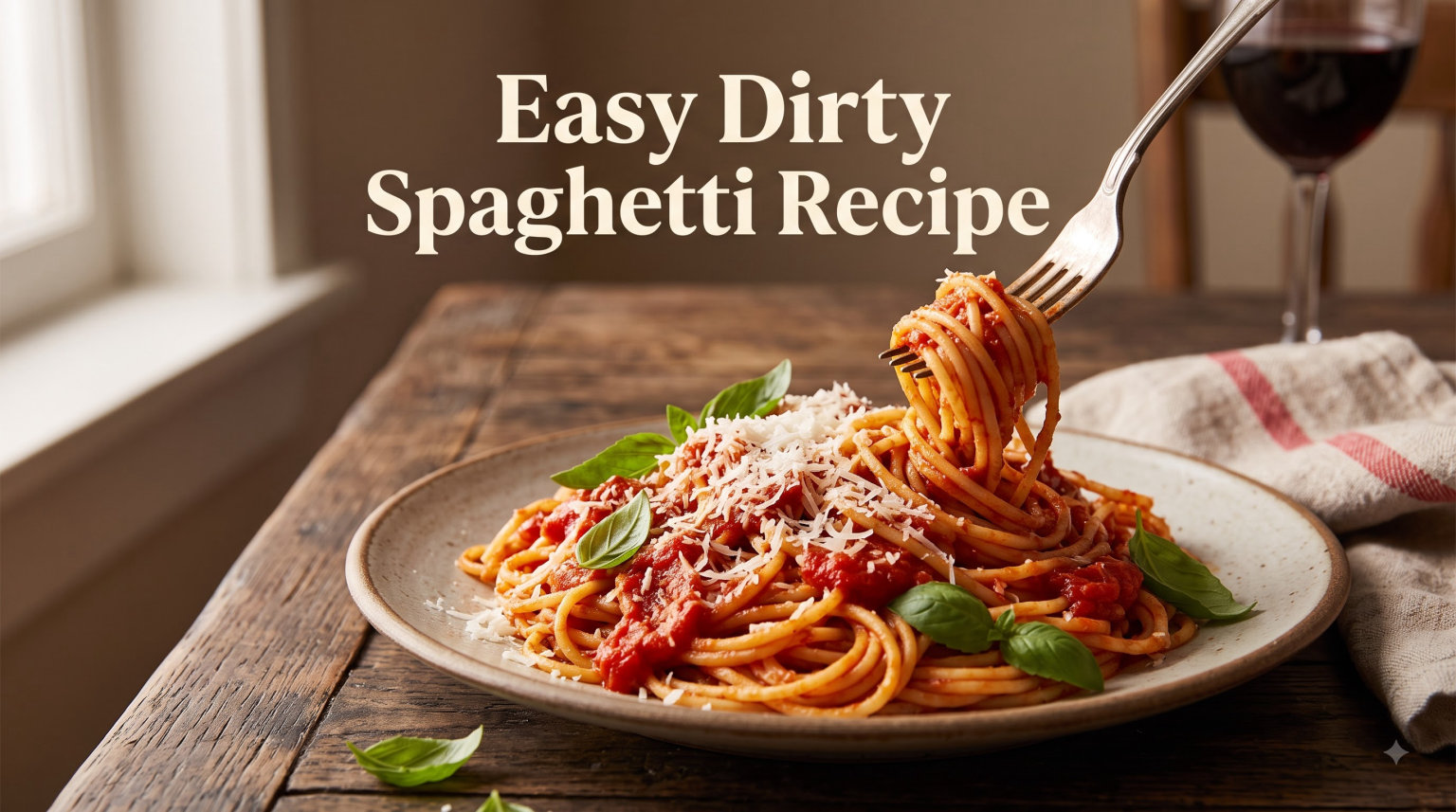
When dinner needs to be both dependable and satisfying, I turn to dirty spaghetti recipe. Browned beef, sausage, onion, bell pepper, celery, and savory broth give spaghetti the deep color and flavor associated with dirty rice.
I have also included Cajun beef pasta guidance for the exact moments that decide the result, from prep and doneness to storage. For another practical dinner, browse these one-pot pasta recipes.
Table of Contents
Why Easy dirty spaghetti recipe works
What Is Dirty Spaghetti?
Dirty spaghetti is a deeply flavorful, Cajun-inspired pasta dish made by browning ground meat with chopped vegetables, then simmering broken spaghetti noodles right in the same seasoned broth until everything is coated in a rich, savory sauce. Think of it as the love child of Cajun dirty rice and a classic weeknight spaghetti dinner.
The dish went viral in 2026 when creators like Matt Price and Al Dente Diva posted quick one-pan versions that racked up millions of views. People went wild because it delivers the comfort of a slow-cooked pasta sauce in under 30 minutes, using pantry staples almost everyone already has on hand.
Why Is It Called “Dirty” Spaghetti?
The name borrows directly from “dirty rice,” a classic Louisiana dish where chicken livers and ground meat give white rice a brown, speckled, “dirty” look. In dirty spaghetti, the same thing happens — the pale noodles get stained dark by the beefy, seasoned sauce, the caramelized tomato paste, and the bits of browned meat and vegetables clinging to every strand. Nothing about the dish is actually unclean; it is purely a visual nickname with deep Southern roots.
How Dirty Spaghetti Differs From Regular Spaghetti
Regular spaghetti usually means boiled noodles topped with a separate tomato-and-meat marinara sauce. Dirty spaghetti skips the two-pot dance entirely. You break the dry spaghetti into pieces and cook it directly in the seasoned broth alongside the meat and vegetables, so the noodles absorb all that flavor as they soften. The result is darker, richer, and more unified than traditional spaghetti — and you only wash one pan.
Why You’ll Love This Easy Dirty Spaghetti Recipe
For dependable dirty spaghetti recipe, brown the meat in batches and cook the trinity until softened before adding liquid so the pasta tastes savory rather than packet-heavy. The same rule keeps Cajun beef pasta focused and balanced instead of salty gravy or soft, broken noodles. You may also want to save these ground beef dinner ideas for your next meal plan.
Every single time it disappears fast. Here is why it has earned a permanent spot in my dinner rotation.
One pan, minimal cleanup. The noodles cook right in the sauce, so you dirty exactly one skillet and one cutting board.
Budget-friendly. A pound of ground beef, half a box of spaghetti, and a few vegetables easily feeds four to six people for just a few dollars per serving.
Family-approved. The Cajun seasoning gives it a mild, savory warmth that kids tend to love — and you can dial the heat up or down in seconds.
Meal-prep friendly. Leftovers reheat beautifully, which makes this perfect for lunch boxes or a second dinner later in the week.
Ingredients for Dirty Spaghetti
I judge dirty spaghetti recipe by the finished texture and temperature, not by the clock alone. With Cajun beef pasta, The meat must reach 160°F, and the spaghetti should be al dente with a glossy sauce rather than excess broth. For a useful companion guide, see these best sides for spaghetti.
Here is everything you need to make this dirty spaghetti with ground beef. Most of these are likely already in your pantry or fridge.
-
1 tablespoon olive oil — for browning the meat and vegetables.
-
1 pound ground beef — 80/20 or 85/15 works best for flavor; see substitutions below.
-
1 medium yellow onion , diced — adds sweetness and depth.
-
1 green bell pepper , diced — classic Cajun “holy trinity” flavor.
-
1 red bell pepper , diced — adds color and a touch of sweetness.
-
2 ribs celery , finely diced — completes the trinity and adds aroma.
-
4 cloves garlic , minced — use more if you love garlic.
-
2 tablespoons tomato paste — this is what gives the sauce its dark, “dirty” color.
-
2 tablespoons all-purpose flour — thickens the sauce slightly so it clings to the noodles.
-
2 tablespoons Cajun seasoning — use a store-bought blend or your favorite homemade mix.
-
1 tablespoon Worcestershire sauce — deepens the umami flavor.
-
4 cups beef broth — the cooking liquid for the noodles.
-
8 ounces spaghetti , broken into thirds — half a standard 16-ounce box.
-
Salt and black pepper to taste.
-
Chopped fresh parsley and grated Parmesan for serving.
Substitution notes: Swap ground beef for ground turkey, ground chicken, or even crumbled Italian sausage. For a gluten-free version, use your favorite gluten-free pasta and replace the flour with a teaspoon of cornstarch mixed into the broth. Vegetarian? Use plant-based ground meat and vegetable broth — the Cajun seasoning carries the dish either way.
Step-by-Step Instructions: How to Make Dirty Spaghetti
For food-safety temperatures and handling limits, I follow the USDA food-safety guidance and use an instant-read thermometer whenever doneness is uncertain.
-
Brown the Ground Beef: Heat the olive oil in a large, deep skillet or Dutch oven over medium-high heat. Add the ground beef, breaking it up with a wooden spoon into small crumbles as it cooks. Let it brown undisturbed for the first two minutes so you get good color and caramelization — that browning is where a lot of the “dirty” flavor comes from. Once the beef is fully browned with no pink remaining, use a slotted spoon to transfer it to a plate. Drain off all but about one tablespoon of the rendered fat from the pan. If your beef was very lean, add a splash more olive oil.
-
Soften the Vegetables: Reduce the heat to medium and add the diced onion, green pepper, red pepper, and celery to the same skillet. Cook for about 5 to 7 minutes, stirring occasionally, until the vegetables have softened and the onions are translucent. You want them tender but not mushy — they will continue cooking with the pasta. Add the minced garlic and cook for another 30 seconds, just until fragrant. Garlic burns quickly, so do not walk away during this step.
-
Build the “Dirty” Sauce: Sprinkle the flour over the vegetables and stir constantly for one minute to cook out the raw flour taste. This small step thickens the final sauce so it clings to the noodles instead of pooling at the bottom of the pan. Add the tomato paste and Cajun seasoning. Stir and cook for about two minutes, until the tomato paste darkens and becomes very fragrant. This caramelization is the key to that signature deep, rich color and savory, almost smoky flavor.
-
Deglaze and Simmer: Return the browned beef to the skillet. Pour in the beef broth and Worcestershire sauce, scraping up any browned bits stuck to the bottom of the pan — those bits are pure flavor. Bring the mixture to a gentle boil, then taste the broth and add salt and black pepper as needed. Keep in mind that Cajun seasoning is already salty, so taste before adding more.
-
Cook the Spaghetti in the Sauce: Stir in the broken spaghetti pieces, making sure they are fully submerged in the liquid. Reduce the heat to medium-low to maintain a steady simmer. Cover the pan and cook for 12 to 15 minutes, stirring every few minutes so the noodles do not stick together or to the bottom. The spaghetti is done when it is tender and most of the liquid has been absorbed into a thick, glossy sauce. If the pan gets dry before the pasta is cooked, add a splash more broth or hot water, a quarter cup at a time.
-
Finish and Serve: Remove the skillet from the heat. The sauce will continue to thicken as it sits for a minute or two, which is exactly what you want. Taste one more time and adjust the seasoning if needed. Serve hot, generously topped with chopped fresh parsley and grated Parmesan cheese. A squeeze of hot sauce or a pinch of red pepper flakes on top is wonderful if you like extra heat.
Follow these steps and you will have a pan of deeply flavored dirty spaghetti on the table in about 30 minutes. I have included a few in-the-moment tips I learned from testing this recipe repeatedly.
Chef’s Tips for the Best Dirty Spaghetti
After making this dish more times than I can count, here are the small details that take it from good to unforgettable.
Do not skip browning the beef well. That deep caramel color is what stains the sauce and gives the dish its name. Pale, gray beef will give you a pale, bland result.
Toast the tomato paste. Cooking tomato paste for two full minutes before adding liquid concentrates its flavor and deepens the color dramatically.
Break the spaghetti small. Snapping the noodles into two- or three-inch pieces helps them cook evenly in the broth and makes serving easier — you get meat, sauce, and pasta in every single bite.
Control the heat. If you are serving kids, start with one tablespoon of Cajun seasoning and taste. You can always stir in more or pass hot sauce at the table. For spice lovers, add half a teaspoon of cayenne or a diced jalapeno with the peppers.
Make it creamy. Stir in a quarter cup of heavy cream or a generous handful of cream cheese at the very end for a rich, stove-top “baked spaghetti” twist.
Stretch the meal. Toss in a can of drained kidney beans, a cup of frozen corn, or extra diced tomatoes to bulk it out for a bigger crowd without spending much more.
Serving Suggestions and Storage
Dirty spaghetti is a complete meal on its own, but it pairs beautifully with a few simple sides.
-
Serve it with: a crisp green salad with vinaigrette, garlic bread or toasted sourdough for sauce-mopping, or roasted broccoli and green beans for extra vegetables. Sweet iced tea or a light red wine like a Chianti rounds out the meal.
-
To store leftovers: let the dirty spaghetti cool completely, then transfer it to an airtight container and refrigerate for up to 4 days. The flavors actually deepen overnight, which makes this a fantastic make-ahead lunch.
-
To reheat: warm it gently in a skillet over medium-low heat with a splash of beef broth or water to loosen the sauce. You can also microwave it in 30-second bursts, stirring in between. I do not recommend freezing this dish — the pasta tends to get mushy when thawed.
Frequently Asked Questions
How do I know when dirty spaghetti is ready?
The meat must reach 160°F, and the spaghetti should be al dente with a glossy sauce rather than excess broth.
How do I prevent salty gravy or soft, broken noodles?
Brown the meat in batches and cook the trinity until softened before adding liquid so the pasta tastes savory rather than packet-heavy.
Can I substitute all ground beef for the sausage?
Yes. Increase the Cajun seasoning gradually and add a little fennel or smoked paprika if you want some of the sausage complexity.
What should I serve with dirty spaghetti?
A crisp green salad, garlic bread, roasted okra, or steamed green beans keeps the rich pasta meal balanced.
Can I make dirty spaghetti ahead?
Refrigerate promptly and reheat with a splash of broth because the noodles continue absorbing sauce.
Can I freeze dirty spaghetti?
Freeze the meat sauce separately when possible; freshly cooked spaghetti will have a better texture after thawing.
The Bottom Line
For dirty spaghetti recipe, the most important move is to brown the meat in batches and cook the trinity until softened before adding liquid so the pasta tastes savory rather than packet-heavy. That same discipline makes Cajun beef pasta useful on a busy day without sacrificing flavor or texture.
I recommend reading the method once, preparing every ingredient, and using the doneness cues above as the final authority. Browned beef, sausage, onion, bell pepper, celery, and savory broth give spaghetti the deep color and flavor associated with dirty rice.