
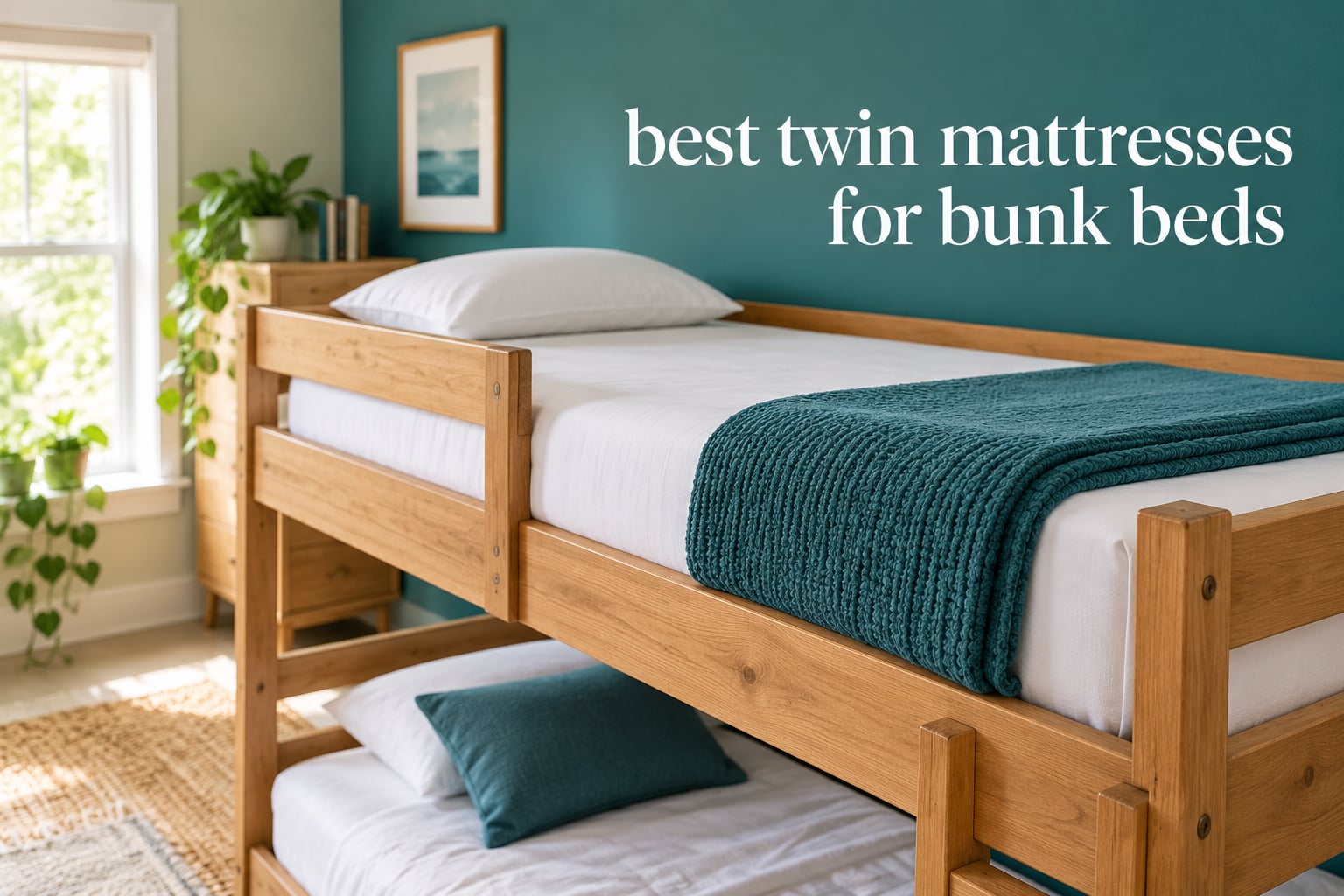
Stay at 6 inches. On a top bunk, the mattress has to leave the guardrail standing at least 5 inches above the sleeping surface, so the best twin mattresses for bunk beds are low-profile models in the 5 to 8 inch range and almost never thicker. Anything that measures 9 inches or more can push a top-bunk rail down to nothing.
That single rule drives every pick in this list. We went through the current twin foam and hybrid beds, checked the listed profile height on each one, and grouped them by the bunk they fit best. Every mattress here is 5 or 6 inches tall, which leaves real clearance under a standard upper guardrail without sacrificing cushioning.
One more thing worth knowing before you shop. A bunk bed needs two mattresses, so you are buying this decision twice, and the mattresses that come bundled with a frame are usually the weakest part of the whole setup. Parents weighing thin factory mattresses against replacements for children’s bunk beds keep arriving at the same conclusion: the frame is fine, the mattress is the problem.
We kept the scope deliberately narrow. Every option below is a true twin at 38 by 75 inches, so nothing here will slide around a frame that was built for standard twins. If your bunk is a twin XL, the sizing math changes and you will want to read our twin XL mattress guide instead.
Table of Contents
Top 3 Twin Mattresses for Bunk Beds in 2026
Our three favorites cover the situations most families actually run into: a general-purpose bunk mattress with the widest review base, one that holds up on slatted frames where thinner beds let the bars show through, and one that sleeps cool in a warm room.

EGOHOME 6 Inch Twin Kids Memory Foam
- 6 inch low-profile build
- Green tea gel infused foam
- Quiet with almost no motion transfer

Novilla 6 Inch Twin Gel Memory Foam
- Four foam layers
- 30 percent more NanoGel for cooling
- Slats stay hidden under the surface

MLILY 6 Inch Twin Memory Foam
- Cooling gel infusion
- Medium firm rated 6-7 out of 10
- Fiberglass-free rib fabric inner cover
Best Twin Mattresses for Bunk Beds at a Glance (October 2026)
All eight are low-profile twins that clear a top-bunk guardrail. Heights are the actual listed profile, not the marketing name.
| Product | Specifications | Action |
|---|---|---|
| EGOHOME 6 Inch Twin Kids Memory Foam |
|
Check Latest Price |
| Novilla 6 Inch Twin Gel Memory Foam |
|
Check Latest Price |
| MLILY 6 Inch Twin Memory Foam |
|
Check Latest Price |
 GAESTE 6 Inch Twin Hybrid GAESTE 6 Inch Twin Hybrid |
|
Check Latest Price |
 Zinus 6 Inch Twin Green Tea Memory Foam Zinus 6 Inch Twin Green Tea Memory Foam |
|
Check Latest Price |
 FDW 6 Inch Twin Gel Memory Foam FDW 6 Inch Twin Gel Memory Foam |
|
Check Latest Price |
 Neo Sleep 6 Inch Twin Cooling Gel Neo Sleep 6 Inch Twin Cooling Gel |
|
Check Latest Price |
 PayLessHere 5 Inch Twin Base Foam PayLessHere 5 Inch Twin Base Foam |
|
Check Latest Price |
1. EGOHOME 6 Inch Twin Kids Memory Foam – Best Overall
- Quiet
- almost no movement transfers to the sleeper below
- Bubble-hole foam structure promotes airflow
- 750 lb listed weight capacity for a 6 inch twin
- Kid-focused sizing that suits bunks and daybeds
- Single foam layer
- so cushioning depth is limited at 6 inches
- Hand-wash-only care is less convenient than a machine-washable cover
- Some sleepers find the medium-firm feel lands on the firmer side
This is the one I recommend first. It has more owner reviews than anything else in the roundup, more than 12,400 of them, and it holds the number one sales rank in the Mattresses category. That much feedback matters on a product where your main question is whether it holds its shape after a year of a 50 lb sleeper bouncing on it.
It is also listed across a wide run of sizes, from twin up to king and short queen, so the same model can follow a child from a bunk to a larger bed later on.
The build is a vented bubble-hole foam structure with green tea gel mixed in, rated medium firm. Stack it against the 5 inch clearance requirement from the top of the rail and a 6 inch profile leaves a full inch of margin on a standard upper guardrail, which is the calculation that makes this the safe default pick.
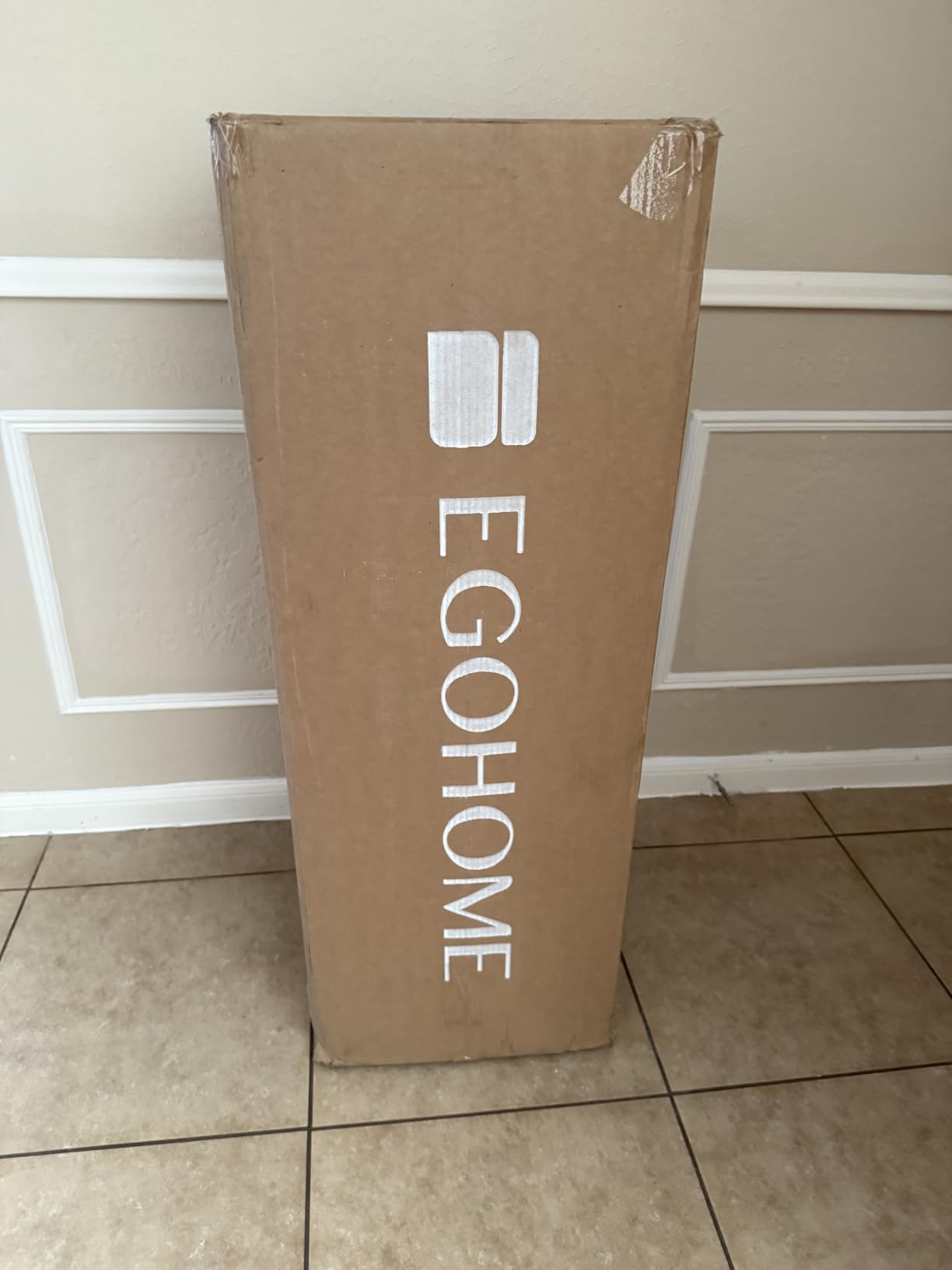
Where it earns its badge is quietness. A stacked bunk is a shared sleep surface whether you like it or not, and reviewers repeatedly single out how little this one transmits movement from the bed above. The cooling side of the equation is handled by the gel plus the vented structure, and the foam is specified to hold the same firmness from a cold room to a warm one.
The 750 lb listed weight capacity is far more than a child needs, which is useful for one practical reason: it means the frame’s own capacity rating is the limit, not the mattress. At 22 pounds it is light enough for one adult to carry up a staircase on its own, which matters in a second-floor bedroom.
The tradeoffs are honest but minor. It is a single layer of foam, so there is not much cushioning depth for a tall side sleeper, and the care instruction is hand wash only, which means a waterproof mattress protector is worth adding from day one. If your child is a light sleeper who runs hot, skip ahead to the MLILY.
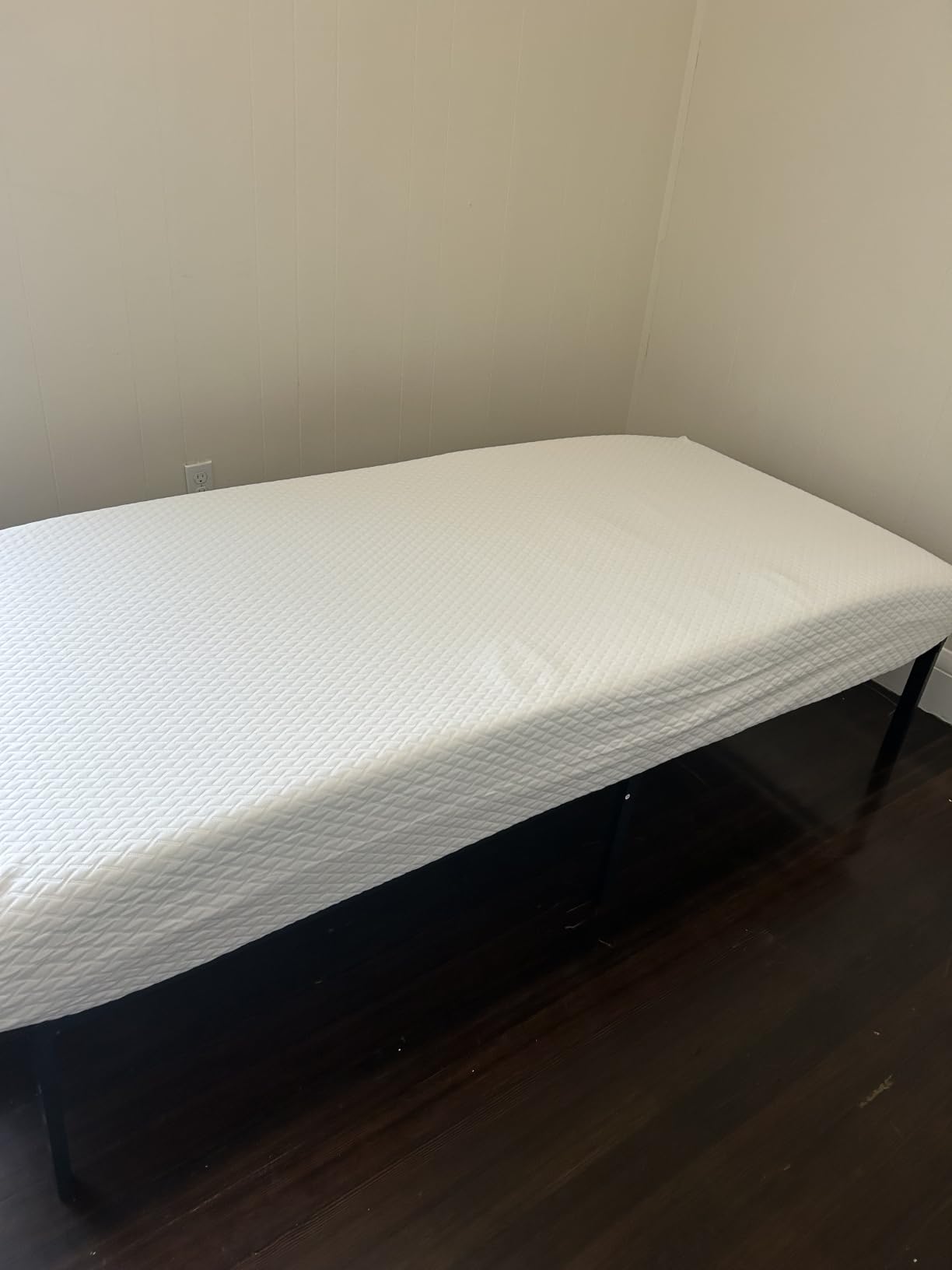
What you get for the money on a top bunk
At 6 inches tall with a medium-firm feel, this sits in the middle of the thickness ladder, which is the safest zone for a top bunk. It is thick enough that slats do not press through the surface, and thin enough that the guardrail keeps its full height above the mattress.
Buyers on bunks, daybeds and loft frames single out two things: it stays cool compared with a spring mattress, and it does not slide. Foam mattresses in a box are notorious for migrating on a platform, so if the top bunk frame has a smooth deck, add a non-slip pad underneath.
When it is the wrong pick
Skip it if the sleeper is a tall side sleeper who needs pressure relief at the shoulders and hips, because 6 inches of single-layer foam has a limit. The single-layer build is also why a topper is a more realistic upgrade path here than on a multi-layer model.
Also consider skipping it if you are furnishing a college dorm or a guest room where an adult will sleep. The comfort profile is built for kids and light teens. For an adult on a bottom bunk, headroom and support matter more, and one of our fuller hybrid mattress picks will serve longer.
2. Novilla 6 Inch Twin Gel Memory Foam – Best for Slatted Bunks
Novilla Twin Mattress, 6 Inch Twin Bed Mattress with Gel Memory Foam
- Four foam layers absorb motion and vibration
- 30 percent more NanoGel improves heat absorption
- Enough loft that loft-bed slats stay hidden under the surface
- Holds shape with no body impressions
- Listed thickness may measure slightly under the stated 6 inches
- Softness can read as medium-soft rather than medium for some sleepers
- Firmness wording in the listing is vague
The question we hear most often on loft and bunk frames is whether the bars come through. Owners of this mattress specifically confirm that at 6 inches the slats do not press up into the surface, and several reviews describe switching from a thinner old mattress to this one because of it.
It is a four-layer all-foam build with a high-density base and a NanoGel-infused top layer carrying 30 percent more gel than the previous version. That extra gel is doing two jobs at once: pulling heat away from the body and slowing down the foam response so you do not sink into a hole.
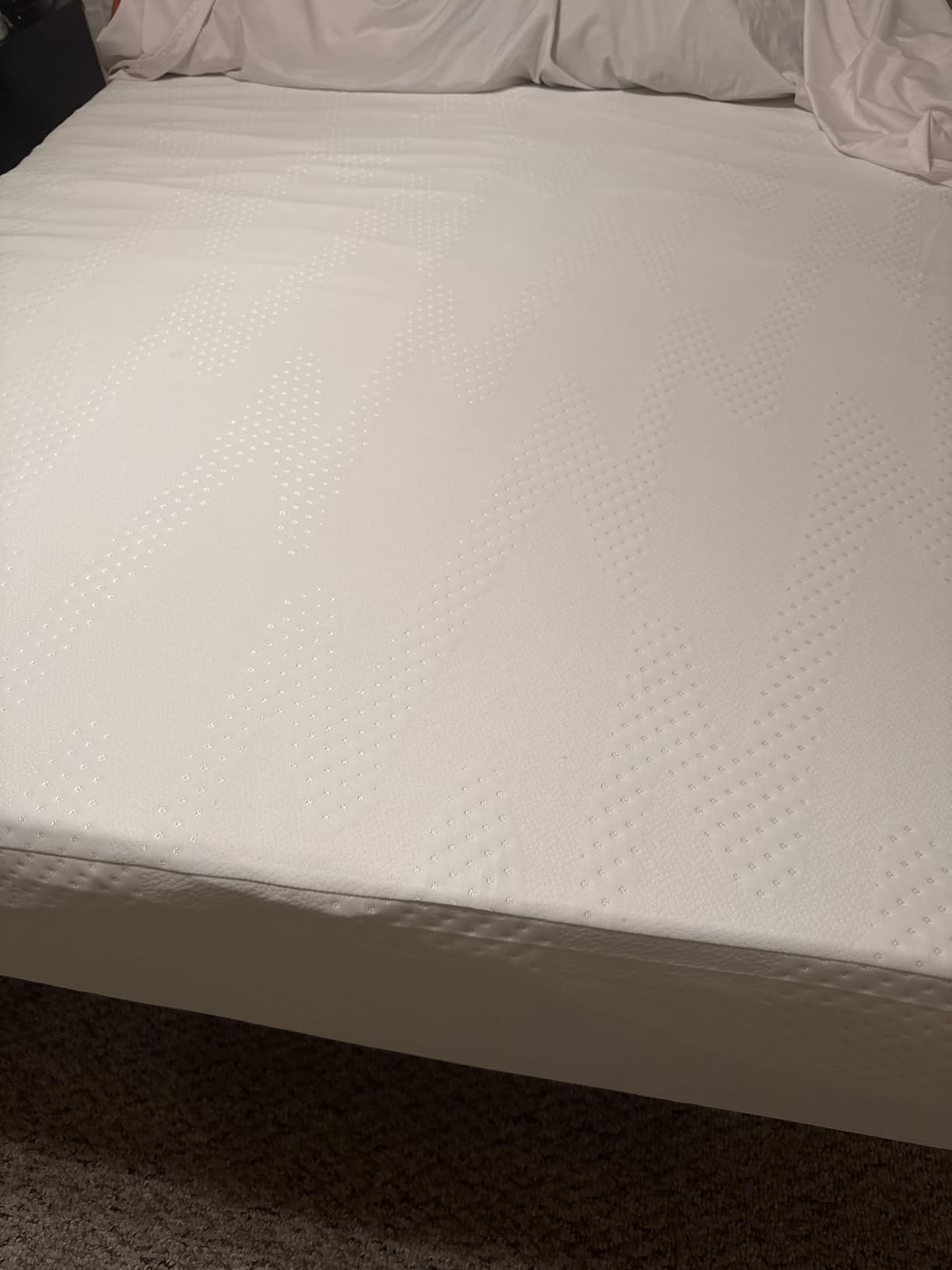
Weighing in around 22 pounds and expanding in roughly a day with almost no off-gassing, it is an easy mattress to move and an easy mattress to forget. Reviewers report no sagging and no body impressions after months of nightly use, which is the durability question that matters most on a bed a child will sleep on for years.
The noise story is good too. Four separate foam layers means movement travels through more material before it reaches the sleeper below, and this is one of the quietest options in the group alongside the EGOHOME.
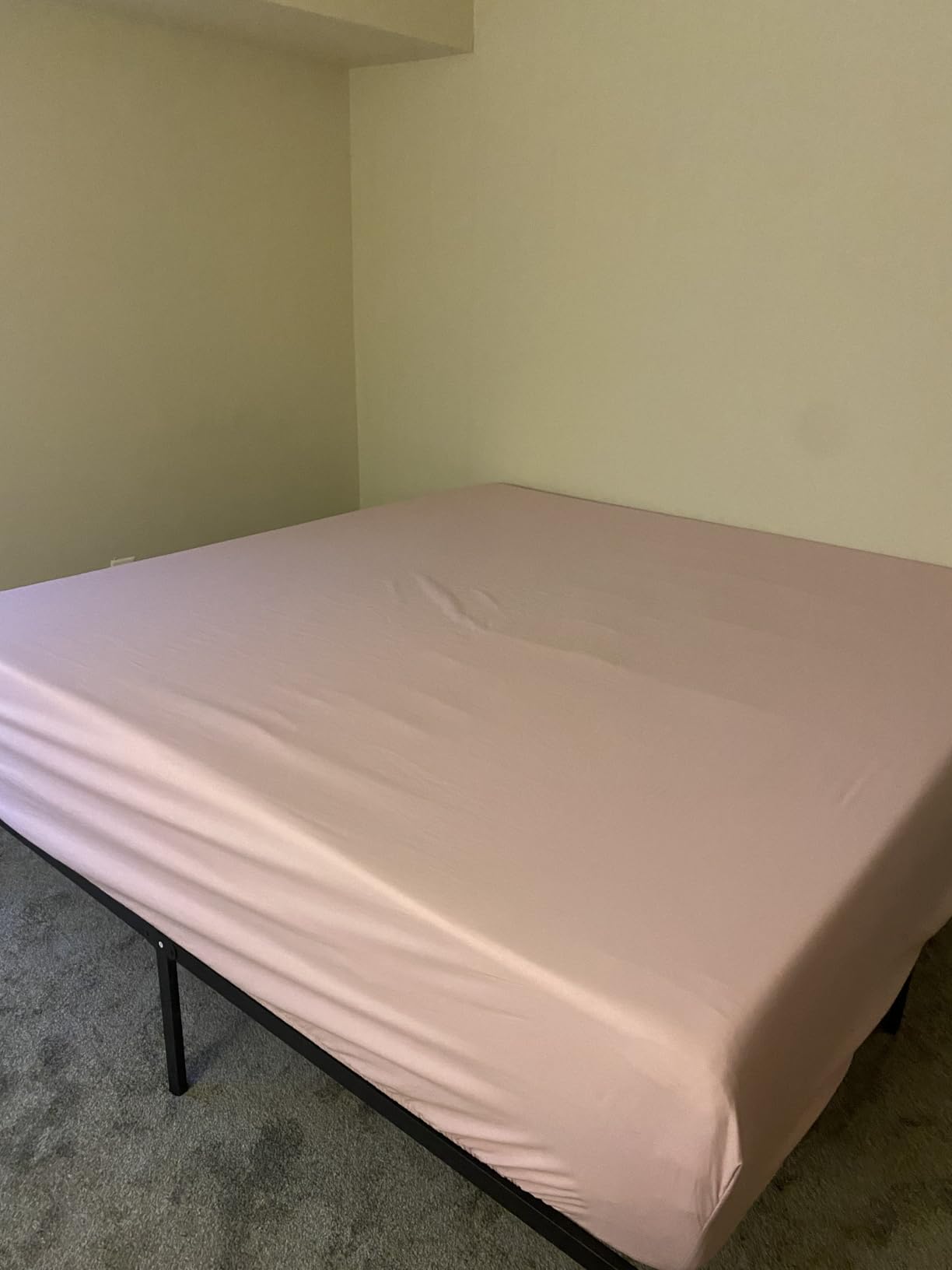
Why the layer count matters on a bunk
Layer count is not a marketing number on a stacked bed. Every layer between the sleeper and the person underneath is another chance to absorb movement and block noise. A single slab of foam passes a jolt straight down; four layers of progressively firmer foam thin it out.
This is also the one we would choose for a loft bed that gets used as a desk or play surface by day, since the foam has enough loft to stay flat and supportive rather than denting permanently under a load.
Where it falls short
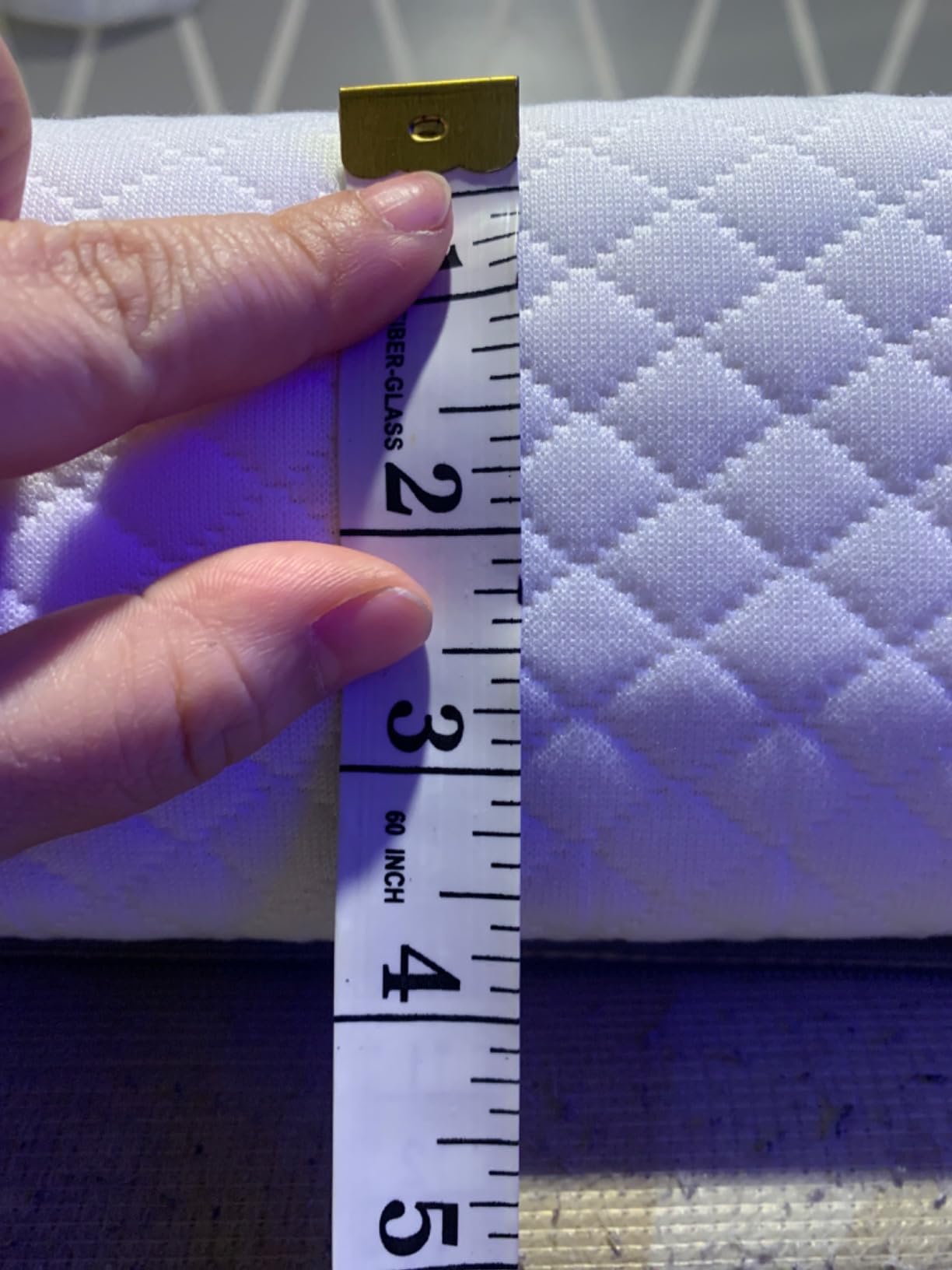
Two caveats. Some buyers measure it and find it a fraction under the listed 6 inches, so if you are working right up against the guardrail clearance limit, measure it as soon as it is unrolled before you put bedding on. And the feel sits closer to medium-soft for some sleepers than the medium label suggests.
If you need a genuinely firmer surface for a teen who rolls around, look at the FDW or the GAESTE hybrid instead. If your child sleeps hot and the room has no cross-ventilation, the cooling layer here is a real asset but the MLILY runs cooler still.
3. MLILY 6 Inch Twin Memory Foam – Best for Warm Rooms
MLILY Twin Mattress in a Box, 6 inch Mattresses for Kids Bed Single Size Daybed Individual Bunk, Memory Foam Medium Firm
- Highest star rating in the group at 4.5
- Ready to sleep on in about 2 hours after unrolling
- Medium firm rated 6 to 7 out of 10
- Cooling gel infusion limits heat buildup
- Hand-wash-only care instruction
- Two-layer build gives up motion isolation next to the four-layer Novilla
Star rating is where this one wins. At 4.5 it is the highest-rated mattress we included, with 77 percent of reviews at five stars, and the reason owners give is consistent: a medium-firm feel that does not trap heat the way a dense foam mattress usually does.
The firmness is rated 6 to 7 out of 10, which is a useful number because it is specific. That is a middle-of-the-road surface that supports a back or side sleeper without feeling punishing, and it is a better match for a growing teen than anything softer on this list.
Two details set it apart from the other 6 inch foams. The inner fire-retardant cover is a rib fabric that is fiberglass-free and 92 percent cotton, and buyers make a point of checking the tag themselves and approving what they find. In a child’s room, that is a reasonable thing to verify rather than take on faith.
The second is expansion time. It reaches full shape in about two hours from unrolling, so a same-day bed setup is realistic. Nothing else in this list recovers that fast.
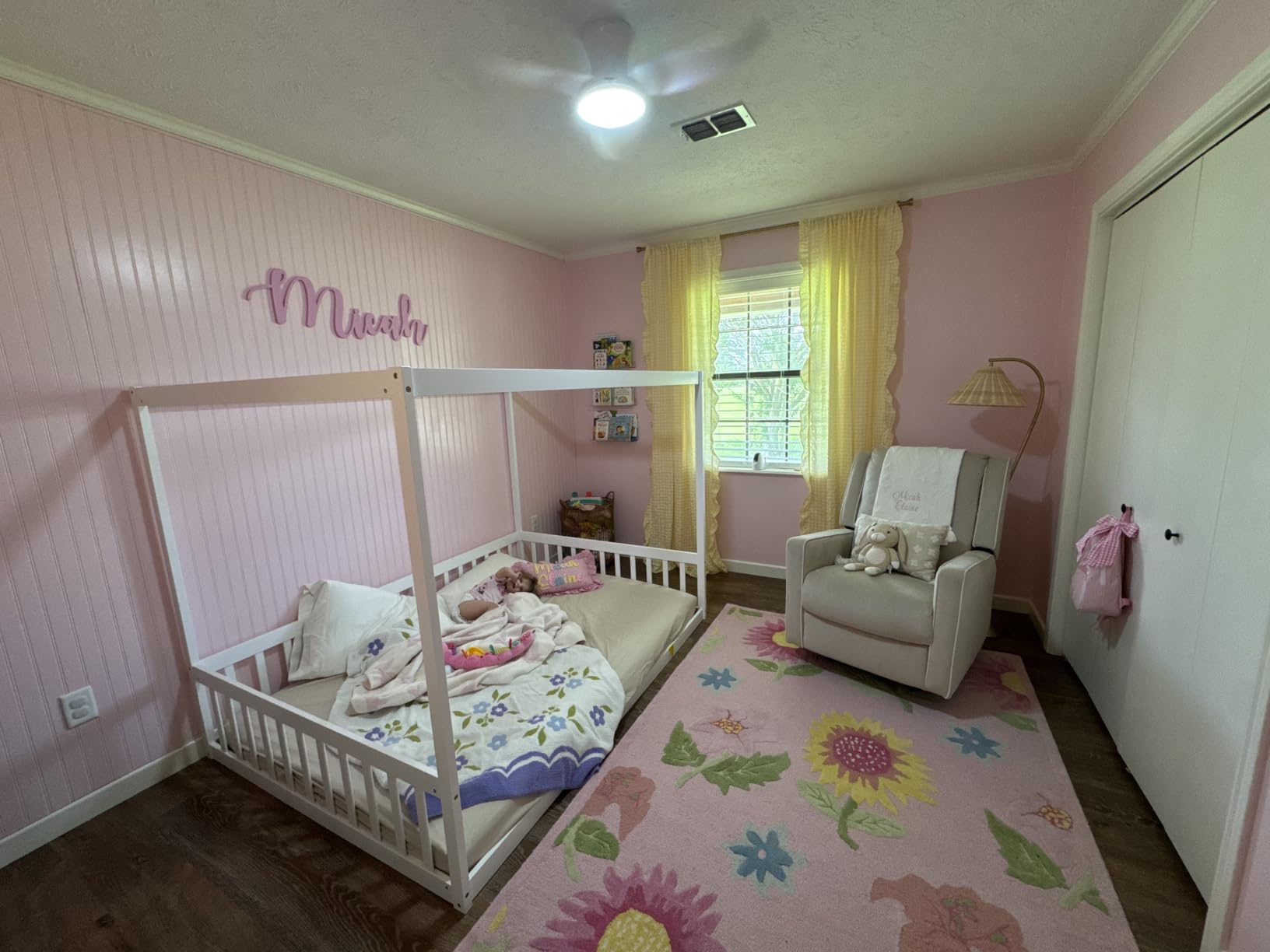
Best fit for a hot sleeper upstairs
Temperature is the whole story here. The gel infusion is there to dissipate heat while keeping the memory foam’s conforming feel, and reviewers report sleeping noticeably cooler than on traditional spring mattresses. In a top bunk in summer, with hot air rising and a slatted deck below, that is a meaningful difference.
It is also sold in a full range of sizes including Twin, Twin XL, Full, Queen, King and RV King Short, which means one model can follow a child from a bunk to a full bed later without a second purchase.
What to watch out for
The care instruction is hand wash only, so plan on a waterproof mattress protector and a removable washable cover layer rather than cleaning this one directly. It also carries a higher cost than the other 6 inch twins here, and because a bunk needs two, that difference counts twice.
Because the build is two layers rather than four, it gives up a little motion isolation compared with the Novilla. If the sleeper below is a light sleeper and the sleeper above is a restless teenager, the EGOHOME or Novilla will serve the room better.
4. GAESTE 6 Inch Twin Hybrid – Best Innerspring Feel
- Hybrid core gives even support head to toe
- Quilted Air-Breeze top promotes airflow
- Medium plush feel balances cushion and bounce
- Listed for slat platforms and bunkie boards as well as box springs
- Quilted top fabric wears quickly on some variants
- Cooling effect is modest in the hybrid build
- 200 lb listed weight capacity is modest for a 6 inch mattress
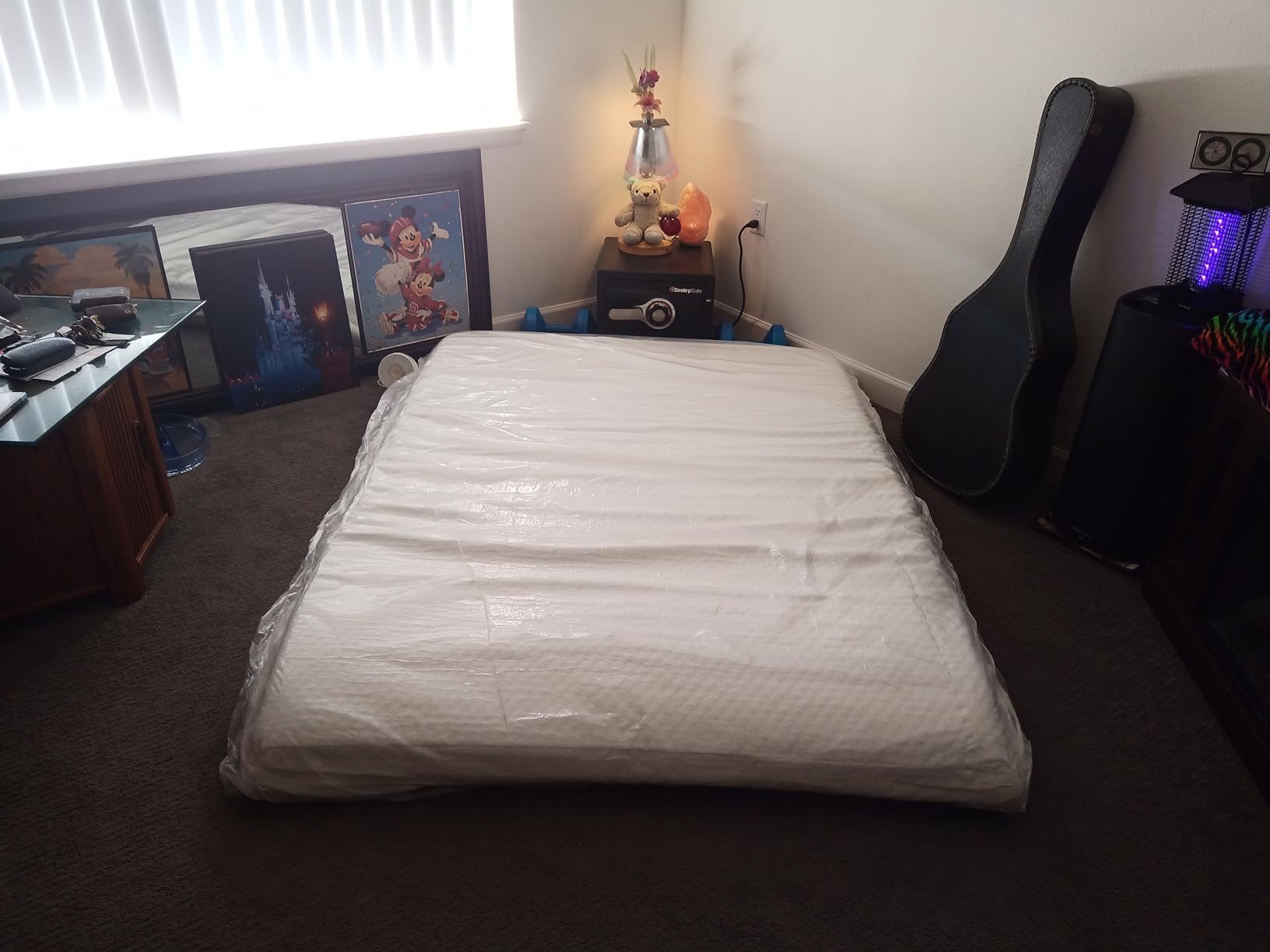
Foam is not the only option and some kids actively prefer spring. This is the only hybrid in the group, pairing an innerspring core with a dual layer of gel memory foam, and it is the pick for a child who complains that a foam bed feels like lying on a cloud.
The hybrid construction is the reason it holds its shape well and delivers even support head to toe. A spring core has a natural resilience that foam loses after a few years of compression, and on a bed that may need to outlast the current child, that resilience has value.
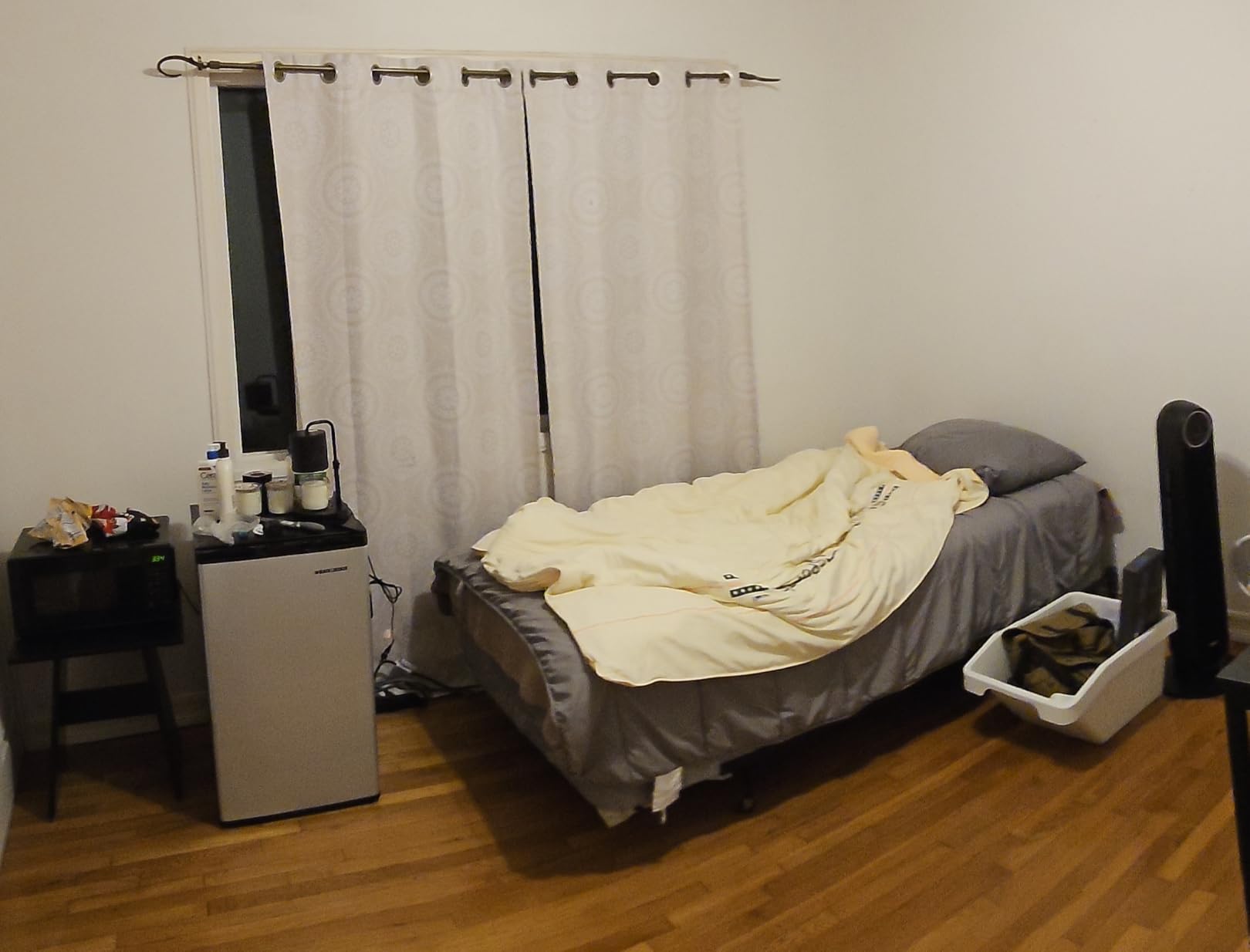
It is also the most compatible with different frames. The listed base compatibility covers box springs, bunkie boards and slatted platforms, so it works whether the bunk has a solid deck, a slatted one, or a bunkie board between the slats and the mattress.
Buyers like the medium plush feel, which sits between a firm foam and a plush pillow top, and confirm the fiberglass-free construction by checking the tag. The quilted breathable top layer adds real airflow compared with a flat-stitch foam cover.
When a spring core is the right call
Choose the hybrid if the sleeper is someone who moves a lot. Springs return energy instead of absorbing it, so a restless sleeper bounces rather than shifting, and the surface feels more responsive on a 6 inch profile than any of the all-foam models here.
It is also the easier choice for a bottom bunk occupied by an adult, since the support core does a better job of keeping the spine level than a shallow foam slab, even though the 200 lb listed capacity is the lowest of the eight here.
Where it disappoints
The weakest point is the quilted top fabric. A few owners reported it wearing or tearing within weeks, which on a bed used nightly by a child is a real durability flag. Check the cover as soon as it is unrolled and keep a mattress protector on from the start.
Also expect less cooling than the name suggests. Hybrid builds trap more heat than pure foam, and owners describe the airflow as real but modest. And at 200 lb listed capacity, this is not the mattress for a heavy adult bottom bunk or a teen who is still growing fast.
5. Zinus 6 Inch Twin Green Tea Memory Foam – Best for Odor Control
- Green tea extract and charcoal neutralize odor
- Light build at 20.5 lb is easy to reposition
- CertiPUR-US foam with an OEKO-TEX certified cover
- Expands quickly with mild off-gassing that clears in 24 to 48 hours
- Firmer than the medium-firm label suggests
- Limited cushioning depth for taller sleepers
- Can slide on platform frames without a non-slip pad
Bunk beds are usually in small rooms with one window and whatever airflow the window allows. That is the situation this mattress was built for, with green tea extract and purified charcoal worked into the foam to neutralize odor rather than mask it.
Zinus keeps coming up in parent recommendations for budget-friendly children’s bunk mattresses, and the review pattern here backs that up. Owners describe it as sleeping cooler than expected for an all-foam mattress and holding its shape over extended use.
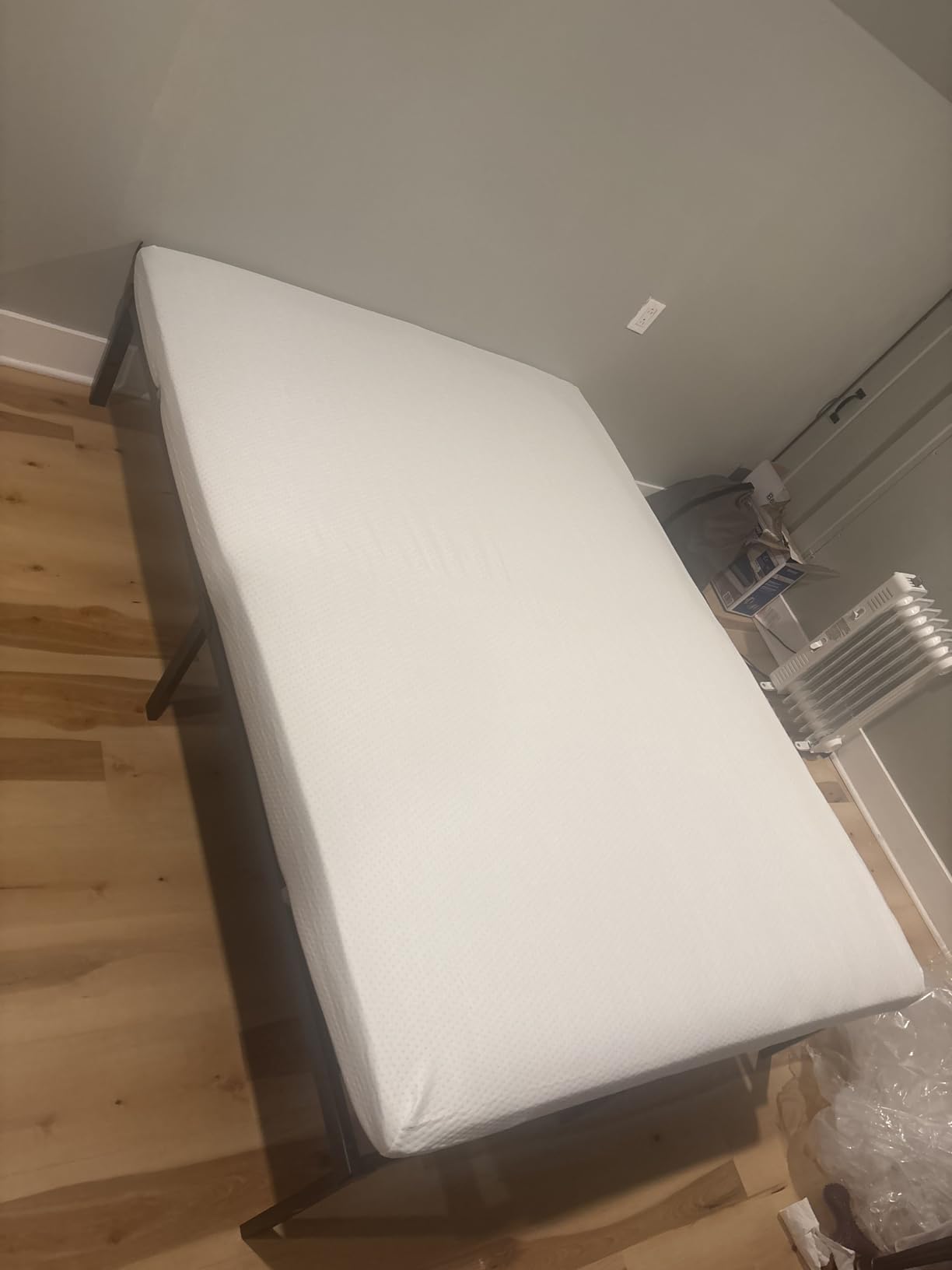
The build is three layers: patented zoned pressure relief memory foam over a breathable knitted cover and a durable base foam. The zoned construction means the foam is not one uniform block, which is why some sleepers find it more accommodating than a flat slab of the same height.
At 20.5 pounds it is one of the lighter mattresses in the group, and that is not a marketing line. It is a genuine advantage on a top bunk that you need to strip and remake, or on a frame that requires two people to maneuver the mattress into position.
Best for a small shared bedroom
The certifications here are the differentiator for a child’s room. The foams are CertiPUR-US certified, meaning no ozone depleters, formaldehyde or heavy metals, and the cover is OEKO-TEX Standard 100 tested. Two independent standards on the two materials a body touches is more coverage than most of the mattresses in this roundup offer.
Off-gassing is mild and typically clears within 24 to 48 hours, so air the room out for a day after it is unrolled and it will be fine by the following evening.
Who will not like it
The most common complaint is that it feels noticeably firmer than the medium-firm label implies. Side sleepers who like a soft top layer find the shallow 6 inch profile offers less give than they want, particularly at the shoulders.
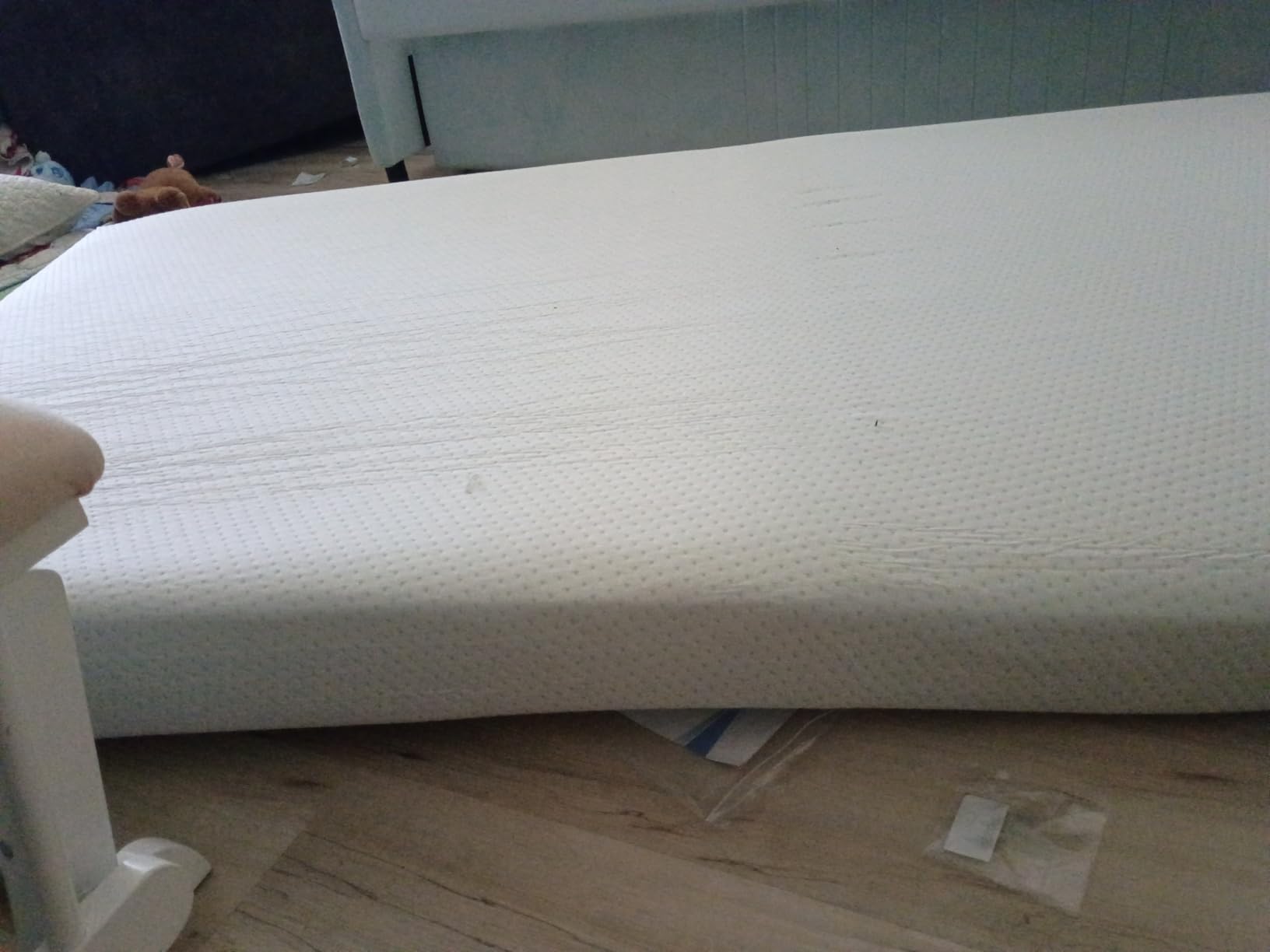
Second issue is movement. It can slide on a smooth platform frame without a topper or a non-slip pad, and on a top bunk a sliding mattress is a nuisance and a safety problem. Budget for a mattress restrictor strap or a grip pad if your frame deck is smooth.
6. FDW 6 Inch Twin Gel Memory Foam – Best Washable Cover
FDW | 6 Inch Twin Mattress | Medium Firm | Gel Memory Foam | White
- Removable and machine-washable polyester cover
- Dual construction balances cushion and support
- Expands within about 72 hours
- Listed capacity of 1000 lb is the highest stated here
- Weak edge support
- the border compresses more than expected
- 6 inch depth can let heavier sleepers feel the frame
- Some buyers report slightly inconsistent thickness from one mattress to the next
Washable cover is not a luxury on a kid’s bunk. Spills, cups knocked over during a sleepover, and the occasional bedwetting all turn into permanent foam damage if there is no barrier. Of the eight, the FDW, the Neo Sleep and the PayLessHere all have a cover that goes straight into a washing machine, and this one pairs that with a 1 inch gel comfort layer.
The construction is straightforward and effective: 1 inch of gel memory foam over 5 inches of high-density base foam. That split is the reason it feels less like a thin slab than a single-layer 6 inch mattress, because the soft layer and the support layer are doing separate jobs.
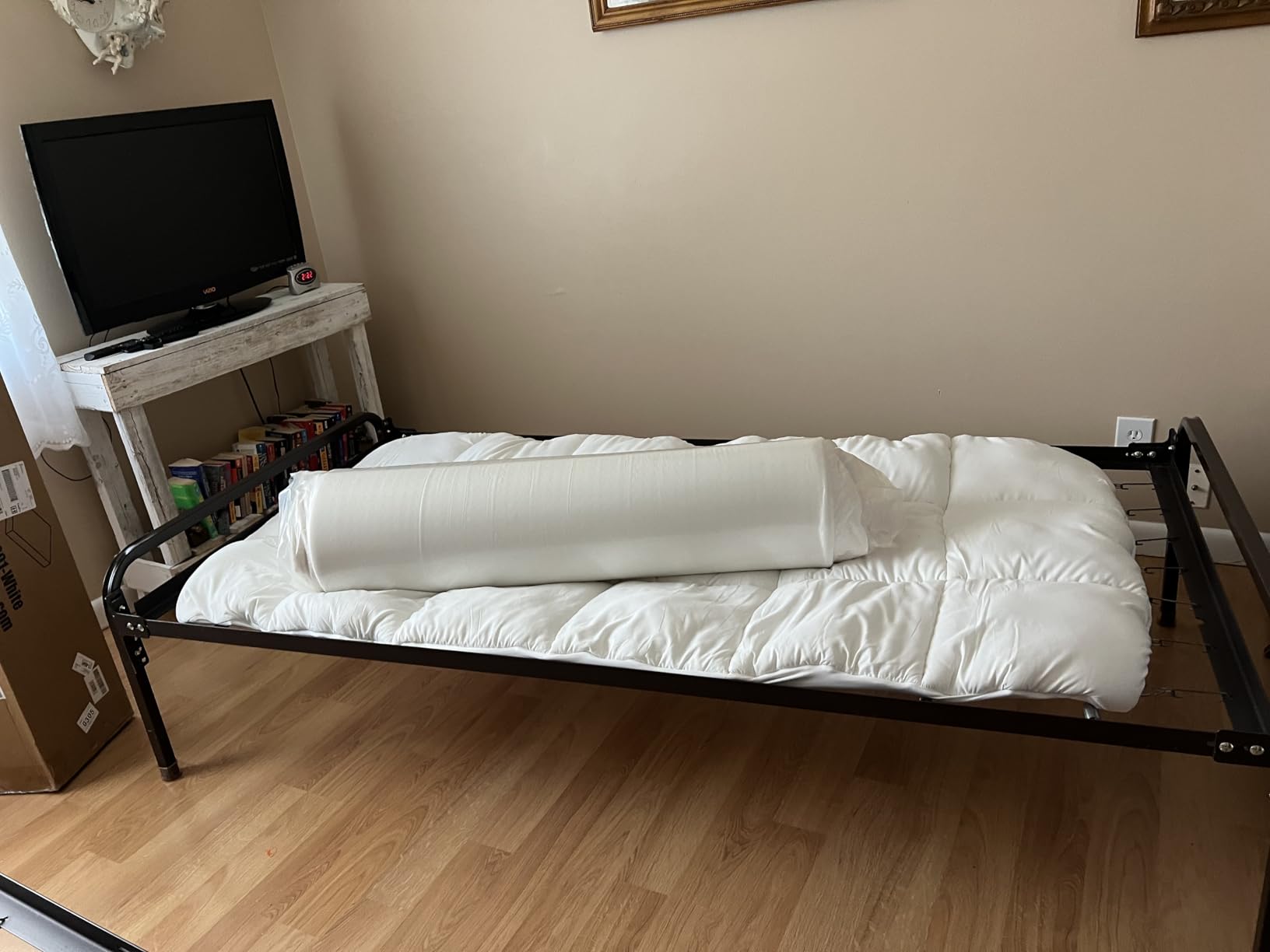
Reviewers call it a strong value pick with good cooling from the gel layer, and several mention using it in bunks and campers, which tells you the 6 inch profile handles narrow and hard sleeping spaces without complaint. The foam is CertiPUR-US certified.
It expands to full size within about 72 hours of unrolling and at 22 pounds is easy to carry upstairs. Plan the setup day accordingly rather than expecting to make the bed that same evening.
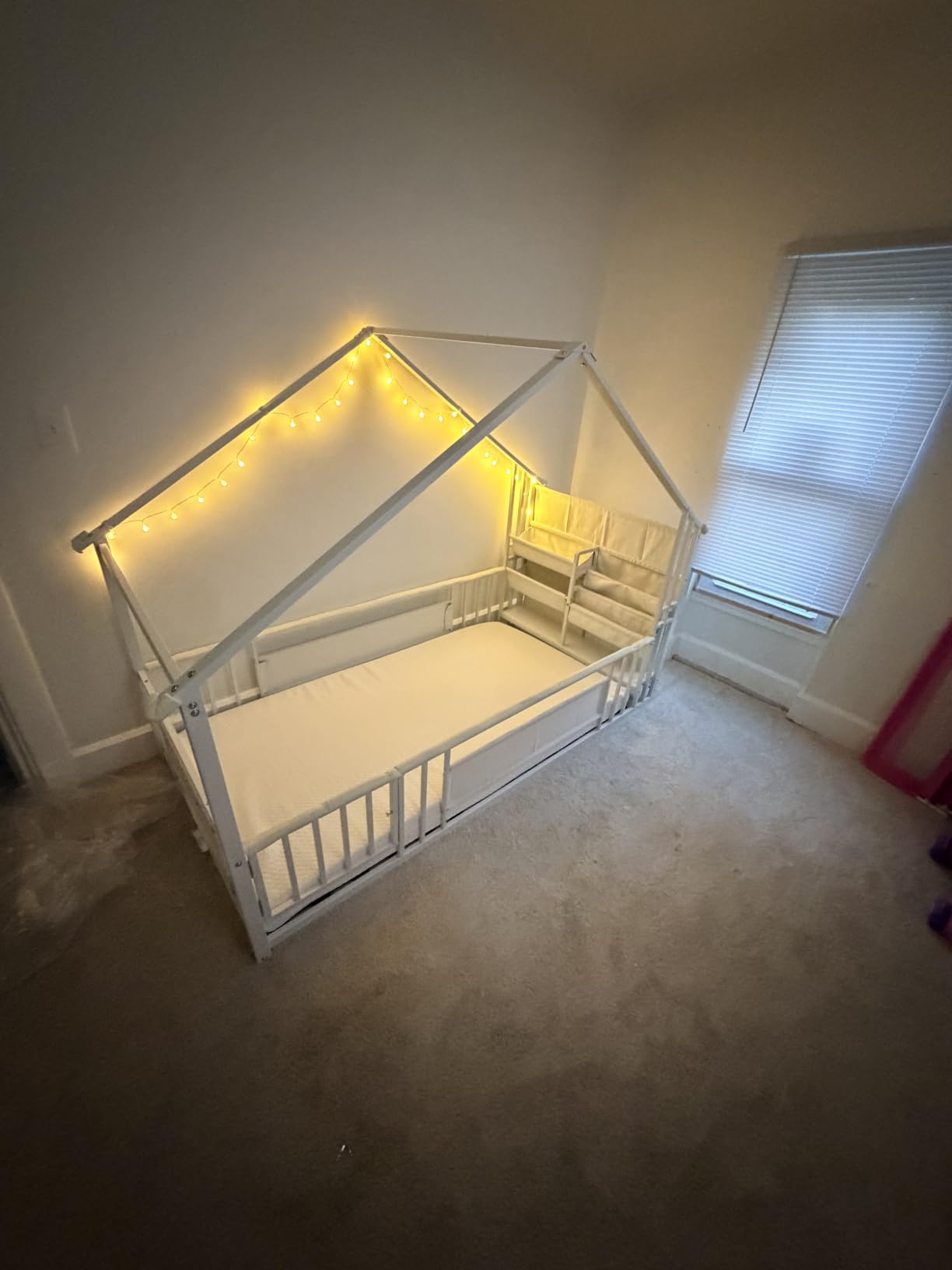
What the washable cover really buys you
A machine-washable cover turns a mattress into something you can actually clean. Remove the zipper, wash the cover, dry it, zip it back, and a spill does not become a permanent stain in the foam. For a bed that will be handed down or repurposed when the bunks split into two singles, that is a real long-term saving.
It also means you can skip the mattress protector if you want, though we would still add one for bedwetting protection since a cover alone is not a waterproof barrier.
Limits worth knowing
Edge support is the weak point. Reviewers describe the border compressing more than expected, which matters on a bunk because the edge is where a child’s body hangs over when they sit on the side to put on socks.
At 6 inches, a heavier sleeper can feel the frame beneath the foam, and a small number of buyers report thickness that varies from one mattress to the next. If you care about consistent depth across two mattresses, check each one before installing.
7. Neo Sleep 6 Inch Twin Cooling Gel Memory Foam – Best Anti-Slip Base
Neo Sleep Twin 6 Inch Cooling Gel Memory Foam Mattress Pressure Relief
- Anti-slip bottom keeps the mattress from shifting on a frame
- Fiberglass-free with CertiPUR-US foam and an OEKO-TEX cover
- Removable machine-washable polycotton cover
- Even weight distribution for pressure relief
- Lowest star rating in the group at 4.2
- Edges can look saggy on taller profiles
- Listed depth may measure slightly under the stated inches
Mattress movement is the most underrated problem with foam mattresses on bunk beds. A bed-in-a-box has no natural weight to keep it in place, and on a smooth deck or a slatted platform it will creep toward the rail every time someone sits down. This one has an anti-slip bottom panel to deal with that directly.
It is a five-layer build with gel-infused memory foam over a high-density base, and owners describe the feel as a true medium, neither too soft nor too firm. That middle-of-the-road take is useful when you do not know what a child prefers.
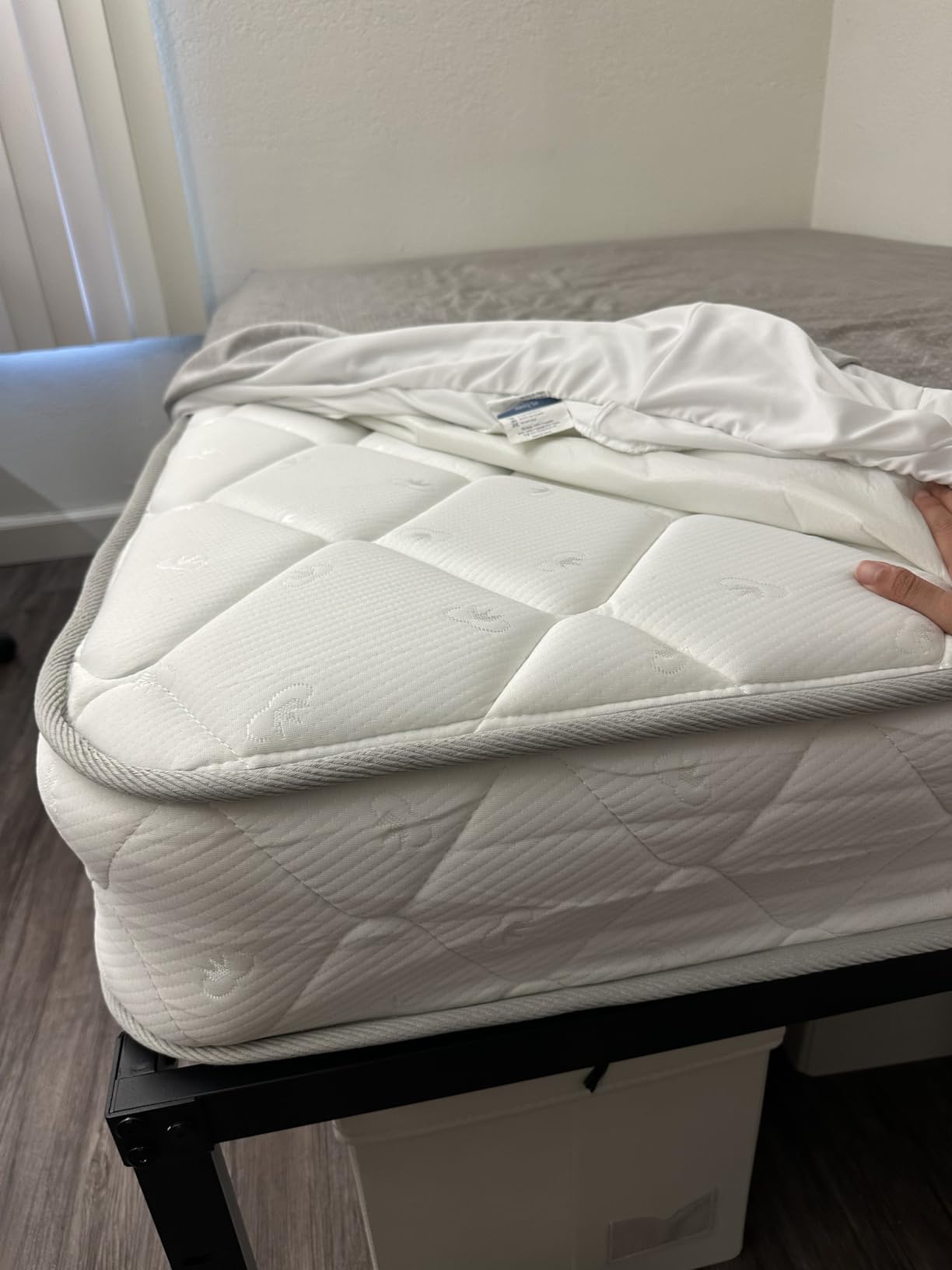
The cover is removable and machine washable polycotton, the foams are CertiPUR-US certified, the cover is OEKO-TEX certified, and the construction is fiberglass-free. Owners report no strong odor out of the box, and the mattress reaches full comfort within about 72 hours of expansion.
It is listed as compatible with box springs, slatted bases and solid foundations, which covers essentially every bunk bed deck configuration except a true trundle with a curved or non-flat surface.
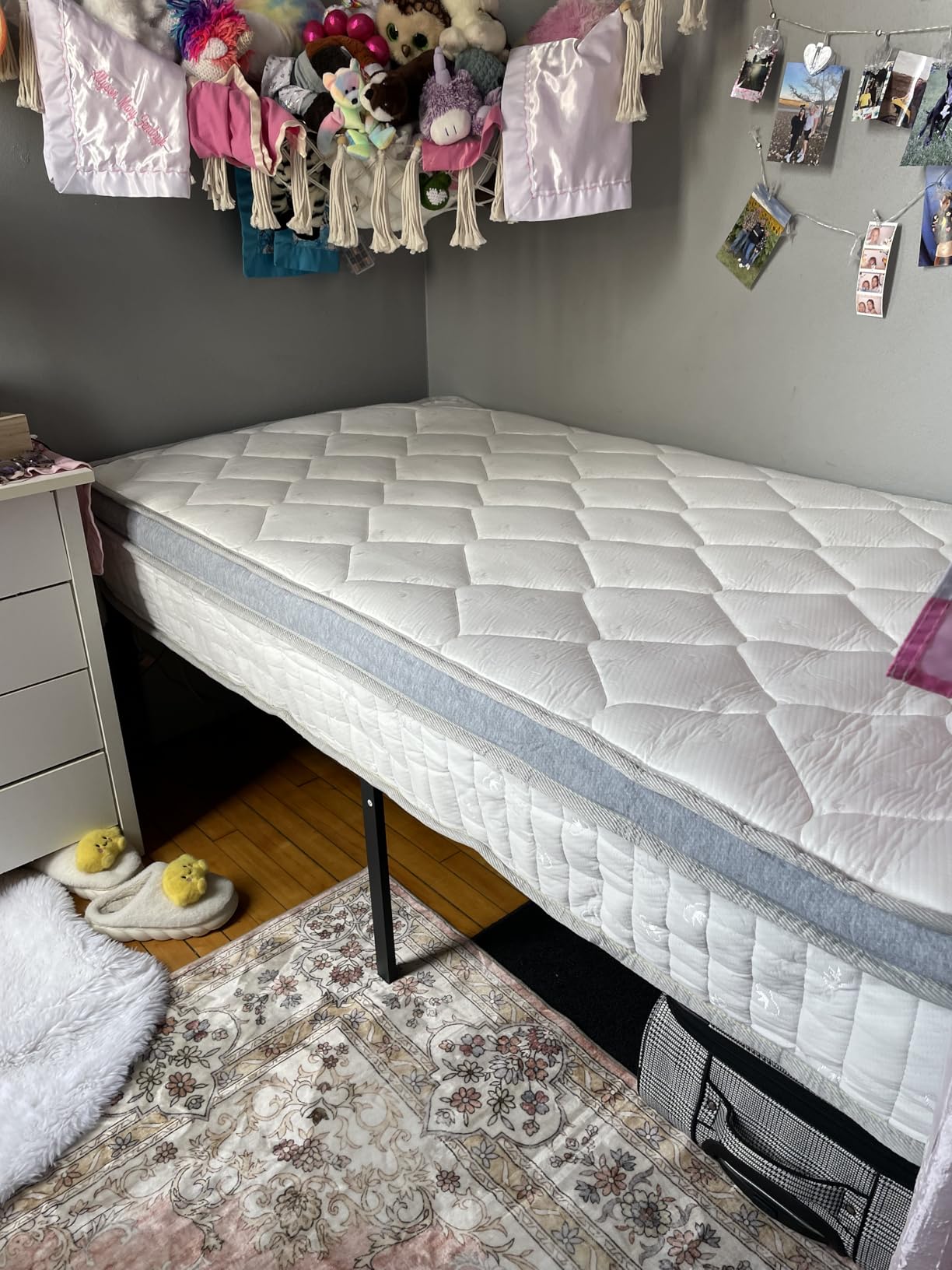
When a mattress that stays put is the priority
If your previous foam mattress ended up jammed against the guardrail after a few months, the anti-slip bottom is the feature to buy for. It is more reliable than a non-slip pad that slides itself out of position, and it costs nothing extra to have built in.
For a younger child who is not yet steady on the top bunk, or for any frame with a smooth deck, this removes a whole category of complaints.
Where it comes up short
Be straightforward about this one: it carries the lowest star rating in the group at 4.2, and that reflects a real spread in the reviews. Critical feedback concentrates around the thinner variants of this model, where a spring-like feel becomes perceptible and edges sag after several months of heavy nightly use.
The listed depth may also measure slightly under the stated inches, so measure it as soon as it is unrolled if rail clearance is tight. It is a good pick on features, but the EGOHOME and Novilla have larger and more consistent review histories behind the same 6 inch footprint.
8. PayLessHere 5 Inch Twin Base Foam – Best Ultra-Low Profile
- 5 inch profile clears guardrail requirements on shallow bunk frames
- Light build at 18 lb is easy to carry upstairs
- Machine-washable zip cover with anti-skid particles
- Three-layer high-density foam holds its shape
- Thinnest option
- so slat or bar feel is a real risk
- Some buyers add a topper for extra cushioning
Some top bunks have a guardrail that is not much taller than the frame itself, and for those beds a 6 inch mattress genuinely does not leave enough clearance. This 5 inch model is the shortest profile we found that still has a real layered foam build behind it rather than a flat slab.
It is a three-layer high-density foam construction with a medium firm feel built around spinal alignment, and multiple reviews specifically confirm it met the top-rail clearance requirement on their bunk frames. That is the single most useful thing to know about it.
The cover is a removable machine-washable zip cover with anti-skid particles in the fabric, which is a sensible detail on a bed-in-a-box. The foam is CertiPUR-US certified, and the manufacturer lists expansion at 48 to 72 hours, so build the frame before you order rather than the same afternoon.
At 18 pounds it is the lightest mattress here, and one person can carry it up a flight of stairs alone. When you are buying two, that is a smaller job than it sounds.
When 5 inches is the right call
Measure first. If your top-bunk rail height minus the 5 inch clearance requirement leaves you less than 6 inches of room, a 5 inch profile is not a compromise, it is the only correct answer. The clearance rule does not negotiate.
Reviewers also note it can be cut down to a custom size if your frame has an unusual internal dimension, which is unusually flexible for a foam mattress and occasionally saves a return trip.
What thin costs you
At 5 inches there is very little cushioning, and the honest risk on a slatted frame is that you feel the bars through the surface. It works best as-is for kids, and a 1 to 2 inch foam topper is the usual fix for anyone who wants more give.
It also has the smallest review base here at just over 800 ratings, so you are relying on a thinner body of owner feedback than with any other pick. The rating itself is a strong 4.4.
How to Measure Your Bunk Bed Frame in 5 Steps
Do this before you buy anything, because it takes five minutes with a tape measure and it decides your maximum mattress height. The information on the product page is not enough on its own, since the rail height belongs to the frame, not the mattress.
Step 1: Measure the internal width and length of the bunk deck. A standard US twin is 38 by 75 inches, and most frames are built for that. If your deck reads 39 or 40 inches wide, you are looking at a frame with extra room and possibly a twin XL requirement, which changes the whole fit.
Step 2: Measure the top bunk rail height from the deck surface to the top of the guardrail. This is the number that matters most. Write it down.
Step 3: Subtract 5 inches from that rail height. This is the maximum mattress profile you can use on the top bunk and still meet the Consumer Product Safety Commission requirement that the guardrail stand at least 5 inches above the mattress surface.
Step 4: Check the gap between the mattress edge and the rail on both sides. Anything more than about 3.5 inches creates a gap a small child can slip through, which is the other half of the safety rule. A mattress that is too narrow can fail even when it is the right height.
Step 5: Look at the slat spacing and the frame’s weight limit. Slats more than about 3 inches apart let a foam mattress dip between them, which shows up as a permanent sag. The frame’s listed weight limit has to cover the sleeper plus the mattress, so subtract the mattress weight before you compare.
Once you have the number from step 3, the choice is simple. 5 inches is for shallow rails, 6 inches is the sweet spot for most frames, and 7 to 8 inches works only when your rail is tall enough. Anything over 9 inches should not go on a top bunk at all.
Choosing a Twin Mattress for a Bunk Bed: What Actually Matters
Thickness is the one rule you cannot break
Everything else on this list is preference. Thickness is a safety calculation. The CPSC requires that on the upper bunk of a bunk bed, the guardrail must extend at least 5 inches above the top surface of the mattress, and that the gap between the mattress and the wall or rail must not exceed about 3.5 inches.
That produces a thickness ladder. Five inches is for frames with low rails and gives the most clearance. Six inches is the most common zone and the safest all-round choice, because slats do not press through and the rail keeps its height. Seven to eight inches works on tall-rail frames with deeper headroom, and nine inches or more belongs on a bottom bunk or a standalone bed, not a top bunk.
It is worth naming the contradiction we ran into while researching this. Several large mattress review sites recommend 10 to 12 inch adult mattresses for bunk beds, which is really bottom-bunk or standalone advice and will defeat the guardrail on any standard top bunk.
Size: does a standard twin actually fit?
Yes, a standard twin is the correct size for most bunk beds, at 38 by 75 inches. Twin XL is longer at 80 inches and only fits frames built for it, so check the deck length before ordering anything with XL in the name.
There is one common exception. A twin-over-full bunk has a full on the bottom, and the full is the width that needs checking there. A full is 54 inches wide, so the lower sleeper is fine on any full mattress while the top still takes a twin. If you are past the twin stage, our mattress guide for side sleepers covers the full and larger sizes properly.
Foam, hybrid, innerspring or latex
Memory foam dominates this list because it suits bunks well: it is silent, it does not transfer movement, and it is light enough to move. Its two weaknesses are heat retention and the way it can bottom out on a hard slatted deck if it is too thin.
Hybrid and innerspring mattresses add bounce and better airflow, and they hold their shape longer, but they transmit more movement to the sleeper below and are heavier. For a bunk where the lower sleeper is a light sleeper, foam wins.
Latex is the durability answer and it barely appears in this roundup, so we did not force it into the list. The trade is more bounce and better resilience for a higher cost. For small and hard sleeping spaces, our compact sleeping space picks apply the same profile logic.
Firmness by age and sleep position
Medium-firm is the right target for almost every child and teen, and it is what most of the mattresses here are rated. Young children often do well on something firmer because they roll more, and side sleepers need enough give at the shoulder and hip to avoid pressure points.
Be aware that stated firmness is inconsistent across brands. Reviewers of the Zinus and the FDW both describe them as firmer than their medium or medium-firm labels suggest, while some sleepers find the Novilla softer than medium. If you can, order a mattress with a return window and give it a few nights before bedding it permanently.
Weight capacity: do the arithmetic
Frame capacity covers the mattress as well as the sleeper. Take the frame’s listed limit, subtract the mattress weight, and whatever remains is the ceiling for the person sleeping there. A 22 pound mattress on a 200 pound frame leaves 178 pounds of sleeper capacity.
Listed mattress capacity also varies more than you would expect. In this group it runs from 200 pounds on the GAESTE hybrid up to 1000 pounds on the FDW. For a 60 pound child, none of them is the limiting factor. For an adult on the bottom bunk, the number starts to matter.
Certifications and materials in a child’s room
CertiPUR-US certification means the foam is made without ozone depleters, formaldehyde or heavy metals, and every mattress on this list carries it or an equivalent claim. OEKO-TEX Standard 100 on the cover is a separate standard for the textile, and four picks here carry it.
Fiberglass-free fire retardant is worth checking on the tag rather than trusting a listing photo. Several owners of the GAESTE and MLILY did exactly that and confirmed what they saw. A fiberglass-free inner barrier matters more in a shared room where the top bunk is a child’s bed.
The cover, and why it decides the lifespan
A removable, machine-washable cover is the highest-value feature on a kid’s mattress. Only the FDW, the Neo Sleep and the PayLessHere have one that goes in a washing machine. For everyone else, add a washable mattress protector, and a waterproof barrier if bedwetting is a live concern.
Bunk Bed Safety: The Rules That Decide Your Mattress
The U.S. Consumer Product Safety Commission sets the rules that turn a mattress choice into a safety decision. On an upper bunk, the guardrail must extend at least 5 inches above the mattress surface, and no part of the mattress may extend more than about 3.5 inches past the frame edge where a child could slip through the gap.
The American Academy of Pediatrics adds guidance that goes beyond the mattress. Its bunk bed advice is generally that children under six should not sleep on the top bunk, that mattresses should be fitted tightly to the frame, and that cords, straps and dangling items near the bed should be removed because they are a strangulation risk.
Two practical points follow for mattress shopping. A mattress that does not match the frame snugly fails regardless of its quality, and a night light is the standard recommendation for a child on a top bunk so they are not climbing down in the dark.
Top Bunk vs Bottom Bunk: Why the Rules Differ
On a top bunk, thickness is governed by the guardrail. Aim for 5 to 6 inches, check the slats do not press through, and stop there regardless of how much thicker options exist.
On a bottom bunk, the guardrail rules do not apply, so thickness is a comfort decision rather than a safety one. Height and edge support matter more, because the lower sleeper sits on the floor where the room gets cold and where a heavy person spends eight hours a night.
That split is also why our list is twin-only and low-profile. Adults on a bottom bunk are better served by a deeper mattress, but that is a different article and a different budget.
Frequently Asked Questions
What type of mattress is best for a bunk bed?
A low-profile all-foam mattress between 5 and 8 inches thick works best, with a medium-firm feel and a removable washable cover. Memory foam is quiet and stops movement transferring to the sleeper below, while a hybrid adds bounce and airflow if the child prefers spring. On a top bunk, thickness is set by the guardrail, not by comfort preference.
Can you use a twin mattress on a bunk bed?
Yes. A standard US twin at 38 by 75 inches is the correct size for most bunk beds. Measure the internal dimensions of the deck first, since a 39 or 40 inch frame is roomier than a standard twin and a twin-over-full bunk needs a full on the bottom rather than a twin.
How thick should a bunk bed mattress be?
On a top bunk, 5 to 8 inches, with 6 inches the safest all-round choice. The Consumer Product Safety Commission requires the guardrail to stand at least 5 inches above the mattress surface, so measure your rail height and subtract 5 inches to get your ceiling. Never use a mattress thicker than 9 inches on a top bunk.
Is a 6 inch mattress good for bunk beds?
Yes, 6 inches is the most common and safest choice for a top bunk. It is thick enough that slats do not press through the surface and thin enough that the guardrail keeps its full height. A 5 inch model suits frames with low rails, and 7 to 8 inch mattresses only work on tall-rail frames.
What are the best thin mattresses for bunk beds?
The thinnest option in our roundup is the 5 inch PayLessHere base foam, which clears low guardrails and weighs 18 pounds. Among 6 inch models, the EGOHOME, Novilla and MLILY all keep slats hidden while leaving rail clearance intact. Thinner than 5 inches risks feeling the frame, and a 1 inch topper is the usual upgrade.
Should you get a memory foam mattress for bunk beds?
For a top bunk, usually yes. Memory foam is silent and absorbs movement, so the sleeper below is not disturbed, which matters more on a stacked bed than anywhere else. Choose a gel-infused or vented foam for warm rooms, add a non-slip pad if the frame deck is smooth, and keep the profile at 6 inches or less.
Are bunk beds safe for toddlers?
The American Academy of Pediatrics advises that children under six should not sleep on a top bunk, because of the fall risk. On a lower bunk, use a mattress that fits the frame snugly with no gap at the rail, keep cords and straps away from the bed, and add a night light so a child is not climbing down in the dark.
Do you need a specific mattress for a bunk bed?
You need a low-profile, correctly sized mattress, and that is the specific requirement. A standard twin between 5 and 8 inches thick with a medium-firm feel covers it. Also check the frame weight limit against the combined sleeper and mattress weight, and confirm the mattress is CertiPUR-US certified with a fiberglass-free fire retardant for a child’s room.
Our Final Picks for 2026
Measure your top bunk rail, subtract 5 inches, and buy at or under that number. Six inches is the profile we would choose for almost every frame in 2026, because it keeps slats from pressing through without eating into the guardrail.
For the general case, the EGOHOME 6 inch twin is the pick, with the largest review base in the group and near-silent construction. Pick the Novilla if your frame has visible slats, the MLILY if the room runs warm, the GAESTE hybrid if your child wants bounce, and the PayLessHere 5 inch only when your rails are genuinely low.
Add a washable mattress protector to whichever you choose. It costs far less than replacing a foam core that has absorbed a decade of spills.