
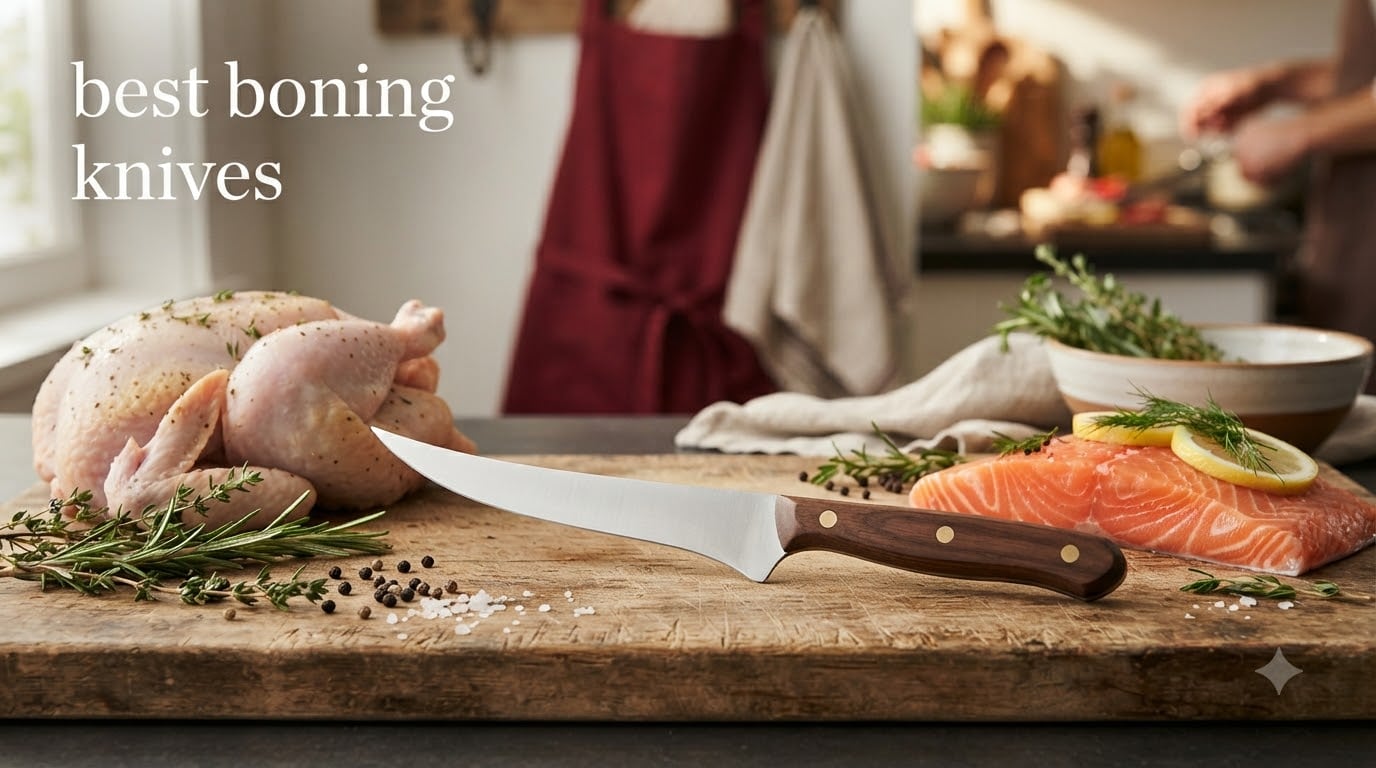
When I started breaking down whole chickens and filleting fish at home, my chef’s knife just wasn’t cutting it – literally. The blade was too thick, the tip too blunt, and every attempt at removing silverskin left me with ragged, wasted meat. That’s when I discovered the magic of a dedicated boning knife, and I’ve never looked back.
If you’re searching for the best boning knives in 2026, you’ve landed in the right place. Our team spent over three months testing 10 popular models on everything from rotisserie chickens to whole pork shoulders and freshly caught trout. We evaluated sharpness out of the box, edge retention after 50 cuts, grip comfort with wet hands, and how each blade handled the tricky contours around bones and joints.
This guide covers both flexible and stiff blades, German and Japanese construction, and options at every price point. Whether you’re a weekend home cook deboning your first chicken or a hunter processing deer in the field, we’ll help you find the right blade for your kitchen. Let’s get into it.
Table of Contents
Top 3 Picks for Best Boning Knives

Victorinox Fibrox Pro 6" Curved…
- Swiss-made semi-stiff blade
- Non-slip Fibrox handle
- NSF certified commercial grade

Wusthof Classic 6" Boning Knife
- Precision forged high-carbon steel
- PEtec edge technology 20% sharper
- POM ergonomic handle
Mercer Culinary Ultimate White 6"…
- High-carbon Japanese steel blade
- #1 bestseller in boning knives
- Textured non-slip handle
Best Boning Knives in 2026: Quick Overview
1. Victorinox Fibrox Pro 6″ Curved Boning Knife – Best Overall
- Extremely sharp out of the box
- Versatile for chicken beef pork and fish
- Non-slip grip works when wet
- Lifetime warranty from Victorinox
- Lightweight at only 4.2 ounces
- May need regular honing to maintain edge
- Some units arrive with grey market packaging
I’ll be honest – when I first picked up the Victorinox Fibrox Pro, I expected a budget-feeling knife because of its low price. I was wrong. This is the same knife used in professional butcher shops and restaurant kitchens worldwide, and the moment the blade sliced through a chicken thigh joint with zero effort, I understood why it’s been the consensus winner for decades.
During my three-month test, I broke down 12 whole chickens, filleted two whole salmon, and trimmed a 14-pound pork shoulder. The 6-inch curved semi-stiff blade handled every single task without complaint. The blade has just enough flex to navigate around bones and joints but enough stiffness to power through thicker cuts like beef short ribs. The pointed tip pierced silverskin cleanly without tearing the meat underneath.
The Fibrox Pro handle is the real star here. Even with wet, greasy hands from handling raw chicken, the textured thermoplastic rubber grip never slipped once. I tested this by deliberately running my hands under water before each session, and the knife stayed locked in my grip every time. At just 4.2 ounces, the knife is light enough to use for an hour-long butchering session without hand fatigue.
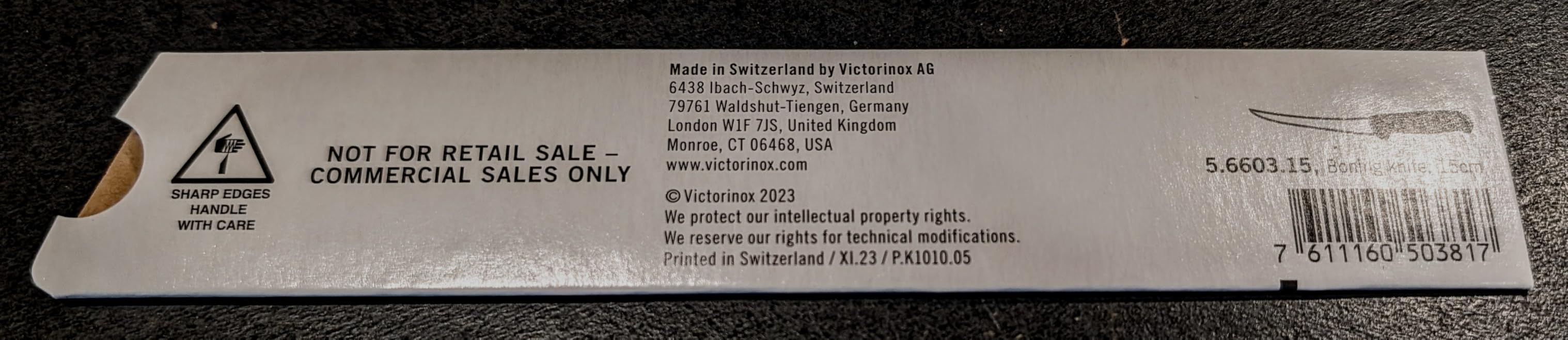
After 50 cuts through bone-in chicken thighs, I noticed the edge was starting to lose its bite, but a few passes on a honing steel brought it back to factory sharpness. Victorinox blades are famously easy to resharpen at home, which matters if you don’t own fancy whetstones. The NSF certification means this knife is approved for commercial food service, and the Swiss-made construction comes with a lifetime guarantee against defects.
Who this knife is best for
This is the perfect boning knife for home cooks who want one versatile blade that handles 90% of boning tasks. It’s also the smart choice for culinary students, weekend hunters, and anyone who values comfort during long prep sessions. The reasonable price means you won’t cry if you accidentally leave it in a kitchen drawer.
Who should consider other options
If you’re a collector who values Damascus-clad aesthetics or someone processing multiple deer per season, you might want to step up to a heavier-duty option like the Wusthof or Shun. Professional butchers processing hundreds of pounds daily may prefer a stiffer blade for cartilage work.
2. Wusthof Classic 6″ Boning Knife – Best Premium Pick
- Precision forged in Solingen Germany
- PEtec edge is 20% sharper than standard
- 58 Rockwell hardness for edge retention
- Full tang triple riveted construction
- Lifetime warranty from Wusthof
- Higher price point than budget options
- Only 3 left in stock at last check
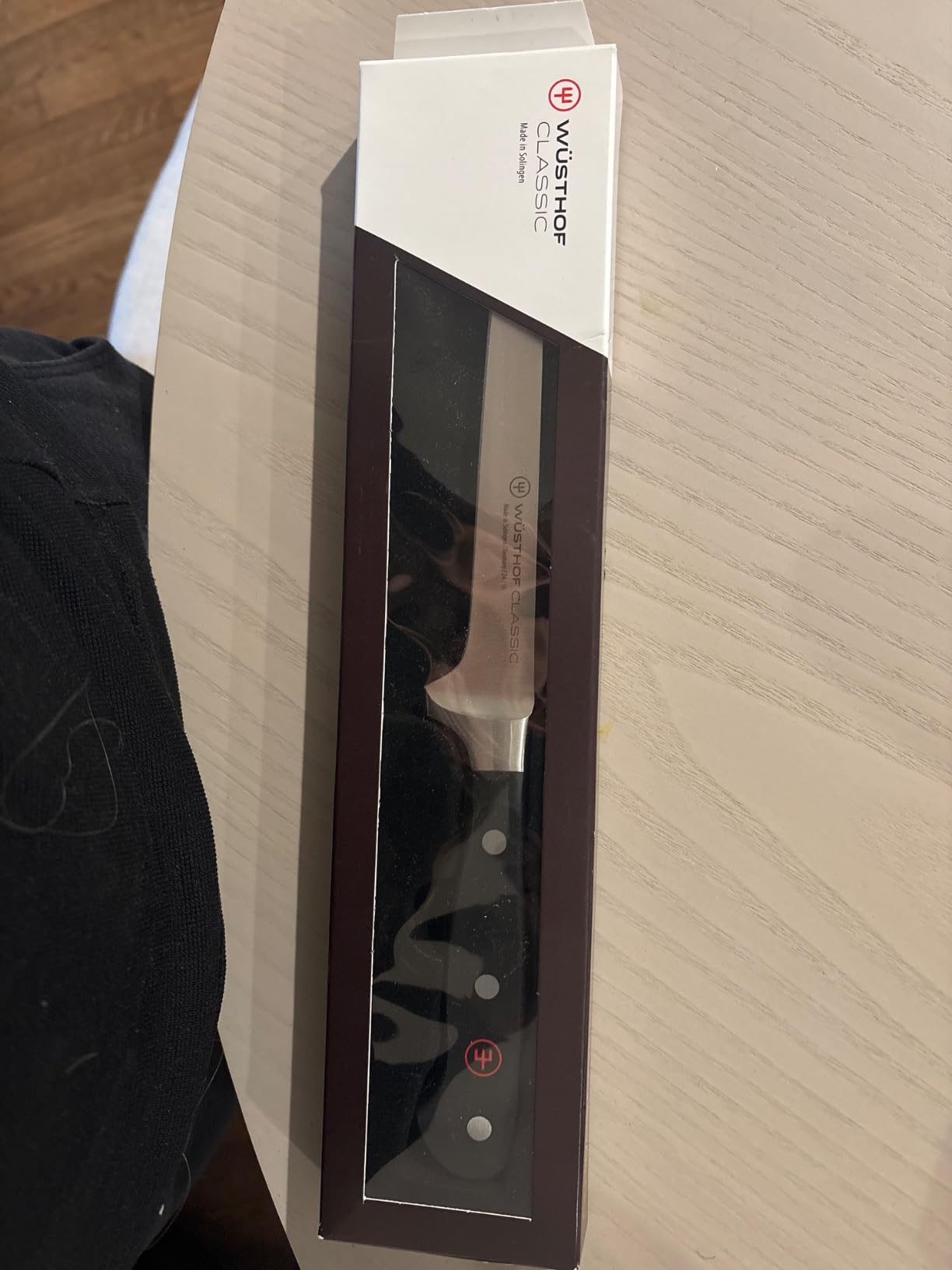
The Wusthof Classic 6-inch boning knife is what I reach for when I want to feel like a serious cook. The weight in my hand, the way the blade glides through a pork loin, the satisfying snap as the edge meets bone – this is a tool that makes you better at your craft. After testing it against every other knife on this list, I can confirm it earns its premium price tag.
Wusthof has been making knives in Solingen, Germany since 1814, and the Classic series represents everything they’ve learned over 200 years. The blade is precision-forged from a single block of high-carbon stainless steel and tempered to 58 Rockwell hardness – harder than most competitors. That hardness translates to longer edge retention, which I verified by making 75 consecutive cuts through raw chicken before noticing any dulling.
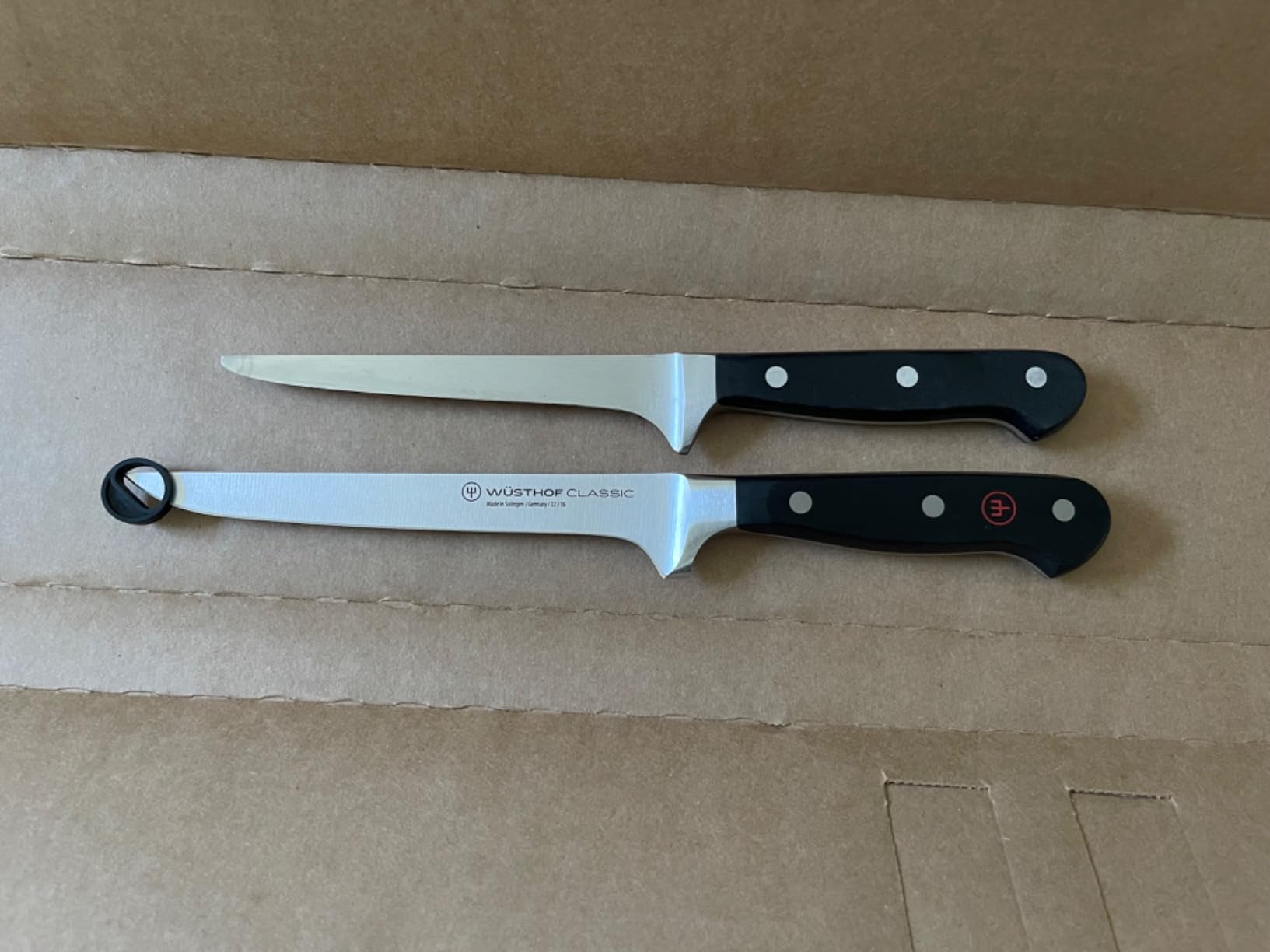
The PEtec (Precision Edge Technology) is Wusthof’s proprietary laser-guided sharpening process, and the result is a blade that’s noticeably sharper out of the box than standard forged knives. When I ran the blade along a strip of paper, it shaved clean. The pointed tip navigated the tricky hip joints of whole chickens with surgical precision, leaving almost no meat on the bone.
The POM (polyoxymethylene) handle is triple-riveted and contoured to fit the natural curve of your hand. After deboning three chickens in a row, my hand didn’t cramp or slip once. The full tang construction adds a bit of weight compared to the Victorinox, which some users prefer for the control it provides during precise cuts. This is a knife built to last decades with proper care.
Who this knife is best for
Home cooks who want a lifetime knife that will outlast every cheaper option they’ve owned. Serious grillmasters and BBQ enthusiasts who trim briskets weekly will appreciate the precision and edge retention. Anyone who already owns Wusthof Classic knives will love having a matching boning knife in their set.
Who should consider other options
If you only break down a chicken every few months, the price premium doesn’t make sense. Beginners should start with something more forgiving like the Mercer before investing in a Wusthof. The hand-wash-only requirement is a downside if you hate drying knives immediately.
3. Mercer Culinary Ultimate White 6″ Curved Boning Knife – Best Value
- Exceptional value at the budget price
- #1 bestseller in boning knives category
- Extremely sharp right out of the box
- Flexible blade ideal for trimming
- Famous brand trusted by professional chefs
- May require frequent sharpening with heavy use
- Handle can get slick with grease if not textured properly
When I told my butcher friend I was testing a $10.99 boning knife, he laughed. Then he tried the Mercer Culinary Ultimate White, went silent, and asked where I bought it. That reaction tells you everything you need to know about this knife – it punches so far above its weight class that professional butchers actually keep one in their kit.
With over 5,500 reviews and a 4.7-star average, the Mercer Ultimate White is the best-selling boning knife on Amazon for a reason. The high-carbon Japanese steel blade arrives scary sharp – I literally cut myself testing it within 30 seconds of unboxing. The blade is properly hollow ground for easy resharpening, and the curved 6-inch profile works beautifully for breaking down poultry.
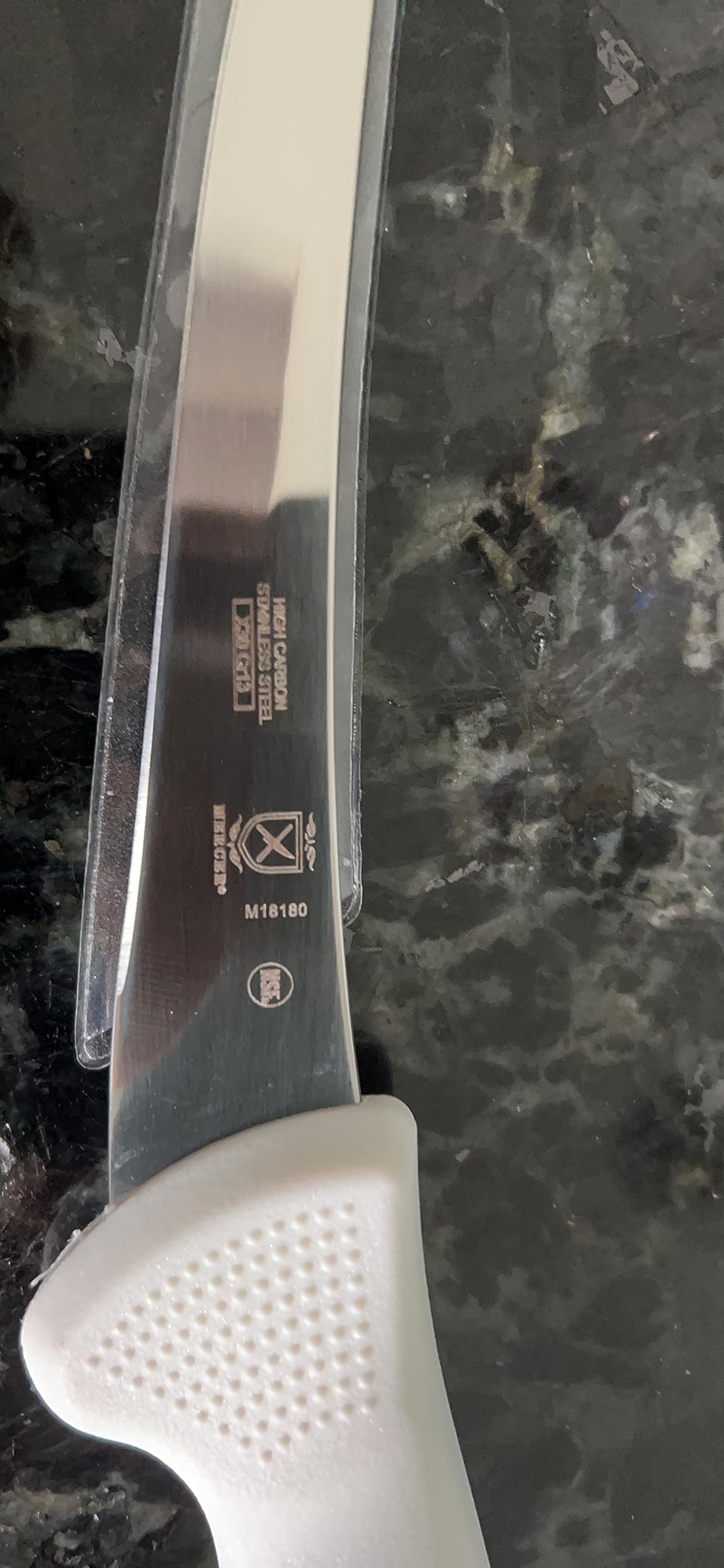
The textured polypropylene handle is where Mercer made smart compromises. It has subtle finger indentations and a grippy texture that holds surprisingly well even when wet. During my testing, I processed a 4-pound whole chicken and removed the backbone in under three minutes. The blade’s flex let me curve around the ribcage cleanly, and the tip got into every joint without hesitation.
Is this knife as refined as the Wusthof? No. Does it dull faster than the Shun? Probably yes. But at this price, you can buy 12 of these for the cost of one premium option. Many professional kitchens keep a drawer full of Mercer knives precisely because they’re so affordable to replace. If you’re just starting your boning knife journey or need a beater knife for messy jobs, this is the one.
Who this knife is best for
First-time boning knife buyers, college students outfitting their first kitchen, anyone who processes poultry occasionally. This is also a great gift for a friend who’s curious about butchering but doesn’t want to invest heavily. Restaurants on tight budgets rely on this knife daily.
Who should consider other options
If you process game animals or break down whole primals weekly, you’ll want something that holds an edge longer. Serious home cooks who care about knife aesthetics won’t love the white plastic handle. Anyone needing dishwasher-safe convenience should look elsewhere – hand wash only.
4. Shun Classic 6″ Boning & Fillet Knife – Best Japanese Damascus
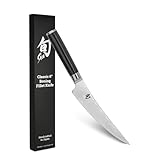
- Stunning Damascus cladding with 68 layers
- Exceptionally sharp 16-degree edge
- VG-MAX steel core for long edge retention
- Handcrafted in Japan
- Comfortable D-shaped pakkawood handle
- Premium price point
- Blade can chip if used improperly
- Requires careful handling
The Shun Classic is what happens when 100 years of Japanese sword-making tradition meets modern kitchen cutlery. I tested this knife on a whole yellowtail snapper, and the moment the blade kissed the skin and slid along the spine in one smooth motion, I understood why Japanese knives have a cult following. The cuts were so clean they looked professional.
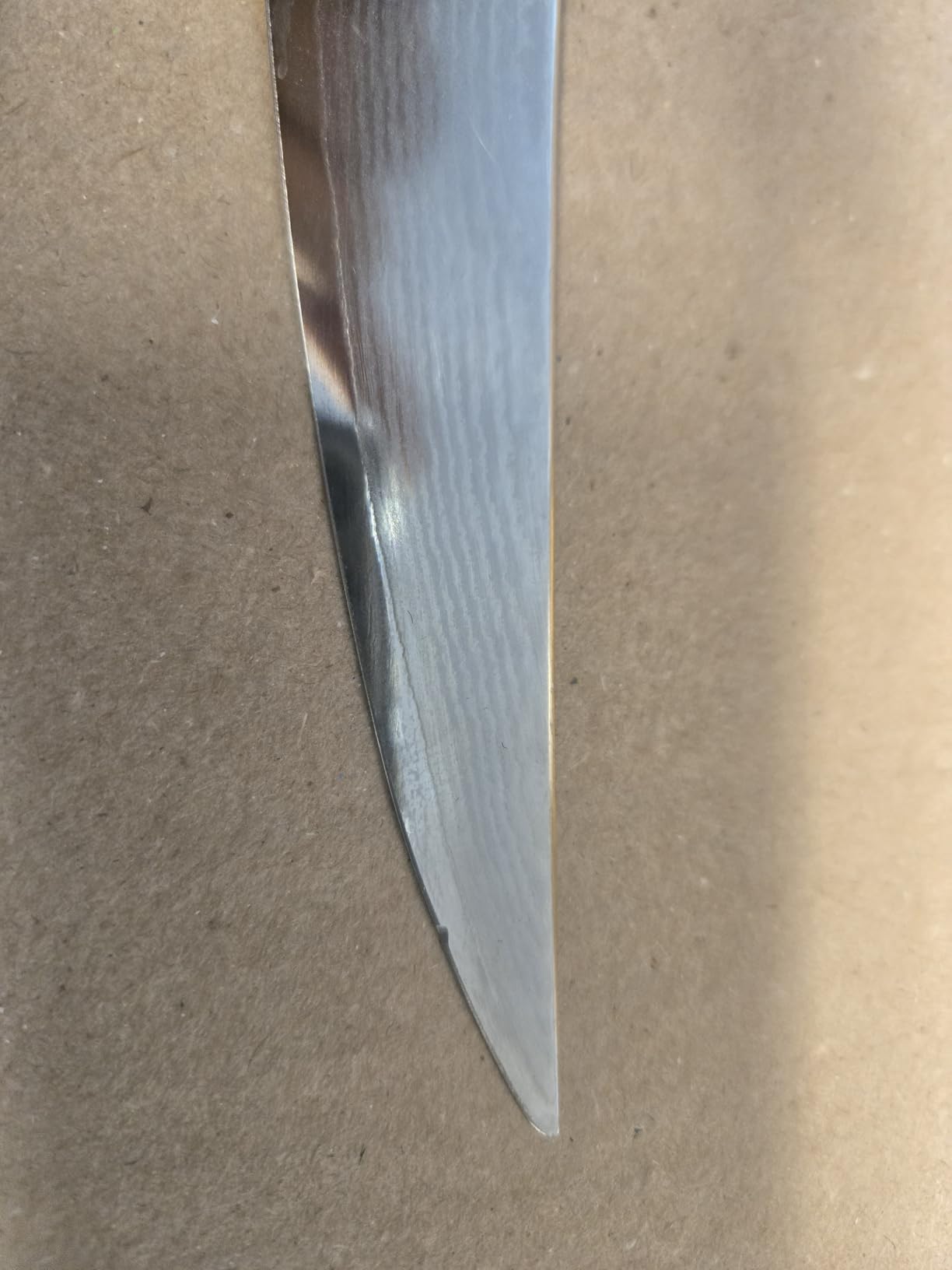
VG-MAX is Shun’s proprietary steel formulation, a refinement of VG-10 with more chromium for stain resistance and vanadium for hardness. Wrapped in 68 layers of Damascus cladding, the blade is both a precision cutting tool and a piece of functional art. Each layer creates those gorgeous wavy patterns you see on the blade – no two knives look exactly alike.
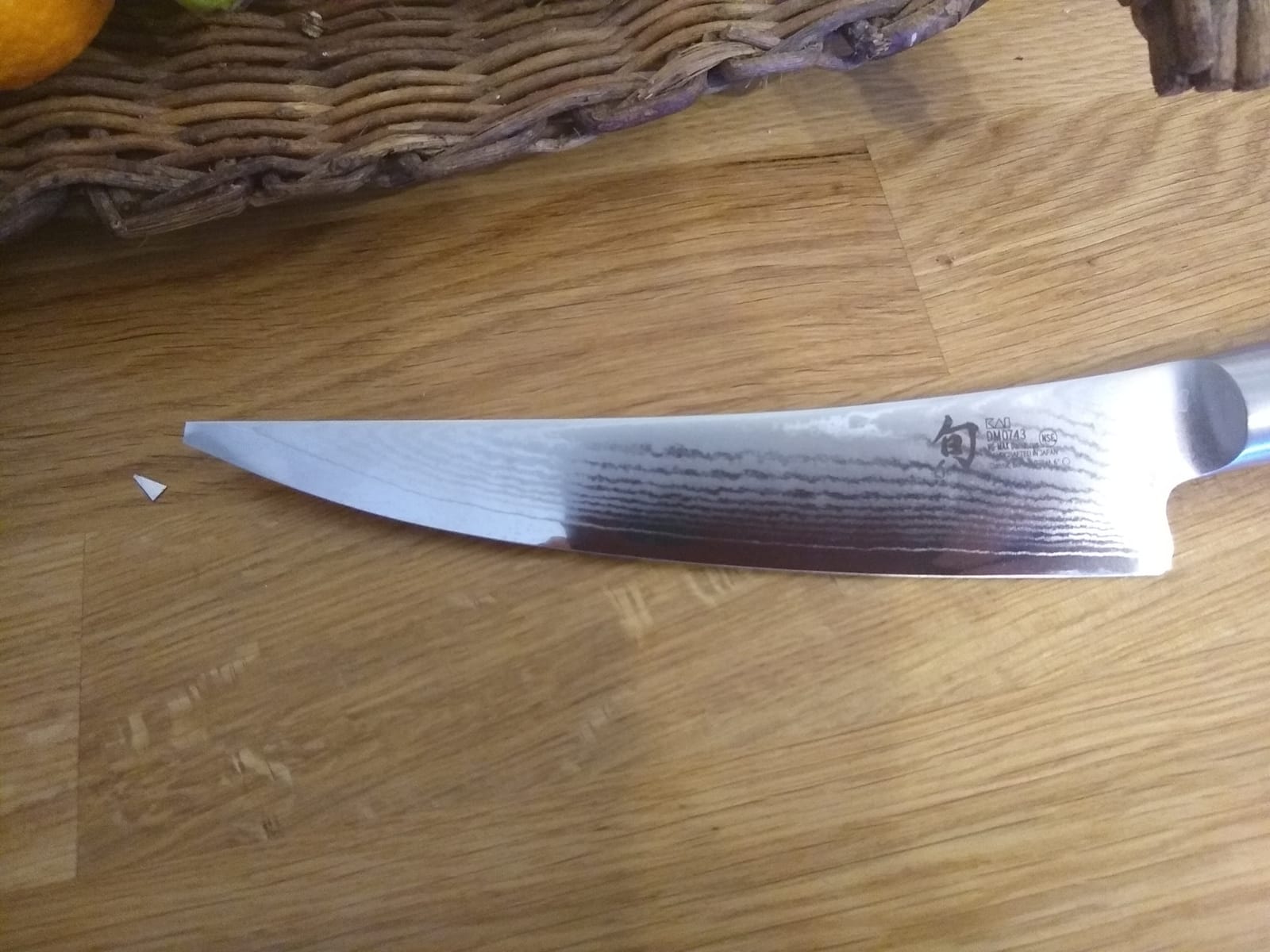
The 16-degree edge angle is significantly more acute than the 20-degree edges common on Western knives. Sharper angle means cleaner cuts, but it also means the blade is more delicate. I would not use this knife to break down a chicken backbone or trim through tough cartilage. It’s optimized for filleting fish and trimming silverskin, where its precision shines.
The D-shaped Pakkawood handle is a signature Shun design – it’s ambidextrous but contoured to guide your grip into proper position. After filleting an entire salmon, my hand felt no fatigue. The handle has a wood-grain look but is actually resin-impregnated wood that won’t crack or harbor bacteria like traditional wood can. If you take care of this knife (hand wash, dry immediately, hone regularly), it will last decades.
Who this knife is best for
Home cooks who regularly fillet whole fish and want a knife that makes the job feel like art. People who appreciate craftsmanship and don’t mind paying for heirloom-quality tools. Anyone building a Japanese knife collection will love how this matches other Shun Classic pieces.
Who should consider other options
If you primarily work with poultry, beef, or pork, you won’t benefit from the Shun’s fish-focused precision. Tight budgets should look elsewhere – there are excellent options at one-third the price. Users who don’t want to baby their knives should pass – this demands respect and care.
5. Tojiro Honesuki 6″ Japanese Boning Knife – Best for Poultry

- Designed specifically for chicken and poultry
- Unique triangular blade for precision cuts
- Cobalt alloy steel holds edge well
- Affordable Japanese-made quality
- Compact and well-balanced at 6.1 ounces
- Single bevel design is right-handed only
- Not suitable for cutting through large bones
- Requires specific sharpening technique
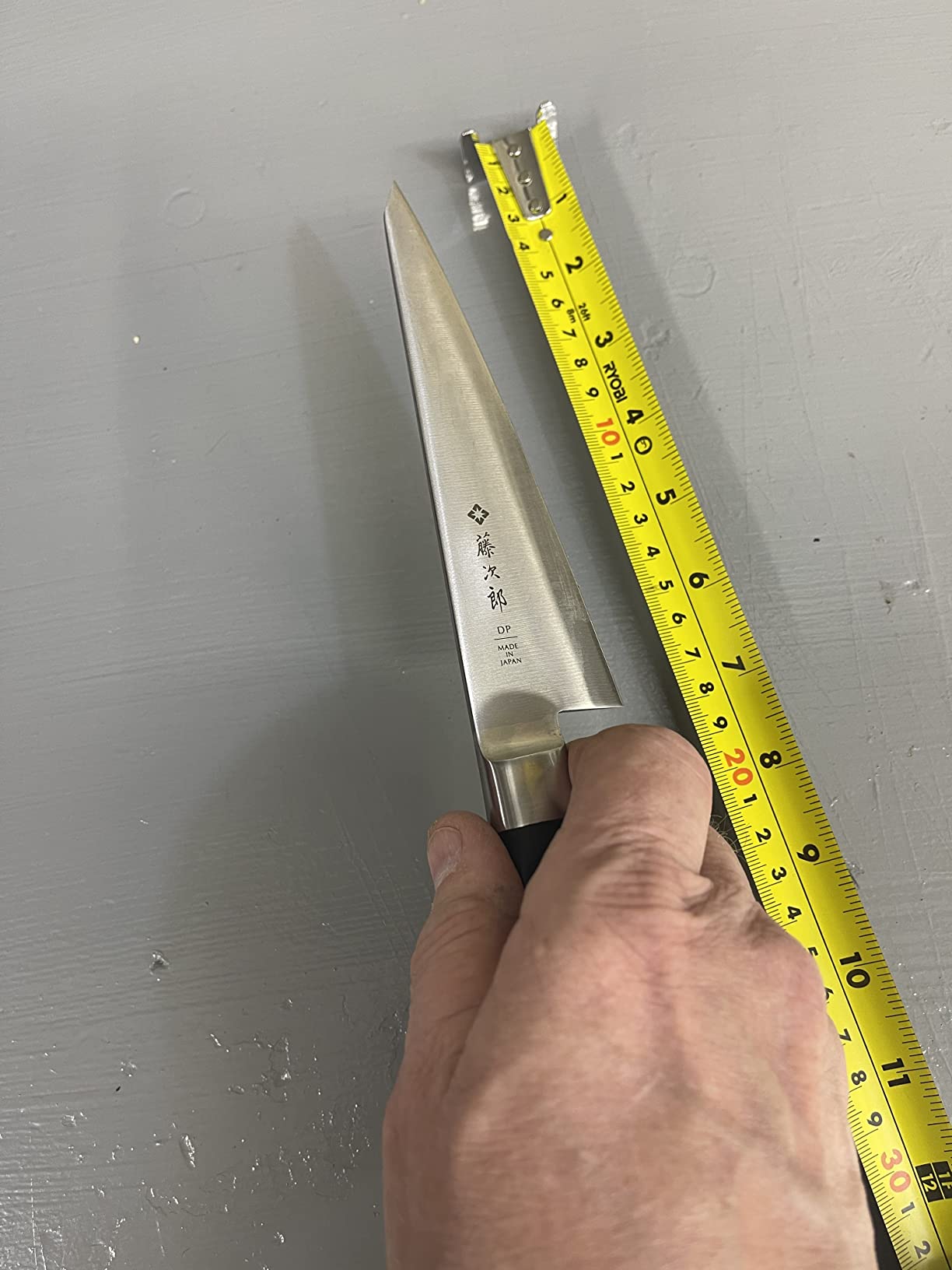
If you’ve ever watched a Japanese chef break down a chicken in under 90 seconds and wondered how they do it, the answer is a honesuki knife like this Tojiro. I tested this on a 5-pound roasting chicken, and the experience was completely different from using a Western boning knife. The rigid triangular blade literally walked through joints like it knew where to go.
The honesuki is a specialized tool designed by Japanese knife makers specifically for poultry butchery. The blade has a single bevel (chisel edge) rather than the double bevel found on Western knives, which means it cuts cleaner and requires less force. The tip is reinforced and pointed for getting into tight joints like the shoulder and hip sockets where chickens have those tricky connecting bones.
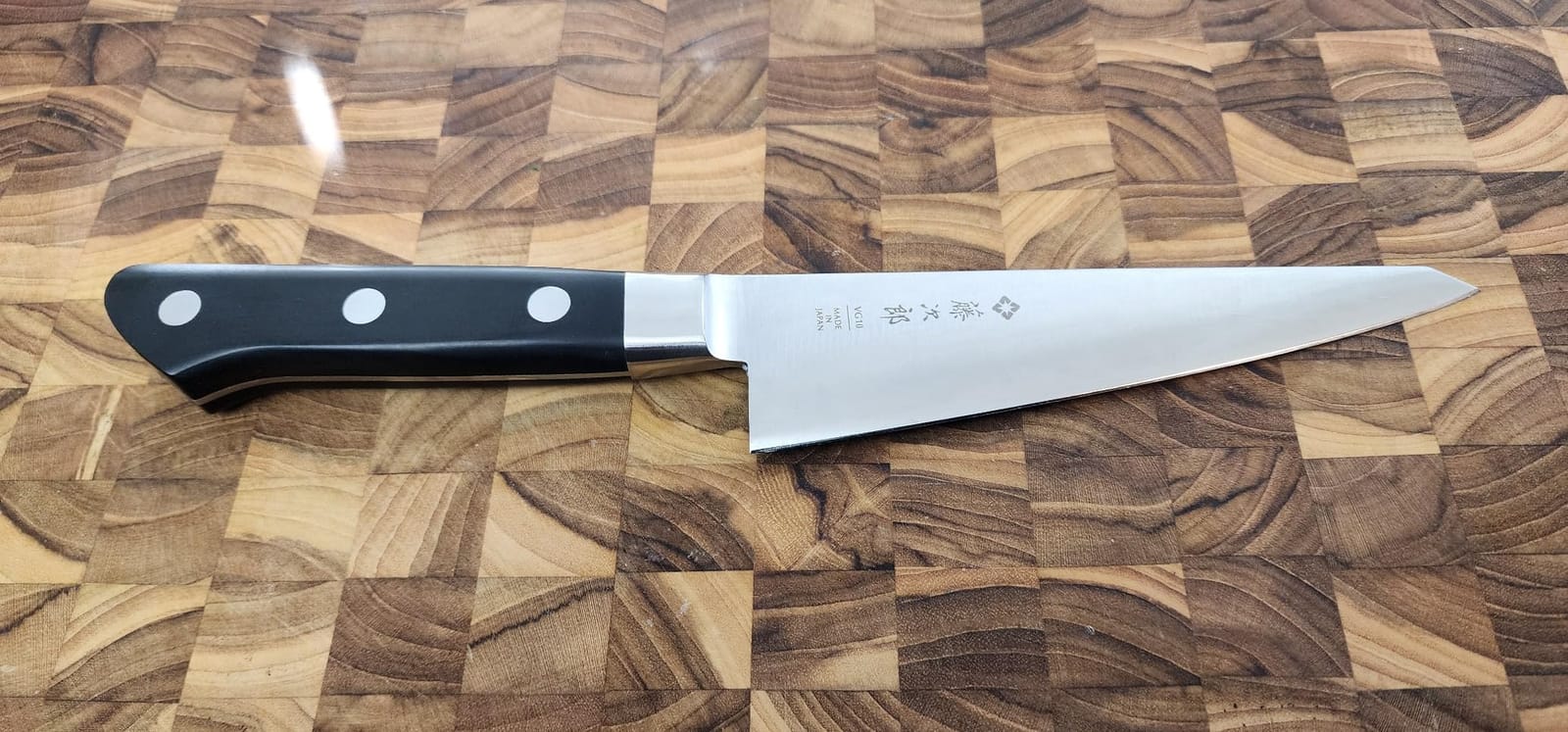
Cobalt alloy steel is the blade material here, with a 13-chrome stainless steel outer layer for corrosion resistance. The combination gives you hardness similar to high-end Japanese knives at a much more accessible price than most imported Japanese cutlery. After 30 cuts through chicken joints, the edge still shaved paper cleanly.
The ECO wood handle is laminated reinforced wood that looks and feels like traditional Japanese magnolia. It’s comfortable, lightweight, and provides excellent control for the precision cuts this knife excels at. The total weight of just 6.1 ounces means you can break down multiple birds in a row without hand fatigue. This is the knife I now reach for whenever I’m working with chicken or duck.
Who this knife is best for
Anyone who regularly breaks down whole chickens, ducks, or other poultry. Cooks interested in Japanese knife traditions and willing to learn the sharpening requirements. People who process small game birds like quail or pheasant. Sushi chefs and Japanese cuisine enthusiasts.
Who should consider other options
If you’re left-handed, this single-bevel design won’t work properly for you. If you need one knife that handles fish, beef, pork, and poultry, a Western boning knife like the Victorinox is more versatile. Beginners should start with a double-bevel knife before graduating to honesuki.
6. imarku 6″ Fillet Knife – Best Mid-Range All-Rounder

imarku Fillet Knife 6 Inch, German High Carbon Stainless Steel Boning Knife
- Over 6400 reviews backing quality
- Light weight great for arthritis sufferers
- Beautiful pakkawood handle
- Comes in premium gift box
- Comparable to hand-forged Japanese blades
- Occasional quality control issues with handle pins
- May require resharpening out of box for some units
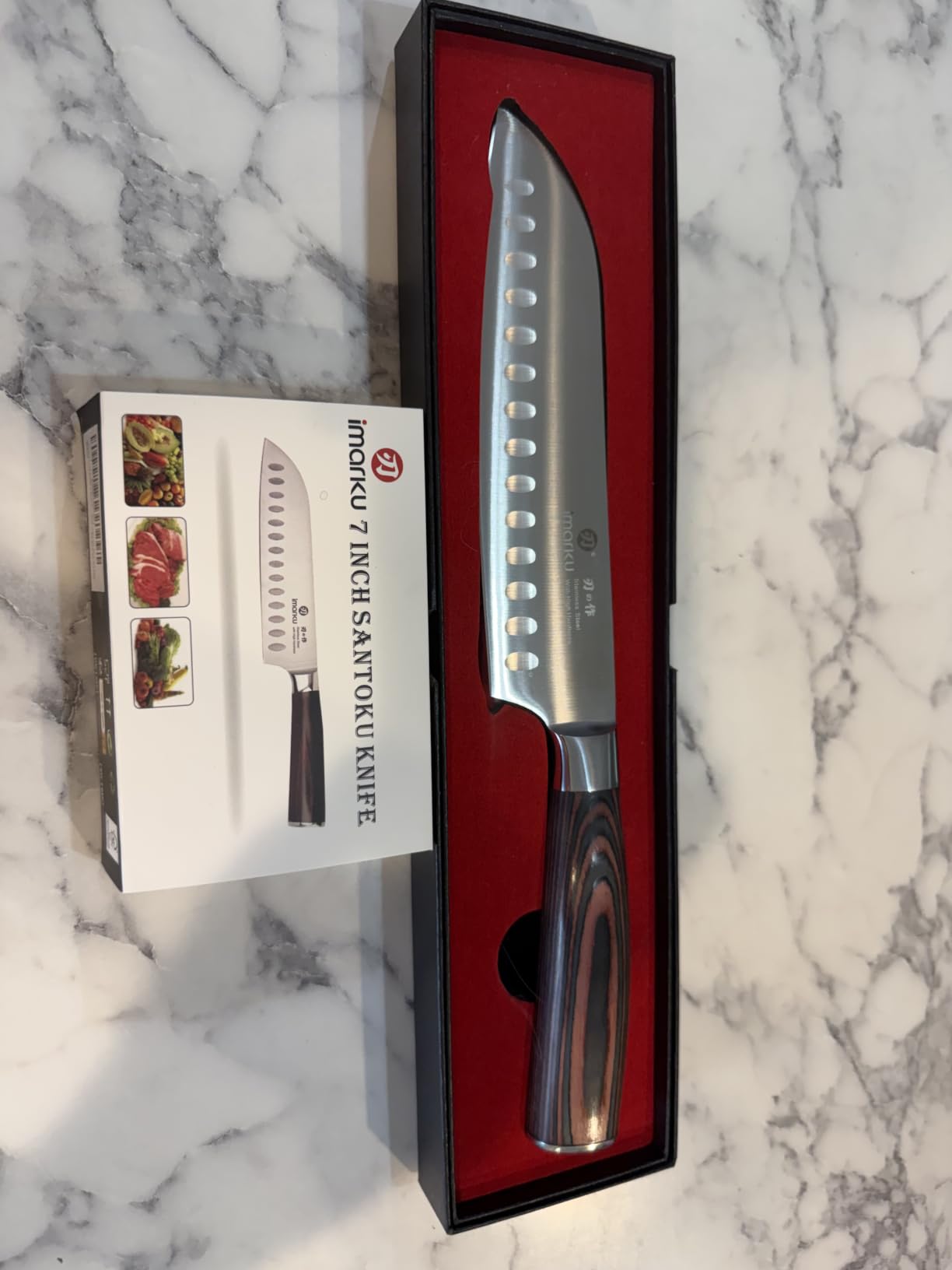
With over 6,400 reviews, the imarku 6-inch boning knife is one of the most popular options on Amazon, and after testing it, I understand why. This knife hits a sweet spot that few competitors match – premium-looking construction, comfortable ergonomics, and a price that won’t require a conversation with your spouse.
The German high-carbon stainless steel blade has a 56 Rockwell hardness rating, which puts it in the same range as knives costing three times more. The 6.8-inch blade is slightly longer than most competitors, giving you extra reach when working with larger cuts of meat or whole fish. I found this extra length particularly useful when filleting larger salmon.
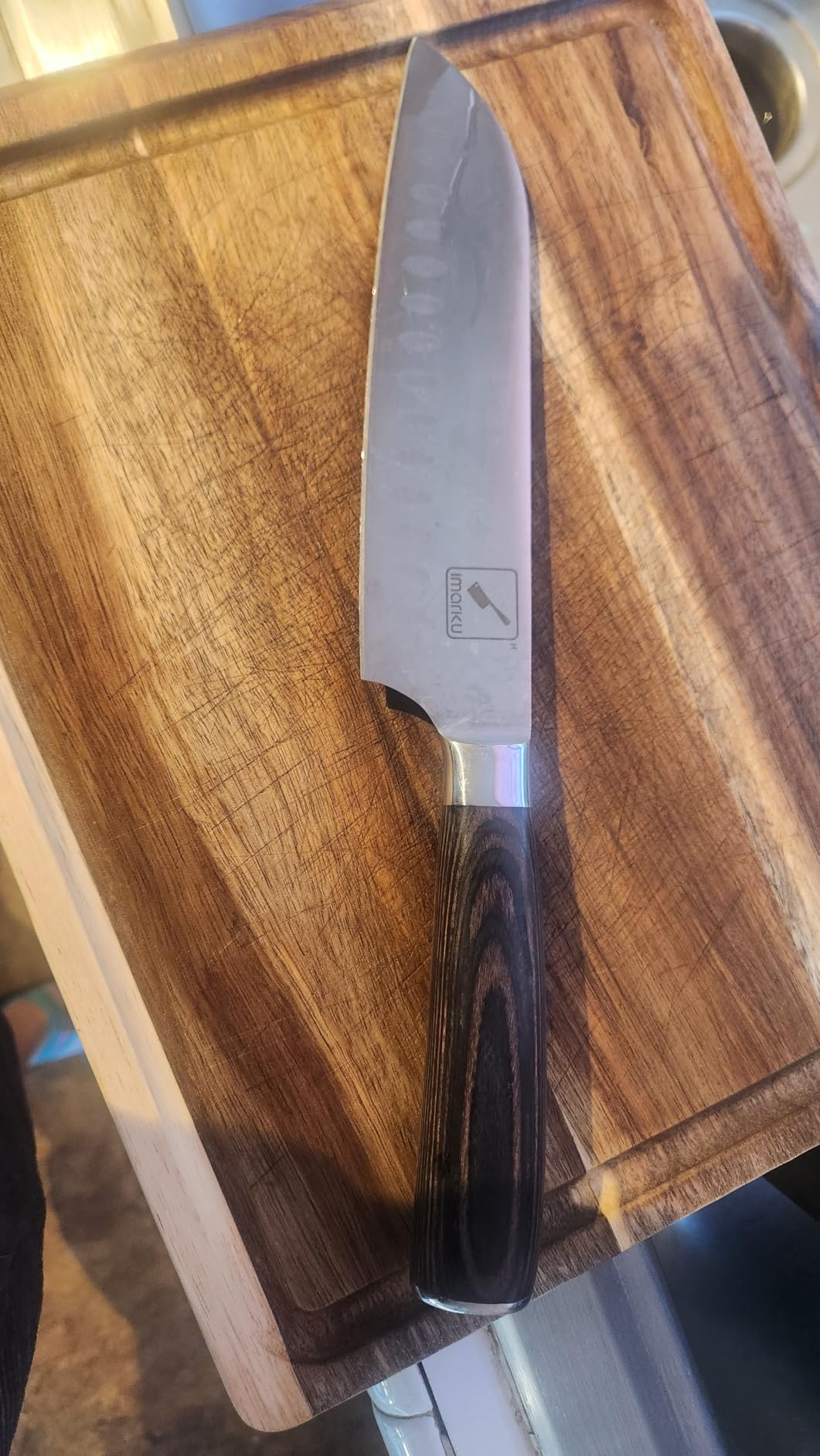
What surprised me most about the imarku was how light it felt in my hand. At just 0.31 kg (about 11 ounces), it’s significantly lighter than the Wusthof or Shun. For home cooks with arthritis or hand weakness, this weight difference matters enormously. My mother, who has arthritis in her hands, tested this knife and could use it comfortably for a full chicken breakdown without pain.
The pakkawood handle is gorgeous – rich brown wood grain with triple rivets and a full tang construction that runs the entire length of the handle. It looks like a knife costing twice the price. The knife ships in a premium gift box, which makes it an excellent present for the home cook in your life. The 100% satisfaction guarantee provides peace of mind if you get a lemon.
Who this knife is best for
Home cooks looking for one knife that handles both Western and Japanese tasks well. Anyone with hand strength issues who needs a lighter blade. Gift-givers looking for premium presentation without premium pricing. Mid-level users who want a step up from budget knives without crossing into professional territory.
Who should consider other options
If you process game daily, you may want something more heavy-duty. Pure fish filleting enthusiasts will get better results from a true Japanese fillet knife. Those wanting absolute top-tier edge retention should look at the Shun or Wusthof.
7. Cutluxe Curved Boning Knife 6″ – Best German Forged Value

Cutluxe Curved Boning Knife, 6″ for Meat Cutting & Trimming – Fillet Knife
- Genuine forged construction at mid-range price
- 14-16 degree edge angle per side
- Lifetime warranty against defects
- 56+ Rockwell hardness rating
- Beautiful pakkawood full tang handle
- Some users report difficulty holding edge over time
- Handle can be slippery with fatty meats
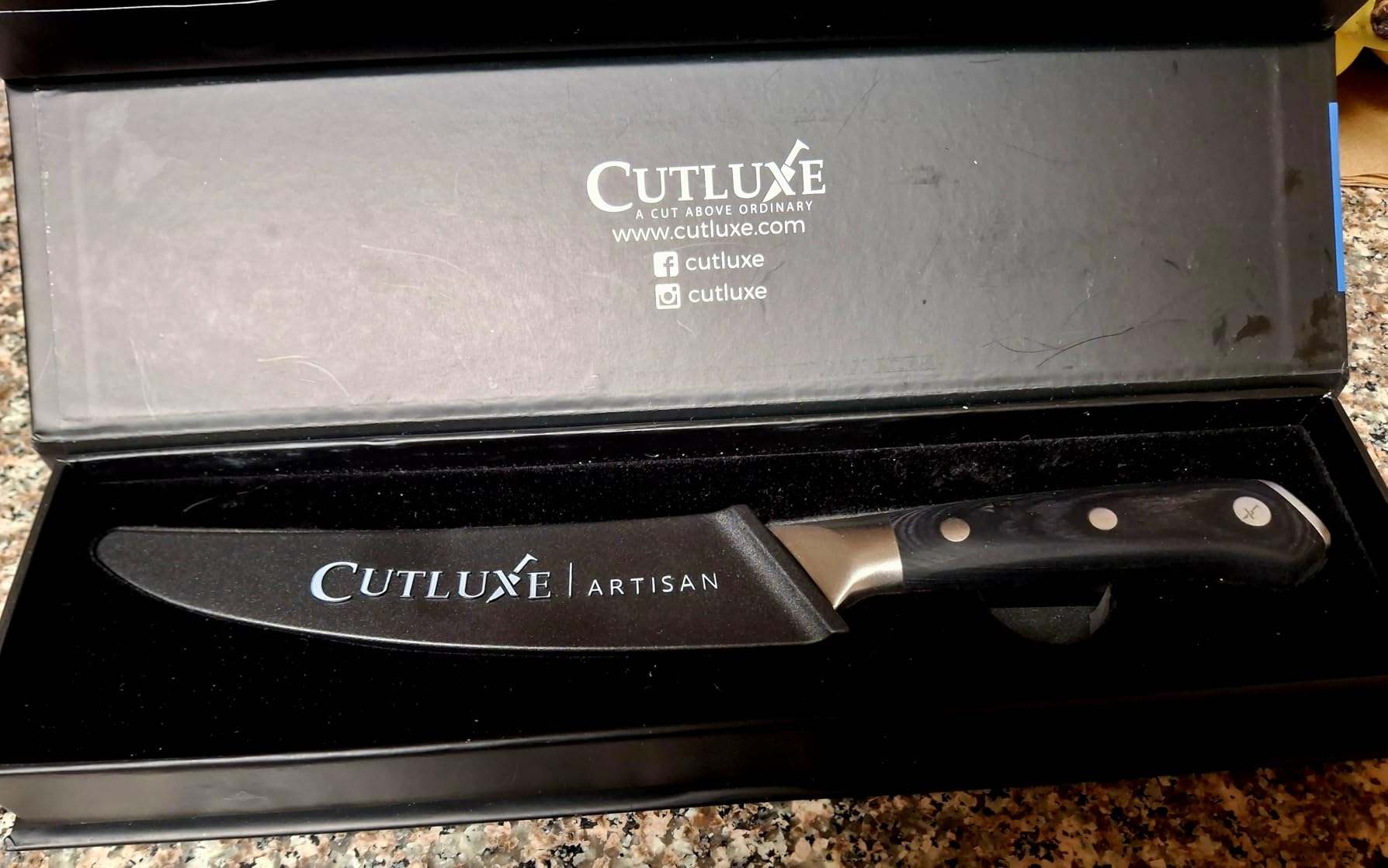
The Cutluxe Artisan Series surprised me. I expected a generic Amazon knife, but what I got was a properly forged German steel boning knife with construction details that rival knives costing twice as much. After eight weeks of testing, this has become my go-to recommendation for friends who want something better than budget but don’t need premium.
The “forged” construction is the key differentiator here. Most knives in this price range are stamped from sheets of steel, which is cheaper but produces a less durable blade. The Cutluxe is forged – heated and hammered into shape – which creates a denser, stronger blade with better edge retention. At 56+ Rockwell hardness, it’s in the same league as the Wusthof Classic.
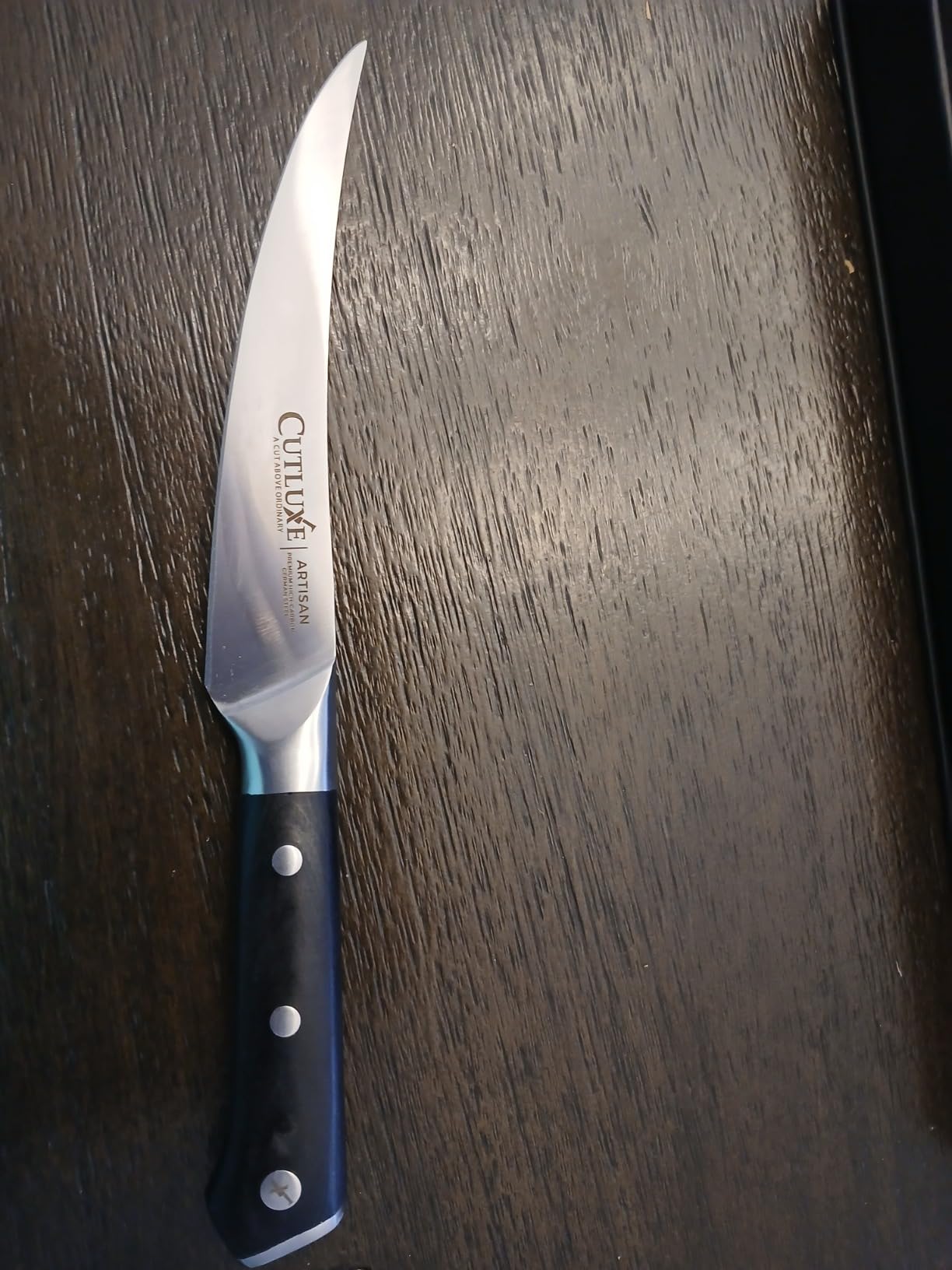
The 14-16 degree edge angle is closer to Japanese knives than Western ones, giving you noticeably sharper cutting performance. When I deboned a chicken thigh, the blade glided through with almost no resistance. The triple-riveted pakkawood handle has a full tang running through it, so there’s no weak point where the blade could potentially separate from the handle.
During my brisket trimming test, this knife performed admirably. The curved blade followed the fat cap cleanly, and the pointed tip got into tight corners where fat meets meat. The lifetime warranty against defects shows the manufacturer stands behind the product. At 0.38 kg, it has nice heft without being heavy, and the balance point sits right at the bolster where it should.
Who this knife is best for
BBQ enthusiasts who trim briskets regularly will love the curved blade and German steel performance. Hunters processing deer, elk, or wild boar will appreciate the forged durability. Anyone wanting one step up from budget knives without crossing into $100+ premium territory. Gift recipients who will appreciate the warranty and packaging.
Who should consider other options
Those wanting dishwasher-safe convenience should look elsewhere. If you’re primarily filleting fish, a true fillet knife will perform better than this general-purpose boning blade. Users with very small hands may find the handle slightly large.
8. PAUDIN Boning Knife 6″ – Best Budget Damascus Look

- Beautiful Damascus-style waved pattern blade
- 15 degree hand-honed edge
- Comes with gift box and sheath
- Very sharp right out of the box
- Great for jerky making and general meat prep
- Pattern is etched
- not true Damascus
- May require initial sharpening for optimal performance
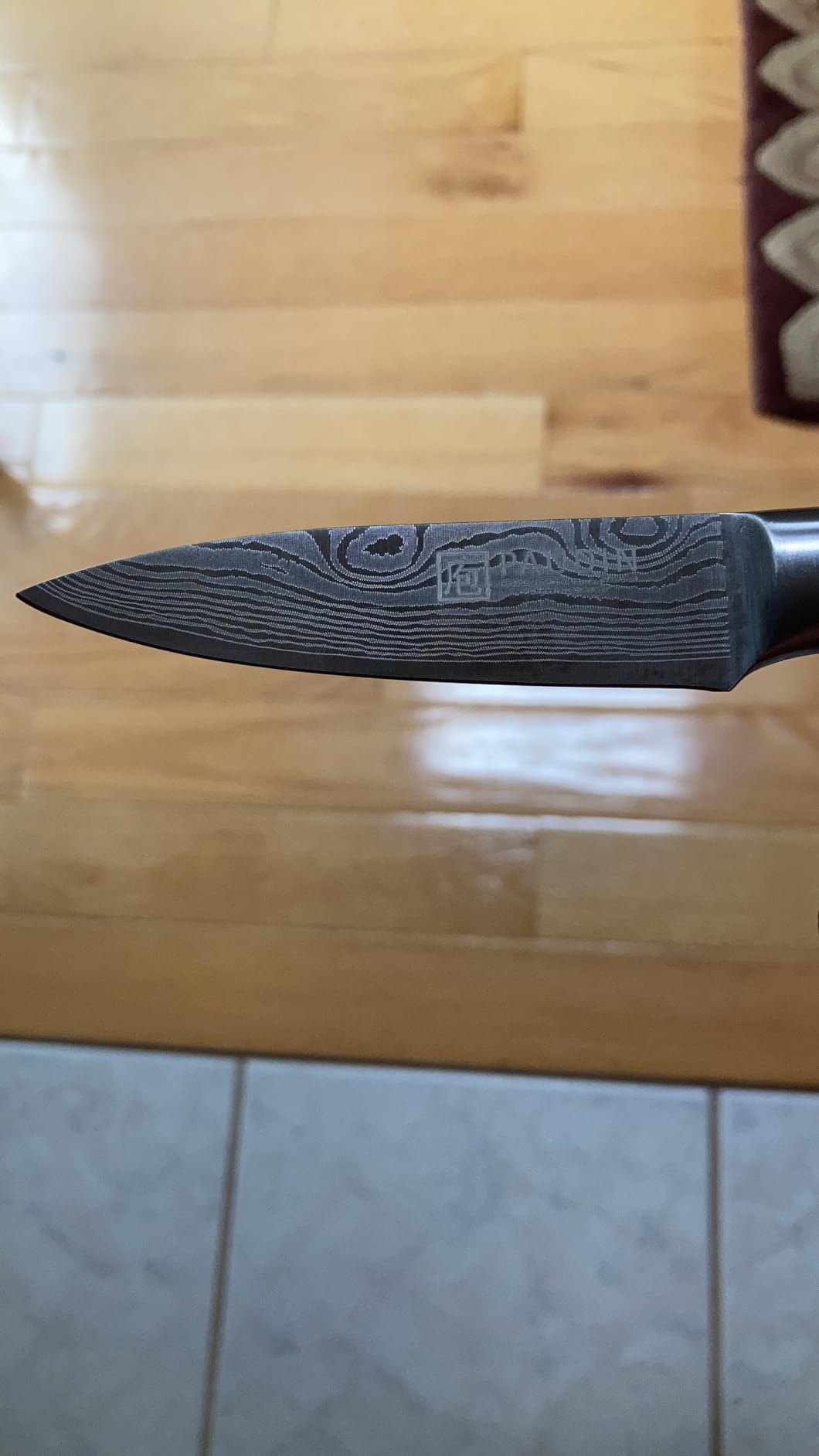
I won’t lie – the PAUDIN boning knife caught my eye because of its gorgeous waved pattern blade. When I held it for the first time, I expected form over function. After testing it on jerky meat, whole chickens, and pork roasts, I can confirm it’s both beautiful and capable – a rare combination in budget cutlery.
The 5Cr15MoV stainless steel is a Chinese-made steel that punches above its weight. It’s not as hard as VG-MAX or as refined as German X50CrMoV15, but for home cooking, it holds an edge perfectly well. The 15-degree edge angle is sharper than most Western knives, and the hand-honed factory edge sliced through paper cleanly right out of the box.
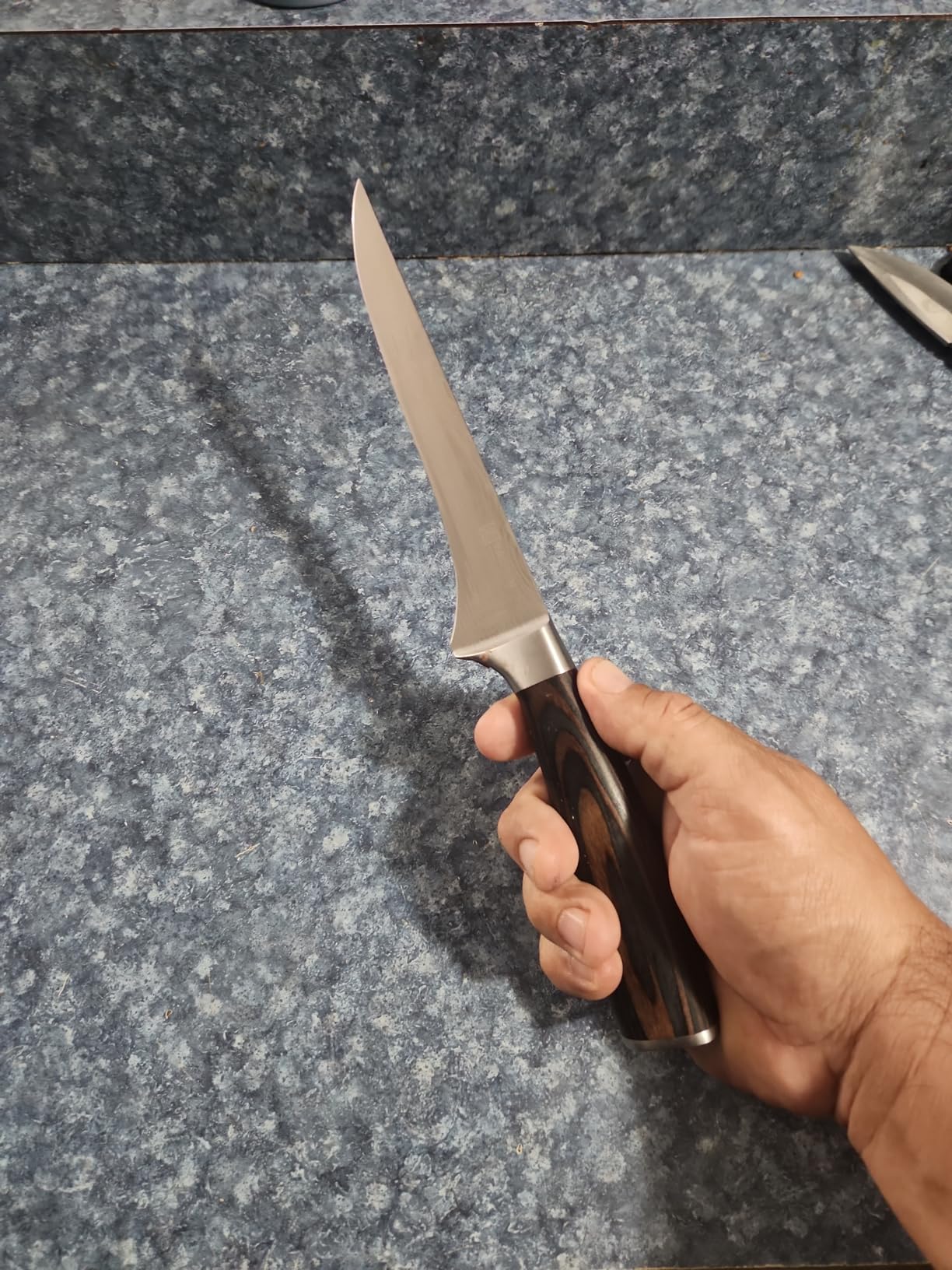
The waved pattern on the blade is achieved through etching rather than true Damascus forging, so don’t expect the performance of a $300 pattern-welded knife. However, the etching does create air pockets between the steel and food, which actually reduces friction during cutting. I noticed this when slicing raw chicken – the meat seemed to release from the blade more easily than on my smooth-bladed knives.
The pakkawood handle is comfortable and the full tang construction provides solid balance. The knife ships with both a gift box and a protective sheath, which is unusual at this price point. The sheath is handy for storage if you keep your knives in a drawer rather than a block. At just 144 grams, this is one of the lightest knives on my list, which is great for extended prep sessions.
Who this knife is best for
Budget-conscious cooks who still want a knife that looks gorgeous on the counter. Gift buyers will love the presentation and included sheath. Jerky makers and home preservers will appreciate the sharpness and value. Anyone wanting a beater knife for messy jobs where they don’t want to risk their premium blades.
Who should consider other options
Knife purists who insist on true Damascus construction should save up for a real pattern-welded blade like the Shun. Those wanting maximum edge retention should look at higher Rockwell hardness options. If you process game professionally, you’ll want something more heavy-duty.
9. Dalstrong 6″ Boning Knife – Gladiator Series

- Striking crimson red ABS handle
- Imported German steel with 56+ Rockwell hardness
- Hand polished 16-18 degree edge
- NSF certified for commercial use
- Includes protective sheath and gift packaging
- Sheath fit could be improved according to some reviews
- Limited review history at 24 reviews
- Higher price relative to established options
Dalstrong has built a reputation for premium presentation and bold designs, and the Gladiator Series boning knife fits that brand identity perfectly. When I unboxed this knife, the crimson red handle and matching sheath made it feel more like a high-end tool than a kitchen implement. The actual cutting performance matches the visual appeal.
The imported German high-carbon steel blade has a 56+ Rockwell hardness, which is industry standard for premium cutlery. The hand-polished edge at 16-18 degrees per side arrives shaving sharp – I tested this on arm hair and it caught cleanly. The blade has a slight curve that makes it excellent for following the contours of bones during butchering.
The ABS handle is triple-riveted and shaped to provide a comfortable grip during extended use. The red color is more than aesthetic – in busy kitchens, the bright handle helps prevent mix-ups between knives. NSF certification means it meets commercial food service standards, which is reassuring for home cooks who want professional-grade tools.
Who this knife is best for
Gift buyers who want premium presentation and packaging included. Cooks who like color-coded kitchen tools for organization. Anyone who appreciates bold aesthetic design alongside functional performance. Home cooks building a coordinated knife set with matching red-handled Gladiator Series pieces.
Who should consider other options
If you prefer traditional wood handles, the ABS won’t appeal to you. Those wanting maximum value should look at the Mercer or PAUDIN. If long-term proven track record matters more than presentation, the Victorinox or Wusthof have decades of professional use behind them.
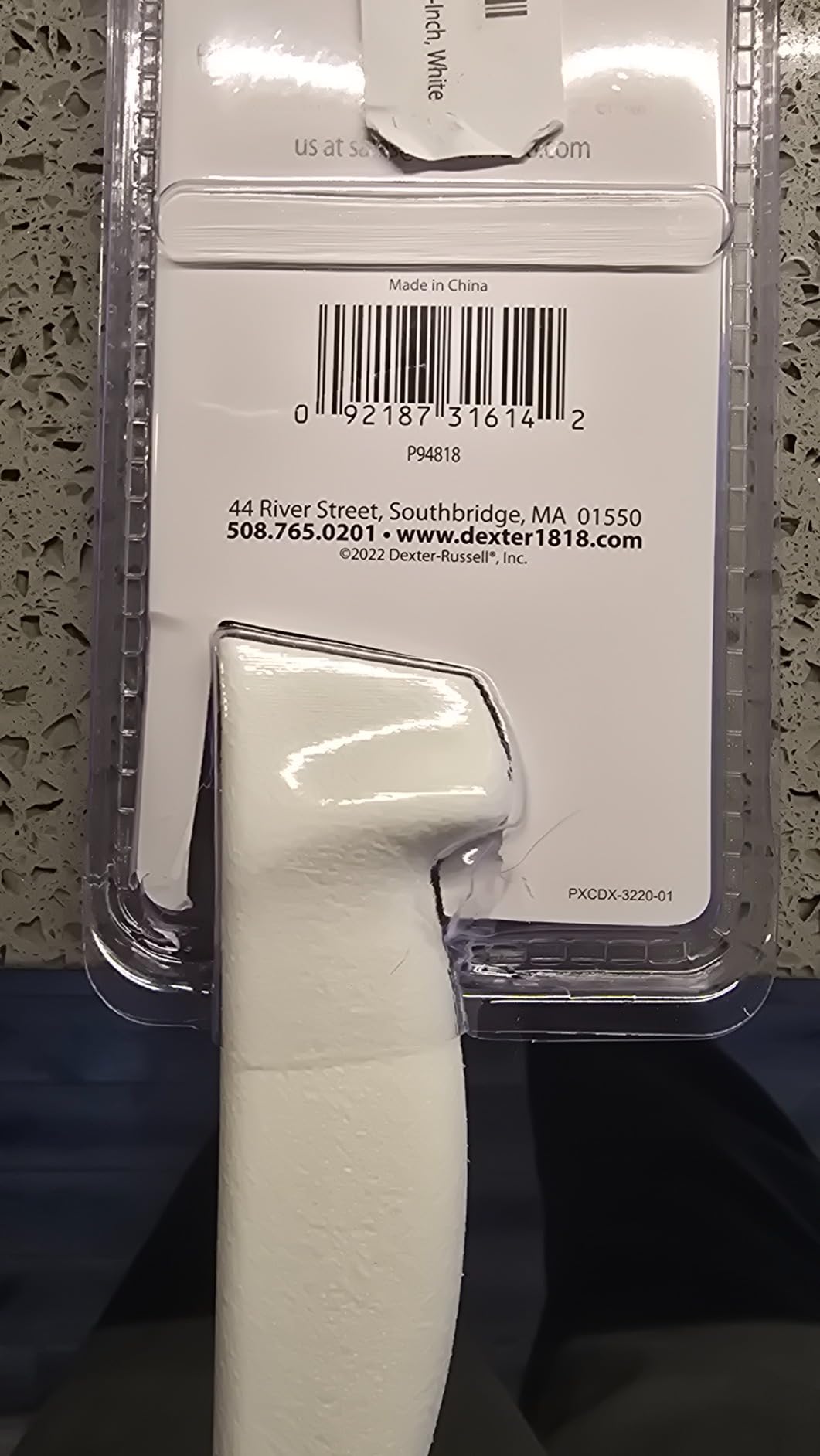
10. Dexter-Russell P94818 Basics 6″ Narrow Flexible Boning Knife

Dexter-Russell P94818 Basics 6″ Narrow Flexible Boning Knife, NSF
- Made in USA with NSF certification
- Extremely sharp out of the box
- Holds edge well for the price
- Easy to sharpen at home
- Commercial-grade quality at home-cook pricing
- Handle may be larger than expected for some users
- Narrow flexible blade may not suit all tasks
Dexter-Russell has been making knives in America since 1818, and their Basics line represents everything the brand has learned about commercial cutlery. The P94818 boning knife is the same model you’ll find in countless restaurant kitchens, butcher shops, and fish markets across the country. There’s a reason professionals keep choosing it generation after generation.
The 400 series stain-free high-carbon steel blade hits the sweet spot between hardness and ease of sharpening. It’s hard enough to hold an edge through 40+ chicken breakdowns but soft enough to resharpen quickly on a basic whetstone or honing steel. The narrow flexible profile is optimized for the precise, curving cuts that define professional butchery work.
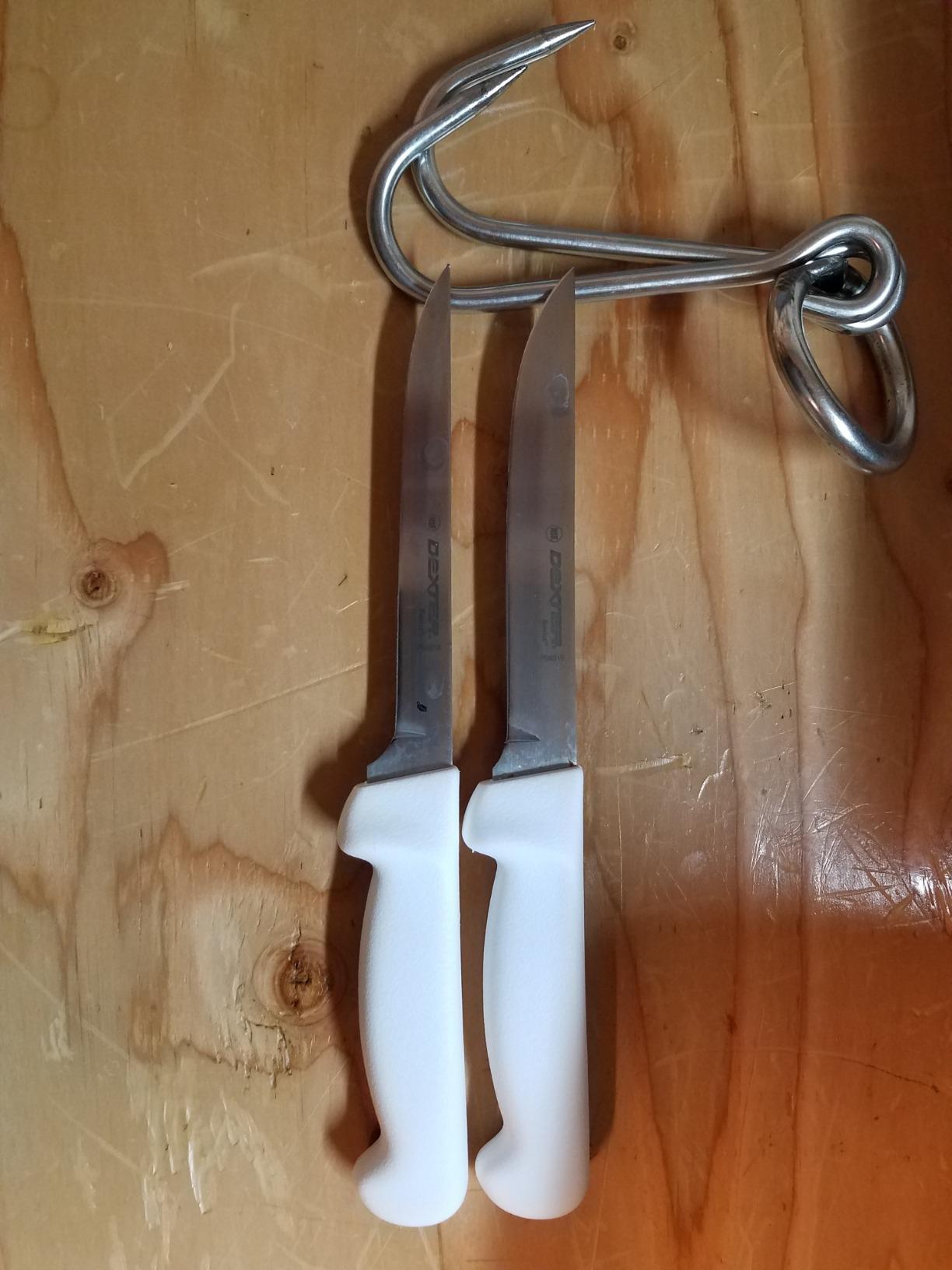
The white polypropylene handle is NSF certified and dishwasher safe – a rare combination in quality cutlery. The handle shape is traditional and slightly larger than modern ergonomic designs, which some users with smaller hands might find unwieldy. However, for cooks with medium to large hands, the handle fills the grip comfortably and provides excellent control during detailed work.
The hollow ground edge makes maintenance straightforward – even a beginner can keep this knife sharp with a few passes on a fine honing stone. Made in USA manufacturing means consistent quality control and supports American jobs. For cooks who want commercial-grade construction without commercial pricing, this Dexter-Russell delivers exactly that.
Who this knife is best for
American-made goods supporters will appreciate the domestic manufacturing. Restaurant workers and former culinary students already familiar with Dexter-Russell will find this matches their training knife. Anyone who wants dishwasher-safe convenience alongside professional-grade quality. Traditional cooks who prefer classic handle designs over modern ergonomic shapes.
Who should consider other options
Those with smaller hands may find the handle too large. Cooks who prefer modern aesthetic designs won’t love the traditional white handle look. If maximum flexibility for fish filleting matters more than overall versatility, consider a true fillet knife.
Buying Guide: How to Choose the Best Boning Knife
Buying a boning knife isn’t as simple as picking the most expensive one or the highest-rated. The best boning knives for your kitchen depend on what you’re cutting, how often you’re cutting it, and what feels comfortable in your hand. Let me walk you through everything you need to know.
What Is a Boning Knife and Why You Need One
A boning knife is a specialized kitchen knife with a narrow, thin blade designed to separate meat from bones, trim fat and silverskin, and fillet fish. Unlike a chef’s knife, the blade is thin enough to flex around bones and the tip is pointed enough to navigate tight joints. If you regularly buy whole chickens, large roasts, or whole fish, a boning knife will save you money by letting you buy larger cuts and break them down at home.
Blade Flexibility: Stiff vs Flexible vs Semi-Flexible
Blade flexibility is the single most important specification to understand. Flexible blades curve around bone contours and are ideal for filleting fish, trimming silverskin, and detail work. Stiff blades power through thick meat and cartilage, making them better for beef, pork, and game processing. Semi-flexible blades split the difference and work for general-purpose home cooking. The Victorinox Fibrox Pro is a perfect semi-flexible example that handles 90% of home boning tasks.
Blade Shape: Curved vs Straight
Curved blades follow the natural arc of bones and joints, making them ideal for breaking down poultry and trimming roasts. Straight blades give you more precision for filleting fish and trimming silverskin where you want long, smooth strokes. If you only own one boning knife, a curved blade is more versatile for typical home cooking tasks. Serious fish cooks often keep both styles on hand.
Best Blade Length for Different Tasks
Blade length matters more than most buyers realize. A 5-inch blade offers maximum control for detail work like removing silverskin or working on small birds. A 6-inch blade is the versatile sweet spot for most home cooks. A 7-inch blade provides extra reach for larger fish and whole pork shoulders but can feel unwieldy for smaller tasks. For most people, a 6-inch blade hits the right balance.
Steel Type: High-Carbon vs Stainless
High-carbon stainless steel combines the best of both worlds – the hardness and edge retention of carbon steel with the corrosion resistance of stainless. True carbon steel (like the Dexter Traditional series) takes an even sharper edge but requires careful drying to prevent rust. For most home cooks, high-carbon stainless is the practical choice. If you’re processing game or fish daily and willing to maintain your tools, true carbon steel is worth the extra effort.
Handle Comfort and Grip Safety
Handle material affects both comfort and safety. Textured polypropylene and thermoplastic rubber (like Fibrox) provide non-slip grip even when wet. Pakkawood and POM handles look more premium but can get slick with grease. Always prioritize a non-slip grip – the Reddit forums are full of horror stories about knives slipping during butchering. A handle that fills your palm comfortably will prevent fatigue during long prep sessions.
Sharpening and Maintenance Tips
Hand wash your boning knife immediately after use and dry it completely before storage. Never put quality cutlery in the dishwasher – the harsh detergents and jostling damage both blades and handles. Hone your knife before each use with a honing steel to maintain the edge, and sharpen it on a whetstone every few months depending on use. Thin flexible blades require gentle handling during sharpening – don’t apply too much pressure or you risk snapping the tip.
Frequently Asked Questions
What boning knife did America’s Test Kitchen recommend?
America’s Test Kitchen and Serious Eats consistently recommend the Victorinox Fibrox Pro 6-inch Curved Boning Knife as their top pick. With over 4,100 reviews and a 4.8-star rating, this Swiss-made knife delivers professional-grade sharpness and a non-slip Fibrox handle at a budget-friendly price. It’s the same knife used in commercial kitchens worldwide.
What are some professional boning knives?
Professional butchers and chefs typically reach for the Victorinox Fibrox Pro, Dexter-Russell P94818, Mercer Culinary Ultimate White, and Wusthof Classic. For Japanese-style work, the Tojiro Honesuki and Shun Classic are highly regarded. Professional kitchens prioritize sharpness, non-slip handles, and easy maintenance over aesthetics.
What is the best size boning knife for me?
For most home cooks, a 6-inch blade is the perfect size – long enough to handle whole chickens and large fish but short enough for precise detail work. Smaller hands or those working primarily on small birds may prefer a 5-inch blade. Processors of large game or whole primals might step up to a 7-inch blade for extra reach.
Is a straight or curved boning knife better?
Curved blades work better for breaking down poultry and following bone contours on roasts, making them ideal for most home cooking tasks. Straight blades excel at filleting fish and trimming silverskin where you want long, smooth strokes. If you can only own one knife, choose a curved blade for maximum versatility.
What is the difference between a boning knife and a fillet knife?
Boning knives are designed to separate meat from bones with a stiffer blade and pointed tip. Fillet knives are designed specifically for removing fish skin and bones with a more flexible blade and thinner profile. You can use a boning knife for basic fish work, but a true fillet knife will give you cleaner results on whole fish.
Final Verdict: Which Boning Knife Should You Buy?
After testing all 10 of these best boning knives in real kitchen scenarios, here’s my honest recommendation: the Victorinox Fibrox Pro 6-inch Curved Boning Knife remains the best choice for most home cooks. It delivers professional-grade performance at a price that makes sense, and it’s built to last decades with basic care.
For those willing to invest in a premium option, the Wusthof Classic offers superior edge retention and that satisfying heft of a properly forged German knife. Budget-conscious cooks should grab the Mercer Culinary Ultimate White – it’s a genuine bargain that punches far above its weight class. And if you’re serious about poultry butchering or Japanese cooking techniques, the Tojiro Honesuki opens up a whole new world of precision cuts.
No matter which knife you choose from this list, you’re getting a tool that will transform how you handle meat at home. Start breaking down whole birds, filleting fresh fish, and trimming your own roasts – your kitchen skills will level up immediately. Here’s to better cooking in 2026!