
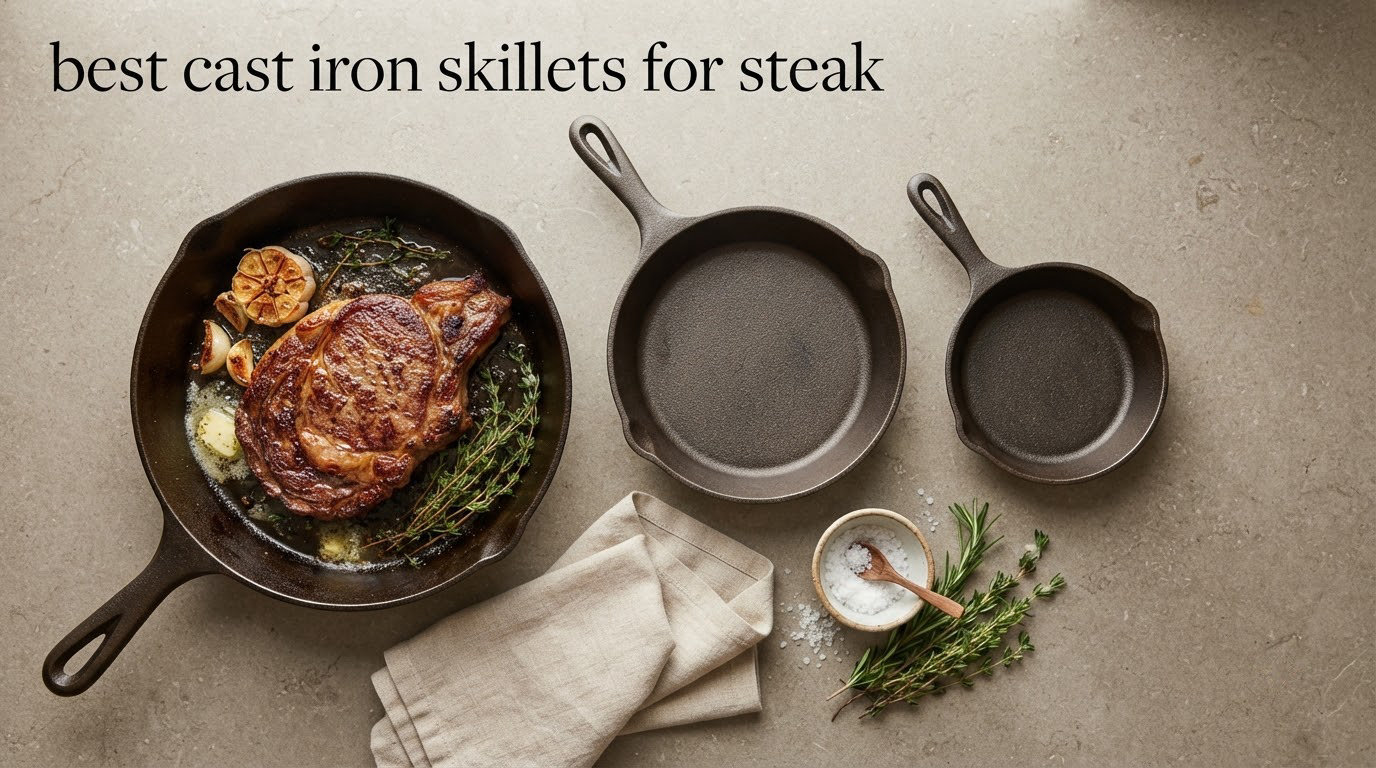
The best cast iron skillet for steak is the Lodge Square Cast Iron Grill Pan. Its ridged surface presses a set of dark lines into the beef, the iron holds searing heat without dropping when cold meat hits it, and it works on a stovetop, in the oven, on the grill and over a campfire.
That answer surprises some people, because the round Lodge skillet usually gets the attention. The square grill pan does something a round pan cannot: it gives you grill marks on a steak cooked indoors, with a pan that has been reviewed more than 32,000 times and still holds a 4.5 star average.
Here is the reason cast iron behaves so differently. A steak browns through the Maillard reaction, a chemical browning process that needs surface temperatures well above the 300F range. Thin pans lose heat the moment cold beef touches them, the surface temperature sags, and the outside of the steak steams gray instead of browning. Cast iron has enough thermal mass to absorb that hit and stay hot, so the crust forms in the first minute rather than the fourth.
We went through ten cast iron skillets with that crust as the only grading standard. Every pan below was judged on how it holds heat, how its surface releases a steak, whether it survives a 450F to 500F oven finish, and how it feels in your hand when it is full of a 1.5 inch ribeye. We also weighed the two questions that come up constantly in cooking forums: is a 12 inch pan too big, and is enameled cast iron actually bad for searing.
Before the individual reviews, here is a look at our favorite sirloin steak recipes that pair well with any of these pans.
Table of Contents
Top 3 Cast Iron Skillets for Steak in 2026

Lodge Square Grill Pan
- Ridged grill-mark surface
- 6.5 lb heat retention
- Indoor and outdoor use
- Lifetime limited warranty

Cuisinel 12-Inch Skillet
- Smooth surface
- 8.4 lb thermal mass
- Oven safe to 500F
- Silicone handle cover

Lodge Dual Handle 12-Inch
- Dual assist handles
- Even heat retention
- Induction ready
- Pre-seasoned
All 10 Cast Iron Skillets for Steak at a Glance
| Product | Specifications | Action |
|---|---|---|
| Lodge Square Grill Pan |
|
Check Latest Price |
| Cuisinel 12-Inch Skillet |
|
Check Latest Price |
 Utopia Kitchen 12-Inch Utopia Kitchen 12-Inch |
|
Check Latest Price |
| Lodge Dual Handle 12-Inch |
|
Check Latest Price |
 Lodge 12-Inch with Sleeve Lodge 12-Inch with Sleeve |
|
Check Latest Price |
 Le Creuset 11.75-Inch Le Creuset 11.75-Inch |
|
Check Latest Price |
 Stargazer 12-Inch Smooth Stargazer 12-Inch Smooth |
|
Check Latest Price |
 Greater Goods 12-Inch Greater Goods 12-Inch |
|
Check Latest Price |
 Hamilton Beach 12-Inch Hamilton Beach 12-Inch |
|
Check Latest Price |
 Wasatch 12-Inch Smooth Wasatch 12-Inch Smooth |
|
Check Latest Price |
1. Lodge Square Cast Iron Grill Pan for Steakhouse Sear Marks
- Steakhouse-style sear with defined grill marks indoors
- Ridges channel grease away from the meat
- Even heat distribution with no hot spots reported
- Works on stovetop
- oven
- grill and campfire
- Pre-seasoned and ready to use
- Very heavy and difficult for some users to lift
- Ridged interior takes more effort to clean
- Produces heavy smoke and spatter at high heat
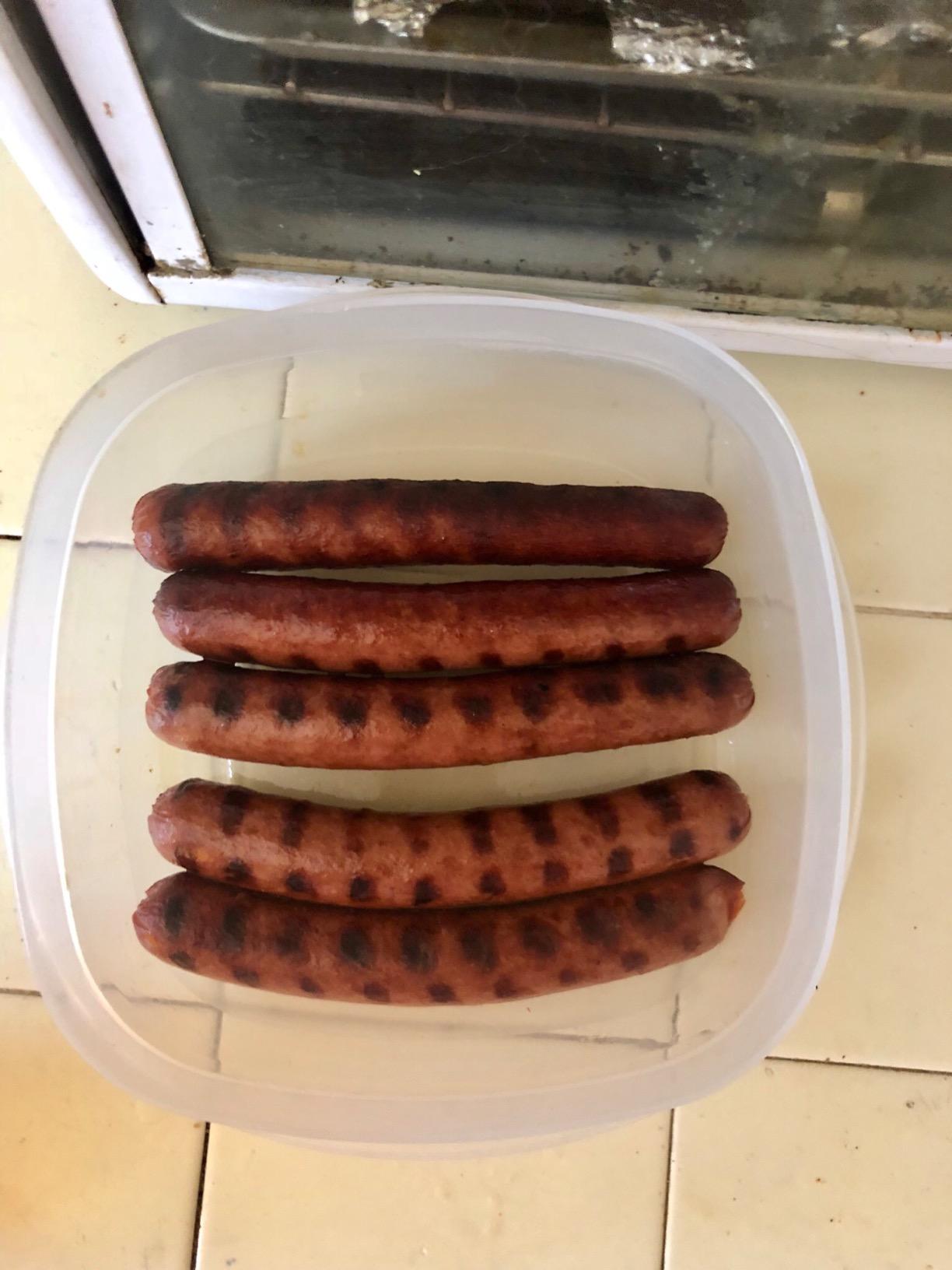
This is the only pan in our group that gives you grill marks without leaving the kitchen. The raised parallel ridges lift the steak off the iron so the fat renders downward instead of pooling under the meat, and that contact pattern is what creates the striped crust you would otherwise need a grill for.
Owners consistently describe the sear as steakhouse quality, and the pan holds a 4.5 star average across more than 32,000 reviews, the largest review base of any skillet we tested. It arrives pre-seasoned, so you can dry it, heat it, and lay a steak down in your first session.
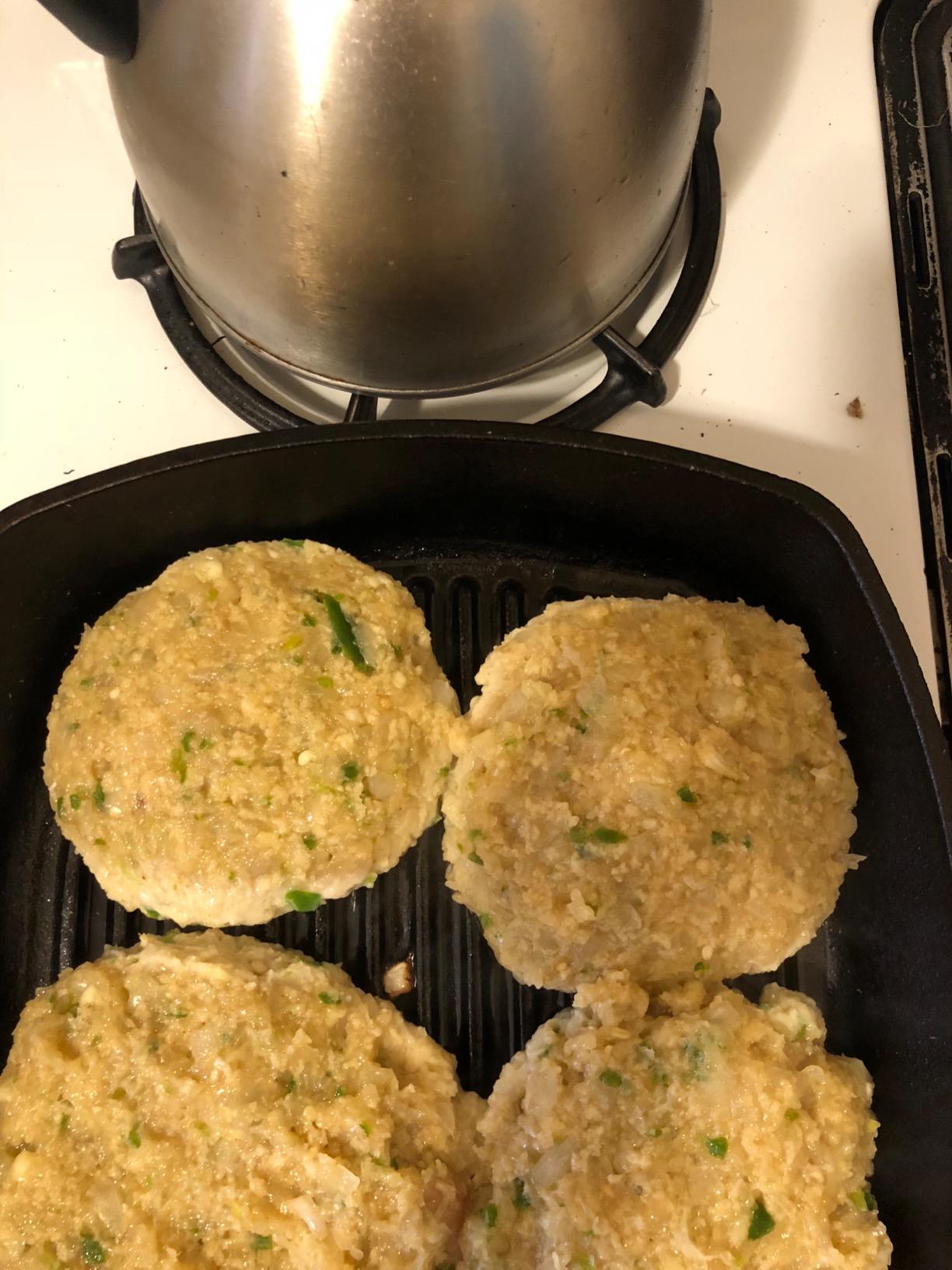
The square footprint is the quiet advantage. A 10.5 inch square pan holds a strip steak with room on all four sides, and its flat base spreads heat across a wide burner instead of ringing a small circle of iron like a round pan does.
It is also one of the most travel-ready options here, rated for stovetop, oven, grill and campfire cooking from the same piece of iron. The manufacturer backs it with a lifetime limited warranty, and the cooking surface is nothing but iron and oil with no PFOA, PTFE or PFAS.
Who should buy the Lodge square grill pan
Buy this one if you want visible grill marks on a steak cooked on a stovetop, or if you sear on a patio grill and a burner interchangeably. The square shape also handles a thick boneless ribeye more comfortably than most round skillets because the corners give you somewhere to slide a spatula underneath.
It is a strong second pan too, since a ridged surface is not where you want to cook a delicate egg or a pan sauce.
Who should skip the Lodge square grill pan
Skip it if you sear more than one steak at a time. The ridges divide the surface into narrow bands, so laying a second steak down means spacing them awkwardly or letting the pieces hang over the raised lines.
Cleaning is also more labor-intensive than a smooth skillet, and at 6.5 pounds you will want two hands to move it across the counter while full.
2. Cuisinel 12-Inch Cast Iron Skillet for Steady Heat Retention
- Excellent heat retention gives a strong even sear
- Smooth surface releases a steak cleanly
- Arrives well packaged with no dings or chips
- Silicone handle sleeve with a hang hole
- Seasoning improves with each use
- Very heavy during cleanup
- Learning curve on heat control
- Food burns fast if the burner stays on high
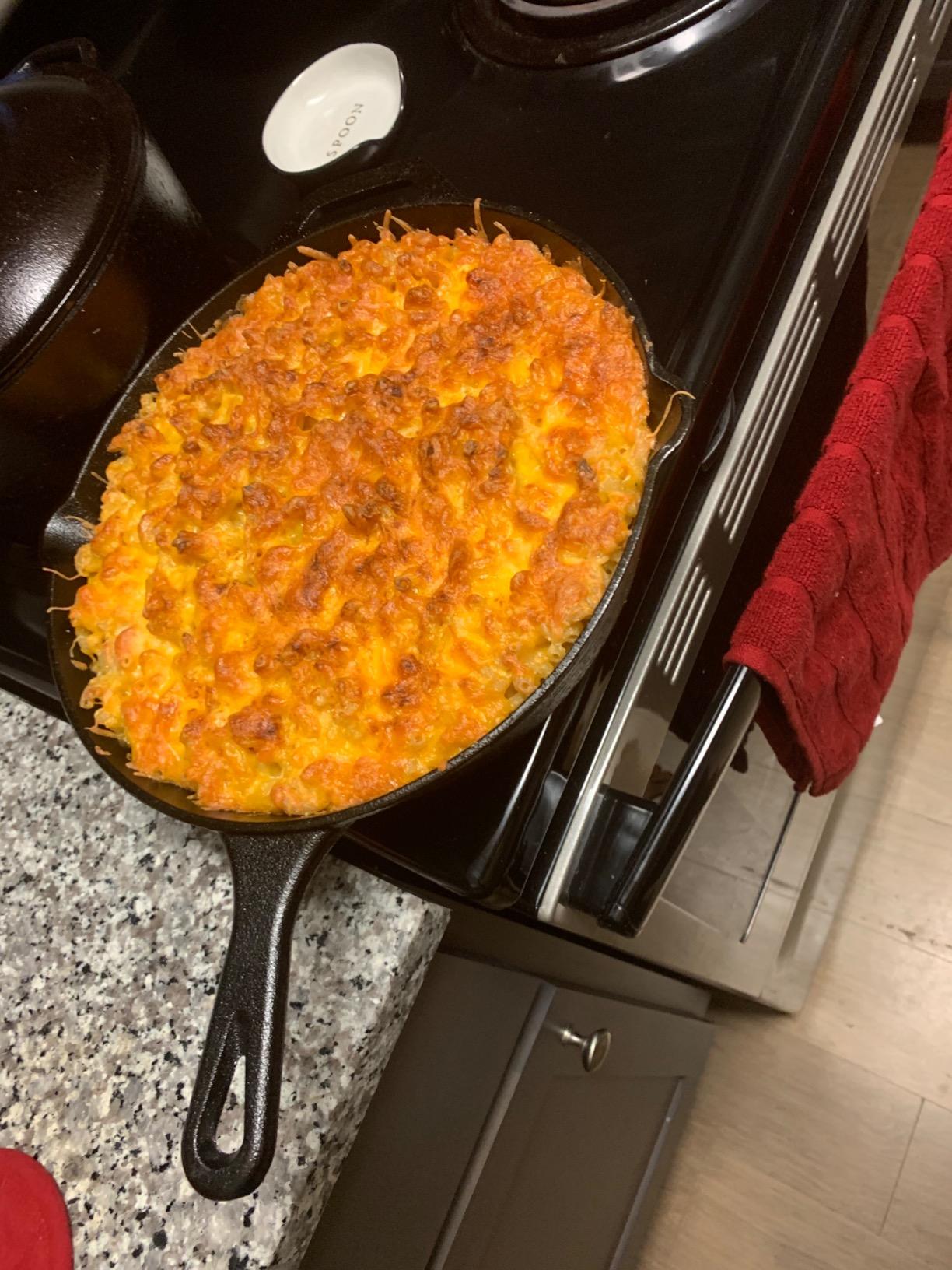
The Cuisinel is the heaviest skillet in this group at 8.4 pounds, and that weight is the entire point. When a 1.5 inch ribeye hits this pan, the cooking surface barely moves temperature, which is exactly the thermal buffer you want between the burner flame and the browning surface.
It carries a 4.7 star average over roughly 28,000 reviews, with 81 percent of reviewers handing out five stars. Reviewers put heat retention and steak sear quality at the top of the list, and many note the pan ships well packaged with no dings, dents or chips.
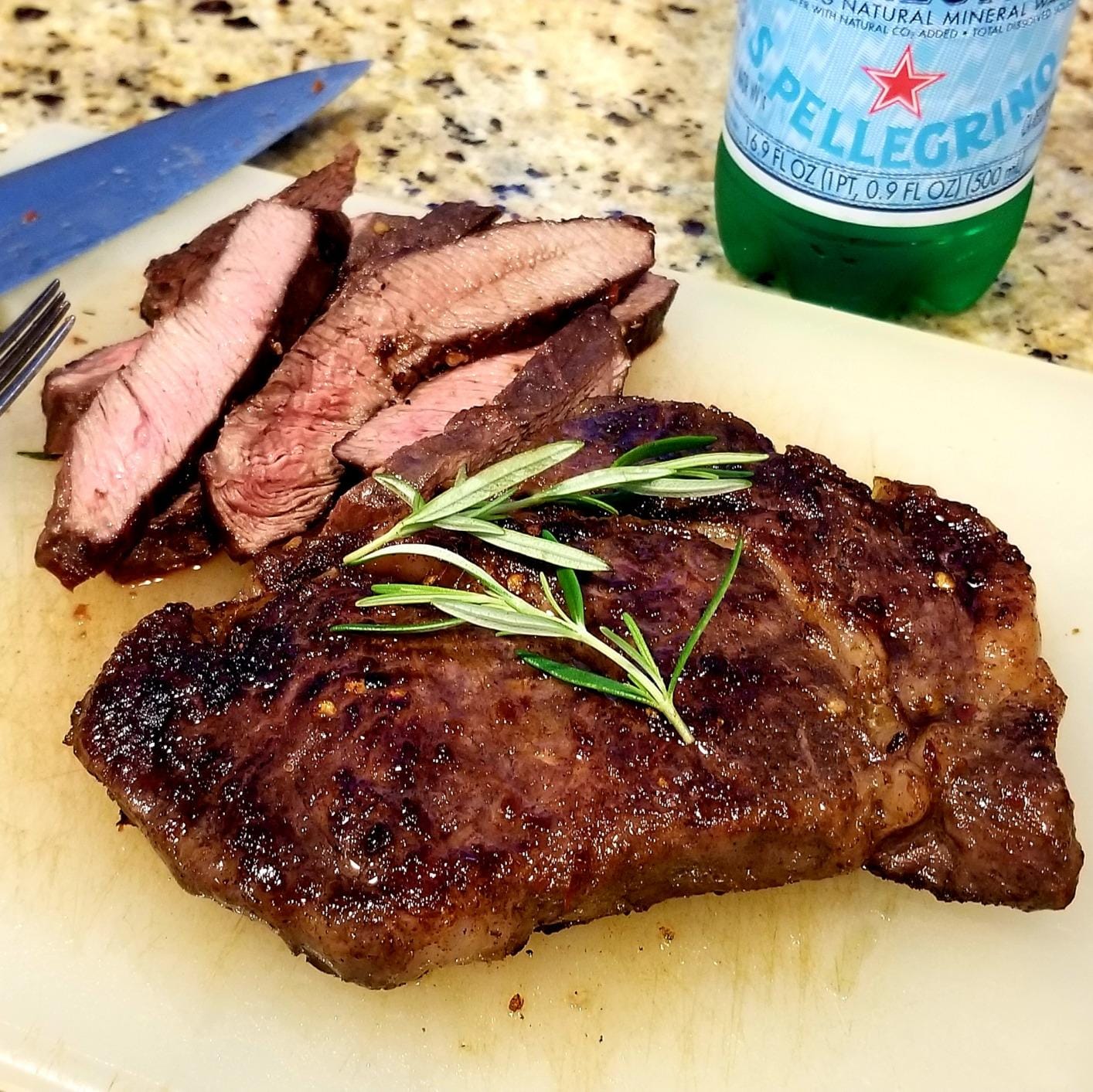
Unlike the Lodge square grill pan, this is a smooth cooking surface, so the crust forms as one continuous brown sheet rather than in stripes. That is the look most people picture when they think of a steakhouse crust, and it is also the surface that handles a butter baste cleanly at the end of the cook.
The pan is oven safe to 500F, which makes it a natural fit for a reverse sear or an oven finish on a thick cut. It works on smooth surface induction, and the included silicone handle sleeve fits over the hot handle and has a hang hole for storage.
Who should buy the Cuisinel 12-inch skillet
This is the pick for someone cooking a thick ribeye or a porterhouse and wanting one uninterrupted crust across the whole face of the steak. The high 500F oven rating also makes it a good match for a reverse sear, where the steak goes in the pan first at a low temperature and finishes hard on the stovetop.
Choose it over a lighter pan if you sear often and mind-to-mind a heavier skillet, because the mass is what keeps the surface temperature steady.
Who should skip the Cuisinel 12-inch skillet
Skip it if you have a small burner or a single-arm lifting habit. At 8.4 pounds it is the toughest pan here to raise off a gas grate with one hand while full of beef and hot fat.
Owners also report food burning quickly if the burner stays on high, so this is a pan for cooks willing to manage the flame rather than leave it cranked up.
3. Utopia Kitchen 12-Inch Cast Iron Skillet as a Budget Workhorse
- Holds heat well and sears steaks evenly
- Large 12 inch surface for family meals
- Pre-seasoned and PFAS-free
- Works on stovetop
- oven
- grill and campfire
- Interior feels bumpier than premium brands
- Uneven seasoning out of the box
- Rough bottom can scratch glass cooktops
- Takes longer to preheat evenly
The Utopia Kitchen is the entry-tier pick in this roundup, and the sear it produces holds up against the smoother machined pans above it. Reviewers consistently report that it holds heat well and sears steaks evenly once the seasoning has built up.
It holds a 4.5 star average across about 27,400 reviews with 77 percent five-star ratings. Buyers treat it as a workhorse that graduates quickly once you learn its habits, and the 12 inch cooking surface handles a family-sized meal in a single pan.
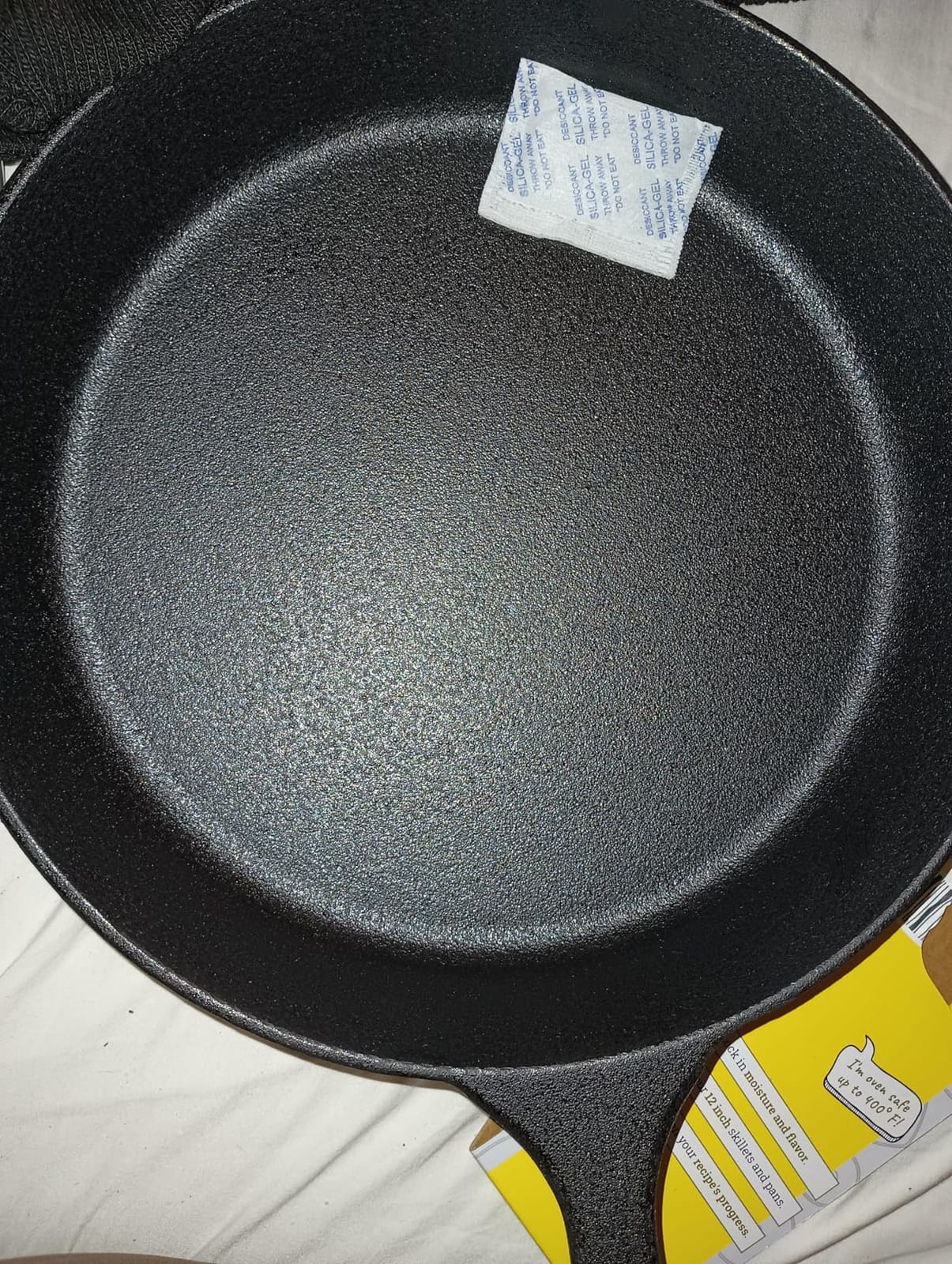
The oven rating of 450F is lower than the 500F figure on the Cuisinel and the Le Creuset, which matters if you plan to push a reverse sear to a very hot finish. For a stovetop sear followed by a moderate oven rest, the rating is more than sufficient.
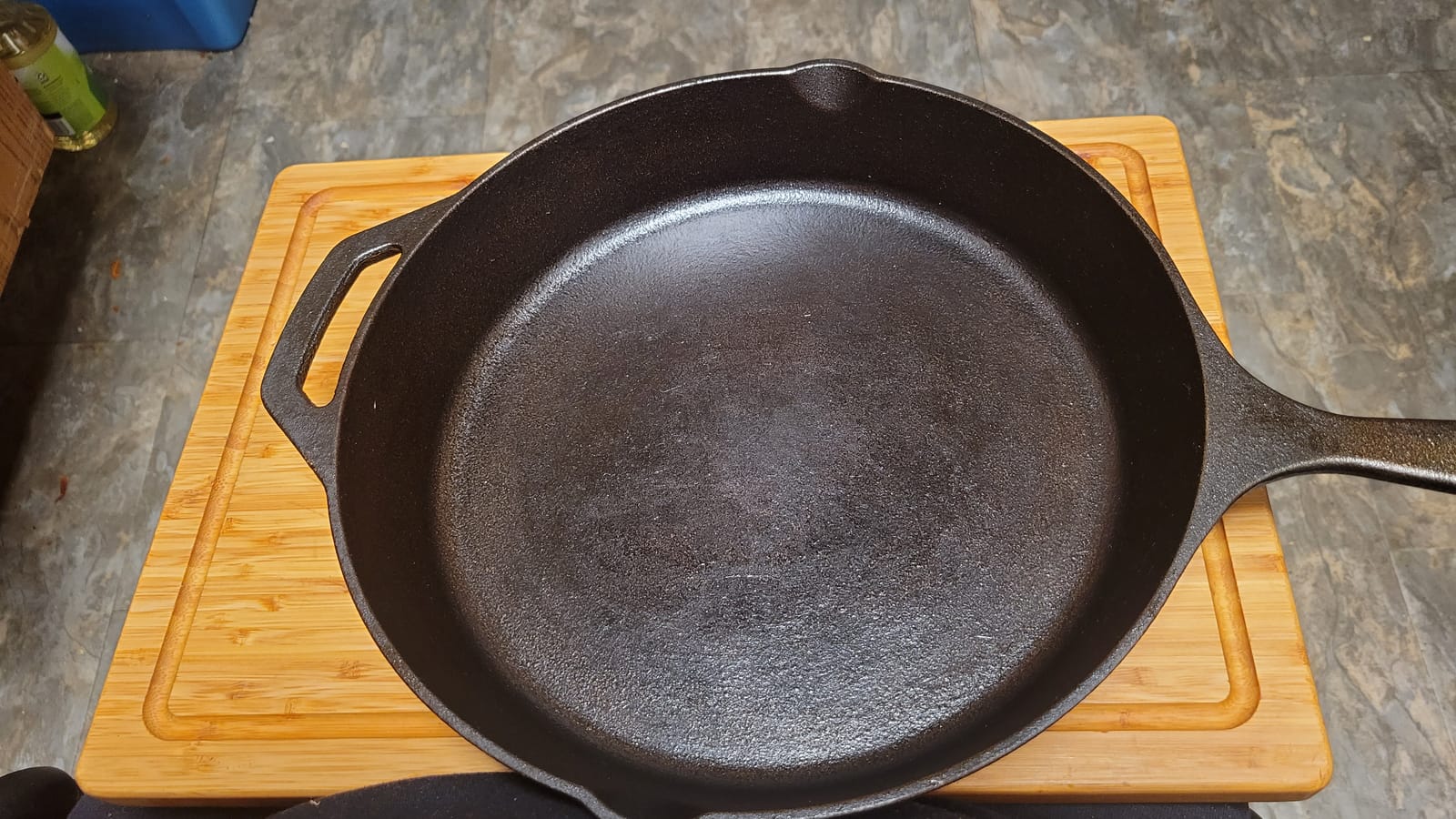
It arrives pre-seasoned with vegetable oil, and the seasoning builds faster than most because of the large surface. Just plan on giving it a couple of cooks before you expect a clean release, and expect the coarse casting texture to show on the crust of a delicate cut.
Who should buy the Utopia Kitchen skillet
Buy it if you are outfitting a first kitchen, a rental, or a cabin where a pan gets abused. It leaves room in the budget for good beef, and the pan is listed as safe for stovetop, oven, grill and campfire cooking.
It is also a good choice for a large New York strip, since the 12 inch surface leaves a margin around the meat on every side.
Who should skip the Utopia Kitchen skillet
Skip it if you are a new cook who will be discouraged by a sticking steak on the first attempt. The interior surface is bumpier than premium brands, and reviewers report uneven seasoning out of the box, so eggs and delicate fish can stick early on.
Two more warnings from owners: the rough bottom can scratch a glass cooktop, and it takes slightly longer to preheat evenly across the full pan than a smooth-surface skillet does.
4. Lodge 12-Inch Dual Handle Skillet for Lifting Heavy Pans Safely
- Dual assist handles make a heavy pan easier to lift
- Excellent even heat retention
- Pre-seasoned and ready to cook on immediately
- Versatile for searing and baking
- Induction
- gas and electric coil compatible
- Substantial weight in the larger sizes
- An extra oven-bake seasoning improves release further
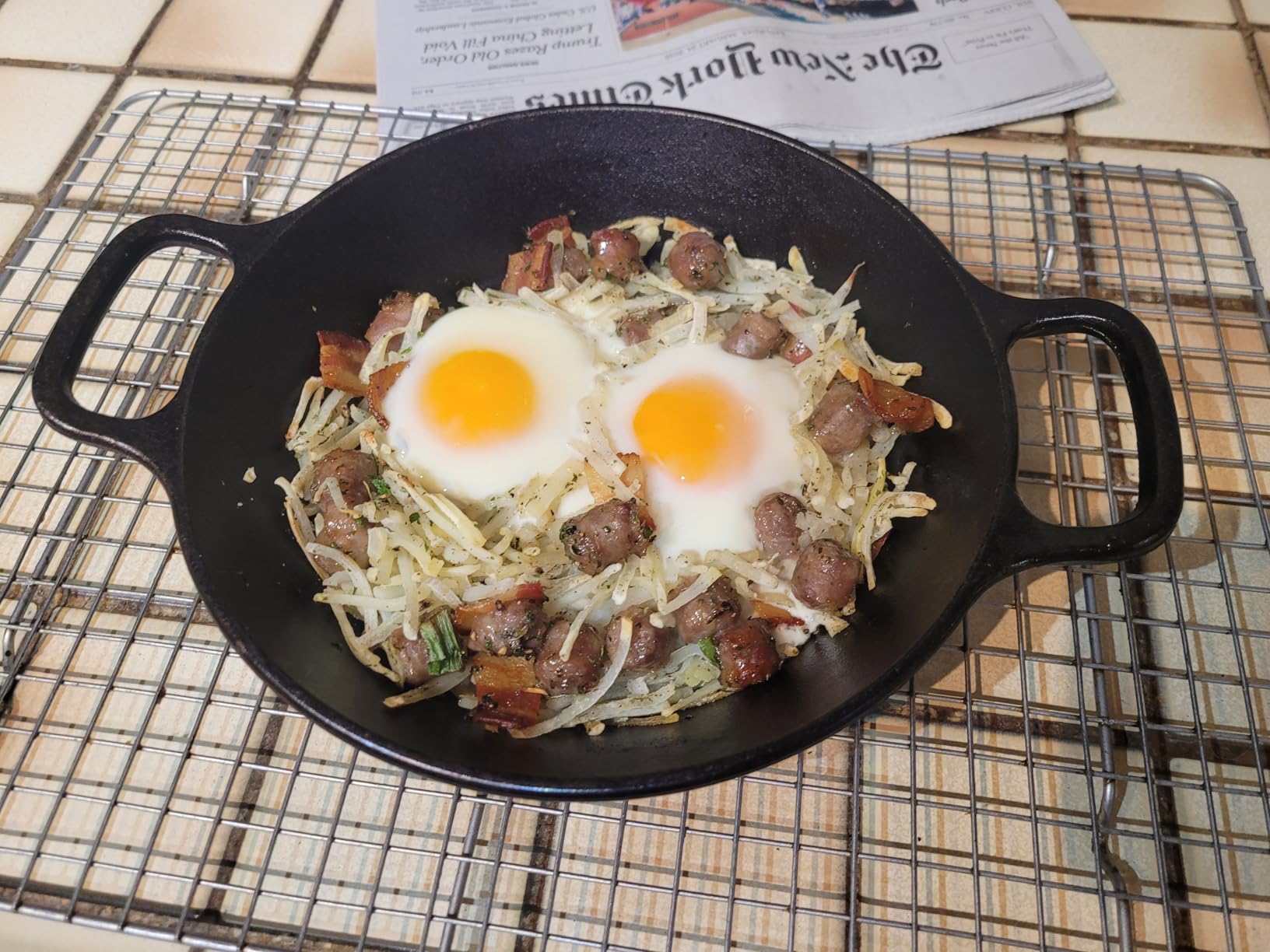
Handling is where this Lodge separates itself from the round skillets with a single long handle. The two assist handles give you a balanced grip on both sides of the pan, so you can raise a full 12 inch skillet off the burner without trying to hook a hot handle with one hand.
It holds the highest rating in our group at 4.8 stars, with 87 percent of reviewers giving five stars across more than 22,800 reviews. Owners single out the dual handle design as the standout feature, and they report even heating and an easy oven-to-stove transfer.
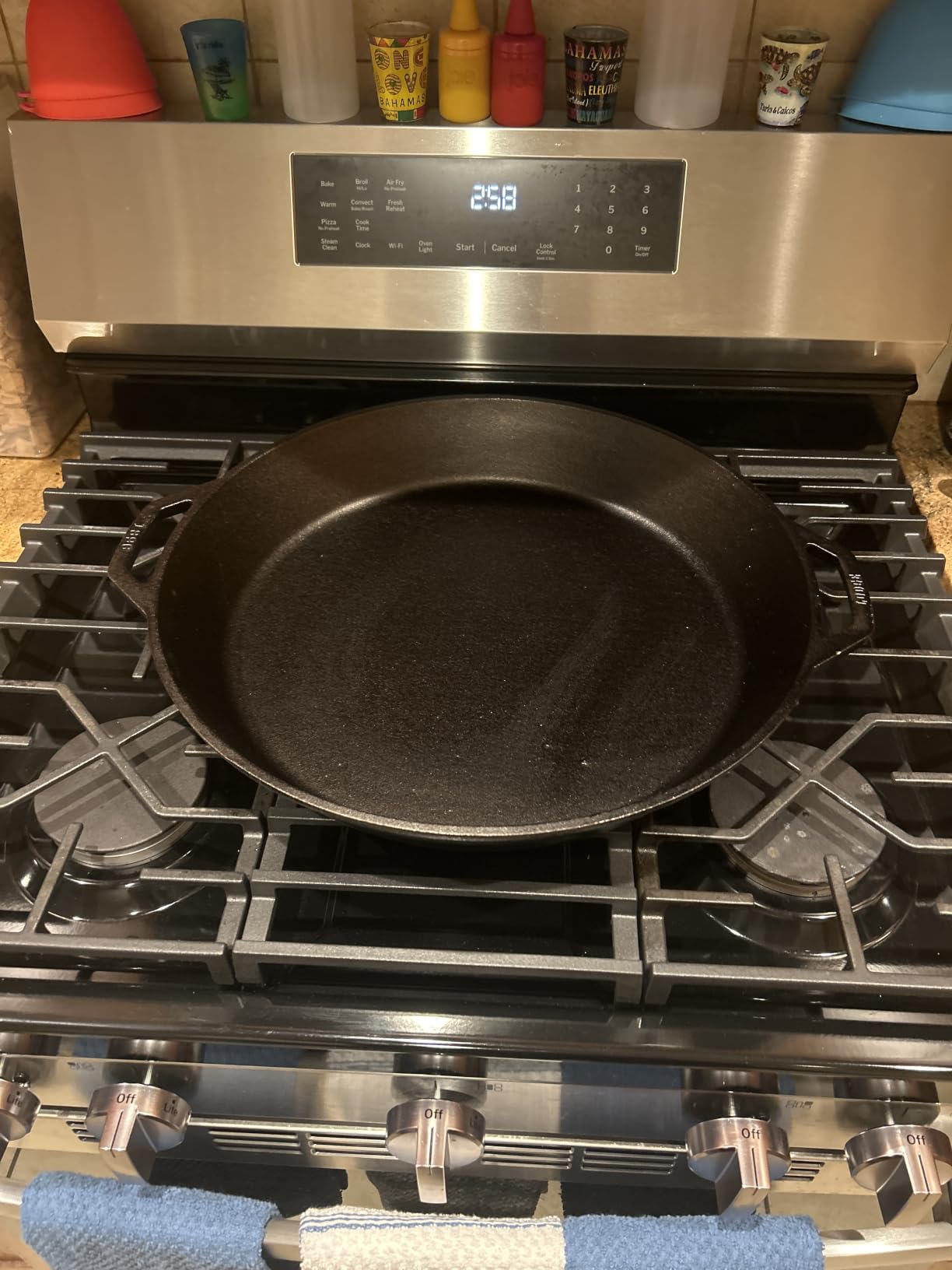
Heat-wise it behaves like any other quality cast iron skillet, holding an even temperature across the full cooking surface so the crust forms at the same rate from the center of the pan out to the walls. That is what you want for a thick cut that takes a long time to come up to temperature.
It works on electric coil, gas and smooth surface induction, and it comes seasoned with natural vegetable oil. The 2.1 liter capacity is generous for a 12 inch pan, so a single ribeye plus a pile of roasted vegetables will not crowd the surface.
Who should buy the Lodge dual handle skillet
This is the one we would hand to someone who sears a thick steak weekly and has a family waiting on dinner. The two handles make a reverse sear practical, because you move the same pan from oven to burner to a resting rack without improvising a grip.
It also suits anyone who likes to cook two steaks and finish them in the oven, since the balanced lift matters more as the pan gets heavier with food and hot fat in it.
Who should skip the Lodge dual handle skillet
Skip it if you prefer a long handle for a controlled wrist flip of a thin steak. The short helper handles are built for lifting, not for tilting a pan to slide a tenderloin onto a cutting board.
Owners also note that an extra oven-bake seasoning at the start improves release further, so treat the first few cooks as part of breaking the pan in.
5. Lodge 12-Inch Skillet with Silicone Handle Holder for Long Sear Sessions
Lodge Pre-Seasoned Cast Iron Skillet with Silicone Handle Holder, 12 Inches
- Consistent even cooking with excellent heat retention
- Silicone holder makes carrying safer
- Pre-seasoned with natural vegetable oil
- PFAS-free cooking surface
- Made in the USA
- Heavy pan that can be tiring to lift
- Handle still gets hot during long cooks without the sleeve
This is the skillet we would choose for a slow, patient cook. A reverse sear can leave a cast iron pan in a 450F to 500F oven for a long stretch before the final hard sear, and the included silicone handle holder is what makes moving it at that point reasonable.
It carries a 4.7 star average across more than 21,400 reviews, with 86 percent five-star ratings. Buyers point to dependable even heating and the factory seasoning with natural vegetable oil that gives a naturally nonstick surface once hot.
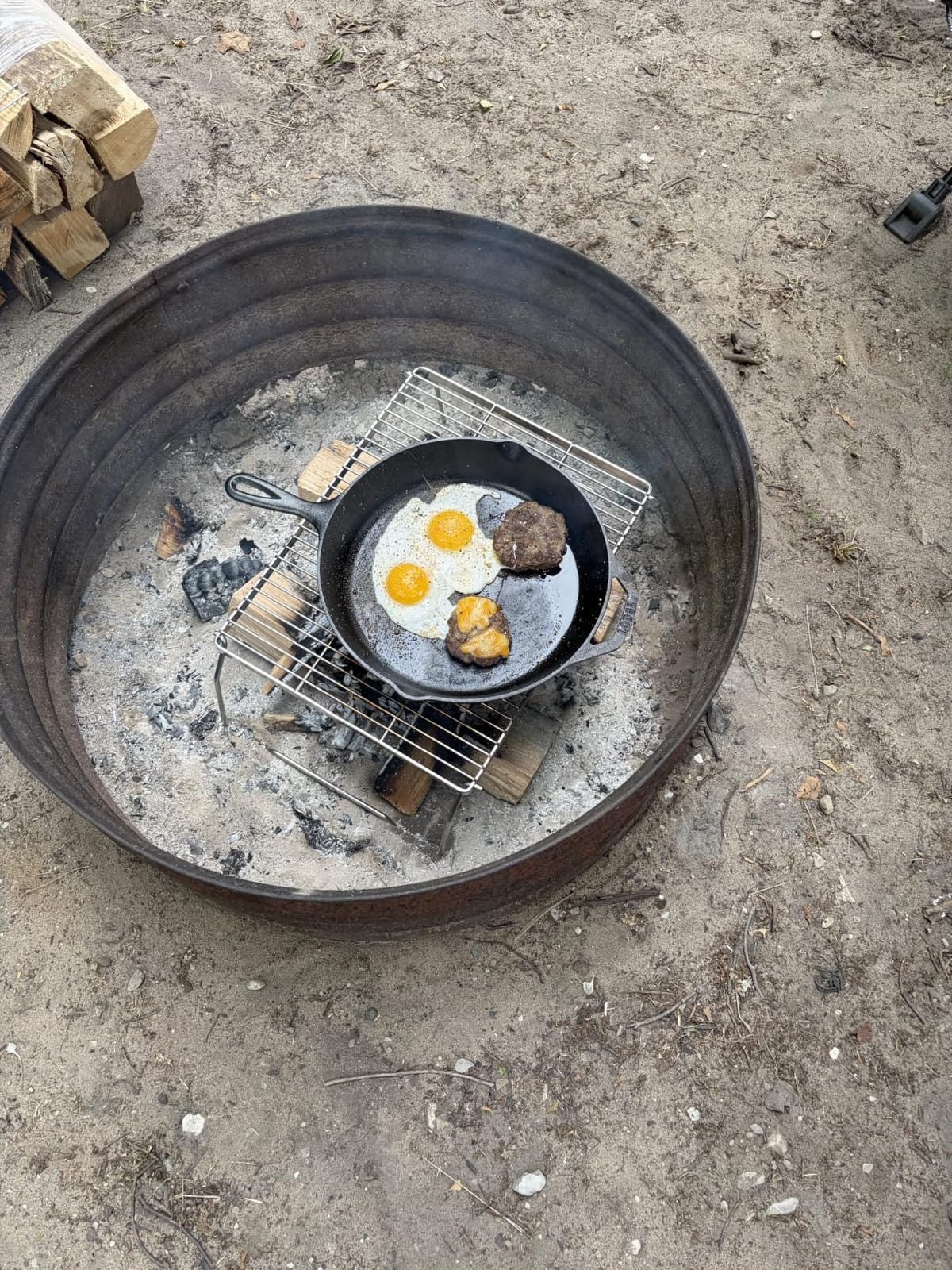
At 7.5 pounds it is heavy, but the sleeve changes how the pan feels in the hand. Slide the silicone holder over the handle, and you can lift the pan, rotate it for a basting angle, and set it down on a trivet without a towel.
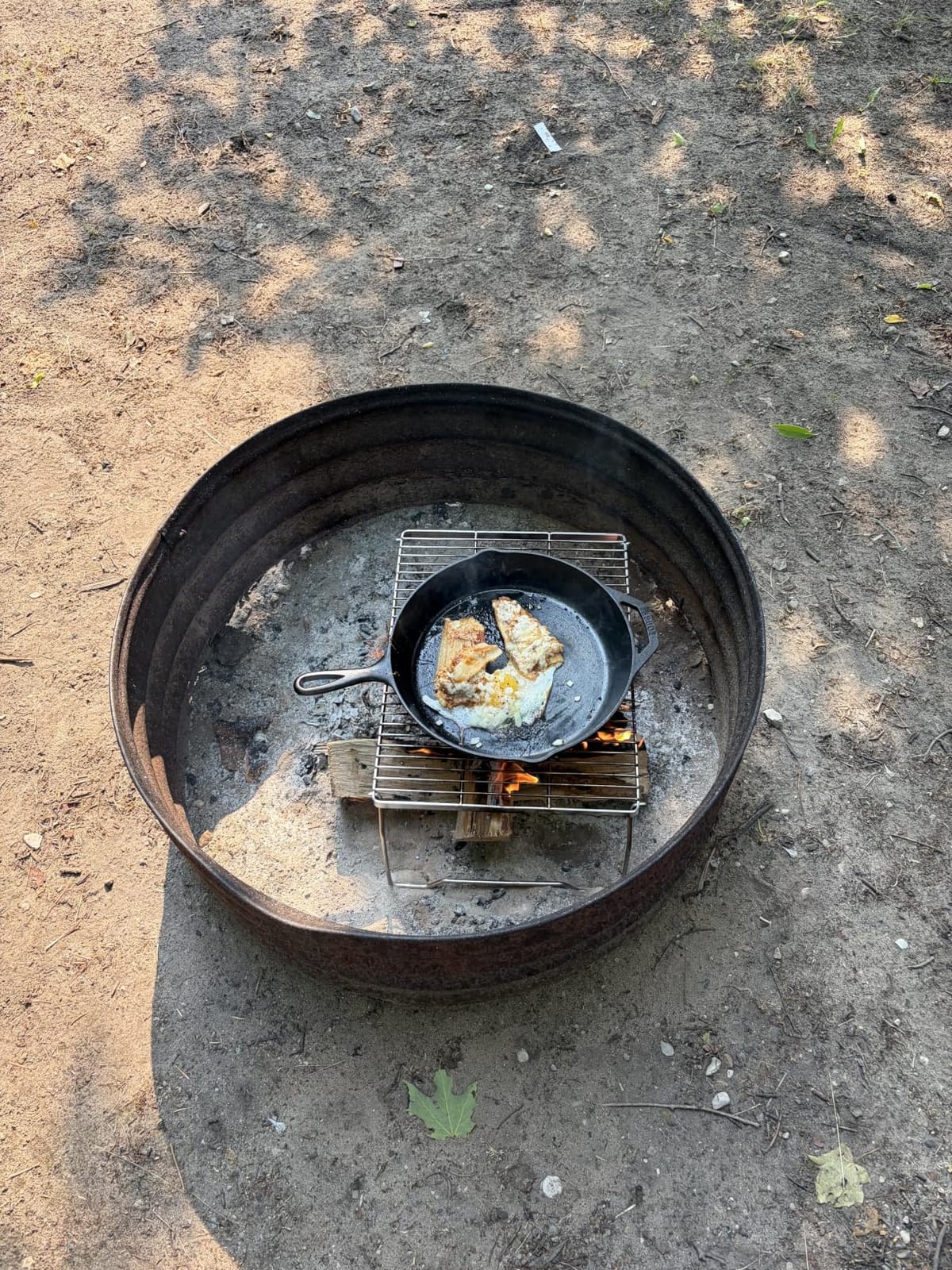
It is listed as oven safe to 260C, works on smooth surface induction, and handles sautéing, baking, frying and campfire cooking from the same piece of iron. The 1.89 liter capacity is enough for a thick ribeye with room to render.
Who should buy the Lodge 12-inch skillet with sleeve
Buy it if your steak method includes a long oven finish, or if you like to baste repeatedly and need a free hand to hold the spoon steady. The sleeve is the difference between a comfortable baste and a pan you are afraid to touch.
It is a solid everyday choice too, since the smooth round surface handles a New York strip and a pan of vegetables in the same cook without any adjustment.
Who should skip the Lodge 12-inch skillet with sleeve
Skip it if you sear briefly and eat fast. For a short stovetop cook, the sleeve mostly sits on the counter, and you are carrying 7.5 pounds of iron for a few minutes of heat.
Owners note the handle still gets hot during long cooking if you leave the sleeve off, so treat the holder as part of the routine rather than an occasional accessory.
6. Le Creuset 11.75-Inch Enameled Skillet for Low-Maintenance Cooking
Le Creuset Enameled Cast Iron Signature Round Skillet, 11.75″, Cerise
- Enamel needs no seasoning and cleans easily
- Superior heat distribution and retention
- Enamel resists staining and dulling
- Dishwasher safe
- Works on all cooktops to 500F
- Enamel is not built for very high-heat searing
- Food can stick if the pan is not preheated and oiled
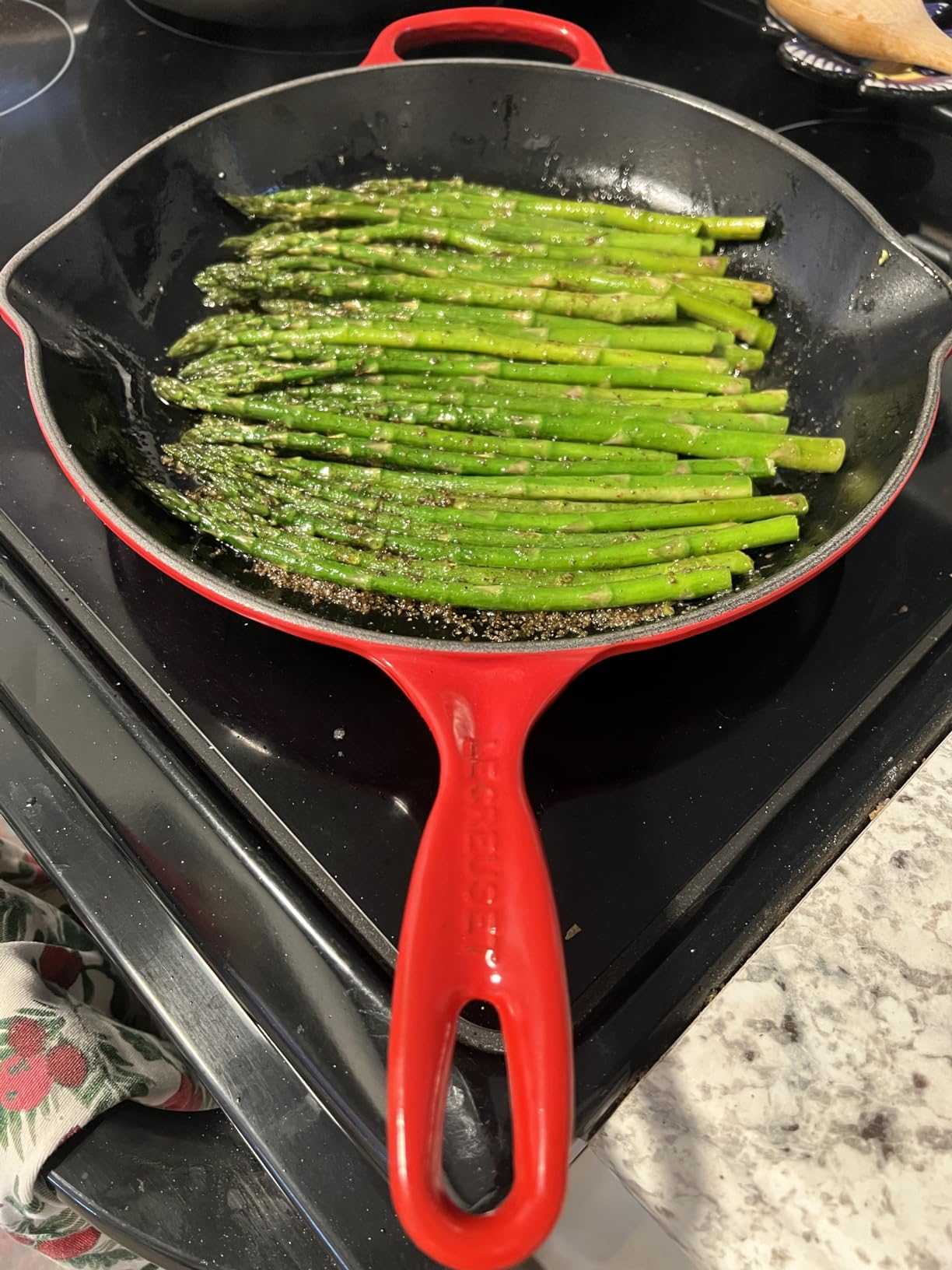
The Le Creuset answers a specific question: what if you want cast iron heat retention without a seasoning routine? The black satin enamel interior needs no factory seasoning to be maintained, so you skip the oiling and the oven bake entirely and just cook.
It holds a 4.6 star average over about 5,500 reviews, with 83 percent five-star ratings. Owners describe the enamel as a hybrid of seasoned cast iron and nonstick, and they praise the effortless cleanup, the durability and the finish.
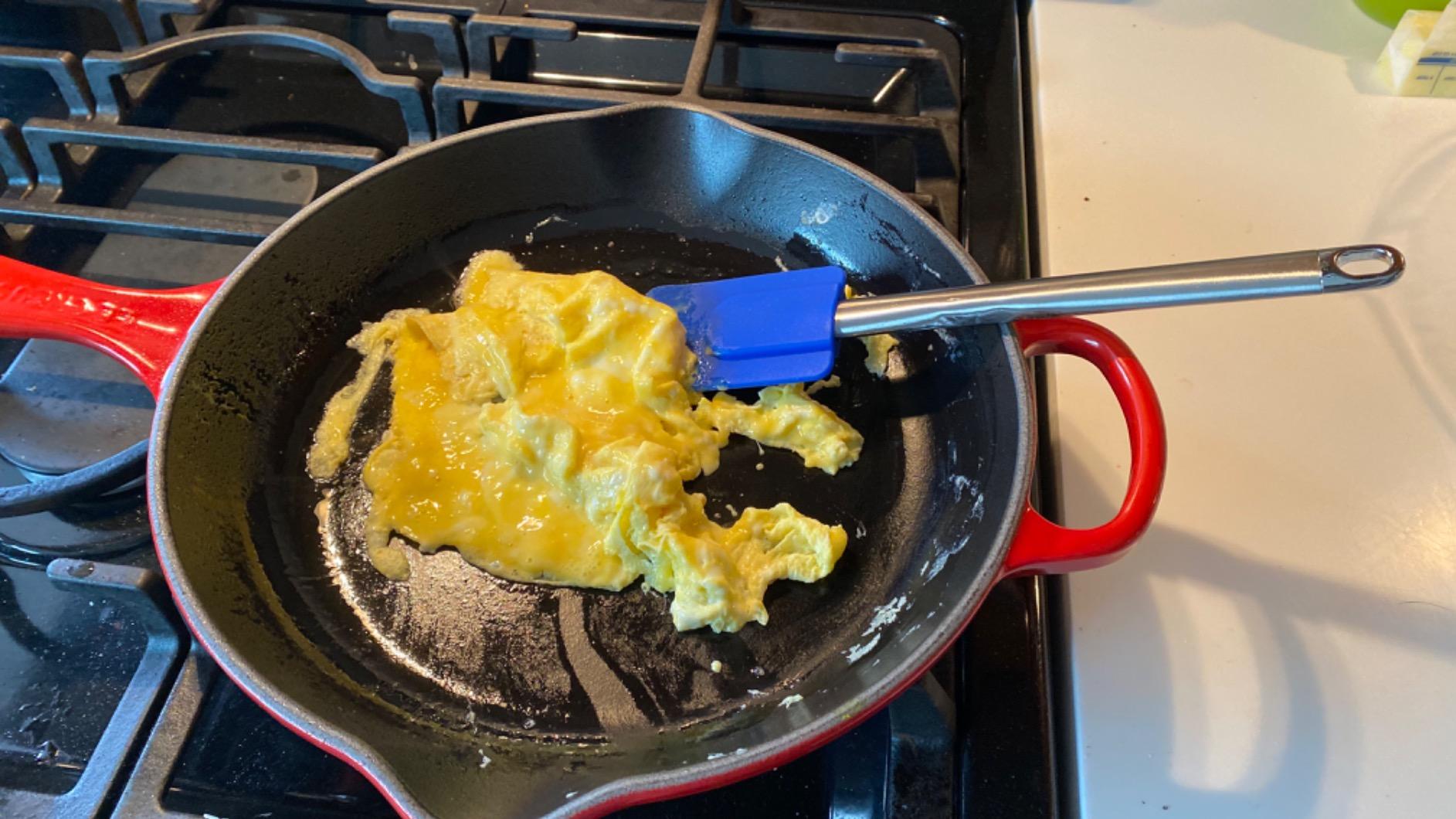
Heat retention is genuinely strong. The iron underneath the enamel is the same heavy casting as a bare pan, so the pan holds cooking temperature when a cold steak hits it, and it is oven safe to 500F for a hard finish.
It is listed at 6.8 pounds for 2.3 quarts, among the lighter pans here relative to its capacity, and the metal handle is shaped for a comfortable grip over a long cook. The pan works on gas and smooth surface induction and is dishwasher safe, which no bare iron skillet in this roundup can claim.
Who should buy the Le Creuset skillet
Buy it if you want one pan for searing a steak on Monday and baking a casserole on Wednesday without thinking about the pan afterward. It is the choice for households that find bare cast iron maintenance annoying, and for anyone who wants to run a pan through the dishwasher.
For a thick cut finished in the oven, the 500F rating and the even heat distribution do the work well enough that the crust is good, just not quite as aggressive as bare iron.
Who should skip the Le Creuset skillet
Skip it if you chase a hard blackened crust. Owners note the enamel is not intended for very high-heat searing, so steaks and burgers may not brown as deeply as they do in bare seasoned iron.
There is also a real stick risk when the pan is not properly preheated and oiled, and it sits well above the rest of the field on cost, which is worth weighing against a cheaper bare iron skillet.
7. Stargazer 12-Inch Machined Smooth Skillet for Clean Food Release
- Machined surface minimizes sticking
- Excellent heat retention for a steak sear
- Stay-cool handle design
- Flared rim pours cleanly from any angle
- Arrives flat and well seasoned
- Heavier than many 12 inch pans
- Handle shape less comfortable palm-down
- A few reports of warping in the largest size
Surface texture is the variable most buyers overlook, and this is the pan built around it. The cooking surface is machined smooth rather than left with the pebbly casting texture of a standard skillet, which means less area for the Maillard crust to grab onto and a noticeably cleaner release.
It carries a 4.6 star average, though across a much smaller pool of about 515 reviews, with 84 percent five-star ratings. Reviewers frequently compare it to vintage smooth Wagner and Griswold pans, and to rougher modern Lodge surfaces, and they rate the machined finish favorably on both.
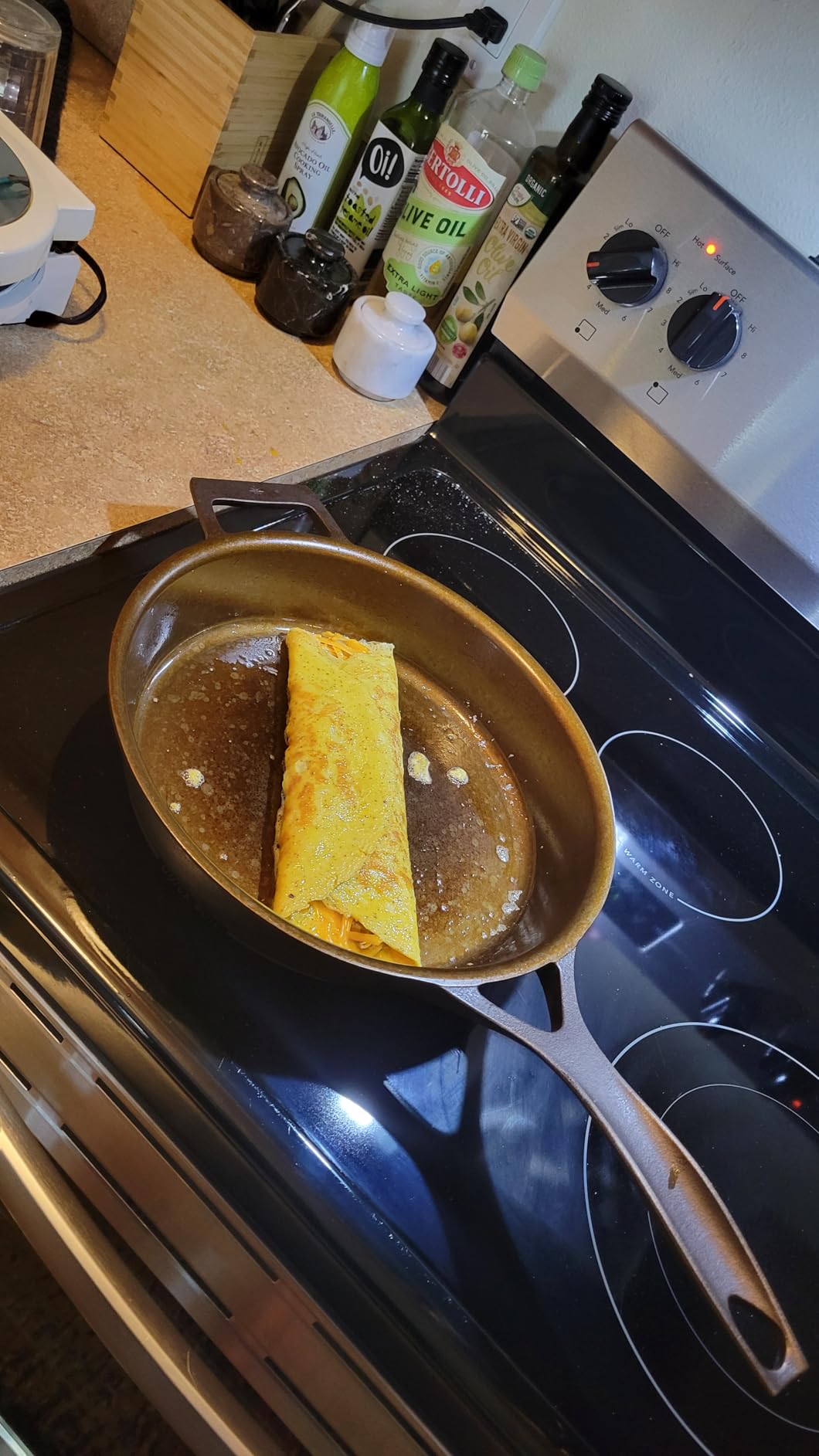
Heat performance is the part that matters for steak. The 3.4 quart pan holds and distributes heat evenly, which is the condition the crust needs, and the 6.5 pound weight gives it real thermal mass for a proper sear on a ribeye or a thick-cut strip.
Two design details are worth more than they look. The handle is shaped to stay cooler longer than a typical cast iron handle, and the flared rim pours from any angle without a spout, which matters when you are spooning pan juices over a rested steak.
Who should buy the Stargazer 12-inch skillet
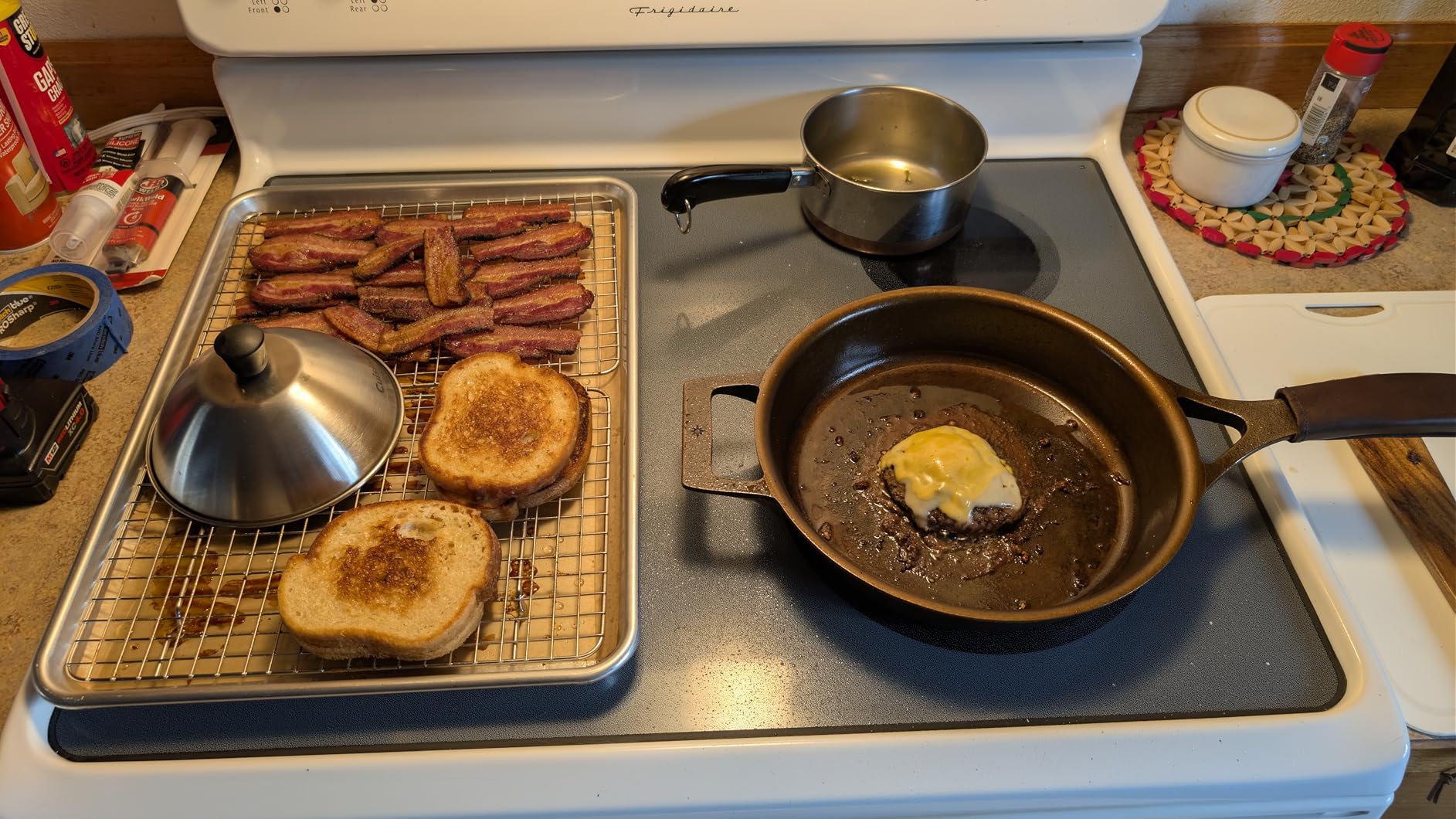
Buy it if you sear a lot and are bothered by a steak that tears when you lift it. A machined surface releases more cleanly, so thinner cuts like a filet mignon or a thin strip come off the pan without taking the crust with them.
It is also a good fit for cooks who bast often, since the smooth floor holds butter and foaming butter evenly across the face of the steak.
Who should skip the Stargazer 12-inch skillet
Skip it if you want a large body of independent reviews to draw on. With roughly 515 reviews, the long-term record here is much shorter than the 20,000-plus review pans elsewhere in this roundup, and long-term seasoning stories are exactly what cast iron buyers should be looking for.
Reviewers also flag that it is heavier than many comparable 12 inch pans, that the handle feels less comfortable held palm-down, and that a small number describe warping in the largest size.
8. Greater Goods 12-Inch Smooth Skillet for Cooking Two Steaks at Once
Greater Goods 12″ Cast Iron Skillet, Smooth Surface, Nonstick-Like Release
- Milled smooth interior cleans with a simple brush
- Pre-seasoned with organic flaxseed oil
- Room for four burgers or four to six eggs
- Primary handle plus helper handle
- No synthetic coating
- Factory seasoning can be uneven or sticky
- Exterior bottom can scratch glass cooktops
- Handle heats up during longer cooking
Batch cooking is the reason to look at this one. The 3.2 quart interior is described by owners as fitting four burgers, or four to six eggs, in a single layer, and that same flat floor is where you would lay two steaks side by side without crowding.
It holds a 4.4 star average across about 1,700 reviews, with 75 percent five-star ratings. Buyers like the machined surface, the solid weight and the value relative to boutique cast iron brands.
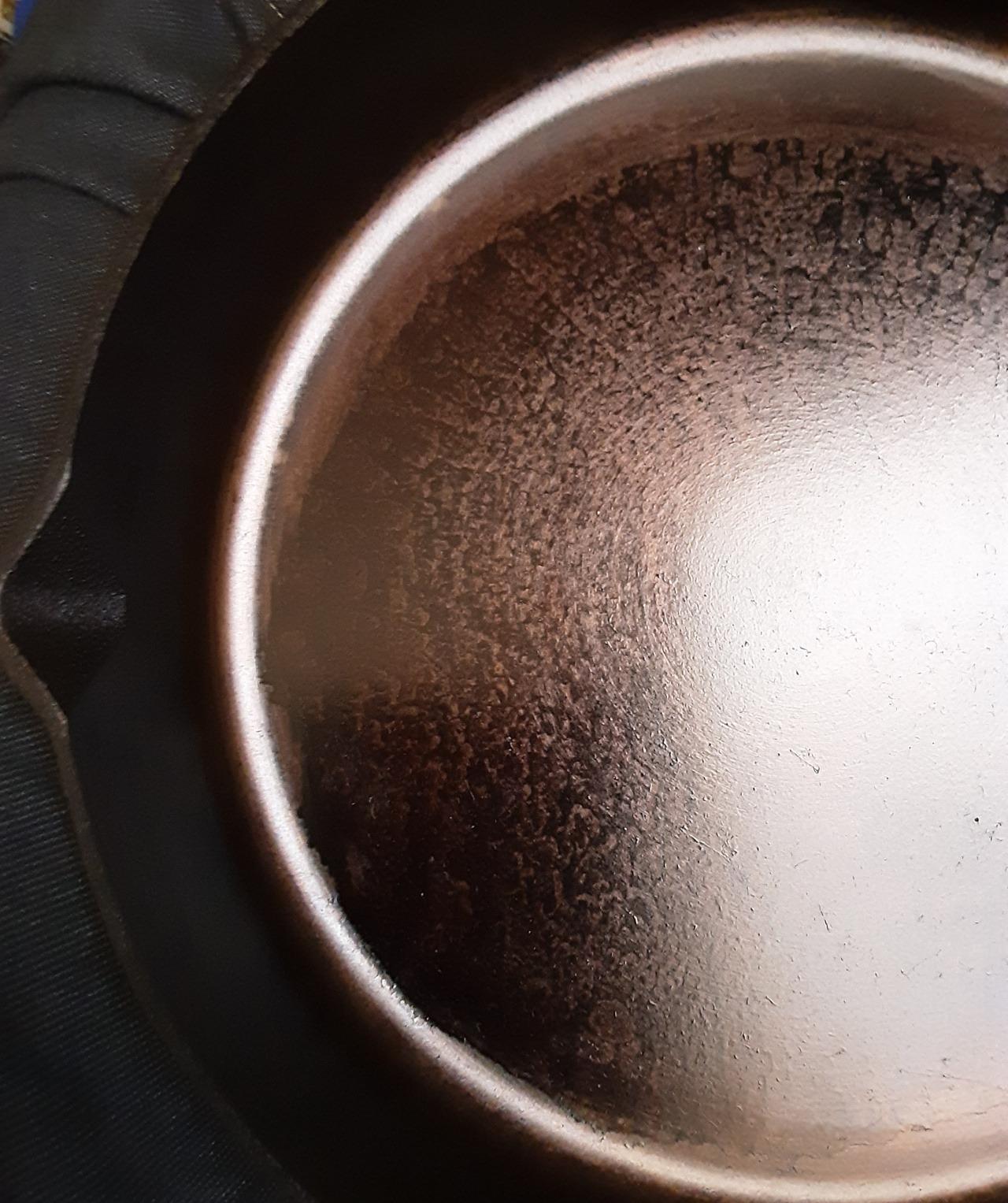
The interior is precision-milled rather than pebbly, so it cleans quickly with a brush and a little hot water, and it carries no synthetic coating that can peel or flake away over time. The primary handle is 5.5 inches and it is backed by a helper handle, which is a big help at 7.8 pounds.
It is pre-seasoned with 100 percent organic flaxseed oil, ready to cook on day one, and it is listed for oven, grill, gas, electric and induction. Dual pour spouts on both sides make splitting the pan juices easy.
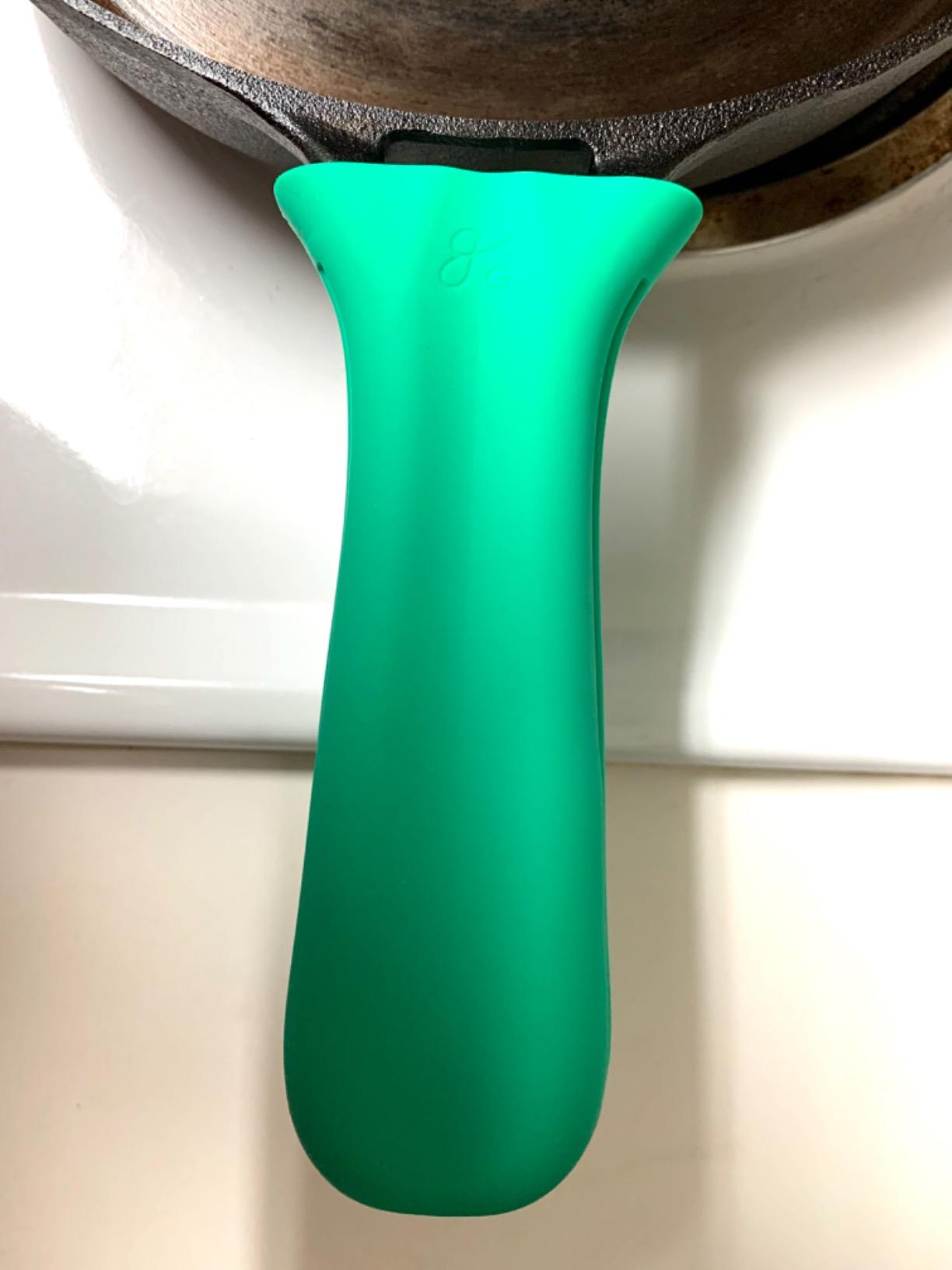
Who should buy the Greater Goods 12-inch skillet
Buy it if you routinely cook for two or more and want one pan to do both the steaks and the charred vegetables. The helper handle and the wide milled floor make a two-steak cook practical rather than a cramped compromise.
It suits anyone who wants a smooth surface and easy cleanup without moving up to the boutique machined tier.
Who should skip the Greater Goods 12-inch skillet
Skip it if you plan to cook steak the same week you buy it. Owners report the factory seasoning can be uneven or sticky, and a recurring thread says the pre-seasoning needs a few extra layers before the release is reliable.
The rough exterior bottom may also need sanding before it goes near a glass cooktop, and the handle heats up during longer cooking sessions.
9. Hamilton Beach 12-Inch Enameled Skillet for First-Time Cast Iron Cooks
Hamilton Beach Enameled Cast Iron Fry Pan 12-Inch Navy, Cream Enamel Coating, Skillet Pan For Stove top and Oven, Even Heat Distribution, Durable
- Enamel is reaction-free and needs no seasoning
- Good heat retention and even cooking
- Long handle and pouring spout
- Versatile for sauteing
- braising and baking
- Lighter than most bare cast iron
- Enamel not ideal for very high-heat searing
- Hand wash only
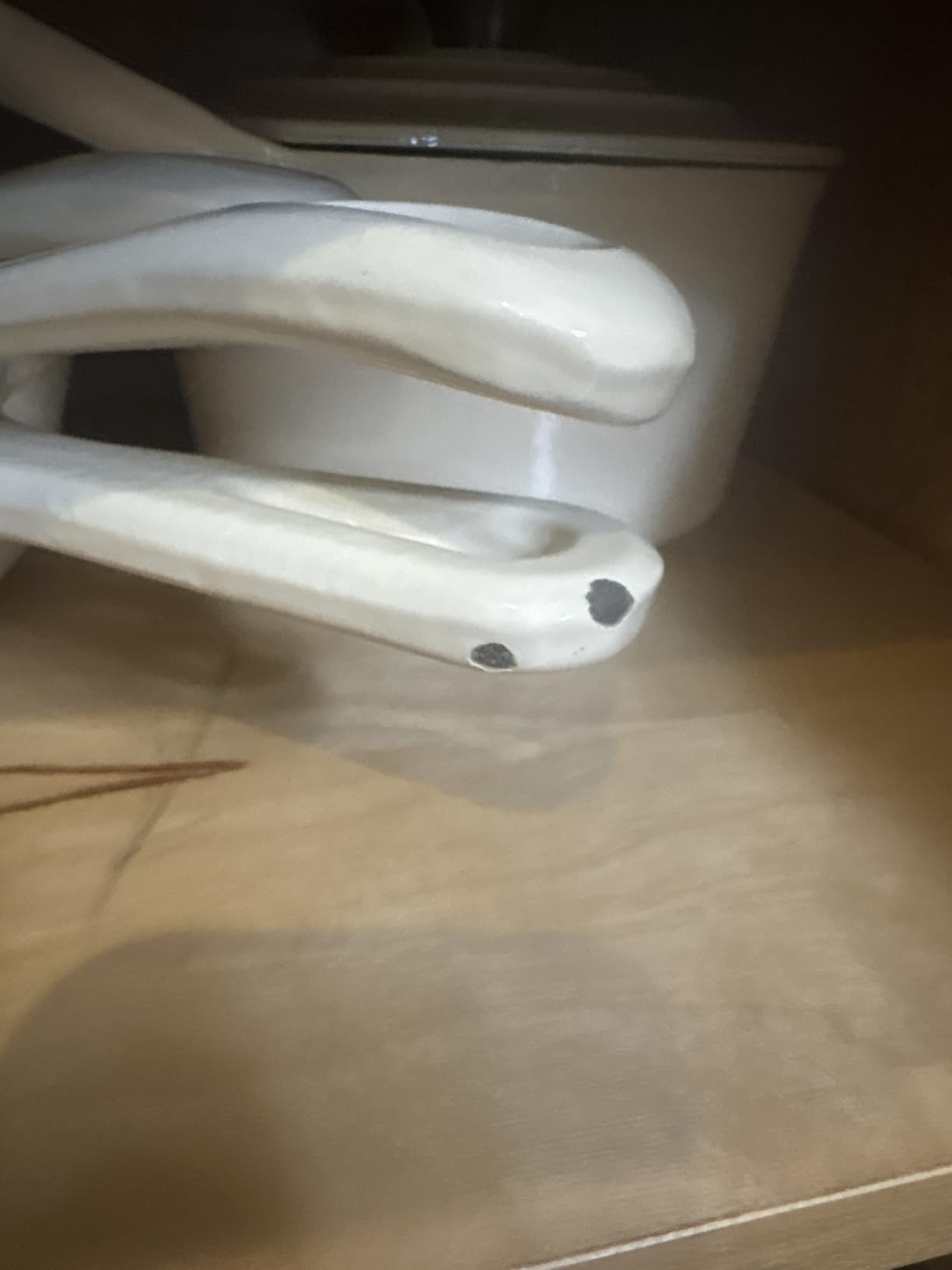
- Some enamel finishes chip at the rim
This is the gentlest entry point into cast iron cooking, and that is both its strength and its limit. The cream enamel coating is reaction-free, needs no seasoning, and will not rust if you leave it wet on the counter, which removes the two things that trip up most new owners.
It carries a 4.2 star average across about 1,050 reviews, the lowest rating in this group, with a 66 percent five-star share and a visibly higher one-star share than the other pans. Owners appreciate the affordable seasoning-free design and the pour spout, and report less consistent searing and browning than bare seasoned cast iron.
At 5 pounds it is one of the lighter pans here, and the long stainless handle gives you real wrist control for a quick flip of a thin steak. The long handle plus pouring spout also makes draining braising liquid after a cook far easier than it is in a twin-handle pan.
Heat retention is decent and cooking is even across the pan, and it works on gas, electric coil and smooth surface induction. The PFOA and PTFE-free porcelain enamel finish is the reason cleanup is so simple.
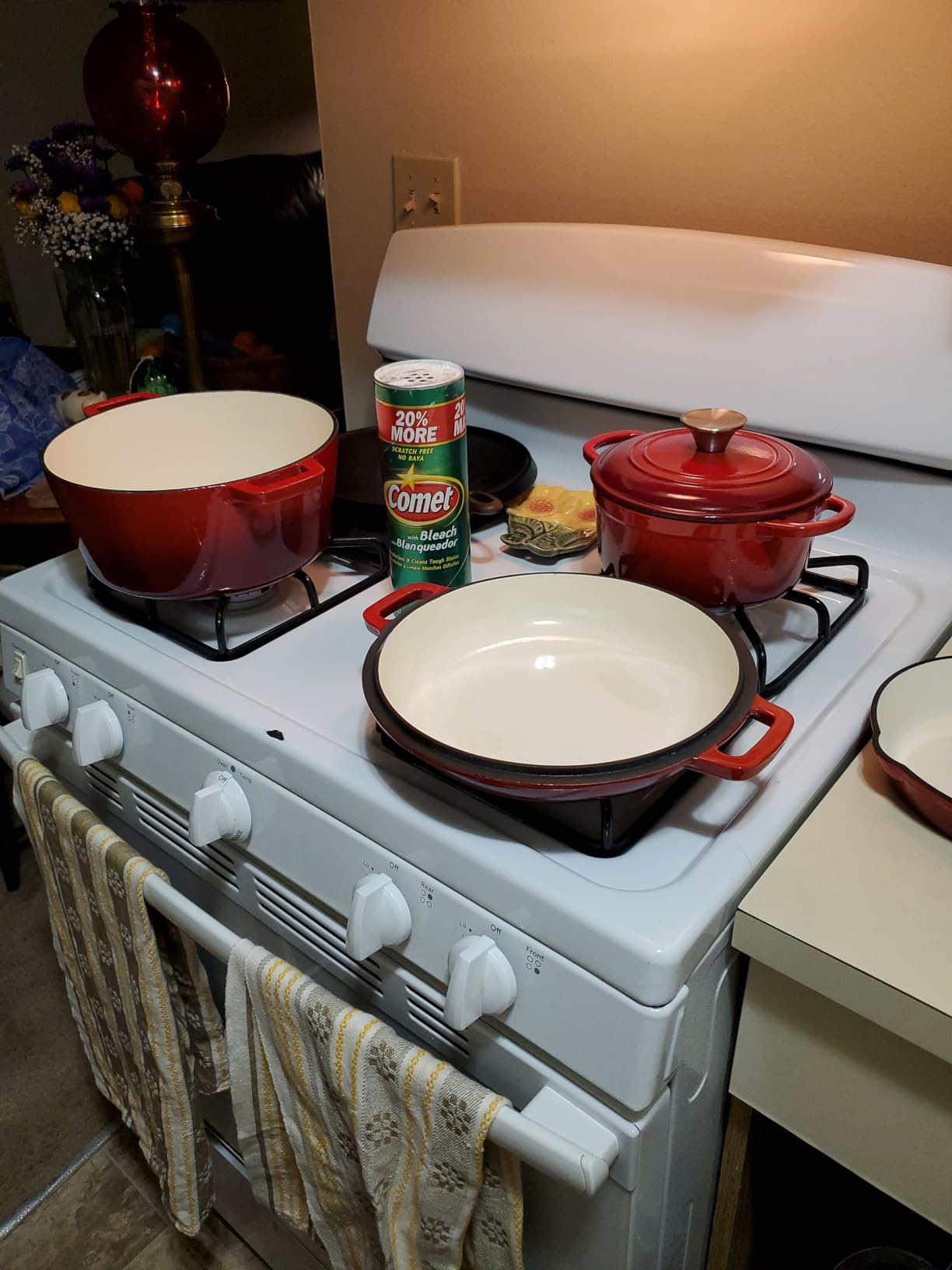
Who should buy the Hamilton Beach skillet
Buy it if you want a cast iron pan for searing on weeknights without taking on a seasoning routine. It handles sautéing, braising, roasting, baking and broiling, so it works as a general pan rather than a steak-only tool.
It is a sensible first purchase for a younger cook, and a decent second pan for someone who already owns a heavy bare iron skillet and wants the lighter option for sauces.
Who should skip the Hamilton Beach skillet
Skip it if the crust is the whole point. Owners specifically report less consistent searing and browning than bare seasoned cast iron, and the enamel is not ideal for very high-heat searing.
Two other limits to know: it is hand wash only, and some enamel finishes chip at the rim with heavy use, which matters if you love a hard sear and work the pan aggressively.
10. Backcountry Iron Wasatch 12-Inch Smooth Skillet for Camp Cooking
Backcountry Iron 12 Inch Smooth Wasatch Pre-Seasoned Round Cast Iron Skillet
- Machined glossy surface modeled on vintage pans
- Smooth surface gives good release and browning
- Retains heat longer and evenly
- Flat bottom for electric
- induction and gas
- Lightweight for cast iron with a knit handle cover
- Requires ongoing care to prevent rust
- Not dishwasher safe and never air dry
- Handle gets hot during high-heat cooking
The Wasatch is the lightest bare cast iron skillet in this roundup at 5 pounds, which matters more for steak than it sounds. A lighter pan is easier to control on a high flame and far easier to lift for a reverse sear, and the glossy machined surface gives you a clean release on bare iron without the coarse casting texture.
It carries a 4.4 star average across about 526 reviews, with 76 percent five-star ratings. Buyers like the vintage-inspired polished finish modeled on Wagner and Griswold pans, the effective sear, and the relatively light weight.
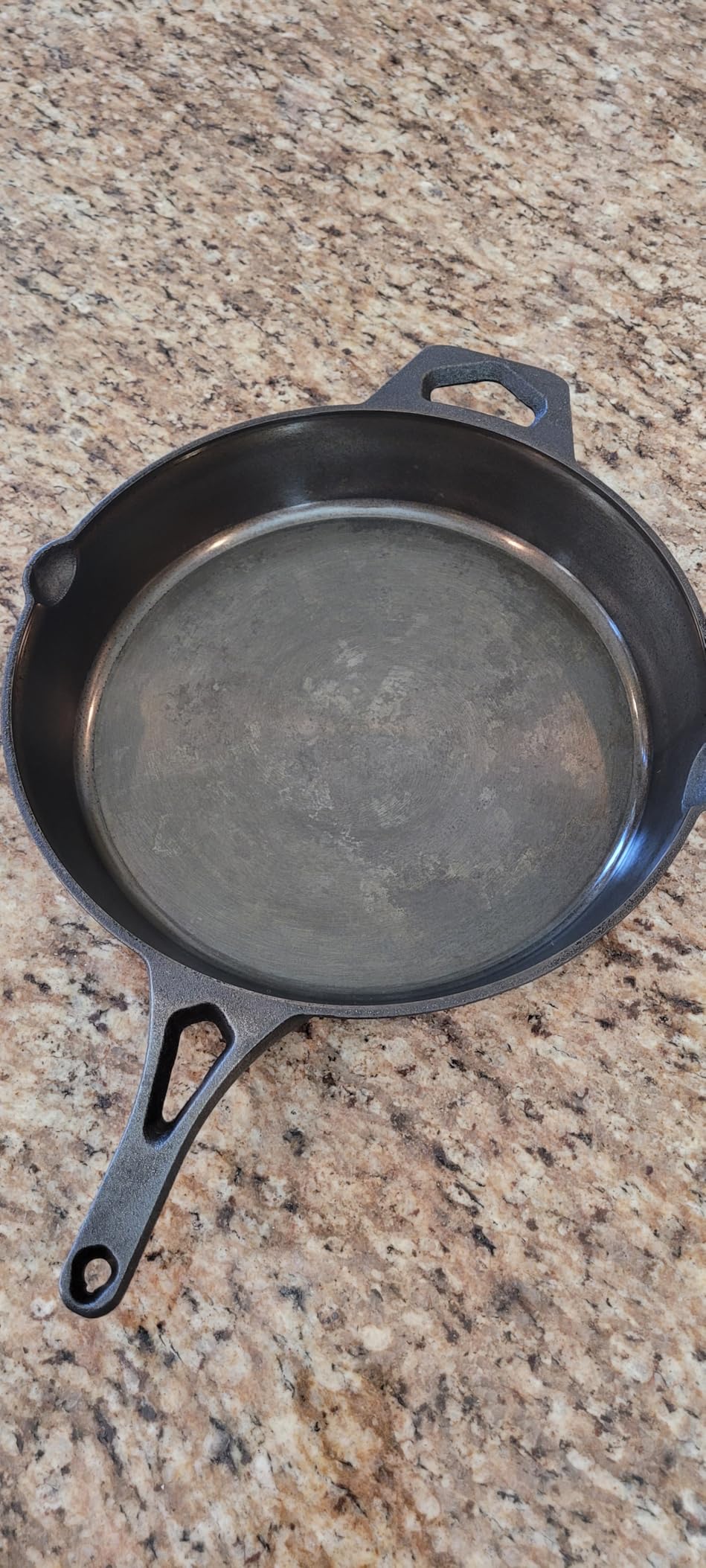
Construction details are thoughtful for outdoor work. The flat bottom is described as glass-smooth for electric, induction and gas cooktops, it is oven safe to 500F, and it is listed for grill and campfire cooking as well as stovetop use.
It arrives quadruple seasoned with vegetable and grapeseed oil, and a knit handle cover is included, which is the right call on a pan you are going to pick up off a fire ring. The cooking surface and sides are machined smooth rather than left pebbly.
Who should buy the Wasatch 12-inch skillet
Buy it if you cook over a campfire or on a camp stove, and you want a pan light enough to lift with one hand while it is full. The included knit cover and the flat bottom make it the most genuinely portable cast iron skillet here.
It is also a good pick if you cook a lot over a fire, since the 5 pound body, the included knit cover and the glass-smooth flat bottom are built for lifting a hot pan off a cooktop or a fire ring.
Who should skip the Wasatch 12-inch skillet
Skip it if you want zero maintenance. The owners who rate it highest still stress the standard cast iron routine, and the pan is not dishwasher safe and should never air dry, which means rust is a real possibility if you cut corners.
Also note that the handle gets hot during high-heat cooking, so the knit cover matters, and the manufacturer warranty here is 90 days rather than the lifetime coverage on some of the bare iron options in this roundup.
How to Cook a Steak in a Cast Iron Skillet
The pan matters, but the technique decides the crust. Cast iron gives you a hot surface that stays hot; the steps below are how you use it. The single most common failure is a steak sticking, and sticking is almost always a temperature or timing problem rather than a seasoning problem.
- Dry the steak and salt it ahead. Pat the surface completely dry with paper towels. Any surface moisture has to boil off before browning can start, and that boiling is what steams the outside of the steak gray.
- Preheat the pan dry for 5 to 10 minutes. Set the empty skillet on the burner and walk away. A few drops of oil in a cold pan will smoke long before the iron is hot, and you want the iron hot first, then the oil hot, then the steak.
- Add a high smoke point oil. Avocado oil, grapeseed oil or beef tallow all hold temperature without burning. Wait until the oil shimmers and just begins to smoke, then lay the steak away from you.
- Leave it alone for the first side. Do not move, flip or press the steak. Early movement is the number one cause of a torn crust. Use the cooking times below as a starting point and adjust for your burner.
- Flip once and add butter for the baste. Add a spoon of butter with a bit of oil at the end of the second side, tilt the pan, and spoon the foaming butter over the crust for the final minute.
- Rest the steak before cutting. Move it to a warm plate and let it rest. Cutting early dumps the juice instead of letting it redistribute back into the meat.
Timing by steak thickness
These are starting points for a preheated cast iron skillet, not hard rules. A very thick cut in an unusually heavy pan will need more time than the same cut in a lighter one.
- 1 inch thick, such as a thin strip: roughly 2 to 3 minutes per side for a medium-rare center, longer if you want more browning.
- 1.5 inch thick, such as a ribeye: roughly 3 to 4 minutes per side, then check the temperature in the thickest part.
- 2 inch thick, such as a tomahawk or porterhouse: roughly 4 to 5 minutes per side, or move to the oven at 450F to 500F to finish gently and sear at the end.
Which oil to use for the crust
Start with a high smoke point oil, not butter. Butter burns at searing temperature, so it works as a finishing fat at the end of the cook rather than as the fat that forms the crust. Cooks who like a beef-forward crust use beef tallow in the pan, and many home searers use grapeseed or avocado oil for a neutral crust that lets the beef flavor lead.
Our sirloin steak recipe ideas all work in any of these pans, since the seasoning method is the same whether the pan is smooth or ridged.
10.25 Inch vs 12 Inch: Matching Pan Size to Steak Thickness
The most common question in cast iron forums is also the one with the clearest answer: a 12 inch pan is the right default for steak. It holds a thick ribeye with a margin of bare iron on all four sides, which is exactly what prevents the trapped steam that ruins a crust.
Size matters because of crowding. When a steak touches the side of the pan or another piece of meat, the surface under it drops in temperature, and the steak steams in its own juices instead of browning. Matching the pan to the number and thickness of steaks is how you avoid that.
- 10 inch and 10.25 inch pans: the right call for a single 1 inch strip steak, a small filet, or a single burger. Less bare iron around the meat means faster preheat and a lighter pan to lift, which matters on a small burner.
- 10.5 inch square grill pans: the same footprint as a 10 inch round pan, with corners that give a spatula room under a thicker cut and ridges that add grill marks.
- 11.75 inch pans: a useful middle ground, especially if you want the lighter feel of a smaller pan with room for a 1.5 inch ribeye.
- 12 inch pans: the standard for steak. Two steaks side by side, or one thick cut with a clear margin, is what you are buying the extra width for.
Is a 12 inch cast iron pan too big?
Sometimes, and the reason is your burner rather than the steak. A wide pan on a small burner can sit on a flame ring with the outer edges barely heated, and that uneven heat shows up as an uneven crust. If your cooktop is compact, a 10.25 or 11.75 inch pan is the safer match.
Weight is the other half of the answer. A 12 inch cast iron skillet in this roundup ranges from 5 to 8.4 pounds, and the heaviest pan is genuinely hard to control one-handed while full. If you sear a lot, a pan between 5 and 7 pounds with two handles or a handle sleeve is the comfortable range.
Seasoned vs Enameled Cast Iron for Searing Steak
Bare seasoned iron and enameled cast iron are the same heavy casting with a different surface, and for steak the surface is what changes the result. Bare iron gives you a harder sear, enamel gives you a much easier cleanup, and that is close to the whole trade.
Bare seasoned cast iron is built for aggressive heat. The seasoning is a polymerized layer of oil and carbon that gets more nonstick over time, and it tolerates the screaming hot pan and the hard scrape of a metal spatula. Every pan from Lodge, Cuisinel, Utopia Kitchen, Stargazer, Greater Goods and Backcountry Iron in this roundup falls in this group.
Enameled cast iron comes ready to cook with no seasoning to maintain. The Le Creuset and the Hamilton Beach are the two enameled options here, and both are oven safe to their listed limits and easy to clean. The downside for steak is the trade owners mention most: enamel is not intended for very high-heat searing, so steaks and burgers do not brown as deeply.
Our verdict for steak: go bare seasoned. If the maintenance routine is the reason you are hesitating, read our enameled cast iron braiser comparison to see what enamel is genuinely better at before you decide.
Cast Iron vs Carbon Steel vs Stainless Steel for Steak
Any pan that holds heat well will sear a steak. The differences come down to how much heat the pan stores, how it feels in the hand, and what you have to do afterward.
Cast iron stores the most heat of the common materials, which is why it produces the deepest crust and why it never forgives a cold pan. It is heavy, it needs a seasoning routine, and it is the only one of these that goes from stovetop to a 500F oven to a campfire without a second tool.
Carbon steel is the choice cooks in forums often argue for. It heats faster and weighs far less than cast iron, it seasons over time, and it is easier to clean and re-season. The tradeoff is less stored heat, so the crust forms slightly less aggressively.
Stainless steel is the most forgiving of the three for a novice. It does not need seasoning, it tolerates any heat, and it cleans in a dishwasher. It is also the thinnest of the three, so a cold steak can drop the surface temperature noticeably before browning starts.
Nonstick gives the least aggressive sear of the four, since you are limited in how hot you can safely take the coating. For a steak you want to sear hard and fast, it is the wrong tool.
Caring for Cast Iron After Every Sear
The good news is that a weekly steak cook is one of the easier routines to maintain, because the pan gets hot and gets used. The bad news is that the three minutes after cooking are the ones that decide whether the seasoning survives.
- Deglaze while the pan is still warm. With the steak resting, wipe the pan with a paper towel to lift the fond, or add a splash of water and scrape it loose. That fond is the carbon that keeps building the seasoning layer.
- Wash and dry immediately. Hot water and a brush or chainmail scrubber is enough. Do not put bare cast iron in the dishwasher, and never air dry it, since standing water is what causes rust.
- Add a very thin coat of oil. While the pan is still warm, wipe on a small amount of a neutral oil with a paper towel until the surface looks almost dry. That thin film is what cures into the seasoning.
- Heat it briefly. Put the pan back on the burner for a minute or two to drive off the oil, then cool it on the burner or a trivet.
Our cast iron pizza pan picks follow the same routine, since the care rules do not change between pans.
How to Choose a Cast Iron Skillet for Steak
Four decisions do most of the work. Everything else is preference.
Pick your surface finish
Machine-milled or polished smooth surfaces, like the Stargazer, the Greater Goods and the Backcountry Iron Wasatch, release a steak more cleanly and are easier to clean than pebbly cast iron. Coarse cast surfaces, like the Utopia Kitchen, hold more of the crust when you lift the meat. A ridged grill pan is a third option entirely, and it buys you grill marks at the cost of a divided cooking surface.
Choose your size from the steak, not the pan
One 1 inch strip wants a 10.25 inch pan. A 1.5 inch ribeye wants 12 inches. Two steaks at once want 12 inches and a smooth floor. This is the mistake that produces a gray, steamed steak more often than any other.
Read the weight before you buy
Cast iron in this roundup runs from 5 pounds to 8.4 pounds. Heavier is not better, it is just more stored heat and more effort. If you lift a pan with one hand, look for a twin-handle design or an included handle sleeve.
Check the oven rating if you reverse sear
A reverse sear and an oven finish need a pan rated high enough for the temperature you use. Several pans here are listed as oven safe, some to 450F and some to 500F, and the enameled options state their limit as well. Match the rating to the method.
Judge the brand on long-term seasoning stories
Look for a large body of reviews and detailed accounts of pans that have been owned for years, not first-week impressions. The review volume on the pans in this roundup ranges from a few hundred to more than 32,000, and that difference matters when you are buying a cooking surface you have to maintain.
Frequently Asked Questions
How to cook a really good steak in a cast iron skillet?
Preheat the empty cast iron skillet dry for 5 to 10 minutes until it is very hot, add a high smoke point oil such as avocado, grapeseed or beef tallow, then lay a dry, salted steak down and leave it untouched for the first side. Flip once, add butter for a final basting minute, then rest the steak before cutting. The single biggest cause of a gray, sticking steak is moving it too early.
Do you put butter or oil in a cast iron skillet for steak?
Start with a high smoke point oil, because butter burns at searing temperatures. Use avocado oil, grapeseed oil or beef tallow to form the crust, then add butter with a basting spoon during the final minute of the second side for flavor. Avocado has the highest smoke point, tallow gives a beef-forward crust, and grapeseed is a neutral middle option.
Is it better to cook steak in cast iron or stainless steel?
Cast iron wins for crust because it stores the most heat and holds its temperature when a cold steak hits it, which is what drives the Maillard browning reaction. Stainless steel is thinner, heats faster and needs no seasoning, so it is more forgiving for a beginner. For a hard sear and an oven finish, cast iron is the stronger tool; for low-friction cleanup, stainless steel wins.
Should I get a 10 inch or 12 inch cast iron pan?
For steak, go with 12 inches. A 12 inch pan holds a 1.5 inch ribeye with a margin of bare iron on all four sides, which prevents trapped steam from spoiling the crust, and it fits two steaks side by side. Choose a 10 to 10.25 inch pan only for a single 1 inch strip steak, or if you have a small burner or prefer a lighter pan.
What are the downsides of enameled cast iron?
The main downside for steak is that enamel is not built for very high-heat searing, so steaks and burgers do not brown as deeply as they do in bare seasoned iron. Food can also stick if the enamel is not properly preheated and oiled, and a chipped or cracked enamel cannot be repaired the way bare seasoning can. The upside is that it needs no seasoning and is much easier to clean.
The Best Cast Iron Skillet for Steak in 2026
The Lodge Square Cast Iron Grill Pan is our pick as the best cast iron skillet for steak, because it does the one thing a round pan cannot: it puts grill marks on indoor steaks, holds heat steadily through the cook, and works from the stovetop to a campfire. With more than 32,000 reviews behind it, it is also the pick with the deepest well of long-term ownership stories.
If you want a smooth continuous crust instead of grill marks, the Cuisinel 12-inch skillet is the strongest all-round buy, and the Lodge dual handle 12-inch is the one to pick if lifting a heavy pan is your biggest concern. The Utopia Kitchen covers the budget tier, and the Stargazer is the machined smooth option if clean food release matters more to you than brand recognition.
Whichever pan you land on, the crust comes from the same three things: a dry steak, a pan preheated for 5 to 10 minutes, and no movement on the first side. Get those right in a moderate pan and you will get a steakhouse crust in 2026.