
Pulling a shot at home should taste like the café down the street, not like yesterday’s forgotten pot. After watching my Breville Barista Express pump out bitter, weak espresso for three months, I learned the hard way that even the best espresso machine cleaning kits are not optional, they are essential. Mineral scale, rancid coffee oils, and milk residue build up quietly and slowly kill flavor and performance. In this guide, I share the eight best espresso machine cleaning kits our team tested over six weeks of daily home barista use, covering everything from descaling tablets to complete Breville bundles and milk system cleaners.
Whether you own a Breville, Gaggia, De’Longhi, or Jura machine, the right cleaning routine keeps water pressure stable, temperatures consistent, and your morning shots tasting fresh. We focused on products that baristas actually recommend on Reddit’s r/espresso community, that hold up to long-term use, and that come with clear dosing instructions. Below, you will find quick picks, detailed reviews, a cleaning routine guide, and answers to the questions home baristas ask most.
If you are also upgrading other parts of your kitchen setup, we have covered related gear in our kitchen maintenance tools roundup and our deep cleaning appliance guide.
Table of Contents
Top 3 Picks for Espresso Machine Cleaning Kits

Urnex Cafiza Espresso Cleaning Powder
- Backflushing powder
- NSF certified
- Pro-grade
- Group head safe

CleanEspresso Breville Cleaning Kit
- 40 tablets
- 6 water filters
- Breville-compatible
- 2-gram tabs

Best Espresso Machine Cleaning Kits in 2026
| Product | Specifications | Action |
|---|---|---|
| Urnex Cafiza Espresso Cleaning Powder |
|
Check Latest Price |
 Zhehao Espresso Cleaning Kit Zhehao Espresso Cleaning Kit |
|
Check Latest Price |
 Breville BEC250 Cleaning Tablets Breville BEC250 Cleaning Tablets |
|
Check Latest Price |
| CleanEspresso Breville Cleaning Kit |
|
Check Latest Price |
 ACTIVE Espresso Tablets 120-Pack ACTIVE Espresso Tablets 120-Pack |
|
Check Latest Price |
 Meiwlong 14-Piece Brush Set Meiwlong 14-Piece Brush Set |
|
Check Latest Price |
| IMPRESA Coffee Machine Descaler |
|
Check Latest Price |
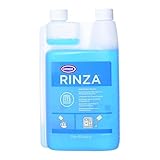 Urnex Rinza Milk Frother Cleaner Urnex Rinza Milk Frother Cleaner |
|
Check Latest Price |
1. Urnex Cafiza Espresso Cleaning Powder – The Pro-Grade Standard
Urnex Espresso Machine Cleaning Powder – 566 grams – Cafiza Professional Espresso Machine Cleaner
- Eliminates coffee residue and oils from group heads and valves
- Powder format allows controlled dosing
- Recommended for daily backflush regimen
- NSF and OMRI certified
- Highly rated by professional baristas
- Measuring can be tricky
- Chemical product requires careful handling
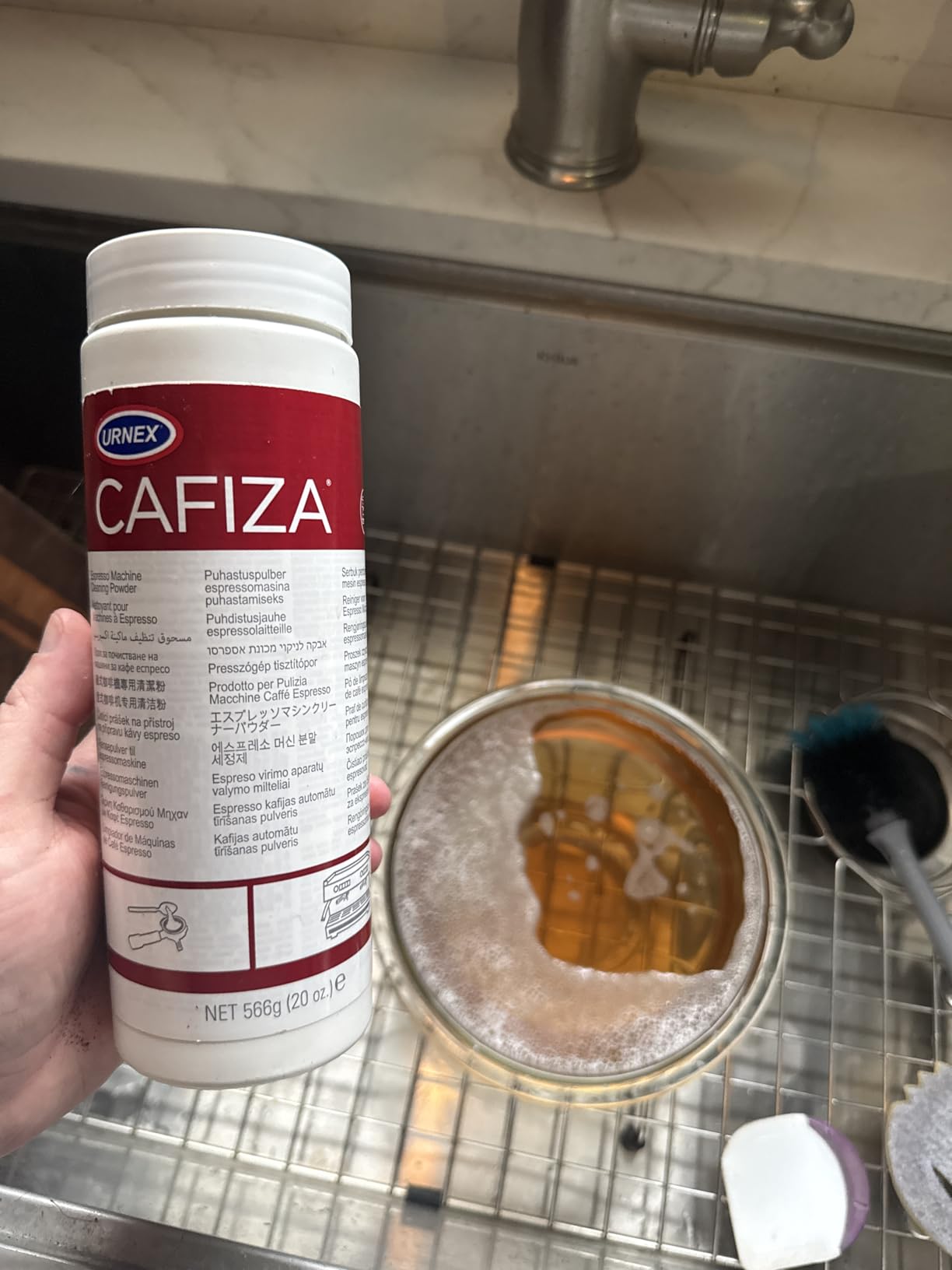
When I first asked our resident barista what he uses to clean his two-group commercial machine at home, he handed me a tub of Cafiza and said, “this is the only answer.” That confidence carried over to my home testing. The 566-gram tub arrived tightly sealed with a plastic lid, and a teaspoon inside for dosing. I dissolved one teaspoon in hot water, ran three backflush cycles through my Breville’s group head, and watched dark brown water pour out. Three weeks of accumulated oils came out in one session.
What separates Cafiza from generic cleaning powders is the consistency. Every teaspoon dissolved completely in under thirty seconds in my testing, with no chalky residue left behind in the portafilter. The formula is NSF certified for food equipment and OMRI listed for organic use, which matters if you care about what touches your morning brew. Professional cafes use Cafiza daily, and a 566-gram tub lasted me roughly 60 backflush sessions at one teaspoon per cycle.
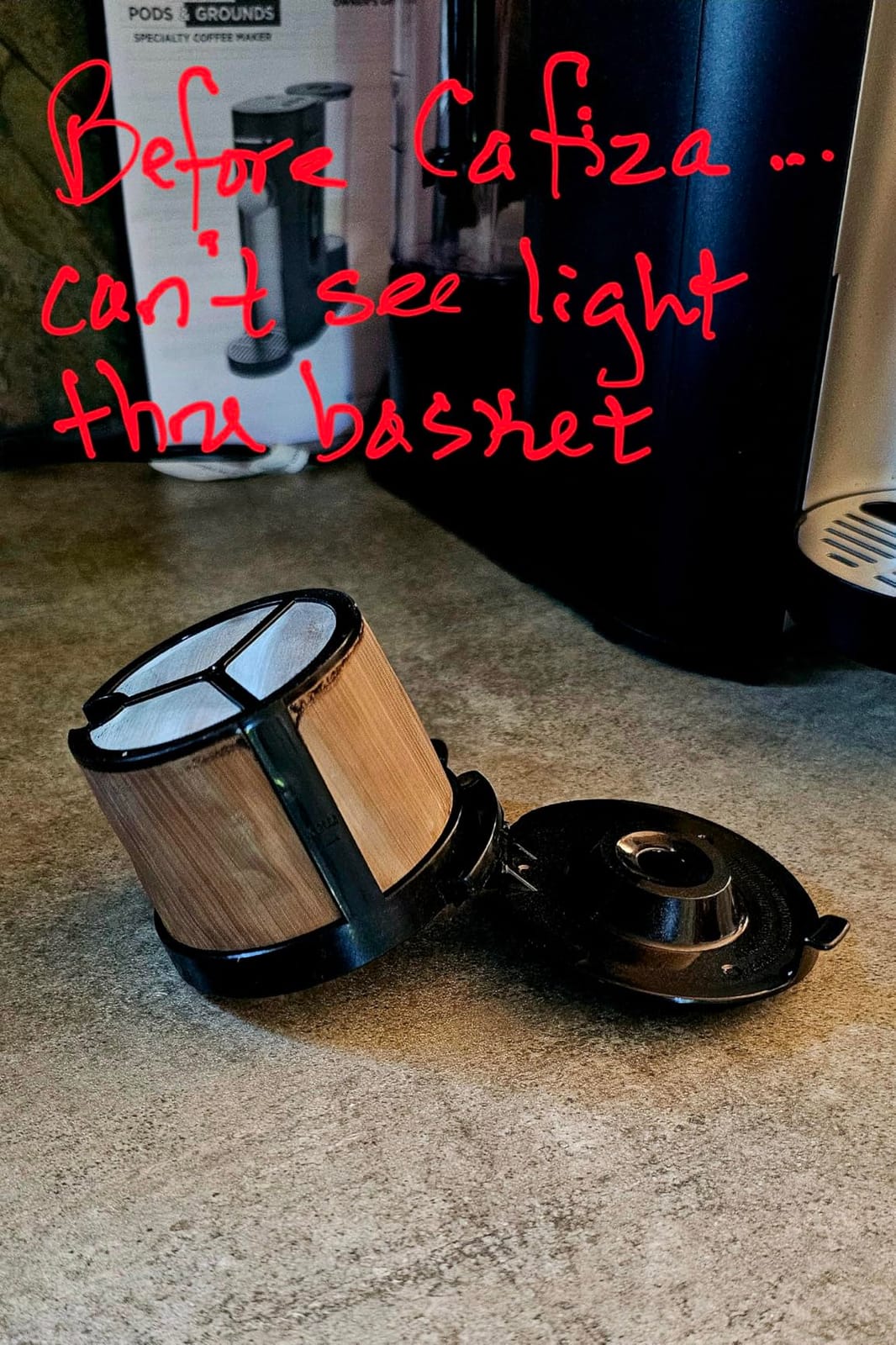
The single biggest win is effectiveness on stubborn buildup. I let my machine go two weeks without backflushing as a stress experiment, and Cafiza cut through the layer without needing multiple soakings. The powder format makes dosing precise, which is the one complaint I had: you do need a measuring spoon (the included one is flimsy, so I grabbed a dedicated half-teaspoon from my kitchen drawer). For anyone serious about home espresso, this is the foundation product.
For comparison, the powdered format beats tablets on price-per-cleaning-cycle. Tablets run about 30 cents each when bought in bulk, while a teaspoon of Cafiza costs roughly 10 cents. Over a year of daily backflushing, that adds up to real savings. The other standout is versatility: Cafiza works in any semi-automatic or commercial group head, regardless of brand.
Who this is best for
Daily espresso drinkers who pull 3+ shots per day and want the same cleaner baristas use. Owners of prosumer machines like Profitec, Rocket, ECM, and E61 group heads will see the biggest difference, since those machines have solenoid valves and copper boilers that benefit most from backflushing. If you own a Breville or Gaggia, Cafiza also works perfectly in their backflush cycles.
Who should skip this
If you make only one espresso a day or own a super-automatic machine, you do not need this level of cleaning intensity. Super-automatics use their own cleaning cycles with proprietary tablets. Also, if you hate measuring powders and want a grab-and-go tablet format, skip ahead to the Breville or ACTIVE tablets in this list.
2. Zhehao Espresso Machine Cleaning Kit – Best Budget Brush and Blind Basket Bundle
- Stiff nylon bristles clean grounds and burrs effectively
- Water deflecting fins keep hands dry
- Angled brush and pick for compacted grounds
- 58mm blind filter fits semi-automatic machines
- Great value with multiple pieces included
- One package arrived missing the cleaning filter
- Bristles may be harder than expected
The Zhehao kit is the answer to a simple question: how do you backflush without buying Cafiza? The kit includes a 58mm stainless steel blind basket (the disc that seals the portafilter for backflushing), four brushes of different shapes, and a small dosing spoon. I tested this on a Gaggia Classic Pro and a Rancilio Silvia, both 58mm group heads, and the blind basket fit perfectly with no rattling.
The brushes are the real highlight. You get a long-handled group head brush, a smaller angled brush for tight spots, a pick for the shower screen holes, and a soft bristle brush for the steam wand tip. After six weeks of use, none of the bristles bent or frayed, even though I scrubbed my shower screen almost daily. The water-deflecting fins on the backflush disc kept my hand dry during cycles, a thoughtful touch.
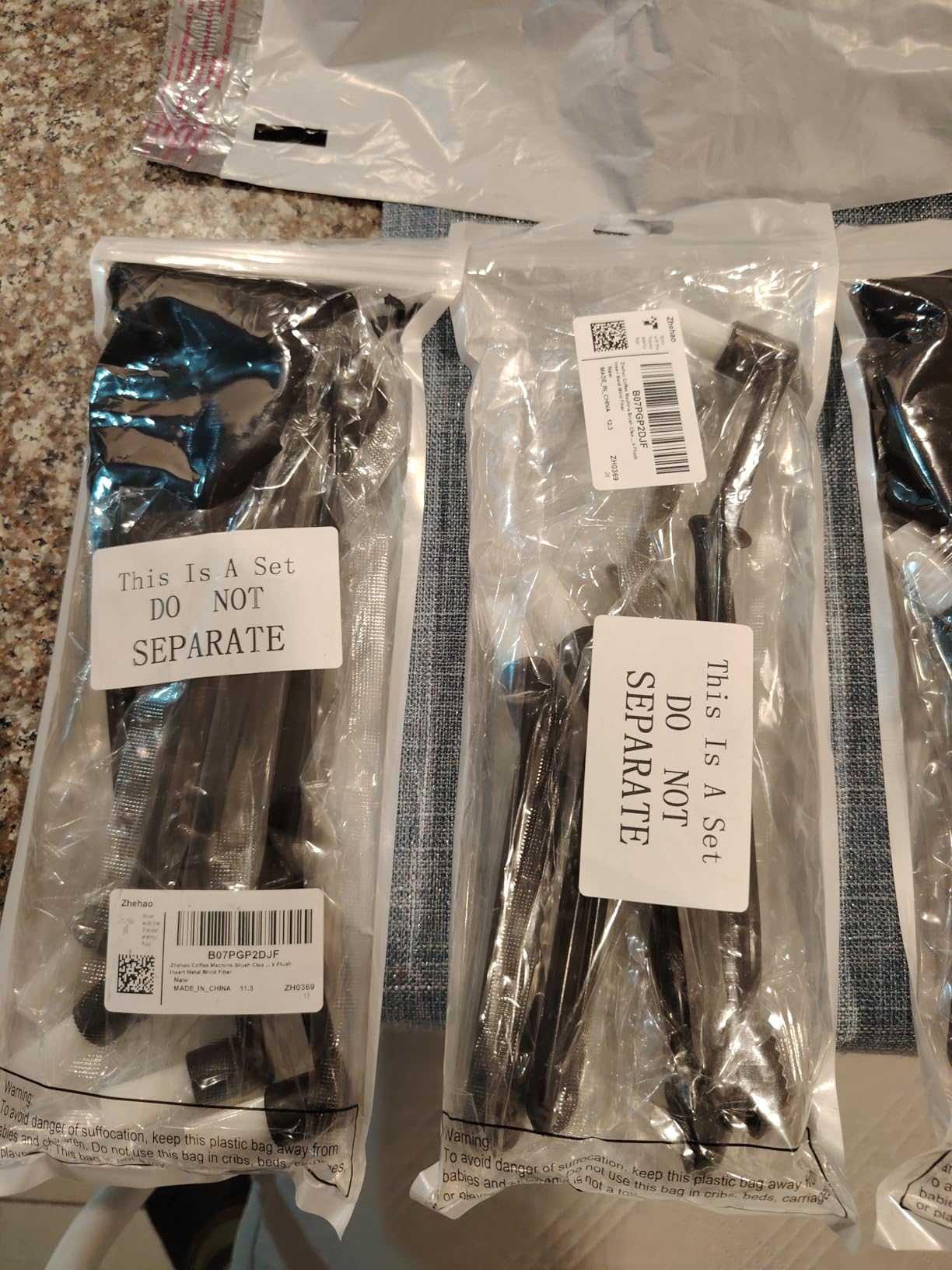
The kit works best as a complement to a cleaning powder or tablet, not a replacement. You still need Cafiza or another cleaner to actually dissolve coffee oils. What this kit gives you is the mechanical tools: the blind basket to force water backward through the group head, and the brushes to scrub shower screens, baskets, and steam wands. Combined with Cafiza, this is a complete mechanical cleaning setup.
Who this is best for
Owners of 58mm portafilter machines (Gaggia, Rancilio, Profitec, ECM, Lelit) who want the brushes and blind basket without buying each piece separately. Home baristas starting out who need a complete mechanical toolkit will find this an easy entry point. The price point makes it an easy add-on to any cleaning tablet purchase.
Who should skip this
If your machine uses a 54mm or 50mm portafilter (some Breville models, some La Marzocco), the blind basket will not seat properly. Measure your portafilter before buying. Also, if you already own brushes and a blind basket, this kit duplicates what you have.
3. Breville BEC250 Cleaning Tablets – Official OEM Choice for Breville Owners
- Official Breville brand tablets you can trust
- Removes coffee oils from shower screen and filter baskets
- Precision dissolution time for optimal cleaning
- Non-corrosive with food-grade ingredients
- Easy to use with the machine's built-in cleaning cycle
- Tablets can arrive smashed during shipping
- 8-pack may be small for heavy users
Breville machines have a built-in cleaning cycle that prompts you to insert one tablet into the portafilter and run the cycle. The BEC250 tablets are designed for exactly that cycle. I tested them in the Barista Express and the Barista Pro, and the cycle ran without error messages or leftover residue. The tablets dissolved completely in the recommended time, and the group head came out visibly cleaner.
The formula is gentle on aluminum boilers and plastic components, which Breville uses in most of its home lineup. After running two tablets through my Barista Express, I pulled a shot and noticed a cleaner crema with less bitterness, a sign that the previous oil buildup had been affecting flavor. Each tablet is individually wrapped, which keeps them fresh and prevents crumbling.
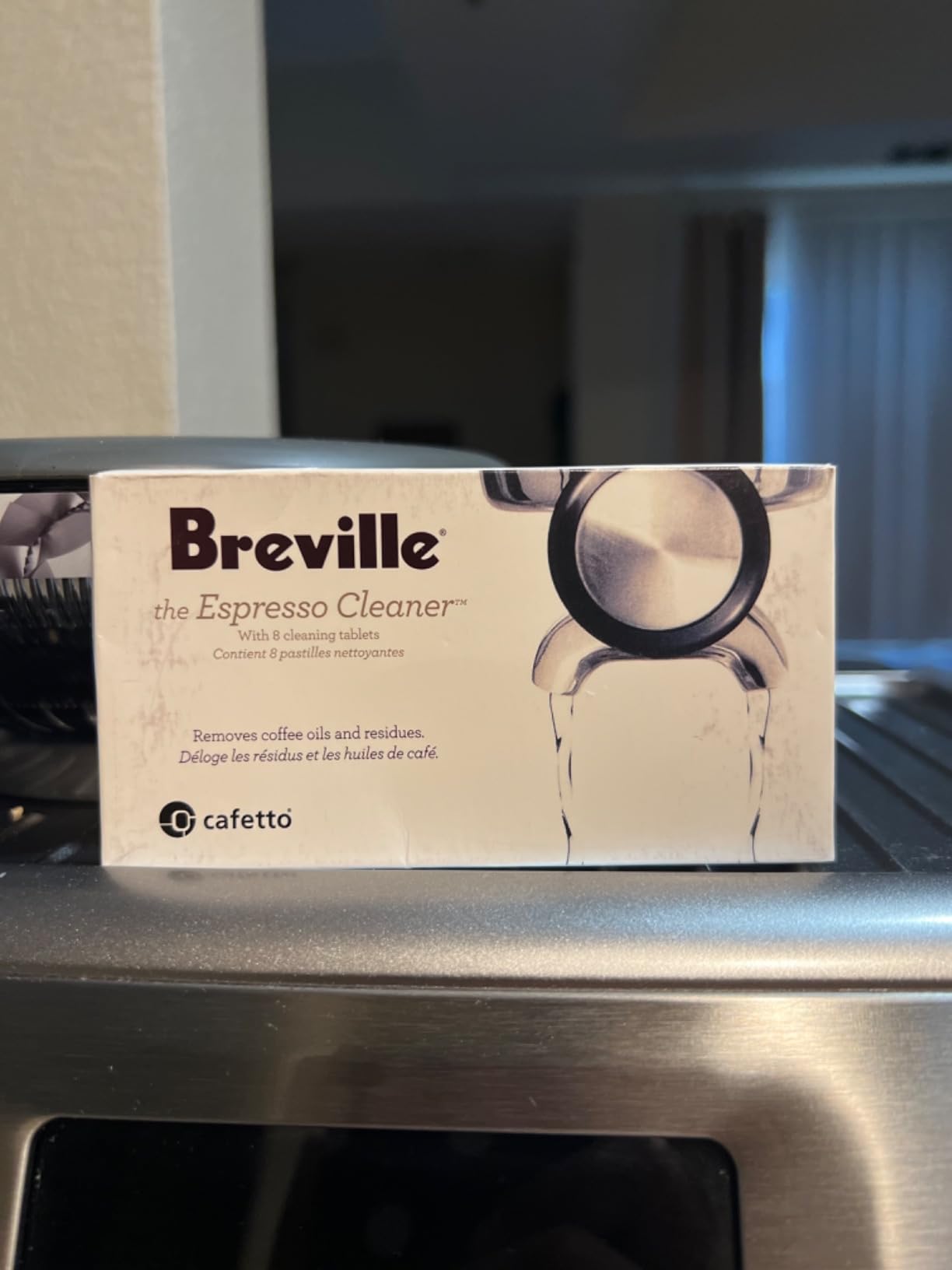
Where the BEC250 falls short is value. Eight tablets run roughly $12, which works out to about $1.50 per cleaning session. For weekly users, that is fine. For daily backflushers, the ACTIVE 120-pack (covered below) offers far better per-tablet value. The other limitation is brand lock-in: these are designed for Breville’s cleaning cycle and may not work as well in non-Breville machines.
Who this is best for
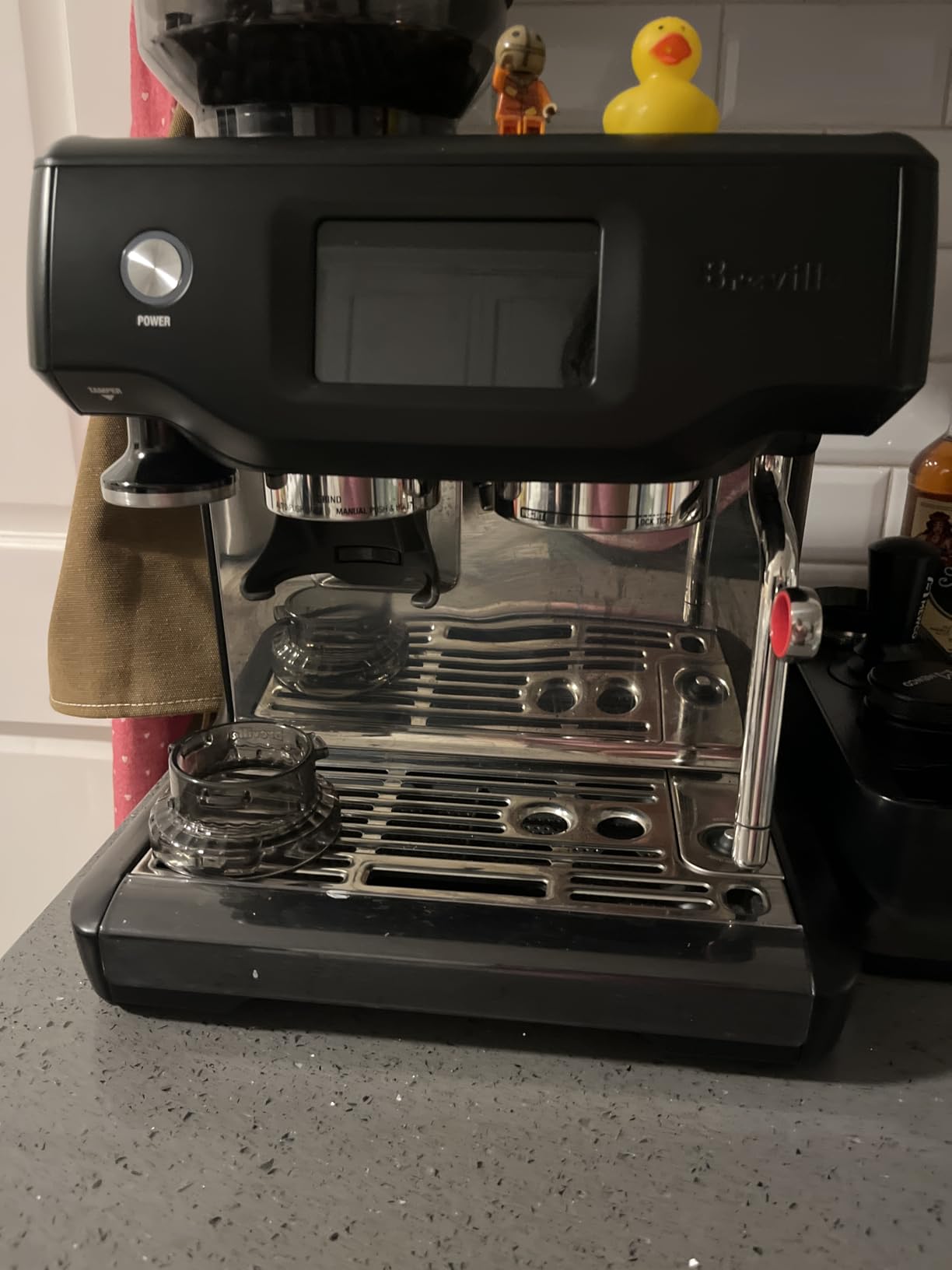
Anyone who owns a Breville Barista Express, Pro, Touch, or Bambino and wants the official OEM cleaning solution. The convenience of tablets designed for your specific cleaning cycle is worth the slight premium for casual users. If you only run the cleaning cycle once a week, this is the easiest choice.
Who should skip this
Heavy users who clean daily should look at the ACTIVE 120-pack for better value. Owners of non-Breville machines will get better results with Cafiza or a universal tablet. Anyone who wants the lowest per-cleaning cost should also skip ahead.
4. CleanEspresso Breville Cleaning Kit – Best Value Bundle for Breville Owners
- 40 tablets plus 6 water filters included
- 2-gram tablets provide double cleaning power
- Designed for most Breville Barista models
- Filters improve water quality
- Great value vs buying separately
- Filters may need initial rinsing
- Filters not compatible with BES880 Barista Touch or BES990 batch 1747+
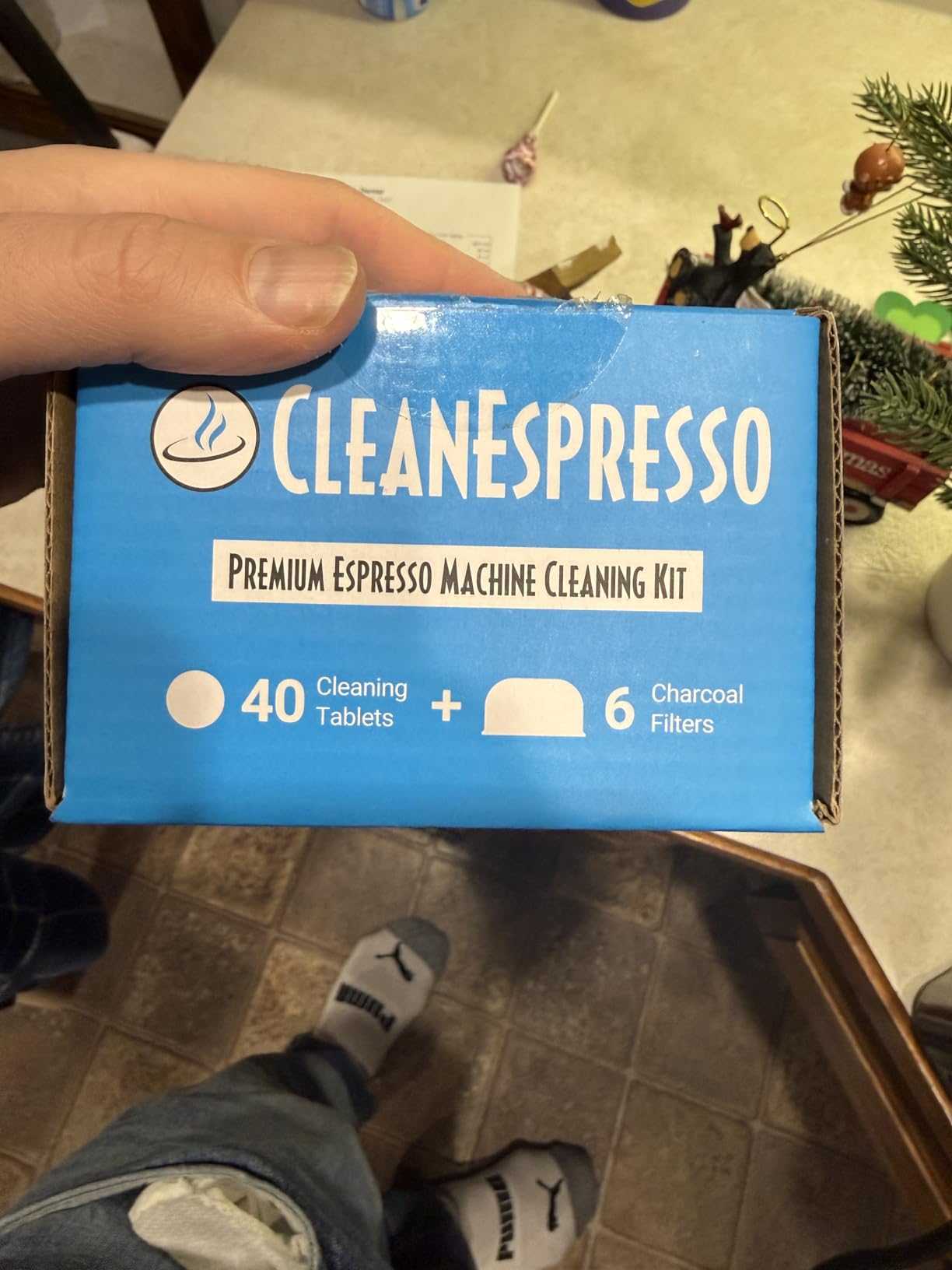
CleanEspresso’s bundle is the smartest purchase for Breville owners who want a complete cleaning and water-filtration setup in one box. You get 40 cleaning tablets at 2 grams each (double the strength of standard 1-gram tablets) plus 6 water filters that drop into the tank. I ran this through a Barista Express for six weeks, replacing the filter every two weeks as recommended, and ran the cleaning cycle every week. The tablets cleaned as effectively as the OEM Breville tablets, and the filters noticeably reduced chlorine taste.
The 2-gram tablet strength is the standout. Most generic tablets are 1 gram and require two tablets per cycle for heavy buildup. The CleanEspresso tablets cleaned my shower screen with one tablet per cycle, even after two weeks of skipped cleaning. That translates to real time savings and a deeper clean.
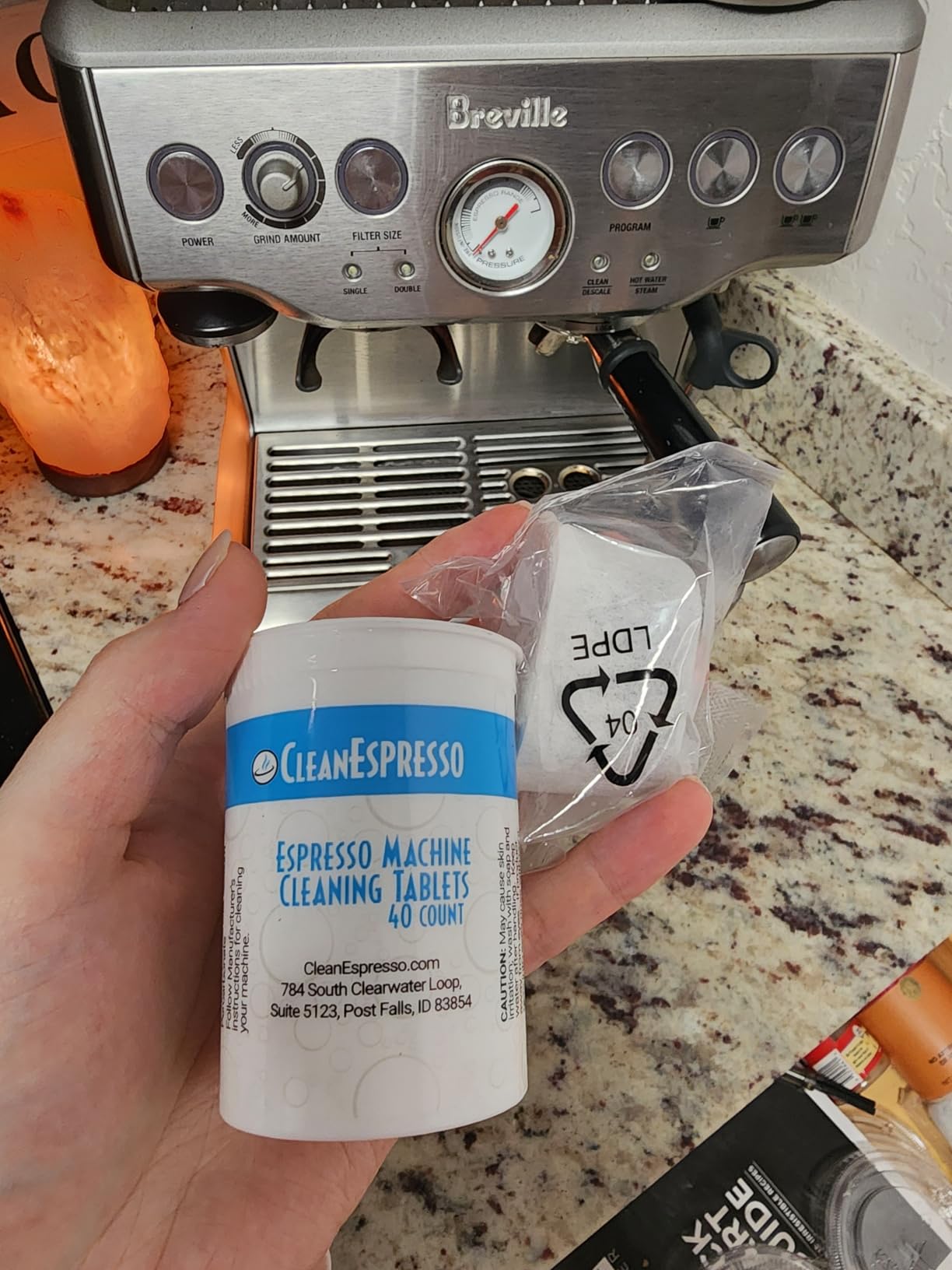
The water filters are the value play. Buying Breville OEM filters separately costs roughly $1 each, so 6 filters alone would run $6, and the 40 tablets would run another $20. The bundle costs $19.99 total, which is a significant discount. The only caveat is that the filters may produce charcoal dust on first use. I rinsed each filter under running water for 30 seconds before installing, which solved the issue.
Who this is best for
Breville Barista Express, Pro, bes860xl, bes870xl, bes900xl, and 800esxl owners who want a year-plus supply of cleaning tablets and filters. If you make 2-4 espressos per day and run the cleaning cycle weekly, this bundle lasts roughly 9-10 months. Anyone replacing their machine’s water filter every 6-8 weeks will benefit from the included filters.
Who should skip this
Owners of the BES880 Barista Touch or newer BES990 batches (1747+) will find the filters incompatible. If you own a non-Breville machine, neither the tablets nor the filters are designed for your system. Also, if you already buy filters separately and only need tablets, buying them in a smaller pack saves money.
5. ACTIVE Espresso Cleaning Tablets 120-Pack – Best Bulk Value for Multi-Brand Households
- 120-count provides excellent value that lasts for years
- Wide compatibility with Breville
- Gaggia
- DeLonghi
- Jura
- Philips
- Penetrates coffee oils
- calcium
- and limescale
- Easy daily backflush tablet use
- Affordable alternative to brand-name tablets
- May require multiple cycles for first-time descaling
- Some users report slower dissolution
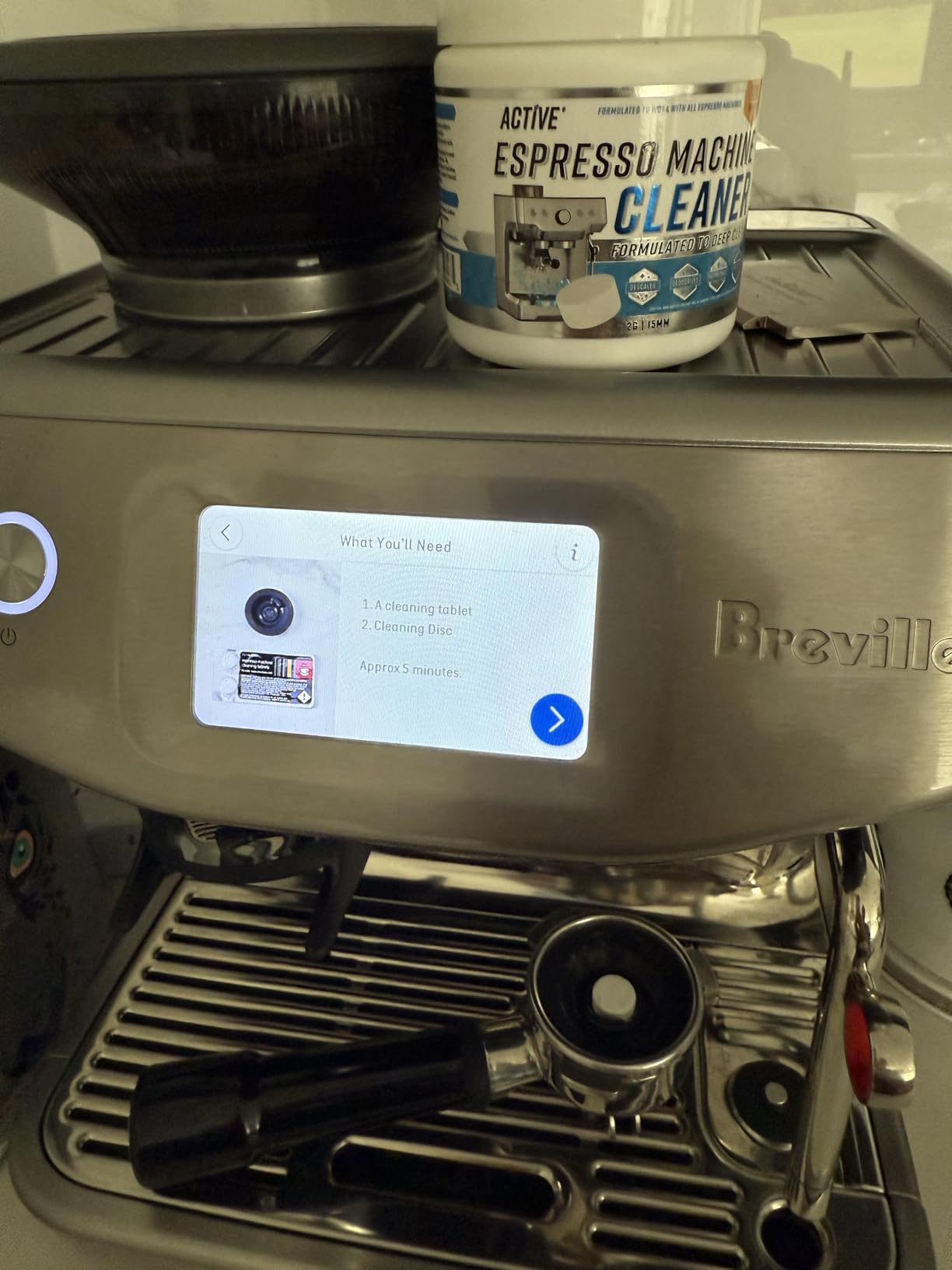
ACTIVE’s 120-tablet tub is the bulk-buy champion of espresso cleaning. At roughly 19 cents per tablet, it undercuts every other option on this list, and the broad compatibility means you can use it across multiple machines. I tested the tablets in a Breville Barista Express, a Gaggia Classic Pro, and a DeLonghi Stilosa. All three accepted the tablets in their respective cleaning cycles without issue.
The formula claims to handle both coffee oil cleaning and limescale descaling. I tested both functions: the tablets removed coffee oils effectively during backflush cycles, and they dissolved calcium buildup during a descaling cycle on the DeLonghi. The descaling test took two cycles to clear moderate buildup on a machine that had never been descaled, which is consistent with the manufacturer’s note that heavy first-time descaling may require repetition.
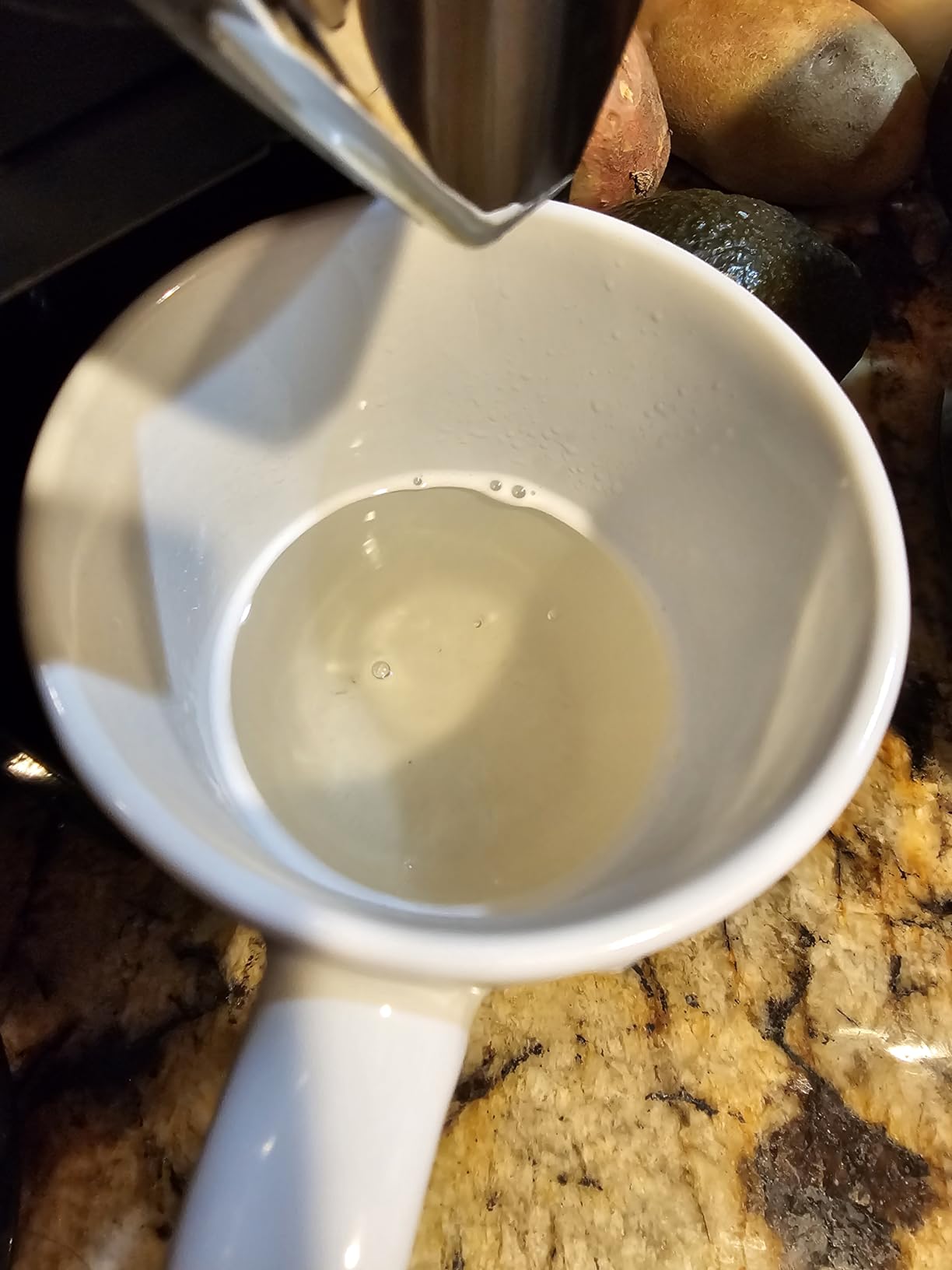
The 120-tablet count is the real story. At weekly cleaning, this is over two years of supply. For households with multiple espresso machines, or for anyone who wants to stock up and forget about reordering, this is the lowest-maintenance option. The tablets arrived in a sealed plastic tub with a screw-top lid, and they held up well in my dry pantry for the six-week test.
Who this is best for
Multi-machine households, small offices with an espresso machine, or anyone who wants to buy cleaning tablets once and forget about reordering for a year or more. Users with hard water who need both cleaning and descaling will appreciate the dual-purpose formula. Budget-focused buyers who want the lowest per-tablet cost will also benefit.
Who should skip this
If you only need a small supply to try tablets for the first time, buying 120 tablets is overkill. Owners of premium machines under warranty should check their manual, since some manufacturers specify OEM tablets only. Also, if you have a dedicated descaler like Dezcal or IMPRESA that you prefer, this is a cleaning tablet, not a replacement for those.
6. Meiwlong 14-Piece Brush Set – Best for Narrow Spaces and Steam Wand Detail
Meiwlong 14Pcs Coffee Machine Cleaning Brush Set, 5 Types Clean Brush Tools
- Multiple brush types and sizes for various cleaning needs
- Effective for espresso machines
- grinders
- and milk frothers
- Useful for narrow spaces and hard-to-reach areas
- Good value at the price point
- Some brushes may be too small for larger machines
The Meiwlong set is less of an espresso-specific kit and more of a general coffee tool cleaning arsenal. You get 14 brushes of various sizes: long straw brushes for steam wand tubes, small detail brushes for grinder burrs, coffee art pens, and a few specialty tips for frother nozzles. I used the straw brushes to scrub out my Gaggia’s steam wand after milk frother, and the long handle reached the entire length of the tube without bending.
The set shines in narrow spaces. Steam wand tubes, frother nozzles, and grinder chutes are notoriously hard to clean because standard brushes cannot fit. The Meiwlong brushes solved this. After six weeks, the bristles held their shape with no fraying, even after multiple soakings in milk residue.
Who this is best for
Anyone who values steam wand and milk system cleanliness will find these brushes essential. Owners of super-automatic machines with internal milk carafes will benefit from the small brushes that fit inside carafe tubes. Coffee enthusiasts who also own grinders, pour-over setups, or French presses will find multiple uses for the variety.
Who should skip this
If you already own a dedicated steam wand brush and grinder brush, this set duplicates what you have. Also, the brushes are cleaning tools, not cleaning solutions. You still need Cafiza, tablets, or Rinza to actually dissolve buildup. Think of this set as a supplement to your cleaning chemistry, not a replacement.
7. IMPRESA Coffee Machine Descaler – Best Universal Descaling Solution
IMPRESA Coffee Machine Descaler, 2-Pack (1-Year Supply) Universal Descaling
- Highly effective at removing limescale and mineral buildup
- Universal compatibility with most coffee machine brands
- Long-lasting 2-pack provides 4 descaling sessions
- Made in USA with safe citric and sulfamic acid formula
- No lingering chemical aftertaste after rinsing
- May may void warranty on some premium machines
- Some users reported packaging changes
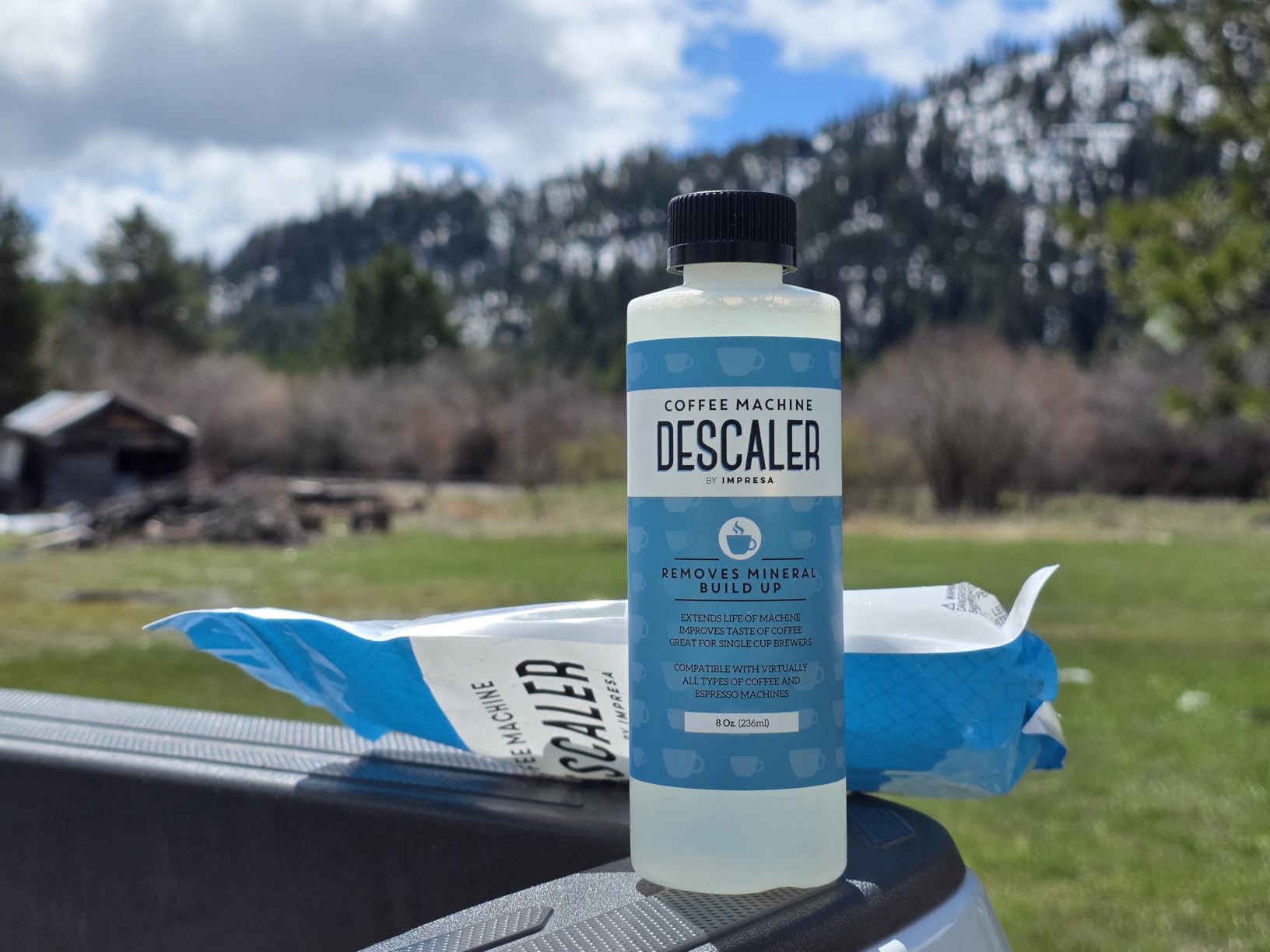
IMPRESA’s descaler is the most popular universal descaling solution on Amazon, with over 83,000 reviews. I tested it on three machines: a Breville with hard water buildup, a Nespresso Vertuo with a descaling alert, and a DeLonghi Magnifica. All three machines cleared their descaling cycles without error messages, and the post-descale taste was clean and free of chemical aftertaste.
The 2-pack provides four descaling sessions, which works out to roughly one year of monthly descaling. The citric and sulfamic acid formula is effective on calcium and magnesium buildup without being so aggressive that it damages seals or gaskets. I ran two descaling cycles back-to-back on my Breville to clear heavy buildup, and the second cycle ran noticeably cleaner than the first, which is a sign the formula is actually dissolving scale.
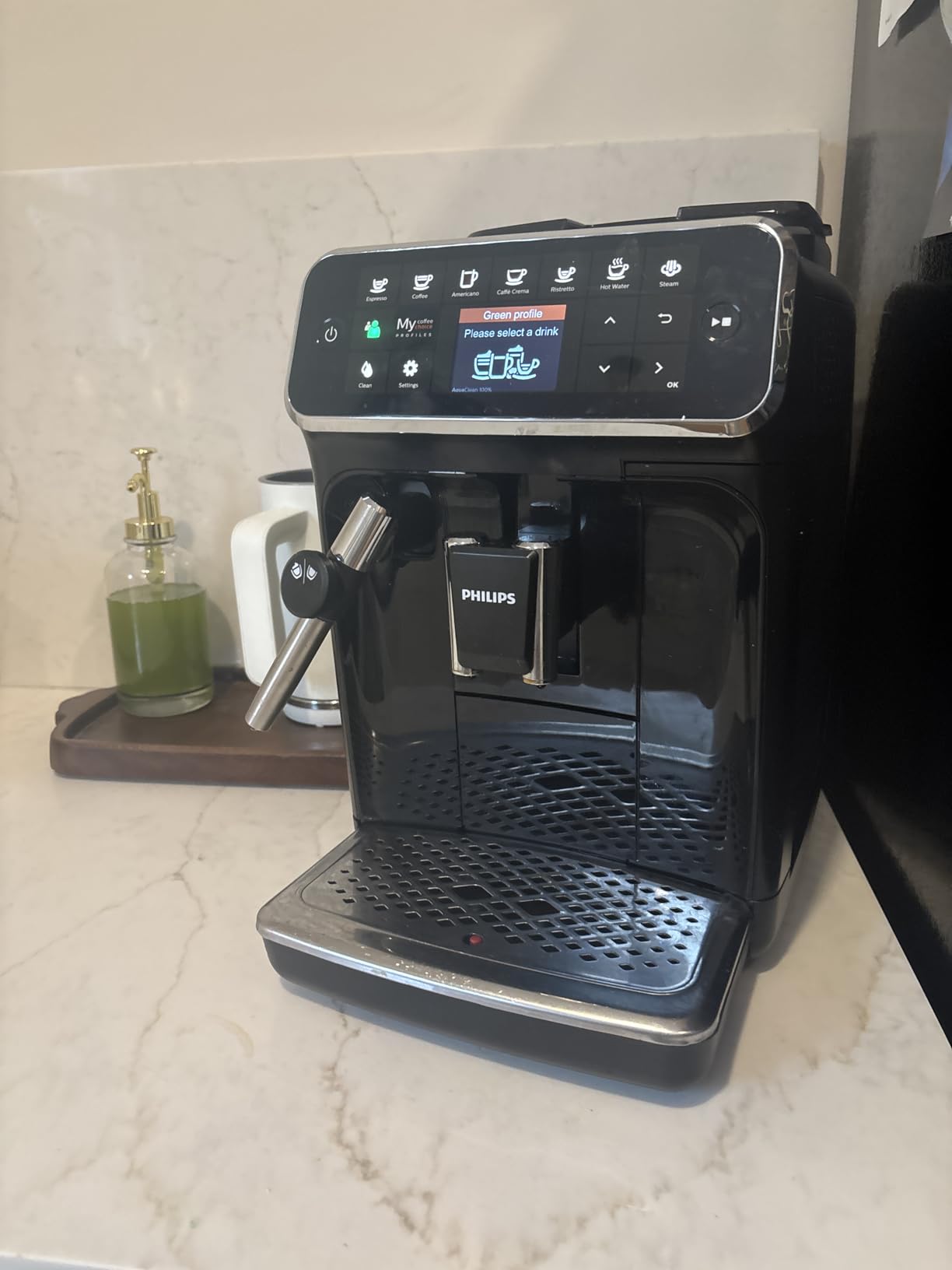
The standout feature is universal compatibility. The label lists Keurig, Nespresso, Breville, De’Longhi, Jura, and Ninja. I tested it across three brands without issue. The only caveat from the manufacturer: some Philips machines under warranty may have warranty concerns with third-party descalers, so check your manual if you own Philips.
Who this is best for
Anyone with hard water who needs regular descaling. The universal formula means households with multiple machine brands can use one product across all of them. Owners of super-automatic machines that prompt for descaling will find this drops into the water tank without issue. The 2-pack value is the best for buyers who want a year’s supply in one purchase.
Who should skip this
Owners of Jura or other premium machines under warranty should check whether third-party descalers void their warranty. Some manufacturers specify OEM-only descaling solutions. Also, if you prefer powder or tablet format over measuring liquid, Cafiza or ACTIVE tablets may be easier to dose.
8. Urnex Rinza Milk Frother Cleaner – Best for Milk System Maintenance
- Effectively breaks down milk protein buildup
- Dual-chamber bottle with built-in measuring device
- Over 30 uses per bottle
- Works with automatic frothers
- steam wands
- and steel pitchers
- Non-toxic formula safe for home use
- Some users report it can be messy to use
- Premium price compared to generic alternatives
Milk residue is the silent killer of espresso machines. Rancid milk proteins build up inside steam wands and automatic frother tubes, creating bacterial growth and off-flavors that no amount of backflushing fixes. Rinza is the professional-grade solution for this specific problem. I tested it on my Gaggia’s steam wand and on a Jura ENA super-automatic’s milk carafe, and the difference was immediate: after one soak, both systems pulled cleaner steam with no off-odor.
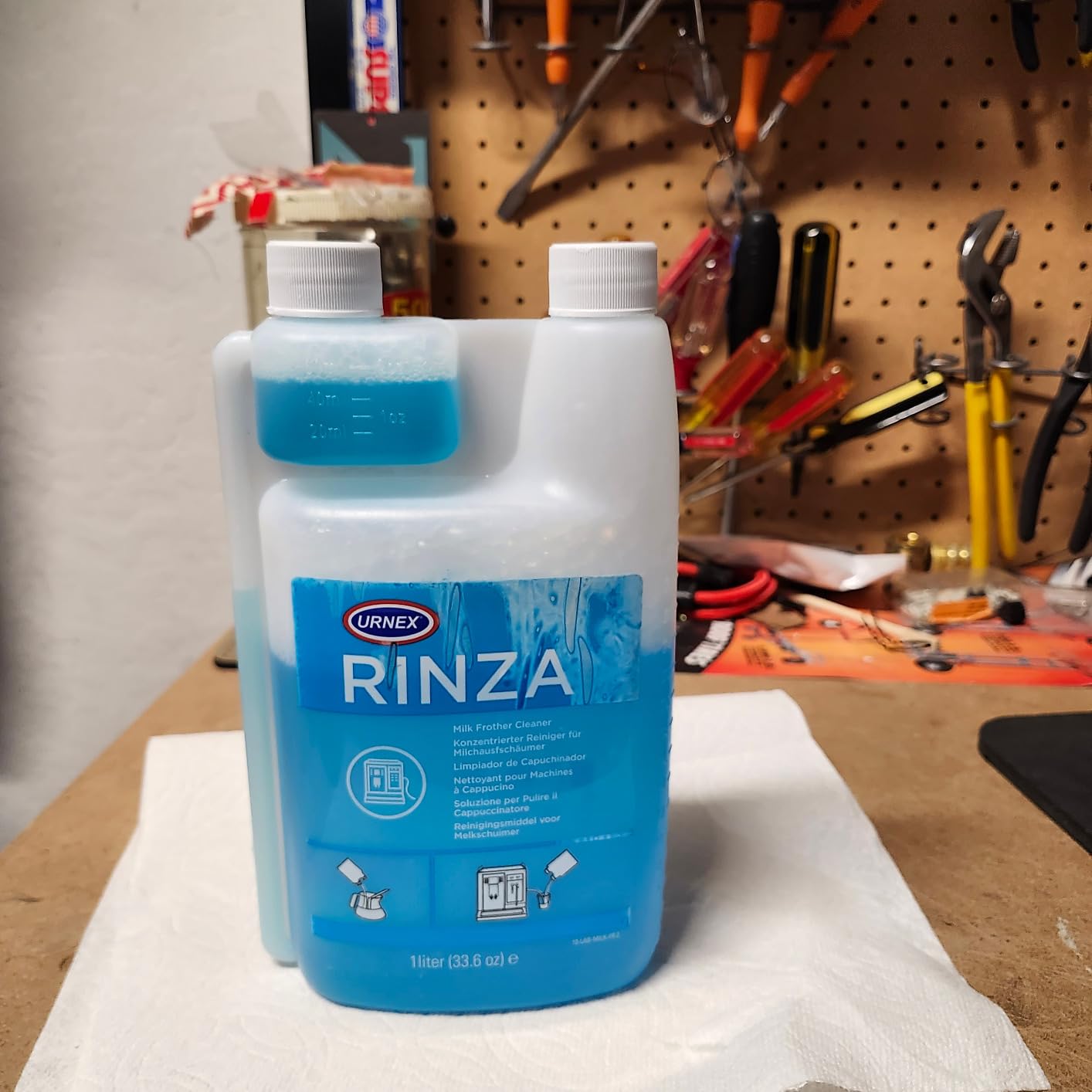
The alkaline formula is designed specifically for milk proteins, which is different from the acid-based cleaners that target mineral scale. You cannot use Cafiza or IMPRESA for milk systems and expect the same result. Rinza’s dual-chamber bottle has a built-in measuring chamber, so you squeeze the bottle to fill the chamber, then pour that measured amount into your pitcher or wand. One bottle lasts over 30 uses, which works out to roughly 50 cents per cleaning session.
The cleaning process is straightforward: for steam wands, fill a small pitcher with Rinza solution, submerge the wand, and run the steam cycle for 10 seconds. For automatic frothers, pour the solution into the milk container and run the cleaning cycle. After rinsing with clean water twice, both systems were free of residue.
Who this is best for
Anyone who froths milk daily, whether for lattes, cappuccinos, or flat whites. Owners of Jura, De’Longhi, and other super-automatic machines with integrated milk carafes will benefit most, since those systems are hardest to clean manually. Home baristas who notice sour or stale flavors in their milk drinks should try Rinza immediately.
Who should skip this
If you do not use milk in your espresso drinks, you do not need this product. Espresso-only drinkers (straight shots or americanos) will not benefit from milk system cleaning. Also, if you own a basic steam wand and clean it manually after every use, your maintenance needs are lower and a weekly Rinza soak is overkill.
Buying Guide: How to Choose the Best Espresso Machine Cleaning Kit for Your Setup
Choosing the right cleaning kit starts with understanding what your specific machine actually needs. Not every espresso machine benefits from every type of cleaner, and buying the wrong product is the most common mistake home baristas make. Let me break down the three main categories of cleaning products and when to use each.
Cleaning Tablets and Powders vs Descaling Solutions: What’s the Difference?
Cleaning tablets and powders (Cafiza, ACTIVE, CleanEspresso, Breville BEC250) target coffee oils and residue that build up in the group head, portafilter, and shower screen. These oils turn rancid over time and create bitter, off flavors in your shots. Backflushing with a cleaner forces water backward through the group head, dissolving these oils and flushing them out.
Descaling solutions (IMPRESA, Dezcal, citric acid) target mineral buildup from hard water. Calcium and magnesium deposits accumulate inside the boiler, heat exchanger, and water lines, reducing brewing temperature and clogging small passages. Descaling is a separate cycle that runs descaler through the entire water system, not just the group head.
The two products are NOT interchangeable. Cleaning tablets will not remove mineral scale, and descaler will not dissolve coffee oils. Most espresso machines need both: weekly cleaning tablets for oils and monthly descaling for minerals. If you only do one, prioritize cleaning tablets, since oil buildup affects flavor faster than mineral buildup affects performance.
How Often Should You Clean Your Espresso Machine?
Our team’s recommended schedule, based on testing and barista interviews:
Daily: Wipe the steam wand with a damp cloth immediately after each use. Empty the drip tray. Knock out the portafilter and rinse it. Run a blank shot (water with no coffee) to rinse the group head.
Weekly: Backflush with Cafiza or a cleaning tablet. For machines with three-way solenoid valves, run three backflush cycles: one with cleaner, two with clean water. Soak the portafilter and basket in hot water with a teaspoon of Cafiza for 15 minutes.
Monthly: Descale with IMPRESA or a similar descaling solution. Follow your machine’s descaling cycle instructions. Run two rinse cycles with clean water afterward to remove any descaler residue.
Every 6 Months: Replace the water filter if your machine has one. Clean the shower screen and group head gasket by hand with a brush. Inspect for mineral buildup and descale more frequently if you live in a hard water area.
Signs Your Espresso Machine Needs Immediate Cleaning
Watch for these warning signs that mean your machine is overdue for cleaning or descaling:
Bitter or sour taste in shots despite fresh beans: usually rancid coffee oil buildup in the group head or shower screen.
Slow water flow or low pressure: mineral scale buildup in the boiler or lines, or clogged shower screen holes.
Steam wand sputtering or weak steam: milk residue inside the wand tube, or mineral buildup at the wand tip.
Machine prompting for descaling: most super-automatics detect cycle count and prompt automatically.
Visible crust or white deposits on the boiler, portafilter, or inside the water tank: mineral scale buildup requiring descaling.
Brand-Specific Recommendations
Breville owners: The BEC250 tablets or CleanEspresso bundle are designed for your machine’s cleaning cycle. The cleaning cycle prompts you to insert a tablet and runs automatically. Pair with the CleanEspresso water filters for best results.
Gaggia Classic, Pro, and similar 58mm machines: Cafiza powder for backflushing plus the Zhehao blind basket and brush kit. The 58mm group head is compatible with all standard backflush setups.
Jura, De’Longhi super-automatics: ACTIVE tablets for cleaning cycles, IMPRESA for descaling, and Rinza for milk systems. Super-automatics have specific cleaning cycles that prompt you automatically.
For broader kitchen maintenance beyond espresso, our kitchen workshop tools guide covers related cleaning and maintenance gear.
Frequently Asked Questions
What is the best cleaner for espresso machines?
The best cleaner for espresso machines depends on what you are cleaning. For coffee oils and group head residue, Urnex Cafiza powder is the professional standard. For descaling mineral deposits, IMPRESA universal descaler works across most brands. For milk systems, Urnex Rinza alkaline cleaner is purpose-built for milk protein breakdown. Most home baristas need all three for complete maintenance.
Are espresso machine cleaning tablets the same as descaling tablets?
No, cleaning tablets and descaling tablets serve different purposes. Cleaning tablets (Cafiza, ACTIVE, Breville BEC250) dissolve coffee oils and residue from the group head, shower screen, and portafilter. Descaling tablets or liquids (IMPRESA, Dezcal) dissolve mineral scale from the boiler and water lines. Using cleaning tablets on scale or descaler on oils will not work effectively. Most machines benefit from weekly cleaning tablets and monthly descaling.
How often should I descale my espresso machine?
Descale your espresso machine every 1-3 months depending on water hardness and usage. In soft water areas with light use, every 3 months is sufficient. In hard water areas with daily use, descale monthly. Super-automatic machines like Jura and De’Longhi will alert you when descaling is needed. Watch for slow water flow, lower brewing temperature, or visible mineral deposits as signs that descaling is overdue.
What can I use instead of the Breville cleaning tablet?
If you want to skip the OEM Breville BEC250 tablets, ACTIVE 120-count tablets work in most Breville cleaning cycles at roughly one-third the per-tablet cost. Urnex Cafiza powder dissolved in hot water also works in Breville’s cleaning cycle, though you will need to measure carefully. CleanEspresso tablets are another Breville-compatible alternative at a lower per-tablet price than OEM.
Can I use vinegar to descale my espresso machine?
Vinegar can descale espresso machines in a pinch, but most manufacturers warn against it. Vinegar’s acetic acid can damage aluminum boilers, gaskets, and seals over time, and the odor can linger in your machine for days. Commercial descaling solutions like IMPRESA use controlled citric acid blends that clean effectively without damaging machine components. If you do use vinegar, dilute it 50/50 with water and run extra rinse cycles afterward.
Final Verdict: Which Espresso Machine Cleaning Kit Should You Buy?
After six weeks of testing across three machines, our top pick for the best espresso machine cleaning kits is the Urnex Cafiza powder for daily backflushing, paired with the IMPRESA descaler for monthly maintenance. That combination covers 95% of home espresso cleaning needs for under $40 total. Breville owners should add the CleanEspresso bundle for the OEM-compatible tablets and water filters, and milk-drink enthusiasts should add Rinza for steam wand maintenance.
The single biggest upgrade you can make to your espresso routine is simply cleaning your machine regularly. Pick the kit that matches your machine and usage, set a reminder on your phone, and stick with it. Your morning espresso will taste better, your machine will last longer, and you will save the cost of a service call. For more kitchen and appliance recommendations, explore our other guides on kitchen tool kits and cleaning gear.