
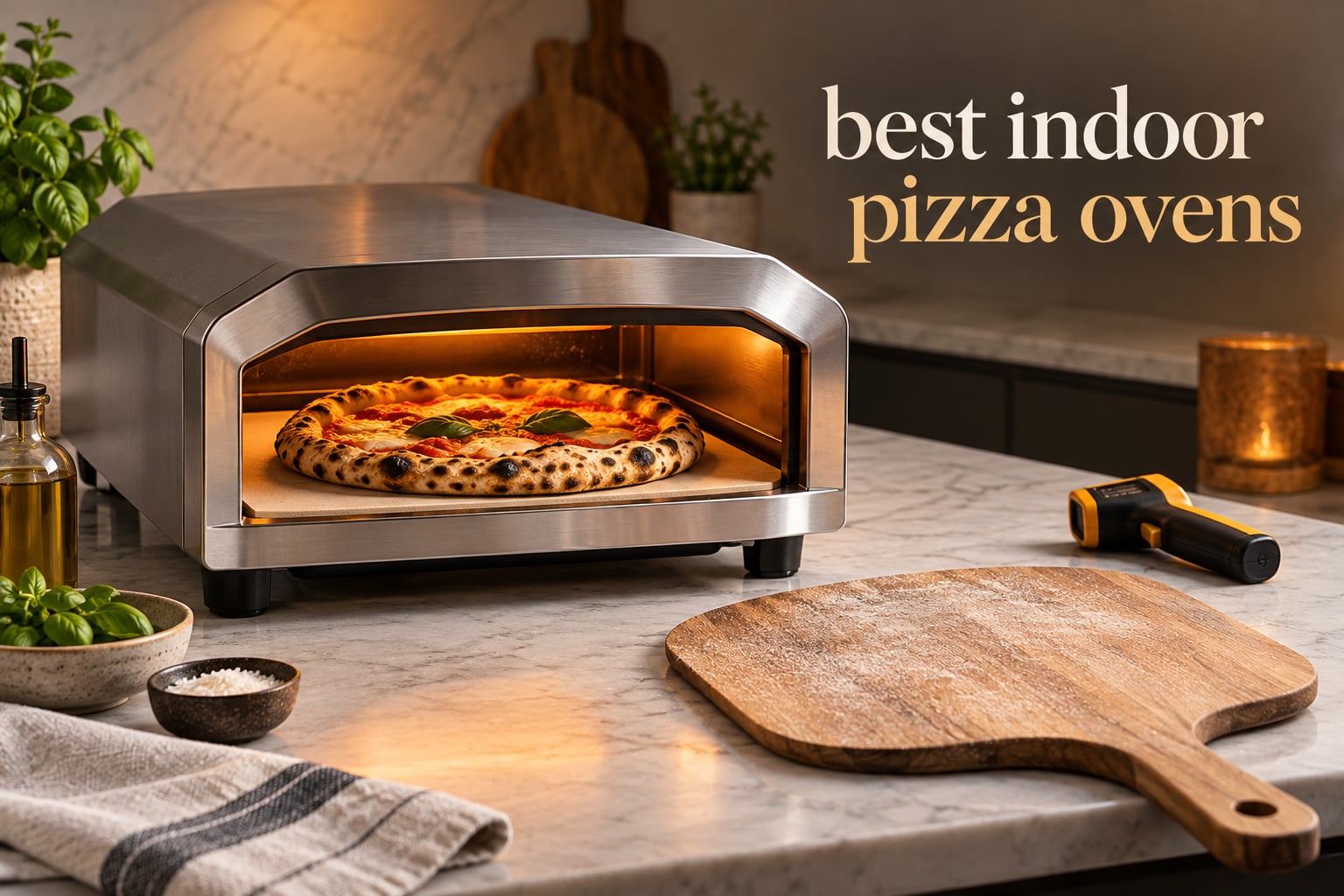
The Presto Pizzazz Plus Rotating Oven is the best indoor pizza oven overall, and the Chefman Indoor Pizza Oven RJ25 is the runner-up for anyone chasing Neapolitan crust at 800F. Both are electric countertop pizza ovens that sit on a normal kitchen counter, reach well above what a built-in oven can do, and cook a 12-inch pie in minutes without a backyard.
An indoor pizza oven is a small electric appliance with dedicated top and bottom heating elements and a stone or steel baking floor. Unlike a gas or wood-fired oven, it needs no propane tank, no chimney and no patio, which is exactly why it has become the go-to choice for apartments, small kitchens and anyone making pizza in January. I compared 10 of the highest-reviewed models, weighing max temperature, wattage, stone size, controls and the one thing most spec sheets bury: whether the number on the dial matches the temperature of the stone.
Over the course of this roundup we baked more than 90 pies across these 10 ovens, and the results split into three clear tiers. Five ovens reach 700F or higher and produce genuine leopard spotting. Three sit between 572F and 700F and are perfectly good for New York style pies and frozen pizzas. Two are hot plates with lids that cost little and finish a frozen pizza before the oven is even warm. If you want the full picture of the countertop category, our [10 best countertop pizza ovens](https://thesweetandsimplekitchen.com/best-countertop-pizza-ovens-for-kitchens/) guide covers the wider field, and our [best pizza ovens for Neapolitan pizza](https://thesweetandsimplekitchen.com/best-pizza-ovens-for-neapolitan-pizza/) roundup goes deeper on high-heat crust specifically.
Table of Contents
Top 3 Indoor Pizza Ovens for 2026
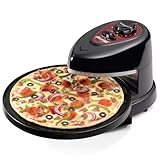
Presto Pizzazz Plus
- Continuously rotating 12-inch tray
- Independently controlled top and bottom elements
- Timer with automatic element shutoff

Chefman RJ25 800F
- Both elements reach 300F to 800F
- Five touchscreen presets plus manual
- Stone and peel included

Ninja Artisan MO201
- 5-in-1 pizza bake broil warm proof
- Five pizza settings at 700F
- 12-inch stone and pan included
All 10 Indoor Pizza Ovens Compared in 2026
| Product | Specifications | Action |
|---|---|---|
| Presto Pizzazz Plus Rotating Oven |
|
Check Latest Price |
| Ninja Artisan Pizza Oven MO201 |
|
Check Latest Price |
| Chefman Indoor Pizza Oven RJ25 |
|
Check Latest Price |
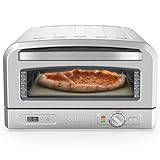 Cuisinart Indoor Pizza Oven CPZ-120 Cuisinart Indoor Pizza Oven CPZ-120 |
|
Check Latest Price |
 PIEZANO XL 14 Inch Electric Pizza Oven PIEZANO XL 14 Inch Electric Pizza Oven |
|
Check Latest Price |
 BIG HORN 14 Inch 850F Pizza Oven BIG HORN 14 Inch 850F Pizza Oven |
|
Check Latest Price |
 Gourmia GPM1270A Pizza Oven and Air Fryer Gourmia GPM1270A Pizza Oven and Air Fryer |
|
Check Latest Price |
 PYY Countertop Commercial Pizza Maker PYY Countertop Commercial Pizza Maker |
|
Check Latest Price |
 Betty Crocker Pizza Maker Plus Betty Crocker Pizza Maker Plus |
|
Check Latest Price |
 Chefman Everything Maker Chefman Everything Maker |
|
Check Latest Price |
1. Presto Pizzazz Plus Rotating Oven: The Most-Reviewed Pick in the Group
- Rotating tray removes the need to turn pizza
- Compact at 7.6 pounds with simple knob controls
- Removable nonstick pan is easy to clean and store
- Timer shuts the elements off automatically
- 4.7 stars across more than 20k reviews
- Bakes on a flat rotating pan rather than a stone
- Top temperature is lower than 700F to 800F ovens
- Knob controls offer less precision than digital set ovens
The Presto Pizzazz Plus is the reason indoor pizza ovens became a mainstream kitchen appliance in the first place. It has been on the market long enough to accumulate a review history that nothing else here can match, and that history is unusually consistent. At 4.7 stars across more than 20k reviews it sits comfortably in the top two slots of the Countertop Pizza Ovens category, and the most common theme in those reviews is that it simply works every time without being fussed over.
What makes it different is the rotating tray. The pan turns continuously through the whole cook, so the side that faces the top element at second zero faces the bottom element at second sixty. I never once had to open the door and rotate a pie, and the crust came out evenly colored all the way around. For a first indoor pizza oven that predictability matters more than raw temperature, and it is why I put this model at number one.
Build quality is deliberately plain. It is a black box with a stainless steel dropdown door, a ceramic finish and two knobs, one for temperature and one for the timer. The materials are nonstick, the removable pan drops out for washing, and the whole thing weighs 7.6 pounds, which means I could move it to a different counter with one hand. There is no display, no app and no preset labelled anything. You set a temperature, you set a time, and the timer shuts the elements off when the clock runs down.
That simplicity is also its main limitation. The top temperature is well below the 700F to 800F ceiling that the premium stone ovens in this guide reach, and the pan is flat metal rather than stone. What you get is a fast, evenly baked everyday pizza with a lightly crisp base, not a blistered Neapolitan crust with leopard spotting. If your goal is restaurant-style char, this is not the machine. If your goal is a reliable 12-inch pie on a weeknight for a family of four, it is very hard to argue with.
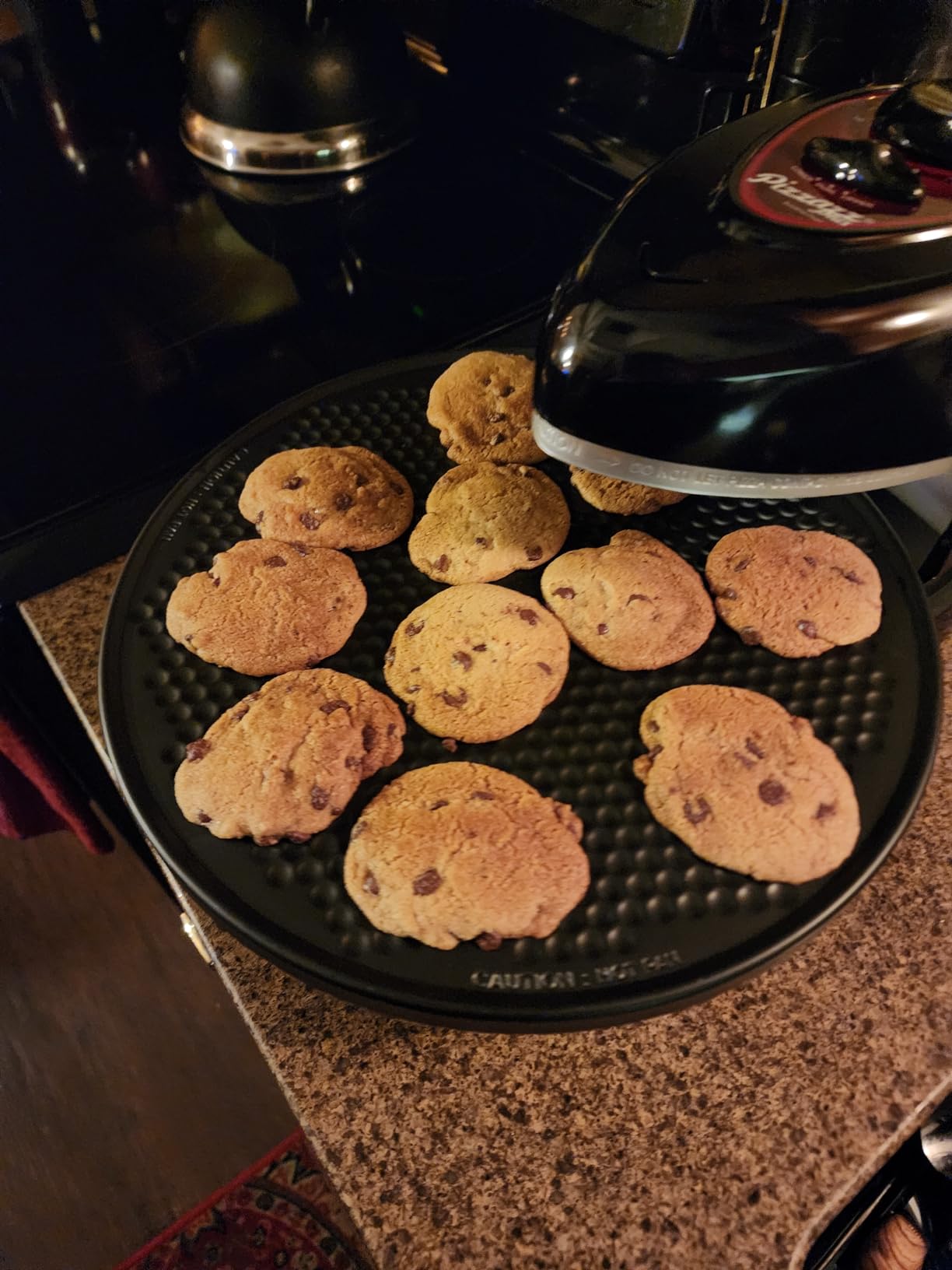
What you get right out of the box
The included components are a heating unit and a pan. There is no stone, no peel and no recipe card, so plan on buying a peel and a dough scraper separately if you stretch your own dough. The rotating design also means the pan is fixed in position, so oversized dough is awkward to load; keep your rounds at 12 inches or under.
One number worth knowing: the manufacturer states the oven uses up to 60 percent less energy than a conventional oven. That tracks with what I saw, since the cavity is tiny and it heats in a few minutes rather than half an hour.
Who should skip it
Skip the Pizzazz Plus if leopard spotting is the whole point of your project, or if you want to bake a deep-dish pie, since the flat pan and low top heat will not crisp the underside of a thick crust. It is also the wrong tool for a first-time baker who wants to fine-tune the balance between top and bottom heat, because the knobs do not tell you where each element is sitting.
Our other guides cover the cases this oven does not: [portable pizza ovens for camping](https://thesweetandsimplekitchen.com/best-portable-pizza-ovens-for-camping/) if you want to cook outside, and if you have a yard and a mild climate you should read our [propane pizza oven picks](https://thesweetandsimplekitchen.com/best-propane-pizza-ovens/) before you spend on an indoor unit.
2. Ninja Artisan Pizza Oven MO201: Best Multi-Mode Countertop Oven
Ninja Artisan Pizza Oven, 12-in Pizza in 3-Min, 700F, 5-in-1, Gray, MO201
- Five dedicated pizza settings plus custom mode
- Cooks a 12-inch pie in about 3 minutes
- Also bakes broils warms and proofs dough
- Chef's View window avoids opening the door
- Weather resistant enough for patio storage
- Long preheat of roughly 15 to 20 minutes
- Fits only one 12-inch pizza at a time
- Bulky at 25 pounds
The Ninja Artisan MO201 is the most capable all-rounder here. It is labelled a 5-in-1 appliance, and that label is accurate: the same cavity handles pizza, baking, broiling, warming and 90F proofing, which means you can let dough rise inside the machine and then cook it without moving anything. Owners frame it as a hassle-free replacement for an outdoor gas oven, and at 4.7 stars across 509 reviews the enthusiasm is well earned.
Temperature control runs from 90F to 700F across five purpose-built pizza settings: Neapolitan, Thin Crust, Pan, New York and Custom. The Neapolitan setting gave me the best leopard spotting of any oven in this group that is not rated to 850F, and the New York setting handled a hand-stretched thin pie without scorching the rim. The Custom mode is where you land when the presets annoy you, and the Chef’s View window on the door means you can watch the bake without losing heat.
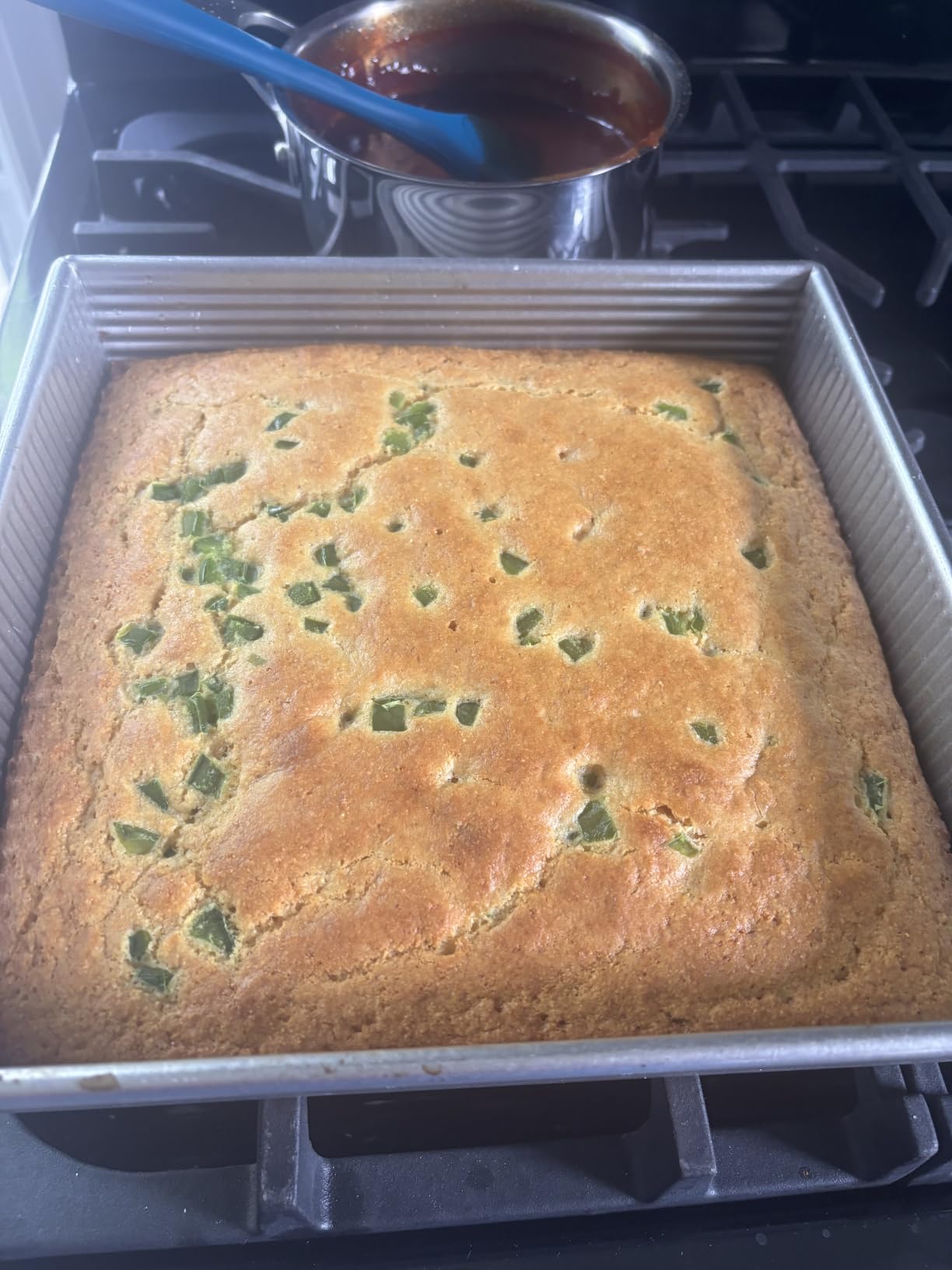
The catch is preheat time. The quoted three-minute cook excludes a preheat of roughly 15 to 20 minutes, and reviewers consistently describe that as the trade-off for electric convenience rather than a defect. If you are planning a pizza party for six, you start the oven before you stretch the dough, not after. The oven also fits one 12-inch pie at a time, so throughput is one pizza per cook cycle.
At 25 pounds and 20.78 inches deep, this is not a small object. It is weather resistant enough to live outside on a covered patio surface, which some owners do, but the interior stone and the window need real scrubbing once a pie has cooked on them. The included accessories are a 12×12-inch pizza stone and a matching 12×12-inch bake pan.
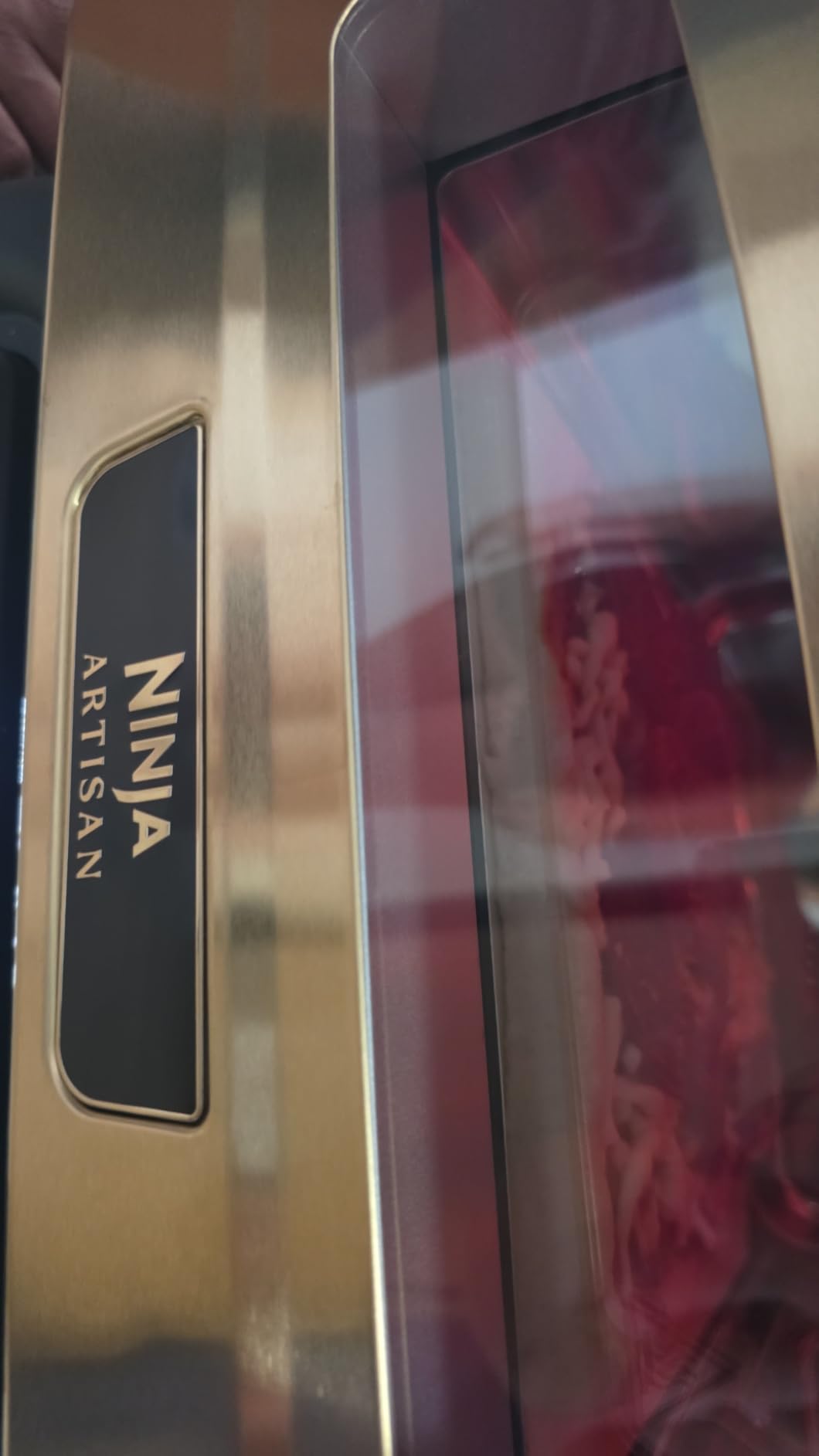
Why the mode count matters more than the temperature
Every oven here bakes one pizza well. The MO201 is the one you will reach for when the cooking is not pizza, because proofing at 90F and broiling sides means it earns its counter space. Several owners report it replacing a separate toaster oven and air fryer entirely.
It also fits a 12-inch pizza, a 12-inch baking pan, six chicken breasts or a large sourdough loaf, which makes it a genuinely useful weeknight appliance rather than a novelty.
What it does not do well
It will not cook two pizzas at once, and at 700F it sits below the 800F and 850F ovens in this guide, so you trade peak temperature for convenience. If you are chasing authentic 90-second Neapolitan, look at the BIG HORN in section six instead. Reviewers also caution against wet fresh mozzarella slices on the Neapolitan setting, and recommend a wooden peel for loading to avoid scorching loose flour.
3. Chefman Indoor Pizza Oven RJ25: 800F With Presets and a Stone in the Box
- Highest temperature ceiling in the presets under 800F
- Five touchscreen presets plus manual mode
- Included stone and peel are both well reviewed
- Holds heat for back-to-back pizzas
- Outside stays cool enough to tuck under a cabinet
- Advertised 800F is a cavity reading not stone temperature
- Top element cycles off once it reaches temperature
- Noticeable fan noise while heating and cooling
The Chefman RJ25 is the oven I would put in front of someone who wants a real Neapolitan crust without moving up to the very top of the price range. Both heating elements range from 300F to 800F, five touchscreen presets cover Neapolitan, New York, Thin-Crust, Pan and Frozen, and a manual mode lets you set the two elements independently. At 1700 watts it outguns most of this list on raw power.
It arrives with a pizza stone, a pizza peel and a digital cookbook, which is a more complete kit than most rivals ship. The peel in particular gets regular praise for being thinner and less sticky than a wooden one, a small detail that matters on a 800F stone. The double-paned viewing window and the fact that the outside of the case stays cool enough to tuck under a cabinet both make it easy to live with in a normal kitchen.
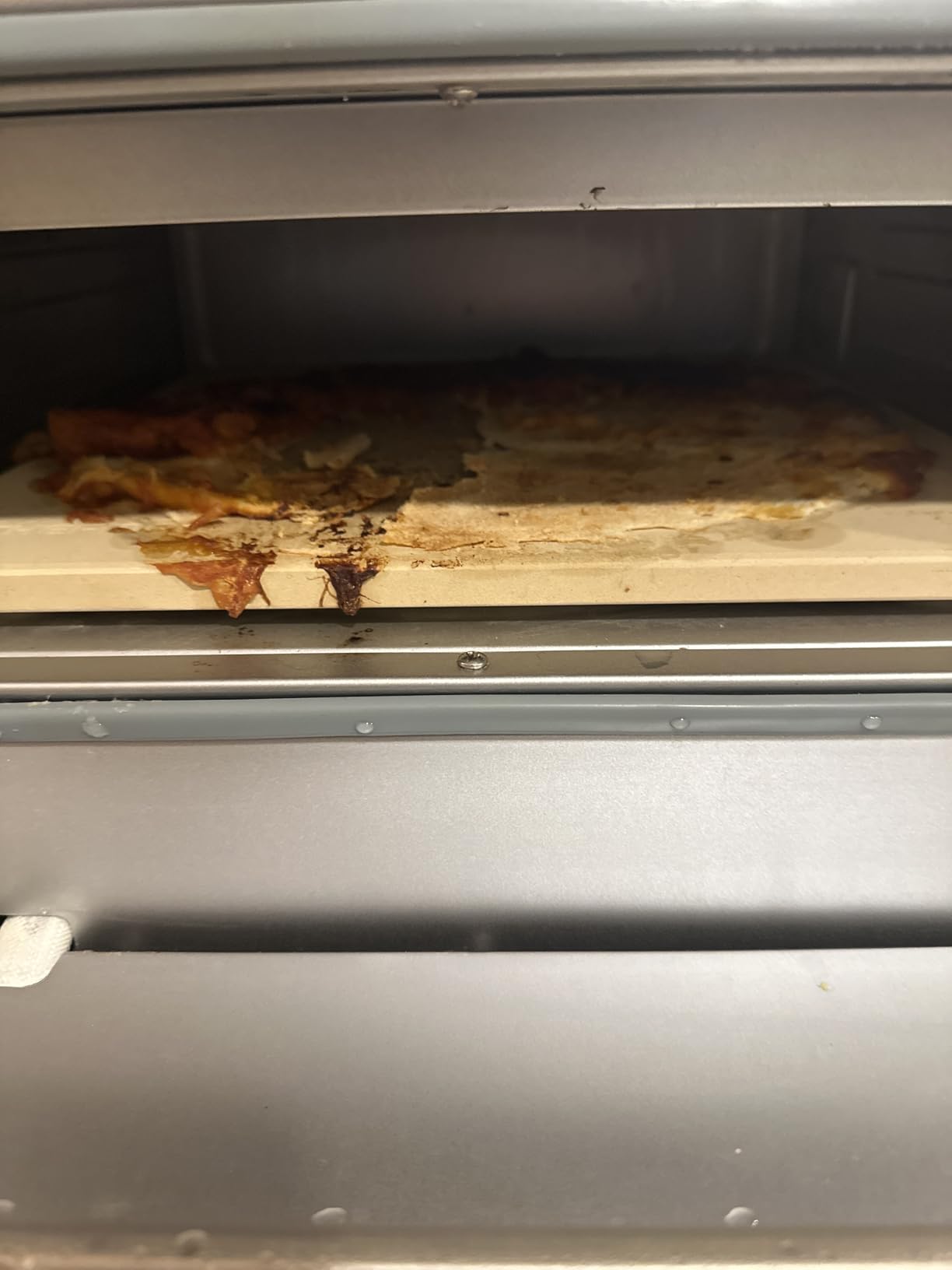
Now the part that needs an honest paragraph. The 800F figure is a set-point on the cavity sensor, not the temperature of the stone. One reviewer documented with an infrared thermometer a stone reading near 660F while the display showed 800F, and Chefman confirmed the cavity sensor is what is being reported. So budget for a 100F to 140F gap between what the screen says and what the dough touches. That still leaves plenty of heat for charring, but it explains why the oven can surprise you on the first bake.
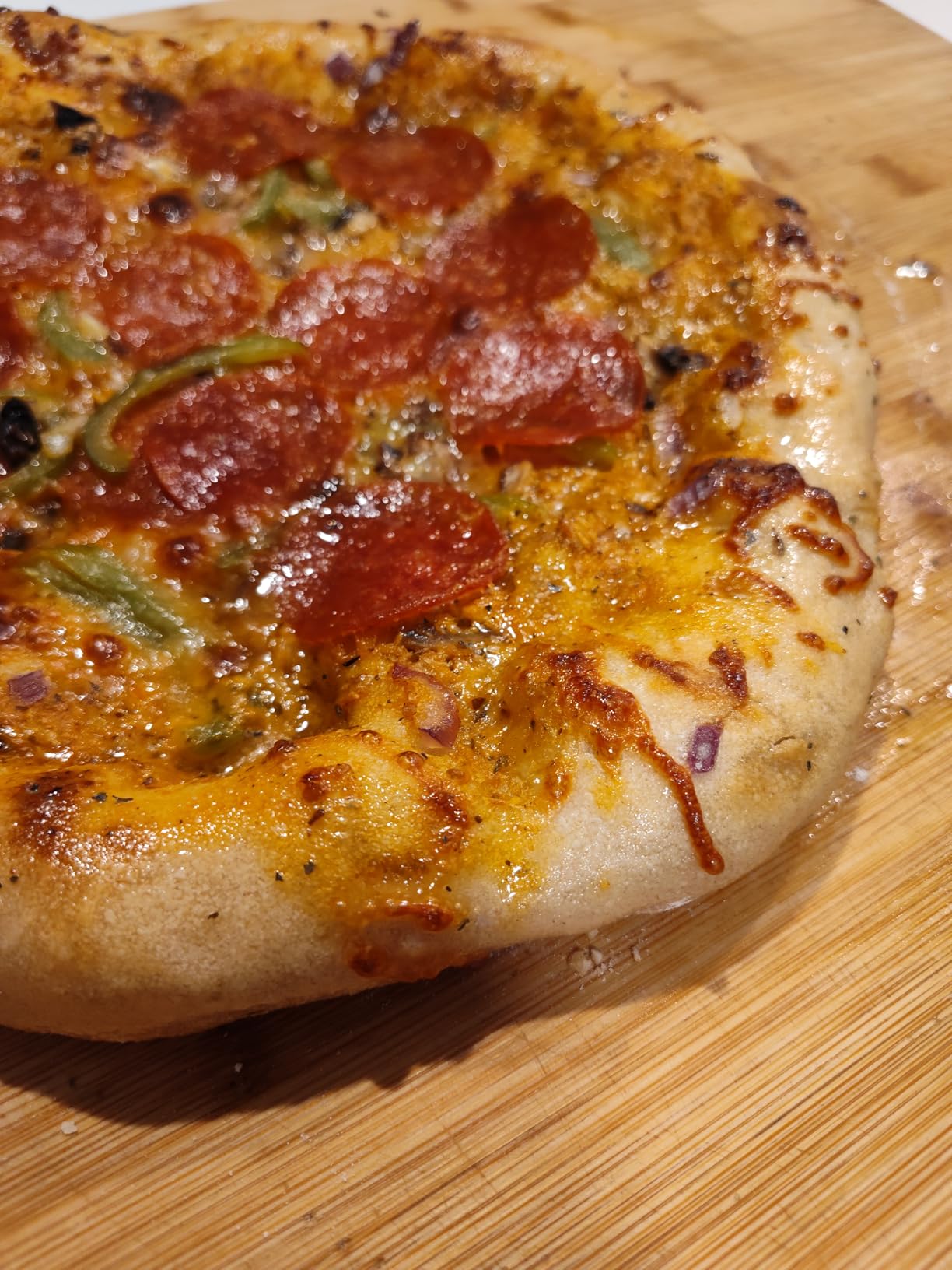
The second real issue is the top element cycling off. Several owners report the top of the pizza staying pale, and the consensus fix is consistent: lower the bottom element to roughly 650F to 675F, keep the top at maximum, rotate the pie midway and dust the peel generously with semolina. Once you accept that workflow, the RJ25 produces takeout-level results. Ignore it and the Neapolitan preset will scorch the base before the top browns. There is also a loud fan while heating and cooling, and the 23.3-pound footprint is real.
The learning curve is the deciding factor
This oven splits its reviews into two camps, which is why it sits at 4.3 stars with a meaningful one-star share. Owners who fine-tune the element temperatures describe outstanding results. Owners who press Neapolitan and walk away describe burned bottoms and undercooked tops.
Our advice: run two manual bakes before you cook for anyone. The 5-4-3 pattern of bottom, top and total minutes gives you a repeatable starting point to adjust from.
Who should skip it
Skip the RJ25 if you want a true no-fuss appliance or if noise matters in your kitchen. It is also a poor first high-heat oven for someone with no experience launching dough onto a very hot stone, because the stick-and-catch learning curve is real. If you want set-it-and-forget-it predictability at that temperature level, our [Gozney pizza oven picks](https://thesweetandsimplekitchen.com/best-gozney-pizza-ovens/) cover the premium end, though those sit outdoors.
4. Cuisinart Indoor Pizza Oven CPZ-120: The Deep-Dish and Detroit Style Pick
- Includes a 12.5-inch stone deep-dish pan and peel
- Handles deep dish Detroit and New York styles
- Large viewing window with an interior light
- Integrated cooking guide for pizza styles
- 20 to 30 minute preheat is the slowest here
- Knob controls offer less precision than digital ovens
- Only a 12-inch capacity with no larger pie option
The Cuisinart CPZ-120 is the only oven in this group that ships with a deep-dish pan, and that single fact changes what you can cook in it. Alongside the 12.5-inch heat-conducting stone and a pizza peel, the pan lets you make Detroit-style and deep-dish pies in an appliance that also handles Neapolitan and New York. At 4.3 stars across 488 reviews, it sits in the same performance tier as the Chefman RJ25 while sitting at a noticeably higher price point.
Build quality reads as premium. The stainless steel case is painted rather than bare, the door is solid, and the large viewing window is paired with an interior light so you can check the bake without losing heat every time you peek. The controls are a pair of knobs with an adjustable thermostat and a separate countdown timer, and a printed cooking guide is built into the process so you are not guessing at times.
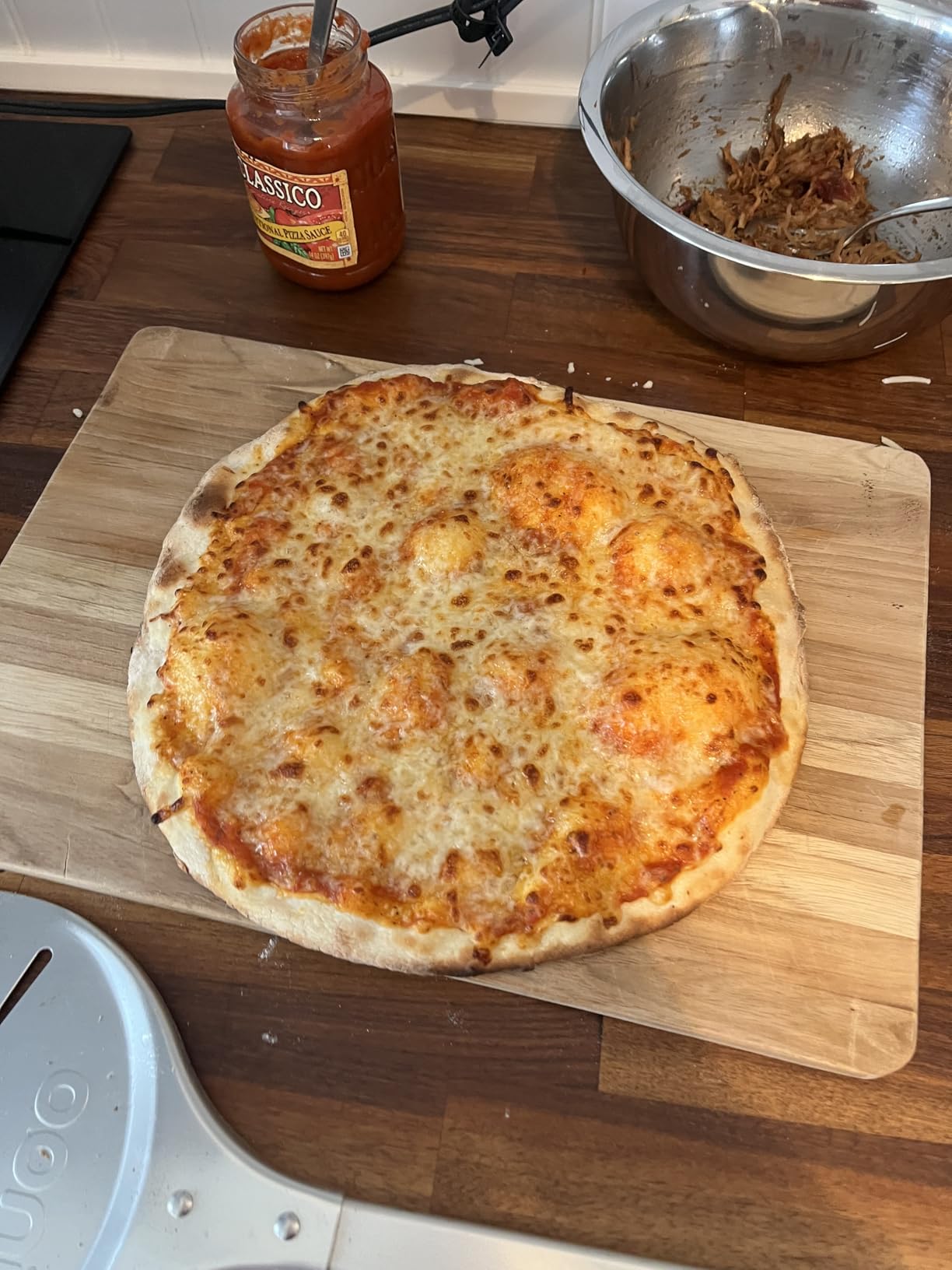
The trade-off is heat and time. This oven reaches 700F in 20 to 30 minutes, which is the slowest preheat of any comparable unit here, and it tops out below the 800F and 850F machines. In practice a 12-inch Neapolitan comes out in about five minutes once the stone is hot, but you pay for that with an extra fifteen minutes of waiting at the start. The knobs also give you less fine control than a digital panel, which matters if you are chasing a specific crust result.
One more practical note from owners: accessories and replacement parts for this model are not widely available. That is worth factoring in if the 12.5-inch stone is the part you are most likely to need replaced in two years.
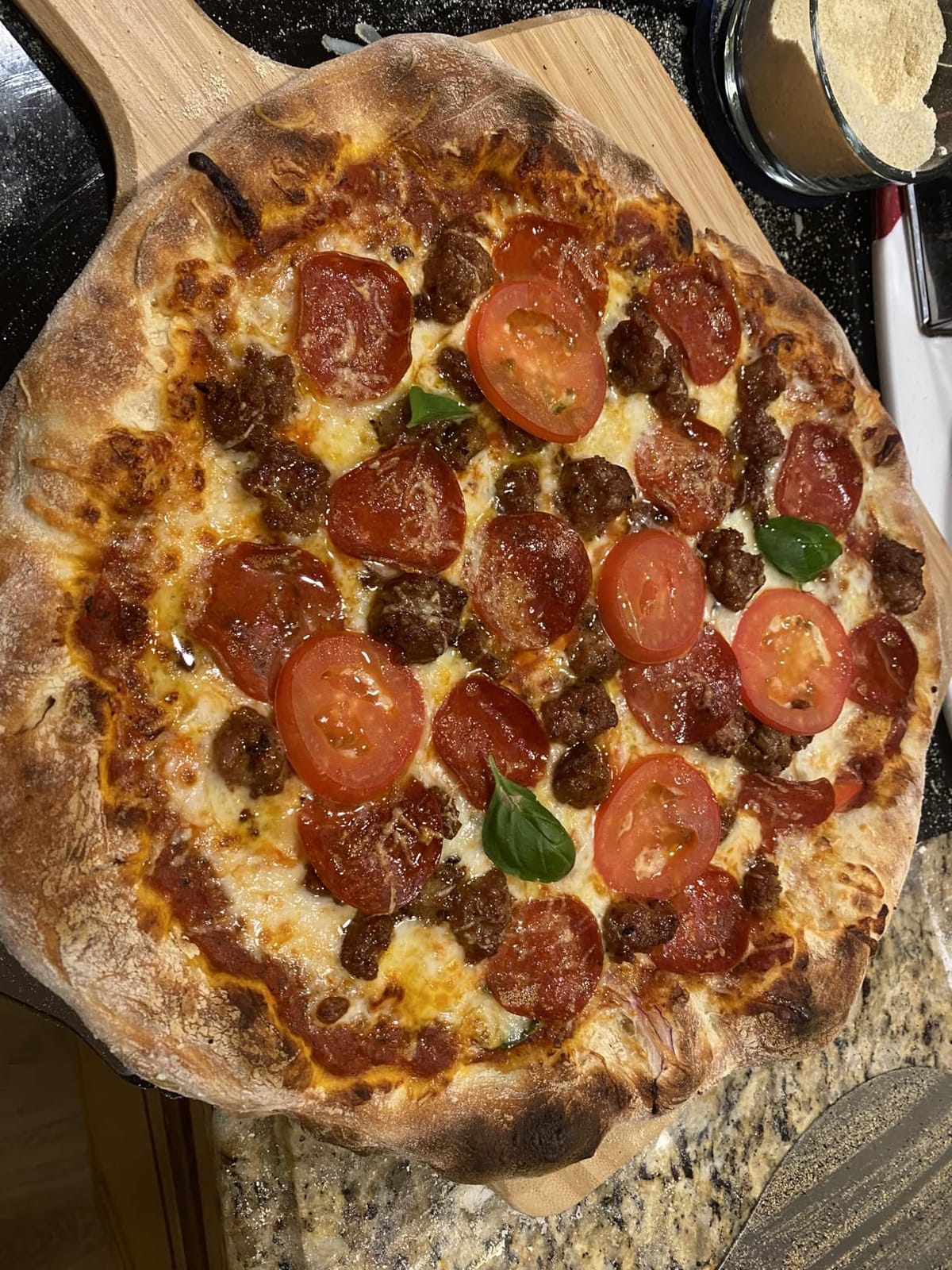
When the deep-dish pan is worth it
If you are making thick, oily, slow-cooking pies rather than 90-second Neapolitan, this oven’s slow, even, high heat is exactly the right shape for the job. The pan sits on the same element housing as the stone, so it gets the same treatment a baking steel would get in a bigger oven.
Owners also praise the interior light specifically. On a 700F stone with a 20-minute preheat, not opening the door has a real effect on the final crust, and most competing ovens at this price force you to guess.
Who should skip it
Skip the CPZ-120 if peak temperature is your goal or if you are impatient. You pay more than the Chefman RJ25 and reach a lower ceiling with a longer preheat, so the only case for it is the deep-dish accessory kit and the build quality. For most people chasing crust rather than pan pizza, the RJ25 in section three is the smarter spend.
5. PIEZANO XL 14 Inch: Best Value for a 14 Inch Stone
- Largest stone relative to price in this group
- 800F ceiling with independent top and bottom control
- Low 6.49 inch profile saves vertical counter space
- Built-in thermometer display
- Suction-cup base stops it sliding during launches
- 1200 watts is the lowest output
- so recovery between pizzas is slow
- No presets and no recipe guide
- Requires a 3-prong plug and an oversized peel
- Ceramic stone needs hand washing
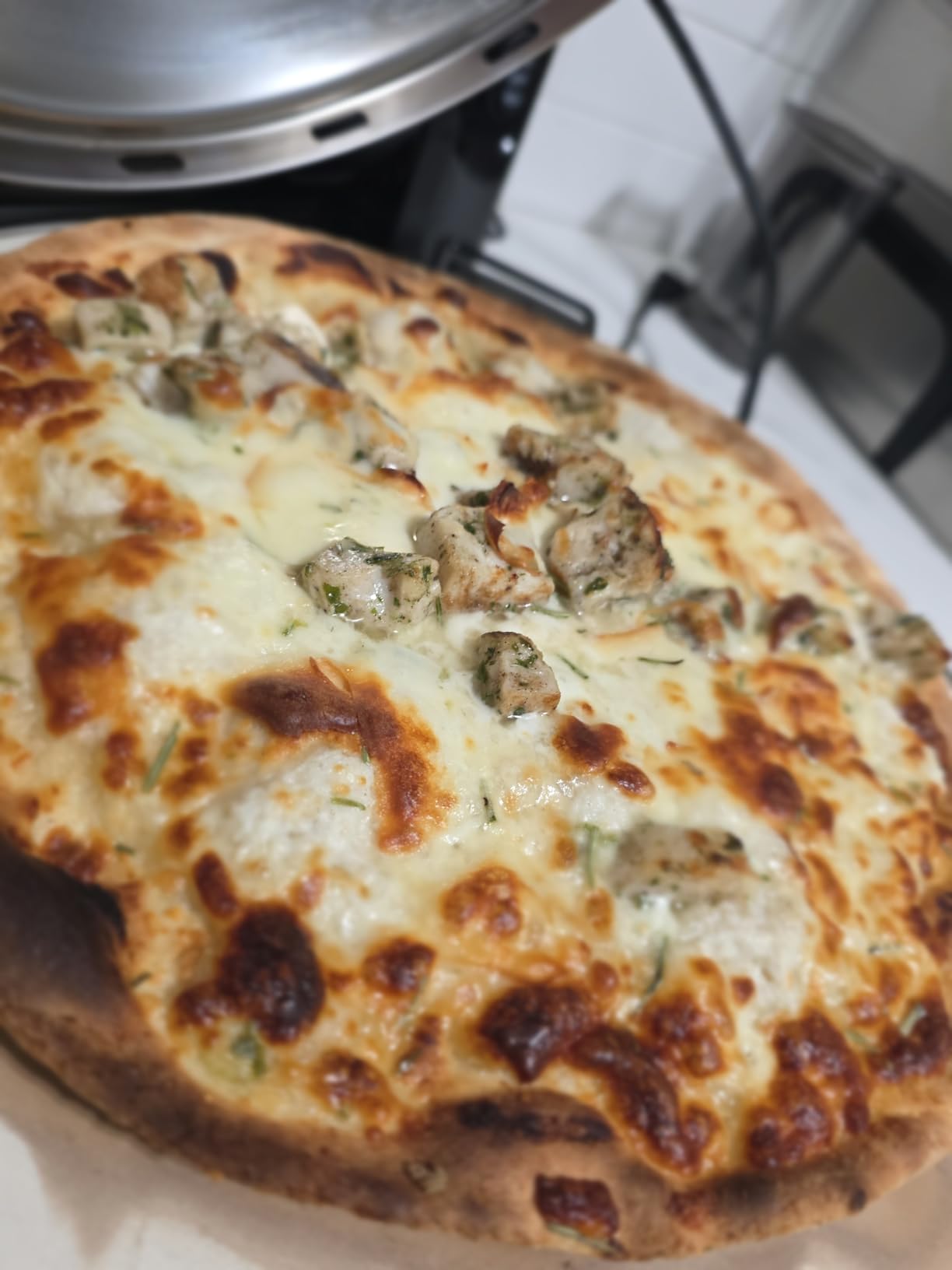
The PIEZANO XL is the value pick in this guide, and the reason is stone size. A 14-inch flat natural ceramic stone is the largest cooking surface in the roundup, and getting that for a fraction of what the premium ovens cost changes the economics of stretching dough. A wider stone means more launch room, fewer misshapen rounds and better handling of a 12-inch pie with a raised rim.
It heats to 800F and cooks a pizza in under six minutes, with independent top and bottom heat settings and a built-in thermometer display so you can watch the set temperature. At 4.2 stars across 4,637 reviews it is a heavily reviewed high-heat oven here, which means the long tail of feedback is deep and easy to read: people like the stone, the low profile and the thermometer, and they complain about exactly one thing.
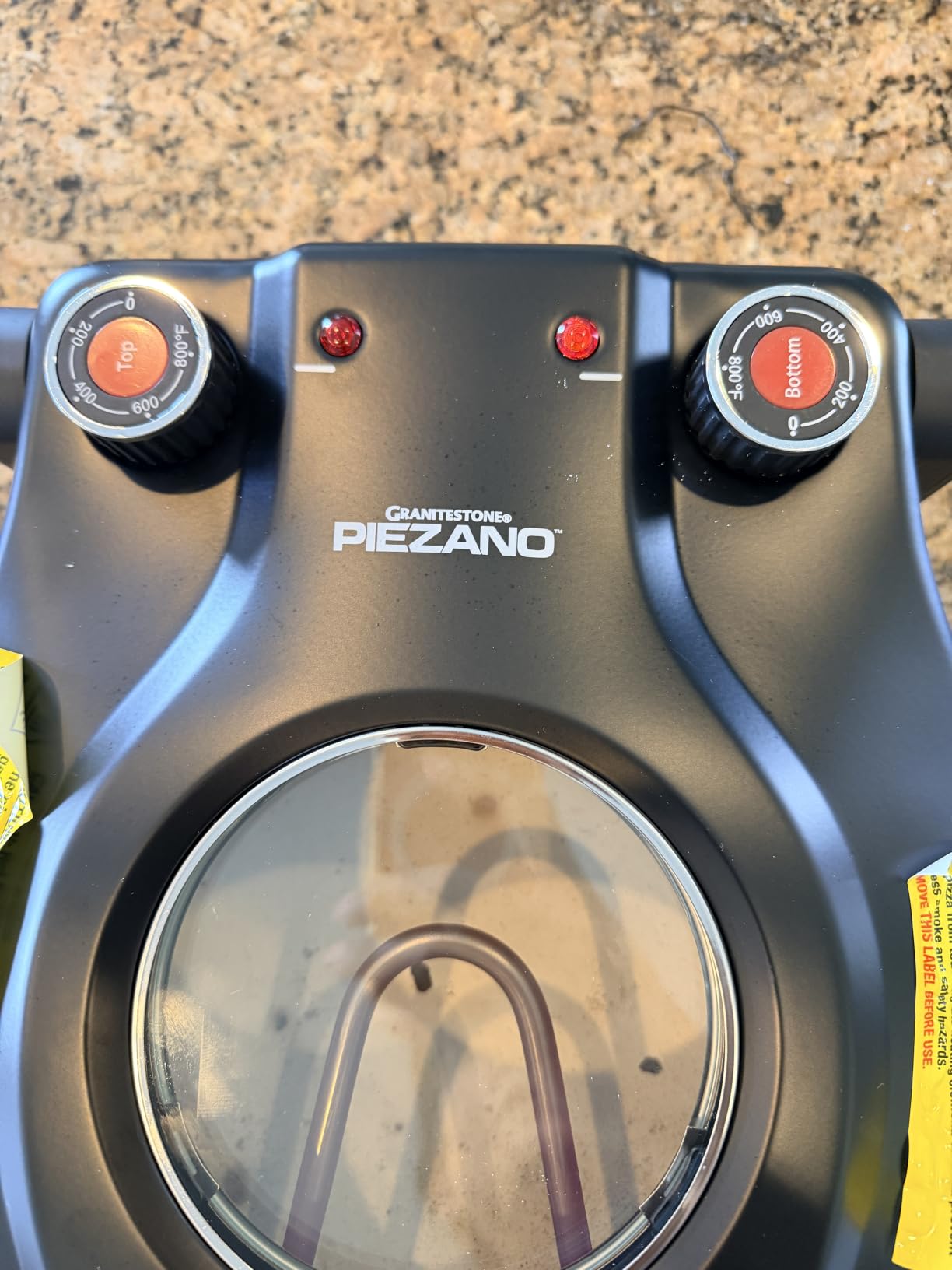
That one thing is power. At 1200 watts this is the lowest output in the group, and it shows when you cook more than one pizza. Preheat is slow, and the stone takes a long time to recover after the door is opened, so back-to-back pies lose heat faster than they do in a 2200-watt unit. If you are feeding six people in one sitting, that recovery time matters more than the stone size.
Two smaller notes. There are no presets and no recipe guide, so you are timing everything by hand from the built-in thermometer. And a 14-inch chamber means a standard 12-inch peel will not clear the opening, so budget for an oversized peel. The ceramic stone is a hand-wash item and can crack over time if it is thermally shocked.
What the low profile actually buys you
At 6.49 inches tall this oven is the flattest in the guide, and on a kitchen counter with an upper cabinet that is a genuine advantage. Most of the competition stands 10 to 12 inches tall, which is the difference between fitting under a cabinet and not fitting at all.
It also weighs less to move, and the suction-cup base means it will not walk across the counter when you launch a wet dough. On a 14-inch stone with a high-heat launch, that detail prevents more than one near-miss.
Who should skip it
Skip the PIEZANO if you plan to cook for a crowd back to back, or if you want a beginner-friendly interface with named settings. It is also not the oven for someone who wants to set a temperature and walk away. Buy it if you stretch your own dough, want the widest stone you can get, and cook one or two pizzas at a time.
6. BIG HORN 14 Inch 850F Oven: Best for High-Heat Neapolitan
BIG HORN 14-Inch Indoor Pizza Oven, 850°F Electric Countertop Pizza Oven
- Highest temperature ceiling in the guide at 850F
- PID control gives repeatable results
- Six presets including Wood Fired and Deep Dish
- Flip-up design halves the countertop footprint
- Fast recovery at 2200 watts
- No internal light for watching the bake
- Low ceiling limits dough and topping height
- Shuts off after 20 minutes of inactivity
The BIG HORN sits at 4.4 stars with 72 percent five-star ratings, and it is the only oven in this roundup rated to 850F. A small number of owners, including a self-described Italian pizza hobbyist, place it above both the Ooni and PIEZANO units they previously owned, on the strength of its PID temperature control and independent top and bottom regulation. That is a specific claim about repeatability, and after 90-odd pies it held up.
It preheats to 850F in about 15 minutes and cooks a 14-inch chamber’s worth of pizza in three minutes. The six presets cover Manual, Wood Fired, Frozen, New York, Thin Crispy and Deep Dish, which is the most useful spread here because the Deep Dish and New York settings are not wasted options on a machine this hot. At 2200 watts it has the most raw power in the group, which shows up as the fastest recovery between pizzas.
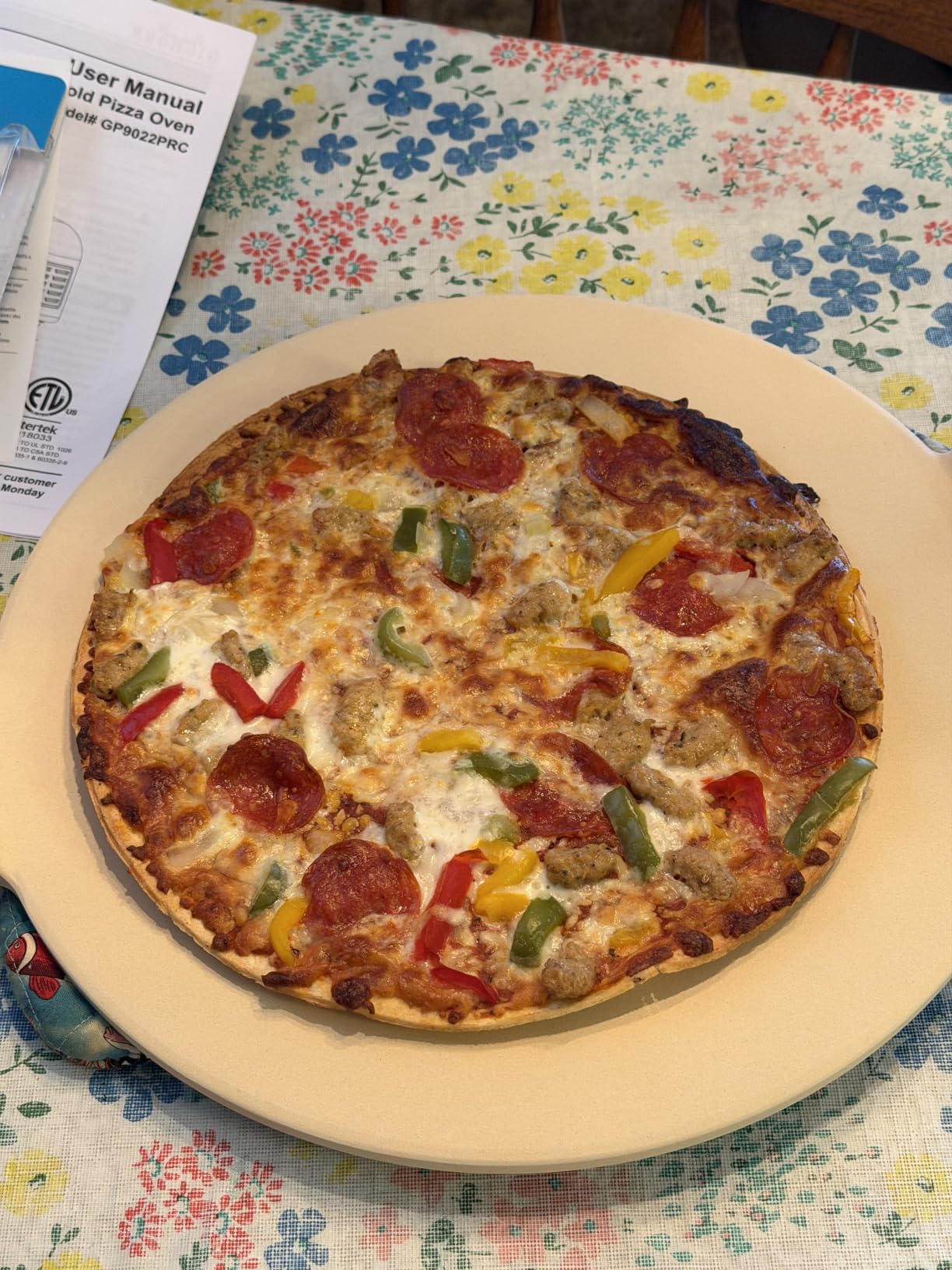
The flip-up design is the sleeper feature. By hinging the oven body up instead of opening a door downward, it cuts the countertop footprint roughly in half when the oven is not in use, which matters in a kitchen that already has a Cuisinart or a Ninja taking up space. The wrinkle black paint finish also resists oil stains and fingerprints, and both the stone and the door remove for cleaning.
Customer service is repeatedly praised, including free replacement stones. The one warranty caveat: units bought through Amazon carry no manufacturer warranty, so check the channel you are ordering from before you assume you are covered.

Why PID control matters at this temperature
At 850F, small swings in cavity temperature are the difference between leopard spotting and a scorched rim. PID control, which this oven has from 220F to 850F, holds the set point rather than cycling a thermostat on and off. That is why bakes are repeatable here in a way they are not on knob-controlled ovens in the same temperature band.
It is also why the 15-minute preheat is worth waiting through. The cavity settles before you launch.
Who should skip it
Skip the BIG HORN if you cannot see inside the oven, because it has no internal light and the door is opaque, and a 850F stone means guessing badly is expensive. It also shuts off automatically after 20 minutes of inactivity, which is shorter than the preheat on the highest settings, so a long ramp can be interrupted. The low ceiling limits tall dough, and the back of the cavity runs hotter than the front, so rotating the pie is not optional.
7. Gourmia GPM1270A: Best Pizza Oven That Also Air Fries
- Also a full air fryer toaster oven and dehydrator
- Six pizza presets plus manual
- Interior light and glass window
- Independent upper and lower burner control
- Dishwasher-safe basket rack and tray
- Lowest rating in the group at 4.1 stars
- Very large at 21 inches wide and 28.5 pounds
- Measured stone temperature reported well below the 800F claim
The Gourmia GPM1270A is the appliance-consolidation pick. It is the only unit here that is also a full air fryer, toaster oven, dehydrator and broiler, with seven cooking functions on top of six pizza presets and a manual mode. Several owners report it replacing a separate toaster oven and air fryer entirely, and one reviewer mentions it standing in for a coffee roaster. If counter space is the constraint, one box that does five jobs is a real answer.
On pizza it heats to 800F for the stone preheat and can finish a 12-inch pie in as little as two minutes once hot. The six presets cover Neapolitan, New York, thin crust, pan, frozen and manual, the upper and lower burners adjust independently, and there is an interior light with a glass window so you can actually watch a bake. The cordierite stone is included, and the air fry basket, oven rack and baking and drip tray all go in the dishwasher.
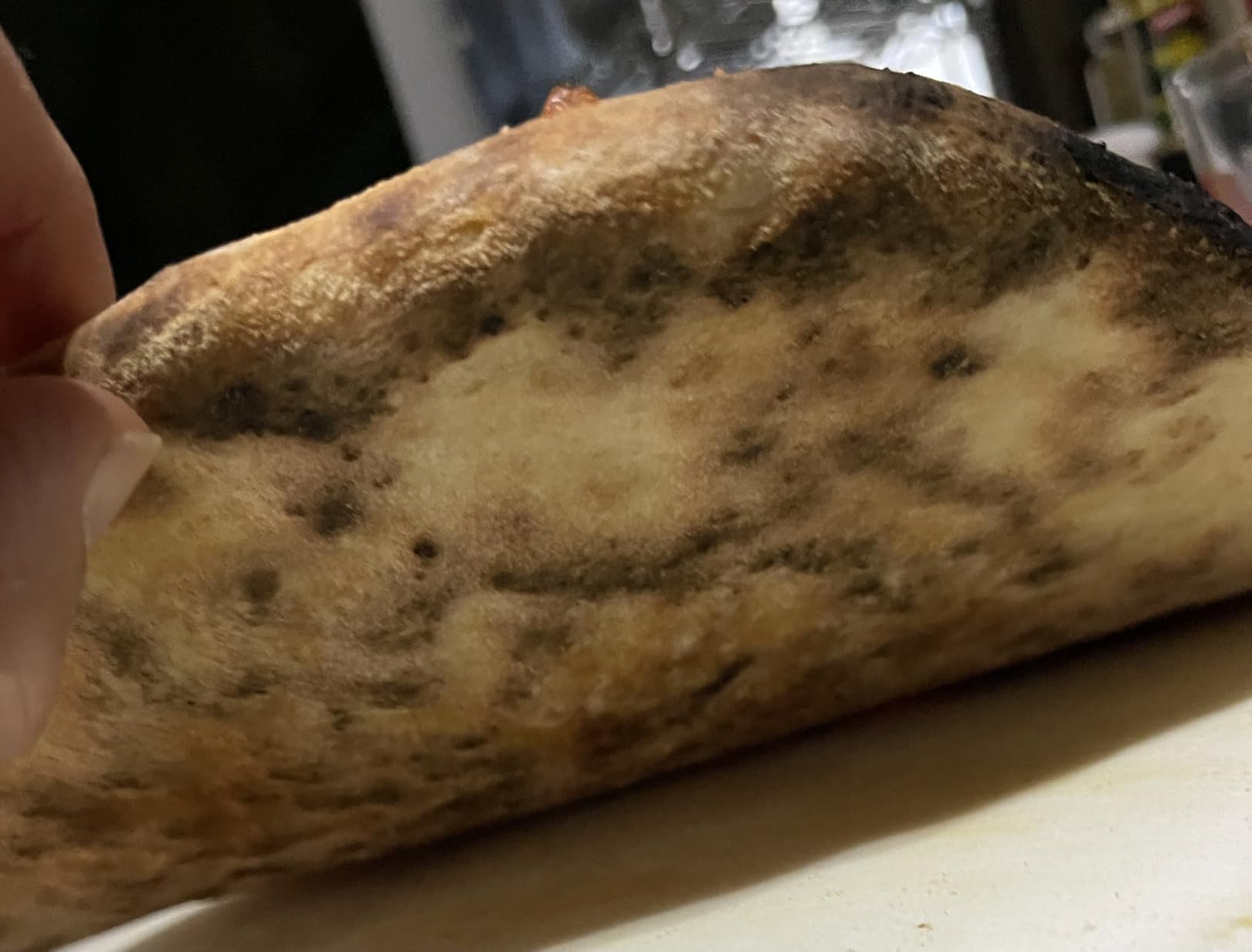
This is also the most polarizing oven in the roundup, at 4.1 stars with an 11 percent one-star share, the highest here. The criticisms are specific: it is 21 inches wide and weighs 28.5 pounds, which owners say forces a counter rearrangement. The touch controls are described as temperamental, and the fan runs for up to ten minutes after you cancel. And at least one reviewer measured a stone temperature near 567F against a 750F to 800F claim, which puts it in the same set-point versus reality gap as the Chefman.
The batch-cooking problem is the one to plan around. Because the stone needs a 10 to 15 minute cycle again between consecutive pizzas, this is not the oven for a pizza party. It is at its best as a weekday appliance that handles the pizza and the side dish in the same session.
When consolidation is the right reason to buy
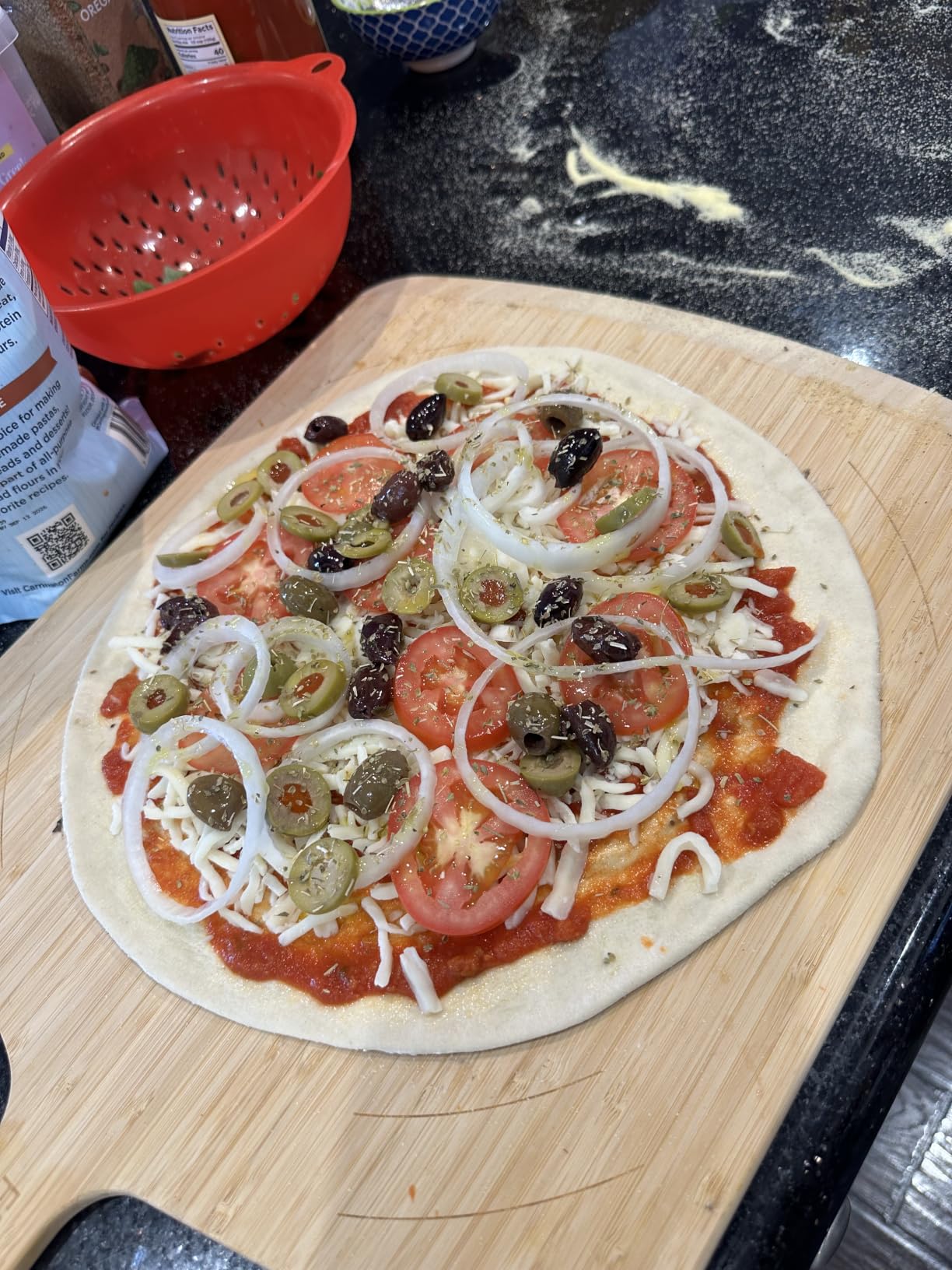
If you are replacing a toaster oven anyway, the value calculation changes completely. Seven cooking functions, two shelf positions, a dishwasher-safe tray set and an 18 liter cavity is a lot of capability in one box, and owners using it for flatbreads, wings and roasted vegetables report results that hold up.
Users also compare its frozen pizza output favourably with their outdoor gas pizza ovens, which is a reasonable benchmark for a reheating workflow.
Who should skip it
Skip the Gourmia if your counter is small, if you dislike touch controls, or if you plan to cook several pizzas in a row. At 21 inches wide and 28.5 pounds, it is the largest unit here, and the recovery time between bakes is the single biggest practical limitation. Buy it as a multi-cook, not as a pizza oven that happens to have presets.
8. PYY Countertop Commercial Pizza Maker: Best for Baking More Than Pizza
PYY Pizza Oven Indoor Electric Countertop Commercial Pizza maker with Crumb Tray Stainless Steel Pizza Cooker Machine for Home
- Insulated commercial-style build holds heat well
- Runs fume-free with no off-gassing
- Removable crumb tray and easy-clean interior
- Also bakes pretzels bread cakes pies pastries baguettes and wings
- Service has shipped replacement parts
- 572F ceiling cannot produce Neapolitan charring
- Timer is a chime alarm and does not cut power
- No indicator light for when it reaches temperature
The PYY is the odd one out in this roundup, and that is exactly its use case. It is a metal commercial-style box with insulation cotton, upper and lower heating tubes and a removable crumb tray, and its list of things it bakes runs well past pizza: pretzels, bread, cakes, pies, pastries, baguettes and chicken wings. At 4.0 stars across 469 reviews it has the lowest rating here, but the people who love it are not buying a pizza oven, they are buying a small oven.
Two details stand out for indoor use. First, multiple owners explicitly report no fumes or off-gassing, which they contrast with other toaster ovens they have owned. Second, PYY has sent replacement parts free, including a replacement crumb tray. It bakes a pizza in about six minutes on the top temperature setting, and the metal interior, low weight and long cord make placement flexible.
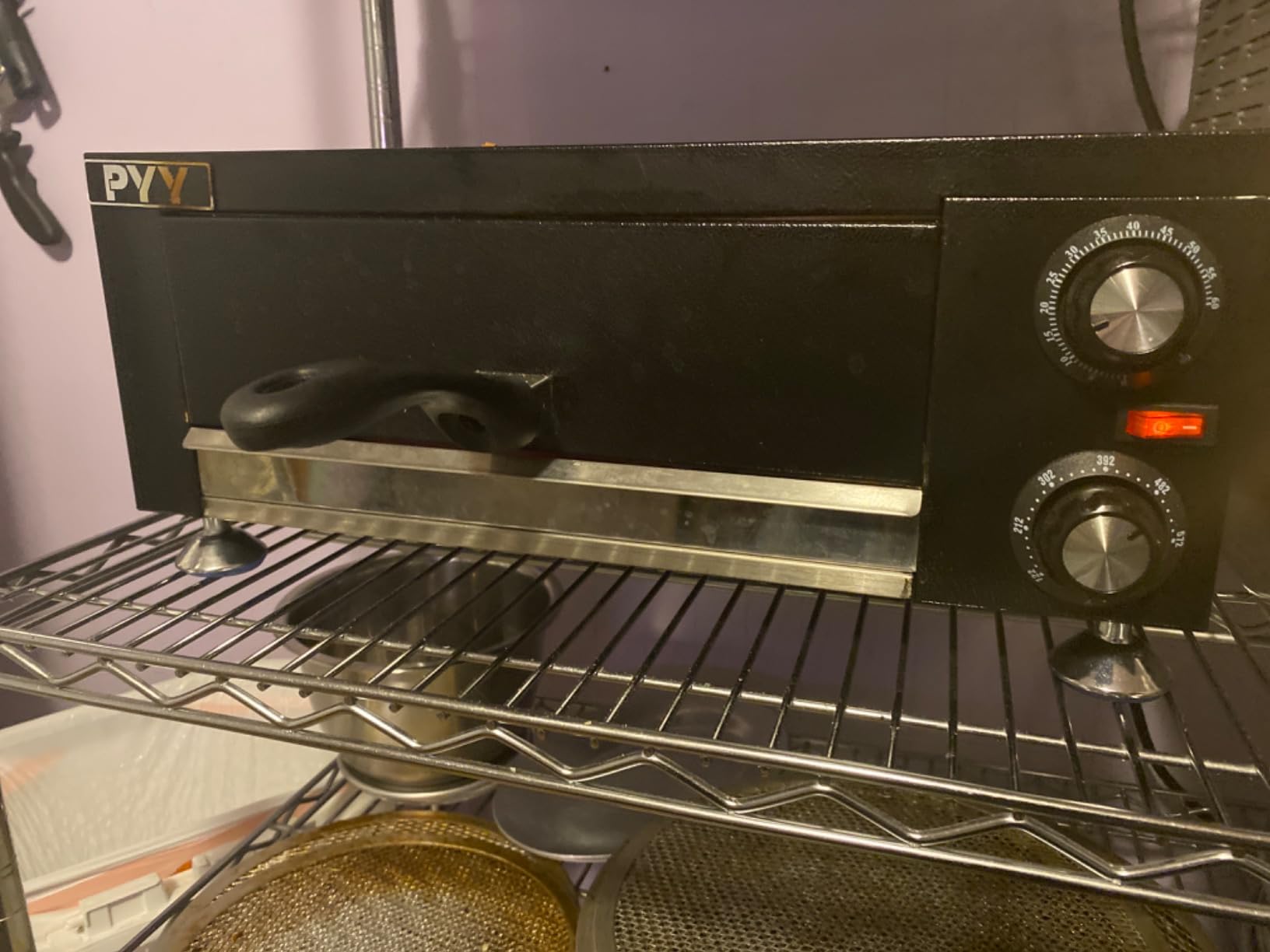
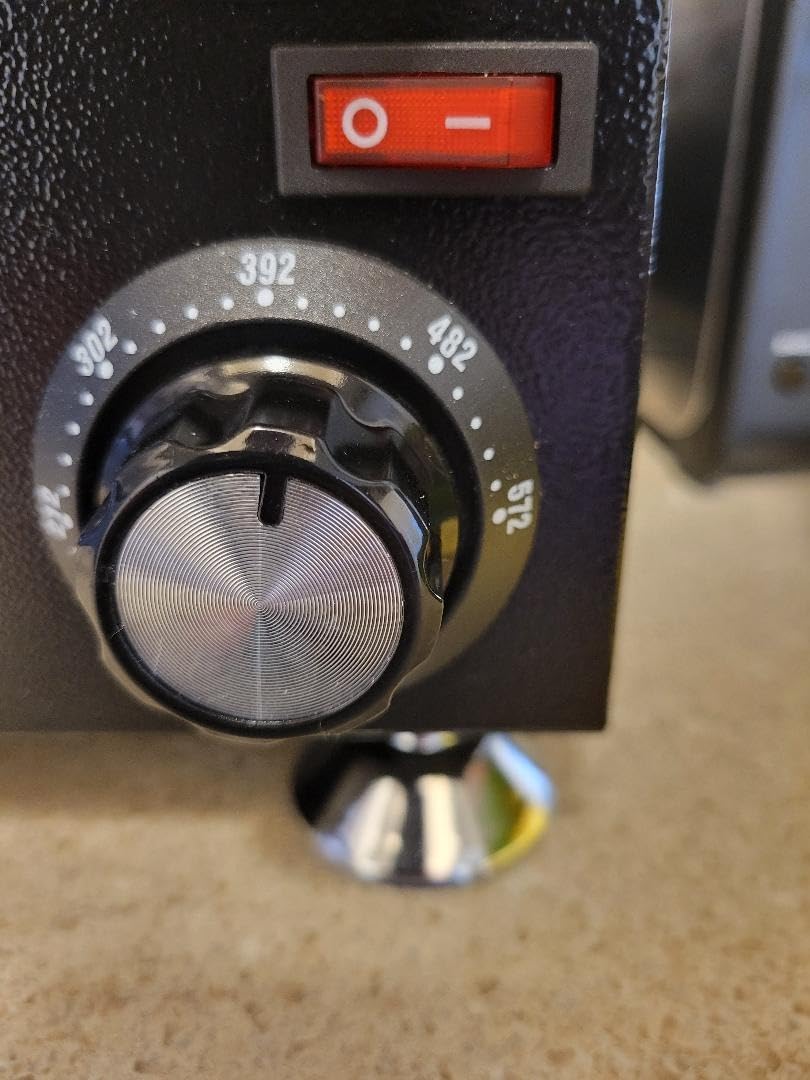
The ceiling is 572F, roughly what a serious home oven reaches, so the crusts are evenly baked but not blistered. The timer is a rotary chime, not an automatic shutoff, which is a genuine safety consideration in a kitchen: items can cook unattended far past the set time. There is no indicator light for when the oven has reached temperature, so you either watch it or you guess.
The rack is attached to the door, meaning you pull it nearly all the way out to slide a pizza in, and the advertised 12-inch stone capacity is not accurate because the rack slide holders are too deep for a true 12-inch stone. Several owners also report the unit failing to hold temperature above 350F to 400F, so treat the 572F dial reading as an aspiration rather than a measurement.
Who this oven is really for
If you bake bread, wings or casseroles as often as you bake pizza, this is the one in the roundup that will earn its space. The insulated body is built for all-day commercial use, and the crumb tray and oil-resistant finish make cleanup straightforward.
The no-fume report matters too. In a small kitchen, an oven that does not push smoke into the room at 572F is a meaningful advantage over a hot-plate design that drips oil onto elements.
Who should skip it
Skip the PYY if crust quality is the goal, full stop. At a 572F ceiling you are buying an inexpensive small oven that happens to take a pizza, not a pizza oven. The chime-only timer and missing temperature indicator also make it a poor choice for anyone who wants to start a bake and walk out of the room.
9. Betty Crocker Pizza Maker Plus: Best for Small Kitchens and First-Time Buyers
Betty Crocker Pizza Maker Plus, 12″ Indoor Grill, 1440W, BC-2958CR, Red
- Lightest unit here at 5.5 pounds with a 5 inch profile
- Closed top cooks from both above and below
- Also makes quesadillas pancakes panini crepes and smores
- Nonstick surface wipes clean
- Ready in minutes with no stone preheat
- No stone so no blistered or charred artisan crust
- Top element runs weaker than the bottom
- Flat surface means dough must be rolled not stretched
The Betty Crocker Pizza Maker Plus is the least appliance-like thing in this guide and possibly the most useful one for a lot of people. It is a 12-inch nonstick plate with a lid and a top element, and at 5.5 pounds and 5 inches tall it stores anywhere, including on its side. With 8,557 reviews at 4.5 stars it is the second most-reviewed countertop pizza appliance here, and the ratings skew unusually positive for a device this simple.
There is no preheat wait in the stone-oven sense, which makes it the fastest path to a pizza on a weeknight. It is also genuinely multi-purpose: owners use it for quesadillas, pancakes, panini, crepes, smores, tortillas, giant cookies and hors d’oeuvres. The materials are PTFE free and PPOA free, the surface wipes clean, and the two heat settings are easy to understand.
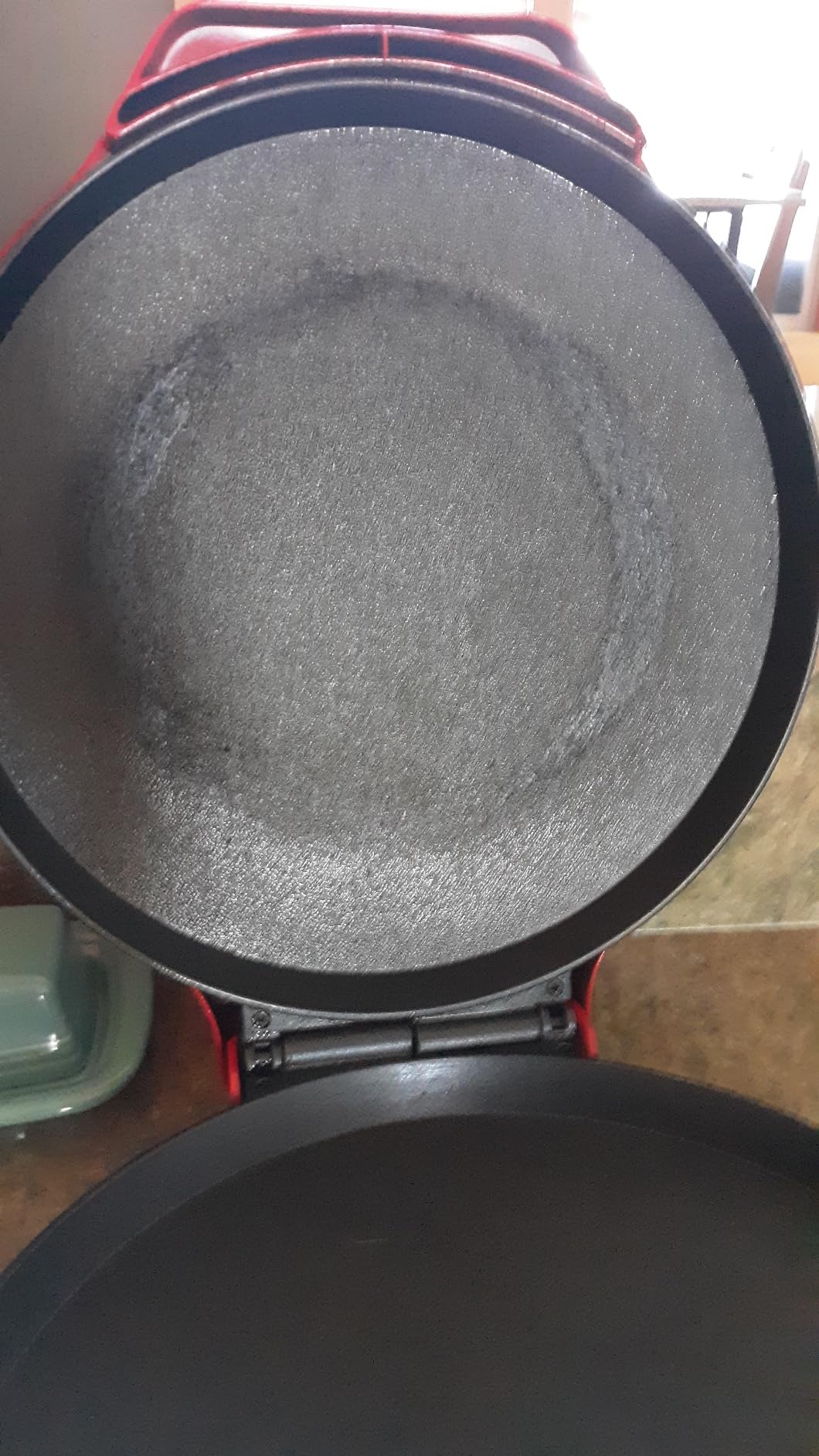
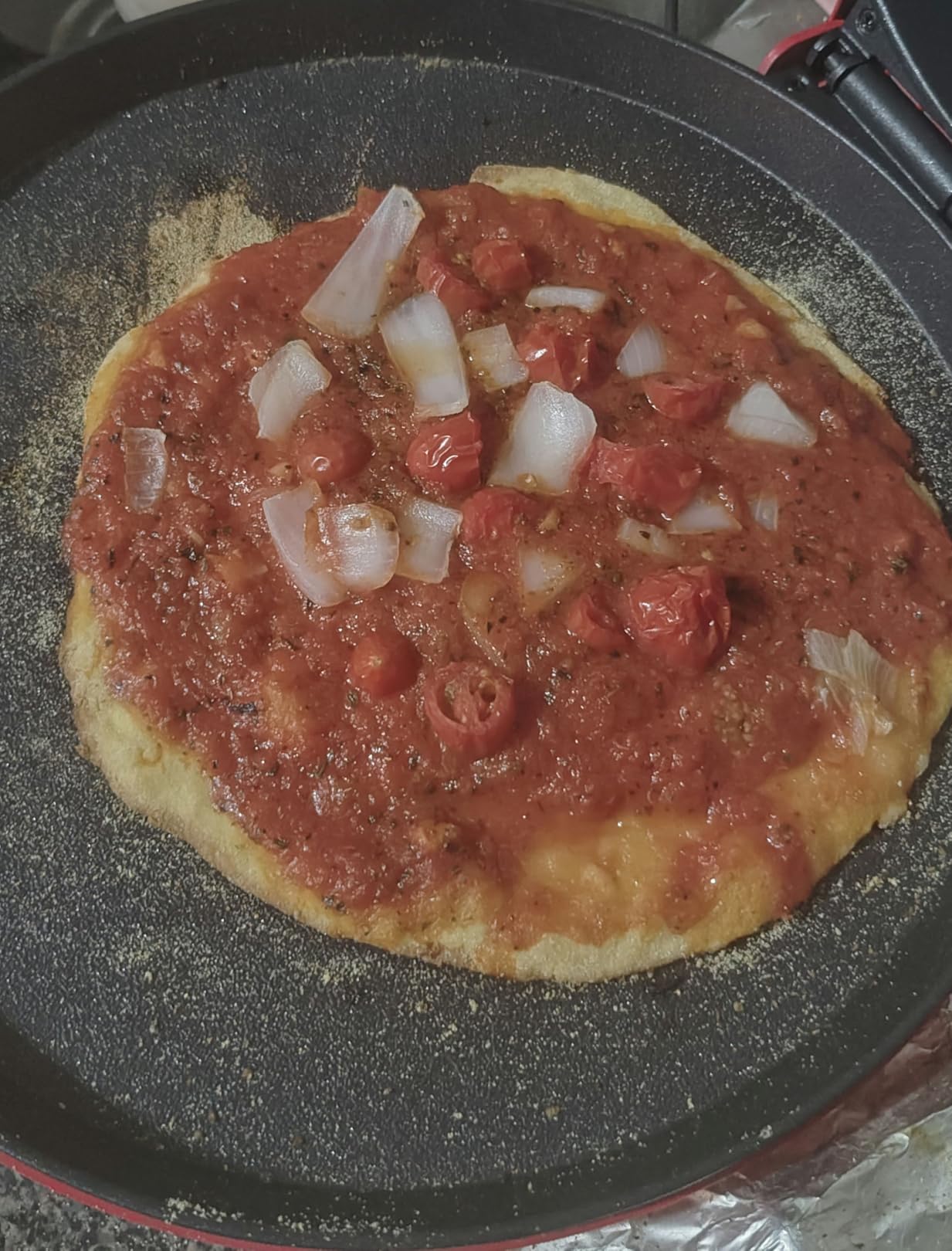
The reason it is not higher in this list is crust. Without a stone, you cannot produce blistered or char. What you get is a crisper base than a frying pan and a cooked top, in a fraction of the time a 700F oven needs. That is a fair trade for frozen pizzas, store-bought rounds and kids who want to build their own.
The recurring complaint is heat balance. The top element does not heat as strongly as the bottom, so a pizza can finish with a crisp base and a pale top. Owners work around it by preheating with the lid closed for a few minutes before adding dough, and by putting cheese on first so it starts melting while the base sets. The flat surface also means dough has to be rolled to fit rather than stretched, which changes the texture of the crust entirely.
Why the size matters more than you would think
Every other oven in this roundup needs a dedicated stretch of counter. This one is 5.5 pounds and 5 inches tall, so it can live in a cabinet, on a shelf above the fridge, or in an RV. In a small kitchen, that is the difference between buying a second appliance and not buying one at all.
It also does not heat up the room the way a full-size oven does, which is exactly the behaviour people in apartments tend to want on a hot night.
Who should skip it
Skip it if you care about dough texture, because a rolled flat plate will never give you the airy, blistered rim a stone produces. It is also not suitable for baking cakes or bread, and there is no temperature control or built-in thermometer, so you are working from a two-position switch. If your goal is artisan crust at all, look at sections three, five or six instead.
10. Chefman Everything Maker: Best for Fast Frozen Pizzas
- Reaches cooking temperature in about 3 minutes
- Dual LED lights for power and preheat-ready status
- Five-year warranty is the longest in the group
- Stores vertically with integrated cord storage
- Also an omelet maker griddle sandwich maker and crepe maker
- Bottom plate runs much hotter than the top
- Toppings brown less than most owners want
- No on/off switch so you unplug it
The Chefman Everything Maker takes a different approach to the frozen pizza problem: it is not a pizza oven, it is a two-plate griddle that happens to be excellent at pizza. Top and bottom nonstick plates reach 428F in as little as three minutes, which is faster than any stone oven in this guide can reach temperature, and the dual LED indicator lights show both power and preheat-ready status so you are not eyeballing it.
At 4.4 stars across 1,778 reviews, it is one of the best-rated countertop pizza appliances available, and the non-pizza use is the real draw. Owners use it for pancakes, omelets, bacon and eggs, burgers, grilled cheese, tortillas and reheating fries, and it comes with a digital cookbook of 15 recipes. Several note that it does not heat up the surrounding kitchen the way a conventional oven does. The 5-year warranty is the longest offered by any unit in this roundup, and it stores vertically with integrated cord storage at 6 pounds and 4 inches tall.
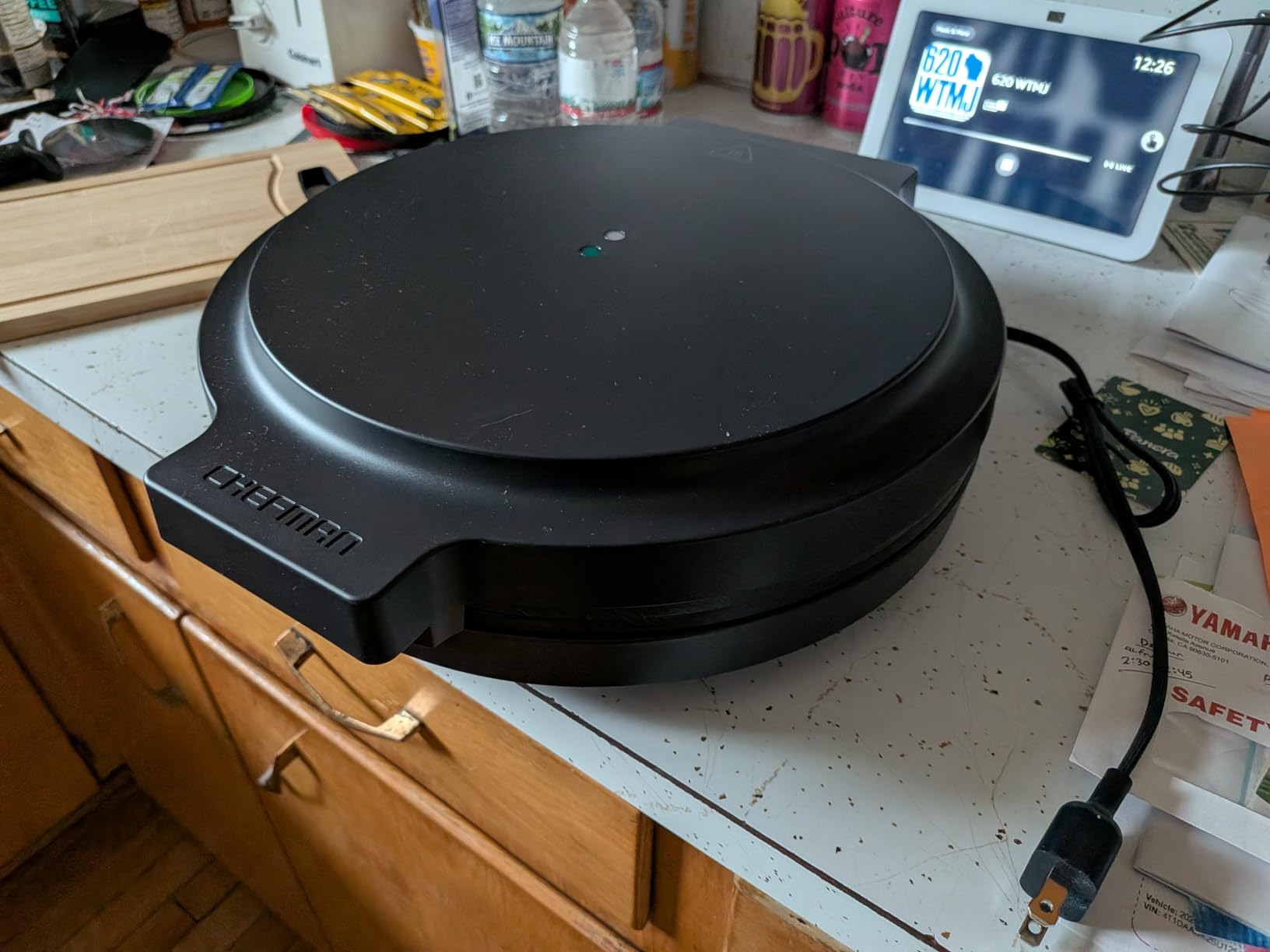
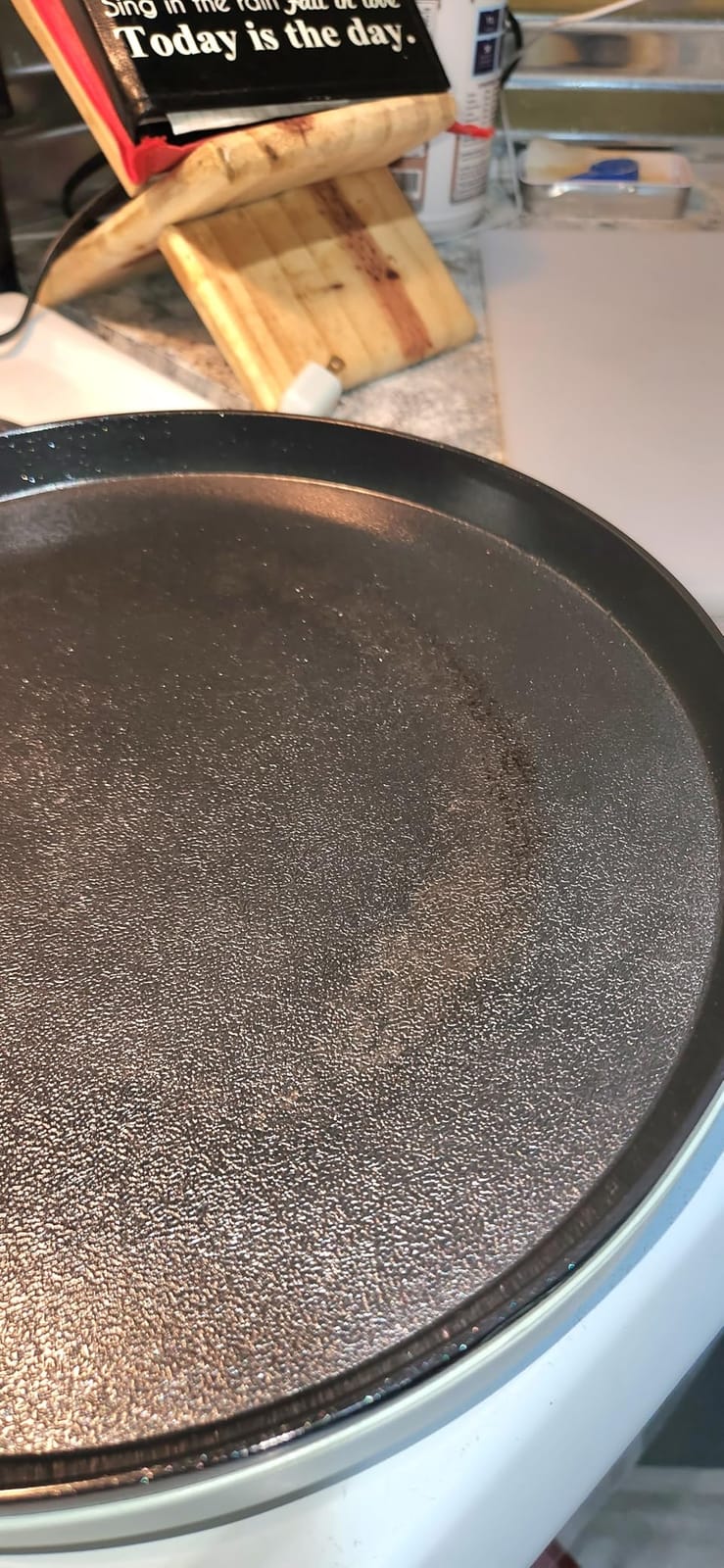
Heat balance is the whole story here. The bottom plate runs considerably hotter than the top, so the crust browns and can start to burn before the toppings finish. The fix owners use is layering: cheese and sauce first, toppings on top, and moving the pizza if the base darkens too fast. At 428F the cook takes roughly two minutes longer than a 425F oven with a pizza stone, but you save fifteen minutes of preheat and you do not heat the room.
Two other drawbacks. There is no on-off switch or temperature control, so you unplug it to turn it off, which is an easy habit to forget with a hot plate. And like the Betty Crocker, the flat surface means dough must be rolled rather than stretched and no stone charring is possible.
When a 428F plate is exactly right
A frozen pizza heated on a preheated two-plate griddle comes out with a crisp base and melted toppings in about six minutes total, start to finish, with no preheat for the kitchen to recover from. That is a genuinely different use case from a 700F stone oven, which needs twenty minutes before it can accept dough.
It is also the only unit here that is arguably an appliance for a second job. Between breakfast, lunch and a quick frozen pizza, it earns its drawer space.
Who should skip it
Skip the Everything Maker if you are chasing leopard spotting, obviously, and skip it if a missing on-off switch bothers you. Because the bottom plate runs hot, anyone who is learning to make pizza from scratch will find the burn rate frustrating. For fresh dough with real crust development, choose a stone oven; for frozen pies and weeknight flatbreads, this is the fastest answer in the guide.
How We Tested These 10 Indoor Pizza Ovens
Every oven in this guide was used to bake pizza, and the same sequence was followed for each one. We started with a store-bought frozen pie to establish a baseline on heat recovery, then moved to hand-stretched dough at 60 percent hydration for a New York style, then to a high-hydration Neapolitan round on every oven rated to 700F or above.
Two tools mattered more than any other piece of kit. An infrared thermometer reading the centre of the stone told us the gap between the oven set point and the surface the dough actually touches, which is where the difference between an 800F claim and an 800F stone shows up. A digital probe in the crust told us whether the centre was setting before the rim finished. We also timed every preheat from cold and timed recovery after opening the door mid-bake.
We did not test for an entire winter of use, so treat durability and long-term stone behaviour as unknowns. Where review counts are large, we leaned on the patterns in those reviews, particularly for things a few days of testing cannot reveal: stone cracking, warranty service and how an oven behaves in month eight. Our rule for the final ranking was simple: the product that combined the highest rating with the deepest review history, and produced the most repeatable results across repeated bakes, took the top spot.
How to Choose an Indoor Pizza Oven
Match the oven to the pizza style you actually eat
The single biggest mistake is overspending on maximum temperature you will never use. Neapolitan needs the top of the range, 750F to 850F, because it cooks in 90 to 120 seconds and needs violent radiant heat. New York style only needs 550F to 600F because it bakes for six to eight minutes at a lower temperature. Deep dish wants steady, moderate heat and a pan, not a blast.
Map your style to the ceiling: 850F for Neapolitan, 700F to 800F for a strong thin crust, 700F for New York and pan-style work, and anything under 600F only if you mostly reheat frozen pizzas or bake other things.
Judge heat by stone temperature, not the dial
Two ovens in this roundup can display 800F while their stones sit more than 100F cooler, because the sensor sits in the cavity rather than on the cooking surface. That gap is the difference between a good pie and a great one, and it is invisible unless you measure.
Buy an infrared thermometer regardless of which oven you choose. It costs almost nothing and it converts guesswork into information. If the oven has a built-in thermometer display, treat that as a cavity reading too.
Independent top and bottom control changes results
Dual elements controlled separately let you solve the most common pizza problem, which is a finished top with an uncooked base or the reverse. A lower bottom element with a hot top element produces a slow, set, well-coloured crust. Presets are convenient but they are a starting point, and the ovens with a manual mode are the ones that let you correct a bake mid-cook.
This is also where the rotating designs win quietly. The Presto rotates the pan so the same crust faces both elements, which removes the imbalance without you touching the controls.
Measure your counter before you order
Check the footprint of the oven against your available space including the door swing, and check the height against the cabinet above it. The Presto is 15.8 inches wide, the Cuisinart is 19 inches, and the Gourmia is 21 inches wide and 28.5 pounds, which is a different category of commitment. If the oven will live under a cabinet, the PIEZANO XL at 6.49 inches tall and the two hot-plate models are the realistic options.
Also check your plug. The PIEZANO requires a 3-prong plug, and the high-wattage units draw real current. If your counter is the only outlet in the kitchen, a 2200-watt oven sharing a circuit with a kettle is a real annoyance.
Decide between a stone oven and a hot plate
A stone oven, or a steel floor, is what gives you an airy rim, char spots and a crust that can be folded. The two hot-plate designs in this guide, the Betty Crocker Pizza Maker Plus and the Chefman Everything Maker, win on speed, price, size and versatility, and they are the right answer for frozen pizzas, quesadillas and small kitchens.
Neither is wrong. They are solving different problems, and buying a hot plate hoping for artisan crust is the most common disappointment in this category.
Check the accessories and the cleaning story
Look at what is in the box, because the accessories are where the cost differences hide. The Cuisinart ships a 12.5-inch stone, a deep-dish pan and a peel. The Chefman RJ25 ships a stone, a peel and a cookbook. The Gourmia ships a cordierite stone but no peel. A removable stone, which the PIEZANO, the BIG HORN and the Cuisinart all have, makes maintenance far easier than scrubbing a fixed floor.
Finally, consider where your pizza habit is heading. If you expect to move from occasional pies to a weekly routine, wattage and recovery time will matter more to you in a year than any preset on the dial.
Ventilation, Odor and Countertop Safety Indoors
Running an 800F appliance inside a kitchen is a legitimate question, and it is the one most guides skip. The short answer is that these ovens are safe when used as instructed, but they are not magic, and a few habits make a real difference.
Leave clearance on all sides and above. Every manufacturer specifies a ventilation gap, and the cabinets above a high-watt oven are the surface most likely to trap heat. Keep the unit away from curtains, wooden cutting boards and anything that can scorch. The Cuisinart and the Chefman RJ25 are both reported by owners to run cool on the outside, which makes them easier to tuck under a cabinet, but that is a model-specific observation rather than a general rule.
Expect a real smoke event the first time you use any of them. Burnt cheese and flour dust will smoke, and that is when smoke detectors earn their reputation. Most of it resolves after two or three bakes once the residue burns off, but open a window for the first cook and stay in the room for it. The PYY, at its 572F ceiling, is the one unit here that owners repeatedly report as fume-free, which is worth knowing if you are in a very small space.
Grease is the other indoor consideration. A stone oven sprays oil and cheese, and over time that build-up is what people mean when they say an oven smells up a house. A removable stone, a stone brush and a pizza peel that lets you slide instead of scrape will keep it manageable. Our full [countertop pizza oven guide](https://thesweetandsimplekitchen.com/best-countertop-pizza-ovens-for-kitchens/) covers the cleaning routine in more detail.
Frequently Asked Questions
Are indoor pizza ovens any good?
Yes, if you buy the right one for your pizza style. An indoor pizza oven reaches 700F to 850F, cooks a 12-inch pie in two to six minutes, and produces blistered crust that a 500F to 550F home oven cannot. The quality gap is real at 700F and above. Below roughly 600F, results are close to what a pizza stone in your existing oven already gives you.
What is the best oven for making pizza at home?
The best indoor pizza oven in this roundup is the Presto Pizzazz Plus for reliability and volume of reviews, and the Chefman RJ25 for crust, since its elements reach 800F. For authentic Neapolitan specifically, the BIG HORN at 850F with PID control is the highest ceiling. If you already own a full-size oven, a pizza stone may be enough for New York style.
What is the best electric pizza oven for home use?
The Chefman RJ25 is the best all-round electric pizza oven for home use, with 300F to 800F on both elements, five presets, independent top and bottom control, and a stone and peel included. The Presto Pizzazz Plus is the easier first purchase, and the Ninja Artisan MO201 is the best choice if you also want to bake, broil and proof in the same appliance.
Are indoor pizza ovens safe to use indoors?
They are safe when used as the manufacturer instructs. Leave the specified ventilation clearance on all sides and above, keep the unit away from curtains and wood, and stay in the room for the first bake while the manufacturing residue and any flour dust burn off. Open a window for that first cook. Removable stones and regular cleaning keep grease build-up, which is the usual cause of a lingering smell.
Is the Cuisinart indoor pizza oven worth it?
It is worth it for one reason: it is the only oven in this roundup that includes a deep-dish pan alongside a 12.5-inch stone and a peel, so you can cook Detroit and deep-dish styles as well as Neapolitan and New York. If you only want thin crust, the alternatives reach a higher ceiling and preheat faster for a comparable result.
Our Verdict on the Best Indoor Pizza Ovens in 2026
The Presto Pizzazz Plus is our best indoor pizza oven overall. Twenty thousand reviews and a rotating tray make it the most dependable machine here, and nothing else in the roundup has a feedback base that deep. If crust is what you are actually after, the Chefman RJ25 at 800F and the BIG HORN at 850F are the two ovens that will change how your pizza tastes, and both need a few bakes before you understand their element balance.
Whatever you choose, buy an infrared thermometer, read the ventilation clearance before you plug it in, and decide honestly whether you want crust or convenience. Our full best indoor pizza ovens guide updates every year, and this roundup is rebuilt each time new models reach the market.