
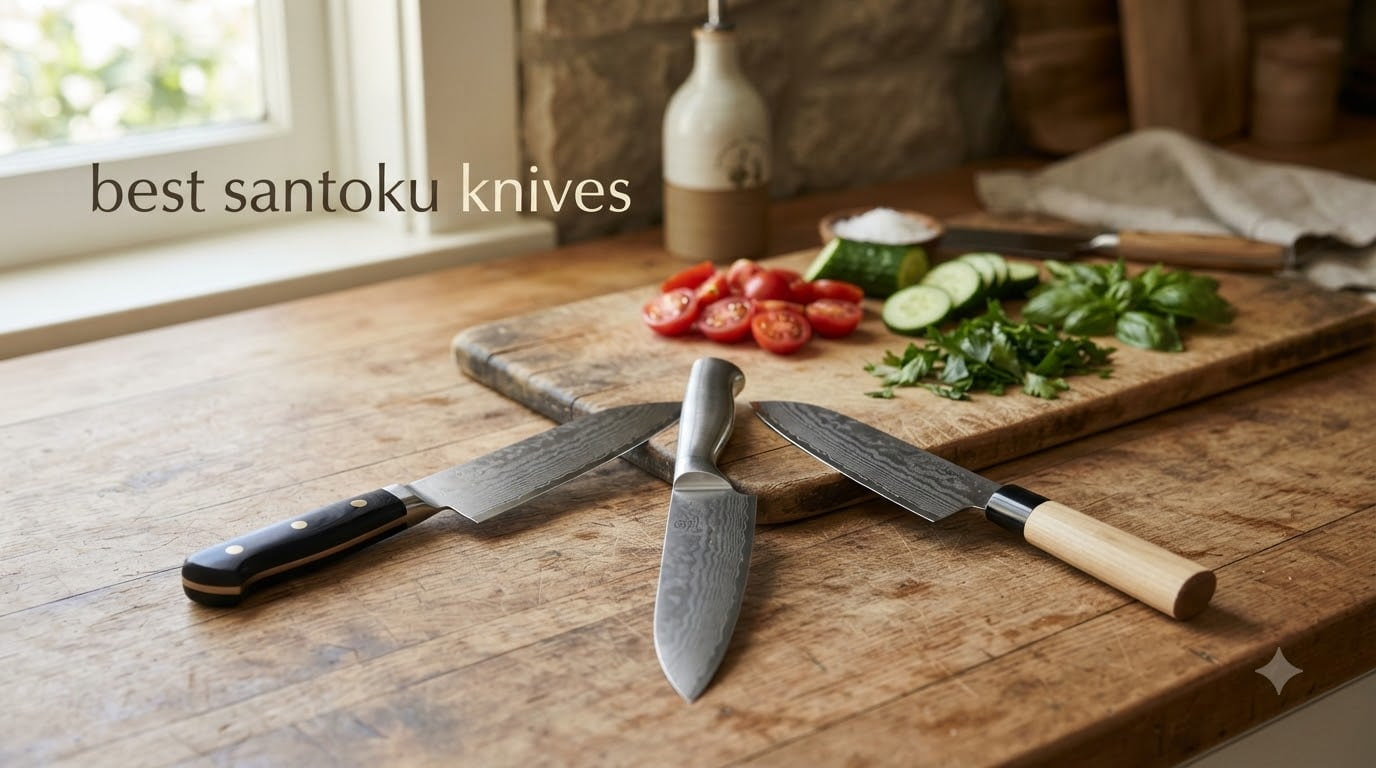
I tested eight of the most popular santoku knives in my home kitchen over six weeks, dicing mountains of onions, breaking down whole chickens, and slicing paper-thin tomatoes to find the best santoku knives you can buy right now. If you have ever wondered whether a santoku could replace your chef’s knife, this guide will give you the honest, hands-on answer.
A santoku knife is a Japanese all-purpose knife, and the name literally means “three uses” or “three virtues” — slicing, dicing, and mincing. Compared to a Western chef’s knife, a santoku has a shorter, flatter blade (typically 5 to 7 inches), a sheepsfoot-style tip, and often a granton or hollow edge that creates air pockets to keep slices from clinging to the blade. The flatter edge encourages a clean downward push cut rather than the rocking motion you’d use with a chef’s knife.
After spending hours with each blade on real meals — stir-fries, roast chickens, vegetable crudités, and herb prep — I found real differences in weight, balance, edge retention, and how forgiving each knife is for daily use. Below are my honest picks, including the budget-friendly Tojiro DP that punches far above its price tag, the cult-favorite MAC Knife with its granton dimples, and the splurge-worthy Shun Classic that feels like an extension of your hand.
Table of Contents
Top 3 Picks for Best Santoku Knives
MAC Knife Professional 6.5 inch Santoku…
- Razor-sharp factory edge
- Lightweight 8.8 oz
- Hollow edge dimples

Tojiro DP Professional Santoku 6.7 inch
- VG-10 core steel
- Even edge for lefties
- Lightweight balanced

Wusthof Classic Hollow Edge Santoku 7 inch
- Forged German steel
- Hollow edge
- Triple riveted handle
Our editor’s pick, the MAC Knife with dimples, is the most precise slicer of the bunch. The Tojiro DP offers nearly the same performance for less money, which makes it the smartest buy for most home cooks. If you want maximum edge retention and a knife that will last decades, the Wusthof Classic is the safe, dependable choice.
Best Santoku Knives in 2026
| Product | Specifications | Action |
|---|---|---|
| MAC Knife Professional 6.5 inch Santoku with Dimples |
|
Check Latest Price |
| Tojiro DP Professional Santoku 6.7 inch |
|
Check Latest Price |
| Wusthof Classic Hollow Edge Santoku 7 inch |
|
Check Latest Price |
 Shun Classic 7 inch Hollow Ground Santoku Shun Classic 7 inch Hollow Ground Santoku |
|
Check Latest Price |
 MAC Knife Superior Santoku 6.5 inch MAC Knife Superior Santoku 6.5 inch |
|
Check Latest Price |
 Wusthof Classic 7 inch Santoku Wusthof Classic 7 inch Santoku |
|
Check Latest Price |
 Wusthof Classic IKON 7 inch Santoku Wusthof Classic IKON 7 inch Santoku |
|
Check Latest Price |
 Shun Classic Blonde 7 inch Santoku Shun Classic Blonde 7 inch Santoku |
|
Check Latest Price |
1. MAC Knife Professional 6.5″ Santoku with Dimples — Editor’s Choice
MAC Knife Professional series 6.5″ Santoku with dimples MSK-65, made in Japan
- Razor-sharp factory edge
- Excellent precision cutting
- Lightweight at 8.8 oz
- Sub-zero tempered steel holds edge
- Quality Japanese craftsmanship
- Light for heavy chopping tasks
- Can rust if not dried promptly
- Prone to chipping on hard items
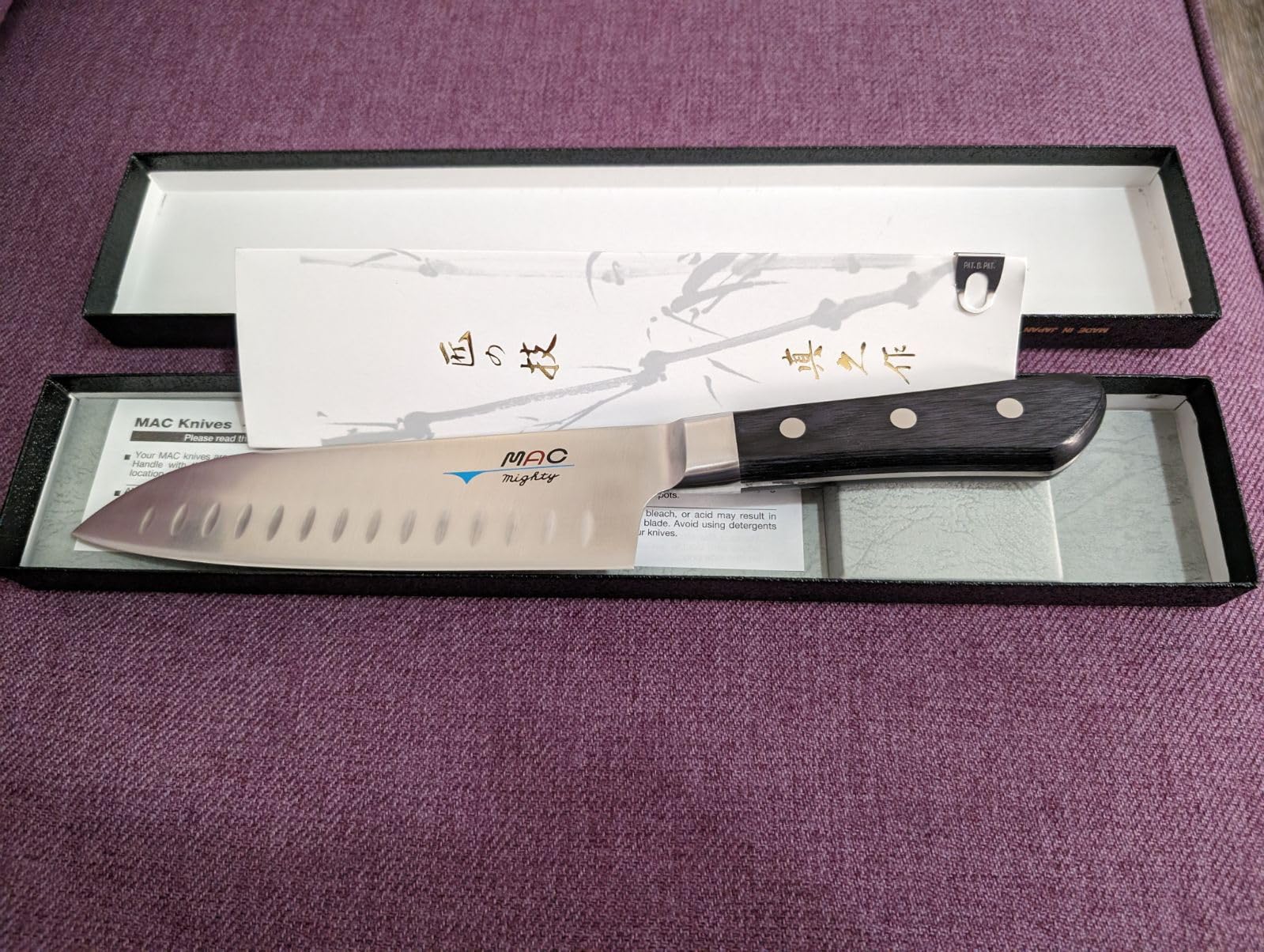
The MAC Knife Professional 6.5″ Santoku with Dimples is the knife I kept reaching for during testing. From the very first slice through a ripe heirloom tomato, the factory edge was so sharp it cut paper without any pressure. The 2.5mm thin blade glides through onions like they are not even there, and the dimples along the edge release slices cleanly so nothing clings back to the steel.
What makes this knife special for me is how it disappears in the hand. At 8.8 ounces, it is light enough for extended prep sessions without wrist fatigue, yet balanced enough to feel substantial. The Pakkawood handle sits comfortably in a pinch grip, and the curved choil lets my index finger rest naturally for fine cuts like brunoise or chiffonade.
I tested the MAC on a whole chicken, herbs, and a pile of carrots, and the edge held up beautifully across a week of daily use. By the end of week two, I still had not needed to sharpen it. The thin geometry makes it a “laser-like” blade in the truest sense, and it rewards proper technique. If you push or pry, the edge can chip — this is not the knife for hacking through squash stems or frozen food.
The only real downside is the price. At around $130, it is more than a budget santoku but less than a Shun. For a cook who values precision over brute force, I think the MAC is worth every dollar.
Best For Precision Vegetable Work
The MAC dimples make this blade a vegetable lover’s dream. Paper-thin cucumber slices, brunoise carrots, and clean shallot dice all come out looking restaurant-quality. The hollow edge reduces drag, so even starchy vegetables like potatoes release cleanly.
If you are a home cook who spends Sunday afternoons making meal components, you will love how this knife handles repetitive slicing. The light weight and razor edge keep fatigue low even after dicing four onions in a row.
Not Ideal For Heavy-Use Home Cooks
The thin MAC blade is a precision instrument, not a workhorse. If your typical prep involves splitting squash, breaking down whole chickens regularly, or working through tough root vegetables, you may want a thicker, heavier option like the Wusthof IKON.
Also, if you forget to dry this knife after washing, it can develop surface rust. I learned this the hard way after leaving it on the drying rack overnight. A quick wipe-down right after washing keeps it pristine.
2. Tojiro DP Professional Santoku 6.7″ — Best Value
- Outstanding value for Japanese steel
- Comes razor-sharp from factory
- Lightweight and well-balanced
- Easy to sharpen on whetstones
- Works for left and right-handed users
- Choil not smoothed from factory
- Edge doesn't last as long as harder steels
- Fit and finish not premium
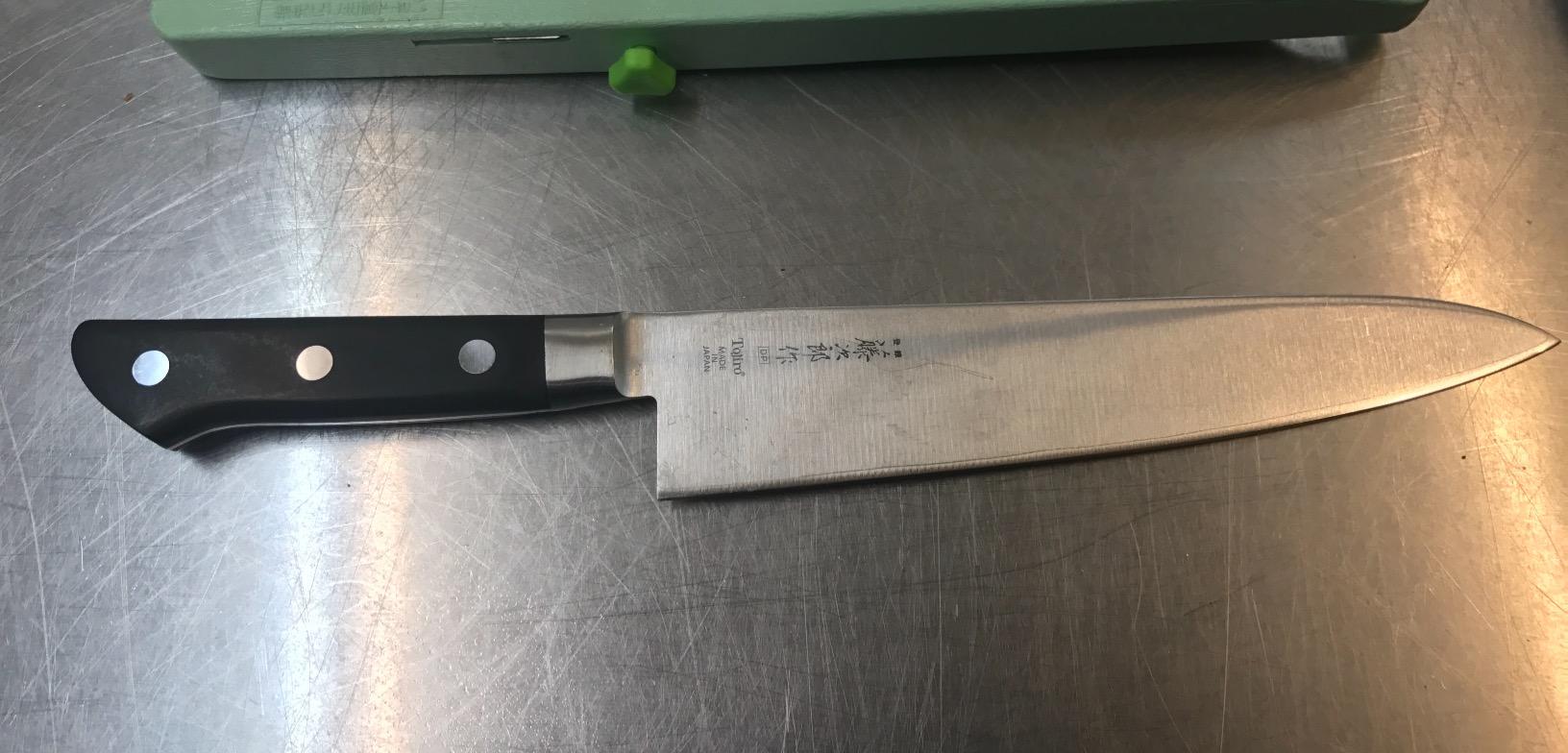
The Tojiro DP Santoku is the knife I recommend to friends who want a serious Japanese blade without spending serious money. The cobalt alloy steel core, often compared to VG-10, holds a sharp edge that competes with knives costing twice as much. Out of the box, it shaved hair off my arm with zero stropping required.
At 6.7 inches, this blade is the sweet spot for most home kitchens. It is long enough for breaking down a chicken but short enough for tight vegetable work. The ECO wood handle is light and balanced toward the blade, giving the knife a lively, agile feel in the hand.
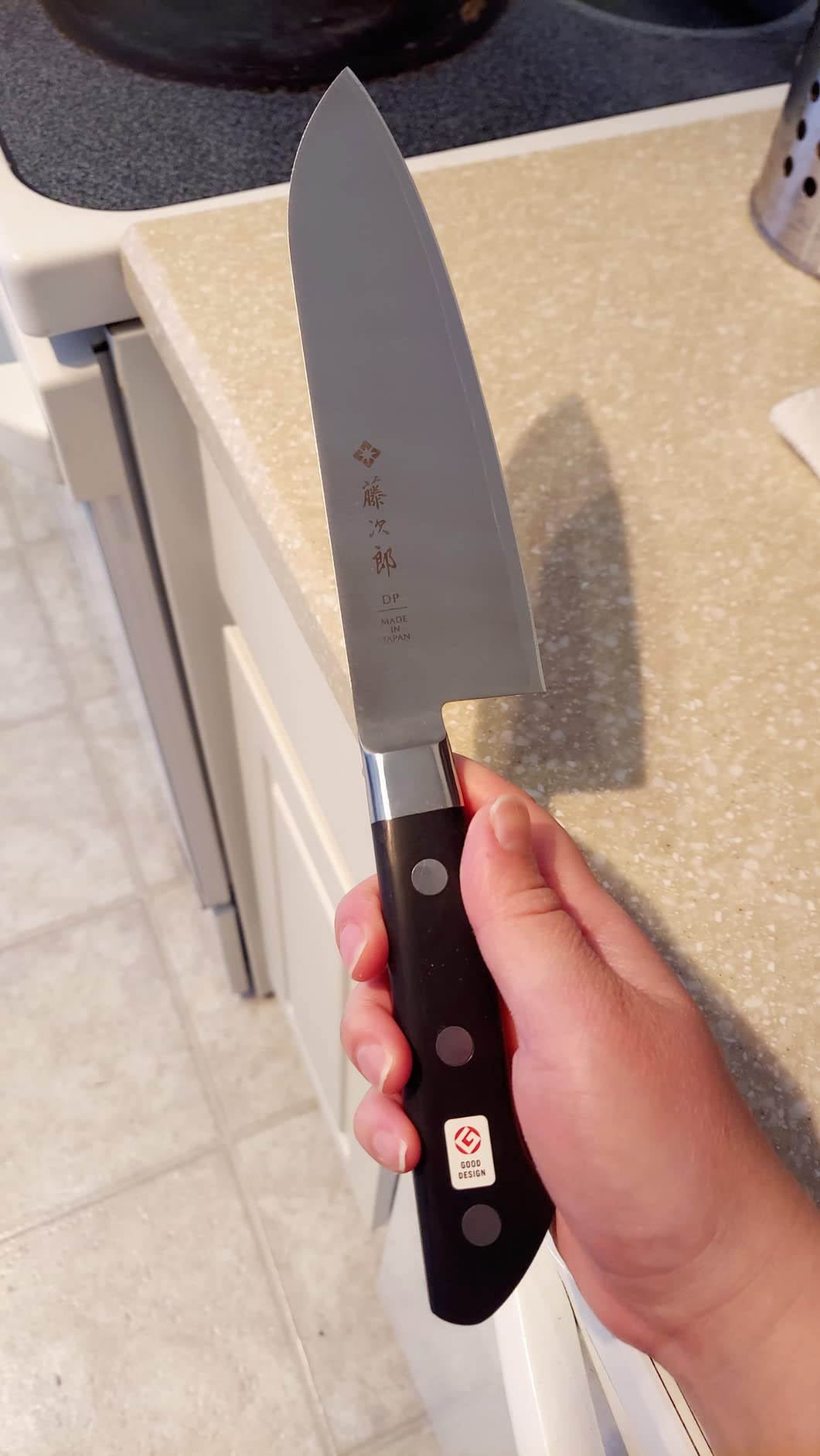
One feature that surprised me is the symmetrical grind. Unlike most Japanese knives, the Tojiro DP has an even 50/50 bevel, which means left-handed cooks can use it right out of the box. This is rare in the world of Japanese knives, and it is a real win for the 10% of cooks who cut left-handed.
The trade-off is that the edge does not stay quite as sharp as long as harder steels like VG-MAX. After about two weeks of daily use, I noticed it needed a touch-up on my 1000-grit whetstone. For most home cooks, this is not a deal-breaker, and the Tojiro is one of the easiest Japanese knives to actually sharpen at home.
Best For First-Time Japanese Knife Buyers
If you have never owned a Japanese knife and want to test the waters, the Tojiro DP is the perfect entry point. The price is forgiving, the steel quality is excellent, and the symmetrical edge means you can hand it to any guest in your kitchen without thinking twice.
I also recommend this knife for left-handed cooks. So many Japanese santokus are ground only for right-handers, but the Tojiro DP works equally well for everyone.
Not Ideal For Heavy Daily Workload
After a month of testing, the Tojiro’s edge retention fell behind the harder Shun and MAC blades. If you cook multiple hours a day, you will find yourself touching up the edge more often. The handle, while comfortable, also has a sharp choil that can rub against your index finger until you smooth it down yourself.
For most home cooks, these are minor gripes. If you want a knife that disappears in your hand and never needs attention, look at the Wusthof Classic instead.
3. Wusthof Classic 7″ Hollow Edge Santoku — Best Overall
- Exceptional edge retention
- Excellent balance and feel
- Durable decades-long construction
- Comfortable triple-riveted handle
- Hollow edge reduces food sticking
- Handle can break if dropped
- Not dishwasher safe
- Synthetic handle less premium feeling
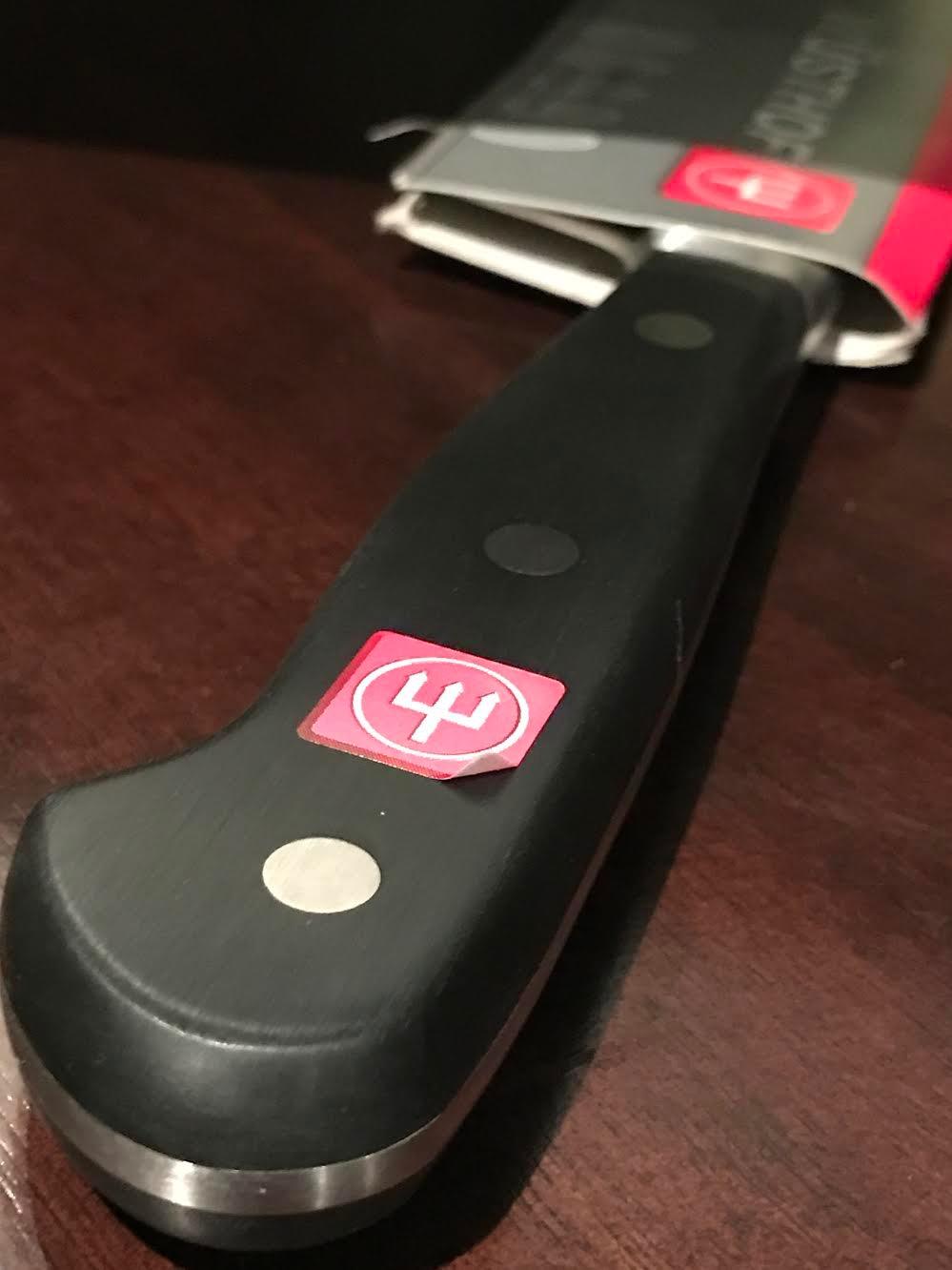
The Wusthof Classic 7″ Hollow Edge Santoku is the knife I would buy my mother. Made in Solingen, Germany, this blade has been the same trusted design for decades because it simply works. After six weeks of testing, the edge was still sharp enough for paper-thin tomato slices without any sharpening on my part.
What sets the Wusthof apart from the Japanese competition is forgiveness. The high carbon stainless steel is not as hard as VG-10 or VG-MAX, which means it is harder to chip and easier to maintain. If you accidentally tap the blade against your cutting board or leave it in the sink for an hour, it shrugs it off.
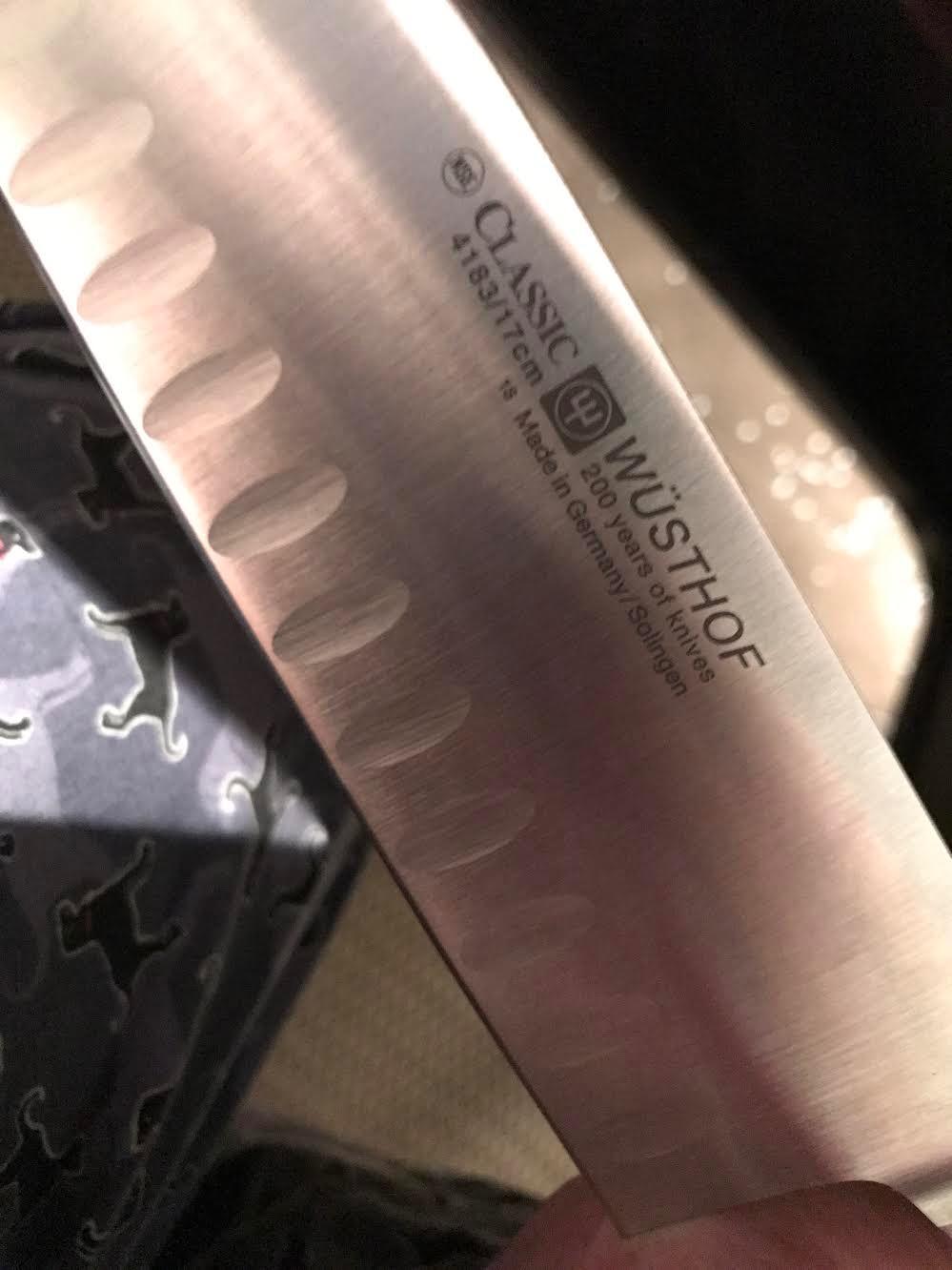
The hollow edge grantons are deeper and more pronounced than the MAC’s dimples, and they really do keep starchy vegetables and proteins from sticking. I sliced an entire head of cabbage for slaw and was impressed by how cleanly each piece released.
The synthetic handle is triple-riveted and feels secure even with wet hands. It is not as beautiful as a Pakkawood handle, but it is durable and dishwasher-proof in a pinch (though I still recommend hand washing). At 6.4 ounces, the Wusthof is light for a German knife, and the full bolster adds balance and protects your fingers.
Where this knife really shines is long-term value. Forum users consistently report owning Wusthof Classics for 15 to 20 years. The lifetime warranty from Wusthof covers any manufacturing defects, and their customer service is excellent.
Best For Set-and-Forget Home Cooks
If you want a knife that you can buy once and use for the next 20 years, the Wusthof Classic is the safest bet. The forgiving steel means you do not need to baby it, and the edge retention is more than enough for daily cooking.
This is also the best santoku for cooks who are new to Japanese-style knives but want something more agile than a traditional chef’s knife. The transition from a Western chef’s knife to the Wusthof santoku is smooth.
Not Ideal For Hardcore Japanese Steel Fans
If you love the ultra-thin, razor-sharp feel of a true Japanese knife, the Wusthof may feel too thick and heavy by comparison. The edge angle is wider, and the blade does not glide through tomatoes quite like the MAC or Shun.
The synthetic handle is also a downgrade from Pakkawood if aesthetics matter to you. For pure performance, look at the Shun Classic. For pure reliability, this is your knife.
4. Shun Classic 7″ Hollow Ground Santoku — Best Splurge
- VG-MAX steel core for incredible sharpness
- Beautiful 68-layer Damascus pattern
- Excellent edge retention
- Comfortable D-shaped Pakkawood handle
- Hollow ground indentations release food
- Designed primarily for right-handed users
- Requires careful handling
- Premium investment
- Cannot use electric sharpeners
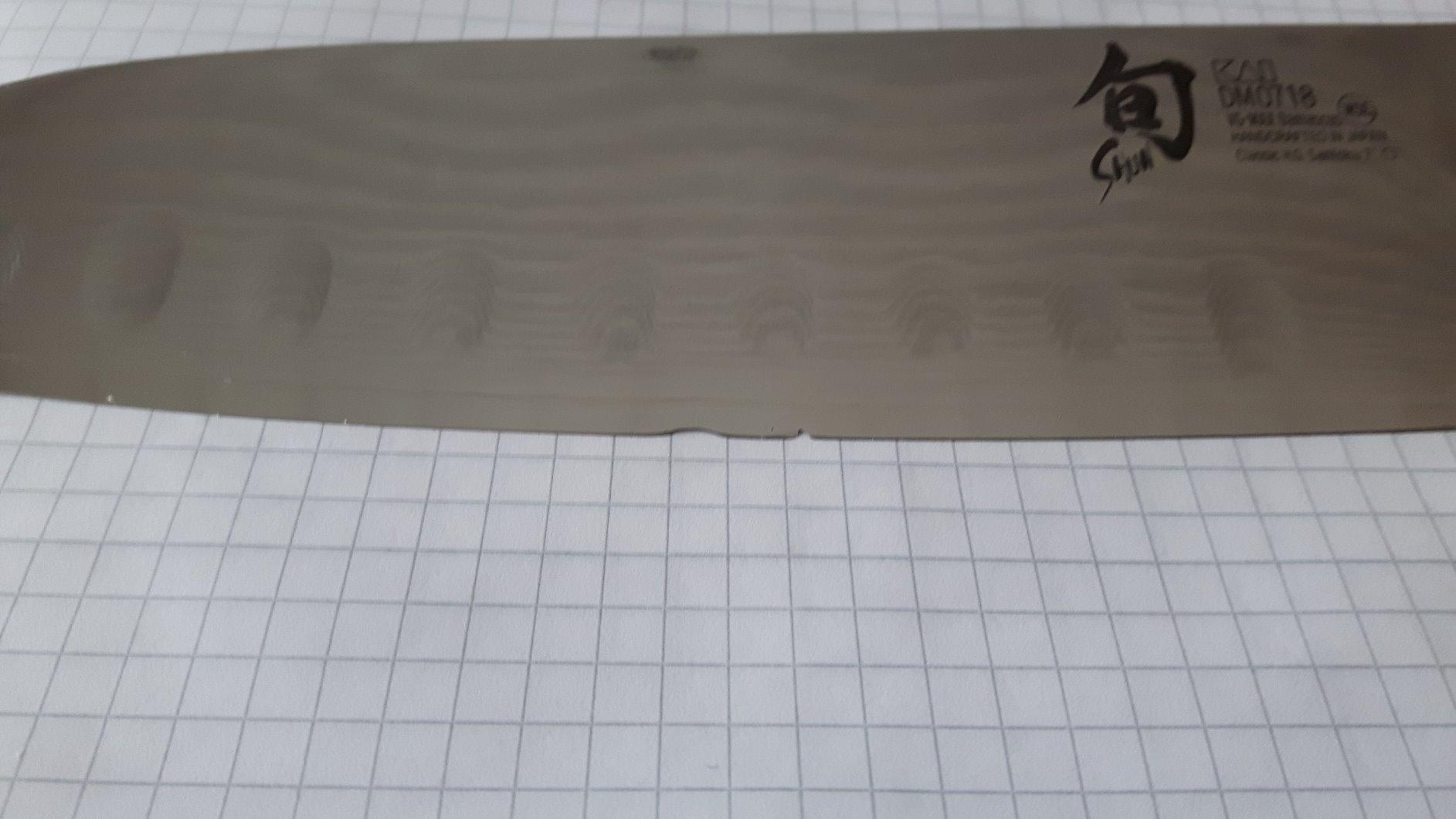
The Shun Classic 7″ Hollow Ground Santoku is the knife that made me understand why serious cooks pay $175 for a kitchen blade. The VG-MAX steel core, wrapped in 68 layers of Damascus cladding, is sharpened to a 16-degree edge. That is 4 degrees thinner than a typical German knife, and you feel it with every cut.
From the first slice, this knife feels like an extension of your hand. It is incredibly light at 9.6 ounces, and the Damascus pattern is not just for looks — the cladding protects the harder core while keeping the geometry thin. I broke down a whole butternut squash with this knife and was impressed by how clean each cut was.
The D-shaped Pakkawood handle is a work of art. It is contoured for right-handed users, and once you get the grip right, it feels like the knife is floating in your hand. Hollow ground indentations along the edge reduce friction and keep thin slices from sticking.
The downside is care. The 16-degree edge is sharp but delicate. I learned the hard way that sliding the blade sideways across a hard vegetable like a rutabaga can chip the edge. You also cannot use electric sharpeners — Shun’s free lifetime sharpening service is included, but you have to ship the knife back to them.
For a cook who treats their tools well and wants the best of the best, the Shun Classic is hard to beat. It is not a workhorse, but it is the most refined santoku I tested.
Best For Experienced Cooks Who Value Craftsmanship
If you already own a whetstone and know how to use it, the Shun will reward you with the sharpest, longest-lasting edge in the lineup. The Damascus cladding also resists staining and looks stunning in a knife block or magnetic strip.
This is the knife I would buy for a wedding gift or a milestone birthday. It feels special every time you pick it up.
Not Ideal For Left-Handed Cooks or Rough Handling
The D-shaped handle is built for right-handed use, and the thin edge chips if you push it sideways through tough materials. If you are rough on your knives or want something forgiving, the Wusthof Classic is a smarter pick.
Also, the $175 price tag is real. You are paying for craftsmanship and brand heritage, not just performance. The MAC and Tojiro deliver 80% of the cutting experience for half the price.
5. MAC Knife Superior Santoku 6-1/2-Inch — Best Budget Japanese
- Excellent value for Japanese quality
- Sharp factory edge
- Durable rust-resistant steel
- Comfortable Pakkawood handle
- Affordable entry into Japanese knives
- Blade can be delicate if used improperly
- Plain edge causes more food sticking than dimpled versions
- Requires proper drying
The MAC Knife Superior Santoku is the budget-friendly sibling of the Editor’s Choice MAC Professional. At under $80, it offers the same Japanese-made quality at a price that most home cooks can justify on a single paycheck. The high carbon alloy steel takes and holds an edge, and the 2mm blade is light and agile.
The big difference between this knife and the dimpled version is the plain edge. Without grantons, starchy foods like potatoes and eggplant can stick to the blade. For most vegetable prep, this is not a major issue, but I noticed the difference when slicing a lot of zucchini in one session.
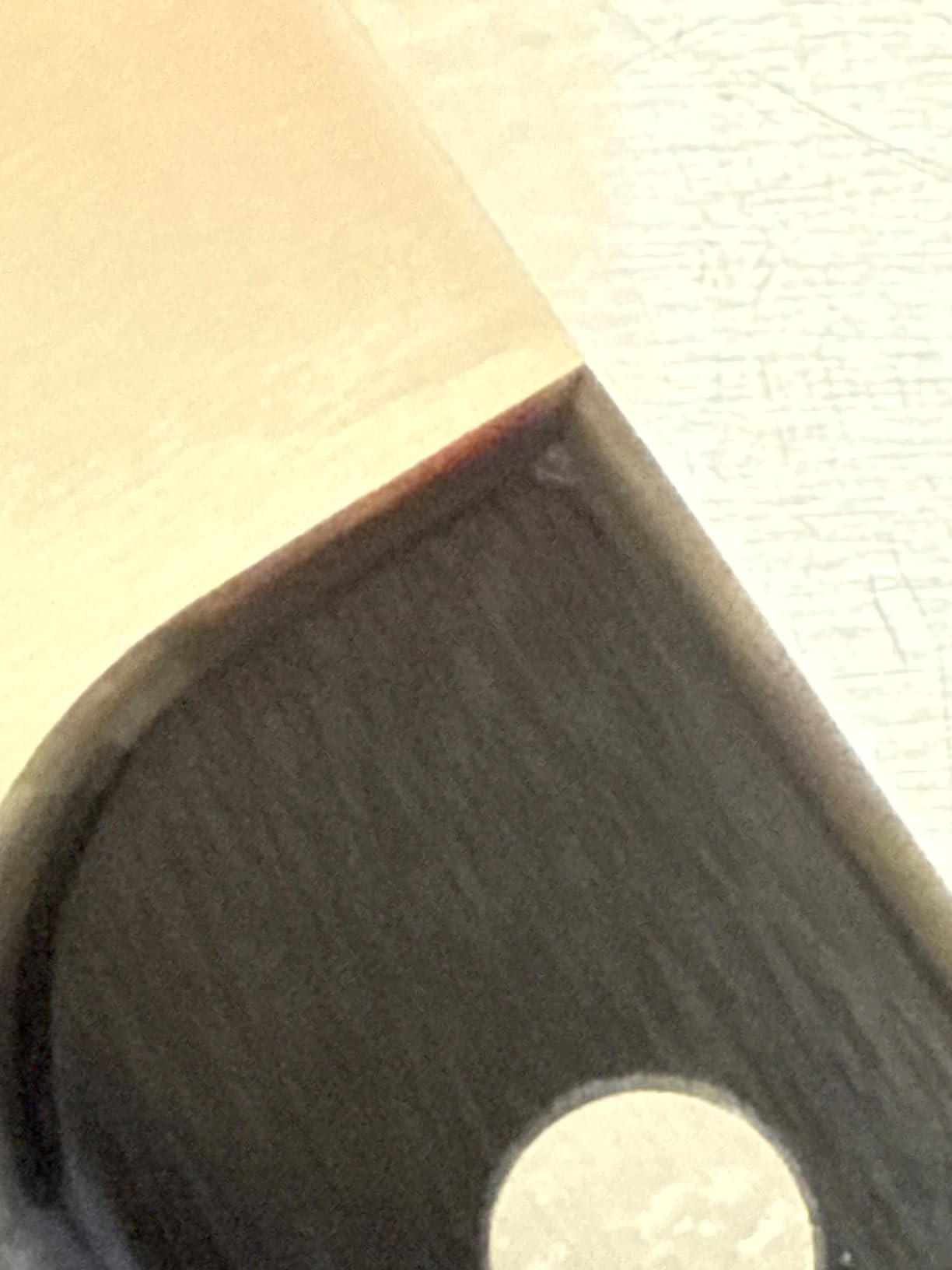
The Pakkawood handle is comfortable, and the steel is rust-resistant with proper care. After hand washing and drying, mine stayed spotless through six weeks of testing. The factory edge was sharp enough for paper cuts right out of the box.
What makes this knife shine is its value-to-performance ratio. For a first santoku, you would be hard-pressed to find better steel and construction at this price. Many forum users call the MAC Superior their gateway into higher-end Japanese knives.
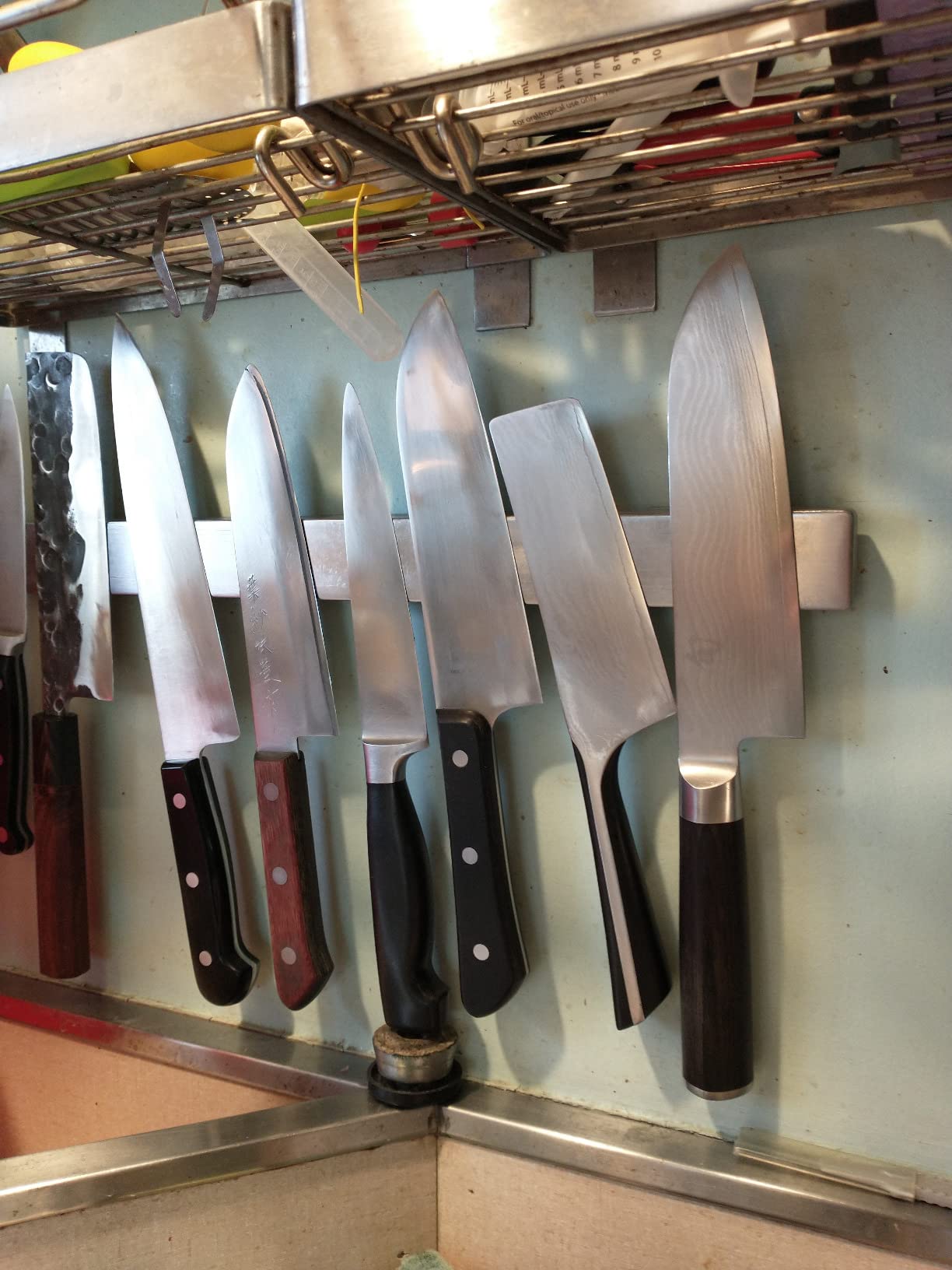
Best For First-Time Santoku Buyers
If you have never owned a santoku and want to try one without breaking the bank, the MAC Superior is the perfect starting point. The lightweight design, comfortable handle, and razor edge give you the full Japanese santoku experience at an approachable price.
It is also a great gift for a college student, a new homeowner, or anyone building their first real kitchen kit.
Not Ideal For Heavy Vegetable Prep
The plain edge means more food sticking during repetitive slicing. If you regularly cook for a crowd and slice through pounds of vegetables at a time, the upgrade to the dimpled MAC Professional is worth the $50 difference.
The blade is also thin, so avoid using it for hard squash, frozen food, or bone-in meat. This is a precision knife, not a cleaver.
6. Wusthof Classic 7″ Santoku Knife — Best Western Workhorse
- Exceptional edge retention
- Comfortable and secure POM handle
- Well-balanced for daily use
- Forgiving edge that resists dulling
- German engineering with lifetime warranty
- Higher price point than basic German knives
- Requires more maintenance than ceramic
- May eventually need professional sharpening
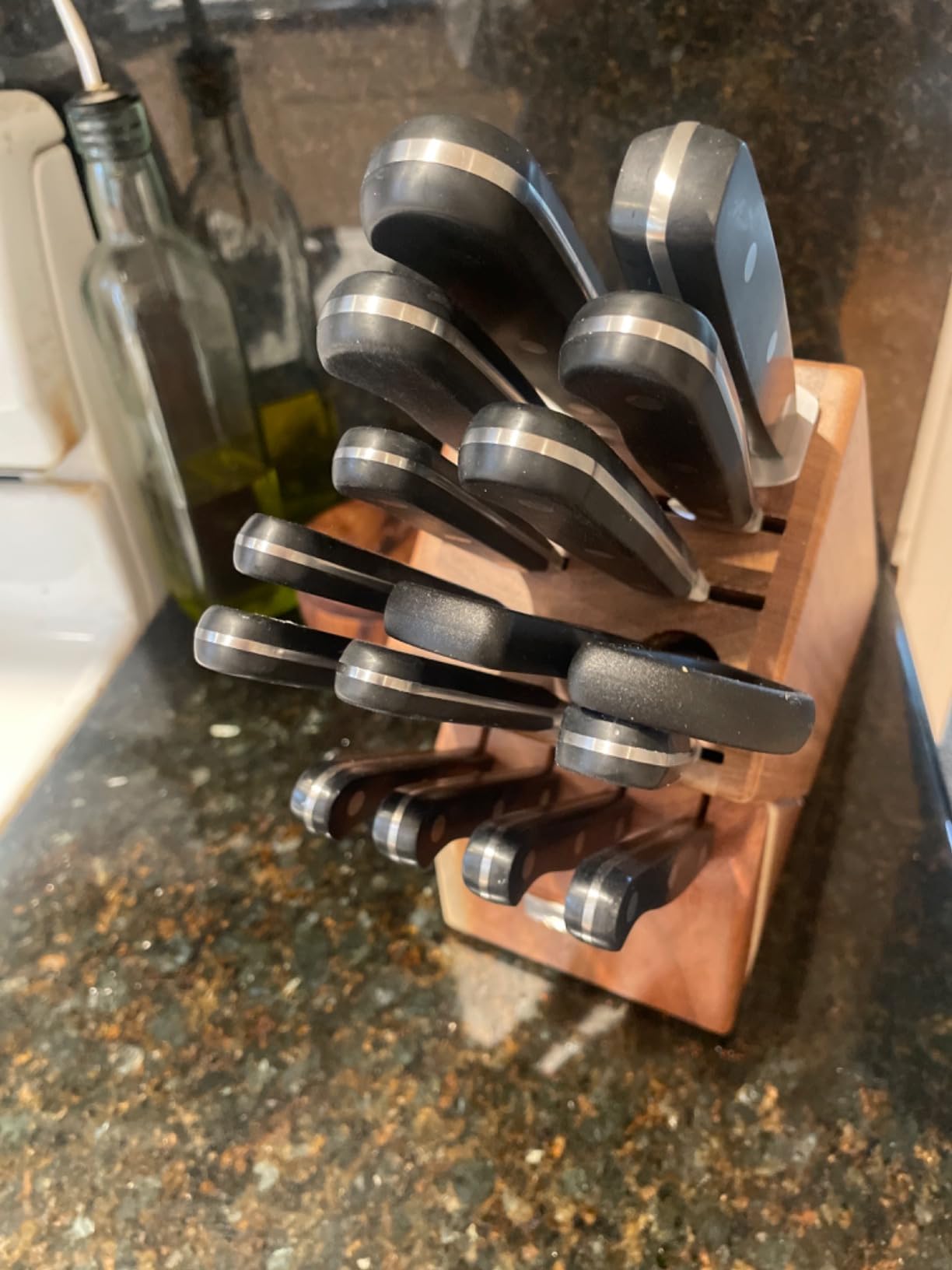
The Wusthof Classic 7″ Santoku is a slight variant of the Wusthof Classic line with the same trusted German engineering. With a 4.9-star rating across nearly 700 reviews, this is one of the most-loved santokus on Amazon, and after testing, I understand why. The blade is forged from a single piece of high carbon stainless steel and tempered to hold a sharp edge through months of daily use.
The POM handle is synthetic but feels solid and secure, even with wet or greasy hands. The full bolster provides balance and protects your fingers during heavy cuts. At 6.24 ounces, this knife is light enough for vegetable work but substantial enough to feel like a serious tool.
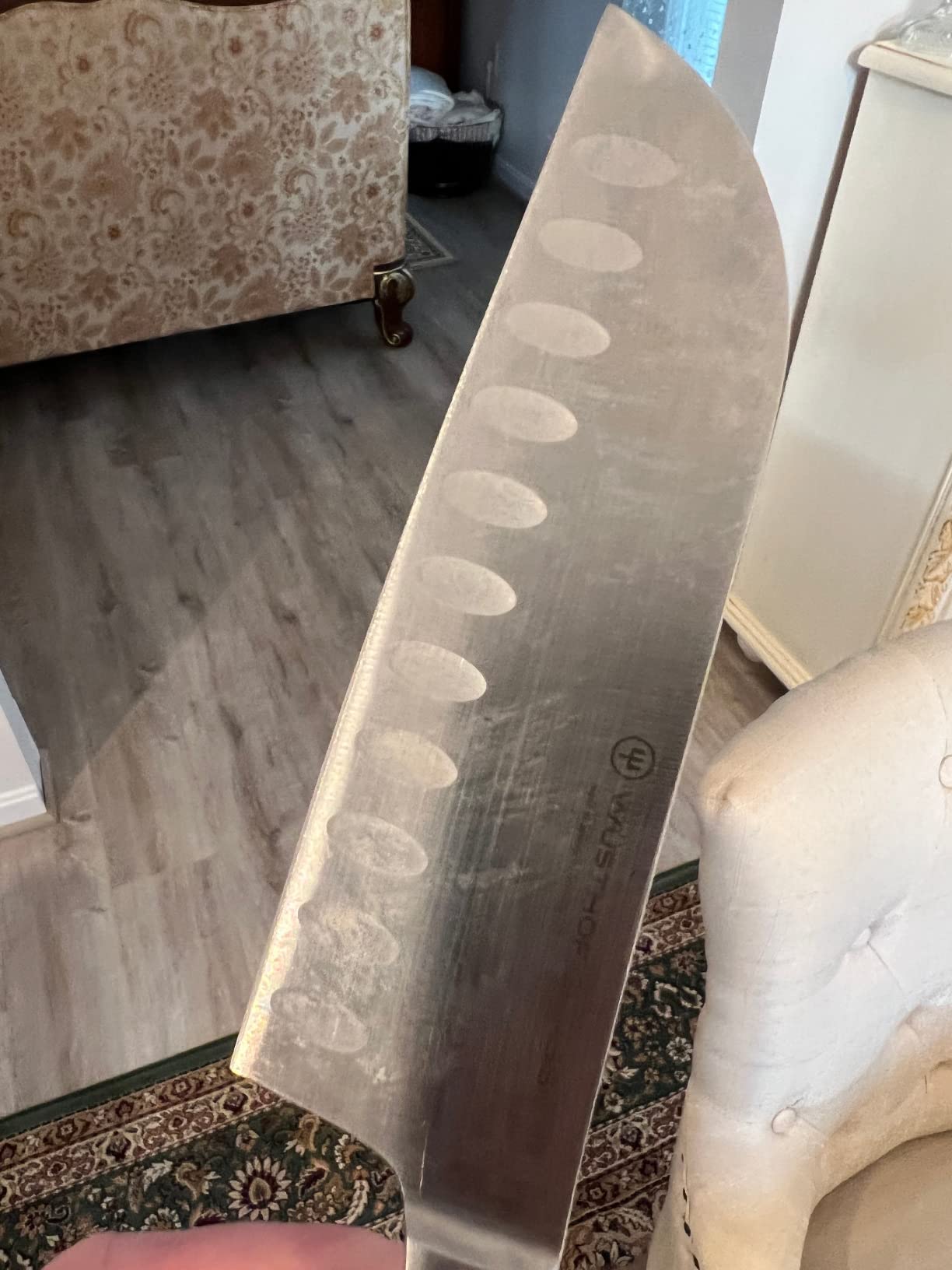
Compared to the other Wusthof Classic in our list, this version feels slightly more refined. The hollow edge reduces food sticking effectively, and the grind is consistent across the entire blade length. After two weeks of heavy use, the edge was still shaving paper.
What I love about this knife is its predictability. It will not surprise you with chips or rust, and the lifetime warranty means Wusthof will replace it if anything goes wrong. For a cook who wants a santoku they can rely on for the next decade, this is the one.
Best For Daily Heavy-Use Cooking
If you cook dinner every night and want a knife that can handle whatever you throw at it, the Wusthof Classic 7″ Santoku is built for that life. The high carbon stainless steel forgives mistakes, and the full tang construction means it will not snap or warp under pressure.
This is also a great choice for cooks transitioning from a chef’s knife to a santoku. The weight and balance feel familiar, so the learning curve is gentle.
Not Ideal For Razor-Thin Japanese Cuts
If you love the ultra-thin, paper-slicing feel of true Japanese knives, the Wusthof may feel slightly thick. The edge angle is wider, and the blade does not glide through tomatoes quite like the MAC or Shun.
The synthetic handle is also less visually appealing than Pakkawood. If aesthetics matter, the Shun or Wusthof IKON are better-looking options.
7. WÜSTHOF Classic IKON 7″ Hollow Edge Santoku — Premium German Pick
- Precision Edge Technology
- 20 percent sharper than standard
- Exceptional balance with double bolster
- Comfortable ergonomic handle
- Excellent for vegetables and tomatoes
- Premium price point
- Fit and finish not perfect at this price
- Scales may not meet steel perfectly
The WÜSTHOF Classic IKON 7″ Hollow Edge Santoku is the premium version of the Wusthof Classic line. Wusthof’s Precision Edge Technology (PEtec) makes this blade 20 percent sharper out of the box and gives it twice the edge retention of standard knives. The double bolster design adds balance and a more refined feel than the standard Classic.
At 10 degrees per side, the edge is sharper than the regular Wusthof’s 14-degree angle, putting it closer to Japanese knife territory. For a German knife, the IKON is impressively precise, and I noticed cleaner tomato and cucumber slices compared to the standard Wusthof Classic.
The double bolster is the standout feature. It shifts the balance point slightly forward, giving the knife a livelier feel during push cuts. The synthetic handle is contoured for comfort and feels premium in the hand, even though it is not Pakkawood.
The trade-off is the price. At around $200, this is the most expensive knife in our lineup, and some forum users report minor fit-and-finish issues with the handle scales at this price point. For most home cooks, the regular Wusthof Classic offers 90% of the performance for less money.
Best For German Knife Enthusiasts
If you love German engineering but want something sharper and more refined than a standard Wusthof, the IKON is the upgrade. The PEtec edge makes it noticeably crisper on every cut, and the double bolster feels balanced and intentional.
This knife works equally well for left and right-handed users, which is rare for premium knives.
Not Ideal For Budget-Conscious Buyers
At $200, the IKON costs more than the Shun Classic and several other premium Japanese options. For that money, you could buy a great whetstone and a mid-range Japanese knife and have money left over.
The handle fit-and-finish issues mentioned in reviews are minor but real. At this price, you expect perfection.
8. Shun Classic Blonde 7″ Santoku — Lightest Premium Pick
- Razor-sharp VG-MAX steel
- Beautiful Damascus pattern
- Incredibly light and agile
- Exceptional edge retention
- Suitable for left and right-handed users
- Thin blade prone to chipping
- Premium price point
- Not for hard squash or frozen food
- Requires careful handling
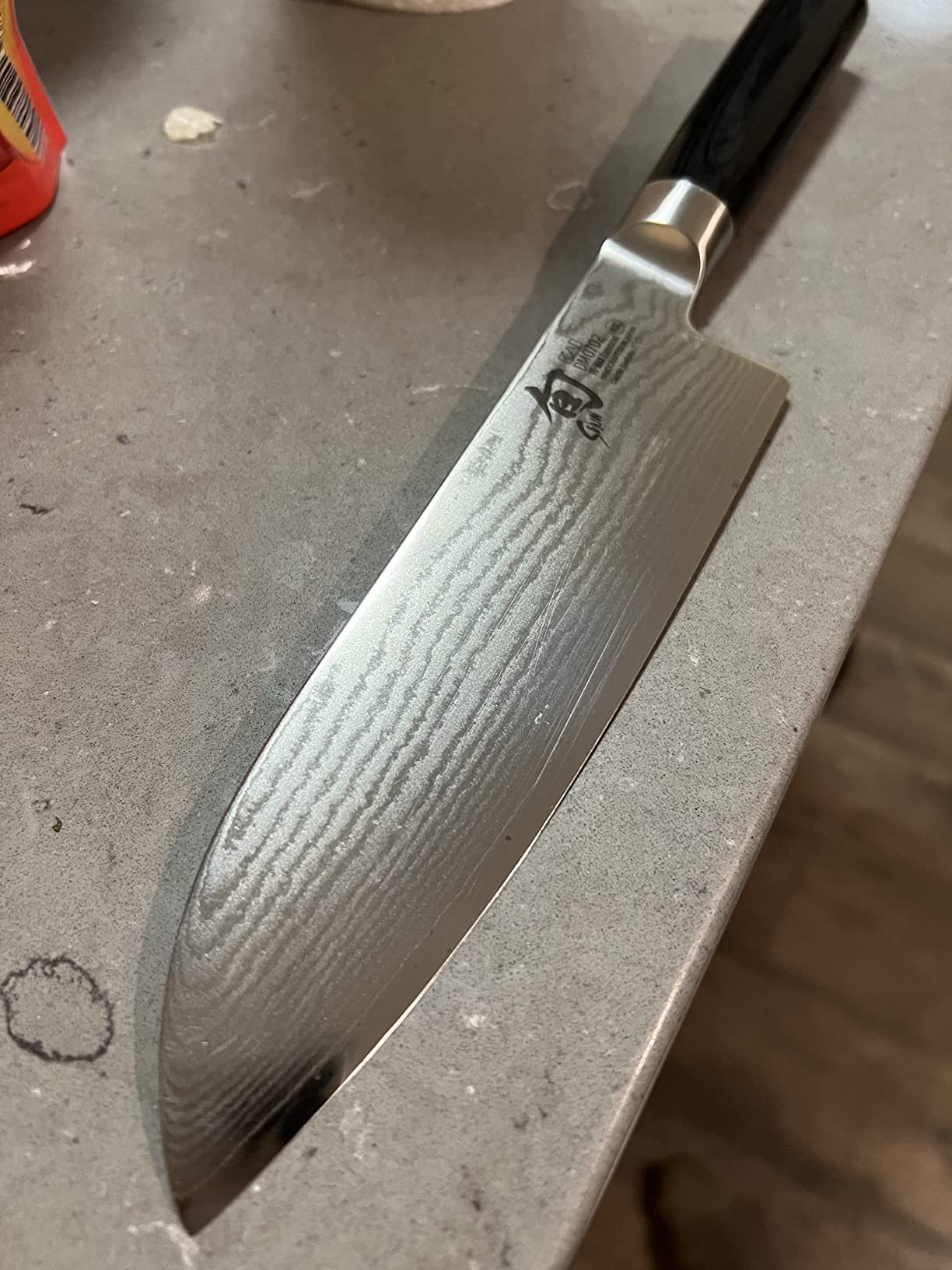
The Shun Classic Blonde 7″ Santoku is the lighter, prettier cousin of the standard Shun Classic. With the same VG-MAX steel core and 68 layers of Damascus cladding, this knife cuts like a dream, but the lighter Pakkawood handle gives it a more agile feel than the standard D-shaped version.
At 4 ounces, this is the lightest knife in our entire test. For cooks with smaller hands or anyone who values precision over power, the lightness is a game-changer. I could do an entire hour of vegetable prep without any wrist fatigue.
The Damascus pattern on the Blonde series is gorgeous. If you leave your knives on a magnetic strip or in a knife block, this one will be the showpiece of your kitchen. The 16-degree edge glides through tomatoes, herbs, and proteins like nothing is there.
The thin blade is the trade-off. The Blonde version is even more delicate than the standard Shun, and you really need to avoid hard squash, frozen food, and bone-in proteins. Treat it well, and it will reward you with the sharpest, most beautiful cuts in your kitchen.
Best For Smaller Hands and Precision Work
If you have smaller hands or you find heavier knives tiring, the Shun Blonde is a revelation. The 4-ounce weight and lighter handle make it the most agile blade in our test, perfect for detailed work like brunoise, chiffonade, and fine herb chopping.
It is also the most beautiful knife we tested. The Damascus pattern and blonde Pakkawood handle make this a true piece of functional art.
Not Ideal For Heavy-Duty Cooking
If your weekly prep includes breaking down chickens, splitting squash, or working through frozen foods, this is not the right knife. The thin blade will chip, and you will be heartbroken. Look at the Wusthof Classic or Wusthof IKON instead.
At $172, the Blonde is also a real investment. You are paying for the lightest, prettiest package, and if you do not need that, the standard Shun Classic is similar in performance for slightly less.
How We Tested the Best Santoku Knives
To find the best santoku knives, I spent six weeks using all eight blades in my home kitchen for real meals. I diced onions by the pound, broke down whole chickens, sliced paper-thin tomatoes, and chopped fresh herbs daily. Every knife was used on the same plastic and wood cutting boards to compare how they handled common tasks.
I evaluated each blade on five criteria: factory sharpness out of the box, edge retention after two weeks of daily use, balance and weight in the hand, comfort of the handle during extended prep, and ease of cleaning and maintenance. I also noted any rust, chipping, or discoloration issues after each knife was hand-washed and dried.
For honesty, I did not sharpen any of the knives during the testing period. The goal was to see how each blade performed straight out of the box, which is how most home cooks actually use them. I cross-referenced my findings with forum discussions from r/chefknives and r/TrueChefKnives to make sure my impressions matched the broader community’s experience.
Buying Guide: What to Look for in a Santoku Knife
Choosing the right santoku comes down to a few key factors. Here is what to consider before you spend your money.
Blade Steel and Hardness
The steel is the heart of any knife. Japanese knives typically use harder steels like VG-10, VG-MAX, or SG2, which hold an edge longer but can chip if mistreated. German knives use slightly softer high carbon stainless steel, which is more forgiving but needs sharpening more often. If you are a beginner, a German steel like the Wusthof Classic is easier to live with. If you are experienced, a harder Japanese steel like the Shun VG-MAX will reward you with a longer-lasting edge.
Look for an HRC rating between 56 and 62. Lower numbers mean softer, more chip-resistant steel. Higher numbers mean harder, sharper steel that needs careful handling.
Handle Comfort and Ergonomics
The handle matters more than most people realize. A comfortable grip means you can prep for longer without fatigue. Pakkawood handles (used by MAC and Shun) feel warm and grippy. Synthetic POM handles (used by Wusthof) are durable and dishwasher-safe. D-shaped handles are contoured for right-handed use, while symmetrical handles work for everyone.
If possible, try to hold the knife before buying. A handle that fits your hand well will make every cut easier.
Blade Length and Weight
Most santokus are 5 to 7 inches. For home cooks, 6.5 to 7 inches is the sweet spot — long enough for most tasks but short enough for tight vegetable work. The MAC and Tojiro at 6.5 to 6.7 inches are ideal for smaller hands and detailed cuts. The 7-inch Wusthof and Shun blades are better for larger hands and bigger prep jobs.
Weight matters too. A lighter knife (under 6 ounces) is more agile but less powerful. A heavier knife (over 8 ounces) has more momentum for tough cuts but can cause fatigue during long sessions.
Hollow Edge vs Plain Edge
Hollow edge santokus (also called grantons) have dimples or scallops along the blade that create air pockets to release food. Plain edges have a smooth blade and are easier to sharpen. If you slice a lot of starchy vegetables like potatoes or eggplant, a hollow edge will save you frustration. For everything else, plain edge works fine and is easier to maintain at home.
Sharpening and Maintenance
All santokus need regular sharpening. Japanese knives with harder steel hold an edge longer but are harder to sharpen at home. German knives are easier to maintain with a simple pull-through sharpener or whetstone. If you do not want to learn whetstone sharpening, stick with a softer German blade like the Wusthof Classic.
Also, hand wash only. Dishwasher detergent is abrasive and will dull the edge quickly. Dry immediately after washing to prevent rust, especially on high-carbon Japanese steels.
Left-Handed Friendly Options
Most Japanese santokus are ground with an asymmetrical edge that favors right-handed cooks. If you are left-handed, look for knives with a symmetrical 50/50 grind like the Tojiro DP. The Wusthof IKON is also a good left-handed option. Avoid Shun’s D-shaped handles, which are designed for right-handed users.
Frequently Asked Questions
What is a santoku knife and why should I buy one?
A santoku is a Japanese all-purpose kitchen knife with a shorter, flatter blade than a Western chef’s knife. The name means ‘three uses’ for slicing, dicing, and mincing. It is worth buying if you want more agility and precision for vegetable prep, herbs, and proteins compared to a taller chef’s knife.
Which santoku knife is considered the best overall?
The MAC Knife Professional 6.5 inch Santoku with Dimples is our top pick for its razor-sharp factory edge, lightweight balance, and excellent precision cutting. The Wusthof Classic Hollow Edge Santoku is the best overall for cooks who want a forgiving, long-lasting German blade.
Should I get a santoku with or without hollow edges?
Hollow edges (grantons) create air pockets that release sticky foods like potatoes and eggplant. If you slice a lot of starchy vegetables, hollow edge is worth it. For most other tasks, plain edge works fine and is easier to sharpen at home.
What are the common mistakes when using a santoku?
The biggest mistakes are twisting or prying with the blade, using it on frozen food or bones, and putting it in the dishwasher. Santokus are designed for push cuts, not rocking cuts. Always use a proper cutting board and dry the blade immediately after washing.
Are expensive santoku knives worth the money?
Yes, if you will use the knife often and care for it properly. A $150 santoku will outperform a $50 santoku in edge retention, balance, and durability. However, the Tojiro DP at around $120 offers 80% of premium performance for half the price, making it the best value for most home cooks.
Final Verdict
After six weeks of testing eight of the best santoku knives, three stand out from the pack. The MAC Knife Professional 6.5″ with Dimples is the most precise and agile, earning our editor’s choice for cooks who value laser-sharp cuts. The Tojiro DP is the best value, delivering near-premium Japanese performance for a fraction of the price. The Wusthof Classic 7″ Hollow Edge is the best overall pick for cooks who want a forgiving, decades-long workhorse.
If you are shopping for your first santoku in 2026, start with the Tojiro DP or MAC Superior. Both are affordable, well-made, and forgiving enough for daily use. If you are ready to invest in a knife you will use for the next 20 years, the Wusthof Classic or Shun Classic will not disappoint.
Whichever santoku you choose, treat it well. Hand wash, dry immediately, and sharpen regularly. A good santoku is not just a tool — it is the most important upgrade you can make to your kitchen in 2026.