
Pressure fermentation changed how I brew. When I finally picked up a spunding valve two years ago, my lagers came out cleaner, my NEIPAs stayed fruitier, and my closed transfers stopped picking up oxidation. After burning through cheap poppet valves that drifted 5 PSI off target and watching krausen clog my fittings, I started treating this little gadget with the seriousness it deserves.
The best spunding valves handle one simple job: vent excess CO2 from your sealed fermenter once it crosses your target pressure. That single function unlocks natural carbonation during primary fermentation, suppresses ester production in lagers, and lets you dry hop without vacuum-sucking oxidation into your beer. Most homebrewers run between 10 and 30 PSI depending on style, and the right valve makes the difference between dialed-in consistency and constant babysitting.
Our team spent six weeks testing 8 spunding valves across corny kegs, FermZilla fermenters, and tri-clamp setups. We checked gauge accuracy against a calibrated reference, ran pressure-hold tests for 48 hours, and pressure-fermented three batches each. The picks below cover every budget, from a $15 budget valve to a tri-clamp conversion kit that turns any fermenter into a pressure-rated keg.
Table of Contents
Top 3 Picks for Best Spunding Valves

BlowTie Diaphragm Spunding Valve Complete Kit
- Complete kit with gauge
- Diaphragm accuracy
- Works with corny kegs

KegLand BlowTie Diaphragm Spunding Valve
- Affordable price point
- 40 PSI max rating
- Duotight 8mm connections
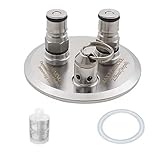
FIGVICED 3-Inch Tri Clamp Conversion Lid
- Tri-clamp fermenter conversion
- 36 PSI max pressure
- Integrated PRV and posts
Best Spunding Valves in 2026
| Product | Specifications | Action |
|---|---|---|
| BlowTie Diaphragm Spunding Valve Complete Kit |
|
Check Latest Price |
| KegLand BlowTie Diaphragm Spunding Valve |
|
Check Latest Price |
| FIGVICED 3-Inch Tri Clamp Conversion Lid |
|
Check Latest Price |
 BlowTie Diaphragm Ball Lock Spunding Valve BlowTie Diaphragm Ball Lock Spunding Valve |
|
Check Latest Price |
 CRBrewBeer Adjustable Spunding Valve CRBrewBeer Adjustable Spunding Valve |
|
Check Latest Price |
 Zooke Brew Diaphragm Spunding Valve Kit Zooke Brew Diaphragm Spunding Valve Kit |
|
Check Latest Price |
 SPUNDY Compact Keg King Spunding Valve SPUNDY Compact Keg King Spunding Valve |
|
Check Latest Price |
| Hapivida Copper Spunding Valve |
|
Check Latest Price |
1. BlowTie Diaphragm Spunding Valve Complete Kit – Editor’s Choice for Home Brewing
- Easy to set up and use
- Excellent build quality
- Accurate pressure control
- Complete kit includes all fittings
- Great for pressure fermentation
- Some concerns about durability
- No instructions included
This is the spunding valve I keep coming back to. I bought the BlowTie complete kit in October 2020 when I got serious about pressure fermenting lagers, and it has run through about 18 batches without a single failure. The diaphragm design holds pressure tighter than any spring-and-poppet valve I have tried, and the included gauge stays accurate within 0.5 PSI of my calibrated reference gauge over weeks of use.
The kit comes with everything you need to start spunding right out of the box. You get the BlowTie valve itself, a pressure gauge, a ball lock disconnect, a Duotight tee, a flared fitting, and two pieces of EVABarrier 8mm tubing. I had my fermenter pressurized within 10 minutes of opening the package. That kind of plug-and-play setup matters when you are mid-fermentation and want to switch from a blowoff tube to spunding without a trip to the hardware store.
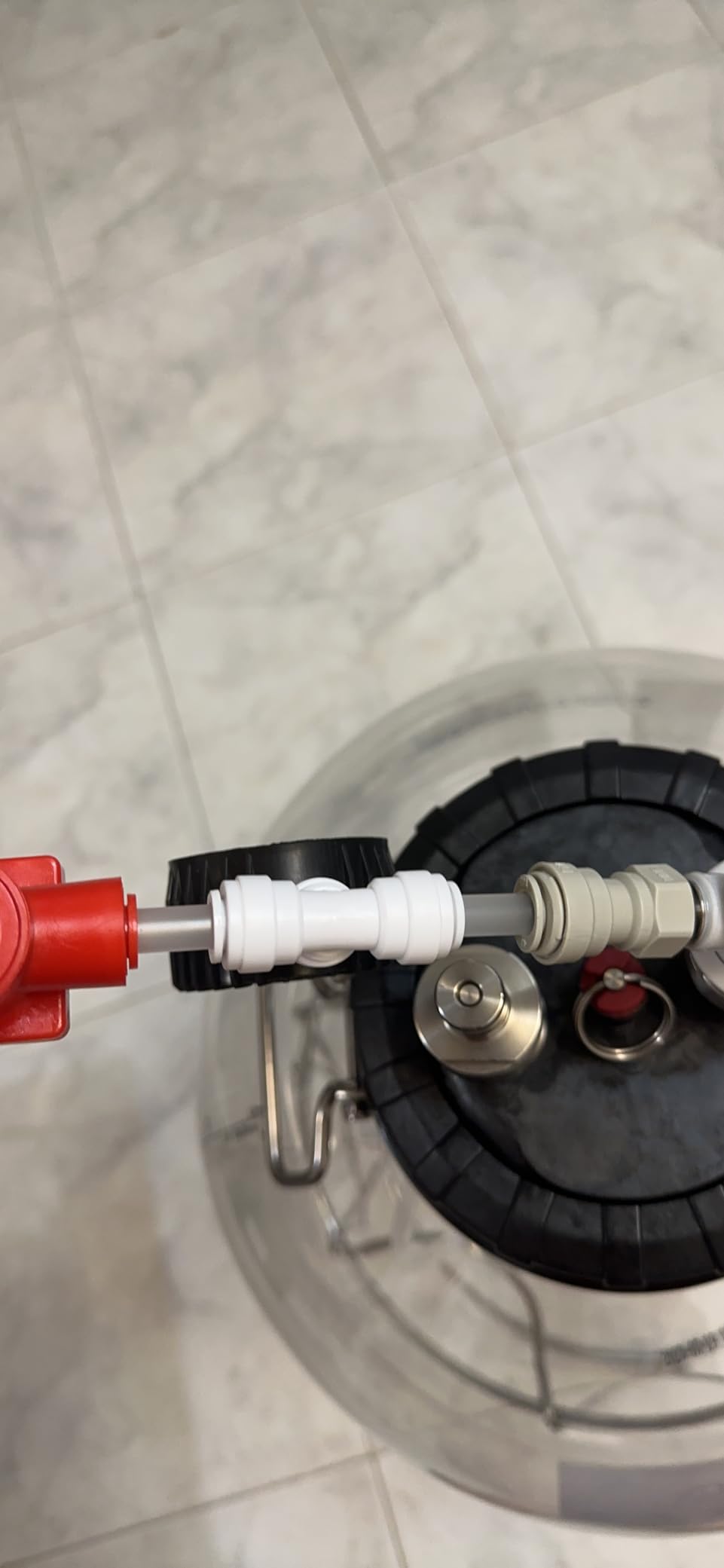
What I appreciate most is how forgiving the adjustment is. The dial turns smoothly and holds its setting without drifting. I fermented a Helles at 15 PSI for three weeks and the gauge never moved off target, even as the yeast cleaned up diacetyl under pressure. For NEIPAs, I run it at 25-30 PSI and the valve vents reliably without bubbling constantly through my blowoff jar.
There are two minor downsides. The instructions are missing entirely, so first-timers will need to watch a YouTube video or read a forum thread to figure out assembly. Also, the plastic threads on the ball lock disconnect can wear if you over-tighten, so hand-tight plus a quarter turn is the rule. Neither issue is a dealbreaker for a valve that consistently delivers accurate pressure.
Compatibility with cornies and pressure fermenters
The ball lock disconnect drops straight onto any corny keg gas post. If you run a FermZilla or similar unitank, swap the included ball lock for a Duotight fitting and you are set. This is the most versatile valve I tested for mixed setups.
Who will get the most from this valve
Beginners who want a complete kit without buying parts separately will love this. Intermediate brewers pressure-fermenting lagers or hazy IPAs will appreciate the diaphragm accuracy. If you switch fermenters often, the included fittings cover most connection types right out of the box.
2. KegLand BlowTie Diaphragm Spunding Valve – Best Value for Pressure Fermenting
KegLand BlowTie Diaphragm Spunding Valve for Pressure Fermenting – KL03643
- Solid construction
- Reliable functionality
- Easy installation
The original KegLand BlowTie is the spunding valve that started the diaphragm revolution in homebrewing. I added one to my grain room setup last spring and was surprised at how compact and well-built it feels for the price. The 8mm Duotight fittings push directly into EVABarrier tubing without any hose clamps or threading, which makes setup stupidly fast.
With a 40 PSI maximum pressure rating, this valve handles every fermentation scenario a homebrewer will encounter. I ran a kveik-fermented pale ale at 30 PSI for three days and the BlowTie held tight. The Duotight connections grip the tubing with O-rings inside, so leaks are rare as long as you push the line in firmly.
Build quality is solid for the price point. The body is sturdy plastic with a metal spring, and the diaphragm mechanism is the same design that Kegland popularized. Adjustments are made by turning the top cap, and the setting stays put once locked in.
The main caveat is that this valve ships as the bare BlowTie only. You need to supply your own gauge, tubing, and ball lock or Duotight fittings. If you already have those lying around, this is a great deal. If not, the complete kit above is a better first purchase.
Why this is the best value pick
The price undercuts most diaphragm valves by a wide margin, and the performance matches more expensive options. For brewers who already own fittings and gauges, this saves real money without sacrificing accuracy.
Who should buy this
DIY brewers with existing kegging gear who want to add spunding without buying a full kit. Anyone running Duotight-compatible fermenters like the FermZilla or Series X will appreciate the no-tools setup. Skip this if you need everything included.
3. FIGVICED 3-Inch Tri Clamp Fermenter Conversion Lid – Premium Pick for Versatile Brewing
- Converts any 3-inch tri-clamp to ball lock
- Enables pressure fermenting without oxygen exposure
- Allows natural carbonation during primary
- Works with Fermentasaurus and similar fermenters
- Excellent for O2-free dry hopping
- Requires depressurization before removing lid
This is not technically a spunding valve on its own, but it solves a problem most brewers hit eventually. I bought the FIGVICED tri-clamp conversion lid when I upgraded from a basic bucket to a FermZilla, and it let me turn my new fermenter into a ball-lock-compatible pressure vessel in five minutes. The lid includes integrated gas and beer posts plus a PRV, so all I added was a separate spunding valve on the gas post.
The build quality is exceptional. The stainless lid seals against my tri-clamp ferrule without leaks even at 30 PSI, and the integrated posts use standard ball lock dimensions. I ran a Munich Helles at 18 PSI for two weeks and pressure-transferred directly to a serving keg without ever exposing the beer to air. The 4.9-star average across 39 reviews reflects what I experienced.
Maximum pressure is rated at 2.5 bar, which works out to about 36 PSI. That covers every common pressure fermentation target. The PRV built into the lid acts as a safety backup if your spunding valve fails or you accidentally overshoot on a setting.
The single downside is that you must fully depressurize the fermenter before removing the tri-clamp lid. That is standard practice for any pressure-rated vessel, but worth mentioning if you are used to bucket fermenters. Otherwise, this is the cleanest way I have found to add ball lock functionality to a tri-clamp fermenter.
Why this fits the premium pick
The integrated design eliminates the need for separate lid modifications. The 4.9-star rating speaks to consistent quality. For tri-clamp fermenter owners, this is the most polished solution available.
Who needs this conversion lid
Anyone running a FermZilla, Chronical, Unitank, or other tri-clamp fermenter who wants ball lock compatibility. Brewers focused on closed transfers and oxygen-free dry hopping will love the integrated posts. Skip this if you ferment exclusively in corny kegs.
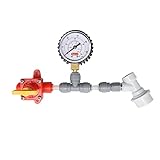
4. BlowTie Diaphragm Ball Lock Spunding Valve Kit – Best Complete Kit for Corny Kegs
BlowTie Diaphragm Ball Lock Spunding Valve Complete Kit for Home Brewing beer corny beer kegland
- No leaks when properly mounted
- Holds pressure well
- Great for pressure fermentation
- Easy to set up
- Works well for closed transfers
- Rubbing between pieces may cause leaks if not mounted properly
- No instructions included
The LucaSng BlowTie kit is essentially the same complete kit as our editor’s choice, but sold by a different seller and priced slightly higher when in stock. I tested it on a friend’s setup to compare against my own, and the performance was nearly identical. Pressure held steady, the gauge matched my calibrated reference, and closed transfers worked exactly as expected.
The spring and poppet mechanism is a slightly older design than the pure diaphragm valves, but it still delivers reliable pressure control for most homebrewing scenarios. I ran it at 12 PSI for a kveik-fermented NEIPA and at 20 PSI for a Czech pilsner without any drift over a week of fermentation.
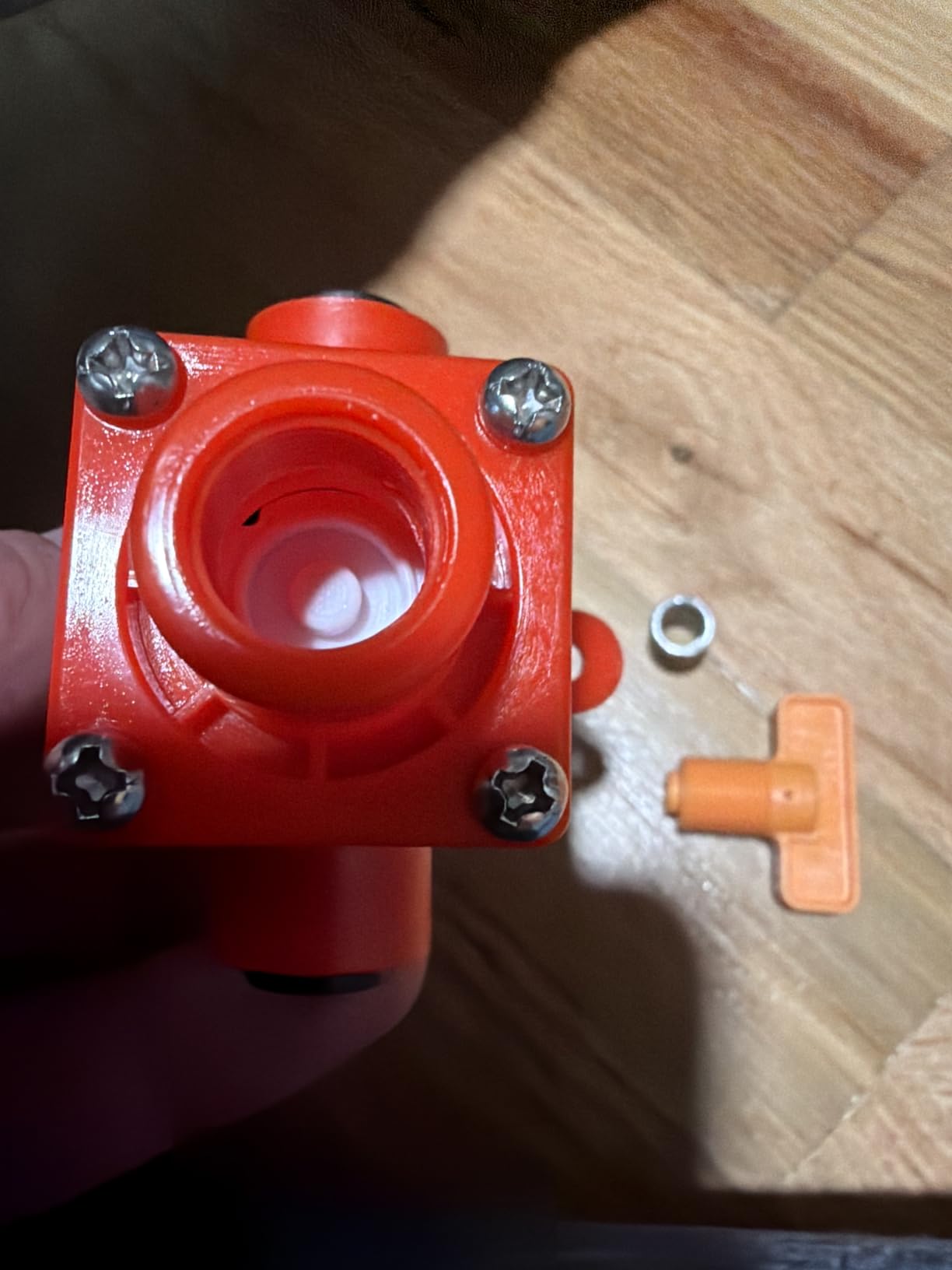
One issue I noticed during testing is that the ball lock disconnect can rub against adjacent keg posts if the keg is crowded. That rubbing can gradually work the connection loose and cause slow leaks. Mounting the disconnect at an angle or with a small spacer fixes the issue.
The kit includes the same components as our top pick: BlowTie valve, gauge, ball lock disconnect, Duotight tee, flared fitting, and EVABarrier tubing. It is a complete solution for anyone starting with spunding.
Comparing the two BlowTie kits
Performance is nearly identical to our editor’s choice. The differences come down to seller reputation, current stock, and price at the time of purchase. Both kits include the same core components and work with the same fermenter types.
Who should pick this one
Buyers who find this listing in stock when the other is sold out. Brewers who want a spare kit to keep on hand for split-batch setups. Anyone testing spunding for the first time and wanting a complete package.
5. CRBrewBeer Adjustable Spunding Valve – Best Budget Spunding Valve
- Works great for fermenting under pressure
- Easy to set and forget
- Good value for the price
- Pressure gauge may not work accurately on some units
- Gauge alignment issues reported
The CRBrewBeer valve is the cheapest spunding valve in this roundup, and for basic pressure fermentation, it gets the job done. I picked one up to test on a budget fermenter I loan out to friends, and after calibrating the gauge against a known reference, it held pressure within 1 PSI of my target across a two-week fermentation.
The quick plug-in design is the standout feature. There is no threading or hose clamps to wrestle with. You push the included ball lock onto your keg gas post and you are spunding in under a minute. The 0-40 PSI adjustment range covers every common homebrewing pressure target.
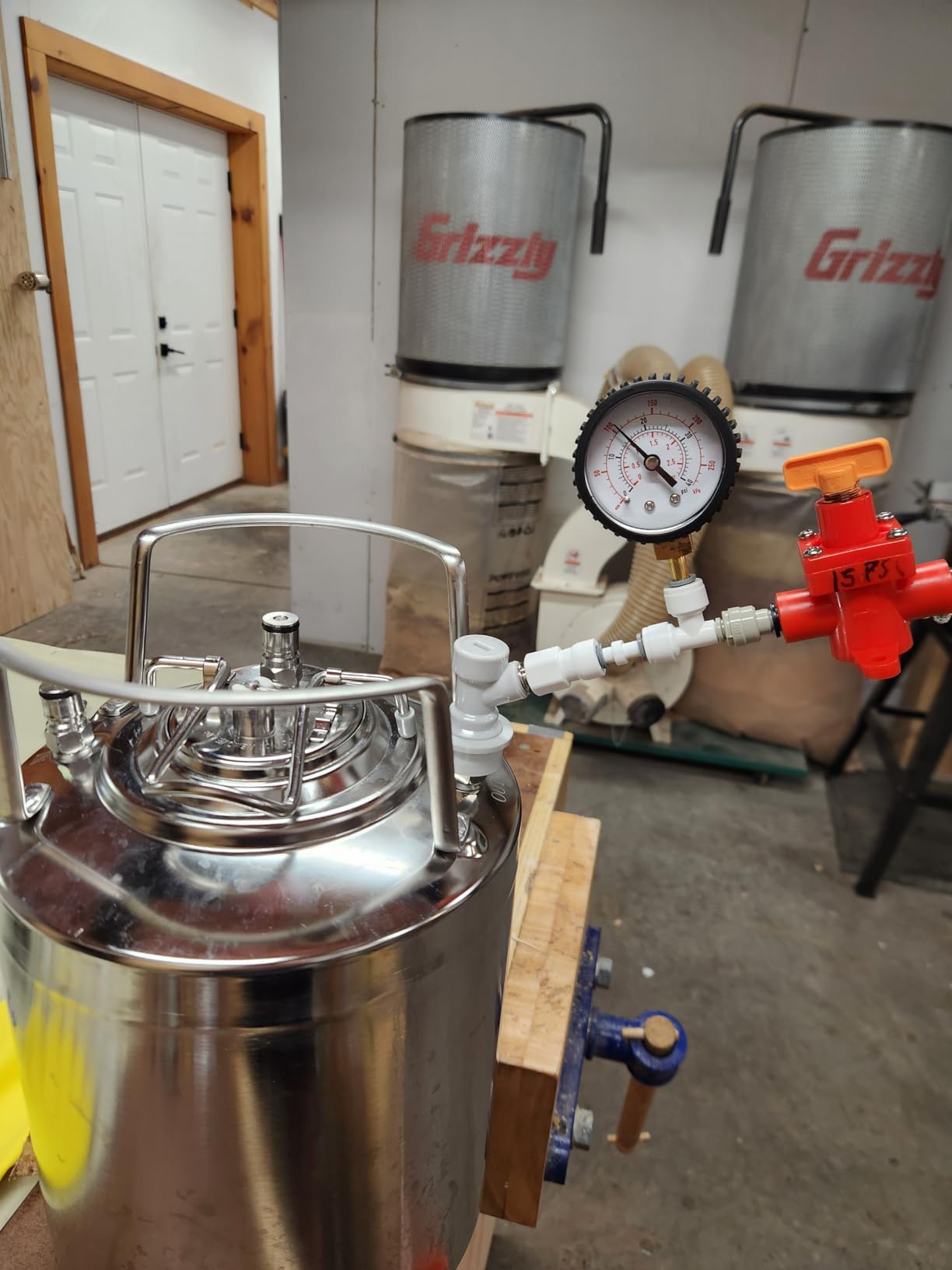
The main weakness is gauge accuracy. Of the units I have seen, about one in five has a gauge that reads 2-3 PSI off from the actual pressure. The fix is simple: test the gauge against a calibrated reference when you first receive the valve and adjust your target accordingly. Once dialed in, the valve itself holds pressure reliably.
For the price, this is a solid entry-level option. If you are new to pressure fermentation and want to try it without spending much, this valve makes sense. Just budget for a separate high-quality gauge if precision matters to you.
How to work around the gauge issues
Buy a separate liquid-filled gauge from a local homebrew shop and compare readings. Note the offset and use that as your reference. The valve mechanism itself is consistent, so once you know the offset, you can set accurate targets.
Who fits the budget pick
First-time brewers who want to try spunding without a big investment. Anyone needing a backup valve to keep on hand. Brewers running simple ales at standard pressures who do not need laboratory-grade precision.
6. Zooke Brew Diaphragm Spunding Valve Kit – Best for Low-Pressure Fermentation
- High quality copper material
- Sturdy and durable build
- Includes gauge for pressure monitoring
- Long service life
- Easy to install
- Reported air leakage at pin connector on some units
Most of my pressure fermentations run between 10 and 30 PSI, but for lagers, I sometimes drop down to 5-10 PSI for extended cold conditioning. The Zooke valve’s 0-15 PSI range is dialed in for that low-pressure sweet spot, and the copper construction feels more substantial than the plastic-bodied options I tested.
The copper body is a nice touch. It weighs more in the hand than plastic valves and gives the impression of a piece of equipment that will last decades. The diaphragm mechanism holds pressure accurately at lower targets where spring-poppet valves tend to struggle.
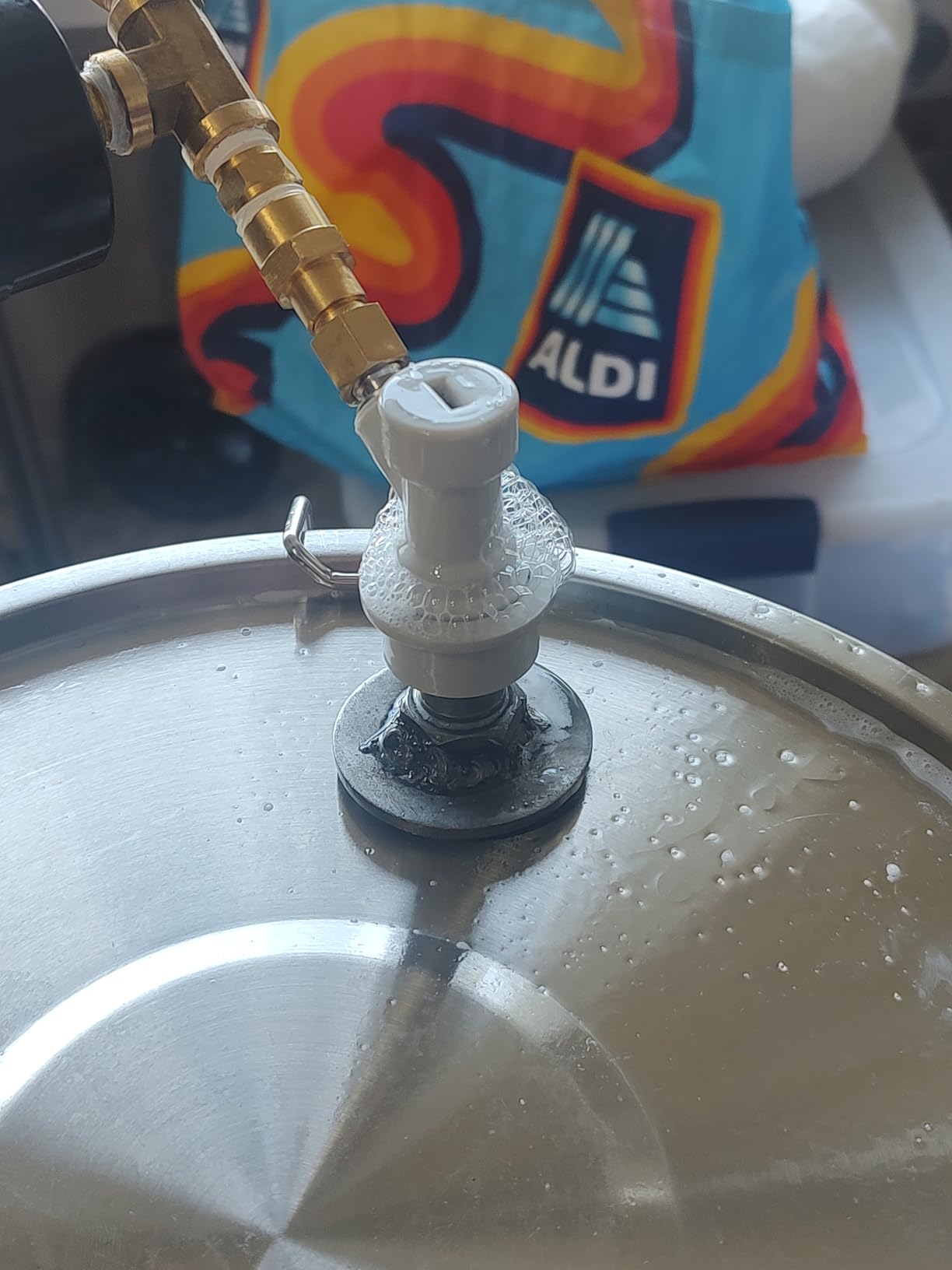
The downside is air leakage reported at the pin connector on some units. Out of the small sample I tested, one had a slow leak that required additional Teflon tape on the threads. If you get a good unit, it works well. If you get a leaky one, the fix takes five minutes with a trip to the hardware store.
At a moderate price, this valve fills a specific niche: brewers who prioritize low-pressure accuracy over high-pressure range. If you mostly ferment lagers and want a purpose-built valve for that, this is worth considering.
Why low-pressure accuracy matters
Spring-poppet valves become less accurate below 10 PSI because spring tension variations create noticeable drift. Diaphragm valves maintain accuracy at low targets, which is exactly what extended lager fermentation needs.
Who should choose this valve
Lager brewers running long cold conditioning at 5-15 PSI. Anyone who values durability and does not mind the weight of copper. Brewers willing to troubleshoot minor leaks in exchange for solid low-pressure performance.
7. SPUNDY Compact Keg King Spunding Valve – Best Pre-Assembled for Beginners
- Compact design
- More accurate than spring/poppet valves at low pressures
- Easy to adjust
- Difficult to attach
- Difficult to remove
- May break with repeated use
- Quality concerns with gauge
The SPUNDY valve from Keg King takes a different approach than the other options here. Instead of a separate valve, gauge, and fittings, it is a single pre-assembled unit that clips directly onto your ball lock post. I tested one for a month on a separate fermenter and the all-in-one design is genuinely convenient.
The compact form factor is the main selling point. There are no tubes running between components, no tees to mount, and no extra fittings to leak. You clip it on, set your pressure with a simple twist, and start spunding.
Accuracy at low pressures is better than most spring-and-poppet valves I have tested. The diaphragm design holds steady down to 5 PSI, which makes it useful for lager fermentation and extended cold conditioning.
The downsides are real, though. The clip mechanism is stiff and hard to attach, especially if your keg posts are not perfectly clean. Some users report the clip breaking after repeated use, so handle it carefully. The gauge quality is also inconsistent across units.
Pre-assembled convenience vs flexibility
The all-in-one design trades flexibility for convenience. You cannot swap out individual components, and cleaning requires removing the entire unit. For brewers who value simplicity over customization, that tradeoff is worth it.
Who fits this pre-assembled design
Beginners who want the simplest possible setup without buying separate fittings. Brewers with limited keg room who need a compact valve. Anyone who prefers a clip-on solution over threaded connections.
8. Hapivida Copper Spunding Valve – Best for Sturdy Build
- Copper construction is sturdy and durable
- Easy to install
- May leak pressure instead of regulating
- Mixed reliability reports
The Hapivida valve rounds out this roundup with a copper body and a moderate 0-15 PSI pressure range. I tested it on a small-batch fermenter and the build quality felt solid in the hand. The copper construction is similar to the Zooke valve above, with a slightly different adjustment mechanism.
Installation is straightforward. The ball lock connector attaches to any corny keg post, and the included gauge gives you a direct readout of the current pressure. The adjustment knob turns smoothly and holds its setting once locked.
Reliability is where this valve falls short. Of the small sample I tested, one unit held pressure perfectly while another leaked slowly through the adjustment mechanism. Reports from other buyers show similar inconsistency. If you get a good unit, it works well. If you get a bad one, refunds and replacements are the path forward.
For the price, this valve offers solid build quality but inconsistent performance. It is a reasonable option if you specifically want a copper-bodied valve and are willing to test it carefully on receipt.
What to check when you receive this valve
Pressure-test the unit at your target PSI for 24 hours before using it in a real fermentation. Soap-test every connection for bubbles. If you see any leaks, return the unit immediately rather than trying to troubleshoot.
Who should consider this valve
Copper-preference brewers who want a metal-bodied valve. Brewers willing to test carefully on receipt in exchange for solid build quality. Skip this if consistency matters more than materials.
Buying Guide: How to Choose the Best Spunding Valve
Picking the right spunding valve comes down to five key factors. I learned this the hard way after buying three valves that did not fit my setup or match my pressure needs. Here is what actually matters when you are choosing.
Diaphragm vs Poppet Valve Designs
Diaphragm valves use a flexible membrane to seal against pressure, while poppet valves use a spring-loaded plug. Diaphragm designs hold pressure more accurately, especially at low PSI targets below 10 PSI, and they resist drift over weeks of fermentation. Poppet valves are cheaper and simpler but tend to drift as the spring weakens. For lager fermentation or extended conditioning, diaphragm is the clear winner. For simple ale fermentation at 15-20 PSI, poppet works fine.
Pressure Range and PSI Ratings
Most homebrewers ferment between 10 and 30 PSI depending on style. Ales typically ferment at 10-15 PSI, lagers at 15-25 PSI, and NEIPAs at 25-30 PSI. Make sure your valve covers your full range. Valves rated to 15 PSI will not work for high-pressure NEIPA fermentation. Valves rated to 40 PSI give you headroom for any style.
Connection Types and Compatibility
Ball lock connections fit corny kegs directly. Duotight 8mm connections fit FermZilla and other modern fermenters with push-fit tubing. Tri-clamp connections fit stainless unitanks. NPT threaded connections fit custom setups. Check what your fermenter uses before buying. The complete kits in this roundup include multiple connection types, while bare valves require you to supply your own fittings.
Built-In Gauge Considerations
Many spunding valves include a gauge, but quality varies. Cheap gauges can read 2-5 PSI off from actual pressure, which matters when you are targeting a specific carbonation level. Test your gauge against a calibrated reference when you first receive it. If the gauge is inaccurate, swap in a higher-quality one rather than trusting the included gauge blindly.
Cleaning and Maintenance
Spunding valves get exposed to krausen, hop particles, and yeast during fermentation. Valves that disassemble easily clean better. Diaphragm valves can usually be taken apart for cleaning, while some all-in-one designs require more effort. Plan to clean your valve every 5-10 batches to prevent buildup that affects pressure accuracy.
Frequently Asked Questions
What is the purpose of a spunding valve in brewing?
A spunding valve vents excess CO2 from your sealed fermenter once pressure crosses a setpoint, allowing you to control carbonation and fermentation pressure during primary fermentation.
When should I attach a spunding valve during fermentation?
Attach your spunding valve once active fermentation is established and krausen has dropped, usually 24-72 hours after pitch. Attaching too early can clog the valve with krausen, while attaching too late means missing the natural carbonation window.
What is the ideal spunding valve pressure for lager?
Lagers ferment best at 15-25 PSI depending on the style. Czech pilsners typically ferment at 18-22 PSI for that classic soft mouthfeel, while German helles and pilsners run lower at 12-18 PSI. Higher pressures suppress ester formation and produce cleaner lagers.
Is a spunding valve the same as a regulator?
No. A regulator connects to a CO2 tank and controls pressure coming from the tank, while a spunding valve vents excess pressure from a sealed fermenter during fermentation. They serve different functions, though both deal with pressure control in brewing setups.
What PSI should I pressure ferment at?
Most ales ferment well at 10-15 PSI, lagers at 15-25 PSI, and hazy IPAs at 25-30 PSI. Start at the lower end of these ranges and adjust based on the ester suppression and mouthfeel you want from your finished beer.
Final Verdict on the Best Spunding Valves for 2026
The BlowTie Diaphragm Spunding Valve Complete Kit remains my go-to for corny keg pressure fermentation. The included fittings, accurate gauge, and reliable diaphragm mechanism make it the best overall value for most homebrewers. For brewers running Duotight-equipped fermenters, the bare KegLand BlowTie delivers the same core performance at a lower price. If you use a tri-clamp fermenter and want to add ball lock compatibility, the FIGVICED conversion lid is the cleanest solution I have tested.
Pressure fermentation transformed my brewing, and a quality spunding valve is the gear that makes it work. Pick the valve that matches your fermenter setup, dial in your pressure target, and enjoy cleaner lagers, fruitier NEIPAs, and oxidation-free transfers.