
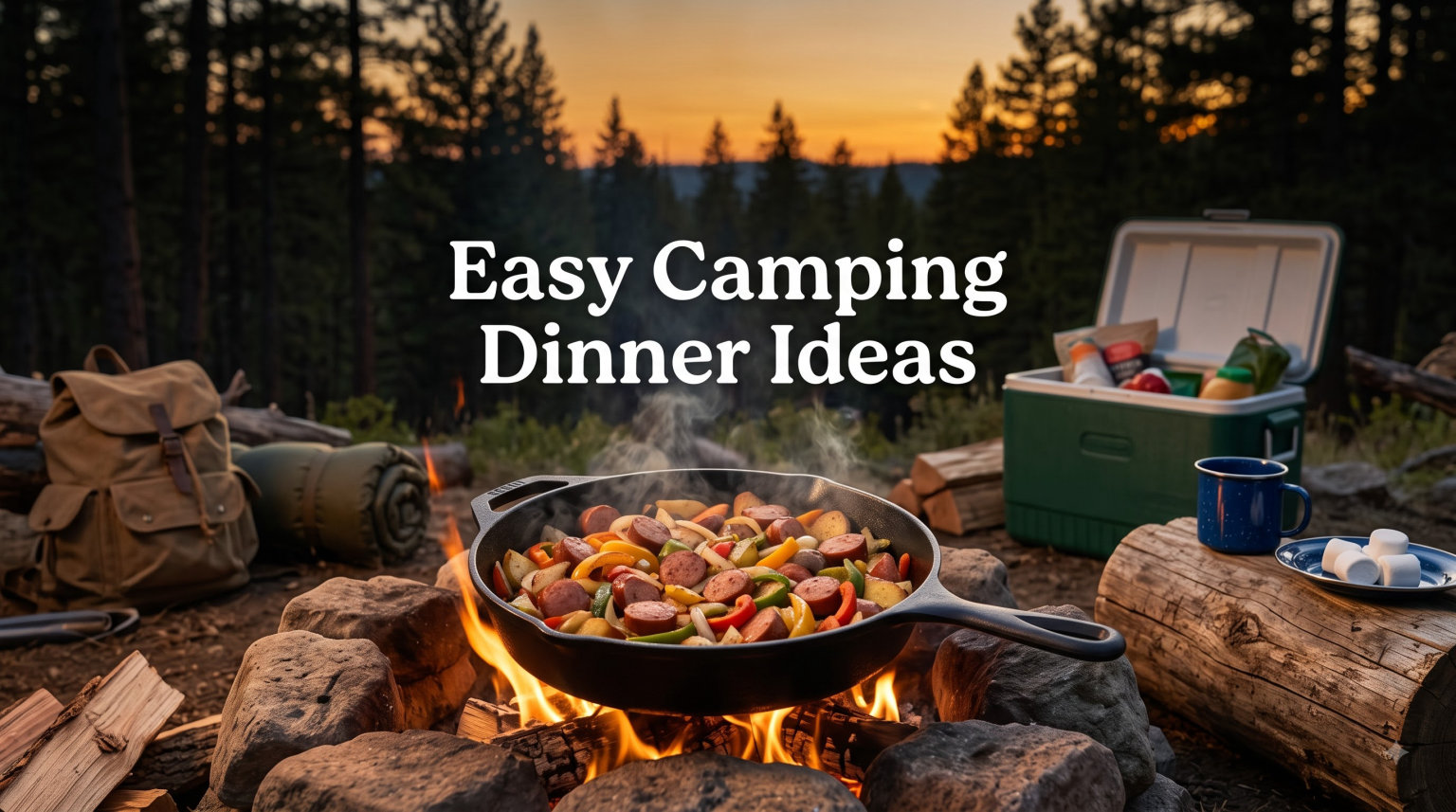
Before choosing a recipe, I decide what the finished plate needs to do. I make this kind of dinner easier by starting with the real constraint—time, budget, heat, equipment, or appetite—then choosing a meal that solves it without unnecessary work. The result is a useful collection of easy camping dinner ideas.
I organized the guide around campfire dinner recipes and easy campsite meals, with practical timings, substitutions, serving ideas, storage guidance, and fixes for the problems that matter. For another useful option, see this protein-forward dinner guide.
Table of Contents
Easy Camping Dinner Ideas
Use these checkpoints to compare campfire dinner recipes and easy campsite meals before committing to a recipe.
-
Match the method to the time and equipment you actually have.
-
Read the doneness cue before starting so the final texture is not left to guesswork.
-
Choose one useful side or make-ahead component to turn the idea into a complete meal.
If you just want a fast answer for what to make, here are the ten easiest camping dinners I have cooked myself. Every one of these works for beginners, requires minimal gear, and cleans up fast.
-
Classic Hamburger Foil Packets — Ground beef, diced potatoes, carrots, and onions sealed in foil and cooked on coals for 30 minutes.
-
Walking Tacos — Individual bags of Doritos or Fritos topped with chili, cheese, lettuce, and salsa. Eat straight from the bag.
-
One-Pot Chili Mac — Macaroni, canned chili, and shredded cheese cooked in a single pot on the camp stove.
-
Campfire Nachos — Tortilla chips layered with cheese, beans, and jalapeños in a Dutch oven or foil pan.
-
Sausage and Pepper Skillet — Pre-cooked sausage slices, bell peppers, and onions in one cast iron pan.
-
Chicken Fajita Foil Packets — Sliced chicken breast, peppers, onions, and fajita seasoning in a foil packet.
-
Shrimp Boil Foil Packets — Shrimp, corn, andouille sausage, and potatoes in foil with Old Bay.
-
Knorr Pasta Side with Tuna — Boil water, cook the pasta side, stir in a tuna pouch. Done in 10 minutes.
-
Hot Dog Bar — Roast hot dogs over the fire and set out buns, chili, cheese, and toppings.
-
Pre-Made Pasta Salad — Make it at home, keep it in the cooler, and serve cold with no cooking needed.
Keep reading for the full recipes, ingredient lists, and cooking instructions for each of these camping.
Foil Packet Dinner Ideas: The Cleanup-Free Camp Meal
Foil packet meals are the undisputed champions of camping. You seal raw ingredients in heavy-duty aluminum foil, cook the packet on hot coals or a grill grate, and eat straight from the foil when it is done. Cleanup is literally throwing away the foil.
The basic formula for any foil packet is: one protein, one or two vegetables, a starch, a drizzle of oil or butter, and your seasoning of choice. From there, the variations are nearly endless. Use heavy-duty foil and double-wrap if you are cooking directly on coals to prevent tearing and burning.
1. Classic Hamburger Foil Packets
This is the meal most people think of first when they want camping. It is filling, forgiving, and a hit with kids and adults alike.
Ingredients per person: 1/4 lb ground beef patty, 1/2 cup diced potatoes, 1/2 cup sliced carrots, 1/4 cup sliced onions, 1 tablespoon butter, salt and pepper.
Instructions: Lay out a sheet of heavy-duty foil about 18 inches long. Place the patty in the center, surround it with potatoes, carrots, and onions. Add the butter on top and season generously. Fold the foil into a sealed packet, making sure to leave some air space for steam. Cook on hot coals or a grill grate for 25 to 35 minutes, flipping once halfway through. Open carefully — the steam is hot.
2. Sausage, Peppers, and Potato Foil Packs
Pre-cooked sausage makes this one of the lowest-effort foil packet meals. I use kielbasa or smoked sausage because it holds up well and adds tons of flavor to the vegetables around it.
Ingredients per person: 1/2 lb smoked sausage sliced into rounds, 1 cup diced potatoes, 1/2 cup sliced bell peppers, 1/2 cup sliced onions, 1 tablespoon olive oil, garlic powder, paprika, salt, and pepper.
Instructions: Toss all ingredients together in a bowl with the oil and seasonings, then divide between foil sheets. Seal into packets and cook on medium coals for 25 to 30 minutes. The sausage is already cooked, so you are really just heating everything through and softening the potatoes.
3. Shrimp Boil Foil Packets
This one feels almost fancy for a camp meal, but it is genuinely one of the easiest foil packet recipes in my rotation. The shrimp cook fast, so the whole packet is done in about 15 minutes.
Ingredients per person: 6 to 8 large shrimp (peeled), 1 ear of corn cut into thirds, 1/4 lb andouille sausage sliced, 1 tablespoon butter, 1 teaspoon Old Bay seasoning, lemon wedge.
Instructions: Place all ingredients in the center of a foil sheet. Add butter and Old Bay, then squeeze the lemon over the top. Seal into a packet and cook on hot coals for 12 to 15 minutes. Shrimp turn pink when done — do not overcook or they get rubbery.
4. Chicken Fajita Foil Packets
Slice the chicken thin so it cooks evenly, and you have a complete fajita filling ready to scoop into tortillas right at the campsite.
Ingredients per person: 1 boneless chicken breast sliced into strips, 1/2 cup sliced bell peppers (mix colors), 1/2 cup sliced onions, 1 tablespoon oil, 1 packet fajita seasoning, flour tortillas, and toppings like salsa and sour cream.
Instructions: Toss chicken, peppers, and onions with oil and seasoning. Seal in foil packets and cook on coals for 20 to 25 minutes. Warm the tortillas briefly over the fire or on the camp stove, then build your fajitas.
5. Vegetarian Veggie Foil Packets
Even if you are not vegetarian, having a meat-free option in your camping dinner rotation is smart. This packet is packed with flavor from the seasonings and holds up well for make-ahead prep.
Ingredients per person: 1 cup diced potatoes, 1/2 cup sliced zucchini, 1/2 cup cherry tomatoes, 1/4 cup diced red onion, 1/2 cup canned chickpeas (drained), 2 tablespoons olive oil, 1 teaspoon Italian seasoning, salt, pepper, and a sprinkle of feta cheese.
Instructions: Toss all ingredients except feta with oil and seasonings. Seal in foil and cook on medium coals for 25 to 30 minutes. Open, sprinkle with feta, and eat directly from the packet.
One-Pot and Skillet Camping Dinners
One-pot meals are the backbone of practical camping. You cook everything in a single pot or skillet, which means less dishwashing and fewer items to pack. The cast iron skillet and the Dutch oven are the two MVPs here — both distribute heat evenly over a campfire and last forever.
Real campers value getting full on something hot without facing a sink full of dishes at the end of the night.
6. One-Pot Chili Mac
This is my personal favorite for cold nights. It is hearty, reheats well if you have leftovers, and uses cheap pantry staples.
Ingredients for 4 people: 1 lb ground beef, 1 onion diced, 2 cans chili (with or without beans), 2 cups elbow macaroni, 2 cups beef broth, 1 cup shredded cheddar cheese, 1 tablespoon chili powder.
Instructions: Brown the ground beef and onion in a large pot or Dutch oven. Add the chili powder and stir. Pour in the chili, broth, and dry macaroni. Bring to a boil, then reduce heat and cover. Simmer for 12 to 15 minutes, stirring occasionally, until the pasta is tender. Top with cheese and let it melt before serving.
7. Campfire Skillet Hash
Breakfast for dinner is a legitimate camping strategy, and this hash works any time of day. Pre-cooking the potatoes at home cuts your cook time in half.
Ingredients for 4 people: 4 cups diced potatoes (pre-boiled at home), 1 lb breakfast sausage or bacon, 1 bell pepper diced, 1 onion diced, 6 eggs, salt and pepper.
Instructions: Cook the sausage or bacon in a large cast iron skillet until done. Remove and set aside. In the same pan with the rendered fat, sauté the potatoes, peppers, and onions until the potatoes are crispy. Crumble the meat back in. Crack the eggs over the top and scramble everything together until the eggs are set.
8. Walking Tacos
Walking tacos are possibly the most fun camping dinner ever invented, especially for kids. You serve the entire meal inside a single-serving bag of chips, so there are zero plates to wash.
Ingredients per person: 1 individual bag of Doritos or Fritos, 1/2 cup hot chili (beef or turkey), shredded cheese, lettuce, diced tomatoes, sour cream, and salsa.
Instructions: Warm the chili in a pot on the camp stove. Have each person crush their bag of chips slightly, then cut or tear open the top. Spoon the hot chili directly over the chips, then add toppings. Eat with a fork straight from the bag.
9. Campfire Mac and Cheese
Boxed mac and cheese is fine, but this from-scratch version in a Dutch oven takes only slightly more effort and tastes way better. It is one of the most requested meals in my camping group.
Ingredients for 4 people: 1 lb elbow pasta, 4 cups milk, 2 cups shredded cheddar cheese, 1 cup shredded mozzarella, 2 tablespoons butter, 1 teaspoon garlic powder, salt, and pepper.
Instructions: Combine dry pasta, milk, butter, garlic powder, salt, and pepper in a Dutch oven. Cover and cook over medium campfire heat for about 20 minutes, stirring every 5 minutes to prevent sticking on the bottom. Once the pasta is tender and most of the milk is absorbed, remove from heat and stir in the cheeses until melted and creamy.
10. Campfire Sausage and Bean Stew
This is a protein-packed, stick-to-your-ribs dinner that simmers happily in a Dutch oven while you set up tents or gather firewood. It also works well for large groups.
Ingredients for 6 people: 1 lb smoked sausage sliced, 2 cans white beans drained, 1 can diced tomatoes, 1 onion diced, 3 cloves garlic minced, 2 cups chicken broth, 1 teaspoon smoked paprika, 1 teaspoon dried thyme, salt, and pepper.
Instructions: Sauté the sausage, onion, and garlic in a Dutch oven until the onions soften. Add the beans, tomatoes with their juice, broth, and seasonings. Stir, cover, and let it simmer over low campfire heat for 30 minutes. The longer it sits, the better it tastes.
No-Cook and Minimal-Prep Camping Dinners
Sometimes you do not want to cook at all. Maybe there is a fire ban, your camp stove ran out of fuel, or you just pulled into camp exhausted and need food immediately. These camping require no cooking or just a kettle of hot water.
11. Tuna or Chicken Pouch Wraps
The protein pouches found in every grocery store are perfect for camping. They do not need refrigeration, come pre-cooked, and pair perfectly with tortillas for instant wraps.
Combine a pouch of tuna or chicken with mayo packets, a squeeze of mustard, and relish if you have it. Spoon onto a flour tortilla, add lettuce, and roll it up. Pair with chips and fruit for a full meal.
12. Couscous Bowl with Hot Water
Couscous is the fastest cooking grain in existence — pour boiling water over it, cover, and five minutes later it is done. This makes it the backbone of many camping for backpackers and minimalist car campers.
Put 1/2 cup of dry couscous in a bowl with a bouillon cube, a handful of dried fruit, some nuts, and a drizzle of olive oil. Pour 1/2 cup of boiling water over everything, cover with a plate, and wait 5 minutes. Fluff with a fork and stir in a tuna or chicken pouch for protein.
13. Pre-Made Pasta Salad
Make this at home the day before you leave, store it in a sealed container in the cooler, and dinner on the first night is handled. Pasta salad tastes better after a day in the cooler because the flavors meld.
Home prep: Cook 1 lb of rotini pasta, drain, and toss with 1/2 bottle of Italian dressing while still warm. Add halved cherry tomatoes, diced cucumbers, sliced black olives, cubed mozzarella, and salami pieces. Refrigerate overnight and pack in the cooler.
14. Charcuterie Dinner
On a recent trip where our stove broke on the first night, we turned our cheese and snack stash into an entire dinner. It ended up being one of the most relaxing camp meals of the trip.
Build a spread with hard cheeses, cured meats like salami or pepperoni, crackers, olives, pickles, nuts, and fresh fruit like apples and grapes. No cooking, no dishes, and everyone grazes at their own pace.
Make-Ahead Camping Dinner Prep Tips
-
The single biggest difference between a stressful camping trip and an easy one happens in your kitchen at home before you leave. Every hour of prep you do beforehand saves you at least that much time and frustration at the campsite. Here is my tested system for prepping camping in advance.
-
If you want to take this concept further with full freezer-friendly recipes, our guide to freezer meals for meal prep covers make-ahead cooking in depth. Many of those meals translate directly to camping.
-
Chopping vegetables on a wobbly camp table with a dull knife is miserable. Do all your dicing, slicing, and chopping at home, then pack each ingredient in a labeled zip-top bag. Onions, peppers, potatoes, carrots, and any other vegetable can be prepped up to three days ahead and kept in the cooler.
-
Freeze your meat solid before the trip and pack it at the bottom of the cooler. It acts as an ice pack for the first 24 to 48 hours, then thaws in time for you to cook it. Ground beef, chicken breasts, and sausage all work well for this.
-
Anything you can cook at home saves time and reduces food safety risks at camp. Brown ground beef for chili or taco filling, cook bacon until almost crisp, and roast a whole chicken to shred for wraps and salads. Store pre-cooked meats in sealed containers and use them within 2 days.
-
AI overviews and camping experts consistently recommend this tip because it works. Measure out your oil, sauces, and dry seasonings into small containers or zip bags at home. Pre-mix your spice blends. Bring only what you need for each meal so you are not hauling full bottles of everything.
-
Use stackable containers that fit your cooler efficiently. Freeze water in one-gallon jugs instead of buying bagged ice — when the ice melts, you have drinking water. Pack the cooler in the order you will use the meals, with the last night’s dinner at the bottom and the first night’s at the top.
Pre-Chop Everything at Home
Freeze Meat as Ice Packs
Pre-Cook Meats When Possible
Pre-Portion Sauces and Seasonings
Pack Smart with the Right Containers
Budget-Friendly Camping Dinners
Camping does not have to be expensive, and neither does the food you cook there. Some of the best camping cost less than $3 per serving if you plan smart.
The cheapest camping meals rely on affordable staples: rice, pasta, beans, canned tuna or chicken, hot dogs, and seasonal vegetables. Combined with the right seasonings, these basics turn into genuinely good dinners.
Ideas to Try
15. Knorr Pasta or Rice Side with Protein
This is the meal that comes up again and again in budget camping discussions. A packet of Knorr pasta or rice side costs about $1.50 and cooks in one pot in 10 minutes. Add a pouch of tuna or chicken for another $1.50, and you have a full dinner for under $3.
Boil water, cook the pasta side according to the package, then stir in the drained protein pouch. The sauce packet that comes with the side dish provides all the flavor you need.
16. Hot Dogs and Beans
A classic for a reason. Roast hot dogs over the fire, warm up a can of baked beans on the camp stove, and serve with buns and condiments. For a family of four, this meal costs well under $10 total.
17. Bean and Cheese Quesadillas
Spread canned refried beans between two flour tortillas with shredded cheese, then heat in a cast iron skillet or pie iron until crispy and melty. Top with salsa and sour cream. Each quesadilla costs about $1 to make.
18. Pasta with Jarred Sauce
Boil any pasta shape, warm up a jar of marinara, and serve with grated parmesan. Add a side of garlic bread made by buttering and toasting rolls over the fire. This feeds a family of six for about $8 total.
Kid-Friendly Camping Dinner Ideas
Kids who barely eat at home suddenly become ravenous after a day of running around the campsite. But they are also more likely to be picky when tired and out of their routine. These camping are kid-tested and win almost every time.
The trick is to lean into fun, interactive meals where kids can customize their own plate. Letting them build their own taco or pick their toppings turns dinner into an activity.
Ideas to Try
19. Walking Tacos
Already covered above, but worth repeating here because kids go absolutely wild for eating dinner out of a chip bag. Set out bowls of toppings and let them build their own.
20. Campfire Nachos
Layer tortilla chips, shredded cheese, black beans, corn, and jalapeños in a Dutch oven or a disposable foil pan. Cover with foil and set over medium coals for 10 minutes until the cheese melts. Serve with salsa and sour cream.
21. Hot Dog Bar
Roast hot dogs over sticks, then set out buns, chili, shredded cheese, ketchup, mustard, and relish. Kids love customizing their own loaded hot dogs.
22. Campfire Quesadillas
Use a pie iron to make individual quesadillas for each kid. Fill with cheese and whatever else they like — beans, chicken, or just plain cheese for the picky eaters. Cook over the fire for 3 to 4 minutes per side.
Meal Planning by Trip Length
The strongest campfire dinner recipes stay flexible without becoming vague, and the same is true of easy campsite meals. Keep the timing cue and main technique intact, then adjust seasonings or sides to fit the meal. This low-carb dinner recipes offers another practical direction.
One of the biggest content gaps I noticed in competitor articles is that almost nobody gives you an actual day-by-day meal plan. So here are sample menus for different trip lengths, built from the recipes above.
Weekend Trip: 2 Dinners
For a quick Friday-to-Sunday trip, plan for two easy dinners. Friday night you arrive tired and hungry, so go with something that needs almost no cooking.
Friday dinner: Pre-made pasta salad from the cooler, plus charcuterie fixings. No cooking required.
Saturday dinner: Classic hamburger foil packets with roasted potatoes and carrots. Prep the packets in the morning so they are ready to throw on the fire.
3-Day Trip: 3 Dinners
This is the most common trip length for PAA searchers asking what to eat on a 3-day camping trip. Here is a balanced plan that mixes cooking methods.
Day 1 dinner: Walking tacos — fast, fun, and no real cooking beyond warming chili.
Day 2 dinner: One-pot chili mac — a hearty, crowd-pleasing meal cooked on the camp stove.
Day 3 dinner: Sausage, peppers, and potato foil packets — your big cookout meal on the last night.
Week-Long Trip Strategy
For longer trips, the strategy shifts toward smart ingredient sequencing. Eat your most perishable items first and save shelf-stable meals for the back half of the week.
Days 1-2: Fresh meats, pre-cooked items, and meals using refrigerated ingredients like cheese and fresh vegetables.
Days 3-5: Frozen meats that have now thawed in the cooler, foil packet meals, and one-pot dinners.
Days 6-7: Shelf-stable meals like Knorr sides with protein pouches, pasta with jarred sauce, no-cook wraps, and couscous bowls.
Campfire Cooking Tips for Beginners
-
If you are new to cooking outdoors, a few basic techniques make a huge difference. These tips come from years of mistakes and learning the hard way.
-
Cooking over an open flame is different from cooking on a stove at home. You want hot coals, not leaping flames, for most camp cooking. Let your fire burn down to glowing embers before placing food over it. Flames will scorch the outside of your food while the inside stays raw.
-
For camping, you need surprisingly little gear. A cast iron skillet, a Dutch oven, heavy-duty foil, long tongs, a sharp knife, a cutting board, and one large pot cover about 90% of camp meals. Add a camp stove with fuel canisters as backup for rainy days or fire bans.
-
Food safety matters more at camp than at home because temperature control is harder. Keep your cooler below 40 degrees Fahrenheit with plenty of ice. Never leave raw meat sitting out, and cook poultry to 165 degrees. When in doubt, throw it out — getting sick at camp ruins the entire trip.
-
The beauty of foil packets and one-pot meals is minimal washing. For the dishes you do need to wash, heat a pot of water on the stove, use biodegradable soap, and wash at least 200 feet from any water source. Strain food particles from your wash water and pack out the trash.
Manage Your Fire Properly
Bring the Right Equipment
Keep Food Safe
Plan Easy Cleanup
Cooking Methods Comparison
Different cooking methods suit different meals, group sizes, and situations. Here is how the main camp cooking methods stack up against each other.
Campfire cooking is the most atmospheric and the slowest. It works best for foil packets, Dutch oven meals, and anything you want to cook low and slow. You need an established fire ring and dry wood, and it does not work during fire bans.
Camp stove cooking is the most reliable and fastest. A two-burner propane stove gives you precise heat control and works in any weather. It is ideal for boiling water, simmering one-pot meals, and pan-frying.
Dutch oven cooking sits between the two. You can use it over a campfire or on a camp stove, and it is perfect for stews, chili, baked pasta, and anything that needs to simmer covered for a while.
camping for Every Situation
camping are not just about listing recipes. They are about matching the right meal to your situation — your group size, your equipment, your budget, and how tired you are when you pull into camp.
For a quick reference: if you want zero cleanup, go with foil packets. If you want something hearty and crowd-pleasing, go with one-pot meals. If you have no stove and no fire, go with no-cook options. And if you want to keep costs low, lean on pasta, rice, beans, and canned proteins.
Storage, Reheating, and Food Safety
I follow USDA food-safety guidance for chilling, reheating, and temperature checks. Cool leftovers promptly, refrigerate within two hours, and reheat them thoroughly before serving. For more meal-planning context, pair the guide with these heart-healthy dinner recipes.
-
Refrigerate perishable food within two hours, or within one hour when the room or outdoor temperature is above 90°F.
-
Store leftovers in shallow, covered containers so they cool evenly.
-
Label freezer portions with the dish and date, then thaw them in the refrigerator rather than on the counter.
Helpful Questions Before You Cook
How do I choose a dinner from this list?
Start with the ingredient that needs using, then filter by the time and equipment you have. That narrows the decision without making dinner feel repetitive.
What can I prepare earlier in the day?
Sauces, chopped vegetables, cooked grains, and assembled casseroles are good make-ahead components. Keep everything covered and chilled until needed.
How can I make these meals more filling?
Add a clear protein source plus a fiber-rich vegetable, bean, or whole grain. A satisfying meal does not need to be complicated.
Can I change the protein or vegetables?
Usually. Match the replacement to a similar cooking time, cut dense vegetables smaller, and verify meat with a thermometer.
A Practical Way to Choose Tonight
Use the easy camping dinner ideas as flexible plans, then let the timing, texture, and doneness cues decide the final details. The best campfire dinner recipes solve the immediate dinner problem, while easy campsite meals give you enough variety to keep the idea useful next week.
I would choose one option that fits tonight, prepare the most time-sensitive ingredient first, and save any make-ahead notes for the next meal.