
Most people buy a grow light for a seedling tray, hang it, and never change a thing. Then a few months later the plant is tall, floppy, and holding no buds at all. That is the single most common failure we see, and it usually has nothing to do with the brand of light you picked.
Flowering is the most demanding thing you can ask an indoor plant to do. It needs strong light, a high red component in that light, and an uninterrupted dark period every night to convert all of that energy into flowers instead of more leaves. A light that is perfectly adequate for pothos will leave a peace lily or a moth orchid sitting in a vegetative state indefinitely.
We went through the best full spectrum grow lights for flowering plants currently on the market, reading thousands of buyer reviews, comparing published spectrum data, and sorting the fixtures by the form factor that actually fits a home rather than a warehouse. What follows covers ten lights, from a small clip-on lamp for a windowsill orchid to a fan-cooled panel for a proper flowering room, with the drawbacks named for every one of them. If you want the broader picture on general-purpose LED fixtures first, our [full spectrum LED grow light roundup](https://thesweetandsimplekitchen.com/best-full-spectrum-led-grow-lights/) is worth ten minutes.
Table of Contents
What Is the Best Grow Light for Flowering Plants?
The best grow light for flowering plants is a full spectrum white LED with a genuine red component and a bloom or flower mode, run 12 to 14 hours a day with a full dark period. Among the ten we reviewed, the Spider Farmer SF1000 is the strongest all-round choice, while the VIVOSUN LumaLight 200W suits larger flowering canopies and the GooingTop clip-on is the best small-space option.
Three things separate a light that will actually trigger buds from one that just makes a plant look green. The first is red content, because chlorophyll absorbs red light most efficiently and bud set depends on it. The second is raw intensity at the canopy, which is why wattage and coverage matter more than any other spec. The third is scheduling control, so the plant actually gets darkness.
One more thing worth knowing before you start shopping. A fixture does not have to be purple to be a grow light, and a purple fixture is not automatically a better one. Cheap pink lamps often have weak red output compared with their blue, which is exactly backwards from what a flowering plant needs.
Top 3 Full Spectrum Grow Lights for Flowering Plants


All 10 Full Spectrum Grow Lights Side by Side in 2026
| Product | Specifications | Action |
|---|---|---|
| Spider Farmer SF1000 |
|
Check Latest Price |
| VIVOSUN LumaLight 200W |
|
Check Latest Price |
| GooingTop 10W Clip-On |
|
Check Latest Price |
 LEOTER 80 LED Four-Head LEOTER 80 LED Four-Head |
|
Check Latest Price |
 BESTVA DC1000 BESTVA DC1000 |
|
Check Latest Price |
 VIPARSPECTRA XS1500 Pro VIPARSPECTRA XS1500 Pro |
|
Check Latest Price |
 VIVOSUN AeroLight 180W VIVOSUN AeroLight 180W |
|
Check Latest Price |
 Gerylove SP1500 Gerylove SP1500 |
|
Check Latest Price |
 Beelux 100W Dual Chip Beelux 100W Dual Chip |
|
Check Latest Price |
 Barrina T10 Pro Vertical Barrina T10 Pro Vertical |
|
Check Latest Price |
Every fixture below is a real white full spectrum LED. None of them are the old purple blurple style, which matters if the plant lives in a room you also sit in. Our picks for general LED comparisons, and for [clip-on options specifically](https://thesweetandsimplekitchen.com/best-clip-on-grow-lights/), are on separate pages.
1. Spider Farmer SF1000: Best Full Spectrum Grow Light Overall
Spider Farmer SF1000 LED Grow Lights for Indoor Plants in 2×2/3×3 Grow Tent
- 660nm red and 760nm IR diodes growers credit with faster flowering and denser blooms
- Dimmer knob plus daisy chain control for running multiple units at one intensity
- Fanless design produces zero noise
- Runs cool to the touch even at full power
- 5-year warranty with fast courteous repair-friendly support
- External dimmer failed after about a year on some earlier units
- Still runs warm enough that a small tent needs airflow
- Suspended cables and clips need 8 to 10 inches of vertical clearance
The SF1000 is the light we keep coming back to, and it wins this list on evidence rather than on a spec sheet alone. It has been in continuous use in the tent community for years and has collected a review base deep enough that the failure modes are documented rather than rumored. The diode layout was changed at some point to gather the emitters at the edges of the board, which spreads PPFD more evenly across the footprint than the previous version.
What matters most for flowering is the diode mix. This panel combines 3000K and 5000K white with 660nm red and 760nm infrared, and owners running bloom cycles repeatedly point to the red and IR content as the reason for dense, uniform flowers rather than scraggly top growth. The rated system efficacy of 2.5 µmol/J is at the top of what this class of fixture delivers, and at 100% output the panel pushes 10000 lumens across a 90 degree beam angle.
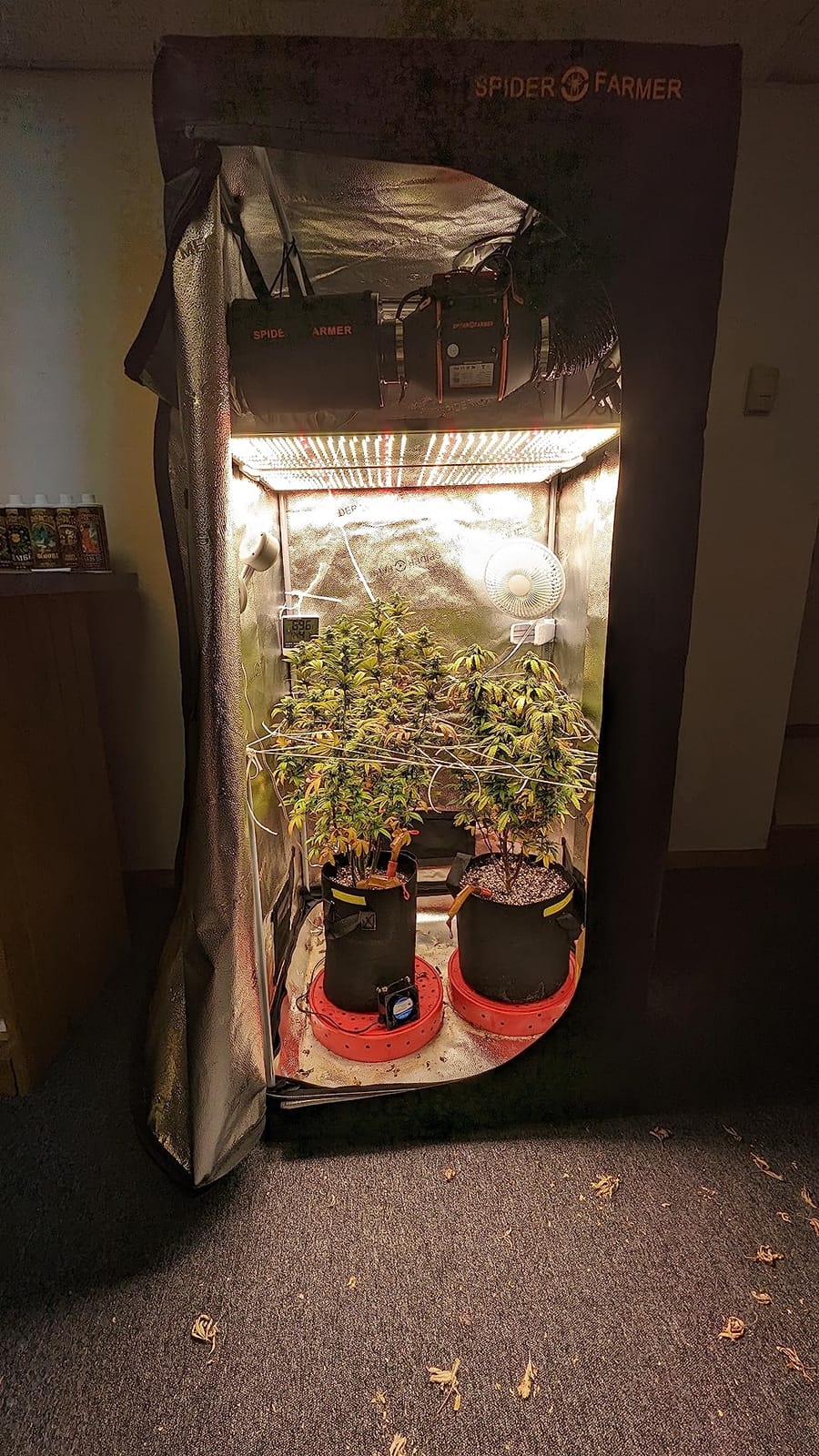
Operation is quiet in a way that is genuinely unusual for a fixture this powerful. There is no fan at all, which means no moving parts to wear out and no noise in a quiet room. Heat is handled by the Spider Farmer driver and a thick aluminum heatsink, and while the housing does warm up, reviewers repeatedly report being able to touch the unit at full power. The one thermal caveat is that a sealed tent still needs some airflow, because the fixture still adds meaningful heat to a small space.
Controls are where this light separates from most of the pack. A dimmer knob on the unit handles intensity, and the same control chain lets you daisy-chain several SF1000 panels so an entire room runs at one setting rather than eight separate dials. That matters a lot once you are dialing back blue-heavy output for a bloom phase and want every fixture to change together.
Who the Spider Farmer SF1000 suits
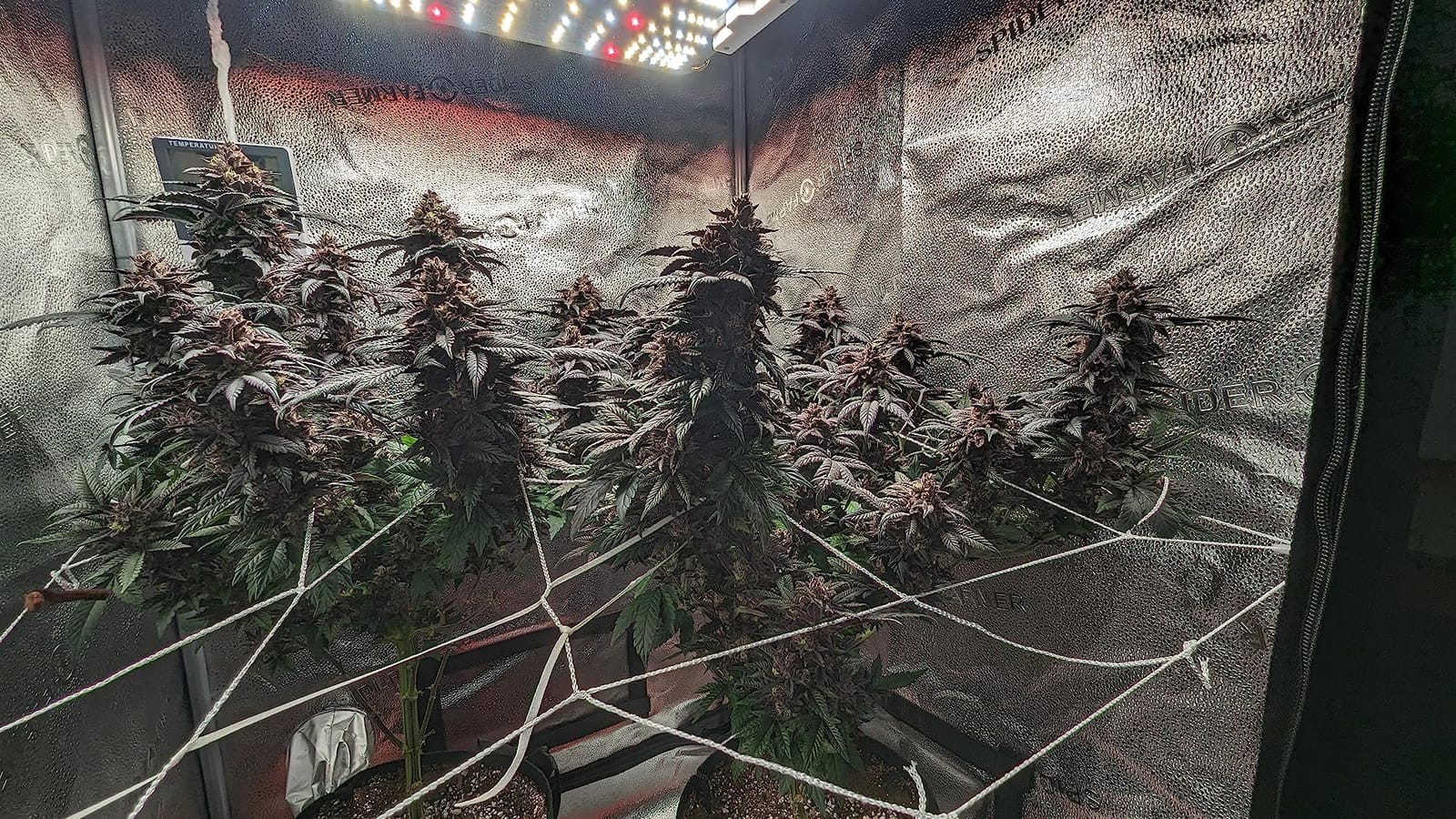
This is the pick for anyone running a dedicated flowering room, a 2×2 or 3×3 tent, or a shelf of houseplants that needs real intensity rather than a token boost. It also makes sense for people who already own two cheap clip lamps and have decided they want results instead of a hobby. The output is high enough that most users dim below maximum once a plant canopy has filled in.
Where the Spider Farmer SF1000 falls short
The most documented problem is the external dimmer on earlier production units, which failed after roughly a year on some owners and left the light stuck at full output. The brand supplied repair parts free in the cases reviewers describe, but it is a real hardware-in-a-damp-place failure mode. Hanging hardware also takes 8 to 10 inches of vertical clearance, which is awkward under a low shelf or a sloped ceiling.
2. VIVOSUN LumaLight 200W: Best for a Dense Flowering Canopy
VIVOSUN LumaLight 200W LED Grow Light, Full Spectrum Plant Light
- Far-red 730nm content that reviewers credit with faster flowering and higher yield
- Very high output
- with many owners running it at 75 percent instead of full
- Four-level dimming knob from 25 to 100 percent plus optional app scheduling
- IP65 sealed and Q90 rated to 36000 hours
- Runs cool and silent with no noticeable power bill increase
- One lamp covers roughly a single 10x20 tray
- so shelves need several
- Dimming only steps in 25 percent increments
- No built-in timer without a smart plug or the separate GrowHub
The LumaLight 200W is the strongest dedicated flowering fixture in this group, and it earns its place on the strength of its far-red content. Where most panels stop at 660nm red, this one adds 730nm far-red alongside 3000K and 5000K white, and that deeper red is what flowering growers cite when they describe tighter buds and faster transitions. The diode count of 672 across a rectangular bar gives it an output level few fixtures in this range reach.
Owners are almost universally running it below maximum. Because the intensity headroom is so large, many buyers settle at 75 percent and find that plenty for a full canopy, which also keeps heat down. The diode layout is arranged for even spread rather than a hot center, so a rectangular tray lights uniformly from corner to corner rather than blowing out the plants directly underneath.
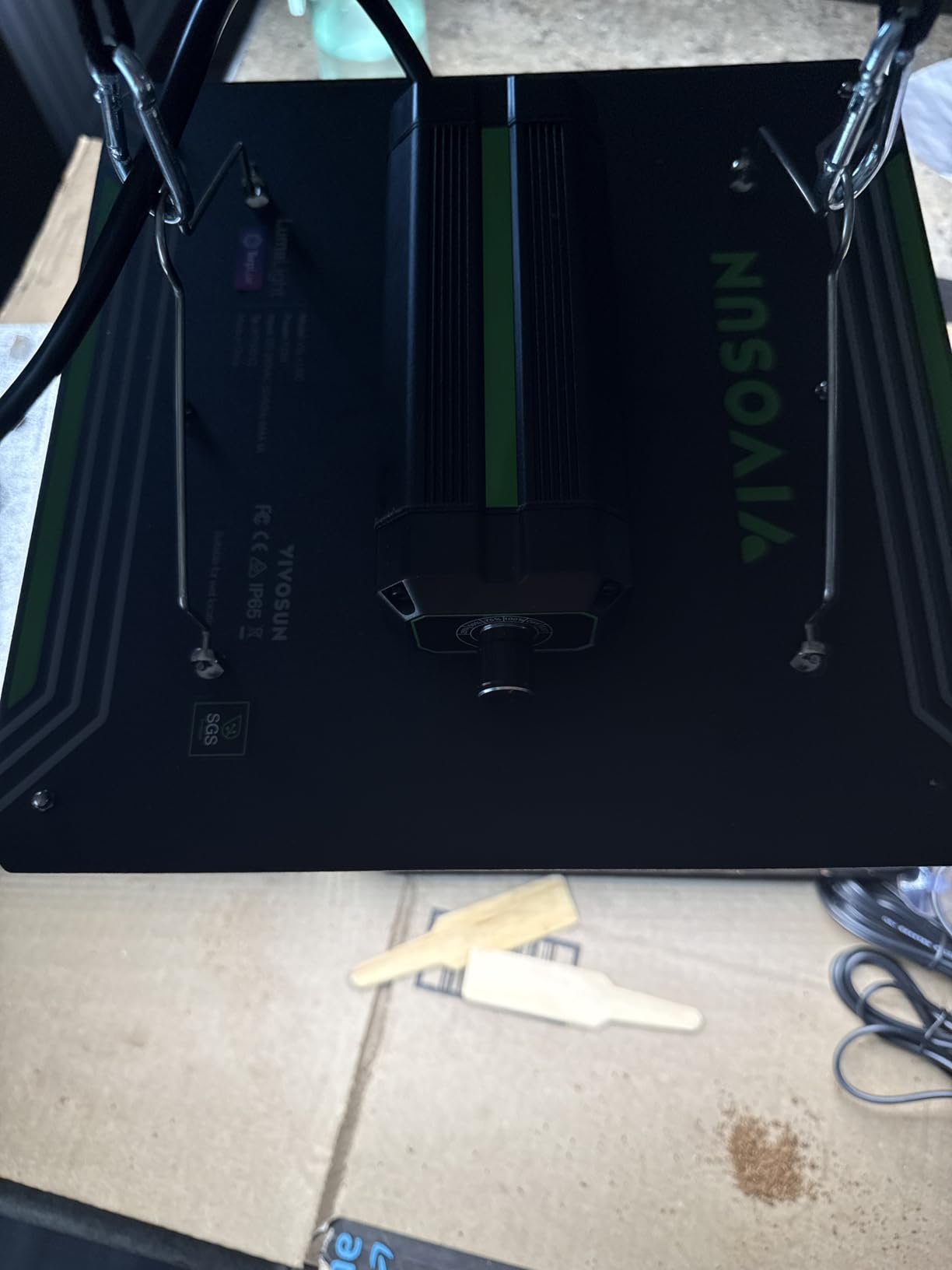
Thermal management is the quiet strength here. The chassis runs cool with no fan noise, and the Q90 flux maintenance rating of 36,000 hours means brightness degrades slowly rather than collapsing. The IP65 sealing matters more than it sounds: in a humid flowering space or a tent with active irrigation, an unsealed driver is where moisture problems start.
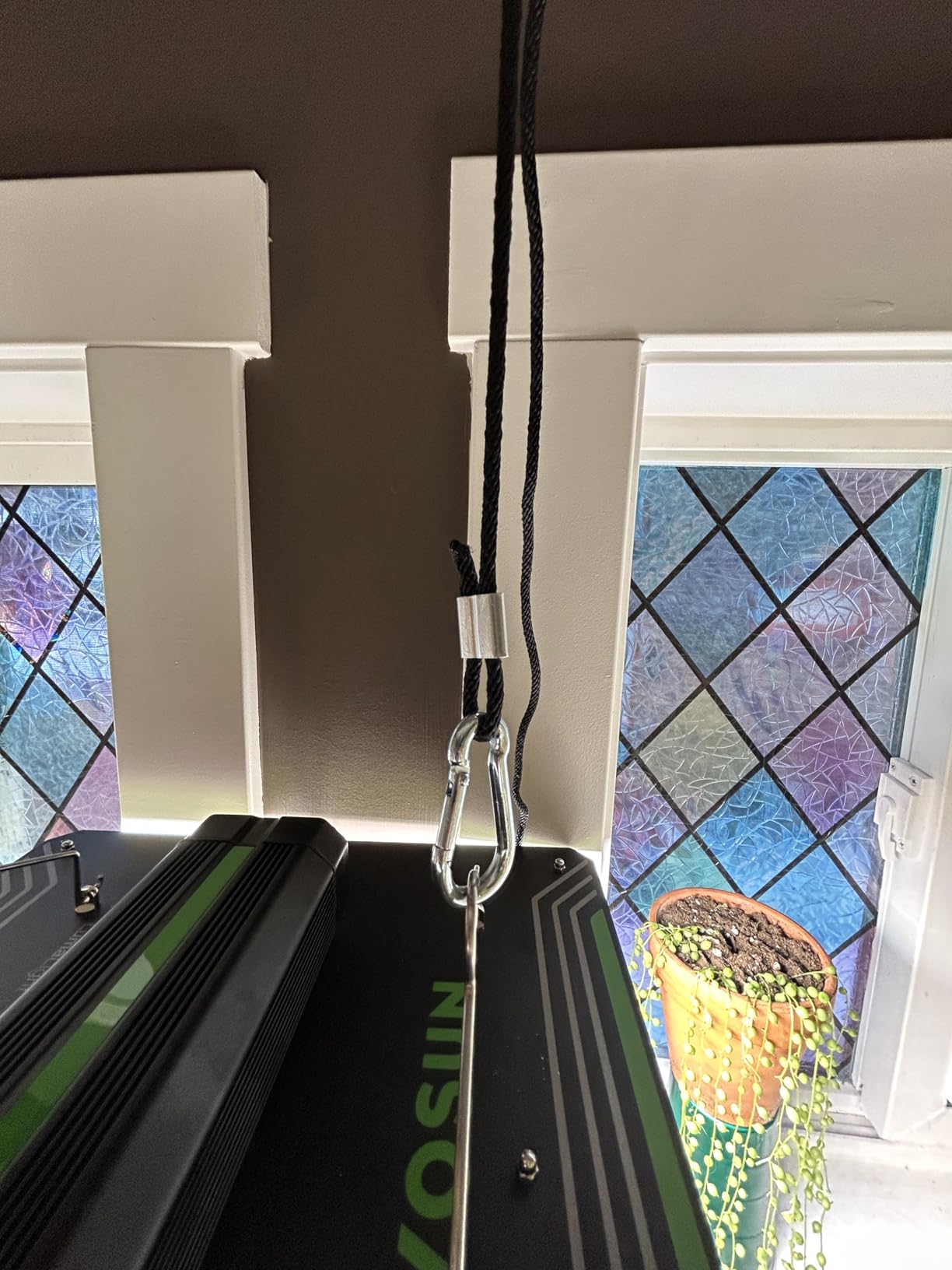
Dimming works in four steps from 25 to 100 percent, and the fixture will also accept scheduling through the VIVOSUN GrowHub hub and app if you want to automate a photoperiod. That hub is a separate purchase, so plan for it or use a smart plug instead. Rope hangers with Vivosun’s own patented design are included, which is a small thing you notice immediately when you are the one hanging the thing.
Who the LumaLight 200W suits
It is built for people flowering more than a handful of plants, whether that is a tray of seedlings working toward a vegetable or herb harvest or a dedicated flowering tent. Anyone who wants a single fixture to handle seedling stage, vegetative growth, and bloom without changing bulbs will like having this much output available. The far-red channel also makes it a sensible pick for anyone chasing denser flowering on peppers, tomatoes, or fragrant herbs.
Where the LumaLight 200W falls short
Coverage is the real constraint. One lamp realistically lights about one 10×20 tray, and owners of larger shelves end up buying two or three. The 25 percent dimming steps are also coarse if you are trying to bring a light down close to freshly emerged seedlings, and the light is bright enough at the lowest setting that you should not be looking straight into it while you work underneath.
3. GooingTop 10W Clip-On Lamp: Best Value for a Single Plant
- Rigid
- heavy-duty gooseneck that holds position instead of drooping
- Strong clamp grips tables
- shelves and the lip of a plant pot
- Bright
- flicker-free 6000K output close to midday daylight
- 4
- 8 or 12 hour timer removes the daily on-off chore
- 365-day warranty with fast replacement service
- Timer runs on a 24-hour cycle from when you set it
- not alternating on and off
- Coverage falls off fast when plants sit far from the heads
- Single-head version can arrive with a scratched LED if the shipping film is missing
The GooingTop is not going to run a flowering room, and it is not trying to. What it does is put a genuinely bright, well-made light on a single windowsill plant for very little, and the build quality here is the surprise. The gooseneck is rigid enough to hold an angle for months without creeping, which is the failure that makes most clip lamps get thrown away, and the clamp is heavy enough to grip the edge of a shelf without a screw.
Light quality is 6000K white from 84 diodes, ten of which are red, producing 2500 lumens with a color rendering index of 90. That is a daylight-balanced output rather than a bloom-weighted spectrum, so if your plant is already receiving a decent window it may not bud much differently. Where it genuinely helps is a north-facing room or a plant that has been stretching for weeks.
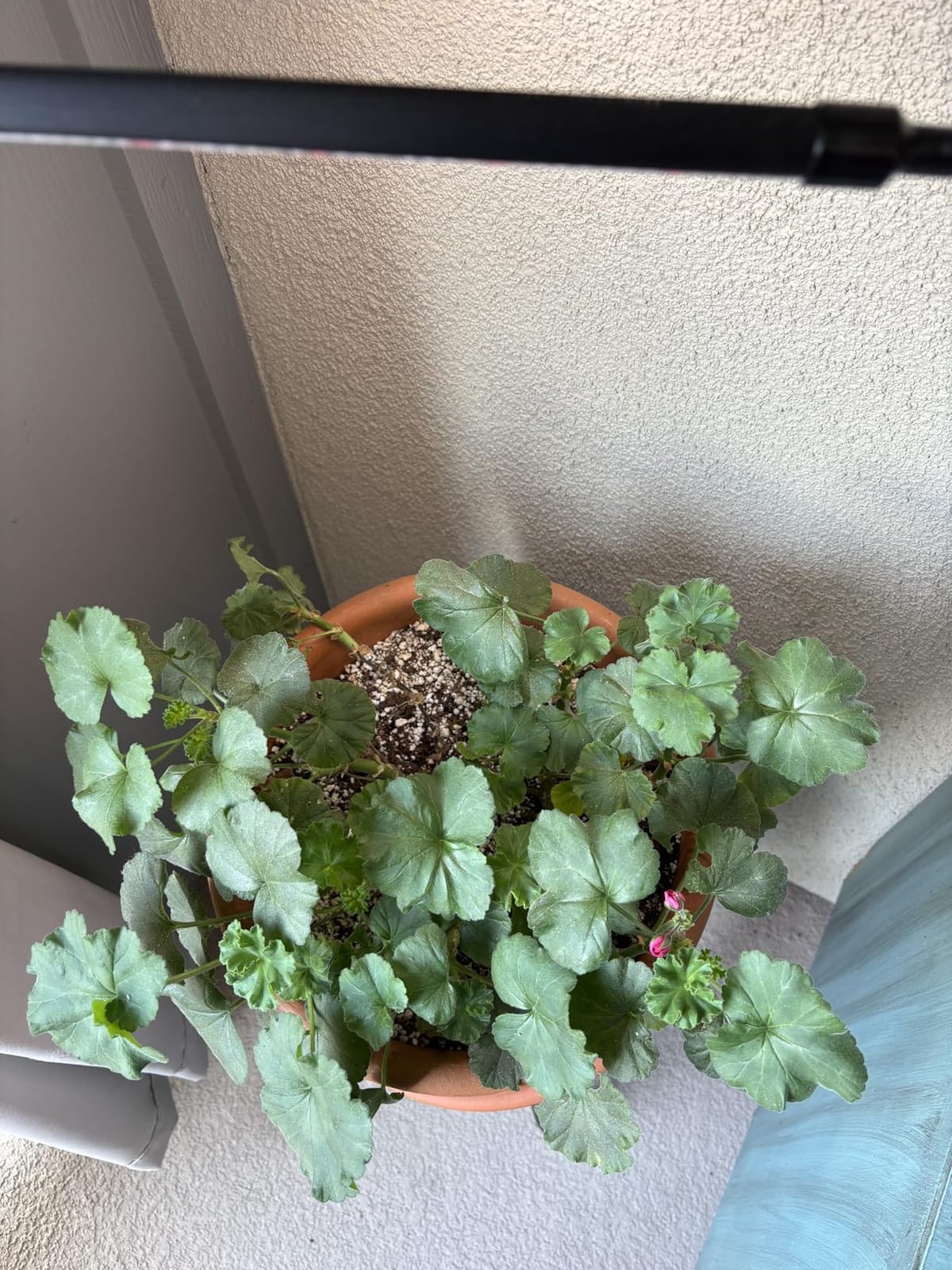
The timer is the single most-cited feature and the single most misunderstood. The 4, 8, and 12 hour settings run on a 24-hour cycle starting from the moment you set them, not as an alternating on and off schedule, and the packaging does not make that plain. If you set the 12-hour option at 7am, it turns on at 7am the next day rather than turning off at 7pm that evening. Once you understand it, it works fine, and many owners simply plug it into a smart timer instead.
Power comes from USB or an included AC adapter, which means you can run it off a power bank or a computer if the outlet near the plant is not convenient. Electricity cost at a 10W draw over a 12-hour day is a few cents a week, so running it continuously through a flowering cycle is not a meaningful expense.
Who the GooingTop suits
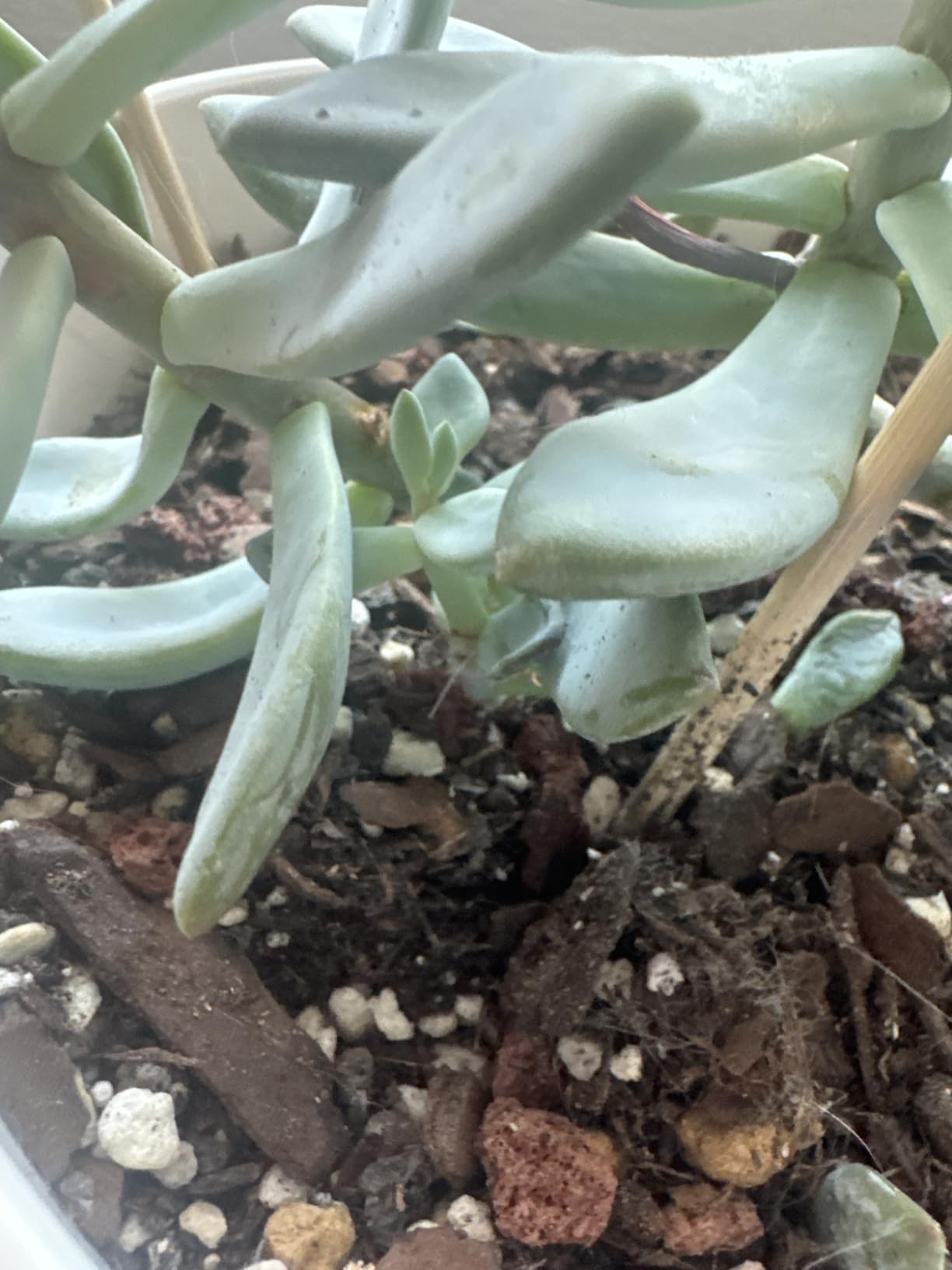
It is for a single plant, or two small ones close together, on a shelf or a kitchen counter. If you have a moth orchid, an African violet, or an anthurium that has stopped flowering in a dim corner, this is the cheapest way to find out whether light is the actual problem before you invest in a real panel. People with several separate plants around the home often buy two or three and move them, which works, but leave each one in place long enough to judge.
Where the GooingTop falls short
Two things. First, coverage falls off sharply away from the lamp heads, so a wide shelf of pots will get a bright center and leggy edges. Second, it is a white daylight spectrum with only a modest red component, so it is a supplement rather than a dedicated flowering light. Reviewers note the dual-head variant is dimmer than two single-head lamps, which is worth knowing before you buy two.
4. LEOTER 80 LED Four-Head Lamp: Best Multi-Plant Clip-On
- Three selectable spectrum modes including a dedicated red plus blue bloom setting
- Ten dimming levels plus a 3
- 9 or 12 hour circular-memory timer
- Four gooseneck arms light roughly four or five plants at once
- USB powered with adapter included so it runs off a wall
- a power bank or a computer
- Aviation-grade heat sink keeps it from running hot
- Not especially bright
- best treated as supplemental light
- Gooseneck arms are weak and gradually sag out of position
- Timer resets if the unit loses power and must be re-set by hand
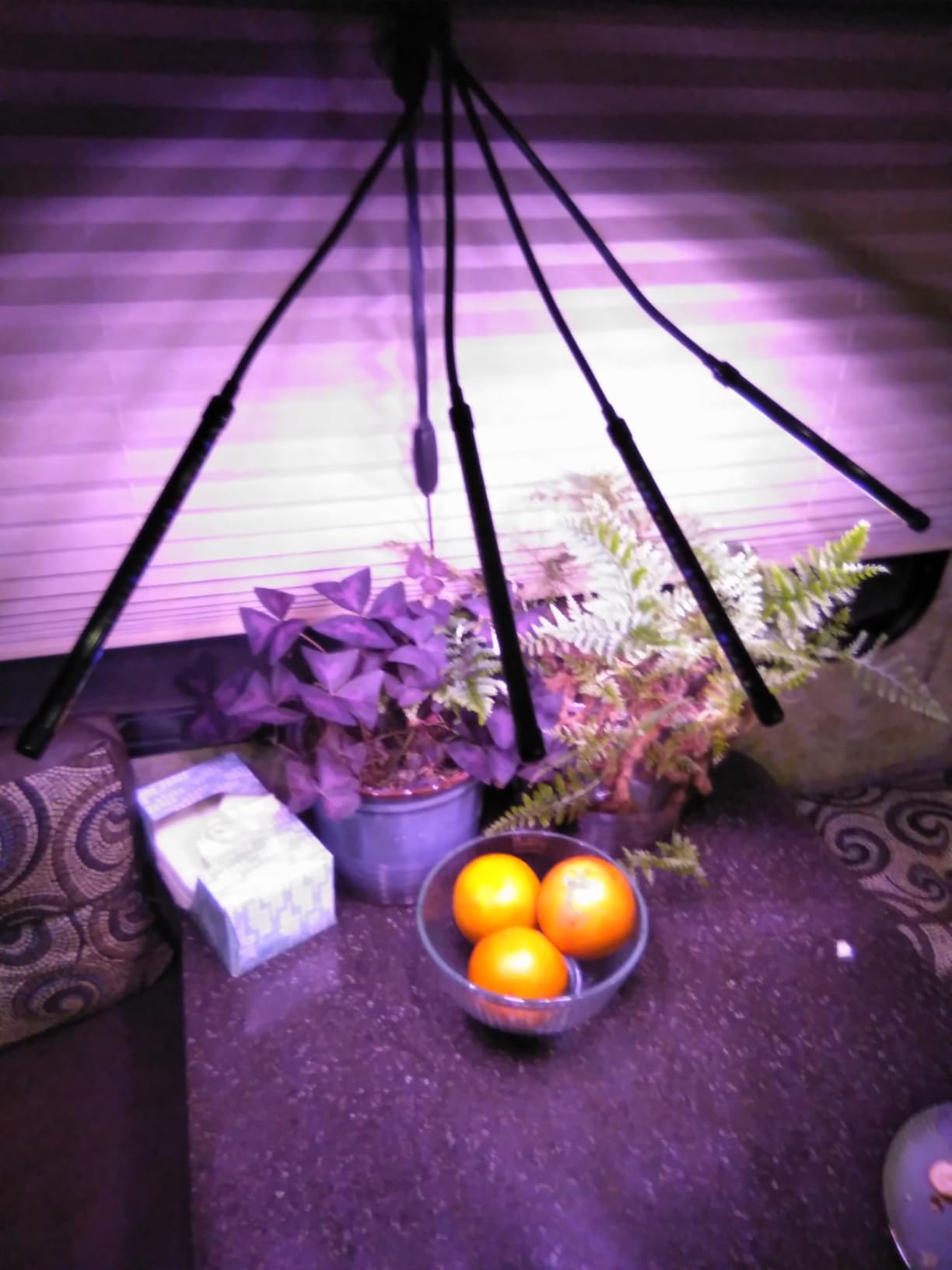
Where the GooingTop covers one plant, the LEOTER covers a shelf. Four gooseneck arms on a metal clamp let you light four or five pots at once, and the three spectrum modes are the reason it earns a place in a flowering roundup at all. Full spectrum covers rooting and vegetative growth, a red plus blue mode targets blooming and fruit set, and a third mode mixes all three. That middle setting on a timer is how most owners run it.
Ten dimming levels are genuinely finer-grained than the four-step dimming on most panels, which helps when one arm is over a seedling tray and another is over a mature anthurium. The circular memory timer keeps your schedule through normal use, though it does reset if the power drops, so a setup that survives an outage requires a re-set.
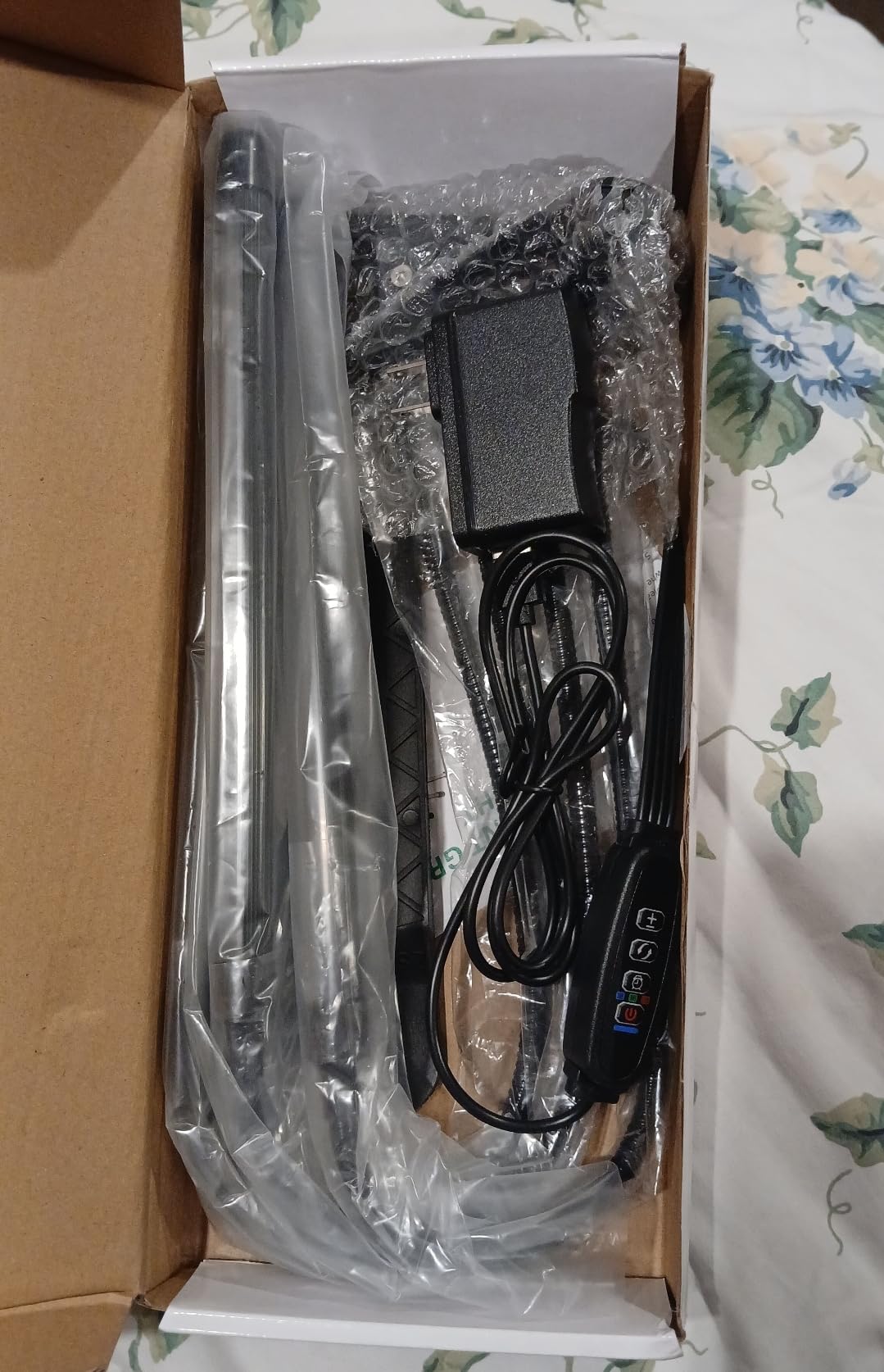
Brightness is the honest limitation. Reviewers are consistent that this is supplemental light, not a primary source, and that seedlings under it did worse than those under stronger brands. The 80-diode array leans heavily on red and yellow diodes, which is a sensible flowering ratio on paper, but the overall output simply is not comparable to a 100W panel. If you are lighting a collection of foliage houseplants through winter, that is fine. If you are trying to force buds in an otherwise dark room, it will not get you there alone.
Durability is the other concern worth weighing. A meaningful minority of owners report the entire unit failing after anywhere from a few weeks to about two years, some accompanied by buzzing, and the manufacturer warranty is one year. The arms also sag gradually, so expect to re-angle them after a few weeks. Against that, the price point is low enough that many people buy two.
Who the LEOTER suits
It is built for a plant shelf, a propagation station, or a group of tropicals you are trying to keep alive and pushing toward bloom over a dark winter. If you want one clamp to manage a row of African violets, a small anthurium, and a cutting tray at the same time, the four-arm layout is the reason to buy it over a single-head lamp. Our [humidifier picks for plants](https://thesweetandsimplekitchen.com/best-humidifiers-for-plants/) pair well with this setup once growth is active.
Where the LEOTER falls short
Do not treat it as a primary light. It is USB powered, and that bus power ceiling caps total output well below what a wall-plugged fixture delivers. Combined with the arm sag and the one-year warranty, this is a light for people who will accept replacing it eventually rather than someone building a long-term flowering setup.
5. BESTVA DC1000: Best Cool-Running Light for a Small Tent
BESTVA DC1000 High-Yield Indoor Plant Grow Light, Fits 2×2/2×3/2×4 ft Tents
- Independent lux testing shows strong brightness per watt for its class
- Quiet high-speed fans and aluminum radiators hold the housing around 50-60F
- Separate VEG and BLOOM modes with a dedicated flowering setting
- Runs cool enough to sit close to small plants without leaf burn
- Hanging kit and long removable power cord included
- The 1000W in the name is HPS marketing shorthand
- actual draw is about 100W
- Coverage is limited to roughly a 2x2 to 3x2 foot area
- Some units had diode rows fail within a few months
The DC1000 has been around long enough that its strengths and weaknesses are both well documented, and the strength is heat. Multiple high-speed fans and an upgraded aluminum radiator hold the housing around 50 to 60 degrees Fahrenheit under load, which is cool enough that reviewers routinely place it close to small plants without worrying about leaf burn. If you have ever scorched a plant with a grow light, that is the number to care about.
Spectrum is 3000K and 5000K white plus 460nm blue and 660nm red, with two selectable modes. One is tuned for leafy vegetative growth and the other shifts toward the red end for flowering and fruiting. Owners running both stages report better results from a combined 18 hours on and 6 hours off cycle than from switching modes aggressively back and forth.
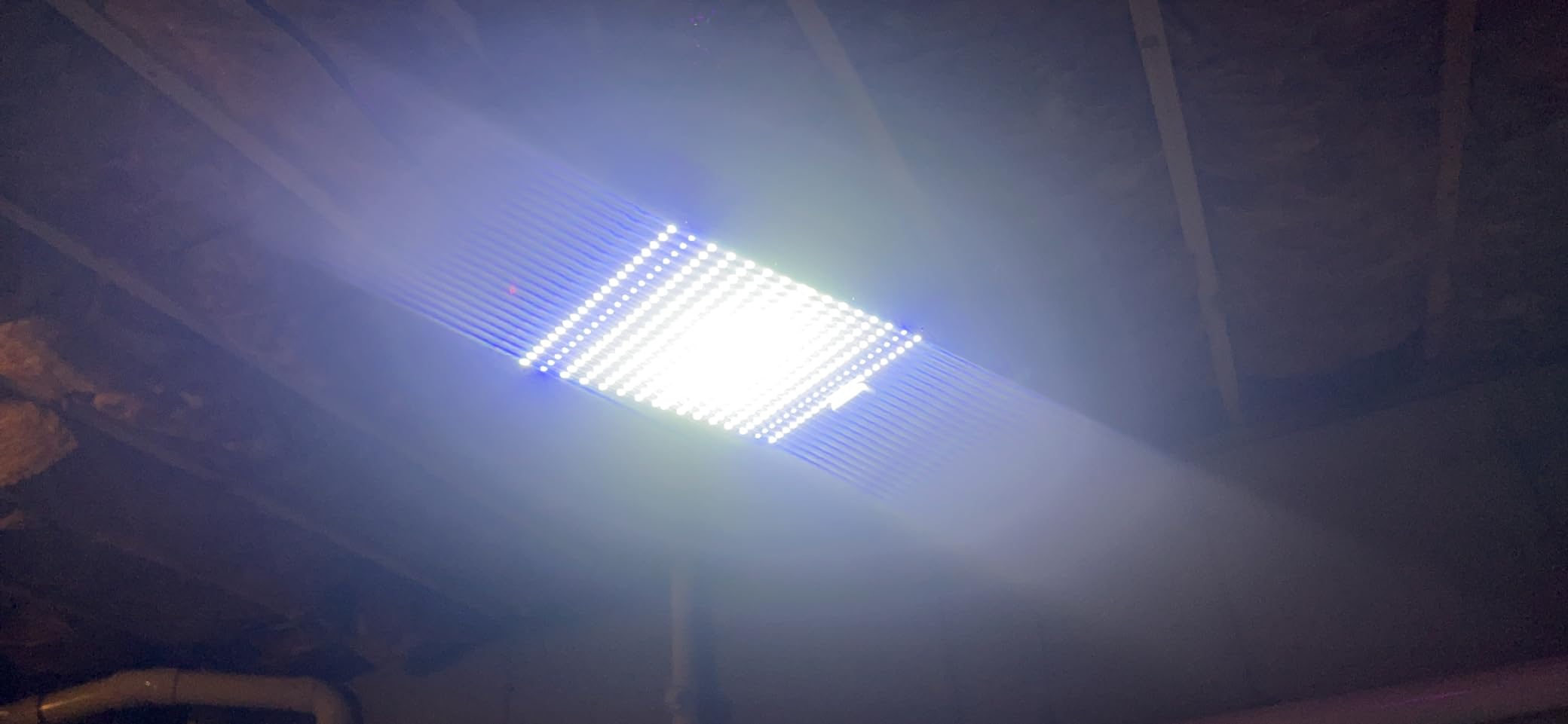
Buyers who have measured with their own lux meters report that the light outproduces other fixtures in the same class on brightness per watt, which is a useful sanity check given the marketing. The 640 diodes sit behind a 120 degree beam, and the package includes an adjustable hanger rope, a metal hanging kit, and a power cord you can remove for cleaning.
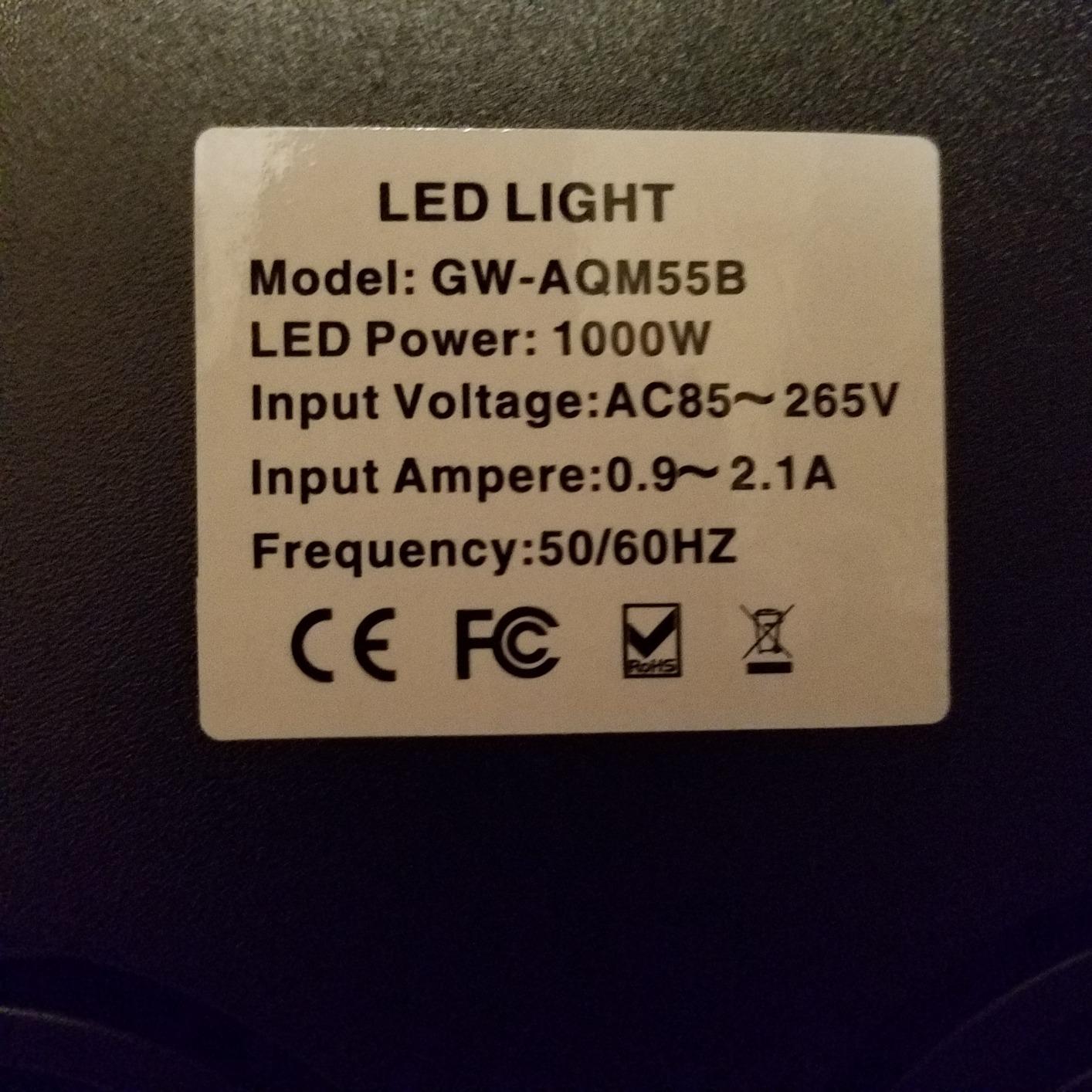
The name is the first thing to get past. The 1000W label is a comparison to a 1000W HPS lamp, not a power draw, and the fixture actually pulls about 100W. Buyers who understand this rate the light very highly; buyers who expected a kilowatt found it misleading and gave it one star. It is also a small light, sized for roughly a 2×2 to 3×2 foot footprint, so anything larger needs multiple units.
Who the BESTVA DC1000 suits
It is a good match for a 2×2 tent, a small grow room, or a dense shelf of fruiting and flowering plants where the ability to hang close without cooking the canopy is the deciding factor. The active cooling also makes it a better pick than a fanless panel for anyone in a warm room. A 3-year warranty with a 90-day return window is a stronger commitment than most lights at this tier.
Where the BESTVA DC1000 falls short
Coverage is the limit. This is a 2×2 light, and stretching it to a 4×4 area leaves the corners dim. Several reviewers have also reported diode rows failing within the first few months, usually during a flowering phase when the unit is running hardest. There is no printed guidance on hanging distance, setup, or cleaning, so you are working that out on your own.
6. VIPARSPECTRA XS1500 Pro: Best for Even PPFD Across a Canopy
LED Grow Lights for Seed Starting Vegetables Bloom 150 Watt Full Spectrum
- Optical lens design concentrates light for far more uniform PPFD in the corners
- Dimming daisy chain controls up to 20 units together for multi-room setups
- 660nm red and 730nm IR content owners credit for dense
- even blooms
- Draws 150W while replacing a 250W HPS setup
- Aluminum heatsink handles heat and supports a long lifespan
- Coverage is a 2x2 flowering footprint
- not a room light
- Light is intense enough to require eye protection underneath
- Dimming needs the included dimming cable and a controller rather than a built-in knob
This is the best-rated light we reviewed, and the reason is the optical lens array. Instead of pointing bare diodes at the canopy, the XS1500 Pro runs each emitter through a lens that concentrates and spreads the output, so PPFD stays even at all four corners rather than falling off toward the edges. Owners running flowering cycles specifically point to that uniformity as the difference between a full, even set of buds and a light gap in the corner.
The spectrum covers the whole cycle. 3000K and 5000K white handle seedling and vegetative stages, while 660nm red and 730nm infrared carry the flowering phase. At 150W it replaces a 250W HPS or metal halide setup, which is the point of the efficiency argument: less electricity for a comparable footprint, and the manufacturer rates it for a 3×3 foot vegetative area and a 2×2 foot flowering area.
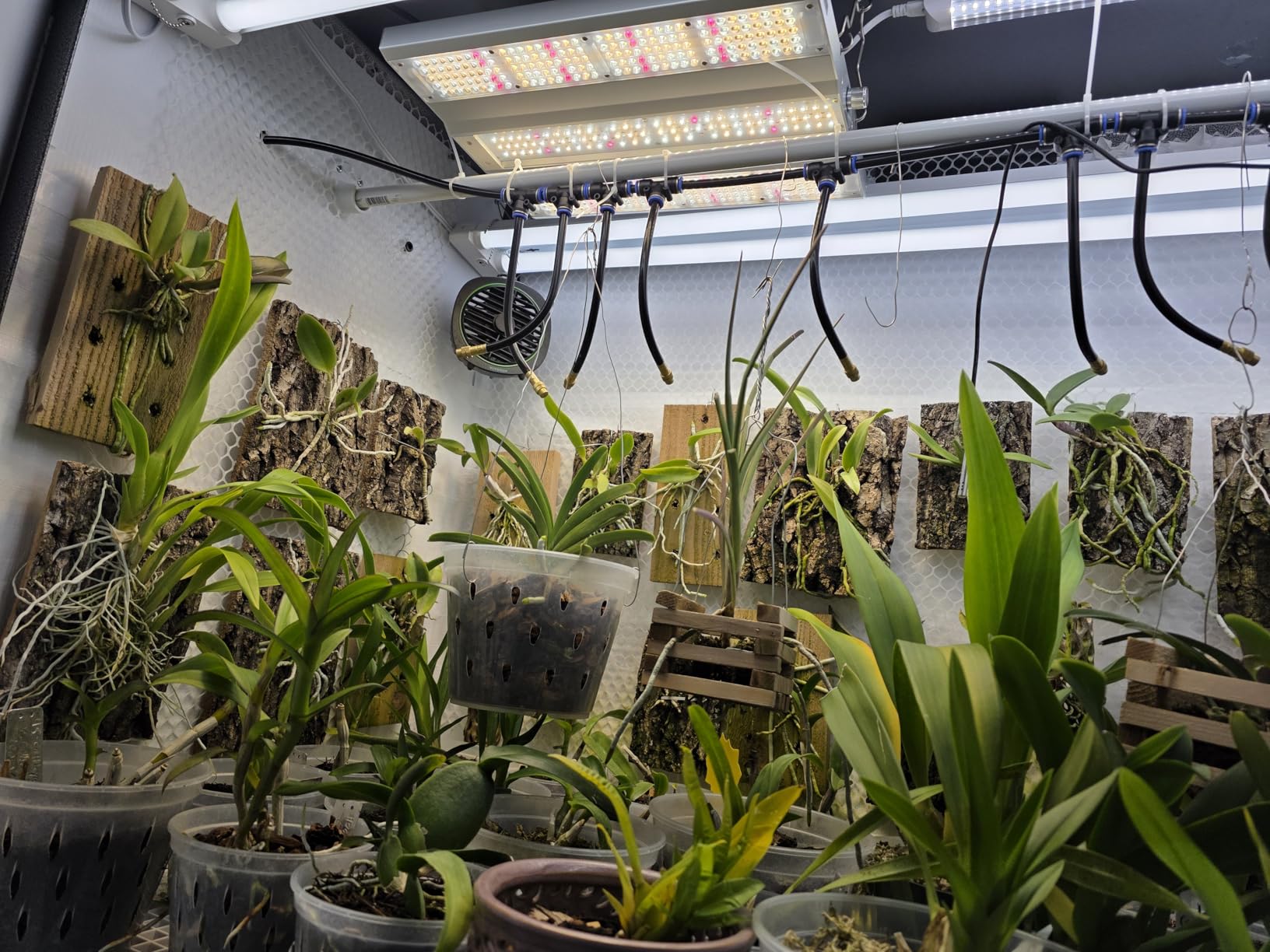
For anyone scaling up, the daisy-chain dimming is the feature that earns its keep. Up to 20 XS1500 Pro units can be controlled as one system through the included dimming cable, so a multi-room or commercial operation does not have to walk over and turn ten knobs. Everything ships in the box, including stainless steel hooks, rope hangers, the dimming cable, and a power cord.
It runs warm enough to need the aluminum heatsink doing real work, and the light is intense. Owners work under it wearing eye protection, which is standard practice with any fixture at this output. One thing to plan for is that the review base, while strongly positive, is smaller than the budget lights in this roundup, so there is less long-term durability data on record.
Who the VIPARSPECTRA XS1500 Pro suits
It is the right light for someone flowering a 2×2 tent who cares about even coverage more than raw brightness, and for anyone who will eventually want to add fixtures and run them off one controller. Growers who care more about the bloom spectrum than the budget will find the 660nm and 730nm content worth the step up from clip lamps. If you have a small collection of fruiting plants, the uniform spread pays off in yield.
Where the VIPARSPECTRA XS1500 Pro falls short
It is still a 2×2 flowering light, and buying one expecting it to cover a 4×4 canopy is a common mistake. There is no built-in dimmer knob, so dimming requires the included cable and a controller setup, which is more friction than a physical dial. You also pay more per watt than a budget clip lamp, and there is no app control on this model.
7. VIVOSUN AeroLight 180W: Best Light with Built-In Airflow
VIVOSUN AeroLight 180W LED Grow Light, Full Spectrum Plant Light with Fan
- Built-in central fan circulates air through the canopy
- improving CO2 flow and humidity balance
- Turbo fan runs up to 2600 RPM for faster air exchange
- Full-cycle tunable spectrum holds intensity steady as wavelengths shift
- Up to 20 percent higher output with footprint uniformity up to 0.91
- Sealed IP65 bars rated to 50000 hours Q90
- Fan noise is inherent to the design and noticeable in a quiet room
- GrowHub hub and app are sold separately for smart scheduling
- Square 13-inch footprint limits coverage to small tents and shelves
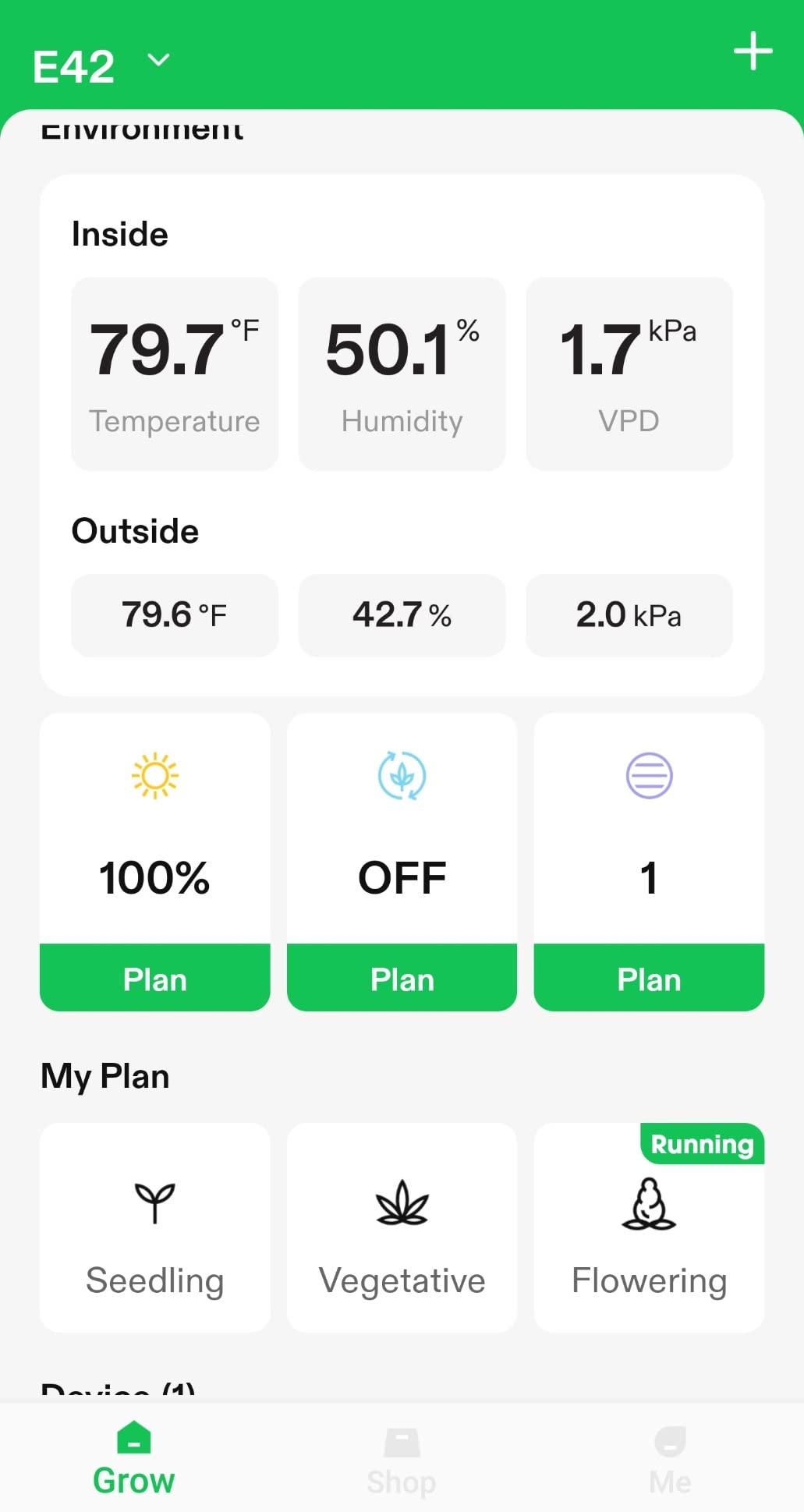
The AeroLight does something none of the other panels here do, which is circulate air. A central fan pushes air through the canopy, which improves carbon dioxide distribution and reduces stagnant, humid pockets that can encourage problems. For a flowering space, that combination of light and moving air is closer to what a small commercial setup runs, and it is the reason this fixture is worth a look even though its review base is still small.
Spectrum is tunable across the full cycle with constant-power output, meaning intensity holds steady while the wavelengths shift rather than dropping when you move into a flowering recipe. Vivosun rates output up to 20 percent higher than a standard grow light with diode layout uniformity up to 0.91 across the footprint. The light bars are sealed to IP65 and rated to 50,000 hours, which directly addresses the moisture and longevity complaints that come up with cheaper fixtures.
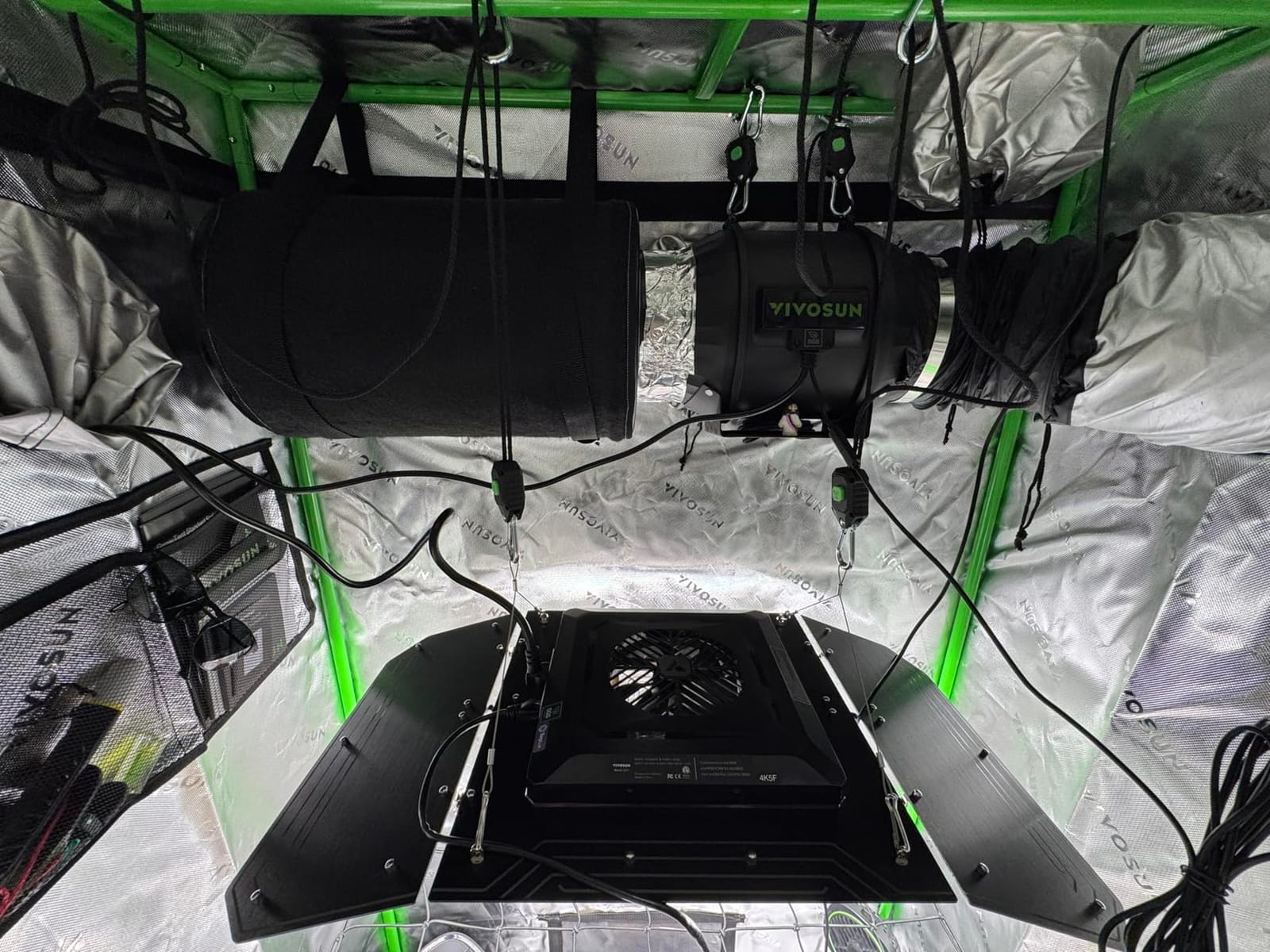
Control runs through the VIVOSUN GrowHub and mobile app, where you can schedule spectrum, intensity, and airflow together. That hub is sold separately, so the smart features are an added cost rather than a default. If you do not want to buy the hub, the physical controls on the unit still handle the essentials.
Two practical warnings. The fan is the point of the design and it makes noise, which is fine in a grow room and less fine in a study. And the square 13-inch footprint is genuinely small, so this is a shelf or small tent fixture. Buyers have also pointed out the listing is inconsistent, with a 180W product name over 150W specifications, so treat the wattage figures with a grain of salt.
Who the VIVOSUN AeroLight suits
It is for people who already have a working light and have hit the next problem, which is stagnant air and humidity in a dense flowering canopy. It also makes sense if you are building out smart scheduling across a GrowHub setup and want intensity, spectrum, and airflow on one timeline. A sealed IP65 body is reassuring in a humid flowering room.
Where the VIVOSUN AeroLight falls short
It is the newest product in this group and the least proven, with fewer than 600 reviews, which means there is not yet long-term failure data to compare against the older fixtures. The fan noise disqualifies it for a quiet living space, and the small square footprint means you will be running two or three of them to fill a real room. The GrowHub is an extra purchase on top.
8. Gerylove SP1500: Best Stepless Dimming for Mixed Growth Stages
Gerylove LED Grow Light, SP1500 Sunlike Full Spectrum Dimmable Plant Lights with Thermometer, Growing Lamps for Indoor Plants Seedlings Veg Bloom 4.5×4.5ft
- Stepless dimming from 0 to 100 percent
- far finer than stepped controls
- Reported very low heat output
- with one tent holding about 70F
- Braided metal hanging cables and ratcheting hardware feel secure and adjust easily
- Solid dense LED array that does not feel cheap
- Includes a digital temperature and humidity meter
- Actual draw is about 84-87W rather than the advertised figure and PPFD claims are disputed
- Included hygrometer reads high
- off by roughly 7F and 15 percent humidity
- No built-in timer
- so a smart plug is required for scheduling
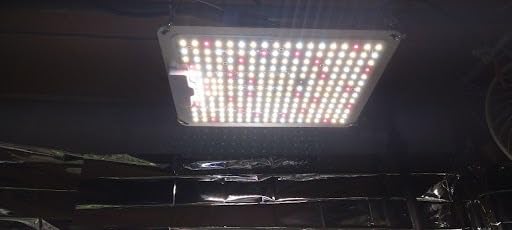
The SP1500 is the only light here with true stepless dimming, and for a mixed collection that is worth more than raw wattage. Most fixtures step in 25 or 10 percent jumps. This one runs continuously from off to full brightness via touch controls, which means you can dial a seedling tray down to exactly the level it needs and then bring a mature plant up the same fixture without any preset compromise.
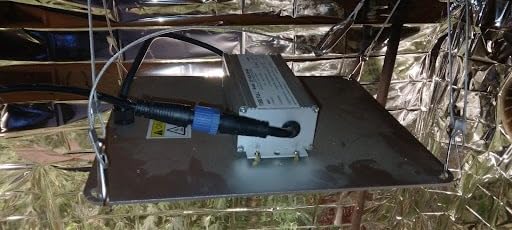
Build quality runs ahead of the specification. Buyers describe a dense, well-distributed LED array on a proper aluminum housing rather than a hollow plastic shell, braided metal hanging cables, and ratcheting hardware that makes height adjustment genuinely easy. Heat is another strength, with one owner reporting a tent holding around 70 degrees in a 68 degree basement, and the IP65 aluminum board tolerates splashing water.
Coverage is rated at up to 4×4 feet, and hydroponic growers report compact, non-leggy growth directly underneath, which is the right result for a fixture you are running close. The included digital thermometer and hygrometer is a nice touch for anyone dialing in a tent environment, with the caveat below.
Now the accuracy problems, because they are the main reason this sits where it does in the ranking. Buyers who put a meter on it found the real draw at about 84 to 87W rather than the advertised figure, and the published PPFD numbers are disputed as inflated, with one owner suggesting they were copied from another brand’s listing. The bundled hygrometer reads high, by roughly 7 degrees and 15 percent humidity, so do not calibrate your tent with it.
Who the Gerylove SP1500 suits
It fits people running a seed-starting setup or a small mixed shelf where seedlings and mature plants share the same fixture, since stepless dimming is the only clean way to serve both. It is also a reasonable first panel for someone who wants 4×4 foot coverage at a modest draw, and the low heat output suits a warm room or a basement setup.
Where the Gerylove SP1500 falls short
Published numbers do not match measured numbers here, and that is the main thing to accept before you buy. There is no built-in timer, so scheduling means a smart plug or an external timer, which is a real gap for anyone running a strict photoperiod. One long-term owner reported the unit eventually stopped powering off completely, and plastic top covers on some units have dry-rotted away from heat.
9. Beelux 100W Dual Chip: Best Fanless Light for a 4×4 Area
- Dual-chip LEDs with separate red and blue switches for independent control
- Optical-grade fireproof PC and aluminum back cover with six-sided convection dissipation
- No internal fan
- so it runs silently and stays cool
- Draws about 110W while replacing a 1000W HPS setup
- Metal-framed construction with a protective clear face shield
- No internal fan
- so the housing still gets noticeably hot
- The veg circuit failed after about three months for one reviewer
- Output is decent for the price rather than premium
- The 1000W in the name is an HPS equivalent figure
- not real draw
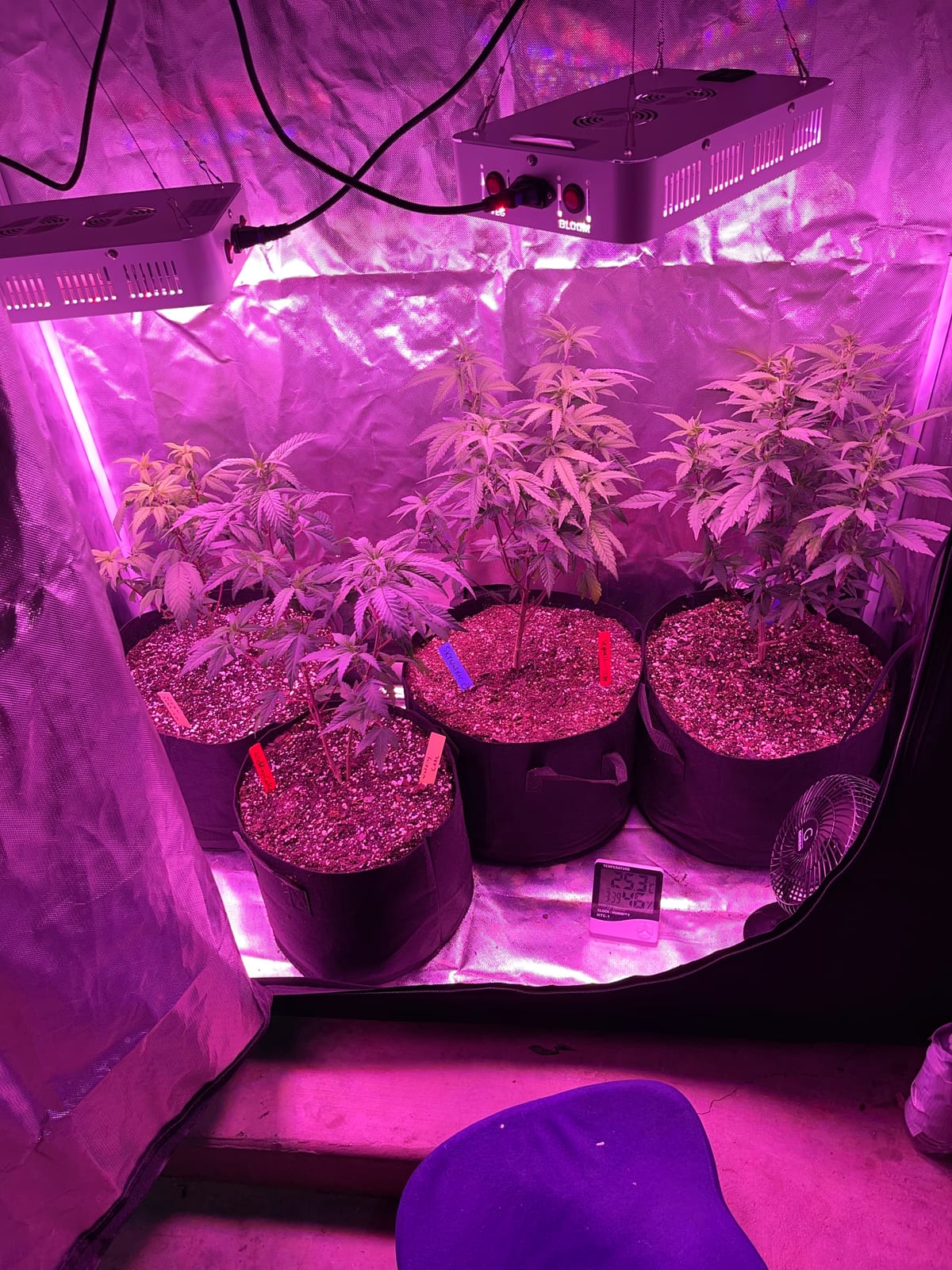
The Beelux does its cooling without a fan, using a fireproof polycarbonate face and an aluminum back cover with six-sided convection dissipation. One owner reports running it in a greenhouse at 105 degrees without it overheating, which is a genuinely useful result for a fixture that is entirely passive. Silence is the other benefit, and that matters if the plant shelf is in a room you use.
Control is unusual for this price. Dual chips with separate red and blue switches let you set a vegetative balance and a flowering balance independently, rather than choosing one of two fixed modes. The package ships with a power cord, two steel hanging ropes, and an adjustable rope, so installation is tool-free and the height is easy to change as plants grow.
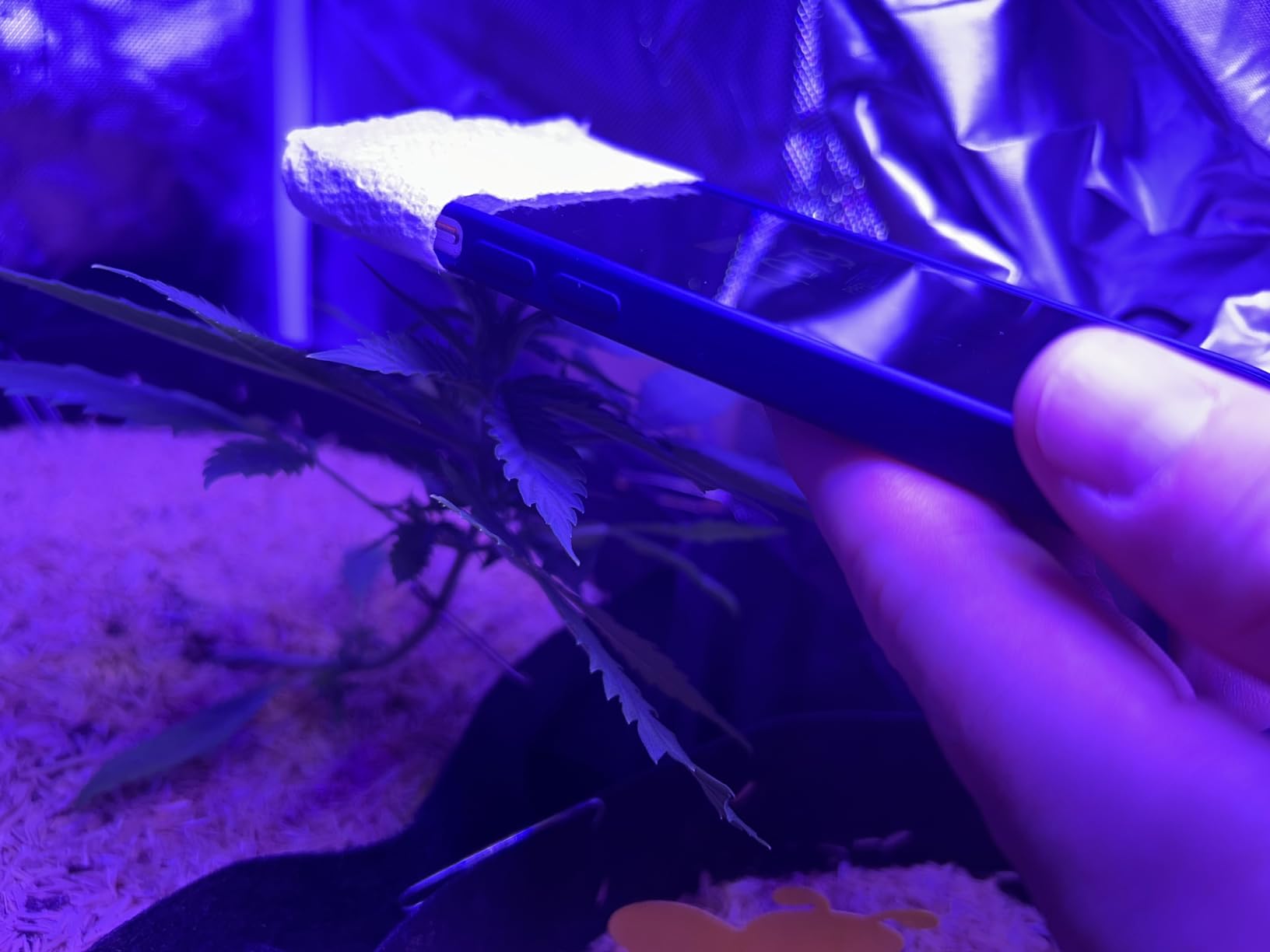
At about 110W real draw it is rated for a 4×4 foot growing area, and the 1000W in the product name refers to the HPS lamp it replaces, which is the same marketing shorthand the BESTVA uses. Buyers describe the light as decent value that does the job rather than a premium instrument, which is a fair summary of the whole package.
Reliability is where this one falls behind its rating suggests. There is an 8 percent one-star share, the only double-digit figure in this group, and the complaints split between a veg circuit that failed after about three months, leaving only the flowering function usable, and a detailed account of yields dropping sharply after switching down from a higher-quality light. The brand’s support is repeatedly praised, and several owners received free replacements, which rescues the rating.
Who the Beelux suits
It is a reasonable pick for a 4×4 foot area if you need broad coverage, want a silent fixture, or are working somewhere hot where an active fan would be a liability. The separate red and blue switches are useful if you are moving a plant through stages and want to adjust each end of the spectrum independently rather than flipping a preset.
Where the Beelux falls short
Passive cooling means the housing still gets noticeably hot, even though it will not cook a greenhouse, and the side vents are doing more work than they should. The failed-circuit reports and the yield complaint are the real concerns, and the output does not reach the level of a premium panel. If your plants are sensitive or your space is large, spend up rather than down.
10. Barrina T10 Pro: Best Vertical Light for Tall Plants and Moss Poles
Barrina T10 Pro Vertical Grow Light, 42W, Full Spectrum, 4FT to 5.6FT
- Vertical floor-standing design lights tall plants and moss poles from bottom to top
- Height adjusts from 4 to 5.6 feet with screw-on extension rods and no tools
- 660nm red chips and CRI 88 for accurate plant monitoring
- Does not run hot enough to scorch plants on a 12-hour schedule
- Heavy disc base keeps a 5-foot fixture stable
- Mechanical timer plus foot switch for hands-free scheduling
- Mechanical timer is a common failure point and one unit arrived with a dead timer
- Cord is about 4 feet
- shorter than ideal
- Very bright
- and uncomfortable to look at directly
- Indoor use only and not weather resistant
Every other light in this roundup shines down from above, which leaves the lower two-thirds of a tall plant or a moss pole in the dark. The Barrina T10 Pro is built the other way up. A 42W vertical tower runs side-lighting down its full length, so foliage at floor level and aerial roots on a support pole get lit directly rather than through the shadow of the canopy above them.
Height is adjustable from 4 to 5.6 feet using screw-on extension rods, no tools required, and the disc base is heavy enough that a five-foot fixture has stayed upright after being knocked by small children. Light output comes from up to 169 LEDs including 660nm red chips, with a color rendering index of 88, which is accurate enough to judge plant condition by eye.
Owners with large houseplant collections, running 80 plants or more including monstera, hoya, philodendron, and calathea, describe it as transformative specifically for the floor-level foliage that top-down lights miss. The 660nm red content also means this is not purely an ornamental lamp, even though that is what most people use it for.
The mechanical timer is the one recurring defect, and it is worth understanding before you rely on it. One of two units in a reviewer’s purchase arrived with a dead timer, and a faulty timer causes the whole fixture to flicker. The cord is about four feet, which is often shorter than the distance to the nearest outlet. And while the fixture overall does not overheat, the bulb area runs warm enough to notice.
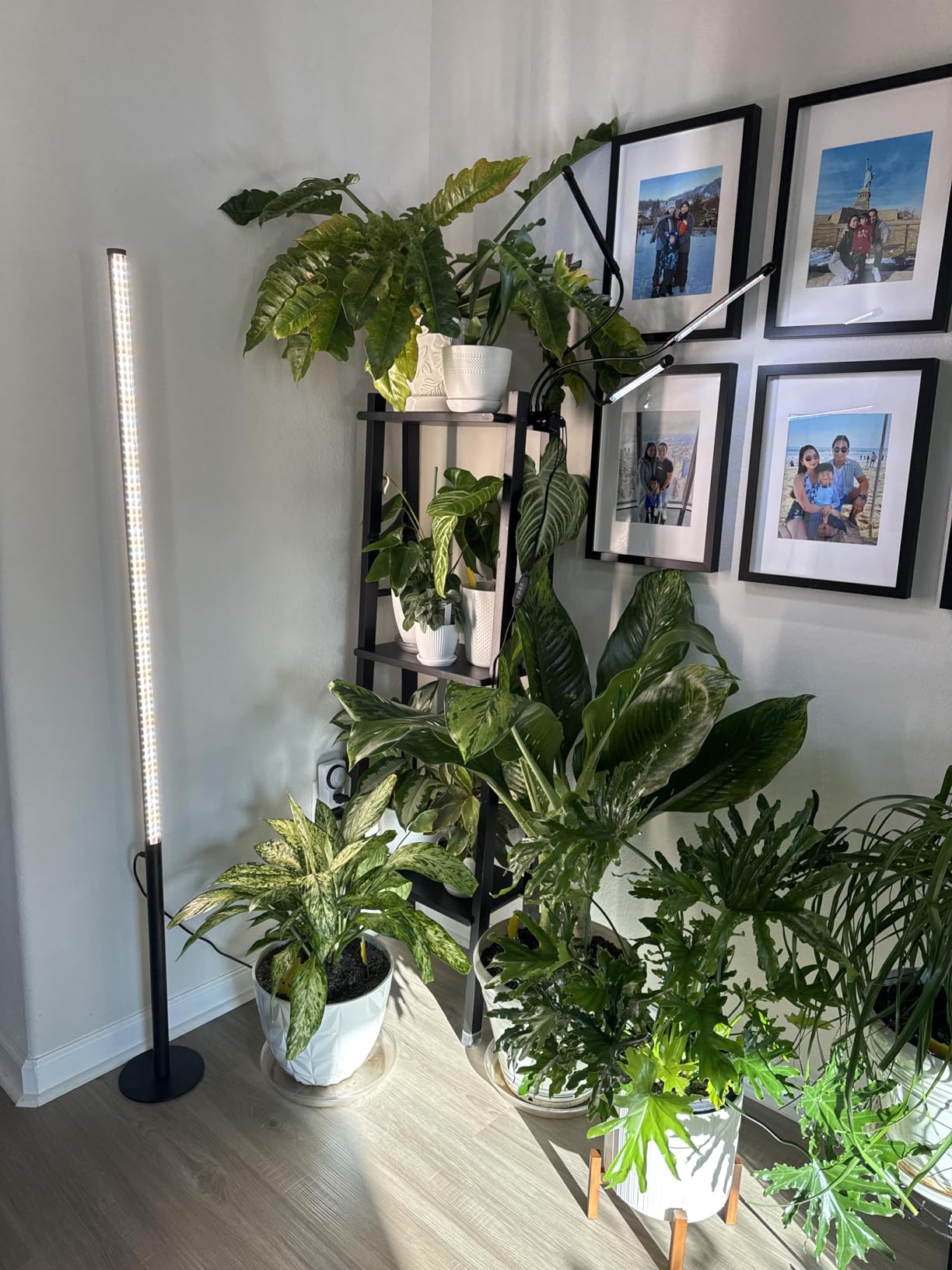
Who the Barrina T10 Pro suits
It is built for floor-level foliage, moss poles, monsteras, and plants that have outgrown a shelf and cannot be reached by an overhead bar. If you are trying to light a plant taller than the light you own, this is the answer. It converts well in a corner where a hanging panel would need a ceiling mount, and the foot switch plus timer means you are not reaching behind a plant every morning.
Where the Barrina T10 Pro falls short
Output is lower than a panel light, so it is better suited to houseplants and seedlings than to a dense flowering canopy with real yield expectations. The mechanical timer is the most likely thing to fail, and the short cord can be the first problem you hit. It is indoor only, and at full brightness it is uncomfortable to look at directly.
Why Flowering Plants Need Different Light Than Foliage Plants
This is the part almost every roundup on this topic skips, and it is the reason your plant may be healthy and still refuse to bloom. Vegetative growth is a light-efficiency problem. Flowering is a signalling problem, and the two have different requirements.
Red light is what sets buds
Plants absorb red light, roughly 660 to 700nm, and blue light, around 450nm, most efficiently, because those are the wavelengths chlorophyll absorbs. Blue drives the photosynthesis that builds compact stems and thick leaves, which is why a plant grown under only blue is short and sturdy. Red drives photosynthesis at least as efficiently and is what actually triggers bud set and bloom.
So a foliage plant is happy with a lot of blue and no red at all, because that is all it needs to make leaves. A flowering plant that never sees meaningful red will keep making leaves, indefinitely. Of the lights here, the ones with the strongest explicit red content are the Spider Farmer SF1000 with 660nm and 760nm infrared, the VIVOSUN LumaLight with 660nm and 730nm far-red, the VIPARSPECTRA XS1500 Pro with 660nm and 730nm, and the BESTVA DC1000 with a dedicated bloom mode.
Here is where the cheap pink lights fall apart. On budget blue and red fixtures, the red channel at 660 to 700nm is often only around 20 percent as strong as the blue peak, which is the opposite of what a flowering plant needs. The SANSI-style white fixtures measured by House Plant Journal, which include a genuine 3000K warm white, run closer to a 1:1 red-to-blue balance. That is a subtle difference on the spec sheet and a real one in a bud.
The dark period is not optional
Flowering plants measure darkness as carefully as they measure light. An uninterrupted 12 to 14 hour dark period every night is what triggers bud initiation in most flowering houseplants, and stray light leaking in from a hallway, a television, or a light left on a timer can stop bud set entirely while the plant otherwise looks healthy.
Running a grow light 24 hours a day is the most common mistake people make after they get excited about a new fixture. It produces longer stems, softer growth, and, in many species, no flowers at all. If you want a simple schedule, turn the light on when you get up and run a smart plug to cut it twelve hours later. Forum users overwhelmingly do exactly this, which conveniently matches their own waking hours.
While the plant is budding, shift the balance rather than the hours. Dropping blue slightly and letting red dominate for the last few weeks before buds open is closer to what a flowering plant experiences naturally, and it is what the bloom or flower mode on several of these lights is for. Keep the photoperiod constant while you do it.
How far to hang the light at each stage
Distance controls intensity more than any other variable, because light falls off steeply. Hovering a panel two inches above a leaf is how you scorch it, while a fixture eighteen inches too high is delivering a fraction of the light you paid for. A reasonable baseline is 12 to 18 inches above the canopy for seedlings, 18 to 24 inches through vegetative growth, and 12 to 18 inches during flowering when you want maximum intensity without contact.
Clip-on lamps behave differently. Users recommend 10 to 14 inches for a clip lamp over a shelf, and warn that anything beyond roughly a foot is effectively useless for a low-light plant. For a hanging panel, raise the fixture as the plant grows and check the leaves for bleaching or curling before you add height rather than after. If you can hold your hand under the light comfortably, you are in a safe range.
One practical measure worth having is a light meter. A basic one lets you establish a baseline and confirm your fixture is actually producing what the listing claims, which removes a lot of guesswork. Be aware that cheap meters under-report red, so blue and red fixtures look weaker on a reading than they really are.
How to Choose a Full Spectrum Grow Light for Flowering Plants
Once you know the light needs to be red-weighted, bright, and reliably scheduled, choosing between the ten above gets much simpler. Here is how we would narrow it down.
What full spectrum actually means
Full spectrum means the fixture outputs light across the 400 to 700nm range that plants use, rather than a narrow red or blue band. Most modern grow lights achieve this with white diodes plus red and sometimes infrared, which is why they look white rather than purple. The 3000K, 5000K, and 6500K figures you see are color temperature descriptors, not quality scores, and 5000K to 6500K reads as cool daylight while 3000K reads warm.
Do not treat a marketing word as a specification. Several of the lights here have wattage numbers in the name that describe the HPS lamp they replaced rather than their real draw, and one has published PPFD figures that buyers measured as inflated. The three numbers actually worth comparing are real power draw in watts, coverage area in square feet, and whether the spectrum includes red in meaningful quantity.
LED, fluorescent, or a regular bulb
Professional indoor growers overwhelmingly use LEDs now, and for good reason. They produce the most usable light per watt, run far cooler than the HPS and metal halide fixtures that preceded them, and last tens of thousands of hours. T5 fluorescent strips still work well for seedlings and shelf setups, and a daylight CFL is a reasonable stopgap for a single plant. Incandescent bulbs are a poor choice: hot, inefficient, and too red-heavy to drive photosynthesis properly.
A regular white LED bulb is a different thing from a grow light. It will keep a plant alive and may slow stretching, but it is not engineered for the intensity a flowering cycle needs. If your budget only stretches that far, use it to diagnose whether light is the problem before you invest in a real fixture.
Wattage and coverage
For flowering, the working rule is 25 to 60 watts per square foot, with more at the bloom stage than during vegetative growth. A dedicated grower’s recommendation of 32 to 40 watts per square foot is a sensible midpoint for a home setup. Anything beyond about 40 watts per square foot in an enclosed tent needs active airflow, which is where a fixture like the AeroLight earns its place.
Work out your footprint first. A 12-inch windowsill shelf is roughly one square foot and needs a clip lamp or a very small panel. A 2×2 foot tent is 4 square feet, which is what the VIPARSPECTRA, the BESTVA, and the Spider Farmer are sized for. A 4×4 area is 16 square feet and wants a 100W-class panel, which is the Beelux and the Gerylove territory. If you are starting from seed, our [seed starting systems with built-in lights](https://thesweetandsimplekitchen.com/best-seed-starting-systems-with-grow-lights/) guide covers that specific setup.
Dimmers, timers, and scheduling
Every light on this list is dimmable in some form, and the difference matters. Stepped dimming at 25 percent intervals is fine for a full canopy. Stepless dimming, as on the Gerylove SP1500, is what you want when seedlings and mature plants share a fixture. A built-in timer is the single most useful feature for flowering, because the 12 to 14 hour photoperiod has to be consistent every night and that is exactly the kind of chore people forget.
Watch the timer type carefully. A circular-memory timer that counts from whenever you set it, as on the GooingTop and LEOTER, is not the same as an alternating on and off timer, and only the second one maintains a daily schedule. If your fixture lacks a timer entirely, a smart plug solves the problem for a few dollars and adds app scheduling on top.
Brands worth trusting and things to watch
The brands that show up consistently in forum recommendations are Spider Farmer, Mars Hydro, SANSI, Soltech, VIVOSUN, and the established HLG and Sanlight names. That is largely a function of having a large enough review base for long-term failures to be visible, which is a useful filter on its own. Buyers also recommend a light meter first, so you know what level your plants are actually receiving before you buy anything.
Two things to watch in any marketplace listing. First, wattage in the product name is frequently an HPS comparison rather than a real draw, so look for an electrical spec rather than a marketing number. Second, a bundled thermometer or hygrometer is rarely accurate, and several reviewers have measured theirs reading high. Cheap blue and red fixtures also underperform at red, which is the opposite of what you want for flowers, and purple lights are simply unpleasant to look at in a living room.
A note on conflicting results, since you will hit this while researching. The LEOTER four-head lamp we list fourth here was named best overall by one major publication, while another testing group found it performed no better than natural light and reported a unit that stopped working after six months. Both results can be true of a supplemental light depending on what it was asked to do. The lesson is to match the light to the job rather than to an award.
Frequently Asked Questions
What is the best grow light for flowering plants?
The best grow light for flowering plants is a full spectrum white LED with real red content and a bloom or flower mode, run 12 to 14 hours a day with a full dark period. The Spider Farmer SF1000 is our top all-round pick, the VIVOSUN LumaLight 200W suits larger flowering canopies, and the GooingTop clip-on covers a single plant cheaply.
Are full-spectrum LED lights good for growing plants?
Yes, for most indoor plants. Full spectrum LED covers the 400 to 700nm range plants use, so one fixture can carry a plant from seedling through flowering without a bulb change. They also run far cooler and use less electricity than older HPS or fluorescent setups, which is why they have largely replaced them.
How many hours a day do flowering plants need light?
Most flowering houseplants do best on 12 to 14 hours of light followed by an equal or longer unbroken dark period. A common schedule is on at wake and off twelve hours later. Keeping the photoperiod consistent matters more than the exact number, and the dark period is what triggers bud set.
How far should a grow light be from a flowering plant?
Keep a hanging panel 12 to 18 inches above the canopy at flowering, 18 to 24 inches during vegetative growth, and no closer than about 12 inches for seedlings. Clip-on lamps work best at 10 to 14 inches, since output falls off quickly beyond a foot. Raise the fixture as the plant grows.
What wattage of grow light do you need?
For flowering, aim for 25 to 60 watts per square foot, with more at bloom than during vegetative growth, and 32 to 40 watts per square foot as a sensible home-setup target. A 2×2 foot tent works at around 40 watts, while a 4×4 area wants a 100W-class panel.
Do plants need a dark period or rest from light?
Yes. Flowering plants measure darkness as carefully as they measure light, and an uninterrupted 12 to 14 hour dark period is what triggers bud initiation. Running a grow light around the clock produces longer, softer stems and frequently prevents flowering entirely, even when the plant otherwise looks healthy.
The Bottom Line
The best full spectrum grow lights for flowering plants share three traits: real red output, enough intensity at the canopy, and a schedule you can actually keep. Start with the Spider Farmer SF1000 if you are lighting a proper flowering space, since its 660nm and 760nm infrared content, daisy-chain dimming, and five-year warranty make it the most complete option here. Go bigger with the VIVOSUN LumaLight 200W if your canopy fills more than a single tray, and go smaller with the GooingTop clip-on if you are working on one windowsill plant at a time.
Whatever you choose, give it twelve to fourteen hours on and a real dark period every night, and check the leaves for bleaching before you push the fixture any closer. None of these lights will bloom a plant that is otherwise unhealthy, so watering, drainage, and a temperature the plant actually likes still come first. If you are also upgrading the room around the plant, our [workbench and shop lighting picks](https://thesweetandsimplekitchen.com/best-workbenches-lights-led-shop-lights/) cover the ambient side of a home setup.