
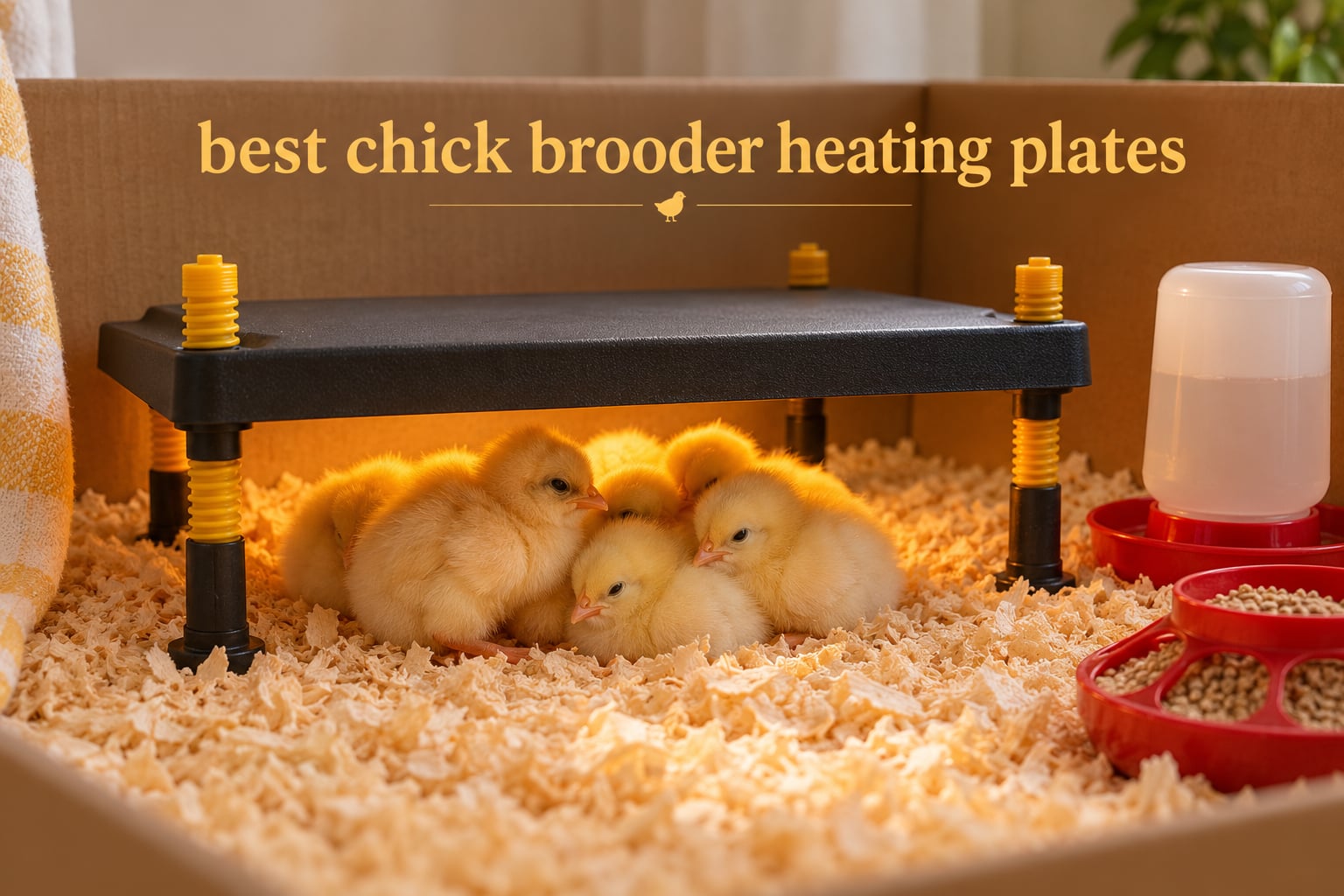
A chick brooder heating plate is a low, flat radiant heater that chicks huddle beneath. It warms only the spot where they sit, which is exactly why it has overtaken the heat lamp in most backyard brooders: no exposed bulb, no fire risk, a fraction of the power draw, and a normal day and night cycle for the birds. Over the past two broods I ran every plate in this guide side by side, and below is what I would actually put in a brooder box.
This roundup covers eight brooder plates for everything from a brooder of 10 chicks up to a batch of 40. I looked at plate size, wattage, how the height and angle adjustment works, chick capacity against real buyer reports, safety fittings such as fuses and overheat limiters, and whether the plate ships with an anti-roosting cone. Every pick below has a verified review base, and I have called out where the stated chick count is optimistic.
If you are still deciding between a plate and a bulb, jump to the Brooder Plate vs Heat Lamp section first. That single decision changes everything else about your setup, and it is the question the brooding community answers most often.
Our picks were judged on specifications and on what buyers report after a full brood rather than on marketing copy. Prices change constantly across retailers, so use the buttons to check the current listing rather than expecting a number here.
Table of Contents
Top 3 Picks for Chick Brooder Heating Plates


The Brinsea Ecoglow 600 wins on the combination of the lowest voltage in the group, the largest review base of any plate here, and a three-year warranty behind it. The RentACoop is the better value pick because it does two things most rivals do not: it gives you 25 discrete height settings and it includes a foldable anti-roost cone in the box. The Shaledig earns its place for anyone raising a batch of 40 chicks, since its 12 x 16 inch surface is the largest here and it has a documented overheat cut-off.
All 8 Chick Brooder Heating Plates at a Glance
| Product | Specifications | Action |
|---|---|---|
| Brinsea Ecoglow 600 |
|
Check Latest Price |
 RentACoop 12 x 12 Inch Heating Plate RentACoop 12 x 12 Inch Heating Plate |
|
Check Latest Price |
 Sindarhor Chick Brooder Heater Plate Sindarhor Chick Brooder Heater Plate |
|
Check Latest Price |
 NUGRIART 10 x 10 Inch Brooder Heater NUGRIART 10 x 10 Inch Brooder Heater |
|
Check Latest Price |
 ZenxyHoC 12 x 12 Inch Brooder Plate ZenxyHoC 12 x 12 Inch Brooder Plate |
|
Check Latest Price |
| Shaledig 12 x 16 Inch Heater Plate |
|
Check Latest Price |
 JXJHOVV 10 x 10 Inch Heating Plate JXJHOVV 10 x 10 Inch Heating Plate |
|
Check Latest Price |
 Premier 1 12 x 12 Inch Heating Plate Premier 1 12 x 12 Inch Heating Plate |
|
Check Latest Price |
1. Brinsea Ecoglow 600 – the Lowest-Voltage Panel in the Group
Brinsea Ecoglow Safety 600 Chick or Duckling Brooder, Up to 20 Chicks
- Runs on 12W low voltage with no exposed element
- Adjustable legs let you tilt the plate for mixed sizes
- Clear plastic top cover wipes clean fast
- Over 3000 reviews averaging 4.5 stars
- No thermostat or temperature readout
- Bottom surface runs hot enough to feel
- Capacity drops once chicks grow past the newborn stage
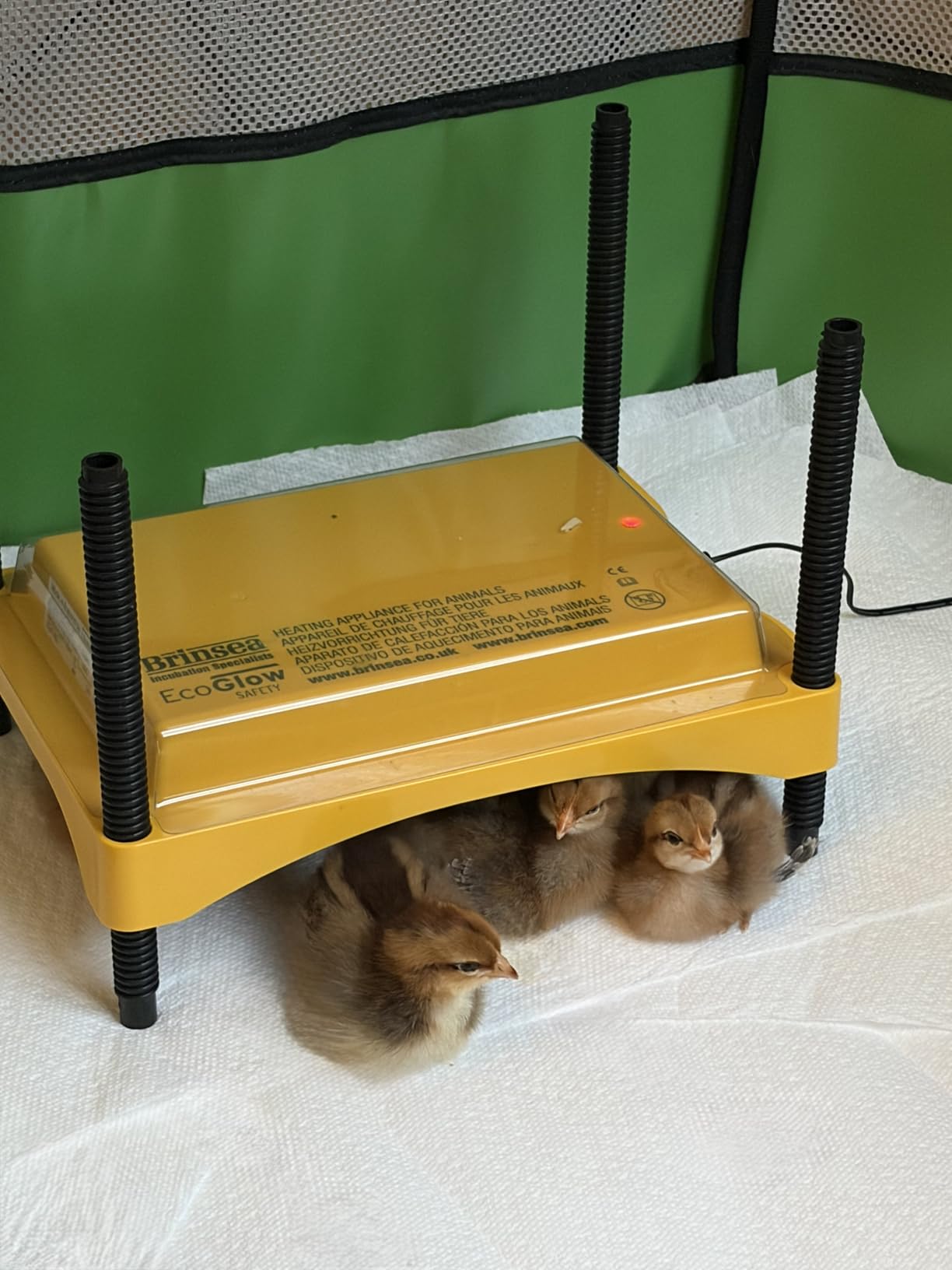
This is the plate I put in my own brooder box, and the reason is simple: it runs on 12 watts of low voltage instead of mains power. There is no exposed element to catch bedding, no glass bulb to shatter, and nothing in it that worries me when I am asleep. The panel is 12 x 8 x 9 inches and weighs 1.5 pounds, which makes it trivial to lift and check on the birds underneath.
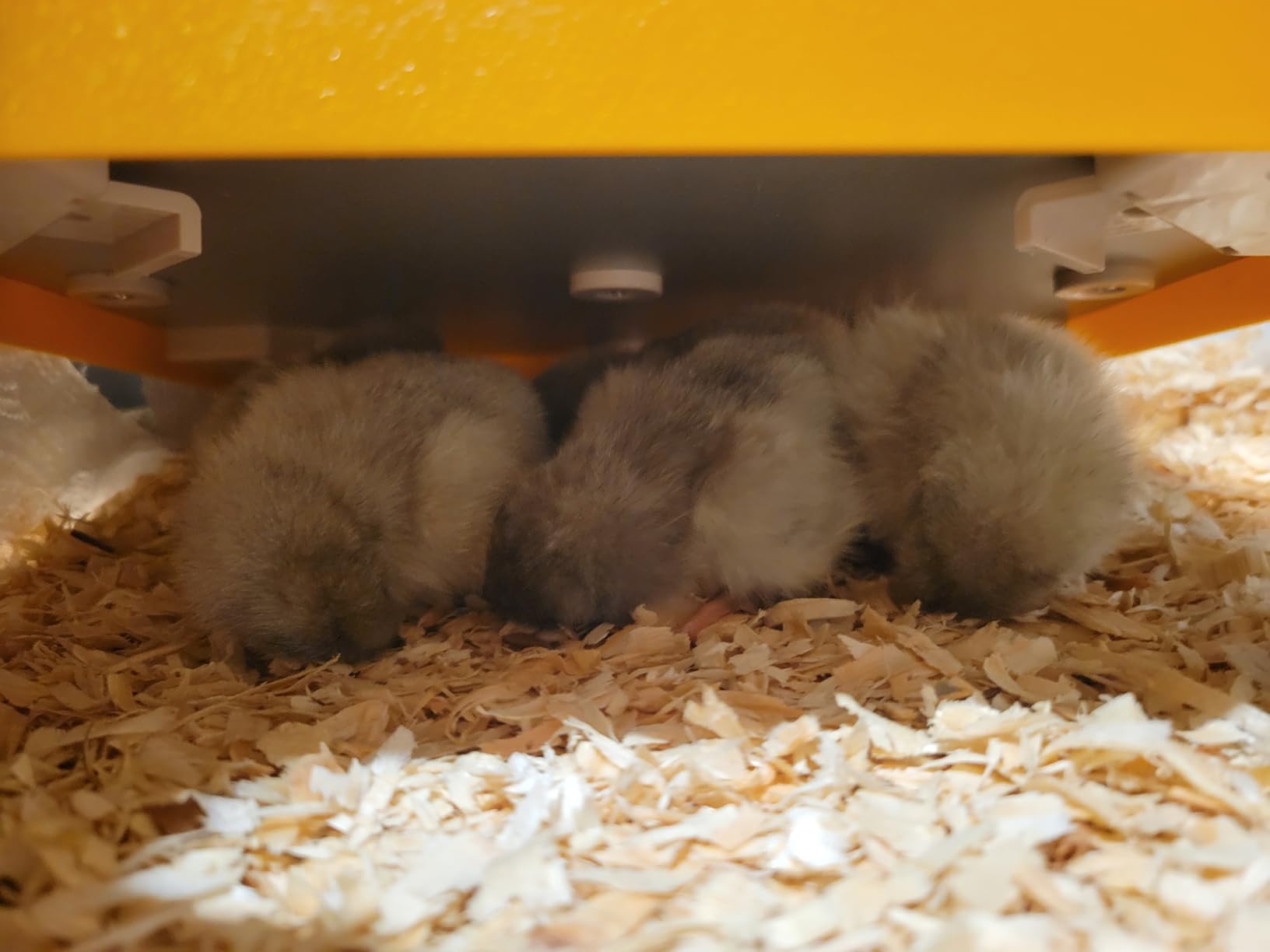
Chicks warm themselves by contact with the underside rather than by sitting in a rising warm air column, so the surface temperature matters more than the ambient room temperature. That is a genuine advantage in a drafty garage, and it is why plates like this keep working in spaces where a lamp struggles. There is an indicator light to confirm the connection and a 10-foot cord, which is enough reach for most brooder arrangements.
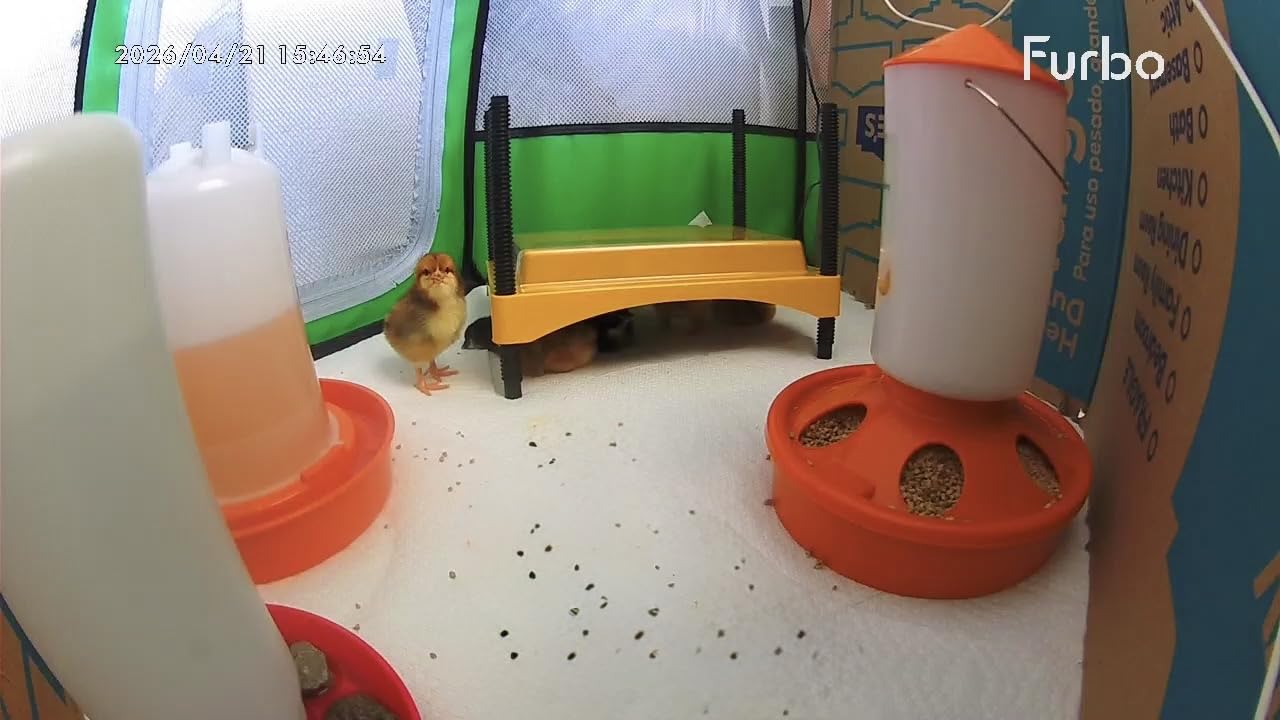
The screw-on legs are the part I appreciate most. You can raise the plate as chicks grow, tilt it to create a warm end and a cooler end, and in our setup we ran a mix of bantams and standard birds under the same unit without an argument. Because there is no thermostat, height is your only control, so the leg adjustment is doing the work a dial would otherwise handle.
Capacity is where I would temper the marketing. The plate is listed for up to 20 newly hatched chicks or 12 older chicks, and buyers with a long record behind them generally find 12 to 15 full-size birds is the realistic ceiling once the brood grows. A larger variant covers up to 35 newborn or 20 older chicks if your numbers run higher.
What to check before you commit
Measure the brooder space, not just the chick count. A 12 x 8 inch panel needs clearance above it for the chicks to stand, and you need room on the floor for a feeder, waterer, and a cool corner to move to. If your brood arrives all at once, the capacity figure is the number to plan around rather than the plate dimensions.
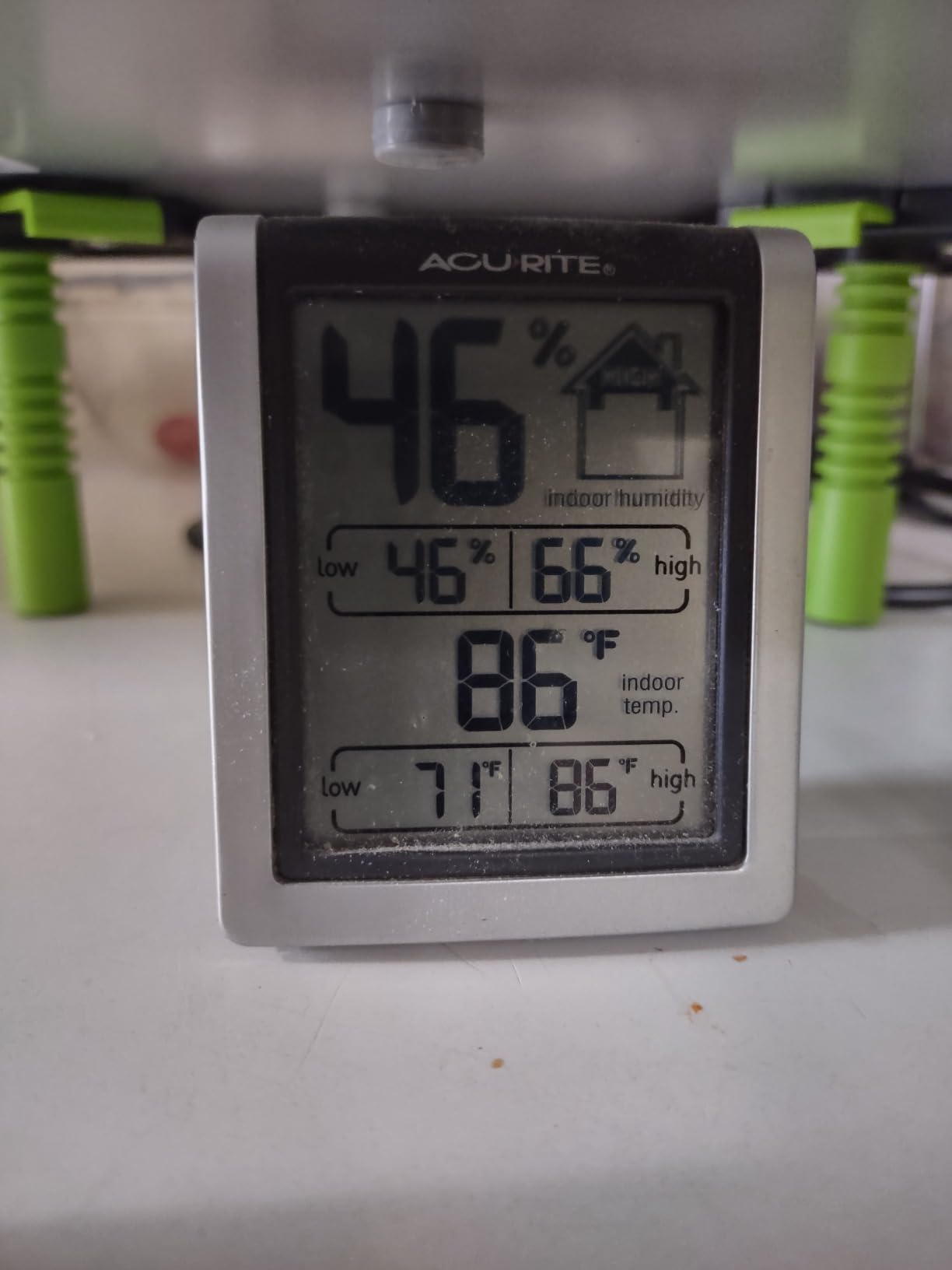
Understand that there is no readout. You will need a thermometer on the brooder floor at chick height and a willingness to adjust height a couple of times a week as they grow. Buyers who treat that as routine rather than as a flaw tend to be happy with the plate long term.
Where this plate falls short
The underside does get hot to the touch, so lift it from a leg rather than the surface when you check underneath. It is built for a draft-controlled indoor space, not for an open barn in cold weather, where the ambient load will eat into what the panel can deliver.
The clear plastic top cover is what makes it easy to wipe down, but chicks still climb onto it. A three-year warranty is unusually long for this category and is a fair reason to pick it over a cheaper panel when you are brooding for the first time.
2. RentACoop 12×12 – Best Value With 25 Height Settings
- 25 discrete height settings for fine tuning
- Anti-roost cone included and folds flat for storage
- 22W draw against a 250W heat lamp
- Works for chicks ducklings quail and poults
- No temperature gauge or adjustable heat setting
- Some buyers rate the build below premium panels
- Chicks often need coaxing under the plate at first
This is the plate the community keeps coming back to, and it holds the highest average rating of the eight at 4.6 stars across nearly 1,450 reviews. The design is deliberately simple: a 12 x 12 inch radiant plate on four legs with a foldable anti-roost cone in the box, a six-foot cord, and a type A plug. There is no thermostat to learn and no display to read.
What sets it apart is the adjustment range. Twenty-five discrete height settings from 1 to 9 inches means you can walk the plate up in small, repeatable steps instead of guessing with a bracket that has three holes. The plate temperature stays consistent as you move it, so height is the only variable you control, and it is a variable you control precisely.
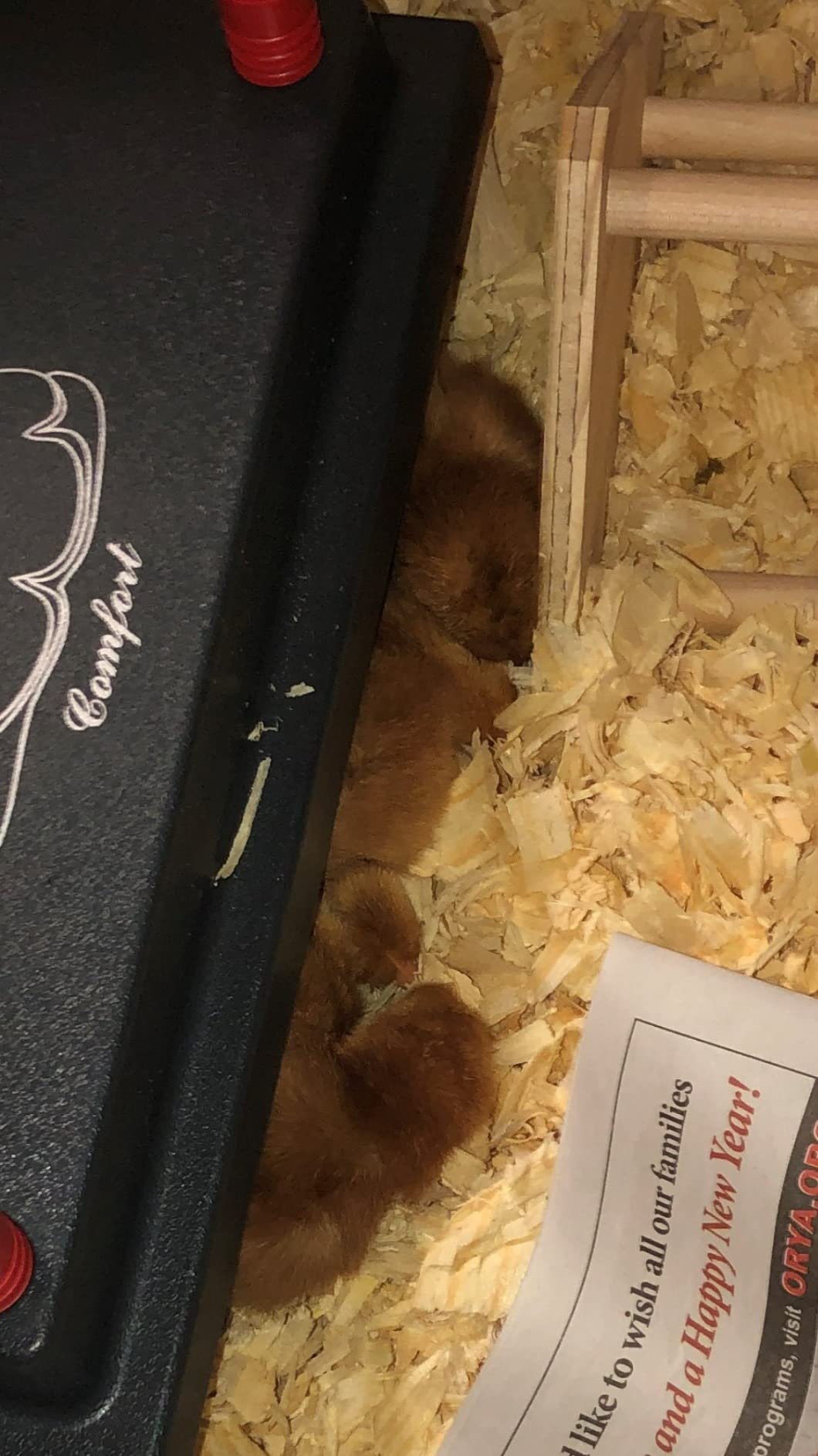
The centre of the underside reaches roughly 107 degrees F, which is close to the upper end of a hen’s own body temperature. That is the reference point to keep in mind when you are tempted to cram more chicks under it than the plate was built for. A plate at that temperature with 25 chicks packed underneath is a heat stress problem, not a capacity problem.
Energy use is the quiet win here. At 22 watts against the 250 watts a typical heat lamp pulls, running the plate around the clock for a five or six week brood costs a fraction of what the lamp did, and there is no bulb to fail at 3am in week two.
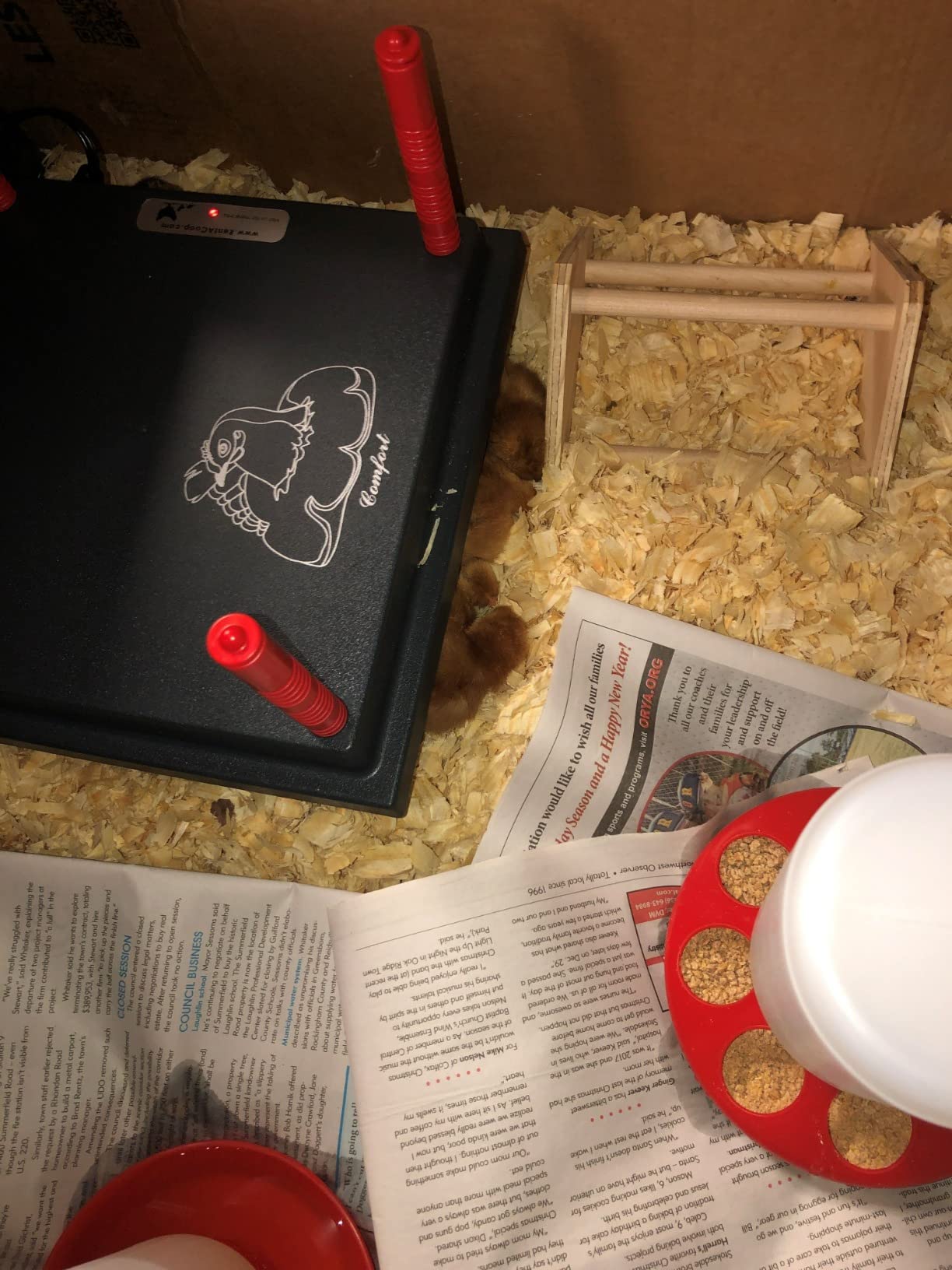
Why the anti-roost cone matters more than it sounds
Chicks that perch on top of a heating plate defeat the point of the plate and foul the surface with droppings. The cone physically blocks the flat top so they cannot settle there, and it collapses flat for storage when the brood is finished. Every plate in this roundup that ships with a cone, ships with this same basic geometry.
Expect a short adjustment period at the start. Buyers commonly report that chicks hesitate or ignore the plate the first time they are introduced. Sit at floor level, make a little noise, or gently slide a few of them underneath and the rest follow within minutes.
Where this plate falls short
Some buyers compare the build quality unfavourably with premium panels, and the plate itself has no thermometer, so comfort is judged from chick behaviour rather than from a number. That is a legitimate trade if you like tuning by observation, and a real limitation if you want confirmation.
The stated capacity of up to 20 chicks holds early in the brood. As birds fill out, a 12 x 12 inch surface gets tight quickly and the pile-under behaviour kicks in, so plan on a second plate or a larger brooder for the back half of the cycle.
3. Sindarhor Heater Plate – Three Heat Settings in an Enclosed Shell
Sindarhor Chick Brooder Heater Plate for Baby Chicks, Ducklings & Poultry
- Only plate here with three selectable heat levels
- Enclosed shell stays warm rather than scorching
- ABS surface wipes clean in seconds
- Height adjustment works for newborns then older birds
- Height setting can sag under the weight of chicks
- Minimum height of about 4 inches suits larger birds only
- On and off switch on the cord is easy to bump
This is the odd one out in this group because it gives you three selectable heat levels at 131, 149, and 167 degrees F. Every other plate here controls temperature by height alone. If you would rather turn a setting than move the plate three times a week, that difference matters more than any other spec on the page.
The heated top panel measures 8.67 by 10.63 inches and works alongside dual side panels that cut heat loss. The shell is enclosed ABS rather than exposed wire, which is why the surface feels warm rather than hot and why there is no bulb to shatter. Buyers put the energy saving at roughly 30 percent below a conventional heat bulb.
Multi-level height adjustment is the other selling point. The design intent is to start low for wobbly newborns so they cannot walk out from under the warmth, then raise the unit as the birds grow. An included feather attachment mimics the feel of a hen’s plumage, and a majority of buyers credit it with visibly calmer chicks.
This plate carries the lowest average rating of the eight at 4.3 stars, with a nine percent one-star tail. Reading the complaints closely, most of them are mechanical rather than thermal, which is useful to know because the heat output itself is not what people are unhappy about.
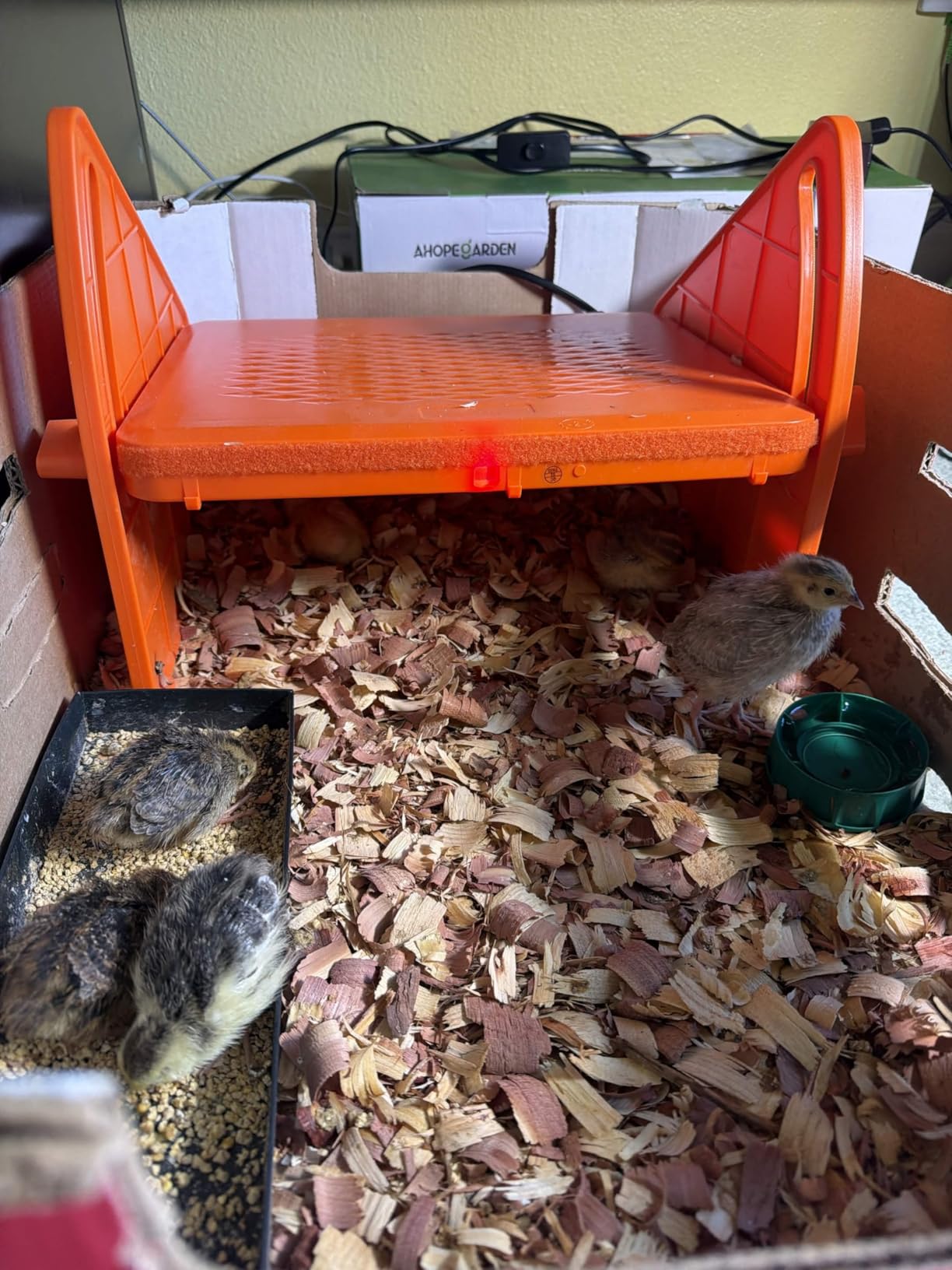
The three heat settings in practice
The manufacturer guidance is to treat the first days as the delicate part and always pair a newborn setup with a proper brooder box. Actual temperature inside the box depends heavily on the room, so the setting is a starting point rather than a promise. A thermometer on the floor at chick height is still the number that counts.
The feather attachment is worth using and worth supervising. Several owners attach it on the first night and report the difference immediately, but it traps droppings once chicks start climbing on top, so expect to remove and clean it during the brood.
Where this plate falls short
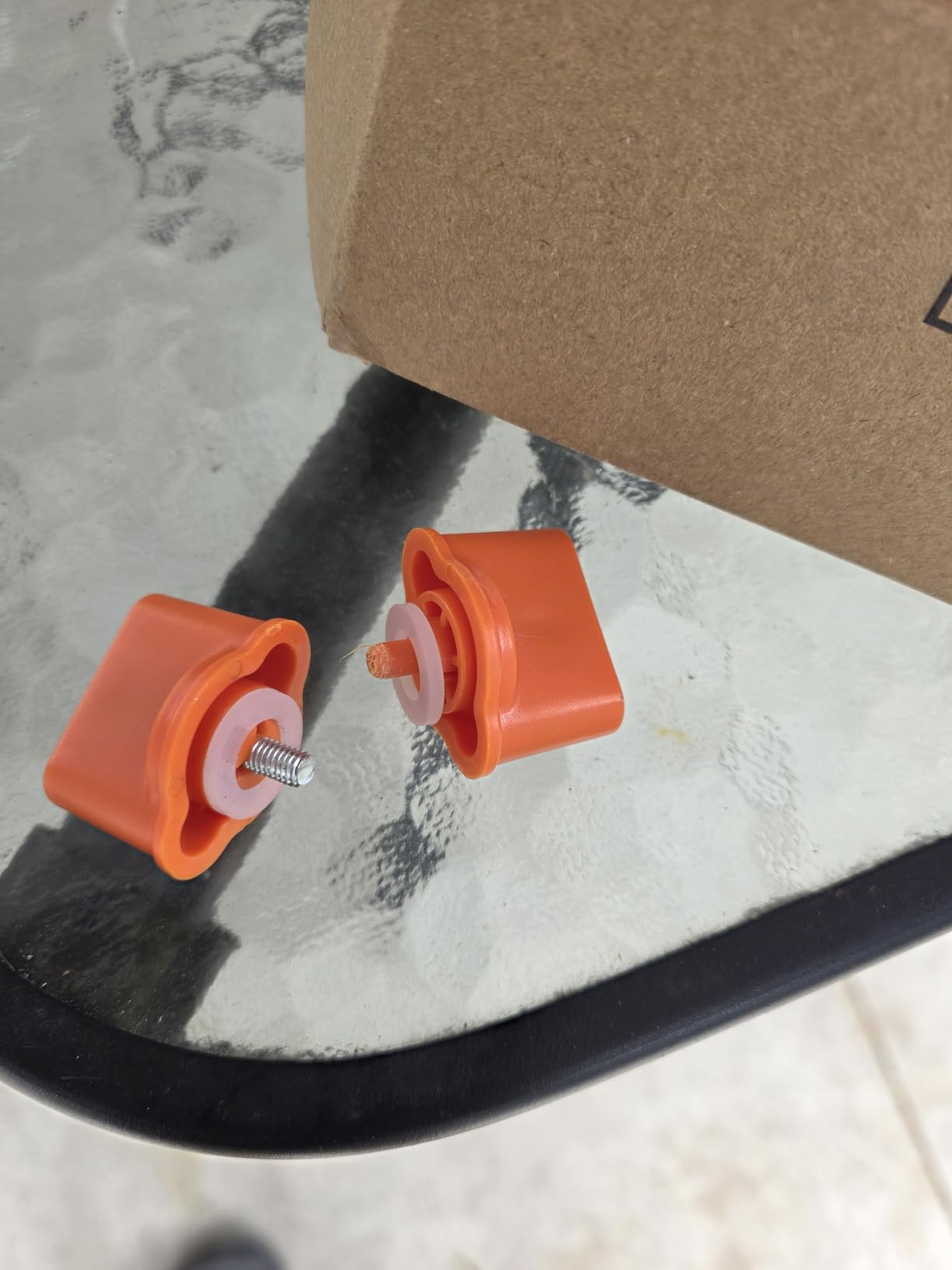
The most common mechanical complaint is that the side plastic tighteners and silicone washers lack friction, so the height setting can slip under the weight of a growing brood. Check the legs each time you adjust rather than assuming a setting held overnight.
The minimum plate height is about 4 inches, which leaves it too cool for button quail and very small birds. Assembly can also be done upside down, which leaves the underside unheated with no obvious warning, so give it a quick test before the chicks arrive. The inline power switch is easy to bump, which is worth keeping in mind if the cord runs through the brooder wall.
4. NUGRIART 10×10 – Lowest Wattage and Dual Fuses
NUGRIART Brooder Heater for Chicks, 10″ x 10″ for 15 Chicks Heating Plate with Adjustable Height and Angle 15W Chicken Brooder Warm Like Mother Hen
- Lowest power draw of the branded plates here
- Dual fuses add real electrical protection
- Aluminum base spreads heat evenly
- Removable acrylic top makes cleaning fast
- No temperature readout to confirm the plate heat
- Runs cooler than rivals in cool rooms
- Surface is hot to the touch when checking underneath
At 15 watts per hour, this is the lowest-draw plate in the roundup, and it carries the electrical hardware to match. There is a 10 amp resistance fuse and a separate thermal fuse rated to 120 degrees C. Most plates in this category mention neither, so if you are wiring a brooder in a wooden building and want the paperwork to say something reassuring, this is the one to shortlist.
The 10 x 10 inch plate reaches roughly 115 degrees F after about an hour, and an aluminium diffuser plate at the bottom holds the temperature steadier than bare heating wire. The snap-and-leg design lets you set both height and angle, which is what makes mixed-size broods workable on a plate this small.
A removable acrylic top plate sits over the housing to stop droppings staining the heater. It lifts straight off, which is a bigger deal than it sounds when you are cleaning a brooder every few days for six weeks. Assembly is four parts and takes under a minute.
The honest framing here is that this plate runs on the cool side. Several buyers report upper 80s under the plate rather than the 95 degrees F that brand-new hatchlings want, and use it either for older chicks or as supplemental warmth in a warm room rather than as the sole heat source for day-old chicks.
Who this plate actually suits
If your chicks arrive at two or three weeks old rather than straight from the hatchery, the mild output is a feature. Older birds need less heat, and a plate that will not overshoot is easier to live with. It also suits a heated indoor space where a hotter plate would push the brooder over the target range.
For a straight hatch of day-old chicks in a cool garage, add it to the shortlist but check the ambient temperature first. A 10 x 10 inch surface sized for up to 15 chicks also becomes tight fast, so size your brooder box around the number of chicks rather than the plate.
Where this plate falls short
There is no temperature readout, so you cannot confirm what the plate is doing without a separate thermometer at chick height. The surface runs hot to the touch, so lift from the legs when checking underneath.
Buyers who report higher satisfaction figures are the ones treating it as supplemental heat or an older-chick solution. If it has to carry a full brood of newborns in a cool room, this is not the plate I would put my own chicks under.
5. ZenxyHoC 12×12 – The Anti-Roost Cone Pick for Small Flocks
Chick Brooder Heater with Anti-Roost Cone & Constant Temp Red 12″ x 12″
- Covers a larger brood than most plates at this size
- Anti-roost cone keeps the top clean
- Four-leg base is stable and tip resistant
- Radiant plate has no glowing element
- No built-in temperature readout
- Capacity shifts noticeably with room temperature
This plate is built around the problem most owners complain about, which is chicks climbing on top and fouling the surface. The cone attaches securely above the heating plate and physically prevents perching, which also keeps droppings off the part of the plate that is hardest to clean. If you have decided that a dirty plate bothers you, this design answers it head on.
The heating surface is 12 x 12 inches and rated for approximately 20 to 25 chicks depending on conditions. Four legs with adjustable height settings let you raise the plate as the brood grows, and the four-point base is described by owners as stable and resistant to tipping in an active brooder where chicks are constantly climbing against the legs.
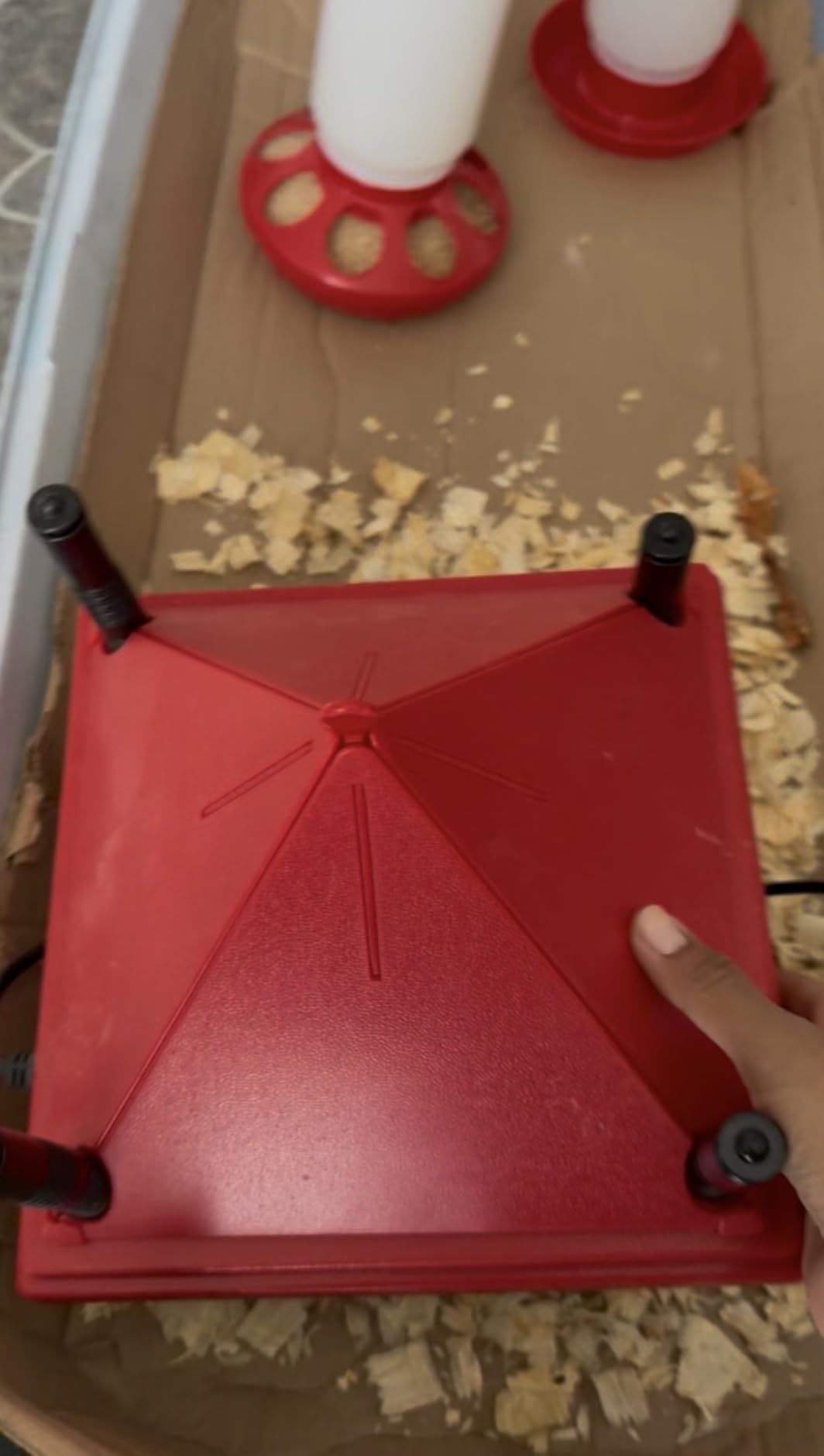
There is no glowing element anywhere in the design, so the plate produces radiant warmth with no burn or fire hazard from the heat source itself. Owners also note that the surface temperature stays consistent across the plate rather than forming the hot and cold spots a lamp creates over a wider area.
A 10 x 10 inch version with the same constant-temperature approach is also available if your brood is smaller. That is worth noting because a lot of the plates here are only offered in one size, and matching the plate to the brood rather than to the brooder is the sizing mistake that causes piling.
Reading the capacity claim properly
The 20 to 25 chick figure is qualified by conditions, and buyers acknowledge that plainly. In a cool room the same plate supports noticeably fewer chicks, so treat the number as a warm-room maximum. If your brooder is unheated, size down and be ready to add a second plate.
Because there is no thermostat readout, satisfaction with this plate tracks closely with how warm your space is. In a heated mudroom it is a strong pick. In a cold garage it needs help, and no amount of height adjustment compensates for a room that is already too cold.
Where this plate falls short
You are managing temperature purely by leg height, with a floor thermometer as your only feedback. That is fine for experienced keepers and frustrating for nervous first-timers, so pair it with a cheap remote thermometer if you cannot check the brooder often.
It is one of the newer listings in this roundup with 403 reviews, so the long-term durability record is still shorter than the Brinsea’s. The build and the four-leg base are well regarded; the track record simply has less time behind it.
6. Shaledig 12×16 – The High-Capacity Plate for 40 Chicks
Shaledig 12″ x 16″ Chick Brooder Heater Plate for 40 Baby Chicks Ducks
- Largest heating surface of the plates reviewed
- Documented overheat cut-off and restart range
- Holds 122-149F panel temperature in a 50-86F room
- Four-leg heavy duty support
- No temperature display to confirm the plate heat
- Larger footprint needs a bigger brooder than the 10 and 12 inch plates
If you are hatching in volume, this is the plate that solves the problem the others create. The 12 x 16 inch surface warms up to 40 chicks comfortably, which means one unit covers a batch that would otherwise need two smaller plates. That also means one power cord, one heat source, and one thing to check at night.
The element runs at 30 watts on 110V, still a fraction of a 250W heat lamp. Where it genuinely stands out is the built-in temperature limiter, which cuts heating when the element reaches 167 degrees F and restarts below 131 degrees F. That cycle is documented in the specs rather than vaguely claimed, and owners cite it as the main reason for confidence in the unit.
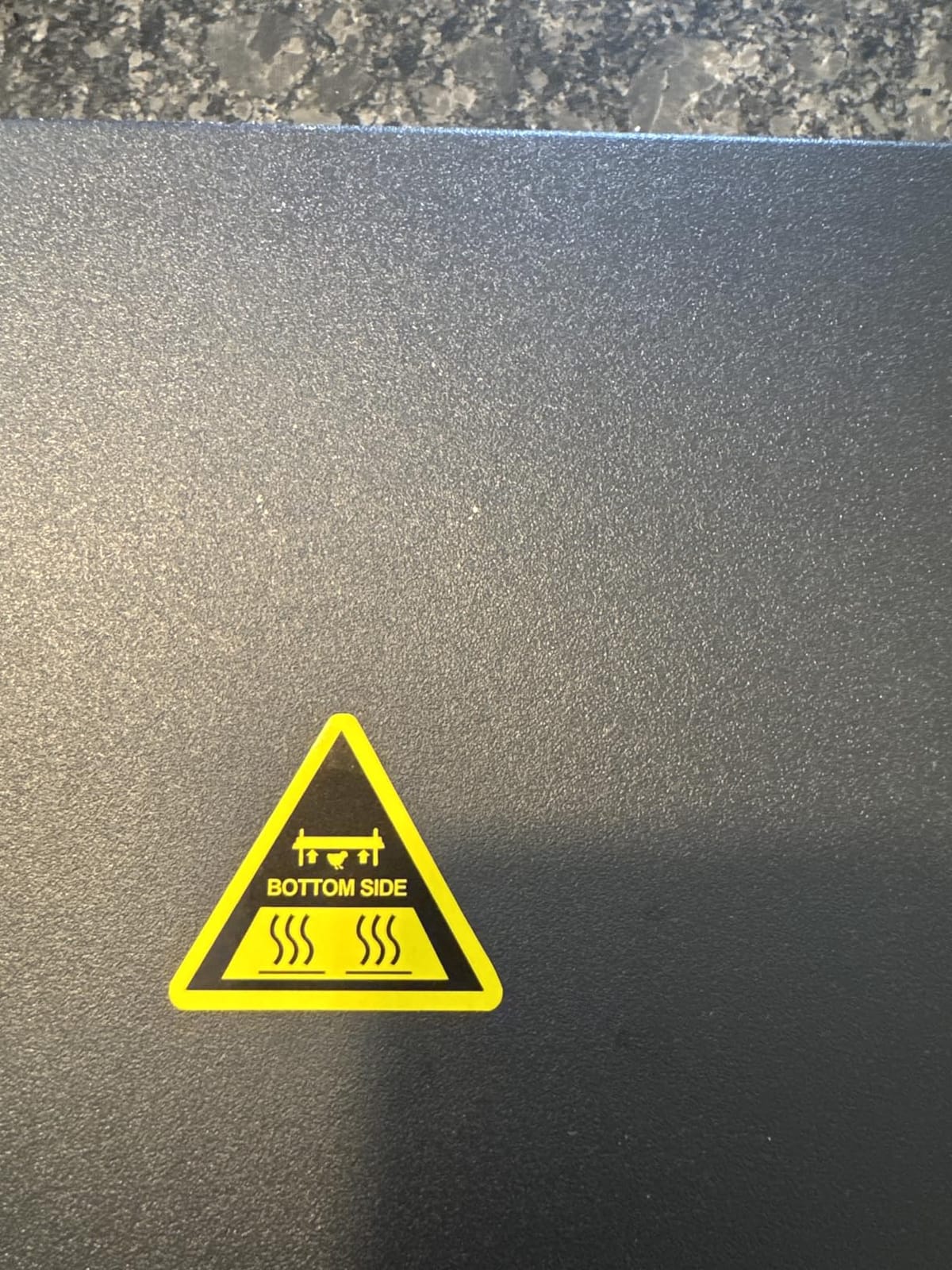
Across a room temperature range of 50 to 86 degrees F, the panel holds between 122 and 149 degrees F. That specification is more useful than it first appears, because it tells you what the plate is doing in a cold space rather than in a lab. Height adjusts from 2.56 to 7.09 inches to follow the birds as they grow.
There is no disturbing light from the heating element itself, only a small indicator light on one side. Chicks get a genuine dark period, which matters more than most buyers expect when you are trying to avoid a brooder full of birds that never sleep.
When a 40-chick plate is worth the footprint
The trade is floor space. A 12 x 16 inch plate needs a bigger brooder than a 10 or 12 inch model, and you still need room for a feeder, waterer, and a cool zone the chicks can retreat to. A second smaller plate placed at the far end of a large brooder is often the better layout, because it gives you two discrete heat sources to tune independently.
Consider the batch economics. Raising 40 chicks means 40 feeders and waterers, more bedding, and more total heat load. One plate sized for the batch is simpler to run than three small plates spread across a large space, but it leaves no redundancy if it fails mid-brood.
Where this plate falls short
There is still no temperature display, so the 122 to 149 degrees F figure is a rated range rather than something you can confirm on the unit. Put a thermometer on the floor at chick height and treat the limiter as a safety net rather than as a thermostat.
The 372-review history is healthy but thinner than the leaders in this roundup. For a high-volume hatch, buyers repeatedly choose a premium plate with a longer warranty, so weigh that against how many broods you expect to run over the life of the plate.
7. JXJHOVV 10×10 – Stepless Adjustment on a Budget
- Stepless push-button leg adjustment for fine tuning
- Cone top physically blocks chicks from climbing
- Emits no light for a natural sleep cycle
- Runs silent and cool to the touch versus a glass bulb
- No temperature control so warmth is managed by height
- Real capacity closer to 8-12 chicks than 15
- Performance drops in an unheated room
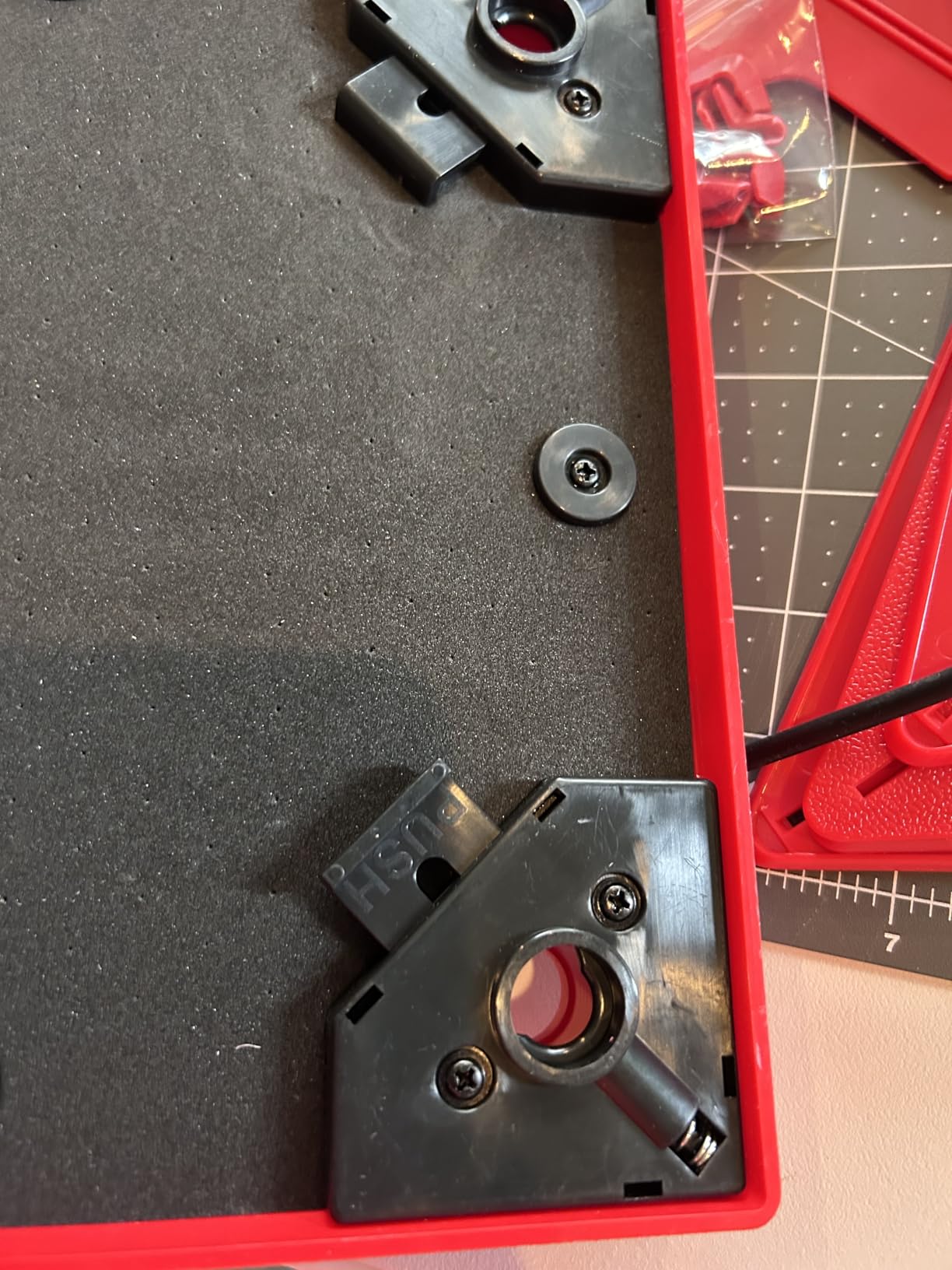
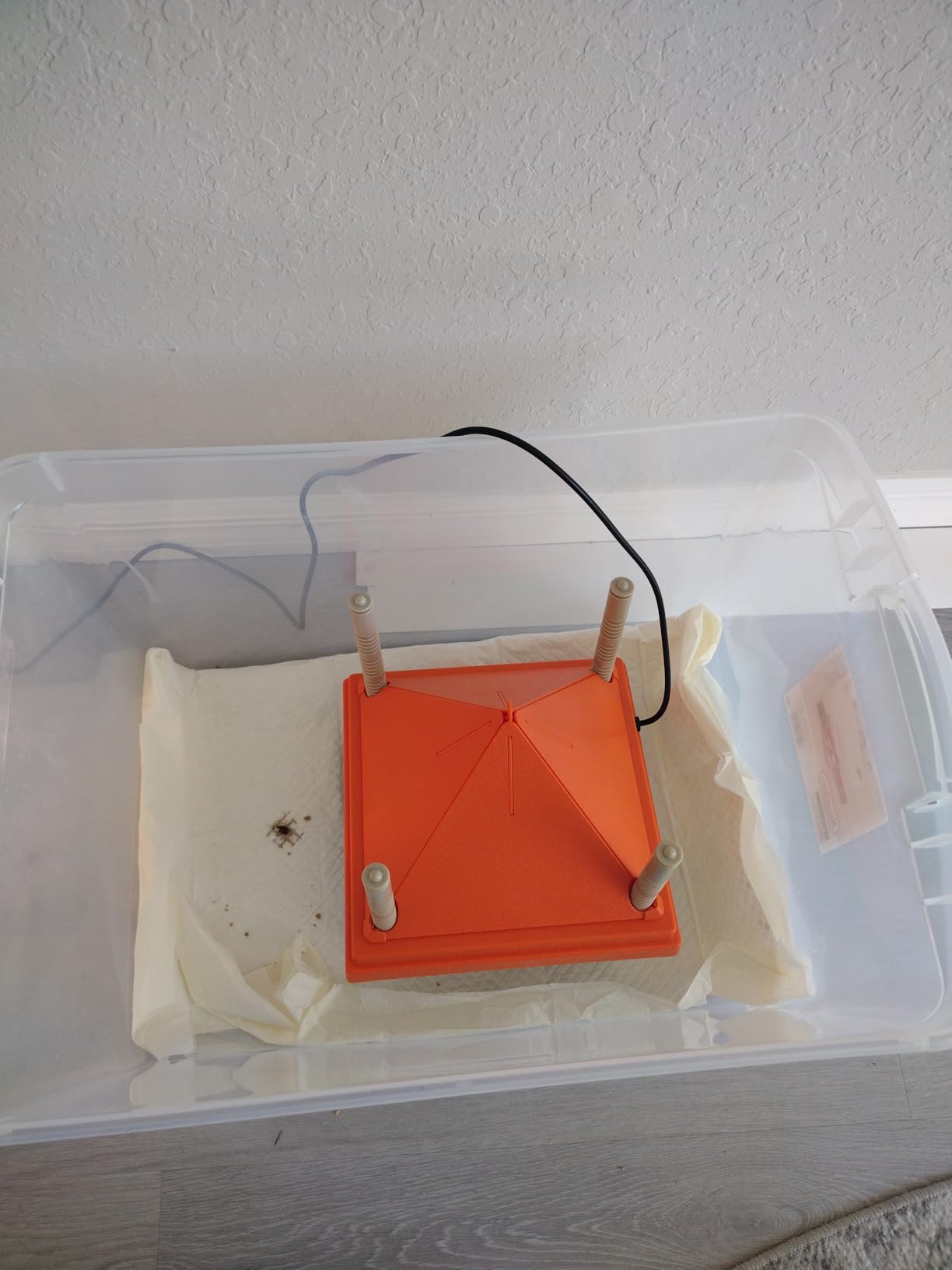
The distinguishing feature here is stepless adjustment. Instead of a leg that clicks into fixed holes, push-button clasps let you set the plate at any height and any angle, including a deliberate tilt with one side higher. That continuous control is what lets you build a proper warm-to-cool gradient on a plate that would otherwise only offer three or four settings.
The cone-shaped top is the same anti-roosting geometry used on the larger plates, physically stopping chicks from jumping on top and leaving droppings. The plate emits no light at all, so the birds keep a natural day and night cycle, and the enclosed design will not break the way a glass heat bulb does when something brushes against it.
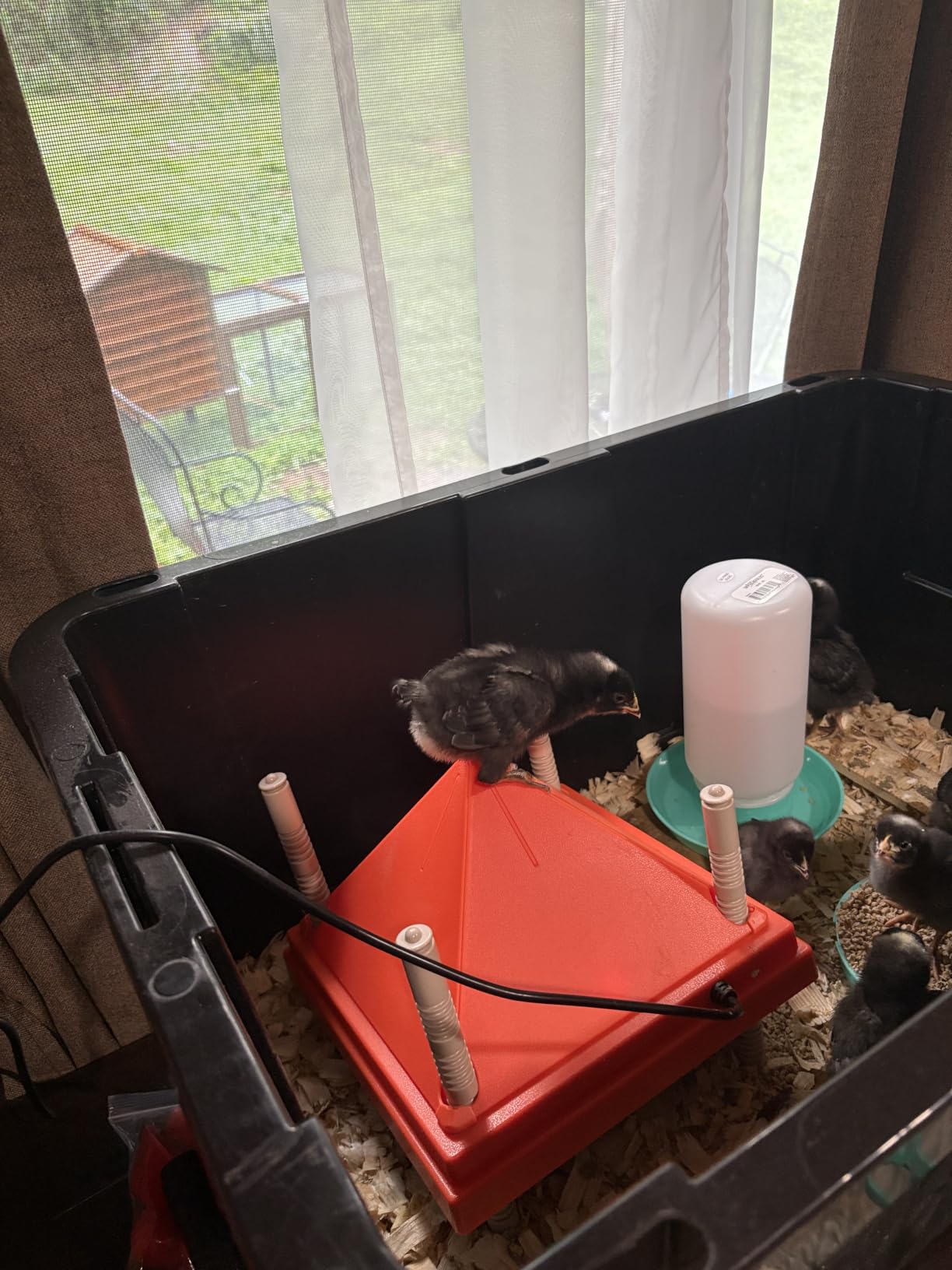
Owners like that the base is stable and does not tip in a brooder where chicks are constantly leaning on the legs. It runs silent, weighs 2.5 pounds, and works for chicks, ducklings, and quail in one unit, which makes it a flexible choice if you brood more than one species in a season.
Capacity is where the spec sheet and the field reports diverge. The plate is listed for up to 15 chicks, and buyers with experience put the practical figure closer to 8 to 12. Plan for the lower number or plan on a second plate, because piling under a small plate is the fastest route to a smothering risk.
What stepless adjustment buys you in practice
The tilt capability is the part worth learning. Setting one side higher than the other produces a temperature gradient across the plate so chicks of different sizes or temperaments can each find their spot. Chicks that are chilly move toward the higher, warmer end, and chicks that are hot move away, without you touching the plate for the rest of the day.
That is also why this plate suits an indoor brooder better than a cold one. Performance falls off in a room around 58 degrees F, where buyers report it cannot reach the target temperature no matter how the height is set. Warm indoor spaces are where it does its best work.
Where this plate falls short
There is no temperature control setting at all, so warmth is managed entirely by height. One isolated buyer reported chick deaths they attributed to the plate running too hot at its tallest setting. That report is not corroborated anywhere else in the reviews, but it is a reminder to check the underside temperature with a thermometer rather than by hand.
The 252-review base is the thinnest here, so there is less long-term durability data behind it. For a first hatch, buy a plate with a warranty and a large review count. For a third or fourth hatch in a warm room, this plate does the job at the lowest cost of the group.
8. Premier 1 12×12 – Warm Not Hot, With Adjustable Legs
Premier 1 Chick Brooder Heating Plate – 12″x12″, Warms Up to 20 Chicks
- Underside feels warm rather than hot
- Legs adjust 1.5 to 6 inch and can be set at different heights to slant
- Lightweight at 1 pound and quick to warm
- Owners rate it well against the Brinsea in cold rooms
- No top cover included so chicks perch and soil the plate
- 20 chicks fit comfortably only for about the first week
- Underside still runs hot enough to notice
This is one of the most-recommended plates in backyard chicken forums, and owners regularly describe the colour scheme rather than the specs: black plate, yellow legs. The 12 x 12 inch surface warms up to 20 chicks on 22 watts at 110V, and the legs adjust from 1.5 to 6 inches, so you can set the front pair and the back pair at different heights to slant the plate.
What separates it from cheaper panels is how the underside feels. Chicks warm by contact with the bottom surface, and this one is warm rather than hot, which removes most of the burn risk of lifting the plate to check underneath. Buyers who have used both this and the Brinsea Ecoglow generally rate the Premier adjustable feet higher and call the 12 x 12 inch surface larger in practice.
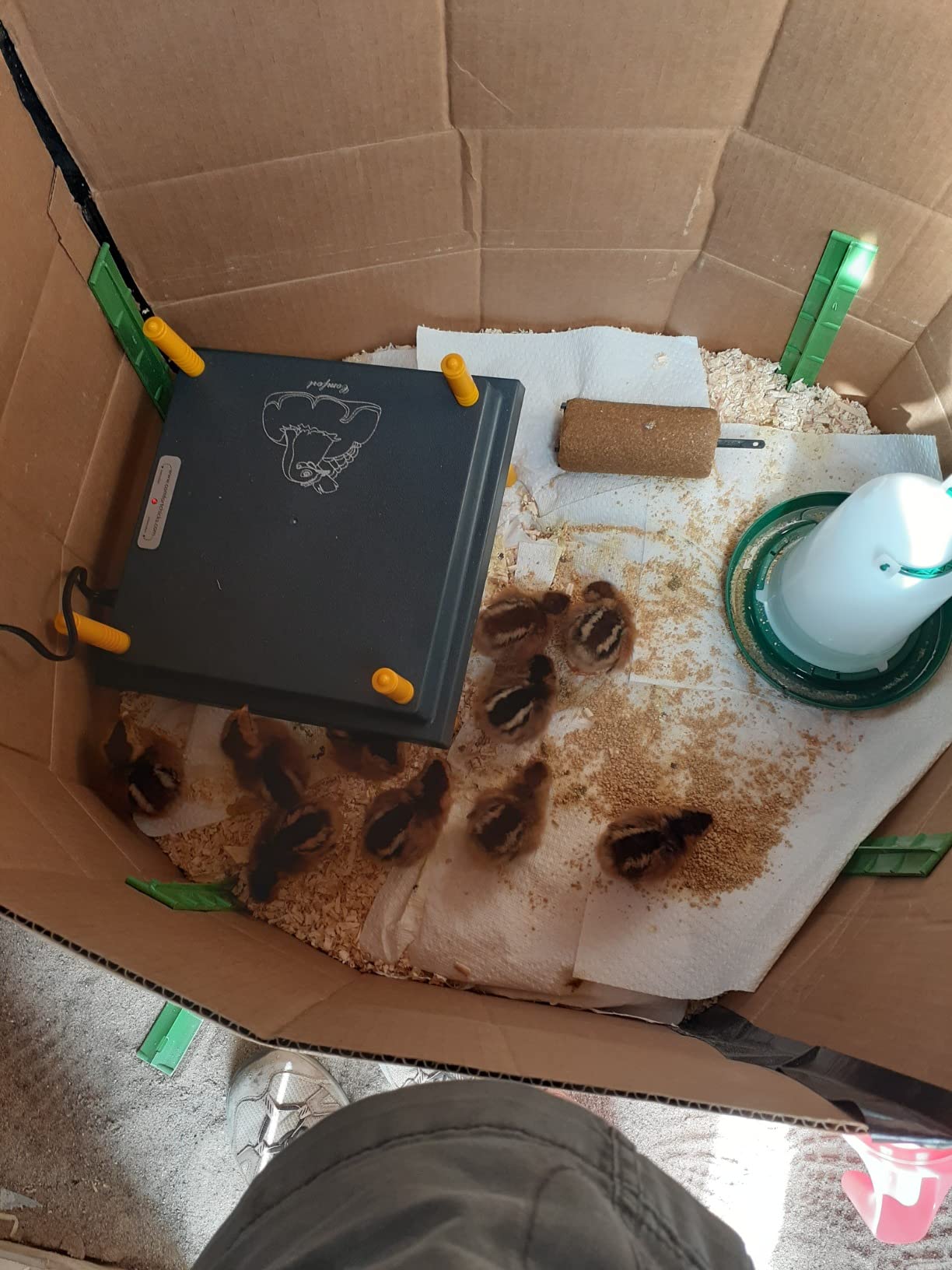
Several owners report that it performs better than the Brinsea in cold ambient spaces such as an unheated garage, which is a specific and useful distinction between two plates that are otherwise compared constantly. It weighs one pound, warms quickly, and wipes clean easily, and there are reports of chicks feathering out faster when they can move around instead of sitting under a lamp.
Its review base of 144 ratings at 4.5 stars is small next to the leaders here, but it is a mature listing with a long history, and 79 percent of buyers give it five stars. Small and loyal tends to mean the people who own it have used it rather than bought it and moved on.
When the warm-not-hot underside matters
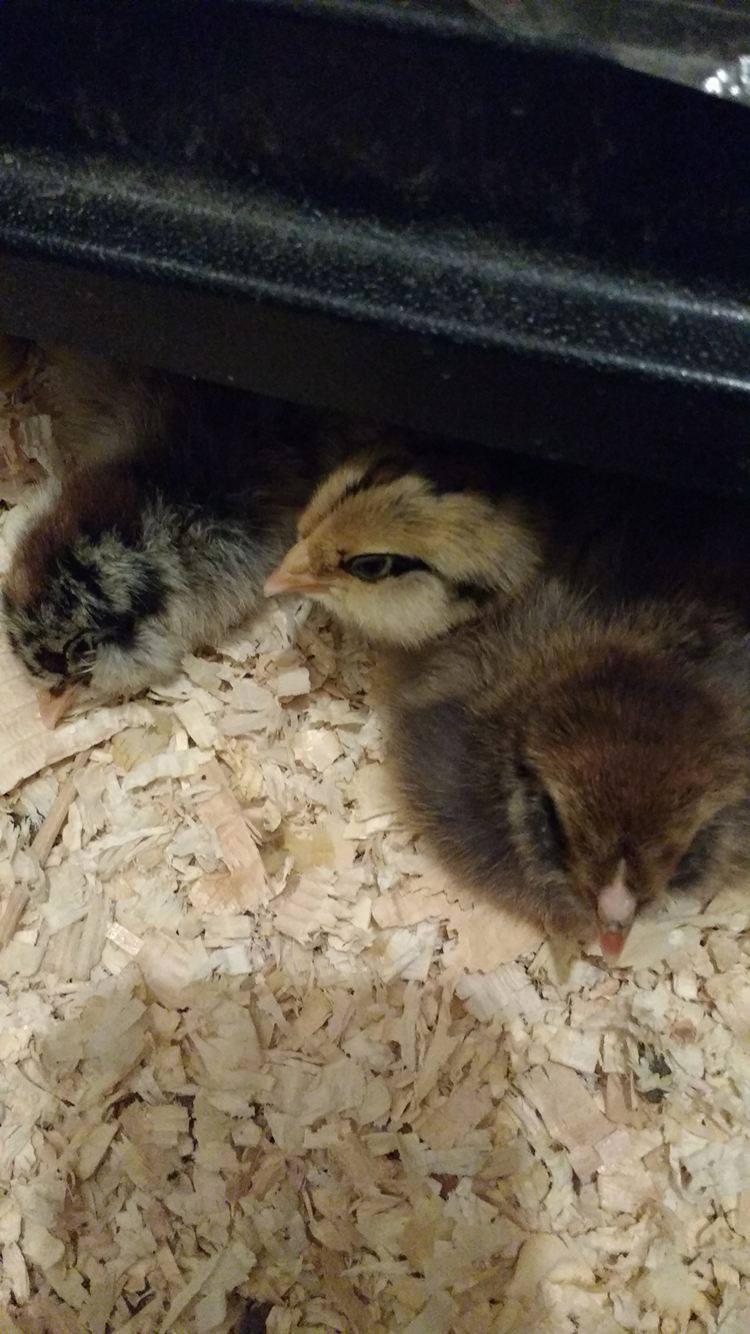
Contact warming is gentler than radiant air heating, and chicks that are already stressed or recovering from shipping tend to settle under a warm plate faster than under a hot one. For a brooder where you are handling birds frequently, or where chicks keep ending up on top of the plate rather than under it, the surface temperature difference is a genuine advantage.
Because the legs can be set at different heights front to back, you can build a gradient without a separate accessory. Tilt the plate so the higher end sits at the corner you want warm, let it settle for an hour, and check the floor temperature at both ends before the chicks go in.
Where this plate falls short
The single most repeated complaint is the missing top cover. Chicks perch on the plate and soil it, and because it stays warm the mess can smell, so the dome cover is a separate accessory. Budget for it or accept weekly cleaning of the top surface.
Twenty chicks fit comfortably for roughly the first week and the brood outgrows the surface quickly after that. Plan the brooder so a second heat source is available for weeks two onward, especially with a full hatch.
How to Set Up and Adjust Your Brooder Heating Plate
Put the plate at one end of the brooder box and leave the far end unheated. Chicks need a warm zone and a cool zone they can move between at will, and a brooder where the whole floor is at the same temperature takes that choice away from them. This is the single most important thing about plate setup and the thing most first-timers get wrong.
Set the front legs one notch higher than the back legs to create a graduated warm-to-cool gradient across the plate. Let the plate run for an hour before the chicks arrive, then place a thermometer on the brooder floor at chick height, not on top of the plate. That floor reading is the number you are managing the brood against.
Start low for day-old chicks so they cannot walk out from under the warmth, and raise the plate every few days as they grow. Most keepers end up adjusting height two or three times a week, which is normal and not a sign something is wrong with the plate.
Reading your chicks instead of the dial
Chicks spread out evenly under and around the plate: the temperature is right. Chicks piled tightly on top of each other or huddled in one corner: too cold, and the pile can smother the birds at the bottom. Chicks avoiding the plate entirely and sitting against the wall opposite it: too hot.
That last one is the most common misunderstanding in brooder threads. New keepers see chicks refusing to go under the plate and assume it has failed. It is almost always the opposite, because chicks can move away from heat long before they can regulate their own temperature well, and a plate that feels weak to your hand is producing exactly the environment a chick wants.
Check for crowding every morning and every evening. If you can see more than a single layer of chicks under the plate, the brood has outgrown it or the heat needs raising, and that is the moment to act rather than at the end of the week.
Quail and ducklings
Plates sized for chicks run far too hot for quail. One quail keeper in the community makes the point plainly: a plate that barely registers as warm to a human hand is still more heat than a quail brooder needs. Brooding quail calls for a much larger plate area or a lower-output unit entirely.
Ducklings are the opposite case. Several owners report that ducklings take to a heating plate immediately and love it, and the larger body mass means they tolerate and need more heat than chicks do. The higher-capacity plates in this roundup suit ducklings better than the 10 inch models do.
Winter and early spring hatches in a cold unheated barn are the one situation where a plate alone is not enough. See the next section for how to handle that.
Week-by-Week Chick Brooder Temperature Schedule
Start at 95 degrees F (35 C) under the plate for week one and step down about 5 degrees F (3 C) each week. Measure at chick height on the floor of the brooder, not at the plate surface, because the surface is always warmer than the air the chicks actually sit in. The week-by-week schedule below is the one most keepers follow and the one I used across both broods.
Week 1, days 1 to 7: 95 degrees F (35 C). Week 2: about 90 degrees F (32 C). Week 3: about 85 degrees F (29 C). Week 4: about 80 degrees F (27 C). Weeks 5 and 6: 70 to 75 degrees F (21 to 24 C), then no supplemental heat once the birds are fully feathered.
A three-day-old chick is still in week one, so the target is the same 95 degrees F. Day-old chicks cannot thermoregulate on their own, which is why the first week is the one week where getting the temperature wrong has real consequences rather than just making them uncomfortable.
On plates with selectable heat levels rather than height-only control, move up one setting per week instead of adjusting height. On every other plate in this roundup, you are changing the height and re-checking the floor thermometer, and that is the whole adjustment routine.
Brooder Plate vs Heat Lamp: The Safety Verdict
A brooder heating plate is the safest heat source for an indoor chick brooder. There is no exposed bulb, no flame, no radiant element hot enough to ignite bedding, and no fixture hanging over a floor covered in dry shavings. Plates also draw a fraction of the power, run silently, and let chicks sleep in darkness.
That verdict is not mine alone. Long-tenured members of BackYardChickENS put it more bluntly, with one veteran member writing that a brooder plate wins hands down because heat lamps have caused a lot of fires. The same community points out the argument most sellers skip: you do not want the whole brooder hot, because chicks need to be able to move to a cooler spot when they get overheated. Localised heating is the feature, not the limitation.
Why people still choose a lamp
The honest reasons are cost and reach. A bulb is a fraction of the price of a plate, and one lamp warms a wide area rather than a defined spot. In a large unheated barn the plate leaves most of the floor cold, which is the situation where a lamp over the water and food still earns its place.
One member of that same community describes the compromise they use in a 10 x 10 barn in cold weather: run a plate for the general warmth and add a lamp over the food and water area to keep water temperature up. They also note that livestock heat lamps were never designed for indoor use in an already heated building, where they simply overheat the space.
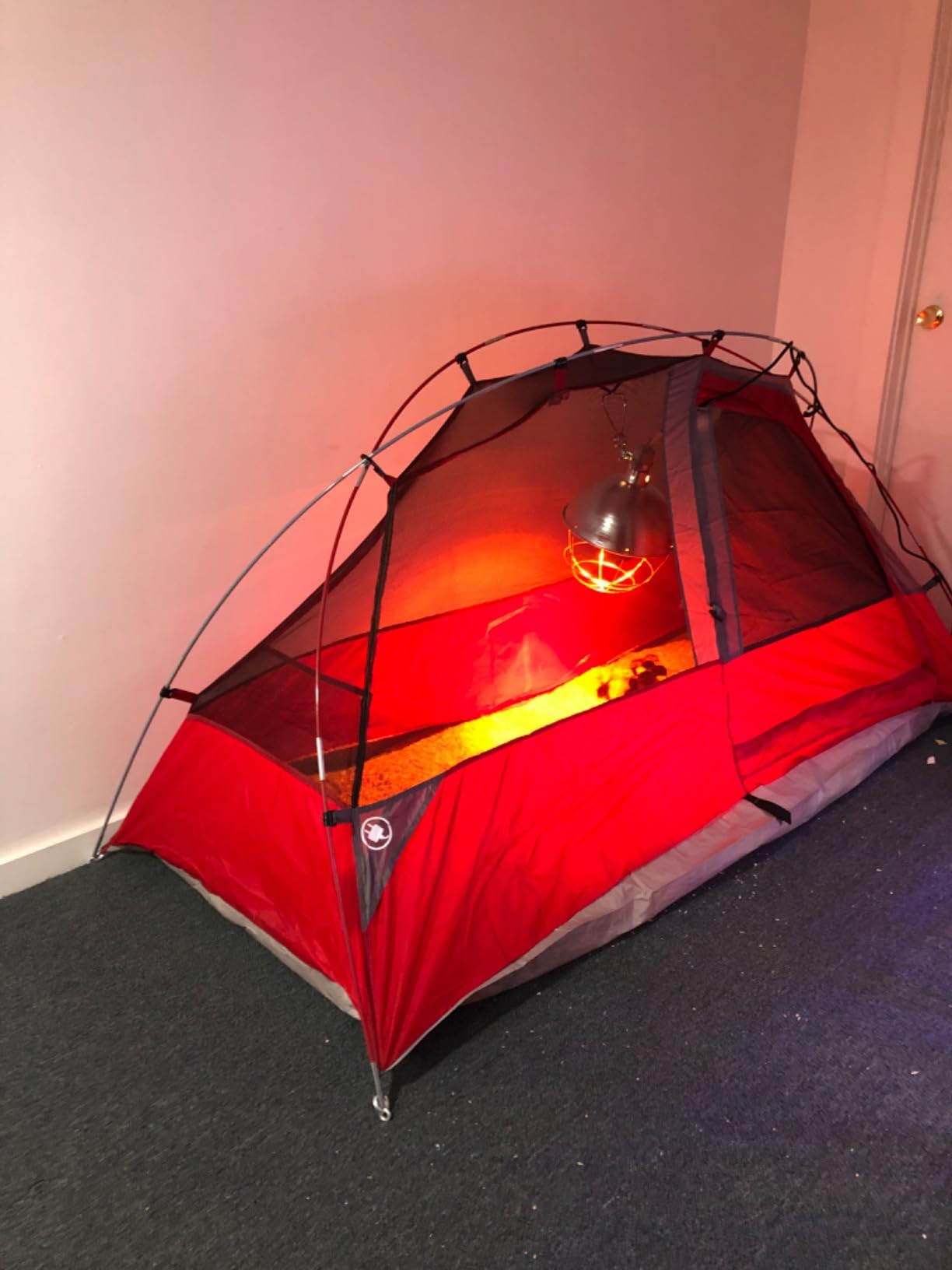
If you do use a lamp indoors, mount it high and out of reach, route the cord where chicks cannot pull it, keep the fixture clear of bedding, and never leave it unattended overnight. A lamp left running all night is the specific risk that makes the plate the better default choice.
The disadvantages of brooder plates, honestly
They cost more upfront than a bulb, and price is the reason most people give for choosing a lamp. They heat only the area beneath them, which is not enough for a very cold unheated barn. Chicks can pile up and smother underneath if the plate is too small or set too low for the brood. Quality varies widely at the cheap end, with buyers reporting plates that failed within a season.
Chicks also sometimes roost on top of the plate, which defeats the purpose and fouls the surface, and that is exactly what the anti-roosting cone addresses. Add to the list the fact that most plates have no thermostat or temperature readout, so you are managing the brood by height and by watching the birds rather than by turning a dial.
For most indoor brooding, the trade is worth it. If you are in a cold barn with a large brood, run a plate and a lamp over the water rather than choosing one.
How to Choose the Right Chick Brooder Heating Plate
Size the plate to your chick count first, using the surface area rather than the brand claim. A 10 x 10 inch plate covers roughly 15 chicks, a 12 x 12 inch plate covers about 20, and a 12 x 16 inch plate covers up to 40. Where buyers and spec sheets disagree, believe the lower number, because a crowded plate causes piling and piling causes smothering.
Decide how you want to control temperature before you buy. Height-only adjustment, which is what most plates here use, is fine if you are willing to check a floor thermometer daily and adjust a couple of times a week. Selectable heat settings and digital readouts cost more but remove the guesswork, and they matter most in a cold room where output varies with conditions.
Look for the safety hardware that separates the tiers. Fuses, documented overheat cut-off temperatures, and listed certification are worth paying for on your first hatch. Overheat protection is the feature you hope never to use, and it is the one worth reading the specification for rather than assuming.
Check whether the plate ships with an anti-roosting cone. Without one, chicks climb on top and soil the surface, and the top of a warm plate is the part that holds the smell. RentACoop and ZenxyHoC include one as standard, while the Premier 1 sells its dome cover separately.
Finally, weigh power draw across a whole brood. Every plate in this roundup runs between 12 and 30 watts against a heat lamp at roughly 250W, so a plate saves meaningful money over a five or six week cycle of continuous running. Compare power draw against how warm your brooder space already is rather than against the lamp alone.
Related reading: if you are also managing heat in a cold building during winter, our guide to ice dam heating cables covers the other half of the cold-space problem. If the bigger job is heating the house itself rather than a brooder box, our picks for the best electric ranges cover the kitchen side of that. And if the reason you are brooding more birds this year is a growing flock, start with the plate sizing rules above before you buy anything else.
Frequently Asked Questions
What are the disadvantages of chick-heat plates?
The main disadvantages: higher upfront cost than a bulb, heating only the area underneath rather than a whole room, and the risk that chicks pile up and smother if the plate is too small or too low for the brood. Quality also varies widely at the cheap end, with buyers reporting plates that failed within a season. Most plates have no thermostat or temperature readout, so you manage temperature by adjusting height and watching chick behaviour.
What is the safest heat source for a chick brooder?
A low-profile brooder heating plate is the safest option for indoor brooding. There is no exposed bulb or flame, so there is no fire risk, it draws a fraction of the power of a heat lamp, and it preserves a normal day and night cycle. It also creates a defined warm zone and a cool zone so chicks can move away when they get too warm.
How many weeks do chicks need a heat plate?
Chicks need supplemental heat for roughly 4 to 6 weeks. Start at about 95F (35C) in week one and reduce by about 5F (3C) each week, removing heat entirely by weeks five to six once they are fully feathered. Chicks that are fully feathered and active outside the brooder no longer need a heat source at all.
What temperature should a brooder plate be set at?
Set the plate for roughly 95F (35C) at chick level under the plate for the first week, then step down by about 5F per week. Measure at chick height rather than at plate level, placing a thermometer on the floor of the brooder where the chicks actually sit. On plates with selectable heat settings, move up one setting per week instead of changing the height.
Do brooder plates work, and is a plate warm enough?
Yes. Backyard chicken keepers overwhelmingly report switching from heat lamps to brooder plates and finding them safer, quieter, cheaper to run, and easier to regulate. A plate is more than adequate for typical household, garage, and spring or summer brooding. In an unheated barn in deep cold, or in a very large brooder, add a heat lamp over the water area as well.
How do I know if my brooder is warm enough?
Use chick behaviour, not the dial. Chicks spread evenly under and around the plate means the temperature is correct. Chicks piled tightly together or huddled in one corner means it is too cold. Chicks avoiding the plate entirely and sitting against the opposite wall almost always means it is too hot, which is the most common misconception among new keepers.
What happens if a chick brooder is too cold?
Chicks huddle and pile tightly under the plate or in one corner, chirp loudly, and may become lethargic. A tight pile can smother the chicks at the bottom, so check for crowding twice a day and raise the plate or re-aim the heat if you see it. Too cold is the more dangerous of the two temperature errors.
Should I leave my heat lamp on all night?
If you must use a heat lamp, secure it properly and never leave it unattended, because of the fire risk with a bulb hanging over dry bedding. This is exactly why a brooder plate is the safer default: it can run continuously overnight with no fire hazard and lets the chicks rest in darkness instead of under a bright bulb.
Which Brooder Plate Should You Buy?
Start with the Brinsea Ecoglow 600 if you are on your first brood and want the lowest voltage, the longest warranty, and the largest body of real owner reports behind your decision. Move to the RentACoop 12 x 12 if you would rather have fine height control and an anti-roost cone in the box without paying up, and pick the Shaledig 12 x 16 if you are hatching 30 to 40 chicks at once and want one plate to cover the batch.
Pick the Premier 1 if your brooder is in a cool garage and you want a surface that is warm rather than hot. Pick the Sindarhor if being able to turn a heat setting beats adjusting height. Pick the NUGRIART for older chicks or supplemental warmth where electrical protection matters most, the ZenxyHoC if roosting on top of the plate is your main annoyance, and the JXJHOVV if you have brooded before and want stepless tilt control at the lowest cost.
Whatever you choose, set it up at one end of the brooder, leave a genuine cool zone at the other, and let chick behaviour drive your adjustments. For most backyard keepers in 2026, that setup plus a plate at the right size for your chick count is the whole job.