
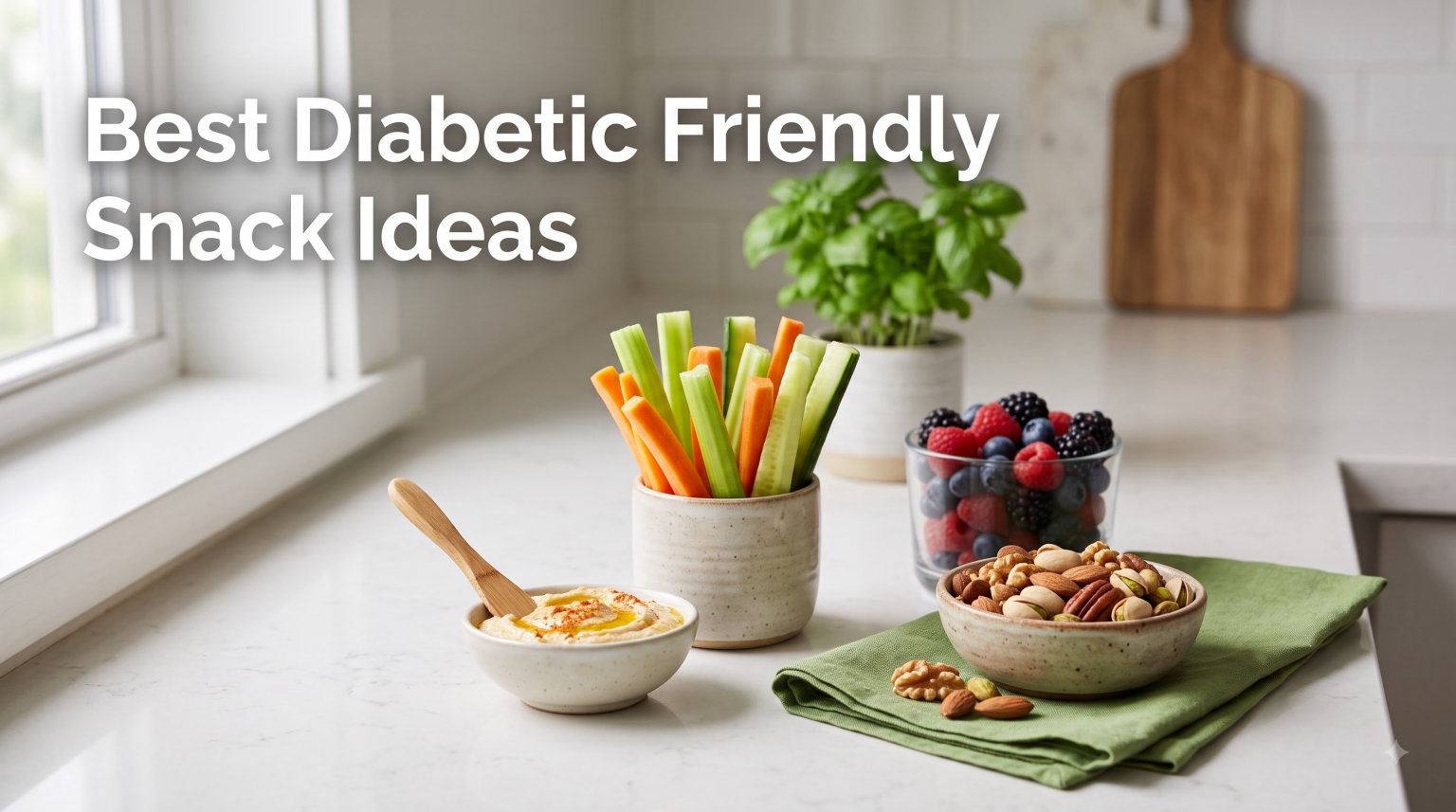
This guide gives you practical choices with measured portions, complete methods, and flexible serving ideas. The snacks for people with diabetes are general food guidance, not an individual medical plan; match carbohydrate portions and ingredients to advice from your clinician or registered dietitian.
The guide also notes realistic swaps and likely failure points. For related planning, see complete diabetic fish recipes, diabetic-friendly side dishes, diabetic-friendly comfort food recipes. Factual safety and health context follows American Diabetes Association healthy-eating guidance.
Table of Contents
Diabetic Friendly Snack Ideas
Use this page when you want the exact quantities and checkpoints visible before cooking. These snacks for people with diabetes keep substitutions specific instead of leaving you to guess how a swap changes time or texture.
The most useful cooking guides explain both the main method and the recovery plan when texture, moisture, or timing goes wrong. These snacks for people with diabetes focus on those practical decisions rather than name-only inspiration.
Before starting, read the full method once, prepare every ingredient in the form listed, and choose a pan that leaves enough room for even heating. Keep raw protein and ready-to-eat ingredients on separate boards, wash hands and tools between tasks, and use an instant-read thermometer when a safe temperature is given. If the center needs more time but the top is already browned, cover the dish loosely with foil and continue in short intervals. If the mixture looks dry before cooking, add only a tablespoon or two of the stated liquid at a time; excess liquid is much harder to correct. Let hot baked dishes rest before serving because the temperature continues to equalize and sauces thicken as steam settles. Label leftovers with the date so storage guidance is easy to follow.
What Makes a Snack Diabetic-Friendly?
A diabetic-friendly snack is any food that has a minimal impact on blood sugar levels. That usually means it is higher in protein, fiber, and healthy fats while being lower in refined carbohydrates. The goal is sustained energy without the crash that follows a sugar spike.
-
Protein — aim for 5 to 10 grams per snack to stay full and stabilize glucose.
-
Fiber — target 3 or more grams to slow carbohydrate absorption.
-
Healthy fats — small amounts from nuts, seeds, or avocado help blunt sugar spikes.
-
Carbohydrates — keep it under 15 grams per snack, ideally from whole-food sources.
Low glycemic index foods — those that rank 55 or lower — are also a smart starting point. They raise blood glucose slowly and predictably, which makes portion control much easier.
15 Best this guide
Each one includes an approximate carb count so you can plan around your daily targets. Numbers are based on typical serving sizes — always check nutrition labels for packaged items.
-
Hard-Boiled Eggs (0g carbs) — One large egg has about 6 grams of protein and virtually zero carbs. They are portable, filling, and one of the most recommended snacks by diabetes educators. Learn how to make perfect hard boiled eggs so they peel cleanly every time.
-
Handful of Almonds (6g carbs) — About 23 almonds (one ounce) delivers 6 grams of protein, 3.5 grams of fiber, and plenty of magnesium, which supports insulin sensitivity.
-
Greek Yogurt with Berries (10g carbs) — Half a cup of plain unsweetened Greek yogurt topped with a quarter cup of raspberries gives you protein, probiotics, and antioxidants in one bowl.
-
Veggies and Hummus (12g carbs) — One-third cup of hummus with cucumber, bell pepper, and carrot sticks adds fiber and plant-based protein.
-
Half an Avocado (6g carbs) — Avocados are rich in monounsaturated fats that support heart health, which matters because diabetes raises cardiovascular risk.
-
Apple Slices with Peanut Butter (16g carbs) — A small apple with one tablespoon of natural peanut butter provides fiber, fat, and protein. The fat slows the fruit sugar absorption.
-
Beef or Turkey Jerky (3g carbs) — Look for low-sugar varieties. A one-ounce serving offers 9 to 12 grams of protein and stores easily in a bag or desk drawer.
-
Roasted Chickpeas (13g carbs) — Half a cup of roasted chickpeas is crunchy, fiber-rich, and easy to season with savory spices.
-
Turkey and Cheese Roll-Ups (2g carbs) — Wrap a slice of turkey breast around a stick of string cheese for a no-cook protein snack.
-
Cottage Cheese with Tomato (6g carbs) — Half a cup of low-fat cottage cheese topped with cherry tomatoes gives you 12 grams of protein and almost no carb load.
-
String Cheese and a Few Walnuts (4g carbs) — One string cheese stick plus a small handful of walnuts is a balanced grab-and-go option.
-
Edamame (8g carbs) — Half a cup of shelled edamame has 9 grams of protein and 4 grams of fiber. Steam and sprinkle with sea salt.
-
Tuna Salad on Cucumber Slices (2g carbs) — Swap crackers for cucumber rounds and you get the protein punch of tuna without the carbs.
-
Chia Seed Pudding (8g carbs) — Two tablespoons of chia seeds soaked in unsweetened almond milk thickens into a pudding packed with fiber and omega-3s.
-
Air-Popped Popcorn (6g carbs per cup) — Three cups of air-popped popcorn with no butter is a whole-grain snack that satisfies the craving for something crunchy.
Best Store-Bought Snacks for Diabetics (No Refrigeration Needed)
-
Sugar-free Jello cups — nearly zero carbs and widely loved as a sweet treat replacement.
-
Pork rinds — crunchy and zero carb, mentioned often in diabetes forums as a chip substitute.
-
Individual nut butter packets — squeeze onto apple slices or eat straight from the pouch.
-
Beef sticks (Slim Jim-style, low-sugar) — protein-dense and shelf-stable for desks and cars.
-
Single-serve nut packs — pre-portioned almonds, walnuts, or mixed nuts remove the guesswork.
-
Roasted seaweed snacks — about 1g of carb per pack with a satisfying crunch.
These options work well for travel, office drawers, gym bags, and late afternoon convenience store runs. Read labels carefully because sugar hides in flavored varieties.
The trick is choosing snacks that are low enough in carbs to avoid a midnight spike but satisfying enough to help you sleep.
Protein-focused options work best at night. A hard-boiled egg, a small handful of almonds, a cheese stick with a few walnuts, or a few tablespoons of cottage cheese are all gentle on blood sugar. Avoid fruit-heavy snacks after dinner since the natural sugars can cause a glucose rise right when insulin sensitivity drops overnight.
If you take insulin or certain diabetes medications, talk to your doctor about whether a small bedtime snack helps prevent overnight lows. A protein-fat combo with minimal carbs is usually the safest pattern.
How to Build Your Own Diabetic Snack Plate
Rather than memorizing a list, it helps to learn the formula behind these snack ideas. Once you understand the building blocks, you can mix and match from whatever is in your kitchen.
Step 1: Pick a Protein
Start every snack with a protein source. Eggs, cheese, Greek yogurt, nuts, jerky, tuna, turkey, cottage cheese, and edamame all work. Protein is the anchor that keeps your blood sugar flat.
Step 2: Add Fiber
Layer in a fiber source like berries, non-starchy vegetables, chia seeds, or a small portion of whole fruit. Fiber slows down how quickly sugar enters your bloodstream.
Step 3: Include Healthy Fat
Add a small amount of fat — nut butter, avocado, olive oil, or a few nuts. Fat delays stomach emptying, which smooths out the glucose curve even more.
Step 4: Watch the Portion
Keep the total snack between 100 and 200 calories with 15 grams of carbs or fewer. Pre-portion snacks into small containers so you do not eat straight from a bulk bag.
Step 5: Prep Ahead
Spend 20 minutes on Sunday portioning nuts, boiling eggs, and chopping veggies.
With this framework, even random fridge contents turn into a balanced snack. A piece of string cheese, five cherry tomatoes, and a spoonful of leftover guacamole becomes a complete plate.
Snacks to Avoid with Diabetes
Some foods are best skipped or saved for rare treats. Refined carb bombs — regular chips, pretzels, white crackers, candy, cookies, muffins, and sweetened drinks — spike blood sugar quickly and offer almost no nutrition to offset the crash.
Fruit-flavored yogurts with added sugar, granola bars coated in syrup, and trail mixes with chocolate candies also tend to land high on the glycemic index. Even “natural” options like dried fruit concentrate sugar into a small package.
If you crave something sweet, sugar-free Jello, a few berries, or a small piece of dark chocolate (85% cacao or higher) are gentler swaps.
For more authoritative guidance, the American Diabetes Association offers extensive resources on carbohydrate counting, meal planning, and blood sugar management.
Frequently Asked Questions
How should this guide be used?
Use it as a planning framework, then match portions, ingredients, and timing to your own needs rather than treating every item as interchangeable.
What should I prepare ahead?
Wash and portion produce, cook one flexible protein or grain, and pack sauces separately so texture stays fresh.
How do I read labels for this topic?
Compare serving size, total carbohydrate, added sugar, sodium, and the ingredients that matter to your personal care plan.
When should I ask a clinician or dietitian?
Ask when you use glucose-lowering medication, have kidney or heart concerns, are pregnant, or need an individualized carbohydrate target.
Conclusion
Choose a recipe by matching the method to your available time and ingredients. Because these snacks for people with diabetes include complete quantities, doneness cues, substitutions, storage, and troubleshooting, you can finish the meal confidently from this page.