
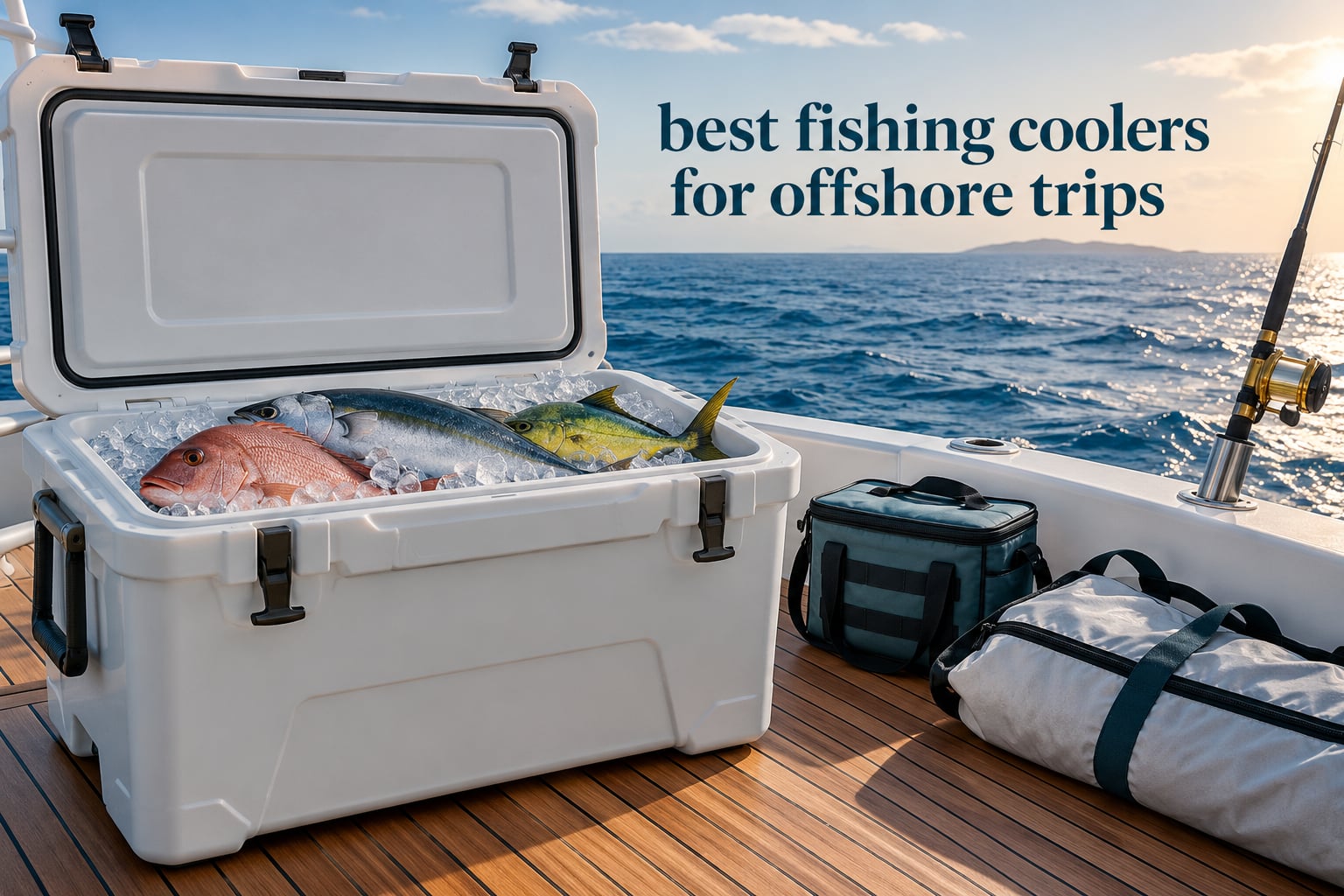
The best fishing cooler for offshore trips is the YETI Tundra Haul, because a loaded box you can roll down a dock instead of wrestle over a gunwale changes how you fish a two-day trip. If your boat is small and deck space is tight, the RTIC 52 QT Ultra-Light is the smarter buy at 21 pounds empty. For most anglers running a single day beyond the breakwater, the YETI Tundra 35 does the job and has the largest review base in this group.
A fishing cooler is not a picnic cooler with a fish in it. A picnic cooler lives on a picnic table. A fishing cooler lives on a wet, moving deck in direct sun, gets opened forty times a day, slides in a seaway, and gets hosed out with fish blood still in the corners. That changes what matters: a continuous gasket seal instead of a snap lid, non-slip feet or tie-down points so a wake cannot send 100 pounds of ice across the cockpit, a drain plug you can actually flush, and hardware that survives salt spray.
There is also a number nobody puts on the box: 40F, or 4C. Keep the catch at or below that and you have bought yourself a safe window to get it to the cleaning table. Lose the ice at hour six on a July run and you are not just disappointed, you are explaining to someone else why their dinner smells off. We have organized the ten coolers below by the kind of trip they suit rather than by brand, because the best fishing coolers for offshore trips change completely between a bay morning and a three-day run.
One note on method: this is a spec-and-owner-report roundup. We compared published capacity, empty weight, insulation, gasket, latch hardware, warranty and drain design across ten units, then cross-referenced the load-bearing complaints in owner reviews and on boating forums. Figures come from the manufacturers and from the review data; where a retention number is a marketing claim we label it as one.
Cooling a room instead of a catch is a different problem, and we cover that separately in our evaporative cooler guide.
Table of Contents
Top 3 Picks for Offshore Fishing Coolers
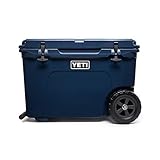
YETI Tundra Haul
- NeverFlat wheels
- StrongArm aluminum handle
- Permafrost foam insulation
- 37 lb empty

RTIC 65 QT Ultra-Tough
- 65 qt / 84 cans
- 2.4 inch closed-cell foam
- Freezer-style gasket
- 5-year warranty
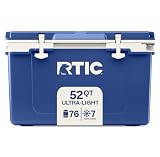
RTIC 52 QT Ultra-Light
- Only 21 lb empty
- 3 inch closed-cell foam
- 52 qt / 76 cans
- Dual drain plugs
All 10 Offshore Fishing Coolers at a Glance
Every cooler below appears in the detailed reviews, ordered by trip type rather than by brand name.
| Product | Specifications | Action |
|---|---|---|
| YETI Tundra Haul |
|
Check Latest Price |
| RTIC 65 QT Ultra-Tough |
|
Check Latest Price |
| RTIC 52 QT Ultra-Light |
|
Check Latest Price |
 Igloo Maxcold Glide 110Qt Igloo Maxcold Glide 110Qt |
|
Check Latest Price |
 Coleman Pro 45-Quart Coleman Pro 45-Quart |
|
Check Latest Price |
 YETI Tundra 35 YETI Tundra 35 |
|
Check Latest Price |
 Lifetime High Performance Lifetime High Performance |
|
Check Latest Price |
 Engel UC30 Drybox Engel UC30 Drybox |
|
Check Latest Price |
 Buffalo Gear Fish Bag Buffalo Gear Fish Bag |
|
Check Latest Price |
 Coleman Marine 120qt Coleman Marine 120qt |
|
Check Latest Price |
1. YETI Tundra Haul – Best Overall for Multi-Day Offshore Runs
- NeverFlat wheels roll over docks sand and boardwalk
- StrongArm welded aluminum handle pulls with one hand
- Permafrost polyurethane foam holds ice over multi-day trips
- Highest average rating in the group at 4.8 stars
- Rotomolded shell shrugs off impact
- Top of the price range in this group
- 37 lb empty before any ice or fish
- Basket accessories do not fit this model
The Tundra Haul is the first YETI cooler built around wheels, and on a boat that changes the whole calculus. Owners report the single-piece tires rolling over sand, gravel docks and boardwalk without puncturing, which is exactly the surface you cross when you are moving a full cooler from the parking lot to a ramp to a deck.
The StrongArm handle is welded aluminum rather than a plastic bail, so one hand can pull it behind you while the other carries rods or a tackle bag. That matters more than it sounds: a 37-pound empty box becomes 100-plus pounds loaded, and a plastic handle fails at exactly the moment you are fighting gravity.
Inside, Permafrost pressure-injected polyurethane foam sits in both walls and lid, and the shell is rotomolded so there are no seams to split. It carries the highest average rating of the ten units we compared at 4.8 stars across more than 4,000 reviews, which is a large enough pool that the rating means something.
When the wheels are the whole reason to buy
This is the pick for liveaboard-style trips, wahoo runs that turn into two days, and any scenario where the cooler crosses sand or a long dock. If you can wheel it from the truck to the boat, the 37-pound empty weight stops being a problem.
It also works well as a guest cooler on the back of a center console, because the handle means one person can reposition it as the sun moves.
When it is more machine than you need
On an 18-foot boat with a leaning post and no ramp, the wheels are dead weight and you will want the 37 pounds hoisted by hand instead. Budget buyers should also note that this sits at the top of the price range in this group, and it does not accept YETI dry goods baskets, so the useful internal volume is lower than the 55-pound rating suggests.
Worth it if you move the box often. Overkill if you do not.
2. RTIC 65 QT Ultra-Tough – Best Value for a Two or Three Day Run
- Up to 2.4 inches of closed-cell foam for multi-day retention
- 65-quart interior fits 84 cans and a full catch
- Rotomolded walls and strong end handles
- Five-year manufacturer warranty
- Drain plug included
- Rubber lid tabs can be stiff to pull free
- One owner reported a gasket arriving partly glued and needing trimming
- Heavy for its class at 34.4 lb empty
If you want one cooler that covers a two-day run and a tournament day without changing gear, this is the value answer in the roundup. RTIC rates the closed-cell foam at up to 2.4 inches and the build claims up to seven days of ice retention when packed per their guidance, which is a manufacturer figure rather than an independent measurement.
The freezer-style gasket lock is the part that matters on a boat. A snap lid that has been opened thirty times lets warm salt air in all day, and that is the difference between ice on day three and a puddle on day two.
Owners also like the end handles, because a 65-quart rotomolded box is not a one-hand lift, and the drain plug that ships in the box lets you flush meltwater instead of tipping 30 pounds of brine into the boat.
Why it beats a pricier brand on the deck
Across 2,466 reviews averaging 4.7 stars, the recurring praise is retention and durability rather than refinement. Owners running multi-day trips describe ice lasting several days, and the thick rotomolded walls take the abuse of being used as a bench or step.
On fishing forums, the usual question is whether premium-brand coolers earn their premium. This is the most common answer when the trip is two or three days: the gap in retention is small enough that insulation and gasket quality, not the badge on the front, decide the outcome.
Where the cost shows up later
Two quality complaints recur. The rubber lid tabs can be stiff when the box is cold and full, and one owner received a gasket seal that was partly glued and needed trimming before it sealed properly. The 34.4-pound empty weight is also the second-heaviest hard box here, so plan for a two-person lift on a high gunwale.
Five years of warranty coverage is solid for the category, if shorter than the lifetime policies on some premium roto-molded models.
3. RTIC 52 QT Ultra-Light – Best for Small Decks and One-Person Lifts
- Only 21 pounds empty so one person can carry it
- Three inches of closed-cell foam
- 30 percent lighter than rotomolded rivals
- 52-quart interior fits 76 cans
- Dual drain plugs empty meltwater fast
- Rubber lid straps can loosen if transported on the side
- Top storage basket not included and must be bought separately
- Three-year warranty is the shortest here
This is the box for an 18- to 22-foot center console where deck space is measured in square inches and you fish alone. At 21 pounds empty you can carry it up a ramp, down a dock ladder, or reposition it under the console when the sun shifts without calling for help.
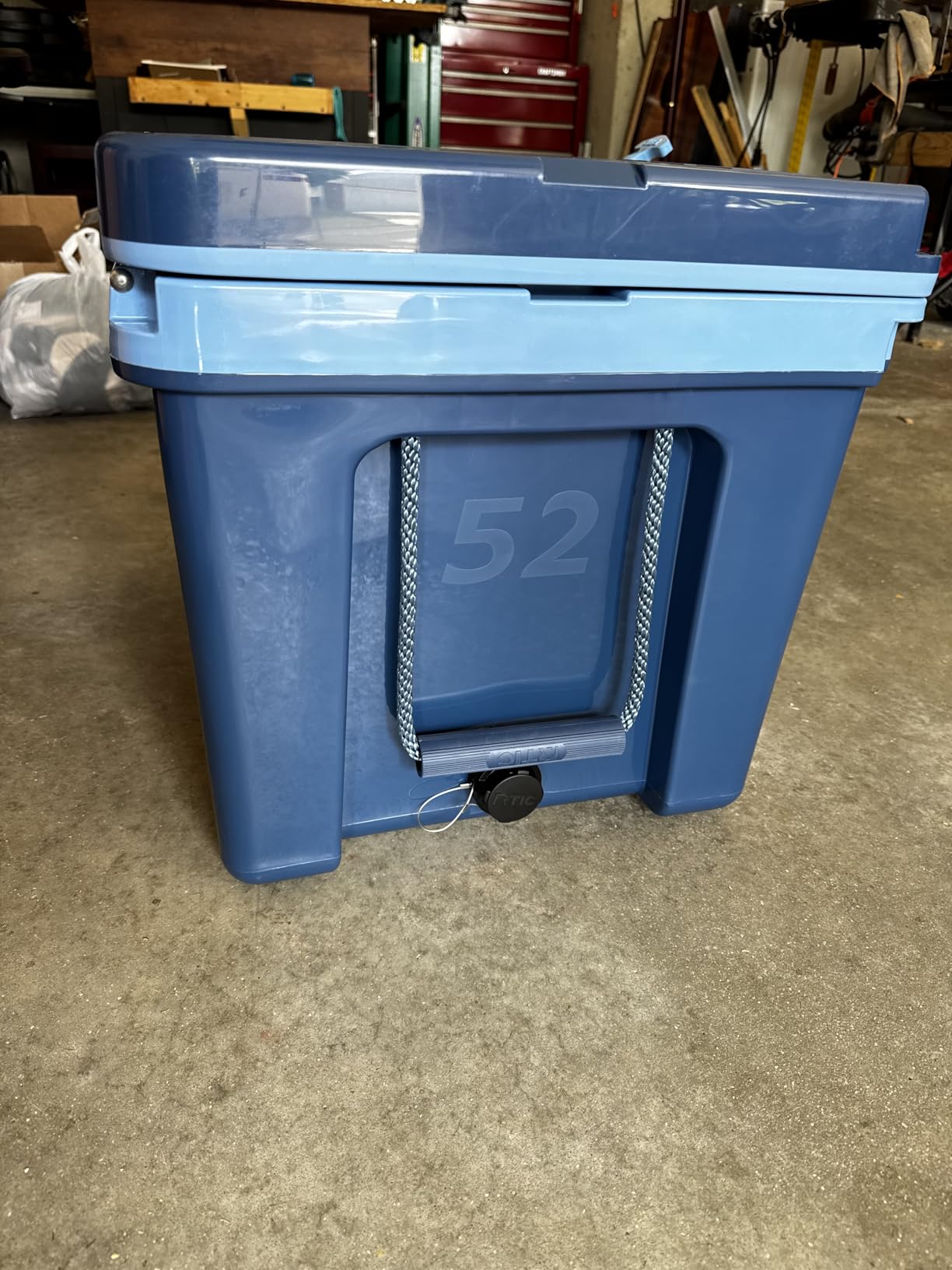
Insulation is the surprise. RTIC lists up to three inches of closed-cell foam, which is at or above the wall thickness of the rotomolded boxes in this roundup, in a polypropylene shell that is roughly 30 percent lighter than comparable roto-molded coolers.
Two reviewers in the pool also point out that the dual drain plugs empty meltwater quickly, and that the lid stays open for loading, which is a small thing that saves you from propping it on a seat with one hand while bagging fish with the other.
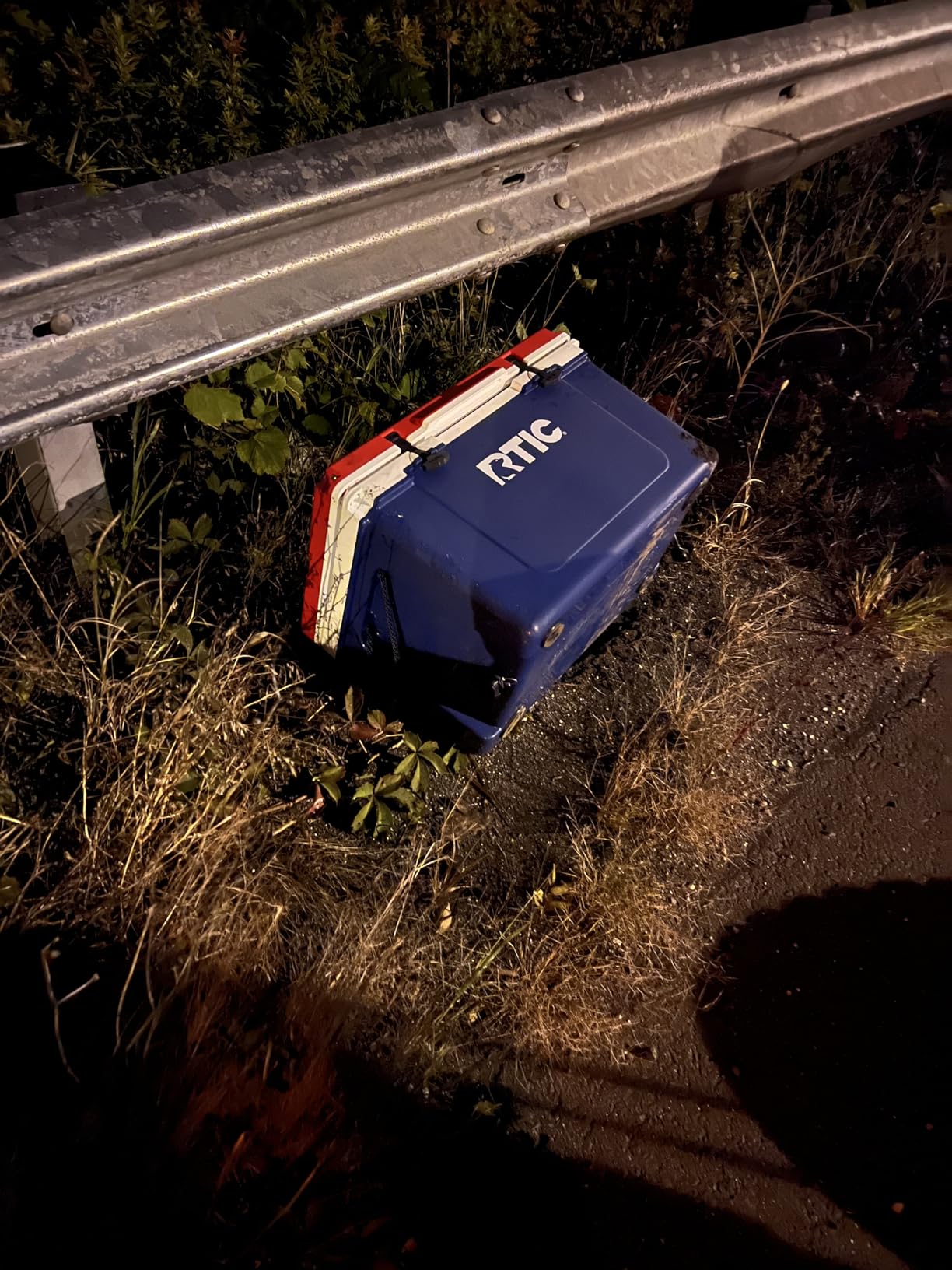
Why weight beats capacity on a small boat
Every forum thread about offshore coolers eventually lands on the same regret: a full 100-quart box with ice and fish is genuinely hard to get onto a center console by yourself. The 21-pound empty figure is what makes this the smart choice when you fish solo or from a boat with a high freeboard.
Owners report no leaking, and the carry weight stays manageable because 52 quarts is a realistic one-day-to-two-day volume rather than a trophy-hauler.
What you trade away for the lighter shell
The strap and tab system is a step down from the heavy over-center latches on a rotomolded flagship, and owners do report the rubber lid straps loosening if the cooler travels on its side. There is no top basket in the box; it has to be purchased separately, which is worth knowing before you want a dry shelf for lunch.
The three-year warranty is the shortest in this group, so treat it as a boat cooler rather than a lifetime purchase.
4. Igloo Maxcold Glide 110Qt – Best for a Full Day and a Full Catch
- Enormous 110-quart capacity holding 168 cans
- Telescoping handle with soft-ride wheels when loaded
- UV inhibitors resist relentless sun damage
- Built-in ruler on the lid for measuring catch
- Stainless steel hinges and DuraLatch closures
- Bulky footprint for a small deck
- Rotary-style latches need repeated pressure to open one-handed
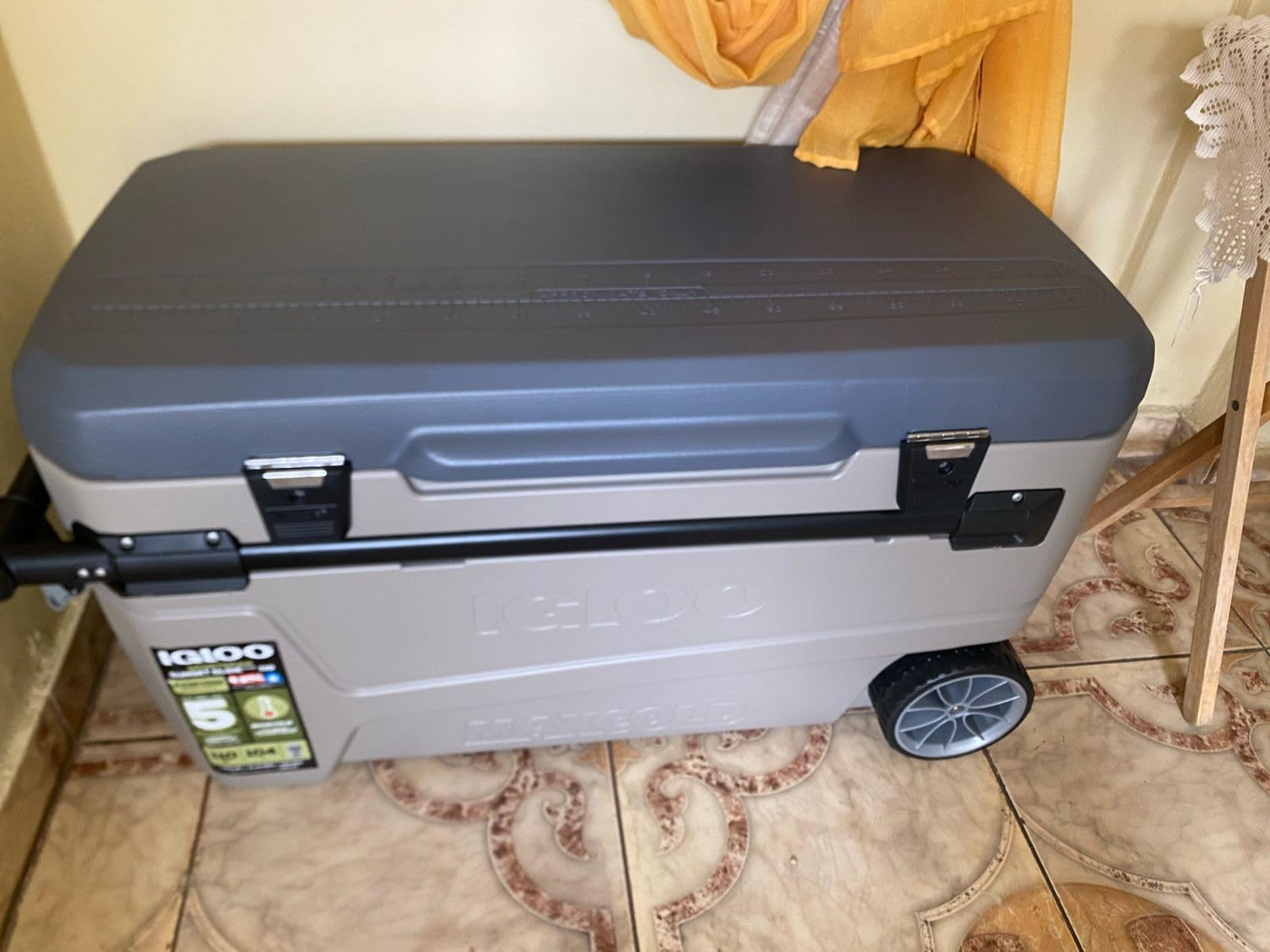
When the boat has room and the plan is a long day with a real chance of limits, capacity beats portability. The Maxcold Glide holds 110 quarts, or 168 cans, in a footprint that a soft bag cannot match, and it comes in at 25.4 pounds empty, which is lighter than you would guess for something this size.
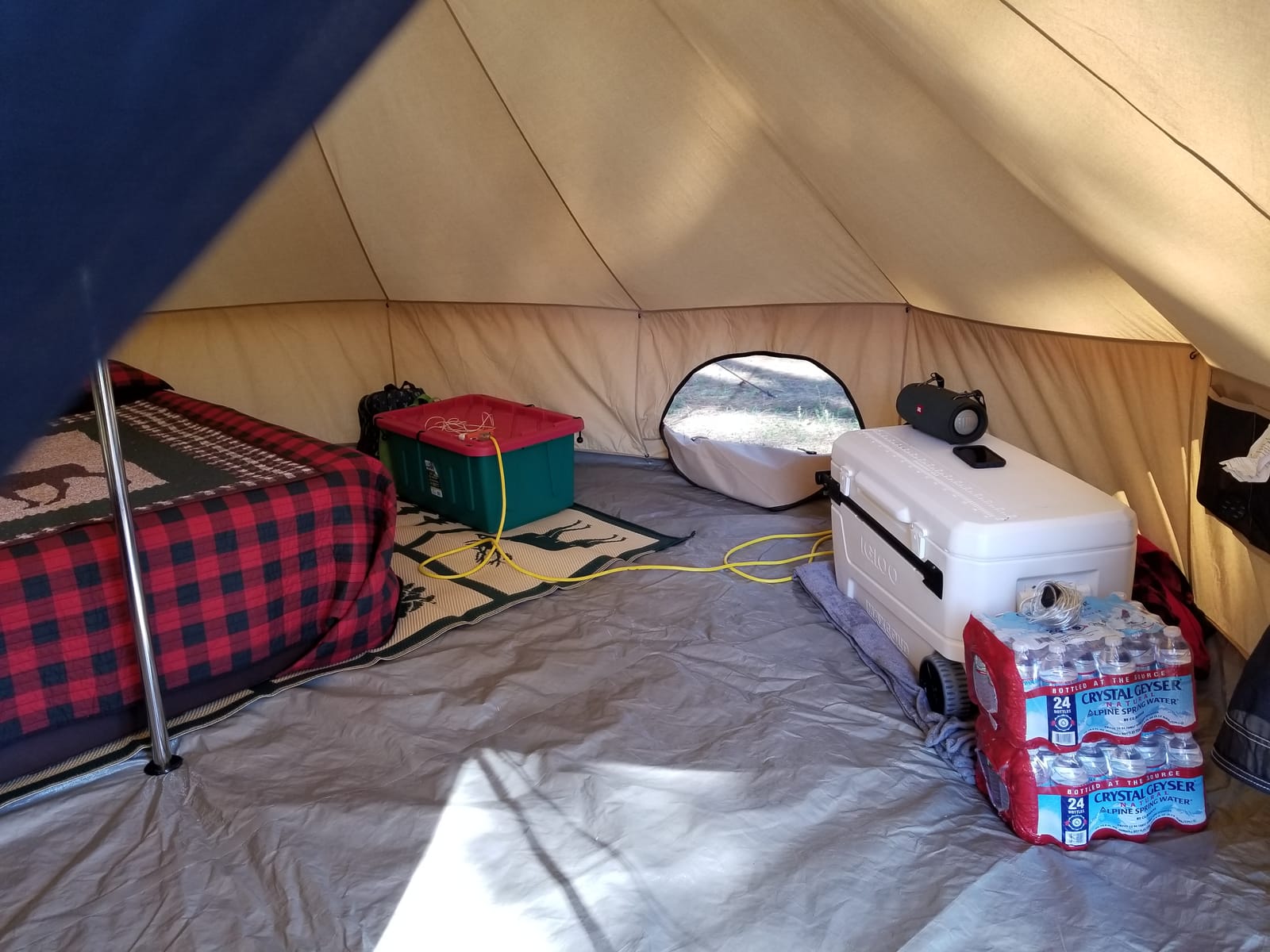
The wheels and telescoping handle are the practical part on a big offshore run. Owners like being able to roll a loaded box from the truck rather than hoist it, and the soft-ride wheels are sized for boat decks and ramps rather than pavement.
For a long day in direct sun, the THERMECOOL insulation sits in both the body and the lid, and the UV inhibitors plus infrared treatment are aimed squarely at the thing that kills cheap coolers offshore: ultraviolet exposure that makes a lid brittle and a shell fade.
The features that only matter on a fishing boat
There is a ruler molded into the lid, which sounds like a gimmick until you are measuring a fish on a wet deck with one hand. There is a drain plug in the box, so you can flush meltwater and blood at the ramp instead of carrying a soaked cooler home. And the stainless steel hinges are the hardware piece that quietly decides whether a cooler survives season three.
With more than 3,000 reviews averaging 4.6 stars, this is one of the most proven boxes in the group, and owners repeatedly mention the capacity as the reason it stays on the boat.
What the bulk costs you
The 37.5-inch length is the honest drawback. On an 18-foot boat it can take the seat you wanted, and on a small deck it becomes the thing everything else is packed around. The rotary latches also need repeated pressure to open one-handed, which is annoying when both hands are wet or holding a fish.
If your boat has a dedicated cooler bay, none of that matters.
5. Coleman Pro 45-Quart – Best Four-Day Retention in a Light Box
- Owners with Bluetooth thermometers report interior still near 40F after a full day
- Only 19.8 pounds empty for a 45-quart box
- Solid steel latch instead of rubber straps
- Oversized attached drain plug and side handles
- Feature copy cites a 10-year limited warranty
- One reviewer reported water seeping near the rear hinges from a thin gasket
- Heavier than cheaper Coleman models
- No built-in bottle opener
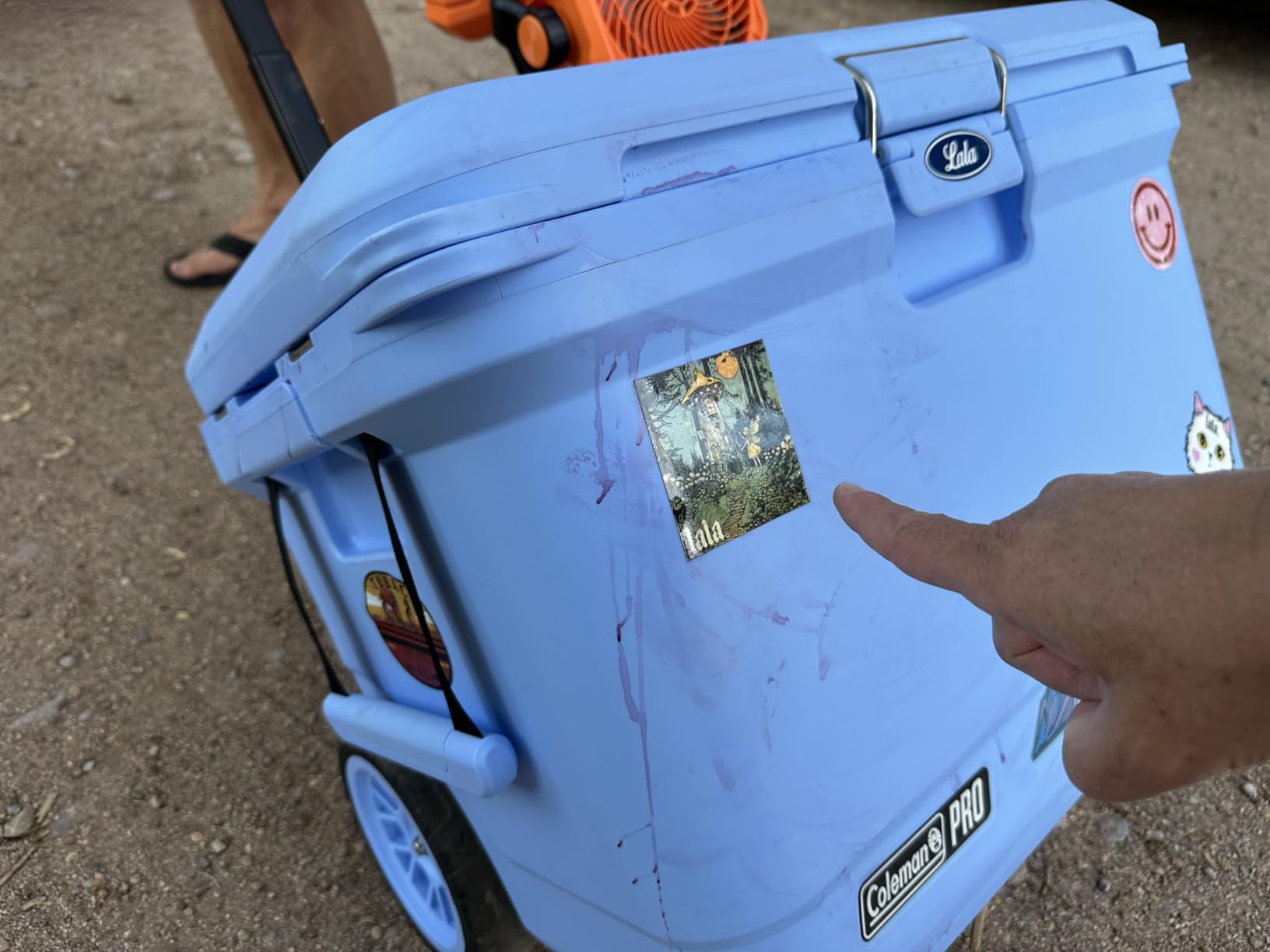
The 45-quart Pro is the best retention-per-pound option here. At 19.8 pounds empty it is the second-lightest hard box in the roundup, yet the walls run up to two inches thick with a fully insulated lid and body, and owners measuring with a Bluetooth thermometer report interior temperatures still near 40F after a full beach day.
The stainless steel latch is a genuine step above the rubber tabs on some rivals, and owners specifically prefer it. Rubber straps stretch and go slack in heat; a steel latch over a gasket does not need replacing every season.
The oversized drain plug is attached rather than loose, which is a small mercy: a loose drain plug ends up in the bilge and never comes back.
Why four days matters offshore
Four-day retention gives you real slack. Run late, miss the weather window, or push to a second reef and your catch still has ice under it. That buffer is the difference between a good trip and a wasted one, and it is why this box edges out cheaper 45-quart alternatives in owner testing.
Warranty language is worth noting carefully: the feature copy cites a 10-year limited warranty, while other listing details reference a shorter manufacturer warranty term, so check the current terms before you rely on it.
Where it falls short
One reviewer reported water seeping near the rear hinges because of a thin gasket, so check that seal on arrival. There is no built-in bottle opener, which every angler notices on day one, and at 19.8 pounds it is heavier than the entry-level coolers you could buy for less.
It also lacks the pull handle or wheels some larger boxes in this roundup have, so moving it is a carry, not a roll.
6. YETI Tundra 35 – Best for a Single Day on the Water
- Largest review base of any cooler compared
- NeverFail two-pin hinge resists breaking
- Interlock lid forms a tight seal
- BearFoot non-slip feet stop deck sliding
- Vortex drain system empties fast
- 35-quart volume limits a multi-day haul
- Heavier than soft coolers of the same volume
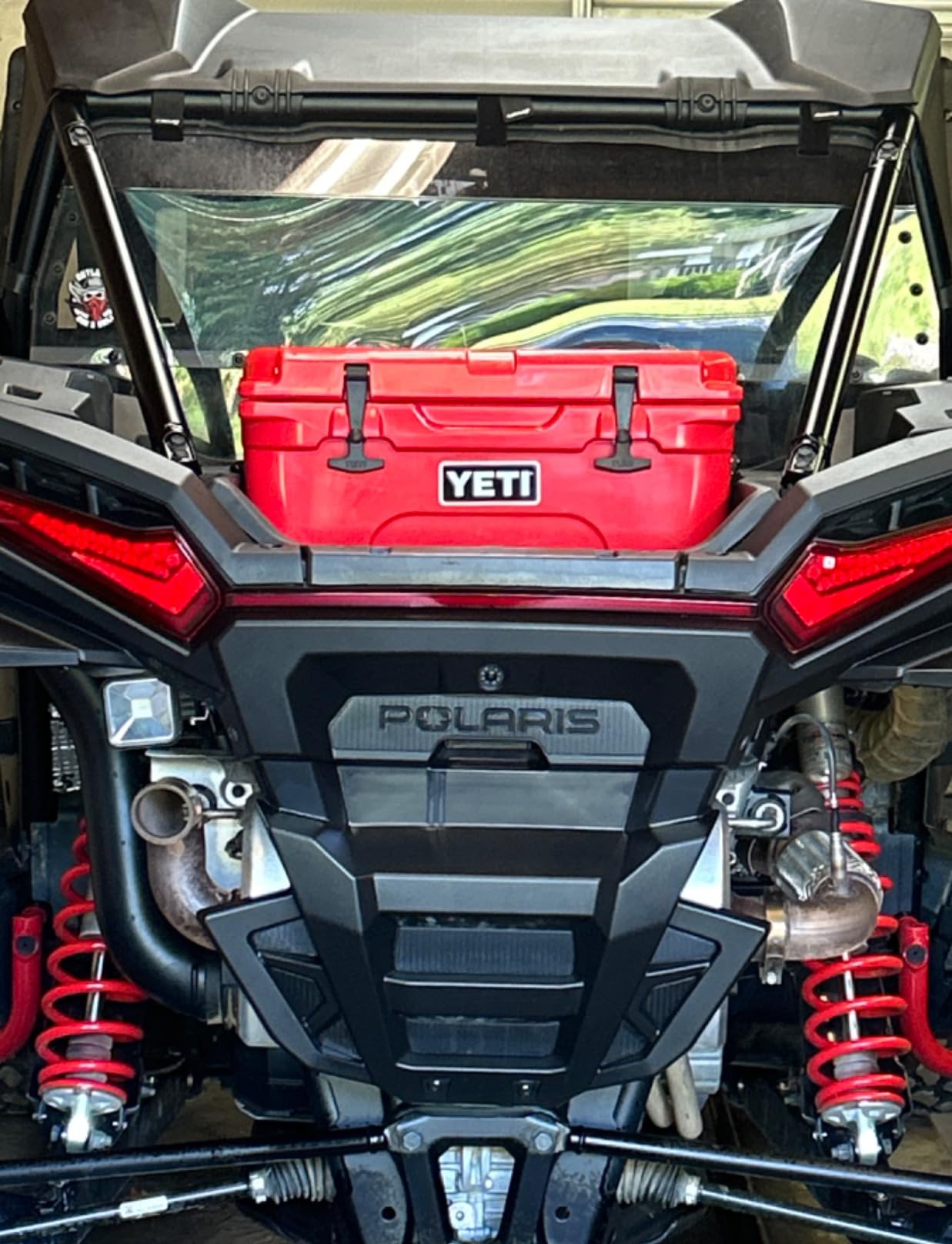
For a single-day bay or nearshore run, this is the box most anglers end up buying, and it is the one with the deepest owner feedback in the group at 4.7 stars across more than 4,800 reviews. When a rating rests on that many observations, the failure modes are well documented rather than theoretical.
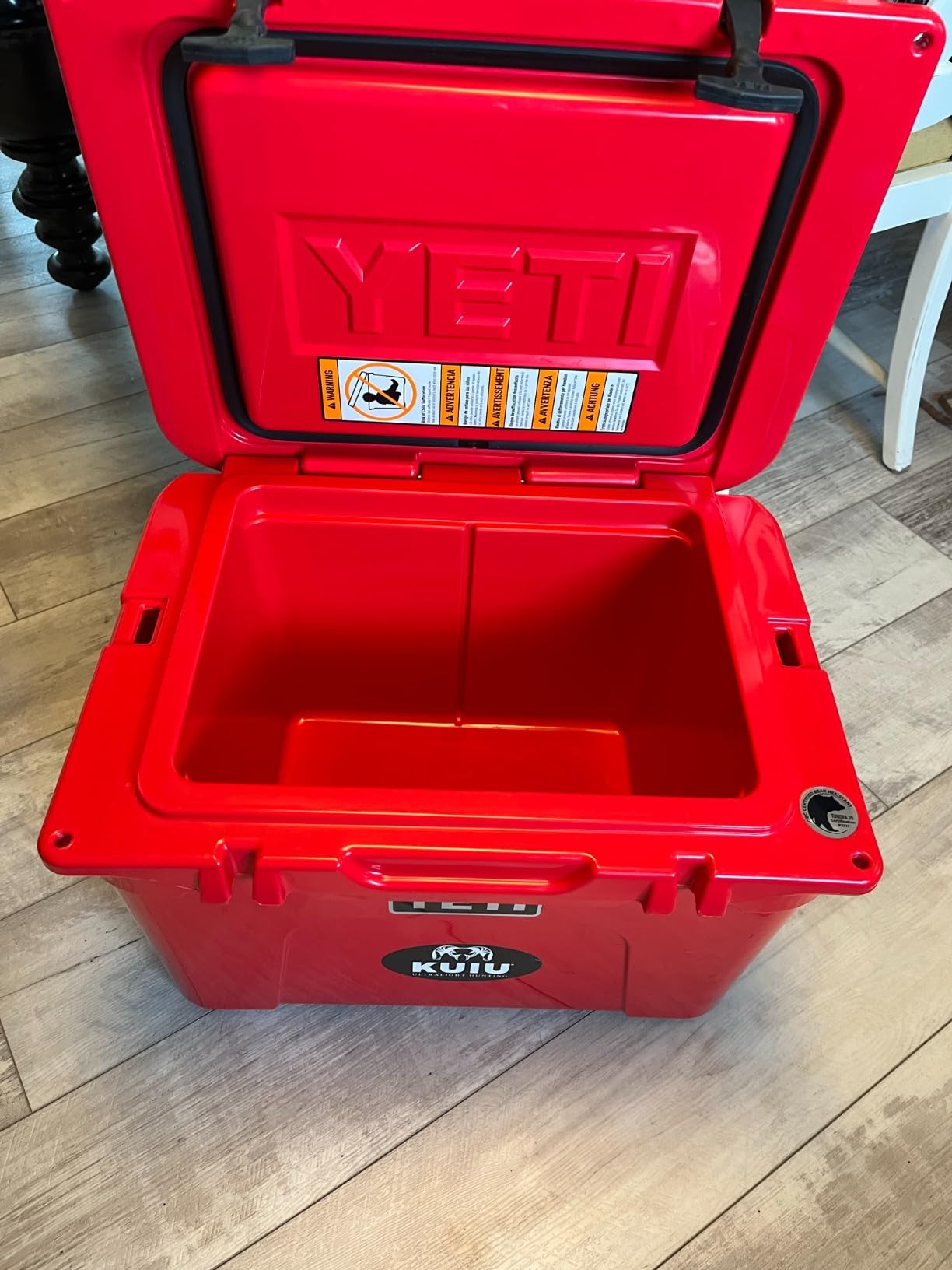
The hardware is the argument. The NeverFail hinge uses an interlocking two-pin design so the hinge pin does not take the sideways load that snaps conventional hinges, and the Interlock lid presses to form a fitting barrier instead of resting on a rubber bumper.
On a moving deck, the two details that matter most are the BearFoot non-slip feet, which keep the box from sliding when the deck is wet, and the Vortex drain, which empties meltwater in seconds rather than tipping the whole cooler.
Why owners keep re-buying it
Reviewers consistently describe the rotomolded shell, the gasket seal and the easy draining as the three reasons it survives boat use. The dry goods basket in the box also gives you a shelf for lunch above the ice, which is the simplest answer to the fish-and-food separation problem.
On boating forums the common pattern is that day-trip anglers on small boats run a budget Igloo marine cooler happily, then upgrade to a rotomolded box when they start running offshore. This is the box most of them upgrade to.
Why the size is the limiting factor
Thirty-five quarts, listed at 1,400 cubic inches, is a real single-day volume and a poor two-day one. Owners who stretch it into multi-day trips report the ice running short and the fish stacked deeper than they would like, which accelerates warming.
It is also heavier than a soft cooler holding the same volume, so if deck space and weight matter more than insulation, compare it against the soft bag later in this list.
7. Lifetime High Performance Ice Chest – Best Bear-Resistant Large Box
Lifetime 115‑Quart High Performance Cooler, Up to 10‑Day Ice Retention, IGBC Bear‑Resistant, Camping & Hunting Ice Chest with Cutting Board Divider
- IGBC bear-resistant certification when locked
- Owners report ice lasting several days in high heat
- Thick walls with a tight sealing gasket
- Garden-hose-compatible drain spout
- Divider doubles as a cutting board for the catch
- 42.5 pounds empty is the heaviest hard box here
- Owners find it heavy to carry when full
- Large footprint for a small deck
The 115-quart High Performance is the pick when the cooler also has to survive being locked at a camp or a truck tailgate, which is why it carries IGBC bear-resistant certification. That rating means it holds against a bear for up to an hour when locked, and owners in bear country treat it as the reason they keep working fish away from camp.
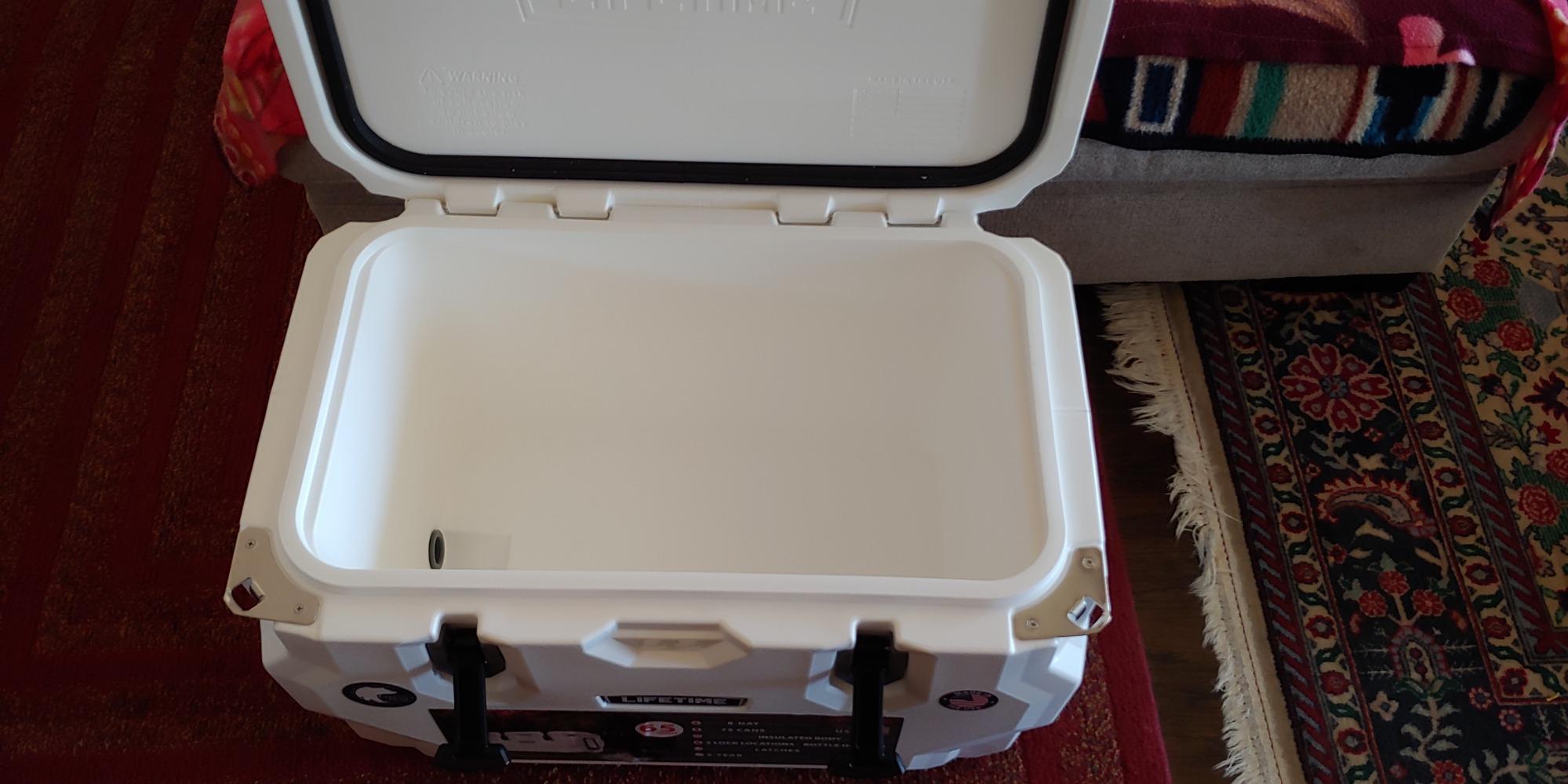
Owners also report ice lasting multiple days, including in high heat, and credit the roughly two-inch walls plus a sealing gasket for it. The drain spout accepts a garden hose, so cleanup at the ramp takes a minute instead of a scrubbing session.
On fishing forums, this line gets recommended repeatedly as a value option, and the 2,669-review pool at 4.7 stars gives you enough owner history to judge the failure points honestly.
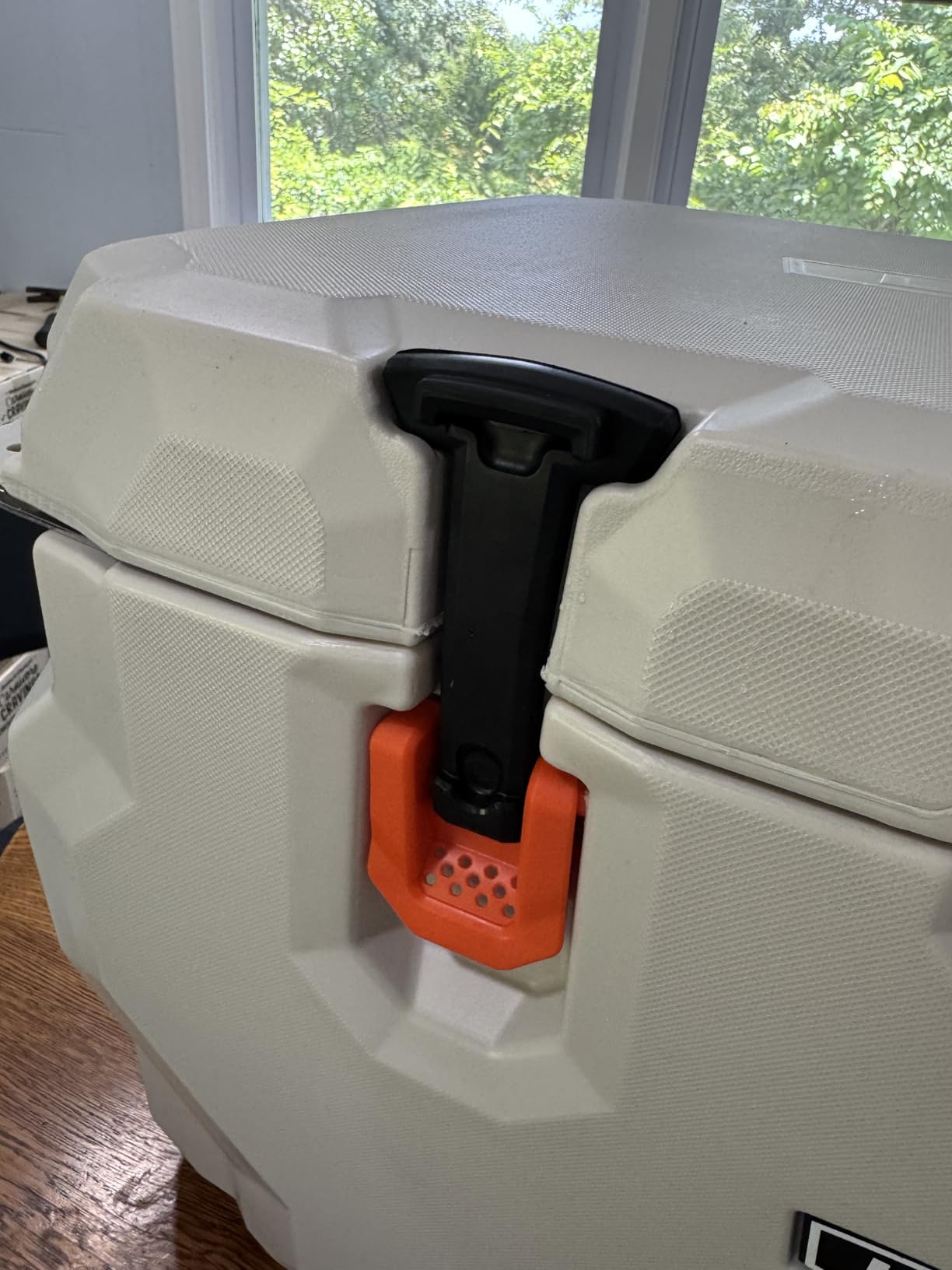
What the size and the certification buy you
A 115-quart box holds a genuinely large catch and doubles as a base for the boat. The built-in bottle openers and lock points are small details that stop the daily friction of a full day on the water, and the divider that converts to a cutting board means you can break down a fish at the dock without a separate board.
It is also the only lockable hard box in this roundup, which matters for trailhead and tailgate storage.
Why it is the hardest to get aboard
At 42.5 pounds empty it is the heaviest hard cooler here before ice, fish or tackle. Reviewers are blunt about that: it is heavy to load into a boat by hand and heavy to carry when full. On a high gunwale you will want a second person or a plan.
If weight is not your problem and volume is, it is an easy recommendation.
8. Engel UC30 Drybox – Best for Bait, Tackle and Electronics
Engel UC30 30qt Leak-Proof, Air Tight, Drybox Cooler and Hard Shell Lunchbox for Men and Women in British Racing Green
- Recessed gasket makes it leak-proof and air tight
- Removable hanging tray keeps sandwiches out of meltwater
- Stainless steel latches and self-stopping ABS hinges
- Included shoulder strap for dock and ramp carries
- 14 colour options with UV inhibitors
- Thinner insulation than rotomolded boxes with some owners reporting 12-24 hours of ice
- One reviewer flagged the plastic rear hinges as a failure point
- Small fiddly latch hardware
The Engel is not trying to be your fish cooler. It is a leak-proof, air-tight dry box that happens to hold 30 quarts, and that is a genuinely different job on a boat: keeping electronics, charts, tackle, cameras and lunch dry while the rest of the gear sits in meltwater.
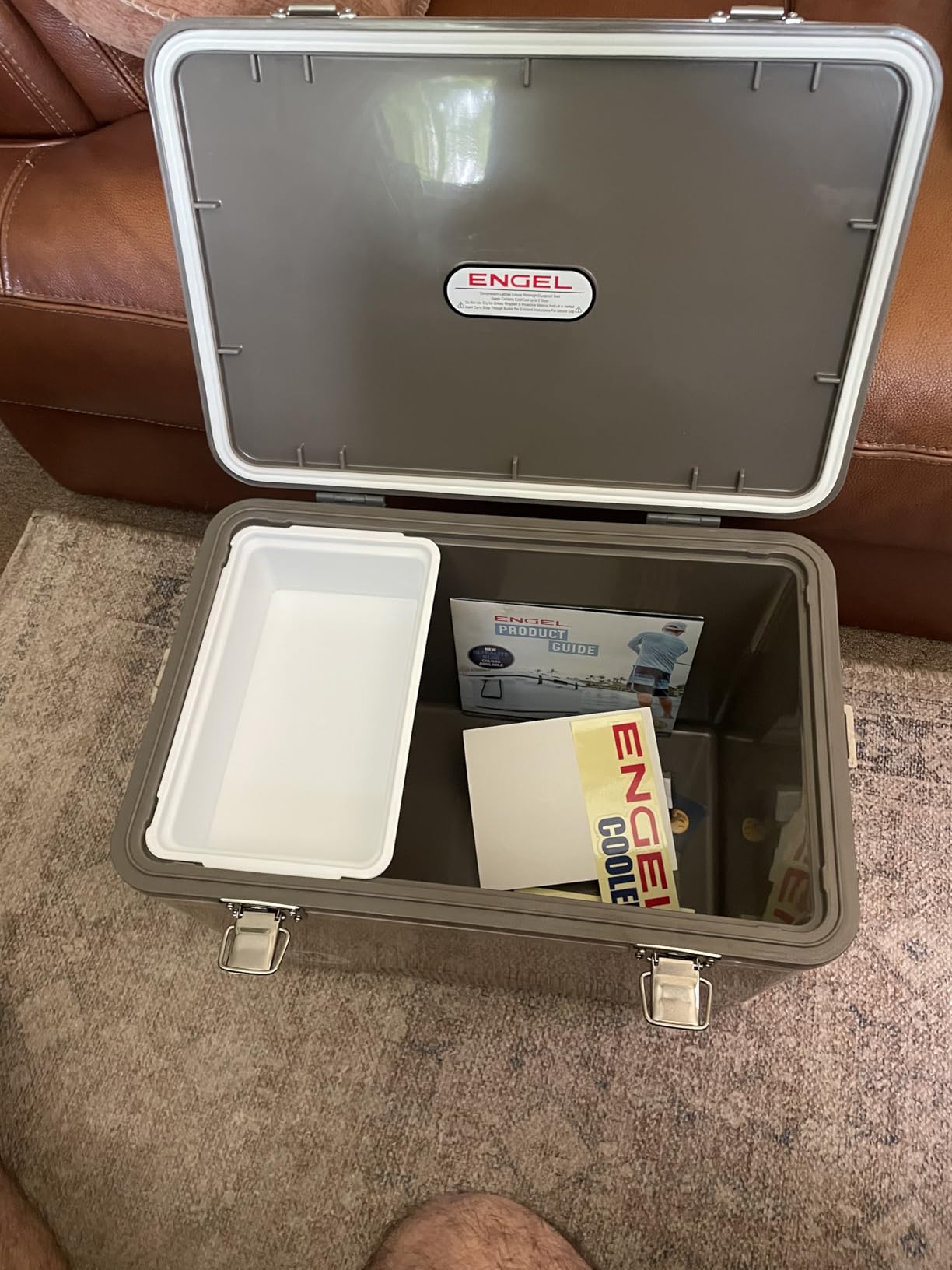
The recessed ethylene-vinyl acetate gasket is what makes it leak-proof, and owners use it for exactly that: keeping a phone, a head unit or a set of keys in the bottom of the boat without a dry bag. The removable hanging accessory tray also separates food from the ice, which solves bait and lunch separation in one move.
Stainless steel latches are a step up from plastic, and the included shoulder strap means it goes up a dock ladder without occupying both hands.
The case for a two-cooler system
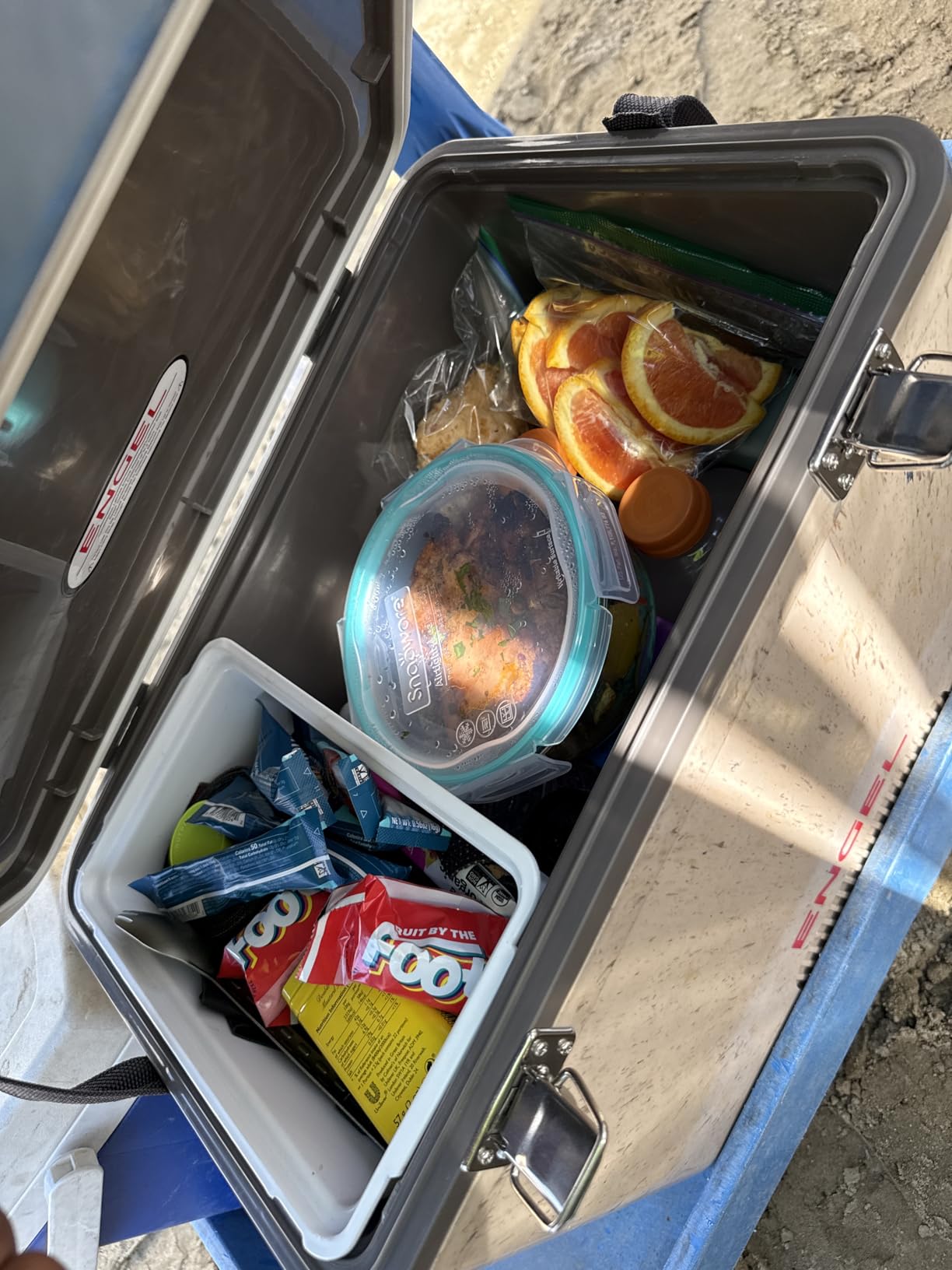
The most common offshore setup described by experienced owners is a split system: one box for fish, a smaller one for lunch and gear, and a soft bag for oversized fish. The Engel fits the middle role, keeping crew food out of fish meltwater and protecting electronics from a rogue wave over the gunwale.
On r/CampingGear, owners planning trips past two days consistently favour hard-sided boxes over soft coolers, and this is a compact hard box with a real seal.
Why it will not keep ice for days
Be clear-eyed here. The insulation is high-grade molded polystyrene with a hard outer shell heat barrier, and the stated retention is up to two days. Owners report ice lasting only 12 to 24 hours in practice, which is fine for a day trip and not fine for a multi-day run.
One reviewer also flagged the plastic rear hinges as a likely failure point over years, and the latch hardware is small and fiddly with cold, wet hands.
9. Buffalo Gear Insulated Fish Cooler Bag – Best Soft Carry for Oversized Fish
Buffalo Gear Insulated Fish Cooler Bag Portable Fish Kill Bag Keep Ice-cold More Than 48 Hours,48×18in White
- Weighs 1.6 pounds and folds flat when empty
- Heat-sealed tarpaulin lining does not leak
- 48 by 18 inch size fits fish that will not fit a box
- Reinforced webbing straps for lifting when full
- Cord-attached drain plug cannot get lost
- No hard shell so no impact protection or stacking
- Less secure in high wind and rough seas than a hard cooler
- Lower 4.5 star average than the hard coolers here
Every experienced offshore angler hits the same wall: a fish that will not fit in the box. The soft bag is the answer, and this one holds 35 quarts at 1.6 pounds, so it folds into a console locker when you are not using it and takes up a fraction of the deck space of any hard box here.
The construction matters more than the weight. Owners report that the heat-sealed, fiber-interlaced skin with a 22-ounce polyester tarpaulin lining does not leak, even when a thrashing fish hits the walls, and that the whole thing rinses clean with a hose after a messy trip.
The stated performance is more than 24 to 48 hours ice-cold, which is enough to bring a trophy home intact after a long day. The screw-on drain plug is attached on a cord so it cannot end up in the bilge.
Where a soft bag beats every hard cooler
A soft bag wins on three specific problems. It fits a fish longer than the box is wide, it stows in a bow hatch or under a leaning post, and it can be carried from the dock with one hand while the other carries rods.
Experienced owners running full cooler systems typically keep one stowed for exactly this: the hard box for the normal catch, the bag for the fish that does not fit.
What a soft construction gives up
There is no hard shell, so it offers no impact protection for gear, cannot be stacked, and will not keep a load of cubed ice from deforming it in rough water. Owners note it is less secure in high wind and a seaway, which is the same complaint that makes premium hard coolers worth their weight on an offshore deck.
It also carries the lowest average rating of the ten at 4.5 stars, across 1,035 reviews.
10. Coleman Marine 120qt – Best for a Full Crew and a Group Run
- Enormous 120-quart capacity holding up to 204 cans
- Insulated lid unlike hollow-lid budget coolers
- UVGuard coating and stainless steel hardware for salt air
- Integrated ruler in the lid for measuring fish
- Lid doubles as a 250-pound seat with cup holders
- Only 247 reviews so the owner history is thin
- One-year warranty is the shortest coverage here
- Bulk footprint dominates a small deck
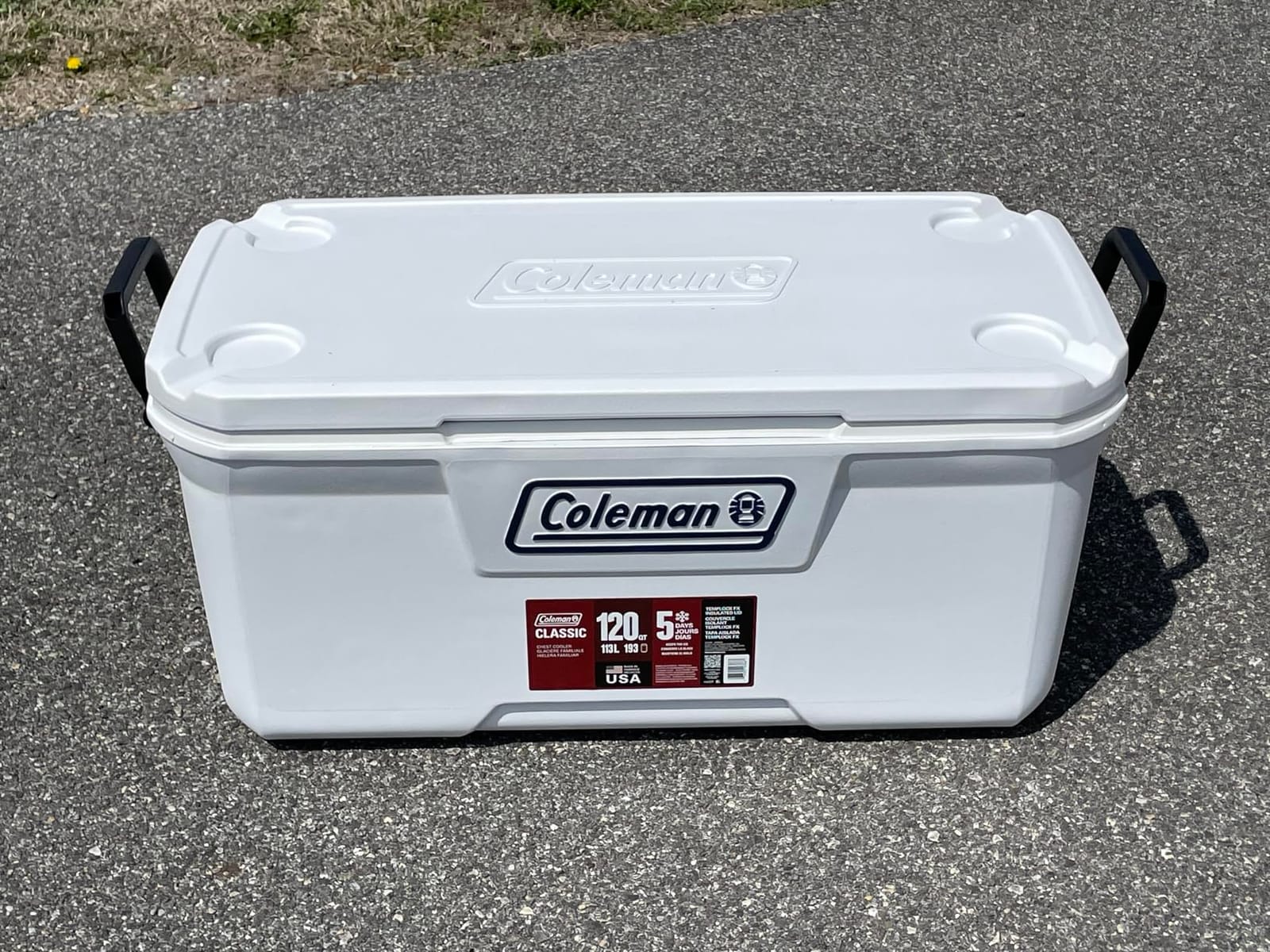
This is the group-run and provisioning box. At 120 quarts it holds up to 204 cans, and the fully insulated lid and body are rated by the manufacturer to keep ice up to six days in temperatures as high as 90F, which is the highest stated retention of any large unit in this roundup.
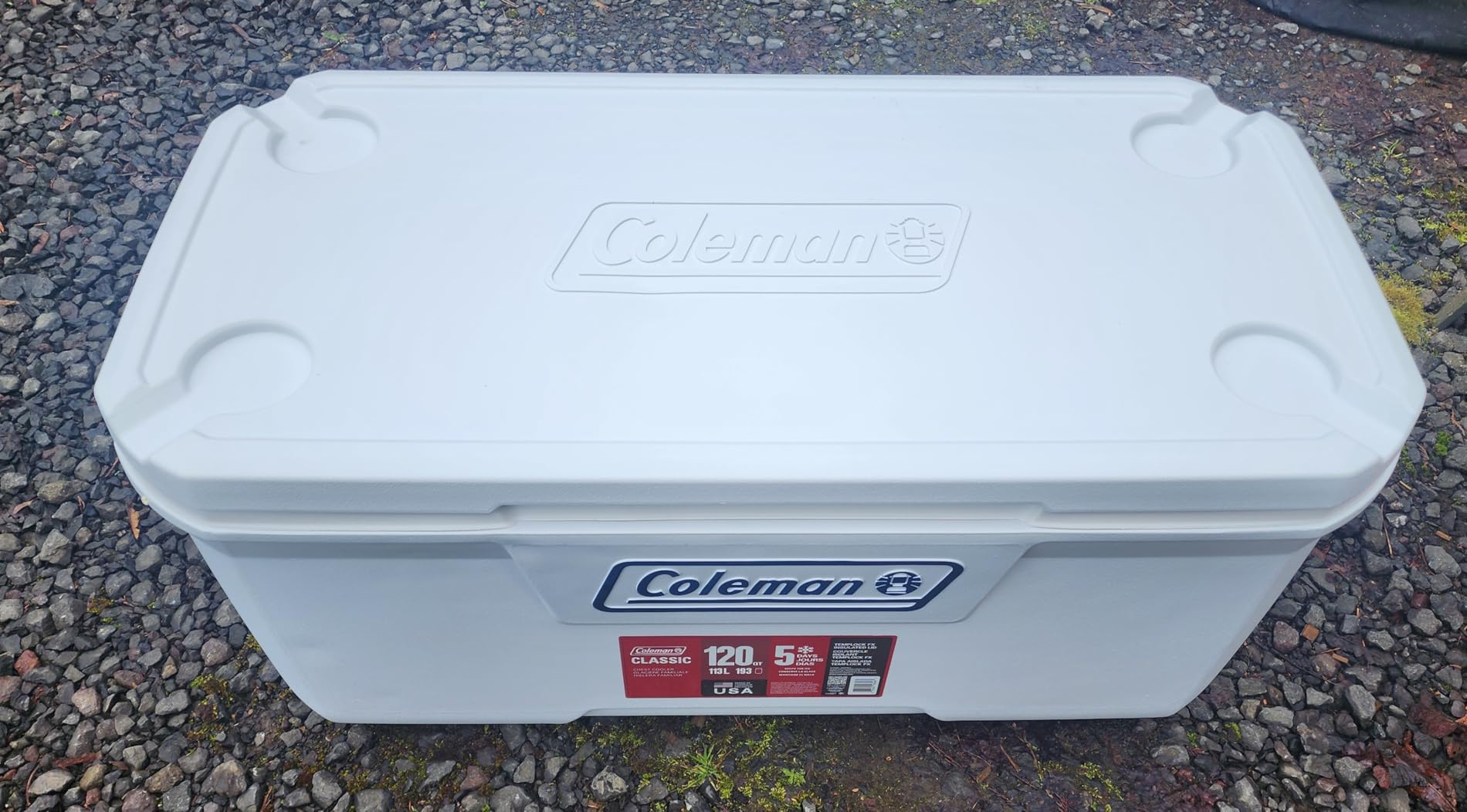
Owners single out the insulated lid as the reason it beats cheaper Coleman coolers, which have hollow lids that let heat in from above. The UVGuard coating and rust-resistant stainless steel hardware are aimed at salt air and constant sun, which is the correct priority on a boat.
The molded cup holders and integrated ruler in the lid are small touches that make it work as a base on the deck, and the closed lid supports up to 250 pounds as a seat.
Where the 120-quart size earns its keep
Charter captains and multi-boat crews need volume for lunch, drinks and fish in one box, and this is the pick when deck space is not the constraint. It also comes in 52-quart and 100-quart wheeled versions in the same line, so the same construction can suit a smaller boat.
On The Hull Truth sportfishing forum, captains running larger offshore coolers describe settling on practical one-hundred-quart-and-up units rather than the extreme two-hundred-plus-quart tier, which is the size band this sits in.
Why the thin review pool matters here
With 247 reviews this is the least-proven box in the roundup, so treat the manufacturer retention figure with more caution than the others. The one-year warranty is also the shortest coverage in the group.
Buy it for capacity and the sealed lid, not for resale value or long-term confidence in the brand.
How Big a Cooler Do You Actually Need?
The most common mistake is buying by brand instead of by trip length. Match the quart size to the trip, not to the boat you wish you had.
Under 35 quarts. One person, one day, nearshore structure work or a kayak session. Below this you are carrying a lunch, not a catch.
35 to 55 quarts. One to two people on a single offshore day, or a boat with limited deck space where weight is the binding constraint. This is where the RTIC 52 and the Tundra 35 sit.
65 to 90 quarts. Two to three days offshore, or a crew of three plus provisions. The 65-quart class is the sweet spot most charter captains settle on, and it fits under a leaning post on most center consoles.
100 to 125 quarts. Tournament days, big-game species, liveaboard trips, or a full boat that also carries lunch and drinks. Expect to move this one with wheels or with two people.
Over 125 quarts. Full charter provisioning and multi-day liveaboards. Beyond this you are into the specialist category and losing deck space that most boats cannot spare.
The 8 Criteria That Matter Once the Boat Is Moving
Here is the short list, in the order we would check it, for anyone searching for the best cooler for offshore fishing.
1. Ice retention that matches your trip length. Budget blow-molded boxes hold ice roughly a day or two, mid-grade insulated boxes run three to four days, and thick-wall roto-molded boxes with a pre-chill routinely reach five days or more. Retention figures from manufacturers assume a packed box and a closed lid.
2. A continuous gasket seal. A freezer-grade gasket that presses against the lid is the single biggest determinant of how long ice lasts, and it is the difference between a marine cooler and a picnic chest. Snap lids leak warm air all day.
3. Insulation thickness, not brand. Wall and lid foam depth decides heat transfer. Roto-molded boxes in this roundup run roughly two inches of closed-cell foam, while premium boxes push closer to three. Inside the same class, thickness and gasket quality beat the badge.
4. Footprint and loaded weight. Measure the space before you buy. A cooler that fits is worth more than a better cooler that does not, and see the loaded-weight section below before you commit to anything over 100 quarts.
5. Tie-downs and non-slip feet. A cooler sliding across a wet deck in a wake is a safety issue, not a comfort issue. Moulded rubber feet that grip a fiberglass or aluminium deck are the minimum; slots or eyes for a strap are better.
6. A usable drain plug. You need to empty meltwater before it soaks your catch or your gear, and you need to flush fish residue out. A large attached plug beats a small loose one.
7. Corrosion-resistant hardware. Salt air eats cheap fasteners. Stainless steel latches and hinges are the difference between a cooler that lasts a few seasons and one that lasts a decade. We explain this further in our swamp cooler comparison.
8. Warranty length and parts. Lifetime policies on roto-molded premium shells are real value if you fish often. A three-year warranty on a lighter polypropylene shell is a fair trade for the weight saving.
If you are specifically avoiding a YETI, the honest answer from the owner data is that RTIC, the two Coleman models and the Lifetime in this roundup hold ice comparably when packed and pre-chilled. What you buy back with the premium brand is warranty length, hardware refinement and resale, not ice retention.
Loaded Weight: What You Are Actually Lifting
Empty weight is the number on the box, and it is not the number that decides whether you keep the cooler on the boat. Ice weighs the same as water, so a cooler packed with 40 pounds of ice plus a catch can easily double or triple its listed weight.
The 21-pound RTIC 52 becomes roughly 75 pounds with a full ice load and a modest catch, and that is a one-person lift. The 37-pound Tundra Haul becomes around 90 to 100 pounds loaded, which is why it ships with wheels and a welded handle. The 42.5-pound Lifetime 115 tips past 100 pounds with ice and fish, and reviewers describe it as a two-person job on a high gunwale.
Loaded weight is also why soft bags earn their place. At 1.6 pounds empty, the Buffalo Gear bag is the only unit here you can carry one-handed while full, because the load spreads across reinforced webbing straps instead of concentrating on a single bail handle.
On fishing forums this is the most common regret of all: buying the biggest box the boat can hold, then moving it alone on a rough dock.
How to Pack Ice for a Catch That Has to Stay Cold
Ice management changes the outcome more than any ten dollars of cooler. A packing protocol that works for an offshore trip, in order:
1. Pre-chill the box. The night before, put sacrificial ice in the empty cooler with the lid closed. You are pulling 40F to 80F out of the walls before the catch ever arrives.
2. Lay block ice as a base. Solid block ice on the bottom chills the whole chamber by conduction and melts far slower than cubes. Cubed ice goes on top where it presses against the fish.
3. Bag the fish and keep it above the meltwater. Fish sitting in meltwater loses cold fast and picks up bacteria. Bags or a basket on top of the ice base keep them above the water line.
4. Leave the meltwater in early, drain it late. Meltwater is your thermal mass, so keeping it in early actually slows further melting. Toward the end of the trip, drain it, because soaked fish and soaked gear are the thing you will regret at the ramp.
5. Keep food separate. Use a hanging accessory tray, a divider, or a smaller lidded dry box inside the main cooler for lunches. Bait and food in the same ice bath is a cross-contamination problem that solves itself with one cheap insert.
6. Wash with a bleach solution and dry in the sun. Scrub the gasket, not just the walls, and leave the lid open. Fish blood and slime in a warm gasket is how a good seal becomes a bad one.
Add a dose of salt to the meltwater in extreme heat. It lowers the freezing point slightly, which slows the melt, and seasoned anglers use it because it works better than adding more ice.
Frequently Asked Questions
What coolers are just as good as YETI but cheaper?
Inside the same insulation class, retention differences are small. The RTIC 65 and the two Coleman models in this roundup hold ice comparably to a YETI Tundra when both are packed and pre-chilled. What you buy back with a premium brand is warranty length, hardware quality and resale value, not ice retention.
Which cooler stays cold the longest?
Within a class, insulation thickness and gasket quality decide it, not the brand. Among these ten, the Lifetime 115 and the Coleman 120 quote the longest manufacturer retention figures, while the RTIC 52 carries three inches of closed-cell foam at only 21 pounds empty. Pre-chilling is the single biggest lever you control.
What’s the difference between a regular cooler and a marine cooler?
A regular picnic cooler uses a snap lid with little or no continuous gasket and thinner insulation, so warm air leaks in all day. A marine cooler has a gasket seal, non-slip feet, corrosion-resistant hardware and a drain plug, because it lives on a wet, moving deck. Marine coolers cost more per quart and hold ice considerably longer.
What size cooler do I need for offshore fishing?
For a single-day run, 35 to 55 quarts is the sweet spot and is easy to carry alone. For two to three days offshore or a crew of three, go to 65 to 90 quarts. For tournament days and liveaboard trips, 100 to 125 quarts, and plan to move it with wheels or a second person.
How much ice do I need for a fishing trip?
Budget roughly 20 pounds of ice per person per day as a working number, then add a block-ice base layer under cubed ice for the catch. A single angler on a 35-quart box needs two intact bags plus a small bag of cubes. A three-day crew run needs considerably more, and block ice extends how long it lasts.
Are marine coolers worth it?
Yes, if you fish twenty or more days a year, run multi-day trips, or need the catch to stay at or below 40F until the dock. If you fish occasionally from a small boat, a lighter insulated box with the same gasket quality does most of the job for far less and is easier to move solo.
The Verdict: Which Offshore Cooler Should You Buy
Buy the YETI Tundra Haul if you move your gear across docks and sand and run trips longer than a day; the wheels and welded handle remove the single biggest complaint we heard from owners. Buy the RTIC 52 QT Ultra-Light if you fish alone from a small boat, and the RTIC 65 if you want multi-day retention without the premium tier. For one-day runs, the YETI Tundra 35 remains the most proven box on the water.
The rule underneath all ten: choose the largest cooler that fits your deck, then check that you can still move it. Everything else, from gasket to foam thickness, is secondary to whether the box is aboard and whether you got it home with ice in it. This guide was updated for 2026, and the picks above are the ones we would hand a friend before a three-day run.