
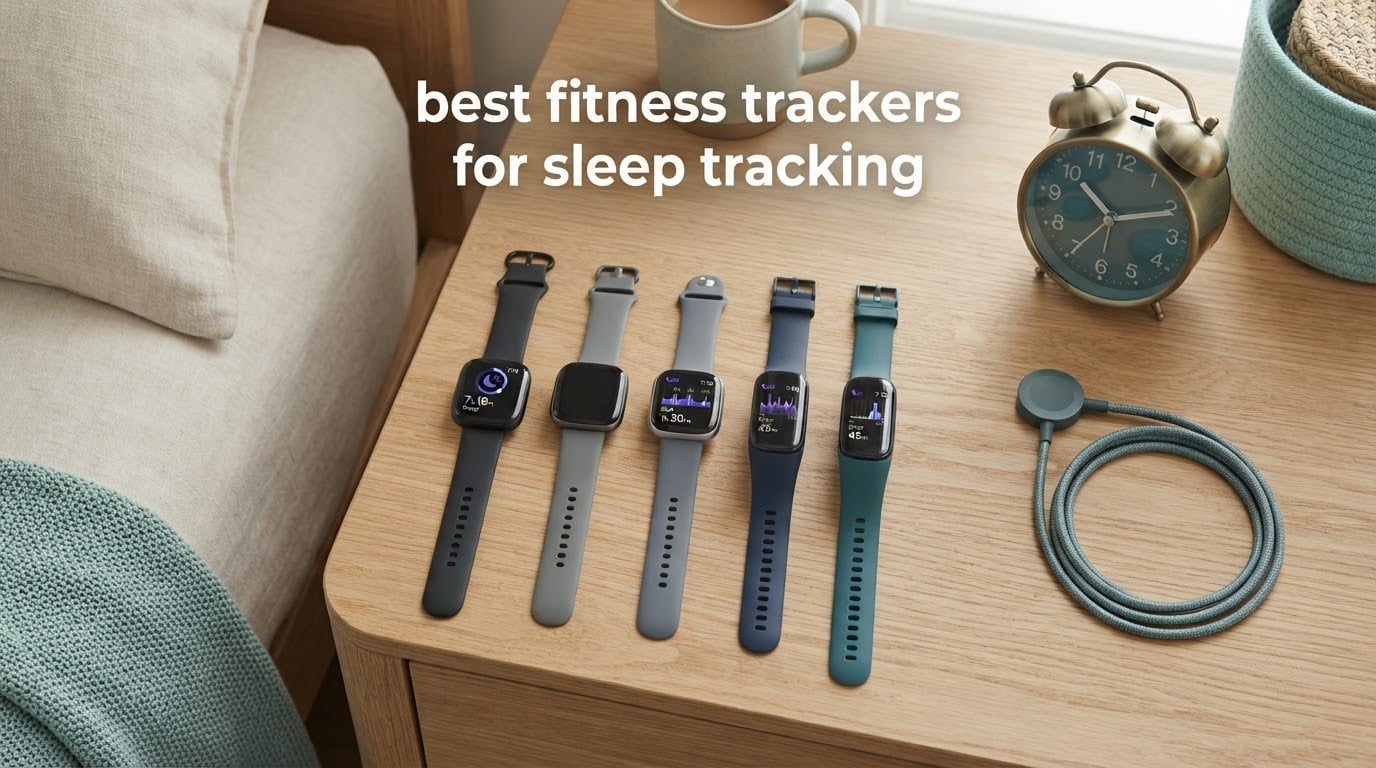
Most fitness trackers promise sleep data. Very few deliver sleep data you can actually make a decision with at 7am. We spent weeks with ten of them to separate the trackers that map your night honestly from the ones that just hand you a number.
Our short answer up front: the Fitbit Charge 6 is the best fitness tracker for sleep tracking overall. It is slim enough to forget you are wearing it, it lasts about a week between charges, and its sleep scoring combines duration, heart rate variability, skin temperature and sleep stages into something readable instead of cryptic. If you are training hard and care about recovery rather than just rest, the Garmin Vivoactive 5 pulls ahead with its Body Battery and sleep coaching features. And if subscription fatigue is the main thing you want to avoid, the Amazfit Helio Strap does the job with no ongoing fee attached.
That said, sleep tracking accuracy is not a single spec. It depends on the sensor stack, the algorithm, and honestly, how fussy you are about the device staying on your wrist at 3am. So this guide breaks down what each tracker measures, how the metrics are built, and who each one actually suits. If you are still working out the basics of wearable tracking, our beginner fitness tracker picks are a good place to start. And if the tracker is only half the problem, the hardware side of the bedroom matters just as much as the pillow choices we tested.
Table of Contents
Top 3 Fitness Trackers for Sleep Tracking in 2026
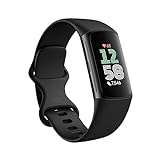
Fitbit Charge 6
- Sleep Score with HRV and skin temperature
- 7-day battery
- Built-in GPS and 40+ sport modes

Garmin Vivoactive 5
- Body Battery and sleep coaching
- 11-day battery
- AMOLED display with built-in GPS

All 10 Sleep Trackers at a Glance in 2026
Before the deep dives, here is the whole field side by side. Every device here tracks sleep duration and stages and measures heart rate overnight, but they differ sharply on battery, subscription and how much insight you get beyond a single score.
| Product | Specifications | Action |
|---|---|---|
| Fitbit Charge 6 |
|
Check Latest Price |
| Garmin Vivoactive 5 |
|
Check Latest Price |
 Amazfit Bip 6 Amazfit Bip 6 |
|
Check Latest Price |
 Samsung Galaxy Fit 3 Samsung Galaxy Fit 3 |
|
Check Latest Price |
 WHOOP 5.0/MG WHOOP 5.0/MG |
|
Check Latest Price |
| Amazfit Helio Strap |
|
Check Latest Price |
 Amazfit Active Max Amazfit Active Max |
|
Check Latest Price |
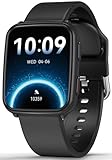 MorePro Fitness Tracker MorePro Fitness Tracker |
|
Check Latest Price |
 Bestinn Smart Watch Bestinn Smart Watch |
|
Check Latest Price |
 Bakoor Fitness Tracker Bakoor Fitness Tracker |
|
Check Latest Price |
How We Judged Sleep Tracking
Sleep claims are easy to make and hard to verify, so we weighted our testing toward things you can feel within a few nights rather than lab-sounding numbers we could not check.
Comfort came first. If a device annoys you enough that you take it off at 2am, the algorithm never gets a fair chance. We wore each tracker on the non-dominant wrist overnight and noted whether the clasp, band or screen caught on bedding.
Next was battery reality. Advertised figures are optimistic, so we tracked how often we actually charged, and whether a full charge comfortably covers a long trip.
We also looked at signal continuity. Band movement, a loose fit or a watch worn too tightly all produce gaps in the overnight heart rate trace, and gaps mean missing sleep.
Finally, we asked whether the app tells you something useful. A sleep score with no explanation is decoration. The trackers that win here pair the score with a clear reason and a next step.
What the Sleep Metrics Actually Mean
No tracker in this roundup is a medical device, and none of them replace polysomnography, the clinical sleep study that measures brain waves directly. What they do is estimate sleep stages using actigraphy, which is movement detection, combined with optical heart rate sensing through a process called photoplethysmography.
Sleep stages. Every device here divides your night into light, deep and REM sleep, plus awake periods. These splits are useful for spotting patterns across weeks. They are not accurate enough to diagnose anything on a single night.
Heart rate variability (HRV). HRV is the variation in time between heartbeats. Higher overnight HRV generally signals better recovery. Several owners of the Amazfit Helio Strap told us its sleep data beat readings from their Garmin watches, which is a common reaction to a dedicated sleep-focused device outscoring a general smartwatch.
SpO2 and blood oxygen. Blood oxygen saturation is the one metric worth extra care. Forum discussion on r/FitnessTrackers keeps circling the same frustration: some devices measure SpO2 well at rest but produce unreliable overnight readings. Treat overnight SpO2 as a trend, not a reading.
Skin temperature. Overnight temperature shifts can hint at illness onset or recovery state. The Charge 6 includes a temperature sensor among its measured metrics, and Garmin folds similar data into HRV status.
Sleep score and readiness. A sleep score blends duration, timing consistency and stage distribution into one number. Readiness, Body Battery and WHOOP Recovery all answer a related question: how ready are you to train today. Consistency between nights matters more than any single high score.
1. Fitbit Charge 6 – Best Overall for Sleep Tracking
- Sleep Score built from HRV
- skin temperature and sleep stages
- 7-day battery removes nightly charging
- Slim comfortable body that disappears under a sleeve
- Built-in GPS plus 40+ exercise modes
- Built-in GPS is inaccurate and drains the battery quickly
- Distance and calories can misread on gym equipment
- The Health app syncing and calorie figures are unreliable
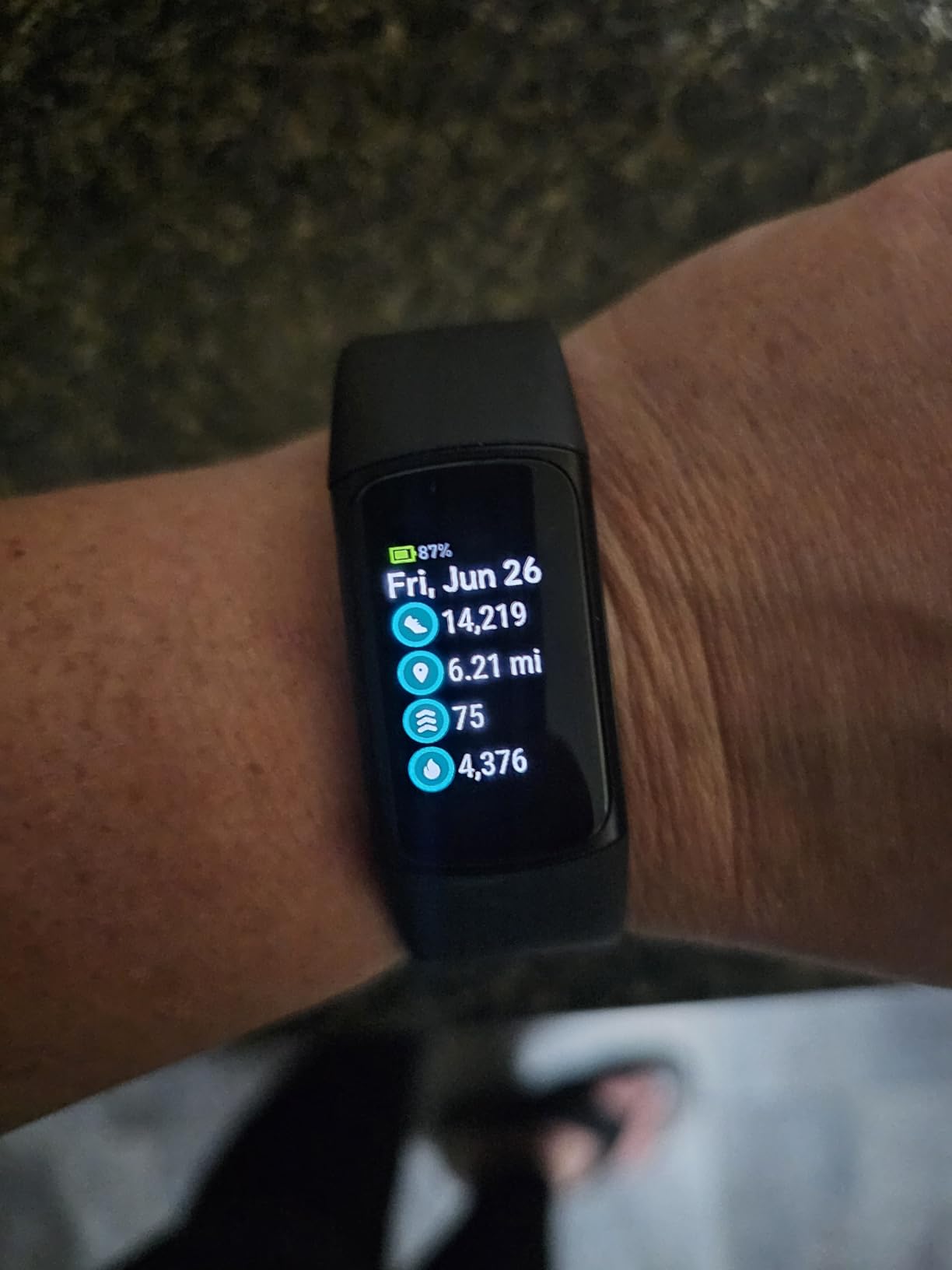
The Charge 6 is the one I kept reaching for. At roughly the size of a slim fitness band, it disappeared under a shirt cuff and never woke me up reaching for something in the dark.
Its sleep tracking is the strongest argument for buying it. Instead of a bare duration figure, the app builds a nightly Sleep Score out of your heart rate variability, skin temperature and stage breakdown. That combination is what makes it our pick for the best fitness trackers for sleep tracking overall.
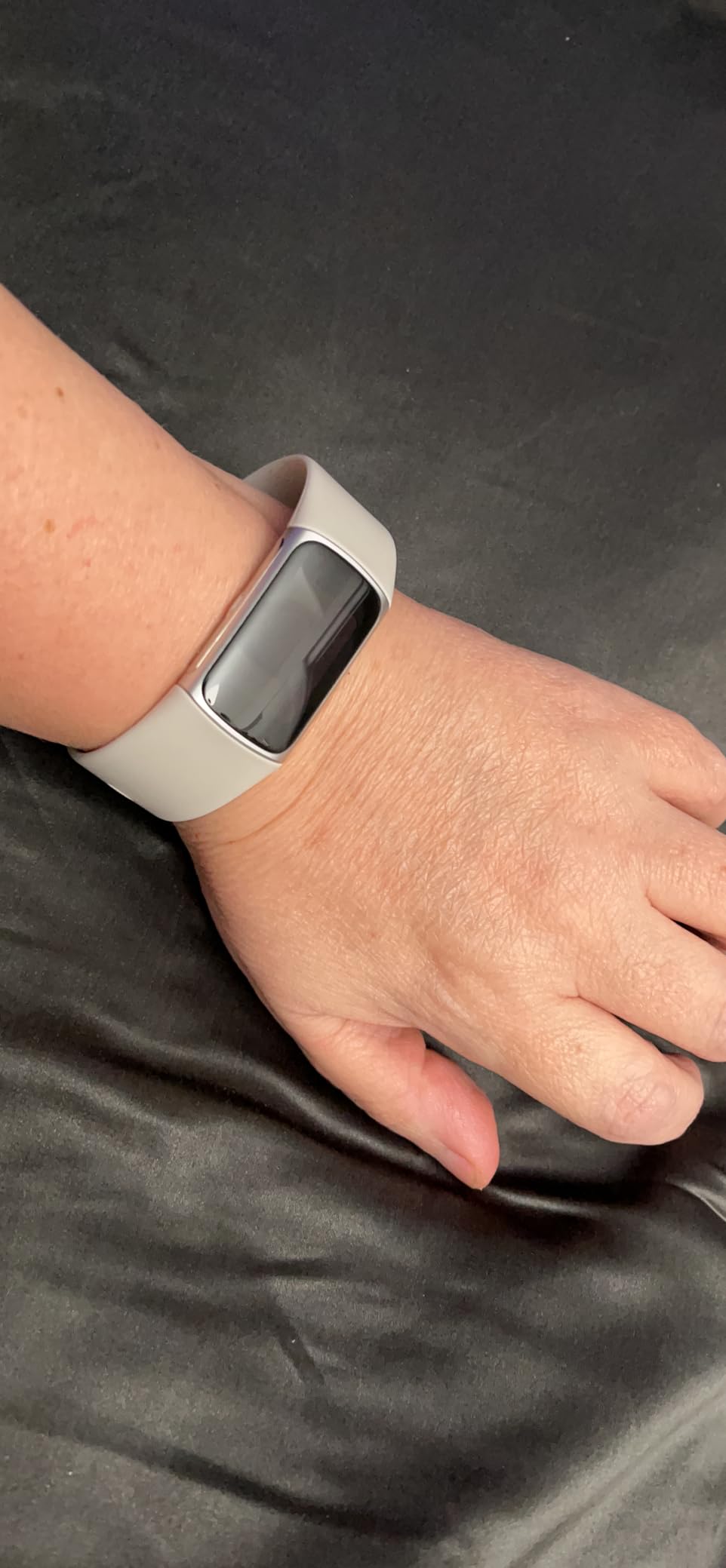
Several owners switched over from an Apple Watch specifically to escape daily charging, and the 7-day figure held up in our use too. A full charge comfortably spans a long weekend, which matters more than it sounds for anyone who travels.
Sensor coverage is genuinely broad for a band this size. The spec sheet lists heart rate, SpO2, accelerometer, gyroscope, GPS, a temperature sensor and an ambient light sensor, plus ECG and contactless payments through Google Wallet. Smart Wake and a stress management score are included, along with Google Maps turn-by-turn directions.
What to check before you buy the Charge 6
Sleep accuracy here depends on fit more than most competitors. A snug fit a finger-width from your wrist bone gives the optical sensor steady contact through the night, and a loose band produces visible gaps in the heart rate trace.
If you also train outdoors, read the GPS complaints first. Multiple reviews describe the built-in GPS as inaccurate and a significant battery drain, and several owners simply use their phone for route data instead. On iOS, you also cannot reply to text messages from the wrist, and the watch face library is thin.
Who should skip it
Skip the Charge 6 if overnight SpO2 accuracy is your main goal, or if you want deep recovery coaching rather than a single consolidated score. Reviewers also flag scratch-prone screens and some water damage reports after ocean exposure, so it is not the choice for someone who surfs or swims daily.
It is also not the choice if you want a large screen you can read without taking your wrist near your face. If glanceable data is your thing, the Amazfit Bip 6 covers that instead.
2. Garmin Vivoactive 5 – Best for Athletes and Recovery
- Body Battery with sleep score and HRV status
- 11-day battery in smartwatch mode
- Automatic nap detection and nap logging
- 30+ sport apps with built-in GPS
- Health metrics are estimates rather than medical-grade readings
- Touchscreen-first menus can feel awkward
- Advanced features live inside the Garmin Connect ecosystem
If your sleep data exists to guide training rather than to satisfy curiosity, the Vivoactive 5 is the strongest pick in this list. Garmin layers sleep data underneath an energy model that has been refined for years.
Body Battery drains overnight based on your sleep, naps, stress and workouts, then tells you how much capacity you have left. Sleep coaching adds short prompts to your morning report when your sleep pattern slips. For a runner or cyclist training through a block, that combination is more actionable than a sleep score alone.
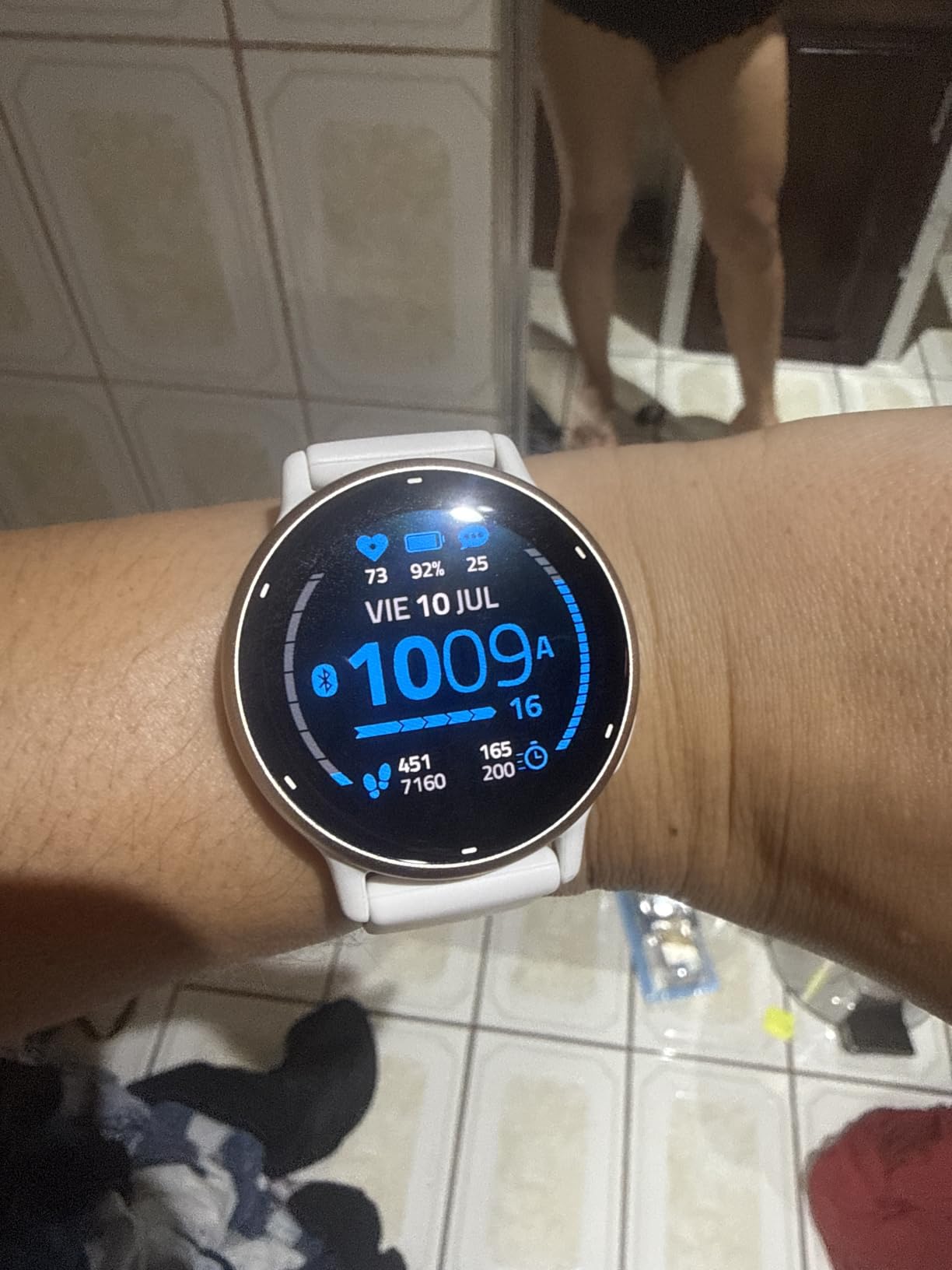
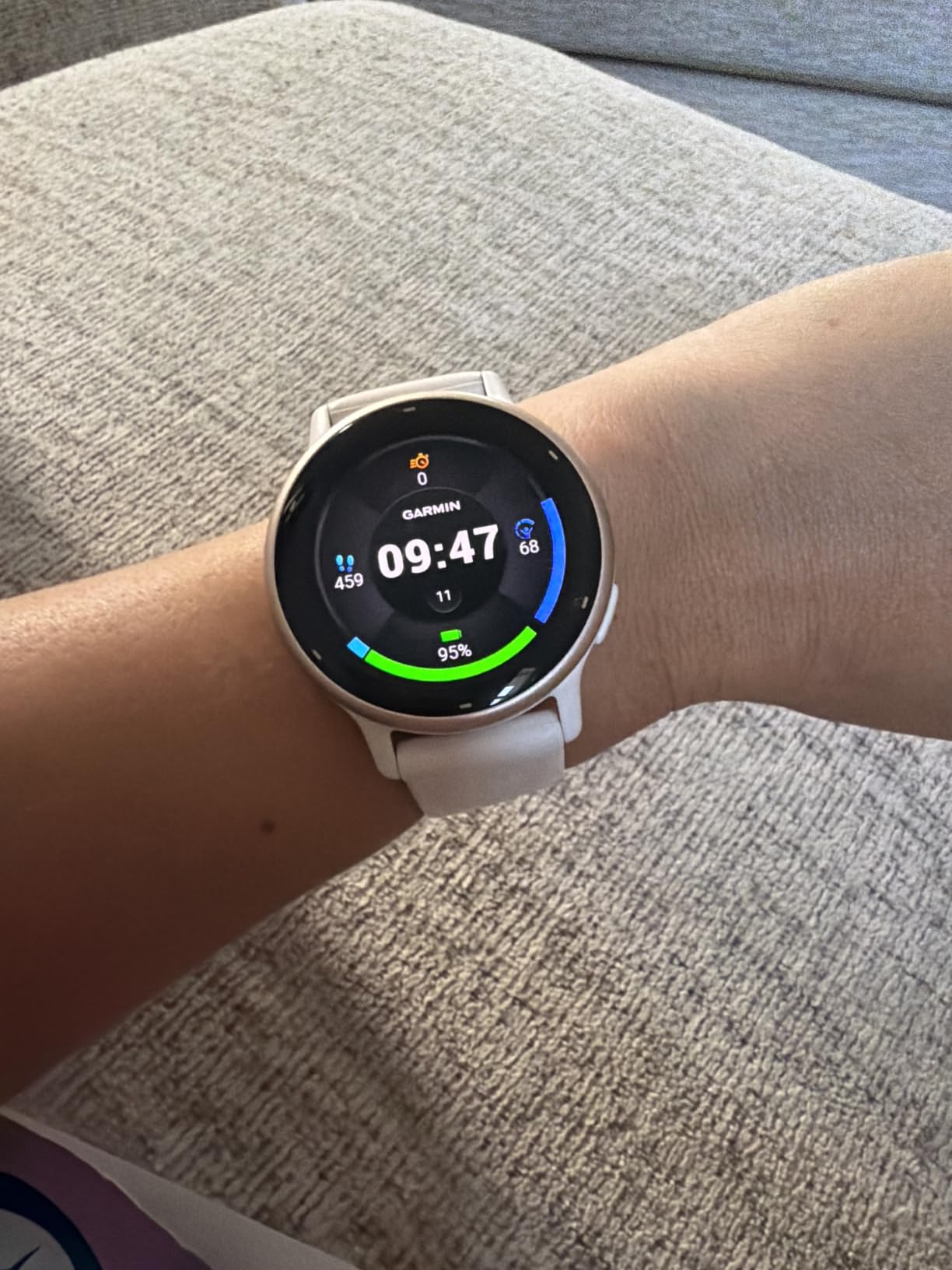
Battery life is the quiet hero here. Eleven days in smartwatch mode, or five with the always-on display, means you essentially stop thinking about charging. A 1.2 inch AMOLED at 390 x 390 resolution looks modern and stays readable, and the whole package weighs 1.3 ounces.
Nap detection works automatically, which no other tracker in this roundup handles that way. The 42 mm case also suits smaller wrists better than most AMOLED watches. Wheelchair mode, menstrual cycle and pregnancy tracking, and offline music from Spotify, Amazon Music or Deezer round out a well-built feature set.
What to check before you buy the Vivoactive 5
Garmin states plainly that its health metrics are close estimations rather than medical readings, and reviewers echo that they are best treated as trend indicators. If you want clinical-grade blood oxygen data overnight, this is not the device.
The touchscreen-first controls are a real change of pace for anyone coming from a button-heavy sports watch. Menu navigation takes a little getting used to, and the deeper recovery and training features only make sense once you are inside the Garmin Connect ecosystem.
Who should skip it
Pass if you want the deepest possible sleep analytics, or if you are put off by an app with a large number of screens to learn. The steeper Garmin Connect interface is a fair trade for athletes and a genuine barrier for casual wearers.
Pass as well if you need built-in blood pressure readings or SpO2 focus. The Vivoactive 5 tracks heart rate, hydration, stress and sleep, but oxygen is not part of its headline sensor set.
3. Amazfit Bip 6 – Best Budget Tracker With a Big Screen
- Very large screen readable in direct sunlight
- 14-day battery means no nightly charging
- Built-in GPS with offline maps and turn-by-turn
- 24/7 heart rate and SpO2 monitoring
- Zepp app is less refined than Garmin or Apple
- No always-on display despite the large panel
- Sensors can drift during intense exercise
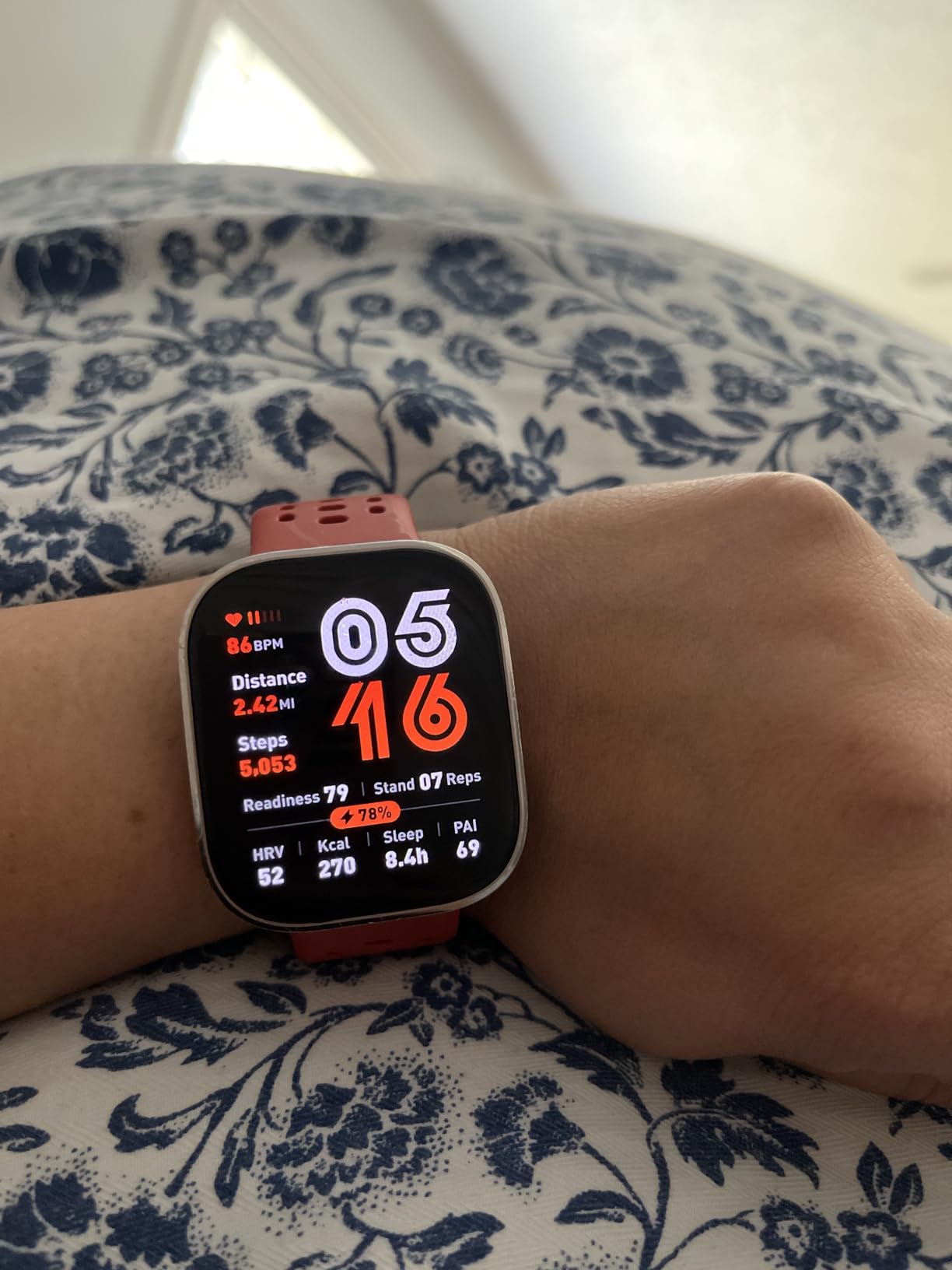
The Bip 6 answers a question most trackers ignore: can you read your sleep data at a glance? With a 1.97 inch AMOLED panel peaking at 2000 nits, this thing is visible in direct sun, and it stays legible at arm’s length in bed.
It measures blood oxygen, breath rate, calories and heart rate, and tracks sleep, stress and activity around the clock. That is a broad sensor set for the entry tier, and reviewers consistently treat this as the value pick of the group.
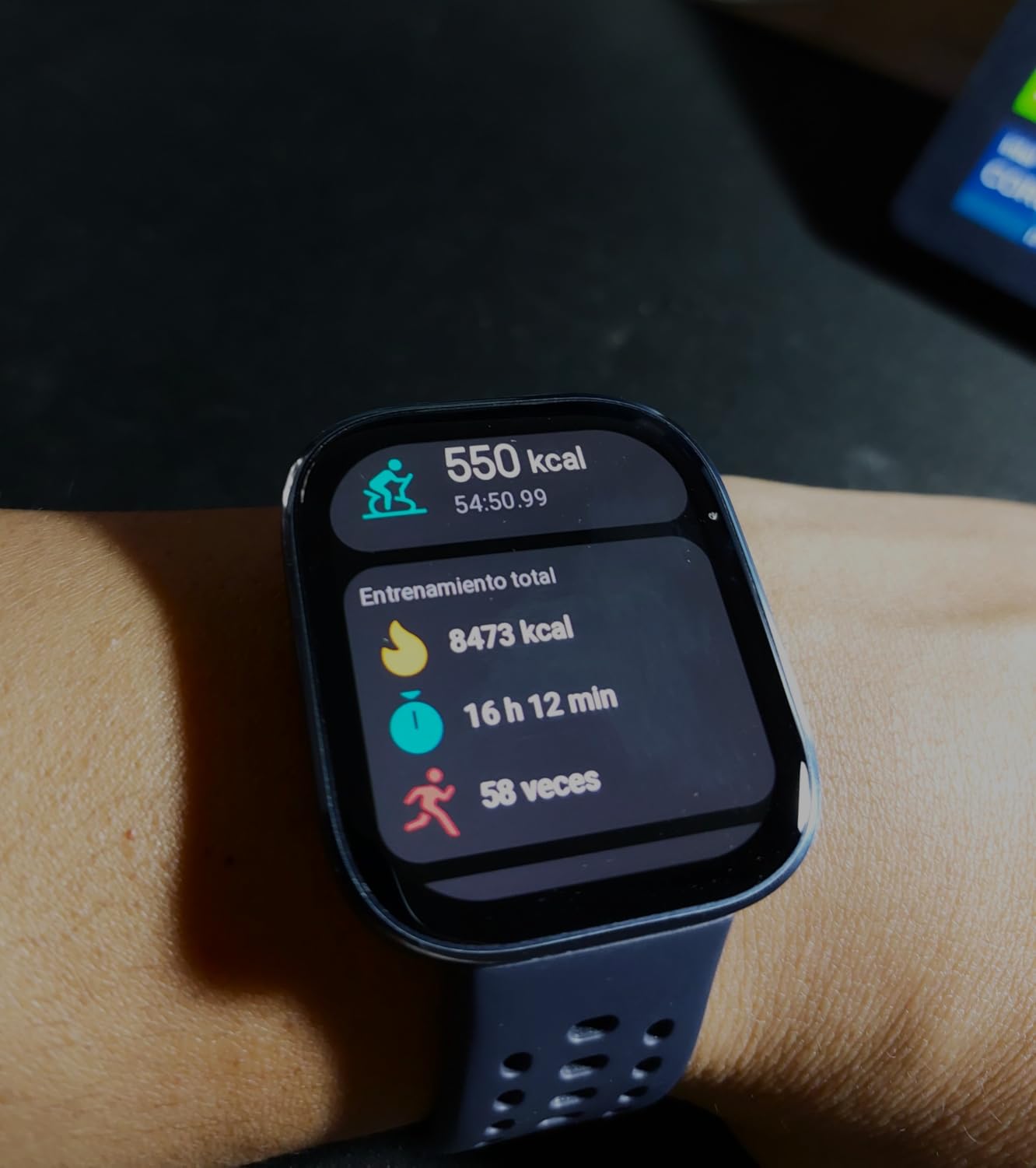
Battery life is up to 14 days on a 340 mAh cell, which is one of the longest claims in this roundup and held up in practice. Built-in GPS supports BeiDou, GLONASS, GPS and Galileo, and free downloadable offline maps are unusual at this level.
There are 140+ workout modes including HYROX Race and Strength Training with AI coaching, plus text messaging and notifications. At 1.44 ounces with an aluminum build, it stayed comfortable across whole nights for us.
What to check before you buy the Bip 6
Expect app polish to be the weak point. The Zepp interface is serviceable but less refined than Garmin or Apple, and some users find the scoring and workout options less considered. If you live in your health app, that will be noticeable.
Sensor readings can drift from chest-strap or lab measurements during hard efforts, which matters more to runners than to casual sleepers. There is also no always-on display despite the large panel, so the screen sleeps when you lower your wrist.
Who should skip it
Skip the Bip 6 if sleep staging accuracy is your primary criterion and you want the deepest analytics available. It reports stages clearly but does not model recovery the way Garmin, WHOOP or Amazfit’s own BioCharge systems do.
Pass if you need calling on the wrist or heavy offline storage. For those, the Amazfit Active Max is the sibling that covers them.
4. Samsung Galaxy Fit 3 – Best for Android Users
- Sleep coaching plus SpO2 and snore detection out of the box
- Sharp AMOLED with smooth touch navigation
- Two-week battery from a small 208 mAh cell
- Light 50 g body for overnight wear
- No built-in GPS so routes rely on the phone
- Android only with no iPhone compatibility
- International model with no US warranty
The Galaxy Fit 3 packs more sleep-specific reporting than most devices twice its size. It tracks sleep duration and blood oxygen, and it adds snore detection, which is a genuinely useful signal for anyone trying to work out whether their snoring is positional.
Sleep coaching is the standout. Rather than handing you a score and leaving, it nudges you with routine suggestions when your pattern slips. Combined with a 320 x 320 AMOLED at 1.6 inches, it is a small watch that reports a lot.
![SAMSUNG Galaxy FIT 3 [2025, 40MM] 1.6](https://thesweetandsimplekitchen.com/wp-content/uploads/2026/08/B0CTCLBST5_customer_1.jpg)
Battery life is quoted at up to 14 days from a 208 mAh battery, and the 1.81 x 0.71 x 0.43 inch body weighs just 50 g. The IP68 and 5ATM rating makes it swim and dust ready, with 101+ workout modes and auto detection.
There are over 100 watch faces, which is more choice than most competitors offer. For a Samsung phone user already invested in the ecosystem, the fit and the health features line up unusually well.
![SAMSUNG Galaxy FIT 3 [2025, 40MM] 1.6](https://thesweetandsimplekitchen.com/wp-content/uploads/2026/08/B0CTCLBST5_customer_2.jpg)
What to check before you buy the Galaxy Fit 3
This is an Android-only device. It is not compatible with iPhone or iOS at all, which removes it entirely for a large share of buyers. Confirm your phone before anything else.
There is no built-in GPS, so route tracking depends on your phone. This is a deliberate trade for battery life and it does not affect sleep tracking, but it will frustrate runners. This specific model is also an international variant with no US warranty and no Samsung Pay, and the bundled fast charger is generic rather than Samsung-branded.
Who should skip it
Pass if you own an iPhone, or if you run outdoors and want independent route tracking. The missing GPS is a real gap against the Amazfit Bip 6 and Garmin Vivoactive 5, which both carry their own.
Pass if warranty support matters to you at purchase time, since this international configuration does not carry US coverage. Buyers wanting a fully supported domestic purchase should look at the Garmin or Fitbit options instead.
5. WHOOP 5.0/MG – Best Recovery Analytics
- Deepest recovery and sleep analytics in the group
- HRV and respiratory rate with Sleep Performance
- Screenless design means no buzzing notifications
- Included waterproof PowerPack
- 12-month membership required
- No screen or GPS and no way to view data without a phone
- Steep learning curve for the volume of metrics
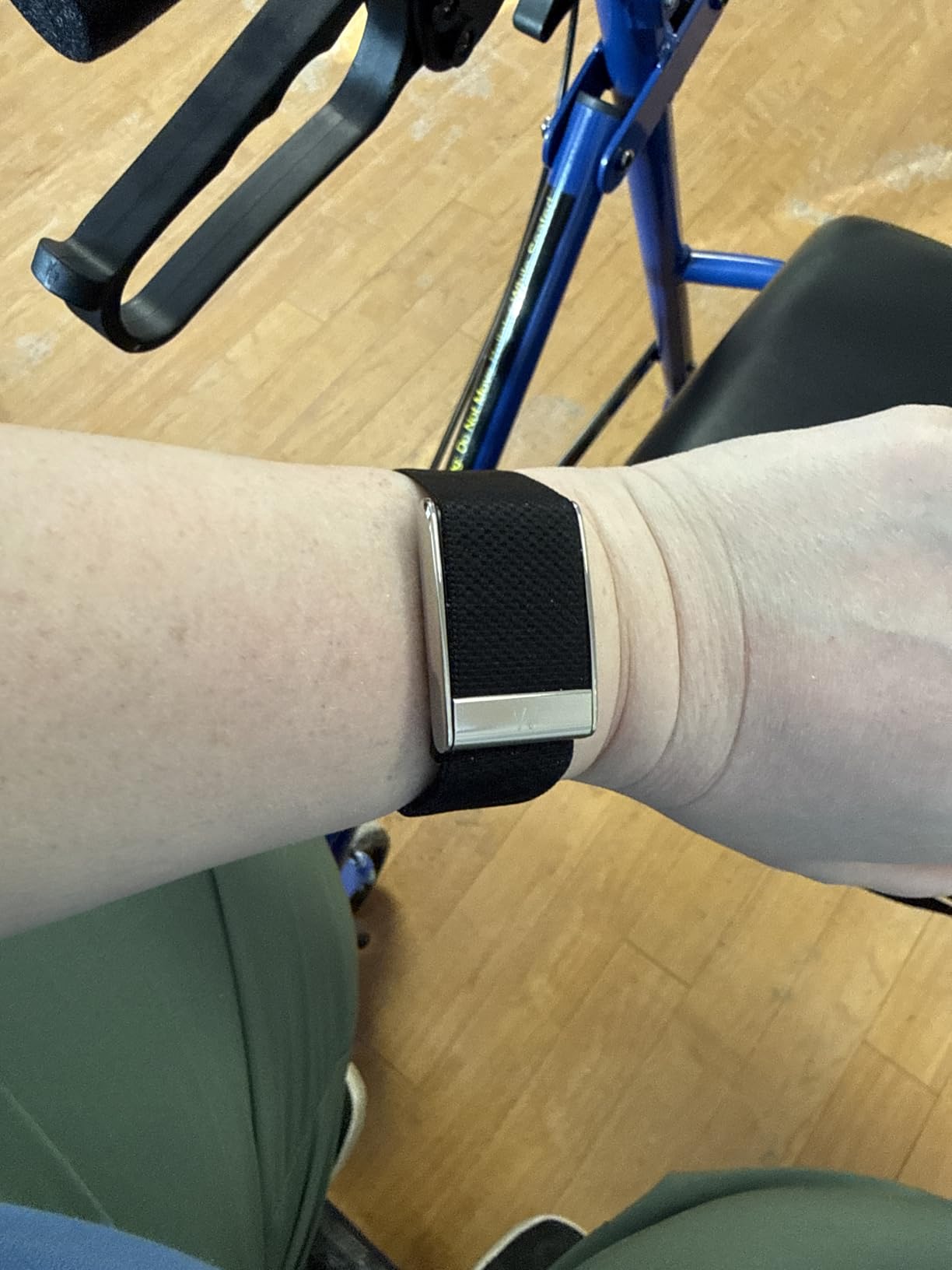
WHOOP does the one thing a band or a watch cannot: it disappears. There is no screen, no haptic buzz, no notification. You put it on, you sleep, and in the morning the app tells you what happened.
That focus pays off in the analytics. It monitors heart rate every second of every day, analyses 140+ metrics with its AI coaching, and reports Sleep Performance alongside a detailed recovery picture covering HRV, respiratory rate and blood oxygen. The WHOOP Journal also captures 300+ daily behaviours, which turns sleep data into context.
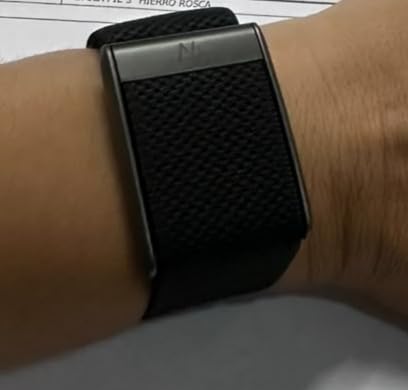
Two longer-horizon metrics stand out. WHOOP Age and Pace of Aging look at healthspan rather than last night, which is unusual at this level. Menstrual cycle insights are included, and integrations with Apple Health, Google Health Connect, Strava and Natural Cycles are all supported.
Battery life is 14+ days on a lithium-ion cell, so a charge covers most of two weeks. The waterproof wireless PowerPack in the box means you can top up without hunting a cable. It is also HSA and FSA eligible, which is worth checking against your plan documents.
What to check before you buy the WHOOP 5.0
The membership is the decision point. This bundle includes a 12-month membership, and users regularly point out that the total cost of ownership runs far beyond the hardware price alone. Before committing, look at what you would actually use after the trial period.
No screen also means no GPS, no maps, and no way to check anything without your phone. Bands can run snug and are not interchangeable with every 22 mm strap. The app also throws a lot of metrics at you, and several reviewers describe the learning curve as steep.
Who should skip it
Pass if you dislike maintaining subscriptions, or if you need a screen for quick glances. Those are structural limits of the design rather than fixable settings.
Pass for anyone who wants GPS-based training metrics from one device. A dedicated sleep-first wearable and a training watch are different products, and WHOOP is deliberately only the first one.
6. Amazfit Helio Strap – Best Screenless Sleep Tracker
Amazfit Helio Strap Screenless Activity Tracker, 10-Day Battery,iOS/Android
- Extremely light at 18 g and comfortable enough to forget
- Sleep tracking users rate as better than their Garmin devices
- No subscription fee
- Accepts any standard 22 mm band
- Included strap is stiff and absorbs sweat
- Sleep duration sometimes needs manual correction
- No screen or GPS and all data review happens in the app
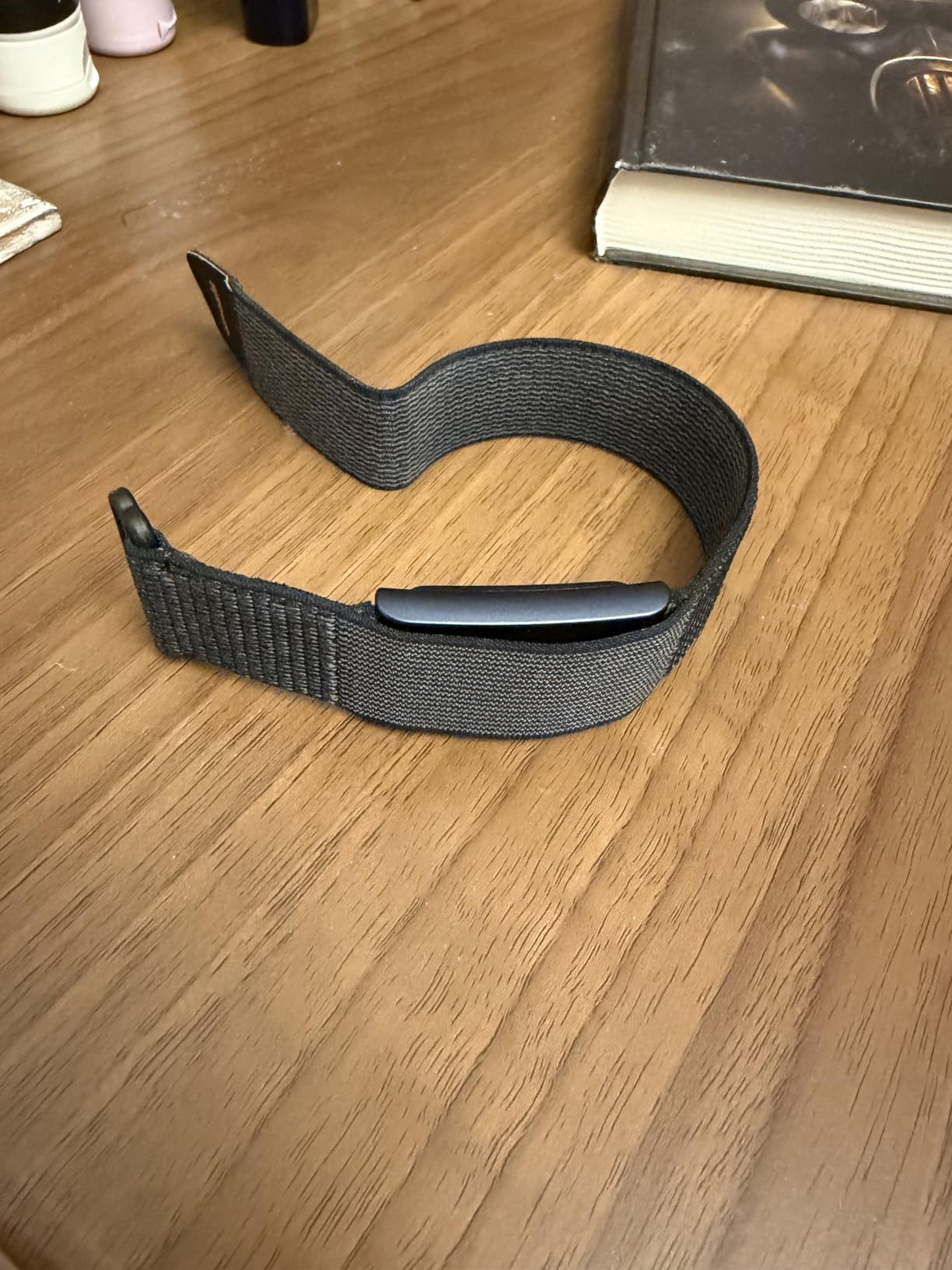
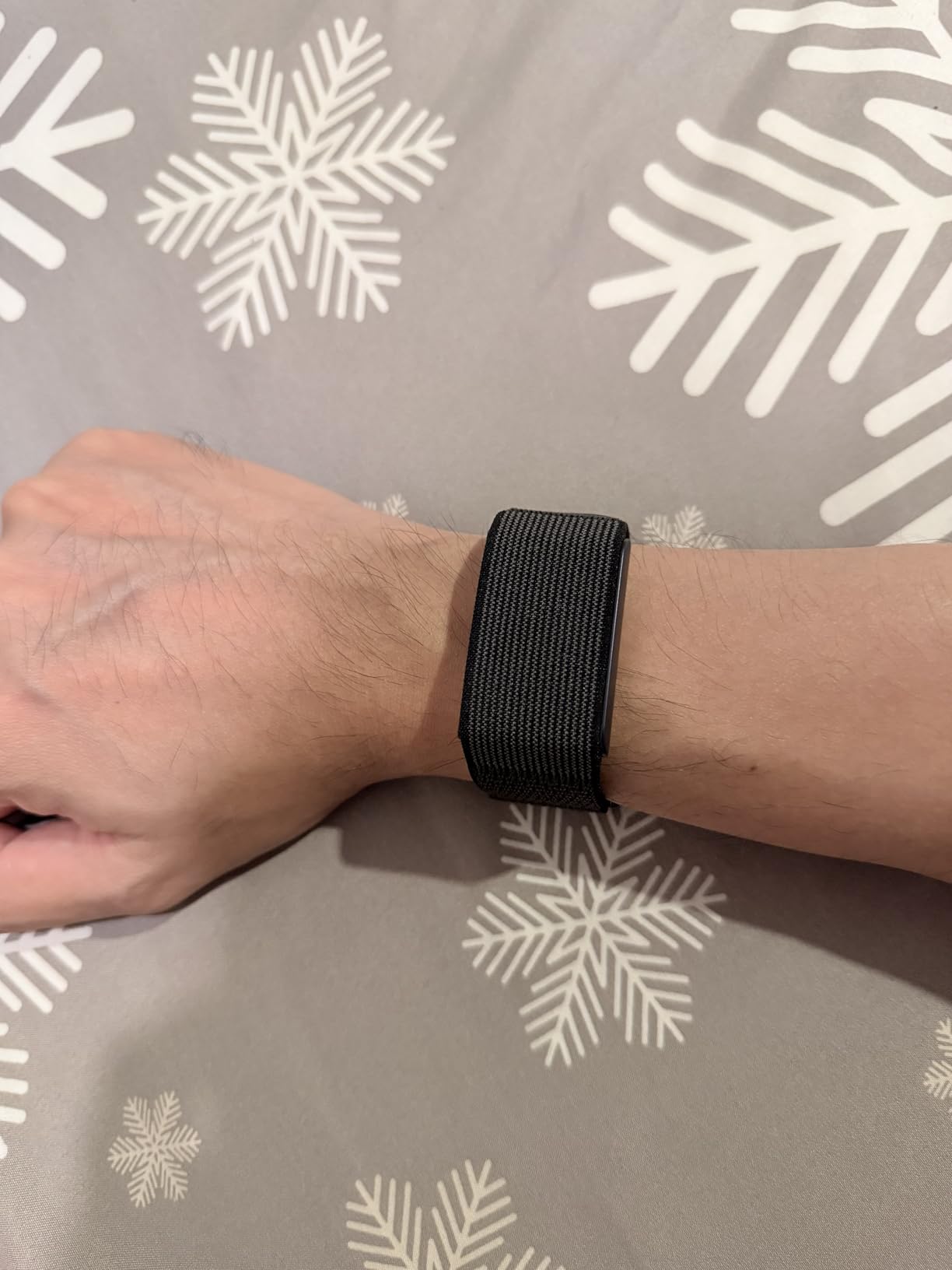
The Helio Strap is the lightest device here to genuinely forget you are wearing. At 18.14 g it is barely heavier than a coin, and because it has no screen there is nothing glowing on your wrist to disturb you.
It tracks 24/7 heart rate, blood oxygen, stress and sleep through Amazfit BioTracker technology, and it accepts any standard 22 mm quick-release band. That strap compatibility is a quiet win, because the included strap is the weakest part and you can replace it for a few dollars.
The no-subscription model is the headline. Owners single this out as a major advantage over the recurring fees attached to some competitors, and there is nothing to cancel later. Battery life is 10 days on a 232 mAh cell, and owners report it has survived multiple wash and dryer cycles.
Several users rate its sleep tracking better than their own Garmin devices, which is why it lands in our top three. Recovery, fatigue and training load tracking come through HybridCharge, and it syncs with Strava, TrainingPeaks, adidas Running and komoot. It even transmits heart rate to connected equipment like Peloton.
What to check before you buy the Helio Strap
Replace the strap. The included nylon band is non-stretchy, bulky and absorbs sweat, and it is the single most common complaint. Because it takes standard 22 mm bands, this is a five-minute fix rather than a reason to pass.
Sleep duration occasionally needs manual correction, and the vibration motor is weak, so it is not a good choice if you rely on a wrist alarm to wake you. The Zepp app interface could be more intuitive, and a few reviewers report units that stopped charging or would not pair after a few weeks.
Who should skip it
Skip it if you need haptic alarms, or if you want to see your sleep data without opening an app. A screenless strap is entirely dependent on the phone, and that is the trade you are making for comfort.
Pass if you want built-in GPS or a deep recovery model comparable to WHOOP. The Helio Strap gives you solid sleep and recovery basics without the coaching depth.
7. Amazfit Active Max – Longest Battery Between Charges
Amazfit Active Max Smart Watch, 1.5″ AMOLED Display, GPS, iOS/Android
- Up to 25 days between charges
- 3000-nit display readable in direct sunlight
- Fast accurate GPS with offline terrain and ski maps
- Bluetooth calling plus voice commands
- App ecosystem less developed than Garmin or Apple Watch
- Included wristband uncomfortable for one reviewer
- Advanced health metrics lose accuracy during hard workouts
The Active Max has the highest rating of any device in this roundup, and the reason is the battery. Up to 25 days on a 200 mAh cell means you can put it on in the spring and not think about charging for most of the season.
For sleep specifically, that longevity removes the most common failure mode. Most people stop wearing trackers because charging gets interrupted, and a device that needs a charge twice a year almost never has a gap in its data.
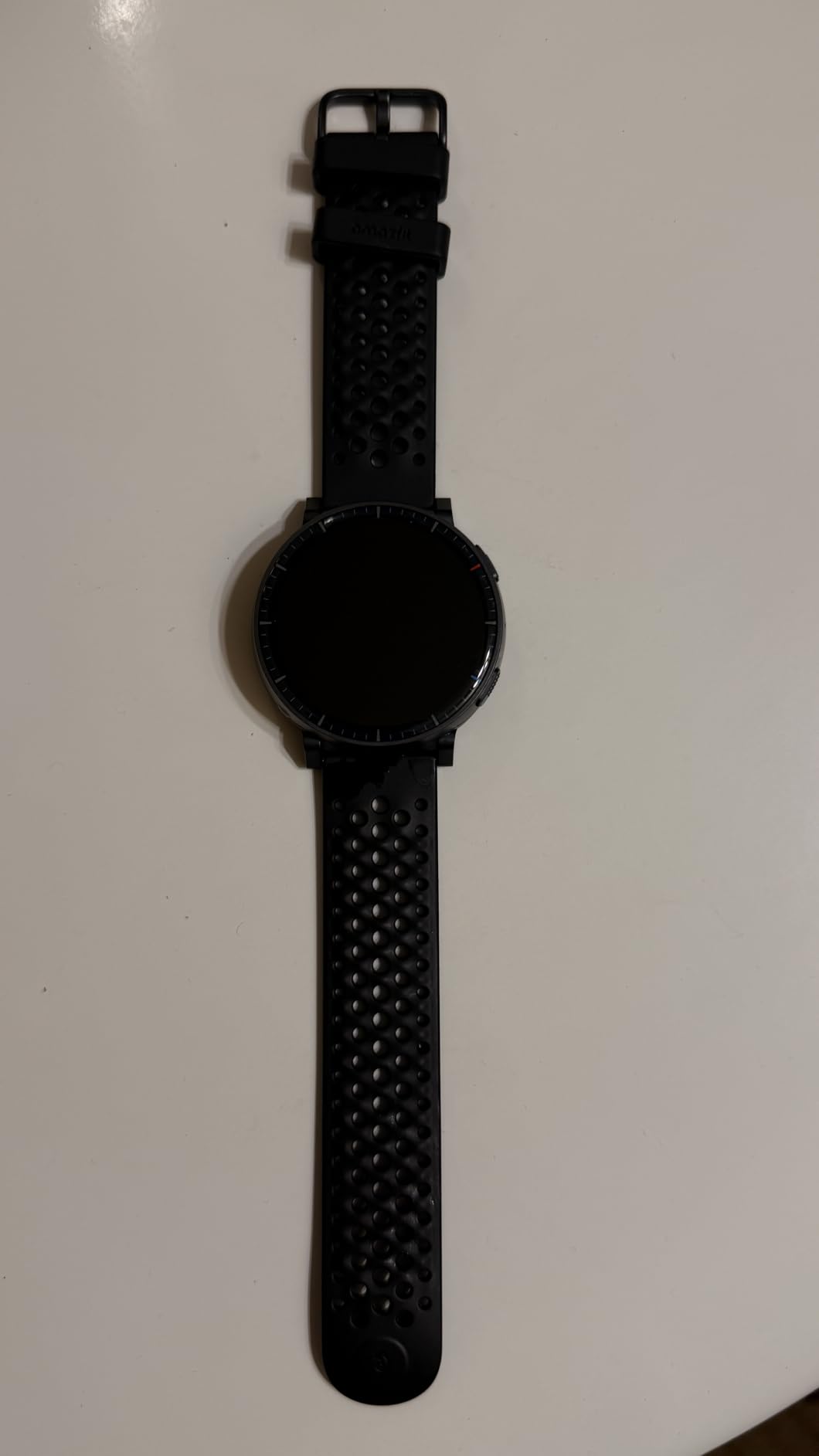
The 1.5 inch AMOLED hits 3000 nits, making it one of the brightest screens here. It measures blood oxygen, heart rate, sleep duration and stress, with BioCharge energy monitoring feeding recovery scoring. Multiple owners report 20 to 25 days between charges in real use.
It is also a full smartwatch underneath. Five-satellite GPS locks quickly and holds signal, 4 GB of onboard storage holds music and offline maps, and there is a built-in speaker and microphone for Bluetooth calls and voice commands. 170+ workout modes come with Zepp Coach plans from 3K through full marathon.
What to check before you buy the Active Max
The app is the gap. Zepp has fewer integrations and less polish than Garmin Connect or the Apple Health stack, and if you rely on third-party training platforms you will feel it.
Advanced health metrics lose accuracy during intense workouts, and standing-time and step counts can diverge noticeably from what your phone reports. One reviewer also found the included wristband uncomfortable enough to cause a rash, and there is no built-in golf recognition.
Who should skip it
Pass if you want the deepest sleep staging analytics available here, or if you are heavily invested in an established app ecosystem. This is a long-life, feature-complete watch rather than a dedicated sleep laboratory.
Pass if the large bright screen bothers you at night. If you dislike glow while asleep, the screenless Helio Strap is the deliberate alternative.
8. MorePro Air6 – Best Budget Tracker With Cycle Tracking
- Menstrual cycle tracking with period
- ovulation and trying-to-conceive modes
- Sleep broken into deep
- light and wake-up periods
- Up to 7 days battery on a 2-hour charge
- Call
- SMS and app notifications on the wrist
- Pulse readings can be noticeably off against a clinical device
- No built-in GPS for route tracking
- Blood pressure readings are for wellness only
The MorePro Air6 is unusual in this group because it brings real cycle tracking to the budget tier. It supports period, safe-day, ovulation, trying-to-conceive and pregnancy modes, which is far more than a simple step counter offers.
Sleep tracking gives a detailed breakdown across deep sleep, light sleep and wake-up periods rather than a single duration number. That granularity is helpful if you are trying to understand your night rather than just log it.
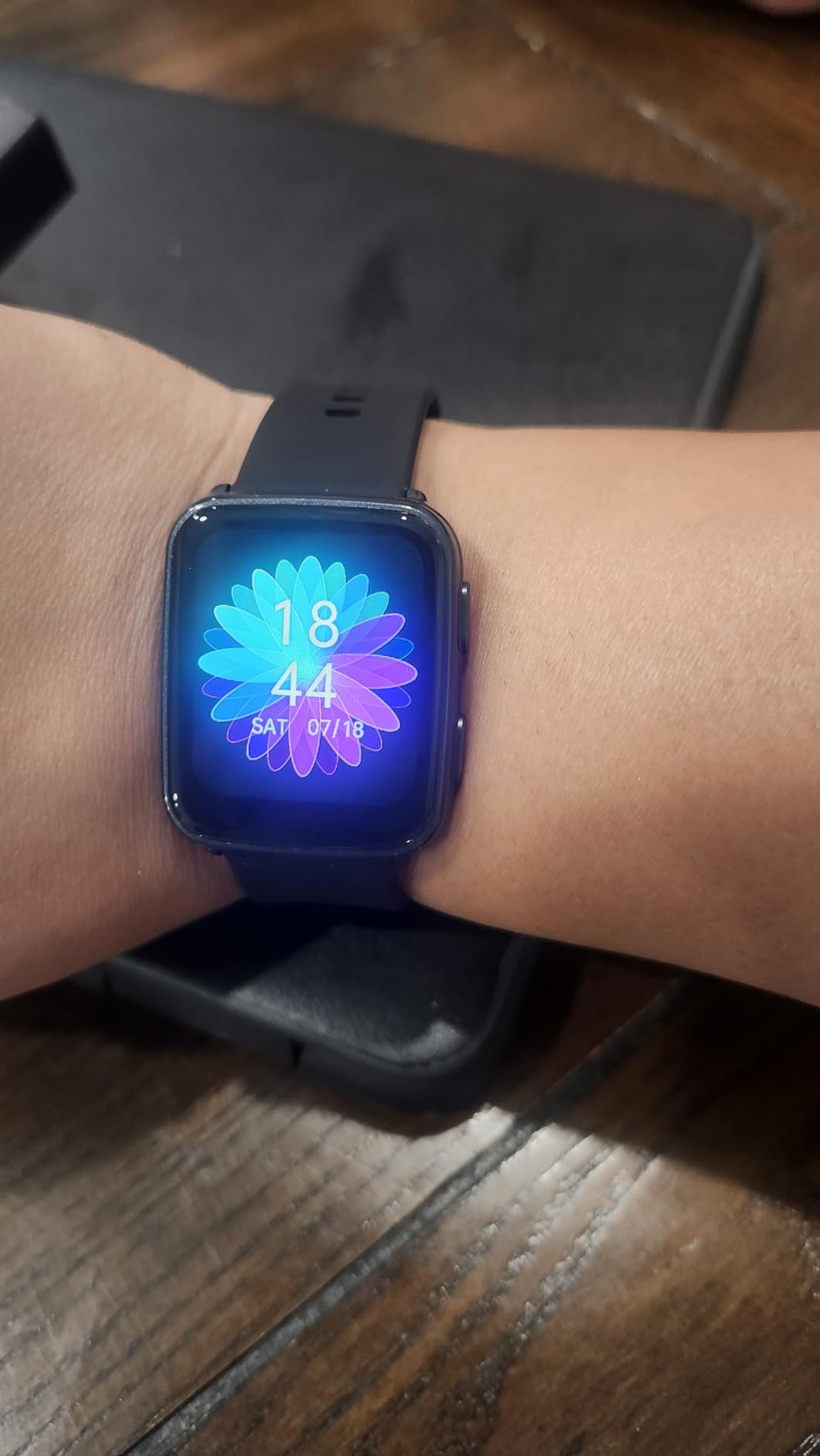
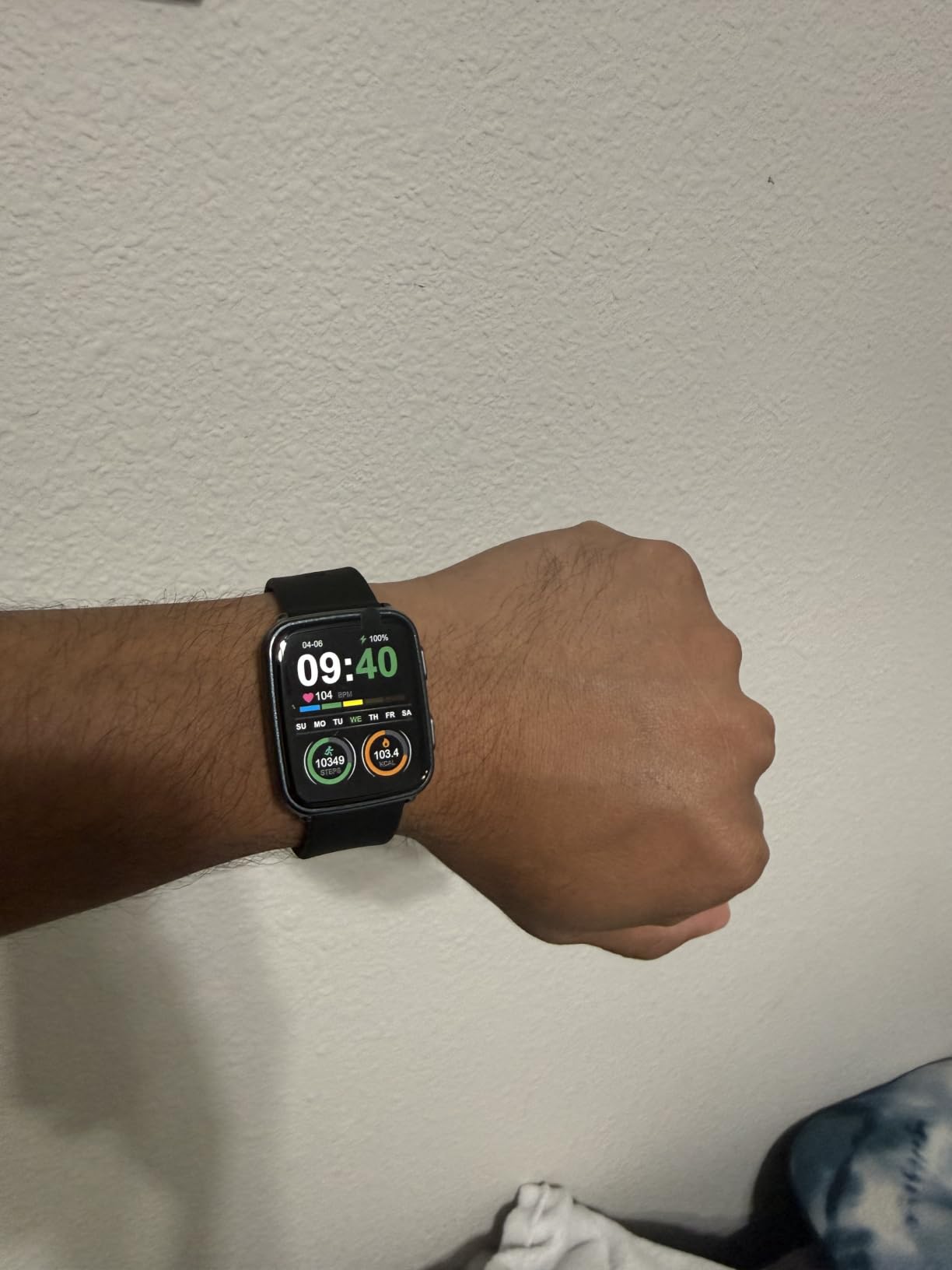
It also handles everyday tracking well: 24/7 heart rate, blood oxygen and blood pressure monitoring, 120+ sport modes, and call, SMS and app notifications with music and camera control. IP68 waterproofing and 200+ watch faces round it out.
Battery is up to 7 days of normal use or 15 days standby, with a full charge in about two hours from a 230 mAh cell. The body is 1.12 ounces with a 20 mm band, so it is compact and light enough for overnight wear.
What to check before you buy the MorePro
Accuracy is the honest concern. Buyers report pulse readings that are occasionally noticeably off when checked against a clinical device, and the blood pressure function is for wellness insight only, not medical use. Treat both as trend indicators.
There is no built-in GPS, so route tracking depends on your phone. If you run outdoors, that is a real limitation compared with the Bip 6 or the Active Max.
Who should skip it
Pass if you need reliable health measurements rather than general wellness awareness, or if you need a screen worth reading in daylight, because this is a standard LCD rather than AMOLED.
Pass if you want recovery modelling. The MorePro logs sleep well but does not translate it into readiness or training guidance the way Garmin, WHOOP or Amazfit BioCharge do.
9. Bestinn Smart Watch Fitness Tracker – Easiest First Tracker
- Quick simple pairing compared with older Fitbit devices
- Sleep
- heart rate
- steps and stress on a single app page
- Large always-on display with 250+ watch faces
- Up to 7 days per charge
- Da Fit app is visually basic with no coaching
- Sleep charts are grayscale with no REM data
- Blood pressure and heart rate were badly inaccurate versus a home cuff
The Bestinn is the tracker to buy if you have never worn one. Pairing is quick and simple, and several owners coming from earlier Fitbit devices say the setup was easier than what they were used to.
All of your daily data sits on a single page in the Da Fit app: sleep, heart rate, steps and stress. That flat layout is genuinely less intimidating than the dashboards in Garmin Connect or the Zepp app, and for a first device it removes most of the learning barrier.
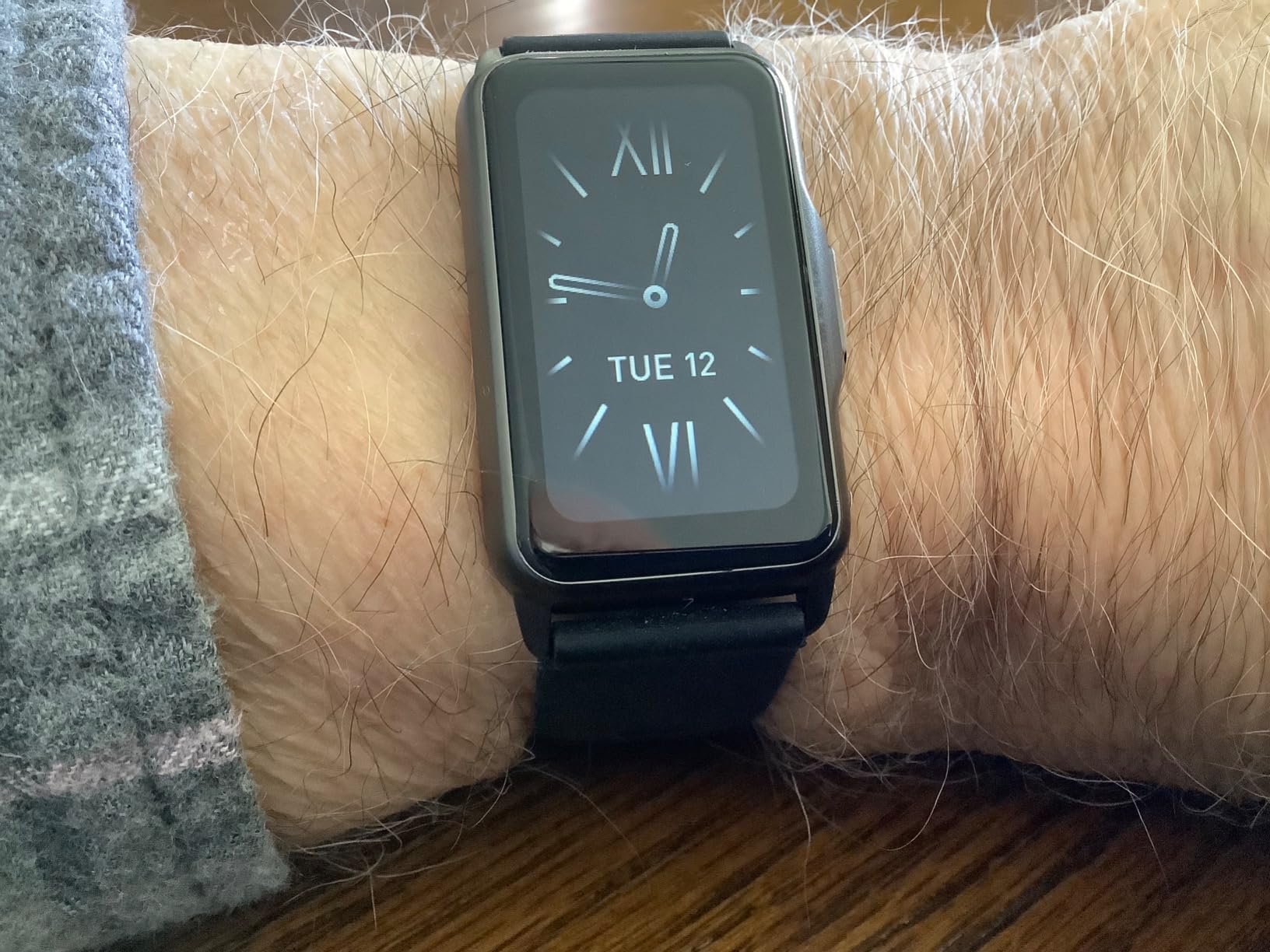
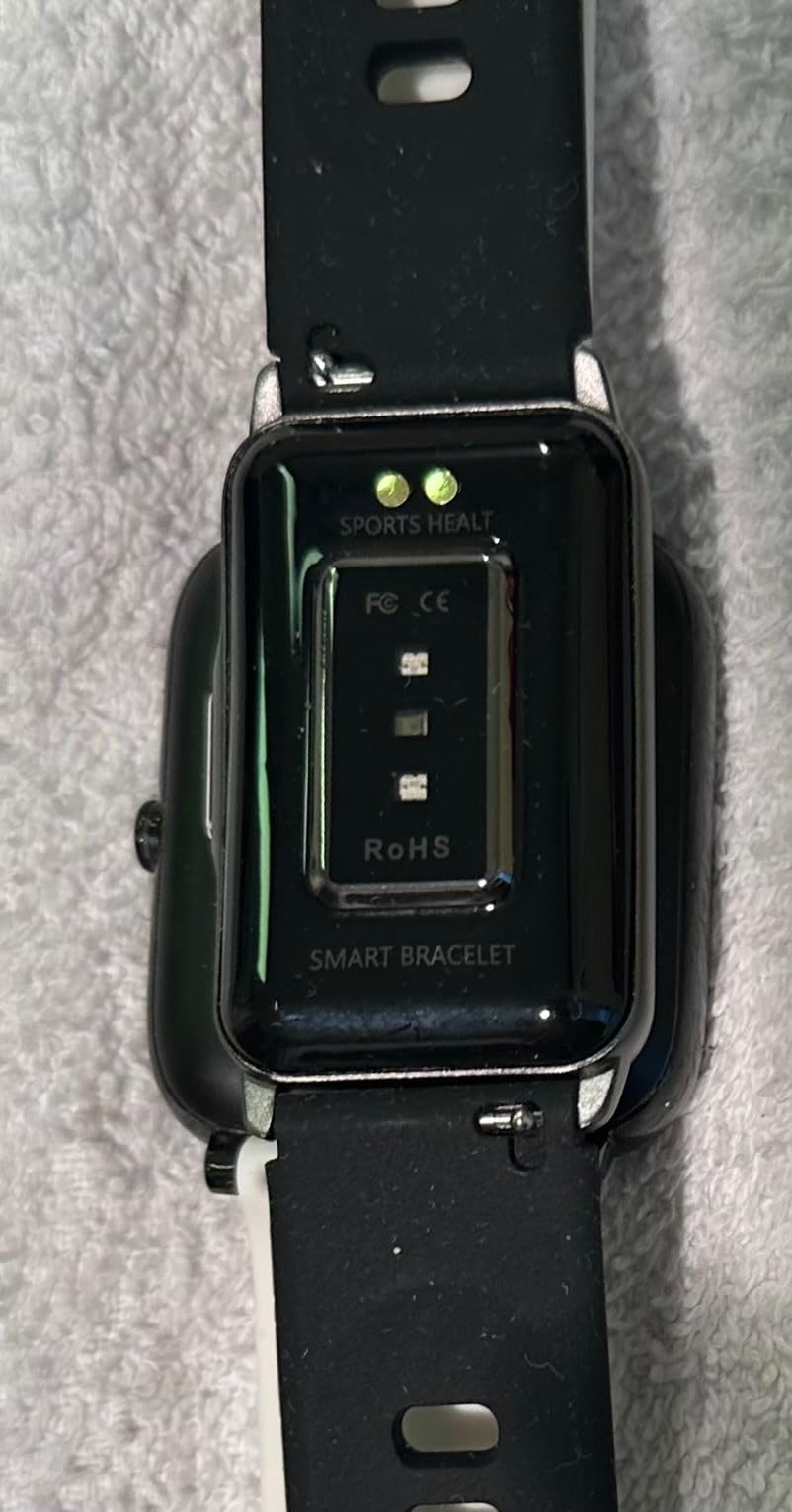
The 1.58 inch ultra high resolution display keeps an always-on clock and offers over 250 watch face options with customisable dials. It measures heart rate, blood oxygen, blood pressure and skin temperature, and it breaks sleep into light sleep, deep sleep and wake-up times.
It also handles 120+ exercise modes with route mapping through connected phone GPS, plus call and message notifications. The body is 27.22 g in metal and silicone, and it carries a 3 year manufacture warranty, which is longer than most. The strap is washable and replaceable.
What to check before you buy the Bestinn
Read the sensor complaints before trusting the numbers. One detailed test found blood pressure and heart rate readings were badly inaccurate against a home cuff and BP machine, even though another buyer reported matching their doctor’s office results. Treat the medical-style readings as unverified.
The Da Fit app is visually basic and lacks encouragement or coaching compared with Fitbit. Sleep charts are grayscale with no REM data and no sleep goal guidance, and the battery indicator is a vague progress bar rather than a percentage.
Who should skip it
Skip it if you want REM sleep staging or a sleep score that helps you adjust behaviour. This device reports when you slept and how you moved through the night, which is a different and more basic promise.
Pass if you want a polished app or a long-term health platform. This is a straightforward activity tracker, and its appeal is simplicity rather than depth.
10. Bakoor Fitness Tracker – Slimest Budget Sleep Monitor
- Slim body that slips under shirt cuffs
- Tracks fall-asleep
- awake
- light and deep sleep
- Bright AMOLED with simple one-touch interface
- QR code app setup for Android and iOS
- Sensor readings can be noticeably inaccurate
- especially blood pressure
- No built-in GPS
- so routes rely on the phone
- Bluetooth drops if you walk far from the phone
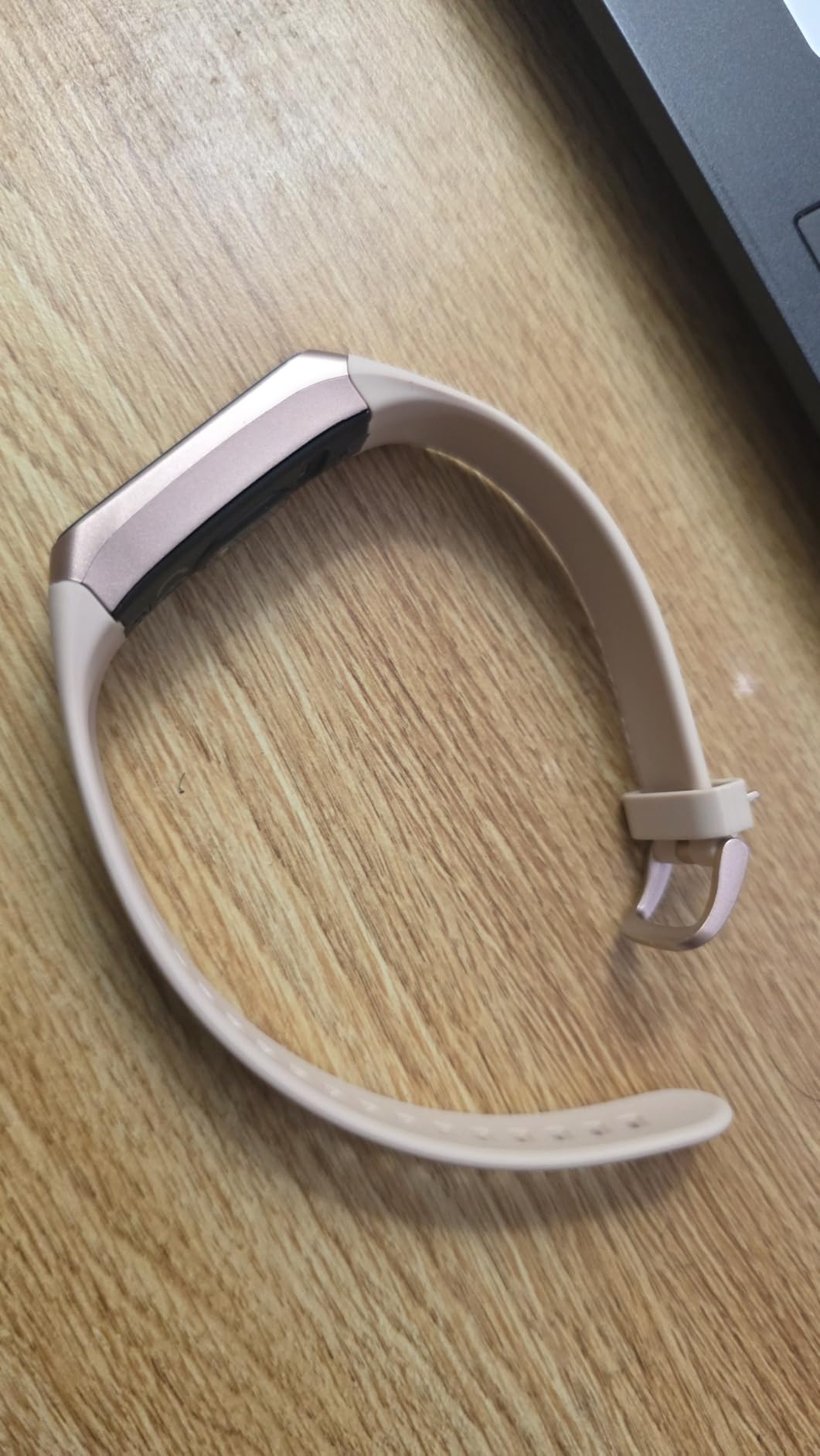
The Bakoor tracker is the simplest way to start logging sleep. It measures fall-asleep time, awake periods, light sleep and deep sleep, and it does so in a body slim enough to slide under a shirt cuff without noticing.
The 1.10 inch AMOLED HD touch screen is bright and clear with a simple one-touch interface, and a custom watch face can take a photo upload. Several owners say that personalisation is what motivates them to keep walking.
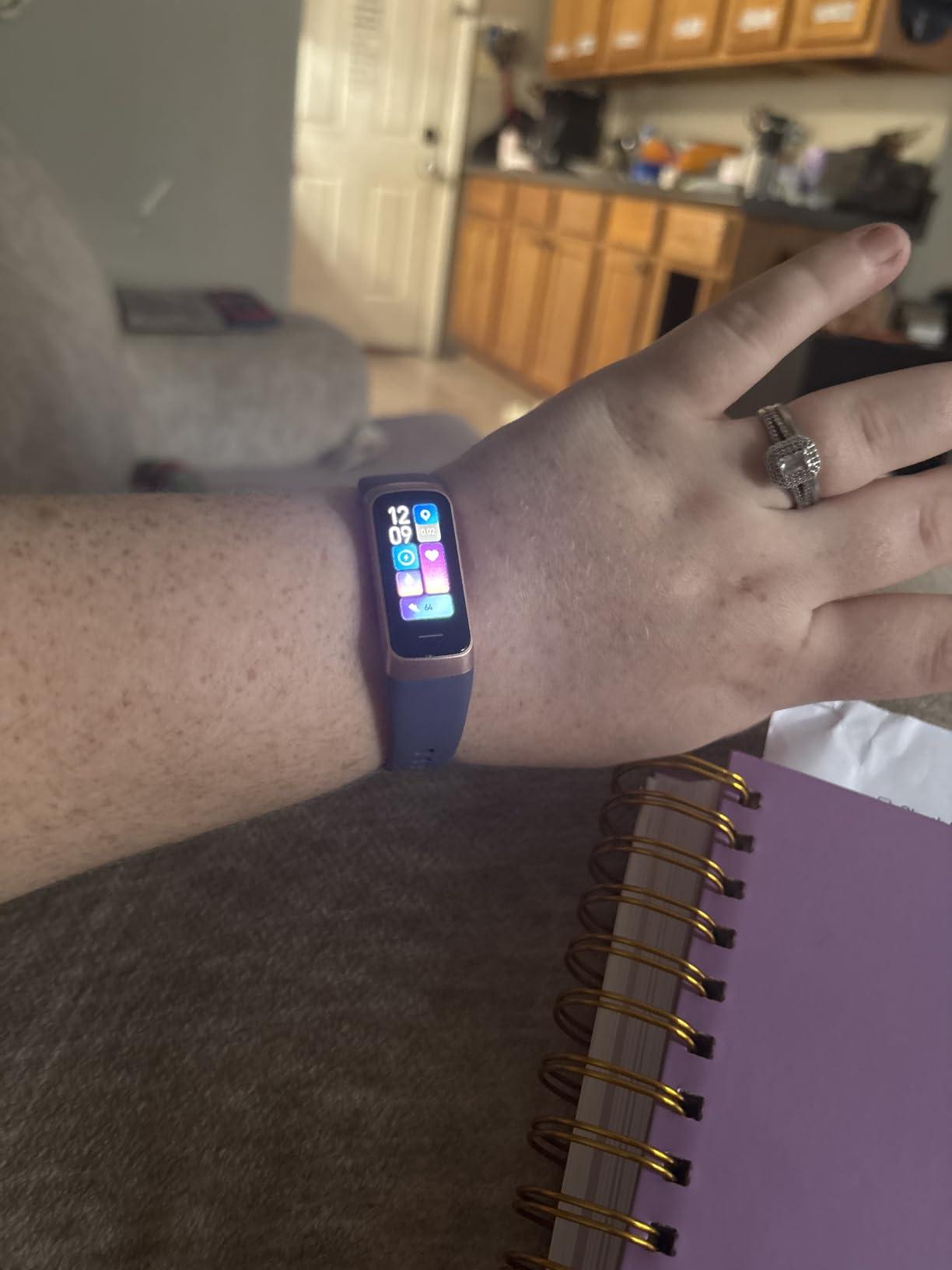
Setup is straightforward. The Keep Health app pairs through a QR code and works with Android 5.0+ and iOS 9.0+, so unlike the Samsung Galaxy Fit 3 there is no ecosystem lock-in. Battery runs up to 7 days with a 2-hour charge, or 15 days on standby.
You also get 25 sports modes with connected-GPS route recording, IP68 water resistance, notifications including WhatsApp, Facebook, Instagram and Twitter, plus weather, remote camera control, hydration reminders and female health tracking.
What to check before you buy the Bakoor
Accuracy is the main trade. Sensor readings can be noticeably inaccurate, particularly blood pressure, and this device also carries no warranty. Treat it as a rough log of your night, nothing more.
There is no built-in GPS, so route data relies on your phone, and the Bluetooth connection can drop if you walk too far away. The display also does not stay reliably lit when your wrist is still, and there is a short learning curve for cycling through screens.
Who should skip it
Skip it if accurate measurements or warranty cover matter to you. The Bakoor is for casual awareness of steps and sleep, and it is honest about that.
Pass if you train seriously or want recovery guidance. With 25 sport modes and no recovery modelling, it will not keep pace with a Garmin or a WHOOP.
Orthosomnia: When Sleep Tracking Works Against You
Orthosomnia is the anxiety that develops when tracking sleep data starts to make your sleep worse. The name combines orthosomnia with insomnia because the mechanism is familiar: you check your sleep score, see it was poor, worry about tonight, and lie awake trying to fix it.
Several studies have found links between sleep tracker use and worse sleep outcomes, particularly in people who already have insomnia. The problem is not the device. It is that a single number about one night cannot account for how you actually feel, and treating it as a verdict encourages you to optimise the score rather than the sleep.
Our advice is simple. Check trends over weeks, not single nights. Treat a bad score as information, not a failure. And if the number makes you anxious, turn off notifications and look at the data once a week instead of every morning. If you want to protect the wind-down period itself, our 2026 guide to sleep-supportive pillow picks is a more reliable lever than any score.
None of these trackers is a medical device, and none of them can diagnose sleep apnea. If you have loud snoring, witnessed breathing pauses or daytime sleepiness, speak to a clinician rather than to an app.
How to Choose a Fitness Tracker for Sleep Tracking
Start with form factor, because it determines whether you will keep wearing the thing. A screenless band like the Helio Strap or WHOOP 5.0 is the most comfortable option overnight and produces no glow, but everything happens in an app. A screen watch like the Vivoactive 5 or Active Max gives you at-a-glance data and doubles as a normal watch. A band with a small screen like the Charge 6 balances both.
Next, decide how much subscription you tolerate. Garmin, Amazfit, Samsung, MorePro, Bestinn and Bakoor all deliver their core sleep features without a recurring fee. WHOOP includes a 12-month membership in this bundle and is the one device here where ongoing cost changes the maths over time. Fitbit adds an optional Health Premium tier for Gemini-powered coaching, but the base Sleep Score does not require it.
Battery life is the next filter. If you dislike charging, the Active Max at up to 25 days and the Amazfit Bip 6 and Galaxy Fit 3 at around 14 days are the practical picks. The Charge 6 at 7 days and the budget trackers at 7 days need weekly attention. The Helio Strap sits at 10 days, and WHOOP at 14+ days.
Ecosystem matters more than people expect. The Galaxy Fit 3 is Android-only, so iPhone owners should look elsewhere. WHOOP integrates with Apple Health, Google Health Connect, Strava and Natural Cycles. The Amazfit devices sync with Strava, TrainingPeaks, adidas Running and komoot, and the Helio Strap can push heart rate to connected equipment like Peloton.
Then match the metrics to your goal. For pure comfort and no ongoing cost, the Helio Strap. For recovery-linked training decisions, the Vivoactive 5. For the deepest analytics, WHOOP. For the best balance of comfort, features and no fee, the Charge 6. For the longest battery, the Active Max. For a bright readable screen on a smaller budget, the Bip 6.
Finally, consider the boring logistics. IP68 or 5ATM water resistance matters if you shower at night or swim. Snore detection on the Galaxy Fit 3 is useful if snoring is your concern. SpO2 is tracked by most devices here, but overnight accuracy varies, so treat it as a trend. And if you can use an HSA or FSA, WHOOP is listed as eligible, which is worth checking against your plan documents.
Whichever you pick, wear it on your non-dominant wrist, tighten it enough that it does not rotate overnight, and give any new device at least two weeks before judging it. Algorithms need a baseline, and the first few nights always look strange.
Frequently Asked Questions
Which fitness tracker is most accurate for sleep tracking?
Among the devices we tested, the Fitbit Charge 6 is the best overall for sleep tracking because it combines a Sleep Score built from HRV, skin temperature and sleep stages with a slim 7-day battery you will actually keep wearing. The Garmin Vivoactive 5 is the most accurate for recovery-linked decisions thanks to Body Battery and sleep coaching. The Amazfit Helio Strap is often rated highest by owners who compare it against their own Garmin watches. None of these replace polysomnography, so read every score as a trend across weeks rather than a clinical measurement.
Which smartwatch is the most accurate for sleep tracking?
The Garmin Vivoactive 5 is the strongest smartwatch pick, with 11 days of battery, automatic nap detection, HRV status and a sleep coach that acts on the data. The Fitbit Charge 6 is the better all-rounder if you also want a screen that stays discreet. The Amazfit Active Max leads on battery with up to 25 days between charges. For raw depth rather than watch features, the screenless WHOOP 5.0 reports the most detailed sleep analytics in the group.
Is Garmin or Fitbit better for sleep tracking?
It depends on what you want from the data. Garmin wins for training decisions: Body Battery, sleep coaching, HRV status and automatic nap detection turn your night into guidance for the day ahead, and the battery runs about 11 days. Fitbit wins for simplicity: one consolidated Sleep Score, a slimmer 42 mm-class band, and about 7 days per charge. If you care most about sleep as its own discipline rather than as recovery input, the Charge 6 is the easier device to live with.
Do I need a subscription for sleep tracking?
Not for most of the devices here. The Garmin Vivoactive 5, Amazfit Bip 6, Helio Strap and Active Max, Samsung Galaxy Fit 3, MorePro, Bestinn and Bakoor all deliver their sleep features without a recurring fee. WHOOP 5.0 is the exception: this bundle includes a 12-month membership, and ongoing membership is the main long-term cost. Fitbit offers an optional Health Premium subscription for AI coaching, but the core Sleep Score works without it.
Can fitness trackers detect sleep apnea?
No fitness tracker can diagnose sleep apnea, and none of the ten devices reviewed here is a medical device. Overnight SpO2 readings from a wrist optical sensor can point you toward a conversation with a clinician, but forum discussion on r/FitnessTrackers repeatedly raises the same problem: some devices measure blood oxygen well at rest and unreliably while you are asleep. If you have loud snoring, witnessed breathing pauses or persistent daytime sleepiness, get tested properly rather than relying on a wrist reading.
What is orthosomnia and how do I avoid it?
Orthosomnia is the anxiety that develops when sleep tracking data makes your sleep worse. You check your sleep score, see it was low, worry about tonight, and lie awake trying to correct it. To avoid it, look at weekly trends instead of single nights, treat a low score as information rather than a verdict, and turn off morning notifications if the number is the first thing you see. If the data consistently raises your stress, stop checking it daily altogether.
Final Verdict on the Best Fitness Trackers for Sleep Tracking in 2026
After weeks of wear, the Fitbit Charge 6 remains the best fitness tracker for sleep tracking for most people. It disappears on the wrist, runs about a week between charges, and turns HRV, skin temperature and sleep stages into one score you can actually act on. Its GPS and app-sync quirks are real, but they do not touch the sleep experience.
Buy the Garmin Vivoactive 5 if training decisions depend on your recovery, the Amazfit Helio Strap if you want screenless comfort with no subscription, and the Amazfit Active Max if battery life matters most. The Galaxy Fit 3 serves Android users who care about snore detection, WHOOP 5.0 serves athletes who want the deepest analytics and will accept a membership, and the remaining budget trackers cover step-and-sleep logging without overcomplicating it.
Whichever you choose, wear it consistently, read the trends rather than the nightly number, and give it a full month before deciding whether it is working. That is when the data starts telling you something worth knowing about your sleep.