

Let us start with the thing most roundups skip. No golf driver fixes a slice. A club cannot change a swing path that curves from the inside, and no amount of tungsten in the sole rewrites a takeaway that is too strong. That objection comes up in every single thread about anti-slice drivers on r/golf, and it is correct. What a draw-bias driver does is control the size of the miss. That is a smaller promise and a more useful one.
So this guide to the best golf drivers for slice correction is built the way we would build it for ourselves. Each club is judged on the mechanism it uses to close the face, the forgiveness it offers on a bad strike, and the honest downside that reviewers report. Several of these drivers carry a documented draw weight, several are forgiveness plays that help incidentally, and a couple are adjustable so you can tune the bias out when it turns into a hook.
One more thing worth saying up front. Every listing in this roundup is for a right-handed golfer, and several of the correction mechanisms described below are one-directional. Check your hand orientation before you fall for any of them, because a club you cannot swing will not fix anything.
Table of Contents
Top 3 Picks for Slice Correction

Performance Golf SF1 Driver
- Square Face Technology
- Draw calibrated face angle
- AeroSquare Crown
- Carbon fiber head

TaylorMade SIM2 MAX Driver
- Forged ring construction
- SIM inertia generator
- Speed injected twist face
- Huge sweet spot

Cleveland HiBore XL Lite Driver
- Internal draw weighting
- 32g lighter build
- 460cc head
- 1.5 degree hosel sleeve
Best Golf Drivers for Slice Correction in 2026
| Product | Specifications | Action |
|---|---|---|
| Performance Golf SF1 Driver |
|
Check Latest Price |
| TaylorMade SIM2 MAX Driver |
|
Check Latest Price |
 Cleveland Launcher XL 2 Draw Cleveland Launcher XL 2 Draw |
|
Check Latest Price |
| Cleveland HiBore XL Lite Driver |
|
Check Latest Price |
 Intech Behemoth Draw 520cc Intech Behemoth Draw 520cc |
|
Check Latest Price |
 TaylorMade Qi10 LS Driver TaylorMade Qi10 LS Driver |
|
Check Latest Price |
 Cobra DS-Adapt MAX-K Driver Cobra DS-Adapt MAX-K Driver |
|
Check Latest Price |
 Wilson Staff Launch Pad Driver Wilson Staff Launch Pad Driver |
|
Check Latest Price |
What Actually Causes a Slice and What a Driver Can Do About It
A slice is a face angle problem more than a path problem. Your hands lead the clubhead through impact, the face opens relative to the path, and the ball spins away to the right. The path still matters, but path on its own does not create curve. That is exactly why so many golfers hit their irons acceptably and still lose the right side with a driver.
Three levers exist inside the clubhead. The first is center of gravity placement. Push weight toward the heel and the face is more likely to rotate closed on its own through impact. The second is offset. Set the leading edge behind the shaft line and the hands stay slightly ahead of the ball at contact, which is another way of producing a squarer face. The third is forgiveness. A high moment of inertia head punishes a mishit far less, and a mishit on the toe is exactly what turns a normal shot into a 30-yard push.
Higher loft is the fourth lever and the one most people miss. A 12 degree driver launches higher and generates more backspin than a 9 degree, and backspin is the primary suppressor of violent side spin. Many golfers who slice badly at low loft simply curve it less when they move up a loft or two. Draw bias handles the face; loft handles the violence of the miss.
1. Performance Golf SF1 Driver – Square Face Technology
- Square face design built to close the toe and reduce slice
- Owners report hard right slices turning into controlled draws
- Very forgiving across toe and heel mis hits
- Adds 10-15 yards for many golfers
- Head cover included
- Results vary and a minority report little change
- Refund policy applies to direct website purchases only
- Listed for right handed golfers only
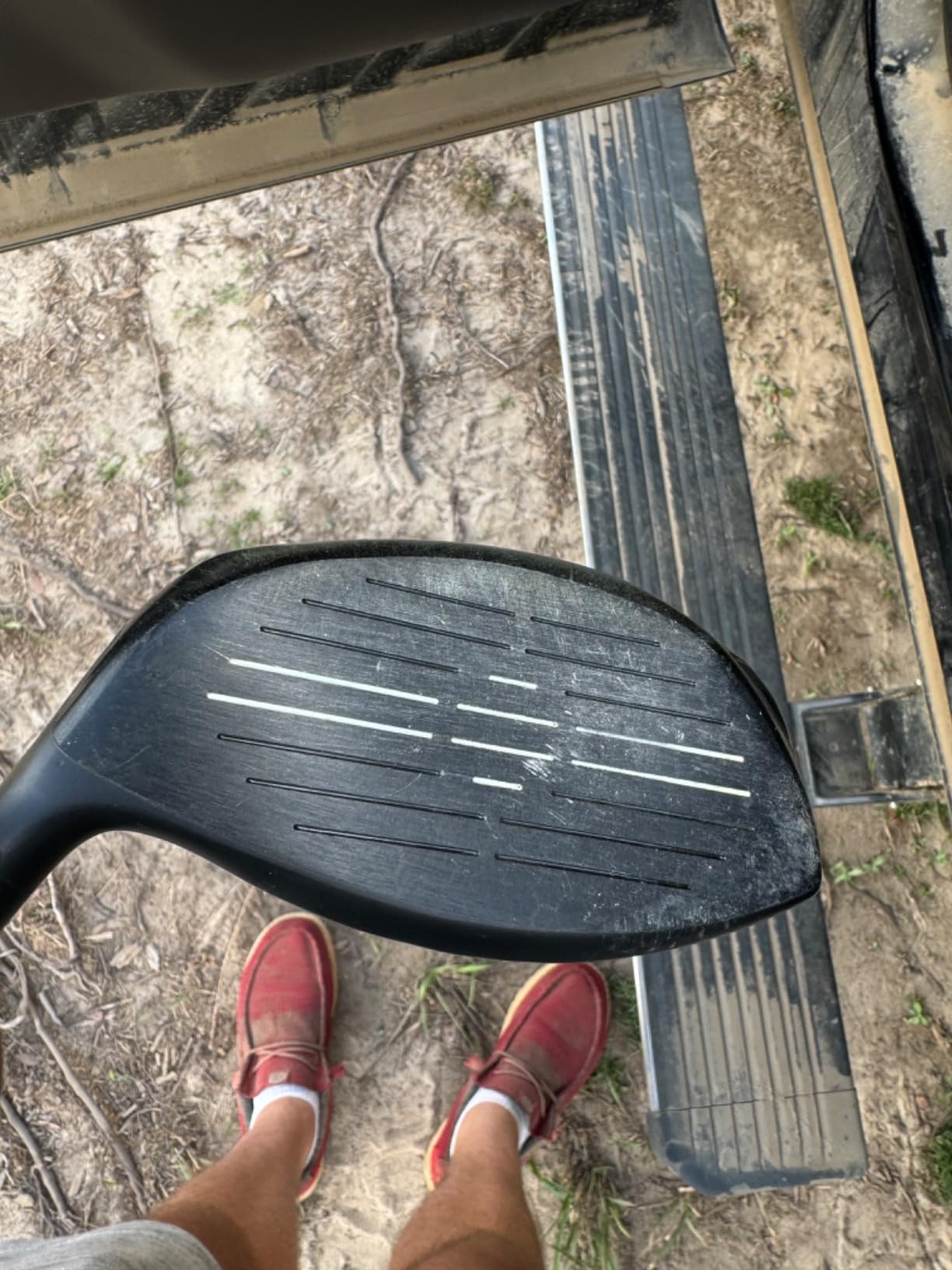
This is the one club in the group sold openly as a square-face anti-slice driver, and that honesty shapes everything about it. The SF1 uses a draw calibrated face angle paired with an AeroSquare Crown modelled on race car cornering, where the toe closes earlier through the swing rather than staying open at impact. It is a carbon fiber head at 12 degrees of loft with a senior flex shaft, and that loft alone does part of the correction work.
The owner reports are the story here. Of 169 reviews averaging 4 stars, 63 percent are five star, and a recurring theme is golfers who arrived convinced they were stuck with a slice leaving with a ball that finishes straight or slightly hooked. Several describe hard right misses disappearing almost entirely. A smaller group says nothing changed, which is the honest failure mode of any face-angle design when the path is severely curved.
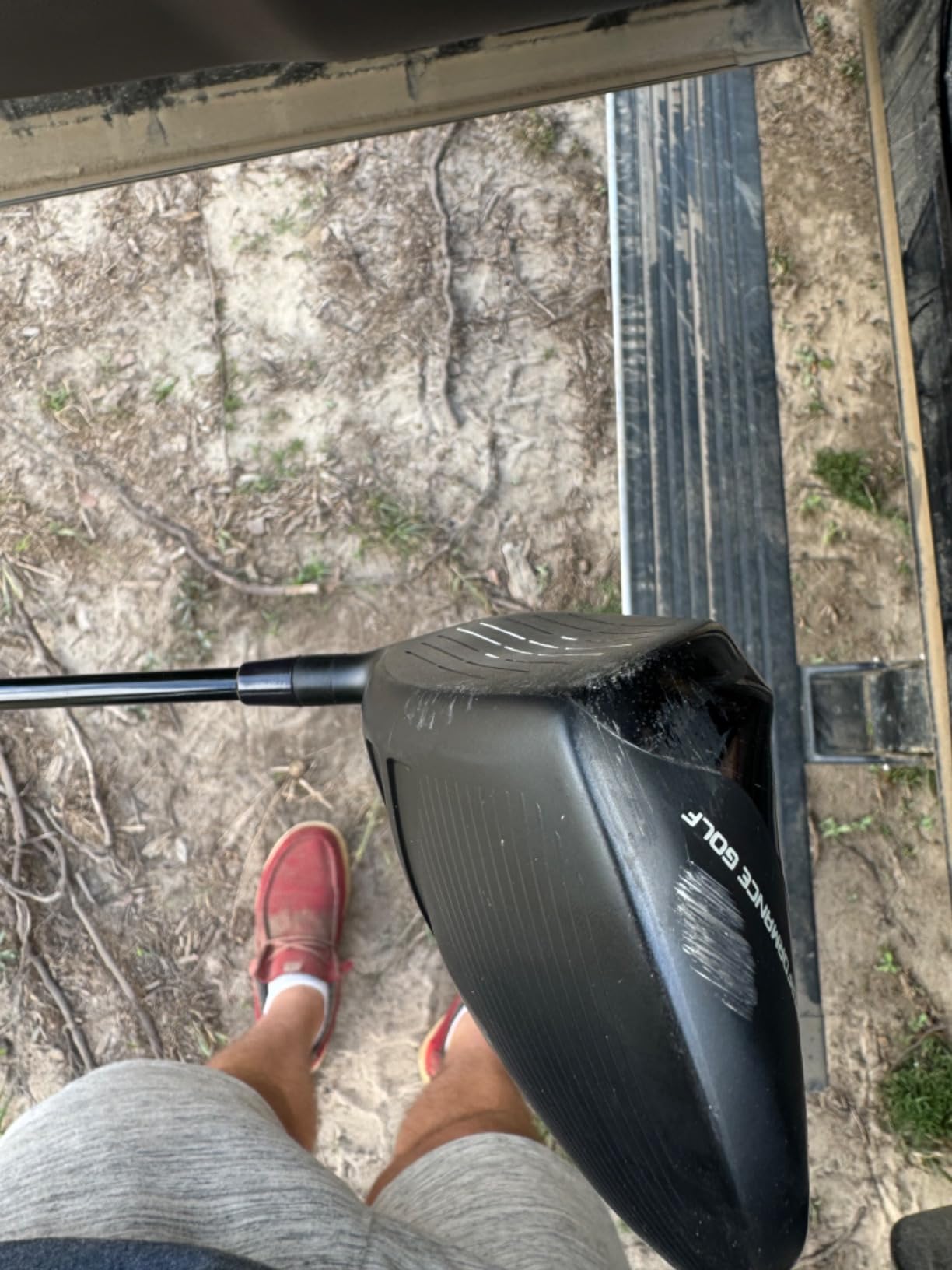
What stands out technically is how forgiving it is across the face. Toe and heel mis-hits stay on target rather than ballooning, which is where most slice-correction gains disappear in practice. Golfers also report 10 to 15 yards more distance once the ball stops leaking to the right, and the included head cover is a small but real quality signal at this level.
The 5 star share of 63 percent tells you this is a polarized club, not a consensus one. The 12 percent one-star share comes mostly from buyers whose slice did not improve. Treat it as a targeted experiment rather than a guaranteed fix, and read the refund terms carefully, because the manufacturer policy covers direct website purchases rather than marketplace orders.
Is the SF1 right for a high handicap beginner who slices badly?
Yes, and the 12 degree loft helps. The draw calibrated face, the 65 gram listed item weight, and the forgiving face mean a beginner gets three separate reasons to keep more shots in play. The senior flex shaft also suits the slower tempo that usually comes with a heavy miss. The main risk is buying it expecting a technique fix, so pair it with a lesson rather than against one.
What should hold you back before you buy it?
Two things. The 4 star average is not the strongest here, and the refund safety net does not apply to marketplace orders. If your miss is a pushed slice caused by a face that stays open through the whole swing, an adjustable model will let you tune the answer, and this one will not.
2. TaylorMade Golf SIM2 MAX Driver – The Sweet Spot Play
TaylorMade Golf SIM 2 MAX DRIVER 10.5 DEGREE MENS RIGHT HAND GRAPHITE REGULAR
- Largest review base in this group with high satisfaction
- Huge sweet spot keeps heel and toe strikes straight
- Owners report a big drop in slicing
- Adds 20-30 yards of carry for many golfers
- Balanced feel through the swing
- No sliding weight system on this version
- Adjustment wrench not included
- One reviewer reported an internal rattle
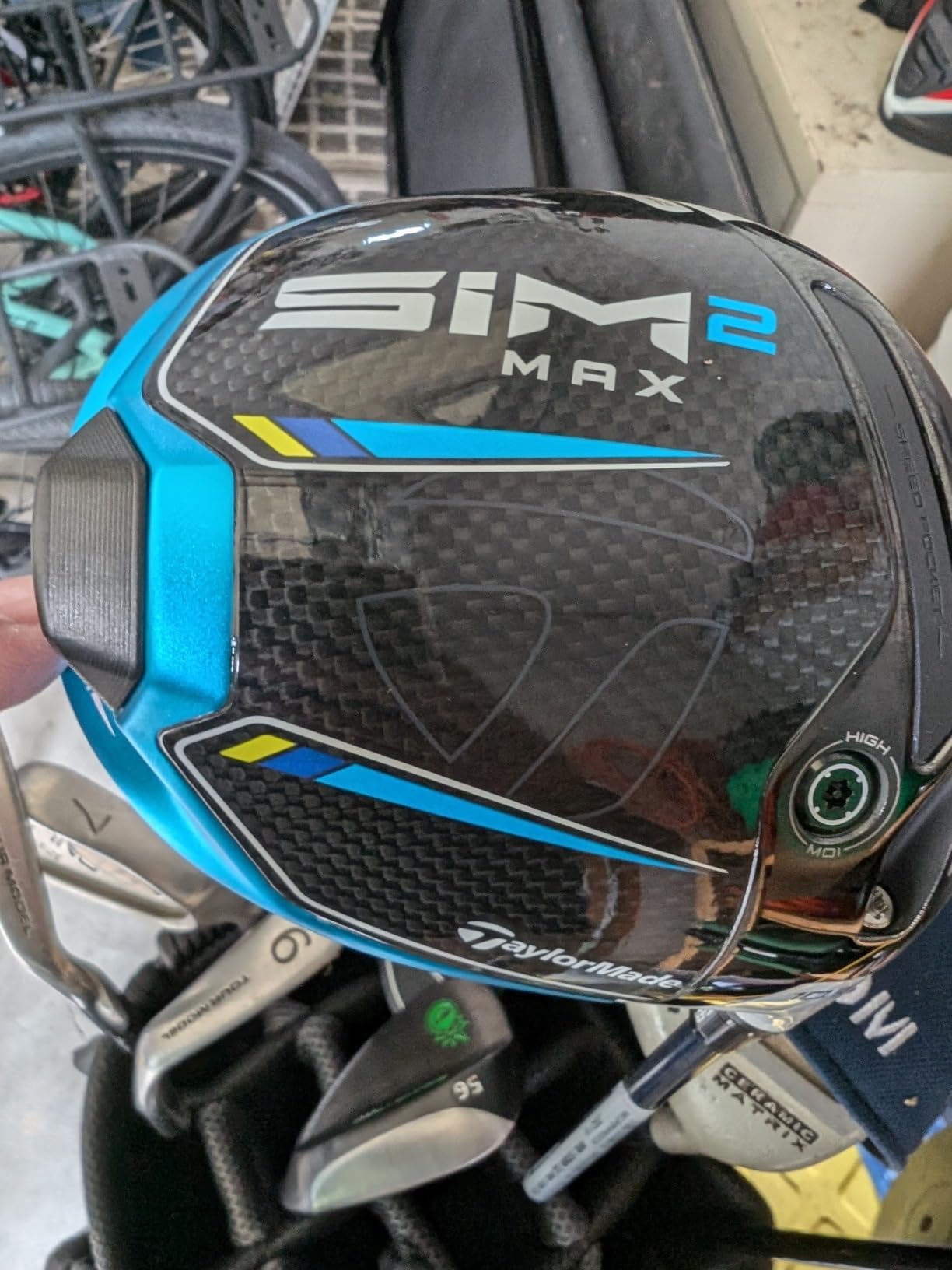
The SIM2 MAX is not sold as an anti-slice club, yet it keeps showing up in slicer threads, and the reason is the sweet spot. Forged ring construction wraps a full carbon sole and crown around a massive rear weight, the SIM inertia generator keeps clubhead speed up, and the Speed Injected Twist Face is calibrated right to the legal speed limit. That combination produces a very large, very stable hitting area.
With 718 reviews at a 4.5 average and 80 percent five star, this is by far the best proven option here. Owners repeatedly describe the moment the strike location stops mattering. Several long-time slicers say the club removed most of their curve, and many upgrading from older drivers report 20 to 30 yards more carry. For a mid to high handicap player, forgiving a bad strike is often worth more than any amount of draw weighting.
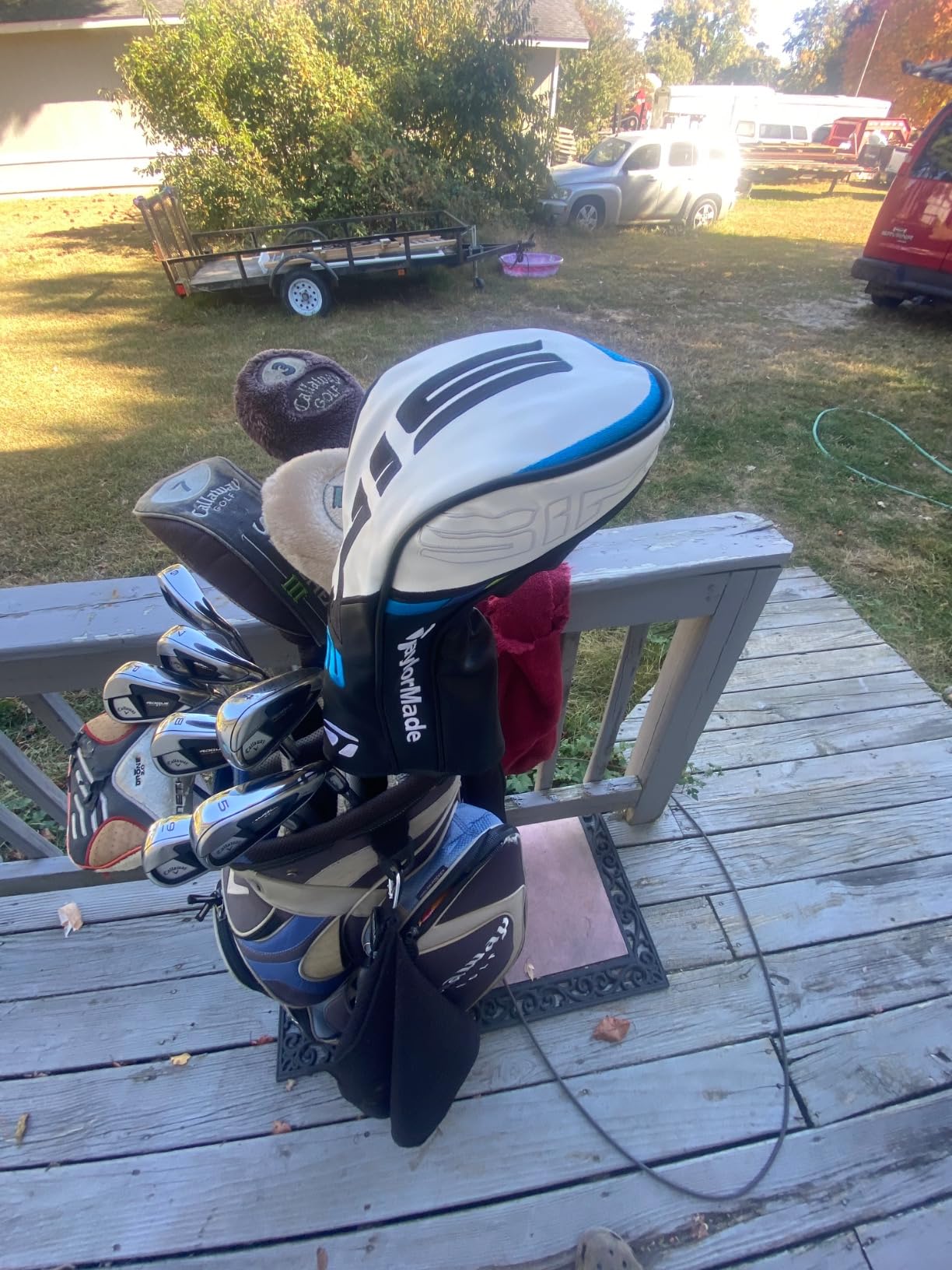
Two construction details matter for a slicer. The thru-slot speed pocket softens the lower face so low strikes stay fast rather than digging and spinning, and split mass weighting lets a fitter dial the swing weight rather than the ball flight. The 10.5 degree loft with a regular Ventus Blue shaft is a middle-ground setup that suits a wide range of moderate swing speeds.
What you give up is control. This version dropped the sliding weight system that earlier SIM2 Max models carried, so the draw is fixed and comes entirely from the head geometry. There is no sliding weight track to move when the ball starts hooking. If you fade gently, this is a strong pick. If you want to tune the shape, look at the adjustable clubs further down.
Who gets the most out of the SIM2 MAX?
High handicap and mid handicap golfers who lose balls to mishits more than to face angle. A 10.5 degree loft in a regular flex is a safe middle, and the balance through the swing gets mentioned often enough that it suits golfers who find mallet drivers twitchy. It is also the safest buy on this list if you read reviews before you commit.
Why might it not fix your miss?
Because there is nothing in the head specifically designed to close the face. If your slice comes from a face that stays open through impact rather than from toe strikes, you are relying on forgiveness alone. And if you over-correct later, the absence of a sliding weight system means you cannot back the bias off yourself.
3. Cleveland Golf Launcher XL 2 Driver – Draw Version With a 12 Position Hosel
Cleveland Golf Launcher XL 2 Driver, Graphite, Regular, 9 Degrees (Draw), Right Hand
- Bulky mallet head with very high MOI
- Owners report straight high launching drives
- Adjustable hosel tunes loft and face angle
- Action Mass counterweight steadies impact
- One reviewer reported a shaft snapping in play
- Adjustment wrench sold separately
- New settings and head weight take getting used to
This is the draw-specific Cleveland, and the name matters. It is not the standard Launcher XL 2; it is the Draw model at 9 degrees with the same mallet head, low and deep weighting, and high MOI. Senior and higher handicap golfers are the most enthusiastic owners in the reviews, describing straight and high launching drives that stay in play far more often than their previous club.
What sets it apart from the rest of this list is the 12 position adjustable hosel covering loft, face angle, and lie. That is the single most useful feature for a slicer, because it turns a fixed bias into a dial. Start in a draw setting, watch the shape on a launch monitor, and back it off if the ball starts hooking. The MainFrame XL face and the Rebound Frame give it two flex zones, and an Action Mass counterweight at the shaft end steadies the club through impact.
The trade-offs are real. The wrench is sold separately, so budget for the tool if you plan to adjust anything. Owners also note that the adjustment range and the head weight take a few rounds to get used to, which is normal for a bulky mallet. And one reviewer reported a shaft snapping during play, an isolated complaint but worth knowing about on a club this size.
Is the 9 degree Draw loft the right choice for a slicer?
Only if your miss is gentle rather than violent. A 9 degree draw head is aimed at players who fade slightly and want the ball to come back left. If your shots are getting away from you, the heavier loft options with more backspin will tame the violence better, and this same hosel lets a fitter move you up a loft if needed.
What does buying an adjustable driver really cost you?
Complexity and a wrench you have to source separately. Twelve loft, face, and lie settings can feel like a lot to a new golfer, and the correct setting is discovered on a launch monitor rather than guessed at home. In exchange you get the only way in this group to undo a draw bias once you have it.
4. Cleveland Golf HiBore XL Lite Driver – Lightweight With Internal Draw Weighting
Cleveland Golf HiBore XL Lite Driver, Graphite, Regular, 10.5 Degrees, Right Hand
- Internal draw biased weighting aimed at the slice
- 32g lighter build lifts clubhead speed for slower swingers
- Owners report 10-15 percent distance gains
- Very forgiving on toe strikes
- 1.5 degree hosel sleeve adds fitting flexibility
- One reviewer received a torn half installed grip
- Draw bias can push the ball for golfers who already hook
- Plain styling that some buyers dislike
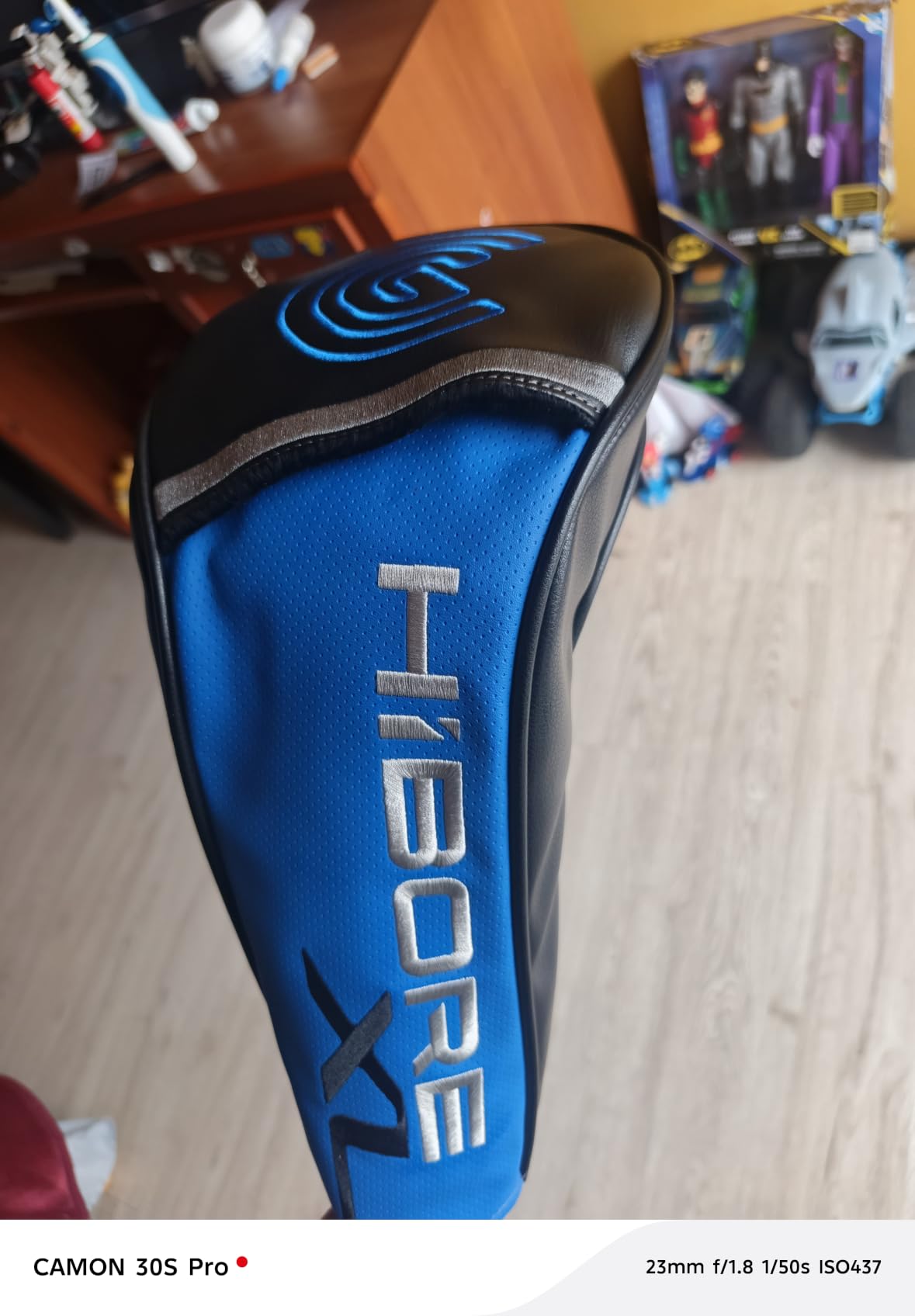
The HiBore XL Lite is the slowest-swing-speed answer in this group, and the reason is written into the spec sheet. The whole build is 32 grams lighter than the standard HiBore XL, a 460cc carbon steel head with a regular graphite shaft. Less mass to move means more clubhead speed for the tempo that produces slices in the first place, because a rushed swing with a heavy club is a face-open swing.
It also carries internal draw biased weighting added specifically for golfers fighting a slice, which owners describe as almost impossible to slice. Reviews report 10 to 15 percent distance gains, and that lines up with the lighter build rather than with added spin. With 41 reviews at a 4.3 average and 74 percent five star, the sample is small but consistently positive, with slice suppression and forgiveness as the recurring themes.
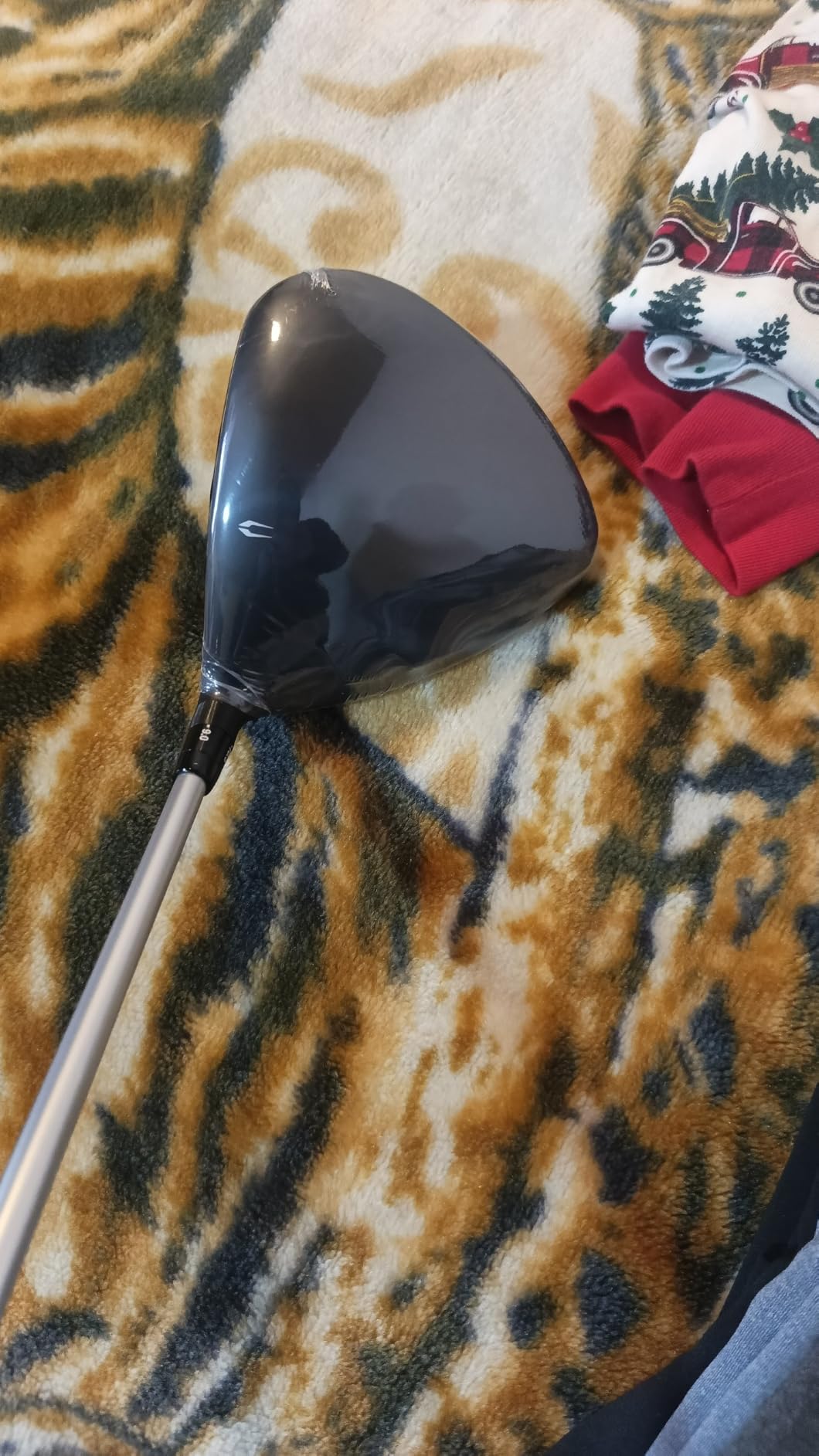
The ACTIVWING airfoil is the under-sung feature here. It stabilises the clubhead through the downswing, which matters most at impact when the head is trying to rotate open around a slow-moving pivot. Combined with the large MainFrame XL face, you get stability exactly where a slower swing needs it, and toe strikes that would normally produce a big right miss barely move the ball.
The 1.5 degree hosel sleeve gives a fitter loft, face, and lie options, which is unusual in a lightweight club and useful if your natural loft sits between the standard options. The cautions are straightforward. Draw bias pushes the ball for anyone whose miss already runs left, the styling is plain by design, and one reviewer received a driver with a torn, half installed grip.
Should a senior or recovering golfer pick this over a heavier driver?
If your clubhead speed is the limit, yes. A 32 gram lighter build with a regular graphite shaft is the easiest swing in this group, and the internal draw weighting handles the face. If your speed is fine and the slice comes from technique, the lighter club mostly helps you keep clubhead speed on a bad day rather than correcting anything directly.
What is the real trade-off here?
Draw bias is one-directional. Golfers who already hook it should skip this one, and there is no obvious adjustment to undo it in a non-adjustable model. With only 41 reviews, there is also less long-term owner data than the SIM2 MAX carries, so you are buying a smaller proven track record.
5. Intech Golf Illegal Behemoth Draw 520cc – Offset Hosel on a Budget
- Offset hosel built to square the face at impact
- 520cc head gives high handicap golfers a large sweet spot
- Regular graphite shaft and rubber grip suit beginners
- Marked as a high handicap recommendation by the maker
- 520cc head is not legal for competitive tournament play
- Aluminum build feels different from titanium drivers
- Mixed feedback on overall feel and finishing
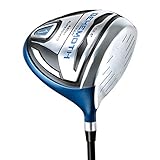
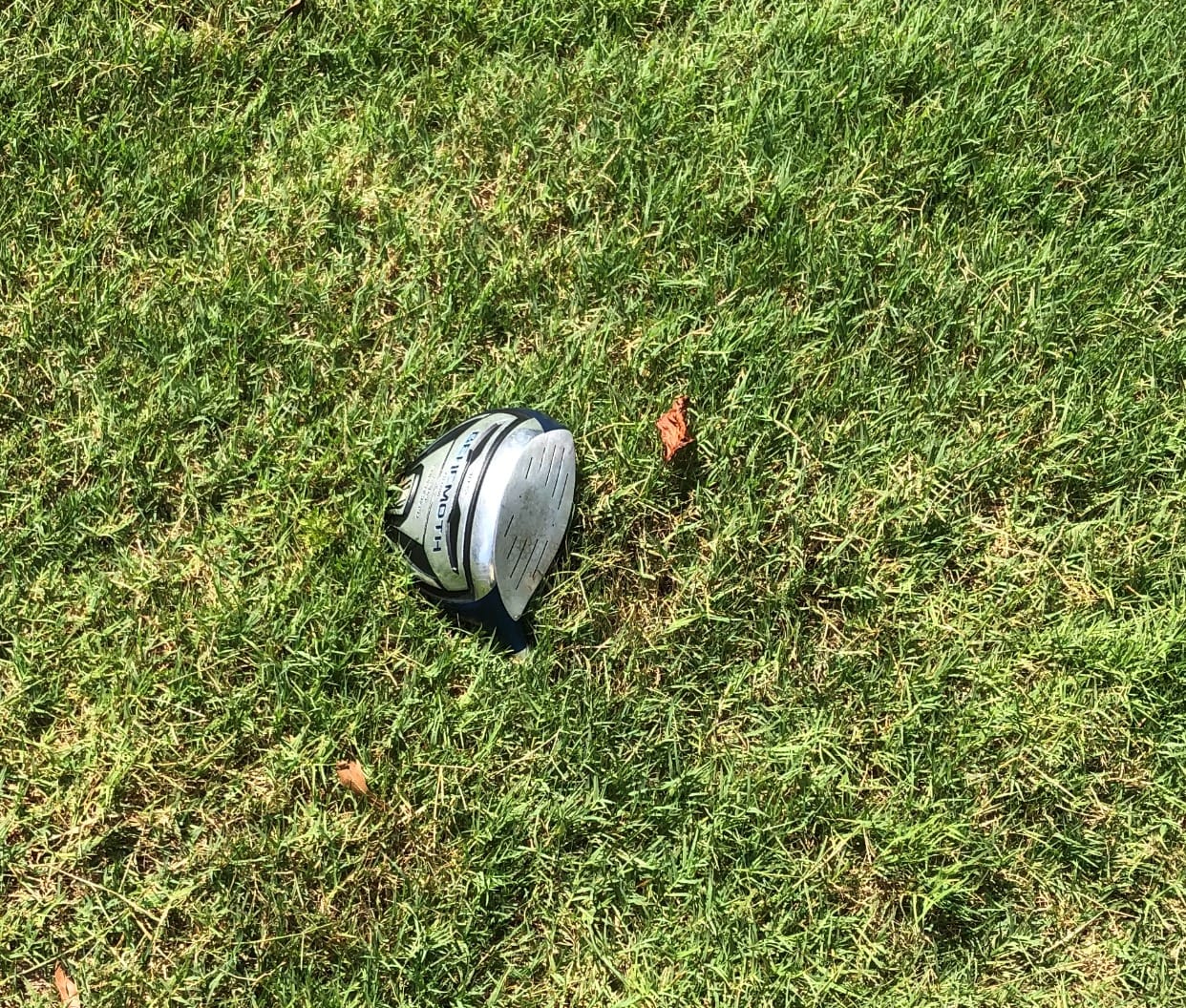
The Behemoth is the honest budget option, and it is also the only club here built on offset rather than draw weighting. The hosel sits behind the shaft line so the leading edge trails, which keeps the hands marginally ahead of the ball at impact and squares the face. At 10.5 degrees with a regular graphite shaft and a rubber grip, it is aimed squarely at beginners and high handicap players.
The 520cc head is the selling point and the legal problem in one. That volume sits 13 percent above the conforming limit, which is why the product name says illegal. For casual rounds and practice it delivers a genuinely enormous sweet spot, and beginner owners value the straight results. The manufacturer even specifies a recommended handicap of 20 and above, which tells you exactly who it is designed for.
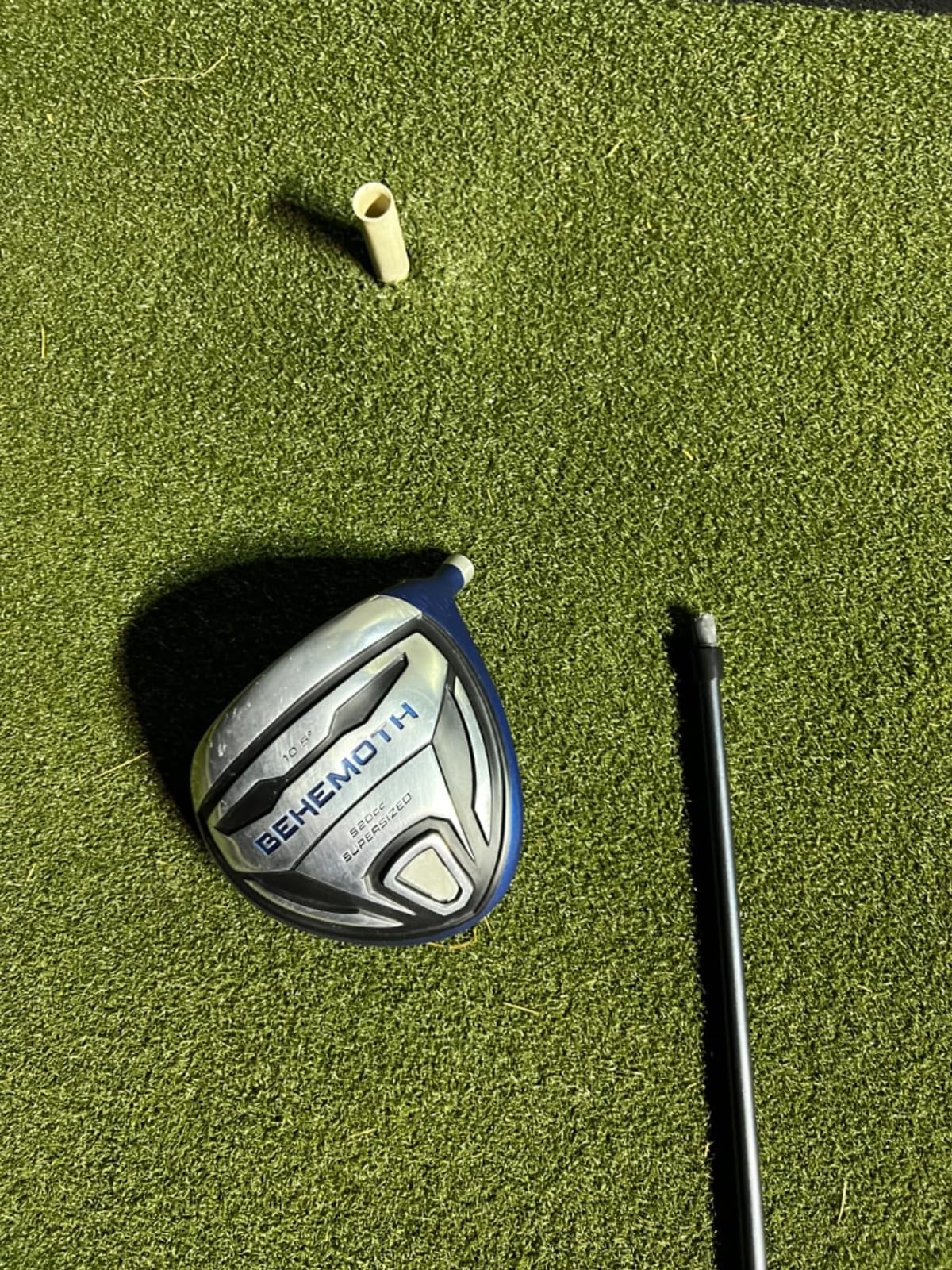
Set expectations with the 3.9 average across 231 reviews. The split is clear. Owners who wanted an inexpensive forgiving club report straight shots and a big effective sweet spot. Others rate feel and finishing below what a titanium premium head delivers, and the 6061 aluminum construction sounds and feels distinctly different from the forged titanium drivers above it.
There is a second thing the word illegal is telling you. If you play in club competitions, league nights, or anything with a rules test, this club will fail it, and no amount of good ball flight will matter then. If you only play for fun and want to spend the least possible on a square-faced driver, the mechanism here is real and well documented.
Is an offset hosel a real correction or a gimmick?
It is real, and it works through a different route than a draw weight. Offset moves the leading edge behind the shaft so the hands stay ahead of the ball, which squares the face without shifting the centre of gravity toward the heel. It is milder than draw bias, so it is a good fit for golfers who fade slightly rather than blow up every shot.
Who should walk away from this one?
Anyone who plays competitively, because a 520cc head is non-conforming. Also anyone who cares about sound and feel at impact, since the 3.9 average reflects exactly that criticism. And golfers who hook the ball should note that an offset face can still push left once the squareing effect applies.
6. TaylorMade Golf Qi10 LS Driver – Low Spin Flight at 9 Degrees
TaylorMade Golf Qi10 LS Driver 9 Degree Tensei Black Stiff Right Handed
- Low spin head design that reduces spin on the ball
- Premium feel at impact and smooth easy swing
- Owners report 20 yard plus gains over older drivers
- High quality fit and finish at address
- High MOI construction forgives off center strikes
- Heavier clubhead took some golfers a few rounds to adjust to
- Slightly flatter trajectory than previous drivers at the same loft
- One reviewer reported a face insert detaching after several months
The Qi10 LS attacks the slice from the opposite end. Instead of closing the face, it reduces the spin that a sliced ball generates, using a low-spin LS head with a lower centre of gravity projection than the Stealth 2. Less spin means less curve for the same face and path relationship, so the ball can start right and finish much closer to where it started. It is a distance and control club that happens to help slicers.
The 4.7 average is the highest on this list, with 79 percent of reviews at five stars across a pool of 50. Owners praise the low-spin flight, the premium feel at impact, and gains of more than 20 yards over older drivers. The build quality comes up too, with owners commenting on the fit and finish and on the look at address, which is not something you can measure but is why some clubs stay in the bag for years.
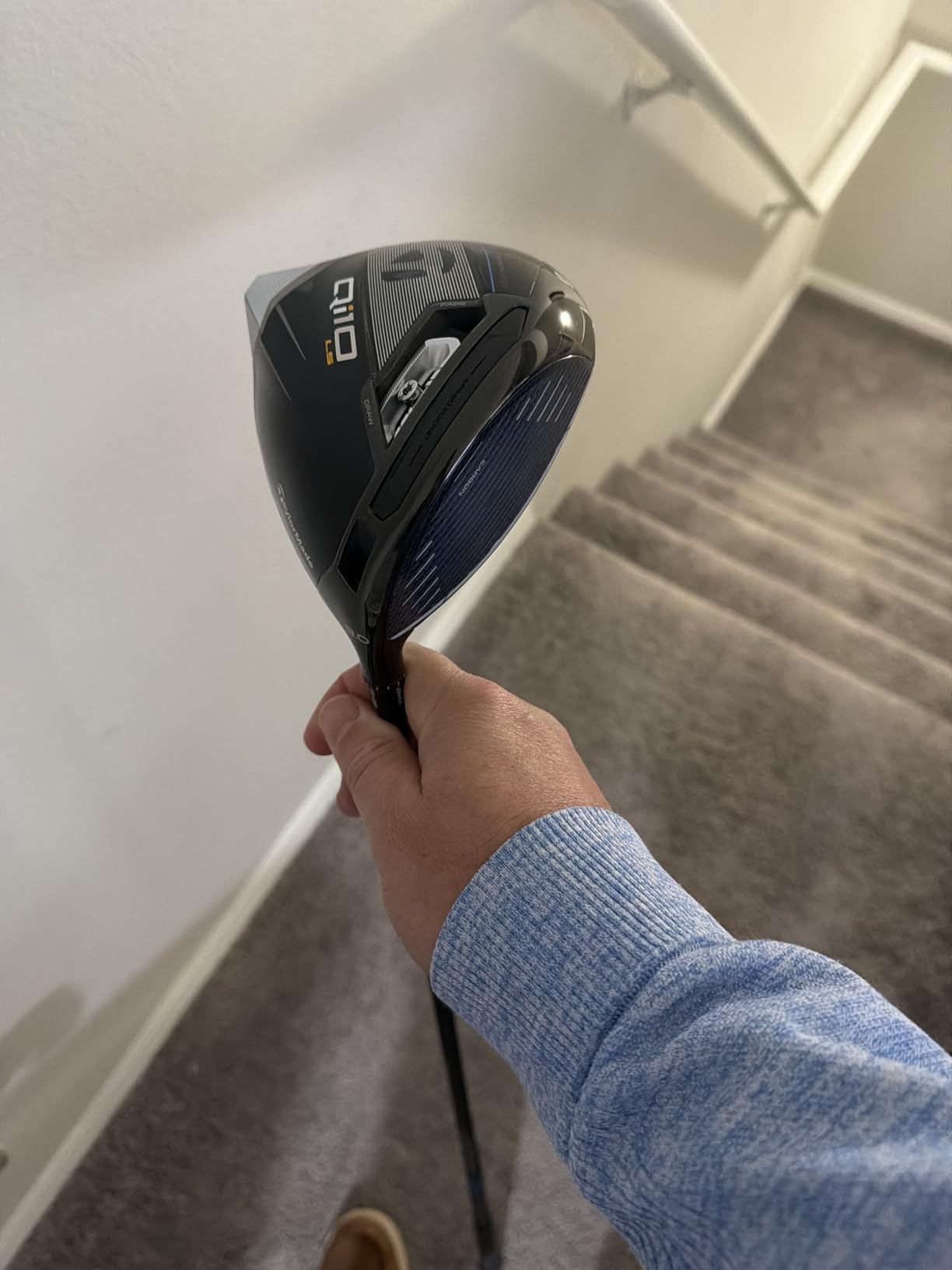
High MOI construction keeps the head stable when the strike is not centred, so a mishit costs you distance rather than accuracy. The Tensei Black shaft in stiff flex suits a faster tempo, and the 9 degree loft is the low end of the driver range. If your swing already produces good clubhead speed and your miss is a leaking slice rather than a pushed one, a penetrating low-spin flight is a sensible target.
Two adjustments are needed. Reviewers report the heavier clubhead took some golfers a few rounds to get used to, which is normal with a low-spin head and worth knowing before you blame the club. The trajectory is also slightly flatter than previous drivers at the same loft, so if you rely on height to hold greens you may find it less forgiving on approaches.
Is a low-spin driver the right fix if my slice is violent?
Not on its own. Low spin reduces curve but does not close the face, so a ball that starts far right of target still starts right. It works best for the slicer who pushes less and merely curves a lot. If your ball flight is severely right of target at impact, a draw weight or offset face is the more direct lever.
What should I know before ordering?
With only 50 reviews the satisfaction data is thin, even at 4.7. Stiff flex in a Tensei Black shaft suits moderate to fast swing speeds and will feel heavy to a genuine slow swinger. One reviewer also reported a face insert detaching after several months, an isolated complaint but the reason to check your warranty terms.
7. Cobra Golf DS-Adapt MAX-K Driver – Tunable Bias and Huge MOI
- Combined MOI up to 10000 for stability
- FutureFit33 hosel keeps the face square in every setting
- Owners report straighter tee shots
- One owner shaved strokes off a 20 handicap score
- Premium aerodynamic shape with head cover
- 33 settings can feel daunting to new golfers
- The 45.5 inch 60 gram shaft suits moderate rather than slow swing speeds
- One reviewer reported the club breaking quickly
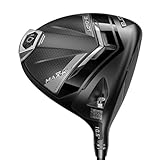
Cobra’s answer for a slicer is stability plus tunability. The MAX-K weighting pairs an external fixed back weight with an internal back weight pad to pull the centre of gravity low and deep, and combined moment of inertia reaches up to 10000, the highest figure in this group. Stability like that keeps the face from opening when the head drifts on a mishit, which is where many slices begin.
The FutureFit33 hosel offers 33 loft and lie settings with plus or minus 2 degrees of independent adjustment on each side, and the SMARTPAD design is meant to keep the face angle square in every one of those positions. That last detail matters for a slicer, because many adjustable drivers change face angle as you change loft. Owners report straightened tee shots and one 20 handicap player reports shaving strokes off his score.
Does an adjustable hosel actually help with a slice?
It helps if you need a smaller correction than the head gives you. Start in a setting that reduces the slice, then fine tune loft and lie until the shape is where you want it. The SMARTPAD is the piece that matters here, because face angle holds square across settings instead of drifting open as you change loft.
Why is this not our top pick?
Only 27 reviews, and a 45.5 inch 60 gram shaft that suits moderate swing speeds rather than genuinely slow ones. The 33 settings are also a genuine barrier for new golfers, and one reviewer reported the club breaking quickly. It is the most capable tuner here and the least forgiving choice for a first-time equipment buyer.
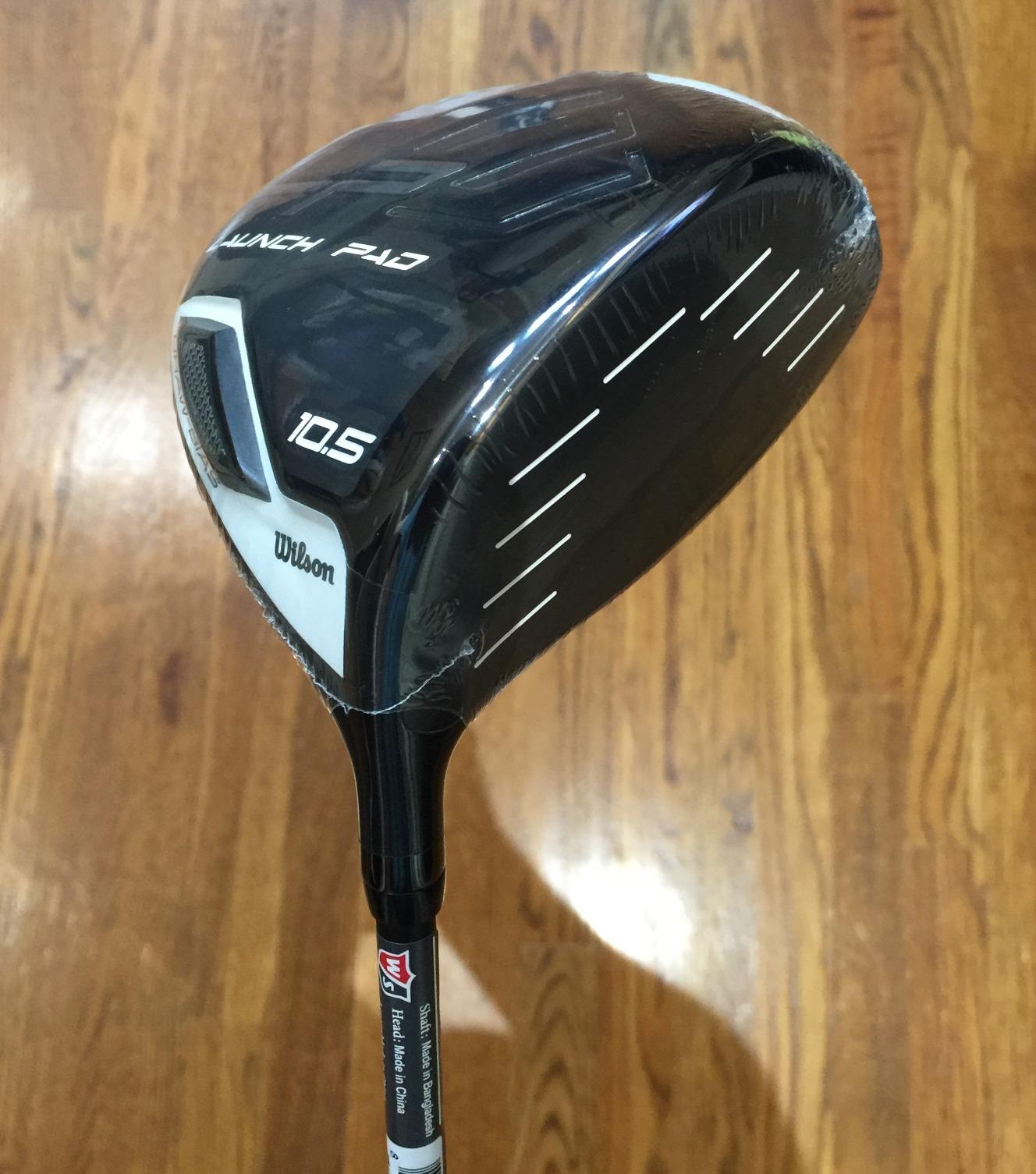
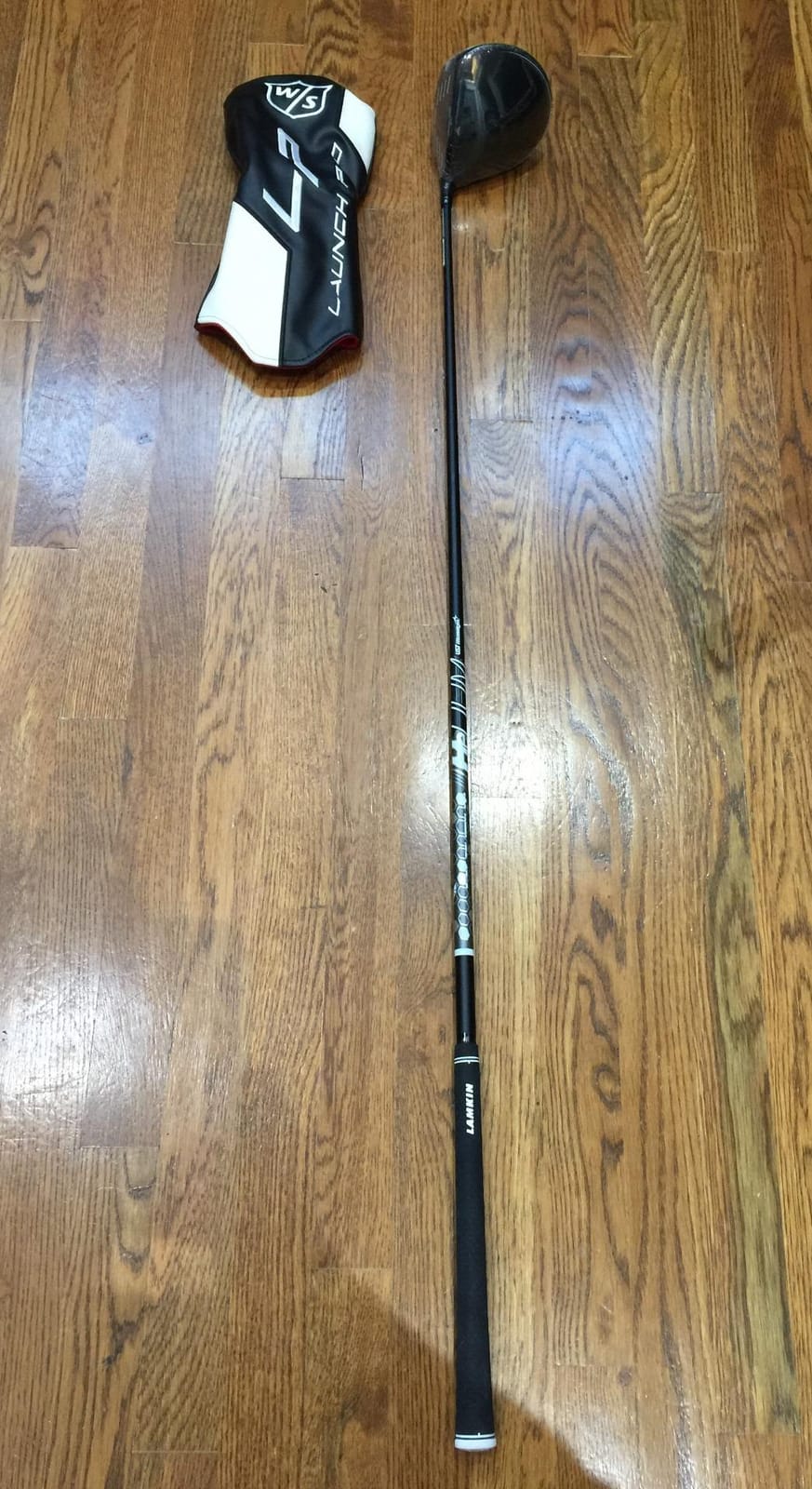
8. WILSON Staff Launch Pad Driver – 272 Grams With Hidden Heel Weight
WILSON Staff Launch Pad Men’s Golf Driver – Right Hand, Graphite, Regular, 13
- Moderate hosel offset with 13g hidden heel side weight
- 272g build suits older and slower swing speeds
- Owners report roughly 25 yards more once shots go straight
- High launch and ball speed from any strike location
- Commanding sound at impact
- Heel-side offset requires an adjustment period to get used to
- Slightly more shock through the hands than a fully custom-fitted club
- The distinct offset look takes some golfers a few rounds to accept
This is the quietest answer on the list and, by owner reports, one of the most effective. The mechanism is two-part: a moderate hosel offset combined with 13 grams of hidden heel-side sole weight, plus a hidden left that promotes a closed face at impact specifically to neutralise fade bias. At 13 degrees it is also the highest loft here, which means the most backspin and the least violent side spin.
The 272 gram total club weight is the number that matters most. Among the lightest drivers you can buy, it suits seniors and anyone whose speed has dropped away. Across 39 reviews at 4.4 average, owners are almost uniformly former slicers who say the offset weight nearly eliminates their curve, with several calling it the most effective anti-slice driver they have used and reporting roughly 25 yards more once shots travel straight.
The combination of 13 degrees and a light build is unusual and it works on both ends of the problem. High launch and high ball speed from any point on the face come from the oversized mallet shape, so heel and toe strikes still fly, and the loft adds the backspin that keeps a hooked-off strike from running away. The sound at impact is also called out repeatedly, which sounds minor until you are standing over a ball you have been embarrassed about.
The acclimation period is the honest caveat. The offset look and the heel-side weighting feel strange for a few rounds, and some golfers report slightly more shock through the hands than they get from a fully fitted club. With 39 reviews there is also a smaller pool than the SIM2 MAX carries. If you are put off by a visibly offset head, that adjustment can take longer than the ball flight did.
Is this the best driver for seniors who slice?
On the evidence here, yes. The 272 gram build is the easiest to swing, the 13 degree loft is the most forgiving, and the 13 grams of heel-side weight attack the face directly. The regular flex graphite shaft suits a slower tempo, and owners specifically report straighter ball flight as the first thing they noticed.
What should a golfer whose miss sometimes runs the other way know before buying?
This is a one-direction correction and there is no adjustment to soften it. If your ball curves away to the right, that is exactly what this head is built for. If your miss occasionally hooks back, you should test it carefully rather than assume the weight will stay friendly, and be prepared for a few rounds of acclimation to the offset look.
How to Choose a Driver for Slice Correction
Work through these six factors in order and the choice makes itself. If you approach this as a search for the best anti-slice driver rather than a search for forgiveness, you will over-correct and end up hooking the ball, which is the complaint that shows up most often from golfers who moved to a draw-bias club too quickly. If you also want a plain-language walkthrough of how weight and loft are sequenced inside a head, our guide to the 8 best impact drivers covers the same logic from the fitting side.
1. Draw weighting versus offset
These are two different mechanisms and users constantly conflate them. A draw weight moves the centre of gravity toward the heel, which closes the face through impact and produces right-to-left ball flight. Offset moves the hosel behind the shaft line so the hands stay ahead of the ball, which squares the face without shifting the weight. Draw bias is stronger and more directional. Offset is milder and better for golfers who fade slightly rather than blow up.
2. Loft: why a slicer may need 12 degrees, not 9
Higher loft launches higher and creates more backspin, and backspin suppresses side spin. A 9 degree head has less of both, so a bad strike curves further. For a violent slicer, moving from 9 up to 10.5 or 12 degrees does more than most draw weights because it tames the size of the miss rather than only its direction. The Launcher XL 2 Draw at 9 degrees is the exception here, aimed at gentle fades.
3. Moment of inertia
MOI measures how resistant the head is to twisting on off-center strikes. A high MOI head barely changes direction when you catch the toe, and the toe strike is the single most common cause of a pushed slice. The Cobra DS-Adapt MAX-K reaches up to 10000 combined MOI, while the Cleveland Launcher XL 2 and the SIM2 MAX both use mallet-style weighting to widen the effective sweet spot.
4. Adjustability if you tend to over-correct
Adjustable hosels matter most for golfers who fight a slice into a hook. The Launcher XL 2 Draw and the HiBore XL Lite use 12 position and 1.5 degree hosel sleeves respectively, while the Cobra DS-Adapt MAX-K offers 33 settings with face angle held square across them. If you know you are the player who over-corrects, spend your budget on tunability rather than on maximum static bias.
5. Swing speed and shaft weight
Match the club to your speed before you match the club to your miss. A slower swing generally wants a light build and a higher loft, which points at the 272 gram Launch Pad or the 32 gram lighter HiBore XL Lite. A moderate speed sits comfortably in the regular flex SIM2 MAX. Faster players can handle the heavier Qi10 LS head and the 60 gram Cobra shaft.
6. Ball choice, the variable nobody mentions
Driver spin comes partly from the ball, and lower compression and lower driver spin balls reduce the curve for the same swing. The trade-off is real: less greenside spin means a less checking approach shot. It is a cheap experiment. Hit two rounds with a lower spin ball before you conclude that a new club failed you.
Three Checks That Stack With a Draw-Bias Driver
Gear sets the limit; these three checks decide how close to that limit you actually play. Most golfers who feel disappointed by a draw-bias driver are missing one of them, and none of them take more than a practice session to fix.
Ball position
Move the ball forward, in line with the inside of your front foot. A ball played back forces the face open at impact and adds curvature no club can compensate for. This is the single highest value change for a slicer and it costs nothing.
Hit up on the ball
With a driver you should be making upward swing speed through the ball, not level or downward. Swing path is what causes the face to stay open, and hitting up lets the face rotate closed naturally. This is where the swing work that gear cannot do happens.
Grip pressure
Over-gripping, particularly with a strong right hand grip, holds the face open longer and makes a release nearly impossible. Loosen the club slightly in your hands and let the face rotate. Many golfers feel this immediately as a straighter ball with no change to their swing path.
Shopping a Used Anti-Slice Driver
Used draw-bias drivers are where most of the value hides, since the technology sits in the head and not in a moving part. Ask about six things before you commit, and walk away from a seller who cannot answer them.
The checklist
Confirm the weight port or fixed weight is present and tight, since a missing weight changes the bias you are paying for. Check the face for deep grooves, chips and thinning, which means lost ball speed. Run the hosel through every position and confirm the loft ring still holds. Look for cracks radiating from the toe or sole, the two most common stress areas in a used head. Ask whether it has been adjusted before, because a club with a modified hosel may need the opposite correction. Finally, verify shaft condition and whether the shaft weight matches the head you are pairing it with.
Frequently Asked Questions
Do anti-slice drivers really help?
They help, but not the way marketing implies. A draw weight, an offset hosel or a forgiving head cannot change a swing path. What they do is close the face slightly at impact and make mishits less costly, so the ball starts closer to your target and curves less. Owners across r/golf report a meaningful drop in severity rather than a cure. The clubs work best alongside swing work such as moving the ball forward and hitting up on it.
Is there such a thing as an anti-slice driver?
There is no category officially called that, but there is a real family of designs built to reduce slicing. They use one or more of three mechanisms: draw weighting that moves the centre of gravity toward the heel, an offset hosel that sets the leading edge behind the shaft, and a high MOI head that forgives toe strikes. The Performance Golf SF1, the Intech Behemoth Draw and the Wilson Launch Pad are all built this way.
What is the best driver to prevent slicing?
For most golfers the Performance Golf SF1 is the most direct answer, because it is engineered specifically around face angle with a draw calibrated face and a 12 degree loft. If you want more proof and less risk, the TaylorMade SIM2 MAX has 718 owner reviews at 4.5 stars and forgives mishits extremely well. If you are a slower swinger, the 272 gram Wilson Launch Pad combines offset, heel-side weight and 13 degrees of loft.
Is a 9 or 10.5 degree driver more forgiving?
A 10.5 degree driver is generally more forgiving than a 9 degree, because the higher loft launches the ball higher and generates more backspin. Backspin suppresses side spin, so the same face and path produce a smaller curve. For a violent slicer, moving up to 10.5 or even 12 degrees often tames the size of the miss more effectively than adding draw weight. A 9 degree loft suits faster players who already control the ball.
Can a draw bias driver cause a hook?
Yes, and it is the most common complaint from golfers who move to one too quickly. Draw bias is directional, so once the face is closed the ball can start left of target and stay left. That is why adjustable models matter: the Cleveland Launcher XL 2 Draw has a 12 position hosel and the Cobra DS-Adapt MAX-K has 33 settings, both of which let you reduce the bias after testing. Start with less correction than you think you need.
Which golf grip helps with slices?
A lighter, less tense grip helps more than any grip shape or size. Excess grip pressure, especially from the trailing hand, keeps the face open longer through impact and prevents the face from rotating closed. Lighten your hold slightly so you can feel the club weight rather than squeeze it, then let the face rotate. Golfers also report that a larger grip size reduces tension for players with strong hands, which produces the same effect.
Conclusion
No driver replaces a swing fix, and every honest seller in the r/golf threads will tell you the same thing. What these clubs do is shrink the miss, and for a golfer losing two shots a round to the right side that is worth real money. Our pick for most players is the Performance Golf SF1, because its square face and 12 degree loft attack the problem directly.
Buy the TaylorMade SIM2 MAX if you want a proven sweet spot instead of a corrective claim. Buy the Wilson Launch Pad or the HiBore XL Lite if your swing speed is the real limit, and buy the Cobra DS-Adapt MAX-K or the Launcher XL 2 Draw if you know you over-correct. Whatever you choose, move the ball forward and lighten your grip, then give it a season before you decide. Our best golf drivers for slice correction roundup is updated for 2026 and reflects only what owners report, including what did not work.