

Milwaukee builds circular saws from a 5-3/8 inch M12 up to a metal-cutting saw that punches through half-inch plate, and the range is confusing enough that most buyers pick a model by accident. Our short answer first: the 2630-20 M18 6-1/2 inch brushless saw is the one to buy if you want the best-proven tool in the lineup, while framers who cut dimensional lumber all day should step up to the 5800 rpm rear-handle saws.
- Best overall and most reviewed: 2630-20 M18 6-1/2 inch brushless, 3500 rpm, the most-reviewed Milwaukee saw in this roundup with 1712 ratings
- Best for framing 2x lumber: 2830-20 M18 FUEL 7-1/4 inch rear handle, 5800 rpm and 15 amp-equivalent output
- Highest rated: 2732-20 M18 FUEL 7-1/4 inch, 4.8 stars across 1090 reviews with a dust port and rafter hook
- Best value entry: 2631-20 M18 brushless 7-1/4 inch at 5000 rpm, no FUEL premium to pay
- Best for sheet goods: 2730-20 M18 FUEL 6-1/2 inch at 6.8 lb it is a light full-size M18 body that suits panel and plywood work
- Best for tight spaces and overhead work: 2530-20 M12 FUEL 5-3/8 inch at 2.9 lb
- Best for steel and plate: 2982-20 M18 FUEL metal-cutting saw, 4000 rpm and a 2-9/16 inch capacity
- Best for clean sheet-goods cuts: 2831-20 M18 FUEL plunge track saw with a riving knife
Milwaukee is one of the few tool brands where the saw is the cheap part. Once you own M18 batteries, every saw in this list runs on them, so the second and third tools you add cost far less than the first. That ecosystem effect is the single biggest reason to choose this brand, and it is worth reading our Milwaukee drill picks and M18 battery kit guide before committing.
We spent weeks comparing specifications, owner-reported problems and cut behaviour across the ten saws below, then ranked them by what they actually do on a job. Every number in this guide comes from the product listings and owner reviews themselves, and we call out the known complaints instead of hiding them. If you would rather see a broader field, our best circular saws for DIY projects roundup covers the main competing brands.
Table of Contents
Top 3 Milwaukee Circular Saws for 2026

M18 6-1/2 in Brushless 2630-20
- 3500 rpm brushless motor
- Magnesium upper and lower guards
- Aircraft aluminum shoe
- Bare tool at 8.1 lb

M18 FUEL 7-1/4 in Rear Handle 2830-20
- 5800 rpm brushless motor
- 15 amp-equivalent output
- Rear handle with ambidextrous trigger
- Integrated blade light
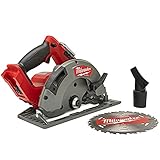
M18 FUEL 7-1/4 in Saw 2732-20
- 5800 rpm FUEL motor
- Electric blade brake
- Integrated dust port and adapter
- Rafter hook and LED work light
Best Milwaukee Circular Saws in 2026 at a Glance
| Product | Specifications | Action |
|---|---|---|
| Milwaukee 2630-20 M18 6-1/2 in Brushless |
|
Check Latest Price |
| Milwaukee 2830-20 M18 FUEL 7-1/4 in Rear Handle |
|
Check Latest Price |
| Milwaukee 2732-20 M18 FUEL 7-1/4 in |
|
Check Latest Price |
 Milwaukee 2631-20 M18 Brushless 7-1/4 in Milwaukee 2631-20 M18 Brushless 7-1/4 in |
|
Check Latest Price |
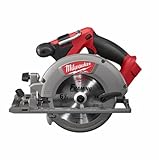 Milwaukee 2730-20 M18 FUEL 6-1/2 in Milwaukee 2730-20 M18 FUEL 6-1/2 in |
|
Check Latest Price |
 Milwaukee 2530-20 M12 FUEL 5-3/8 in Milwaukee 2530-20 M12 FUEL 5-3/8 in |
|
Check Latest Price |
 Milwaukee 2730-21 M18 FUEL 6-1/2 in Kit Milwaukee 2730-21 M18 FUEL 6-1/2 in Kit |
|
Check Latest Price |
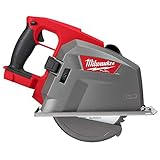 Milwaukee 2982-20 M18 FUEL Metal Cutting Saw Milwaukee 2982-20 M18 FUEL Metal Cutting Saw |
|
Check Latest Price |
 Milwaukee 2630-20 Bundle with XC Battery Milwaukee 2630-20 Bundle with XC Battery |
|
Check Latest Price |
 Milwaukee 2831-20 M18 FUEL Plunge Track Saw Milwaukee 2831-20 M18 FUEL Plunge Track Saw |
|
Check Latest Price |
1. Milwaukee 2630-20 M18 6-1/2 Inch Brushless – Best Overall
M18 Cordless Lithium-Ion 6-1/2″ Circular Saw – 2630-20 – ( MILWAUKEE ) – BARE TOOL
- 3500 rpm handles LVL headers and tough timber
- Magnesium upper and lower guards
- Aircraft aluminum shoe for precise rips
- Soft-grip handle for controlled cuts
- 6-1/2 inch blade limits capacity on thick lumber
- Battery and charger sold separately
- About 4 percent of ratings are 1 star
This is the saw I hand to anyone who asks me to point at one Milwaukee model. With 1712 ratings averaging 4.6 stars, it has the broadest owner history in the group, and a decade of that history tells you something no spec sheet does: the motor holds speed. Owners routinely report pushing it through laminated veneer lumber and headers without the blade bogging.
The magnesium upper and lower guards are the reason it feels solid for a mid-range saw, and the aircraft aluminum shoe keeps rips straight without adding much weight at 8.1 lb bare. I also like that the soft-grip handle stays comfortable on long breakdown days, which is where most saws start to feel bad.
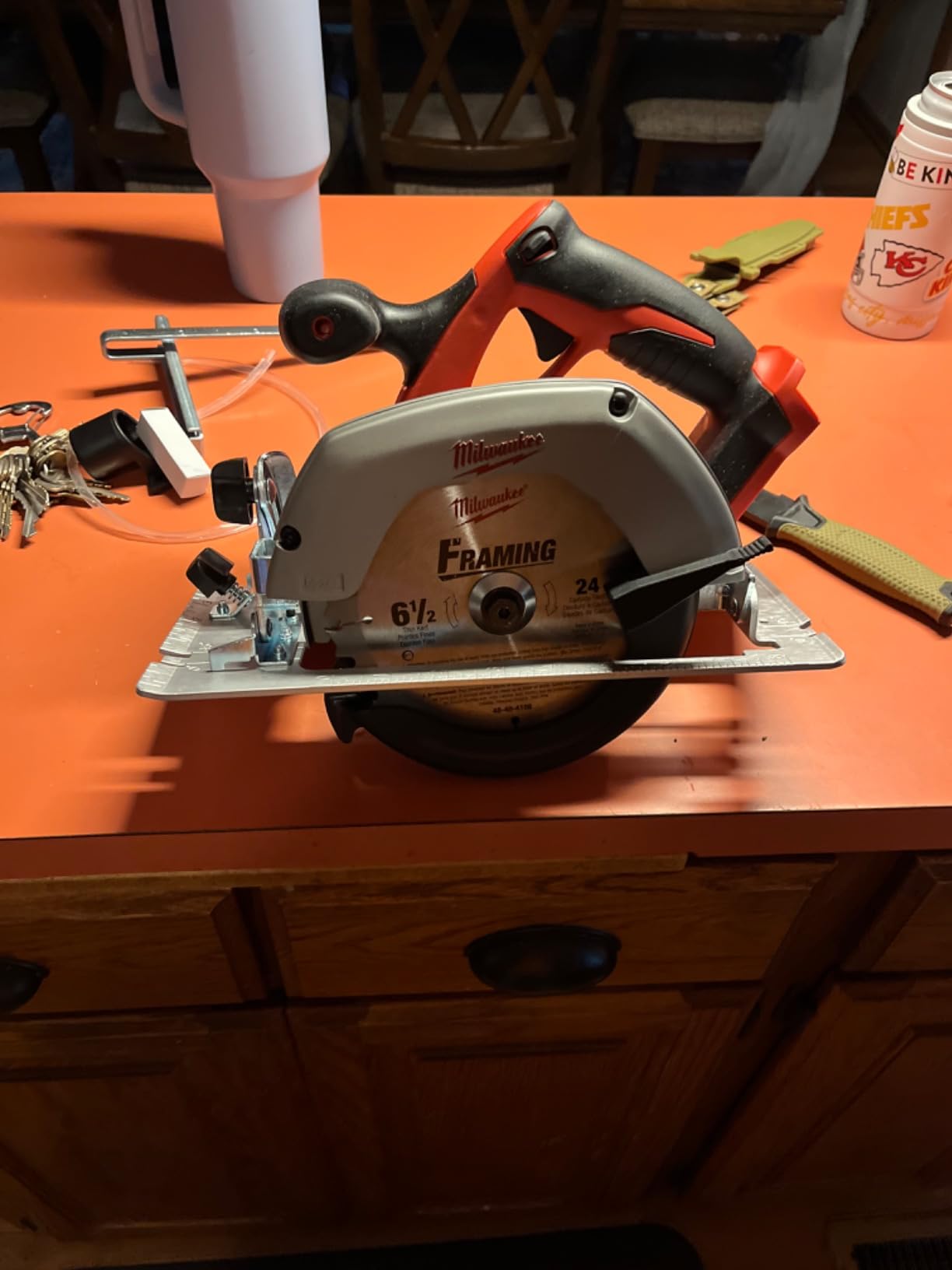
It sits at 3500 rpm, which is the honest trade-off here. That is comfortably enough for 2x lumber, sheet goods and dimensional cuts, but owners looking to rip thick stacked material will feel the difference against a 5800 rpm FUEL motor. The product listing even calls out LVL headers as a use case, and that is the top of what this saw handles well.
It is a bare tool, so a battery and charger are separate purchases. For anyone who already runs M18 packs that is exactly the right format, and it is the most economical way into this lineup. Our M18 battery kit guide covers which pack sizes make sense for a saw like this.

What you get for the money
You get a brushless motor, magnesium guards, an aluminum shoe and one of the deepest review pools on the platform. That combination is why it is the general-purpose answer: it is not the strongest saw here, but no other model in the lineup has a review pool this deep.
Where it falls short
The 6-1/2 inch blade is the limit. A small minority of ratings, around 4 percent, report durability or quality-control complaints, so buy from a seller with an easy return path and check the blade alignment on arrival.
2. Milwaukee 2830-20 M18 FUEL 7-1/4 Inch Rear Handle – Best for Framing
- 5800 rpm powers through 2x4 and plywood
- Ambidextrous trigger for one or two hands
- Built-in blade light on the cut line
- Replaced corded saws for several owners
- Battery and charger not included
- Bulkier than 6-1/2 inch saws on a full pack
- Small packs bog down in thick material
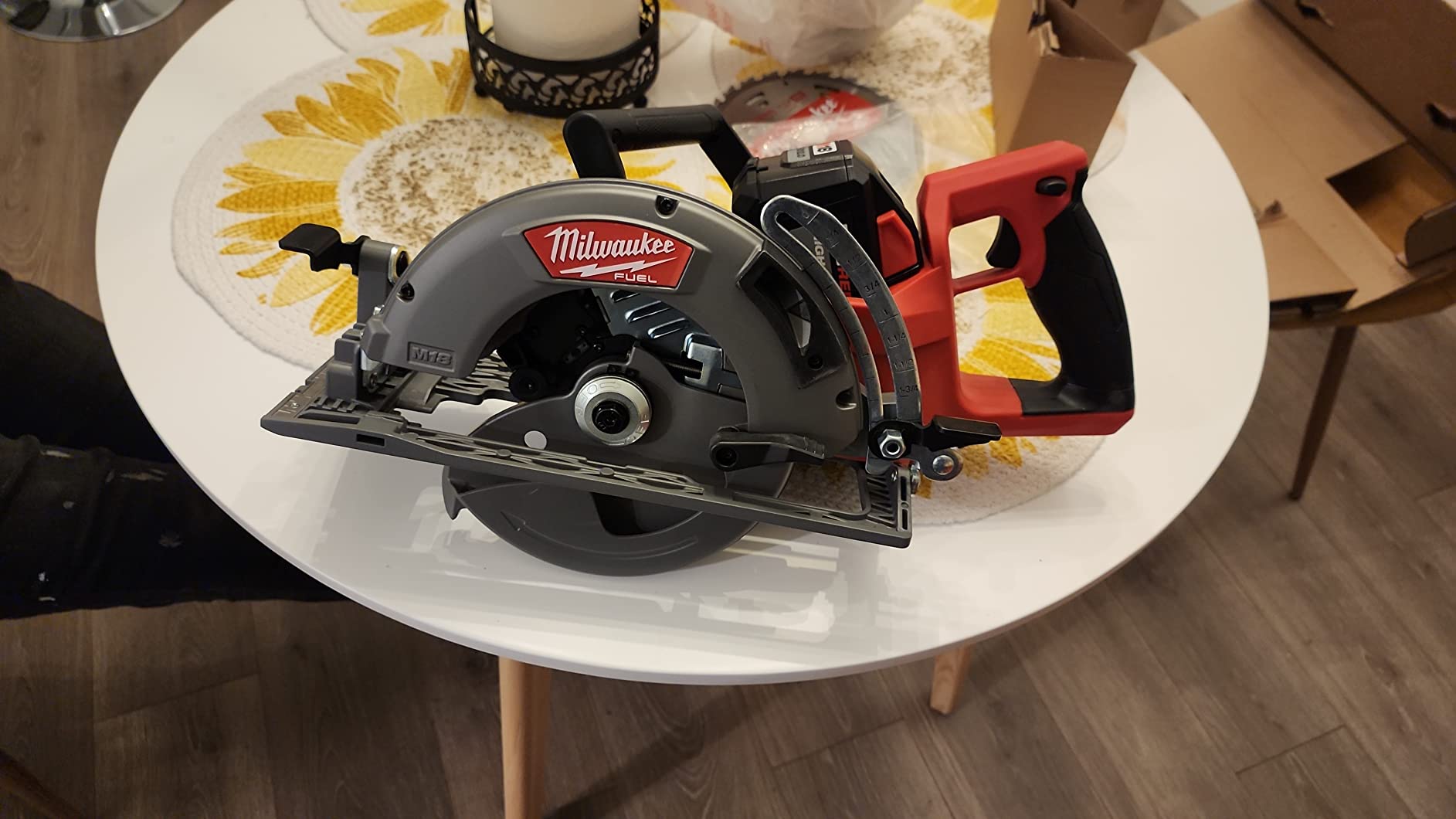
This is the framing saw. Owners with decades of carpentry behind them describe cutting like hot butter, and several report retiring a corded saw entirely after picking it up. At 5800 rpm and 15 amp-equivalent output, it is the tool you want when the cut has to happen now and the material is stacked dimensional lumber.
The rear handle is the reason it exists. A two-handed grip with the trigger in the loop gives far more control on a long rip or a cut from a ladder, and the ambidextrous safety means you can work with either grip. The magnesium handle and magnesium shoe are the parts that survive being dropped in a truck bed, which is the actual durability test.
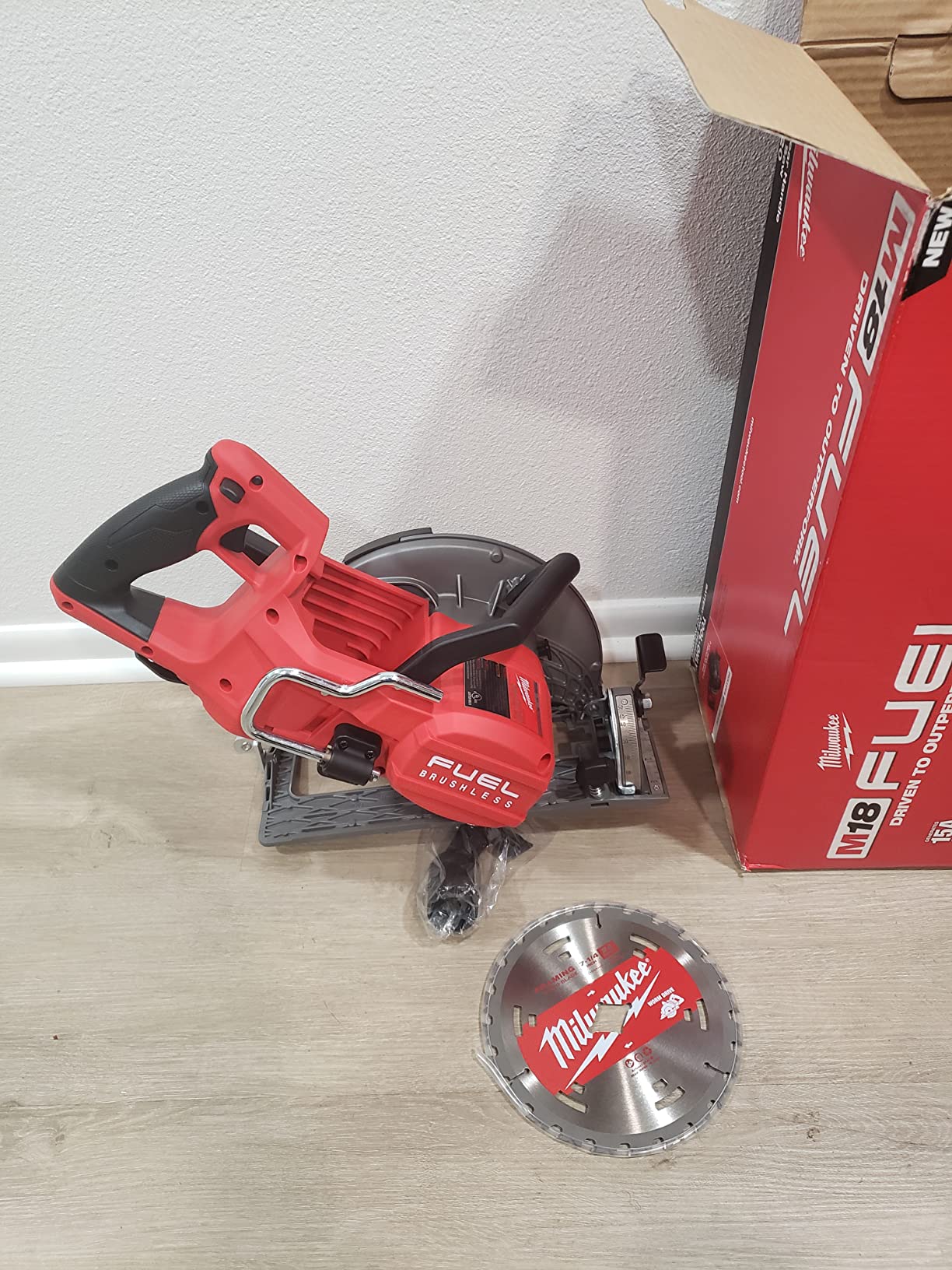
The built-in blade light is a small feature that changes real work. It throws light right at the cut line on cuts where your head cannot get behind the tool, which is most of them on a wall or a stack of lumber.
Weight is the real consideration. At 10 lb bare, and more with a large pack mounted, this is a substantial tool in the hand. Carpenters who run it all day do not describe that as tiring, but if you are new to circular saws, know that a full-size pack changes the balance.
When this is the right saw
Framing walls, ripping dimensional lumber, cross-cutting stacks and any job where the saw runs continuously rather than in bursts. Owners consistently report framing a full day on a charge, and several of them call it lighter in the hand than the corded saw it replaced.
When it is the wrong saw
Sheet goods, trim and overhead work. The 7-1/4 inch blade is deep and the body is long, so a smaller saw is far easier to control on a panel or a soffit. Also note it is a bare tool: existing M18 owners get the most from it.
3. Milwaukee 2732-20 M18 FUEL 7-1/4 Inch – Highest Rated
- Highest rating in the group at 4.8 stars
- Electric brake stops the blade instantly
- Vac port and adapter cut down on cleanup
- LED light and rafter hook for jobsite use
- Guard flare can clash with some track guides
- No onboard rip fence storage
- Small batteries drain quickly
At 4.8 stars from 1090 reviews, this is the highest-rated Milwaukee circular saw we could find, and the gap between it and the rest is small but consistent. Carpenters single out straight, splinter-free cuts and the electric brake that halts the blade the moment you let go of the trigger.
Unlike the rear-handle saw, this is a sidewinder. That means a single main grip and a more compact footprint, which is why several owners call it quieter and more precise on joinery-adjacent work. The magnesium shoe and guards hold up, and at 8 lb it is noticeably lighter than the 10 lb rear-handle model with the same blade size.
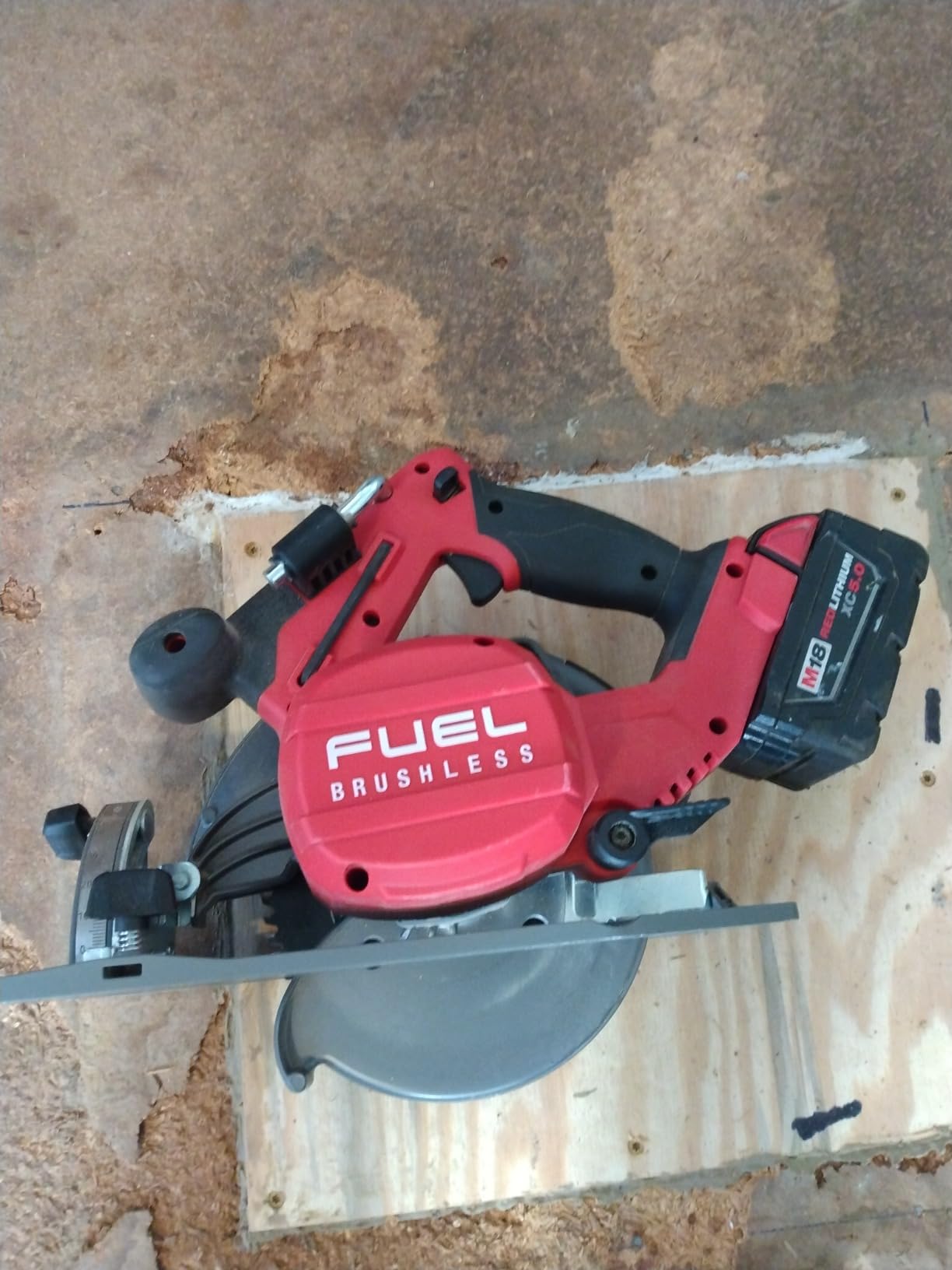
The dust port and included vacuum adapter are the feature that gets the least marketing attention and the most daily use. A shop vacuum hooked to the guard changes an afternoon of sweeping into an afternoon of cutting, and carpenters with respiratory concerns care about that more than most specs.
There is a catch with track work. The lower guard flare can prevent alignment with Kreg-style guide rails without modification, so if you own rails, check the fit before you commit. There is also no onboard storage for the rip fence, so it mounts and dismounts each time.
Who this suits
Anyone who wants maximum cut quality and a brake they can trust, from finish carpenters to remodelers cutting a mix of dimensional lumber and sheet goods. The LED light and rafter hook make it pleasant to use between cuts all day.
Who should look elsewhere
Sidewinder saws suit the majority of users because you can watch the blade meet the wood. If you hold the saw with your other hand, or you run track guides daily, this is not the tool. For heavy timber, step up to a larger-blade model.
4. Milwaukee 2631-20 M18 Brushless 7-1/4 Inch – Best Value
- Full 7-1/4 inch blade without the FUEL premium
- Light at 7.2 lb for a 7-1/4 inch saw
- LED light and electric brake included
- Rafter hook and dust port on the guard
- Bare tool only with battery sold separately
- 5000 rpm trails the FUEL saws on thick material
- Heavier than a compact M12 saw
This is the answer for someone who wants a full-size 7-1/4 inch blade and does not want to pay a platform premium for the FUEL badge. Buyers consistently name the LED light, the electric brake and the magnesium guards as the features that justify the saw, which is a good sign for a value pick.
At 7.2 lb it is light for a 7-1/4 inch saw, and its best-seller position in power circular saws tells you it is not a niche leftover. The 5000 rpm motor is a real step down from 5800 rpm, and on thick material you will feel it as some blade bogging.
For most weekend builders doing decks, shelves and general carpentry, 5000 rpm is more than enough. The 6-1/2 inch saws in this roundup feel faster because they spin a smaller blade, but they also stop sooner in the wood.
Like the others here it is a bare tool. If you already own M18 batteries this is the efficient entry point; if you own none, a kit may be the better all-in-one deal.

Where the value shows up
You keep the two features owners care about most, the electric brake and the LED light, and you give up blade speed. On dimensional lumber and plywood that is a sound trade. On pressure-treated material stacked three high, less so.
Who should not buy it
Anyone cutting thick laminated or engineered material all day, and anyone who wants the same headroom as a FUEL saw. Check that 5000 rpm will not frustrate you before you settle on it.
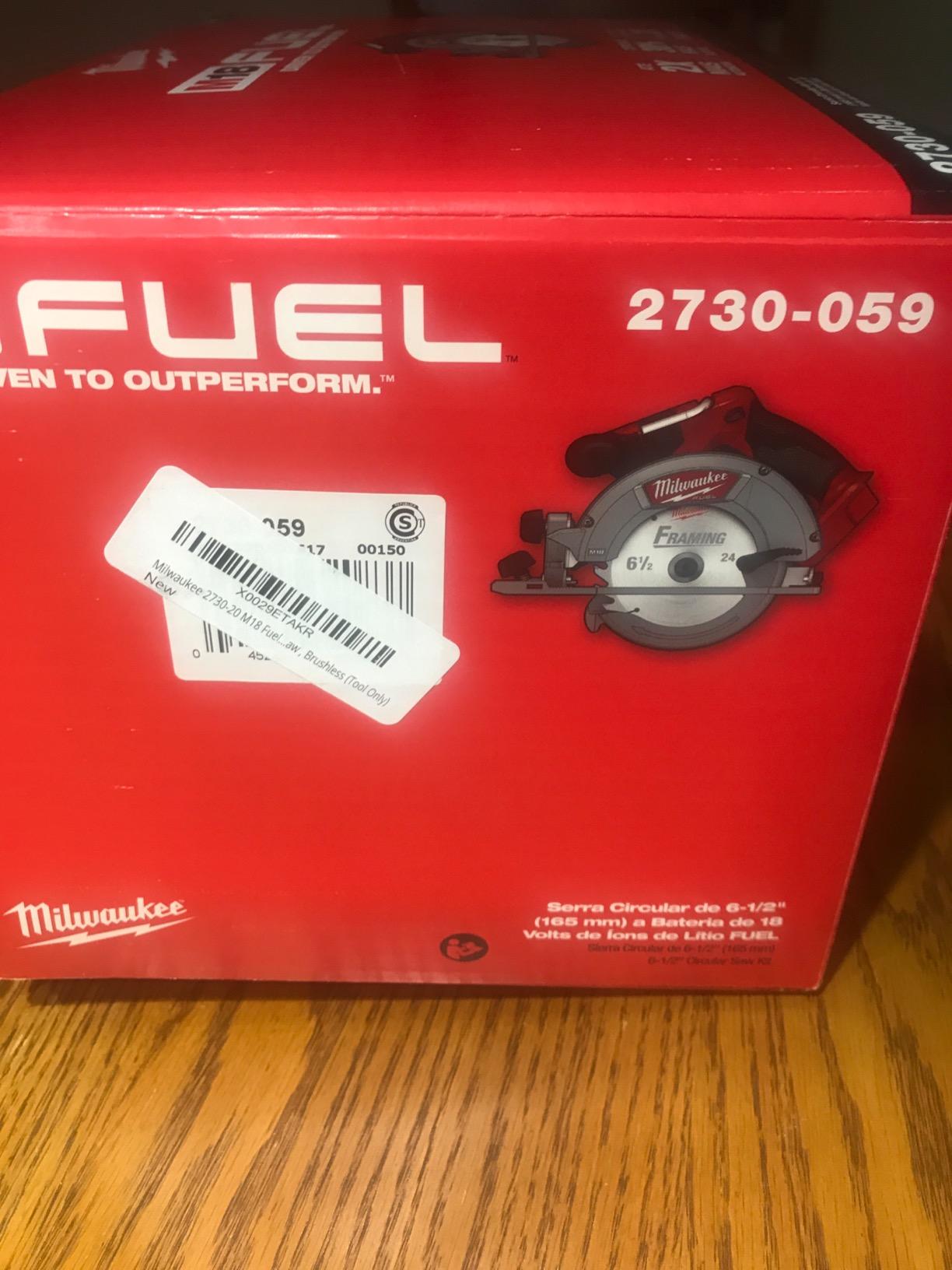
5. Milwaukee 2730-20 M18 FUEL 6-1/2 Inch – Best for Sheet Goods
Milwaukee 2730-20 M18 Fuel 6 1/2″ Circular Saw , Brushless (Tool Only)
- Light 6.8 lb body for panel and plywood work
- Electric brake and rafter hook for quick stops
- Five year Milwaukee tool warranty
- Compact size works as a go-to site saw
- 6-1/2 inch blade only barely cross-cuts a 2x at 45 degrees
- Base plate can foul a speed square on the motor side
- Needs 9.0Ah or 12.0Ah packs for long rips
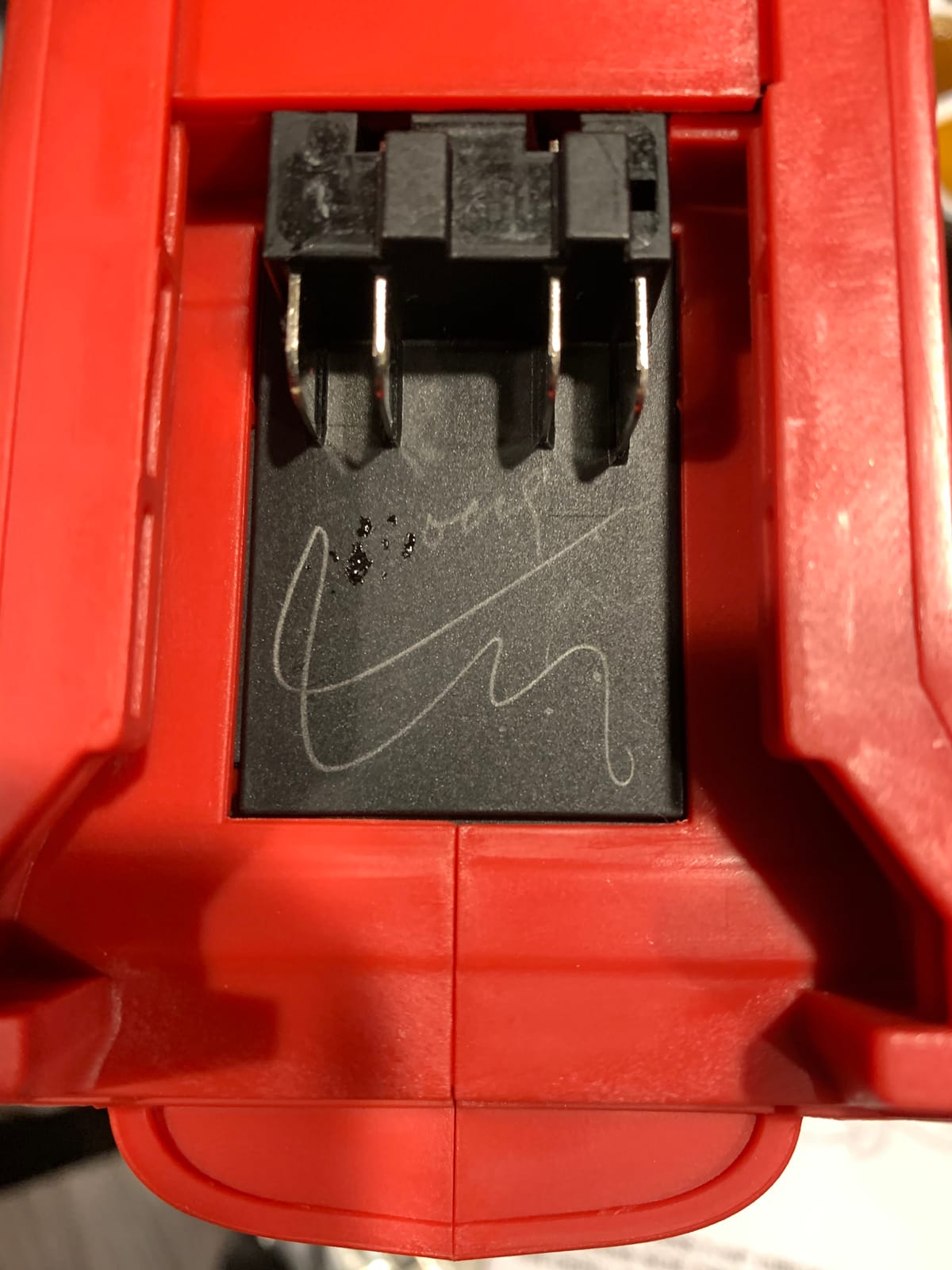
This is the do-everything saw for a remodeler or a serious DIYer. At 6.8 lb it is a light full-size M18 body, and the 5000 rpm FUEL motor still handles 2x lumber and 3/4 inch plywood without complaint. DIYers and pros call it the ideal all-around cordless saw for framing and sheet goods.
The electric brake and the integrated rafter hook make it a good saw for moving around a site. Hang it on your belt or ladder between cuts and it is out of the way, which sounds minor until you are doing it forty times a day.
Its 4.5 star average is the lowest of the heavily reviewed models here, and the complaints are consistent enough to plan around. The 6-1/2 inch blade only barely cross-cuts a 2x at 45 degrees, and the base plate can rub the motor housing so a speed square on that side will not clear.
There is also a minority of long-term trigger and start-up failure reports in the review mix, around 7 percent of ratings being one star. Milwaukee’s five year tool warranty is the safety net that makes this an easy recommendation despite that, and one owner reports receiving a free replacement under it.
Best use for this saw
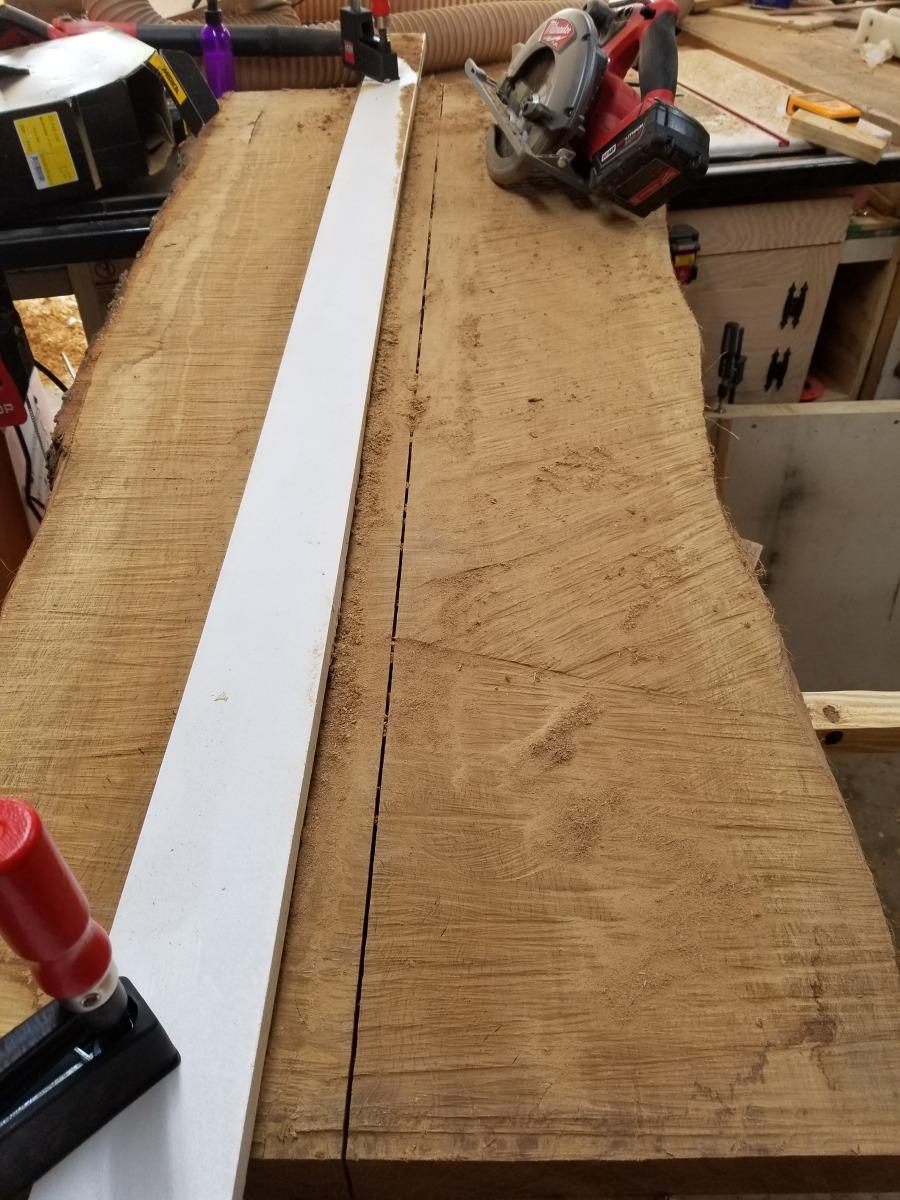
Breaking down 4×8 sheets of plywood and OSB, cutting door and window rough openings, and any job where a 6-1/2 inch blade is the right diameter. The light weight is the whole point here, and owners with back and shoulder complaints say so.
Limits worth knowing
Bevel cuts through dimensional lumber are tight, and small batteries will not last a full ripping session. If you rip long boards regularly, budget for high-capacity M18 packs or consider the 7-1/4 inch saws.
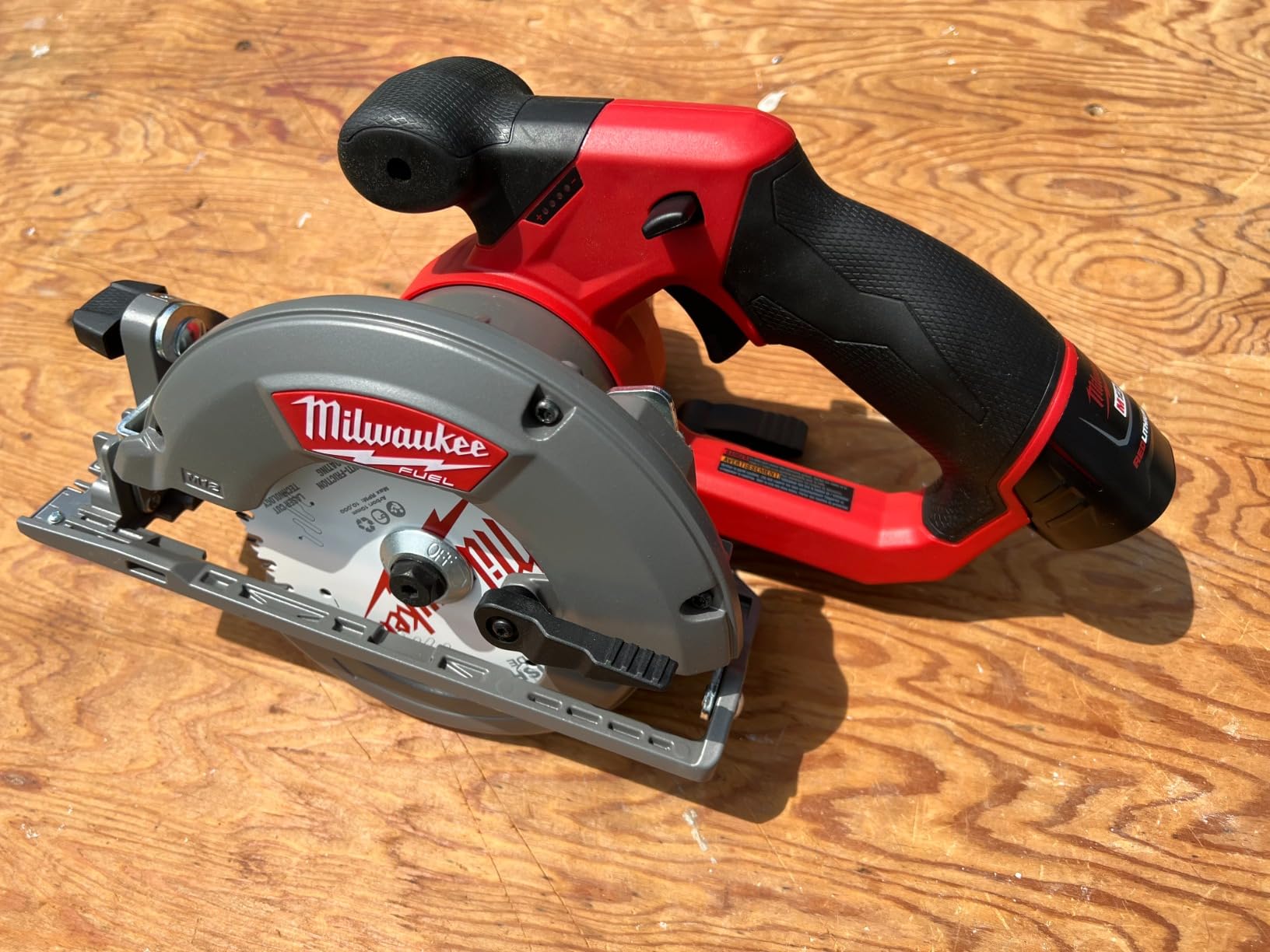
6. Milwaukee 2530-20 M12 FUEL 5-3/8 Inch – Best for Tight Spaces
- Only 2.9 lb for a saw with a real brushless motor
- Very quiet so it suits early morning indoor work
- Blade mounts away from the grip so right-handed users can watch the cut
- Works with every M12 pack including compact 2.0Ah
- Rip guide is not included
- 5-3/8 inch blade is too small for heavy rips
- Easy to drift off line without a guide
- Not built for continuous cutting duty
At 2.9 lb this weighs well under half of a full-size contractor saw, and that single number is why it exists. Reviewers use it for 1/4 inch paneling, hardboard, underlayment and 3/4 inch birch plywood, and many report it replacing a full-size saw for most household jobs.
The 5500 rpm brushless motor is quicker than you expect from the blade size, and the saw is quiet enough for early-morning indoor work when a neighbor is sleeping. Depth and bevel adjustments use metal components that hold their setting, which is a real quality detail on a tool this small.
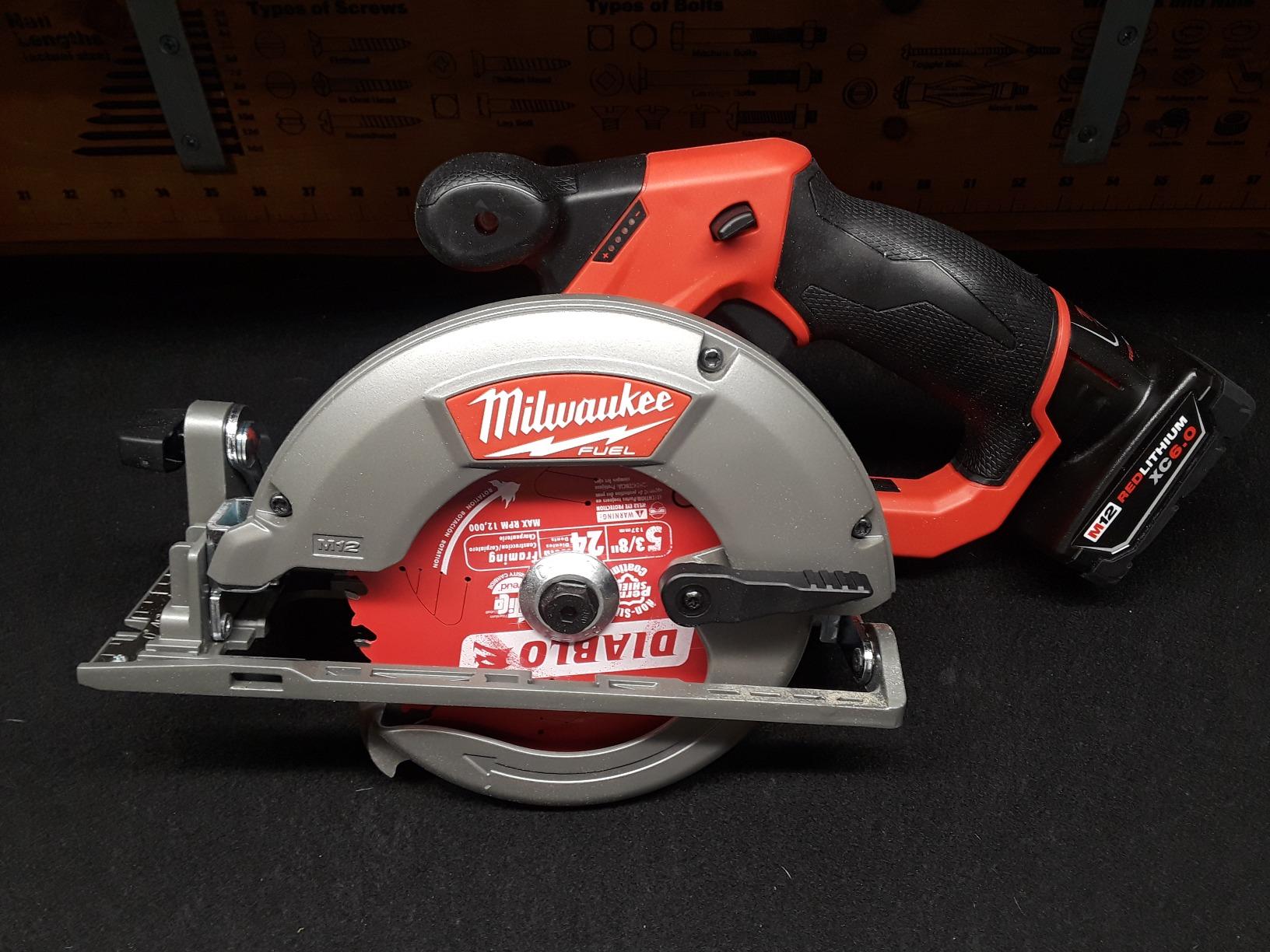
There is one near-universal complaint in the reviews: the rip guide is not included, even though the mounting point and clamp knob are on the tool. Plan on buying a guide or another means of keeping the fence square, and account for the small blade being easier to drift off line without one.
The blade mounts away from the grip, so right-handed users can watch the cut line. Owners mention that constantly, and combined with the weight it makes this a saw you can manage with one hand in a crawlspace or a cabinet.
Where it earns its place
Overhead trimming, soffits, cabinet and millwork work, sheet-goods breakdown and any job in a tight space where a full-size saw will not fit. It also runs on compact 2.0Ah M12 packs, so the whole tool kit stays light.
Where it is the wrong choice
Deck building, dimensional lumber, anything that needs a deep blade. It is a secondary saw, not a do-everything tool, and a minority of buyers who expected a full-size performer are disappointed by the 5-3/8 inch diameter.
7. Milwaukee 2730-21 M18 FUEL 6-1/2 Inch Kit – Best All-in-One Kit
- Battery included so you can cut on day one
- Owners rate power above corded 5-1/4 and 7-1/4 saws
- LED light and truss hook as standard design
- Blade mounts away from the grip so right-handed users see the cut line
- Heavier and bulkier than the bare tool listing
- Included 5.0Ah pack is short for full-day work
- No hard case
- Far fewer reviews than the bare-tool version
This is the same 6-1/2 inch FUEL saw sold as a kit with a battery in the box, and that single difference is why it exists. If you are starting a Milwaukee collection with nothing on hand, this is the path of least resistance, and contractors report better cutting power than the corded saws they used to own.
The LED light, truss hook and magnesium shoe are the same design points buyers praise on the bare-tool version. The blade mounts away from the grip so right-handed users can see exactly where the blade meets the wood, which is a genuine help when breaking down sheet goods.
Authorized service centers have honored the warranty even for accidental damage, which is one reason a kit like this is easy to recommend to a first-time buyer, since you are not assembling a starter platform from four separate purchases.
What the kit costs you in weight
The kit listing comes in at 8 lb with the battery fitted, and the 5.0Ah pack it carries does not last a full day of ripping. That is the trade: you get a working saw immediately and you upgrade the pack later.
Who should buy the kit instead of the bare tool
Anyone starting from zero batteries, or anyone who wants one purchase that works out of the box. If you already own M18 packs, the bare-tool version keeps the saw and drops the extra battery weight. The 144 reviews here are far thinner than the 1064 on the bare-tool model, so weigh the feedback accordingly.
8. Milwaukee 2982-20 M18 FUEL Metal Cutting Saw – Best for Steel and Plate
- Cuts 1/2 inch plate and diamond plate very fast
- 2-9/16 inch cut capacity for demanding work
- Chip catcher retains most of the debris
- REDLINK PLUS protects against overload
- Chips still spray out despite the catcher
- 16.2 lb is heavy and wide for a hand saw
- Blade is hidden during the cut so a guide is required
- High rpm wears metal-cutting blades faster
This is not a wood saw with a metal blade. It is built for steel, and fabricators describe it cutting 1/2 inch plate and diamond plate faster than a wood saw handles a 2×4. The 4000 rpm brushless motor generates corded-class power for the job, and the 2-9/16 inch capacity covers demanding material.
The integrated chip catcher acts as a reservoir and holds most of the debris, so you empty it on a schedule instead of chasing metal filings. REDLINK PLUS intelligence guards against overload, overheating and over-discharge, which matters more here than on a wood saw because metal work spikes the load hard.
Owners also note it is lighter than comparable corded metal saws, at 16.2 lb. That is still the heaviest tool in this roundup by a wide margin, and it is wide enough that you feel it in a small shop.
Best use for this saw
Steel fabrication, ductwork, trailer work, trimming angle and square tube, and cutting corrugated decking, where the manufacturer claims up to 120 feet of cut per charge. It is a genuinely fast tool on the right material.
Limits worth knowing
Chips still spray out despite the catcher, so plan to use it outdoors or with serious eye protection. The blade is hidden during the cut, meaning a guide setup is required for straight lines, and 4000 rpm eats through metal-cutting blades faster than a wood saw would. For cold shop work, our heated jacket picks matter more than the saw choice.
9. Milwaukee 2630-20 Bundle with XC Battery and Charger – Best Starter Bundle
- Battery and charger in the box so it is ready to work
- Owners report solid deck and carpentry performance
- Strong Milwaukee brand loyalty and build quality
- Magnesium guards and soft-grip handle
- One of the lowest ratings here at 4.3 stars
- One review reports the battery and charger were missing
- One arrival complaint about scratched packaging
- 3500 rpm and a 6-1/2 inch blade limit heavy rips
This bundle pairs the 6-1/2 inch brushless saw with an M18 XC high capacity battery and a charger, so it is a working saw on the day it arrives. That is a real convenience if you have no Milwaukee batteries yet, and most buyers are satisfied with basic deck and general carpentry cutting.
The magnesium guards and soft-grip handle are the same parts used on the bare-tool 2630-20, so the tool itself is well built. Milwaukee brand loyalty runs strong and build quality is rated favorably overall by the people who own it.
What gives me pause is the signal quality. At 45 reviews and 4.3 stars, this is one of the smallest review samples in the roundup, with 72 percent five-star ratings. One review reports the advertised battery and charger were missing from the box, and another reports a tool arriving scratched, which points at packaging consistency rather than the saw.
What you get for the bundle
A saw, a high capacity battery and a charger, which is the whole starter platform for cutting wood. If you plan to add a second saw later, the batteries here carry over to every other M18 tool you buy.
Who should skip it
Anyone who already owns M18 batteries, since the bare-tool listing is the saw on its own. Verify the box contents on arrival, given the missing-component report, and know that 3500 rpm and a 6-1/2 inch blade will not handle heavy ripping work.
10. Milwaukee 2831-20 M18 FUEL Plunge Track Saw – Best for Clean Sheet-Goods Cuts
- Riving knife cuts pinch and kickback on plunge cuts
- Adjustable cam dials in track-to-rail fitment
- Quick-locking blade change system
- Vac port and dust bag included
- 11.7 lb is heavy for a handheld plunge saw
- Bare tool so rail clamp and hose cost extra
- Only 44 reviews so long-term data is thin
- Costs more than a conventional 6-1/2 inch saw
A plunge track saw is a different tool from the nine above it. It cuts from the top of the sheet rather than the edge, which is what makes it possible to get a fully supported, splinter-free cut in 4×8 plywood without a straightedge clamped across the middle of the panel.
The riving knife is the feature owners keep naming. It reduces blade pinch and the kickback that normally makes a plunge cut on sheet goods dangerous. The adjustable cam system lets you dial the track-to-rail fitment for laser-straight results, and the quick-locking blade change speeds up swaps.
Bevel stops at 22.5, 45 and 48 degrees and a variable speed dial add fine control, and a vac port with a dust bag keeps the work area clean. If you are working in a finished room, that dust control is the difference between a usable tool and an annoying one.
Who this is for
Cabinetmakers, finish carpenters and anyone breaking down sheet goods who wants straight, supported cuts. Buyers highlight the riving knife, the cam adjustment and the quick blade change as what sets it apart from a conventional circular saw.
Limits worth knowing
At 11.7 lb it is heavy for a handheld plunge saw, and the 44-review sample leaves limited long-term durability data. The rail, rail clamp and dust hose are separate purchases, so budget for the full system rather than the saw alone.
How to Choose a Milwaukee Circular Saw
Most people buying into this brand make one decision badly: they treat the saw as a standalone purchase. The saw matters, but the battery platform you commit to is the decision with a ten-year tail. Get the platform right and the saw is a small incremental cost; get it wrong and every future tool is expensive.
How we picked
We compared every Milwaukee circular saw we could find, from the compact M12 up to the metal-cutting model, and then ranked them by what the owner reviews say the tool actually does. Ratings, no-load rpm, bare weight, guard construction, brake and dust extraction came from the product data. Complaints came from the same review pool, and we kept the ones that repeat.
M12 vs M18 vs M18 FUEL: picking your platform
M12 is the lightest platform and its 5-3/8 inch saw is a secondary tool for overhead and sheet-goods work. M18 is the workhorse, and the non-FUEL brushless saws give you a full-size 7-1/4 inch blade without a platform premium. M18 FUEL adds a higher-output motor, which means more rpm and more torque through thick material.
That is the honest version of the M18 versus M18 FUEL question. FUEL buys you speed and headroom, and it is worth it if you cut dimensional lumber or engineered material every day. If you are doing weekend projects in pine and plywood, the non-FUEL brushless saw is the smarter spend.
Blade size decides what you can cut
Blade diameter is the constraint nobody researches and everybody discovers too late. A 5-3/8 inch blade at 2.9 lb is brilliant overhead and useless on a 2×8. A 6-1/2 inch saw is the general-purpose compromise. A 7-1/4 inch saw handles dimensional lumber properly, and anything larger is for thick timber and heavy framing.
Bevel capability follows the same logic. Small blades lose depth fast at an angle, which is why owners of the 6-1/2 inch saws report that a 2x is tight at 45 degrees. If you bevel a lot, weight that into the blade size decision.
Rear handle vs sidewinder: which orientation fits you
A rear-handle saw puts both hands on the tool with the blade on the far side, giving a clear view of the cut line and far more control on long cuts, at the cost of a larger and heavier saw. A sidewinder uses one main grip, is lighter and more compact, and gives up some stability on big cuts.
For most right-handed users the rear handle is the more natural choice and the viewing benefit is widely praised. The sidewinder wins in tight spaces and on sheet goods, and ambidextrous triggers on both designs mean neither locks you into a handed grip.
Bare tool or kit, and what batteries actually cost
If you own M18 batteries, buy the bare tool every time. If you own nothing, a kit with a battery and charger is usually the better all-in-one deal. Check which pack the kit includes, because a 5.0Ah pack is fine for an afternoon and short for a full framing day.
Owners repeatedly flag small batteries as the reason runtime disappoints them. Higher-capacity packs run the saw longer and hold speed better through thick material, and the battery bay on the rear-handle saw is sized for the largest packs in the range.
Dust extraction and jobsite safety
A dust port on the guard with a vacuum adapter is the cheapest quality-of-life upgrade on any of these saws, and the 2732-20 and 2631-20 both include an adapter. On sheet goods the difference between vacuuming and sweeping shows up in your back and your lungs by the end of a week.
On safety, the electric brake is the one feature worth insisting on, because it stops a coasting blade the moment you release the trigger. Rafter hooks and truss hooks matter more than they sound, because a saw that has to be set on the ground every time is a saw that gets dropped. And for cold shop or early-morning work, the M12 saw at 2.9 lb is the easiest to control overhead.
Frequently Asked Questions
Which is better, M18 or M18 FUEL?
M18 FUEL is the higher-output tier of the same M18 battery platform, so both run on the same packs. FUEL saws spin faster and push harder, at 5800 rpm on the 7-1/4 inch rear-handle models, while non-FUEL brushless saws run around 5000 rpm. Buy FUEL for daily framing and thick material, and save with non-FUEL for weekend projects in pine and plywood.
What are the key differences between Milwaukee M12 and M18 circular saws?
M12 saws are far lighter, around 2.9 lb on the 2530-20, and use a 5-3/8 inch blade suited to trim, panels and overhead work. M18 saws weigh from about 6.8 to 10 lb bare, carry 6-1/2 and 7-1/4 inch blades, and handle dimensional lumber and sheet goods. The batteries are not interchangeable, so the platform decision is a long-term one.
Are Milwaukee circular saws any good?
Yes, and the proof is in the volume of owner feedback rather than brand claims. The saws in this roundup hold between 4.3 and 4.8 stars across more than 7100 combined ratings, and the most-reviewed models, the 2630-20 and 2732-20, have hundreds of owners reporting clean, splinter-free cuts and reliable brakes.
Which Milwaukee circular saw should I buy?
Buy the 2630-20 M18 6-1/2 inch brushless for general work, since it is the most reviewed model in this roundup and the top pick for most jobs. Choose the 2830-20 M18 FUEL 7-1/4 inch rear handle if you frame daily, the 2530-20 M12 FUEL if you need something light for overhead and tight spaces, or the 2831-20 plunge track saw for straight cuts in sheet goods.
Which Milwaukee circular saw is the strongest?
The 2830-20 M18 FUEL 7-1/4 inch rear-handle saw is the strongest wood-cutting model here, with 5800 rpm and 15 amp-equivalent output that owners say replaced their corded saws. For metal, the 2982-20 M18 FUEL metal-cutting saw is the dedicated option, rated at 15 amp-equivalent with a 2-9/16 inch cut capacity.
The Milwaukee Circular Saw Verdict for 2026
The best Milwaukee circular saws for most people in 2026 start with the 2630-20 M18 6-1/2 inch brushless saw, which pairs the widest owner history in the lineup with a magnesium-guarded brushless motor at a weight you can hold all day. It is the saw we would hand to a first-time buyer who already plans to own more than one Milwaukee tool.
From there the paths split cleanly. Framing all day means the 2830-20 rear handle for speed and two-handed control, finish-quality cuts and the highest rating in the group mean the 2732-20, sheet-goods work with a vacuum means the 2730-20 or the 2831-20 plunge track saw, and metal work means the 2982-20. If weight is the deciding factor, the 2530-20 M12 FUEL at 2.9 lb changes what you can reach.
Pick the platform first, pick the blade diameter second, and let the FUEL decision follow the work you actually do. See how the alternatives stack up in our Makita circular saw roundup before you settle, and check the current listing details for the saw you narrowed it down to.