

If you want the short version: the best trail cameras for deer scouting are the GardePro A3S for non-cellular work, the TACTACAM Reveal Ultra for image quality, and the Moultrie Edge 2 for phone-based scouting. All of them run on AA batteries, a lithium pack, or a solar panel, but they split cleanly into two families: SD-card models you pull by hand, and cellular models that send photos to your phone over a data plan. We spent weeks comparing all 12 on trigger speed, night range, flash type, battery options, and app reliability, and this guide tells you which one belongs on your tree.
Deer scouting cameras are not complicated devices, but the decisions that matter are buried in spec sheets written by marketing teams. A 100-foot detection claim means nothing if the camera only wakes up for a deer walking directly at it. A 0.1-second trigger is useless if the recovery time causes the camera to miss the buck behind the doe. And a cheap camera that needs a trip across a muddy access every three weeks costs more in your season than a pricier unit with a solar panel.
We built the list below around deer specifically, not general wildlife. That means buck-relevant trigger speed, flash that will not spook a mature buck at a scrape, night range that covers a trail intersection at dusk, and the honest math on what a data plan costs you over a season.
Here are the key takeaways before the detail:
- The GardePro A3S is our pick for all-round non-cellular work, with a Sony Starvis sensor, a 0.1-second trigger, and 100-foot no-glow night range.
- The TACTACAM Reveal Ultra produces the best image quality here, with 4K stills, 2.5K video, and a flash you can switch between no-glow and low-glow.
- The Moultrie Edge 2 is the cellular option we would hand a beginner, because its multi-carrier Auto Connect hunts for signal so you do not have to pick a network.
- Budget hunters should look at the GardePro E5S and the Meidase P70, which both deliver a 0.1-second trigger and 100-foot night range without a subscription.
- Two cameras, the SPYPOINT Flex-M and the VOOPEAK TC32B, ship with a small free data allowance, so you can test cellular scouting before paying for a monthly plan.
- Pay attention to the accessories, not just the camera. Batteries, SD cards, and solar panels are usually sold separately.
Table of Contents
Top 3 Picks for Deer Scouting


All 12 Trail Cameras at a Glance
Here is the full lineup in one place. Connectivity is the single biggest fork in this list: six cameras write to an SD card, and six send images straight to a phone. Detection range is the manufacturer claim for the passive infrared sensor, and every figure in this table comes straight from the product specifications.
| Product | Specifications | Action |
|---|---|---|
| GardePro A3S |
|
Check Latest Price |
| TACTACAM Reveal Ultra |
|
Check Latest Price |
 TACTACAM Reveal X 3.0 TACTACAM Reveal X 3.0 |
|
Check Latest Price |
| Moultrie Edge 2 |
|
Check Latest Price |
 GardePro E5S GardePro E5S |
|
Check Latest Price |
 WOSPORTS G600-4K WOSPORTS G600-4K |
|
Check Latest Price |
 Meidase P70 Meidase P70 |
|
Check Latest Price |
 MagicEagle Cellular MagicEagle Cellular |
|
Check Latest Price |
 VOOPEAK TC32B 2-Pack VOOPEAK TC32B 2-Pack |
|
Check Latest Price |
 SPYPOINT Flex-M Starter Pack SPYPOINT Flex-M Starter Pack |
|
Check Latest Price |
 WOSODA 2-Pack G200 WOSODA 2-Pack G200 |
|
Check Latest Price |
 WOSPORTS Mini G100 WOSPORTS Mini G100 |
|
Check Latest Price |
1. GardePro A3S Non-Cellular Trail Camera – Our Overall Pick
- Sony Starvis sensor holds up at night
- 0.1s trigger with 5-shot burst
- 100ft no-glow IR range
- Records video with audio
- SD cards up to 512GB
- Low power draw with no subscription
- No WiFi or cellular
- so you pull media by hand
- 8xAA batteries and SD card not included
- Sensitivity can fire on wind and branches
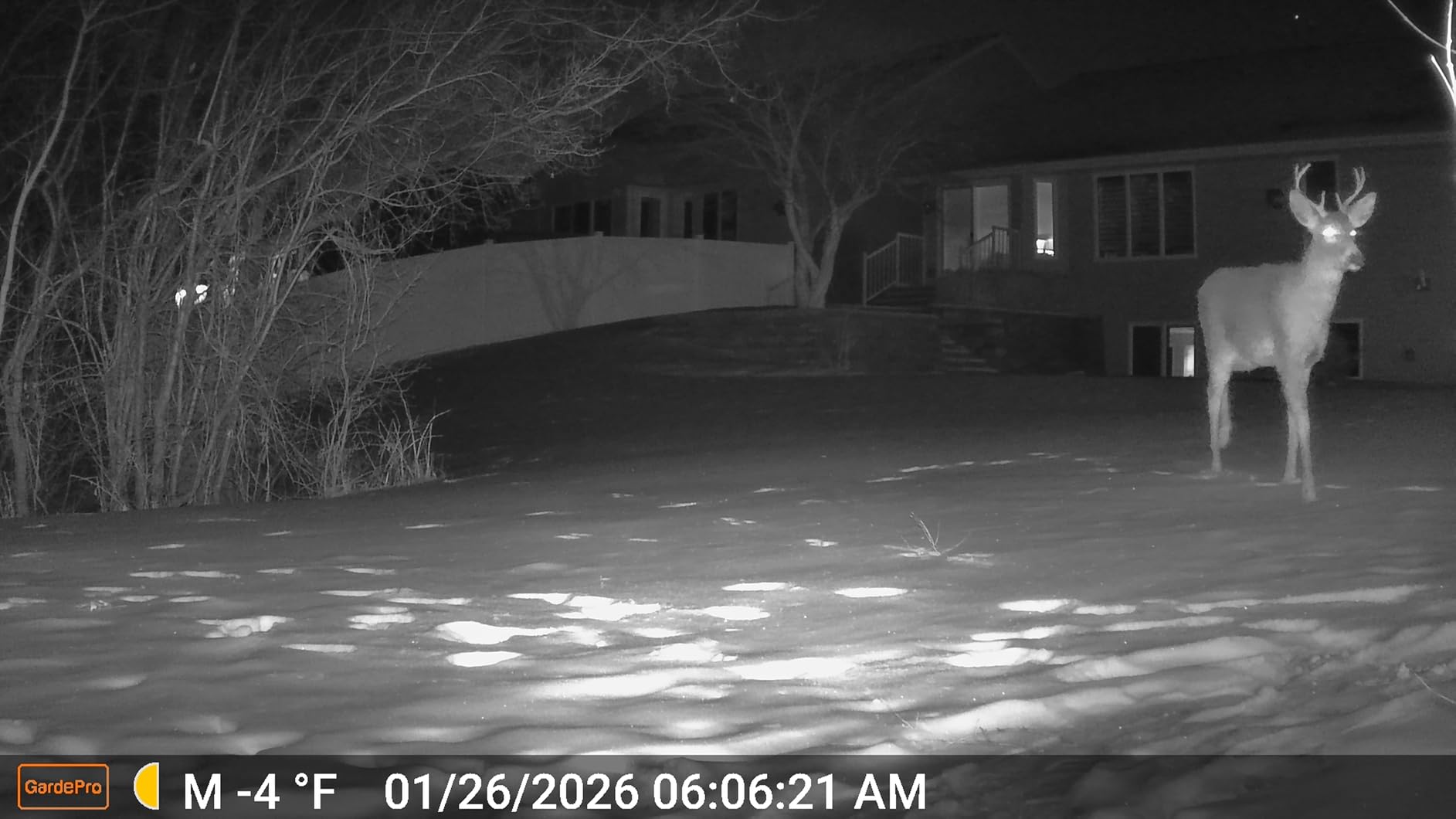
The A3S is the camera we keep coming back to because it solves the deer problem without asking you to pay a monthly bill. The Sony Starvis sensor is the same class of low-light chip used in quality dash cameras, and it is the reason this camera’s night images hold together where cheaper models turn to noise. The 36 infrared LEDs carry a trail to 100 feet without any visible red glow.
Trigger speed is the headline number here, and it is not marketing fluff. A 0.1-second wake-up across a 120-degree passive infrared angle with up to a five-shot burst means a running doe and the buck trailing her both land in frame. That is the difference between knowing a buck is in the area and knowing which buck it is.
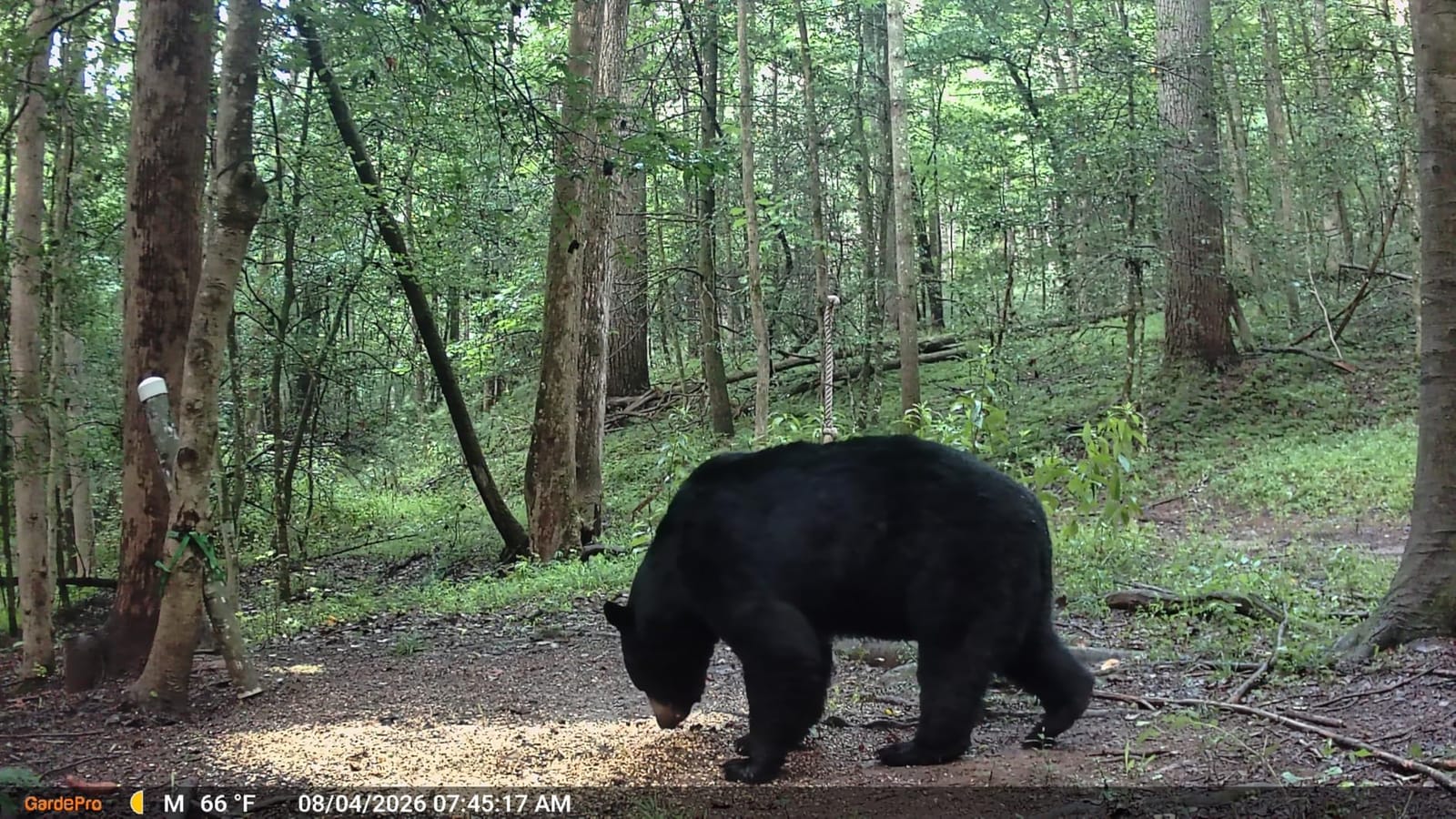
Video records with sound, which sounds minor until you are trying to tell a crow landing on a limb from a deer stepping through brush. The 64MP still mode is over-specified for scouting, but it does let you crop into a distant buck’s rack and still have pixels to work with. Recording modes cover motion detection, time-lapse, and a hybrid setting that mixes the two.
Media goes to SD, SDHC, or SDXC cards up to 512GB with loop recording, and a 2.31-inch screen on the back lets you frame the shot without pulling a laptop. Power is eight AA batteries, or a GardePro SP350 solar panel sold separately. With no radio to transmit, battery life is genuinely long.
How it performs on a real scrape or trail intersection
For a buck scrape, mount it perpendicular to the trail at chest height so the animal crosses the full detection cone. The wide angle means you can cover a two-person trail without a second camera, and the 100-foot range reaches a flanking approach well past a single deer. On a food plot the hybrid mode gives you a time-lapse of the whole plot and a triggered clip of whatever walked in.
What you give up by skipping the subscription
You are walking to the tree, popping the card, and sorting files at home. For a lease two hours away that becomes a real cost in time and truck fuel, and it is the honest reason many hunters end up buying cellular anyway. The A3S is also missing the AI species filtering that cellular models use to sort bucks from does, so you sort those images yourself.
2. TACTACAM Reveal Ultra – 4K Stills and a Switchable Flash
- Best image quality in this group
- Switchable no-glow and low-glow flash
- Live View without waiting for uploads
- Active GPS theft alerts
- 16GB internal storage plus SD slot
- Most expensive camera in the group
- Video requests and transmission need a data plan
- Some reports of shadow triggers and missed uploads
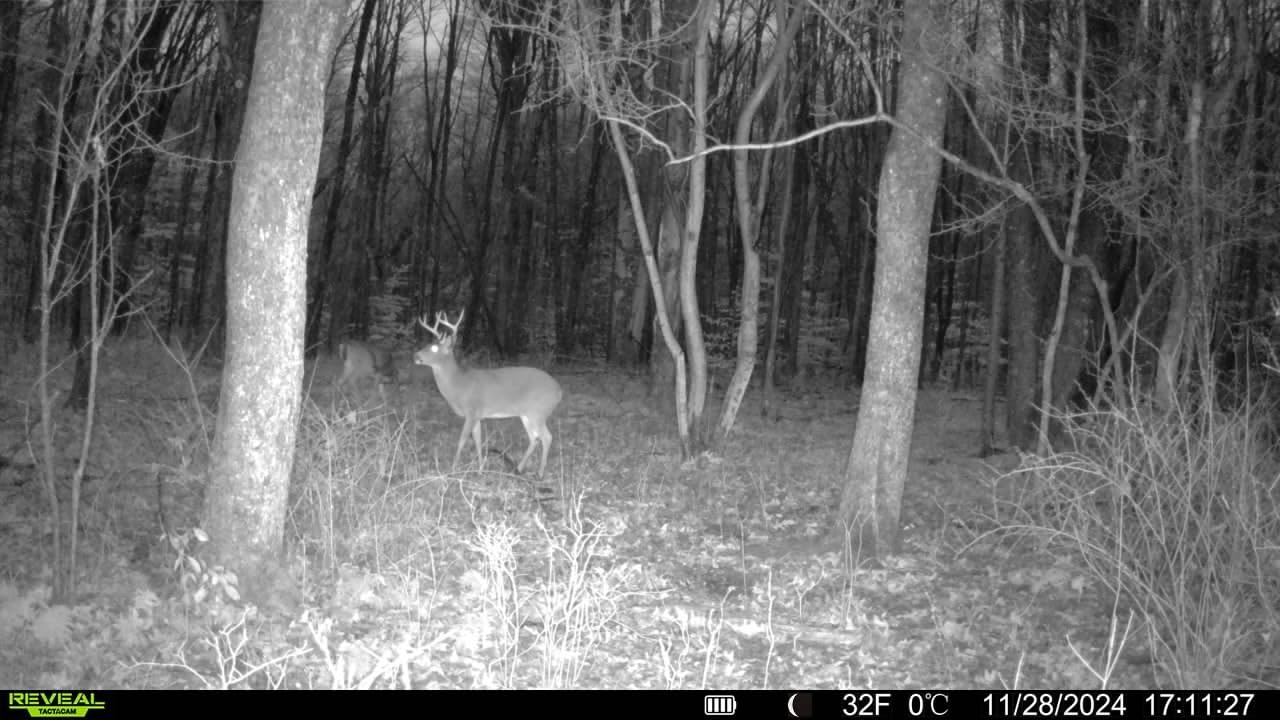
If the question is what a buck looks like at 50 feet in the dark, the Reveal Ultra is the answer. It records 4K stills and 2.5K video, and in our comparisons those frames held more detail on antler tine and fur texture than anything else we ran. The image pipeline is the reason this camera exists, and it shows most clearly on a buck approaching head-on at dusk.
The switchable infrared flash is the feature deer hunters care about most and rarely get. You can run 80 feet of invisible 940nm no-glow illumination, or push to 96 feet of low-glow that extends reach at the cost of a faint red pulse at close range. Running no-glow over a scrape is the polite option for a camera you plan to leave all season.
Live View and on-demand HD photo requests change how you scout. Rather than waiting on a 20-minute delay, you can open the app and ask the camera what it is seeing right now during the rut. Active GPS keeps broadcasting the camera’s location even when the batteries are out, and it alerts you if the unit moves more than half a mile, which matters on ground where theft is real.
Storage is 16GB internal with an SD card slot for expansion, and a 2-inch screen handles on-site setup. The upgraded antenna holds signal in places that frustrate other cellular cameras on our list. It runs on the Tactacam solar panel, folding solar panel, battery belt, and lithium cartridge ecosystem if you want to stop making battery runs.
When this camera earns its higher cost
It earns it when you are identifying a specific buck and need antler detail to compare against last year’s pictures. It also earns it if you are scouting a lease where a live look at a food plot during the rut would otherwise cost you a two-hour drive. Users consistently praise Tactacam for image quality and for plan flexibility, which is why the brand keeps showing up in serious scouting threads.
Where it falls short for a new hunter
The price is the highest on this list, and the running cost adds up because video requests sit on top of a normal plan. Buyers also report shadow triggers from moving branches, and more than one reviewer has struggled to reach technical support through the app. If you are on a budget, the Meidase P70 and GardePro E5S deliver comparable stills for far less.
3. TACTACAM Reveal X 3.0 – Six-Plus-Month Battery Life
TACTACAM Reveal X 3.0 Cellular Trail Camera, Night Vision, Waterproof
- Six-plus month battery life
- Auto-Connect picks the stronger of two carriers
- 32GB onboard means no SD card
- Pre-installed antenna and SIM
- Live in under ten minutes
- Needs a data plan to transmit
- Some reports of shadow triggers and incomplete video uploads
- Support can be hard to reach through the app
The Reveal X 3.0 exists to solve the single complaint every cellular camera shares: battery life. Independent testing puts it past six months on a charge, the longest published run time in this group. That single fact changes how you place a network of cameras, because you stop building every route around a spare battery pack.
Auto-Connect registers on both AT&T and Verizon and locks onto whichever signal is stronger at that spot. That is more than a convenience on ground where carrier coverage is patchy between a ridge and a creek bottom. The pre-installed antenna and pre-activated SIM mean it goes live in under ten minutes, with no SIM swapping.
Thirty-two gigabytes of onboard storage means you never buy or format a card, and the 4K photo capture with 1080p video is more than most deer applications need. Built-in GPS shows you the camera’s position on a map inside the app, which is how you find a camera that has been moved and how you prove to a game warden that a unit is yours.
Field of view is 60 degrees, narrower than the fixed-lens budget cameras here, so aim it carefully rather than pointing it at an open plot. It pairs with the Tactacam lithium cartridge, solar panel, folding solar panel, and battery belt. The IP66 housing handles the rain and the wasps.
Best fit for a season on remote ground
This is the camera to buy when your access road washes out after a storm and you cannot get to the tree for two weeks. The battery math simply works. It is also a good second camera for someone who already runs a photo-quality unit and wants coverage where cost per camera matters more than megapixels.
What to watch out for
Users report photos triggered by moving shadows and videos that did not finish uploading before the unit moved on. Support for technical issues through the app is a recurring complaint, so set up carefully and test the transmission before you leave home. You are also buying into a data plan from day one, since that is the only way the camera communicates.
4. Moultrie Edge 2 Cellular – The Easiest Scouting App Here
- Multi-carrier Auto Connect needs no SIM choice
- 100ft detection for a cellular camera
- Activity charting and game planning in the app
- 8GB internal plus cloud storage
- USA support and a 2-year warranty
- Requires a recurring data plan
- Only 8GB internal storage without the cloud plan
- 50-degree viewing angle is narrow
Moultrie built the Edge 2 for people who do not want to think about carriers, and that is its strongest feature. Auto Connect runs on the major networks and settles the carrier question for you, which removes the most common reason a cellular camera fails in the field. For a first cellular purchase this is the one I would put in a beginner’s hands.
Detection reach is 100 feet, which is at the top of what cellular cameras in this price class claim, and the low-glow infrared flash is discreet enough for a trail camera left in place through the rut. Stills are 36MP and video is 1080p with audio. The 50-degree viewing angle is the catch: this is a corridor camera, not a wide food plot camera.
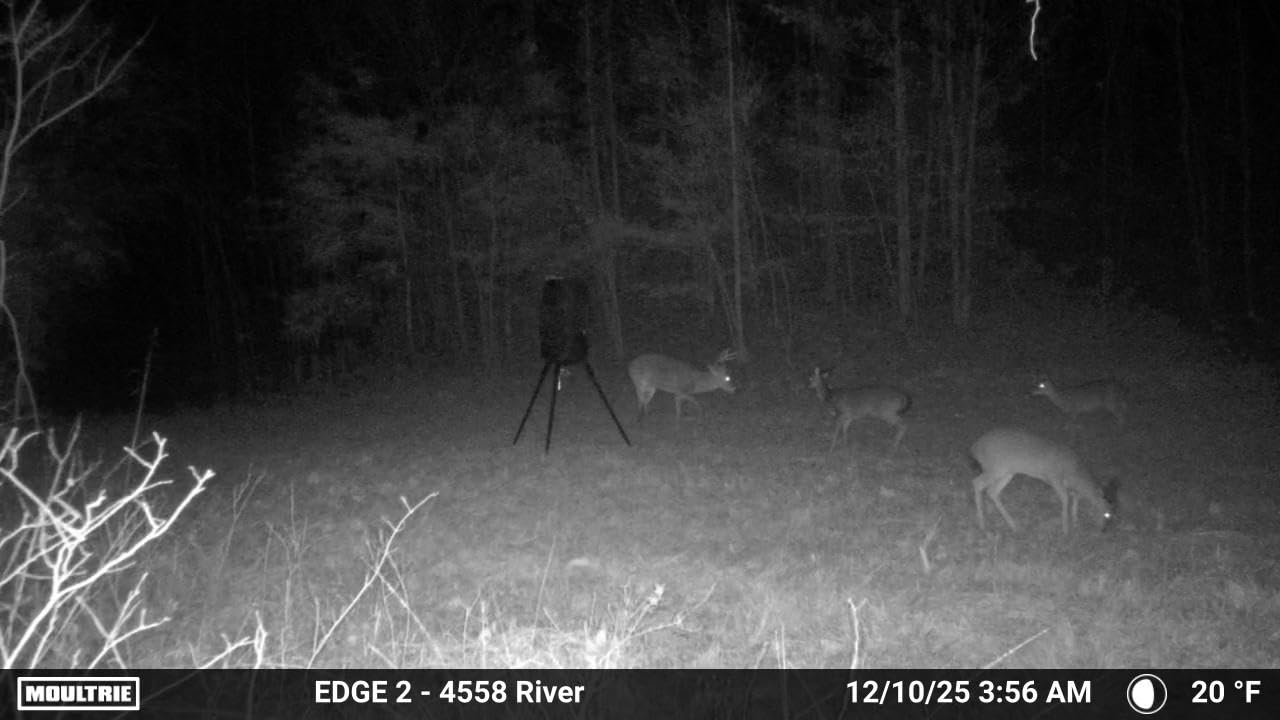
The app is where Moultrie separates itself. Game Plan lays out your cameras on a map, Activity Charting plots sightings on a timeline so you can see when bucks are moving, and the interactive map makes planning a hunt from a truck bed practical. Hunters who run more than two cameras tend to stay inside one brand’s ecosystem because managing a network in one app is far easier than three.
Storage is 8GB internal plus unlimited cloud storage on the plan, so you can leave without an SD card at all. The company lists plans with no contract, which matters if you scout one lease for a season and then stop. It mounts to the Easy Aim mount, flex mount, or a standard 1/4-20 camera stake, and carries a 2-year warranty from activation.
Why it suits a hunter running a small network
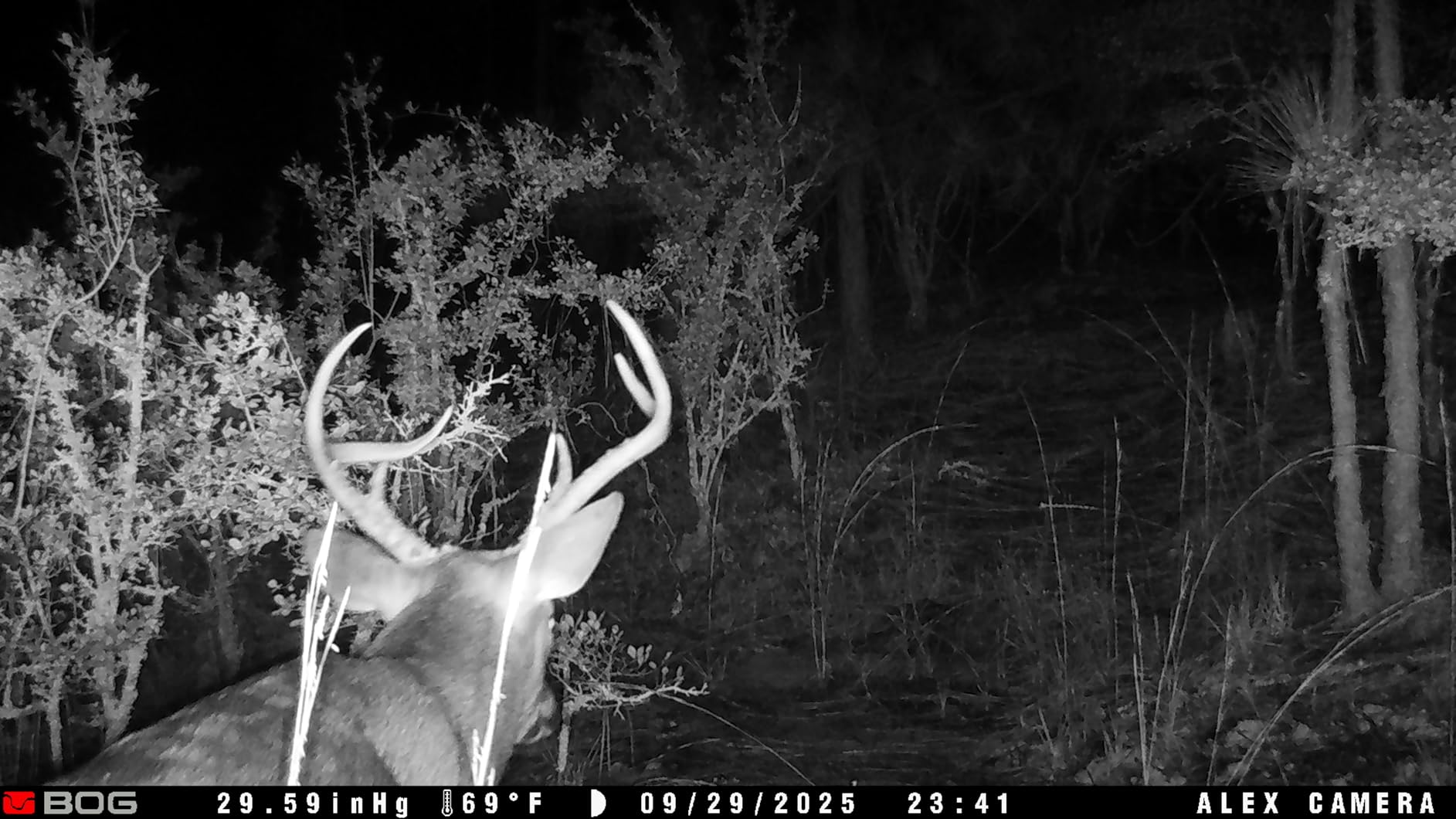
Four to eight cameras on one account is where an app with mapping and activity charts starts paying for itself, because you stop scrolling through thumbnails and start seeing patterns in when bucks travel. The no-contract structure also means the cost ends when the season does. If you want a comparison of monitoring gear that needs no subscription at all, our cameras without WiFi guide covers that side of the market.
Where it falls short
The narrow field of view means wide food plots need two cameras or a different model. And the 8GB internal memory is not much if you decide to skip the cloud plan, which is exactly when you least want to lose images. Verify carrier coverage at your specific spots before you commit to a network of these.
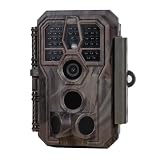
5. GardePro E5S – The Easiest First Camera for a New Hunter
GardePro E5S Non-Cellular Trail Camera, 64MP Photo & 1296P HD Video
- Settings persist when batteries are removed
- Physical on and off switch
- Long battery life on lithium AA cells
- Clear daytime images
- Standard 1/4-20 mounting thread
- 8 AA batteries and SD card sold separately
- Microphone can add crackling to recorded audio
- Sensitivity is high enough to record some blank frames
The E5S is the answer to the question that shows up most in hunting forums, which is what to buy when you have never owned a trail camera. It does one job well: it wakes fast and it takes a sharp picture. Three passive infrared sensors deliver a 0.1-second trigger, and the 64MP stills are clearer than the output of cameras costing several times more.
Two small design touches make it the least frustrating first camera. The settings survive a battery change, so a camera opened in the truck does not reset to factory defaults in the woods. And a physical on and off switch with a five-minute delay stops you from filling the card with setup photos every you visit.
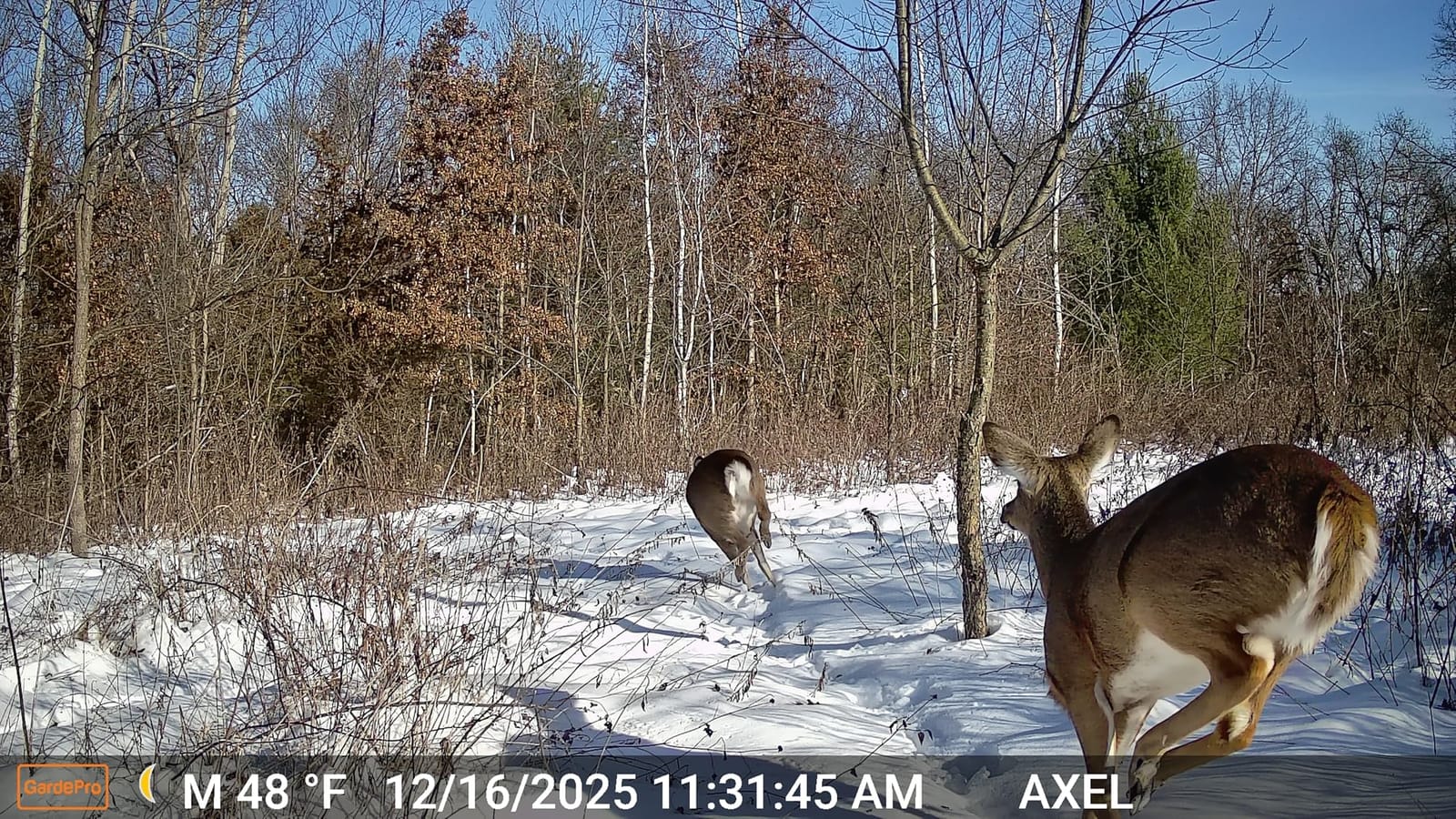
Night performance comes from 100 feet of starlight no-glow illumination across a 120-degree field of view, which is the right combination for a trail junction where deer fan out on both sides. Recording is MP4 or MOV, the housing is IP66 waterproof, and the standard 1/4-20 thread means any camera stake or post mount will work.
It runs on eight AA batteries or the GardePro SP350 solar panel, and the body weighs just over 10 ounces. In a first-camera context the missing pieces matter: no batteries, no SD card. Budget for both before the first trip.
A good second camera as well
Most of our hunting forum readers who ask for a recommendation are first-time buyers, and GardePro’s non-cellular models come up again and again for exactly this reason: no subscription, no app to learn, no coverage to check. It also works well as a backup unit for a food plot where you already know you will be walking past it.
What new owners complain about
Some owners report weaker triggering at night than during the day, and the microphone adds a crackling sound to recorded audio. The sensitivity is generous enough that wind and swinging branches produce some blank frames, which drains batteries and fills storage. Drop the sensitivity one or two notches at a scrape and the noise disappears.
6. WOSPORTS G600-4K – 4K Video Without a Subscription
- 4K video at a budget price point
- No-glow IR means less chance of spooking deer
- On-device LCD makes aiming the camera easy
- Solar panel and battery pack compatible
- Selectable still resolution from 5 to 64MP
- Battery compartment is tight and needs a screwdriver
- Settings reset when batteries are removed for charging
- Some units stopped shooting after about nine months
The G600-4K is unusual in this list because it records genuine 4K UHD video, and it does so on a non-cellular body. If you have ever wanted to play back a buck walking a ridge line in slow motion, this is the camera that gives you the pixels to do it. Stills run up to 64MP with selectable settings from 5MP upward, so you can dial resolution down when you want longer battery life.
Trigger speed is 0.2 seconds across a 120-degree angle with a one-to-three shot burst, which is fast enough for most deer work. Thirty-two 940nm no-glow LEDs reach about 80 feet at night, and the no-glow illumination means you are not throwing a visible red pulse across a buck’s face at a scrape.
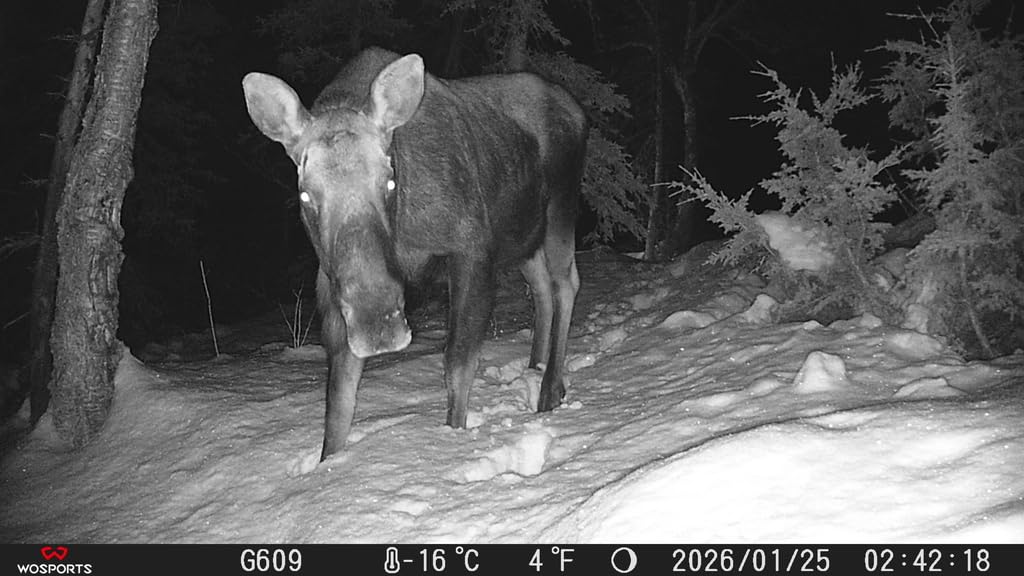
The 2.0-inch color screen is the feature we did not expect at this level. Being able to stand at the tree, frame the trail, and confirm the shot without hauling out a card reader saves real time in bad light. The housing is IP66 rated, accepts cards up to 256GB, and the body measures 7.6 by 5 by 3.2 inches at 1.21 pounds.
Power is flexible: eight AA batteries, a WOSPORTS lithium battery pack, or a compatible solar panel sold separately. Owners report many months of runtime on lithium AA cells. Time switch, timer, timestamp, and password-lock functions round out a camera aimed at leaving unattended for months.
Best used on open ground with a low budget
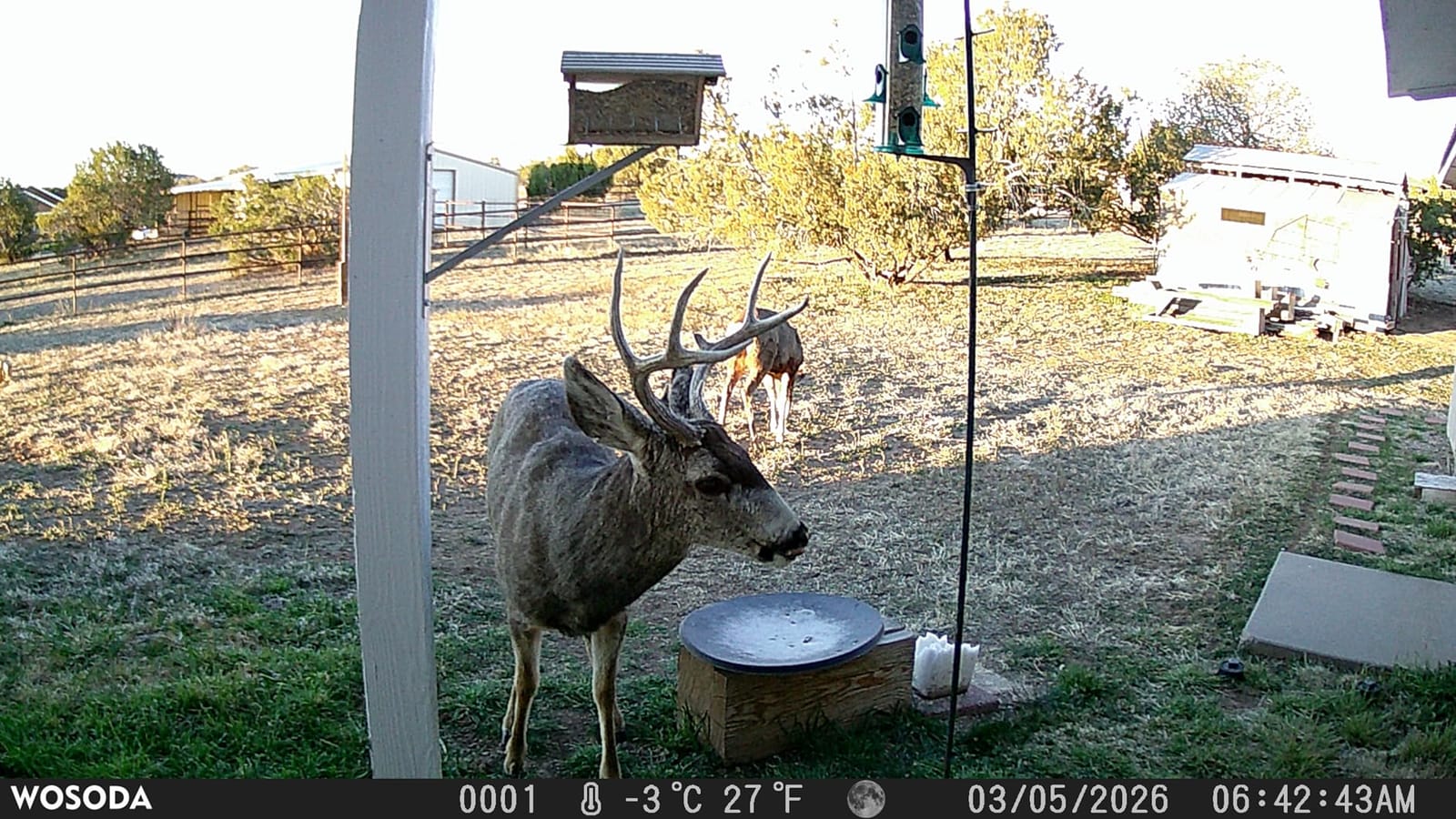
The 120-degree field of view and 80-foot night range suit a food plot edge or a wide trail funnel better than a narrow corridor camera. The 4K video is a genuine advantage if your scouting process involves reviewing clips rather than stills, which is how many younger hunters work. Reviewers consistently praise the value and the support response when units arrive defective.
Known weaknesses to plan around
The battery door is tight and needs a flathead screwdriver, so bring the tool on every visit. Settings are lost when the batteries come out for recharging, which is an avoidable annoyance. More seriously, a number of owners report units that stopped taking photos after roughly nine months, so test the camera every time you are in the woods rather than trusting a season-old install.
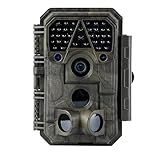
7. Meidase P70 – The Best Low-Light Performance at This Level
- Excellent day and night images for the price
- Side sensors catch fast-moving deer
- Sturdy mouldings
- 2.4-inch color display speeds up field setup
- Responsive warranty support
- SD card and 8 AA batteries not included
- Night video trigger range drops to about 15ft
- Night shutter speed is slow for action shots
The P70 is the camera that most often surprises people in this category. The f/1.6 aperture lens gathers more light than most competitors at twice the cost, and that is why the night images hold detail instead of dissolving into grain. In the day images we compared, it produced the sharpest buck photos of any non-cellular camera in this roundup.
Trigger speed is 0.1 seconds, and the side passive infrared sensors cover the fast lateral approach a deer makes when it crosses a funnel rather than walking straight in. Thirty-six 940nm no-glow LEDs reach 100 feet. H.264 compression in MP4 and MOV keeps files small enough that a 512GB card covers a long season.
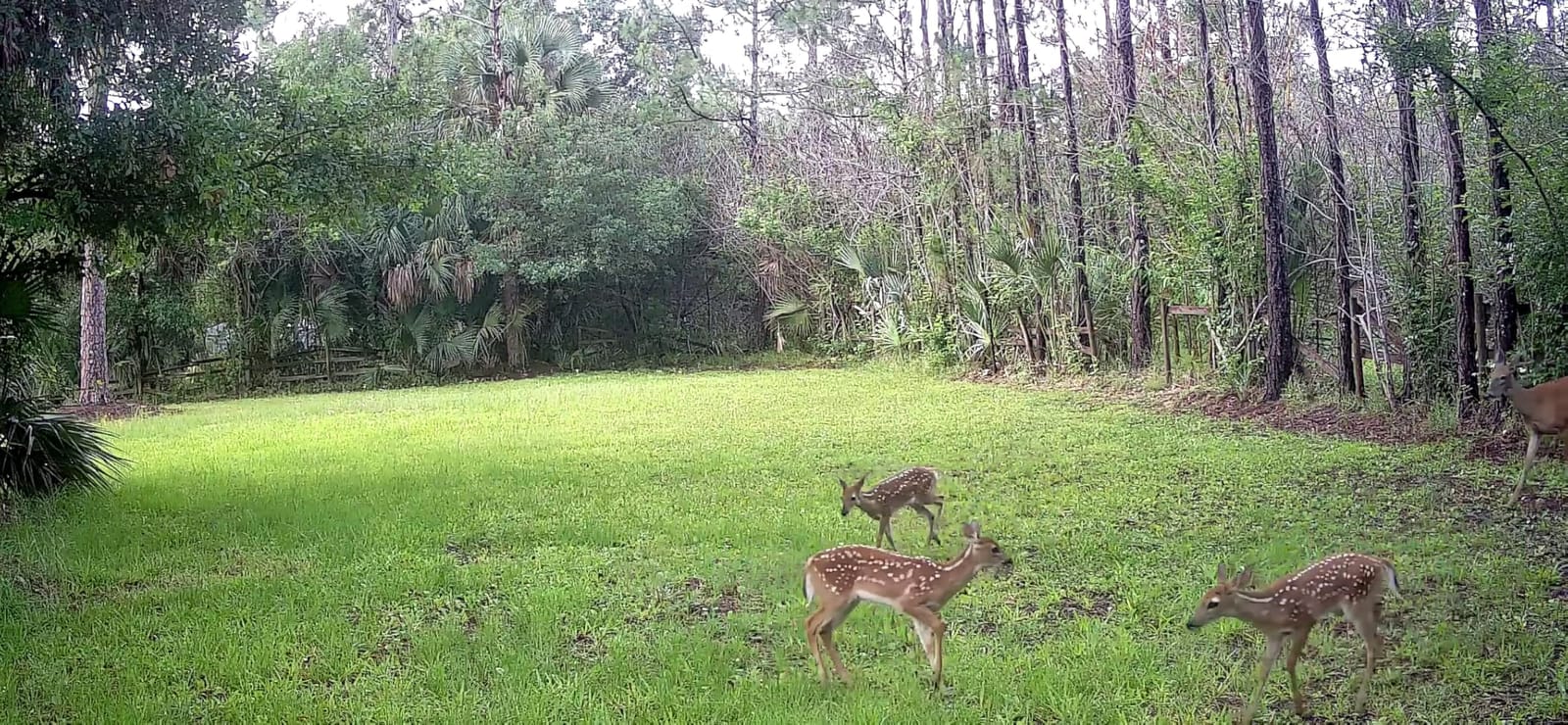
A 2.4-inch color display and a menu-driven interface make setup fast in the field, which matters when you are standing in the rain trying to frame a scrape. The housing is IP66 rated and the mouldings are described as sturdy. Power is eight AA batteries or the Meidase SP350 solar panel, sold separately.
One reviewer runs sixteen of these cameras and credits the company with shipping spare parts after bear damage, which tells you something about how the brand handles field failures. For people planning a large network on a tight budget, that kind of support history matters more than another two megapixels.
Where the P70 wins on deer specifically
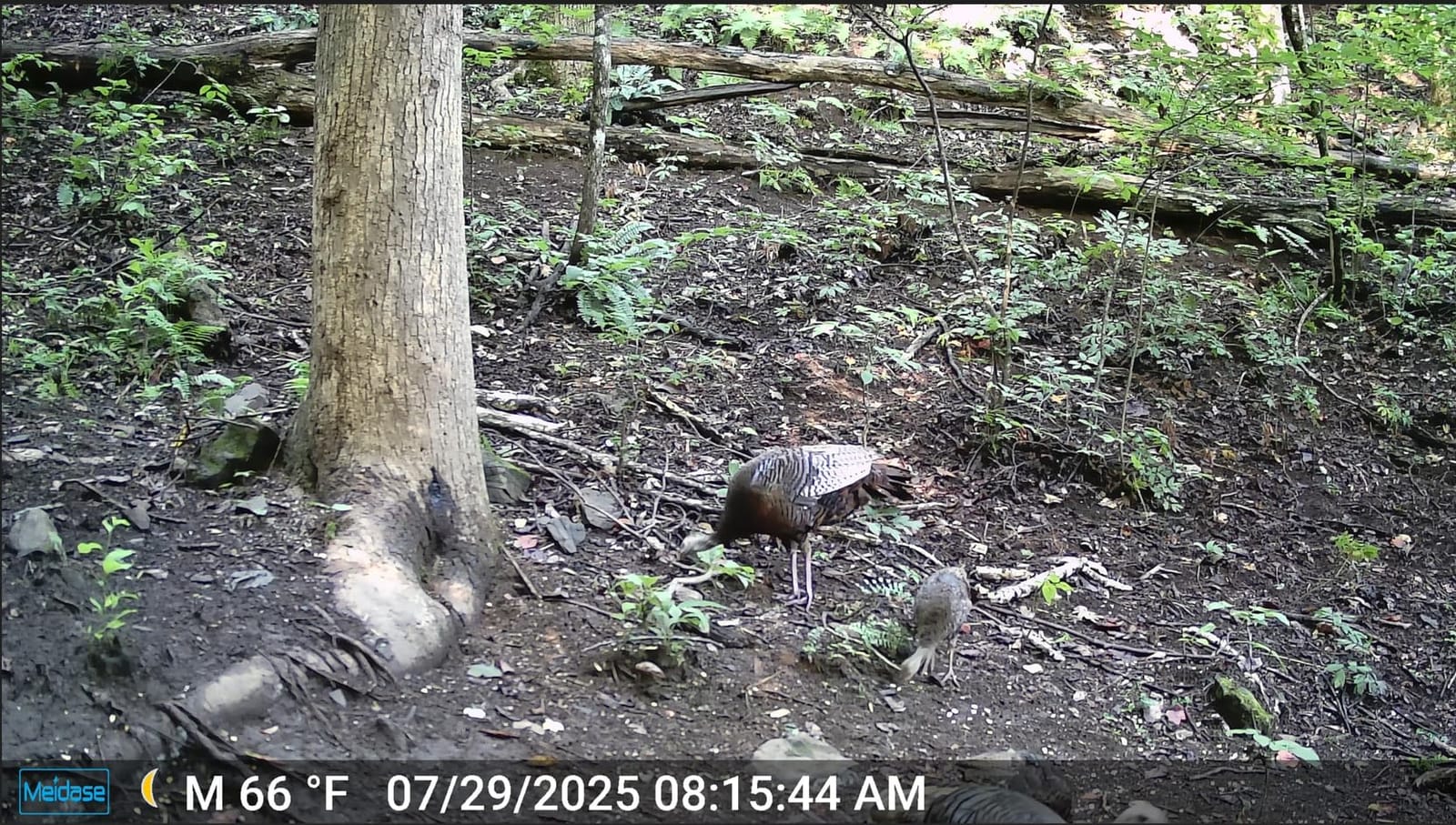
It wins in timber and bottomland where the light is poor and deer move early. The 100-foot no-glow range and the fast low-light lens mean you can set the sensitivity high and still get usable images, which is exactly the trade budget cameras usually lose. Use Energizer lithium cells, since owners report inconsistent results from rechargeable batteries.
Where it loses points
Night video is the weakness. The shutter speed is slow for action, the night video trigger range drops to roughly 15 feet, and moving subjects can look slightly blurred even in daylight. If you need night video rather than night stills, look at a camera with a faster sensor. Batteries and the SD card are not in the box.
8. MagicEagle Cellular – Solar Panel Included in the Box
- Highest rating listed in this group
- 4.8 stars across more than 250 reviews
- No physical SIM to install
- AI species recognition and activity analytics
- Straightforward setup for non-technical users
- 5MP sensor is lower resolution than rivals
- Solar panel mount may need different screws with a strap mount
- Data plan needed beyond the free activation allowance
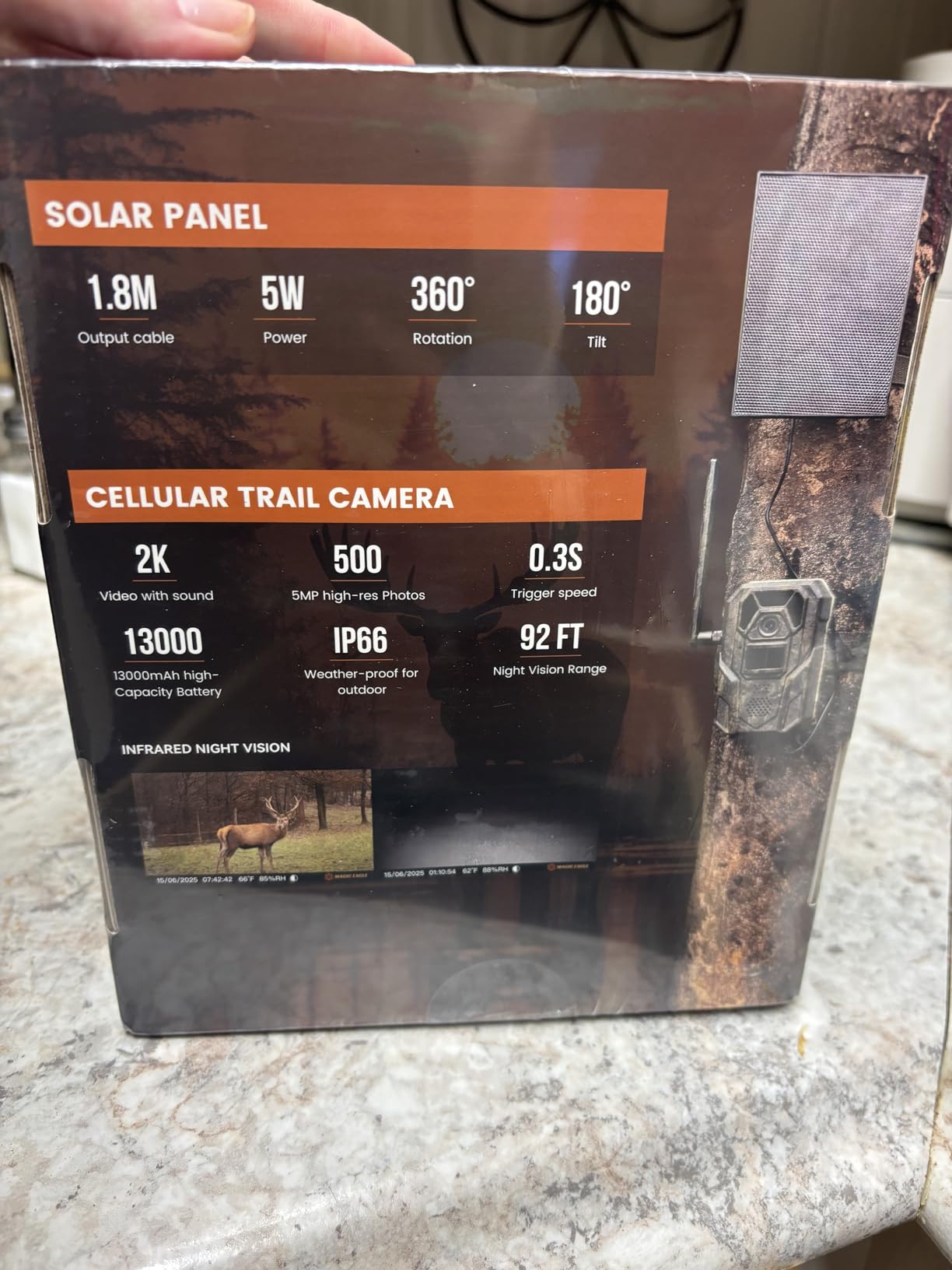
This is the highest-rated camera in the group, sitting at 4.8 stars across more than 250 reviews, and it is also the one camera here where the whole power system arrives with the box. A 13,000mAh battery rated for up to three months of continuous operation, plus a matching solar panel, means you can mount it on remote ground and stop thinking about maintenance.
SignalSync uses no-SIM 4G cloud-card technology and auto-selects the strongest carrier segment at the site. That is the same dead-zone protection the Tactacam and Moultrie cameras offer, delivered without a physical SIM to install. The gravity sensor and A-GPS geofencing send anti-theft alerts if the camera is moved.
The app adds cloud AI species recognition, activity and temperature analytics, and real-time live view that does not wait for the file to transmit. The camera is rated from -20 degrees Celsius to 50 degrees Celsius, which covers a full season in most of the country, with an IP66 housing and a warranty of two years plus six months on registration.
Stills are 5MP and video is 2K with audio across a 108-degree field of view, with 940nm no-glow infrared reaching 90 feet at night and 32GB of storage on board. The trigger is 0.3 seconds, which is quick but not at the front of this list.
Best for a lease you cannot visit often
Solar power plus geofencing is the pairing that makes remote scouting practical. You get alerts instead of trips, and if a camera does get moved you know immediately. Reviewers highlight crisp imagery, painless setup, effective solar charging, and accurate species identification, and the AI filtering saves a lot of scrolling when does outnumber bucks ten to one.
What you trade away
The 5MP sensor is a real step down from the 64MP sensors in the non-cellular cameras here, so do not expect print-quality crops of distant antlers. The bundled solar panel mount can need different screws when you use a strap mount, which is worth sorting before you drive out. A data plan is also needed once the free activation allowance runs out.
9. VOOPEAK TC32B 2-Pack – Pan-and-Tilt Live Streaming
VOOPEAK Trail Camera, 4G LTE Cellular Game Cameras with 360° Live Streaming
- Pan-and-tilt lens removes blind spots
- Live streaming works without WiFi
- Solar panel keeps the battery topped off
- Sold as a two-pack for wide coverage
- Built-in SIM with 100MB free data
- Night video is black and white rather than colour
- Night range is about 65ft
- Cloud playback needs a paid subscription
- Mode switch on the underside is easy to misread
Every other camera on this list has a fixed lens pointed at one corridor. The VOOPEAK rotates 355 degrees horizontally and tilts 100 degrees, so one unit can watch a crossroads or a food plot corner and then follow movement without you repositioning anything. For scouting a lease where you want coverage without walking every corner, that is genuinely different.
Live streaming runs at 2.5K over 4G LTE with remote control from a phone, no WiFi required. PIR trigger is 0.1 seconds with instant app notifications, and a built-in 4G SIM includes 100MB of free data. Storage is a local SD card up to 256GB, not included, or optional cloud storage on a paid plan.
The power system is genuinely good: a 4W solar panel and a 7,800mAh battery that is rated for up to 12 months per charge in sunlight. The housing is IP68 and rated from -40 to 140 degrees Fahrenheit, the toughest weather rating in this group, which is reassuring for a camera on an exposed ridge or a north-facing treeline.
You get a two-pack in the box, so you can cover two approaches at once or place one as a backup. Night vision uses six infrared LEDs to about 65 feet, which is the shortest reach of the cellular cameras here. If your scouting is night-heavy, factor that in.
Who should buy a pan-and-tilt camera
Buyers like the coverage, the solar endurance, and getting two cameras for a modest outlay. It is a good fit for a beginner who wants to see movement in real time, for a property where deer move on unpredictable paths, and for anyone who would rather watch a food plot from a couch than walk to it. Dual-carrier auto-connect picks the stronger local signal.
Where it falls short for deer work
Night video is monochrome rather than colour, and 65 feet of night range is short for a trail intersection. Cloud playback needs a subscription, otherwise you are back to pulling an SD card. The on, setup, off switch sits on the underside of the pan unit and is easy to misread, and the printed manual is very small and awkwardly translated.
10. SPYPOINT Flex-M Starter Pack – The Only Camera Here With a Free Plan
- Free monthly transmission allowance
- Low-cost way into cellular scouting
- Dual-SIM auto-connect finds signal
- Constant Capture records while sending
- App-guided activation
- 720p video is low resolution
- Photo quality falls off beyond about 20ft
- Default check-in settings burn the free allowance quickly
- Data costs add up across many cameras
The Flex-M starter pack solves the objection that stops most people from trying cellular at all: the monthly fee. Its free plan transmits up to 100 photos per month, which is enough to run one camera on one travel corridor through a scouting season without paying anything. Paid plans start above that level, and the first tier is inexpensive relative to what you get with the camera.
Cross-carrier coverage means no SIM swapping and no manual carrier selection, with dual-SIM auto-connect hunting for signal, which is why it holds up in places other cellular cameras struggle. The 32GB microSD card is included in the box along with a mounting strap, antenna, and pre-activated SIMs.
Capture modes include photo, video, time-lapse, and time-lapse+, and Constant Capture records on the card while sending to the app, so an uploading camera is not a blind camera. BUCK TRACKER AI filters images by species inside the app, which is a useful shortcut when a trail sees forty does for every buck.
The camera is GPS-enabled, so you can locate it in the SPYPOINT app if it ends up somewhere unexpected. Stills are 28MP and video is 720p. The housing is IP65 rated and pairs with SPYPOINT solar panels sold separately for longer deployments.

A sensible way to test whether cellular is worth it
Run this one on a free plan for a season and count how often you actually wanted a photo you did not have. If the answer is rarely, buy more non-cellular cameras instead. If you caught yourself driving to a card reader, this is the camera to build a network around. Owners rate it as a legitimate budget entry point, and the free allowance is the reason.
Honest limits
720p video is the lowest video resolution in this roundup, and photo quality drops noticeably beyond about 20 feet, so it is a close-range corridor camera. Default check-in settings will exhaust 100 free photos quickly, so tighten the schedule before you leave. Buyers also report defective units and data costs that add up fast when you scale to many cameras.
11. WOSODA 2-Pack G200 – Two Cameras, Two Memory Cards
- Two cameras spread coverage across a property
- SD cards and batteries in the box
- 0.3s trigger keeps moving deer in frame
- Camouflage housing does not disturb animals
- One purchase covers a trail and a food plot
- 60ft night range is shorter than most rivals
- SD-card-only workflow means retrieving media by hand
- No audible recording specified in the feature set
The G200 two-pack is the most straightforward value decision here. You get two cameras, two 16GB memory cards, sixteen AA batteries, and two wall mounts in a single box. For a first season, covering a trail intersection and a nearby food plot with matching cameras is easier than buying two different models and learning two menu systems.
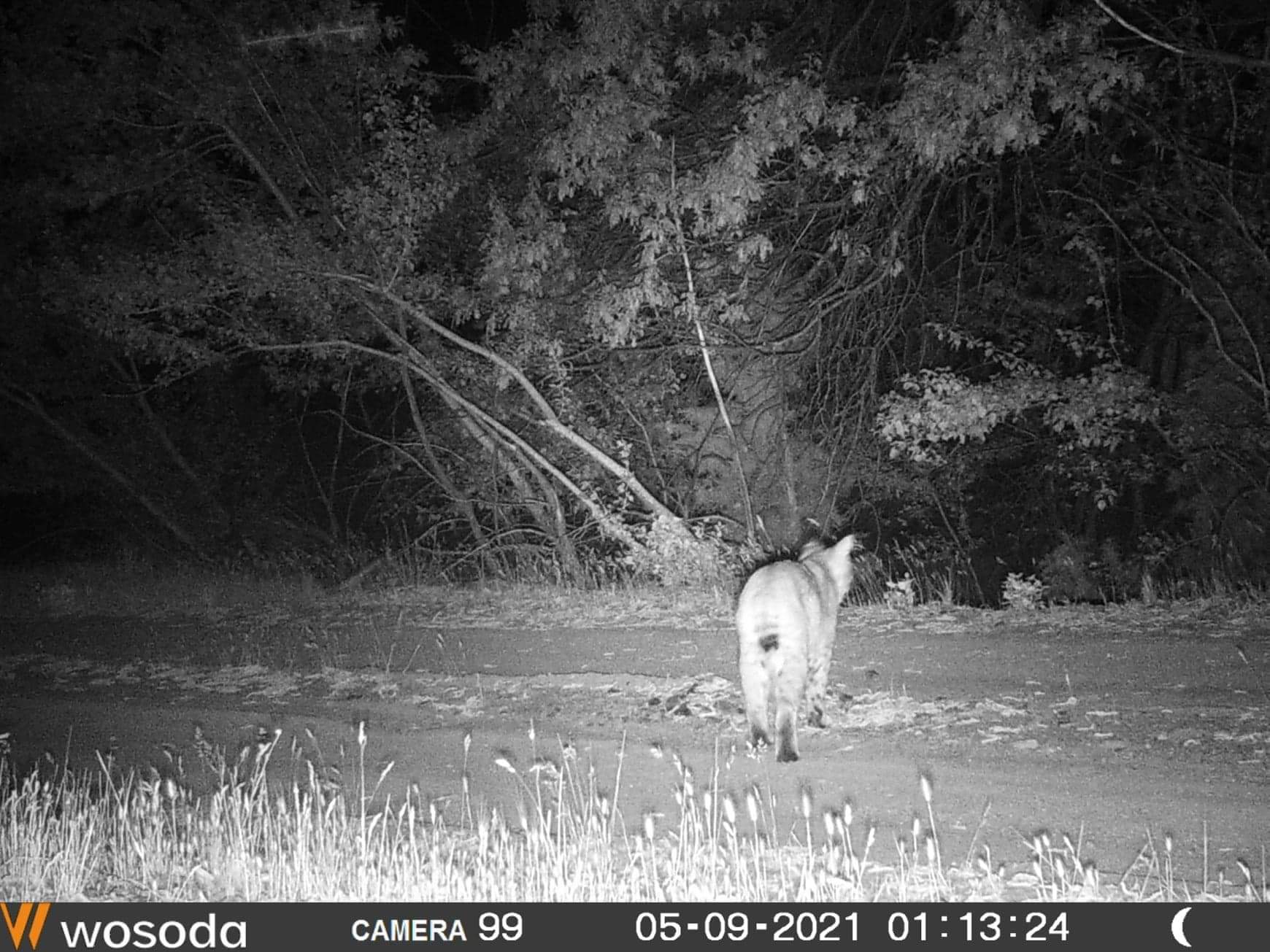
Image quality is 48MP stills and 1080p video, and the 0.3-second trigger is quick enough for most deer movement. One-person and three-person burst modes let you choose between a single frame and a short sequence when a buck is running.
The housing is a mimetic camouflage pattern, which does not change whether deer notice the camera but does keep it visually unobtrusive to anyone else walking your ground. The ABS enclosure is IP65 rated for rain, and the tree-mounting installation works on the same strap-and-post setup as the other cameras here.
Because the memory cards and batteries are included, the total cost of getting into scouting stays low, with no subscription and no accessories to chase. That simplicity is exactly what a new hunter needs before they get into coverage strategy.
Where a two-pack beats a better single camera
Coverage beats resolution for early-season scouting. Two cameras at opposite ends of a travel corridor tell you which direction deer are moving, which one camera never will. If your lease is a place you can walk, a matched pair of these is a complete first scouting setup. It is also a good way to cover a food plot edge and a timber crossing for the same spend as one premium unit.
What you give up
The 850nm low-glow infrared is visible as a faint red pulse at close range, unlike the 940nm no-glow units in this list. Night range is around 60 feet, the shortest of the serious non-cellular cameras here. And the workflow is entirely card-based, so more cameras means more trips to the woods. If you are scouting land you cannot reach often, look at a solar-powered cellular unit instead.
12. WOSPORTS Mini G100 – The Smallest Camera for Travel Scouting
WOSPORTS Mini Trail Camera,30MP 1080P HD Game Camera Motion Activated with IR Night Vision Waterproof Video Deer Cam for Outdoor Wildlife Monitoring
- Smallest and lightest listed body in the group
- Easy to carry for backcountry scouting
- Long standby time on 4 AA batteries
- Simple menu-driven setup
- Adjustable strap mount for trees
- posts
- or fences
- 850nm IR is low-glow and visible at close range
- SD card not included and tops out at 32GB
- No audio recording listed
- IP66 housing described as water resistant
The Mini G100 is the camera you put in your pack when you are walking into a backcountry drainage a week at a time. At 332 grams and roughly 4.25 inches on a side it disappears on a belt, and it runs on just four AA batteries, which means you can carry a spare set without thinking about weight.
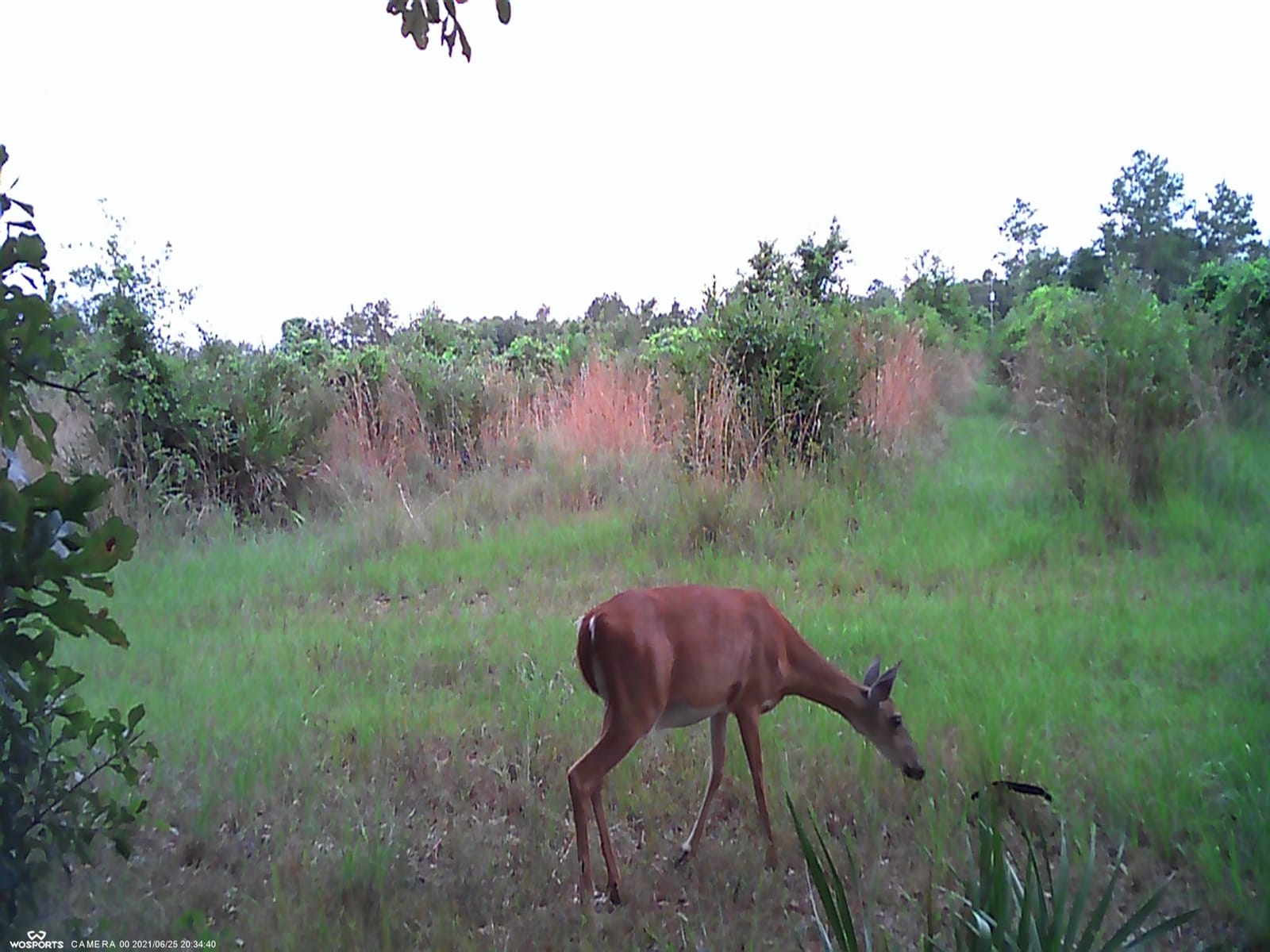
Stills are 30MP and video is 1080p, and a sensitive passive infrared sensor gives a fast response for a body this small. The 850nm infrared LEDs provide black-and-white night vision, which is enough to confirm a buck is using a bench or a crossing at night even if it is not the prettiest image you will ever see.
Setup is a simple menu-driven process with an adjustable mounting strap for trees, posts, and fences. The camouflage body is inconspicuous, and the more than 3,500 reviews behind this camera make it among the most proven designs in the category. Buyers consistently describe it as dependable for the money and easy to aim.
Storage is the constraint: SD cards up to 32GB, not included. A 32GB card fills faster than you would expect when a deer triggers a burst at dusk, so check it on every visit. The housing carries an IP66 rating, though the manufacturer describes the body as water resistant rather than fully sealed.
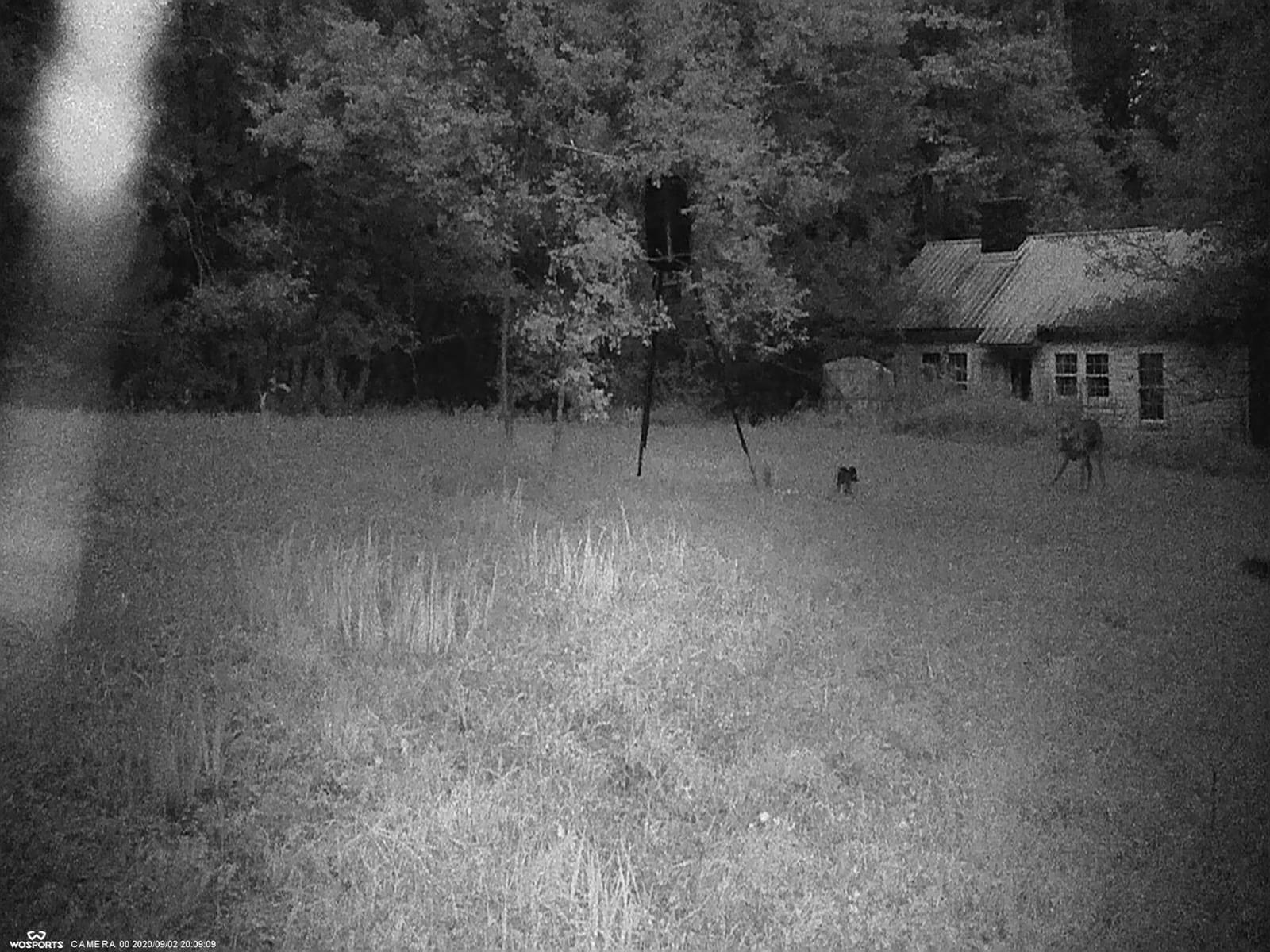
Best for walk-in and backcountry scouting
When you are going to be in the woods anyway, the trade-off of card retrieval costs you nothing. This is a camera to set at a bench, a water gap, or a crossing during a backpack trip and read when you get home. Four AA batteries and a tiny body also make it the least intrusive unit to leave for a month on a route you use regularly.
Where it is the wrong tool
The 850nm low-glow infrared is visible at close range, so this is not the camera for a tight buck scrape you plan to leave through the rut. The 32GB card ceiling and no audio recording limit what you can do with the footage afterward. If you want long-range stills with genuinely invisible flash, spend up on the GardePro or Meidase units instead.
How We Evaluated These Cameras
Every camera here was assessed against the same five criteria, chosen because they decide whether a camera actually scouts deer well. First, trigger speed and burst behaviour, because a 0.3-second wake-up on a running doe tells you nothing about the buck behind her. Second, detection range and how that range holds up in low light rather than at noon. Third, flash type, since no-glow 940nm illumination is the difference between a buck returning to a scrape and not.
Fourth, power options, which we weighted heavily because the number of physical trips to a tree is a real cost. Fifth, connectivity and app quality, including whether a cellular model needs a subscription, whether it hunts for signal on multiple carriers, and whether the app stays usable with four or more cameras on one account. Owner reviews were used for the failure modes, because a camera that dies in month nine tells you nothing on a spec sheet.
We did not measure these cameras against each other in a controlled lab. Every speed, range, and rating cited here comes from the manufacturer specifications and from owner review data, and where reviewers disagree with a claim we say so rather than repeating the claim as fact.
Cellular vs Non-Cellular: Is the Data Plan Worth It?
Short answer: cellular is worth it when you run four or more cameras on land you cannot reach easily, and it is not worth it if you are already walking past your cameras regularly. Hardware cost stopped being the barrier years ago; the monthly plan is the cost that decides this, and it is the question that comes up most in hunting forums.
Plan pricing is not intuitive, and the two most common surprises both hurt. First, the cheaper cameras often carry the more expensive plans, so the budget model is not the cheap model overall. Second, per-camera cost usually drops as you add cameras to one account, so a four-camera network is much cheaper per camera than a single-camera setup. Check each brand’s published plan tiers before buying hardware, and treat the plan as part of the purchase decision rather than an afterthought.
Two of the cellular cameras here avoid the trap entirely for a trial period. The SPYPOINT Flex-M includes a free plan that transmits 100 photos per month, and the VOOPEAK TC32B includes 100MB of free data on its built-in SIM. Those allowances are enough to learn your actual viewing habits before committing to a season of billing.
If you decide against cellular, you are not settling. The GardePro A3S, GardePro E5S, Meidase P70, and WOSPORTS G600-4K in this list all deliver a 0.1 to 0.2-second trigger and 940nm no-glow night range that matches cameras costing far more, with no bill at all. If you need to monitor a barn or a property where power and WiFi exist rather than cell signal, our barn camera guide covers that category in detail.
Do Bucks Avoid Trail Cameras?
No. Bucks habituate to trail cameras quickly, and deer behaviour in the field does not change enough to matter once a camera is mounted. What does matter is the flash. A 940nm no-glow array produces no visible light to a deer’s eye, so there is nothing to spook, while a 850nm low-glow unit can produce a faint red pulse a buck notices at very close range.
Use no-glow illumination for anything you leave in place through the rut, especially on a scrape or a travel corridor where a mature buck might be sensitive. Low-glow is a reasonable trade when you need the extra 15 to 20 feet of reach to cover a wide crossing, and for does and yearlings it rarely matters at all. A bigger real risk is a poorly placed camera pointed at a bedding area rather than a corridor, which puts a human-shaped object in a deer’s escape path.
What to Look for When Choosing a Deer Scouting Camera
Trigger speed and burst mode
Trigger speed is the delay between the sensor detecting movement and the shutter firing. Anything at or under 0.3 seconds is fast enough for routine scouting, and 0.1 to 0.2 seconds is what you want when does and yearlings push a buck through a funnel at speed. Pair it with a burst mode: a three to five shot sequence dramatically improves your odds of getting a usable frame of a running animal. Look for a camera with side sensors too, since deer often approach a funnel laterally rather than head-on.
Detection range and how it is claimed
Detection range is the distance at which the passive infrared sensor will register movement, and the farther an animal is, the larger it must be to trigger. Manufacturers tend to understate rather than overstate this figure. The number that matters is the night range, not the daylight range, because most meaningful deer activity happens at dusk and before dawn. A camera claiming 100 feet is only useful if the flash also reaches 100 feet, so treat the two figures as a pair.
Flash type and deer behavior
No-glow 940nm infrared is invisible to humans and to deer, and it is the right choice for a camera that stays in place through the rut. Low-glow 850nm is visible as a faint red pulse at close range but reaches further, and it is the better choice for a wide crossing or open food plot where the animals are not going to linger. Switchable flash, as on the TACTACAM Reveal Ultra, lets you decide per season rather than per camera.
Battery life and power systems
Eight AA batteries is the standard configuration, and lithium cells roughly double the interval between changes compared with alkaline. Solar panels are the real answer on remote ground: the GardePro and Meidase units take a SP350 panel, the WOSPORTS cameras take compatible panels, and the MagicEagle and VOOPEAK cameras include one. A rechargeable battery pack is worth carrying as a backup even with solar. Budget separately for batteries and SD cards, because most cameras in this category include neither.
Cellular coverage and carrier selection
Check the carrier map for your specific spots before you buy, and prefer a camera that auto-selects the strongest available network. The Moultrie Edge 2, TACTACAM Reveal models, MagicEagle, VOOPEAK, and SPYPOINT all hunt across networks, which is the single biggest reliability difference between cellular cameras. If your ground is bottomland or deep timber where cellular coverage is genuinely poor, a non-cellular camera with a solar panel is the more honest choice than a cellular one that will drop uploads.
App quality and multi-camera management
Runners of several cameras tend to stay inside one brand ecosystem, because managing a network is far easier in a single app. The Moultrie app leads this list with activity charting and game planning that turn a folder of photos into a scouting map. Look for species filtering, since AI buck detection saves a lot of scrolling, but treat it as a sorting aid rather than a guarantee, and always confirm a filtered buck with your own eyes before you set a stand on it.
Where to Place Cameras on Whitetail Ground
Placement matters more than any spec on this list. Five spots cover most of what a whitetail hunter needs to learn about a property, and each answers a different question:
- Trail intersections, where deer funnel from two or more paths. A perpendicular mount at chest height gives the widest possible view and catches the animal’s full body as it crosses.
- Food plot edges, especially the transition between timber and open ground. Place the camera in the timber looking outward, and use time-lapse to count deer pressure on the plot over several days.
- Scrapes and travel corridors, where bucks rub and mark. Use no-glow flash here, and avoid mounting anything that puts a human silhouette between the camera and the open ground.
- Pond edges and water gaps, where movement is predictable and animals linger. A wider field of view camera works better here than a narrow corridor unit.
- Timber crossings and benches, for daytime bedding behavior. Mount at roughly head height, angle slightly downhill, and keep the lens above waist-high brush.
Aim every camera with a slight downward tilt and test it before you leave, which is easier on the models with a built-in screen. Lock the housing, note the orientation on your phone, and write down the date you placed it. Cameras that get bumped produce mostly empty frames and wasted trips. If you also need coverage of the access road or outbuildings, our driveway security camera guide covers that side of the setup.
State Rules and Baiting Restrictions
A small number of states restrict trail camera use or the baiting and supplemental feeding that attracts deer to them, and the rules change. Three reasons drive the restrictions: privacy objections from landowners who do not want cameras on their property, state agency concerns about concentrating and dispersing game populations, and baiting bans tied to disease management. Requirements vary from a landowner notification rule to outright camera limits on public land.
Check your state department of natural resources before you deploy anything, especially on public ground or anywhere near a state park boundary. Regulations differ by county in some states, and a camera that is legal on your own land can be restricted on a lease you share with a farmer who objects to being photographed.
Frequently Asked Questions
Is Moultrie or Tactacam better?
Both are strong choices and suit different hunters. Moultrie’s Edge 2 has the better app, with activity charting and game planning that make managing several cameras easier, plus a wider no-contract plan structure. Tactacam wins on image quality, with 4K stills on the Reveal Ultra and 2.5K video, and its cameras run longer on a charge, with the Reveal X 3.0 rated past six months. Choose Moultrie for app-driven scouting and Tactacam for photo detail and battery endurance.
Are cellular trail cameras worth it?
They are worth it if you run four or more cameras on land you cannot reach easily, because the plan cost is spread across cameras and you avoid constant trips. They are not worth it if you already walk past your cameras regularly, since a good non-cellular camera with a solar panel costs nothing to run. The hardware is no longer the barrier; the monthly plan is what decides it.
Do you have to pay for a plan with a cellular trail camera?
For most cellular cameras, yes, because a data plan is what allows the camera to transmit images to your phone. Two picks in this roundup let you try it first: the SPYPOINT Flex-M includes a free plan that transmits 100 photos per month, and the VOOPEAK TC32B includes 100MB of free data on its built-in SIM. Non-cellular cameras like the GardePro A3S, GardePro E5S, and Meidase P70 need no plan at all, but you retrieve images from an SD card by hand.
Do bucks avoid trail cameras?
No. Bucks habituate to mounted cameras quickly, and deer behavior did not change around cameras during extended in-field testing of this category. Flash type is what matters: 940nm no-glow infrared produces no visible light to a deer, while 850nm low-glow can produce a faint red pulse at very close range. Use no-glow on a scrape or travel corridor where a mature buck is likely to linger.
Why are states banning trail cameras?
Three reasons drive the restrictions: privacy objections from private landowners who do not want cameras recording on their property, state agency concerns about how cameras concentrate or reveal game movement, and baiting and supplemental feeding bans tied to disease management. Rules vary by state and sometimes by county, and they change, so check your state department of natural resources before deploying a camera on public or shared ground.
What trigger speed do I need for deer scouting?
For routine trail and food plot scouting, 0.3 seconds or faster is enough. For funnel crossings where a running doe and the buck behind her both need to be in frame, look for 0.1 to 0.2 seconds combined with a burst mode of three or more shots. The GardePro A3S, GardePro E5S, and Meidase P70 all trigger at 0.1 seconds, and the WOSPORTS G600-4K does it at 0.2 seconds.
What are the best cameras for filming deer hunts?
That is a different category from a trail camera. Filming a deer hunt means an action or handheld camera worn on the hunter or mounted in a blind, not a motion-activated scouting camera strapped to a tree. If you want to review where deer travel before season, use one of the game cameras above. If you want footage of the shot itself, you need a video camera rated for handheld use instead.
Final Verdict for Deer Scouting
For most deer hunters, the GardePro A3S is the right first purchase in the best trail cameras for deer scouting roundup, because it pairs a 0.1-second trigger with a Sony Starvis sensor and 100 feet of no-glow night range at no monthly cost. The TACTACAM Reveal Ultra is the choice when you need to identify one specific buck and the antler detail decides it, and the Moultrie Edge 2 is the cellular pick when you want a phone app that maps your cameras and charts their activity for you.
Budget and experience still matter. The GardePro E5S and Meidase P70 give a new hunter a 0.1-second trigger and a 100-foot night range without a bill, while the SPYPOINT Flex-M is the cheapest way to test whether a cellular network is worth running before you commit to a season of plan payments. We updated this guide for 2026, and every spec on this page reflects the current product data.
Whichever you pick, mount it on a corridor rather than a bedding area, run no-glow infrared through the rut, and check your state regulations before you string it up.