
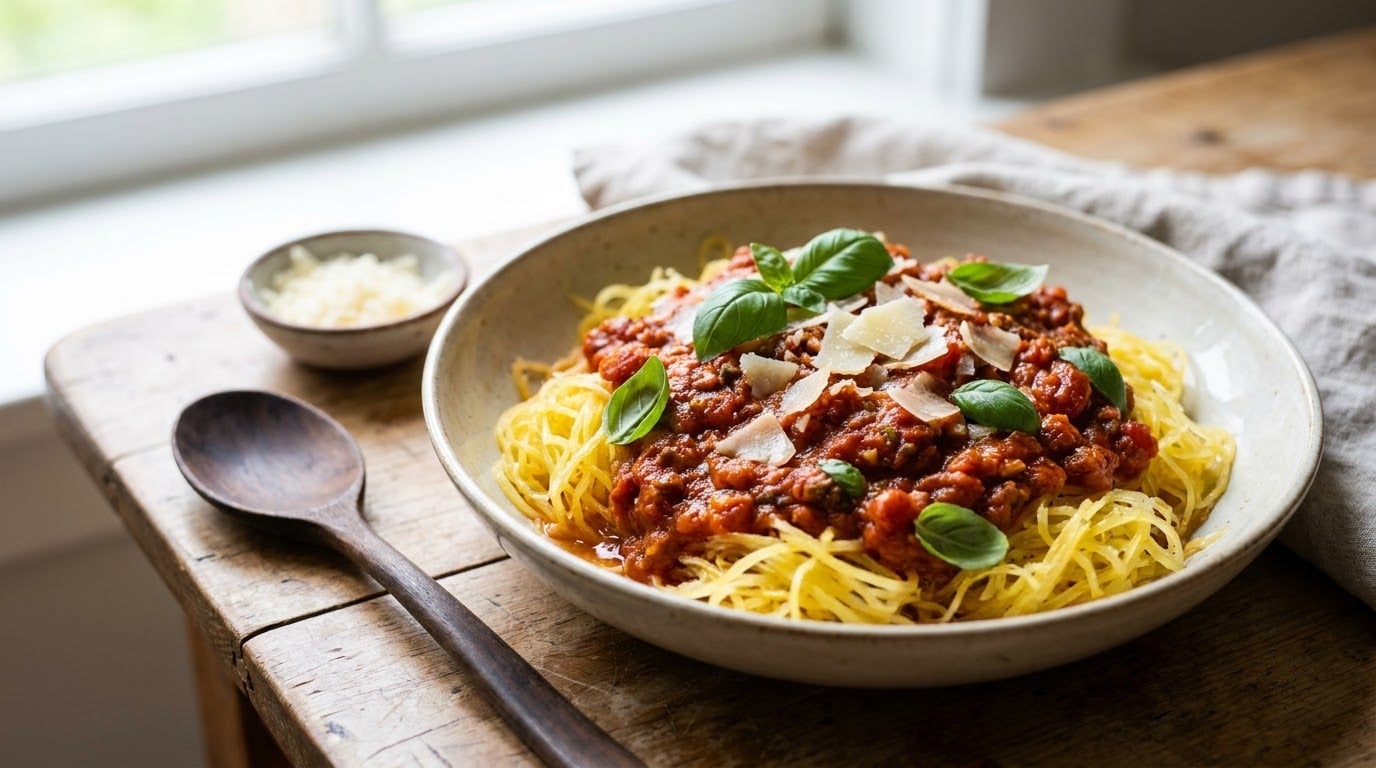
Low carb pasta alternatives for dinner fall into two very different camps. Konjac shirataki and spiralized summer squash land under about 5g net carbs per serving and cook in minutes, while legume pastas like chickpea, red lentil and edamame sit in the 20-35g range and taste, chew and sauce like the real thing. Regular dried pasta carries roughly 40g of carbs in a single cup, which is why swapping the base is the whole game.
I have cooked my way through all twelve of these over the past few years, mostly on weeknights when nobody wants a lecture at the table. What changed my mind about the whole category was less about carbs and more about moisture: almost every bad plate of zoodles I have ever served was a water problem, not a zucchini problem. Get that right and the choice becomes much easier. Numbers below are typical per-serving values for a standard portion, but check the label on the bag or the produce sticker, because brands, produce size and portion size all move the totals around.
On a night when you have twenty minutes and half a bag of spinach, these bases solve dinner faster than you would think. Our last minute dinner ideas lean on the same quick vegetable bases if you want more templates like this one.
Table of Contents
What Makes the Best Low Carb Pasta Alternatives for Dinner?
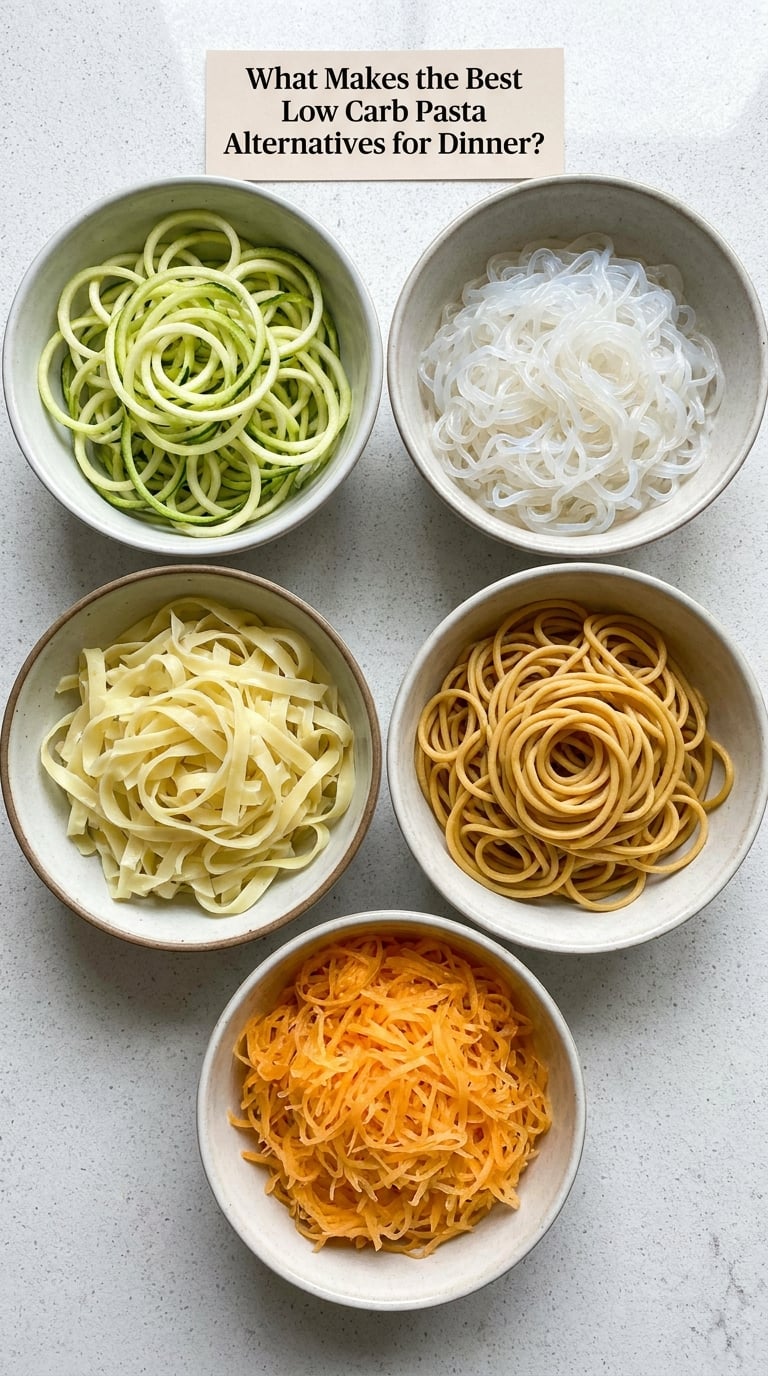
The best low carb pasta alternative is the one that holds a sauce, keeps its bite for the length of a meal, and fits the carbohydrate number you are actually working to. Those three things decide it, and no single ingredient wins them all.
Zucchini and cucumber give you volume and freshness with almost nothing in the way of carbs, but they release water fast and need a hot pan and a short cook. Konjac noodles are the opposite problem: almost zero carbs, real chew, and a texture that only works if you rinse and dry-fry them first. Legume pastas sit in the middle. They will not fit a strict daily carb budget, and nobody is pretending they will, but they are the option that actually fills a teenager up before they ask for seconds.
Squash, cauliflower and cabbage round things out with more body than a spiralizer gives you and a mild flavour that disappears under a strong sauce. I weigh four things when I pick one for a given dinner: how long it takes from bag to plate, whether it holds a heavy sauce without slipping, how filling it is on its own, and whether everyone at the table will eat it without a negotiation.
Low Carb Pasta Alternatives at a Glance
| Alternative | Texture | Prep | Best sauce | Typical net carbs | Dinner suitability |
|---|---|---|---|---|---|
| Zucchini noodles | Soft, silky, tender fast | 5-8 min | Pesto, light tomato, butter and sage | 2-4g | Great warm, poor reheated |
| Cucumber noodles | Cool, crisp, raw | 5 min, no heat | Sesame, cold sesame-lime, chilled soups | 2-3g | Best in summer and cold dishes |
| Shirataki noodles | Slippery then springy, very chewy | 3 min plus 5 min rinse | Pad thai, lo mein, strong tomato and meat sauces | 0-1g | Excellent once prepared properly |
| Konjac noodles | Soft or bouncy, brand dependent | 3-5 min | Stir-fries, soups, cold salads | 0-1g | Good, but read the label carefully |
| Cabbage noodles | Substantial, crisp edges, substantial chew | 10-12 min | Stir-fry, spicy peanut, cold slaw dressings | 4-6g | Strong choice for a hot plate |
| Spaghetti squash | Long strands, mild, very tender when correct | 5 min plus 40 min roast | Bolognese, marinara, pesto, tuna | 4-6g | Very good, plan ahead for the roast |
| Roasted cauliflower noodles | Nutty, meaty, crisp-browned edges | 10 min plus 25-30 min oven | Romesco, pesto, roasted garlic butter, curry | 4-6g | Good, and the most pasta-adjacent roast |
| Red lentil pasta | Creamy, tender, slightly earthy | 9-14 min boil | Tomato and meat sauce, pesto, butter | 25-35g | Best for families, filling |
| Chickpea pasta | Firm, nutty, al dente bite | 8-12 min, salted water | Tomato, pesto, arrabbiata, cacio e pepe | 28-35g | Very good, the easiest sell to kids |
| Lupin pasta | Firm and dense, golden colour, plant protein | 8-12 min | Tomato, pesto, olive oil and herbs | 15-22g | Good for a mid-range carb target |
| Edamame pasta | Bright green, soft, chewy, high protein | 4-8 min | Sesame, miso butter, light pesto, stir-fry | 20-28g | Good, reheats better than vegetables |
| Egg and cheese noodles | Tender, familiar, rich | 3-5 min | Alfredo, butter and sage, soup broths | 2-4g | Best for creamy sauces, not keto-dairy free |
How to Choose Low Carb Pasta Alternatives for Dinner
Start with your number, not the ingredient. If you are tracking net carbs tightly, konjac and egg-and-cheese noodles are the realistic options, and most spiralized vegetables fit without much thought. If you are simply cutting back on refined flour, a legume pasta probably serves your family better than anything green, because nobody has to be convinced at the table.
Then read the label rather than trusting the front of the bag. Net carbs are total carbohydrates minus fiber, and packages list total carbs more often than net, which is why two products can look wildly different until you do the subtraction. A serving of dried chickpea pasta can list more total carbohydrate than an equivalent serving of wheat pasta and still win on fiber and protein.
Look at three more things. Drainage matters: a vegetable that cannot be dried will water down your sauce no matter how hot the pan is. Cook time matters more than people admit, because a substitute that needs 45 minutes of oven time is not a weeknight answer. And family acceptance matters most of all, which is why I cook the legume pasta and the vegetable base side by side more often than I would like to admit.
One last filter is allergens and restrictions. Legume pastas are a poor fit for anyone sensitive to peas, soy or lupin, egg-and-cheese pasta rules out anyone avoiding dairy and eggs, and gluten-free pasta is worth flagging here because it is the most common mistake on this list. Most gluten-free pasta is made from rice or corn, and it usually carries more carbohydrate than the wheat version it replaces. If you are still working out which foods fit your plan, our low carb foods list covers the basics.
12 Low Carb Pasta Picks for Weeknight Dinner
Carbohydrate values below are typical per-serving figures drawn from standard labels and produce data, which is exactly why you should confirm yours. Produce size, brand formulation and portion weight change the numbers, and a serving of anything on this list is whatever fits on your plate.
1. Zucchini Noodles
Zucchini noodles, or zoodles, are the most-endorsed substitute I have seen from home cooks, and they earn it. One cup of spiralized zucchini lands around 3-4g of net carbs with a couple of grams of protein, and the whole plate is done in under ten minutes.
The problem is water, and the fix is salt. Toss the strands with a teaspoon of salt, leave them in a colander set over a bowl for 10 to 15 minutes, then squeeze them dry in a clean towel. Then use a hot pan, cook two to three minutes maximum, and add sauce at the very end. Under two minutes of heat they stay bright and separate; past four they collapse.
Pesto, butter with sage and a hard-boiled egg sliced on top, or a quick tomato sauce all work. Add protein every time, because plain zoodles are not filling on their own and that is when hunger shows up an hour later.
2. Cucumber Noodles
Cucumber noodles need no heat at all, which makes them the fastest option here. Spiralize or julienne a cucumber, salt-drain it the same way you would a zucchini, and you have a crisp, cool noodle in five minutes with roughly 2-3g of net carbs per cup.
Heat ruins the point. Cukes go wrong the moment they meet a hot pan, so this is a cold-dish ingredient: chilled sesame dressing, a light Thai-style dressing with lime and a little fish sauce, or thin ribbons stirred into chilled soup right before serving. Salting and drying is non-negotiable here, because a watery cucumber drains a cold dressing faster than a hot one.
Use them as a side or a summer salad base rather than a stand-in for a hot pasta dish, and save the sturdy options for a Tuesday in August when nobody wants a hot meal.
3. Shirataki Noodles
Shirataki noodles are konjac root, and a standard serving comes in at 0-1g of net carbs with a few calories. They are the lowest-carb option on this entire list, and they are the one most often written off unfairly.
The reason is prep. Straight from the bag they taste of the packaging and slip around your fork. Boil them for two to three minutes, drain, then rinse under cold water for about five minutes while you work the strands with your hands, and dry-fry them in a dry pan for a minute or two until the steam stops. That sequence fixes both the smell and the slippery texture, and it is the single most useful technique in this whole article.
Once prepared, they are genuinely good with anything bold: pad thai, lo mein, curry, a heavy meat ragù, or a scalded-into-the-sauce marinara. The flavoured packets, which come with garlic, ginger or seaweed sachets, tend to go down easier than plain. On storage: konjac noodles are fine refrigerated in their sealed pack, but buy them fresh rather than storing a block you have already opened for weeks.
4. Konjac Noodles
Konjac is the umbrella term, and shirataki sits inside it, so brands get confusing. Some konjac noodles are soft and slippery like glass noodles, others are springy and bouncy like a firm rice noodle, and the difference comes down to how the konjac yam was processed. The carbohydrate story is the same across the family: about 0-1g net carbs per serving.
Read the label rather than the front of the pack, because some brands add flour or starch and quietly raise the count. Look for a short ingredient list dominated by konjac flour, water and a little acid, and check that the nutrition panel lists fiber, which is what makes the net figure work out.
Handle it the same way as shirataki: rinse, then dry-fry. Soft varieties suit soups and cold salads, springier ones take a hot stir-fry or a curry without falling apart. They are a solid low-carb swap, but I keep them behind shirataki for a reason. Regular konjac noodles rarely have the same spring, and the softer kinds can feel more like a thick soup noodle than anything you would twirl.
5. Cabbage Noodles
Thinly sliced green or red cabbage gives you a noodle with real substance, which solves the hunger problem that vegetable noodles usually create. A cup lands in the 4-6g net carb range and the shreds hold heat and crunch through a stir-fry.
Salt the shreds, or blanch them for two minutes, and both soften the raw edge and pull out excess water. For a hot plate, get the wok properly hot, add a little oil, and give the cabbage 4 to 6 minutes with frequent tossing. For a cold slaw, skip the heat entirely and dress it with a vinegar, mustard and olive oil dressing.
Peanut and sesame stir-fry sauces, spicy chili dressings and anything with crunch in it suits the texture. This is the one spiralized option I can put in front of people who claim they do not like vegetables-as-pasta, because it reads as cabbage, not as a diet.
6. Spiralized Spaghetti Squash
Spaghetti squash is the classic answer, and most of its bad reputation comes from cutting it the wrong way. A cup of cooked strands runs about 4-6g of net carbs with a pleasant fiber content, and the flavour is mild enough that a strong sauce covers it completely.
Cut side down on a baking sheet, drizzle with oil, season, and roast at 400°F for 35 to 45 minutes until a fork slides into the flesh with no resistance. Cut side down is not a detail. It is what stops the strands from sitting in water and going slimy. Once roasted, use a fork to scrape out the strands, then scrape out any watery pulp at the bottom and discard it.
Bolognese, marinara, pesto and a tuna sauce all sit well on it. The plan is the problem: this is a 45-minute project that suits a weekend cook or a dinner where you roast something else alongside.
7. Roasted Cauliflower Noodles
Roasted cauliflower is the vegetable option that most closely imitates a pasta texture once it browns. A cup comes in around 4-6g of net carbs, and roasting rather than boiling or microwaving is what turns it from soft into something with a real bite.
Toss florets with oil and salt, spread them on a hot sheet pan with space between them, and roast at 425°F for 25 to 30 minutes, turning once, until the edges are properly brown. Crowding the pan traps steam and you get grey, soggy cauliflower instead, which is the whole point of doing this method.
To turn them into noodles, pulse the roasted florets in a food processor until they shred, then hit them in a hot pan for two minutes. Romesco, pesto, roasted garlic butter and curry sauces all work, and the flavour is nuttier than most people expect, so it needs less seasoning than zoodles.
8. Red Lentil Pasta
Red lentil pasta is not a keto product and I will not pretend otherwise. A cooked serving usually lands in the 25-35g net carb range, which puts it well outside a strict daily carb budget.
What it does have is protein, fiber and a creamy texture that holds a sauce the way a vegetable noodle never will. Cook it in well-salted water for the time on the box, usually 9 to 14 minutes depending on the shape, and stir frequently near the end because lentil starch gets sticky fast. Save a cup of the cooking water and finish the pasta in the sauce with a splash, which turns a thin sauce into a creamy one.
For a household where one person is cutting carbs and nobody else is changing their diet, this is usually the compromise that works. Tomato and meat sauce, pesto, and a simple butter and parmesan finish all behave well.
9. Chickpea Pasta
Chickpea pasta is the most convincing swap on this list for anyone who is not counting to the gram. A serving comes in around 28-35g of net carbs, but it also brings 10-12g of protein and a good amount of fiber, which is a trade most people are happy to make.
Cook it in heavily salted water for the stated time, taste one minute early, and pull it while it still has a firm bite. Undercooked chickpea pasta turns to paste in the sauce, which is the single most common complaint. Reserve a cup of pasta water, because chickpea starch is what makes pesto and cacio e pepe cling to it instead of sliding off.
Tomato, arrabbiata, pesto and cacio e pepe are the safest bets. It reheats well, freezes well, and nobody at the table has any idea they are eating a substitute.
10. Lupin Pasta
Lupin pasta sits in the middle of this list: a golden, firm, protein-forward pasta with roughly 15-22g of net carbs per serving, depending on the brand. It looks and cooks closer to wheat pasta than any legume option I have tried.
Cook it in salted water for 8 to 12 minutes and drain well, because it is thirsty and it will drink sauce if you leave it sitting. Tomato and meat sauces, pesto, and a simple good olive oil with herbs and grated cheese are the combinations that let the mild, slightly earthy flavour sit in the background.
Two cautions. Lupin is a legume relative of peas and beans, so it is not a good choice for anyone with a legume allergy or a strong sensitivity to peas. And the carbohydrate count is high enough that it belongs in a moderate plan, not a strict one. Buy a small pack first, because the texture varies more between brands than the label suggests.
11. Edamame Pasta
Edamame pasta is bright green, quick to cook and higher in protein than the other legume pastas, at roughly 10-14g per serving. Net carbs typically run 20-28g, so again, this is a moderate swap rather than a strict one.
Most brands cook in 4 to 8 minutes straight from frozen or from the bag, which makes it one of the fastest filling options here. Watch the sodium, since the water used to make the pasta often carries a noticeable salt load. Its texture softens a little on reheating, so cook it slightly firmer than you want it at the table if you are meal prepping.
Sesame and miso butter are the best fits, and so is a light pesto. Avoid heavy cream sauces on reheated edamame, which makes the texture pasty. Anyone with a soy allergy should skip it, since much of it is made with soy flour.
12. Egg and Cheese Noodles
Egg and cheese noodles, sold sometimes as keto egg noodles and sometimes as mozzarella-based pasta, are the highest-protein option that still eats like pasta. A serving comes in around 2-4g of net carbs, and the tender texture takes butter and cream sauces without complaint.
They cook in 3 to 5 minutes in salted water, and they are the best choice on this list for alfredo, butter and sage, or a broth. Stir them into the sauce straight from the pot with a splash of the cooking water so the sauce and noodles emulsify together.
The tradeoff is straightforward. These are egg and dairy products, so they are out for anyone avoiding either, and they are bland on their own, which means they need a strong sauce or a lot of seasoning. If you want a low-carb noodle that works with a red meat sauce and no dairy in the kitchen, konjac is the better pick.
How to Keep Low Carb Pasta-Like Dinner from Being Watery
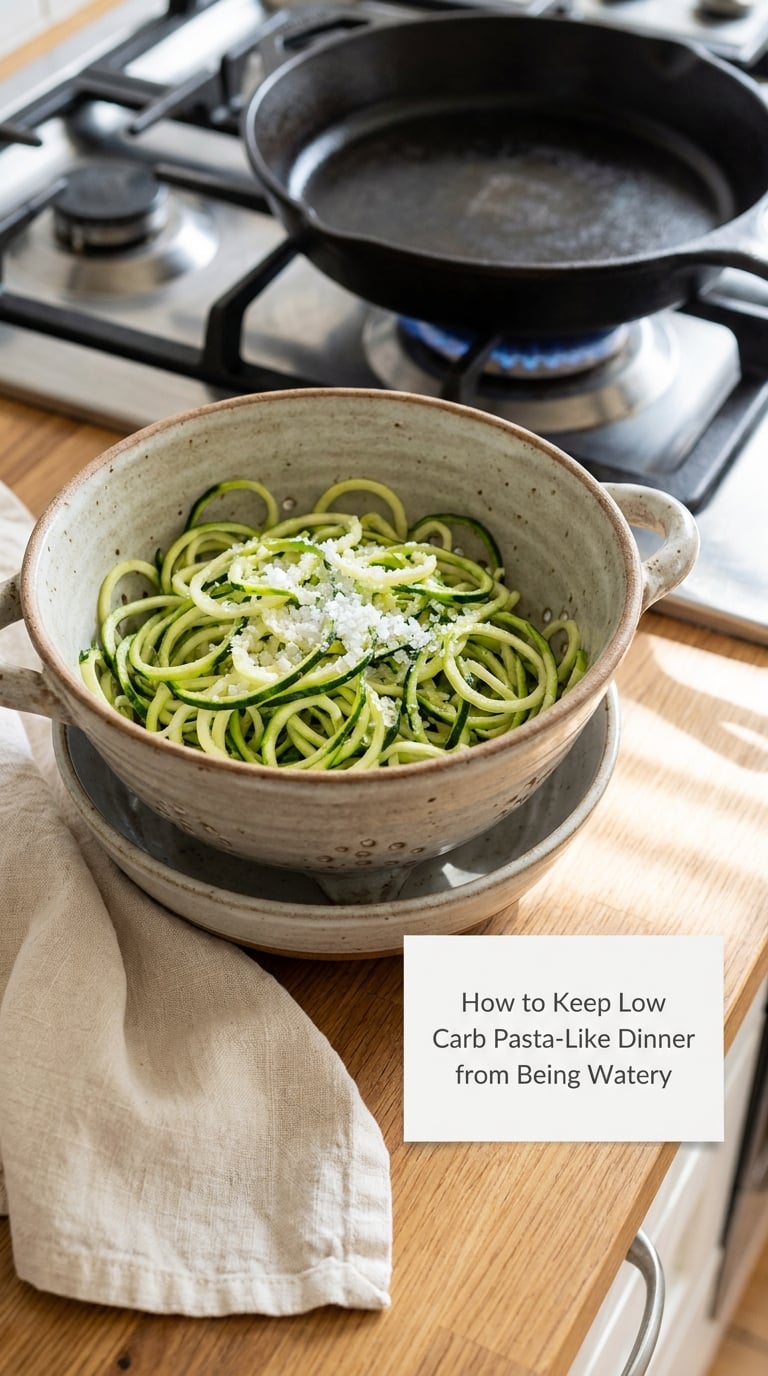
Watery low carb pasta is the most common failure in this entire category, and it is fixable. Every method below applies to spiralized vegetables, but the first two also rescue packaged noodles.
- Salt and drain the vegetables first. Toss your strands with about a teaspoon of salt, rest them in a colander over a bowl for 10 to 15 minutes, then squeeze out the liquid. This single step fixes most bad plates.
- Pat dry before the pan. A clean towel, a firm press, no exceptions. Vegetables hit a hot pan dry sear instead of slowly steaming in their own liquid.
- Rinse konjac noodles, then dry-fry them. Boil 2-3 minutes, rinse under cold water for about five minutes while separating the strands, then dry-fry in a pan with no oil until the steam stops.
- Cook only until tender. Two to three minutes for zoodles, four to six for cabbage. Taste one strand. As soon as it bends without resistance, the pan is done.
- Reduce your sauce separately. Thick sauces cling; thin ones slide off and pool underneath. Simmer the sauce until it coats the back of a spoon before it ever touches the pasta.
- Toss in the pan and serve immediately. A minute in a hot pan with the sauce, then straight to the table. Anything that sits will keep releasing water.
Best Sauce and Topping Pairings for Each Alternative
Matching sauce to texture is what turns a substitute into dinner. Thin, watery bases want something rich, and sturdy bases can carry something light.
| Alternative | Sauces | Proteins | Cheeses, herbs and toppings |
|---|---|---|---|
| Zucchini noodles | Pesto, butter and sage, quick tomato, alfredo | Chicken, shrimp, ground beef, sliced egg | Parmesan, basil, pine nuts, chili flakes |
| Cucumber noodles | Sesame, cold lime and fish sauce, chilled soups | Salmon, tofu, cold chicken | Sesame seeds, scallions, mint, peanuts |
| Shirataki noodles | Pad thai, lo mein, curry, heavy ragù | Chicken, beef strips, tofu, prawns | Peanuts, scallions, lime, tamari |
| Konjac noodles | Stir-fry, broth soups, cold salads | Shrimp, pork, mushrooms | Chili oil, garlic, celery, sesame |
| Cabbage noodles | Peanut, sesame, spicy chili, mustard vinaigrette | Pork, chicken, tempeh | Almonds, cashews, cilantro, carrot ribbons |
| Spaghetti squash | Bolognese, marinara, pesto, tuna sauce | Ground beef, meatballs, tuna, sausage | Basil, parmesan, breadcrumbs, olives |
| Roasted cauliflower noodles | Romesco, pesto, roasted garlic butter, curry | Chickpeas, chicken, lamb | Almonds, parsley, chili, crispy garlic |
| Red lentil pasta | Tomato and meat sauce, pesto, butter | Beef, sausage, lentils, spinach | Parmesan, basil, chili, breadcrumbs |
| Chickpea pasta | Tomato, arrabbiata, pesto, cacio e pepe | Sausage, chicken, tuna, white beans | Parmesan, pecorino, basil, chili |
| Lupin pasta | Tomato, pesto, olive oil and herbs | Ground beef, chicken, mushrooms | Parmesan, oregano, chili, olives |
| Edamame pasta | Sesame, miso butter, light pesto, stir-fry | Salmon, edamame, tofu, shrimp | Sesame seeds, scallions, miso, lime |
| Egg and cheese noodles | Alfredo, butter and sage, broth | Bacon, chicken, mushrooms | Parmesan, black pepper, thyme, nutmeg |
Prep, Storage and Reheating Times
Cooked dishes made from any of these keep three to four days in the fridge. Fresh spiralized vegetables are the exception: they last one to two days before the edges brown, so spiralize on the day you cook if you can. Packaged konjac and shirataki noodles are best bought fresh and used within the window on the pack, since an opened block keeps but the texture fades.
| Alternative | Fridge life, cooked | Freezes well? | Safest reheating method |
|---|---|---|---|
| Zucchini noodles | 1-2 days | No, turns to mush | Warm in a dry pan, 1-2 minutes, with fresh sauce |
| Cucumber noodles | 1 day | No | Serve cold from the fridge |
| Shirataki and konjac noodles | 3-4 days in sauce | Yes, in sauce | Reheat the dish in a pan, adding a splash of water |
| Cabbage noodles | 3-4 days | Yes | Hot pan over medium heat until steaming |
| Spaghetti squash strands | 3-4 days | Yes, roasted and sauced | 400°F oven for 10 minutes, or a dry pan |
| Roasted cauliflower noodles | 3-4 days | Yes | 400°F oven for 10-12 minutes to re-crisp |
| Red lentil pasta | 3-4 days | Yes | Sauce and pasta together in a pan over low heat |
| Chickpea pasta | 3-4 days | Yes | Pan with a splash of pasta water, or microwave with a damp lid |
| Lupin pasta | 3-4 days | Yes | Pan over low heat with a little olive oil |
| Edamame pasta | 3-4 days | Yes | Pan or microwave, not overcooked, keeps firmest |
| Egg and cheese noodles | 3-4 days | Poorly, texture turns rubbery | Warm in sauce over low heat |
Food safety follows normal rules: reheat cooked dishes to 165°F (74°C) and use them within three to four days. If you are cooking chicken, shrimp or ground beef to go over any of these bases, cook the protein to its safe internal temperature first, then add it to the noodles at the end. Poultry reaches 165°F (74°C), ground meat 160°F (71°C), and beef, pork, veal and lamb steaks, chops and roasts 145°F (63°C) with a three-minute rest.
Common Mistakes When Swapping Pasta
Overdraining delicate vegetables. Spiralized zucchini and cucumber need salt and time, not a salad spinner. Squeezing them dry in a towel is enough.
Skipping the rinse on konjac noodles. This is why shirataki has a bad reputation. Boil, rinse for five minutes, dry-fry, and the smell and slippery texture both go away.
Adding thin sauce to a wet base. Reduce the sauce until it coats a spoon before it touches the noodles, or cook everything together in the last minute.
Overcooking. Vegetables go from tender to watery in about ninety seconds. Taste as you go, and pull them early.
Assuming a health halo. A plate of zoodles in a heavy cream sauce is still a heavy meal. Total carbohydrate is not the only number that matters, and a legume pasta with fiber and protein often leaves you better off than a vegetable base that spikes your hunger.
Treating gluten-free pasta as a low carb swap. Most of it is rice or corn based and carries more carbohydrate than the wheat pasta you replaced. Check the label, and expect 30g-plus per serving.
Forgetting protein and fat. This is the reason people give up on pasta night. Spiralized vegetables on their own are not satisfying, so build every plate around a protein and some fat.
Letting the dish sit. Low carb noodles keep releasing liquid. Serve them the moment they leave the pan, and store any extras separately from the sauce if you can.
Frequently Asked Questions
What is the lowest-carb pasta substitute?
Shirataki and konjac noodles are the lowest-carb pasta substitutes, at roughly 0-1g net carbs per serving. Egg and cheese noodles are close behind at 2-4g. Spiralized zucchini and cucumber sit at 2-4g per cup, and spaghetti squash runs 4-6g. Any of them beats a cup of dried pasta, which carries about 40g of carbohydrate.
Which low carb pasta substitute tastes most like regular pasta?
Chickpea pasta, followed by red lentil and lupin, are the closest in flavour and texture. They cook al dente, hold a sauce like wheat pasta, and reheat without turning to paste. The trade is carbohydrate, at 20-35g net carbs per serving. If your limit is tighter than that, the closest texture match is properly prepared shirataki, which is chewy but genuinely noodle-like.
Are zoodles or shirataki noodles better for dinner?
It depends on the sauce and your patience. Zoodles are faster, milder and better with pesto, butter or a light tomato sauce, but they water down anything heavy. Shirataki takes three extra minutes of rinsing and dry-frying, then handles bold stir-fry and meat sauces far better. For a creamy or rich dish, shirataki wins. For a light summer plate, zoodles are the better choice.
How do you keep spiralized vegetables from getting watery?
Salt the strands, rest them in a colander over a bowl for 10 to 15 minutes, then squeeze them dry in a clean towel. Cook them in a hot pan for two to three minutes maximum, and add a sauce you have already reduced until it coats a spoon. Serve straight away. The salting and the towel are the two steps people skip, and they are the two that fix the problem.
Can low carb pasta alternatives be frozen?
Cooked legume pastas, shirataki and konjac noodles, cabbage noodles and sauced roasted cauliflower freeze well. Fresh spiralized zucchini, cucumber and spaghetti squash strands do not, because they turn to mush on thawing. Freeze sauced rather than plain, press out air before sealing, and reheat in a pan with a splash of water so the texture comes back instead of going gluey.
What is the best pasta substitute for a family?
Chickpea pasta is the easiest sell because it looks, cooks and tastes like the real thing, and it fills people up. For a mixed household, I cook it for the table and a spiralized vegetable for myself, then add bacon, parmesan or breadcrumbs to mine so nobody notices the difference. Heavier sauces such as bolognese and arrabbiata hide texture changes better than anything with olive oil and herbs.
The Best Low Carb Pasta Alternative to Try First
Start with zoodles if you want something fresh, fast and nearly free. Salt them, drain them properly, and keep the cooking under three minutes. If you want a dish that eats like pasta, go straight to shirataki, but give the rinse and dry-fry the full five minutes, because that is the whole difference between chewy noodles and a rubbery disappointment.
If your real problem is hunger an hour after dinner, pick chickpea or red lentil pasta. The carbohydrate count is higher, and I am not going to pretend otherwise, but nothing else on this list will satisfy a hungry family the way a real bowl of pasta does. Once your household is happy with the base, the sauces, toppings and side dishes carry you the rest of the way. Our best low carb dinner ideas and quick low carb dinners build on the same principle if you want the full meals rather than just the base.