
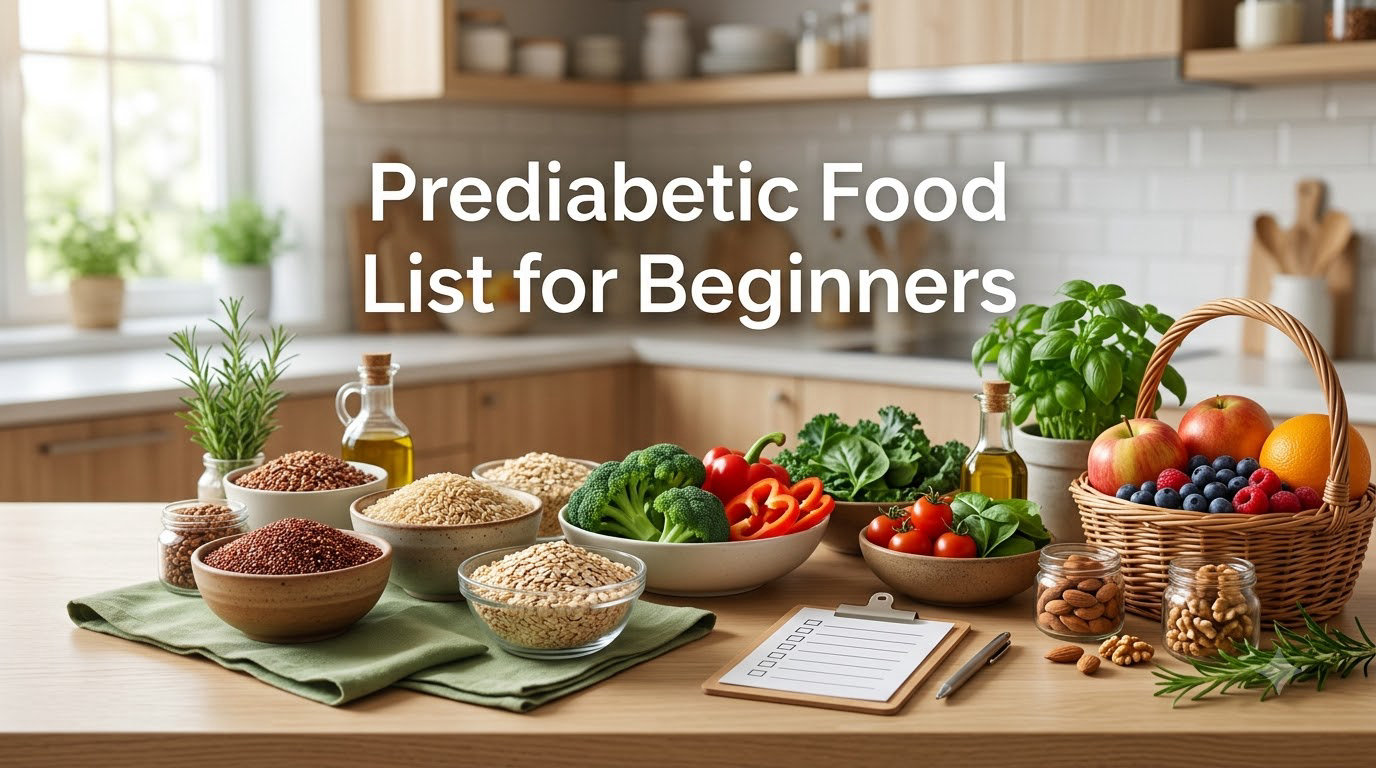
This guide gives you practical choices with measured portions, complete methods, and flexible serving ideas. The foods for prediabetes are general food guidance, not an individual medical plan; match carbohydrate portions and ingredients to advice from your clinician or registered dietitian.
The guide also notes realistic swaps and likely failure points. For related planning, see complete diabetic fish recipes, diabetic-friendly side dishes, diabetic-friendly comfort food recipes. Factual safety and health context follows CDC prediabetes guidance.
Table of Contents
Prediabetic Food List
Use this page when you want the exact quantities and checkpoints visible before cooking. These foods for prediabetes keep substitutions specific instead of leaving you to guess how a swap changes time or texture.
The most useful cooking guides explain both the main method and the recovery plan when texture, moisture, or timing goes wrong. These foods for prediabetes focus on those practical decisions rather than name-only inspiration.
Before starting, read the full method once, prepare every ingredient in the form listed, and choose a pan that leaves enough room for even heating. Keep raw protein and ready-to-eat ingredients on separate boards, wash hands and tools between tasks, and use an instant-read thermometer when a safe temperature is given. If the center needs more time but the top is already browned, cover the dish loosely with foil and continue in short intervals. If the mixture looks dry before cooking, add only a tablespoon or two of the stated liquid at a time; excess liquid is much harder to correct. Let hot baked dishes rest before serving because the temperature continues to equalize and sauces thicken as steam settles. Label leftovers with the date so storage guidance is easy to follow.
Understanding Prediabetes and Why Diet Matters
Prediabetes happens when your blood glucose levels run higher than normal but not high enough to qualify as type 2 diabetes. Your fasting blood sugar typically lands between 100 and 125 mg/dL, or your A1C sits somewhere between 5.7 and 6.4 percent. Your doctor usually catches it during routine bloodwork.
Underneath those numbers, something specific is happening. Your cells have started ignoring insulin, the hormone that shuttles glucose out of your blood and into your muscles for energy. When cells stop responding well, sugar builds up in the bloodstream instead of fueling your body. Doctors call this insulin resistance, and it usually develops slowly over years.
This is where food becomes powerful. Every carbohydrate you eat eventually breaks down into glucose. The type of carb matters more than the amount. A bowl of steel-cut oats raises blood sugar gently and slowly. A donut spikes it fast and hard. Choosing foods with a low glycemic index keeps that rise steady and manageable.
The glycemic index (GI) is a 0-to-100 scale that ranks how quickly a food raises blood sugar. Low-GI foods score 55 or below. These include most vegetables, beans, berries, and whole grains like barley and quinoa. High-GI foods score 70 or above. Think white bread, white rice, soda, and baked potatoes. Sticking mostly to low-GI options is one of the simplest ways beginners can start managing blood sugar without obsessive counting.
Here is the part nobody tells you loudly enough: prediabetes is reversible. Research from the CDC’s National Diabetes Prevention Program shows that losing just 5 to 7 percent of body weight and walking about 150 minutes a week can cut the risk of developing type 2 diabetes by more than half. Diet is the foundation that makes all of that possible.
You do not have to eat perfectly. You just have to eat better than yesterday.
this guide: Best Foods to Eat by Category
This is the heart of your this guide for beginners. Pick a few items from each section and you automatically end up with balanced, blood sugar friendly meals all week.
Non-starchy vegetables are the closest thing to a free pass in nutrition. They are packed with fiber, water, vitamins, and antioxidants, yet they barely move the needle on blood sugar. Aim to fill half your plate with them at every meal.
-
Leafy greens: spinach, kale, Swiss chard, arugula, romaine, collard greens
-
Cruciferous picks: broccoli, cauliflower, Brussels sprouts, cabbage
-
Colorful options: bell peppers, tomatoes, carrots, radishes
-
Summer squash: zucchini, yellow squash, cucumber
-
Alliums: onions, garlic, leeks, scallions
-
Others: asparagus, green beans, mushrooms, eggplant, celery
A simple trick from people who reversed prediabetes: roast a huge tray of mixed vegetables on Sunday and add them to eggs, salads, and bowls all week.
Lean Proteins (Stabilize Blood Sugar)
Protein slows digestion, blunts blood sugar spikes, and keeps you full. Every prediabetes friendly meal should include a solid protein source. Forum members who reversed their numbers consistently mentioned loading up on meat, eggs, and fish while cutting processed carbs.
-
Poultry: skinless chicken breast, ground turkey, chicken thighs without skin
-
Fish: salmon, sardines, mackerel, trout, tuna, cod
-
Shellfish: shrimp, scallops, crab
-
Eggs: whole eggs are fine for most people with prediabetes
-
Plant proteins: tofu, tempeh, edamame, lentils, black beans, chickpeas
-
Lean meats: lean cuts of beef like sirloin or flank steak, pork tenderloin
People often ask whether eggs are safe with prediabetes. For most people, one to two eggs a day fits perfectly into a blood sugar friendly eating pattern and provides high quality protein plus choline.
Low-Glycemic Fruits (Yes, You Can Eat Fruit)
Fruit is not off limits. You just want to choose fruits that release sugar slowly. Berries top every dietitian’s list because they are loaded with fiber and anthocyanins that support insulin sensitivity.
-
Berries: strawberries, blueberries, raspberries, blackberries
-
Stone fruits: plums, peaches, cherries
-
Apples and pears (eat the skin for fiber)
-
Citrus: oranges, grapefruit, lemons, limes
-
Kiwi, avocado (technically a fruit and a fantastic healthy fat)
-
Small amounts of banana with nut butter to slow absorption
It feels like dessert but keeps glucose steady.
Complex Carbohydrates and Whole Grains
You do not have to ban carbs. You have to upgrade them. Refined carbs spike blood sugar. Complex carbs, which still contain their fiber and bran, digest slowly and keep glucose even.
-
Steel-cut or rolled oats (not instant flavored packets)
-
Quinoa, barley, farro, bulgur, buckwheat
-
Brown rice and wild rice in measured portions
-
100 percent whole grain bread (check the label for added sugar)
-
Whole wheat pasta or chickpea pasta, portioned carefully
-
Sweet potatoes in place of white potatoes
Portion size matters here. A half-cup of cooked grains is a typical serving. Pair them with protein and vegetables to slow the blood sugar response even more.
Healthy Fats (Anti-Inflammatory and Satiating)
Fat does not raise blood sugar. In fact, healthy fats slow digestion and help your body absorb fat-soluble vitamins. They also make food taste good, which is how healthy eating actually sticks.
-
Extra virgin olive oil and avocado oil for cooking and dressings
-
Avocado sliced onto almost anything
-
Nuts: almonds, walnuts, pistachios, pecans, Brazil nuts
-
Seeds: chia, flax, hemp, pumpkin, sunflower
-
Natural nut and seed butters with no added sugar
-
Fatty fish like salmon and sardines (counts as protein too)
Chia pudding made the night before is a hands-off breakfast that practically builds itself while you sleep.
Dairy and Dairy Alternatives
Dairy can fit into a prediabetic eating plan when you choose unsweetened, full-fat or plain versions. Watch out for flavored yogurts, which are often dessert in disguise.
-
Plain Greek yogurt (highest protein option)
-
Cottage cheese
-
Hard cheeses in moderation: cheddar, parmesan, feta
-
Unsweetened almond milk, soy milk, or coconut yogurt
Pair plain Greek yogurt with berries and a sprinkle of chia seeds for a breakfast that hits protein, fiber, and healthy fat in one bowl.
Beverages That Support Stable Blood Sugar
Liquid sugar is the sneakiest source of glucose spikes. Swap sweet drinks for these smart options.
-
Water with lemon, cucumber, or mint
-
Unsweetened green tea, black tea, and herbal tea
-
Black coffee or coffee with a splash of unsweetened milk
-
Sparkling water with a squeeze of citrus
-
Small glass of vegetable juice (not fruit juice)
Smart Snack Combos for Prediabetes
The trick to blood sugar friendly snacking is never eating carbs alone. Always pair them with protein or fat.
-
Apple slices with almond butter
-
Carrot and cucumber sticks with hummus
-
Hard-boiled egg with a handful of walnuts
-
Plain Greek yogurt with berries and cinnamon
-
Hummus with roasted red peppers and olives
-
Cottage cheese with cherry tomatoes and black pepper
Foods to Limit or Avoid with Prediabetes
Knowing what to skip matters just as much as knowing what to eat. These foods cause rapid blood sugar spikes, drive insulin resistance, and crowd out the nutrient-dense options your body needs. You do not have to be perfect, but these should become occasional treats rather than daily staples.
Refined Sugars and Sweets
Candy, cookies, cake, pastries, donuts, and ice cream all deliver a concentrated hit of sugar with almost no fiber or protein to slow it down. Even natural sweeteners like honey, agave, and maple syrup behave like sugar in your body. Save these for true special occasions.
White Flour and Refined Carbs
White bread, white rice, regular pasta, pizza dough, crackers, and most commercial baked goods are stripped of the fiber that slows glucose absorption. A slice of white bread can raise blood sugar almost as fast as table sugar. Switch to whole grain versions and watch portions.
Sugary Drinks
Soda, sweet tea, energy drinks, fruit juice, sweetened coffee drinks, and sports drinks are the worst offenders on this list. A single can of soda can contain 39 grams of sugar. Liquid sugar hits your bloodstream instantly and bypasses the fullness signals that solid food triggers. Cut these first and you will likely see fast improvements in your fasting glucose.
Processed Packaged Snacks
Chips, pretzels, flavored crackers, granola bars, and microwave popcorn often combine refined flour, added sugar, and unhealthy oils. Read labels carefully. If sugar or enriched flour is one of the first three ingredients, it belongs in the limit category.
Fried Foods and Trans Fats
French fries, fried chicken, donuts, and commercial baked goods made with partially hydrogenated oils drive inflammation and worsen insulin resistance. Choose baked, grilled, roasted, or air-fried versions instead.
Excessive Alcohol
Alcohol can cause both high and low blood sugar depending on what you drink and what you mix it with. Sweet cocktails and dessert wines are loaded with sugar. If you drink, stick to a single glass of dry wine or a spirit with soda water, and never drink on an empty stomach.
Prediabetic Meal Planning for Beginners
Meal planning sounds intimidating until you have a simple framework. The plate method is the easiest place to start. You do not need to count carbs or weigh food. You just look at your plate.
The Plate Method Explained
Take a standard dinner plate and divide it into three sections. Fill half with non-starchy vegetables like broccoli, salad greens, or roasted zucchini. Fill one quarter with lean protein such as grilled chicken, salmon, or tofu. Fill the last quarter with a complex carb like quinoa, brown rice, or sweet potato. Add a thumb-sized portion of healthy fat like olive oil, avocado, or nuts. That is it.
This single visual trick makes every meal blood sugar friendly without any math. Forum members who reversed their prediabetes described eating exactly this way: lots of vegetables and protein with a small side of carbs.
Sample Beginner Breakfast
A few easy wins for beginners:
-
Two eggs scrambled with spinach, half an avocado, and a slice of whole grain toast
-
Plain Greek yogurt topped with berries, chia seeds, and a sprinkle of cinnamon
-
Steel-cut oats cooked with walnuts and a few apple slices
-
Cottage cheese with cherry tomatoes, cucumber, and everything bagel seasoning
Eat protein within an hour of waking. It sets up stable blood sugar for the rest of the day.
Sample Lunch Template
Big salads and grain bowls make lunch effortless. Start with a base of leafy greens. Add four to six ounces of protein like grilled chicken, tuna, hard-boiled eggs, or chickpeas. Pile on colorful vegetables. Drizzle with olive oil and lemon juice. Add a small portion of quinoa or brown rice if you want carbs.
Sample Dinner Template
Keep dinner simple. Baked salmon with roasted broccoli and a small sweet potato. Turkey chili loaded with beans and tomatoes over a half cup of brown rice. Stir-fried tofu with bell peppers, snow peas, and garlic over cauliflower rice. Sheet pan chicken thighs with Brussels sprouts and a drizzle of olive oil.
Portion Control Tips
Beginners often overestimate portions. Use measuring cups for a week just to calibrate your eyes. A serving of cooked grains is half a cup, about the size of a tennis ball. A protein serving is four to six ounces, roughly the size of your palm. A serving of nuts is one ounce, or a small handful. Fat calories add up fast, so measure oil instead of pouring freely.
Lifestyle Tips Beyond Food
Food is the foundation, but it works best when paired with a few simple habits.
Walk After Meals
A ten-minute walk within thirty minutes of eating can dramatically lower the post-meal blood sugar spike. This was one of the most repeated tips from forum members. Even a casual stroll helps your muscles pull glucose out of your bloodstream.
Prioritize Sleep
Poor sleep increases insulin resistance. One bad night can make your blood sugar harder to manage the next day. Aim for seven to nine hours of consistent sleep, and try to go to bed at the same time every night.
Manage Stress
Cortisol and adrenaline raise blood sugar. Chronic stress keeps those hormones elevated. Deep breathing, walking outside, stretching, and time with people you love all help bring them down.
Stay Hydrated
Water helps your kidneys flush excess sugar through urine. Aim for at least eight glasses a day, more if you are active. Keep a refillable bottle with you as a visual reminder.
Track Your Progress
Whether you use a notebook, a phone app, or a continuous glucose monitor, tracking helps you see patterns. Notice how you feel after certain meals. Notice how your fasting glucose changes after a week of better dinners. Visible progress is incredibly motivating.
The CDC’s prediabetes prevention program offers free coaching and structured support that has helped thousands of people bring their blood sugar back into the normal range.
Frequently Asked Questions
How should this guide be used?
Use it as a planning framework, then match portions, ingredients, and timing to your own needs rather than treating every item as interchangeable.
What should I prepare ahead?
Wash and portion produce, cook one flexible protein or grain, and pack sauces separately so texture stays fresh.
How do I read labels for this topic?
Compare serving size, total carbohydrate, added sugar, sodium, and the ingredients that matter to your personal care plan.
When should I ask a clinician or dietitian?
Ask when you use glucose-lowering medication, have kidney or heart concerns, are pregnant, or need an individualized carbohydrate target.
Conclusion
Choose a recipe by matching the method to your available time and ingredients. Because these foods for prediabetes include complete quantities, doneness cues, substitutions, storage, and troubleshooting, you can finish the meal confidently from this page.