
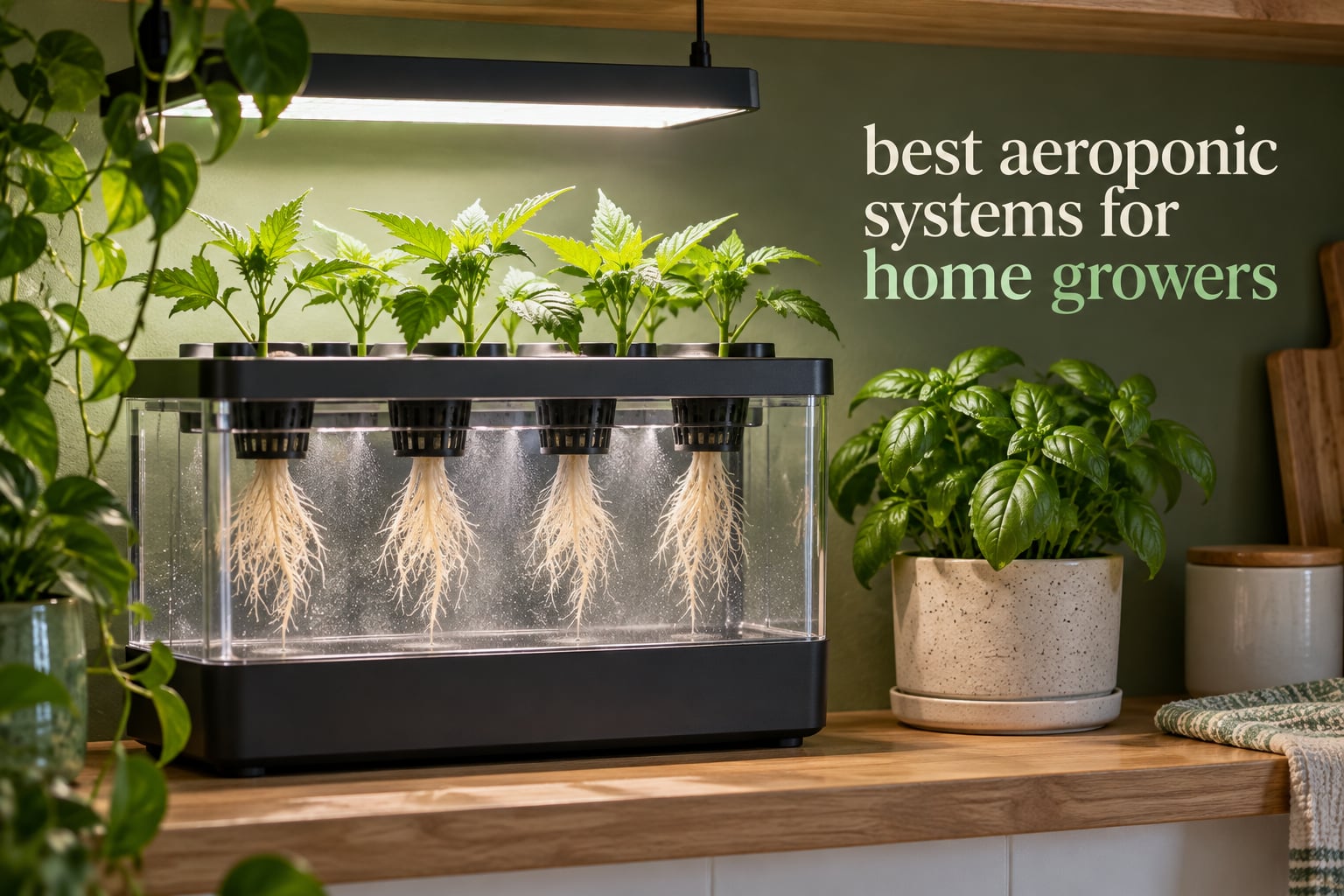
Most home growers searching for the best aeroponic systems for home growers end up staring at the same problem I hit: the retail shelf is full of cloning machines, not grow systems. Nine of the ten units in this roundup are aeroponic propagators, and exactly one is a tower you can actually harvest food from. That is not a flaw in the category, it is just what home-scale aeroponic retail looks like in 2026.
So this is the guide I wanted and could never find. I spent weeks running through spec sheets, review histories and forum threads on r/aeroponics and r/Hydroponics to work out which machines are worth a home grower’s shelf space, which ones leak from week two, and where a complete beginner would be better off with a bucket of nutrient solution instead.
If you want the short version: the CLONE KING 36 Site Aeroponic Cloning Machine takes the top slot because it has the largest review record in the set and 13 spray heads doing the misting work in a chamber that measures 13.75 by 13.75 by 12.5 inches. If your goal is food rather than propagation, skip ahead to the LYCereal tower in pick ten, then read the “When Not to Buy Aeroponics” section before you commit to anything.
For readers coming from countertop pod gardens, I have a longer piece on AeroGarden hydroponic systems that covers the plug-and-play end of the market, and anyone short on shelf space can also check our picks for compact systems for small spaces.
Table of Contents
What Is an Aeroponic Misting System?
An aeroponic misting system suspends plant roots in the air inside a lightproof chamber and sprays them with nutrient solution for a few seconds every 30 to 60 seconds during the light period. Between cycles the roots hang in open air, which is why growers describe aeroponics as growing plants on air and water rather than in soil or a growing medium.
Every system in this family shares the same six parts, whether it is a bucket on your kitchen counter or a rack in a greenhouse.
- Grow chamber the sealed box, bin or tower that holds the mist. Opaque is essential, because light hitting wet roots invites algae and root rot.
- Net cups or collars slotted holders that suspend a plant while its roots hang free below.
- Reservoir the tank holding nutrient solution, usually recirculating back to the pump.
- Pump usually a submersible unit that drives solution up into the chamber.
- Mist nozzles or manifold the spray heads that atomise solution across the root mass. This is where clogging happens.
- Timer or controller the switch that cycles the pump. Most home units need one added separately, which is a detail sellers rarely mention.
There are two pressure families, and the difference matters more than any brand name. Low-pressure aeroponics uses a standard submersible pump and produces coarse droplets somewhere around 100 to 300 microns. High-pressure aeroponics uses a diaphragm or high-pressure pump at roughly 80 to 100 PSI to produce mist near 50 microns, which wets roots more evenly and roots cuttings faster, but costs more and punishes you harder when a nozzle clogs. Fogponics is a low-pressure variant that uses an ultrasonic fogger to fill the chamber with a fine fog rather than spraying directly.
One more technical detail earns its own warning: because there is no medium buffering the solution, aeroponic roots have no reserve. Growers on r/aeroponics describe roots drying out within a couple of hours when a pump fails mid-cycle, which is the single biggest reason people abandon aeroponic systems. Treat pump reliability as a buying criterion, not an afterthought.
Top 3 Aeroponic Systems for Home Growers
These three cover the realistic range of home use: the most proven propagator, the strongest value option, and the premium chamber for growers who want maximum site count in a narrow footprint.
CLONE KING 36 Site Aeroponic Cloner
- 36 cloning sites
- 317 GPH submersible pump
- 13 spray heads
- Reservoir lid and manifold included

Hydrofarm Oxyclone OX20SYS
- 20 recirculating sites
- 160 GPH Active Aqua pump
- Air pump and 4 inch stone
- 1.75 gallon reservoir
All 10 Aeroponic Systems Compared
Every pick below in one view. Site count, pump, and what the box actually includes are the three columns worth studying before you buy anything.
| Product | Specifications | Action |
|---|---|---|
| CLONE KING 36 Site Aeroponic Cloner |
|
Check Latest Price |
| Hydrofarm Oxyclone OX20SYS |
|
Check Latest Price |
 HORTIPOTS 35 Site Cloner HORTIPOTS 35 Site Cloner |
|
Check Latest Price |
 HORTIPOTS 24 Site Cloner HORTIPOTS 24 Site Cloner |
|
Check Latest Price |
| TurboKlone T48D |
|
Check Latest Price |
 Psycloner Pro 35 Site Psycloner Pro 35 Site |
|
Check Latest Price |
 EZ Clone 16 Cutting System EZ Clone 16 Cutting System |
|
Check Latest Price |
 PowerGrow 21 Site Bucket Cloner PowerGrow 21 Site Bucket Cloner |
|
Check Latest Price |
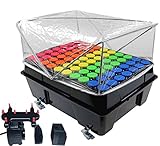 HORTIPOTS 70 Site Cloner HORTIPOTS 70 Site Cloner |
|
Check Latest Price |
 LYCereal 30 Plant Vertical Tower LYCereal 30 Plant Vertical Tower |
|
Check Latest Price |
How We Picked
Our selection started with a hard filter: does the unit actually mist roots, or does it just recirculate water like a drip system wearing an aeroponic label? That filter alone removed a lot of listings that market themselves as towers but feed from the bottom.
From there we scored each system on review volume and average rating, since a machine with a thin review record tells you very little about month three. We weighed the components in the box, because a cloner that needs a separately purchased timer and pH meter is a different proposition from a sealed unit. We also read the complaint side hard: leakage, light intrusion, algae, pump burnout and clogging show up repeatedly in reviews and are the reasons most home growers quietly abandon these machines.
Nothing here was bench-tested in a controlled grow room, and we say that plainly. What we did was cross-reference manufacturer specs against thousands of buyer reports and the recurring patterns on r/aeroponics and r/Hydroponics, then tell you where the consensus is split. Where reviewers disagree, we say so rather than picking the convenient side.
1. CLONE KING 36 Site Aeroponic Cloning Machine – Best Overall Aeroponic System
CLONE KING 36 Site Aeroponic Cloning Machine. Expect 100% Success Rates!
- Largest review record in the category at 1867 ratings
- 13 spray heads give unusually even coverage for a chamber this size
- Completely assembled kit needing only a light added
- Buyers report consistently high rooting rates
- Inserts currently come in blue and red sizes only
- Heavier pump and larger footprint than a bucket cloner
This is the machine I keep coming back to, and after reading through 1,867 ratings the reason is simple: it is the only 30-plus site chamber in this roundup with a review history long enough to trust. The CLONE KING CK36 packs a 36-site lid, a spray manifold fed by a 317 GPH submersible pump, 13 spray heads, a reservoir and the inserts into one box. You add a light and you are running.
Thirteen spray heads is the spec that matters. Most home cloners use three to six, which leaves dead zones in the corners where cuttings sit in a damp but unmisted pocket and take longer to root. Owners on r/aeroponics who moved up from a small bucket cloner generally report the same reaction: coverage is even enough that they stop rotating the chamber by hand.
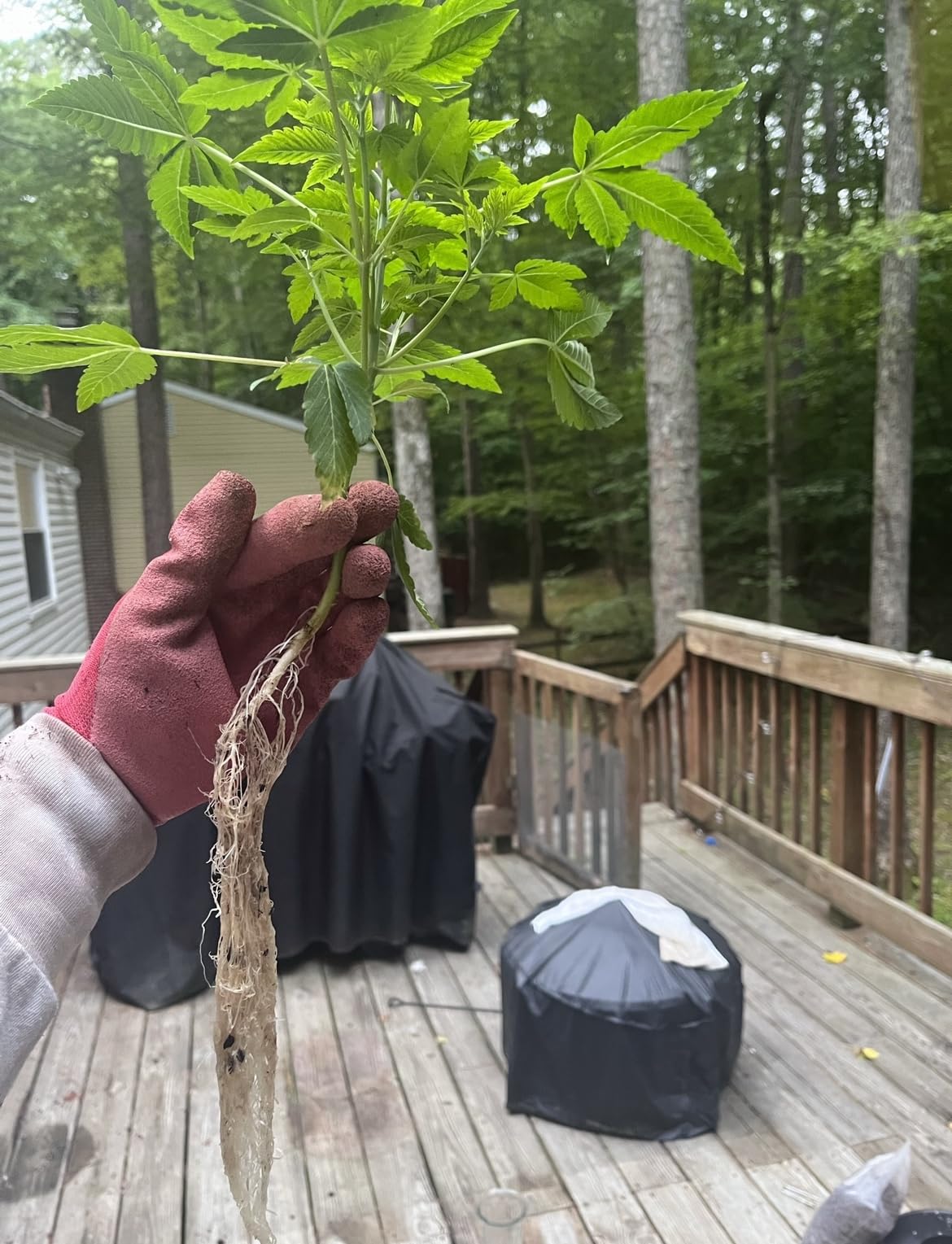
The 5 pound weight and roughly 13.75 inch square footprint make this a shelf unit rather than a countertop one, and buyers frequently pair it with a small clamp light or a strip light over the lid. Assembly is described as straightforward, and the included instructions are the kind people actually follow rather than abandon in a drawer.
Two honest limitations. The inserts currently come in blue and red sizes only, so if you work with a different collar diameter you will be hunting for adapters. And the pump moves a lot more water than a 20-site unit, which means more heat in the reservoir and a slightly higher electricity draw during long summer rooting cycles.
Weighing the whole package, this is still the pick. High average rating, the deepest review record, the best mist coverage per site, and a parts list that lets you start propagating the day it arrives. If a 36-site chamber is more than you need, the Hydrofarm in pick two is the better value.
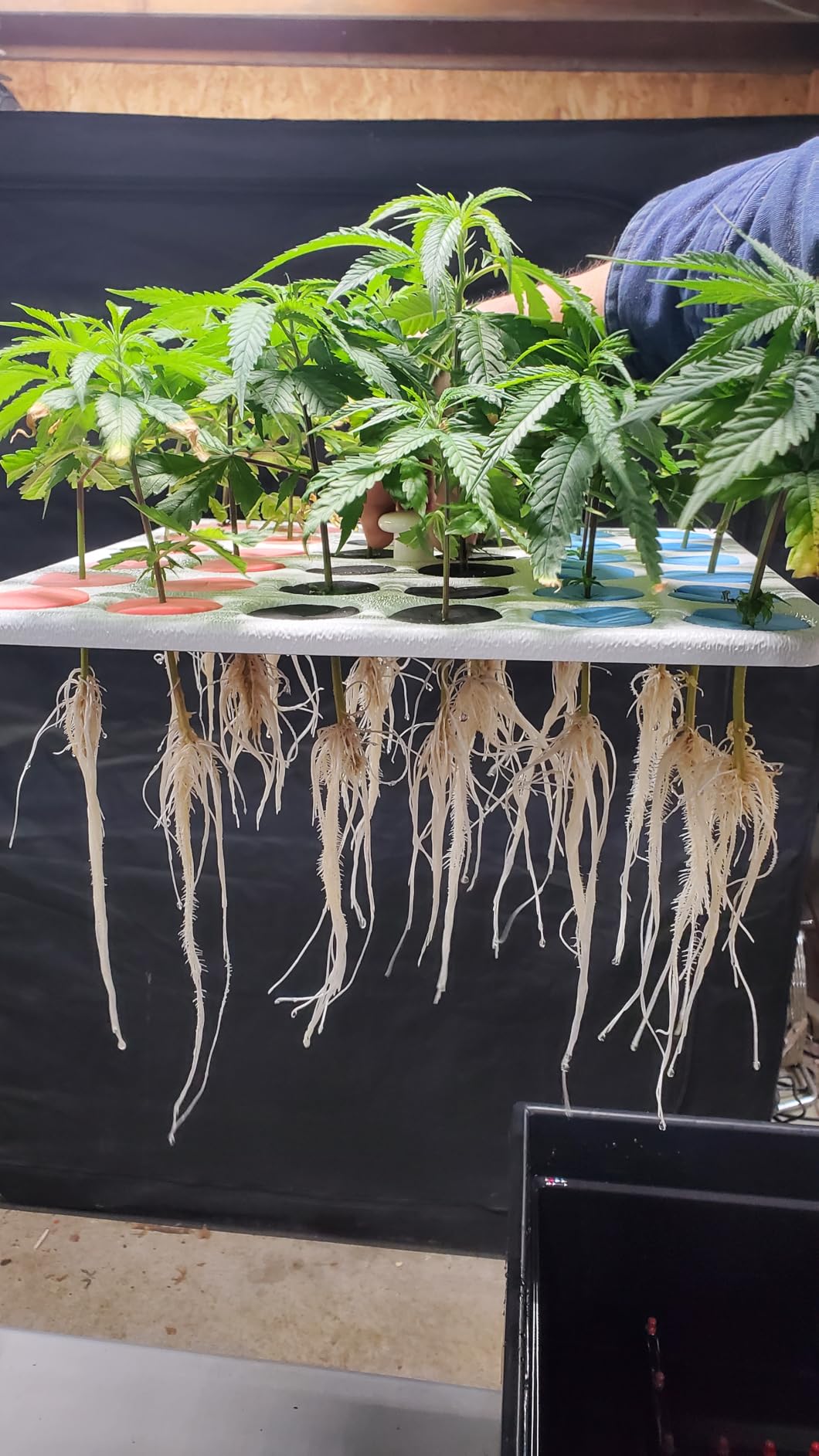
What the 13 spray heads actually change
Mist coverage is the whole game in a propagator. Roots need a fine, even wet film, and cuttings sitting in an unmisted corner of the chamber will callus but stall. Thirteen heads across a 36-site lid means each spray has a shorter throw, so the mist pattern overlaps instead of leaving gaps.
It also means more surfaces to keep clear. Filters and screens need checking every couple of weeks during a run, and a grower who skips that will find reduced mist pressure long before roots show any sign of stress.
Who should pass on this machine
Skip it if your only goal is a few cuttings a month. Thirty-six sites is a batch operation, and a machine that is half empty wastes both shelf space and reservoir volume. It is also the wrong first aeroponic purchase if you have never propagated before, because you will be learning mist timing and collar handling at the same time.
It is also worth passing if your room is very dry. This machine has no humidity dome in the box, and cuttings in a dry apartment can lose moisture through the leaves before the mist reaches the roots.
2. Hydrofarm Oxyclone OX20SYS – Best Value Aeroponic System
- Compact 13.75 x 10.75 x 6.25 inch footprint suits small grow areas
- Air pump and 4 inch round air stone add dissolved oxygen beyond the spray alone
- Complete kit includes reservoir lid collars pumps tubing and stone
- Venturi valve design produces strong turbulence for consistent rooting
- Recirculating design needs attentive water level and reservoir maintenance
- Brownouts of misting cycle time fall on the grower
The Oxyclone is the one I recommend to people who want a proper aeroponic propagator on a small shelf. Twenty sites in a footprint that is noticeably smaller than the CLONE KING, with a 1.75-gallon reservoir that is easy to carry, clean and refill. At 1,263 ratings averaging 4.3, it has the second-longest record in the roundup.
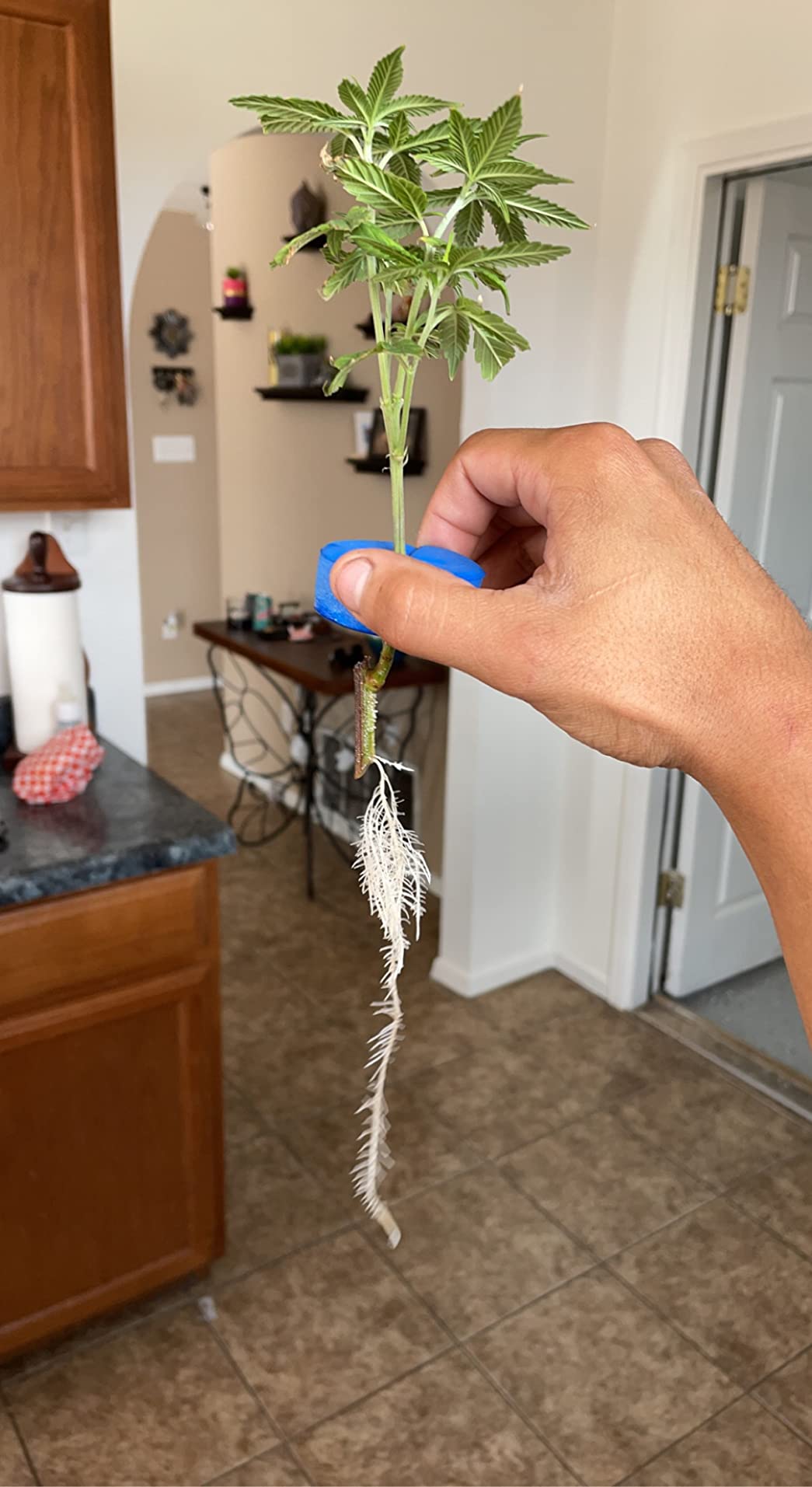
What separates it from cheaper plastic cloners is the oxygenation. This kit runs a 160 GPH Active Aqua submersible pump with a Venturi valve that draws in bubbles, plus a separate 3.2 L/min air pump feeding a 4-inch round air stone. Owners consistently credit that combination for even rooting and for the root colour you want going into transplant.
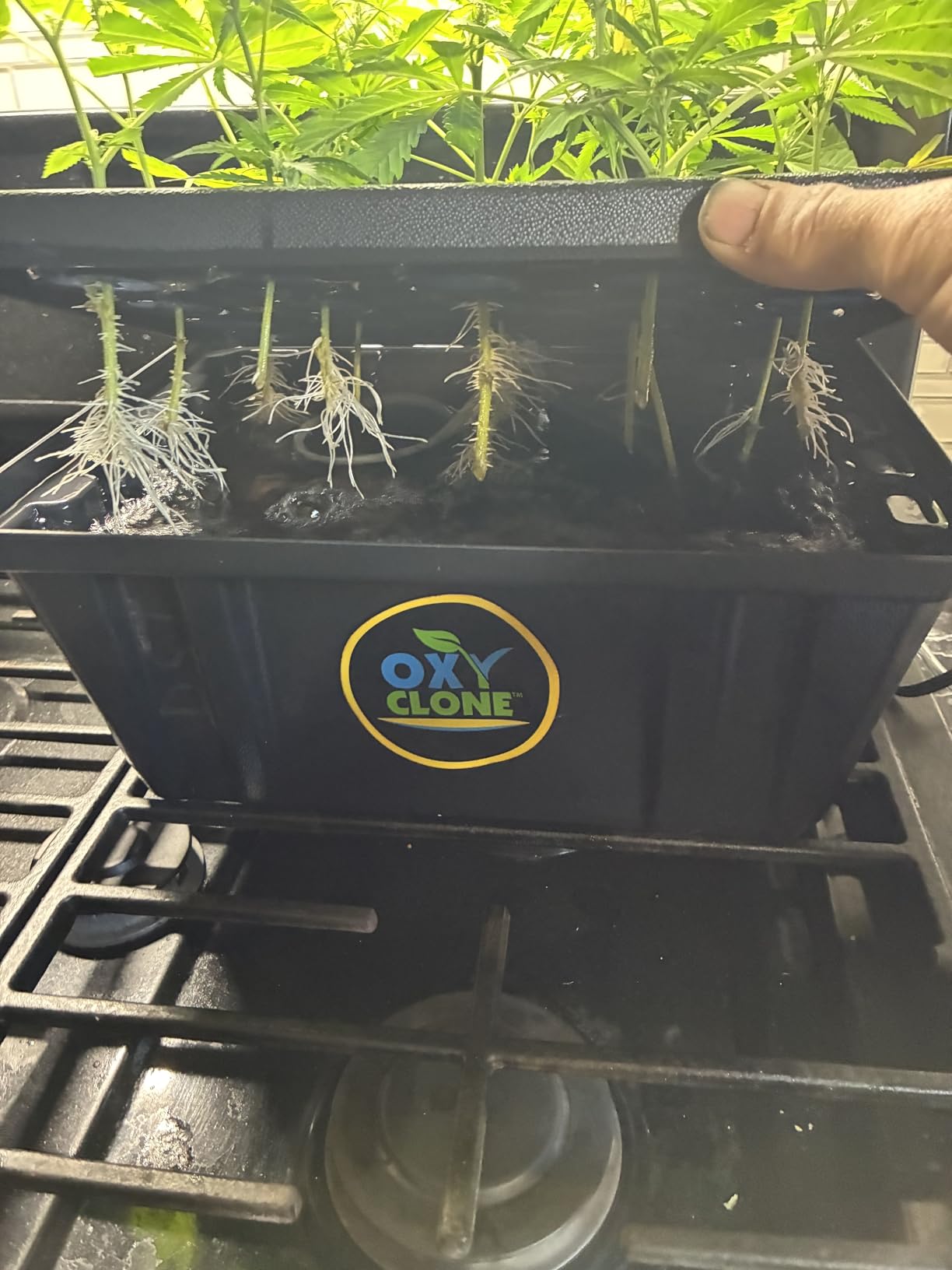
Because it recirculates, water level discipline matters more here than on a machine that mistes intermittently. Check the reservoir at least twice a day during a warm run, and keep the lid level so the return path does not drown one corner.
The honest drawback is power draw. A submersible pump and an air pump running together adds up on an electricity bill and produces heat, and the air stone needs periodic cleaning to keep bubbling freely. Growers who travel regularly should think hard about this one.
For most home growers this is the sensible middle of the list: fewer sites than the big chambers, a smaller footprint, and the most complete oxygen package of anything here. It is the machine I would put on a shelf in a one-bedroom apartment.
Why the air stone matters more than the mist
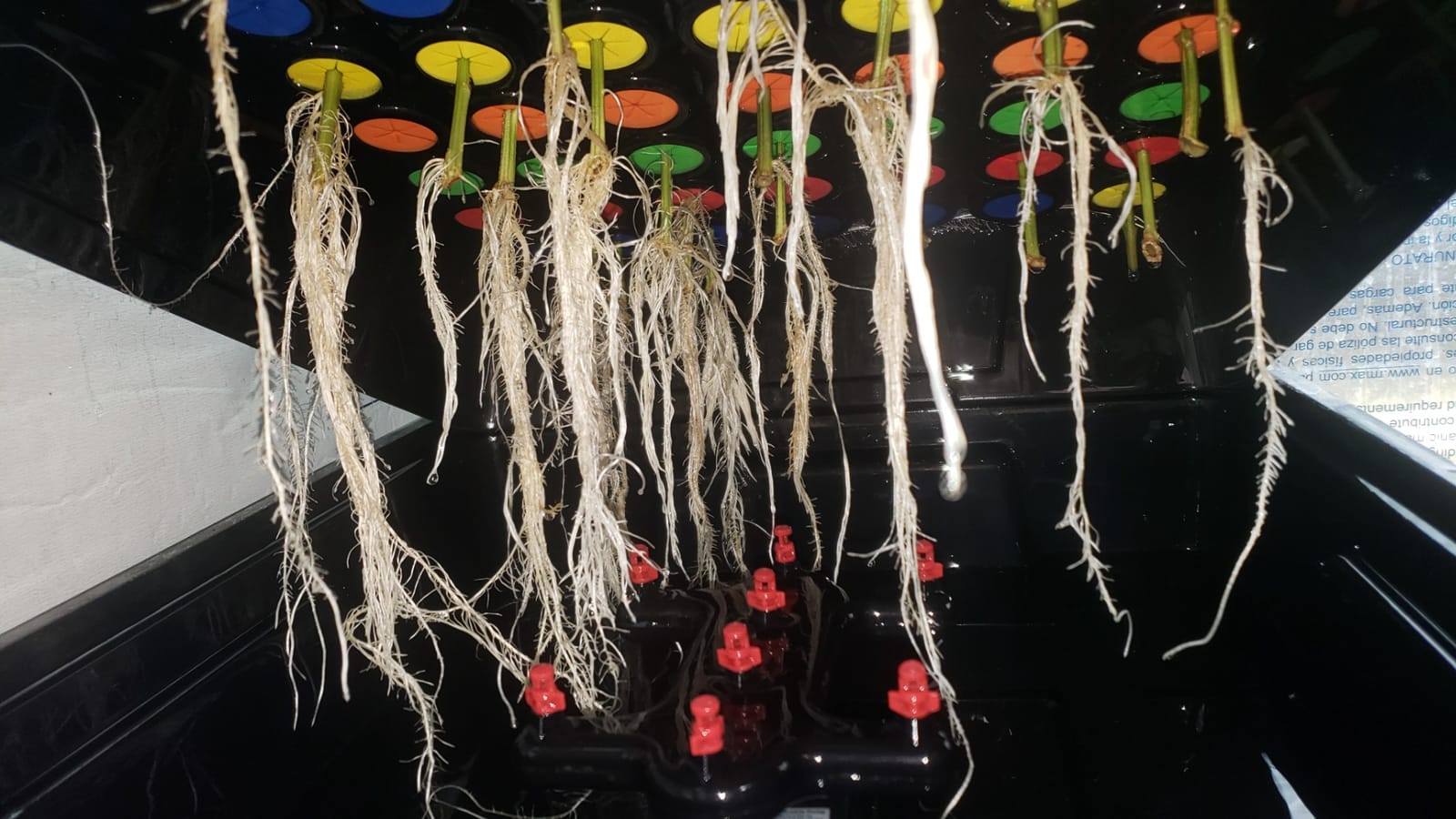
Misting wets roots; the air stone keeps that wet root mass oxygenated between cycles. A root sitting in still, nutrient-rich water is a root sitting in a rot risk, and dissolved oxygen is what separates healthy white roots from tan, slimy ones.
Budget for a replacement stone every few months and a quick weekly rinse. It is a two-dollar part that protects a machine costing several times that.
Where this machine asks more of you
It rewards attention. Two pumps mean more to monitor, more heat, more cleaning, and a genuine obligation to check water level before bed. If your instinct is to buy something you can set and forget for a week, this is the wrong pick no matter how good the rooting is.
Before you buy, check the boring details
Confirm your collar format before ordering. The kit includes 20 oxyCERT collars, and buying a different brand’s inserts later means swapping the whole lid in some cases.
3. HORTIPOTS 35 Site Aeroponic Cloner – Best for Fast Rooting
Aeroponic Cloner Machine, Cloning Machine 35 Site for Cutting Rooting Germination Kit Using 1.625 inch Neoprene Clone Inserts
- Buyers report rooting cuttings in 4 to 10 days
- Runs without a separate air pump which simplifies setup and reduces heat
- UL listed pump with pre filter housing resists debris and clogging
- Hard foldable humidity dome included to cut transplant shock
- Uses 1.625 inch inserts so it does not fit 2 inch collars
- Some buyers report a thin feel and light intrusion that encourages algae
- Needs a cycle timer and pH monitoring added separately
This is the machine to buy if rooting speed is the metric you care about. Across 614 ratings the headline claim is consistent: cuttings callus and throw roots in four to ten days, which puts it at the fast end of what home propagators deliver. HORTIPOTS has been building these since 2016, and the design has clearly been revised rather than abandoned.
The engineering detail that interests me most is the claim that it works without an air pump. A patent pending spray manifold is designed to need a smaller water pump and generate less heat, and the lid vents and circulates air passively. For a home grower that is one less component to service and a lower risk of a warm reservoir cooking your clones.
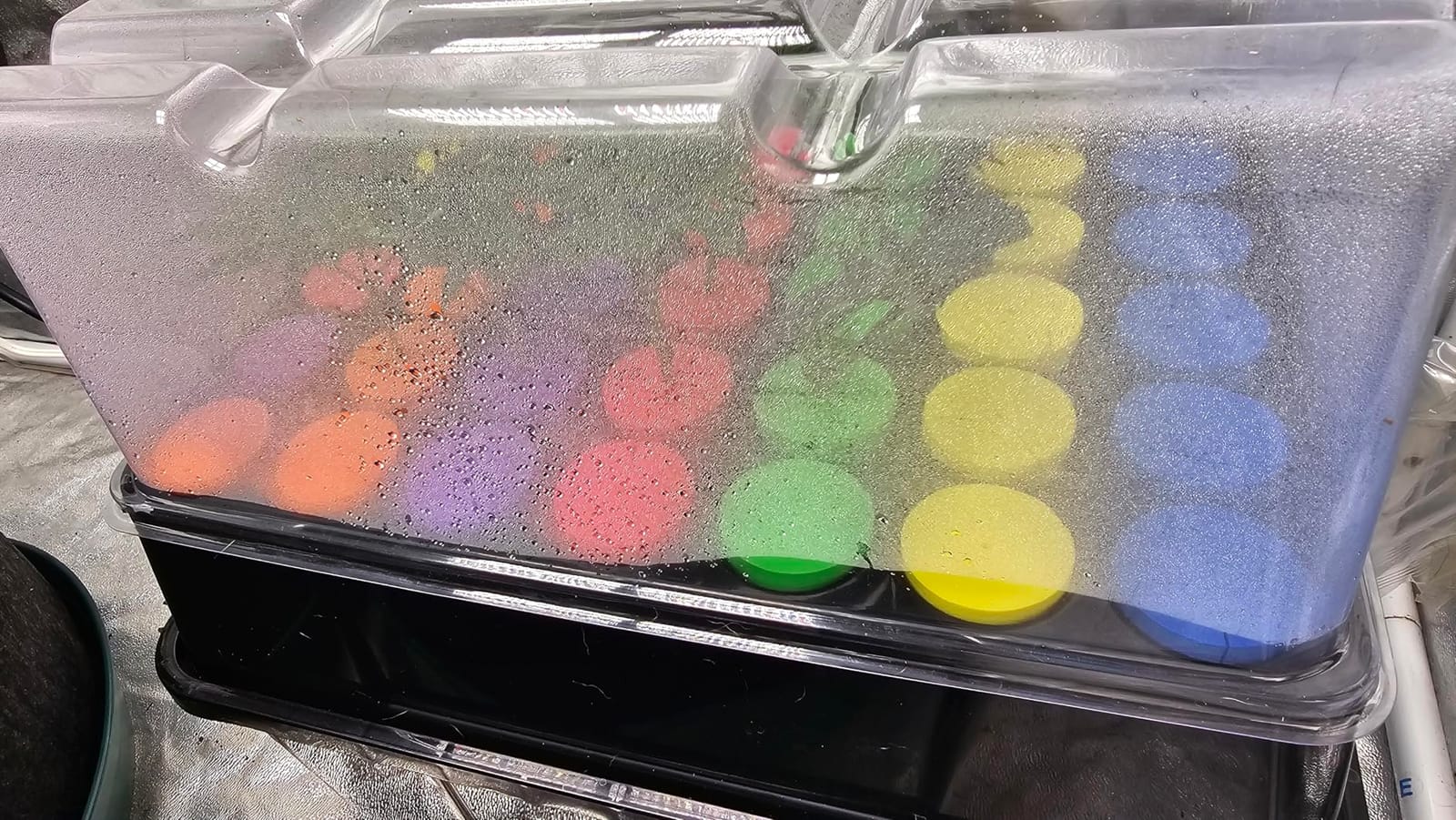
The included foldable hard plastic humidity dome is a real upgrade over the thin vinyl covers that come with cheaper kits. It reduces leaf transpiration during the sticking phase, which is where a lot of propagation attempts quietly fail.
Two caveats show up repeatedly in reviews. Buyers describe the black ABS housing as feeling thin in the hand, and thin lid discs can admit enough light to encourage algae in the reservoir, so keep it in a dim corner. The other is compatibility: this machine uses 1.625-inch neoprene inserts, so it will not accept the 2-inch collars many growers already own.
If fast rooting and a self-contained kit matter most to you, this is the pick. Pair it with a cheap pH pen and a cycle timer, because the machine supplies neither.
What rooting speed actually depends on
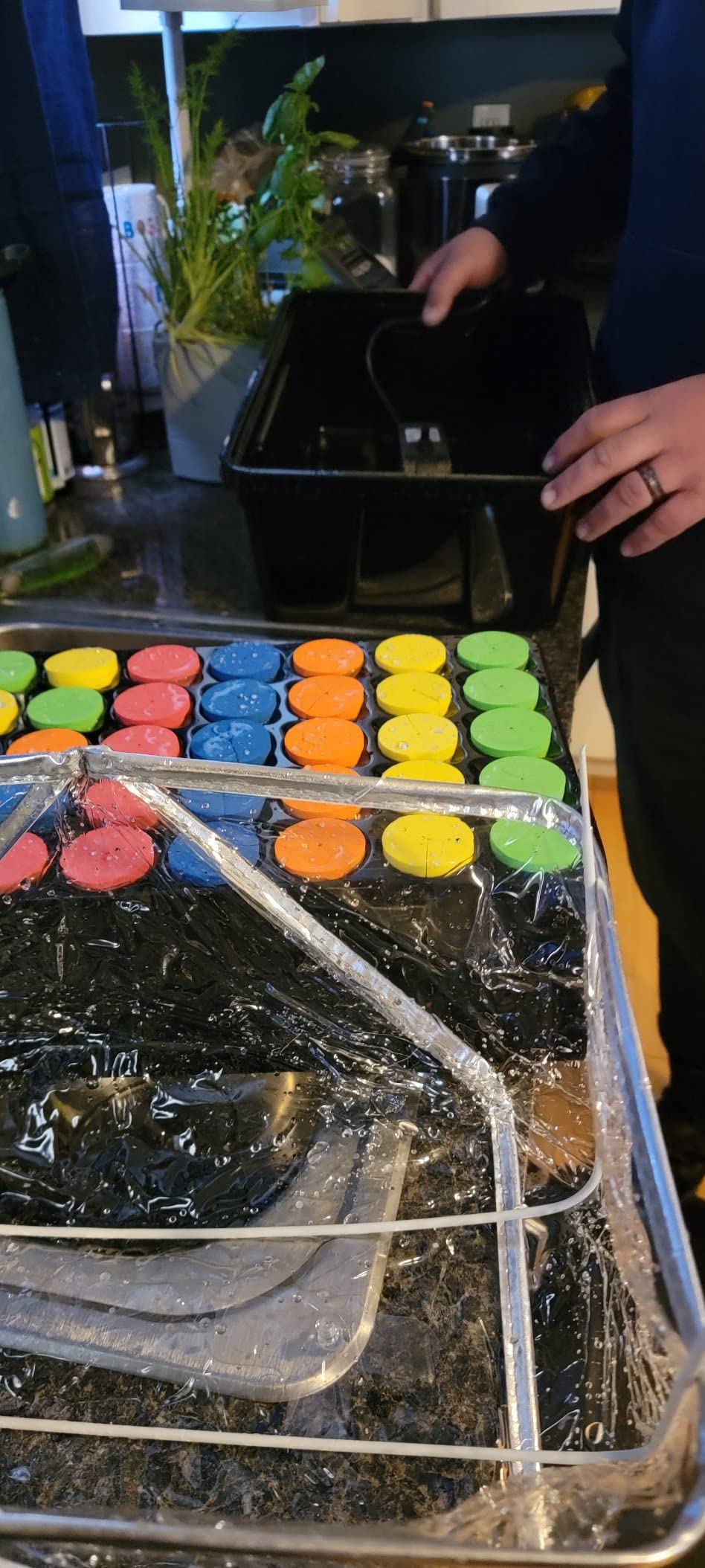
Four to ten days is achievable but it is not automatic. Cutting angle, leaf removal, humidity under the dome and solution temperature all move that number, and the machine is only one part of the equation. The dome is what makes the fast end of that range likely.
Once roots are two inches long, transplant to a growing medium. Leaving cuttings in the cloner too long is a common mistake and produces stretched, weak plants.
Who should skip this one
Skip it if you already own 2-inch collars, or if your growing space is a bright, dry room where a dome is a liability rather than an advantage. It is also a large site count for a first machine, so consider the 24-site version below if you propagate in smaller, more frequent batches.
4. HORTIPOTS 24 Site Aeroponic Cloner – Best for 2-Inch Collar Growers
Aeroponic Cloner Machine 24 Site for Cuttings Rooting Using 2 inch Neoprene Inserts or 2 inch Clone Collars
- Uses widely available 2 inch neoprene collars many growers already own
- Roots cuttings in 4 to 10 days with strong reported success
- Extra pump filter and spare spray nozzles included in the box
- Parts fit tightly with minimal seam leakage
- 120V pump is not suitable for 220 to 240V mains and has overheaten for overseas buyers
- Thin lid discs can admit light and encourage algae
- No built in pH monitoring and no interval timer
This is the same engineering approach as pick three at a more manageable size, and for most home growers it is the better of the two. Twenty-four cuttings is a realistic weekly batch for a kitchen herb garden, and the key difference is collar format: this machine runs standard 2-inch neoprene collars, which are the most widely available inserts on the market.
That compatibility has real money value if you already own a stash of 2-inch collars, and it removes the single most common compatibility complaint in this category. Buyers also note that the box includes an extra pump filter and spare spray nozzles, which is generous and directly addresses the clogging problem that ruins so many cheap cloners.
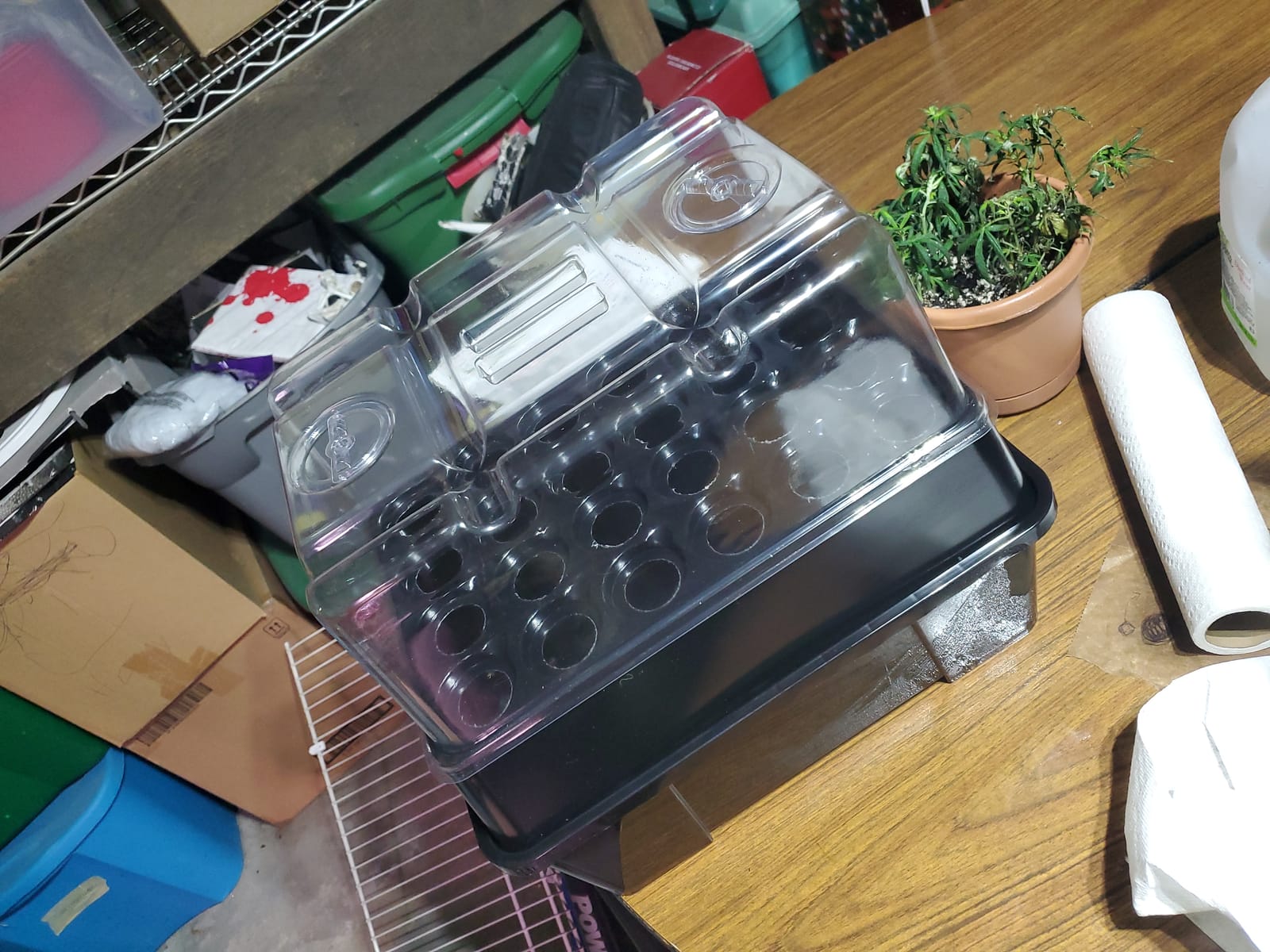
Rooting performance is the same four to ten day window, and the hard acrylic humidity dome is a proper dome rather than a floppy cover. Parts fit with minimal seam leakage according to multiple owners, which matters because mist escaping through gaps is water on your shelf and moisture in your walls.
The voltage caveat is the one to read twice. The 120V pump is not suitable outside North America, and reviewers outside the US report it overheating or tripping fuses on 220 to 240V mains. If you are outside the US, rule this one out before anything else.
The rest of the complaint list is honest and short: thin lid discs that admit light, 2-inch plugs that can sit slightly loose and let solution splash upward, and no built-in pH monitoring so you must check and adjust nutrient pH separately.
My advice is to buy this one over the 35-site if you are starting out, then step up when you know your batch size. Run the pump on a cycle timer rather than continuously, which is what most experienced growers do with this design.
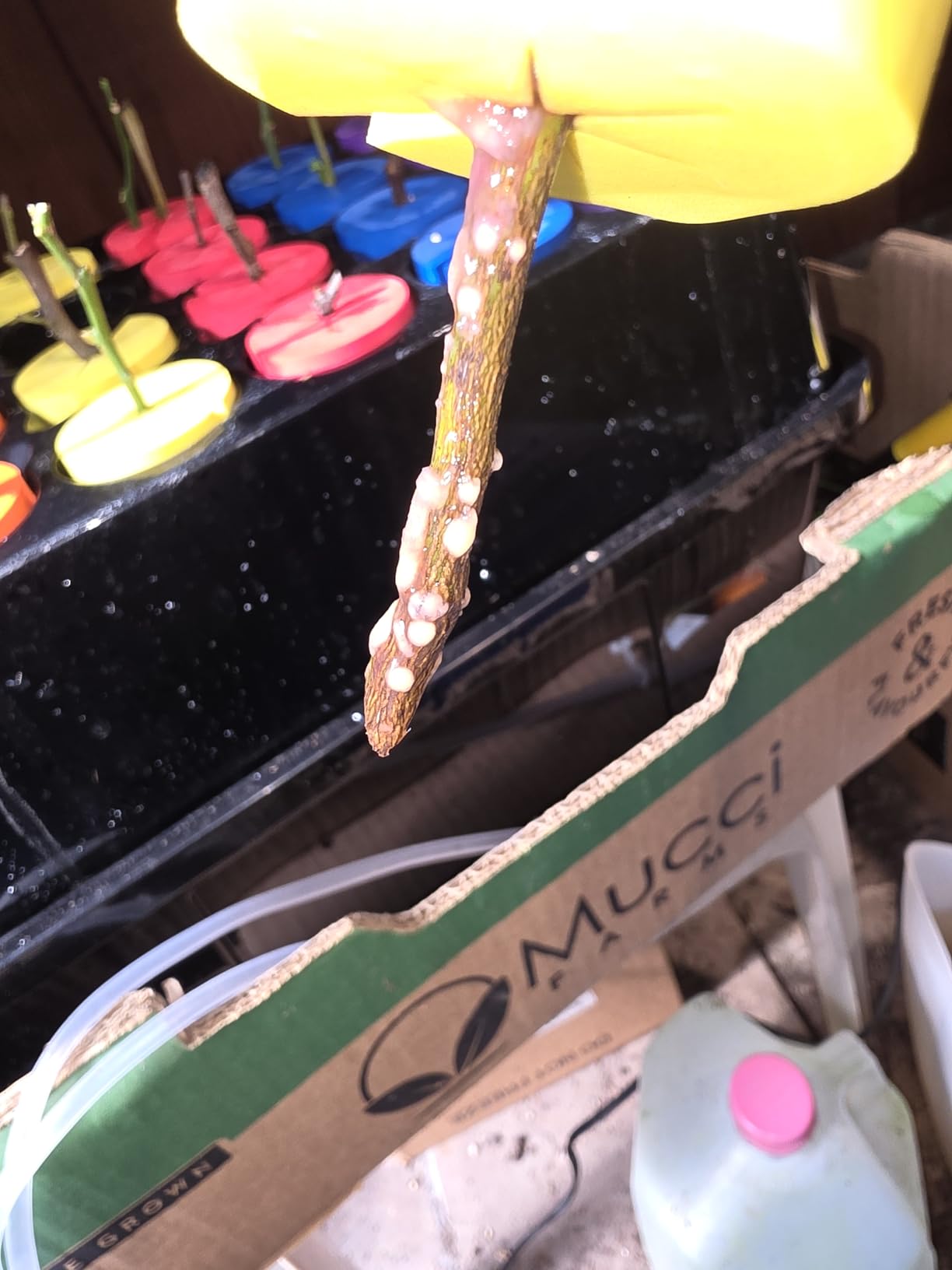
The 2-inch versus 1.625-inch collar question
Collar diameter is the compatibility switch that decides which machines you can actually use. Growers who already own 2-inch neoprene collars should choose a 2-inch machine, and everyone else should pick one and stay with it, because re-potting between formats is fiddly and wastes collars.
Measure the port on the lid before you buy anything. It takes thirty seconds and prevents the most annoying return trip in this whole category.
Signals that your setup is ready to graduate
When you start losing cuttings to transplant shock rather than to rooting failure, the cloner is no longer your problem. Move plants to a larger system, a tower, or a straightforward nutrient solution setup and use the cloner for what it is best at.
5. TurboKlone T48D – Premium Pick for Maximum Site Count
- 48 sites in a tall narrow footprint of 24 x 18 x 9 inches
- Patented fan system keeps reservoir water temperature down and protects roots from rot
- Rounded interior corners make the chamber easy to sanitize
- Owners report long service life with units still running after four years
- Costs several times more than smaller plastic cloners
- Some units arrive with missing collars or misaligned power cord notches
- No built in pH meter or interval timer
- 120V operation only
The TurboKlone is the only machine here designed around a cooling problem rather than a size problem. Its patented fan system moves air over the reservoir to pull water temperature down, and that single feature is why owners of the T48D report fewer root failures during warm months than almost anyone else in this roundup. Root rot is a temperature problem far more often than a pathogen problem.
Forty-eight sites in a 24 by 18 by 9 inch package is genuinely impressive vertical efficiency, and the tall-and-narrow shape stores well when the grow is finished. The humidity dome is included and thick enough to feel rigid, and the rounded interior corners are a small design decision that pays off every time you sanitise the chamber between runs.
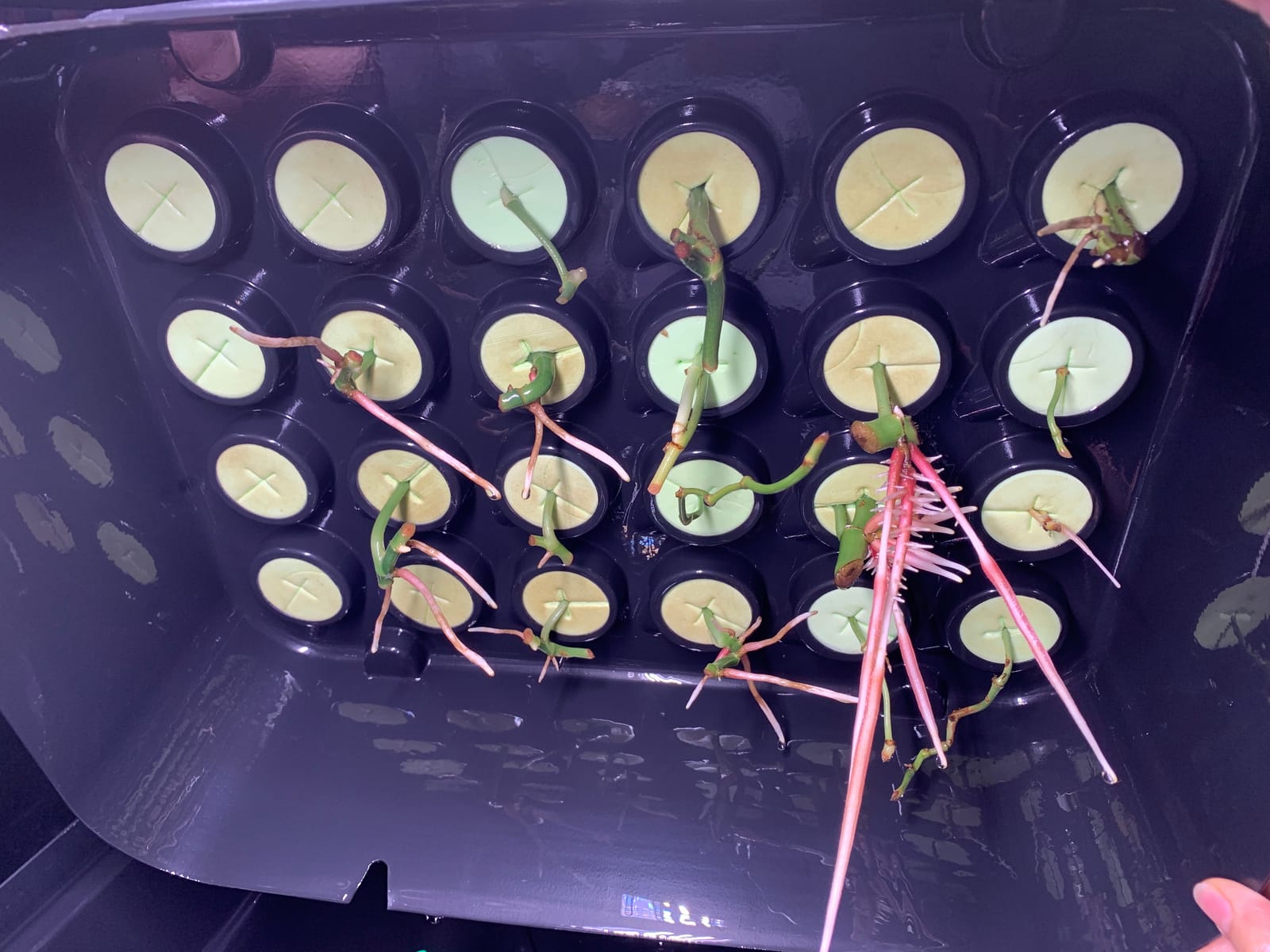
Its 3.75-gallon reservoir is still small by bin-build standards, which is a real advantage in a home. You are not mixing ten gallons of solution to change a nutrient recipe, and reviewers point out that long service lives are common, with units still running after four years.
The price is the honest drawback. It costs several times more than the plastic bucket cloners in this roundup, and for a home grower propagating a dozen cuttings a month that spend makes no sense. The negative reviews here concentrate on quality control rather than performance: missing collars, misaligned power cord notches, and parts arriving broken.
There is no built-in pH meter or interval timer here either, and most owners add both. The unit operates on 120V only.
For a grower propagating in serious batches, or anyone in a warm room fighting summer root rot, this is the machine that solves the problem better than anything else on the list. For everyone else, it is a luxury.
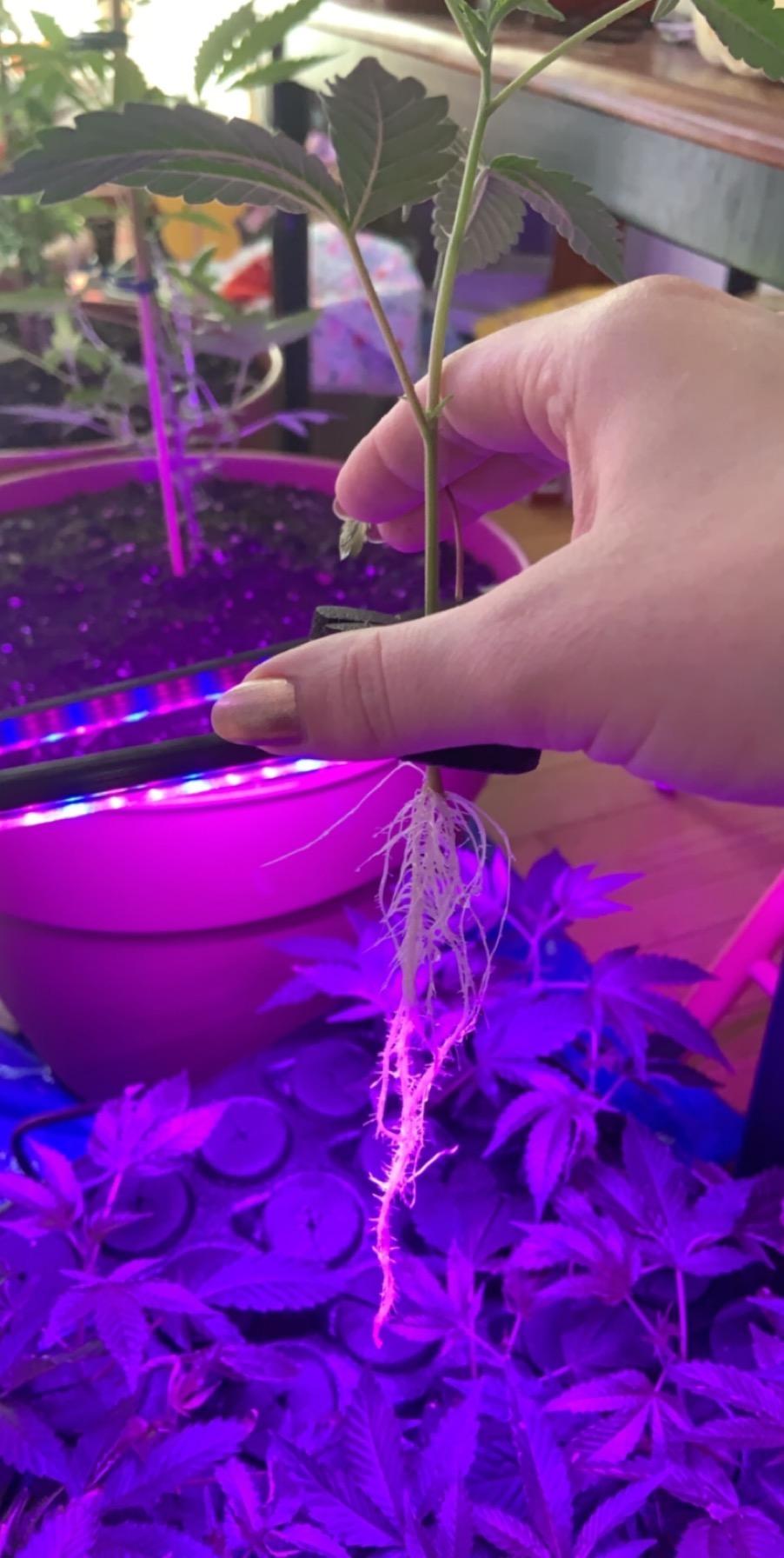
Why water temperature decides propagation success
Warm nutrient solution holds less dissolved oxygen. Cloning roots need oxygen, and a warm reservoir in a closed chamber is exactly where supply drops fastest. The T48D’s fan system exists to solve that, and growers who run it through summer report the difference directly.
Without a cooling system you can compensate with a smaller chamber, more frequent solution changes, or a chiller, and all three cost you something. This is the one machine here that addresses temperature as a design feature.
Who should look elsewhere
Look elsewhere if your batch size is under twenty cuttings a month, or if the price gap between this and a plastic cloner is money you would rather spend on a grow light and nutrients. Both are the higher-return purchases for a home setup.
6. Psycloner Pro 35 Site – Best for Compact Shelves
Psycloner Pro Clone Machine, Aeroponics System, Cloner for Plant Cuttings, Propagation + Bonus (35 Site)
- Compact design fits more sites into a small footprint than most 35 site units
- Owners report 3 to 4 inch roots in about two weeks
- ABS tray blocks light from the root zone and aids evaporative cooling
- Bonus neoprene collars and cloning gel included
- Leaking is the most common complaint when the lid does not seat perfectly
- Thin ABS flaps and corner seams can develop hairline drips
- Pump impeller may need spinning by hand after the first few runs
- 120V pump can burn out on 220V
The Psycloner Pro does the most reliable rooting in the set, in our reading of the reviews, and it does it in a small footprint. Owners report 3 to 4 inch roots in roughly two weeks, which is the fastest observed turnaround of any machine here. It is also available in 70 and 140 site variants if you outgrow it.
The design detail we like most is the ABS propagation tray, which is described as blocking light from the root zone and promoting evaporative cooling. That is a quiet nod to the same temperature problem the TurboKlone tackles with a fan, achieved passively here.
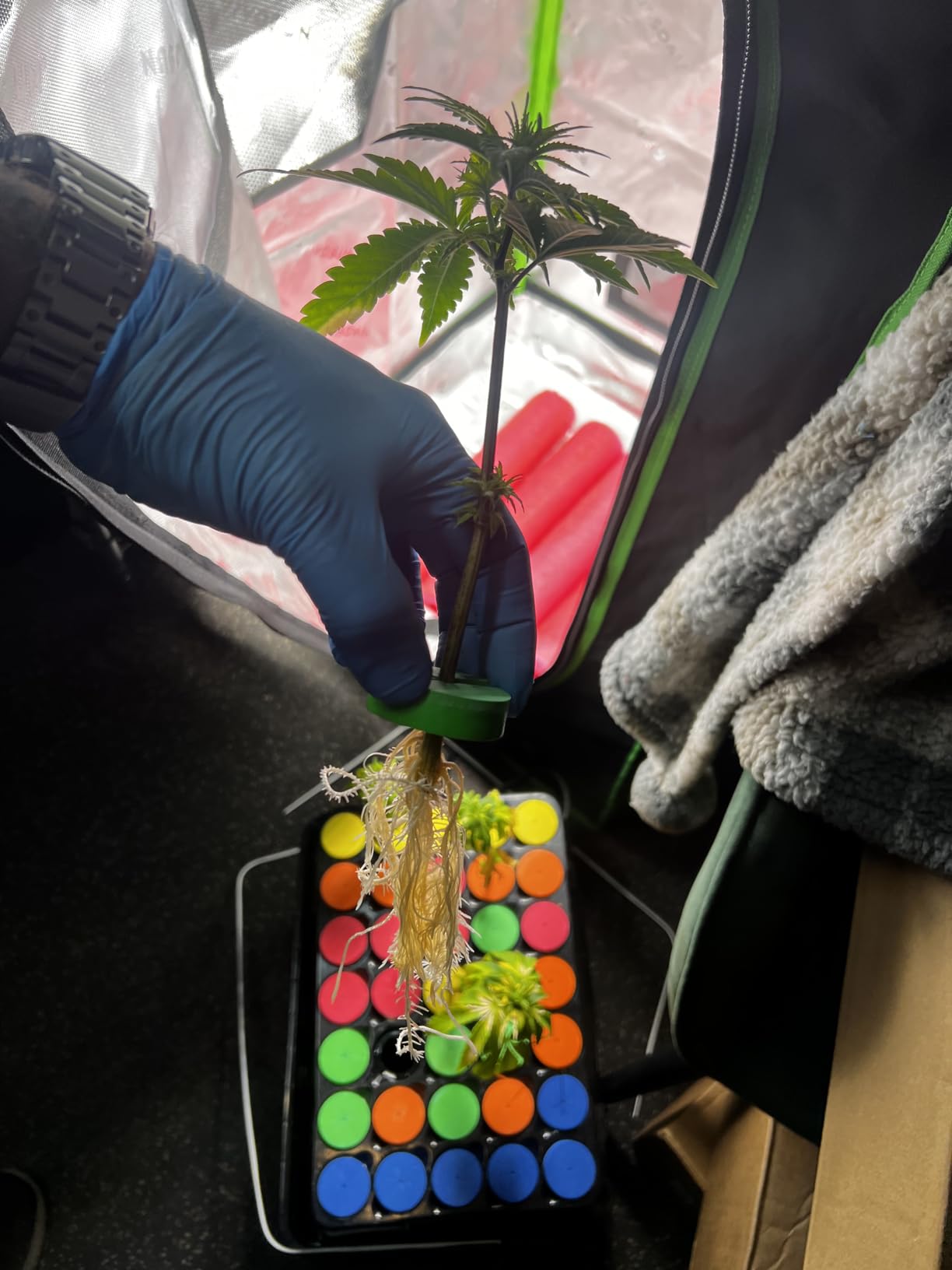
The box also includes neoprene collars and cloning gel, and setup takes minutes with no special technical knowledge. For a first-time propagator who wants a complete kit, that completeness is genuinely useful.
Now the honest part. This unit has the lowest average rating in the roundup at 4.0, and the reason is sealing, not performance. Multiple reviews describe it sitting in a puddle unless the lid seats perfectly, with some owners taping the seam. Thin ABS flaps and corner seams can develop hairline cracks, and the pump impeller sometimes needs a spin by hand after the first few runs.
There is also a 120V pump that can burn out on 220V, and a lid that can warp if you put it in a dishwasher. Sanitise by hand.
We would not skip this machine over the leak complaints, because rooting performance is the thing you are buying and it delivers. But we would check the lid seal and inspect the seams before you fill it with nutrient solution, and keep it on a waterproof tray.
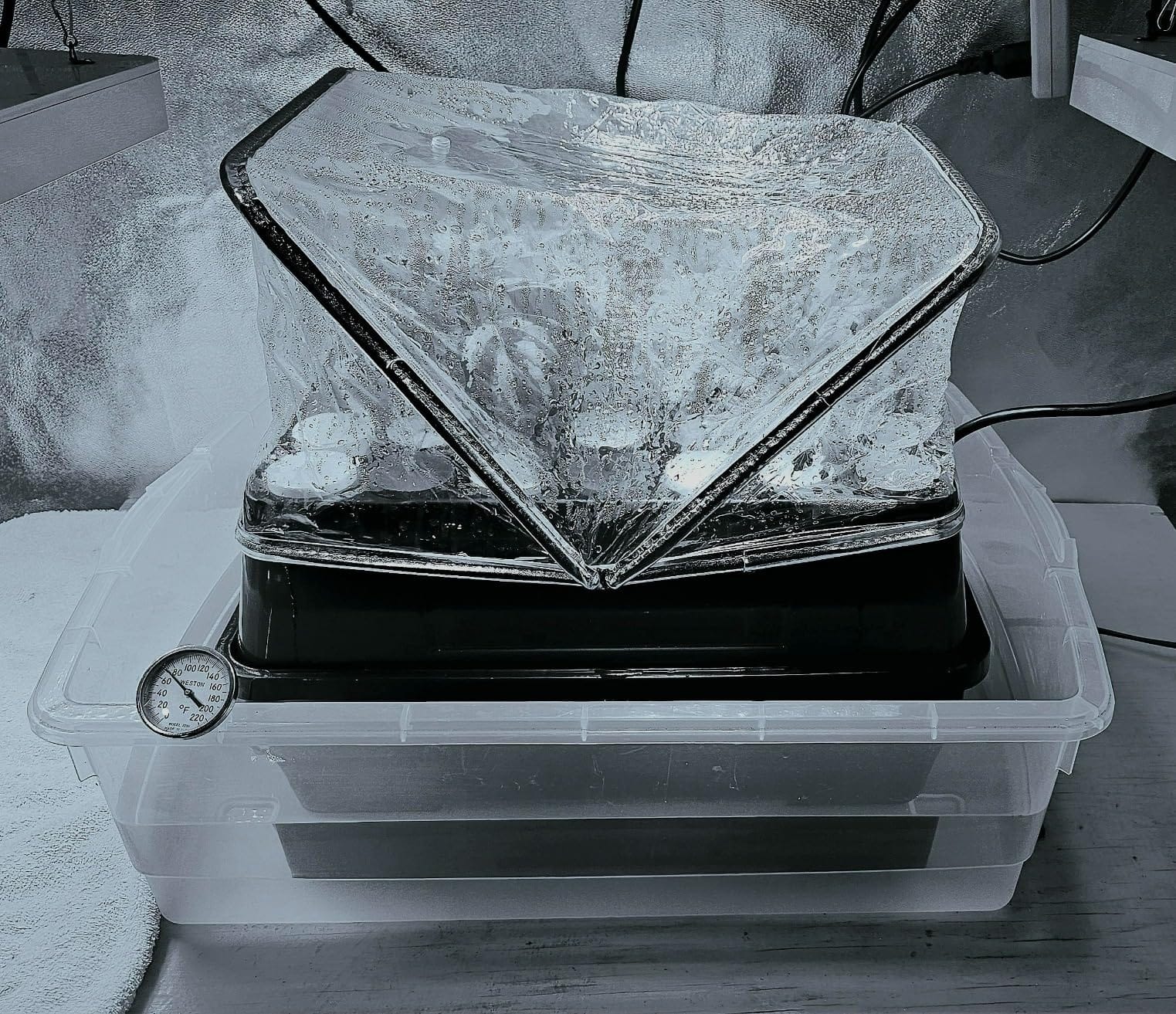
How to seal a leaky lid properly
Set the lid dry and press each corner firmly, then run a short mist cycle with plain water and look underneath. Any pooling point is a seam that needs attention, and a strip of closed-cell foam tape along that line costs almost nothing and fixes the problem permanently.
Never try to solve a drip with a towel. Constant moisture near the base invites mould and it will damage the shelf as well as the machine.
Before you choose this over pick three
Choose the Psycloner if shelf depth is your binding constraint. Choose the HORTIPOTS 35 if you want a stiffer housing, an included pre-filter housing against clogging, and no known sealing complaints. Both root quickly.
7. EZ Clone 16 Cutting System – Best for Small Batches
- Made in the United States by Hawthorne Hydroponics
- Cleanest rating profile in the roundup with 79 percent five star ratings and 6 percent one star
- 16 cutting capacity is a practical size for home propagation
- Smallest site count here so it suits hobby propagation not volume
- Listing provides minimal feature detail beyond dimensions and origin
- Budget leaves no room for a dome or collar refills
Sixteen sites is a small machine and that is the entire argument for it. If you propagate herbs for your kitchen rather than plants for a grow room, sixteen cuttings is usually more than a week of work, and a 16-site chamber is easier to heat, clean, drain and store than anything else here. The unit weighs 8 pounds and packs down to roughly a 16 by 15 by 15 inch box.
It is also the best-reviewed unit in this roundup by percentage. A 4.5 average with 79 percent five star and only 6 percent one star is the cleanest distribution here, and it comes from Hawthorne Hydroponics, a California operation that makes the unit domestically rather than importing it.
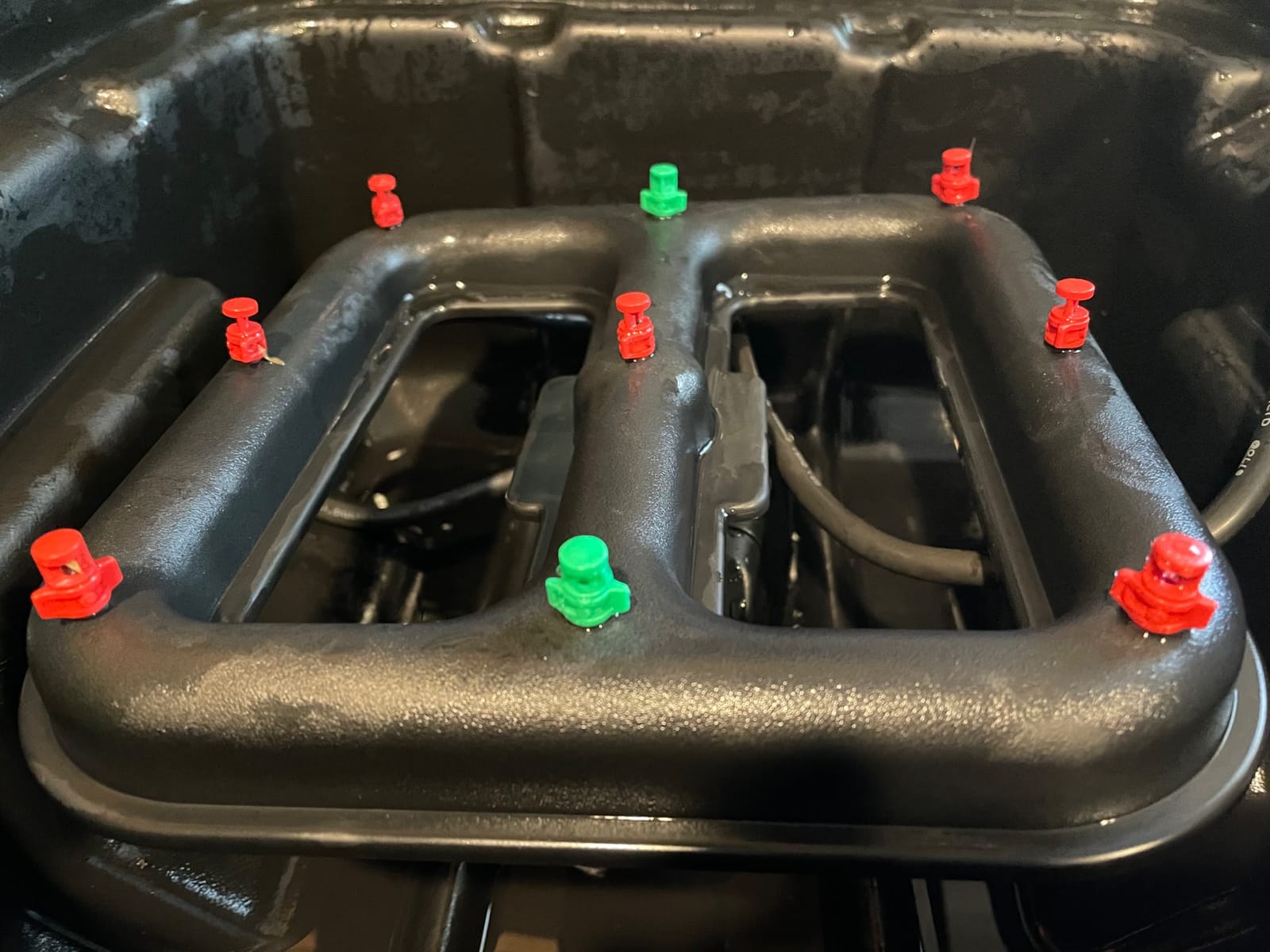
What you give up is scale and disclosure. Sixteen sites will not cover a large batch, and the product listing is unusually thin on detail compared with the HORTIPOTS and TurboKlone listings, so expect to work out collar compatibility and pump specs for yourself before ordering.
Because there is no room in the cost structure for extras, budget for a humidity dome, a cycle timer and a pH pen separately if your propagation room is dry.
Our honest view is that this is the right machine for a grower who wants aeroponic propagation to be a pleasant weekly habit rather than a production operation. It is also the machine we would not mind seeing on a small kitchen shelf.
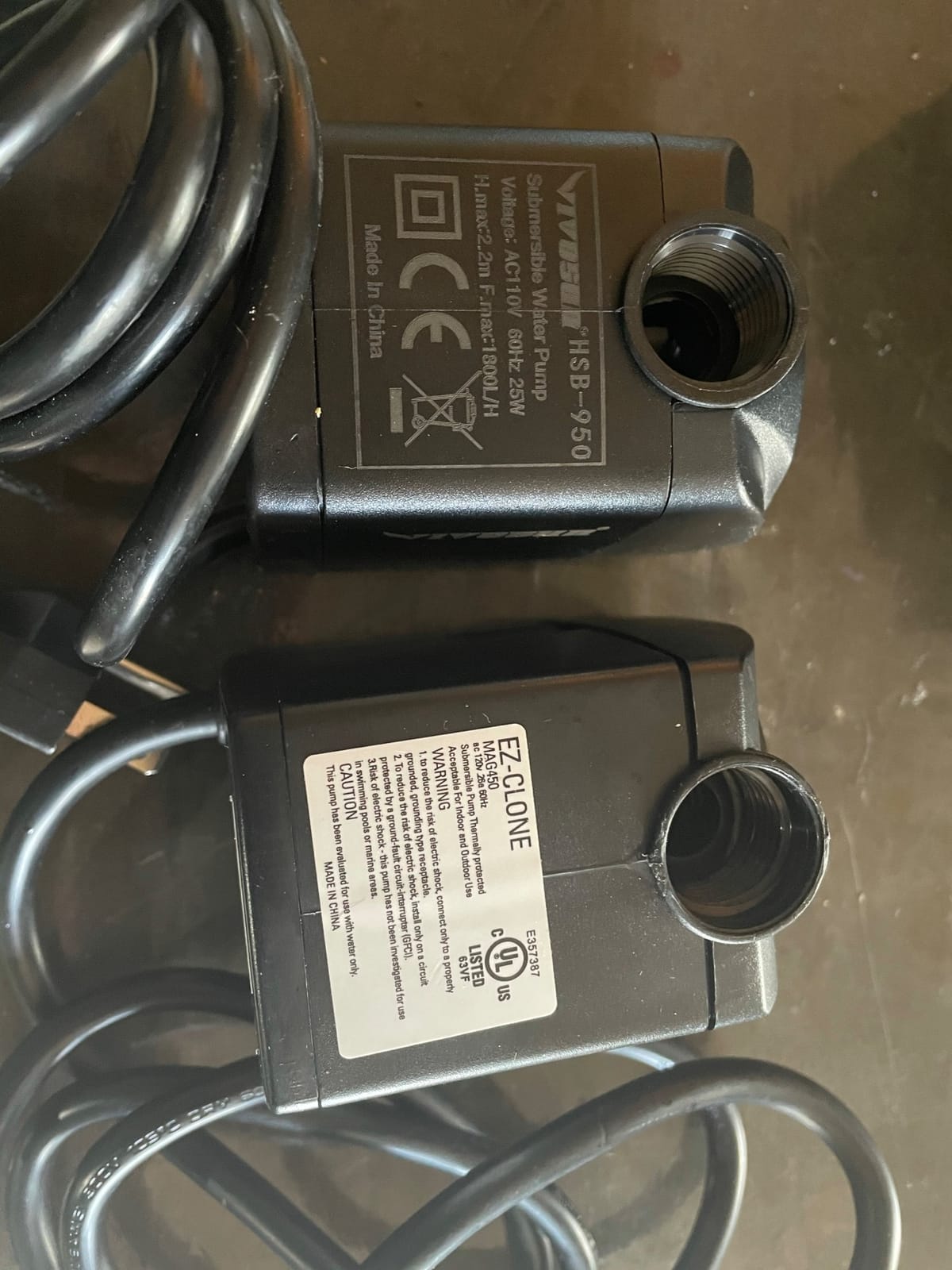
Small batch versus large batch
Large chambers reward efficiency. A 48-site machine run at full capacity roots more cuttings per litre of solution, and fewer runs means fewer sanitising sessions. If you are regularly propagating at or above that level, bigger is genuinely more efficient.
Small chambers reward simplicity. Less solution to mix, less to change, less to leak, and a machine you will still use next year. If your real need is fifteen cuttings of basil a week, capacity is not an advantage.
What to buy alongside it
A cycle timer, a pH pen, and a humidity dome. Those three inexpensive items are the difference between a cloner that works consistently and one that gives you a frustrating month of failed batches.
8. PowerGrow 21 Site Bucket Cloner – Budget Pick
Plant Cloning Machine – Deluxe 21-Site Bucket Cloner Kit by PowerGrow Systems
- Lowest cost in the roundup
- Complete kit includes bucket lid collars pump and cloning gel
- 360 degree spray nozzles give full mist coverage
- Standard bucket format makes height and capacity easy to adjust
- Made in the USA with a production history of over 15 years
- No humidity dome included so cuttings take more transplant shock in dry rooms
- Plastic bucket is less durable than rigid enclosed cloners
- Open design lets light reach the solution
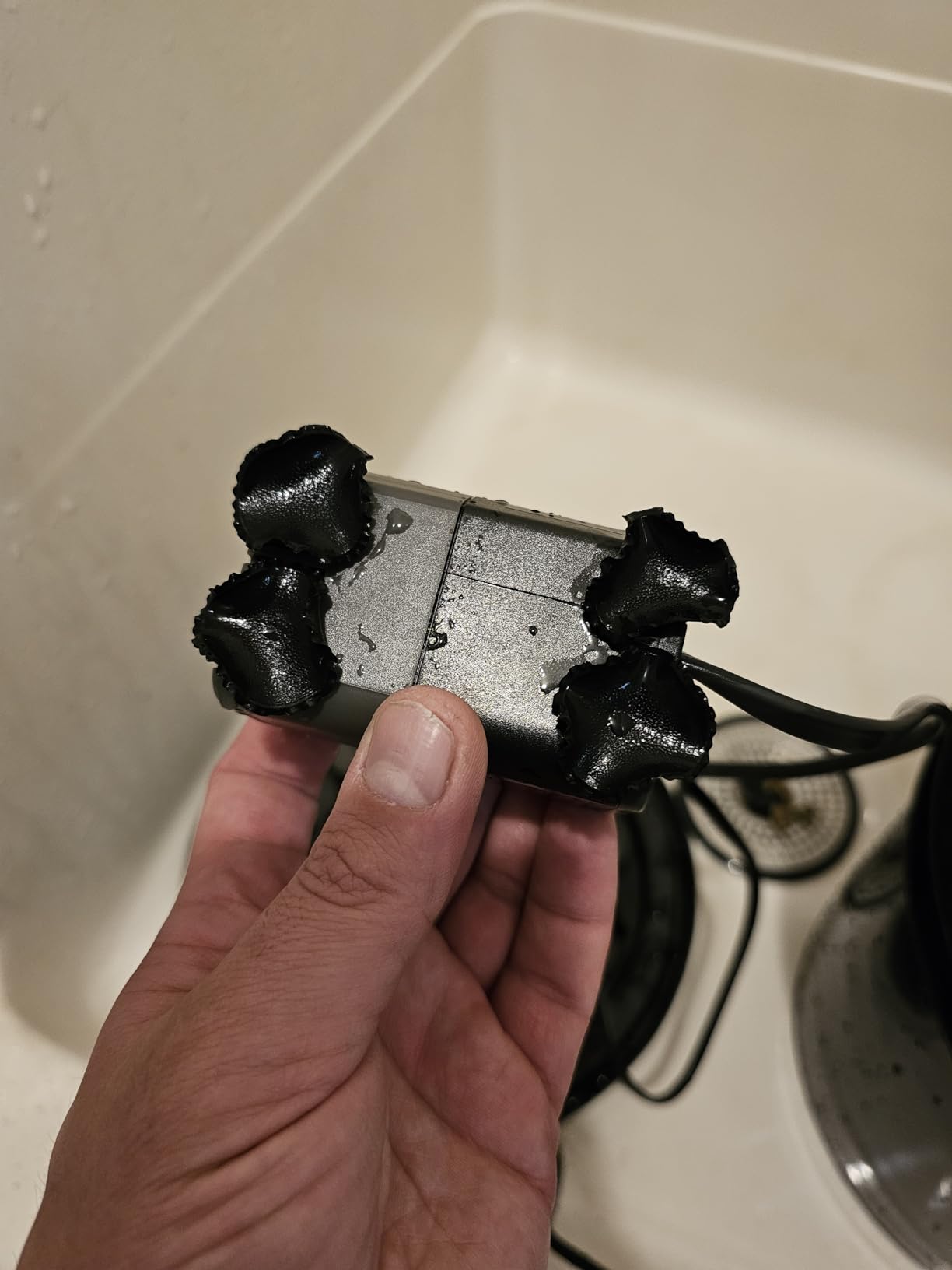
The PowerGrow is the entry point into this whole category, and the reason is simple: it is a standard bucket with a purpose-built lid. You get the bucket, a 21-site lid, clone collars, a pump and cloning gel in one kit, which means no sourcing parts from three different suppliers before you can start.
That format has an underrated benefit. Bucket height and diameter are standardised, so if you want more root room later you can move to a larger bucket with a compatible lid rather than buying a new machine. The 360-degree spray nozzles give full coverage, which matters more in an open bucket than in a sealed chamber.
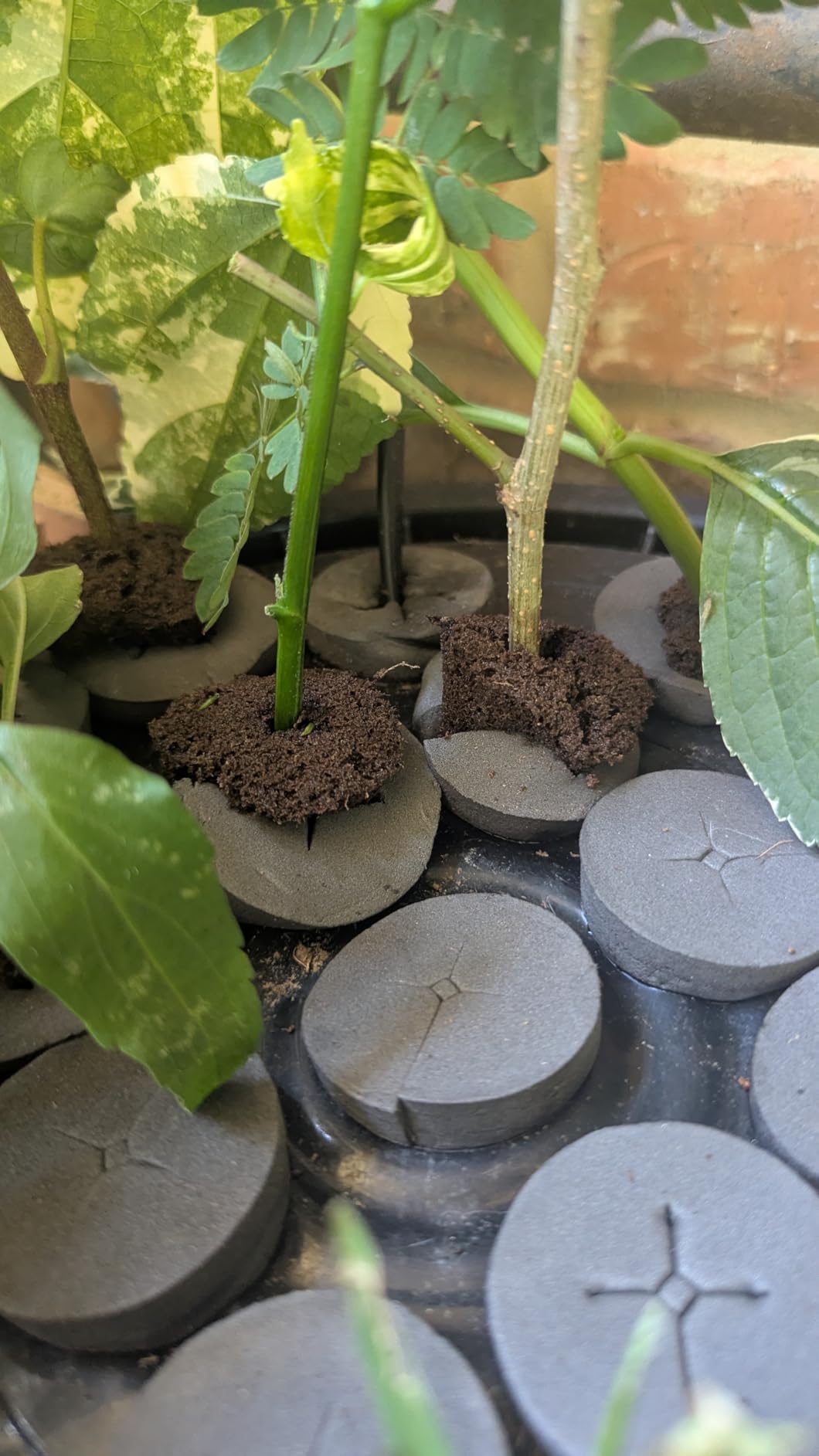
It is made in the USA by a company with a production history of more than fifteen years, and across 159 ratings buyers describe consistent performance for a first rig. The kit format also makes it an easy build if you ever want to move up to your own design.
The trade-offs are the dome and the durability. There is no humidity dome in the box, so cuttings in a dry room take noticeably more transplant shock. An open plastic bucket lets light reach the solution, which nudges algae, and it will not survive being knocked over or stacked the way a rigid cloner will.
Our take: if you are not sure aeroponics is for you, this is the cheapest way to find out with a purpose-built machine rather than a bin build. If you already know you will be doing this for years, put the same money toward a bigger sealed chamber instead.
When a bucket format is genuinely the right answer
A bucket wins when you want flexibility, because the container is interchangeable. Swap to a deeper bucket for larger root masses, or to a shorter one for a shelf with a lid clearance problem. Sealed cloners have fixed geometry, and that rigidity is the same thing that makes them leak or take up too much depth.
The other reason to choose a bucket is cost per site. At this price, the per-site number is the lowest in the roundup by a wide margin.
What to add before your first run
A humidity dome, a clear lid to block light from the reservoir, a cycle timer, and a pH pen. A loose plastic cover and a strip of light-blocking material around the bucket will do the job if you cannot source a dome.
9. HORTIPOTS 70 Site Cloner – Best for Bulk Propagation
HORTIPOTS Cloning Machine Aeroponic Cloner System 70 Site for Plant Cuttings Using 1.625 inch Neoprene Clone Inserts (1-5/8 inch)
- 70 sites is the highest capacity per unit in this roundup
- Roots cuttings in 4 to 10 days with a strong reported success rate
- Humidity dome included and runs without a separate air pump
- UL listed pump with pre filter housing resists clogging
- Largest footprint of the HORTIPOTS line and needs real bench space
- Uses 1.625 inch inserts rather than the 2 inch collars some competitors take
- Only 146 ratings so the long term record is thinner than the best reviewed units
Seventy sites is the largest single machine here, and it uses the same proven design language as picks three and four: a foldable humidity dome in the box, a patent pending spray manifold that works without a separate air pump, and a UL listed pump with a pre-filter housing to keep debris away from the sprayers.
That last detail is the one we would not compromise on at this capacity. At 70 sites, a single clogged nozzle ruins a meaningful fraction of a batch, so a pre-filter housing is not a nice-to-have. The same no-air-pump design that simplifies the smaller HORTIPOTS models also means less heat in the solution and one fewer component to service.
At 8.3 pounds this needs a real shelf or bench, not a countertop, and the 70-site lid is the biggest footprint in the roundup. Anyone buying it for a small apartment should measure first and think hard.
The honest limitation is evidence. With 146 ratings, this has the thinnest long-term record of the higher-capacity units, even though its 4.3 average is the highest of the HORTIPOTS line. It is built from the same 100 percent new ABS engineering plastic as the smaller models, and buyers report no water leaking over several years of use, but that is a shorter track record than the machines above it.
It also uses 1.625-inch inserts, not the 2-inch collars some competing cloners take, so check compatibility with what you already own before committing.
We rate this highly on capability and mark it down on proof. If you are stepping up from a small cloner and want the same proven design at triple the batch size, this is the machine.
Pre-filters versus inline strainers
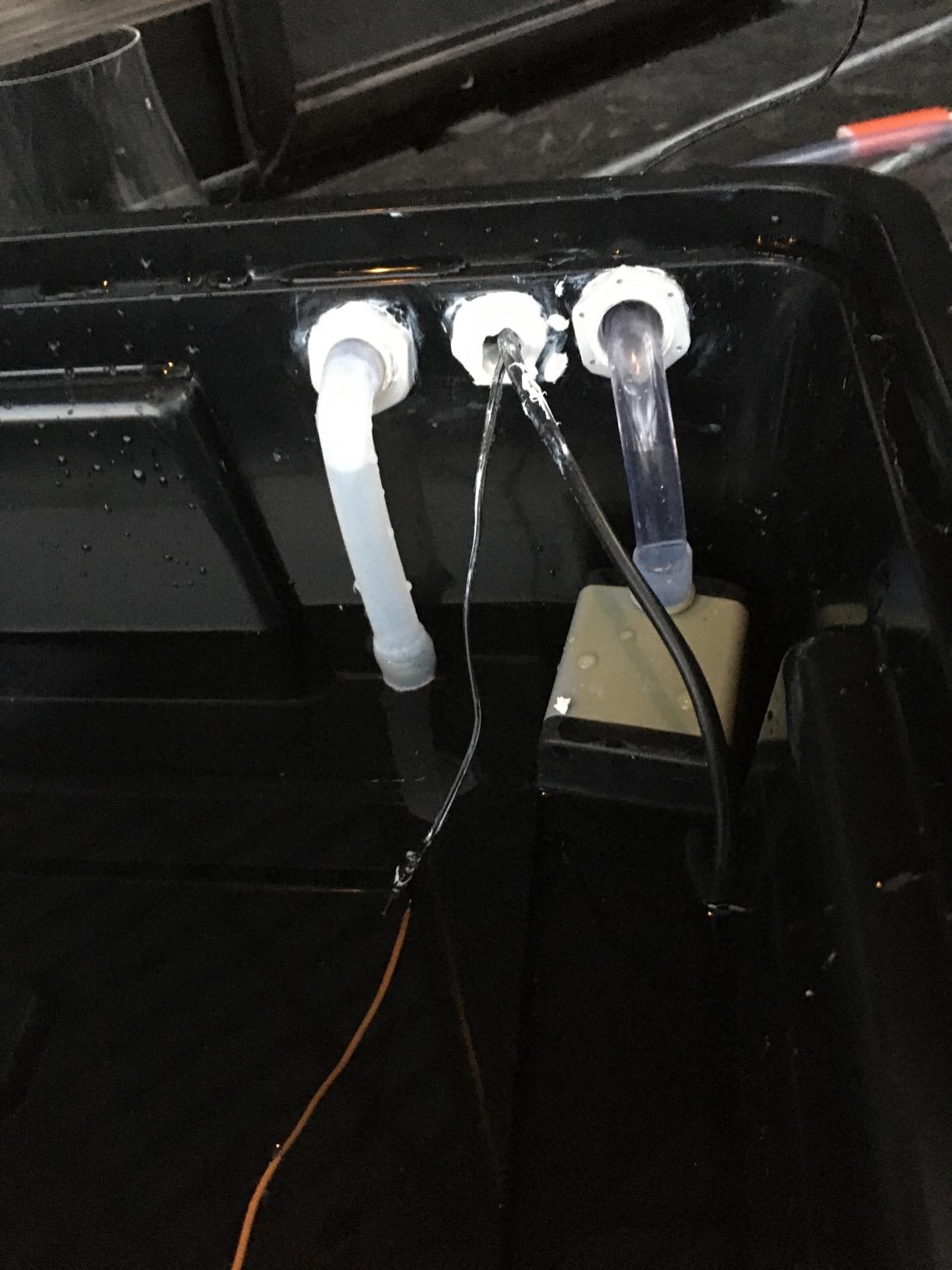
A pre-filter housing sits ahead of the pump where debris is caught before it reaches the spray manifold, which is the cheapest insurance in a misting system. Growers on r/aeroponics who filter at fine mesh report noticeably longer intervals between clogs.
Whatever you buy, clean the filter every two weeks during a heavy rooting run and check it whenever mist output looks thin. Reduced pressure at the nozzle is the first symptom of a blockage.
Is 70 sites right for a home?
Only if you already know your batch size. Seventy cuttings is a serious weekly commitment, and a half-empty chamber wastes reservoir volume and shelf space. If you are unsure, start with the 24-site machine and upgrade once, not twice.
10. LYCereal 30 Plant Vertical Tower – Best for Small Spaces
- Grows 30 plants in under 1 square foot in a 9.84 by 9.84 by 33.86 inch footprint
- Most of the tower arrives pre assembled with beginner friendly instructions
- Timer controlled pump lets you set cycle length and cut energy use
- Visible water level gauge and a sturdy base that stays stable with tall growth
- Ships without seeds a grow light or nutrients which all must be bought separately
- Material is not identified as food grade
- Only 48 ratings so less independent feedback than the cloner systems
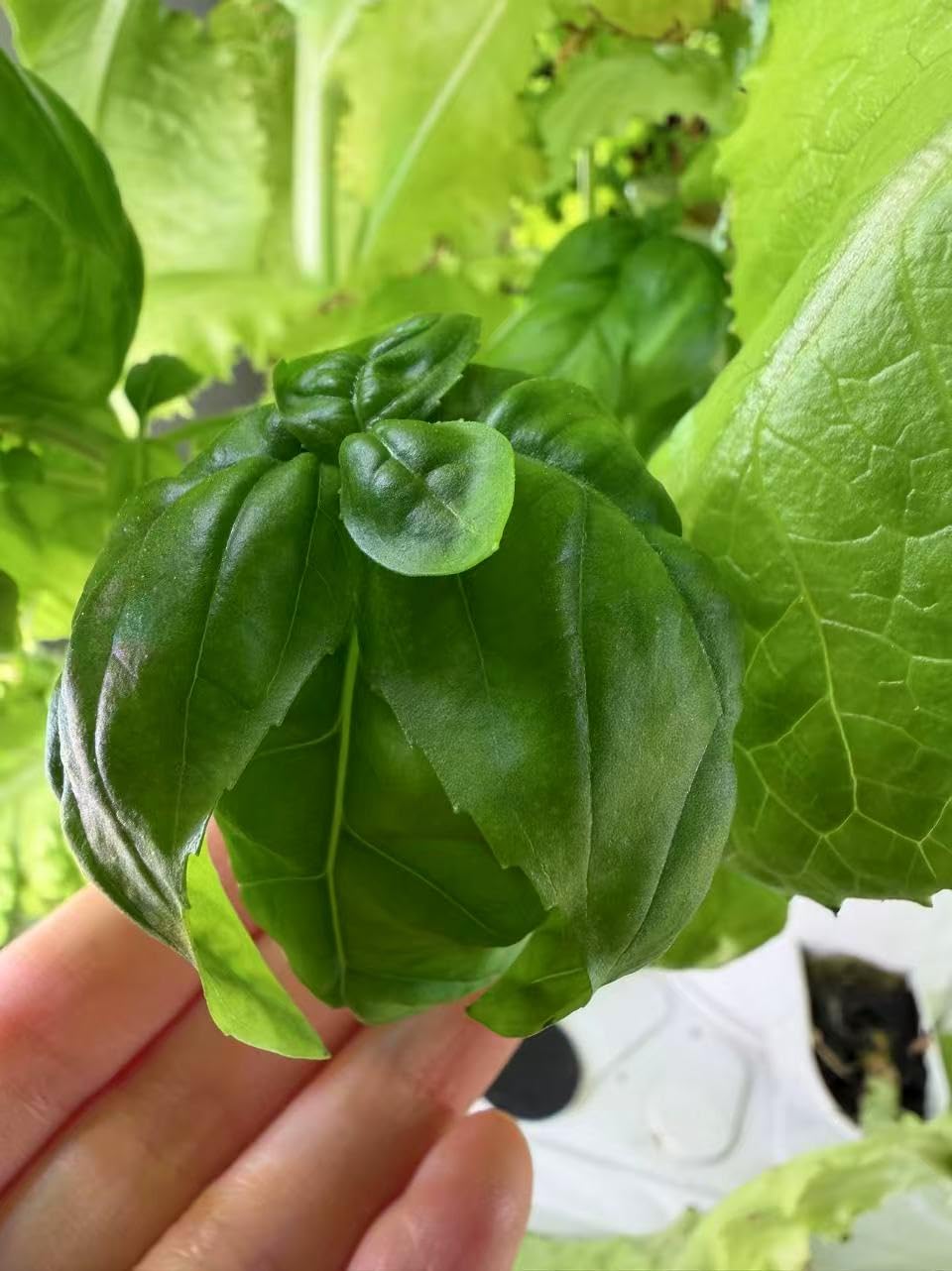
This is the one pick in the roundup you can actually harvest food from, and it is why we included it. Six tiers, 30 planting sites, a 9.84 by 9.84 by 33.86 inch footprint that occupies under one square foot of floor space, and a 10 litre tank with a visible level gauge so you are not opening the tank in the dark to check the volume.
Owners report steady growth of lettuce, kale, cilantro, basil and small tomatoes, and the timer-controlled pump lets you set the irrigation cycle rather than guessing. Most of the tower arrives pre assembled, so assembly time is short and the instructions are written for someone who has never grown hydroponically before.
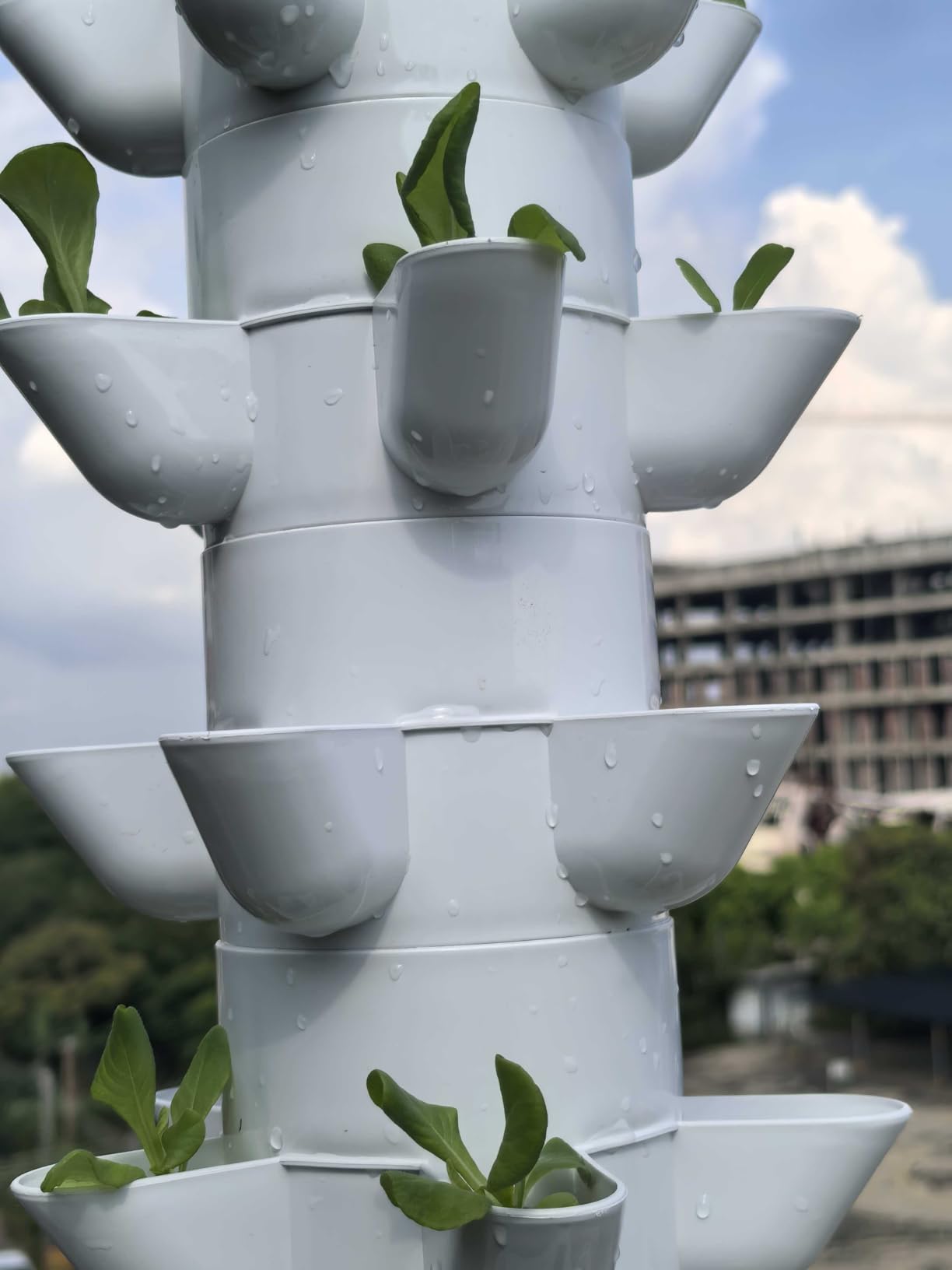
Be clear-eyed about what it is. This is a recirculating vertical hydroponic tower that shares the aeroponic name, not a sealed high-pressure misting chamber. Roots sit in a humid internal column with recirculated solution rather than hanging free in sprayed air, so you give up some of the aeroponic oxygen advantage and gain a system that is far more forgiving.
That is a trade we would take for most home growers. It is also the only unit here that does not need a separate humidity dome or a careful mist cycle, and it is a genuinely better fit for an apartment corner.
Two real limitations. The package includes no seeds, no grow light and no nutrients, so your total setup cost is well above the machine alone. And the material is not identified as food grade, which concerns some buyers about chemical leaching in a system where you are eating the output. With 48 ratings, it also has the least independent feedback in this roundup.
Our verdict: buy this if your goal is herbs and greens in a small space, and treat it as the entry point that most people should start with. If your goal is propagation speed, the cloner picks are the correct answer.
What the tower still needs from you
It needs a grow light, and that is the most important purchase you will make. A tower without a light gets you leggy stems and a disappointing harvest no matter how healthy the roots are. Aim for a full-spectrum light positioned above the top tier, since the lower tiers receive less and less light as plants grow upward.
It also needs nutrients mixed to the correct strength, a pH pen, and somewhere for overflow water to drain when you top up the tank. Add a simple drain tray under the base.
Tower or cloner? Pick one or the other
These are two different jobs. A cloner roots cuttings fast so you can multiply a plant cheaply. A tower grows plants to harvest over weeks. Most home growers want the tower, and a minority who propagate heavily want the cloner. Trying to make one machine do both is the mistake we see most often.
How to Choose an Aeroponic System for Your Home
Choose by job first, then by size. The single biggest mistake we see is buying a big chamber because it looked impressive, then running it half empty for a year. Propagation and food production are different jobs, and the machines that do one of them well rarely do the other well.
Decide between a cloner and a grow system. If you want to root cuttings, multiply herbs, or produce seedlings cheaply, you want a cloner with net cups and a spray manifold, which is nine of the ten picks here. If you want lettuce, kale, basil and cilantro on a plate, you want a recirculating tower or a deep water system, which is the tenth pick.
Match site count to a real batch. Count the cuttings you actually take in a week, not the number you could theoretically take. Fifteen cuttings a week means a 16-site machine. Thirty-five cuttings a week means a 35 or 36 site chamber. Overbuying wastes shelf space, reservoir volume and sanitising effort.
Check the collar format before anything else. This is where compatibility problems start. Units take either 1.625-inch or 2-inch neoprene inserts and generally will not take both. Some machines, including the EZ Clone 16, do not state their insert size clearly, so measure the port.
Look for a dome and a filter. A humidity dome is the single most important accessory for rooting success, and a pre-filter housing is the cheapest insurance against nozzle clogging. A machine that supplies neither is not cheaper, it is just less complete.
Budget for the parts nobody lists. Every machine in this roundup needs, at minimum, a cycle timer and a pH pen. Add a dome for cloners without one, a waterproof tray for open bucket designs, and a grow light for the tower. Running two pumps plus a light on a 16 to 18 hour cycle is the largest ongoing cost in a home setup.
Understand pressure before you pay for it. Low-pressure aeroponics with a standard submersible pump is cheaper, easier to service and forgiving of small mistakes. High-pressure aeroponics at roughly 80 to 100 PSI produces finer mist near 50 microns and roots cuttings faster, but a clogged nozzle there costs you a whole cycle. For a home grower, low pressure with good filtration is the better risk.
Plan for a pump failure. Roots suspended in air have no reserve, and growers on r/aeroponics describe crop loss within hours when a pump stops mid-cycle. A low-water alarm, a visible water level gauge, and a simple habit of checking the pump every morning will prevent almost every catastrophic loss. Do not leave a misting system running unattended overnight in an occupied house for extended periods.
Know your pH and EC targets. There is no medium buffering the solution, so drift hits roots directly. Run pH between 5.5 and 6.2, and adjust EC by growth stage: seedlings around 0.4 to 0.8 mS/cm, vegetative growth 1.0 to 2.1 mS/cm, flowering 1.5 to 2.4 mS/cm, and late flowering tapering to 1.0 to 1.4 mS/cm. Uncorrected pH drift is the most common cause of nutrient lockout in misting systems.
Set the mist cycle, do not guess. A useful starting point is two to five seconds of mist every 30 to 60 seconds during the light period, and nothing at all during the dark period. Over-misting saturates roots, slows oxygen uptake and delays recovery before the next cycle, so if roots are constantly dripping you are probably running too long.
Expect a cleaning rhythm. Daily means checking water level, pump noise, pH and root colour. Weekly means rinsing the pre-filter, cleaning the air stone if you have one, and inspecting lid seals. Between runs means a full sanitise of reservoir, lid and manifold, dried completely before the next batch. Bleach residue is a common mistake; use a cleaner that rinses clean or dilute peroxide-based products instead.
One last practical point on apartments. These machines add humidity to a room and pumps add sound. A submersible pump is a low hum that becomes inaudible after a day, but a chiller or cooling fan is not. If noise or humidity is a real constraint, factor that in before buying a fan-cooled chamber.
When Not to Buy Aeroponics
Do not buy an aeroponic system if you want to grow food and have never grown hydroponically before. A recirculating tower or a deep water culture bucket will give you an edible crop with a fraction of the monitoring, and the failure modes are far less dramatic.
The comparison below is the honest version of the decision. Read the failure column before the benefits column.
Aeroponics versus the other soilless methods, in plain terms:
Aeroponics suspends roots in sprayed air for the highest oxygen exposure and the fastest rooting of cuttings. DWC submerges roots in aerated nutrient solution, which is more forgiving and cheaper to set up. NFT runs a thin film of solution along a channel and is excellent for leafy greens in a small footprint but struggles with anything larger. Ebb and flow floods and drains a tray on a timer, which is mechanically simple and widely available in kits. Drip systems deliver solution to the base of each plant and are the easiest of all to run.
Specific situations where we would tell a home grower to choose something else:
- You want to eat something in eight weeks. Buy a recirculating tower or a deep water bucket. You will harvest sooner and lose less to mistakes.
- You travel regularly or live in a humid apartment. Unattended misting with no water reserve is a real risk, and added humidity is unwelcome in a small space.
- Your plants are large and mature. Aeroponic systems suit cuttings, seedlings, herbs and leafy greens. A fruiting plant with a heavy root mass is better served by a larger recirculating system.
- You want zero maintenance in a sealed closet. Every method in this category needs checking, but aeroponics needs the most frequent checking of all.
- You are outside North America buying a 120V pump. Several machines here are 120V only, and reviewers report burned pumps on 220 to 240V mains.
None of this means aeroponics is a bad system. It means the honest reason to buy one is speed of rooting and oxygen delivery, and if your goal is a steady supply of kitchen herbs, a simpler recirculating tower is the better investment.
Frequently Asked Questions
What is an aeroponics misting system?
An aeroponic misting system suspends plant roots in the air inside a lightproof chamber and sprays them with nutrient solution for a few seconds every 30 to 60 seconds during the light period. A pump drives solution through mist nozzles or a manifold, and between cycles the bare roots hang in open air. Because there is no growing medium buffering the solution, roots get very high oxygen exposure but also have no reserve if the pump stops.
Which aeroponic system is the best for my home garden?
For propagation, the CLONE KING 36 Site Aeroponic Cloning Machine is the strongest all-round choice, with 13 spray heads and the largest review record in the category. The Hydrofarm Oxyclone OX20SYS is the better value pick and suits a small shelf. If your goal is harvesting food rather than rooting cuttings, the LYCereal 30 Plant Vertical Tower is the only grow system in this roundup.
How much does it cost to set up an aeroponic system?
Treat the machine as only part of the outlay. Every unit in this roundup also needs a cycle timer and a pH pen, cloners without a dome need a humidity dome, and the tower needs a full-spectrum grow light plus nutrients and seed. Running two pumps and a light on a 16 to 18 hour cycle is the largest ongoing cost, and it is the item most first-time buyers forget.
What are the disadvantages of using an aeroponic tower?
The main drawbacks are maintenance and cost. Roots have no growing medium to buffer the solution, so pH and nutrient strength drift hits them directly and must be checked daily. A clogged nozzle or failed pump can damage roots within hours. Towers also need a grow light, nutrients and seed bought separately, and the recirculating style delivers less oxygen to roots than true misting aeroponics.
What is the difference between aeroponics and hydroponics?
Aeroponics is a specific form of hydroponics. In aeroponics roots hang free in the air inside a sealed chamber and are sprayed with nutrient mist, while other hydroponic methods submerge roots in solution, run a thin film past them, flood and drain a tray, or drip solution onto the base of each plant. Aeroponics gives the highest oxygen exposure and the fastest rooting, but it has the least margin for error.
How do I stop aeroponic nozzles from clogging?
Prevention beats cure. Choose a machine with a pre-filter housing, keep it clean every two weeks during a heavy run, and filter your incoming water. Salt residue is the other main cause, so sanitise the reservoir, lid and manifold fully between runs rather than topping up old solution. If mist output at the nozzle looks thin, that pressure drop is the first sign of a blockage, so check the filter immediately.
Bottom Line
The CLONE KING 36 Site Aeroponic Cloning Machine is our pick for the best aeroponic systems for home growers list, because it combines the deepest review record in the category with 13 spray heads that leave few dead zones. Pair it with a pH pen, a cycle timer and a humidity dome, and check the pump every morning.
Buy the Hydrofarm Oxyclone if your shelf is small, the TurboKlone T48D if you propagate in bulk and fight summer heat, and the LYCereal tower if you actually want herbs on a plate. Skip aeroponics entirely if you want food and you are new to soilless growing, because a recirculating tower will forgive your mistakes and a misting chamber will not.