
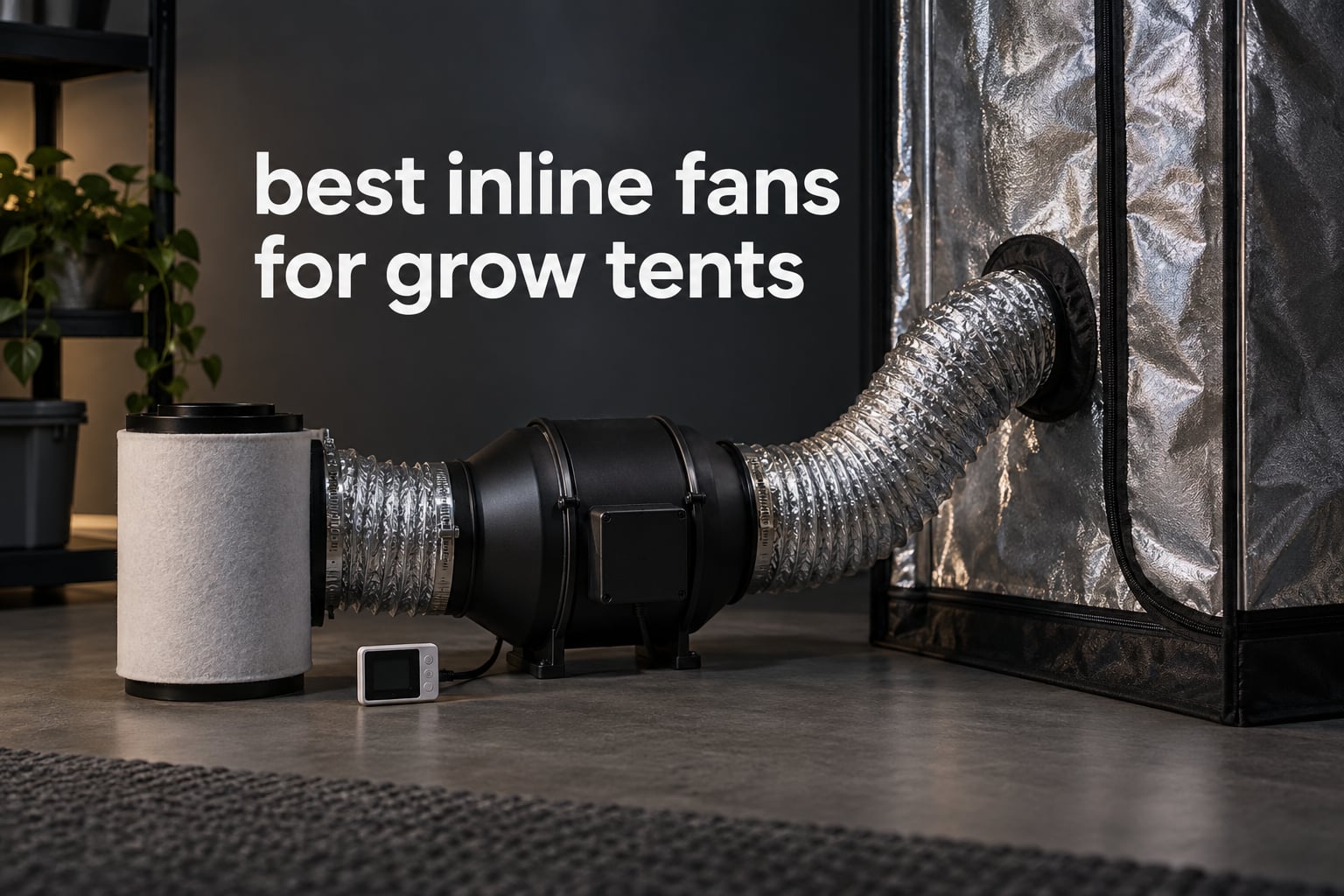
Our pick for the best inline fans for grow tents in 2026 is the VIVOSUN D4, a 4-inch fan rated at 195 CFM that has collected 13,585 buyer ratings at a 4.3 average. It is the most reviewed fan we tested, it takes apart for cleaning without tools, and it costs less than most of the six-inch alternatives here. Growers running a 2×4 or a small 4×4 tent who want a dependable, cheap first exhaust fan will be happy with it. Larger tents and noise-sensitive setups should look at the AC Infinity CLOUDLINE T4 or the Toolazy 6-inch instead.
One idea runs through this whole roundup, and it is the thing most product pages leave out. The CFM printed on the box is measured with the fan pulling through nothing at all. Add a carbon filter, a length of ducting and a 90-degree bend, and the same fan can deliver roughly half its rated number. That is why a big fan idling at speed 2 often beats a small fan screaming at full output, and why we pair every review below with the noise figure and the motor type that decide how loud the finished tent will be.
We looked at ten inline duct fans spanning 4-inch, 6-inch and 8-inch bodies, from a 195 CFM single-speed unit to a 735 CFM model built for large tents. We compared airflow ratings, sound levels, motor type, speed control, power draw and what each one includes in the box. If you are still choosing lights, start with our full spectrum LED grow light review first, since light choice sets the heat load your fan has to move.
Table of Contents
Top 3 Inline Fans for Grow Tents
VIVOSUN D4 4 Inch Inline Fan
- 195 CFM at 42 dB
- Single speed
- 28W ETL listed motor
- Tool-free disassembly

AC Infinity CLOUDLINE T4
- 205 CFM at 28 dB
- 10 speeds plus app control
- 21W EC motor
- Dual ball bearings

Hon and Guan 6 Inch Booster Fan
- 345 CFM at 32 dB
- 19.2W DC motor
- 142 Pa rating
- Speed controller included
10 Best Inline Fans for Grow Tents in 2026 at a Glance
| Product | Specifications | Action |
|---|---|---|
| VIVOSUN D4 4 Inch Inline Fan |
|
Check Latest Price |
| AC Infinity CLOUDLINE T4 |
|
Check Latest Price |
| Hon and Guan 6 Inch Booster Fan |
|
Check Latest Price |
 VEVOR 6 Inch 402 CFM EC Fan VEVOR 6 Inch 402 CFM EC Fan |
|
Check Latest Price |
 Voltset 6 Inch 390 CFM Fan Voltset 6 Inch 390 CFM Fan |
|
Check Latest Price |
 TerraBloom 8 Inch 735 CFM Fan TerraBloom 8 Inch 735 CFM Fan |
|
Check Latest Price |
 TURBRO AirSupply ES4 TURBRO AirSupply ES4 |
|
Check Latest Price |
 Spider Farmer 4 Inch 205 CFM Fan Spider Farmer 4 Inch 205 CFM Fan |
|
Check Latest Price |
 iPower 4 Inch Fan Filter and Ducting Kit iPower 4 Inch Fan Filter and Ducting Kit |
|
Check Latest Price |
 Toolazy 6 Inch 405 CFM Fan Toolazy 6 Inch 405 CFM Fan |
|
Check Latest Price |
1. VIVOSUN D4 4 Inch Inline Fan: The Most Reviewed Budget Exhaust
- 195 CFM from a compact 4 inch body
- Flow deflector keeps noise down for the class
- ETL listed motor with automatic overheat reset
- Housing and impeller detach for cleaning
- 5.9 foot cord suits a tent run
- Single speed with no variable control
- Button control only
- Audible next to a bed at full output
The D4 has been the default answer on r/microgrowery for years, and the 13,585 ratings behind it explain why. It is a 4-inch fan rated at 195 CFM spinning a 3-blade impeller at 2500 RPM, and the 195 CFM figure is closer to honest than most numbers in this category because the airflow path is short and wide.
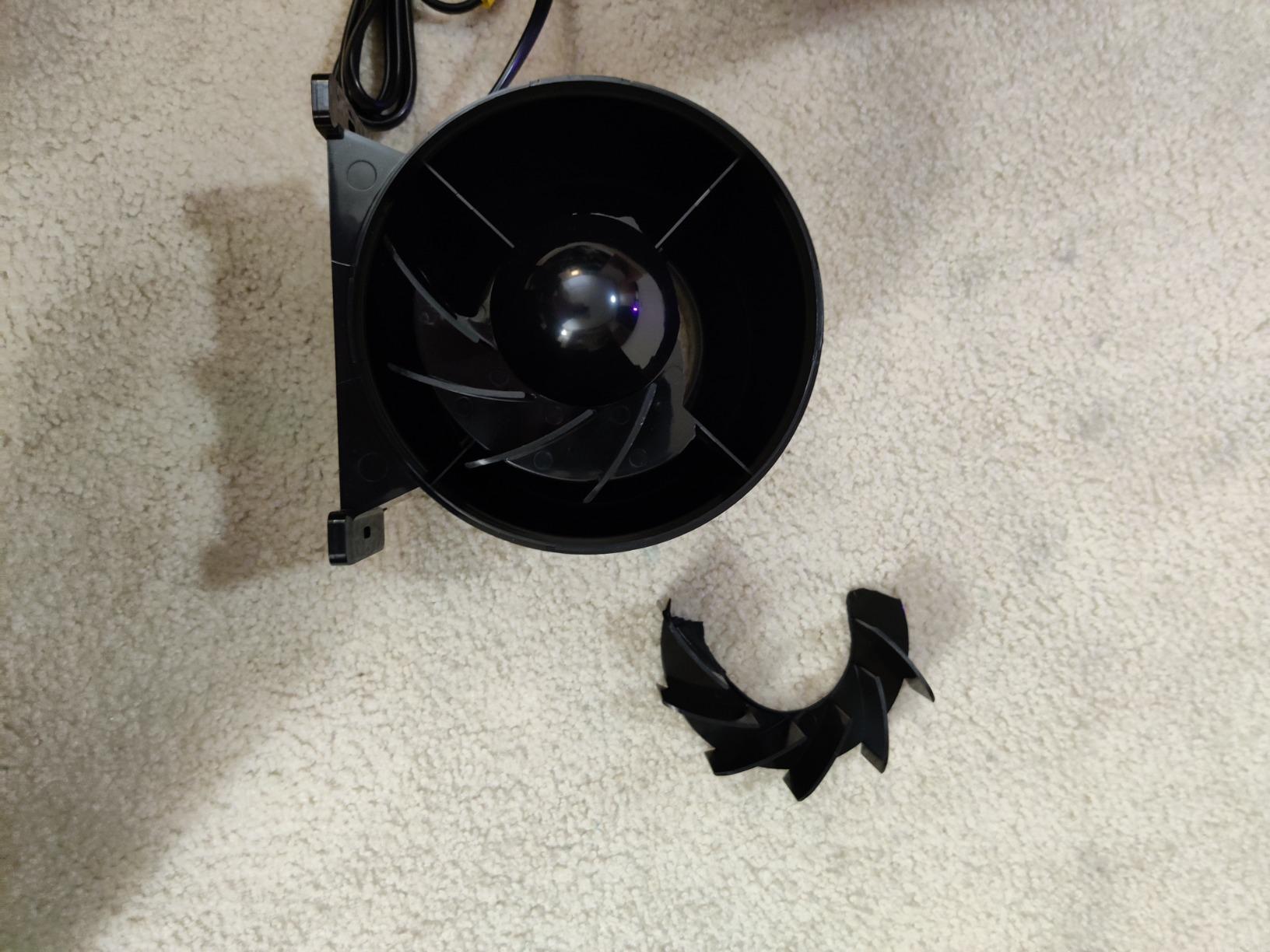
What you notice first is how easily it comes apart. The housing, impeller and blades detach without tools, so clearing dust that has built up over a season takes a couple of minutes rather than a whole evening. The listed motor is ETL certified with automatic reset overheat protection, which matters in a tent where humidity runs high all summer.
The honest limitation is control. There is one speed, one button, and no app. If your tent needs more airflow in the afternoon and less at night, you are either leaving it loud or unplugging it, and unplugging means no airflow at all while the lights are still on.
Buyers also note that 42 dB is not a quiet number. On a table two feet from your head that is a constant presence, and it is the first thing people ask about in reviews. Inside a closet with the door shut, or in a tent in a spare room, it is completely workable.
When the D4 is the right buy
This is the fan for a first grow, a 2×2 or 2×4 tent, or a clone box where you just need air moving all day. A 4×4 tent with a single modest LED will also be served, since the fan is sized to the tent rather than to the light.
It is also the sensible pick when you want to spend your money elsewhere. Put the savings toward a good carbon filter and a proper pre-filter, and a fan that is easy to strip and clean will serve you better than a fan with more features you never touch.
When to skip it
Skip the D4 if noise is the deciding factor. There is no low-speed setting, so the only way to make it quieter is to make it move less air, which means running it on a timer or a smart plug you add yourself.
It is also the wrong tool for a 5×5 tent or any room with a heavy light load. At 195 CFM with no speed control you would be running it continuously at maximum output, which is the loud, hot, hard-on-the-bearing scenario that wears out fan housings fastest.
2. AC Infinity CLOUDLINE T4: The Quiet 4-Inch With App Control
AC Infinity CLOUDLINE T4, Quiet 4” Inline Duct Fan w/Environment Controls
- 4.7 average from 7667 ratings
- 28 dB keeps a small tent quiet
- App scheduling with temperature and humidity triggers
- 21W EC motor draws very little
- CE ETL and RoHS certified with dual ball bearings
- Highest cost in this roundup
- App setup takes time before it earns its keep
- 205 CFM is modest for larger tents
Everything the D4 does not do, the T4 does. It is a mixed-flow design with a PWM-controlled EC motor, rated at 205 CFM and 28 dB, and it runs on 21W at full output. That combination of low noise and low draw is why it has held a 4.7 average across more than seven thousand ratings.
The controller is the real product. Through the app you set temperature and humidity triggers, minimum speeds, timers and multi-day grow cycles, so the fan ramps down overnight and back up at dawn without you touching it. Growers with a fixed schedule report that the automation is what makes the difference, not the airflow.
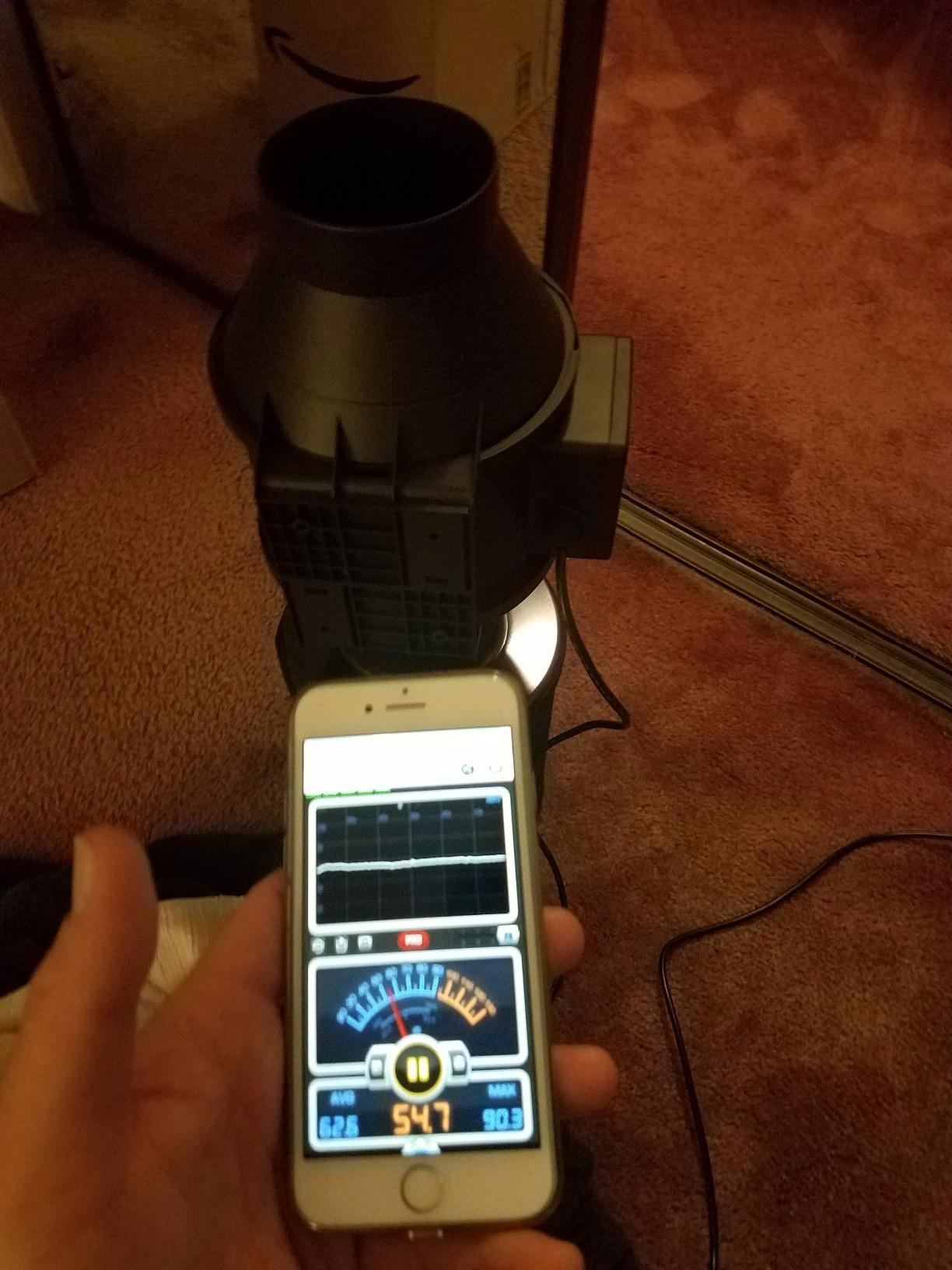
Build quality is a step up as well. The motor uses dual ball bearings rather than the sleeve bearings common in budget fans, and the unit carries CE, ETL and RoHS certification, which matters more in a humid room than the label suggests.
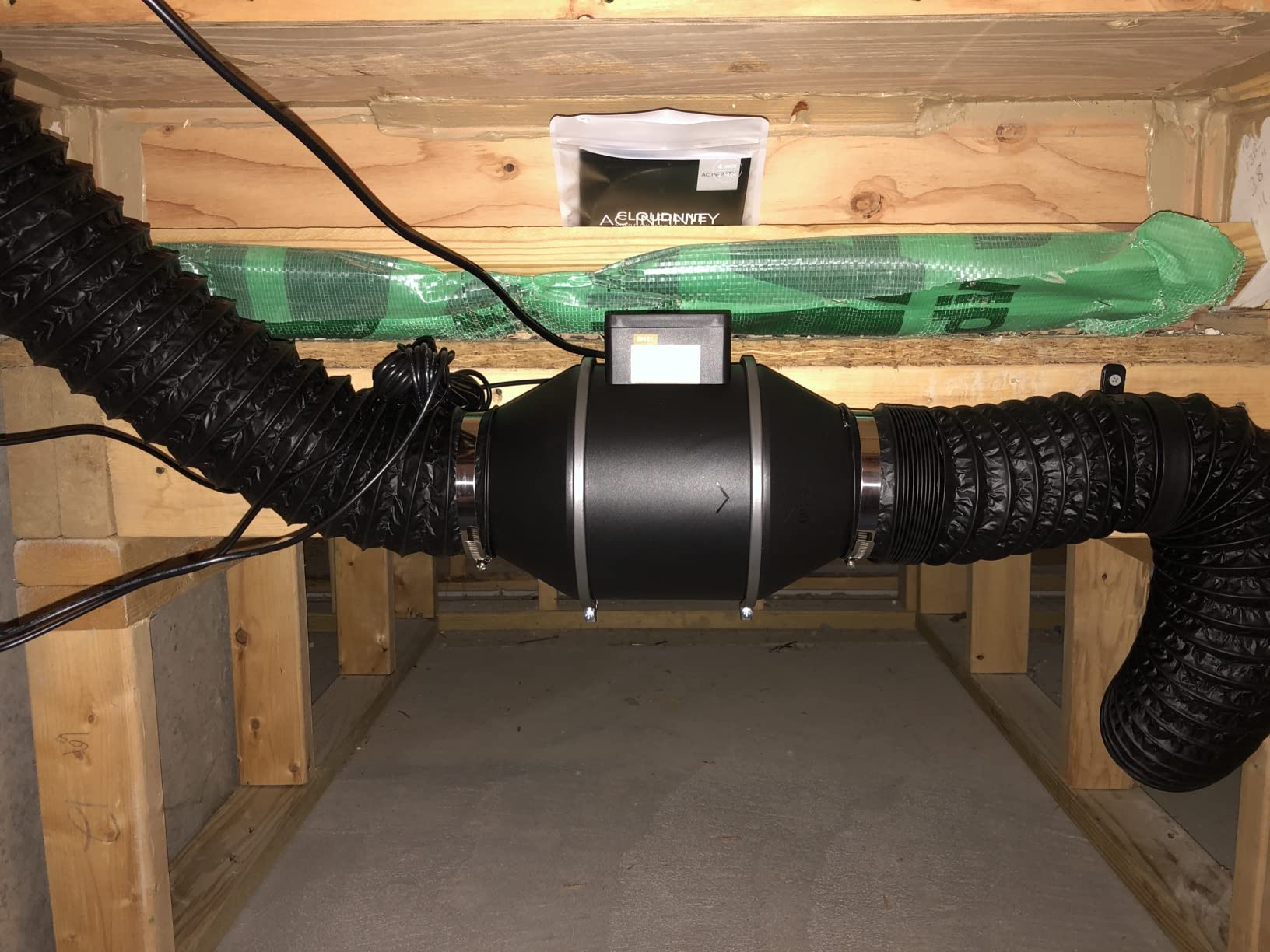
The 144-inch control cable is long enough to reach from a fan mounted outside the tent back to a controller near your tent, and the 10-blade impeller runs at 2800 RPM. Buyers consistently describe it as the quietest finished setup they have owned, and long-term owners report multi-year service without complaints.
Who the T4 suits
This is the fan for someone in an apartment, a condo or a bedroom-adjacent closet where noise travels through walls. A 4.7 rating with that many reviews behind it is as settled a track record as this category offers.
It is also the right choice if you want the tent to manage itself. Pair it with a temperature and humidity controller and the fan handles the day-night swing, which is exactly what plant health depends on through flowering.
What you give up
You pay more than any other fan here, and you spend an evening setting up the app before the automation is worth anything. If you like a dial and a switch, none of that matters to you and this is overkill.
At 205 CFM it will not carry a 4×4 tent running a heavy light on its own. For larger tents you would need a second fan or a bigger body, and at that point the price gap to a six-inch model becomes hard to justify.
3. Hon and Guan 6 Inch Booster Fan: Most Airflow Per Watt for the Money
- 345 CFM while drawing only 19.2W
- Variable speed controller in the box
- Cheapest route into a 6 inch inline fan
- 32 dB suits a grow room
- 142 Pa handles restrictive ducting
- Coarse two-step speed control
- Some installs report more noise than 32 dB
- Plastic body and DC motor feel less refined
This is the value answer to the question most growers ask, which is how do I get six-inch airflow without a big invoice. At 345 CFM on 19.2W, it moves more air per watt than anything else in this list except the four-inch EC units, and it ships with a variable speed controller already in the box.
The upgraded DC motor spins a 10-blade impeller at 3300 RPM and carries a 142 Pa pressure rating, which is a real number rather than a marketing phrase. That rating is what lets it keep moving air through a carbon filter and a length of flex duct instead of stalling at the first restriction.
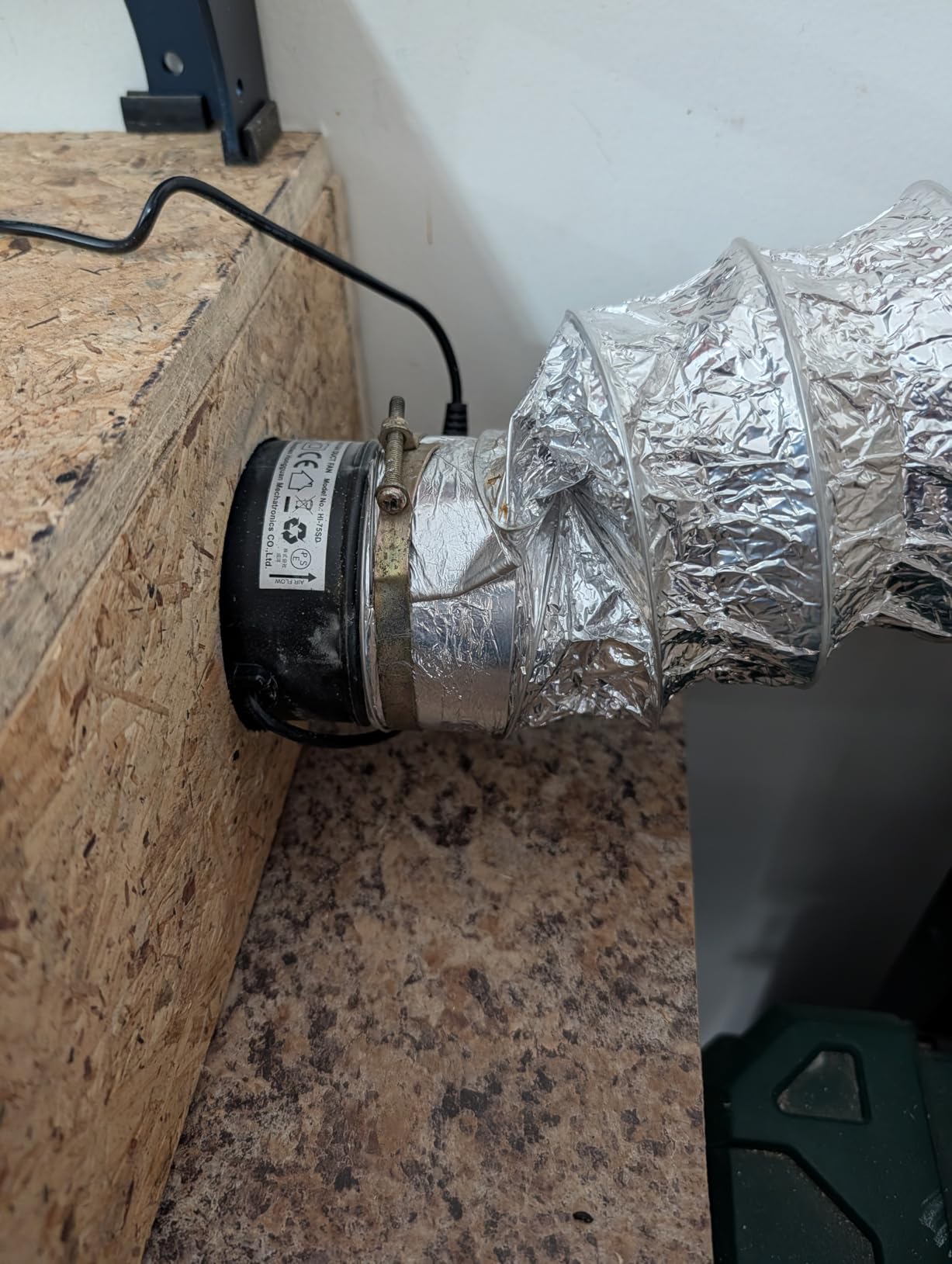
Buyers like that it runs on 100-240V universal input, so the same fan works whether your tent is wired 120 or 240. The blade and body release quickly for cleaning, and the manufacturer names grow rooms, bathrooms, workshops and attics as target spaces, which tells you how it was tested.
What you compromise on is refinement. The controller gives you coarse steps rather than smooth adjustment, and 3056 ratings averaging 4.3 include a recurring note that the fan reads louder in some installs than the 32 dB figure suggests. Housing and blade are both plastic, so it is not the fan you choose when dampness and vibration are your main worry.
Where it earns its place
A 4×4 tent with a single LED is the sweet spot. You get 345 CFM of rated capacity, you run it on the lower controller step through a 6-inch carbon filter, and you still have headroom when the room gets hot in July.
It also works well as an intake booster at the far end of a long duct run, pushing air toward an extract fan that is fighting its own static pressure. That is what the booster fan shape is for, and the 142 Pa rating supports it.
Where it falls short
Skip it if you plan to automate. There is no app and no temperature probe, so the fan either runs at a fixed step or you add a smart plug, which is a workaround rather than a feature.
A 5×5 tent with a large light will exceed 345 CFM after filter and duct losses, and the coarse control means you cannot fine-tune your way out of running it flat out. In that situation, a 6-inch EC fan with a 10-speed controller is the smarter purchase.
4. VEVOR 6 Inch 402 CFM EC Fan: Automation at 6 Inches
- 402 CFM rated airflow from a 6 inch body
- Ten speed steps with a genuinely low end
- Quiet at low and mid settings
- Temperature and humidity probe included
- Clamps straps and rubber mats included
- Controller and sensor failures are the top complaint
- Replacement parts not sold separately
- Customer service draws heavy criticism
- Thin instructions
The VEVOR is the only fan in this roundup that pairs a 6-inch body with a temperature and humidity controller out of the box. At 402 CFM and 32 dB on a 38W EC motor, the hardware side is genuinely good, and the included stainless clamps, non-vibration rubber mats and straps mean the install is complete.
Ten discrete speed settings give it a real low end, which matters more than the step count suggests. Most growers end up running a 6-inch fan around step 2 or 3 all day, and at that setting buyers describe it as quiet enough for a bedroom. The EC motor is claimed to cut energy use by roughly 30% over an equivalent AC motor.
Owners describe it transforming weak greenhouse and workshop airflow, and the automatic speed adjustment responds to the probe rather than a fixed schedule. You can hang it or wall-mount it, and at 6 pounds it is heavier than the plastic units but still easy to position.
The problem is the electronics. The critical mass of one-star reviews in the 703 rating pool is not about airflow at all. It is about the temperature and humidity sensor or the controller dying within weeks or months, and the controller not being available as a replacement part.
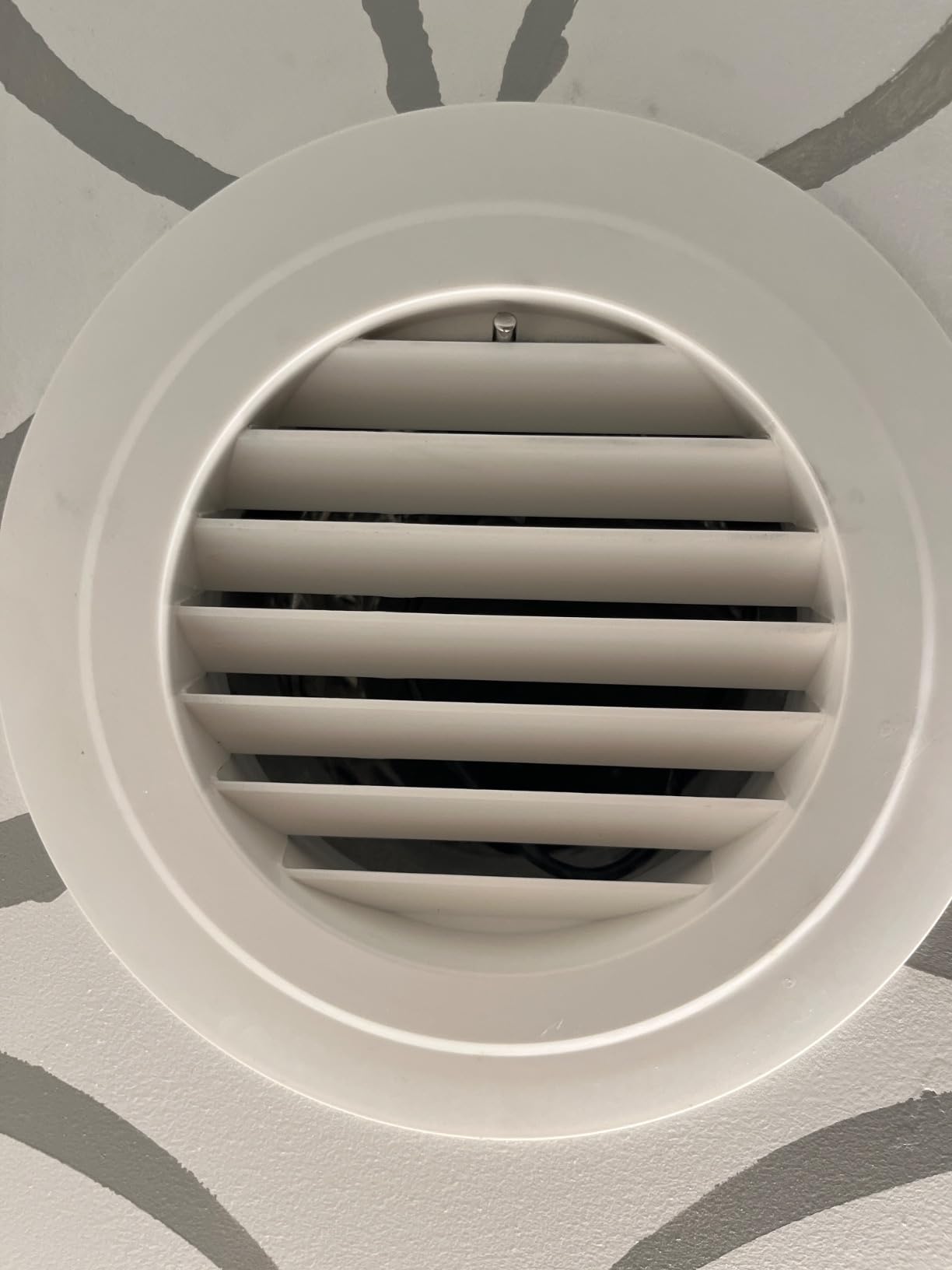
Why buyers pick it
If you want automated climate response at 6 inches without buying a second controller, this is the straightforward route. The probe-based ramping means the fan responds to actual tent conditions rather than a clock, and 402 CFM covers a 4×4 or a modest 5×5.
It is also unusually complete as shipped. The rubber mats and straps in the box address vibration isolation, which is the single most common install mistake and one that growers on r/microgrowery treat as essential rather than optional.
What the reviews warn about
Budget for the possibility that the controller is what fails. If your setup depends on the probe and there is no spare part, a failure means either replacing the fan or falling back to manual speed control with a switch.
Service response is the second complaint, and the instructions are thin enough that you will be looking up install guidance regardless. Neither matters if the fan keeps running, and both matter a great deal if it does not.
5. Voltset 6 Inch 390 CFM Fan: Straightforward Airflow, No Frills
- 390 CFM in a compact 6 inch body
- Copper core motor runs cool
- Quick-release clips for fast installs
- Owners report years of continuous service
- Works as intake or exhaust
- Single speed only
- Noise reads above the 40 dB figure for some
- Some buyers doubt the CFM claim
- Thin manual and limited control options
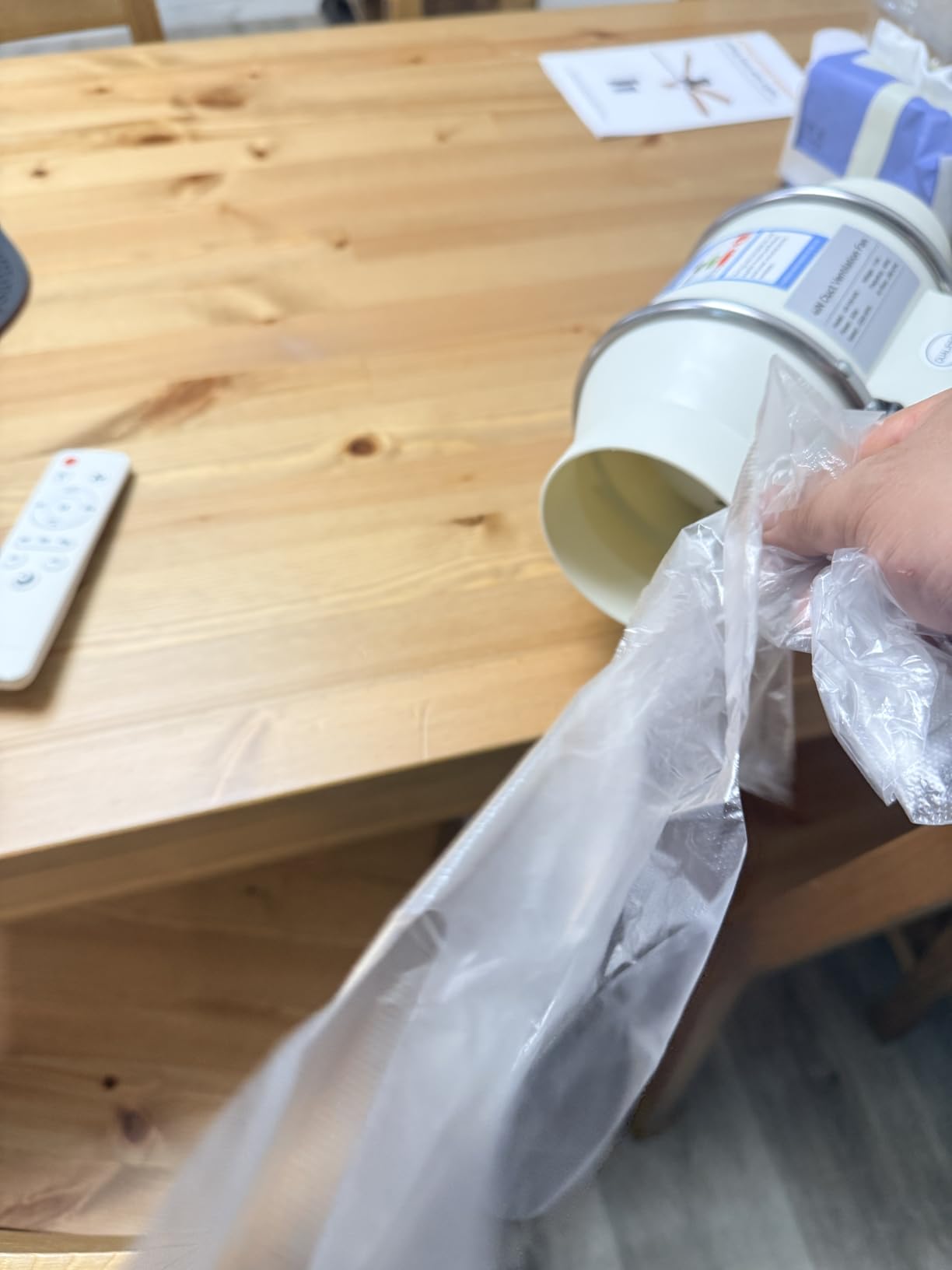
The Voltset is the no-frills 6-inch option: 390 CFM from a 2250 RPM motor, a single speed, and a copper core motor built for heat dissipation. At 4.5 pounds and 11.85 inches long it is compact, and quick-release clips plus universal brackets make it the fastest tool-free install in this group.
Reviewers mostly confirm it moves serious air for its size, particularly for workshop and fume extraction, and one owner reported two years of continuous service in that role. The reinforced housing is rated for 10,000 hours or more of continuous use, and it works in either direction, which is useful for boosting an intake run.
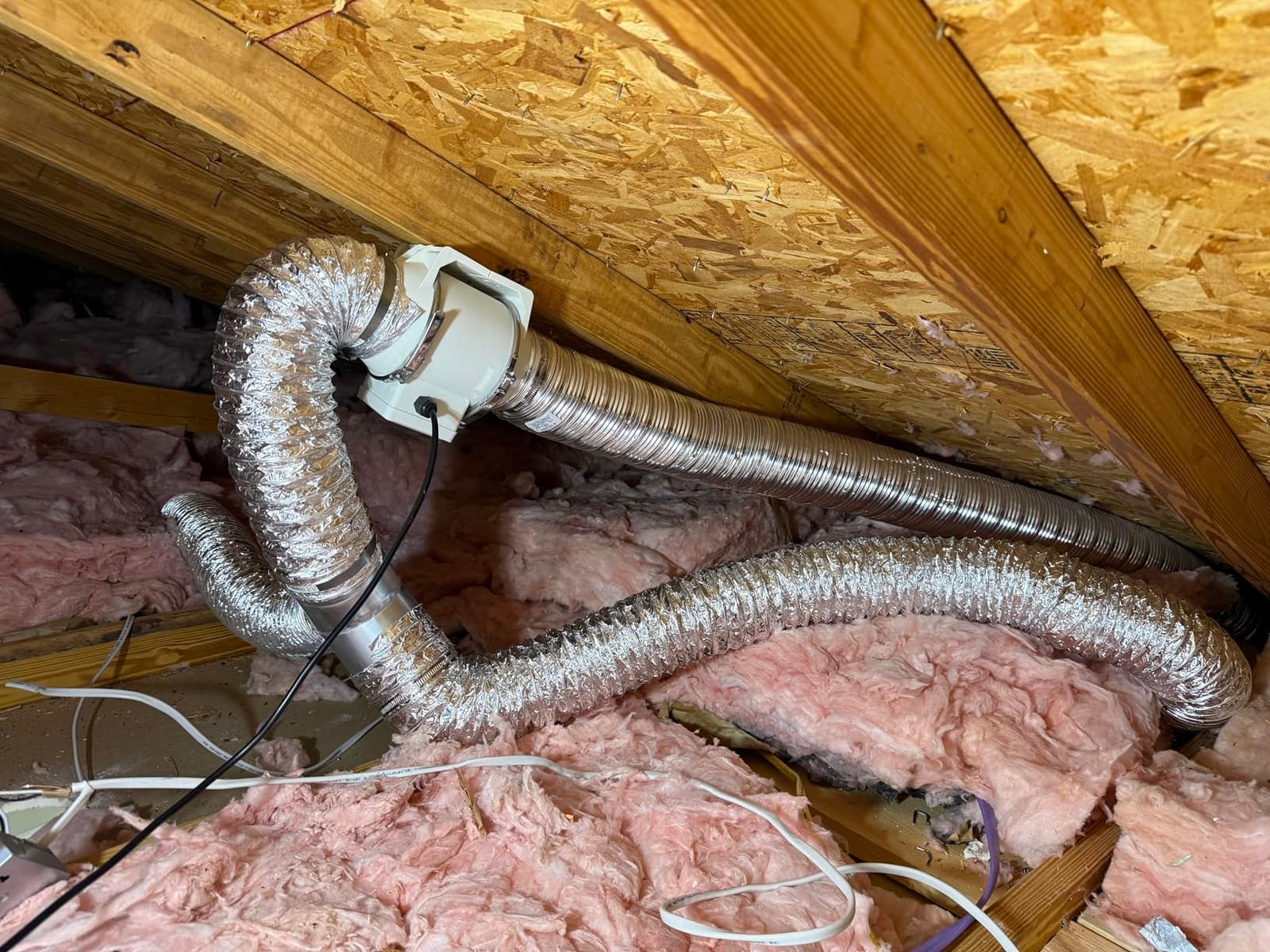
Two numbers deserve scrutiny. The 75W draw is high next to the EC motors in this roundup, which cost 38W or 60W for comparable airflow, so it runs hotter for longer. And several buyers report noise well above the 40 dB claim, with a minority openly skeptical that 390 CFM is reachable in a real filtered setup.
That skepticism is fair and applies to every spec figure on a box, but it is more pronounced here because there is no low speed to fall back on. A single-speed fan is either at full output or off, and in a tent that means maximum noise all day or no ventilation at all.
Where it makes sense
Basements, garages and grow rooms where the exhaust has to move real volume and nobody is judging the noise. At 390 CFM it covers a 4×4 tent with a single light, and the quick-release hardware speeds up maintenance.
It is a sensible second fan too. A unit that works as intake or exhaust lets you balance a two-fan setup where one pushes and one pulls through separate filter stages, and the copper motor handles the extra heat of continuous duty.
Why we would pick something else
The 75W draw adds up over a season of 24-hour running, and the EC motors here deliver similar airflow for roughly half that. Combine that with the single-speed limitation and the higher-than-claimed noise, and there are better fits for a tent you sit next to.
If noise is not a factor but control is, the 10-speed controller on the Toolazy below gives you far more control for a similar draw. If you want the lowest running cost in a 6-inch body, the Hon and Guan is the one to look at.
6. TerraBloom 8 Inch 735 CFM Fan: Maximum Airflow for Big Tents
- 735 CFM covers large tents and rooms
- Built-in speed controller with two levels
- Bracket marks airflow direction
- ETL listed with pre-wired cord
- Works as intake or exhaust
- 60 dB is very loud
- 205W draw is the highest here
- Only two speed levels
- Push-button control with no automation
When a setup needs volume rather than refinement, this is the fan. At 735 CFM from a 2450 RPM impeller, it moves more air than everything else here combined, and it is built for medium to large tents and for boosting HVAC runs where a small fan simply stalls.
The controller is built into the body with two power levels, so there is no separate box to mount, and the installation bracket has different front and back openings that physically enforce airflow direction. That detail removes the most common ducting error, running the fan backwards and wondering why the tent is not extracting.
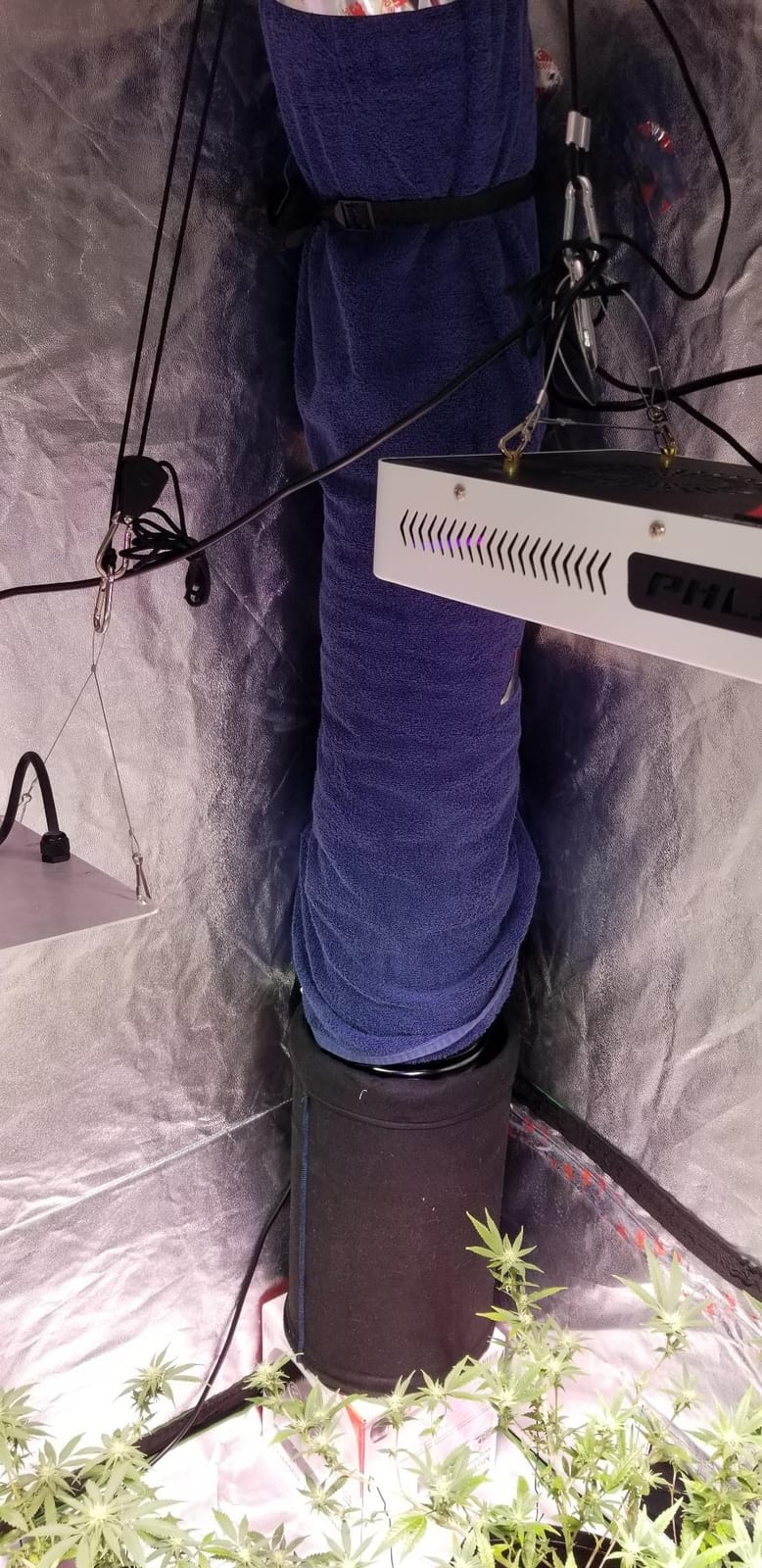
It arrives pre-wired with a 6-foot grounded cord and is ETL listed, and at 7.7 pounds it feels substantial rather than flimsy. Users who need a 5×5 with multiple lights, or a small grow room rather than a tent, tend to end up here.
The trade-offs are severe and worth stating plainly. Sixty decibels is the loudest fan in this roundup, and the 205W draw is four to five times what the EC units use. Two speed levels is barely any control, and there is no automation of any kind.
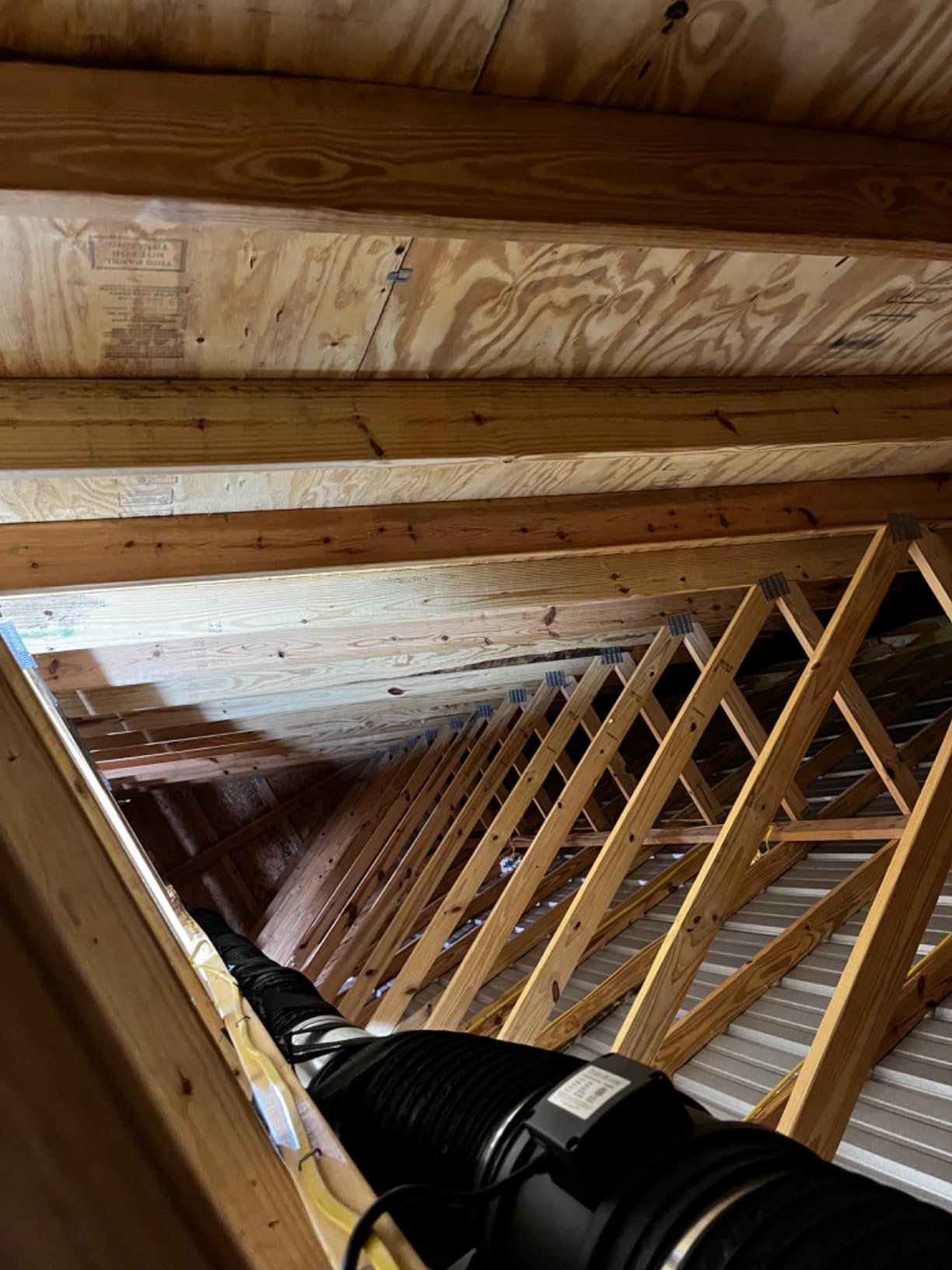
Who should buy the 8-inch
Large tents, multi-light setups and grow rooms. If your light load is heavy and your tent is big, a 6-inch fan at full output will be loud and hot, while an 8-inch at the low level moves comparable air with a much deeper starting margin.
It is also a good booster at the intake end of a long duct run, where the extra headroom keeps air moving through a restrictive path.
Who should not
Anyone in an apartment, condo or bedroom-adjacent room. At 60 dB this is not a background sound, it is the loudest thing in the space, and the two-speed control gives you no middle ground to soften it.
The power draw also makes it a poor value for a normal home tent. Two 6-inch EC fans with proper speed control would be quieter, cheaper to run and easier to tune, so this model only makes sense when you genuinely need the extra volume.
7. TURBRO AirSupply ES4: Steel Housing and 101 Speed Steps
- Finest speed control of any 4 inch fan
- Only 18W for 195 CFM
- Airtight steel case with IP44 protection
- Permanently lubricated bearings
- Two year warranty and 6 ft plus 16 ft cables
- Noticeably loud at the top of the range
- Tight 3-pin connectors can bend
- One reported failure inside the warranty period
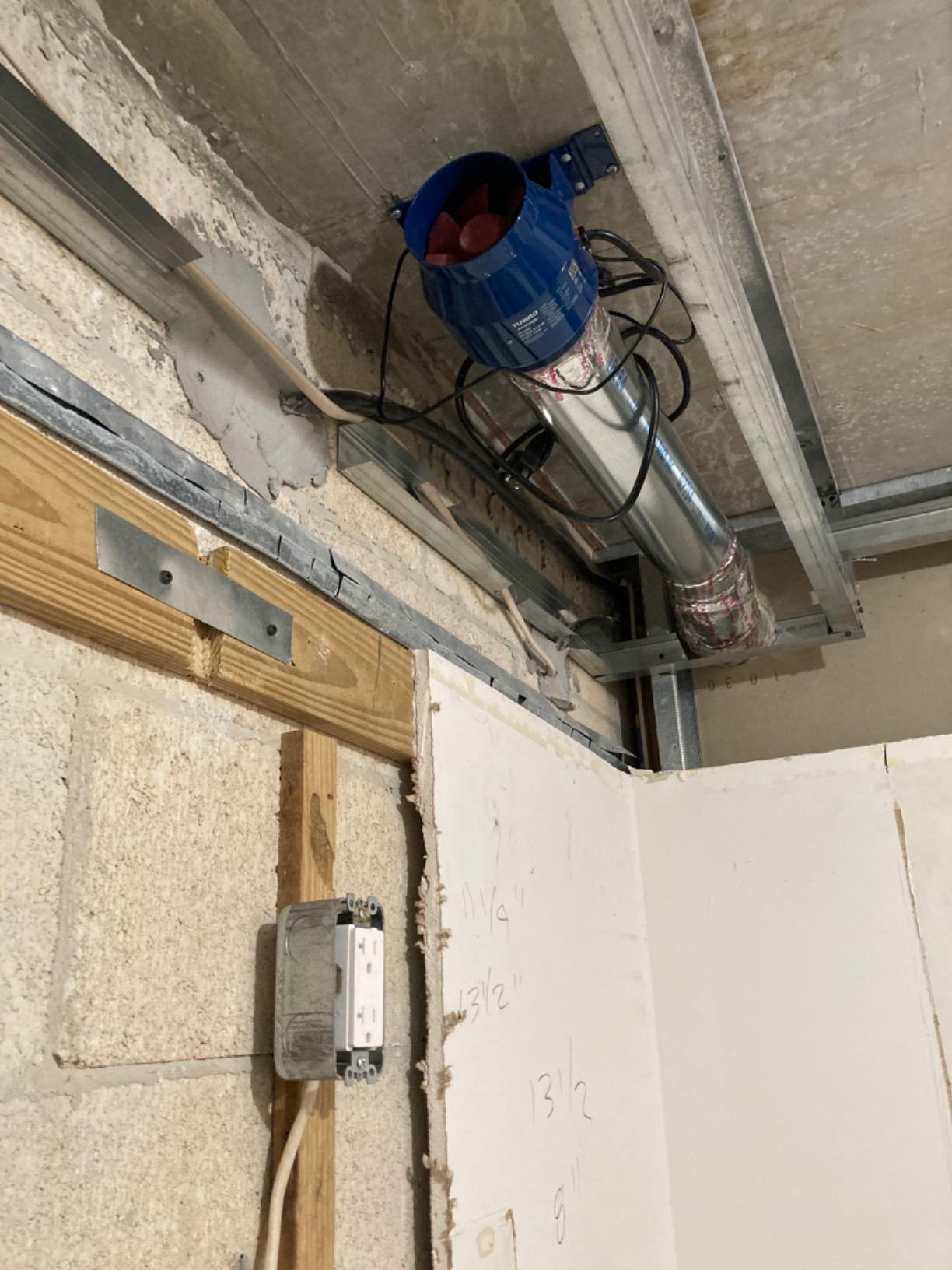
The ES4 is the most interesting engineering in this group. Instead of a plastic body, it uses an airtight steel case with IP44 water protection, which is the rating that actually matters in a humid tent where condensation drips down the ducting onto the fan.
The control is the other standout. One hundred and one speed levels, adjusted from 0 to 100% without added humming, and a brushless DC motor that delivers 195 CFM at 5000 RPM on 18W. Growers highlight the ability to run the fan nearly silently at part load, which is the single best habit for keeping a tent quiet.
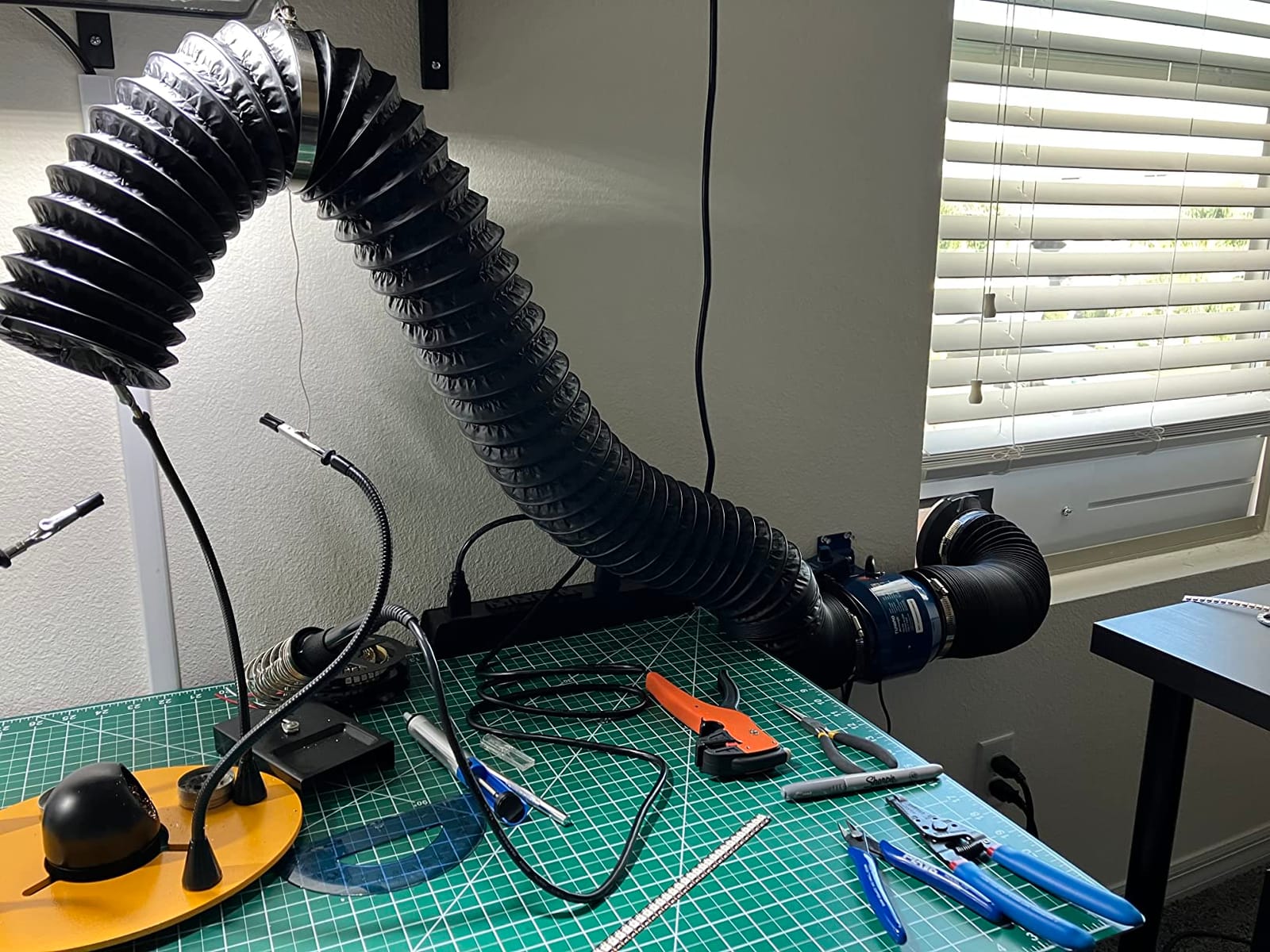
Permanently lubricated bearings remove the maintenance question that hangs over sleeve-bearing fans, and the box includes a 6-foot fan cable, a 16-foot controller cable and a mounting kit. At 2.7 pounds and 6.26 inches deep it is compact enough for a 2×2 or 2×4 tent.
With 181 ratings at a 4.6 average, satisfaction is high, but the pool is small. Complaints are narrow: audible at 100%, tight 3-pin connectors that can bend if forced, and one report of a unit failing inside the two-year warranty window. Plan on the fan being a two-season purchase rather than a five-season one.
The case for the ES4
If humidity and condensation are your main worry, the IP44 steel case is a genuine advantage over every plastic housing in this roundup. Metal does not wick, crack or absorb moisture the way plastic does over a wet winter.
It is also the fan to buy if you plan to dial the fan to the exact load your tent needs rather than living with fixed steps. Nothing else at 4 inches gives you that resolution.
The case against it
The low end is excellent and the top end is loud, so a 181-review history is thin evidence for a fan we would run continuously. If you want app-based scheduling, this has none, and the controller cable is a hard-wired 3-pin plug rather than a flexible RJ-style connector.
At 195 CFM it is a 2×2 and 2×4 fan, occasionally a small 4×4. For anything larger, the six-inch models give you more headroom per watt.
8. Spider Farmer 4 Inch 205 CFM Fan: The Quietest Number on the List
- 26.8 dB is the lowest figure we tested
- 205 CFM from a 27W EC motor
- Speed controller included
- IP42 ABS housing resists dust and damp
- ETL and FCC listed with upgradable RJ12 port
- Only three speed levels
- Costs more than similar 4 inch EC fans
- Small 143 rating pool
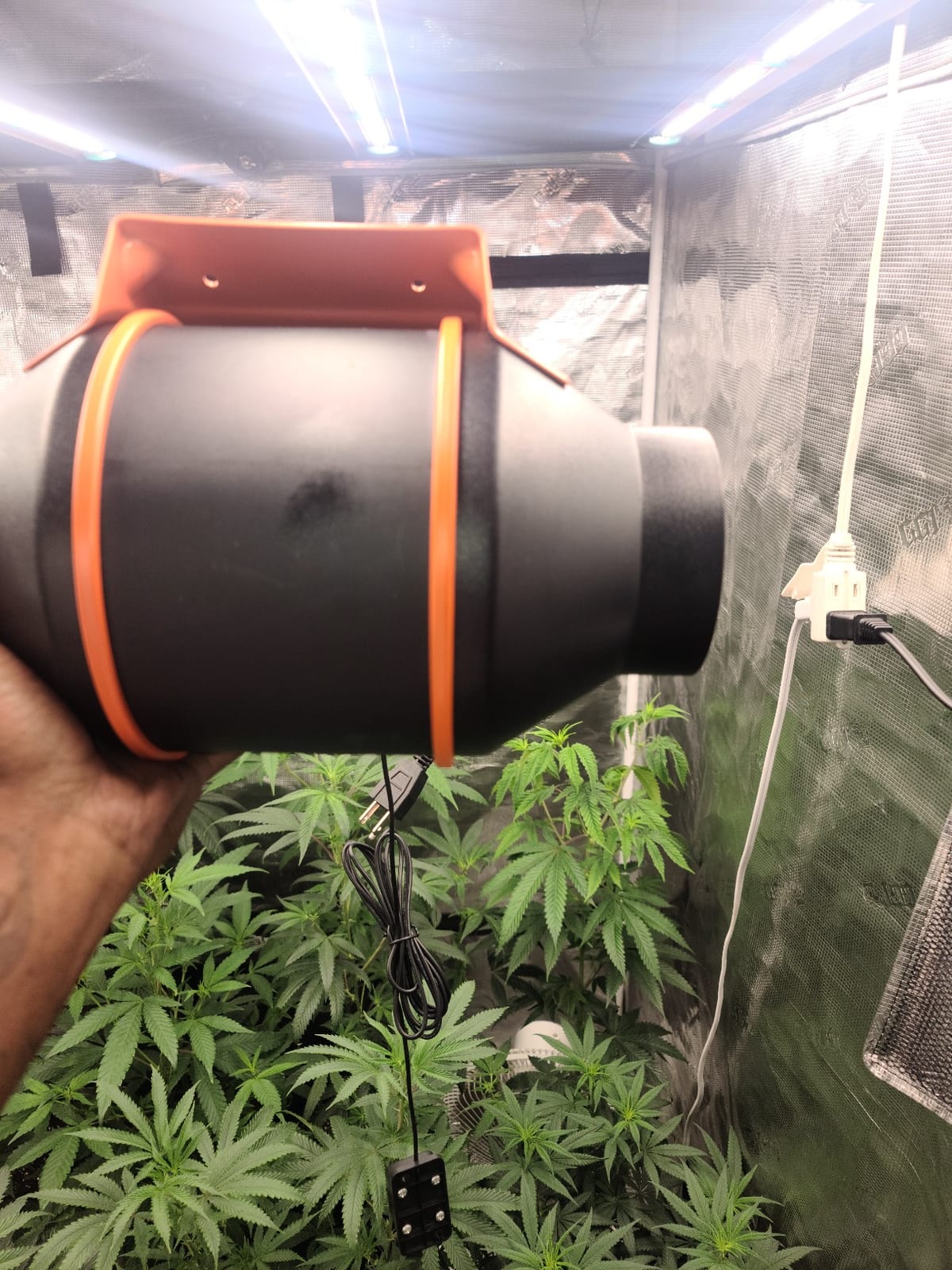
On the spec sheet, this is the quietest fan we looked at, at 26.8 dB, and it still moves 205 CFM. That comes from a lightweight ABS impeller on a brushless EC motor spinning to 3000 RPM, with the blade profile credited with a 40 percent airflow gain over a conventional plastic blade.
Buyers confirm the effect in small tents, where extraction noise is the thing they most want gone. The IP42 housing is rated against dust and liquids, which suits a grow room, and the unit is ETL and FCC listed.
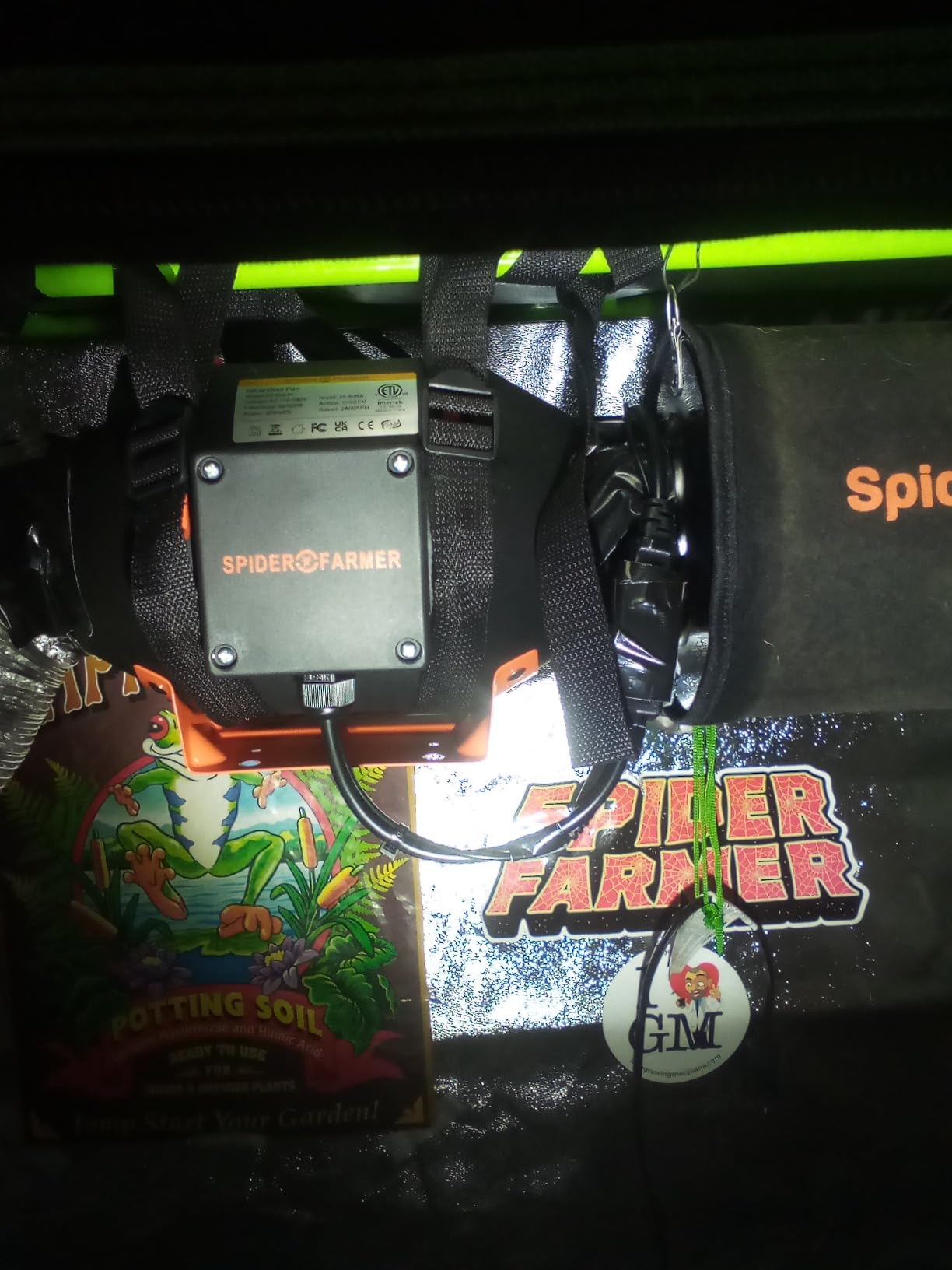
The included controller offers three speed levels rather than ten, which is a real limitation when you want fine tuning. What the fan does have is an upgradable RJ12 interface, so it can later connect to a GGS controller and power strip if your setup grows to more than one fan.
Two things give us pause. It costs more than the other 4-inch EC options here, and 143 ratings is a small base for a long-term judgement, especially compared with the thousands behind the VIVOSUN and the CLOUDLINE. It is a good fan that has not been proven over time the way the others have.
When quiet is the priority
Choose the Spider Farmer when the tent sits inside a room you use for other things and every decibel counts. A 2×2 or 2×4 tent where you want extraction without background conversation being drowned out is the ideal application.
It is also the more future-proofed 4-inch option if you might later add a second fan, since the RJ12 port is the upgrade path that matters in a multi-fan build.
When to choose differently
Three speed steps will feel coarse to anyone who has used a 10-speed controller. If you plan to tune airflow to plant stage and time of day, the TURBRO or the CLOUDLINE T4 gives you more to work with.
It is also a small 4-inch fan, so a 4×4 tent with a strong light will outgrow it. In that case the six-inch EC models cost more but deliver the headroom you actually need.
9. iPower 4 Inch 195 CFM Fan, Filter and Ducting Kit: Everything in One Box
- Carbon filter and pre-filter included with the fan
- 8 ft of ducting and stainless clamps in the box
- Filter rated 220 CFM so it is not the bottleneck
- Everything pre-matched and plug and play
- Handles wood and acrylic odor effectively
- No speed controller in this bundle
- 45 dB is among the louder figures here
- Some buyers doubt the 195 CFM figure
- Metal ducting rated only to 185 degrees F
This bundle solves the part of tent building that catches first-time growers out. Alongside the 4-inch 195 CFM blower at 2500 RPM you get a carbon filter rated at 220 CFM, a pre-filter, 8 feet of 4-inch aluminium foil and PET ducting, and a stainless clamp pair, all sized to fit each other.
That 220 CFM filter rating is the detail worth noticing. The filter is rated above the fan, which means the fan stays the limiter and the filter does not quietly choke your airflow. The carbon uses over 1200 IAV Australian RC412 activated carbon, and buyers report it handling workshop-grade wood and acrylic odors without escaping.
The ducting is rated for temperatures from 0 to 185 degrees F, which covers normal tent conditions but is a limit worth knowing if your room runs hot. The pre-filter has a hook design for hanging inside the tent, and the whole assembly is plug-and-play.
Two limits stand out. There is no speed controller in this bundle, so the fan runs at full output whenever it is on, and 45 dB makes it one of the louder options here. With 114 ratings at a 4.5 average the satisfaction is high, but the history is short.
Best for a first build
If you have never built a ventilation run, this removes the guesswork. Nothing needs sourcing separately, the diameters match, and the clamps are in the box, so your first install takes an evening instead of a week of separate orders.
It is also the choice when odor control matters more than dB, such as a setup near a shared hallway, since the filter is the strongest relative to the fan here.
Best avoided when
Do not buy this for a bedroom-adjacent space. At 45 dB with no low speed, there is no way to soften it, and adding a speed controller afterward means buying a part that was not designed to pair with this fan.
It is also a 4-inch package, so a 4×4 or 5×5 tent with a heavy light will need something larger. Treat it as a 2×2 and 2×4 solution and add speed control or a bigger fan as the tent grows.
10. Toolazy 6 Inch 405 CFM Fan: Ten Speeds and Speed Memory
- 405 CFM at 31 dB from a 60W EC motor
- Ten discrete PWM levels with a usable low end
- Speed memory restores the last setting after a cut
- Handles long flexible duct runs and filter restriction
- Mixed-flow impeller for high CFM per watt
- Loud at the highest settings
- WiFi app controller sold separately
- Not suitable for a bedroom at full output
- 101 rating pool
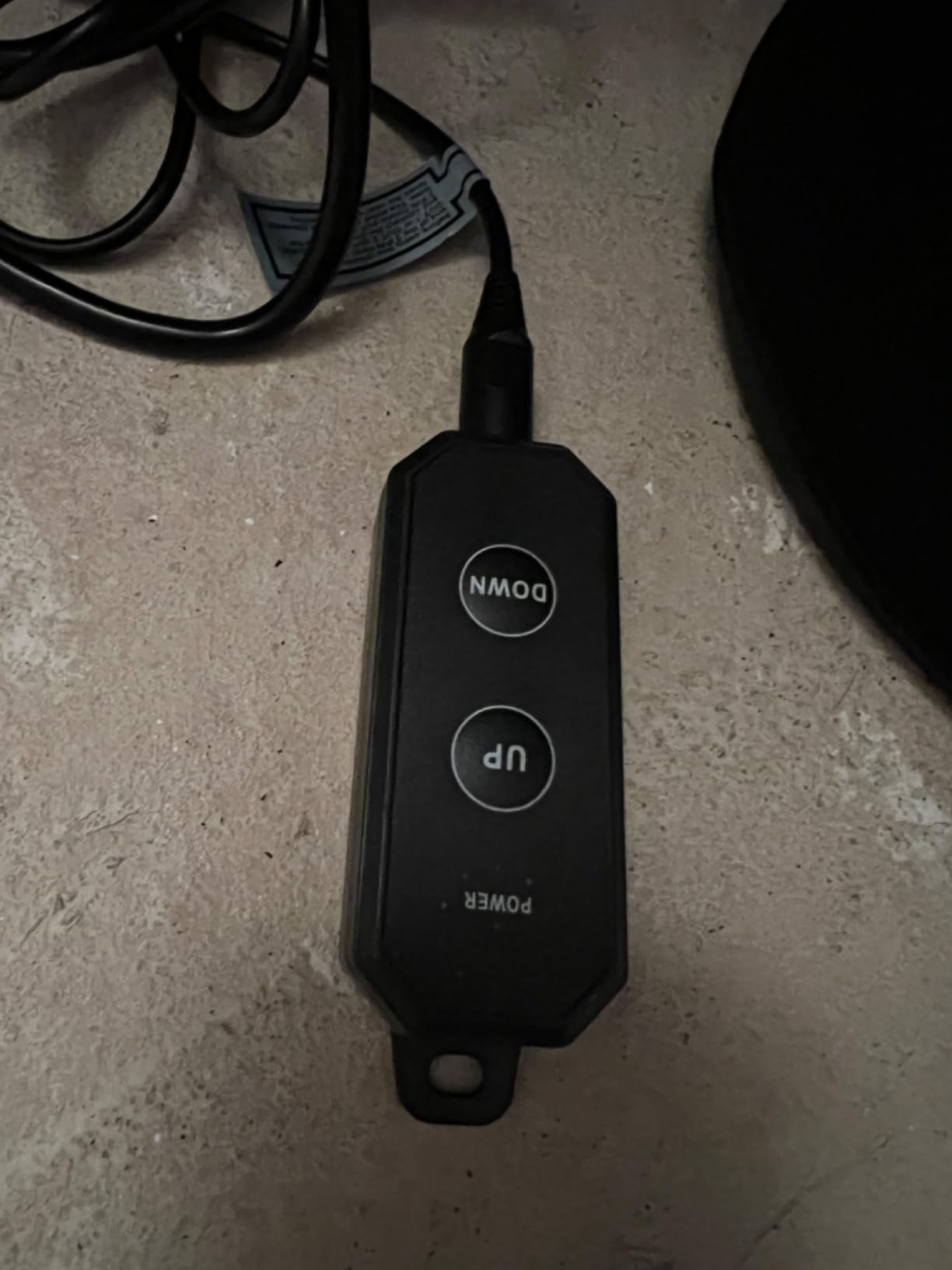
The Toolazy is the most complete 6-inch performance package in the group. A PWM-controlled brushless EC motor with a mixed-flow impeller delivers 405 CFM at 31 dB on 60W, and the three-phase motor is rated for 40,000 hours or more of service life.
Buyers most often mention two things they did not expect to value. The first is airflow gain at partial speed, since ten real PWM steps mean you can find the airflow your tent actually needs instead of settling for full blast. The second is speed memory, which restores the last setting after a power cut instead of dropping to a default.
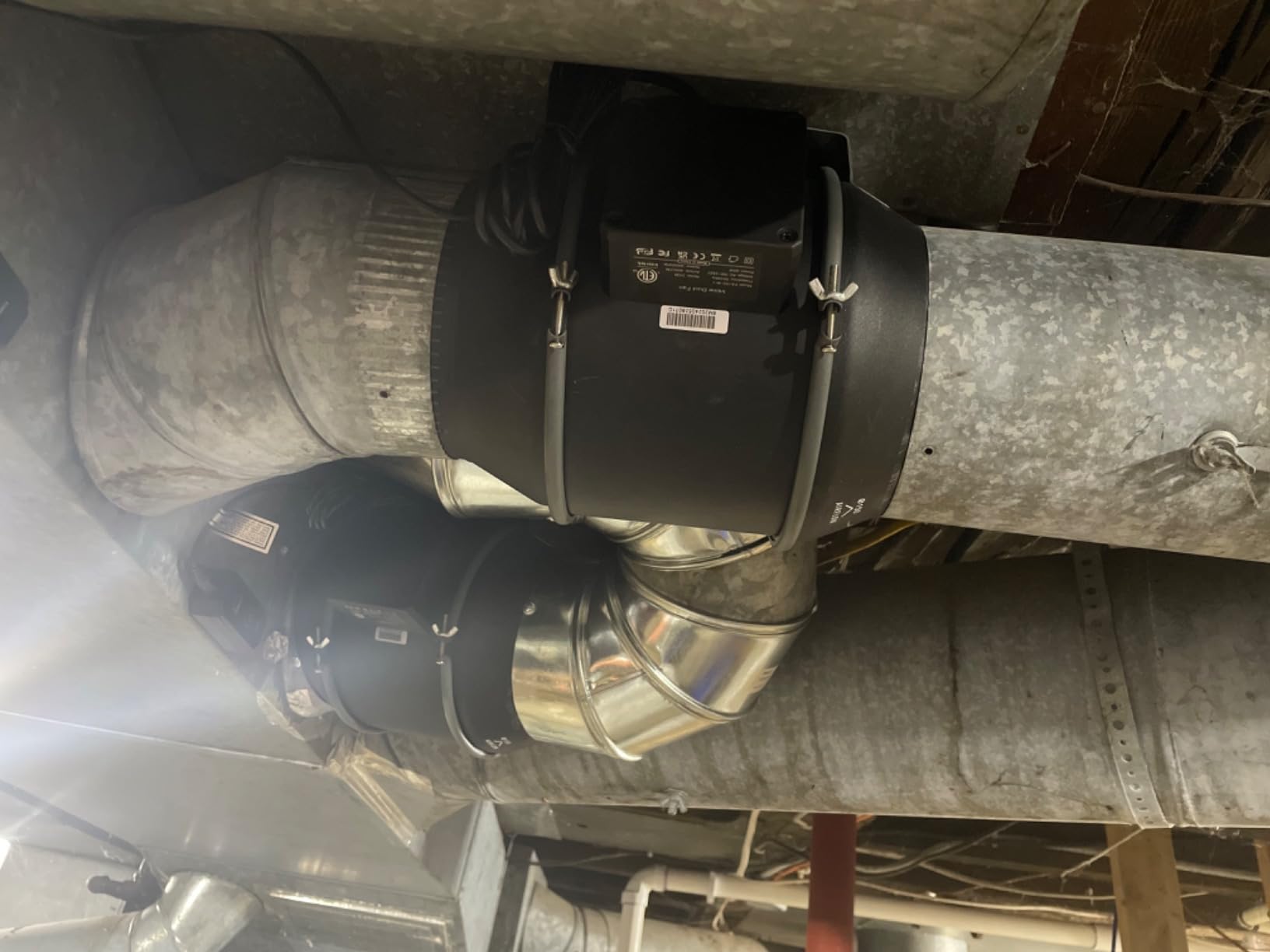
Static pressure handling comes up often in reviews, with owners running it through long or filtered flexible duct without stalling. It is universal 110-240V at 50 and 60 Hz, and the box includes a 5-foot power cord, an 8-foot control cable and mounting hardware.
The catch is that app control is a separate purchase. The fan works fully from the wired controller, but the smart WiFi controller is an add-on, so budget for it if you want phone-based scheduling. Noise at the top settings is the other recurring note, and a 101-rating pool is thin for a durability judgement.
Where it fits
A 4×4 tent running a single LED, or a 5×5 with a moderate light, is the range 405 CFM comfortably covers once filter losses are subtracted. Ten speed steps let you run it low and quiet through the night and higher through the hottest part of the afternoon.
It is also the pick for anyone who plans to grow into their setup, since the 40,000-hour motor rating and the add-on WiFi controller both scale with a larger tent rather than being thrown away.
What to watch
The 60W draw is mid-range here, higher than the 38W and 19.2W EC units, so budget for a moderate power bill if you run it continuously through a warm season.
And do not buy it expecting app control out of the box. The wired 10-speed controller is genuinely good, but the smart layer is an extra purchase, and a small rating pool means you are trusting a shorter field history than the two brands above it.
How to Size an Inline Fan for Your Grow Tent
Start with the volume of your tent. Multiply length by width by height, then multiply that volume by two air changes per minute to get the airflow you need. A 4x4x6 tent is 96 cubic feet, so two air changes a minute calls for about 192 CFM before any losses are counted.
Here is the working list for common tents, using that same two-changes-per-minute rule.
- 2x2x5 tent, 20 cu ft, about 40 CFM required, use a 4 inch fan
- 2x4x5 tent, 40 cu ft, about 80 CFM required, use a 4 inch fan
- 2x4x6 tent, 48 cu ft, about 96 CFM required, use a 4 inch fan
- 3x3x6 tent, 54 cu ft, about 108 CFM required, use a 4 inch or small 6 inch fan
- 4x4x6 tent, 96 cu ft, about 192 CFM required, use a 6 inch fan
- 4x4x7 tent, 112 cu ft, about 224 CFM required, use a 6 inch fan
- 5x5x6 tent, 150 cu ft, about 300 CFM required, use a 6 inch fan or two 4 inch fans
- 4×8 tent, about 192 cu ft, about 384 CFM required, use a large 6 inch fan
The rule that matters more than the arithmetic is to oversize the fan and run it slower. Growers on r/microgrowery say this constantly, and they are right. A 6-inch fan at step 2 sounds dramatically softer than a 4-inch fan at full output while moving similar air, and the low end gives you headroom on hot days without the noise penalty.
There is a second sizing factor that product pages rarely mention, which is the light. Our LED grow light comparison shows how much heat each fixture adds, and that heat has to leave through the same duct run as the humidity. If you are running a heavier light, size up one step.
EC Motor vs AC Motor: Why It Changes the Whole Setup
An EC motor is electronically commutated, meaning the controller handles the switching that an AC motor does mechanically with brushes. The practical result is less waste heat, much lower power draw at partial speed, and finer control. Every fan in this roundup with a variable speed controller is EC or brushless DC.
The AC motor design is simpler and cheaper to build, which is why the single-speed VIVOSUN D4 and the Voltset use that approach. They also draw more power for the same airflow and produce more noise, because there is no efficient way to run them below full output.
Look at the wattage figures across these ten fans and the gap is stark. The Hon and Guan moves 345 CFM on 19.2W. The TURBRO moves 195 CFM on 18W. The CLOUDLINE T4 moves 205 CFM on 21W. Against that, the Voltset moves 390 CFM on 75W and the TerraBloom moves 735 CFM on 205W. Those are the numbers that decide your running cost, and they are the reason we lean toward EC motors even when an AC unit is cheaper at the register.
Noise follows the same line. A brushless motor at low speed produces a smooth tone that stays under conversation, while an AC motor at full output adds a tonal whine on top of airflow noise that is much harder to mask.
Static Pressure Losses in a Real Grow Tent Setup
Static pressure is the resistance your fan has to push against, measured in inches of water gauge or pascals. A fan rated at 400 CFM is rated at zero static pressure, which means the number on the box assumes open air on both ends. Every restriction you add reduces the air it actually moves.
A 400 CFM fan through a real filter and duct setup can easily deliver around 220 CFM once the losses stack up. That is not a defect, it is physics, and it is why sizing to the printed number leaves you short.
- Clean carbon filter, expect to lose 30 to 40 percent of rated airflow
- Saturated carbon filter at six months, expect 50 to 60 percent loss
- Each 90-degree bend, roughly 15 to 25 percent additional loss
- Every 10 feet of flexible duct, about 10 percent additional loss
- A fine dust pre-filter, 40 to 50 percent loss on top of everything else
The practical fix is the same as the sizing rule. If your 6-inch fan is rated at 400 CFM, assume you are really moving 220 to 260 CFM through a filter and a short run. Pick the next size up from that number, and run it slower. You will be quieter and the filter will last longer because it is not being starved of the airflow it needs to clear the air.
Run the fan outside the tent and keep the duct run as short and straight as you can. Smoothing out a bend and supporting the duct so it does not sag changes more than most people expect, and an unsealed joint between fan and filter leaks a surprising share of your extracted air into the room instead of through the carbon.
What Decibel Ratings Actually Mean in a Grow Room
Decibels are logarithmic, so a 10 dB difference is roughly double the perceived loudness. That is why a fan rated at 28 dB sounds dramatically better than one at 40 dB even though the numbers look close on paper.
- 26 to 28 dB, near the level of a quiet room, a library at rest, a whisper at one foot
- 31 to 32 dB, comparable to a quiet refrigerator in the next room
- 37 to 42 dB, noticeable background hum, comparable to a small office or a desktop fan on low
- 45 dB, clearly audible in a quiet room, roughly a hair dryer on cool
- 60 dB, conversation-stopping, comparable to a busy shop or a shower running
Two practical notes. First, ratings are almost always measured at zero static pressure with the fan on a bench, so a real installation with a filter and ducting reads louder. Second, half these figures are quoted at maximum speed, which is the setting you should rarely be using. A fan rated 40 dB at full output running at 30 percent will not be a 40 dB fan in your tent.
Among the ten here, the Spider Farmer at 26.8 dB and the CLOUDLINE T4 at 28 dB are the quietest. The Toolazy, Hon and Guan and VEVOR sit in the low 30s and are quiet if you run them below full speed. The Voltset at 40 dB and the iPower kit at 45 dB are background hum you will hear from the next room, and the TerraBloom at 60 dB is meant for a garage rather than a living space.
Quiet Setup Mods and Installation
Most fan noise in a grow tent is not the motor. It is vibration transferring through the ducting and the tent frame, and duct turbulence. The fixes are inexpensive and mostly mechanical.
- Rubber ratchet hangers instead of zip ties, typically 4 to 6 dB saved by isolating the fan body from the tent frame
- A duct silencer on the exhaust run, commonly 8 to 12 dB of reduction, and better still on both intake and exhaust
- Acoustic or insulated flex duct in place of standard aluminised flex, roughly 5 to 8 dB, since it also slows heat transfer
- Shortening the duct run and removing unnecessary bends, which cuts airflow loss and turbulence together
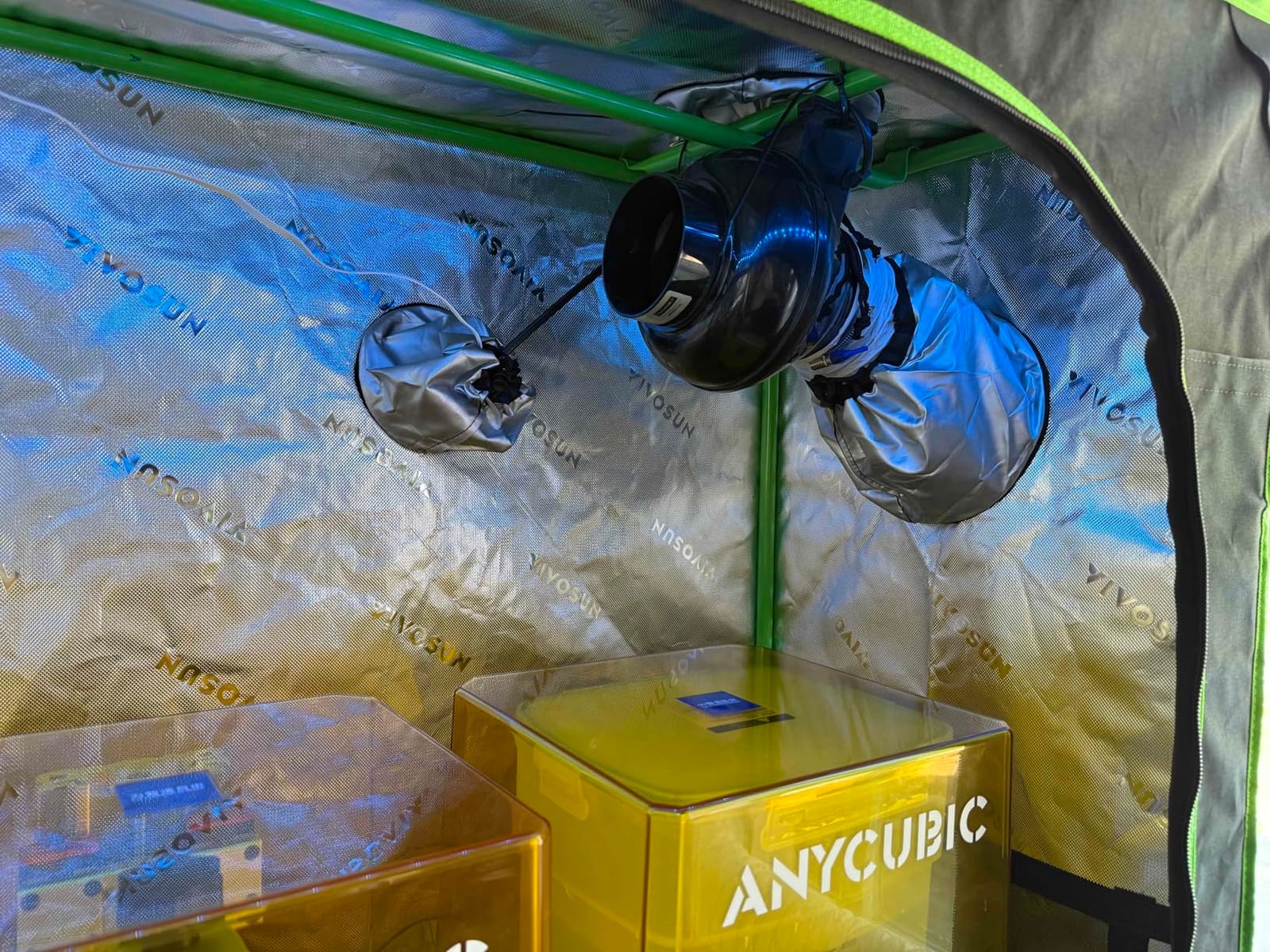
On installation, the order that works best is simple. Mount the fan outside the tent so the noise and heat stay in the room rather than in your canopy. Seal every joint between the fan, duct and filter with foil tape or mastic, because a leaking joint wastes your negative pressure. Make your intake vents at least twice the area of the exhaust duct, or the tent cannot refill fast enough and airflow drops.
Finally, always hang the fan so the air enters and leaves in the direction the arrows indicate. Body orientation matters because these fans are designed to push or pull, not both equally, and running one against its design quietly costs you a large share of its rated CFM. Our clip-on grow light guide covers the other half of a tent setup if you are still choosing fixtures.
Inline Duct Fan vs Clip-On Fan
A clip-on fan circulates air inside the tent. An inline duct fan moves air out of it. They solve different problems, and expecting a clip-on to do extraction duty is the most common beginner mistake.
- Inline duct fans create negative pressure so all escaping air passes through the carbon filter, which is what makes odor control work
- Clip-on fans move air across plant surfaces to discourage mold and improve gas exchange, which is useful but not a substitute for exhaust
- Any tent running grow lights needs active exhaust, because the light adds heat and the plants consume CO2 that has to be replaced
On controllers, a plain speed dial is enough if your tent sits in a steady climate. A 10-speed wired controller earns its place as soon as you want day and night settings. App-based or probe-based automation pays for itself when you are away from the tent during the hottest part of the day, or when you are running several tents from one controller.
For carbon filter pairing, match the flange diameter to the fan diameter and choose a filter rated at or above the fan’s CFM. A 4-inch filter on a 6-inch fan will leak around the edges, and a filter rated below the fan becomes the bottleneck while the fan works harder and louder for less air.
If you are starting seedlings rather than running a full tent, our seed starting systems guide covers the smaller setups where an inline fan is often more than you need.
Frequently Asked Questions
What size inline fan do I need for a 4×4 grow tent?
A 4x4x6 tent holds 96 cubic feet, and two air changes per minute needs about 192 CFM before losses. Because a carbon filter and ducting can take away half the rated airflow, choose a 6 inch fan rated between 350 and 400 CFM and run it below full speed. A 4 inch fan works only for a 4×4 with a single light and no filter.
Should an inline fan pull air out of a grow tent?
Yes, always extract rather than push. Pulling makes the tent slightly negative, so every cubic foot of air leaving passes through the carbon filter. That keeps the filter cleaner for longer and stops odor escaping through seams. Your intake vents need to be at least twice the area of the exhaust duct, or airflow drops.
Do carbon filters reduce fan CFM?
Yes, significantly. A clean carbon filter typically removes 30 to 40 percent of rated airflow, a saturated one 50 to 60 percent. Each 90 degree bend costs another 15 to 25 percent, and every 10 feet of duct about 10 percent. A fan rated at 400 CFM may really deliver around 220 CFM through a filtered setup.
Is a 4 inch or 6 inch inline fan better?
Size to tent volume, then oversize one step and run it slower. A 6 inch fan at step 2 of 10 sounds far quieter than a 4 inch fan at full output while moving similar air, and the low setting gives headroom on hot days. This is the single most repeated recommendation across grow forums, and it costs you nothing to follow.
Do fans lower humidity in a grow tent?
Fans lower humidity only by exchanging moist tent air for drier outside air, so they work when outdoor humidity is below indoor humidity. In a humid climate you still need a dehumidifier, because the fan moves moisture out faster than the dehumidifier removes it. The fan is also how CO2 gets replenished for photosynthesis.
How much does a duct silencer reduce fan noise?
A duct silencer on the exhaust side typically reduces noise by 8 to 12 dB, which is the largest single saving available. Results are better with silencers on both the intake and exhaust run. Pair it with rubber ratchet hangers, worth another 4 to 6 dB, since vibration through the tent frame carries much of the sound you hear.
Final Verdict
For most people reading this, the VIVOSUN D4 is the right first buy: 195 CFM, a 4.3 average across 13,585 ratings, and a design that comes apart for cleaning. It suits 2×2 and 2×4 tents and a 4×4 running one light.
Move up to the AC Infinity CLOUDLINE T4 if noise and automation matter, at 28 dB with app scheduling and dual ball bearings. For a 4×4 or 5×5 tent, the Toolazy 6 inch at 405 CFM and 10 PWM speeds gives the best balance of airflow and control, while the VEVOR 6 inch is the way to get probe-based automation. Budget builders should look at the Hon and Guan for 345 CFM at 19.2W, and anyone with a 5×5 or a grow room needs the raw volume of the TerraBloom 8 inch.
Whichever you choose, size one step larger than the CFM table suggests, mount it outside the tent, hang it on rubber ratchet hangers, and run it at the lowest speed that keeps your tent on target. Those four habits matter more to how your setup feels than the model you pick.