
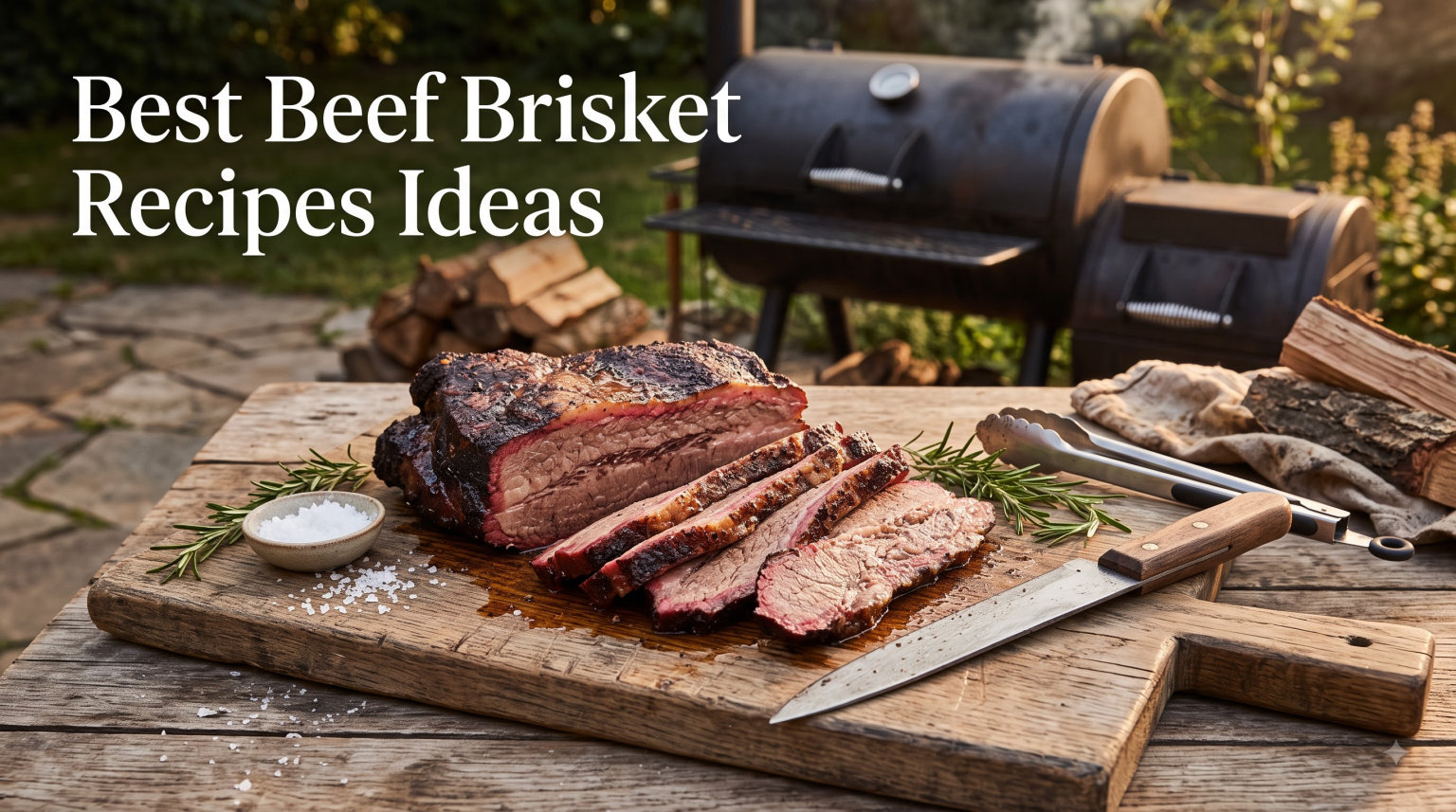
The best beef brisket recipes ideas begin with a clear method and dependable doneness cues. I recommend choosing the cooking method by the result you want, seasoning in layers, and using texture and temperature—not the clock alone—to decide when beef brisket is ready.
I organized the guide around easy beef brisket dinner recipes and beef brisket meal ideas, with practical timings, substitutions, serving ideas, storage guidance, and fixes for the problems that matter. For another useful option, see this ground beef cooking guide.
Table of Contents
What Is Beef Brisket?
Beef brisket is a large cut taken from the lower chest of the cow, right between the forelegs. This muscle does a lot of work during the animal’s life, which means it is loaded with connective tissue and collagen. That is exactly why brisket needs long, slow cooking to become tender, and why it has such deep, satisfying flavor once that collagen melts into gelatin.
A whole brisket is often called a “packer” cut and typically weighs between 10 and 14 pounds. Most grocery stores break it down into two sub-cuts, and knowing the difference matters when you are shopping for beef brisket recipes.
Flat Cut vs. Point Cut
The flat cut is the leaner, more uniform portion. It slices cleanly, which makes it the go-to choice for oven brisket recipes, braised brisket, and classic Jewish-style holiday dinners. You will usually find this cut with a thin layer of fat on one side.
The point cut sits on top of the flat and has more fat marbled throughout. This is the cut BBQ enthusiasts love because it stays juicier during long smokes and produces those rich, fatty burnt ends everyone fights over. If you are smoking a whole packer brisket, you get both cuts together.
The Fat Cap Explained
The fat cap is the thick layer of fat on one side of the brisket. It helps keep the meat moist during cooking and adds flavor as it slowly renders down. There is ongoing debate about whether to cook fat-side up or fat-side down, but the general consensus is that it matters less than people think, especially in an oven or slow cooker. For smoking, I prefer fat-side down to protect the bottom of the meat from direct heat.
Why Brisket Needs Low and Slow
Brisket contains a lot of collagen, and collagen is tough. When you cook brisket at low temperatures, between 225 and 300 degrees Fahrenheit, that collagen slowly breaks down into gelatin. That process takes hours, but it is the secret to fork-tender brisket. Rush it with high heat and you end up with meat that fights back when you try to chew it.
beef brisket: Cooking Methods Compared
When most people think of beef brisket recipes, smoking is the first method that comes to mind. But there are several excellent ways to cook this cut, and each one produces a different texture and flavor profile. Here is how the main methods stack up.
Smoked Brisket
Smoking is the traditional Texas method and the one that produces the most complex flavor. You cook the brisket at 225 to 250 degrees Fahrenheit for 12 to 18 hours, depending on size. The result is a dark, peppery bark on the outside, a pink smoke ring just beneath the surface, and meat so tender it slices like butter. This method requires a smoker, patience, and good temperature control.
Oven-Braised Brisket
Oven braising is the workhorse of home brisket cooking. You sear the meat first, then cook it covered at around 300 degrees Fahrenheit in liquid, usually broth, wine, or a tomato-based sauce. Cook time runs 4 to 6 hours for a typical flat cut. The result is rich, saucy, and fall-apart tender. This is the method behind most classic Jewish-style brisket recipes and many holiday dinner traditions.
Slow Cooker Beef Brisket
Slow cooker beef brisket is the most hands-off option. Season the meat, lay it on a bed of onions, add liquid, and walk away for 8 to 10 hours on low. The texture is soft and shreddy, perfect for BBQ sandwiches or serving over mashed potatoes. Liquid smoke in the cooking liquid can approximate that smoky flavor for cooks without a smoker.
Instant Pot or Pressure Cooker Brisket
Pressure cooking brisket cuts the cook time dramatically. A 3 to 4 pound flat cut is done in about 75 to 90 minutes under high pressure, plus a natural release. The texture is tender and sliceable, though it lacks the bark and smoke ring you get from traditional smoking. This is a great option for weeknight dinners when you want brisket flavor without the all-day commitment.
Here is a quick comparison of the four main cooking methods:
-
Smoked: 225 to 250 degrees F, 12 to 18 hours, requires smoker, produces bark and smoke ring
-
Oven braised: 300 degrees F, 4 to 6 hours, requires Dutch oven or roasting pan, produces saucy fall-apart texture
-
Slow cooker: Low setting, 8 to 10 hours, set-and-forget convenience, produces soft shreddy meat
-
Pressure cooker: High pressure, 75 to 90 minutes, fastest option, produces tender sliceable meat
Best Beef Brisket Recipes Ideas
Use these checkpoints to compare easy beef brisket dinner recipes and beef brisket meal ideas before committing to a recipe.
-
Match the method to the time and equipment you actually have.
-
Read the doneness cue before starting so the final texture is not left to guesswork.
-
Choose one useful side or make-ahead component to turn the idea into a complete meal.
Now for the part you came here for. These six recipes cover the most popular ways to prepare brisket, and each one has been tested in my kitchen multiple times. I have included ingredients, step-by-step instructions, and notes on what makes each recipe work.
Ideas to Try
Recipe 1: Texas-Style Smoked Brisket
This is the purist’s brisket. No sauce, no sugar, no complicated rubs. Just salt, pepper, smoke, and time. The result is the kind of brisket you would pay good money for at a Central Texas BBQ joint.
Ingredients:
-
1 whole packer brisket, 10 to 12 pounds
-
1/4 cup coarse kosher salt
-
1/4 cup freshly cracked black pepper
-
Optional: 1 tablespoon garlic powder
-
Post oak, hickory, or oak wood for fuel
Instructions:
Step 1: Trim the fat cap to about 1/4 inch thickness. Remove any hard, thick pieces of fat that will not render down during cooking.
Step 2: Mix the salt and pepper in equal parts. Coat the entire brisket evenly, pressing the rub into the meat with your hands. Let it sit at room temperature for 1 hour.
Step 3: Preheat your smoker to 225 degrees Fahrenheit using oak or hickory wood.
Step 4: Place the brisket fat-side down on the smoker grates. Close the lid and let it smoke undisturbed for 6 to 8 hours, or until the internal temperature reaches 165 to 170 degrees Fahrenheit.
Step 5: Wrap the brisket tightly in butcher paper or aluminum foil. This is called the “Texas crutch” and helps push through the stall, a period where the internal temperature plateaus.
Step 6: Return the wrapped brisket to the smoker and continue cooking until the internal temperature reaches 203 degrees Fahrenheit. Probe the meat with a thermometer, it should slide in with almost no resistance, like soft butter.
Step 7: Remove the brisket from the smoker and let it rest, still wrapped, in a cooler or warm oven for at least 1 hour. This resting time is critical, it allows the juices to redistribute.
Step 8: Slice against the grain in 1/4 inch thick pieces. Serve immediately with pickles, onions, and white bread, the traditional Texas way.
Recipe 2: Slow Cooker BBQ Beef Brisket
This is the recipe I make on busy weekdays when I want brisket flavor without tending a fire all day. The slow cooker turns even a tough flat cut into something soft and shreddy, and the homemade BBQ sauce is worth the small extra effort.
Ingredients:
-
3 to 4 pound beef brisket flat
-
2 large onions, sliced
-
1 cup beef broth
-
1/2 cup ketchup
-
1/4 cup apple cider vinegar
-
3 tablespoons brown sugar
-
2 tablespoons Worcestershire sauce
-
1 tablespoon smoked paprika
-
1 tablespoon garlic powder
-
1 teaspoon liquid smoke (optional but recommended)
-
Salt and pepper to taste
Instructions:
Step 1: Season the brisket generously with salt and pepper on all sides.
Step 2: Spread the sliced onions across the bottom of your slow cooker to create a bed for the meat.
Step 3: Place the brisket on top of the onions, fat-side up.
Step 4: In a bowl, whisk together the beef broth, ketchup, apple cider vinegar, brown sugar, Worcestershire sauce, smoked paprika, garlic powder, and liquid smoke. Pour the mixture over the brisket.
Step 5: Cover and cook on low for 8 to 10 hours, or until the meat is fork tender and pulls apart easily.
Step 6: Remove the brisket to a cutting board and let it rest for 15 minutes. Slice or shred, then return the meat to the slow cooker and toss with the sauce.
Step 7: Serve on toasted buns with coleslaw for BBQ sandwiches, or over mashed potatoes for a hearty dinner plate.
Recipe 3: Oven-Braised Red Wine Brisket
This is the brisket I serve for holiday dinners. The red wine creates a deep, complex sauce, and the long braise produces meat that you can cut with a fork. It is classic comfort food at its finest.
Ingredients:
-
4 to 5 pound beef brisket flat
-
2 tablespoons vegetable oil
-
2 large onions, sliced thick
-
3 carrots, cut into chunks
-
4 garlic cloves, minced
-
2 tablespoons tomato paste
-
1 bottle dry red wine, such as Cabernet Sauvignon
-
2 cups beef broth
-
3 sprigs fresh thyme
-
2 bay leaves
-
Salt and pepper to taste
Instructions:
Step 1: Preheat your oven to 300 degrees Fahrenheit. Season the brisket generously with salt and pepper.
Step 2: Heat the oil in a large Dutch oven over medium-high heat. Sear the brisket for 4 to 5 minutes per side until deeply browned. Transfer to a plate.
Step 3: Reduce the heat to medium. Add the onions and carrots to the pot and cook until softened, about 8 minutes. Add the garlic and tomato paste and cook for 1 more minute.
Step 4: Pour in the red wine and scrape up any browned bits from the bottom of the pot. Let the wine simmer for 3 to 4 minutes to burn off some of the alcohol.
Step 5: Stir in the beef broth, thyme, and bay leaves. Return the brisket to the pot, fat-side up, and spoon some of the liquid over the top.
Step 6: Cover the pot tightly and transfer to the oven. Braise for 4 to 5 hours, or until the meat is fork tender.
Step 7: Remove the brisket from the pot and let it rest for 15 minutes. Meanwhile, strain the cooking liquid and skim off the fat. Simmer the sauce on the stovetop for 5 to 10 minutes until slightly thickened.
Step 8: Slice the brisket against the grain and serve with the reduced sauce spooned over the top. Mashed potatoes or egg noodles are perfect side dishes here.
Recipe 4: Instant Pot Beef Brisket
When you need brisket on a weeknight timeline, the Instant Pot is your best friend. This recipe delivers tender, flavorful brisket in under two hours total, something no other method can match.
Ingredients:
-
3 pound beef brisket flat, cut in half if needed to fit
-
1 tablespoon vegetable oil
-
1 large onion, quartered
-
3 garlic cloves, smashed
-
1 cup beef broth
-
1/4 cup soy sauce
-
2 tablespoons brown sugar
-
1 tablespoon Dijon mustard
-
1 teaspoon smoked paprika
-
1/2 teaspoon black pepper
-
1 tablespoon cornstarch mixed with 2 tablespoons cold water, for thickening
Instructions:
Step 1: Season the brisket with salt and pepper. Set the Instant Pot to saute mode and add the oil.
Step 2: Sear the brisket for 3 to 4 minutes per side until browned. Work in batches if needed. Remove and set aside.
Step 3: Add the onion and garlic to the pot and cook for 2 to 3 minutes until fragrant.
Step 4: In a bowl, mix the beef broth, soy sauce, brown sugar, Dijon mustard, smoked paprika, and black pepper. Pour into the pot and scrape up any browned bits.
Step 5: Place the brisket back in the pot. Close the lid, set the valve to sealing, and cook on high pressure for 75 minutes.
Step 6: Allow a natural pressure release for 15 minutes, then carefully switch the valve to venting to release any remaining pressure.
Step 7: Remove the brisket and let it rest for 10 minutes. Switch the Instant Pot to saute mode, add the cornstarch slurry to the cooking liquid, and stir until the sauce thickens, about 2 to 3 minutes.
Step 8: Slice the brisket against the grain and serve with the thickened sauce. Rice or roasted potatoes round out the meal nicely.
Recipe 5: Classic Jewish-Style Braised Brisket with Onions
It is deeply traditional, incredibly simple, and proof that a few good ingredients treated with respect will always produce something special.
Ingredients:
-
5 pound beef brisket flat
-
3 tablespoons vegetable oil
-
6 large onions, sliced
-
4 garlic cloves, minced
-
2 cups beef broth
-
3 tablespoons tomato paste
-
1 packet dry onion soup mix, optional but traditional
-
2 bay leaves
-
1 teaspoon black pepper
Instructions:
Step 1: Preheat the oven to 325 degrees Fahrenheit. Season the brisket generously with salt and pepper.
Step 2: Heat the oil in a large roasting pan or Dutch oven over medium-high heat. Sear the brisket for 5 minutes per side until browned. Remove and set aside.
Step 3: Add the onions to the pan and cook until deeply caramelized and golden brown, about 15 to 20 minutes. This is where the flavor comes from, so do not rush this step.
Step 4: Stir in the garlic and tomato paste and cook for 2 minutes.
Step 5: Pour in the beef broth and scrape up any browned bits. Stir in the onion soup mix if using, bay leaves, and pepper.
Step 6: Return the brisket to the pan, fat-side up. Cover tightly with foil or a heavy lid.
Step 7: Braise in the oven for 3 hours. Carefully remove the brisket and slice it against the grain into 1/4 inch slices. Return the slices to the pan, nesting them into the onions and gravy.
Step 8: Continue cooking for another 1 to 1.5 hours, or until the meat is fork tender. This two-stage slicing technique is the secret to the tender, gravy-soaked slices this recipe is known for.
Step 9: Serve hot with the onions and gravy spooned over the top. Potato latkes, kugel, or roasted vegetables are traditional accompaniments.
Recipe 6: Coffee-Rubbed Smoked Brisket
This is a twist on traditional smoked brisket that I developed after seeing coffee rubs on competition BBQ circuits. The dark roast adds earthiness and helps form an incredible bark. If you love smoked brisket and want to try something different, this is the recipe.
Ingredients:
-
10 to 12 pound whole packer brisket
-
1/4 cup finely ground dark roast coffee
-
1/4 cup coarse kosher salt
-
1/4 cup cracked black pepper
-
2 tablespoons brown sugar
-
1 tablespoon garlic powder
-
1 tablespoon onion powder
-
1 teaspoon cayenne pepper
-
Hickory or oak wood for smoking
Instructions:
Step 1: Trim the fat cap to 1/4 inch. Mix the coffee, salt, pepper, brown sugar, garlic powder, onion powder, and cayenne in a bowl to make the rub.
Step 2: Coat the brisket evenly with the rub, pressing it into the meat. Let it sit at room temperature for 1 hour.
Step 3: Preheat your smoker to 250 degrees Fahrenheit with hickory or oak wood.
Step 4: Smoke the brisket fat-side down for 6 to 8 hours, until the internal temperature hits 165 degrees Fahrenheit and a dark bark has formed.
Step 5: Wrap tightly in butcher paper and return to the smoker. Cook until the internal temperature reaches 203 degrees Fahrenheit and the meat probes tender.
Step 6: Rest the brisket, still wrapped, in a warm cooler for at least 1 hour before slicing.
Step 7: Slice against the grain and serve. The coffee rub creates a deep, almost chocolate-like crust that pairs beautifully with the rich beef.
What to Serve with Beef Brisket
The strongest easy beef brisket dinner recipes stay flexible without becoming vague, and the same is true of beef brisket meal ideas. Keep the timing cue and main technique intact, then adjust seasonings or sides to fit the meal. This protein-forward dinner guide offers another practical direction.
The right side dishes can turn a good brisket dinner into a memorable one. Here are the pairings I come back to again and again, organized by the style of brisket you are serving.
Classic BBQ Sides
For smoked or slow cooker BBQ brisket, think Southern comfort food. Creamy coleslaw is essential, the cool crunch cuts through the richness of the meat. Macaroni and cheese, baked beans, cornbread, and potato salad round out the plate. For something green, try a simple vinegar-based cucumber salad or grilled corn on the cob.
Holiday Dinner Sides
For braised brisket with rich gravy, you want sides that soak up sauce. Mashed potatoes are the obvious choice. Egg noodles, buttered egg noodles, or wide pappardelle pasta also work beautifully. Roasted carrots, parsnips, and Brussels sprouts add color and texture to the plate.
Weeknight Dinner Sides
For Instant Pot brisket or quick weeknight meals, keep it simple. Steamed rice, roasted baby potatoes, or a crusty loaf of bread to dip in the sauce. A quick green salad or steamed green beans adds freshness without extra effort.
Sauce Suggestions
Smoked brisket purists will tell you sauce is optional, but many people love it. For Texas-style, offer a thin, tangy vinegar-based sauce on the side. For slow cooker brisket, the cooking liquid reduced into a sauce is usually enough. Store-bought BBQ sauce works fine for a quick weeknight dinner, or try mixing equal parts BBQ sauce and beef broth for a lighter glaze.
Creative Leftover Brisket Recipes
Leftover brisket is not a problem, it is an opportunity. The rich, smoky flavor of leftover beef works in countless dishes. These ideas come straight from BBQ forums where cooks compete to make the best use of their extras.
Brisket Tacos
Warm shredded brisket in a skillet with a splash of its cooking liquid. Pile into warm corn tortillas and top with diced onions, fresh cilantro, a squeeze of lime, and your favorite salsa. This is possibly the best use of leftover smoked brisket there is.
Brisket Chili
Replace ground beef with chopped leftover brisket in your favorite chili recipe. The smoky flavor adds incredible depth, and the tender chunks of meat make every bite satisfying. Top with shredded cheese, sour cream, and diced onions.
Brisket Grilled Cheese
Layer sliced brisket between two pieces of buttered bread with sharp cheddar or smoked gouda. Grill slowly until the bread is golden and the cheese is melted. Serve with a side of BBQ sauce or tomato soup for dipping.
Brisket Nachos
Spread tortilla chips on a baking sheet. Top with shredded brisket, black beans, jalapenos, and shredded cheese. Broil until the cheese melts, then top with guacamole, sour cream, and pico de gallo. This is a crowd favorite for game day.
Brisket Breakfast Hash
Dice leftover brisket and fry it in a skillet with cubed potatoes, onions, and bell peppers until crispy. Crack a few eggs on top, cover until the whites set, and finish with hot sauce. This is the kind of breakfast that makes waking up early worth it.
Storage Tips for Leftover Brisket
Store leftover brisket in an airtight container in the refrigerator for up to 4 days. For longer storage, wrap tightly in foil, place in a freezer bag, and freeze for up to 3 months. Vacuum sealing extends freezer life to 6 months and prevents freezer burn. Always reheat brisket low and slow, covered with foil, with a splash of broth to keep it moist.
Tips for Perfect Brisket Every Time
-
These tips address the most common problems home cooks face.
-
Internal temperature is the single most reliable indicator of brisket doneness. For sliceable brisket, aim for an internal temperature of 195 to 205 degrees Fahrenheit. For fall-apart, shredable brisket, push to 203 to 210 degrees. Use a good instant-read meat thermometer and probe the thickest part of the flat. The probe should slide in with almost no resistance when the brisket is ready.
-
Somewhere around 150 to 165 degrees Fahrenheit, your brisket’s internal temperature will stop rising. This is called the stall, and it happens because moisture evaporating from the meat’s surface cools it down. The stall can last 2 to 6 hours. Wrapping the brisket in foil or butcher paper, known as the Texas crutch, pushes through the stall faster by trapping moisture.
-
Cutting into a brisket straight off the heat is the surest way to end up with dry meat. Resting allows the muscle fibers to relax and reabsorb juices. Rest a smoked brisket for at least 1 hour, wrapped, in a warm cooler. Rest oven-braised and slow cooker brisket for 15 to 30 minutes before slicing.
-
Always slice brisket against the grain of the meat. This shortens the muscle fibers and makes each bite tender. On a whole packer brisket, the grain direction changes between the flat and the point, so pay attention as you carve. Aim for slices about 1/4 inch thick, thick enough to hold together but thin enough to be tender.
-
Cooking at too high a temperature is the number one cause of tough brisket. Keep your oven, smoker, or slow cooker at the recommended temperature and trust the process. Undercooking is the second most common mistake, brisket needs to reach that 200 degree mark to fully tenderize. Finally, skipping the rest period ruins otherwise perfectly cooked meat. Patience is the most important ingredient in any brisket recipe.
Know Your Temperatures
The Stall Is Normal
Always Rest Your Brisket
Slice Against the Grain
Common Mistakes to Avoid
Storage, Reheating, and Food Safety
I follow USDA food-safety guidance for chilling, reheating, and temperature checks. Whole cuts of beef and pork need 145°F followed by at least a three-minute rest; braising cuts often cook longer for tenderness. For more meal-planning context, pair the guide with these slow cooker chili.
-
Refrigerate perishable food within two hours, or within one hour when the room or outdoor temperature is above 90°F.
-
Store leftovers in shallow, covered containers so they cool evenly.
-
Label freezer portions with the dish and date, then thaw them in the refrigerator rather than on the counter.
Practical Questions About This Guide
What is the easiest way to cook beef brisket?
Choose the least hands-on method that suits the cut. Sheet-pan and oven methods are simple for batches, while a skillet is faster for smaller portions.
How do I keep beef brisket from drying out?
Use an even size, avoid excessive heat, and check doneness early with an instant-read thermometer. Rest the food before slicing when the cut benefits from it.
Can I prepare beef brisket ahead of time?
Yes. Complete the safe prep steps, refrigerate in a covered container, and keep raw ingredients separate from ready-to-eat foods.
What sides work with beef brisket?
A useful plate combines one fresh vegetable, one satisfying starch or grain, and a sauce or acidic element that balances the main dish.
The Takeaway
Use the best beef brisket recipes ideas as flexible plans, then let the timing, texture, and doneness cues decide the final details. The best easy beef brisket dinner recipes solve the immediate dinner problem, while beef brisket meal ideas give you enough variety to keep the idea useful next week.
I would choose one option that fits tonight, prepare the most time-sensitive ingredient first, and save any make-ahead notes for the next meal.