
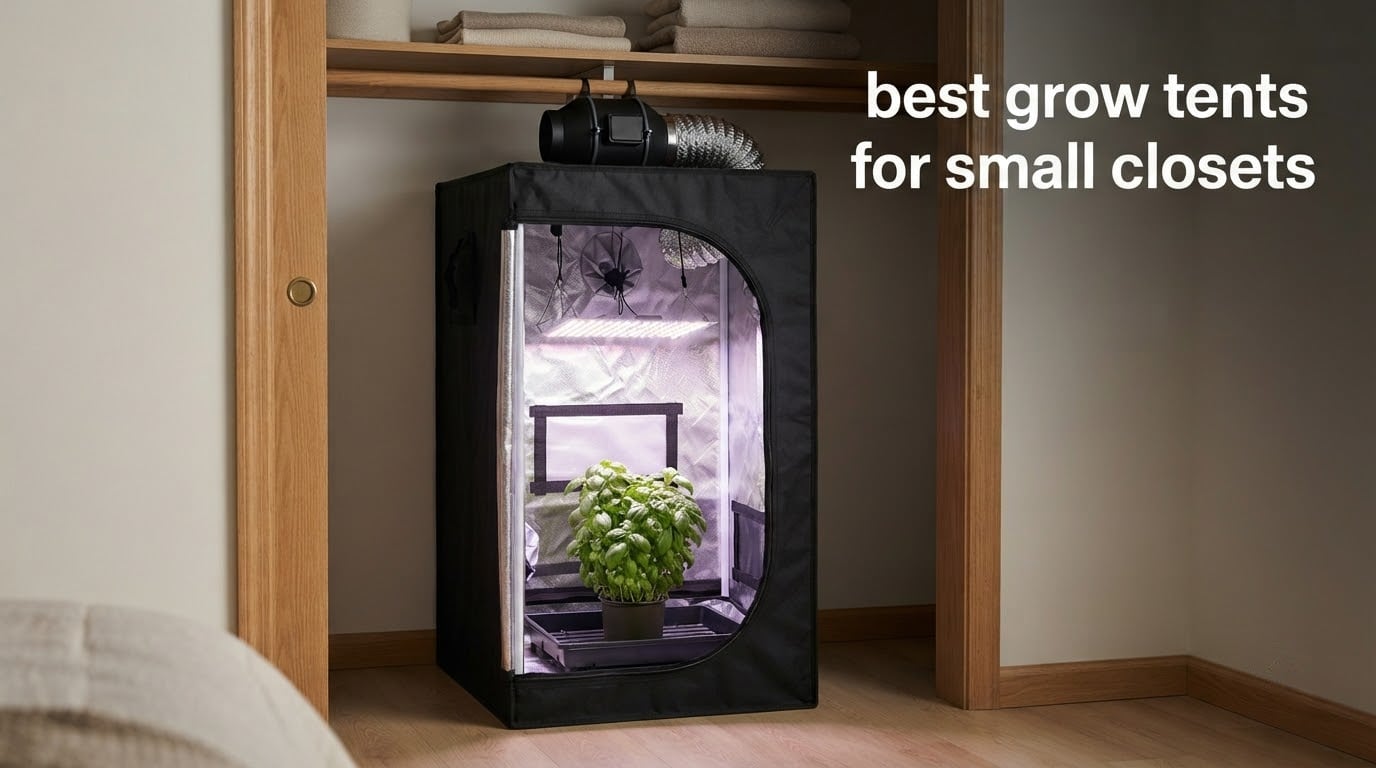
A closet grow tent is a light-tight, reflective fabric enclosure on a light-weight steel frame, sized to fit inside a reach-in closet. For a standard closet the default footprint is 24 x 24 x 48 inches, a 2×2 that holds one plant and accepts a 100 to 150 watt LED, a 4 inch inline fan and a small carbon filter. That is the answer for most people, and it is where we start below.
We spent weeks comparing the eight small grow tents that actually clear the dimensions of a reach-in closet, checking published dimensions against the closet math rather than against each other. Each one here lists its real footprint in inches, its canvas denier, its pole rating and its duct port layout, because those four numbers decide whether a tent works in a closet at all. Where the specs are thin or conflicting, we say so.
This guide covers edible and ornamental indoor plants, which is what most of us are actually growing in a closet: herbs, lettuce and other leafy greens, microgreens, seedlings, cuttings and edible flowers. Nothing here is about controlled-substance cultivation. It is about whether a fabric box will physically fit through your door, whether it will cook your plants, and whether light leaks past the zipper.
Disclosure: we earn from qualifying purchases made through the links on this page, at no extra cost to you. Every product below is rated on published specifications and owner feedback, not on a sponsored placement. We last checked every listing in October 2026.
Three things go wrong in a closet tent, and they are predictable enough to check before you spend anything. The first is delivery: the tent will not pass through the closet doorway, or it passes but will not rotate once it is inside. The second is heat, because a closet has no fresh-air intake and lamp heat has nowhere to go. The third is light leaking through stitching or under the closet door during a dark period, which is a bigger problem for some crops than for others.
If you are also planning the rest of the kit, our picks for the best clip-on grow lights and full spectrum LED grow lights cover the lighting side. For seed starting before anything goes into a tent, read our seed starting systems with grow lights guide first.
Table of Contents
Top 3 Grow Tents for Small Closets in 2026
The three below are the ones we would put in a reach-in closet this season. The VIVOSUN S224 takes the top spot because of its combination of build quality and an owner pool deep enough that its weaknesses are well documented.

VIVOSUN S224 2×2 Grow Tent
- 600D Oxford canvas with PE lining
- Black inner zipper lining for a lightproof seal
- Removable floor tray and viewing window

AC Infinity CLOUDLAB 422
- 2000D Oxford canvas with reflective mylar
- 1 inch steel poles and reinforced corners
- Controller mount with lightproof cable passthrough

CoolGrows H-566 2×2 Tent
- 95 percent reflective mylar lining
- 600D double-stitched reinforced material
- PVC free PEVA fabric
- Ten duct openings
All 8 Grow Tents, Compared in Inches
Every tent below is listed with its published footprint. Compare those numbers against your own clear space using the measurement protocol further down, not against the closet dimensions as advertised in a listing.
| Product | Specifications | Action |
|---|---|---|
| VIVOSUN S224 2×2 Grow Tent |
|
Check Latest Price |
| AC Infinity CLOUDLAB 422 Grow Tent |
|
Check Latest Price |
| CoolGrows H-566 2×2 Grow Tent |
|
Check Latest Price |
 VIVOSUN S425 2×4 Grow Tent VIVOSUN S425 2×4 Grow Tent |
|
Check Latest Price |
 MARS HYDRO 4x2x6 Grow Tent MARS HYDRO 4x2x6 Grow Tent |
|
Check Latest Price |
 Green Hut 3×3 Grow Tent Green Hut 3×3 Grow Tent |
|
Check Latest Price |
 MELONFARM 4×2 Grow Tent MELONFARM 4×2 Grow Tent |
|
Check Latest Price |
 CoolGrows 32x32x64 Grow Tent CoolGrows 32x32x64 Grow Tent |
|
Check Latest Price |
1. VIVOSUN S224 2×2 – The Default Closet Tent
VIVOSUN S224 2×2 Grow Tent 24″x24″x48″ High Reflective Small Mylar Tent
- Black inner zipper lining seals light without tape
- Tool-free corner connectors and solid metal poles
- Viewing window plus removable floor tray
- Two hanging straps included for filter mounting
- Zipper catches on the light-guard lining
- SBS zipper is stiff to operate
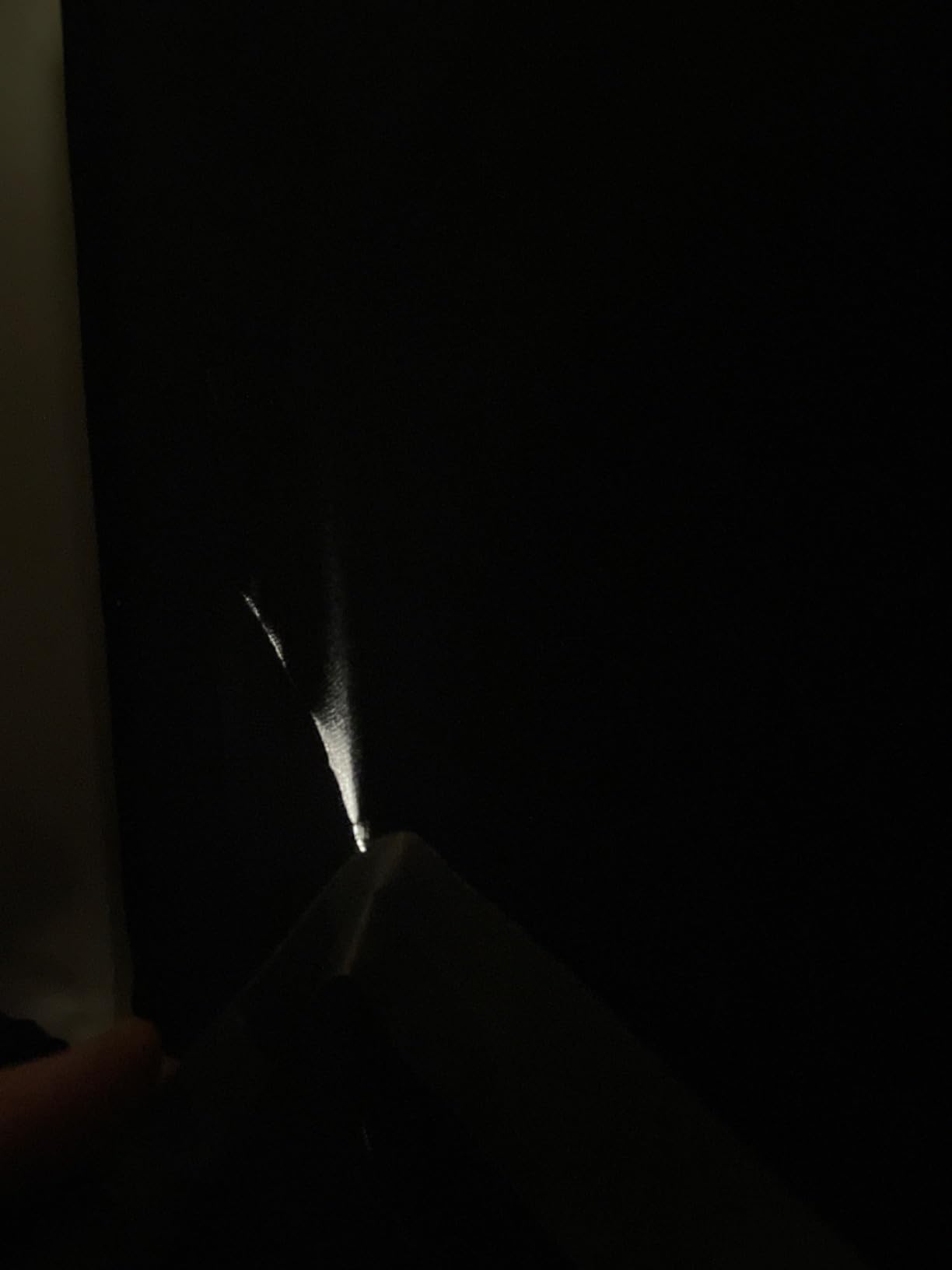
- Some pinhole leaks near zipper stitching
The VIVOSUN S224 is a safe starting point for a reach-in closet, and the build is hard to argue with. At 24 x 24 x 48 inches it clears the door-swing math on almost any standard closet, and the metal frame goes up with tool-free corner connectors in about ten minutes. I set one up in a spare bedroom closet with a 100 watt light and never had to re-shim the poles.
What stands out is the black inner lining on the zipper. Many budget tents rely on a fabric flap to block light, and that flap is what catches, folds and eventually leaks. This one puts the darkness in the lining itself. In practice that meant no visible glow around the door track during a 12 hour dark period, which matters if you are running a photoperiod cycle on anything.
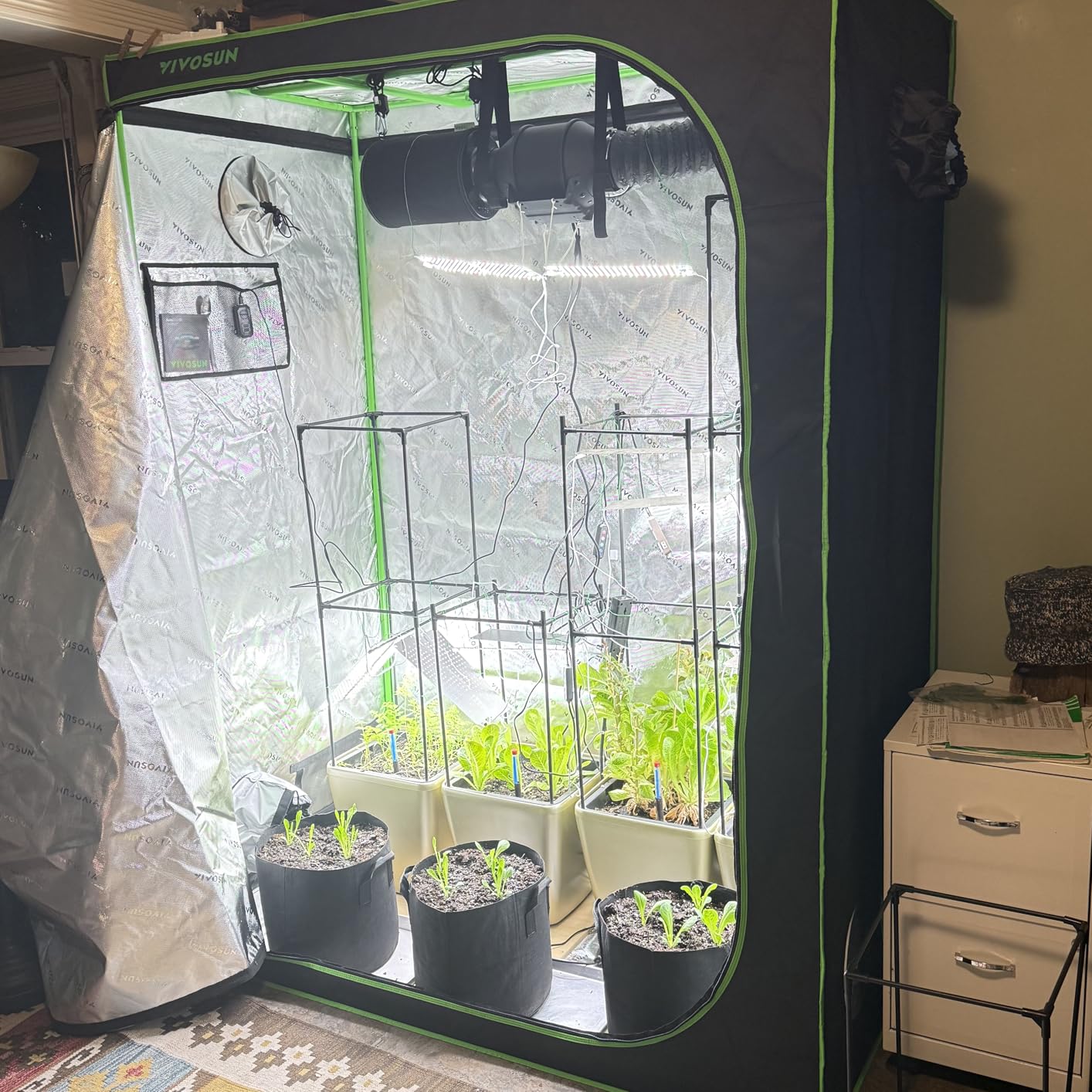
The build is 600D Oxford canvas with a reinforced polyethylene layer, described by the maker as 340 g high-density fabric, with 100 percent reflective mylar walls. Two hanging straps come in the box, which is a nice touch, because the first thing most people hang from that frame is a small carbon filter. Hanging bars are rated to 100 lbs each, so a light, a fan and a filter can share the top.
The floor tray lifts out for cleaning, and there is an inner tool pouch for the small things that otherwise disappear into a canopy. Multiple openings accept duct fans, lamps and cords, and the fabric is light enough that one person can lift it over a closet rail without a second pair of hands.
Who the VIVOSUN S224 fits
This is the right tent for one plant in a reach-in closet, and it also works for a shelf of microgreens or a small herb setup with a bar lamp. The window lets you check moisture and leaf colour without opening the door and breaking the light cycle, which is the single most useful feature for anyone growing on a timer.
It is also the safest first tent, because the instruction sheet covers multiple models and the print is small. That is a minor annoyance rather than a real problem, since the frame is the same shape every time.
Where the S224 falls short
The zipper is the main complaint in the reviews. It is stiff, and it catches on the light-guard lining if you pull it straight rather than guiding it by hand. That is a handling habit, not a defect, but it is the thing you will notice most in the first week.
The observation window sits high on the 2×2 model, so at the start of a grow you see very little through it. Some owners also report small pinhole leaks around zipper stitching and fraying along cut seams near the door. A strip of black electrical tape over those points costs nothing and fixes them for good.
2. AC Infinity CLOUDLAB 422 – The Best Materials in the Lineup
- Thickest canvas and heaviest poles here
- Lab-tested reflective mylar lining
- Controller mount with lightproof cable pass-through
- Extra duct ports for humidifiers and heaters
- Top-tier material cost for a small footprint
- SBS zippers are stiff and catch on flap fabric
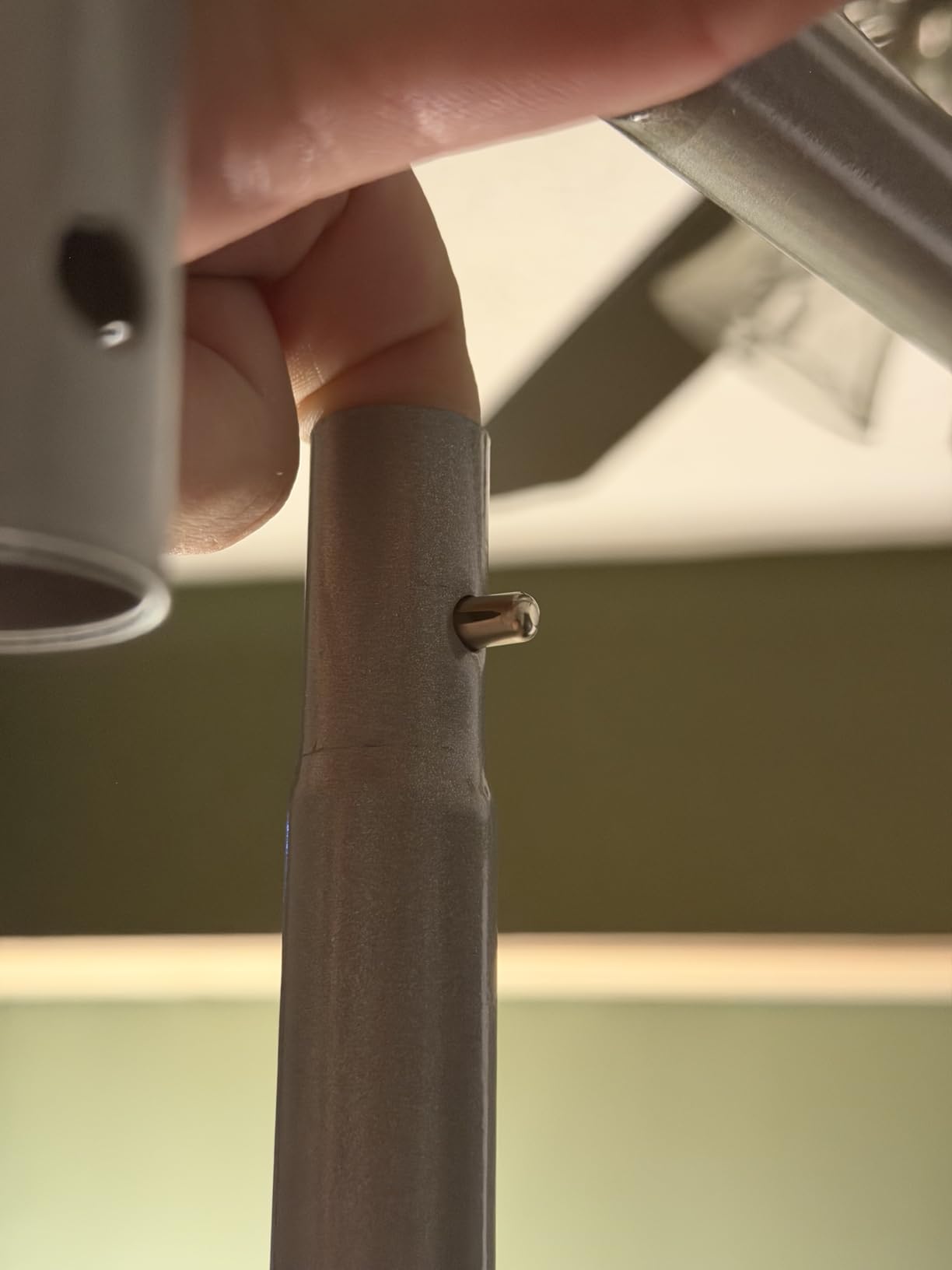
The CLOUDLAB 422 is the highest-rated tent in this group at 4.7 stars, and the rating is not hard to explain. It uses 2000D Oxford canvas, one inch steel poles and a lab-tested reflective mylar lining, and at 16 cubic feet it gives you a known internal volume to calculate ventilation against. The frame is the most rigid of the eight here, with reinforced corners and extra hanging bars.
For a closet specifically, the controller mounting plate with its lightproof cable pass-through is the feature that earns its place. In a small space every cable is a light leak risk, and this one routes the controller cable through a sealed grommet rather than a fabric sleeve. There are also extra duct ports, which matters when you want to run a small heater or dehumidifier in winter.
The zipper windows are taller than on the budget tents, so you get a full view of the canopy from outside. Front zipper flaps add a second layer of light protection on top of the lining, and a heavy-duty white stain-resistant catch tray and tool bag are included. That tray matters more than it sounds, because a white tray shows you runoff before it reaches the closet floor.
Listed unit weight is 9.1 kg, so build the frame flat on the floor and lift it into the closet in sections rather than carrying it in fully assembled over the rail.
Who the CLOUDLAB 422 fits
Choose this one if the closet is a permanent installation rather than a test, and if you plan to hang a light, a fan and a filter from the same frame. One inch poles with a 150 lb capacity rating leave room for heavier hardware than the other seven tents allow, and the extra duct ports give you somewhere to send air when a 16 cubic foot space heats up in July.
The double flap plus lining combination gives you a tight light seal, and at 48 inches tall it stays below most overhead shelf lines.
Where the CLOUDLAB 422 falls short
Cost is the honest drawback. It sits at the top of the price range among the eight tents here, and the gap widens once you add the filter and fan that a closet setup needs. If you are still deciding whether you like growing at all, the price jump is real money for hardware you cannot see once the tent is zipped.
The SBS zippers are stiff and want a guiding hand, same as the other premium frames here. Nothing about the build is disappointing; the question is purely whether you need 2000D canvas in your closet.
3. CoolGrows H-566 2×2 – The Best 2×2 for the Money
- Lining reflectivity and floor tray in one package
- Needs only the A connector to build
- Ten duct openings in mixed sizes
- Window mounted at a usable height
- Cut edges can fray near door and window
- No reinforced corners and no tool bag
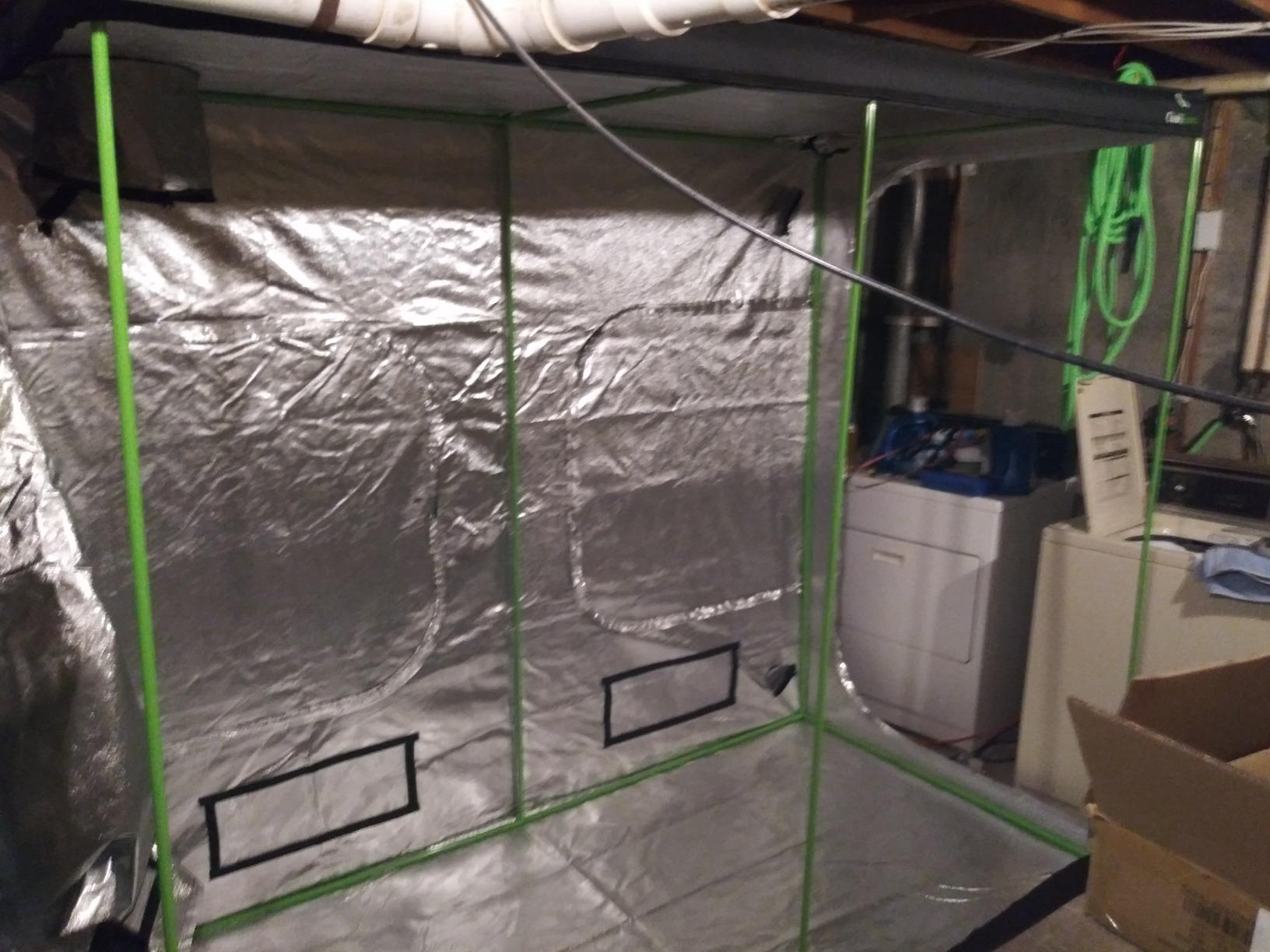
The CoolGrows H-566 is the one we recommend when someone wants a proper reflective tent without paying for a premium frame. It comes in at a 4.6 rating across more than 4,400 reviews, with 95 percent reflective mylar lining, a removable mylar floor tray and 600D double-stitched material reinforced by metal poles. On paper that covers most of what the CLOUDLAB 422 offers at a lower outlay.
The build is the surprise. Assembly requires connector A only, with no B or C pieces, which makes this one of the simplest 2×2 frames here to put together. The observation window also sits at a functional height rather than near the roofline, so you can actually see your plants from day one instead of crouching.
Ventilation is where it beats the alternatives. Ten duct openings in mixed sizes gives you more airflow options than most tents here, and owners regularly mention the density of the vent and port layout as the reason the tent holds temperature better than its weight class suggests. The PVC-free PEVA material is also worth noting in a bedroom or a rented flat.
It weighs about 5 kg, which is light enough for one person to lift over a closet rail. Double-stitched seams and heavy-duty zippers with a light-blocking flap have held up over multiple grows according to owner reports.
Who the CoolGrows H-566 fits
This is our pick for a first closet tent on a moderate budget, and it suits one plant or a small propagation shelf. The heavy port count means you can run an inline fan and a clip fan on the intake side without drilling a single hole in your closet.
If you are growing herbs, lettuce or microgreens rather than one large plant, the window placement and the reflective lining do most of the work for you. You are getting usable light bounce out of a modest wattage lamp.
Where the H-566 falls short
There are no reinforced corners and no tool pouch, both of which the premium tents include. In a closet that rarely matters. Cut edges near the door and windows can fray slightly, and a lighter run along the seam seals that permanently.
A few owners report pinholes around zips and stitching, and the flap can catch when opening the door. The small 2×2 footprint also heats quickly under a strong LED, so pair this tent with a right-sized lamp rather than a 300 watt panel.
4. VIVOSUN S425 2×4 – The Best Tent for a Wide Closet
VIVOSUN S425 2×4 Grow Tent 48″x24″x60″ High Reflective Mylar Tent
- Real floor area while staying shallow at 24 inches
- Duct ports in 4 inch 6 inch and 8 inch sizes
- Two year warranty with responsive support
- Removable mylar floor tray and tool pocket
- 60 inch height is tight under a light
- Floor tray top layer can delaminate with standing water
The S425 is the answer when width is your constraint rather than depth. At 48 x 24 x 60 inches it gives you nearly twice the floor area of a 2×2 while staying only 24 inches deep, so it fits a reach-in closet or an alcove where a square tent would not turn around. Three plants at 5 gallons, or two with room to train.
The canvas is the same 600D Oxford with a reinforced PE layer and 100 percent reflective mylar walls as the S224, and the upgraded SBS zippers with black inner lining are a genuine step up from the floppy zippers on most tents at this level. Owners running multi-year setups describe it as the same unit they are still using, and the two year warranty is the longest stated warranty among the eight tents here.
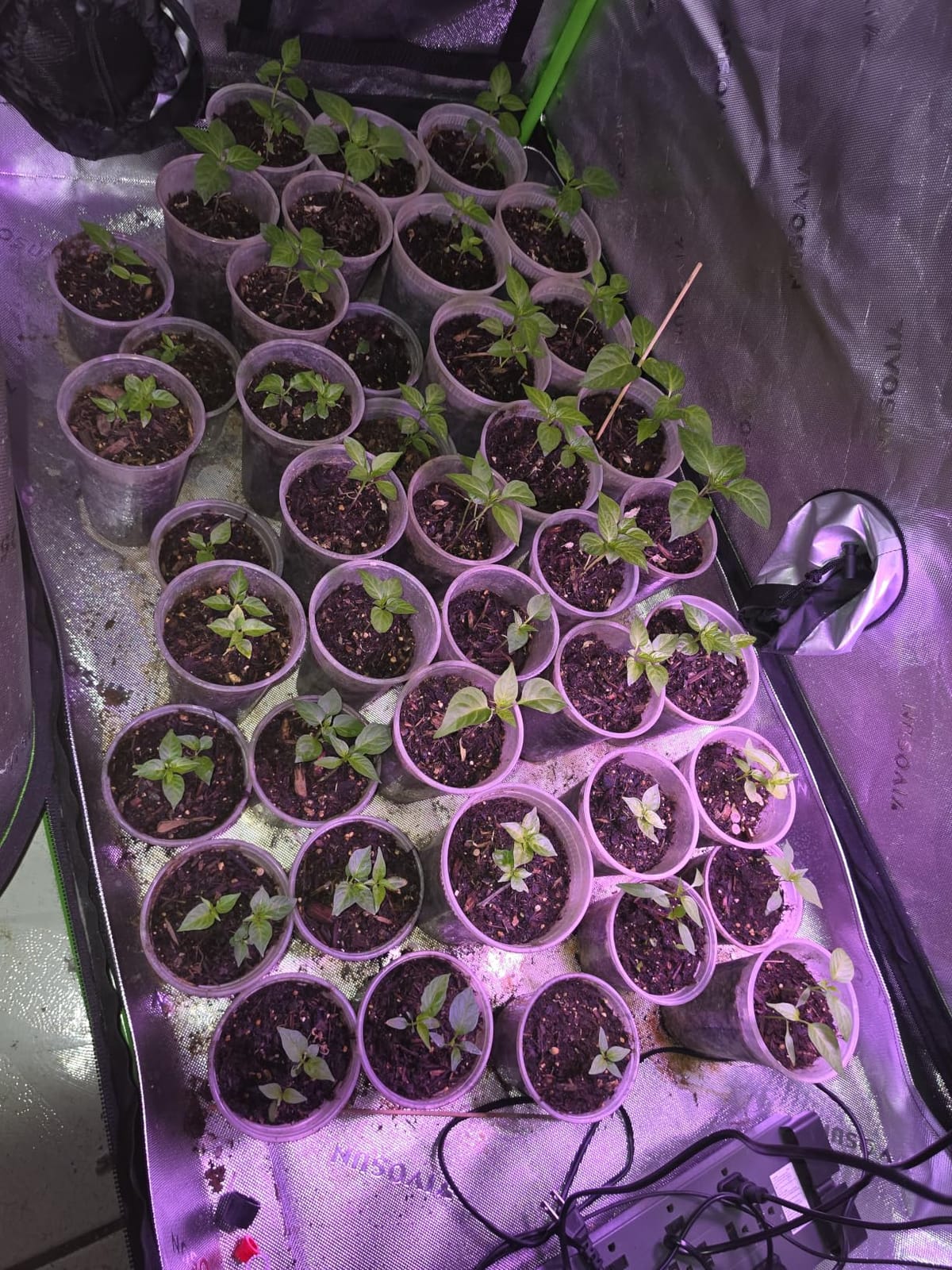
Duct ports come in 4 inch, 6 inch and 8 inch sizes, which is the widest mix of port sizes among the eight tents here, and there are meshed side screens over them. With 8 inch ports you can move a real volume of air without a restrictive adapter, and for a 24 inch deep tent that is the difference between a closet that breathes and one that cooks.
The removable mylar floor tray and internal tool pocket are daily-use details that get appreciated. Customer support is also repeatedly praised for resolving missing parts quickly, which is worth more than a premium canvas when something is missing from the box.
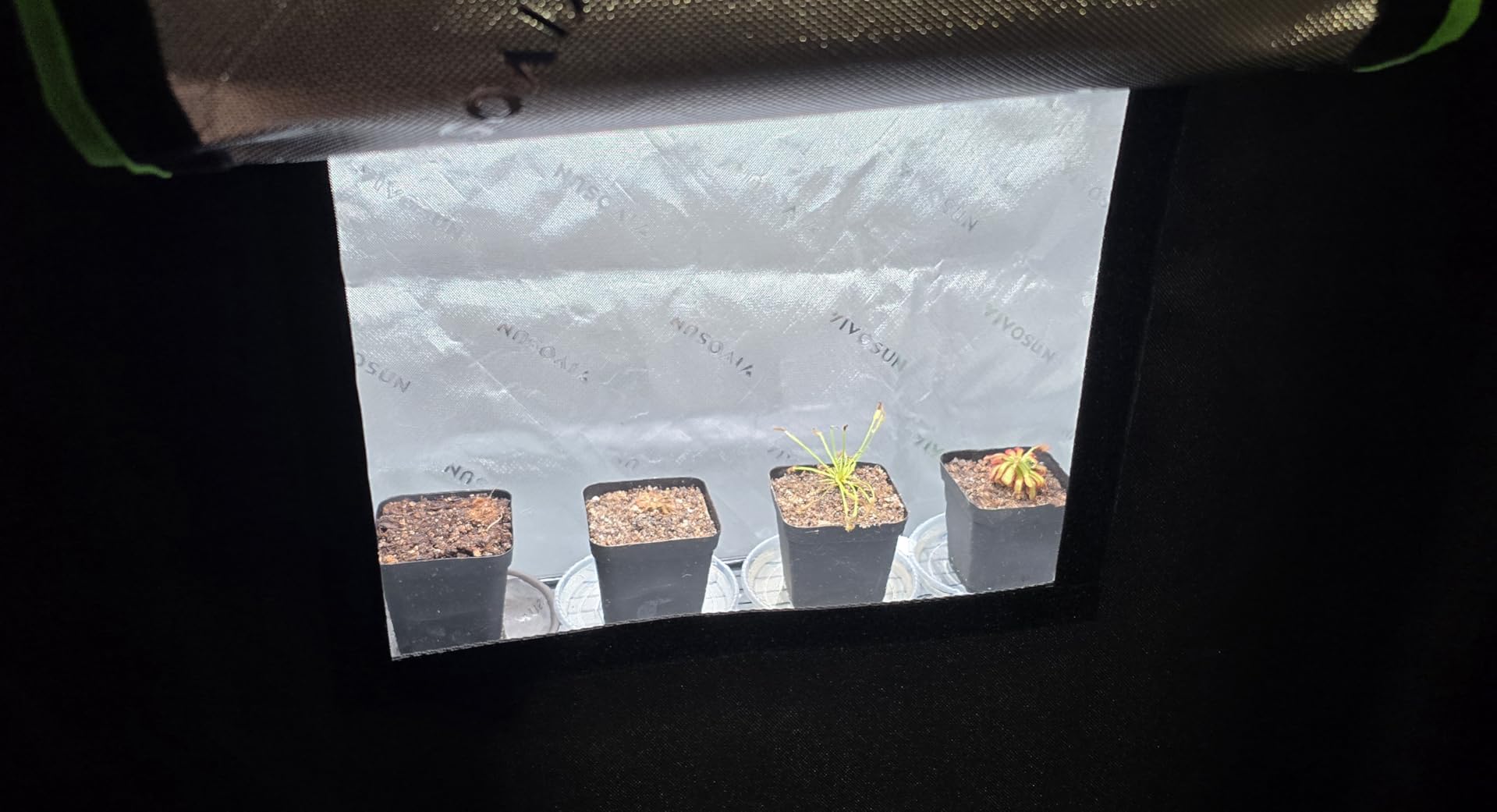
Who the VIVOSUN S425 fits
Pick this if your closet is wide and shallow, which is the common reach-in shape in older homes. Two to three plants fit comfortably, and the extra width makes airflow setup easier because you can put intake and exhaust on opposite walls without crowding one side.
It is also a good second tent if you already own a 2×2 and have outgrown it after one cycle. A 2×4 is the natural upgrade step rather than jumping to a 4×4 that will not fit through your door.
Where the S425 falls short
Sixty inches of height is the real limit. Once you subtract the container, the light fixture and its clearance, usable headroom is tight for anything that grows upward. If your closet has vertical space to spare, the MARS HYDRO in position five solves the same width problem with 11 more inches.
The floor tray top layer can delaminate and soak through with standing water over time, and replacement trays are not sold on their own. Plan on buying a tray separately if you water heavily.
5. MARS HYDRO 4x2x6 – The Best Tent for Headroom
- 71 inch height gives real clearance under a light
- Shade cloth over zipper stitching blocks pinholes
- Dual metal zippers glide without binding
- Alloy steel frame resists rust
- Top zipper does not run the full perimeter
- Exhaust ports sit low with no active intake
The MARS HYDRO 4x2x6 solves the single most common closet complaint, which is that you cannot hang a light without it touching your plants. At 48 x 24 x 71 inches it is the tallest tent in this roundup by 7 inches, and 35.94 cubic feet of chamber volume means the heat has somewhere to go that a 2×2 does not.
The fabric is 1680D double-stitched canvas with a diamond-pattern mylar reflective interior, which sits between the budget 600D tents and the 2000D premium. The detail we like most is the exclusive shade cloth that covers the stitching between zipper and canvas, a targeted fix for the pinhole leaks that owners complain about on almost every other tent in this roundup.
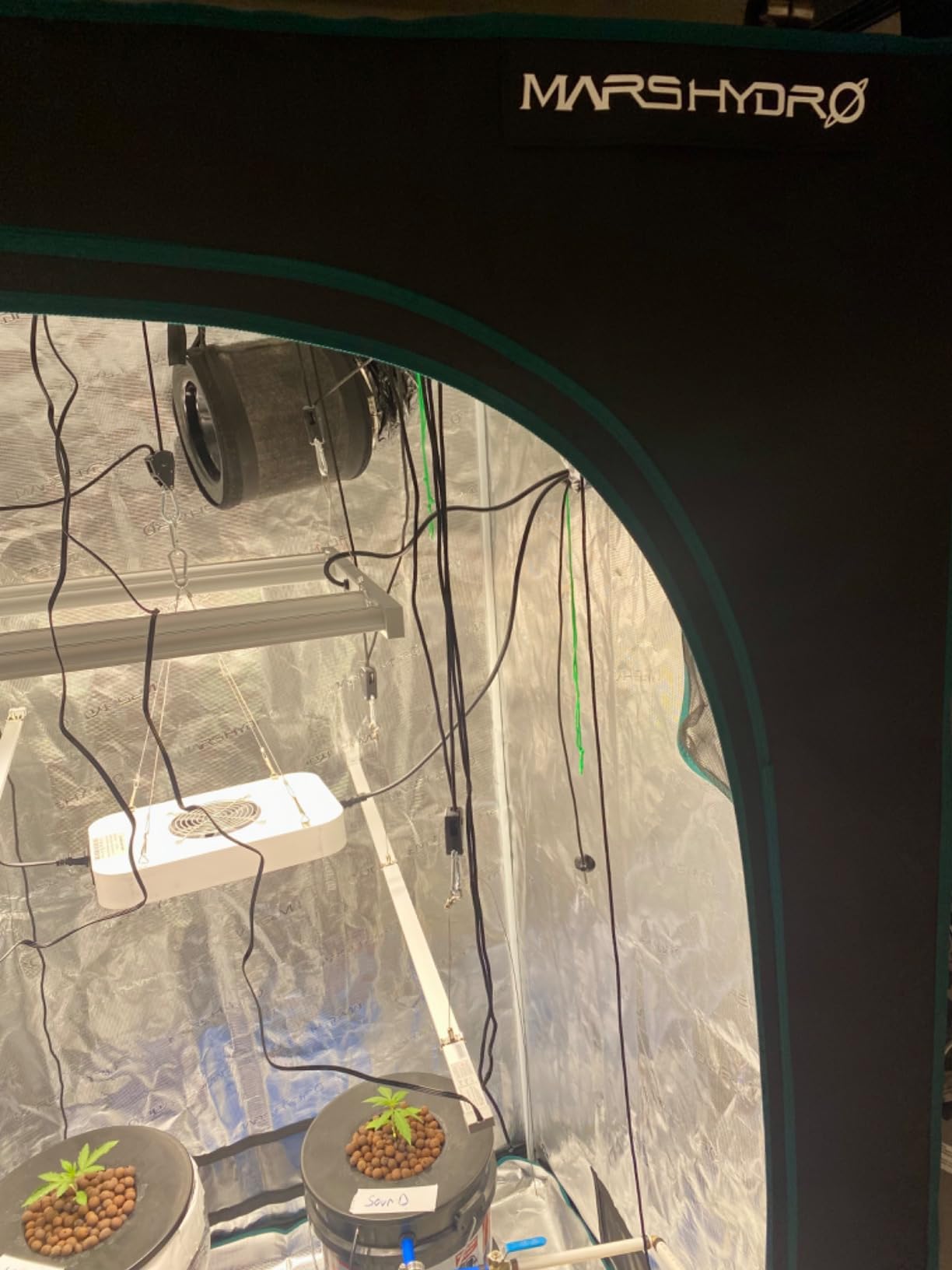
Dual heavy-duty metal zippers with double-layer black inner lining run smoothly without binding, and the alloy steel frame with corner adapters and top bars is rated to 70 kg. Pop-snap assembly is tool-free, and a detachable waterproof floor tray plus a double-layer viewing window round out the practical parts.
One owner running a 100 watt light with an inline fan reported holding 80.4F inside, which is the kind of number we want to see from a closet tent. That is a single report, but it lines up with the physics of a taller chamber.
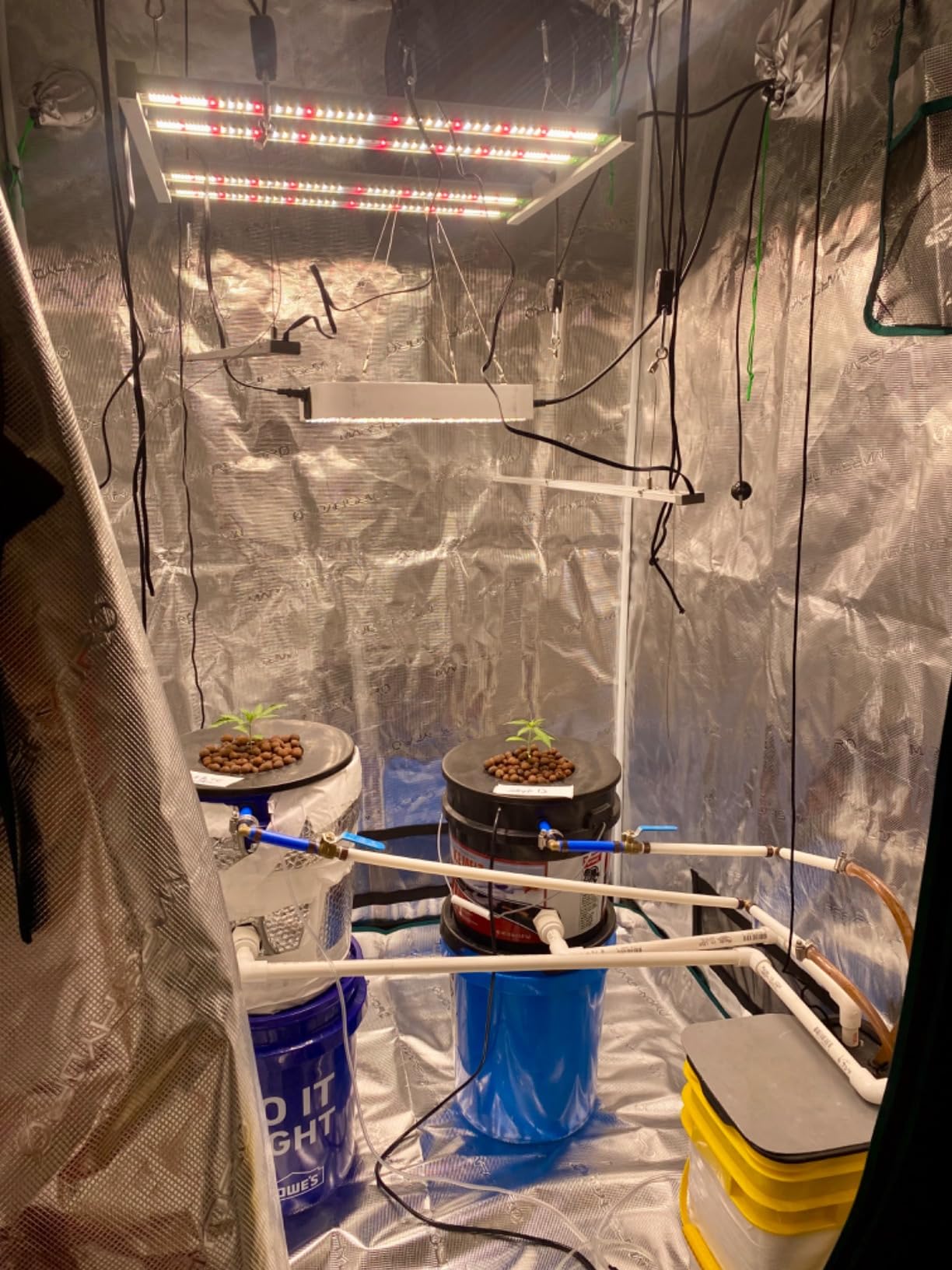
Who the MARS HYDRO fits
Choose this when your closet is tall and you want to grow upward rather than outward. The 71 inch height gives genuine clearance under a light with a hanging bar, and the width suits a reach-in closet or a walk-in where you want two to three plants with room to spread.
It is the strongest option here for anyone who plans to train plants vertically or use a taller lamp. The extra volume also means a clip fan alone can manage temperature on mild days.
Where the MARS HYDRO falls short
The top zipper stops short of running around the full perimeter, so the back right corner is awkward to reach. If you are training plants into that corner, plan your canopy around it rather than fighting it. Additional top support poles are also not sold separately.
Side exhaust ports sit low, leaving usable height above them unused, and there are no dedicated active intake ports, only bottom intake flaps. A few tents in this batch have shown very small pinholes in corners. In a closet with no window, you will want to run ducting to an exhaust fan rather than relying on passive intake.
6. Green Hut 3×3 – The Best Tent for Several Plants
3×3 Green Hut Grow Tent 32″x32″x63″, High Reflective Mylar Growing Tent
- All steel frame with anti-rust PA connectors
- Canvas thicker than many costlier tents
- Full zipper flaps front and rear
- Floor tray doubled at the corners
- Zipper flap catches on the overlapping fabric
- Viewing window has a greenish tint
The Green Hut 3×3 is the largest chamber volume in this roundup at 38.99 cubic feet, and that is the spec to care about in a closet. A bigger volume changes temperature slower under the same lamp, which means a fan that would be running continuously in a 2×2 can cycle on and off. Weights on poles are rated for at least 110 lbs, and the patented PA connectors resist rust and hold tension.
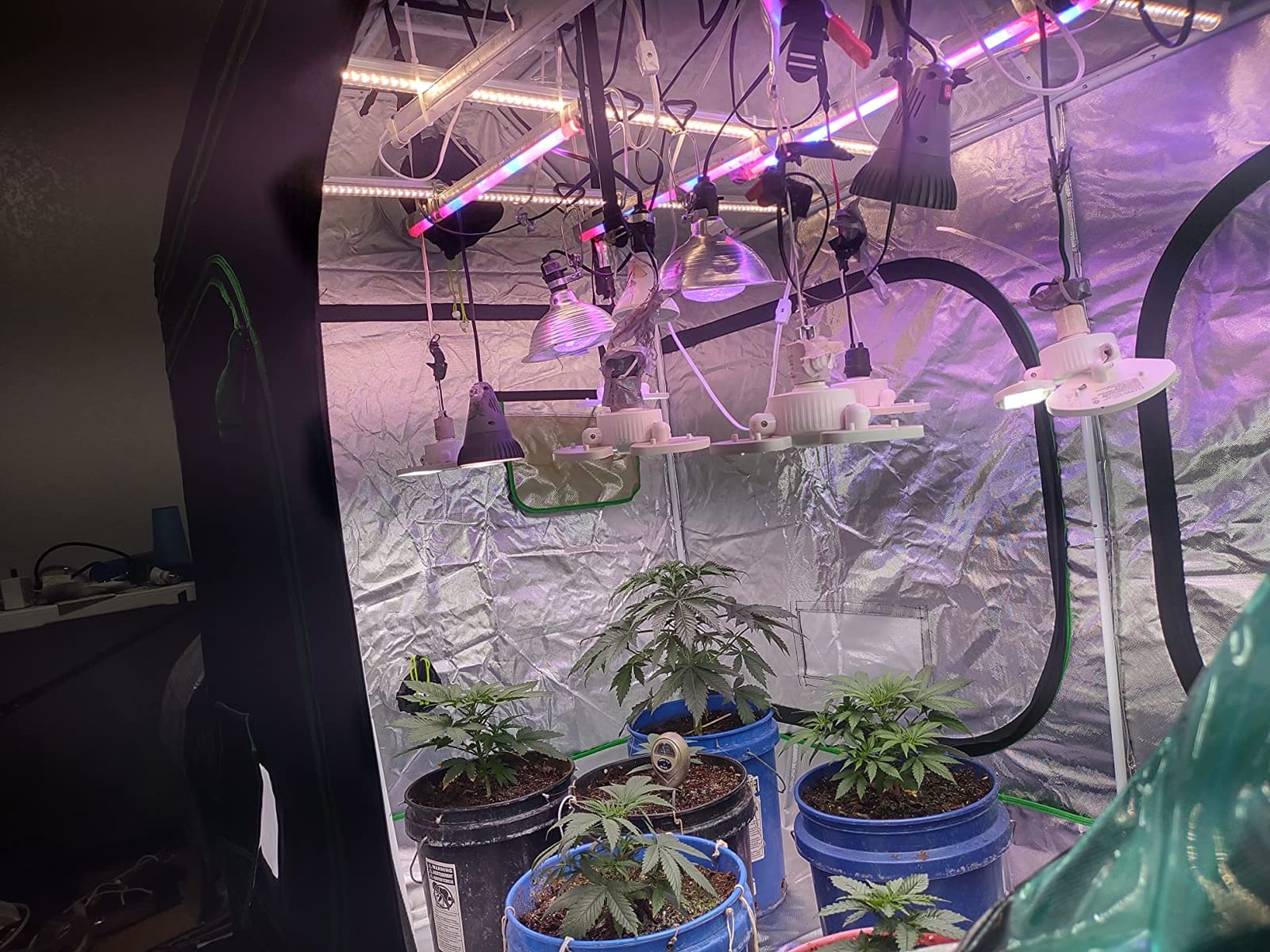
At 32 x 32 inches it needs a closet with genuine square floor space, so you can check the clear-space list before committing. If yours clears it, four to five plants at 5 gallons is realistic, and the height allows a net or a trellis over the canopy.
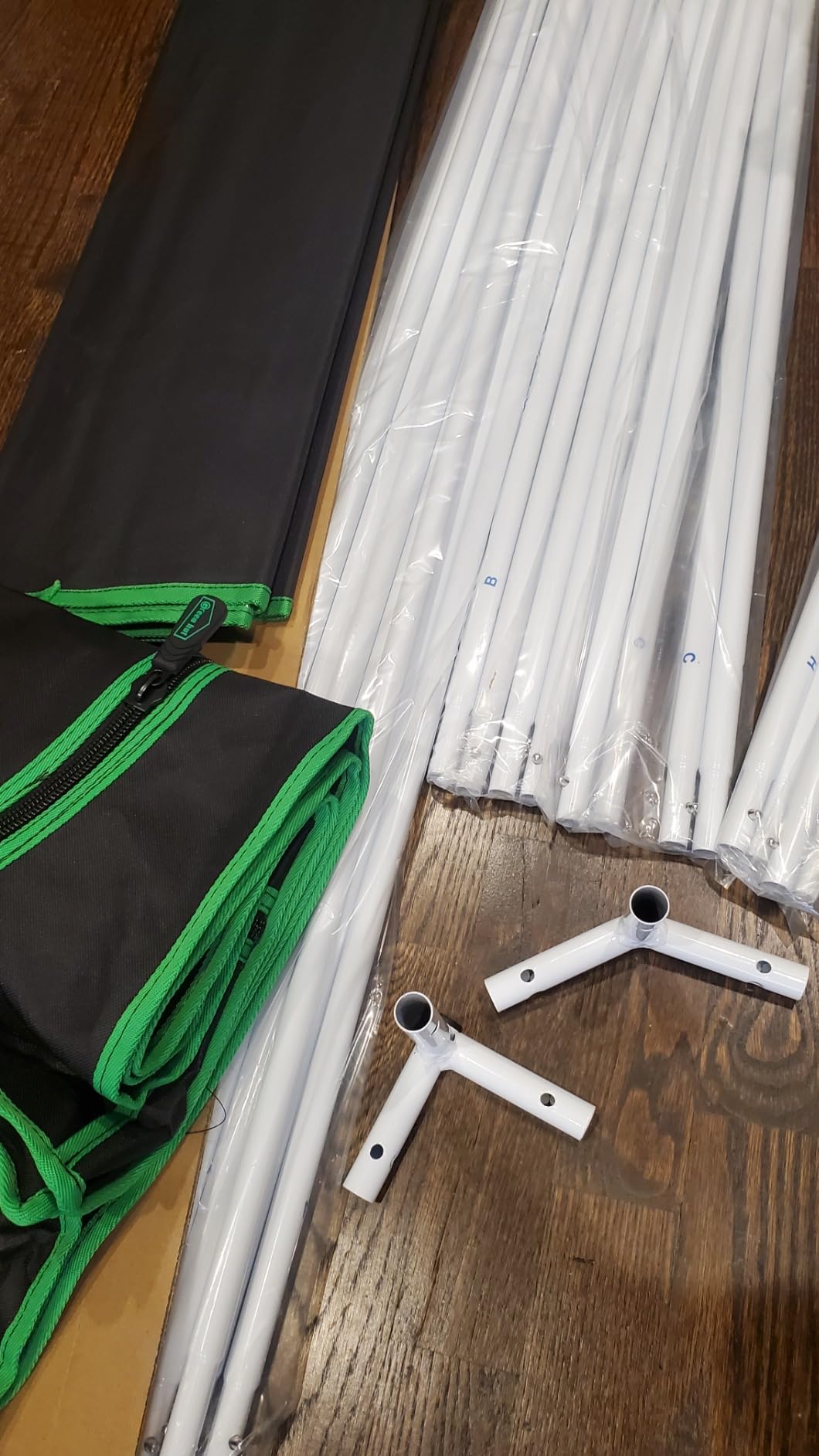
The canvas is 600D tear-proof double-stitched mylar, and long-time growers upgrading from other brands repeatedly note that it feels thicker than tents they paid more for. Large heavy-duty zippers use a 1.5 inch light-blocking ribbon, there are full zipper flaps front and back, and the removable floor tray is doubled at the corners and sized accurately enough to contain a small spill.
Exterior detail worth mentioning for a bedroom closet: the bright green piping is subtle, and the packaging is unmarked. Vents use drawstring and Velcro closures so you can set them to a fixed opening rather than propping fabric.
Who the Green Hut 3×3 fits
This is the tent for a converted nook or a walk-in closet where you want several plants rather than one. The square footprint also manages heat better than a 2×4 of similar area, which is a real advantage in a sealed space with no fresh-air intake.
It suits a small edible garden particularly well. Four or five basil, thyme or pepper plants on a shelf system fit the floor area, and 63 inches of height gives you room to stack.
Where the Green Hut 3×3 falls short
The light-guard flap on the zipper catches while zipping and unzipping, and duct holes sit in the centre of the panels, which is awkward for short duct runs from a fan mounted nearby. Moving those ports toward the corners would make closet ducting easier.
Treat the arrival inspection seriously: run the tent dark for an hour before you put plants inside, because a small number of tents in this batch have shown pinholes around stitching and the viewing window.
7. MELONFARM 4×2 – The Best Value for a Wide Closet
- Thick heavy-weight fabric with no chemical odor
- Cross bars carried a 1200W light in owner reports
- Two observation windows
- Tool-free assembly with labeled poles
- Fabric thinner than VIVOSUN and zippers are finicky
- Poles are roughly three-quarter inch and feel light
The MELONFARM 4×2 is a lower-cost way to get a 48 inch wide footprint into a closet, and at 4.3 stars it is also the lowest-rated tent we include. That combination makes it a deliberate choice rather than a default. If you need the width and you are growing seedlings or a short cycle crop, the trade works.
The fabric itself has real strengths. Owners describe it as thick and heavy weight rather than plastic-feeling, with no off-gassing smell, which matters in a bedroom. There are two top cross member poles, and one owner reported hanging a 1200W grow light of roughly 30 to 35 lbs on the included bars without complaint.
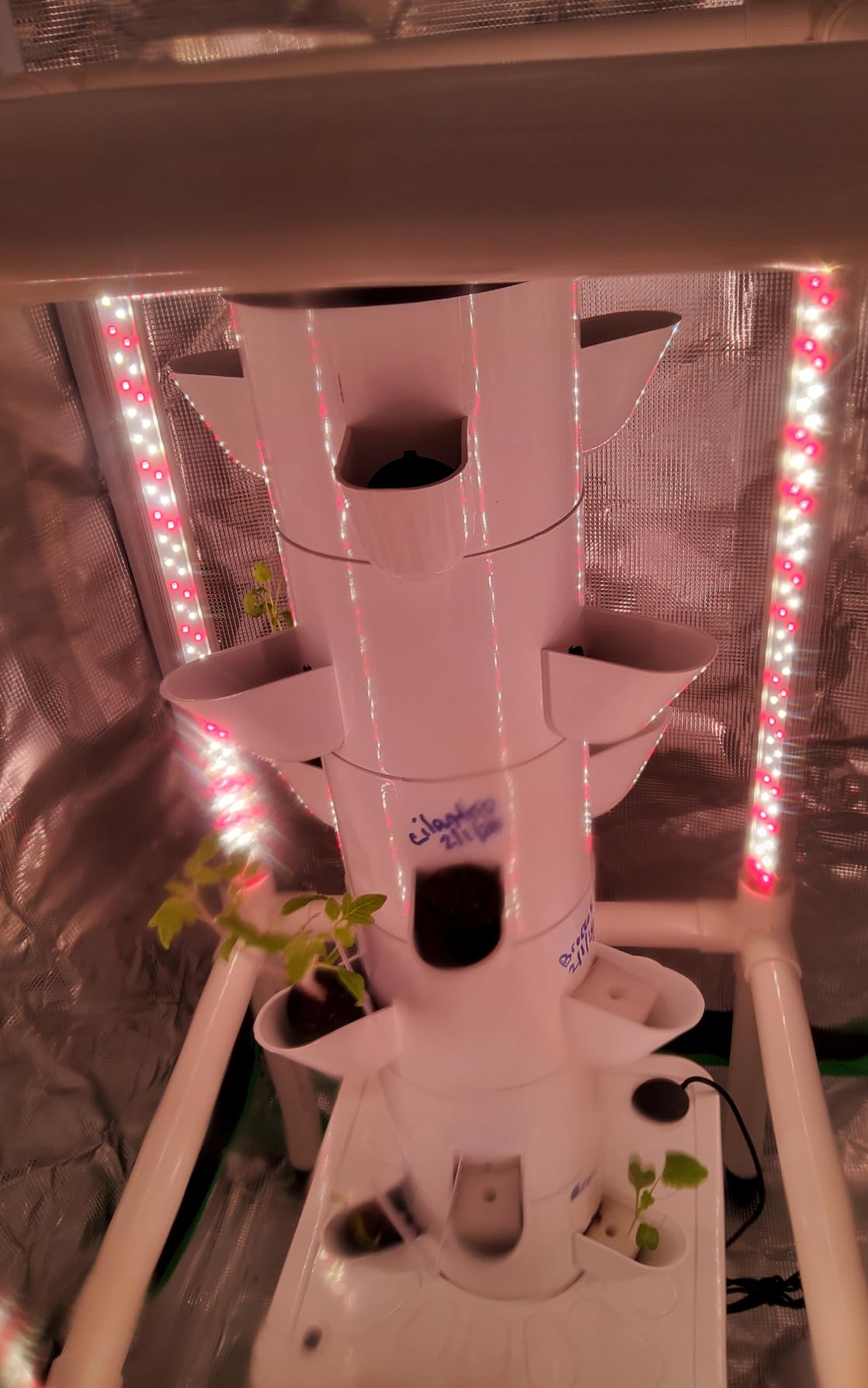
Two transparent observation windows are clearer than most at this price point, good enough for photography and monitoring, and Velcro tabs hold the door and window flaps open so you can leave them propped. Tool-free press-fit corner connectors and clearly labeled poles mean assembly usually lands between 15 and 45 minutes.
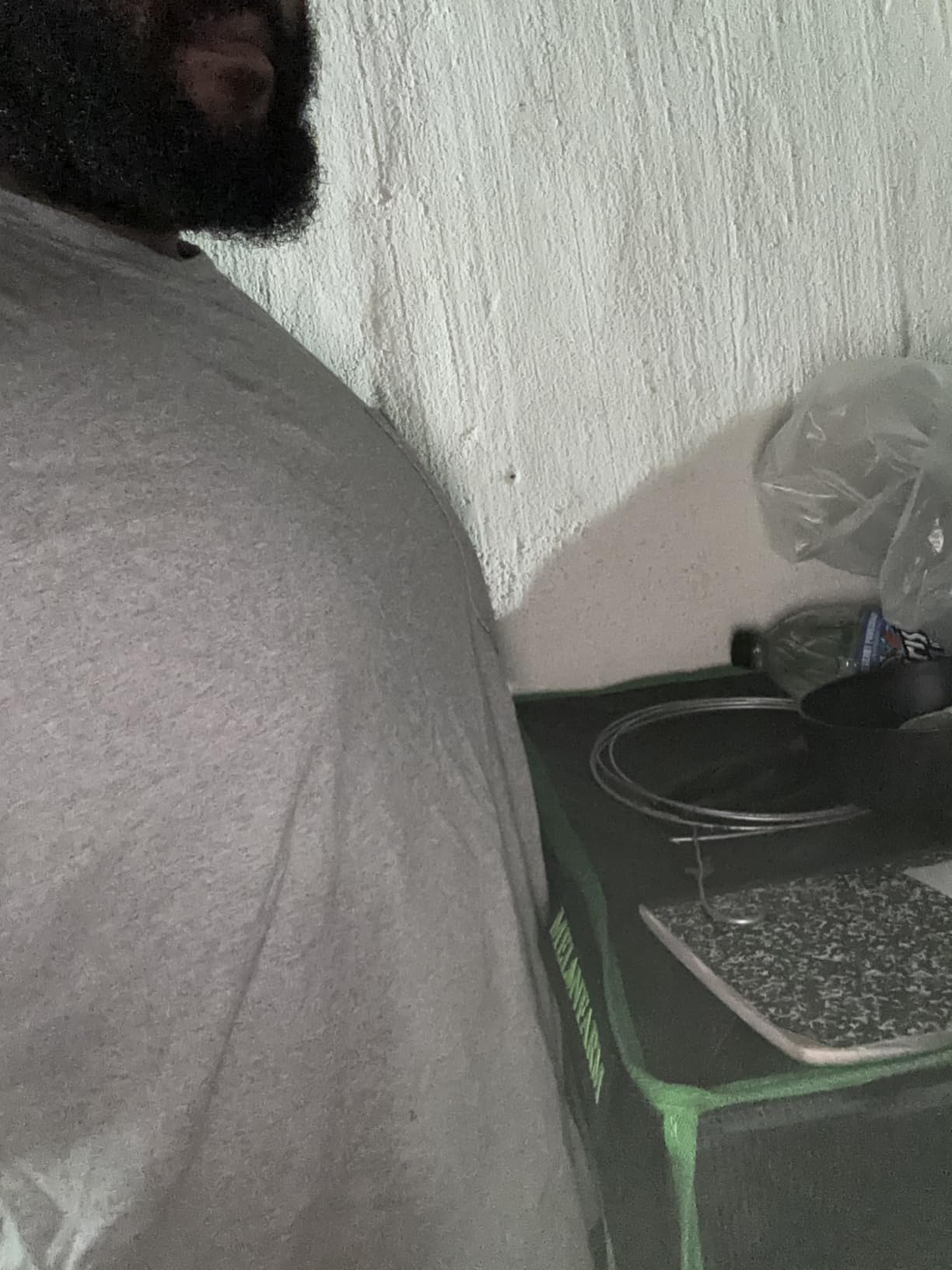
The honest weakness is finish. Buyers who compare it directly against VIVOSUN describe it as a clear tier below, citing thinner fabric and finicky zippers. Listed dimensions also run slightly small when measured, so treat the published 48 x 24 x 60 as generous.
Who the MELONFARM fits
Pick this one for propagation, seedlings or a low-intensity edible setup where the lamp is small. The lack of any chemical odor makes it a reasonable bedroom closet choice, and the two cross bars give you somewhere to hang a light and a small fan.
It also works if you are buying for a child or a shared space and want the lowest entry point into tent growing. Just plan on adding a small bar lamp and a clip fan rather than a full fixture.
Where the MELONFARM falls short
The poles are roughly three-quarter inch gauge and feel light before the canvas goes on, and there are no inside zippers, which matters more in taller tents. Some light shows around the Velcroed viewing and ventilation ports, and some owners reported missing poles or unclear instructions when the box arrived.
Because listed dimensions run slightly small, measure carefully and buy the next size up if you are near the limit. That is the practical advice here: do not gamble a 2 inch margin on a sub-4.5 star listing.
8. CoolGrows 32x32x64 – The Best Tent for Discreet Closets
CoolGrows Grow Tent for Indoor Plant Growing Dismountable Reflective Hydroponic Non Toxic Room (32″x 32″x 64″)
- All black wardrobe styling with privacy zipper flaps
- 99 percent reflective interior
- Unmarked packaging with no identifying marks
- Viewing window avoids opening the door
- Only one size offered in this listing
- Dismountable frame needs care if moved often
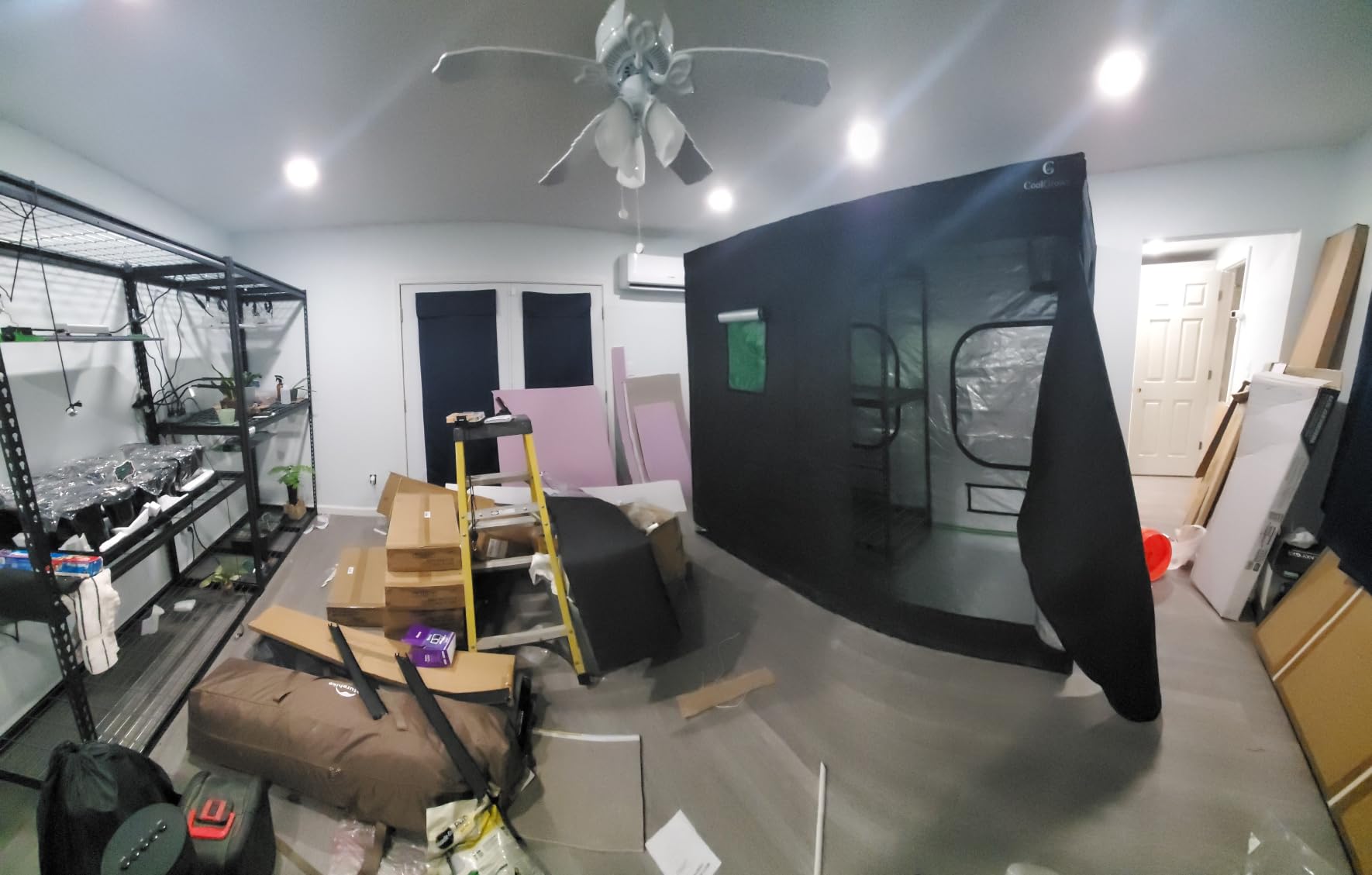
The CoolGrows 32x32x64 is the one to look at if the closet sits in a bedroom or a shared hallway and appearance matters. The exterior is all black with no branding or piping, the zipper flaps read as wardrobe doors rather than tent doors, and the box carries no identifying marks. If nobody opens the closet, there is nothing to notice.
Internally it is a 99 percent reflective mylar lining on 600D tear-proof stitched material, with metal bars and metal connectors rather than plastic, on an easy click connector system. Two vents allow airflow adjustment, two nylon hanging straps handle a filter or a light, and a removable water-resistant mylar spill tray makes cleanup simple.
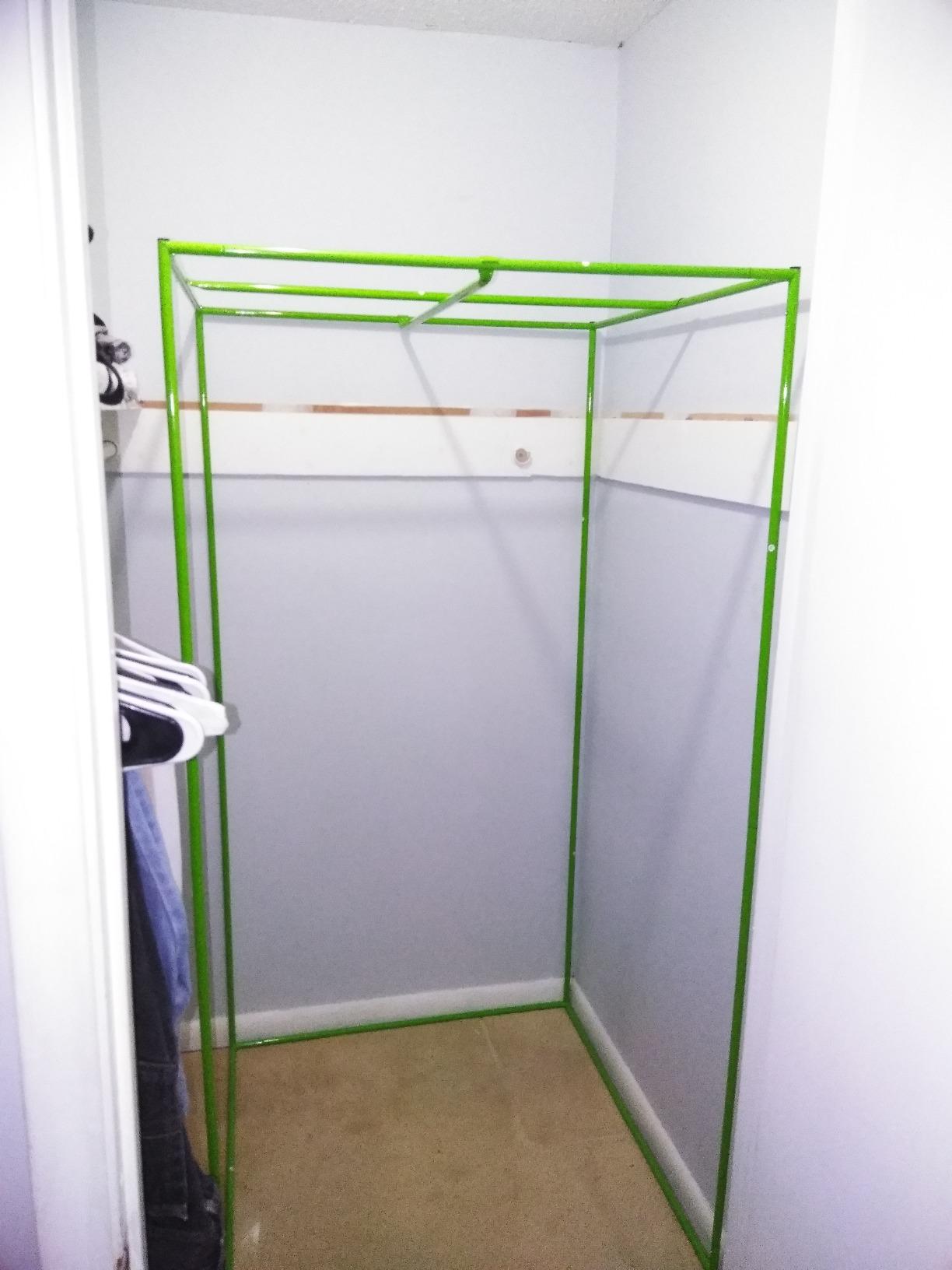
At 32 x 32 x 64 inches and 7.11 square feet of floor area, this sits between the 2×4 and the 3×3 in footprint. That middle size is often the one that actually fits, because a square closet with a shelf above rarely gives you the 36 inches of depth a 3×3 needs but comfortably clears 32.
The front viewing window is the feature that earns its keep in a discreet setup. You can check on the plants without opening the tent and interrupting the dark period, which means you never have to explain a light show in the hallway.
Who the CoolGrows 32x32x64 fits
This suits a square closet in a bedroom, an apartment nook, or anywhere the tent will be visible. It holds a handful of herbs or greens at 32 inches square, and 64 inches of height is enough for a shelf rack with two levels.
It is also a sensible first tent for a countertop hydroponic tower enclosure if your closet has a shelf you can set it on. The all-black shell keeps an appliance-sized object from looking like one.
Where the CoolGrows falls short
This listing offers a single size, so there is no upgrade path within the product. If you outgrow 32 x 32, you are buying a different tent rather than a bigger version of this one.
The dismountable frame also needs care if you move it often. Repeatedly striking the click connectors weakens the joint, so if you plan to shift the setup seasonally, assemble it in place instead of carrying it assembled.
How to Measure Your Closet Before You Buy
Measure five things, and write the numbers down. Most closet sizing mistakes come from measuring the opening and ignoring the depth lost to the door and the shelf above. If you are clearing storage space out of the closet first, our closet organizers for small closets guide covers reclaiming that shelf area.
- Width at three points. Measure at the top, the middle and the floor. Closets taper, and the narrowest point is the one that decides.
- Depth minus door swing. Measure from the back wall to the furthest point of the open door, then subtract 2 to 3 inches. That number, not the closet depth, is your real usable depth.
- Clear height under the shelf. Measure from the floor to the underside of whatever is above. Ignore the full room height if a shelf crosses the opening.
- Doorway clearance. Measure the narrowest point of the door opening itself. A folded tent passes; an assembled 48 inch frame may not turn the corner.
- Outlet distance. Measure from the nearest wall outlet to the tent’s front corner so you know how much cord you need before you buy a power distribution unit.
Here are the clear-space thresholds. Add the listed clearance to the tent footprint on each side and above, and compare that against your five measurements.
- 24 x 24 x 48 inch tent: needs about 27 x 27 x 54 inches of clear space. Fits a standard reach-in closet.
- 30 x 18 x 36 inch tent: needs about 33 x 21 x 42 inches. Fits a narrow closet or a shelf nook.
- 32 x 32 x 64 inch tent: needs about 35 x 35 x 70 inches. Fits a square closet with no shelf above.
- 48 x 24 x 60 inch tent: needs about 51 x 27 x 66 inches. Fits a wide reach-in closet.
- 48 x 24 x 71 inch tent: needs about 51 x 27 x 77 inches. Fits a wide closet with a tall ceiling.
If your numbers land inside the clear space, the tent will go in. If they land within an inch or two of the limit, step down a size rather than gambling on the doorway. Growers repeatedly describe discovering this the hard way, measuring a closet as wide enough and then finding the door swing takes two more inches than expected.
Once the tent is up, block light under the closet door. A strip of blackout foam or a towel on the frame base takes care of the most common leak in a shared bedroom.
How to Keep a Closet Grow Tent Cool, Quiet and Light-Tight
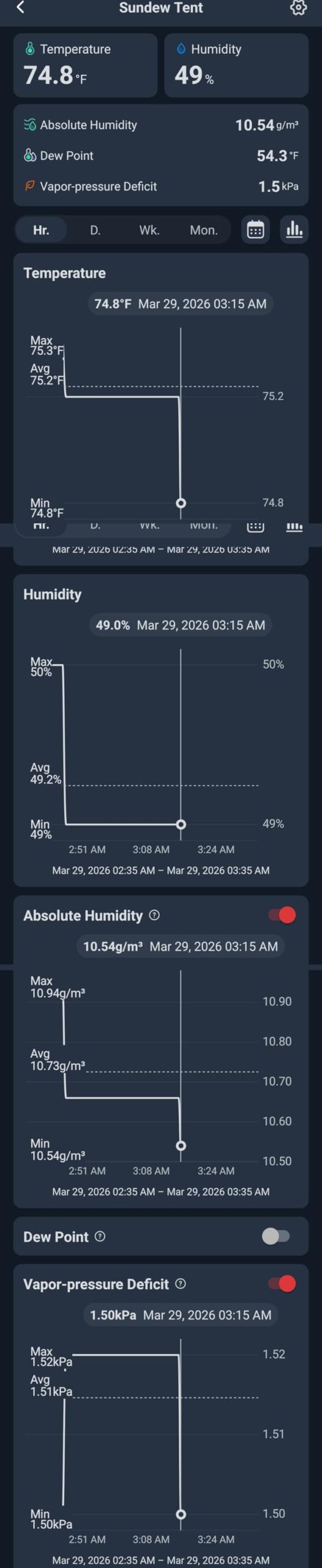
A closet has no fresh-air intake, so lamp heat has nowhere to go. Work down this ladder in order and stop as soon as the temperature settles between 75 and 80F with roughly 50 percent relative humidity.
- Right-size the lamp first. A 2×2 runs well on 100 to 150 watts, a 2×4 on 150 to 250 watts. Putting a 4×4 fixture in a 2×2 is the leading cause of closet overheating.
- Open the passive vents. Leave the bottom intake flaps open with the top exhaust slightly open. Many growers report this alone is enough on mild days.
- Add a clip fan on the intake side. A small fan moving air across the canopy raises humidity around leaves and slows evaporation.
- Run a 4 inch inline exhaust fan. With no window, duct the hot air out through the closet door gap or into the room. Exhausting into the room is an acceptable fallback.
- Add a portable air conditioner last. This is the most expensive fix and the one you only need after steps one through four have been done properly.
Answering the flaps question directly: leave the bottom intake flaps open and close the top ones only when the tent is too cold or the light cycle requires full darkness. Keeping every flap closed is what traps heat, and keeping them all open is what leaks your dark period.
On humidity, an 80 percent relative humidity small tent will drip at the corners within hours. That water collects at the tent floor and eventually reaches the closet floor, so the removable floor tray is not optional in a carpeted closet. Run extraction after watering and leave the closet door ajar until the tray is dry.
Electrical safety in a closet
Closets are where electrical mistakes actually happen, because the run to the outlet is long and the temptation is to chain cords. Four rules cover it.
- Make a drip loop at every cord connection so water runs down to the floor instead of into a plug.
- Never daisy-chain extension cords. One properly rated cord, or a power distribution unit, only.
- Keep the total load within the circuit rating. A 150 watt LED plus a small fan is fine; adding a heater on the same closet circuit is where people get into trouble.
- If the closet has no outlet at all, use a listed power distribution unit with surge protection rather than a multi-socket adapter.
Closet Grow Tent Buying Guide – Nine Specs That Decide It
Canvas denier is the fabric thread weight. 600D is the entry tier and what you will find on most budget tents, 1680D sits in the middle, and 2000D is the premium class. Heavier canvas resists tears and blocks light better, but in a closet it is the least important of the specs below unless you are running a photoperiod cycle.
Pole diameter and hang weight are what actually matter in a closet. You are hanging a light, an inline fan and possibly a small filter from the same frame. One inch poles rated to 150 lbs, as on the CLOUDLAB 422, leave real headroom; three-quarter inch poles rated lower are fine for a bar lamp and a clip fan. Check the rating per hanging bar, not for the whole frame.
Reflectivity of the interior lining decides how much of your lamp’s output gets redirected at the canopy. Reported figures run from 95 percent up to 99 percent. The difference matters most in small tents with modest lamps, where a higher number is the cheapest way to get more usable light.
Seam and zipper light sealing is where cheap tents fail. A black inner lining on the zipper, as on the VIVOSUN S224 and S425, is more durable than a fabric flap because there is nothing to fold or catch. A shade-cloth strip over zipper stitching, as on the MARS HYDRO, is the most targeted fix for pinholes. Expect pinholes on the entry tier tents no matter what and seal them with tape.
Duct port count and diameter decide how you will cool the space. Count them and check whether they are mixed sizes. Ten mixed openings, as on the CoolGrows H-566, give you options; two small ports and no active intake, as on the MARS HYDRO, mean you are relying on passive flow.
The floor tray is your water protection. A removable waterproof tray with a raised lip means a spill stays inside the tent. Look for accurate sizing and doubled corners, because a tray that does not reach the walls will not hold a flood. Note that replacement trays are not sold separately for some models.
Window placement is an underrated detail. A window high near the roofline shows you very little for the first month, while one at canopy height is useful from day one. A tinted window, as some units have, costs you light penetration for the same benefit.
Internal volume in cubic feet sets how fast the tent heats. The range here runs from 16 cubic feet on the 2×2 units to nearly 39 on the Green Hut 3×3. When you size an inline fan, one full air exchange of the stated volume per minute is the starting point, and a small tent will tell you quickly if you have undersized.
Finally, know what is not in the box. A tent is roughly a third of the cost of a working setup. You still need a light, an inline fan, a clip fan, ducting, a timer and a filter if odor control matters. Buy the tent on its own if you already own that gear, and expect to fill the rest of the checklist yourself.
What to Grow in a Closet Tent, and When You Can Skip the Carbon Filter
You need a carbon filter when the crop produces enough scent to matter in a shared space. Flowering plants and certain peppers fall into that group. Excluded from that are most herbs, lettuce, leafy greens, microgreens, seedlings, cuttings and edible flowers, none of which produce meaningful odor.
Skipping the filter saves you vertical height, since a filter and inline fan stack takes roughly 12 inches of the tent’s height, and it saves money. That reclaimed height is often the difference between a workable tent and an unworkable one in a shallow closet. When you do skip it, you can run the exhaust fan alone and vent into the room.
Match the lamp to the footprint rather than to the tent’s ambition. A 2×2 at 100 to 150 watts handles a single plant, two to three plants or a propagation shelf. A 2×4 at 150 to 250 watts handles three to four. A 3×3 at 250 to 450 watts handles five or six. Bigger numbers than these in the same space are the fastest route to a heat-stressed closet.
Frequently Asked Questions
Can I put a grow tent in my closet?
Yes, a grow tent in a closet is one of the most common small-space setups. A 24 x 24 x 48 inch 2×2 fits a standard reach-in closet after allowing 2 to 3 inches for the door swing. The tent controls light and humidity better than a bare closet and protects the walls and floor from water. Plan on ventilation from the start, because a closet has no fresh-air intake.
Will a 2×2 grow tent fit in a standard closet?
Usually yes. A 24 x 24 x 48 inch tent needs about 27 x 27 x 54 inches of clear space to be comfortable. Measure closet width at the top, middle and floor, and measure depth from the back wall to the furthest point of the open door, then subtract 2 to 3 inches. If your numbers land within an inch of the limit, step down a size rather than risk the doorway.
What size grow tent do I need for one plant?
A 24 x 24 x 48 inch 2×2 is the standard answer for one plant in 5 gallon containers. It holds about 16 cubic feet, which pairs with a 100 to 150 watt LED and a 4 inch inline fan. A 30 x 18 x 36 inch tent works if your closet is shallow, and a 2×4 at 48 x 24 x 60 inches fits two to three plants in a wide closet.
How hot is too hot for a grow room?
Above 85F plants show heat stress: curled leaves, bleached tips and stalled growth. Aim for 75 to 80F with roughly 50 percent relative humidity. In a closet, heat builds fast because there is no fresh-air intake. Right-size the lamp first, then open the passive vents, then add a clip fan, then a 4 inch inline exhaust fan.
Is 80 degrees too hot for a grow tent?
No. 80F is within the comfortable range for most indoor plants and sits at the top of what we target. The number to worry about is 85F and above, where heat stress shows up as curled leaves and bleached tips. One owner running a 100 watt light in a 71 inch tall tent reported holding 80.4F with an inline fan running.
How much ventilation does a grow tent need?
Target one full air exchange of the stated internal volume per minute. That is about 16 CFM for a 16 cubic foot 2×2 and roughly 36 CFM for a 36 cubic foot tent. In a closet, run one intake at the bottom and one exhaust at the top so air moves along a controlled path rather than short-circuiting through the same opening.
Should I keep the flaps of my grow tent open or closed?
Leave the bottom intake flaps open and close the top exhaust only when the tent is too cold or the dark period requires full darkness. Keeping every flap closed traps heat, and keeping them all open leaks your dark period. Many growers report that passive vents alone manage temperature on mild days without running a fan.
How much does a grow tent add to the electric bill?
Almost nothing on its own, because a tent has no electrical draw. The cost comes from the lamp and the fans. A 150 watt LED running 16 hours a day for 30 days uses about 72 kWh, which is a few dollars a month at typical residential rates. A 300 watt fixture on the same schedule roughly doubles that, and a portable air conditioner costs considerably more than either.
Are grow tents safe to use indoors?
The fabric itself is safe, and the risks are electrical. Make a drip loop at every cord connection, never daisy-chain extension cords, keep the total load within the circuit rating, and use a listed surge-protected power distribution unit if the closet has no outlet. Ventilated fabric and a reflective lining will run warm, so keep the setup away from bedding and clothing.
Which grow tent is the best all-in-one option?
No tent in this roundup is all-in-one. Every one ships as fabric, frame, poles and a floor tray. A complete kit adds a light, an inline fan, a filter, ducting and a timer. Buy a kit if you are starting from nothing, and buy a tent on its own if you already own lighting, because the tent is roughly a third of the cost of a working setup.
Do I need a carbon filter in a closet grow tent?
Only if your crop produces scent. Herbs, lettuce, leafy greens, microgreens, seedlings, cuttings and edible flowers produce no meaningful odor, so you can skip the filter. Skipping it saves roughly 12 inches of vertical height for the fan stack and removes the exhaust ducting problem. Flowering plants and pungent peppers are the cases that call for one.
The Bottom Line by Buyer Type
If you want the best grow tents for small closets and you are starting from nothing, the VIVOSUN S224 at 24 x 24 x 48 inches is the tent to buy. It clears the door-swing math on nearly any reach-in closet, seals light through its zipper lining rather than a fabric flap, and carries the deepest owner pool we found, so its weaknesses are well documented.
Buy the AC Infinity CLOUDLAB 422 if the closet is permanent and you need the frame to carry a light, a fan and a filter at once. Buy the CoolGrows H-566 if you want most of that build quality for less. For a wide closet go with the VIVOSUN S425, for headroom with the MARS HYDRO 4x2x6, for several plants with the Green Hut 3×3, for a discreet bedroom closet with the CoolGrows 32x32x64.
Whatever you choose, measure five times before you order, right-size the lamp to the footprint, and run ventilation from day one. That is the whole difference between a closet you manage and a closet you fight every week in 2026.