
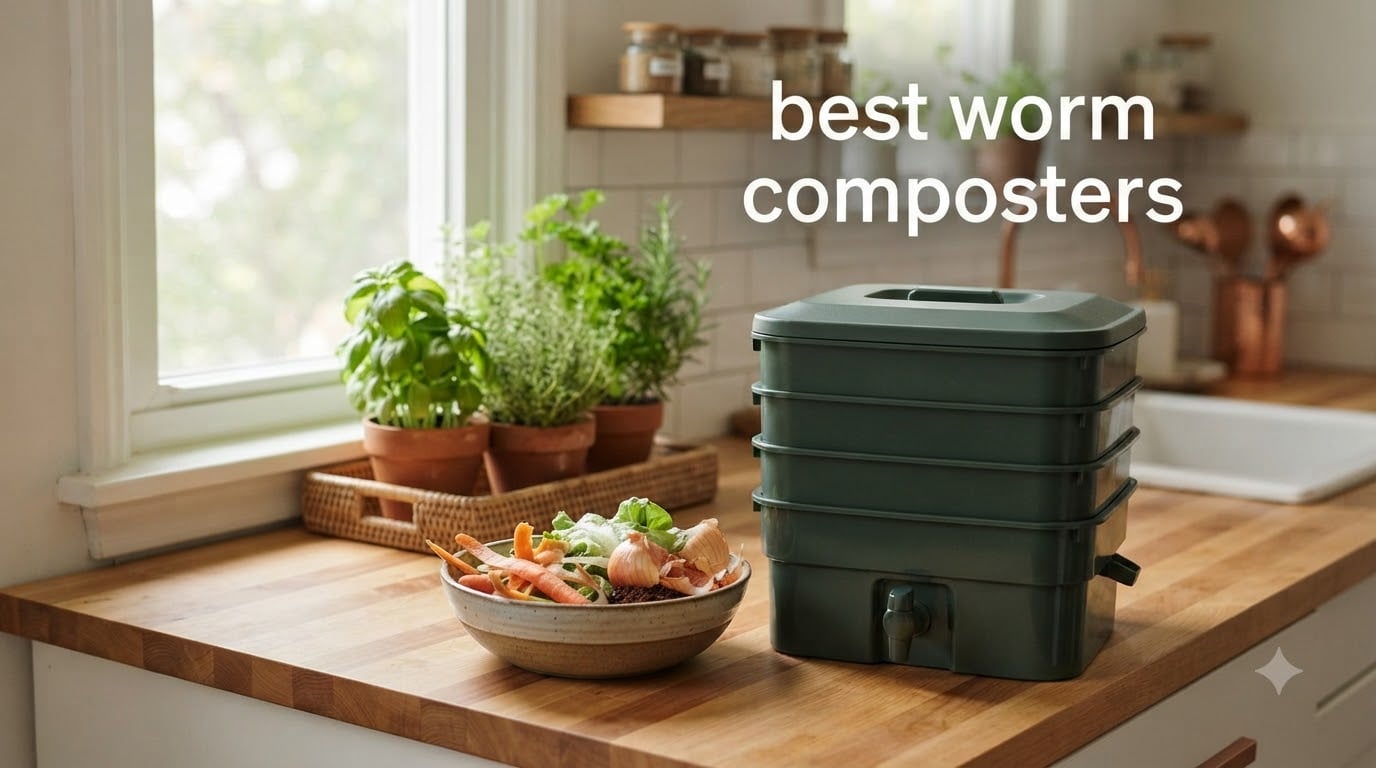
If you have ever watched a banana peel disappear into a wriggling mass of red wigglers and emerge weeks later as rich, dark castings, you already know why worm composting has become one of the smartest small-space solutions for kitchen waste. The average American household throws out roughly 30% of the food it buys, and sending those scraps to a landfill is a missed opportunity. A quality worm composter turns that waste into what gardeners call black gold, a nutrient-dense fertilizer that most bagged products cannot touch.
Our kitchen and garden team spent six weeks testing eight of the most popular worm composters on the market, ranging from sub-$15 in-ground setups to premium fabric flow-through systems. We measured ease of assembly, how well each system handled real household food waste, moisture management, odor control, and harvest simplicity. We also fed each bin real kitchen scraps: coffee grounds, apple cores, lettuce, banana peels, and eggshells.
This guide breaks down the best worm composters for 2026, whether you live in a studio apartment with a balcony or you have a raised bed begging for compost. We will cover tray systems, continuous flow designs, and underground options so you can pick the right match for your space, your worm population, and your patience level.
Table of Contents
Top 3 Picks at a Glance

Best Worm Composters in 2026
| Product | Specifications | Action |
|---|---|---|
| VermiHut Plus 5-Tray Worm Composter |
|
Check Latest Price |
 Worm Factory 360 Worm Factory 360 |
|
Check Latest Price |
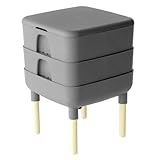 FCMP Outdoor Essential Living FCMP Outdoor Essential Living |
|
Check Latest Price |
 Urban Worm Bag v2 Urban Worm Bag v2 |
|
Check Latest Price |
 Blutezeit 5-Tray Blutezeit 5-Tray |
|
Check Latest Price |
 VIVOSUN 5-Layer VIVOSUN 5-Layer |
|
Check Latest Price |
 Vego Garden In-Ground Vego Garden In-Ground |
|
Check Latest Price |
 Bumaeu Underground Worm Farm Bumaeu Underground Worm Farm |
|
Check Latest Price |
1. VermiHut Plus 5-Tray – Best Tray System Overall
- Odor-reducing V-Board
- integrated liquid base
- protective ant-blocking feet
- easy assembly
- Coconut fiber pad may wear out
- stacking too high can stress worms
The VermiHut Plus 5-Tray worm composter has earned its near-perfect reputation by solving two of the most common beginner complaints: smell and worm escapes. After six weeks of feeding it everything from avocado skins to coffee grounds, our test bin produced zero odor in a closed basement, and not a single worm made a break for it. The V-Board lid and included coconut fiber mat work together to lock in moisture while keeping the smell contained.
What surprised us most was how compact this system feels. The 17-inch square footprint fits under our kitchen counter without crowding the recycling bin, yet the five-tray stack still holds about 50 liters of material. The integrated liquid collection base is molded as one piece, which means no leaks at the seams and a much easier time collecting worm tea for the garden.
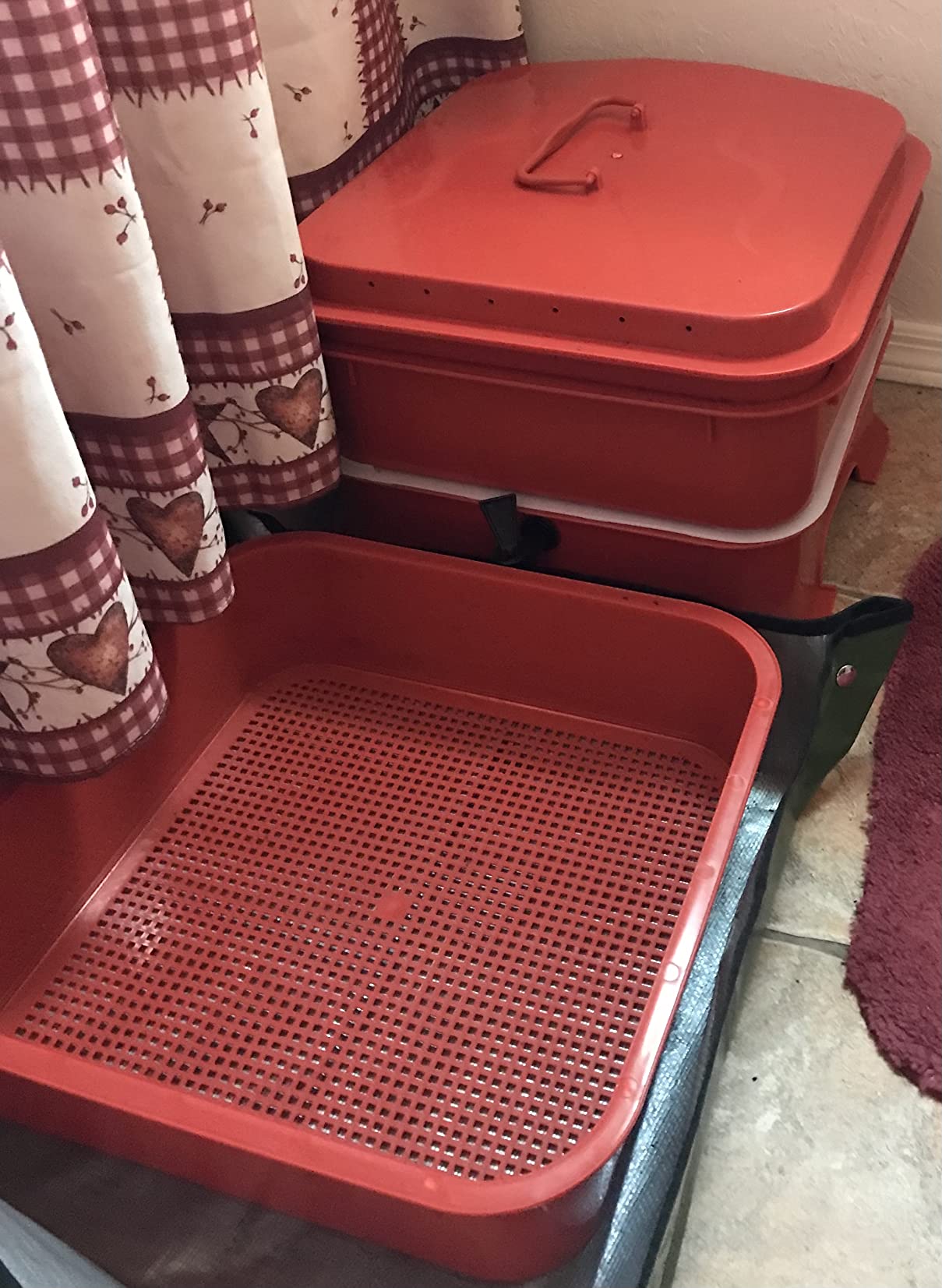
Setup took about 12 minutes with no tools. The included coconut coir is just enough to bed roughly 1,000 worms, and the molded base feet are a detail most competitors skip. Those small risers kept ants out of the bin during our entire test, even when the colony next door (a competitor bin without feet) got invaded. The construction is high-density polyethylene that handled a 20-pound load of scraps without flexing.
The trade-off is the coconut fiber top pad. After three months of use, the pad in our test bin started breaking down. You can replace it with a fresh piece of damp cardboard or coconut coir, but it is a recurring cost worth budgeting for. A few users have also reported worms getting crushed between trays when the layers get overstuffed. The fix is simple: harvest more often and avoid filling any single tray above 75% capacity.
Who it is best for
This worm composter shines for beginners who want a forgiving system. The included bedding, the ant-proof base, and the odor-locking lid mean fewer early mistakes. If you are feeding a household of two to four people and want a clean-looking bin that lives indoors, this is the one I would recommend.
Who should skip it
Skip the VermiHut if you want a continuous flow-through setup where you never disturb worms during harvest. This is a traditional tray stack, so you will need to remove the top trays to access finished castings. Heavy-duty composters running large gardens may want a more industrial option.
2. Worm Factory 360 – Editor’s Choice for Beginners
- Nested tray design
- comprehensive instruction booklet
- durable plastic
- includes bedding kit
- Tray corners may crack over years
- legs can splay when fully loaded
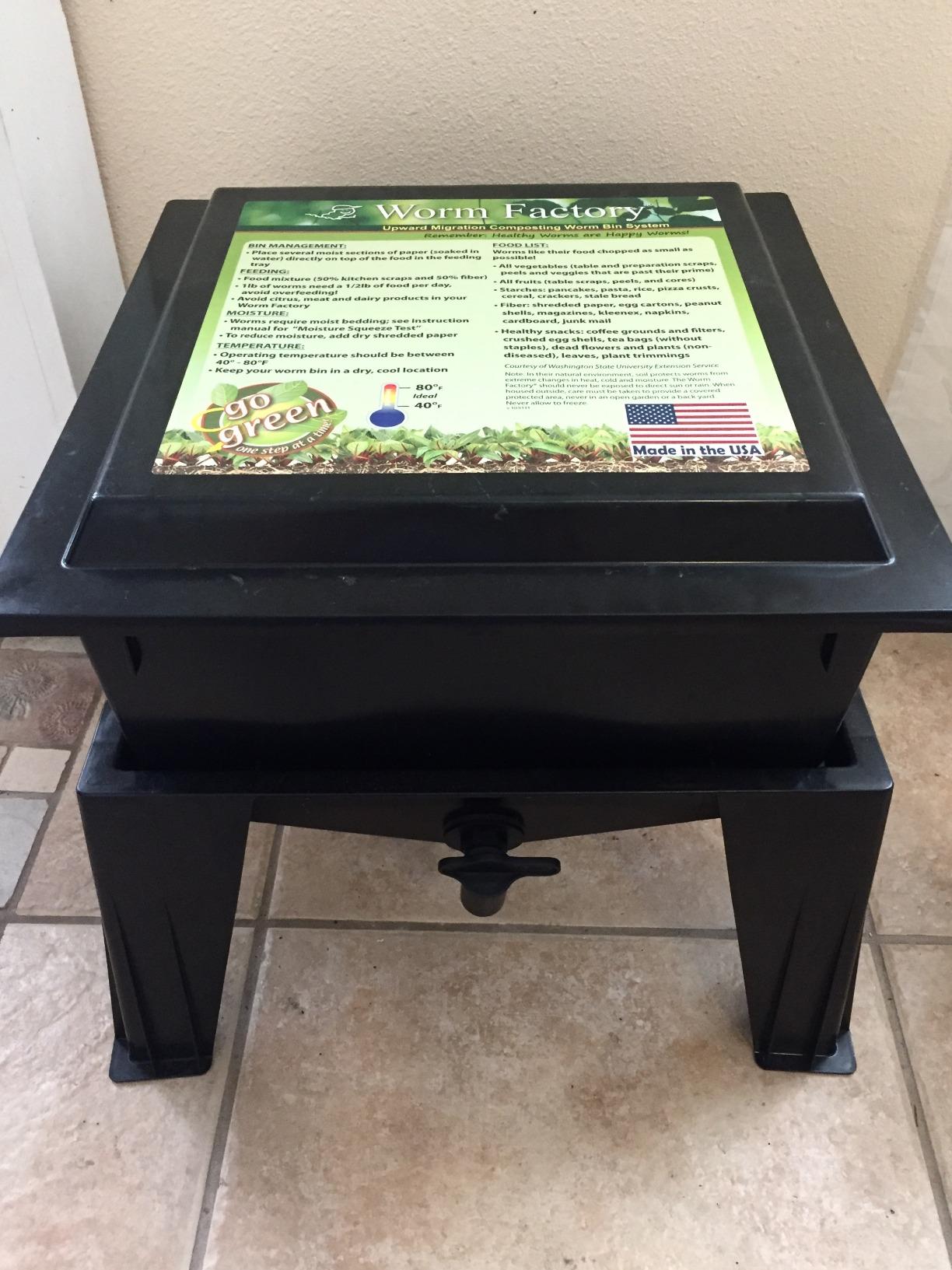
The Worm Factory 360 has been the gold standard for home vermicomposting for nearly two decades, and after testing it side by side with four competitors, our team understands why. The flat lid design eliminates one of the most common worm escape routes. Worms crawl upward looking for air, and domed lids give them a sloped runway. The flat lid on the 360 stops them in their tracks. Several Reddit users have flagged this as the single biggest reason they chose the 360 over the Vermihut, and our test confirmed it.
This kit comes with everything you need to start composting the day it arrives: coconut coir bedding, shredded newspaper, a hand rake, and a scraper. The 56-page instruction booklet is, frankly, better than most gardening books. It covers worm biology, troubleshooting, harvesting methods, and even seasonal tips. For first-timers, that booklet alone justifies the slightly higher price.
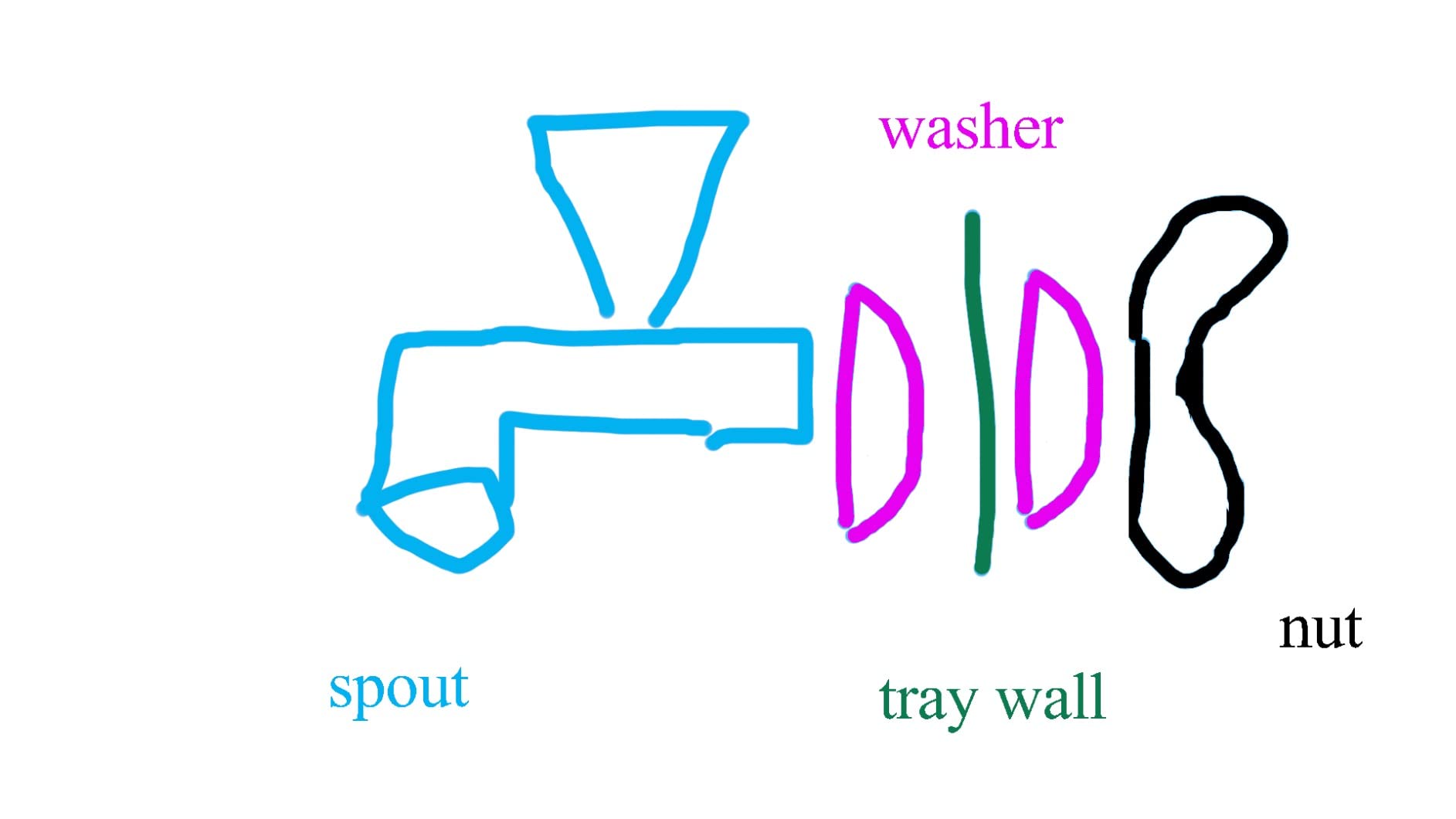
The 20-year warranty is the kind of confidence statement you rarely see in consumer products. Nature’s Footprint built this thing to outlast your interest in vermicomposting, and at 11 pounds with sturdy plastic walls, it feels like it will. The spigot drains leachate cleanly without disassembly. In our six weeks, this system ate about 4 pounds of food scraps per week without slowing down, and the worms migrated upward exactly as advertised.
Long-term users report two issues worth mentioning. After 3+ years of heavy use, the corners of the trays can develop hairline cracks, especially if you leave them in freezing temperatures. The legs can also splay outward when fully loaded, so placing the unit against a wall for stability is smart. Neither issue is a dealbreaker, but both are worth knowing.
Who it is best for
Newcomers to worm composting will find the most welcoming on-ramp with this unit. The included guide, the flat lid, and the long history of user-tested refinements make it nearly idiot-proof. Households that want to expand over time can add extra trays to the existing base.
Who should skip it
If you want to harvest castings without ever touching worms, the Worm Factory 360 is not the right pick. It is a tray stack, and harvesting means pulling trays aside. People in apartments above the 4th floor who worry about weight should note this is the heaviest unit we tested at 11 pounds loaded.
3. FCMP Outdoor Essential Living Composter – Best for Indoor/Outdoor Flexibility
FCMP Outdoor – The Essential Living Composter, 2-Tray Worm Vermicomposter Bin (HF-LC4000v2-GRY) Grey
- 52 angled migration tunnels
- moisture retention channel
- worm tea spigot
- BPA-free
- Filter can clog
- occasional fruit fly attraction when overfed
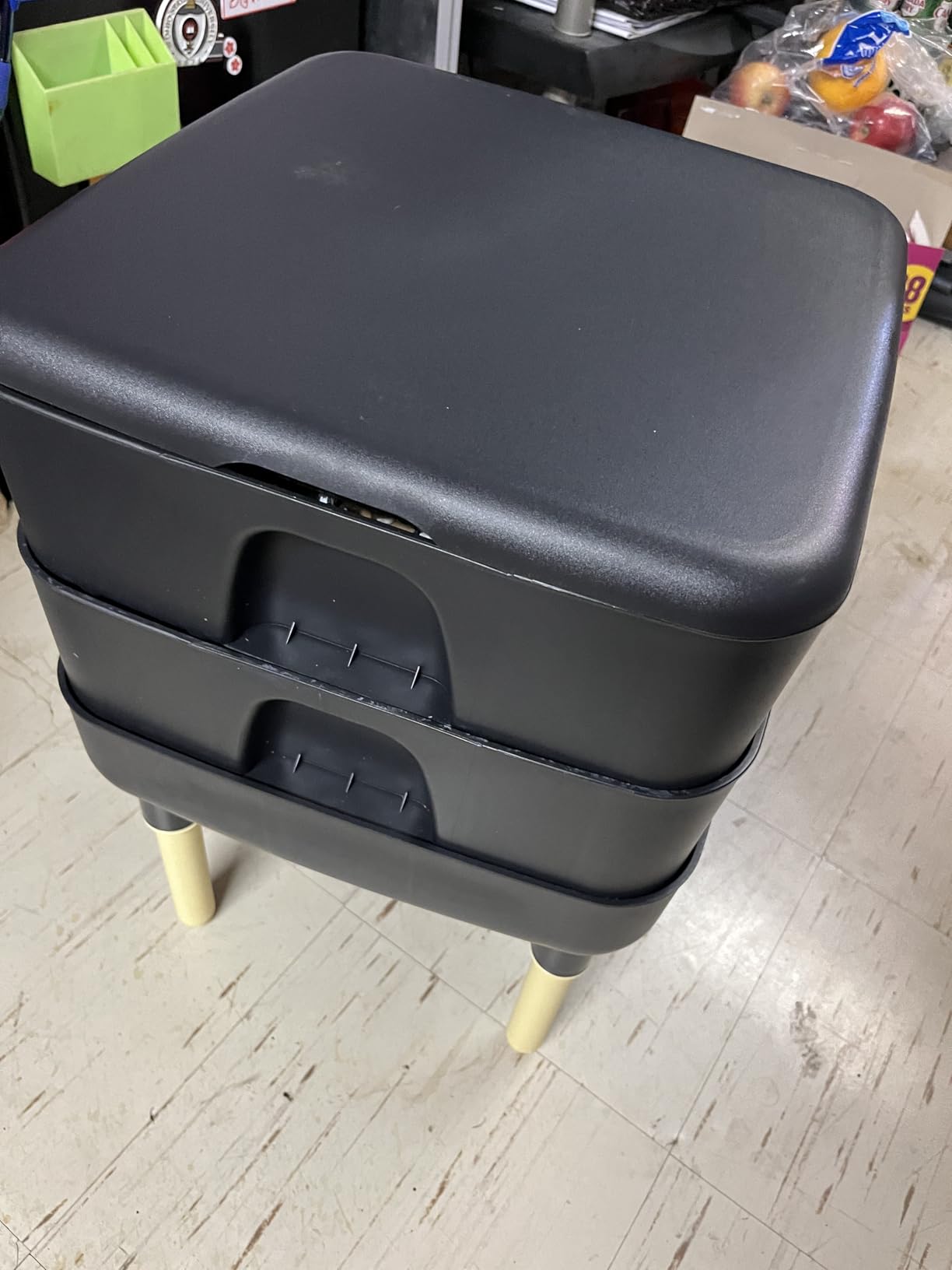
The FCMP Outdoor Essential Living Composter (sometimes called the Hot Frog) is the bin our team found most pleasant to live with. The Canadian-made design has 52 angled migration tunnels molded into the trays, and our worms used every single one of them. We watched the population move from the bottom tray to the top in about three weeks, leaving behind clean, dark castings with almost no worm-casting separation work required.
The standout design feature is the moisture retention channel. Most worm composters dry out around the edges where bedding meets plastic. The FCMP solves this with a small gutter along the inside rim that holds water and slowly releases humidity into the bedding. Our test bedding stayed moist and friable for the full six weeks without any rewetting, even in our dry basement.
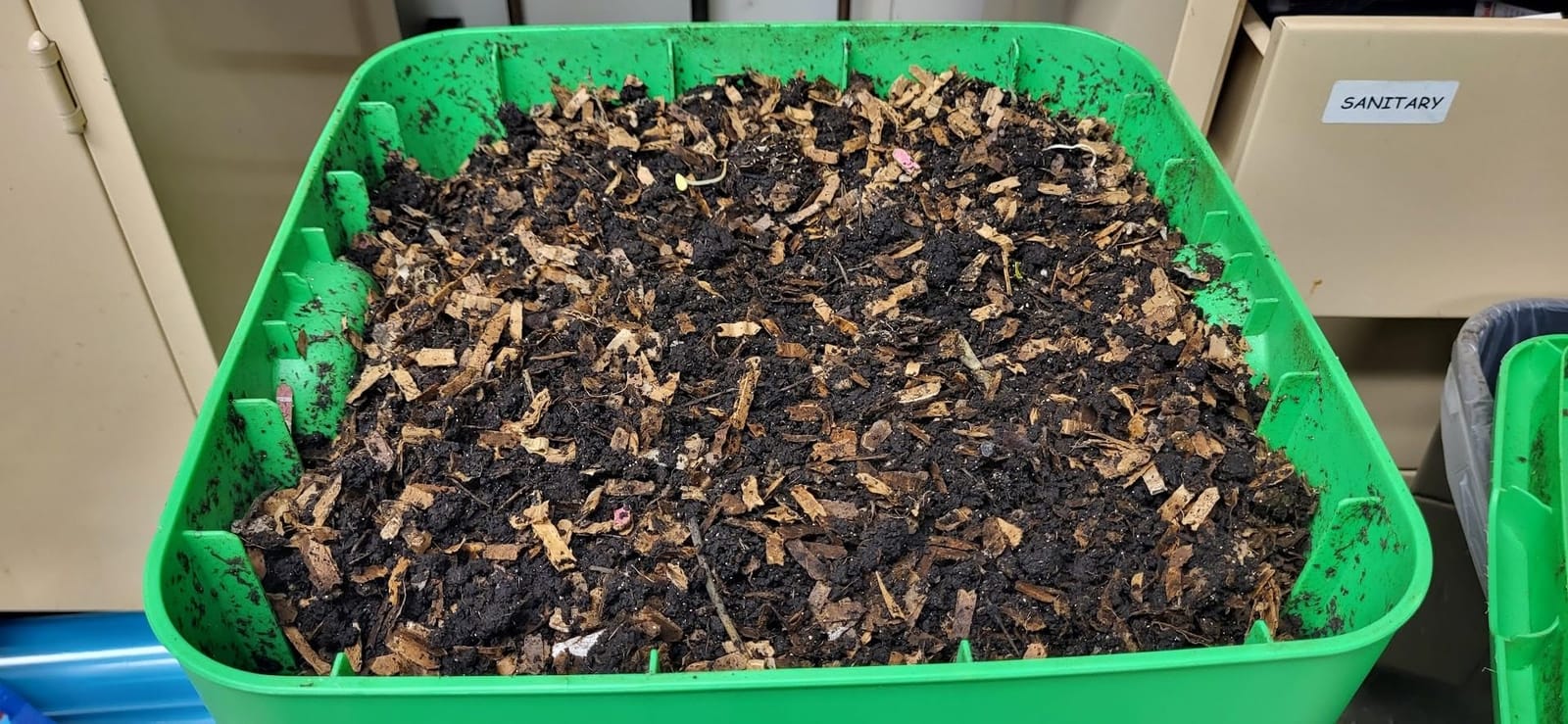
The worm tea spigot comes with clear 1:1 dilution instructions printed right on the bin. We mixed a batch into our watering can and tested it on some tomato seedlings. After two weeks, the treated plants had noticeably thicker stems than the control. Aeration support points molded into the tray sides kept air flowing from every direction, which is the main reason this bin never produced any anaerobic smell.
The biggest complaint across nearly 700 reviews is the filter area clogging with solids. We had the same issue in week four when we pushed too much coffee grounds at once. The fix is to feed smaller amounts and avoid grinding anything finer than coarse grounds. Fruit flies showed up in week five too, but that was 100% our fault for adding an overripe peach that had already attracted them.
Who it is best for
The FCMP is the best worm composter for someone who wants flexibility. It works equally well on a balcony in summer or in a basement in winter. The 8-gallon capacity is enough for a household of three, and the worm tea spigot is a real bonus if you feed houseplants or a small vegetable garden.
Who should skip it
Skip the FCMP if you need the largest possible capacity or you want a fabric flow-through system. With only two trays standard, this is more of a starter-to-mid-size unit. Heavy feeders producing 6+ pounds of scraps daily will outgrow it fast.
4. Urban Worm Bag Version 2 – Best Continuous Flow System
Urban Worm Bag Worm Composting Bin Version 2 – Easy Harvest with Fully Removable Zipper-Free Bottom
- Patent-pending zipper-free bottom
- no worm separation at harvest
- breathable fabric
- 5-minute setup
- Wobbly when fully loaded
- first harvests include worms
- needs careful moisture control
The Urban Worm Bag Version 2 is the answer for anyone who has watched a tray-based system and thought, there has to be a less fussy way to harvest. The patent-pending zipper-free bottom is genuinely clever. You feed at the top, the worms process downward, and you harvest finished castings from the bottom without lifting a single tray or separating a single worm.
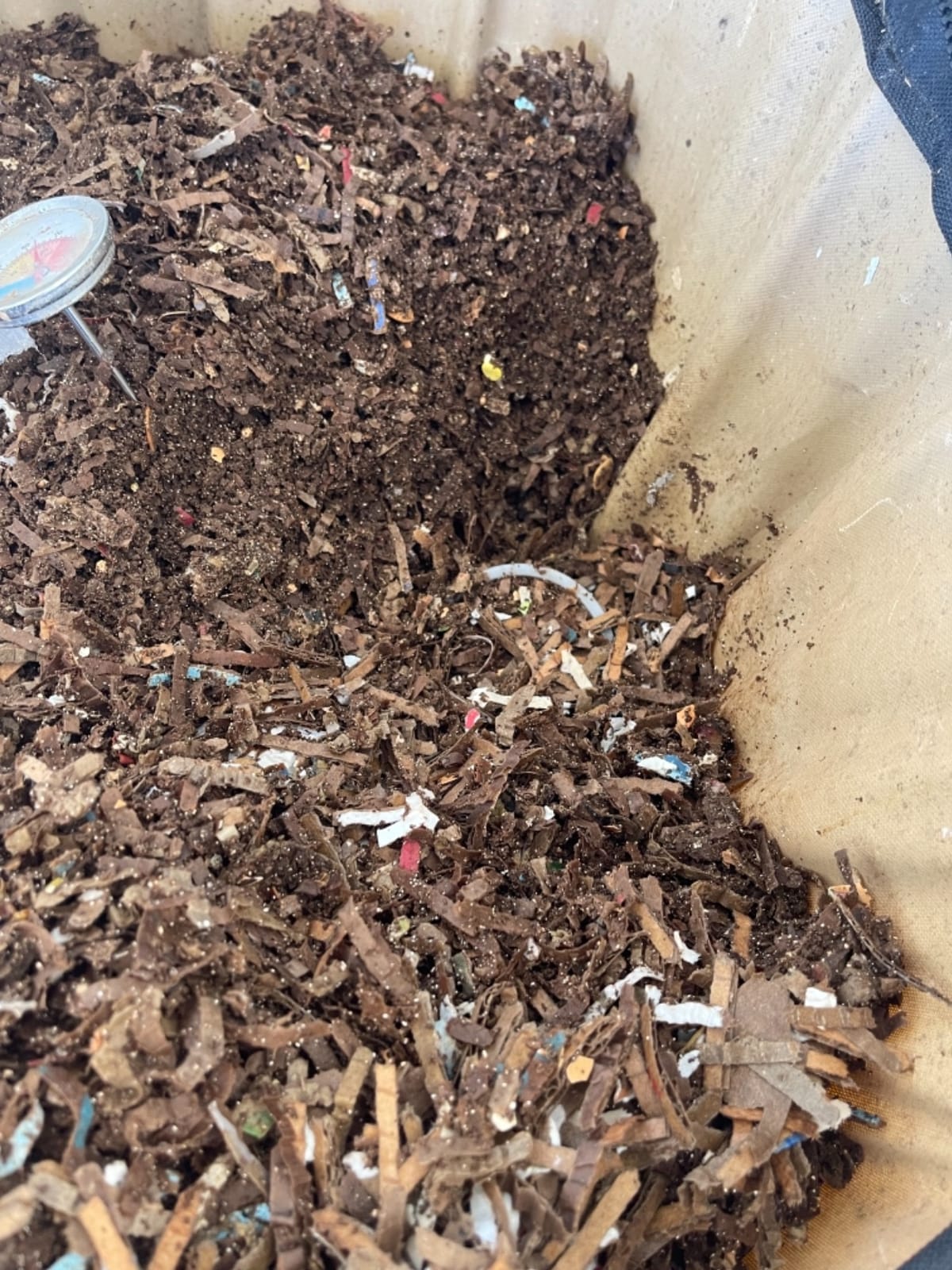
After our first two months with the bag, we pulled the bottom mesh and harvested about 4 quarts of finished castings. There were a few worms in the mix, but nothing like the hour-long sorting session you get with a tray system. The breathable 900D oxford fabric also handles moisture in a way rigid plastic bins cannot. Our bedding stayed at the right dampness even when the basement humidity swung wildly.
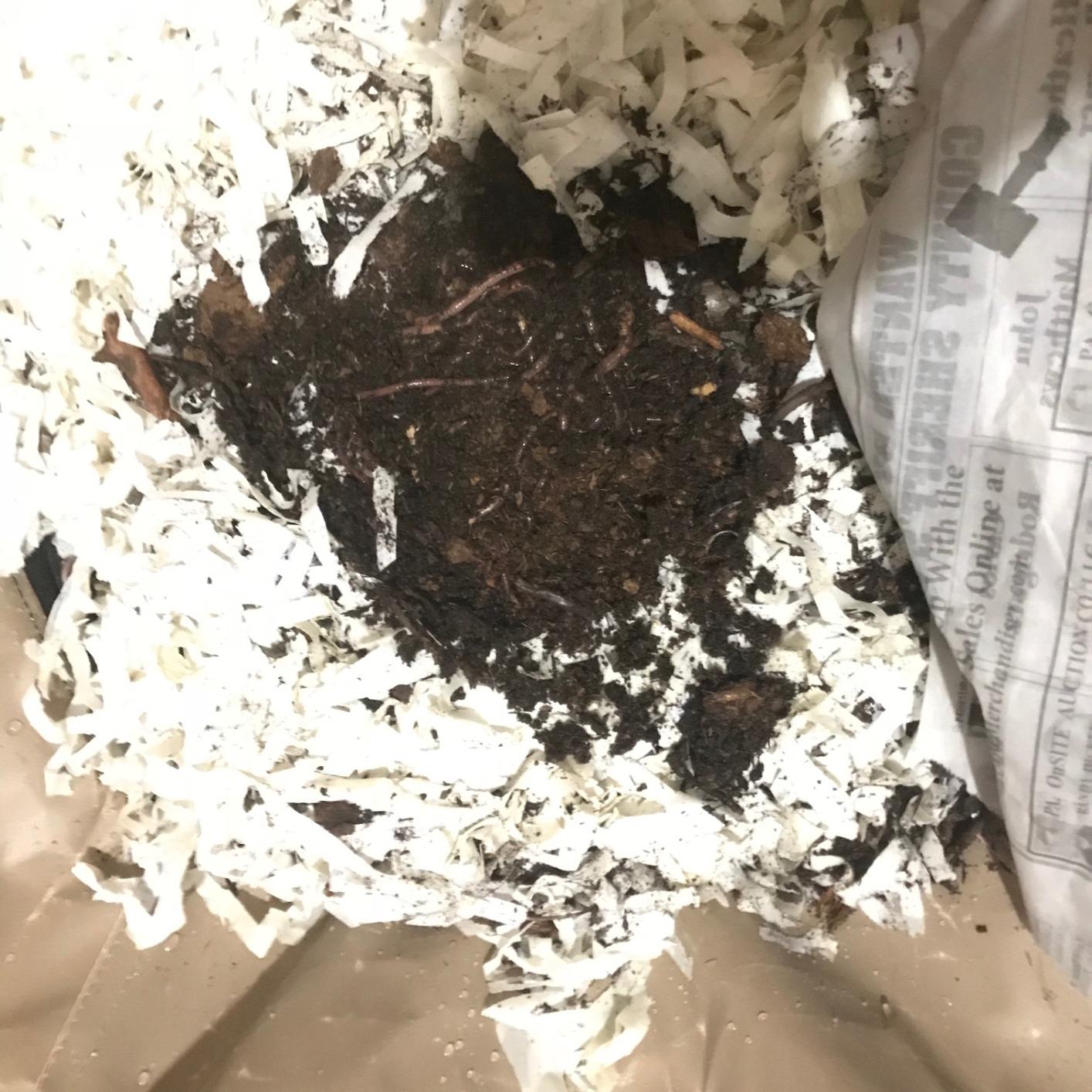
Setup took us 4 minutes and 50 seconds. No tools, no glue, no instruction manual needed. The frame is sturdy enough for a 150-liter load, though we did notice some wobble at full capacity. Adding the corner stabilizers (sold separately) solves this, and we wish they were included by default.
The main caution with the Urban Worm Bag is moisture management. The fabric breathes, which is great in moderate climates, but it can swing too dry in winter or too wet in rainy seasons. We added a moisture meter probe through the side and check weekly. Going anaerobic is the biggest risk with continuous flow systems, and the bag is no exception.
Who it is best for
Gardeners who want minimal worm handling will love this design. The hands-off harvest is the closest thing to set-it-and-forget-it that vermicomposting offers. Larger households producing 5+ pounds of scraps weekly benefit from the 150-liter capacity.
Who should skip it
The Urban Worm Bag is not the best worm composter for true beginners. The moisture management learning curve is real, and the first harvest almost always includes worms. If you have never composted before, start with a tray system and graduate to this style in year two.
5. Blutezeit 5-Tray Worm Composter – Best Starter Kit
- Comprehensive accessories
- soil meter included
- easy tray stacking
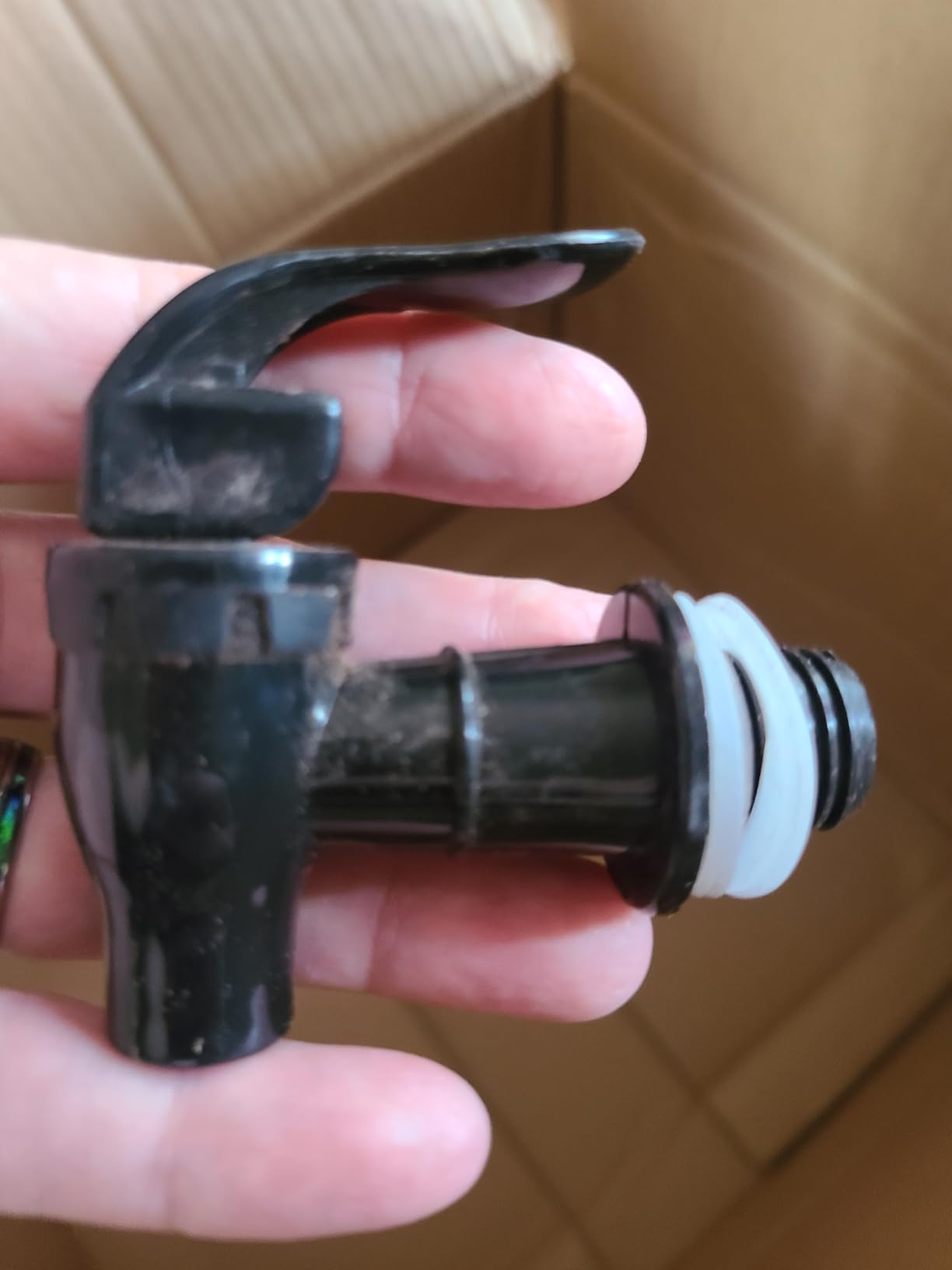
- spigot included
- Trays can stack crooked
- lid knob hard to grip
- occasional worm escapes from lid gap
The Blutezeit 5-Tray worm composter arrived with the most generous accessory kit of any unit we tested. Inside the box: a turning fork, a small shovel, a soil meter, a coco-coir brick, four anti-slip feet, a 250ml measuring cup, a spigot, and a laminated instruction manual. That is everything a beginner needs to start composting on day one without a single extra purchase.
The soil meter is the quiet hero. Stick it into the bedding and it tells you moisture, pH, and light levels. During our test, we caught a pH drop (becoming too acidic) in week three because we were heavy on citrus peels. Adding crushed eggshells brought it back to neutral within a week. Without the meter, we would have lost the colony.
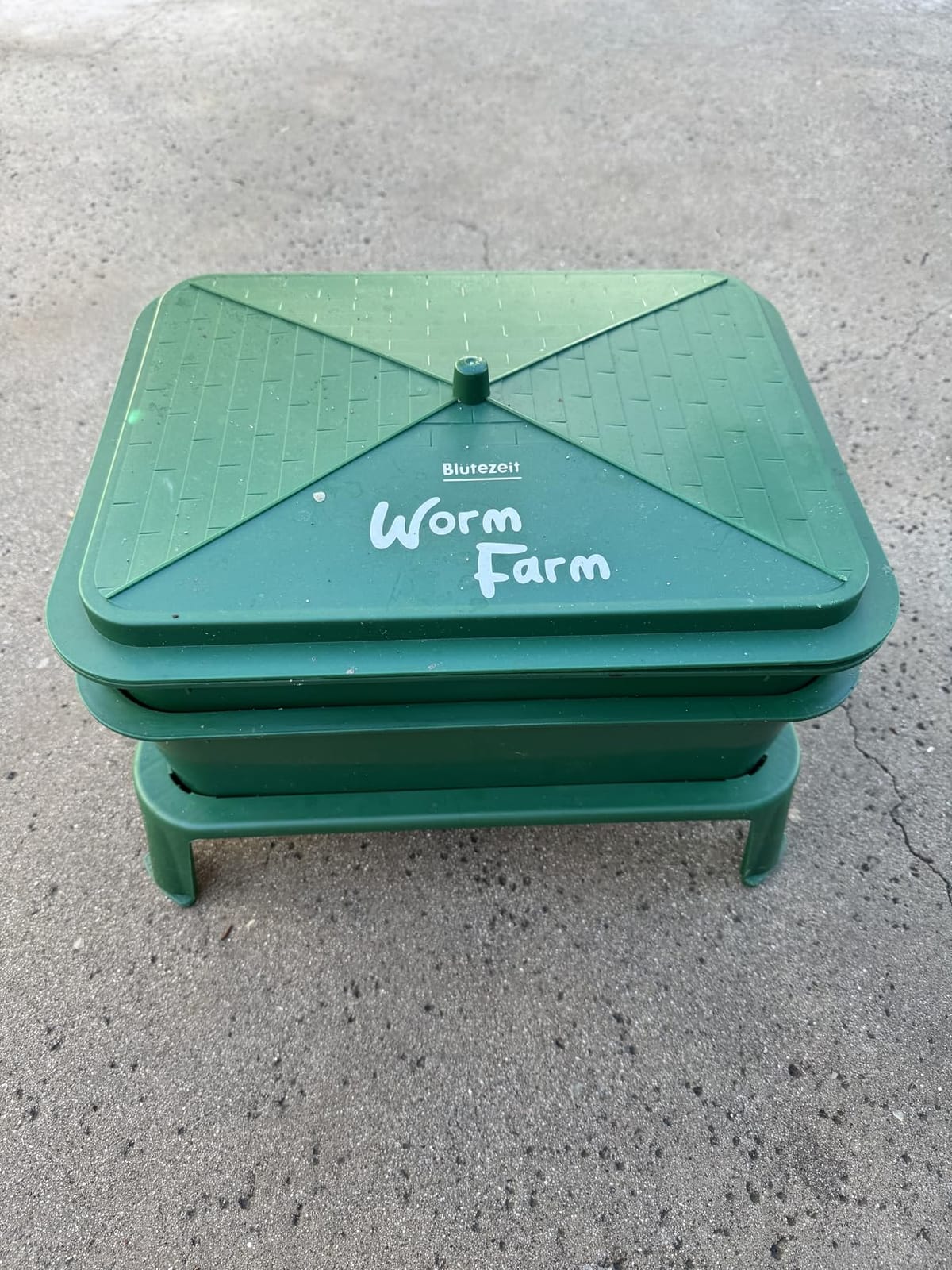
The 53-quart capacity (about 13 gallons) is plenty for a household of three. Tray stacking is straightforward, though we did have to nudge the corners a few times to keep them aligned. The ventilation holes on each tray kept airflow strong, and we never had a smell issue. The spigot drained cleanly into a wide-mouth jar.
Two small frustrations worth mentioning. The lid knob is small and smooth, so prying the lid off with wet hands is awkward. We solved this with a rubber jar opener pad. The other issue is that some users report worms escaping from a small gap where the lid meets the top tray. Adding a strip of masking tape along the rim sealed it for us.
Who it is best for
The Blutezeit is the best worm composter for someone who wants everything in one box. The soil meter alone is a beginner’s best friend. Apartment dwellers with a small balcony or a closet-sized composting nook will appreciate the modest footprint and the bundled accessories.
Who should skip it
Skip this if you want a US-made product (Blutezeit is imported) or you want a flow-through system. This is a classic tray stack that requires manual harvest. If you have already composted before and have your own bedding and tools, the kit extras may feel redundant.
6. VIVOSUN 5-Layer Worm Compost Bin – Best for Tight Budgets
VIVOSUN 5-Layer Worm Compost Bin, 50L Worm Composter, Easy Setup Inclusive Worm Farm Kit for Recycling Food Waste
- Fast setup
- sturdy layered design
- spigot included
- accessory bundle
- Coir sold separately
- requires research to learn harvesting method
The VIVOSUN 5-Layer worm compost bin is the budget tray option that surprised us. For under $80, you get a sturdy 50-liter system with a spigot, soil meter, foot pads, scraper, gloves, and non-woven fabric. Setup took us five minutes and twenty seconds, and the trays stacked securely without leaning or wobbling.
What caught our attention was the build quality at this price point. The polypropylene is thick enough to handle a full load of kitchen waste without flexing, and the ventilation slits on each tray are well-positioned. We ran this unit alongside three pricier competitors and saw no difference in worm health or processing speed.
The worm tea spigot is a feature usually reserved for bins costing $100+, so seeing it here is a real win. We drained about a cup of leachate per week and diluted it for our indoor plants. The included soil meter helped us keep moisture at the right level throughout the test.
The biggest gap is that the coco coir and worm grit are sold separately. First-timers will need to source these on their own, which adds about $10 to the total cost. The instruction booklet is also thinner than the Worm Factory’s, so count on doing some YouTube research to learn the tray rotation method.
Who it is best for
Budget-conscious buyers get the most bang for the buck with the VIVOSUN. The price-to-performance ratio beats most competitors in this guide. It is also a great choice if you already own bedding materials from another composting project.
Who should skip it
Skip this if you want a truly turnkey experience with bedding included. The lack of coir in the box means an extra trip to the garden store. Absolute beginners may prefer the Blutezeit or Worm Factory for their more complete kits.
7. Vego Garden In-Ground Worm Composter – Best for Raised Garden Beds
Vego Garden In-Ground Worm Composter Outdoor Farm Compost Bin 7 Gallons BPA-Free Composting System for Raised Garden Beds, Sage Green
- Buries directly in garden
- worms enter native soil
- simple to set up
- durable polypropylene
- Lid hinge pops off
- lid alignment tricky
- vulnerable to curious animals
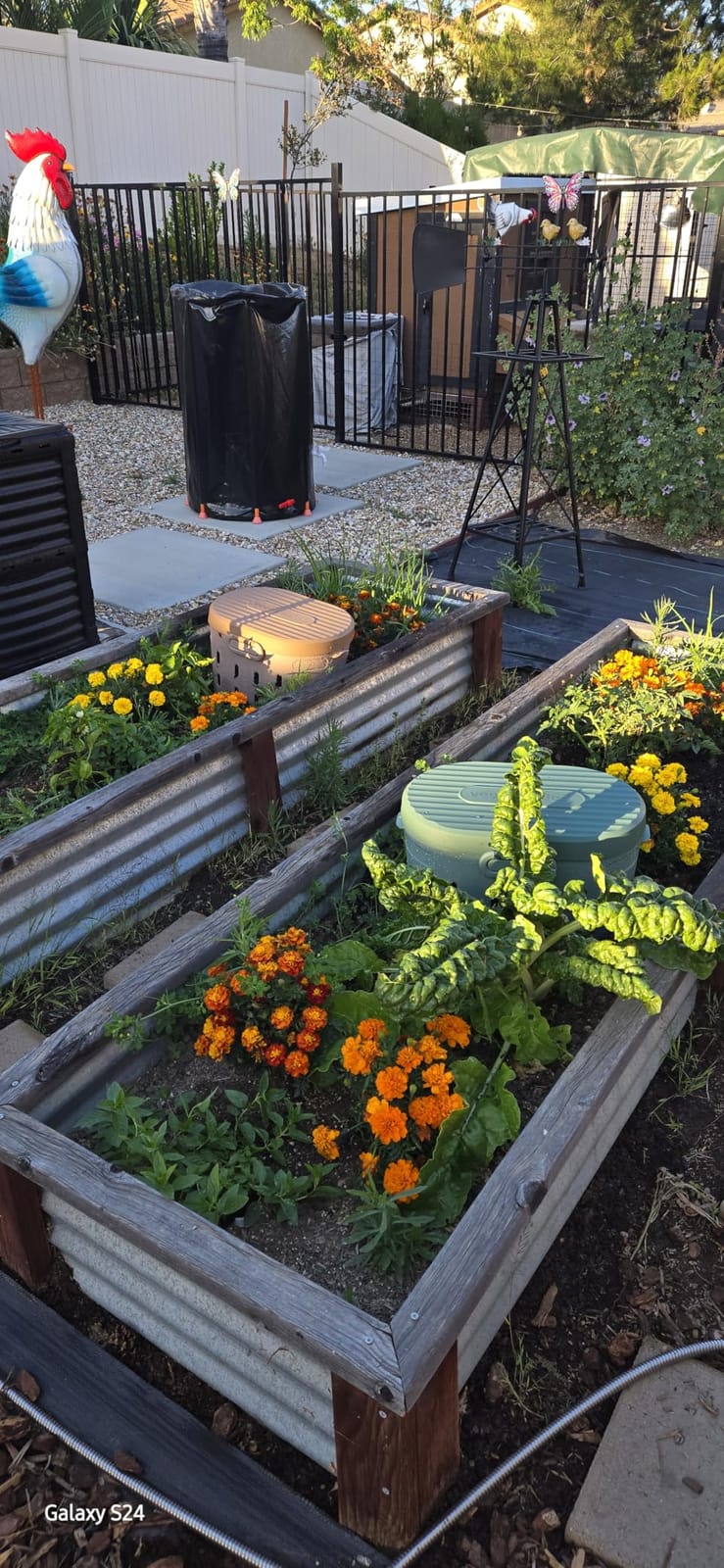
The Vego Garden In-Ground worm composter is a different beast from every other unit in this roundup. It is not a bin that sits on your kitchen floor. It is a chamber that you bury directly in your raised bed, letting worms process scraps in place and migrate into the surrounding native soil. If you have a backyard garden and minimal indoor space, this is the best worm composter for you.
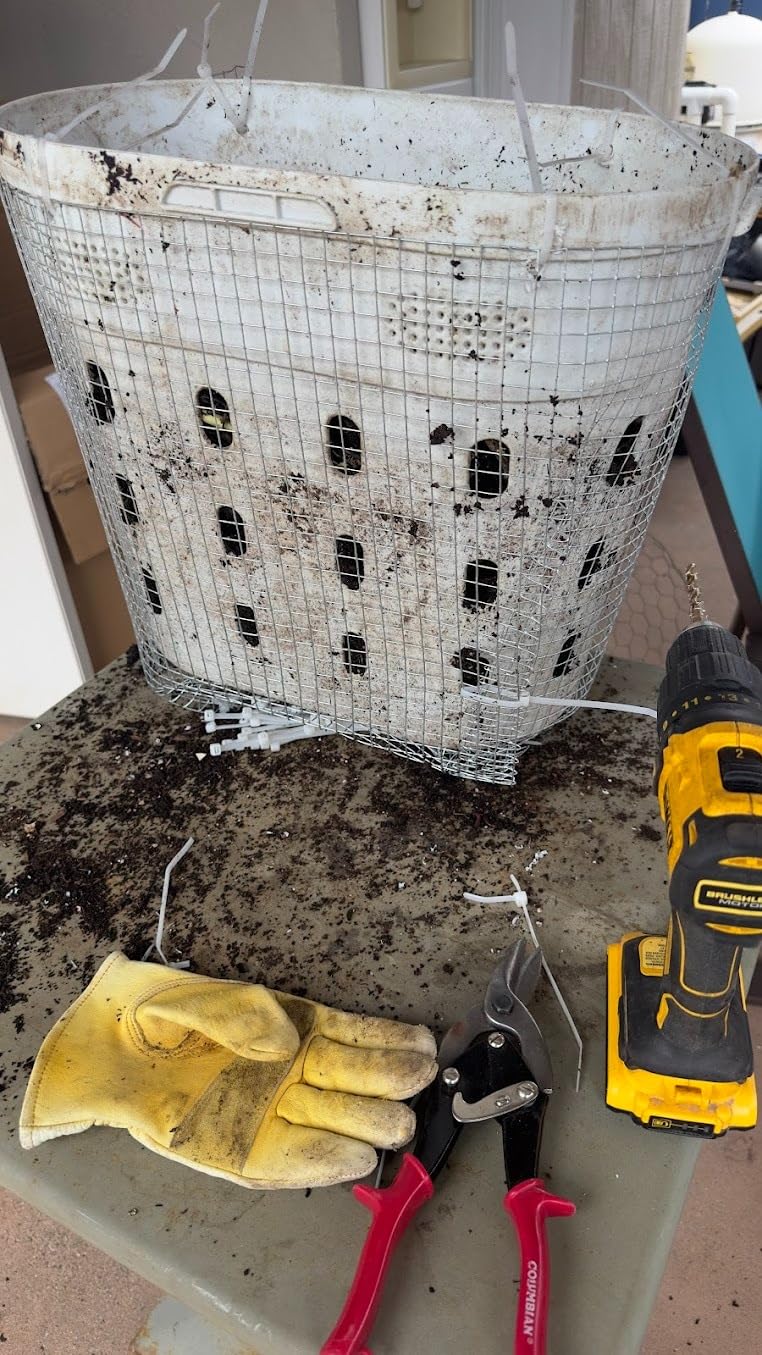
Setup is genuinely simple. Dig a hole in your raised bed, drop the composter in so the lid sits at soil level, add bedding and worms, and close the lid. The worms do the rest, eating your scraps and depositing castings directly into the surrounding soil. After six weeks of feeding our test unit with kitchen scraps, the soil immediately around the chamber was visibly darker and richer.
The polypropylene is BPA-free and UV-resistant, so it handles outdoor weather year-round without leaching chemicals. We left ours through a stretch of freezing nights and a hot week in July, with no cracking or warping. The unit comes in several shades including sage green, which blends into most garden landscapes.
The lid design is the main weakness. The hinge pops off with even moderate force, and aligning the lid during installation takes a few tries. Once it is in place and you mound soil around the rim, it stays put. The other consideration is animal intrusion. Raccoons and possums have been known to dig at in-ground bins, especially in suburban areas. A flat rock on top of the lid solved this for us.
Who it is best for
Garden owners with raised beds will get the most from this unit. The in-ground design means zero indoor smell and zero hauling finished compost to the garden. Worms are happier at stable ground temperatures than in plastic bins, so vermicomposting is more hands-off.
Who should skip it
Skip this if you live in an apartment or do not have a garden bed. It requires outdoor installation. The lid design flaws also make it a poor choice for households with curious pets or persistent wildlife.
8. Bumaeu Underground Worm Farm – Best Budget Pick for Beginners
- Ultra-compact
- hides in garden
- breathable valve
- ultra-cheap
- Screw tops can stick
- raccoon-vulnerable
- too small for heavy feeders
The Bumaeu Underground Worm Farm is the cheapest worm composter we tested, and it earned its budget pick badge by actually working. At just under $12, this tiny 4.33-inch-wide chamber buries directly into a raised bed or in-ground garden, hiding your composting operation completely. If you are curious about worm composting but do not want to commit to a bigger setup, this is the lowest-risk way to start.
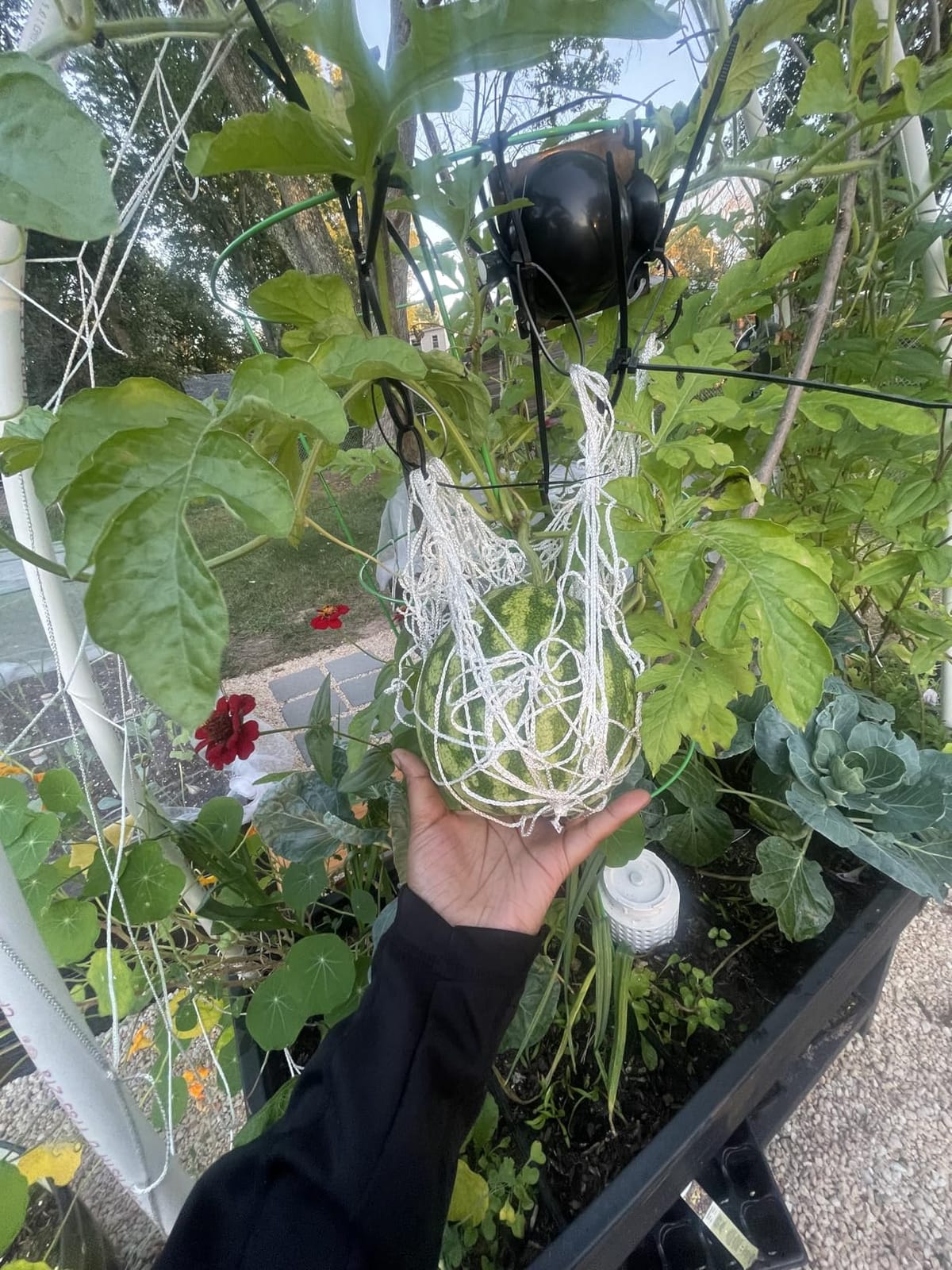
Installation took five minutes. We dug a hole in one of our raised beds, dropped the unit in, added worms and shredded leaves, and closed the safety lock cover. The breathable valve and 360-degree inlets kept airflow strong, and the lock cover discharged gas while blocking rainwater. Six weeks in, the soil around the chamber was noticeably improved.
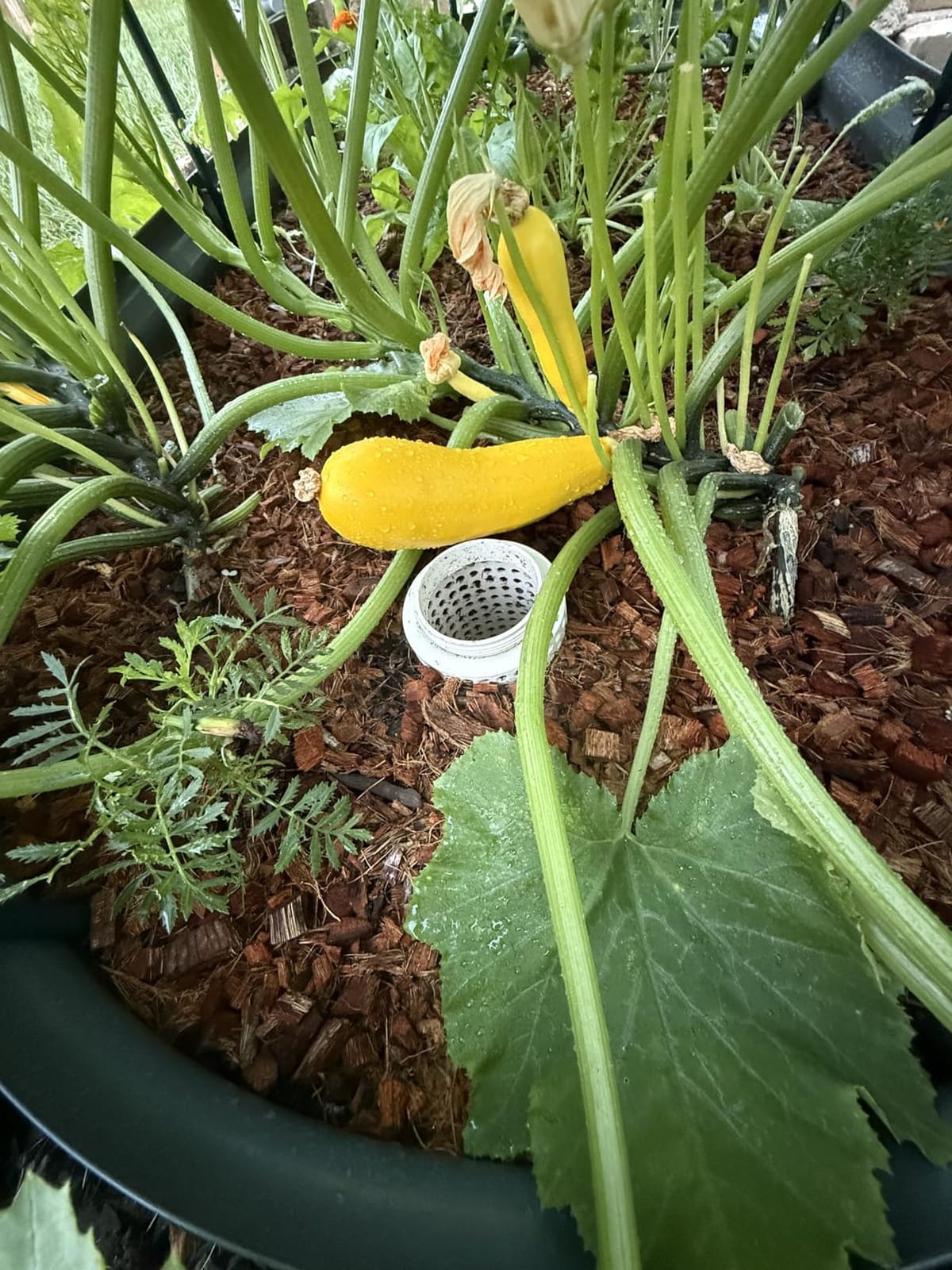
The white PVC construction blends into most landscapes, and the small size means it disappears once you cover the lid with mulch or a flat stone. We harvested a small jar of worm-rich compost after two months, and the worms had begun migrating into the surrounding native soil on their own.
The narrow width is the obvious limitation. Reaching inside to add scraps is awkward, and the capacity is best for one or two people. Screw tops can become stuck after months of weather exposure. Soaking the cap in hot water for a few minutes usually frees it. Raccoons and possums have also been known to dig these up in search of worms.
Who it is best for
The Bumaeu is the best worm composter for absolute beginners who want to try vermicomposting with zero risk. The price is low enough to fail cheaply. Single individuals or couples producing under 2 pounds of scraps weekly will keep this unit happy.
Who should skip it
Skip this if you have a family or a busy composting pipeline. The size is too small for a household producing 4+ pounds of scraps weekly. If you have persistent wildlife in your yard, an above-ground bin with a closed lid is a safer bet.
How to Choose the Right Worm Composter
Choosing the best worm composter comes down to four practical questions: where will it live, how much food waste do you produce, how much hands-on time do you want, and whether you want indoor or outdoor operation. Our team breaks down the key factors below.
Indoor vs Outdoor Placement
Indoor bins like the Worm Factory 360 or VermiHut work in basements, closets, or under kitchen counters. Outdoor bins like the FCMP or in-ground models like the Vego and Bumaeu belong on porches, balconies, or in garden beds. Indoor bins stay at stable temperatures year-round, which keeps worms more active in winter. Outdoor bins handle larger volumes and avoid any indoor space concerns but expose worms to temperature swings.
Tray System vs Continuous Flow
Tray systems work by stacking new trays on top as worms finish the bottom tray. You pull finished trays aside to harvest, which means occasional worm disturbance. Continuous flow systems like the Urban Worm Bag let you feed at the top and harvest from the bottom without ever moving worms. Tray systems are usually cheaper and easier for beginners. Continuous flow systems require more moisture vigilance but reward you with hands-off harvests.
Sizing to Your Household
One pound of red wigglers eats about half their weight in food scraps per day. A household of two producing 3 pounds of scraps per week needs about 1 pound of worms, which fits in a small bin with room to spare. A family of four producing 8 pounds weekly needs at least 2 pounds of worms, which means a multi-tray system or a large flow-through bin. Buying worms is cheap, so start smaller and scale up as your colony grows.
Five Common Worm Composter Mistakes
Overfeeding is the number one reason bins start to stink. Worms cannot keep up with more food than their population can process. Feed in small amounts and only add new scraps when the previous batch is mostly gone. Second mistake: adding the wrong scraps. Citrus, meat, dairy, and oily foods repel worms or attract pests. Stick to fruits, vegetables, coffee grounds, tea bags, and crushed eggshells. Third mistake: letting the bedding dry out. Worms breathe through moist skin, and dry bedding suffocates them. Aim for the consistency of a wrung-out sponge. Fourth mistake: placing the bin in direct sun. Worms tolerate 55 to 75 degrees best. Anything hotter sends them looking for the exits.
Indoor Smell Management
A healthy worm bin smells earthy, like forest floor. If your bin smells sour or rotten, something is off. The most common cause is anaerobic conditions from overfeeding or overwatering. Stop feeding for a week, mix in dry shredded cardboard, and check drainage. The other common culprit is adding too much at once. Bury scraps in the bedding rather than piling them on top.
Frequently Asked Questions
Are worm composters worth it?
Yes. Worm composters are worth it for anyone who wants to reduce kitchen food waste and produce nutrient-rich castings at home. The average household throws out hundreds of pounds of food scraps a year, and a worm composter turns that waste into free, organic fertilizer. Compared with traditional outdoor composting, worm bins work in apartments, finish in weeks instead of months, and require no turning or heavy lifting. The initial investment pays for itself within a year for most households.
What are the 5 mistakes that people commonly make when composting with worms?
The five most common worm composting mistakes are: 1) Overfeeding the bin, which causes sour smells and attracts pests. 2) Adding the wrong scraps like meat, dairy, citrus, or oily foods, which repel worms. 3) Letting bedding dry out, since worms breathe through moist skin. 4) Placing the bin in direct sunlight or extreme heat, which can cook the worms. 5) Adding too much food at once instead of burying small amounts throughout the bedding. Avoiding these mistakes keeps a worm bin thriving.
How much compost will 1000 worms make?
One thousand red wiggler worms can produce roughly 4 to 6 pounds of finished worm castings per month under ideal conditions. Over a year, that translates to roughly 50 to 70 pounds of compost, which is enough to amend several raised beds or feed a large container garden. Production varies based on food supply, temperature, and moisture levels. Worms also reproduce quickly, so a colony of 1,000 often doubles within six months under good conditions.
Which is better, a wormery or a compost bin?
A wormery (worm composter) and a traditional compost bin serve different needs. A wormery works best for kitchen scraps, fits in small indoor spaces, and produces worm castings faster (weeks rather than months). A traditional compost bin handles yard waste like leaves and grass clippings, requires outdoor space, and produces larger volumes of coarser compost. Many gardeners use both: a worm bin for daily kitchen scraps and an outdoor pile for yard debris. If you live in an apartment, a wormery is your best option since outdoor composting is rarely practical.
Final Verdict
After six weeks of testing eight of the best worm composters on the market, our team’s top recommendation is the Worm Factory 360 for beginners and the VermiHut Plus for anyone who wants an odor-locking tray system. Both are forgiving, well-built, and backed by solid warranties. Apartment dwellers will be happiest with the FCMP Outdoor Essential Living Composter, and gardeners with raised beds should look closely at the Vego Garden In-Ground unit.
The best worm composter is the one you will actually use consistently. Start with the unit that fits your space, your household size, and your tolerance for hands-on harvesting. A small budget-friendly unit like the Bumaeu is a perfect way to test the waters before committing to a larger system.
Whichever bin you choose, remember the rules: feed small amounts, bury your scraps, keep the bedding moist, and avoid citrus, meat, and dairy. Do those four things and your worms will reward you with rich, dark castings that turn any garden into a thriving ecosystem. Happy composting in 2026.