
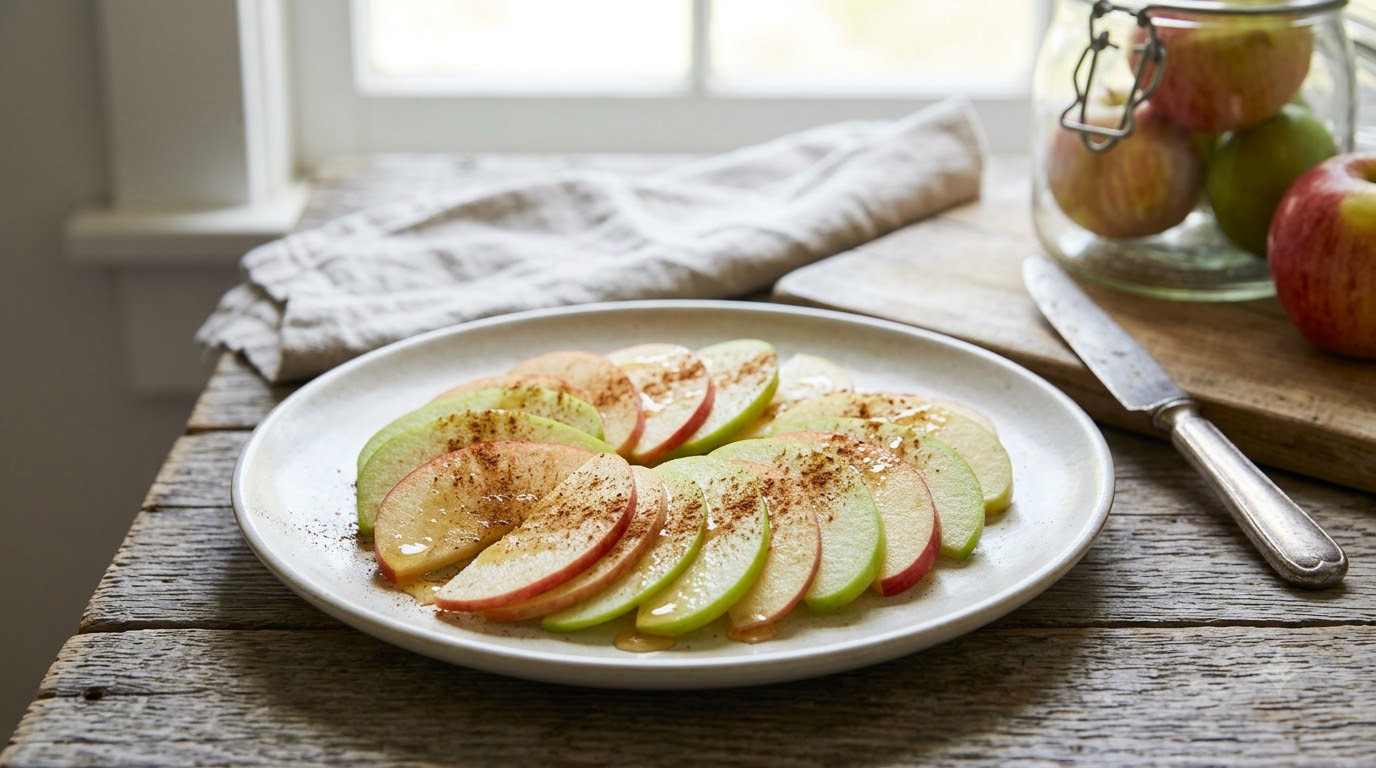
Fall is apple season, which means most of us are suddenly juggling bags of Honeycrisp from the orchard and wondering why half of them are mealy by next week. The good news is simple: learning how to store apples so they stay crisp takes about thirty seconds per bag, and it stretches a week’s fruit into two months.
Put unwashed whole apples in a perforated produce bag and slide it into the crisper drawer of your refrigerator. Keep them away from bananas and ripe pears, check the bag once a week, and pull out anything that bruises or smells fermented.
Below is the short version first, then the details for cut apples, freezing, and what to do when you have no fridge space at all.
Table of Contents
How to Store Apples So They Stay Crisp: Quick Guide
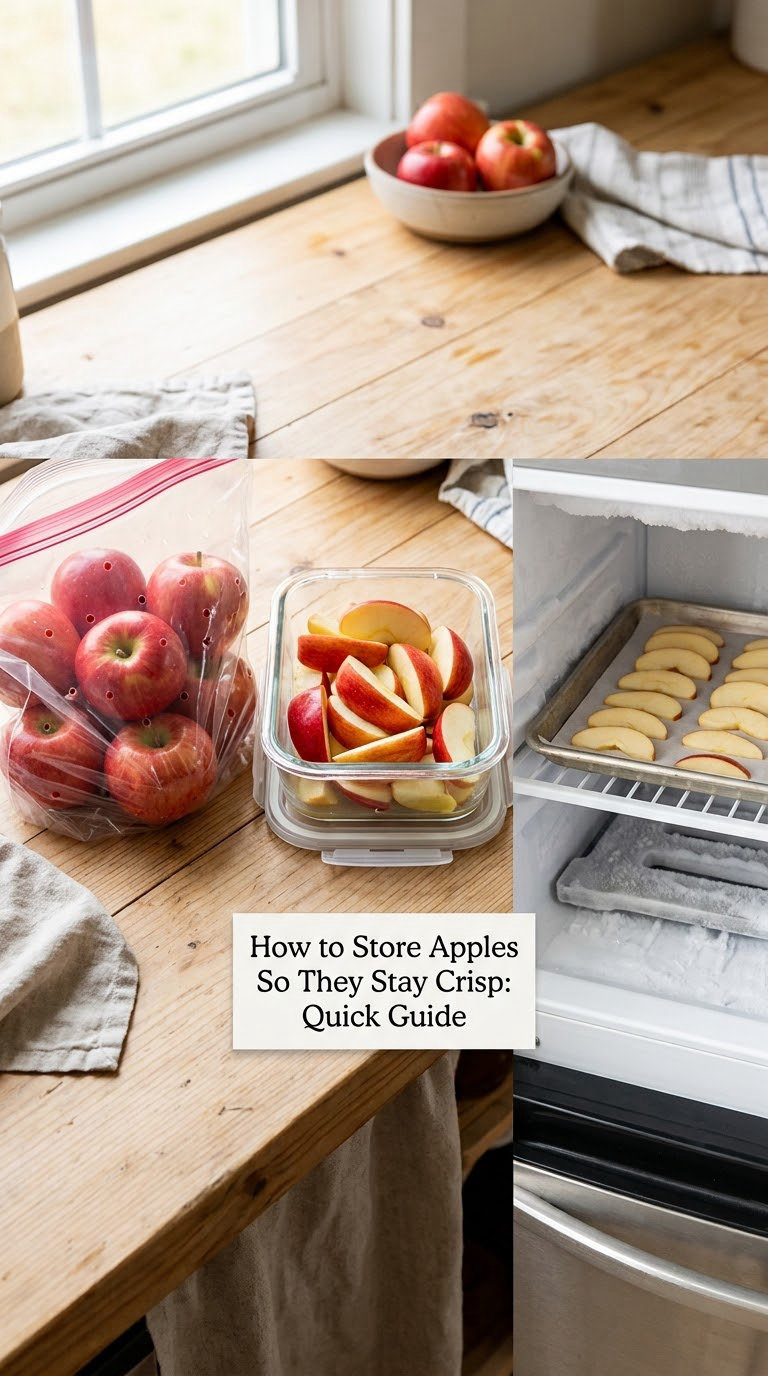
Different apples need different handling, so the method depends on whether they are whole, cut, or destined for the freezer. Here is how long each approach actually lasts.
| Method | Expected time | Best for |
|---|---|---|
| Counter, in a bowl | 3 to 7 days | Apples you plan to eat within the week |
| Refrigerator, loose in the crisper drawer | 3 to 5 weeks | Apples you eat most days of the week |
| Perforated produce bag in the crisper drawer | 4 to 8 weeks | The best all-round method for whole apples |
| Perforated bag plus a damp paper towel | 6 to 10 weeks | Granny Smith, Fuji, and long-term baking supply |
| Cut apples in an airtight container with lemon | 3 to 5 days | Lunchboxes and snack prep |
| Frozen slices | 9 to 12 months | Pies, sauce, cider, crisps, cobblers |
Cold plus humid plus ventilated is the whole idea. Everything else on this page is a detail in service of those three things.
Should Apples Go in the Refrigerator?
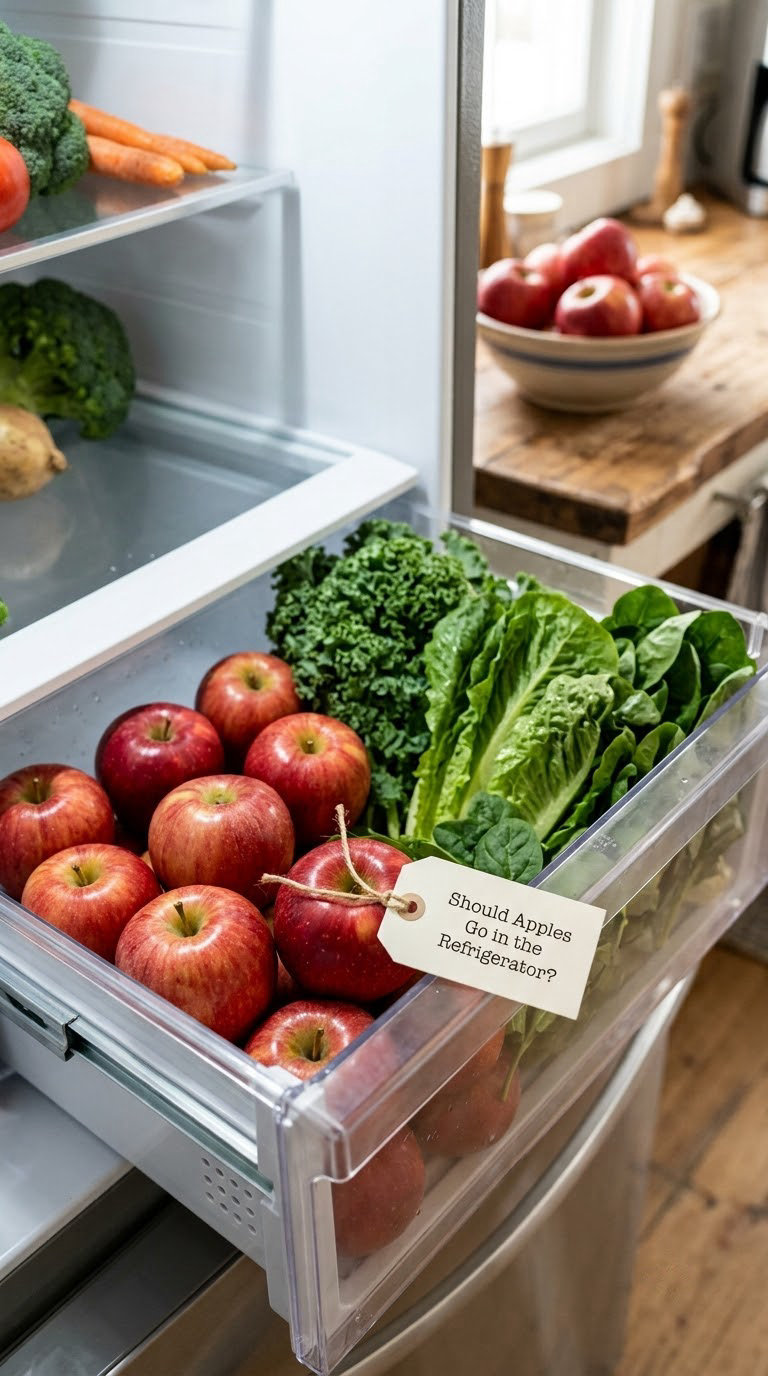
Yes. The refrigerator is the single biggest upgrade most kitchens can make, and it works on every variety.
Apples keep breathing after you pick them, and they breathe out ethylene gas, the hormone that drives ripening. Cold slows that process right down, which is why a counter apple goes soft and mealy in a few days while the same apple in the crisper drawer is still snapping after six weeks.
Home refrigerators typically sit between 32°F and 38°F (0°C to 3°C), and commercial storage for apples is usually a touch colder and much more humid, around 90 to 95 percent relative humidity. Your crisper drawer is the closest thing in a home kitchen to that setting, which is why it beats the back shelf every time.
Where exactly to put them
Use the crisper drawer if you have one, and set it to the higher humidity setting if it has a slider. Bag the apples first, or at least keep them in a small group away from anything that leaks juice.
Avoid the back of the fridge near the freezer compartment, where the air is driest and the temperature swings. That is the spot that gives you shriveled apples in three weeks.
Does putting apples in the fridge make them mealy?
No, refrigeration does not make apples mealy. Mealy texture comes from ripening and cell breakdown, and cold slows that down rather than causing it.
What people are actually noticing is flavour. Cold dulls the aroma of a ripe apple, so a fruit straight from the fridge can taste less sweet than one left on the counter, even though the flesh is firmer.
The fix I use is a rotation habit. Keep two or three apples in a bowl on the counter and move them into the fridge as you eat them, bringing new ones up from the bag. You get room-temperature flavour on the ones you are eating today and a cold, crisp backup for the rest of the week.
Keep apples away from high-ethylene fruit
Bananas, ripe pears, avocados, ripe tomatoes and peaches all give off ethylene gas, and apples sitting next to them ripen faster and soften sooner. That goes double for a bruised apple, which produces ethylene faster than a sound one.
For a large batch, separate by variety as well as by condition. Fuji and Gala ripen at different rates, and keeping them together means the softer ones spoil before the firm ones are used up.
How to Keep Cut Apples Fresh
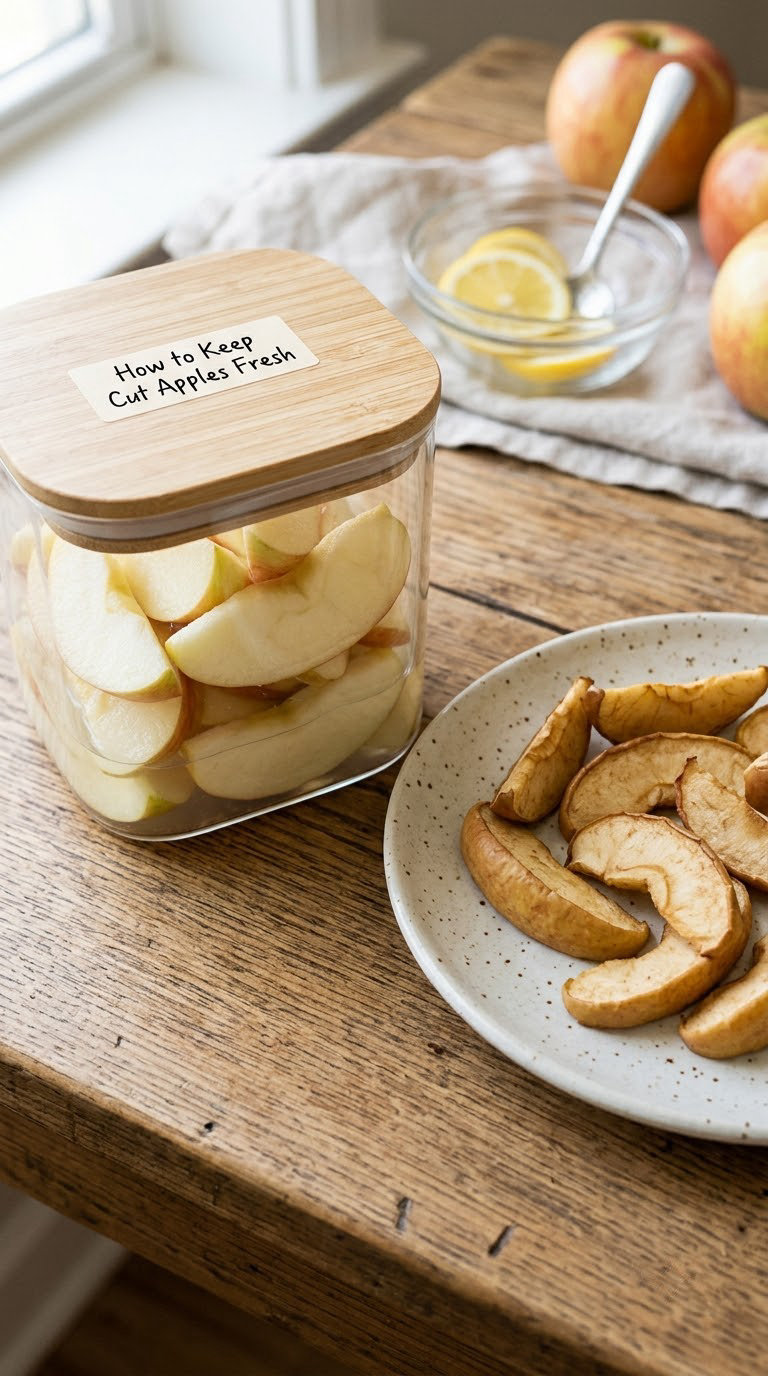
Once an apple is cut, the flesh meets oxygen and starts browning within 30 to 60 minutes. That is oxidation, not spoilage, and you can delay it for three to five days.
Why cut apples turn brown in storage
When you slice an apple, you break its cells. The enzymes inside meet oxygen and begin converting the phenolics in the flesh into brown compounds. Acid slows the reaction, which is why a squeeze of lemon works.
Storage time for cut apples in an airtight container with an acid treatment is roughly three to five days in the refrigerator. Without treatment, you usually have a good six hours to a day before colour is objectionable.
Here is the method I use for weekday lunches:
- Cut the apple right before you pack it, not the night before.
- Toss the wedges in a little lemon juice, or dip them briefly in water with a squeeze of lemon. Powdered ascorbic acid, sold as vitamin C powder, works too and does not add a lemon taste.
- Pat the wedges dry with a paper towel so they do not sit in a puddle of liquid.
- Pack them in an airtight container with a paper towel tucked along the side to absorb condensation.
- Refrigerate at or below 40°F (4°C) and eat within three to five days.
Do not skip the drying step. Water sitting in the container is what makes cut apples turn limp and cloudy, and a paper towel catches it before the fruit sits in it.
For a lunchbox with no fridge, a squeeze of lemon and a tight seal will hold the colour for most of a morning. Salt water, one teaspoon in a cup, works for a few hours too, but it softens the flesh, so I only use it for fruit eaten the same day.
Should You Use a Produce Bag or Plastic Bag?
For whole apples, use a perforated produce bag. For cut apples, use an airtight container or zip-top bag. The difference comes down to whether you want moisture in or out.
Whole apples need to shed the moisture they pick up from condensation, and ethylene gas needs somewhere to go. The holes in a perforated bag handle both. If you seal whole apples in an airtight bag, ethylene accumulates and the fruit softens faster than it would on the counter.
Cut apples go the opposite way. Once you have decided how many days they need to last, the job is to keep oxygen away from the cut surfaces, so an airtight bag or container is exactly right.
The paper towel detail most people skip
A damp, not wet, paper towel inside the perforated bag raises the humidity around the apples without trapping water on them. That single fold is the difference between apples that stay plump for six weeks and apples that are a little shriveled by week four.
Rinse the towel and re-dampen it when you do your weekly check. It should feel like a wrung-out cloth, not a wet one.
Wash them right before you eat them
Do not wash apples before storing them. The natural wax on the skin slows water loss, and running water plus brushing adds moisture to the surface, which is where mold starts.
Store them the way you want them and wash at the sink when you are about to eat one.
How to Freeze Apples for Later
Freezing is the answer for a big orchard haul, and it is the one method that keeps apples usable for a full year. The texture changes, so plan to cook with them.
- Wash, peel if you want, core, and cut into eighths or thin half-moon slices.
- Spread the slices on a baking sheet lined with parchment and freeze until solid, about 1 to 2 hours.
- Transfer the frozen slices to a freezer bag or container, press out the air, seal, and label with the date.
- Use within 9 to 12 months.
Freezing in a single layer first is the step people skip, and it is the reason frozen apple slices arrive as one solid brick. It takes an extra hour and saves the batch.
For baking, blanching is optional. A three-minute dip in boiling water holds the shape and colour a little better, but unscalded slices work fine in pies and crisps.
Thaw what you need in the fridge overnight, or go straight from freezer to pot for sauce, cider and apple butter. Adding frozen slices to a hot pan leaves you about ten minutes to cut them smaller, so dice them before they freeze if you plan to cook them whole.
How to Tell When Stored Apples Are No Longer Fresh
A good apple smells like an apple and snaps when you bite it. Take those two checks and you will rarely be fooled.
Skip anything with a soft spot that feels damp, sunken skin, fuzzy grey or white growth, or a fermented or boozy smell that hits you when you open the bag. Liquid pooling at the bottom of the bag means at least one apple has broken down and is staining its neighbours.
A whole apple with one small bruise or a slightly soft patch at the stem end is still usable. Cut the bruised area away and use the rest for snacking, sauce or baking, where softness actually helps.
Storage also affects how the skin looks. Apples that turn slightly dull or develop faint russeting are fine; shrivelling that has gone papery is not.
Nearly soft apples are still worth keeping for a few recipes rather than binning. Soft flesh shreds straight into a slaw, and it works well in a carrot ribbon salad where the dressing softens it just enough. If you want more ideas for using fruit that has turned, our refreshing salad roundup has plenty.
Common Mistakes That Make Apples Go Soft or Brown
Washing before storing. You added moisture to the surface and stripped the protective wax. Store them dry and wash at the sink.
Leaving cut fruit exposed to air. An open bowl of wedges browns within an hour. Air plus acid treatment plus an airtight seal is the combination that holds.
Trapping condensation. A sealed bag of wet apples goes soft in days. Dry them thoroughly before bagging, and use a bag with holes.
Storing apples beside bananas or ripe pears. Those fruits pump out ethylene gas, and your apples take it as a signal to ripen faster.
Overcrowding the drawer. Apples bruise each other when they are piled deep. One loose layer, or two small bags instead of one large one, gives you more usable fruit.
Freezing thin or soaked slices. Very thin slices turn to mush, and wet slices freeze into a clump. Use eighths, pat them dry, and freeze in a single layer first.
Skipping the weekly check. One bruised apple spoils its neighbours faster than the cold preserves them. Two minutes on Sunday buys you another week.
Frequently Asked Questions
How long do apples stay crisp in the refrigerator?
Whole apples stored in a perforated produce bag in the crisper drawer stay crisp for four to eight weeks, and a damp paper towel inside the bag can stretch that toward ten. Loose apples in the drawer without a bag last three to five weeks. Cut apples keep three to five days in an airtight container with a little lemon juice or ascorbic acid added.
Why do cut apple slices turn brown in storage?
Cutting breaks the apple’s cells and exposes the enzymes inside to oxygen, which triggers a browning reaction in the flesh. It is oxidation rather than spoilage, so the fruit is still safe to eat. A quick dip in lemon juice or powdered ascorbic acid slows the reaction, and an airtight container keeps the oxygen away from the cut surfaces.
Can you revive soft apples that have been stored too long?
Not really, and it is worth knowing before you try. Once the cells have broken down and the flesh has gone mealy, cold cannot put the structure back. Move those apples to the counter for an hour, which softens them slightly and improves the flavour for eating, but for baking, sauce or apple butter a mealy apple is exactly what you want.
Should apples be stored with bananas, pears, or other fruit?
Keep them apart. Bananas, ripe pears, avocados, peaches and ripe tomatoes all release ethylene gas, the ripening hormone that makes apples soften and turn mealy faster. A single bruised apple also releases more ethylene than a sound one, which is why sorting bruised fruit out of the bag weekly protects the rest of the batch.
Why do refrigerated apples become soggy?
Sogginess comes from trapped moisture, not from cold. Washing apples before storing leaves surface water that has nowhere to go in a sealed bag, and condensation collects inside an airtight container. Dry your apples well, use a perforated bag with a damp rather than wet paper towel inside, and keep cut fruit on a paper towel so liquid does not sit against the flesh.
Can you freeze apples without blanching them first?
Yes, and for most home cooks it is simpler. Freezing in a single layer on a parchment-lined tray before bagging is the part that matters most, because it stops the slices freezing into one solid block. A short blanch in boiling water, about three minutes, holds the shape and colour slightly better, which is useful if you are freezing for pies.
Conclusion
Start tonight. Bag the apples you already own in a perforated produce bag, leave them unwashed, and put them in the crisper drawer away from the bananas. Do the two-minute check each week and pull out anything bruised before it takes the rest with it.
That single habit, knowing how to store apples so they stay crisp, is most of the battle. Cut fruit gets lemon and an airtight container, and anything beyond that goes to the freezer rather than the trash.