
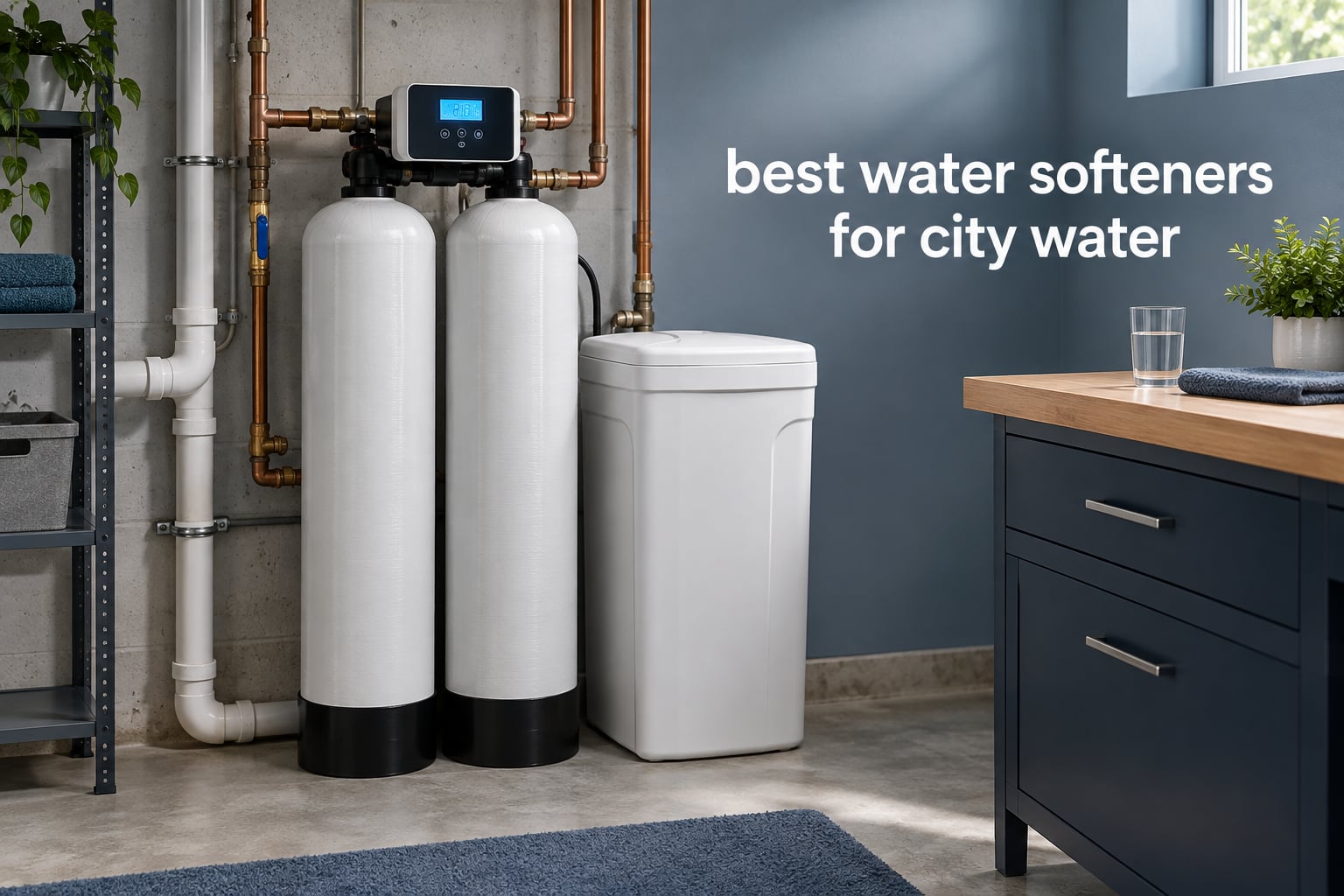
A city water softener is a salt-based ion exchange system installed on your main line that swaps calcium and magnesium for sodium, removing the hardness minerals that leave scale in everything you own. The best water softeners for city water are the ones that survive what municipal supply actually delivers: chlorine or chloramine that slowly attacks standard resin, sediment from aging mains, and enough household demand to justify real grain capacity.
City water is treated for safety but not for softness, so hardness varies block to block inside a single city. Chlorine tints the taste, chloramine resists carbon filters, and both work on the resin bed that does the actual softening.
We compared twelve whole house systems on grain capacity, flow rate, certification, control valve design and verified review data. If you want the basics first, our guide to whole home water softeners for hard water covers sizing before municipal specifics.
Our top pick: the Aquasure Harmony 48,000 Grain is the strongest all-round choice for most city households, pairing a digital metered head with a built-in carbon and sediment pre-filter that addresses chlorine directly. The AFWFilters Fleck 5600SXT is the better value when a repairable valve matters most, and the Aquasure 72,000 triple bundle wins when filtration matters as much as softening.
Table of Contents
Top 3 City Water Softener Picks in 2026

Aquasure Harmony 48,000 Grain
- 48000 grain capacity
- Carbon and sediment pre-filter
- Digital metered head
AFWFilters Fleck 5600SXT 48,000
- Fleck 5600SXT metered valve
- Double backwash
- Brine tank included

Aquasure 72,000 Triple Bundle
- 72000 grain capacity
- Dual sediment and GAC pre-filter
- 75 GPD reverse osmosis
All 12 Best Water Softeners for City Water at a Glance
| Product | Specifications | Action |
|---|---|---|
| Aquasure Harmony 48,000 Grain |
|
Check Latest Price |
| AFWFilters Fleck 5600SXT 48,000 |
|
Check Latest Price |
 Tier1 48,000 Grain System Tier1 48,000 Grain System |
|
Check Latest Price |
 Aquasure 64,000 Grain and RO Bundle Aquasure 64,000 Grain and RO Bundle |
|
Check Latest Price |
| Aquasure 72,000 Grain Triple Bundle |
|
Check Latest Price |
 Kenmore 350 32,000 Grain Kenmore 350 32,000 Grain |
|
Check Latest Price |
 Aquasana SimplySoft 60,000 Grain Aquasana SimplySoft 60,000 Grain |
|
Check Latest Price |
 iSpring WCSTB45KG 45,000 Grain iSpring WCSTB45KG 45,000 Grain |
|
Check Latest Price |
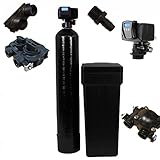 DuraWater Fleck 5600 SXT 64,000 DuraWater Fleck 5600 SXT 64,000 |
|
Check Latest Price |
 PRO+AQUA 80,000 Grain PRO+AQUA 80,000 Grain |
|
Check Latest Price |
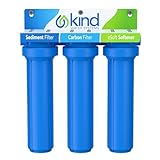 Kind Water Systems E-3000 Kind Water Systems E-3000 |
|
Check Latest Price |
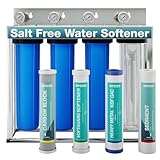 NU Aqua 4-Stage Salt Free System NU Aqua 4-Stage Salt Free System |
|
Check Latest Price |
1. Aquasure Harmony 48,000 Grain – Best Overall City Water Softener
- Triple purpose sediment
- carbon and zinc pre-filter that targets chlorine
- VOCs and heavy metals
- Programmable backlit digital metered control head
- Fiberglass-lined polyethylene tank with durable bypass valve
- Five-year extended warranty with lifetime support on registration
- Resin bags can split in transit and beads spill during filling
- Drain tubing and fittings are sold separately
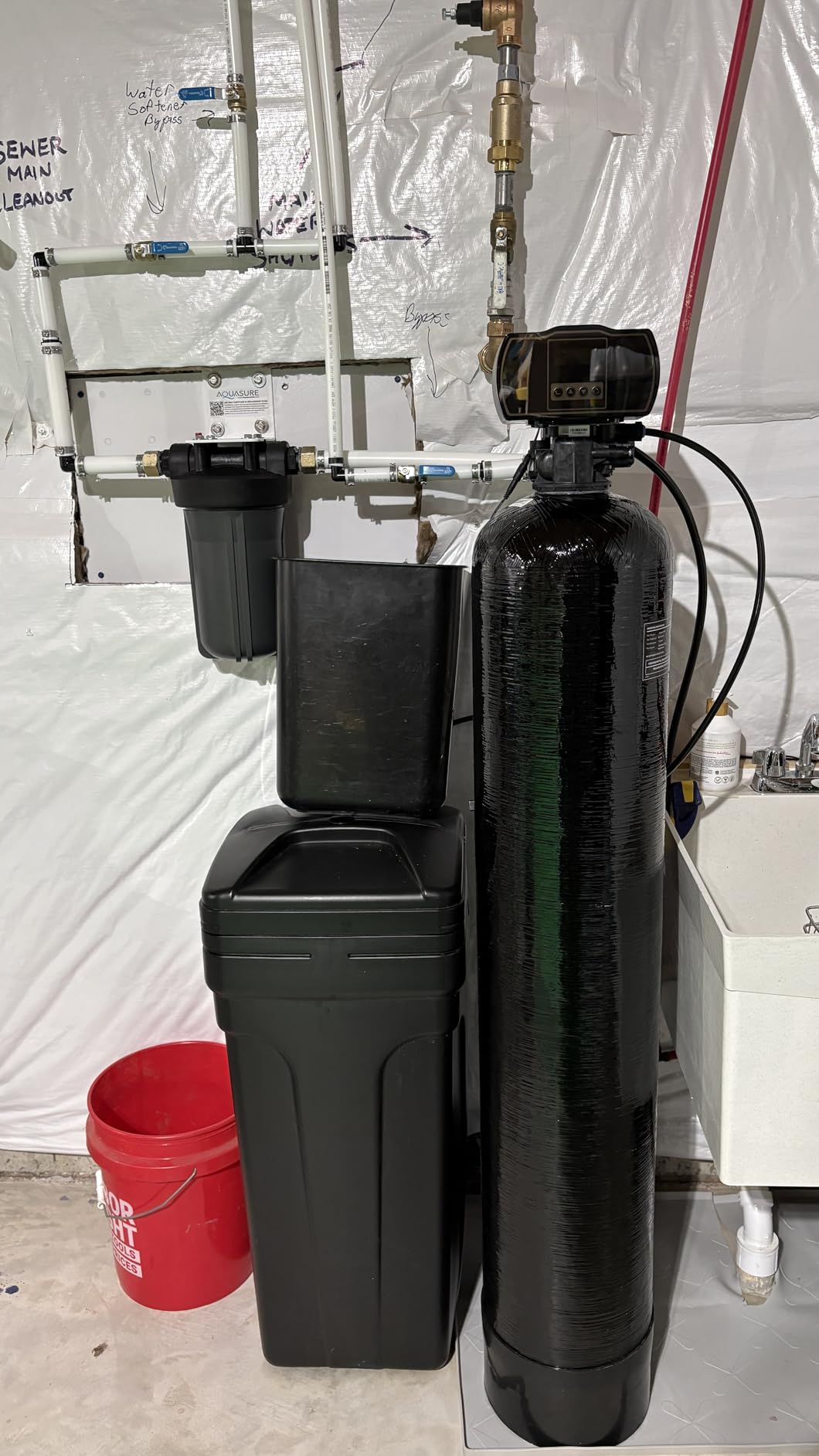
This is the system I keep returning to for municipal supply because it does two jobs at once. The ion exchange bed removes hardness, and the factory pre-filter strips chlorine before it reaches the resin. Most systems in this list make you buy that filter separately.
Reviewers report scale disappearing from glassware and shower doors within days, less soap per load, and quiet automatic operation. With 3199 reviews behind a 4.4 average, it is the most experienced system here.
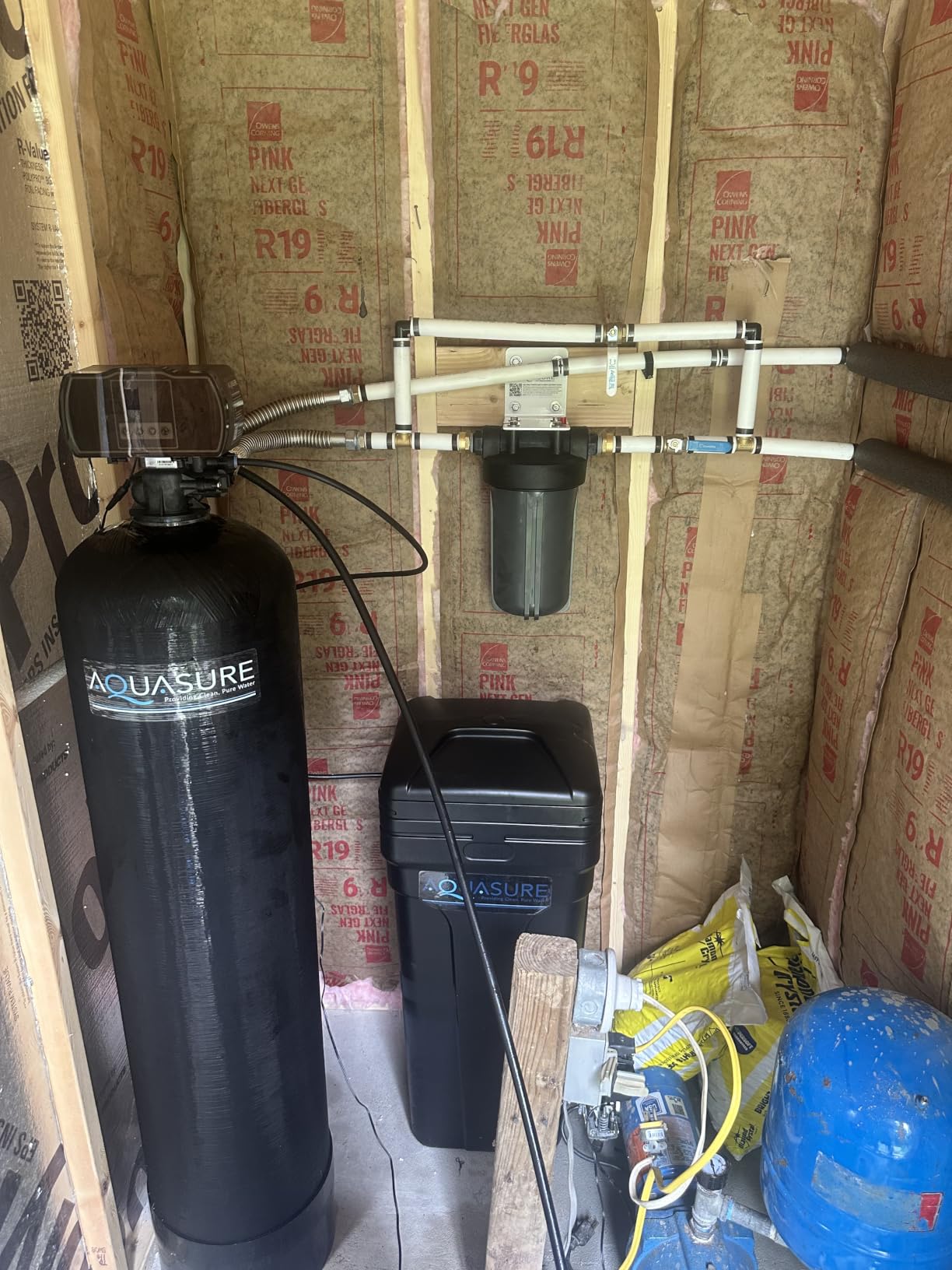
Capacity suits a household of three or four with two to three bathrooms, and 12 gpm maximum flow clears typical demand without pressure drop. The tank measures 10 by 10 by 62 inches at 120 pounds, so plan the install path before delivery.
The tradeoffs are modest. You are not buying a Fleck valve here, so long-term service depends on Aquasure parts rather than a head used across the industry. Drain line and fittings are also bought separately.
What changes in the first two weeks
The most reported win is not taste, it is soap and detergent use. Hardness minerals are what force extra surfactant, so less powder per load is the change most households notice first.
Set the control head to match your household size and hardness rather than leaving factory settings, since that determines how much salt you waste.
What to sort out before you order
Check that you can hand fill the resin tank. Reviewers call pouring resin the hardest part of the install, and a second pair of hands plus tape on the funnel makes it painless.
Register within 60 days for the extended warranty and support, and confirm a floor drain or approved disposal point sits near the install spot.
2. AFWFilters Fleck 5600SXT 48,000 Grain – Best Value Ion Exchange System
AFWFilters 5600sxt Metered On-demand 48,000 Grain Water Softener with brine tank, bypass and 1″ adapters
- Fleck 5600SXT digital metered valve with on-demand regeneration
- Double backwash flushes the resin bed more thoroughly
- Owners report hardness dropping from about 19 gpg to under 1 gpg
- Very low salt use with about one bag every two months
- No drain line
- silicone lube or extra fittings included
- Pouring resin into the tank is the hardest installation task
- Printed instructions are thin
The Fleck 5600 SXT is the control valve that most other systems here imitate. It meters gallons actually used, regenerates on demand, and can be serviced with common tools by any determined homeowner.
Reviewers report hardness falling from roughly 19 gpg to under 1 gpg, the best measured result any of these picks describes. Many owners also get through about one salt bag every two months, which is where metered design pays for itself.
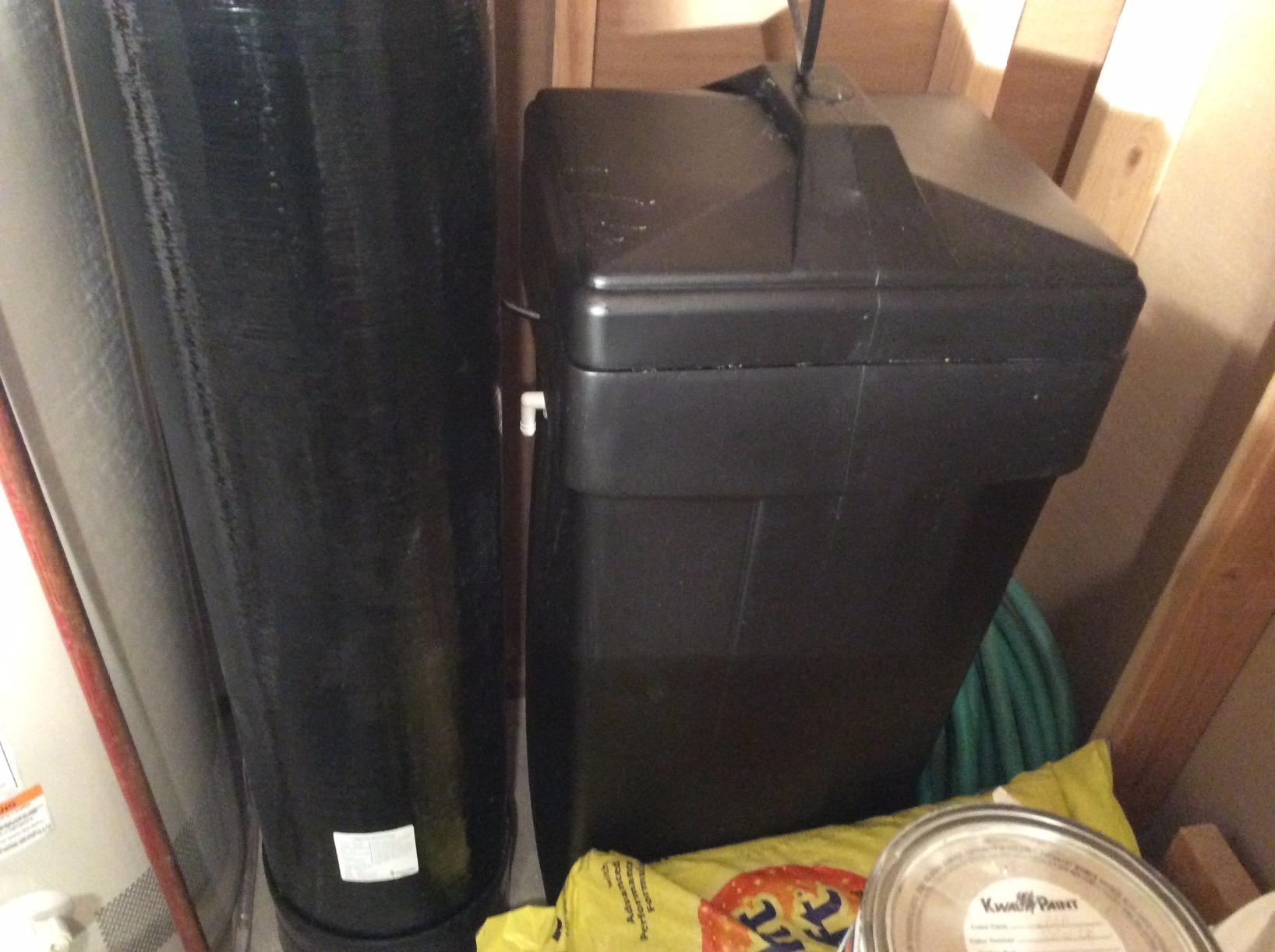
At 48,000 grains it covers a typical family of four on municipal supply. It handles up to 300 ppm TDS and water up to 140 degrees F, wider than most units here, and many owners use Shark Bite fittings to avoid soldering.
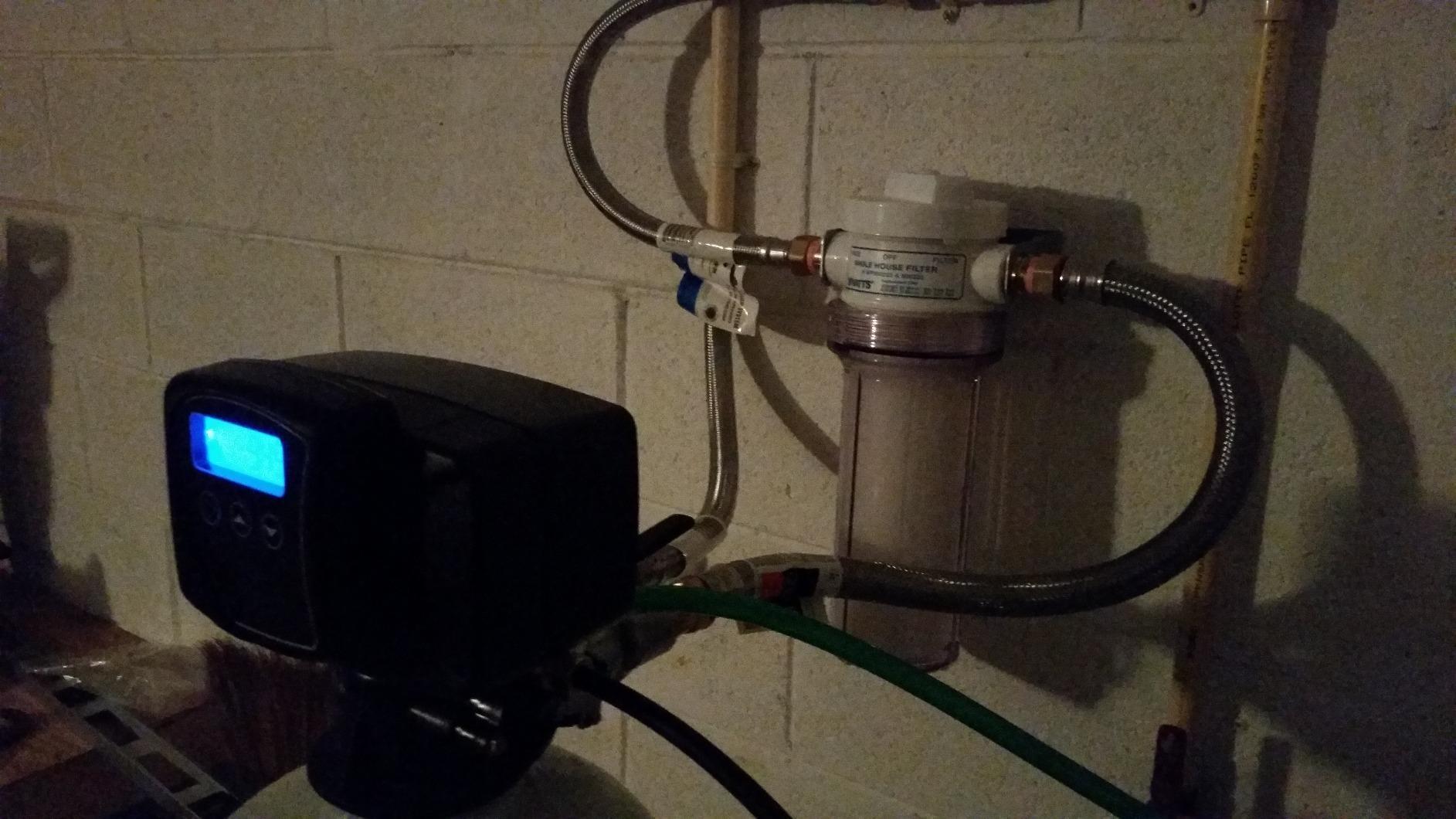
The package includes the brine tank, bypass valve, 1 inch adapters and inlet and outlet hoses, a better starter kit than most bare systems. You still need a drain line and fittings.
Why repairability is the deciding factor
Parts availability dominates owner recommendations, and this is the reason. On r/WaterSofteners and r/WaterTreatment, Fleck and Clack come up repeatedly as brands people fix at home because parts are sold everywhere.
You also get double backwash, which flushes the resin more thoroughly and helps extend its life on sediment-heavy city water. Over a decade of service that matters.
Setup details that trip people up
Fill the brine tank with water before the first regeneration, the most repeated advice in the reviews. Then set capacity in master programming rather than accepting factory defaults.
Pouring resin is the slowest step, so set aside an unhurried afternoon. If plumbing is not your strength, the included fittings let a plumber finish in a single visit.
3. Tier1 48,000 Grain – Best for 4-5 Bathroom Homes
Tier1 48,000 Grain Water Softener System for 4-5 Bathroom Homes
- Patented ceramic disk valve that resists abrasion and corrosion
- Preloaded with 1.5 cu ft of NSF ANSI 44 certified cation resin
- 18 gpm maximum flow for whole house use
- Ten-year limited tank warranty extendable on the valve
- Some owners report a fixed regeneration cycle roughly every 30 days
- Maximum supported TDS of 120 ppm
- Indoor-only installation is not clearly disclosed
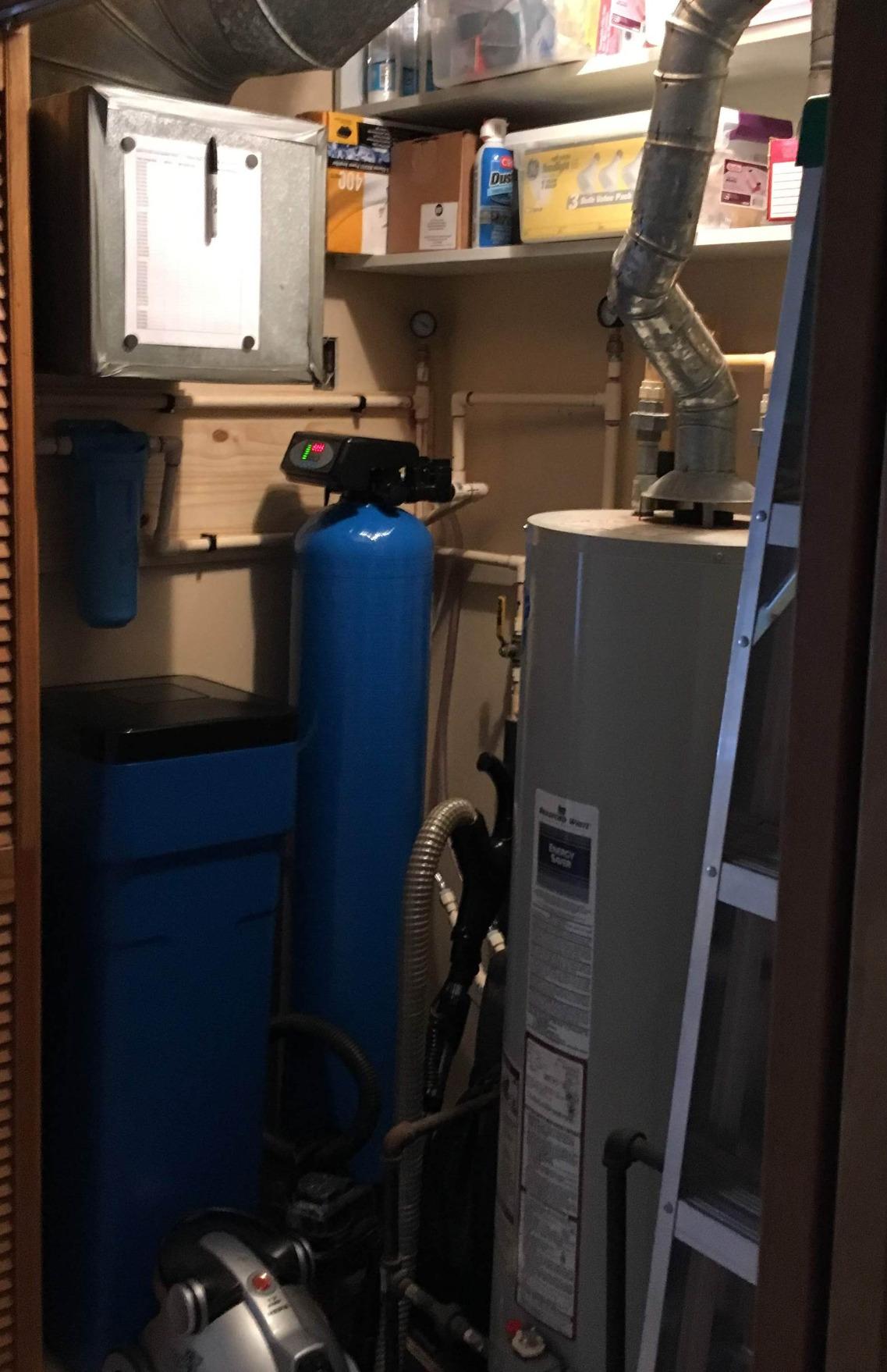
This one suits busy homes where several bathrooms run at once and a 7 gpm valve would feel the pinch. The 18 gpm maximum flow is the highest of any ion exchange system here, and that headroom shows on mornings when showers and a laundry cycle overlap.
The ceramic disk valve resists abrasion and corrosion without rebuild kits, which matters over a long service life in chlorinated supply. Owners also describe the operation as very quiet.
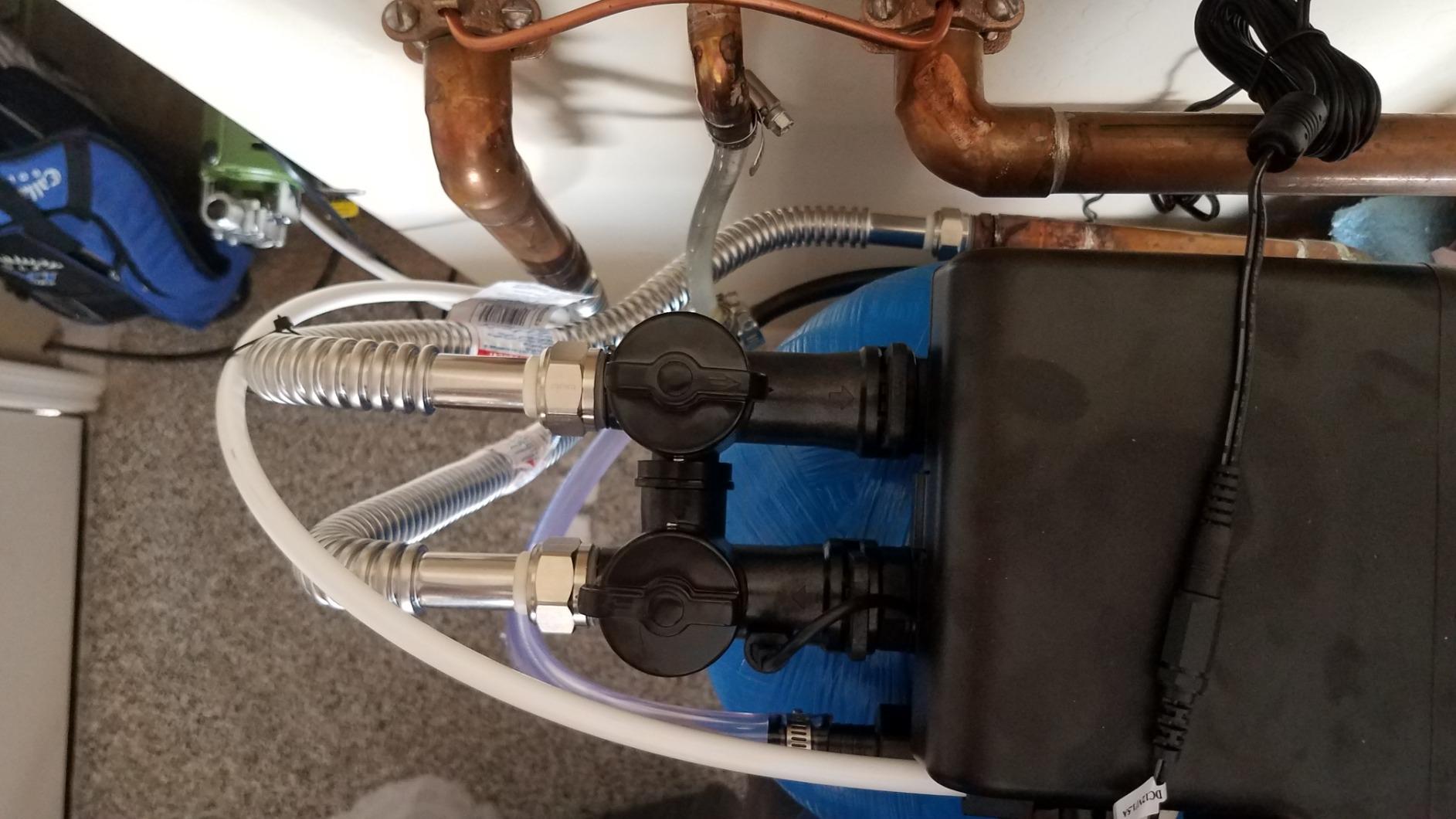
Resin arrives preloaded, so you skip the pouring step entirely. Operating range is 20 to 87 psi and 40 to 120 degrees F, with a 10 year tank warranty that extends on the valve once registered.
Check one number before buying. Listed maximum TDS is 120 ppm, below what some municipal supplies deliver, so read your utility report first.
When the metered claim deserves a second look
The sharpest complaint is that some owners see a fixed regeneration cycle roughly every 30 days rather than true on-demand triggering. That gap matters because a time clock burns salt and wastewater on days you are away.
If metering accuracy tops your list, read recent reviews on regeneration timing and ask support directly how the valve counts usage.
Where this model fits
It suits a household of four to five with four or five bathrooms and moderate hardness. Preloaded resin, quiet valve and high flow make it straightforward for a DIY buyer.
Skip it if you need higher flow, have elevated TDS, or cannot install indoors, since the listing does not clearly state that location requirement.
4. Aquasure 64,000 Grain and 75 GPD RO Bundle – Best for Drinking Water Upgrades
- Softener and 75 GPD reverse osmosis drinking system in one bundle
- Aquatrol control head reduces water use and maintenance
- Owners report drinking water tasting better than bottled
- Zero leakage after pressurisation
- Up to five-year warranty with lifetime tech support
- RO water line needs softening in hot water before it fits the faucet
- RO tubing instructions are not the clearest
- Occasional long-term salt-draw issues
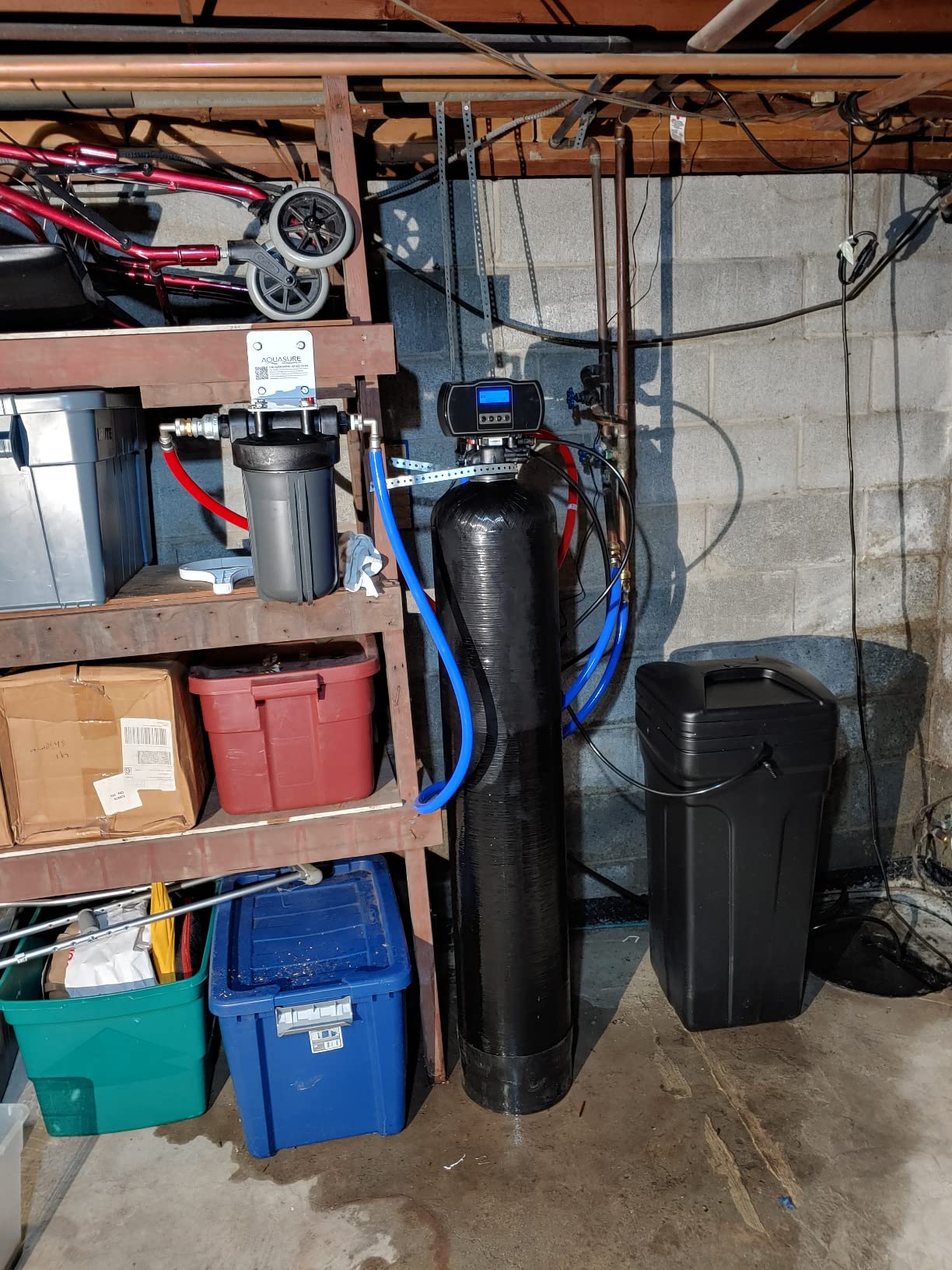
Softening the whole house does not make drinking water taste better, so this package pairs a 64,000 grain softener with a dedicated 75 GPD reverse osmosis system at the sink. That is the complaint most city households have.
Owners report well odor fully eliminated and drinking water that tastes better than bottled. Municipal chlorine is the usual culprit, and a softener does not remove it, which is why so many households add a second stage.
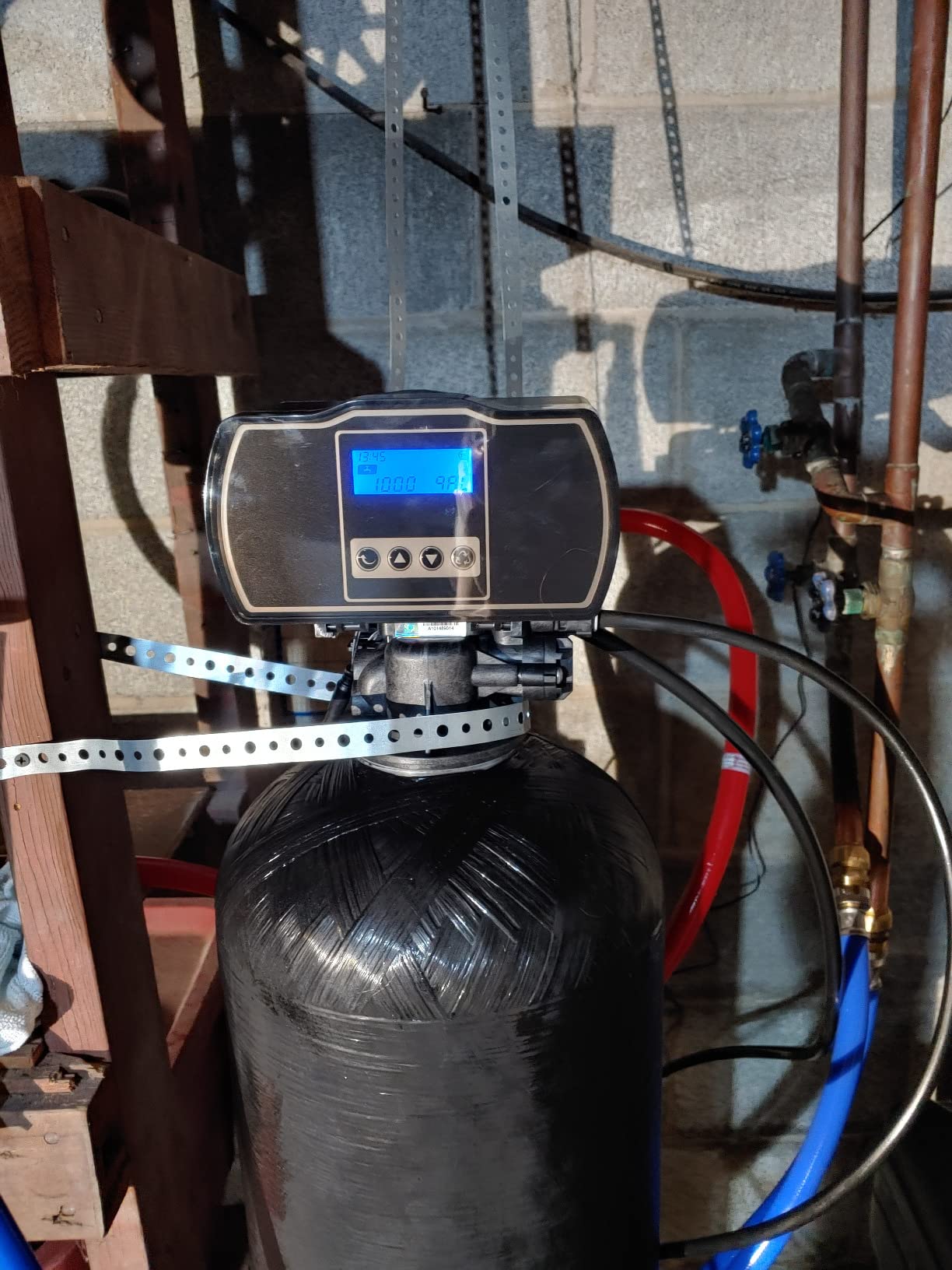
It targets homes with four to six or more bathrooms, and the softener half carries the automatic digital metered Aquatrol head. The drinking side handles up to 2000 ppm TDS, well above city supply.
Reviewers call out zero leakage after pressurisation, a direct result of the fitting quality. Support runs on lifetime technical help with spare parts listed at five years.
Who gains the most from this pairing
Households that already softened and still dislike the drinking water taste. Reverse osmosis strips chlorine, sediment and dissolved minerals at the faucet where the softener cannot.
It also suits anyone who wants one purchase rather than two separate systems, and reviewers note savings against hiring an installer for two jobs.
The install step that catches people
The RO water line needs to run through hot water before it will fit the faucet connection. Owners who skip that step end up with a supply line that will not seal at the tap.
Salt-draw issues appear occasionally after extended use and need a support diagnosis, which is another reason to register the product and keep the paperwork.
5. Aquasure 72,000 Grain Triple Bundle – Best for Filtration Plus Softening
Aquasure Whole House Water Filtration Bundle w/Water Softener, 75 GPD RO System & Dual Purpose Sediment/GAC Pre-Filter (72,000 Grains)
- Three-in-one package with softener
- pre-filter and reverse osmosis
- Automatic metered regeneration with programmable backlit display
- Owners report silky soft water and RO output around 16 PPM
- Support resolved RO faults from customer photos
- Videos and instructions make setup approachable
- Correct feed water adapter for the RO faucet is not included
- RO faucet is a reported weak point
- Table salt is not included and must be ordered separately
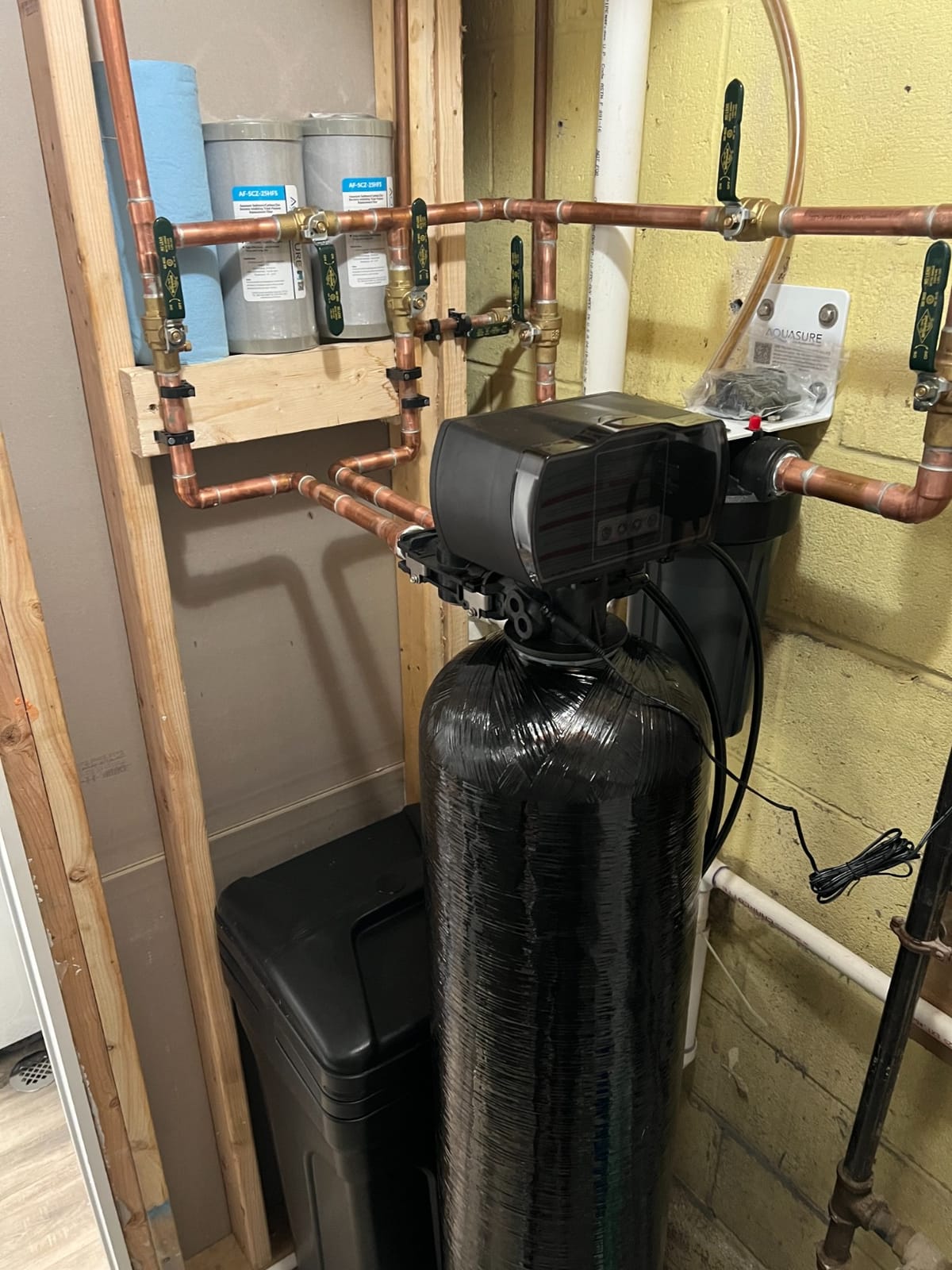
This is the most complete treatment package here and the one that best matches how city water behaves. You get a 72,000 grain softener, a dual sediment and granular carbon pre-filter, and a 75 GPD four stage reverse osmosis drinking system in one order.
The pre-filter matters more than most buyers realise. Granular carbon handles chlorine and VOCs that municipal supply carries, and pairing it upstream of the resin bed is the cheapest way to protect the softening media.
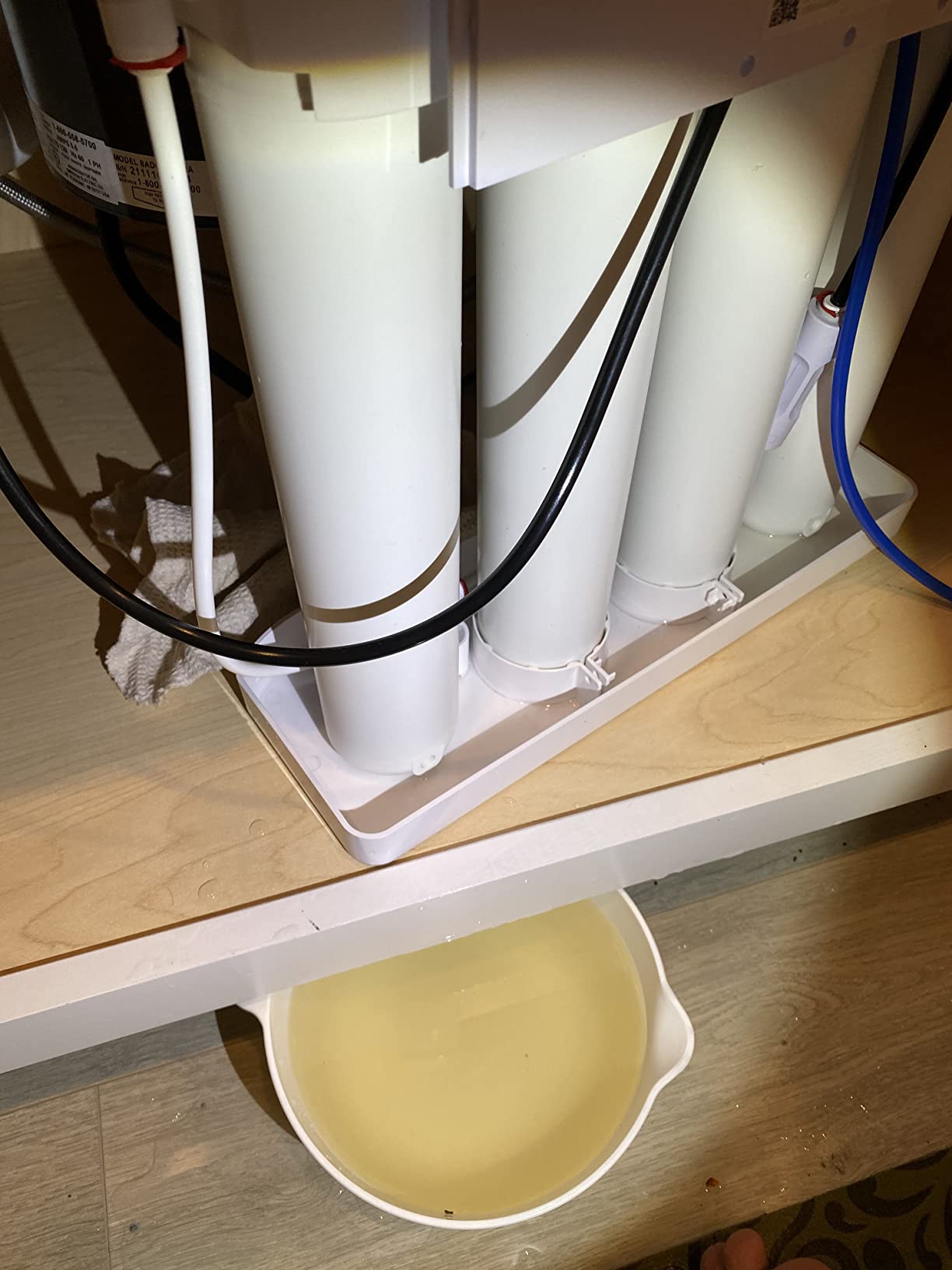
Measured results are the selling point. Owners report RO output around 16 PPM, a real number rather than a marketing line. The softener half runs on a fully programmable digital metered head and covers homes of one to six bathrooms.
Support stands out, with technicians diagnosing RO faults from customer photos instead of shipping parts. Videos and written instructions make the softener half approachable for a first-time installer.
What the three stages each solve
The pre-filter catches sediment and chlorine, protecting the resin and improving taste at every tap. The softener handles hardness across the house, protecting the water heater, dishwasher and washing machine from scale.
Reverse osmosis sits at the drinking glass, stripping dissolved solids and residual taste that neither other stage removes. Pre-filter cartridges run on a six-month cycle.
Where owners report problems
The RO faucet is the most common complaint and can fail within months, so treat it as a consumable part. The correct feed water adapter is not included either, and you need to source it before install day.
Table salt is not in the box, which matters when you are filling a brine tank on a Saturday. Register for the five-year extended coverage at the same time.
6. Kenmore 350 32,000 Grain – Best for Small Homes and Tight Spaces
Kenmore 350 Whole House Water Softener System, 32,000 Grain, 1-4 People
- IntelliSoft learns household usage and regenerates only when needed
- Compact footprint suited to tight utility rooms
- High flow 3/4 inch valve maintains water pressure
- Built-in sediment shield
- Digital display tracks flow rate and salt levels
- 32000 grain capacity is sized for only 1-4 people
- 7.2 gpm maximum flow is lower than most high capacity systems
Not every house needs 60,000 grains. For a couple or a small family this Kenmore covers demand without a large tank taking over the utility room, and its metering trims salt use on a light water footprint.
The warranty split is among the more generous here: one year full, three years on electronics and ten years on the tank, which beats several cheaper units carrying a single year across the board.
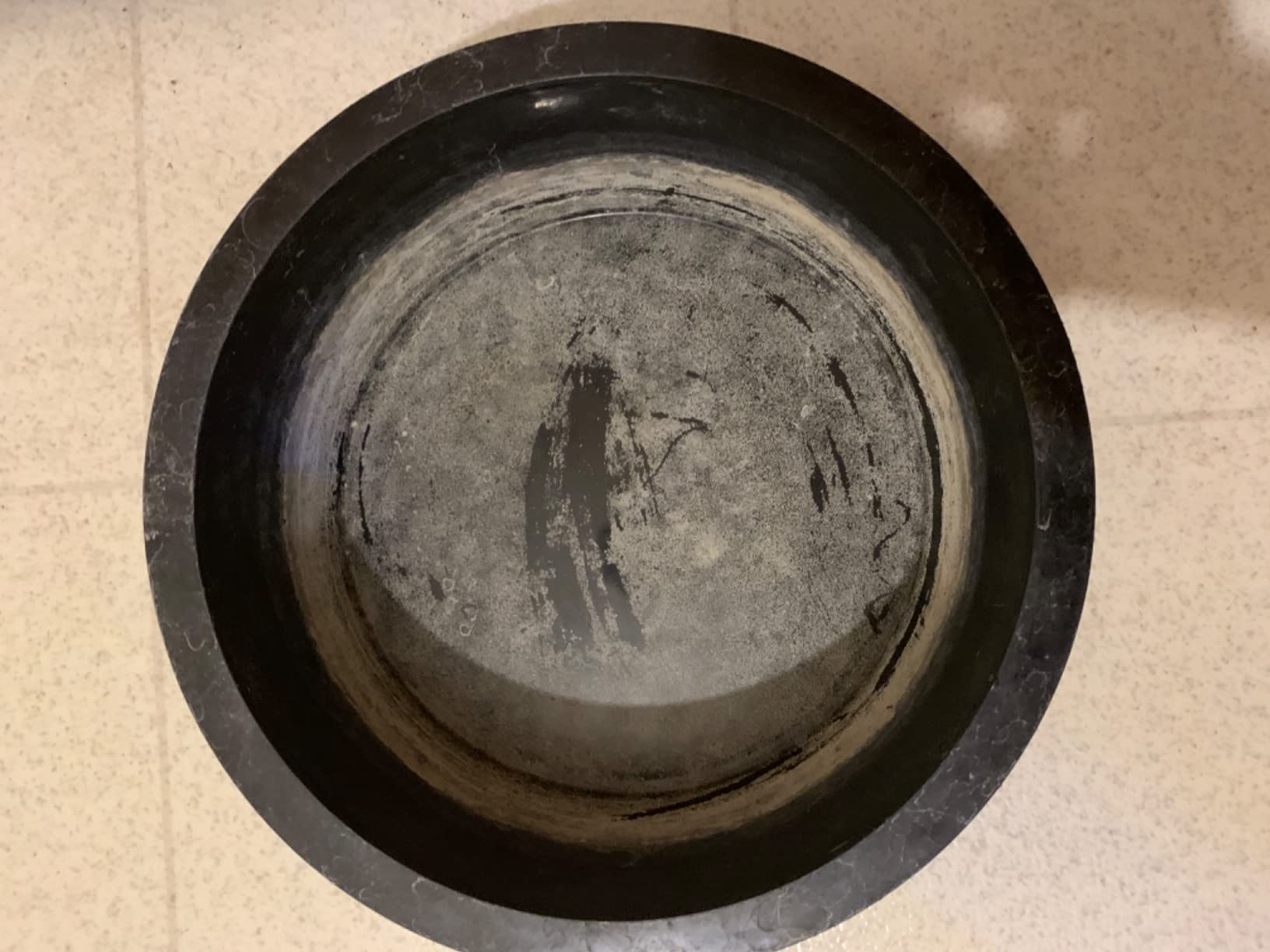
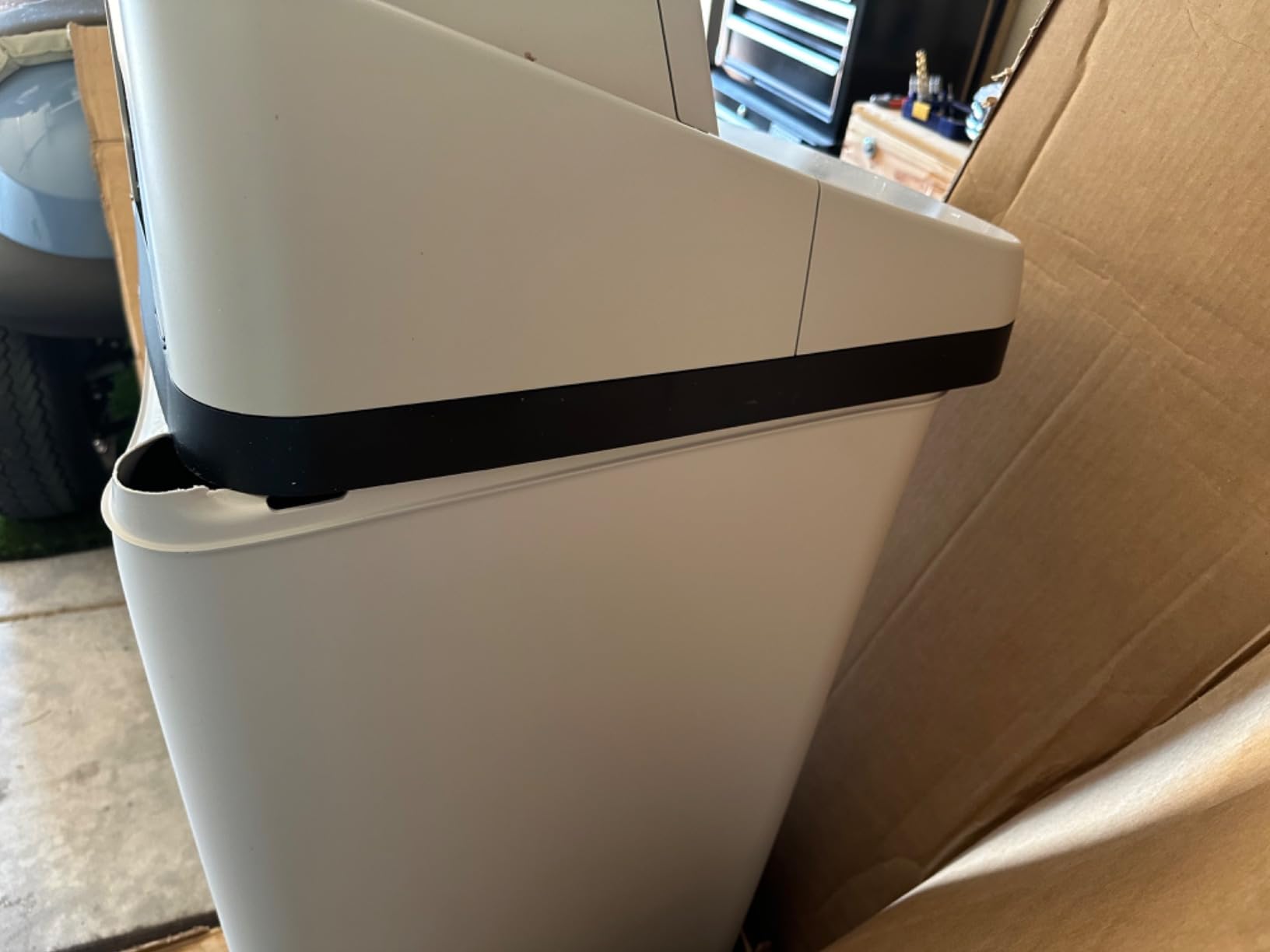
At 20.5 by 15 by 48 inches and 80 pounds it is the easiest unit here to maneuver into place. It handles up to 250 ppm TDS across 20 to 125 psi, and NSF certification means the hardness claim is third-party verified.
Owners value the digital display showing flow rate and salt levels, and the built-in sediment shield that catches rust from older mains, which matters more in city water than on a treated well.
What smaller capacity actually gets you
32,000 grains is honestly sized for one to four people. If your household runs two laundry loads, several showers and a dishwasher in the same window, you will feel the limit before the saving.
For a couple on moderate municipal hardness this is the sweet spot, with real ion exchange, real metering and a small footprint.
Where the flow rating gets limiting
The 7.2 gpm maximum flow is the lowest of any large-capacity system listed, and it is the spec most worth checking against your peak demand. A 3/4 inch valve helps maintain pressure but cannot create flow.
Operating mode is listed as manual or gravity-fed, so confirm the electrical requirement for your chosen spot before buying.
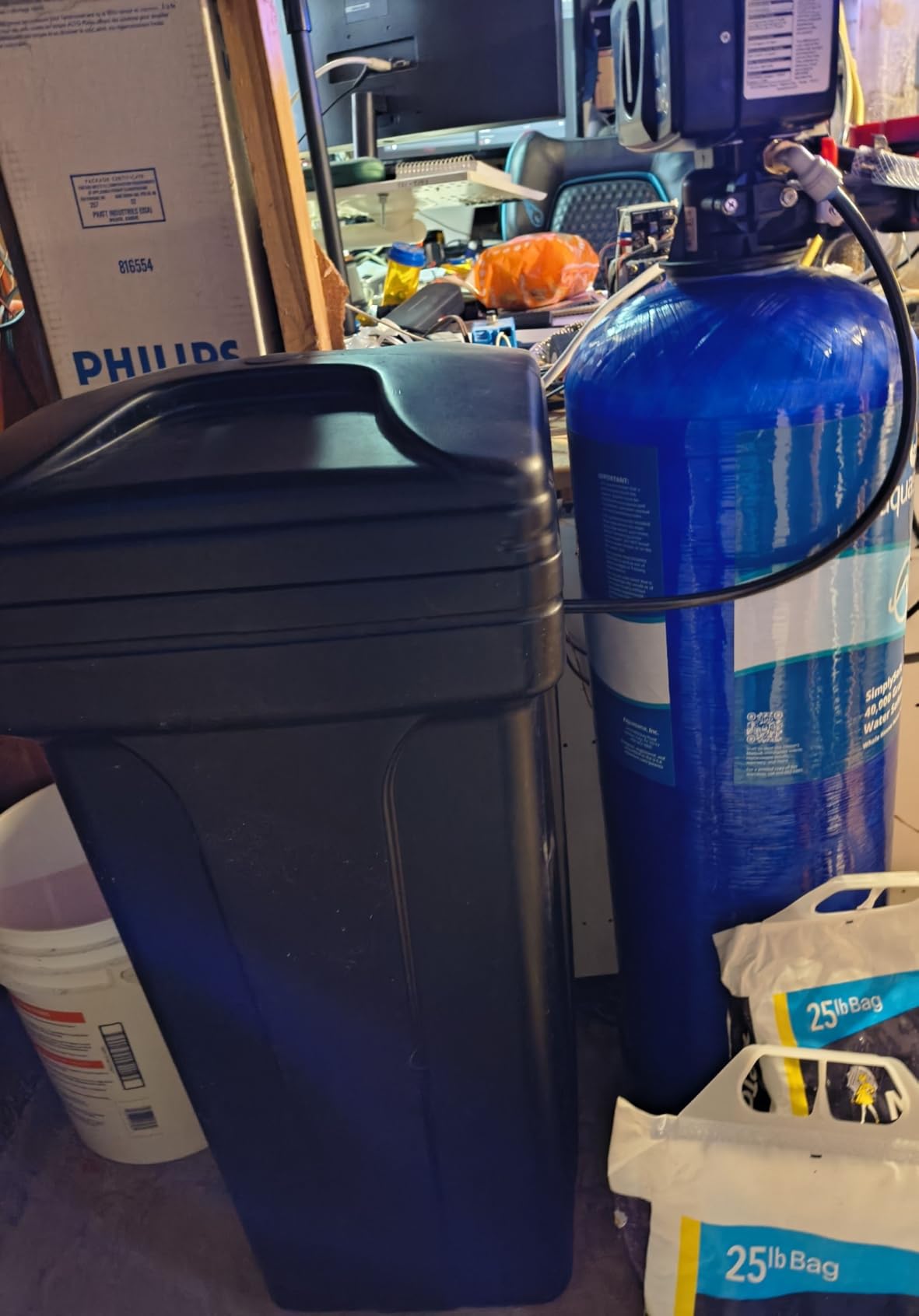
7. Aquasana SimplySoft 60,000 Grain – Best for Independently Certified Systems
Aquasana SimplySoft Whole House Water Softener | 60K Grain | WH-SF60-BASE
- IAPMO certified to NSF ANSI 44 for hardness reduction and to CSA B483.1
- Metered mode claims 50 percent less salt and 28 percent less water
- 16.6 gpm maximum flow suits homes of 5 or more
- Base tank and cabinet format keeps the install tidy
- Works on both city and well water
- Sold as a base tank and cabinet system with pre-filter sold separately
- One of the highest costs per grain among the ion exchange units here
Verification is the argument here. This unit is IAPMO certified to NSF ANSI Standard 44 for hardness reduction and to CSA B483.1, independent proof that it does what the listing claims.
It is built for larger households. At 60,000 grains and 16.6 gpm maximum flow it targets homes of five or more with four or more bathrooms, handling up to 2000 ppm TDS at 20 to 125 psi.
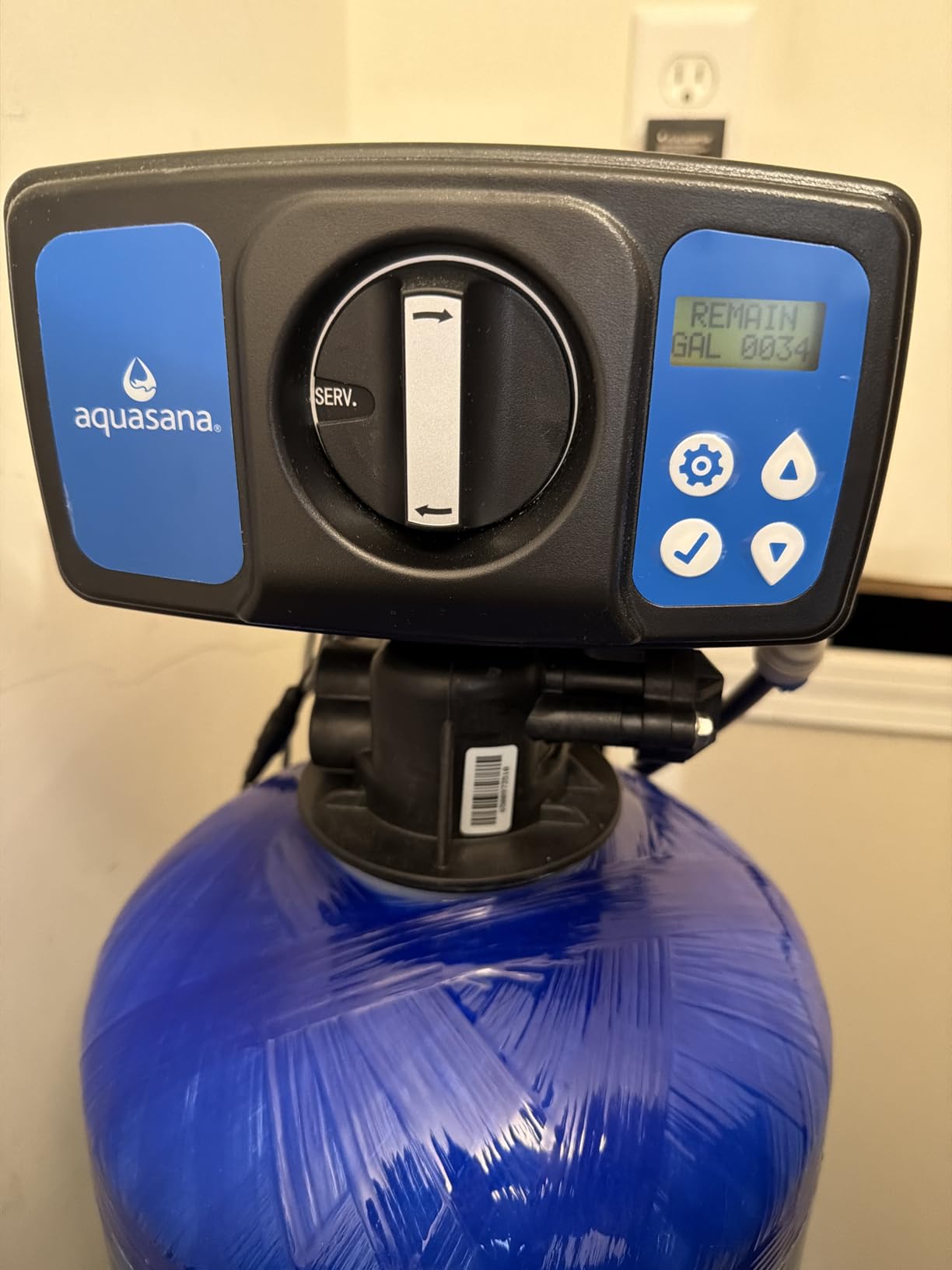
The metered control is the efficiency story. The listed claim is 50 percent less salt and 28 percent less water than time-clock regeneration, exactly the waste you avoid when a fixed schedule flushes whether you need it or not.
The base tank and cabinet format keeps plumbing tidy in a finished utility room, and the 30 by 16 by 43 inch footprint sits neatly against a wall.
Who should pay for independent certification
If you are filtering water your family drinks, third-party certification answers a question you cannot test at home. NSF ANSI 44 verifies hardness reduction specifically.
It is also right if you want to add treatment later without changing the layout, since the base system is designed to grow.
What the base configuration leaves out
This arrives as a base tank and cabinet, with the pre-filter sold separately under a different part number. On city water that pre-filter is not optional in practice.
Cost per grain is the highest among the ion exchange systems here, a fair trade for certification and flow but worth weighing against a lower-cost unit of similar capacity. Confirm the 100 degrees F upper rating suits your install space.
8. iSpring WCSTB45KG 45,000 Grain – Budget Pick for City Water
iSpring WCSTB45KG 45,000 Grains Whole House Water Softener with Brine Tank
- Third-party tested to reduce 99.71 percent of water hardness
- 45000 grain capacity at the lowest entry point in this roundup
- Programmable automatic control valve with real-time digital display
- Automatic backwash and regeneration extend resin life
- Compatible with both city and well water
- Only a one-year manufacturer warranty
- the shortest in this group
- Mixed tail of reviews on valve reliability
This is the cheapest way into real ion exchange at a useful capacity. At 45,000 grains with automatic backwash and regeneration, it covers a typical three or four person household on municipal supply.
The test result is the headline: 99.71 percent hardness reduction. Automatic backwash extends resin life by flushing the bed more often, which helps on city mains delivering sediment.
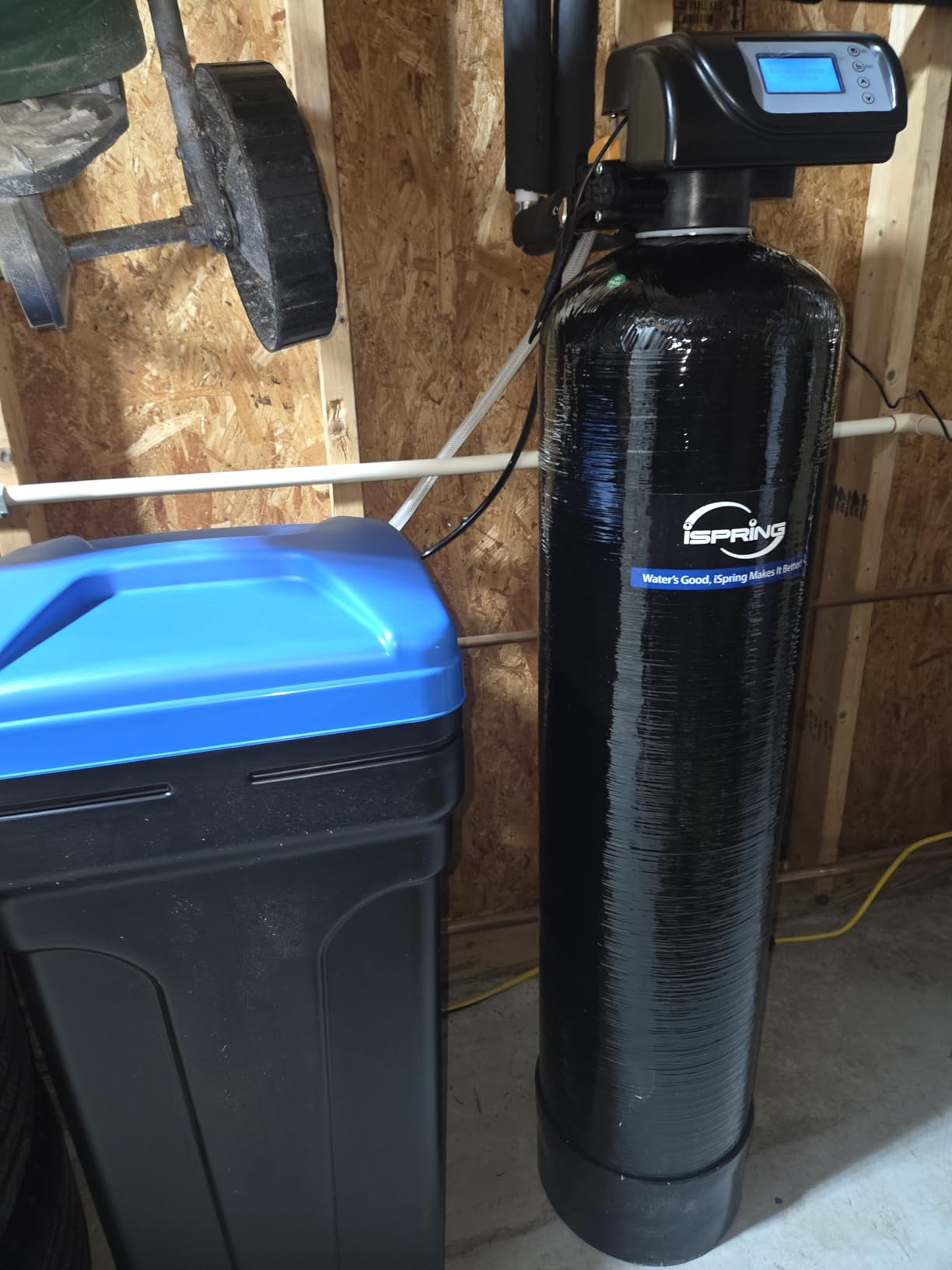
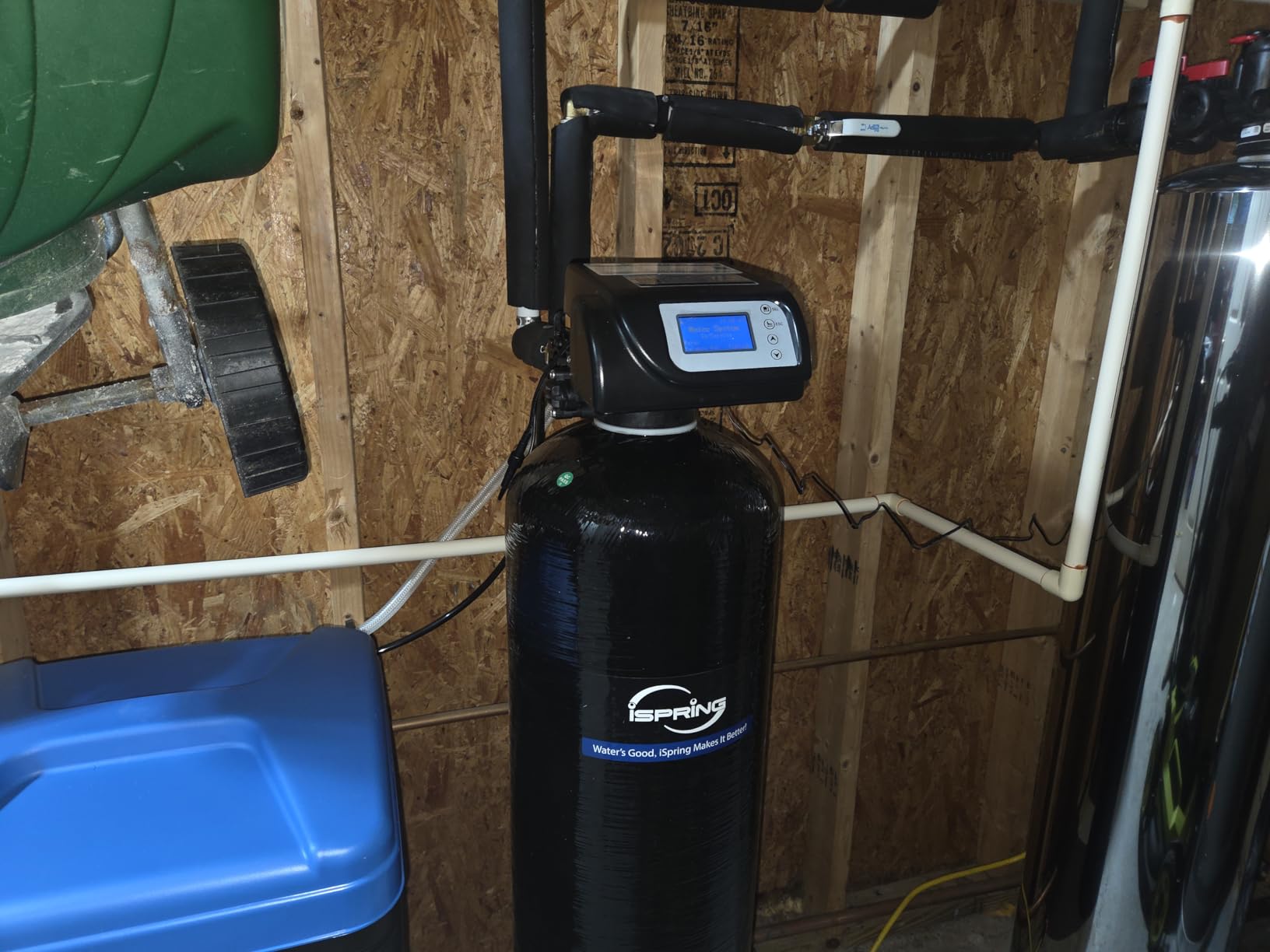
The programmable valve with a digital display gives real-time monitoring without a phone app or subscription. It handles up to 300 ppm TDS and works on city and well supply with a 30-day money-back guarantee.
At 75.6 pounds it is one of the lighter systems here, and it arrives with the brine tank, lid, power adapter and accessories.
Where budget makes sense in city water
On moderate municipal hardness, this delivers the basic promise of hardness removal cleanly. Digital monitoring means you track performance without learning a physical gauge.
For renters and first-time buyers, the low entry point and money-back guarantee make it an easy first system.
Where the tradeoffs show
The one-year warranty is the shortest here and spare part availability is listed at just one year, a real risk on a system expected to run a decade.
The review tail is mixed on valve reliability, so if long-term DIY repairability is the goal, a Fleck-valve system is the safer bet.
9. DuraWater Fleck 5600 SXT 64,000 Grain – Best for Chlorinated City Water
DuraWater Fleck 5600 SXT Metered 64,000 Grain Water Softener, 10% resin
- Fleck 5600 SXT on-demand digital metered valve
- 10 percent cross-linked commercial grade resin suited to chlorinated water
- Arrives pre-loaded with 2.0 cubic feet of resin
- Complete system with brine tank
- safety float and 1 inch bypass
- Reviewers report roughly one-third the salt use of older systems
- Water hoses and drain tubing are not included
- Thin-walled brine tank feels inexpensive
- Control interface is clunky and takes time to learn
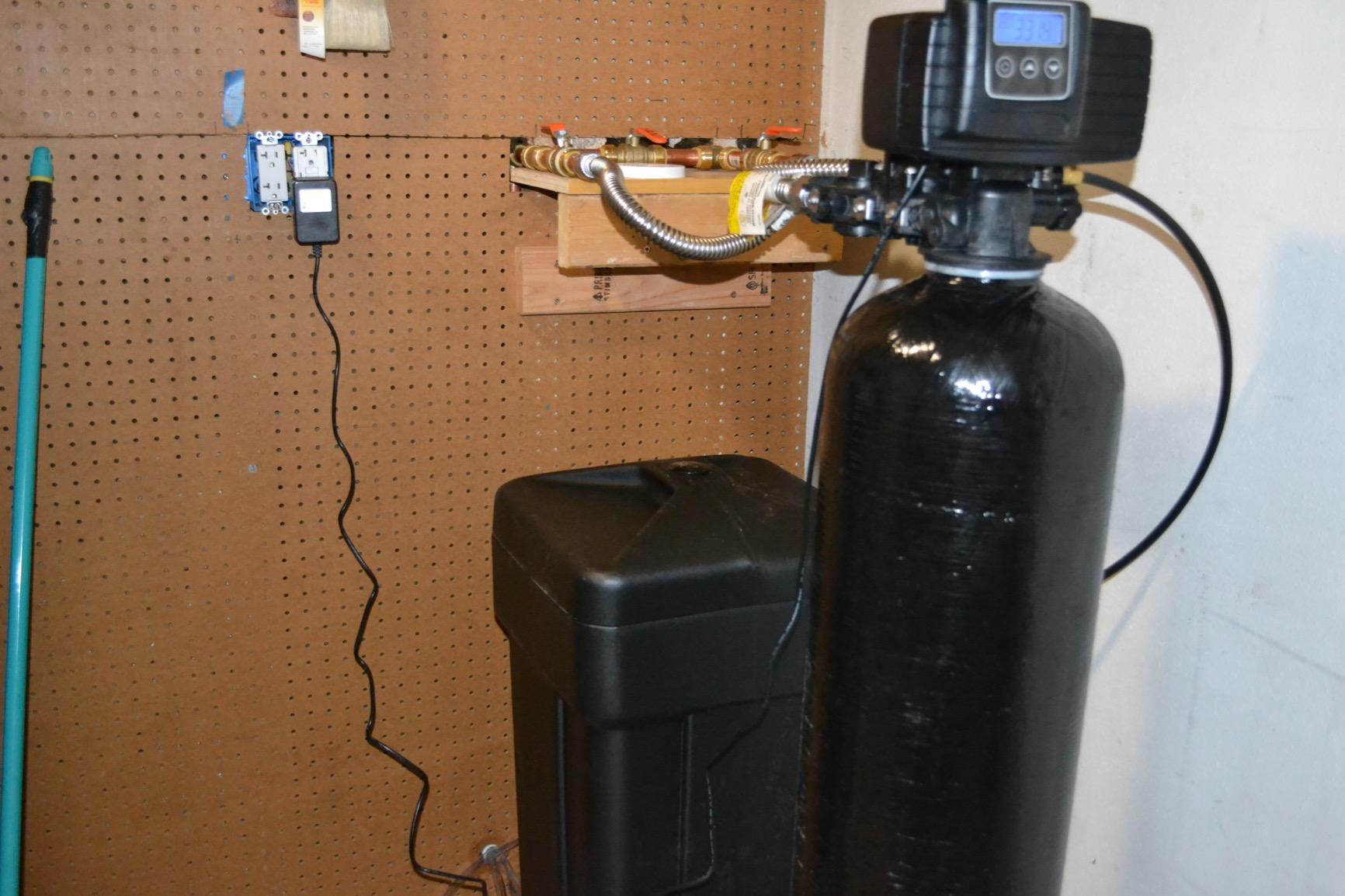
This is the answer to the problem most city water roundups never name. The resin is 10 percent cross-linked rather than standard 8 percent, and cross-linking slows the attack from chlorine and chloramine in municipal supply.
Utilities switched from chlorine to chloramine for safety reasons in many regions. Chloramine resists carbon filters and keeps working on resin long after chlorine would have broken down.
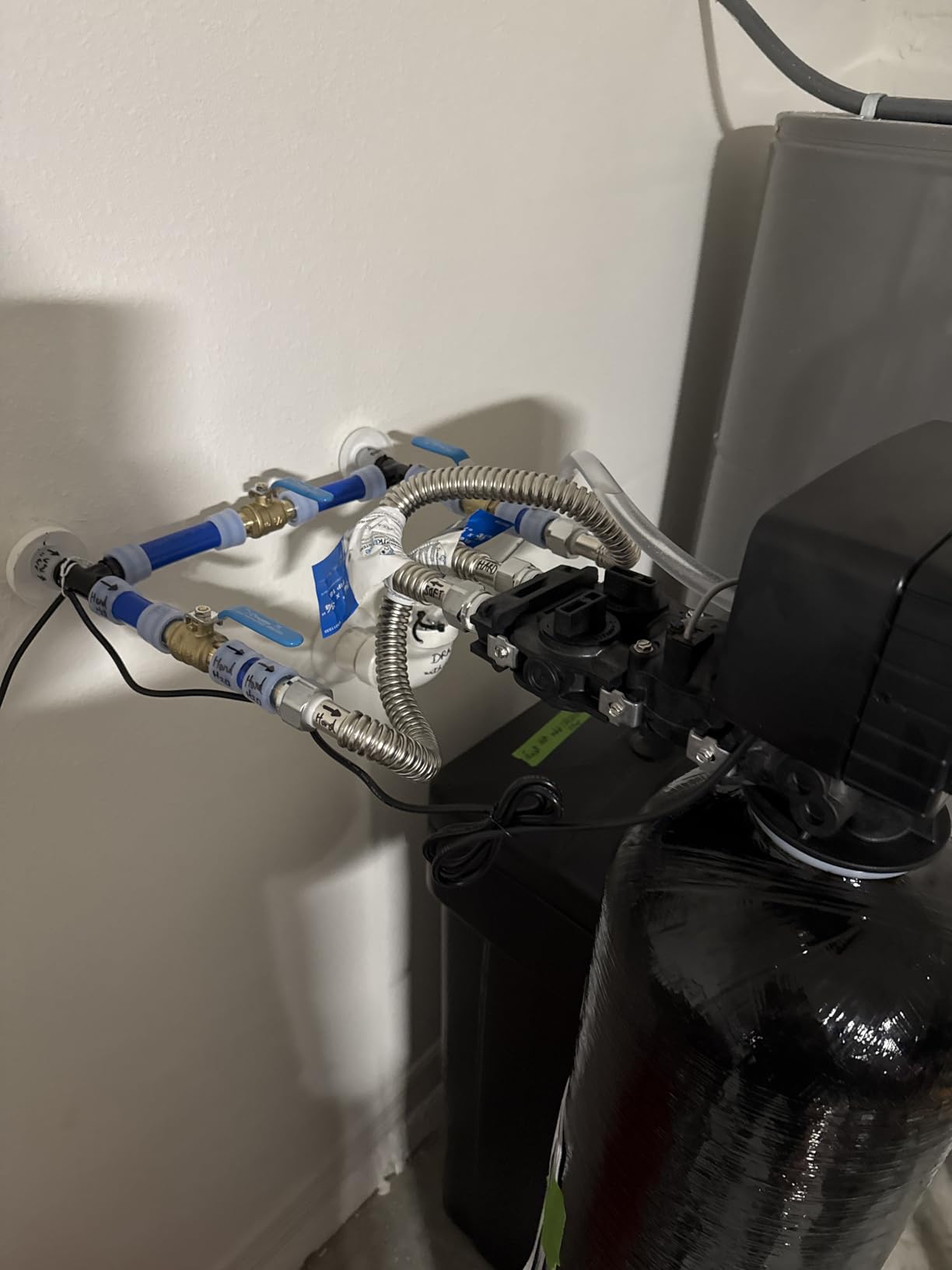
Capacity is 64,000 grains across a 12 by 48 mineral tank with 2.0 cubic feet of resin already loaded, so there is no pouring. The brine tank is 14 by 36 inches with an overfill safety float and a 1 inch bypass.
Owners report roughly one-third the salt use of older systems in similar homes. Written and video guidance is provided and installs take one to two hours with basic plumbing skills.
Why resin cross-linking matters on city water
Standard 8 percent resin is more porous, giving more capacity but faster degradation under disinfectants. 10 percent cross-linked resin trades a little capacity for better chlorine and chloramine tolerance, and on municipal supply that is the better trade.
If you end up with standard resin instead, put a carbon pre-filter upstream. That single addition is the cheapest way to protect the bed.
What you still need to buy
Water hoses and drain tubing are not included, so budget extra fittings. The brine tank is described as thin-walled by some owners, the most common quality remark on an otherwise well-regarded system.
The Fleck interface is dated and takes practice, so allow time in master programming. DuraWater support is singled out as unusually responsive.
10. PRO+AQUA 80,000 Grain – Best for 6-8 Person Households
PRO+AQUA Heavy Duty Whole House Water Softener System – 80,000 Grain Capacity, Premium Long-Lasting Resin, 1″ Ports
- Largest grain capacity in this roundup at 80000 for 6-8 person homes
- Reduces up to 2 ppm of clear water iron
- Smart digital control valve calculates salt and water needs automatically
- Pro-grade 14x14x55 tanks with premium resin
- Owners running it commercially report cleaner fixtures and glassware
- Requires 1 inch flex piping so existing 3/4 inch plumbing often has to be redone
- Instructions are lacking and the programming interface is hard to read
- Some buyers on well water report poor performance
At 80,000 grains this is the largest ion exchange system here, aimed at homes of six to eight people with up to six bathrooms. For a family that never runs out of hot water, oversized capacity is correct sizing rather than waste.
Clear water iron reduction is a useful bonus on municipal supply. Even small amounts of ferrous iron from aging mains stain fixtures and dishwasher racks, and this unit is rated to reduce up to 2 ppm.
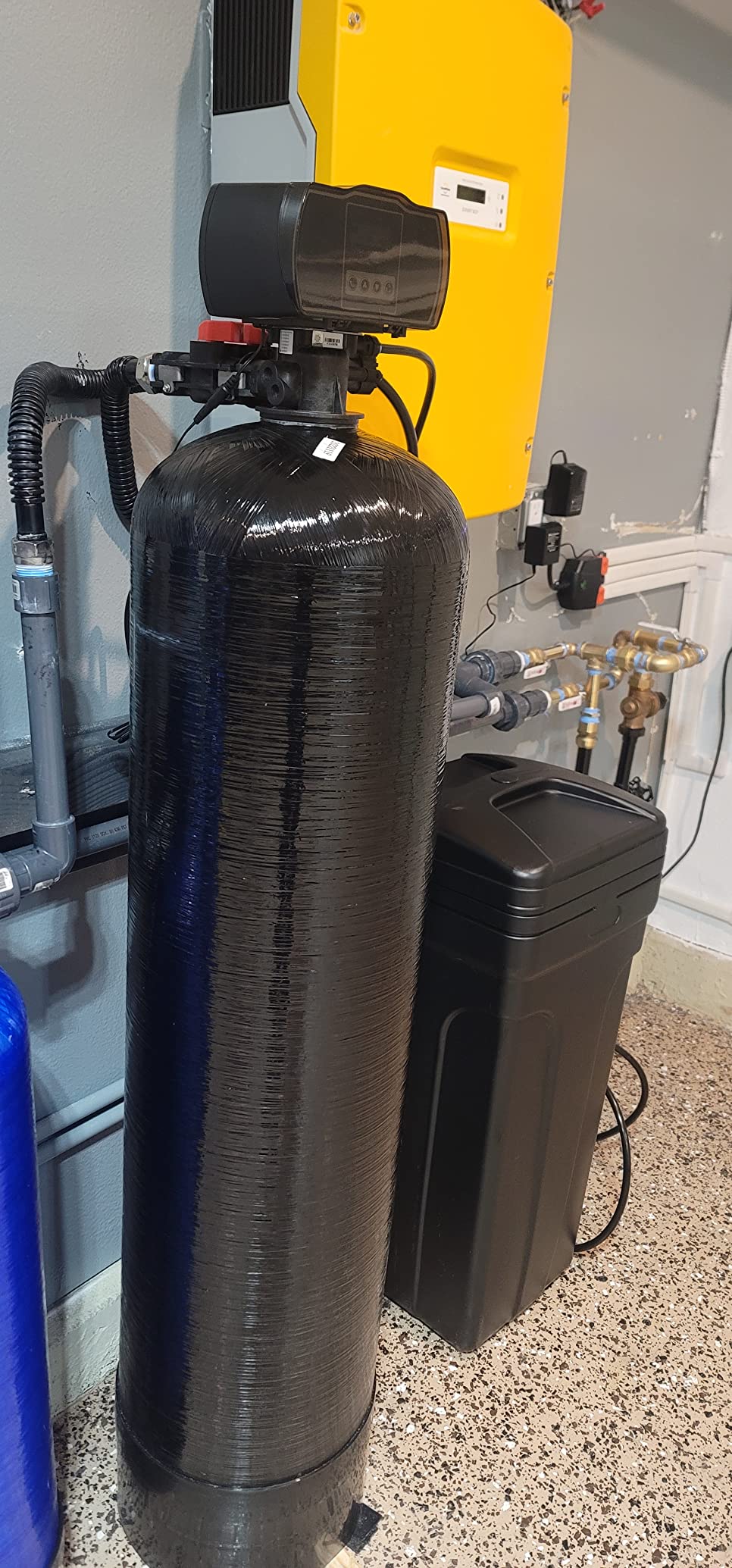
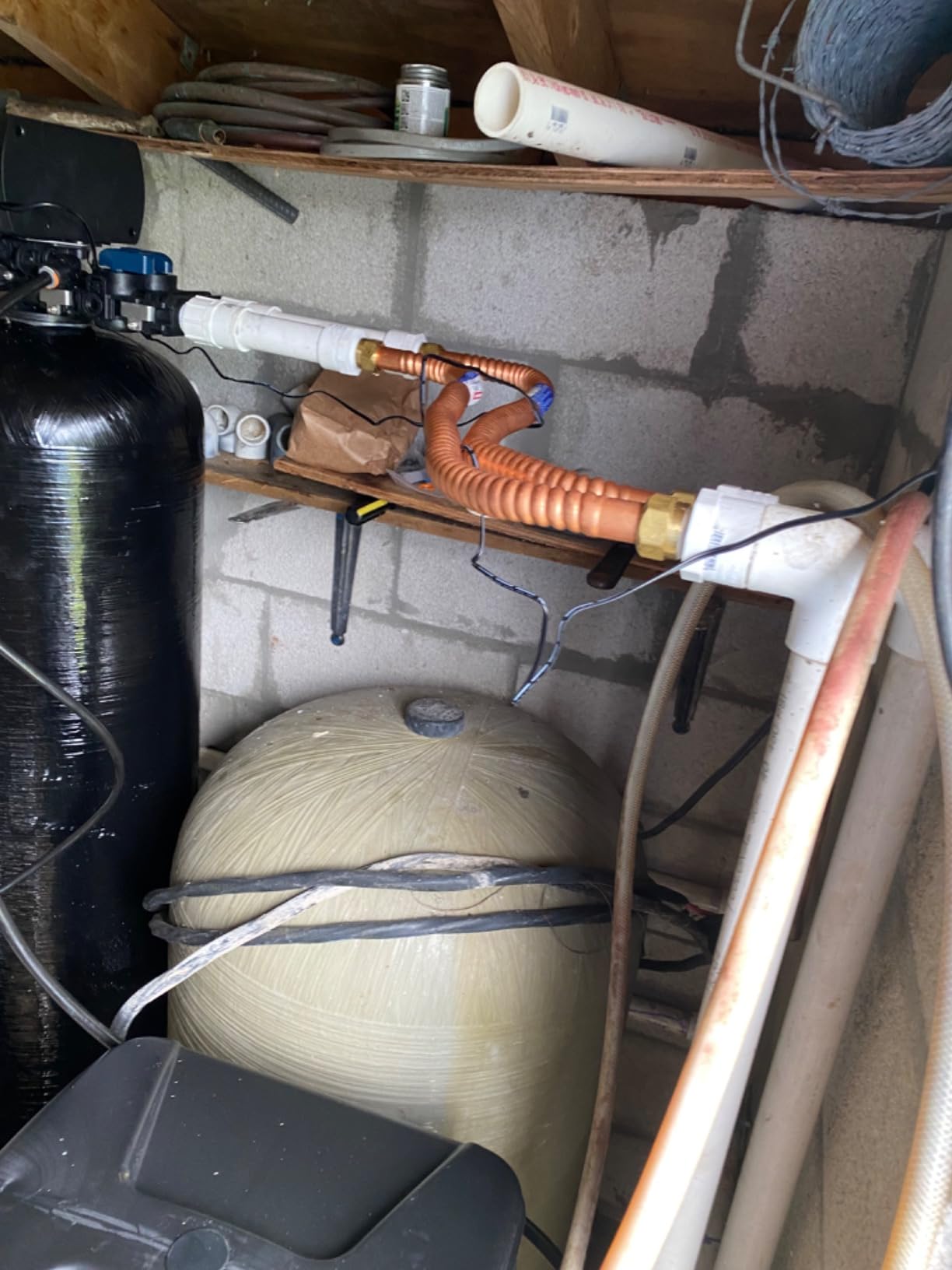
The smart digital control valve calculates salt and water needs automatically, removing guesswork from regeneration settings. Tanks are 14 by 14 by 55 units in fiber reinforced polymer weighing 167 pounds filled, so plan a clear install path.
Owners running the system commercially report visibly cleaner fixtures, suggesting plenty of headroom for heavy residential use. Warranty is one year standard and three years with registration, with five-year spare part availability listed.
Who needs this much capacity
Large households, rentals with heavy turnover, and anyone running multiple water-using appliances at once. Forum users warn about dealers pushing 48,000 grain and above onto households of two, so confirm your usage first.
If measured hardness is modest, 80,000 grains simply regenerates less often rather than working harder. The trade is floor space and install effort.
Check your pipe size first
This system requires 1 inch flex piping, and existing 3/4 inch plumbing usually has to be redone. That is the most cited installation stumbling block and can add real cost.
Documentation is the weakest element, with a hard-to-read programming interface. Budget more setup time than a simpler unit needs and confirm the 17 by 17 by 55 inch footprint fits.
11. Kind Water Systems E-3000 – Best Salt-Free Option for City Water
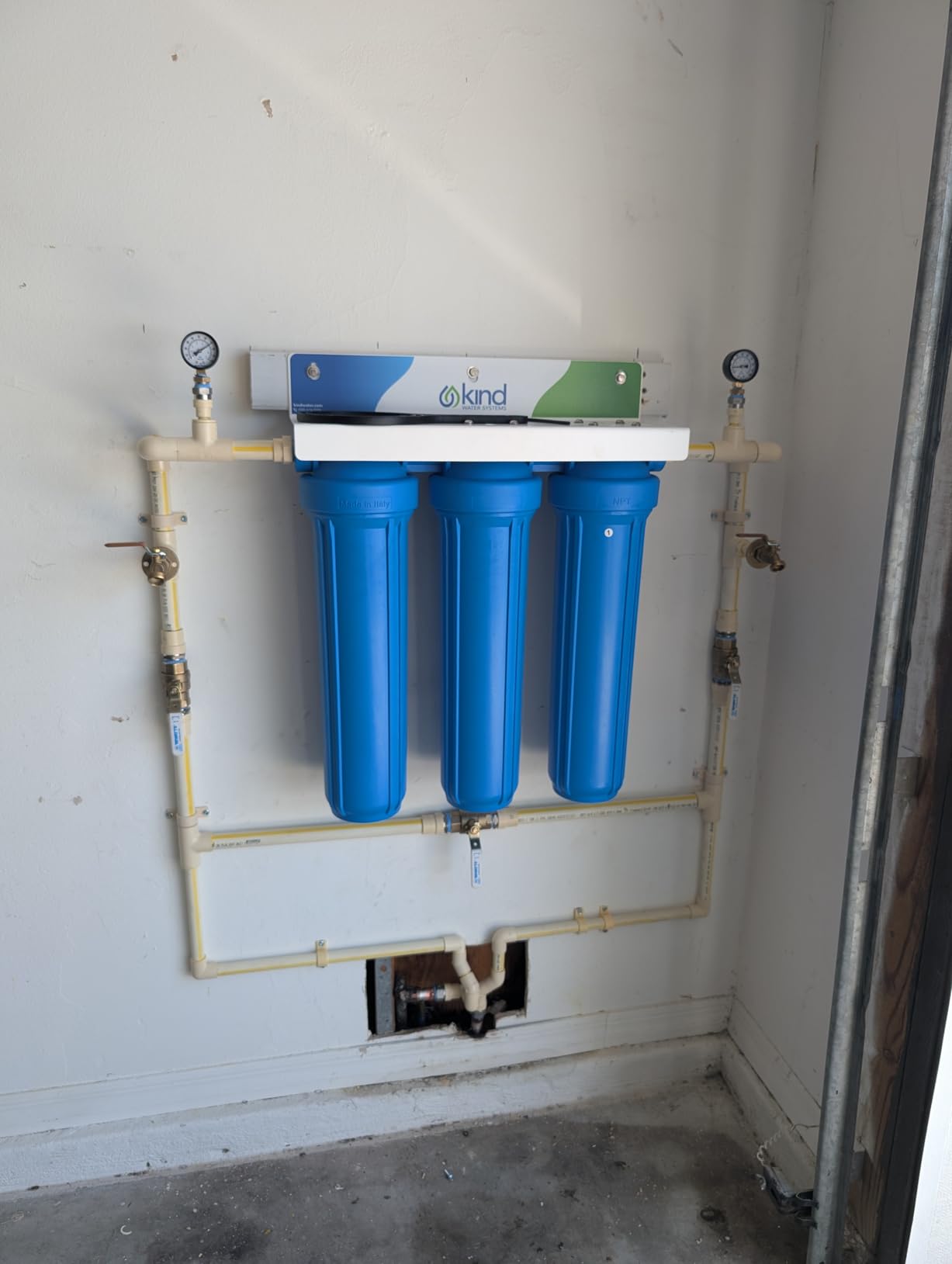
Kind Water Systems E-3000 Whole House Salt-Free Water Softener & Filter for City Water
- Salt free with no brine discharge
- no electricity and no drain line
- Targets up to 95 percent of sediment and over 155 chemical contaminants including chlorine and chloramine
- Retains healthy natural minerals in the water
- Compact 25x9x29 inch footprint with a 120-day satisfaction guarantee
- Highest cost per system in this roundup
- Salt free media inhibits scale rather than removing hardness
- Replacement cartridges are a recurring cost
Plenty of city water households cannot install a salt-based system, and this is the most complete salt-free answer in our lineup. It runs at 15 gpm with no electricity, no brine discharge and no drain line, which removes every permitting objection.
The filtration side is strong. It targets up to 95 percent of sediment and more than 155 chemical contaminants, with both chlorine and chloramine on that list.
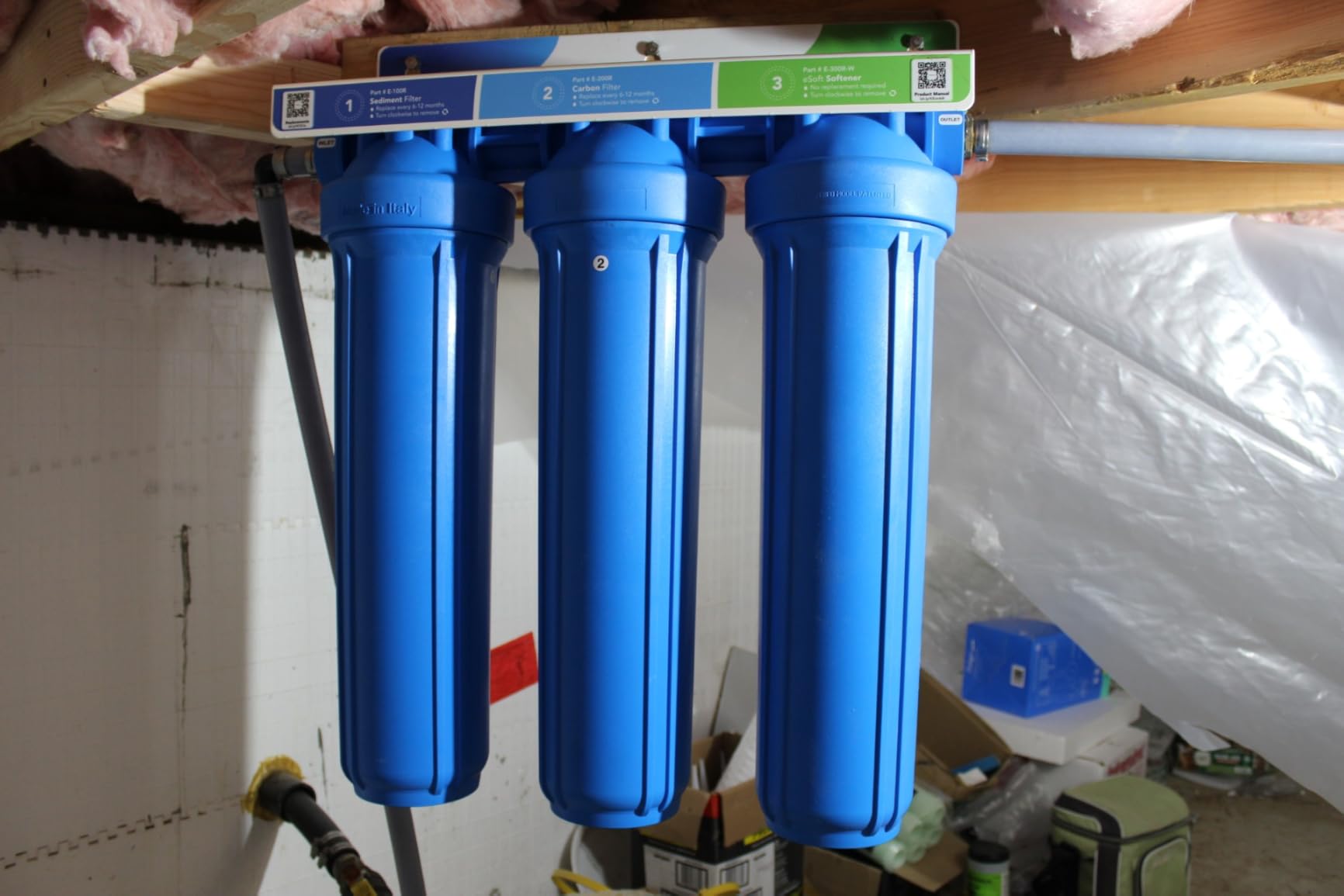
A 4.5 by 20 inch pleated 5 micron sediment filter sits ahead of coconut shell carbon block media, so particulate from aging mains is caught first. The unit handles up to 1500 ppm TDS across 36 to 120 degrees F.
Because nothing is removed from the water, natural calcium and magnesium stay in it. For restricted diets or anyone concerned about mineral removal, that retention is a feature.
What it will and will not do
This is a conditioner, not a softener. The media inhibits scale rather than removing hardness minerals, so a test strip will still show the same hardness. If you need measurable softening, ion exchange is the only technology that delivers it.
Where it wins is protection: less scale in the water heater and dishwasher, clearer glassware, and chlorine taste handled in the same unit.
Costs you should expect over time
Cartridge replacement is recurring, so factor it against a salt-based system that only needs table salt. The 120-day guarantee is generous for a system you are testing.
It is also the most expensive system here per unit, which matters for buyers who would otherwise choose mid-range ion exchange. Make sure the no-salt requirement is real first.
12. NU Aqua 4-Stage Salt-Free System – Best Multi-Stage Filtration Without Salt
NU Aqua 4-Stage Salt Free Water Softener Whole House Water Filter System
- Salt free scale prevention that retains beneficial calcium and magnesium
- Four stages covering sediment
- KDF and GAC
- softener media and carbon block
- Reduces lead
- mercury and arsenic alongside chlorine
- VOCs and odors
- Point-of-entry coverage for bathrooms
- kitchens
- laundry and outdoor spigots
- Only 40 reviews
- the thinnest feedback base here
- Wide 31x31 inch panel footprint
- Salt free media prevents scale but does not reduce hardness
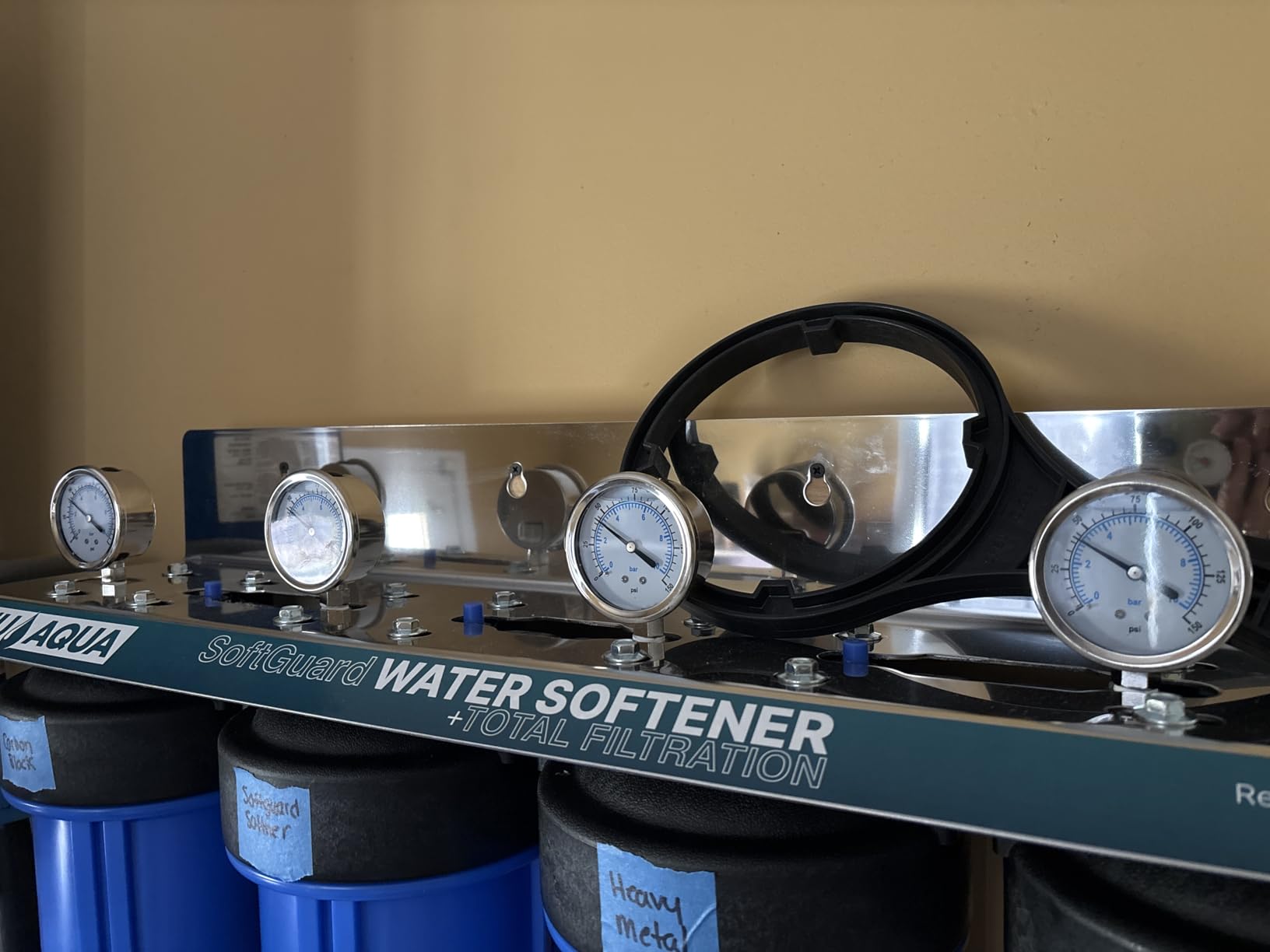
Where the Kind E-3000 uses two media types, this runs four stages: a 20 inch sediment filter, KDF and granular activated carbon, softener media, then a carbon block.
Metal reduction is what separates it from a simple conditioner. Lead, mercury and arsenic sit alongside chlorine, VOCs, odors and bad taste, a broader profile than most salt-free media can honestly claim.
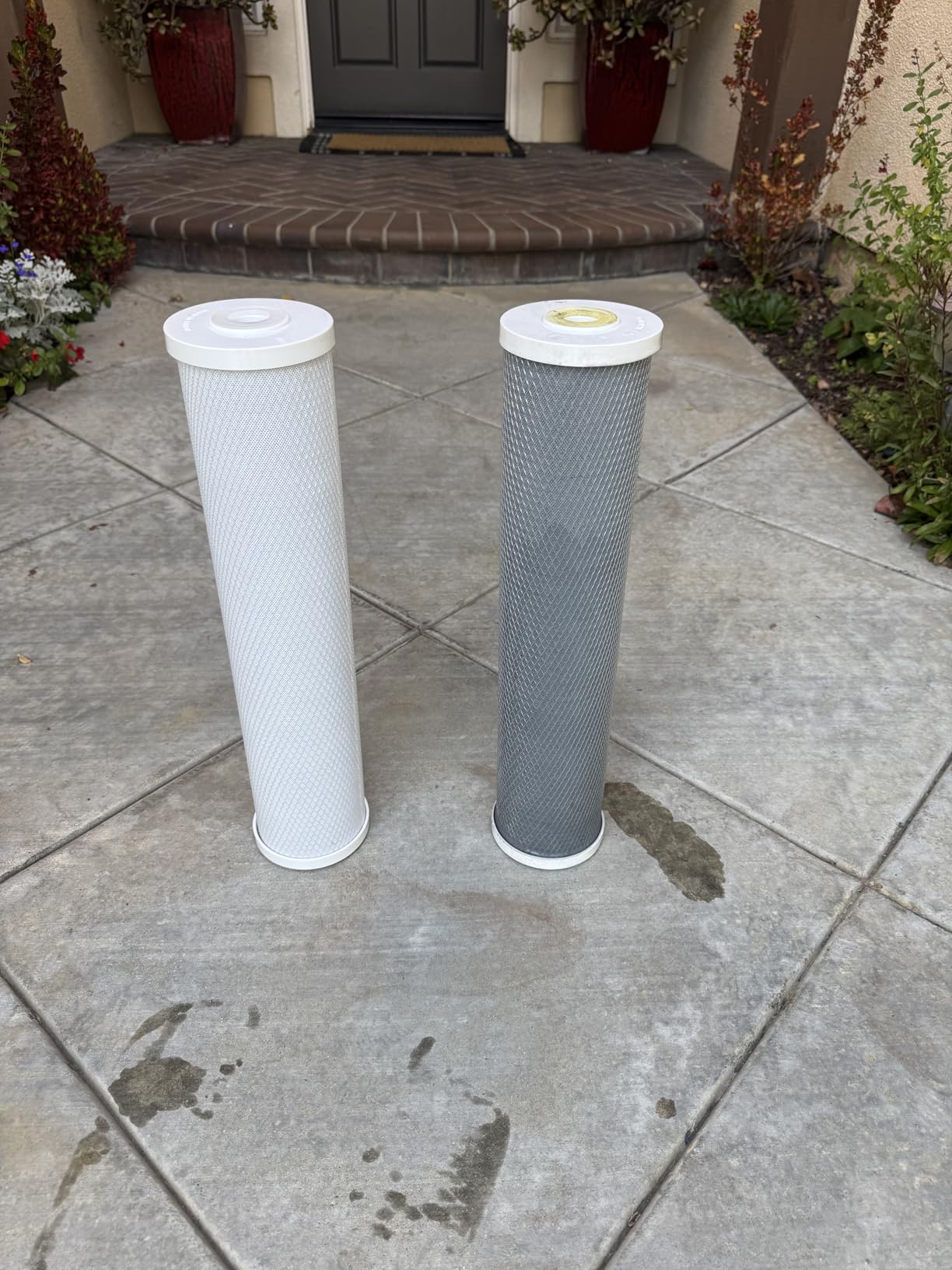
The media retains calcium and magnesium while preventing scale. There is no electricity, no backflushing and no brine discharge, so maintenance is cartridge swaps only, the lowest ongoing involvement of any system here.
Point-of-entry installation covers bathrooms, kitchens, laundry and outdoor spigots. At 53 pounds it is light to handle, though the 31 by 31 inch panel is the widest footprint here.
How to read a high rating on a small sample
The 4.6 average rests on 40 reviews, the thinnest base in this comparison. Read it as promising rather than proven and check recent reviews for early failure patterns.
Owners do cite easy installation and clearer, better smelling water. Confirm the unit suits your pressure and supply, since listed maximum is 300 ppm TDS.
Where the four stages earn their keep
Sediment first protects everything downstream, which helps on mains that occasionally deliver rust. KDF and granular carbon target chlorine and heavy metals, and the final carbon block polishes taste at the tap.
The tradeoff matches every salt-free system here: scale is prevented, not removed, so hardness readings stay unchanged. If local rules allow ion exchange and you want genuinely soft water, that remains the better technology.
Why City Water Is Harder on Resin Than Well Water
Municipal supply arrives disinfected, and that disinfection is the problem. Chlorine and chloramine are oxidising agents that gradually break down standard 8 percent ion exchange resin, which is why softeners on city water often show shortened resin life compared with the same unit on a private well.
Chloramine deserves separate mention. Many utilities switched from chlorine to chloramine in the 1990s and 2000s for distribution safety, and it lasts far longer in the system while resisting carbon filters. It keeps attacking resin long after chlorine would have broken down.
That leads to a fact most roundups skip. A water softener does not remove chlorine. It removes calcium and magnesium, and while residual chlorine is reduced slightly as a side effect, taste and odor stay until you add a carbon pre-filter upstream.
Aging mains add the second problem. Sediment and rust flake off old service lines and load up the resin bed, cutting capacity. A sediment pre-filter ahead of the softener is cheap insurance on municipal water.
None of this argues against softening city water. It argues for buying the right version of it: cross-linked resin, a carbon pre-filter, and metered regeneration rather than a clock.
How to Test Your City Water Before You Buy a Softener
Start with your utility. Every municipal provider publishes an annual water quality report, and its hardness figure beats any guess. If your area is unusually hard, our guide to water softeners for Utah shows how regional variation changes sizing.
If the report is unclear, use a test strip or titration kit on a cold tap after flushing for a minute. Under 7 GPG is soft, 7 to 11 GPG moderately hard, 12 to 18 GPG hard, and above 19 GPG very hard and needing real capacity.
Check for more than hardness. The same report should list disinfectant residual, total dissolved solids, iron and manganese. Iron above 0.3 ppm needs an iron filter, and high TDS rules out units with low ceilings like the 120 ppm limit on the Tier1 model.
Measure hardness at the kitchen cold tap and the hottest shower outlet. If the readings differ a lot, you have a mixing valve or an existing softener, and the higher number is the one that matters for sizing.
What to Look For in a City Water Softener
Chlorine and chloramine resilience. Look for 10 percent cross-linked resin, or plan to pair the unit with a carbon pre-filter. This decides how long the resin lasts.
Enough grain capacity. For four people on moderately hard city water, 40,000 to 48,000 grains is the working range. Hardness above 19 GPG pushes you higher.
Demand-initiated regeneration. A metered valve regenerates on gallons used rather than a fixed schedule, cutting salt and wastewater.
Third-party certification. NSF ANSI 42 covers aesthetic claims like taste and odor, NSF ANSI 44 verifies hardness reduction. Either means an independent lab checked the claim.
Parts availability. A Fleck 5600 or Clack head can be repaired at home with common parts. An obscure head can mean weeks without water.
A proper bypass valve. Every unit should include one so you can isolate the softener without shutting off the house.
Buying Guide: Salt-Based Ion Exchange vs Salt-Free vs Filter Combo
Salt-based ion exchange is the only technology that genuinely softens. It swaps calcium and magnesium for sodium, which is why soap use drops and scale disappears. The cost is table salt, brine discharge, a drain line and periodic resin replacement.
Salt-free media, sometimes called template-assisted crystallization, restructures scale crystals so they wash away instead of adhering. Your water is not measurably softer, but fixtures stay cleaner. The appeal is no salt, no electricity and no drain line.
Filter combos pair a softener with a carbon or sediment stage. On city water this is often correct, because softening and taste are different problems. For the media types in more detail, our salt free softener guide breaks them down.
Repairability deserves its own mention because it dominates real owner recommendations. On r/WaterSofteners and r/WaterTreatment, Fleck and Clack heads come up repeatedly as brands people can service themselves with ordinary plumbing supply parts.
Dealer pricing is the other trust signal. Forum users report the same hardware quoted far higher by local dealers than when purchased direct, along with pressure to oversize. Getting the water utility’s sizing recommendation first is the simplest defence.
How Big a Softener Does City Water Need?
Multiply people in the household, by gallons used per person per day, then by hardness in GPG. A family of four using 80 gallons per person per day on 12 GPG water needs about 3,840 grains between regenerations, which points to the 45,000 to 48,000 class.
Round up one tier and never down. Undersizing means constant regeneration, higher salt use and water that never fully softens. Oversizing wastes money and floor space but harms nothing, which is why dealers push large.
For large homes the math scales fast. Households of five or more, or hardness above 19 GPG, belong in the 60,000 to 80,000 range, covered in our guide to softeners for hard water in large homes.
Confirm peak flow too. If fixtures run at once without pressure drop you have headroom. If the shower stumbles when the dishwasher starts, you need a higher flow rating than the size you calculated.
Installation, Maintenance and What a City Softener Really Costs to Run
Most of these are genuinely DIY-able if you are comfortable with supply line work, and inline hose fittings remove the need to solder. A plumber can finish the job in one visit, which is still the right call if you are unsure about the drain line.
Ongoing costs are salt, filters and resin. A metered household on 48,000 grains typically uses several bags of salt a year, and owners report one bag every two months on efficient setups. Carbon cartridges run a six-month cycle, and resin replacement is a decade-scale project.
On a sodium-restricted diet, potassium chloride pellets work in the same brine tank and cut the sodium contribution. Several owners use them specifically for blood pressure reasons. Our well water softener guide covers the wider treatment picture.
Keep an unsoftened tap if you want drinking water with no added sodium, which is also why reverse osmosis bundles make sense for drinking water. Dishwashers and washing machines run safely on softened water, and appliance life usually improves once scale stops building.
Are Water Softeners Banned Anywhere?
Yes, in limited form. California restricts ion exchange softeners in many jurisdictions because of the sodium added to wastewater, and Maryland approved restrictions on new salt-based installations. Rules vary by city and county, so check your local water district before ordering.
Where salt-based units are restricted or impractical, the salt-free conditioners here are the alternative. They prevent scale, handle chlorine and chloramine, and remove permitting and drain line questions entirely.
Renters face the same constraint without any legal angle. If you cannot cut the supply line, a point-of-use filtration approach or an electronic descaler is realistic, at the cost of not treating the whole house.
Frequently Asked Questions
Are water softeners good for city water?
Yes, and for most households on municipal supply they are worth it. City water is disinfected for safety but not softened, so hardness minerals still arrive in your taps and cause scale, extra soap use and shorter appliance life. The two extras city water demands are a carbon pre-filter to protect the resin from chlorine and chloramine, and metered regeneration so you only flush when you have used enough water.
Which brand of water softener is considered the most reliable?
Repairability is what owners actually rank on, and the Fleck 5600 SXT control head is the most recommended in that respect. It appears on r/WaterSofteners and r/WaterTreatment repeatedly because parts are sold by ordinary plumbing suppliers and the valve can be serviced at home. Several systems in this roundup use the same valve, including the AFWFilters 5600SXT and the DuraWater 64,000 grain model.
How much should a good water softener cost?
Look at total ownership rather than the sticker number. A properly sized 40,000 to 48,000 grain metered system covers a typical four-person household, and you should factor in table salt, periodic carbon cartridges, an occasional resin replacement and the fittings you will need to buy separately. Oversized units cost more and waste salt, while undersized units regenerate constantly and never fully soften.
Why are states banning water softeners?
Restrictions focus on salt-based ion exchange because it converts hardness minerals into sodium, which is then discharged to the sewer. California limits installation in many jurisdictions and Maryland approved restrictions on new units, with rules varying by city and county. The stated reasons are water conservation and wastewater sodium load. Salt-free conditioners are the usual alternative in restricted areas.
What are the signs that the resin in my water softener is bad?
Watch for water that stays hard after several days of use, a salt level that drops much faster than it should, low water pressure after regeneration, or visible scale returning on faucets and glassware within a week. On city water, chlorinated water and resin that feels soft and crumbling rather than firm beads are both warning signs. A hardness test reading above 2 GPG on treated water confirms degraded resin.
The Bottom Line for City Water
If you want one default recommendation for city water in 2026, take the Aquasure Harmony 48,000 Grain. It pairs metered ion exchange with a built-in carbon and sediment pre-filter, which is precisely what municipal supply demands, and it carries the largest review base in the group.
Choose the AFWFilters Fleck 5600SXT if repairability matters most, the DuraWater Fleck 64,000 grain model if chloramine exposure is your concern, and a salt-free system if local rules or a sodium-restricted diet rule out ion exchange.
Test your water first, size to the math rather than the sales pitch, and check that parts will still be available a decade from now. That last point separates a system that works from one that works on day one.