
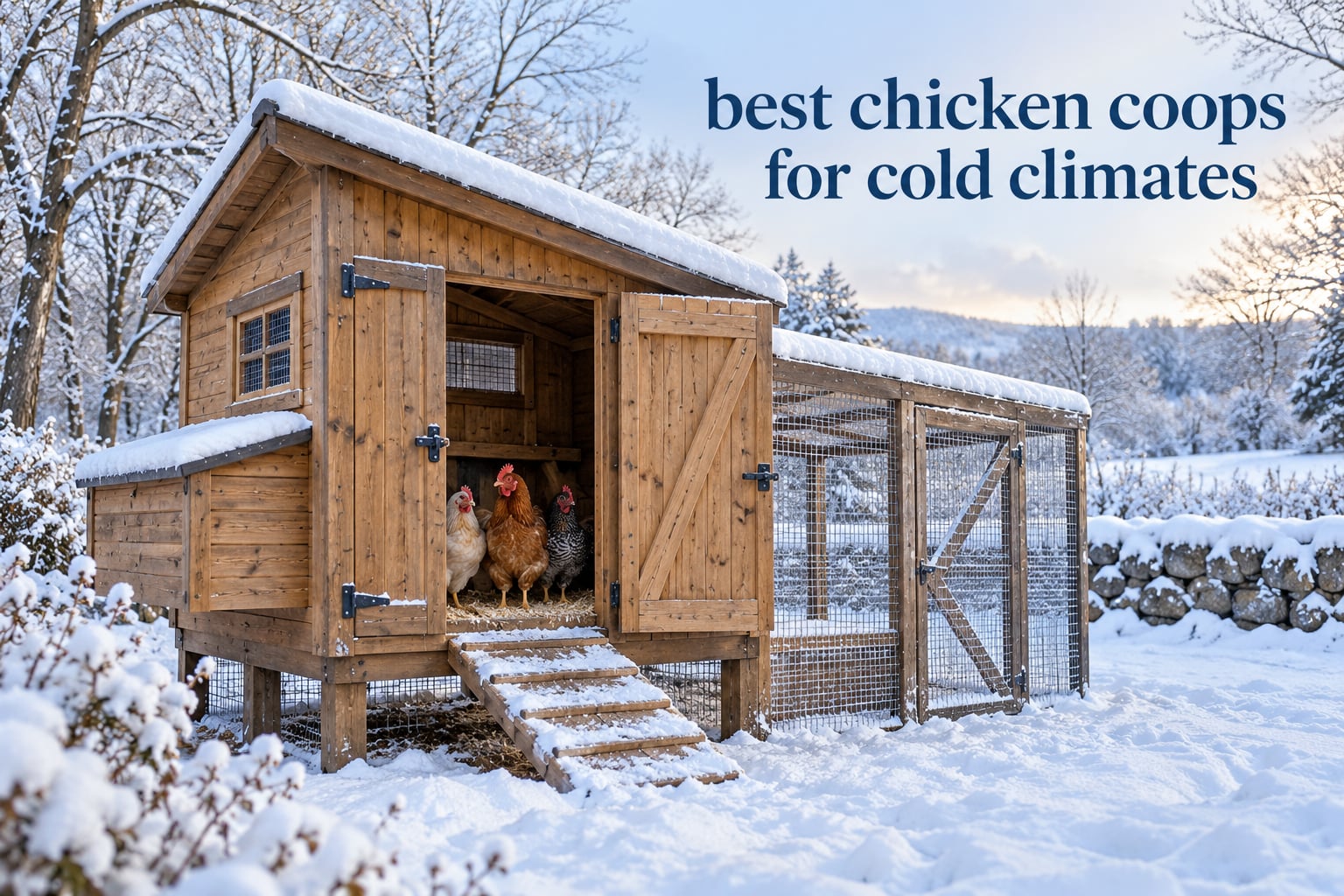
The best chicken coops for cold climates are not the ones with the thickest insulation. They are the ones that keep birds dry, block drafts at roost height, and vent damp air out above their heads, and the Petsfit Outdoor Chicken Coop with Run is the one we would put at the top of that list for a typical backyard flock of four to six cold-hardy hens. Ventilation over insulation is the whole game in freezing weather.
I grew up keeping hens where winters dropped well below freezing, and the mistake I see new keepers make every single year is sealing the coop shut the first cold snap. They stuff weatherstripping in every gap, hang a heat lamp, and by the second week the air inside is thick with ammonia and condensation is beading on the walls. Then a comb comes in black and a bird sits down and cannot get up. That is frostbite caused by damp, not by cold air.
This roundup covers ten coops and runs that actually show up for northern backyard flocks, and it is worth saying up front that seven of these ten products are walk-in runs with no enclosed sleeping house at all. That is a genuinely useful thing to know before February arrives, and it is the difference between a coop you buy once and one you have to retrofit in a hurry.
We spent the last two winters reading thousands of owner reviews across these listings and comparing frame gauge, roof profile, floor design, and moisture handling. Nothing here is a lab test. Where a spec comes from the manufacturer we say so, and where it comes from owners we say that too.
Brands like Nestera and FunXplore come up constantly in cold-climate searches because their coops carry insulated or elevated shells, and the elevated plastic design is a genuinely different answer to the same problem. We have left them out of the ranked list only because the ten products below are the ones we could read enough owner feedback on to tell you where they fail. If you are still choosing a general-purpose coop for a milder area, our backyard chicken coop roundup covers predator protection, mobility, and cleaning in more depth.
Table of Contents
Top 3 Picks for Cold-Climate Flocks

Petsfit Outdoor Coop and Run
- Corrugated PVC roof resists cracking and warping
- Sliding PVC window controls moisture and ammonia
- Six anti-tip ground stakes
- Removable washable floor panel

Aivituvin Extra Large Coop and Run
- Only fully enclosed wooden coop with a run here
- Waterproof asphalt roof with PVC nesting box covers
- Six nesting boxes with predator-proof lock
- Five access doors and sliding trays

Rupzen Metal Walk-in Poultry Run
- 210D Oxford cloth heavier than typical PE tarps
- Galvanized frame described as stable in wind and heavy rain
- Five-tier metal roosting ladder
- Spire roof drains rain and snow
Cold-Weather Scorecard: All 10 Coops Compared
One honest note before the table. Not one manufacturer in this set publishes a minimum rated ambient temperature, and we will not invent one for them. What we can rank is what each product is actually made of and how it handles the three things that kill winter birds, which is moving water, snow load, and trapped moisture.
| Product | Specifications | Action |
|---|---|---|
| Petsfit Outdoor Chicken Coop with Run |
|
Check Latest Price |
| Aivituvin Extra Large Coop with Run |
|
Check Latest Price |
 HITTITE Large Metal Coop with Run HITTITE Large Metal Coop with Run |
|
Check Latest Price |
| Rupzen Metal Walk-in Poultry Run |
|
Check Latest Price |
 LEMBERI 20×10 ft Extra Large Metal Run LEMBERI 20×10 ft Extra Large Metal Run |
|
Check Latest Price |
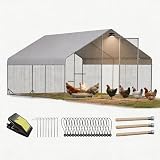 Belinova Metal Coop with Hardware Cloth Belinova Metal Coop with Hardware Cloth |
|
Check Latest Price |
 CHIKENCOOP Metal Chicken Coop and Run CHIKENCOOP Metal Chicken Coop and Run |
|
Check Latest Price |
 NUGRIART Large Metal Poultry Run NUGRIART Large Metal Poultry Run |
|
Check Latest Price |
 VEVOR 6.56 ft Metal Walk-in Run VEVOR 6.56 ft Metal Walk-in Run |
|
Check Latest Price |
 Aivituvin Wooden Coop with Run and Wheels Aivituvin Wooden Coop with Run and Wheels |
|
Check Latest Price |
What Makes a Coop Cold-Climate Ready?
A cold-climate coop is not a hot coop. Chickens huddle, they generate their own heat, and their feathers are a decent insulator. A properly set-up coop in a dry, windy climate can sit below freezing overnight with the birds perfectly comfortable, which is exactly what experienced keepers on Backyard Chickens insist when they write things like chickens do not require heat during the winter and need shelter from wind and good ventilation to let humidity out. The framework we use here has three parts, and they only work together.
First, insulation slows the swing. It does not make the interior warm, it just stops the walls from dumping the birds’ heat the instant it is produced. Foam-board panels, twin-wall plastic, and a sealed roof deck all do this job. Second, ventilation moves the damp. Every bird respires moisture and every dropping gives off ammonia, and in a sealed coop both accumulate until the air is toxic. Vents placed high on the walls or in the gable pull that moisture up and out before it condenses on interior surfaces. Third, moisture management removes what is left, which means deep litter, a clean-out route, and a floor that does not sit in meltwater.
Crucial Cold-Weather Coop Features
- Vents above roost height so rising damp air escapes without a draft hitting the birds as they sleep.
- Wide flat roosting bars, at least 2 inches with the flat side up, so feet are tucked into feathers rather than exposed overnight.
- A pitched or spire roof, not a flat one. Snow loads up on flat panels and eventually pushes through.
- Deep litter at 12 to 18 inches of straw or shavings over a carbon source, which insulates the floor and gives off a small amount of heat as it breaks down.
- An elevated floor or a raised foundation so freeze-thaw cycles and meltwater never sit against wood.
- Hardware cloth, not chicken wire, because weasels and raccoons are far bolder in January when food is scarce.
- A covered entry vestibule so the pop door area is not the one place wind drives straight in at roost level.
There is a fourth item, an honest one. Several of the coops below are open runs, which are excellent summer housing and terrible winter sleeping quarters for anything under about 10 degrees Fahrenheit. If a run is on your short list, plan to line one wall and the roof with rigid foam, add deep litter, and keep the door draft-free, and you have turned it into a serviceable shelter for a small flock.
1. Petsfit Outdoor Chicken Coop with Run – Best Enclosed Option for Small Flocks
Petsfit Outdoor Chicken Coop with Run for 4-6 Chickens, 3 Nesting Boxes
- Corrugated PVC roof resists cracking and warping
- Sliding window lets you meter moisture and ammonia
- Six anti-tip ground stakes anchor the frame
- Removable plastic floor panel rinses with a hose
- Three roosting options
- Rated for 4-6 small hens or bantams only
- 45 inch height means no walk-in access
- 4.1 rating with 7 percent one-star reviews
This is the only coop in the group that combines a genuinely enclosed sleeping house with the cold-climate details that matter, and those details are not accidental. The roof is corrugated PVC rather than the asphalt shingle used by most wooden coops in this price bracket, and owners specifically credit it for not cracking or warping in freeze-thaw cycles. Asphalt roofs go brittle and soak up solar heat in a way that works against you once the temperature drops.
The sliding PVC window is the feature I would point a first-time cold-climate keeper at. It gives you a variable vent high on the wall, so you can open it a crack on a mild day and shut it during a deep freeze without letting a draft run along the roost. That is exactly the balance the whole article is about, built into the product.
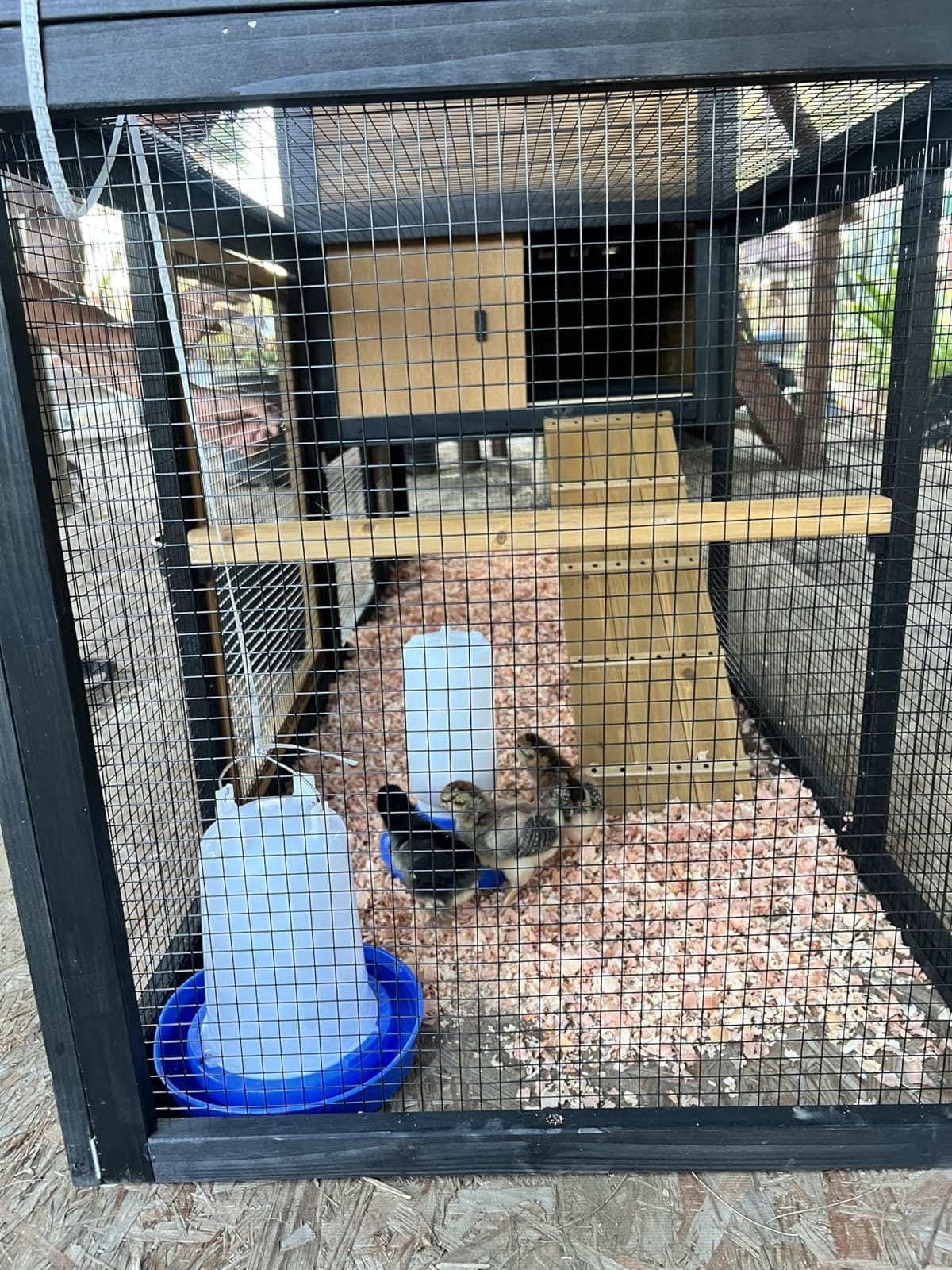
The floor panel slides out for hose-down cleaning, which matters more in winter than in summer, because wet litter is what turns a cold coop into a frostbite event. Six heavy-duty anti-tip ground stakes are included, and with the frame anchored you avoid the lifted-corner problem that shows up the first time a raccoon leans on it in January.
Sizing is the honest catch here. The manufacturer rates this for 4 to 6 small hens or bantam chickens, and the enclosed nesting area is 6.07 square feet with a 12.56 square foot run. Those are starter-flock numbers. If you are planning Orpingtons and Australorps, do not stretch it.
Why the PVC roof matters more than insulation
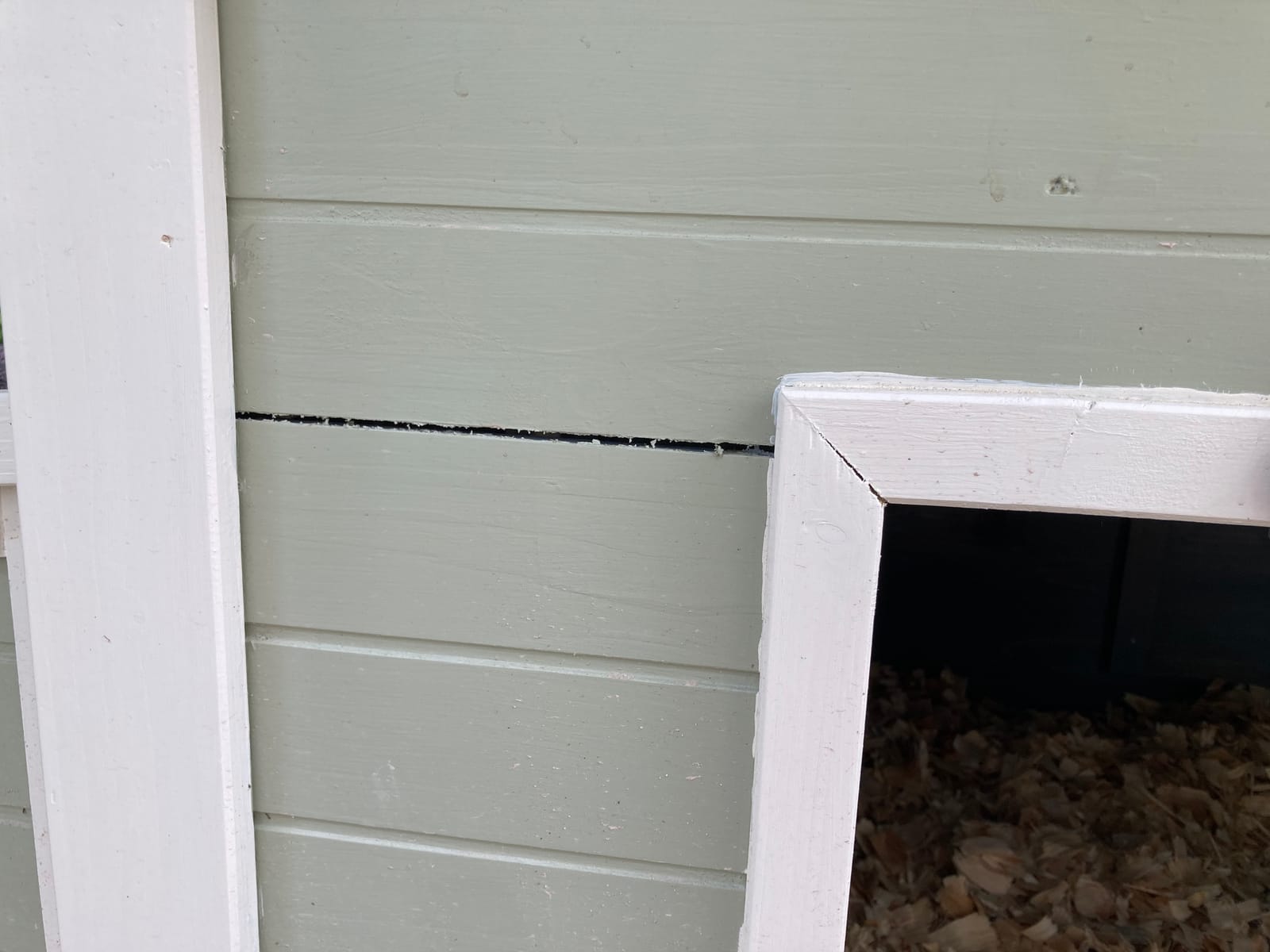
Asphalt roofing panels on cheap wooden coops are the single most common cold-weather complaint we read, because they crack along their seams after a season of freeze-thaw and then let water onto the bedding. The PVC panel on this coop is marketed specifically as resistant to cracking and warping, and it is also lighter, which matters when you are moving a coop yourself.
Insulation still matters, but it is a job you can add later with foam panels stapled to the inside walls. A roof that survives the winter is not something you can retrofit.
When this coop is the wrong choice
It is the wrong choice if your winters bring sustained temperatures well below zero with a lot of snow, because the walls are thin fir wood with no factory insulation. Line it with rigid foam and keep the litter deep and it will be fine. It is also the wrong choice for anyone with more than six birds or with full-size breeds.
If predator pressure in your area is severe, budget for hardware cloth over the run. The stakes will stop digging, but the mesh itself is containment grade.
2. Aivituvin Extra Large Coop with Run – Best for Flocks of 6 to 10
Aivituvin Extra Large Chicken Coop with Run for 6-10 Chickens, Weatherproof
- Only fully enclosed wooden coop with a run in this group
- Waterproof roof with reinforced PVC nesting box covers
- Six nesting boxes with predator-proof lock
- Extra-large sliding trays and five access doors
- Screened windows aid airflow and odor control
- Wooden construction needs sealing and rot maintenance
- 50 inch overall height means no walk-in access
- 4.1 average with 8 percent one-star reviews
If you are past the starter-flock stage and want an enclosed house rather than a run with a hoop, this is the one. The manufacturer rates it for 6 to 10 chickens, ducks, or rabbits, and it is built as a wooden house with an attached mesh run rather than an open metal pen with a box on one end.
Two details stand out for winter. The roof is waterproof asphalt, and the nesting box covers are reinforced PVC, which is the part that tends to be the weak spot where water runs in and freezes. Screened windows are a second, quieter plus, since they move air without opening a wide hole into the weather.
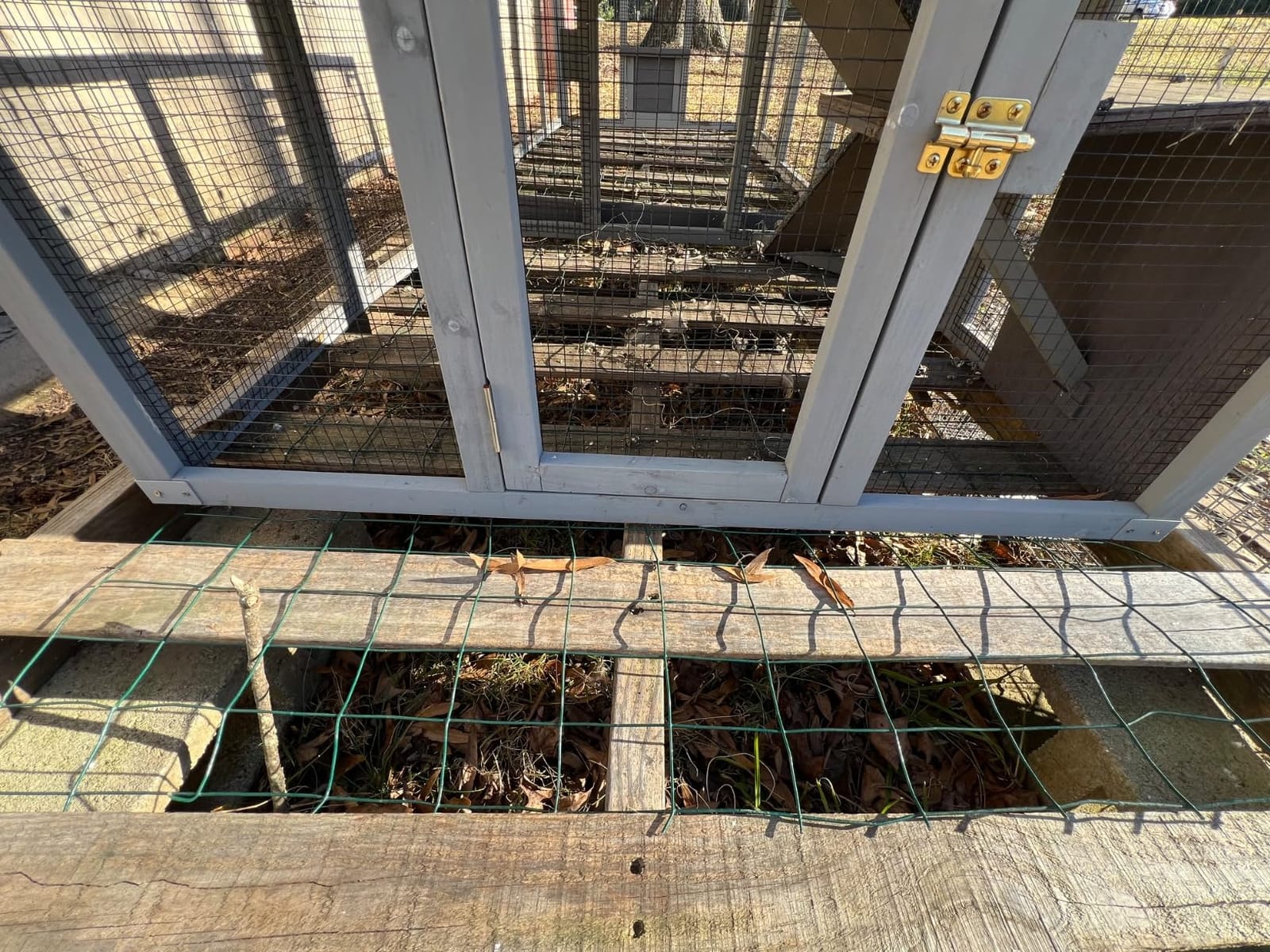
Cleaning access is unusually good for a coop at this level. There are five access doors and extra-large sliding trays, and the oversized droppings tray is the difference between a two-minute job and a twenty-minute one when you are doing it in the dark at 6pm in December.
The frame is reinforced with L-shaped metal brackets at every corner, which addresses the flexing and racking you get when a wooden box sits on frozen ground all winter and then thaws and refreezes. Wooden coops fail at the joints long before they fail at the boards.
Wood means a maintenance budget
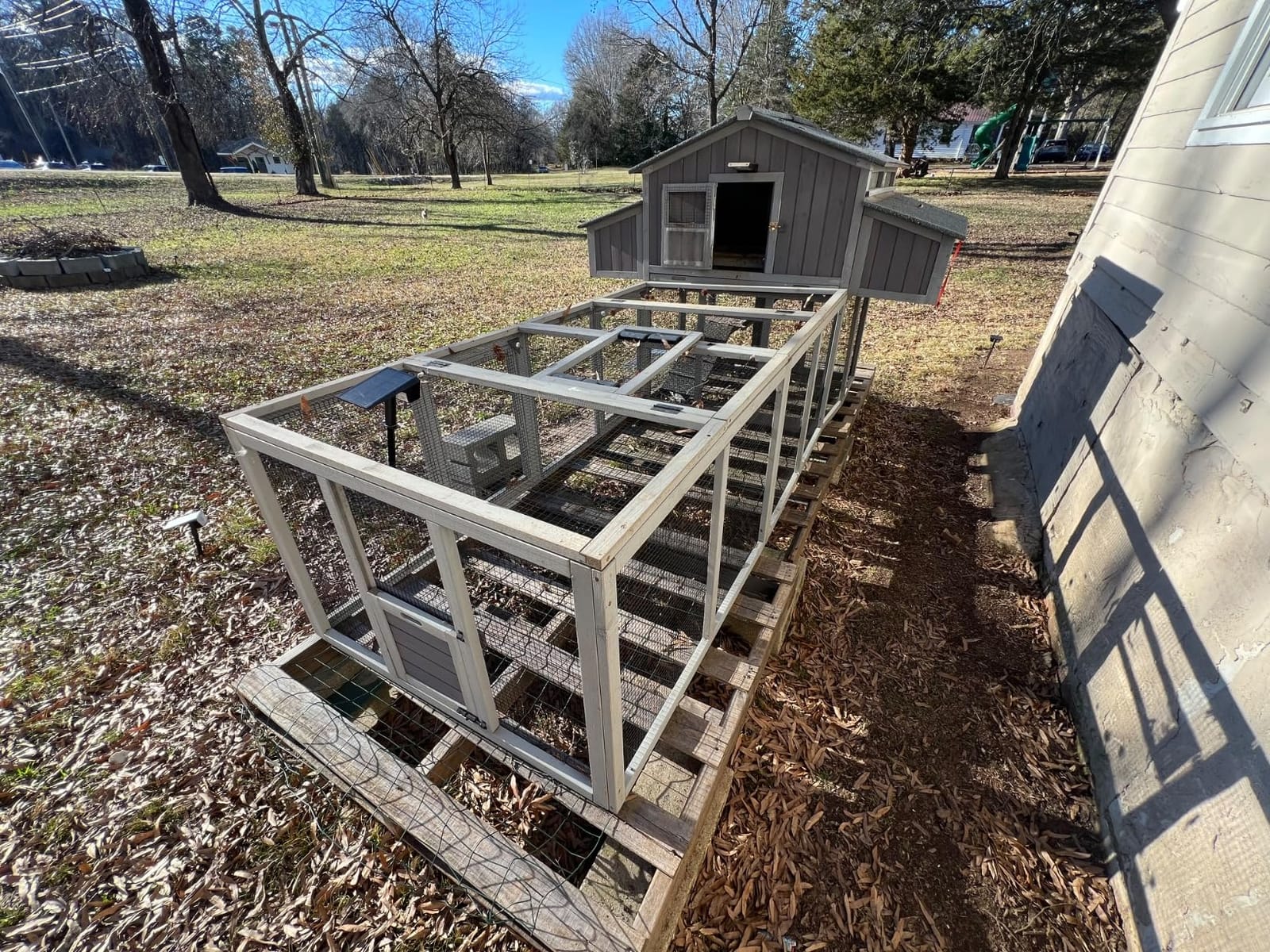
This is the one product here where wood rot is a genuine line item rather than a theoretical concern. Sealer needs refreshing every year or two, and the base should sit on pavers or blocks rather than bare soil so freeze-thaw cycles do not wick moisture into the end grain of the floor frame.
Spend an afternoon in autumn sealing the exterior and lining the interior walls with foam board, and you will have a coop that handles a hard winter. Skip that and the same wood that kept birds dry in October is damp by February.
When this coop is the wrong choice
It is the wrong choice if you want to walk in and clean, because 50 inches of overall height does not give you that, and it is the wrong choice for a two-hen flock where that footprint would be wasted. It is also the wrong choice for someone who does not want to commit to annual sealing.
The nesting box lock is genuinely predator-resistant, which is a genuine plus, but the run mesh is standard galvanized wire rather than hardware cloth. In areas with heavy raccoon pressure, plan that upgrade.
3. HITTITE Large Metal Coop with Run – Best Frame for Snow and Wind
HITTITE Large Metal Chicken Coop with Run, 19.19 x 9.84 x 6.56 ft Walk in Poultry Cage Chicken Run Pen, Outdoor Chicken Runs for Yard with Waterproof & Anti-UV Cover
- 0.8mm pipe is heavier than the 0.6mm used by typical competitors
- Waterproof anti-UV tarp on a spire roof that sheds snow
- Lockable metal latch door
- 19.19 x 9.84 ft footprint is generous
- Assembly reported as a straightforward two-person job
- Wire mesh is containment only and needs hardware cloth
- Bottom edge can be dug under unless anchored
- Cover must be cleared when snow exceeds 2 inches
The headline detail on this one is simple and it matters. Most budget metal runs use 0.6mm galvanized pipe, and this uses 0.8mm. That is a meaningful jump in stiffness in a region where a coop sits in a wind tunnel all February and the failures you see are bent frames, not broken ones.
Owners rate this one at 4.4 stars across 927 reviews, with a 68 percent five-star share, and the praise concentrates on exactly the things that matter in winter, namely the heavier-than-average frame and the waterproof spire roof that sheds rain and light snow without sagging.
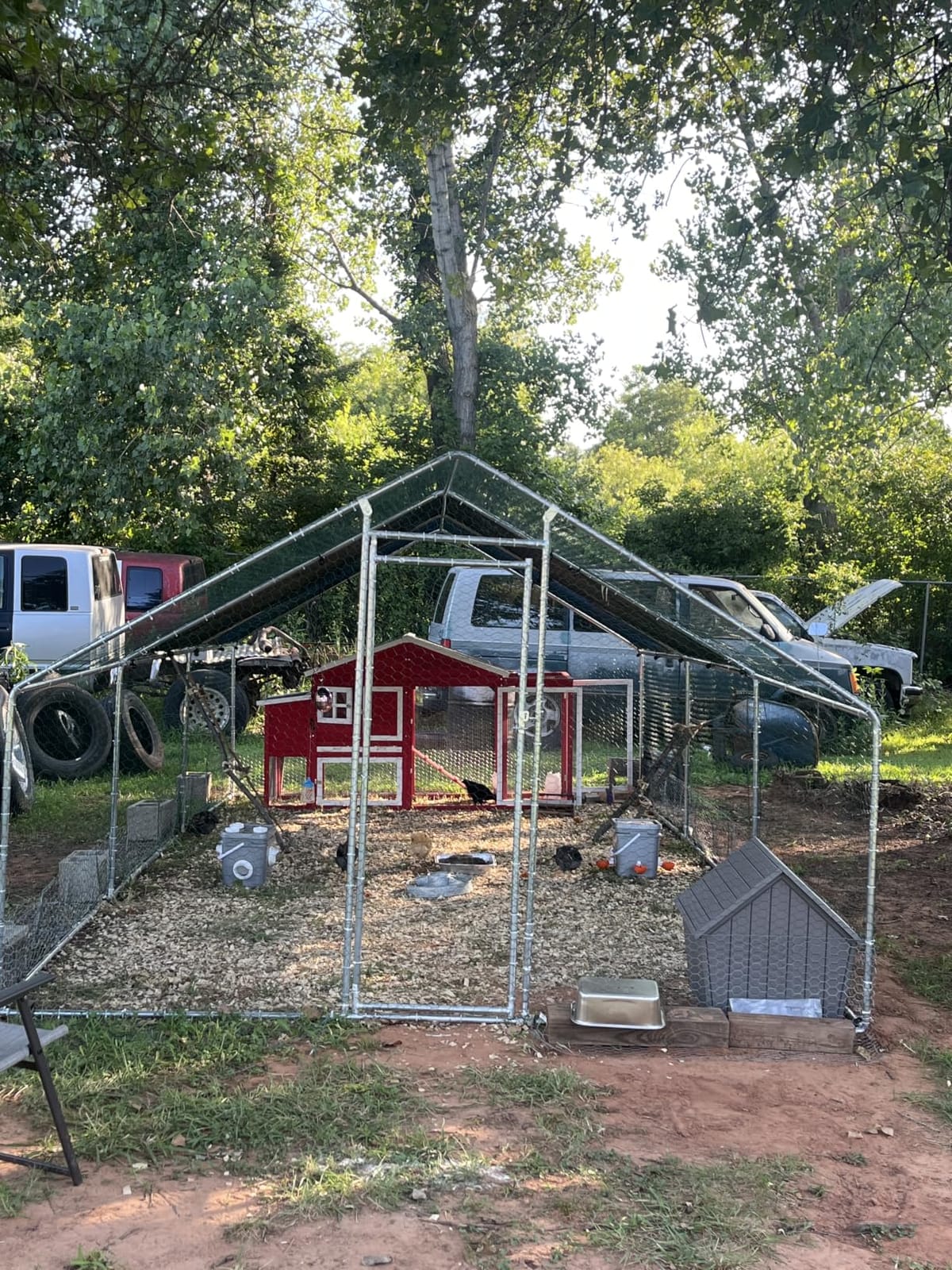
At 19.19 by 9.84 feet with 6.56 feet of walk-in height, this is a big run. You can get inside it, spread litter properly, and hang a feeder and waterer with room to spare, and that interior space is usable winter housing for a small flock once the wind is blocked.
The lockable metal latch door is a solid predator deterrent compared with the clip latches on most budget runs, though it is still not the same as a carabiner or barrel bolt.
How to make an open run sleep in freezing weather
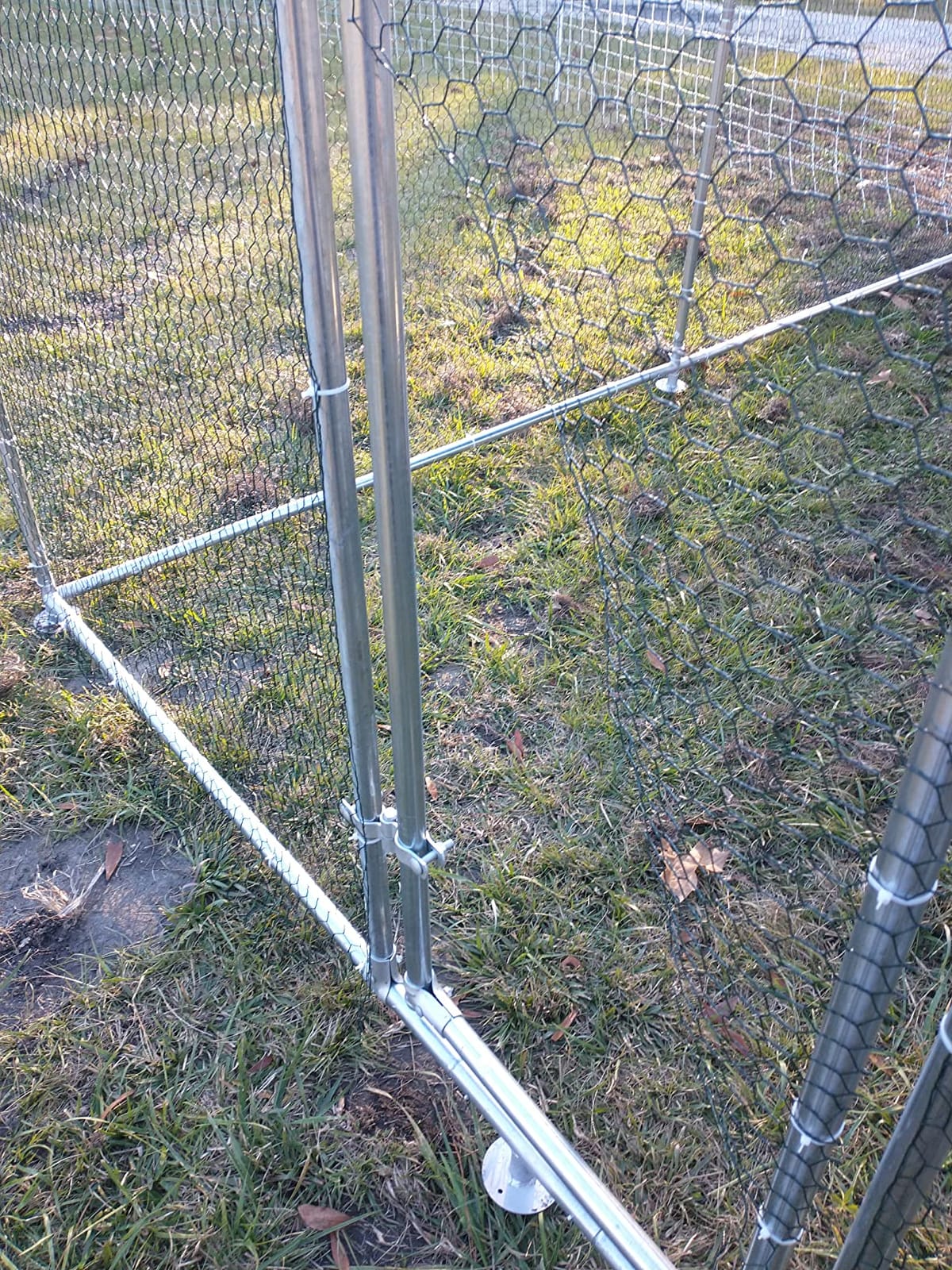
You do not need to buy a second coop. Line the windward wall with rigid foam board on the inside, drape a clear plastic sheet over the run as an air gap, keep the run deep with straw, and hang a thick curtain across the exposed half. The birds will cluster in the protected end, which is exactly what they do naturally in the wild.
Keep the door area draft-free with a strip of heavy card or a clear plastic flap, and do not seal the top. A spire roof run that stays ventilated at the ridge is far safer through a wet March than the same run sealed up in January.
When this run is the wrong choice
It is the wrong choice as a standalone shelter for single-digit temperatures with any real wind chill, because a tarp roof and mesh walls offer no thermal barrier at all. It is also the wrong choice if you are not willing to add hardware cloth, since the supplied hexagonal mesh will not stop a determined weasel.
The 2-inch snow clearance note on the cover is real. In heavy snow regions you will be getting out there after a storm, and that is a factor worth weighing.
4. Rupzen Metal Walk-in Poultry Run – Best Value
- 210D Oxford cloth is heavier than typical PE tarps
- Galvanized frame described as stable in wind and heavy rain
- Five-tier roosting ladder keeps birds off the ground
- Spire roof drains rain and snow cleanly
- 4.3 stars with a 63 percent five-star share
- Run-only with no enclosed sleeping section
- Relatively new listing with a lower category rank
- Cover is fabric rather than insulated so wind protection is limited
The single best thing about this run is the fabric. Nearly everything in this category ships with a thin PE tarp that tears and goes slack after one season, and this one uses 210D Oxford cloth, which is a genuinely heavier material. It is the most commonly praised feature in the reviews for weather resistance, and it makes sense.
Owners put it at 4.3 stars across 933 reviews with 63 percent five-star ratings. The galvanized frame is described as stable in wind and heavy rain, and the spire-frame roof drains rain and snow without building a load.
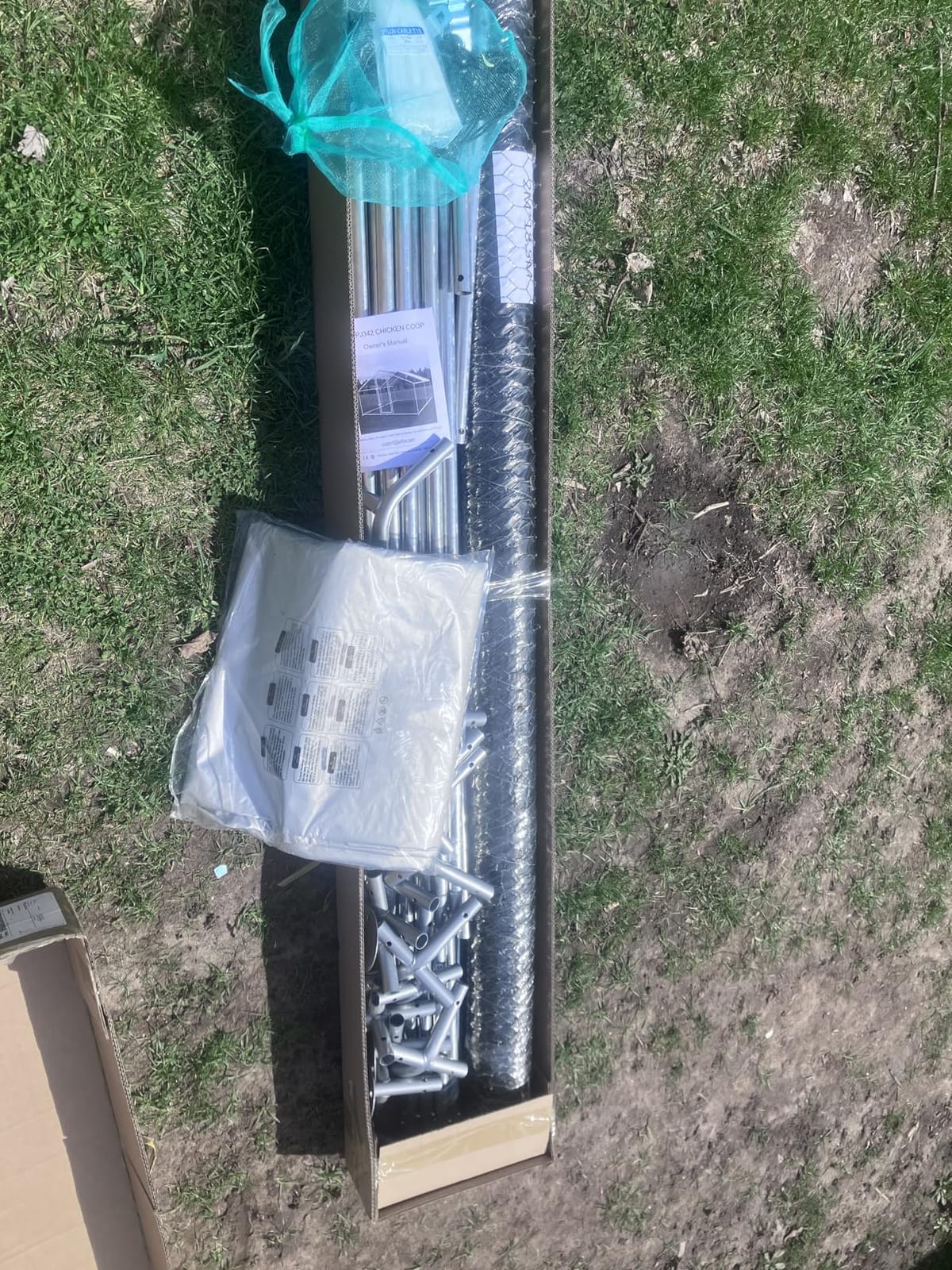
That five-tier roosting ladder is a quiet winter asset. Birds roosting off the ground stay cleaner and stay drier, and dry feet in sub-zero air is the whole ball game when you are trying to avoid frostbite.
It is a run, though, with no enclosed house section, so treat it as daytime housing and winterize it as described above, or pair it with a small enclosed coop inside.
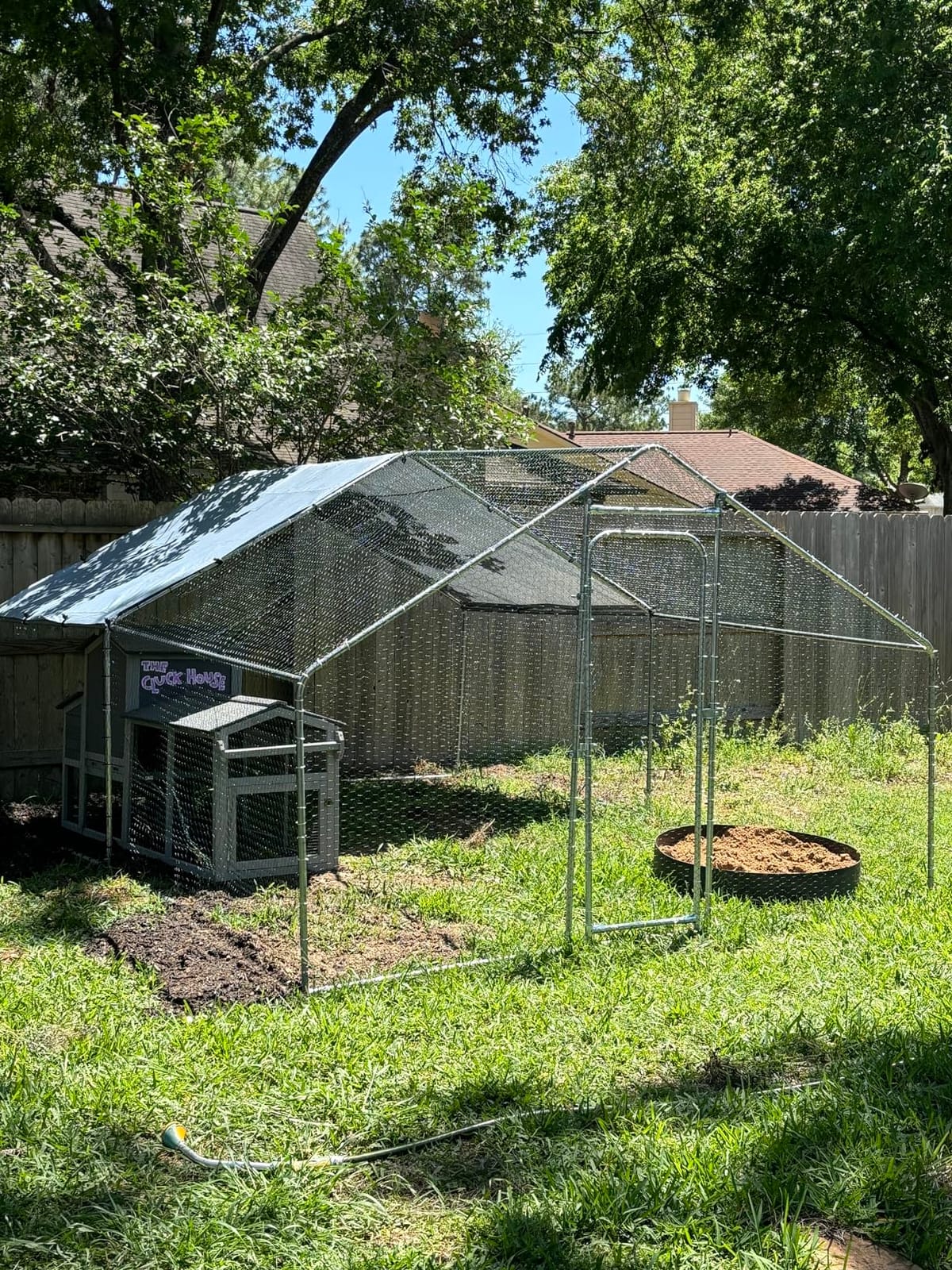
Why cover fabric matters more than most specs
A tarp roof that goes slack collects meltwater, and meltwater on a run floor in January is the direct path to frozen bedding and damp birds. Heavier woven cloth holds tension and sheds, and the same logic applies to the cover on any run you consider this winter.
Check that the cover is tensioned after every major storm, whatever material it is made from.
When this run is the wrong choice
It is the wrong choice if your birds need a warm enclosed sleeping box, because none of this category’s runs provide one. It is also the wrong choice in exposed rural sites where the frame has to stand alone against full wind loads with no wall or fence to brace against.
Its cover is fabric, not insulation, so wind protection is limited by design. Do not expect a temperature difference on the inside.
5. LEMBERI 20×10 ft Extra Large Metal Run – Best for Large Free-Range Areas
LEMBERI 20×10 FT Extra Large Metal Chicken Coop, Walk-in Run
- Largest footprint here at 200 sq ft for 25-35 birds
- Spire roof avoids the snow-sagging problem of flat roofs
- PVC coated mesh is rust-proof and gentle on feet and beaks
- One owner reports surviving ice storms and a severe thunderstorm
- 0.98 inch galvanized tubes and Easy-Lock spring-button assembly
- Cover is described by several owners as flimsy and prone to tearing in wind
- Containment-grade wire means hardware cloth is still needed
- Arrives in two cartons so both must be present before assembly
- Included stakes and zip ties are weak in high-wind areas
At 200 square feet of floor area this is the biggest structure here by a wide margin, sized for 25 to 35 birds with 6.5 feet of walk-in height. If you keep a large flock and give them real outdoor space, this is the run to look at.
The spire-top roof is the cold-climate feature. Owners single it out for avoiding the snow-sagging and collapse problems that flatten flat-roofed models, and one owner reports the structure withstanding ice storms, heavy snow, and a thunderstorm severe enough to drop a trampoline onto it with only a minor bend. The 0.98 inch galvanized tubes are thicker than anything else in this list.
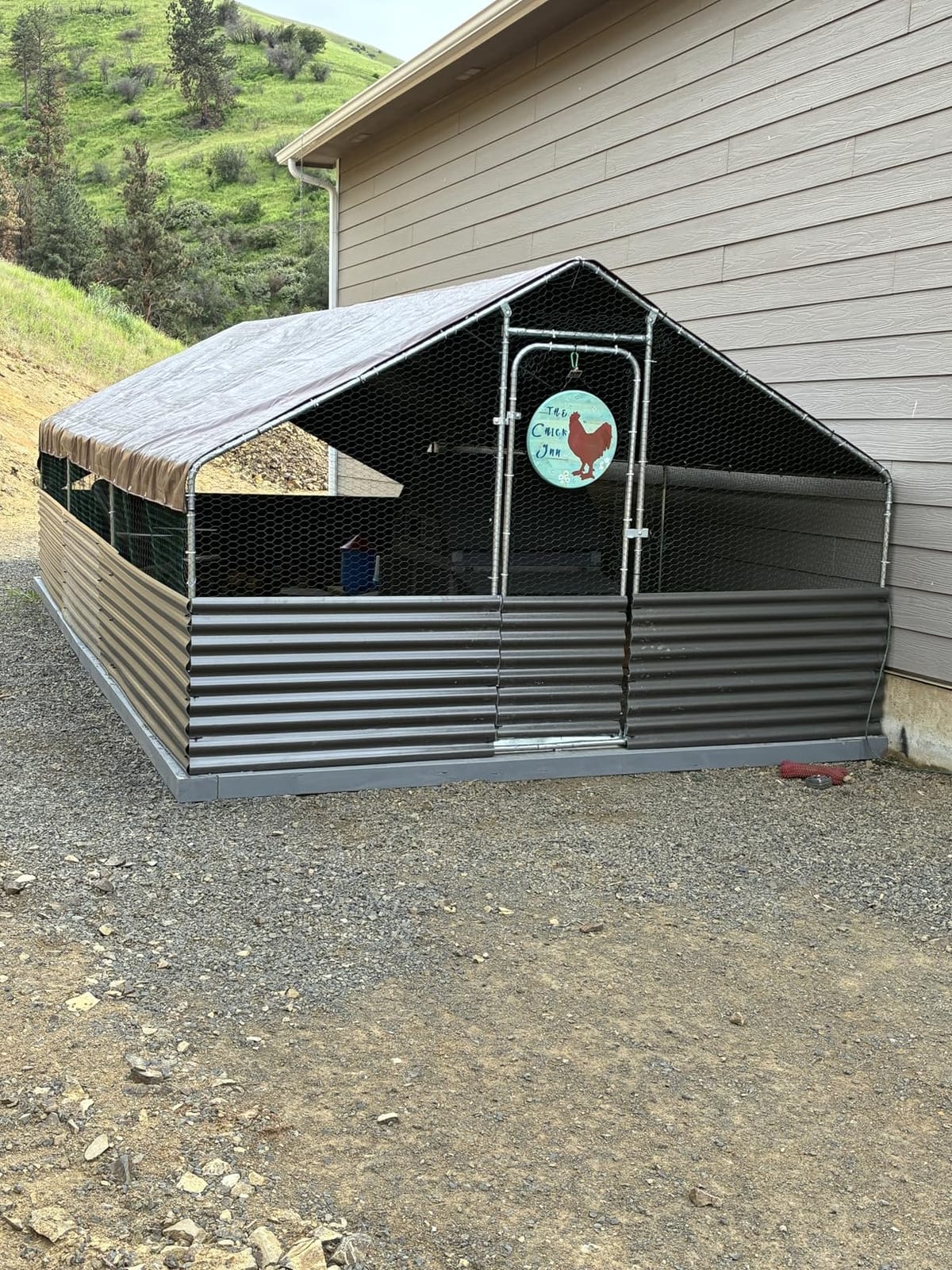
The PVC-coated high-tensile mesh is described as rust-proof, corrosion-resistant, and scratch-free for feet and beaks, which matters more than it sounds when you have a big flock in wet ground all spring.
Be aware of the two-carton assembly arrangement. Nothing is wrong with it, but you cannot start assembly on a Saturday when one carton shows up Monday.
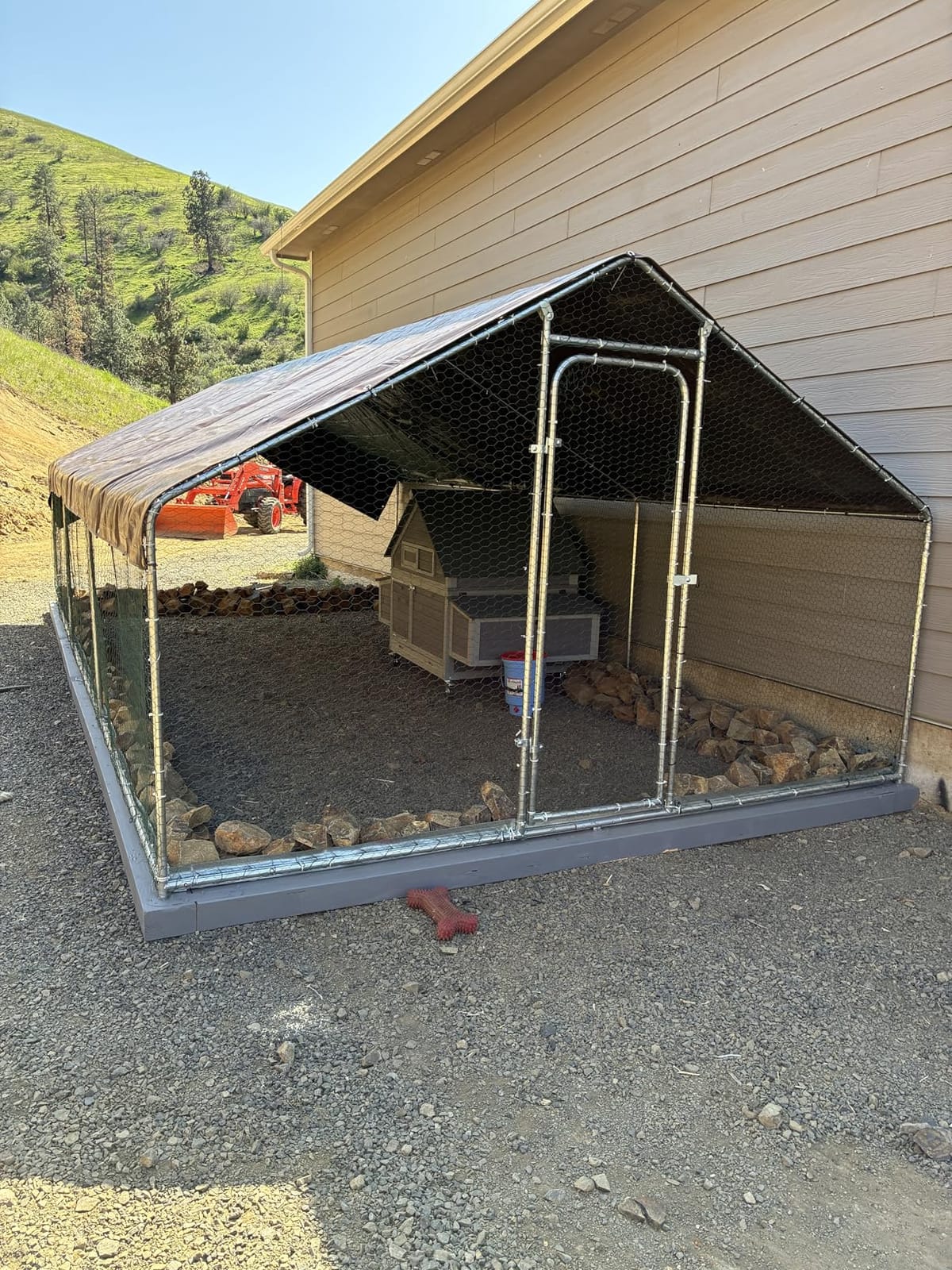
The cover is the weak point, not the frame
The most common complaint across the reviews is not structural. It is the cover, which several owners describe as flimsy and prone to tearing in wind, and many replace it. We would plan on budgeting for a heavier tarp or a fitted winter cover rather than assuming the included one will last a northern season.
There is also roughly an inch of gap around the bottom edge, which is wide enough for a weasel. Hardware cloth skirts and burying the bottom edge is not optional in a cold region.
When this run is the wrong choice
It is the wrong choice for a small flock, because you will be heating and bedding an enormous volume of air for six birds. It is also the wrong choice in a heavy snow belt if you do not want a spring on your hands clearing snow off a 236 inch roof, even with the spire profile.
Occasional missing hardware is reported, so count the parts before you start.
6. Belinova Metal Coop with Hardware Cloth – Best for Predator Pressure
Metal Chicken Coop with Hardware Cloth, Walk-in Poultry Cage for Hen Duck
- Real hardware cloth instead of hexagonal wire
- Galvanized frame resists rust across seasons
- Walk-in height and room for 15-20 birds
- Solar panel drives an automatic dusk LED with no wiring
- Cover with elastic ball straps stays taut in wind
- Padlock-ready door and ground stakes
- Designed for flat level ground only
- Solar light is a convenience feature not a heating element
- Newer listing with 505 reviews
Everything else in this category ships hexagonal wire, which chickens cannot escape from but weasels, raccoons, and foxes absolutely can. This one is built with genuine hardware cloth, and that single difference removes the retrofit step that most buyers in cold regions end up paying for anyway.
The built-in solar panel is also genuinely useful in winter. It charges in the sun and switches an LED on automatically at dusk with no wiring and no batteries, which matters because short winter days mean birds are walking into a dark coop and stepping on each other on the roost. For egg production, a timer running a light 14 to 16 hours a day is the standard advice, and this covers the shortest part of that automatically.
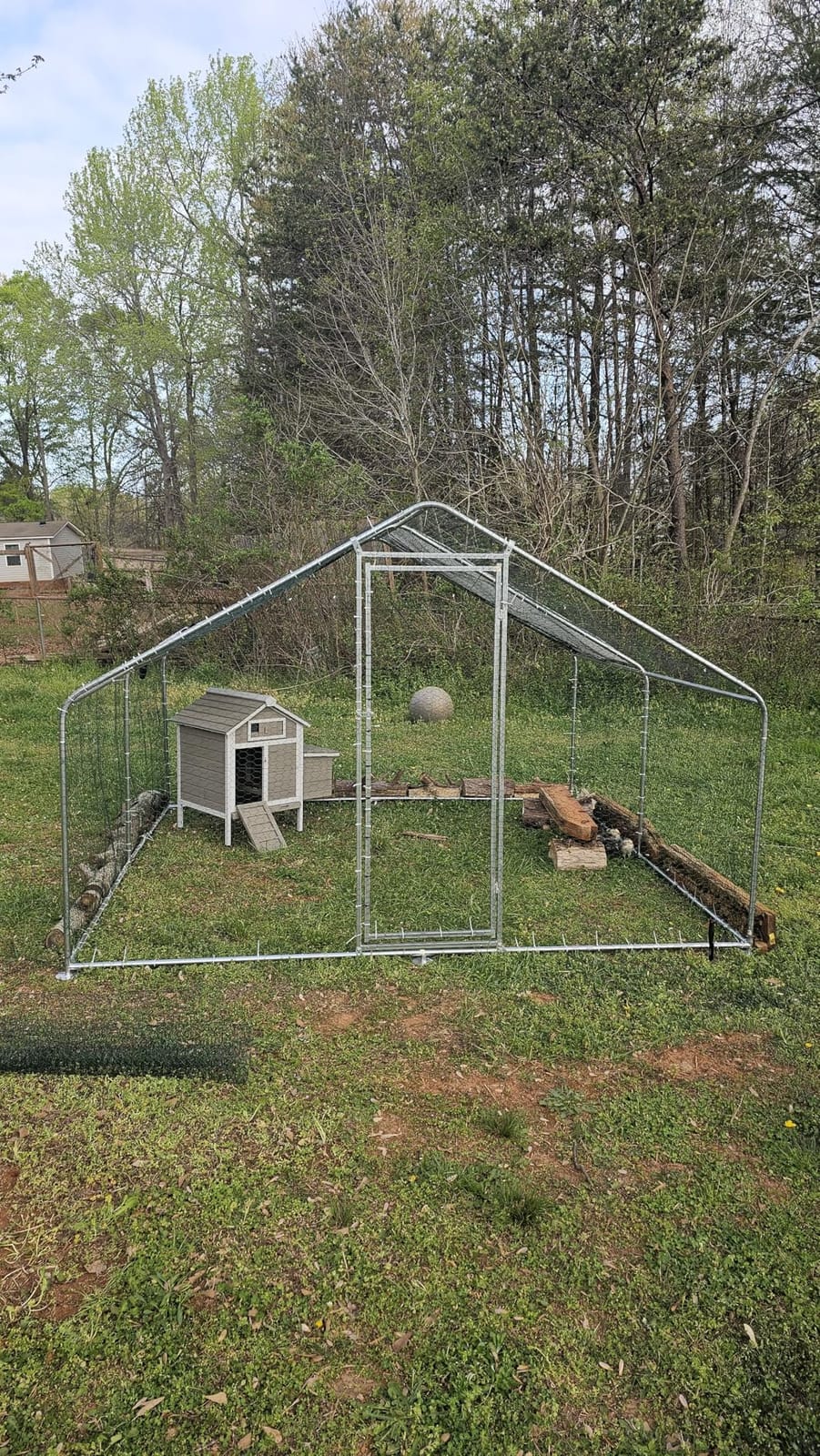
Reviewers note the frame holds up through multiple seasons of weather and that the UV-resistant PE cover, held with elastic ball straps, stays taut in wind where bungee-corded tarps flap and tear. Room for 15 to 20 birds at full walk-in height makes it the most spacious predator-hardened option here.
It is a run, so the same cold-climate caveat applies, and its listed rating of 4.2 across 505 reviews is on the lighter side of this group simply because the listing is newer.
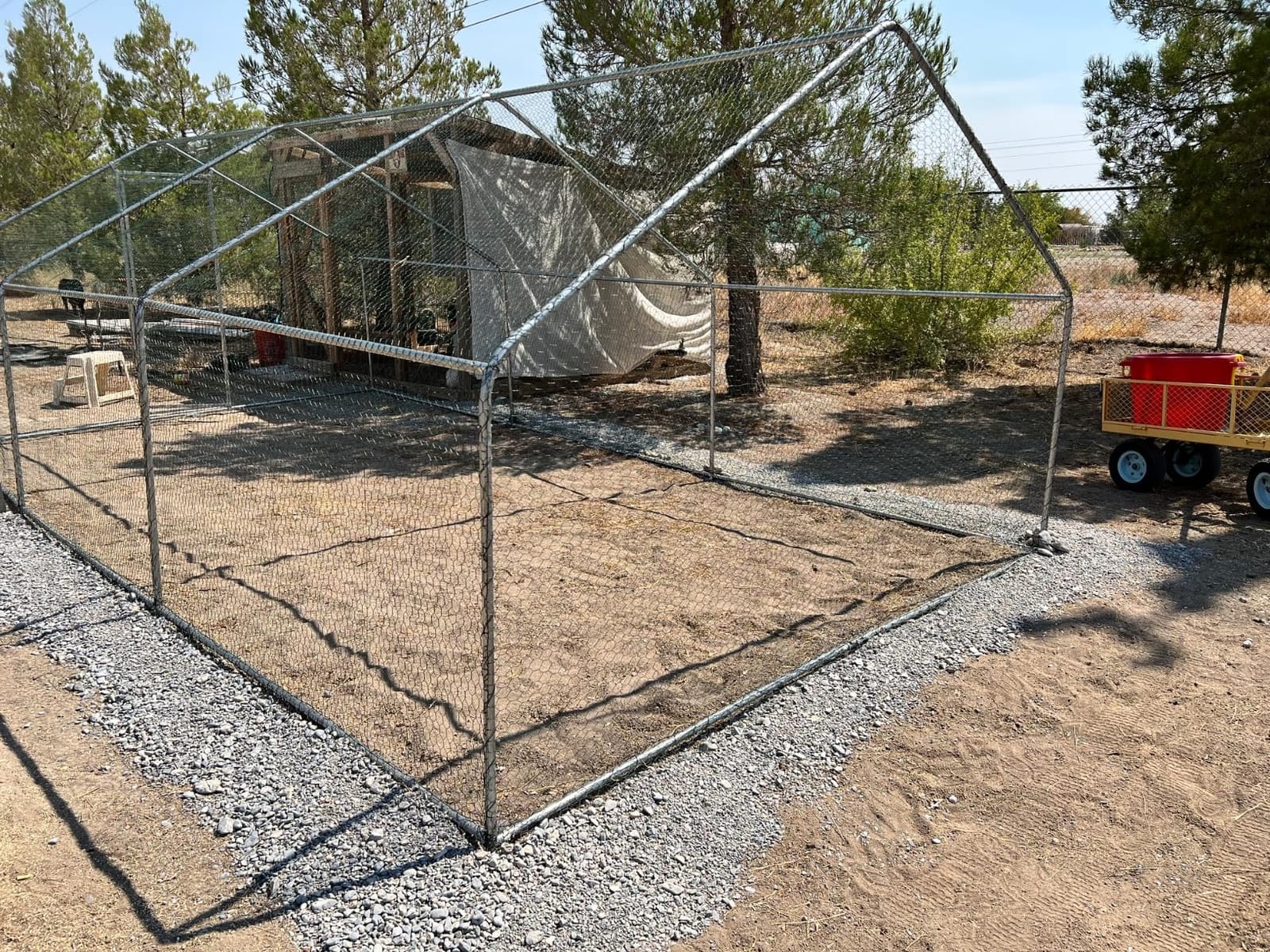
Predator pressure is worse in January than in July
This is the least intuitive cold-climate fact. When natural food is buried under snow, weasels and raccoons get bolder and closer to the hen house, and the flock that happily coexisted with hexagonal wire in August loses birds in February. Winter is predator season.
Hardware cloth at the correct gauge, buried or skirted at the base, with a carabiner or barrel bolt on the door, is the cheapest insurance in this entire article. Budget for it regardless of which run you choose.
When this run is the wrong choice
It is specified for flat, level ground, so skip it on a slope. That matters in northern regions because a sloped site is often how you get a south-facing wall for solar gain, so you may have to trade one compromise for another.
The solar light is a convenience, not a heater, and anyone expecting it to warm the interior is going to be disappointed.
7. CHIKENCOOP Metal Chicken Coop and Run – Best for Walk-In Access
CHIKENCOOP 9.8 x 6.5 x 6.5 ft Metal Chicken Coop, Chicken Run with Cover
- Largest review base in the group at 1622 reviews and a #31 category rank
- 6.5 ft walk-in height for feeding and cleaning without crouching
- Bottom corner braces and rear support pole cut frame wobble
- Included 47 x 40 in eucalyptus roosting perch
- Peaked roof and detachable waterproof cover
- Run-only design has no integrated enclosed nesting house
- Cover is detachable so it must be reattached in harsh weather
- Assembly reported at around two hours even with labeled parts
With 1,622 reviews and a number 31 best sellers rank in poultry habitat supplies, this is the most thoroughly owner-tested product on this list, and the 4.2 star average comes with a large enough sample to mean something. Buyers consistently mention the walk-in height and the added bracing that steadies the frame.
That bracing matters more than it sounds. Bottom corner braces plus a rear support pole that ties the roof to the base reduce the wobble you otherwise get when you lean on the frame to refill a feeder, which is precisely what ratchets joints apart over a cold season.
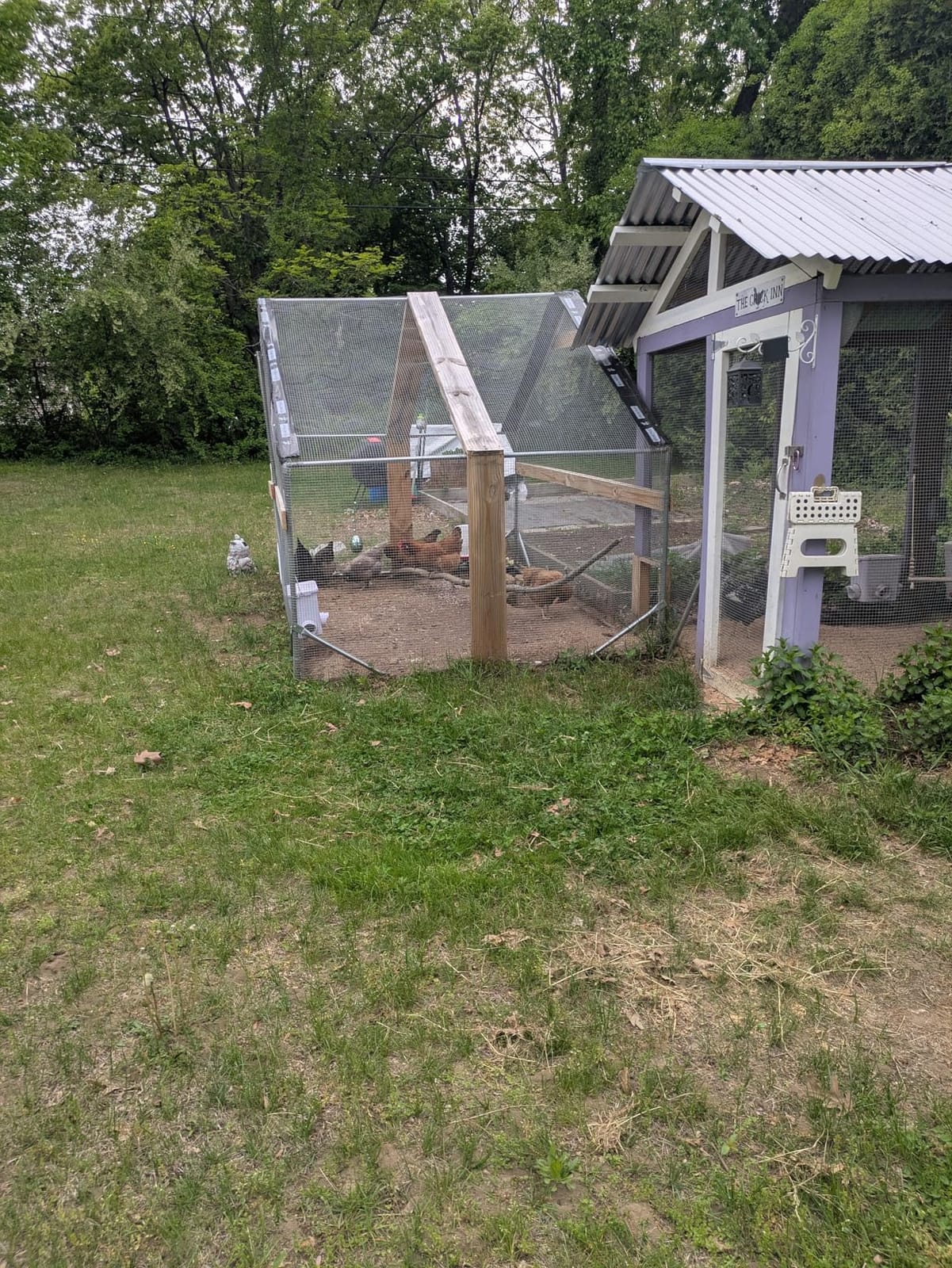
The included 47 by 40 inch eucalyptus roosting perch is a nice touch and a rarity at this price. A wide, flat perch gives birds somewhere to tuck their feet, and that is the single most effective thing you can do to reduce cold stress overnight.
The detachable waterproof cover is a two-sided feature. In a warm month you take it off for maximum airflow, and in a storm you put it back. That flexibility is worth something in a climate with freeze-thaw cycles rather than constant cold.
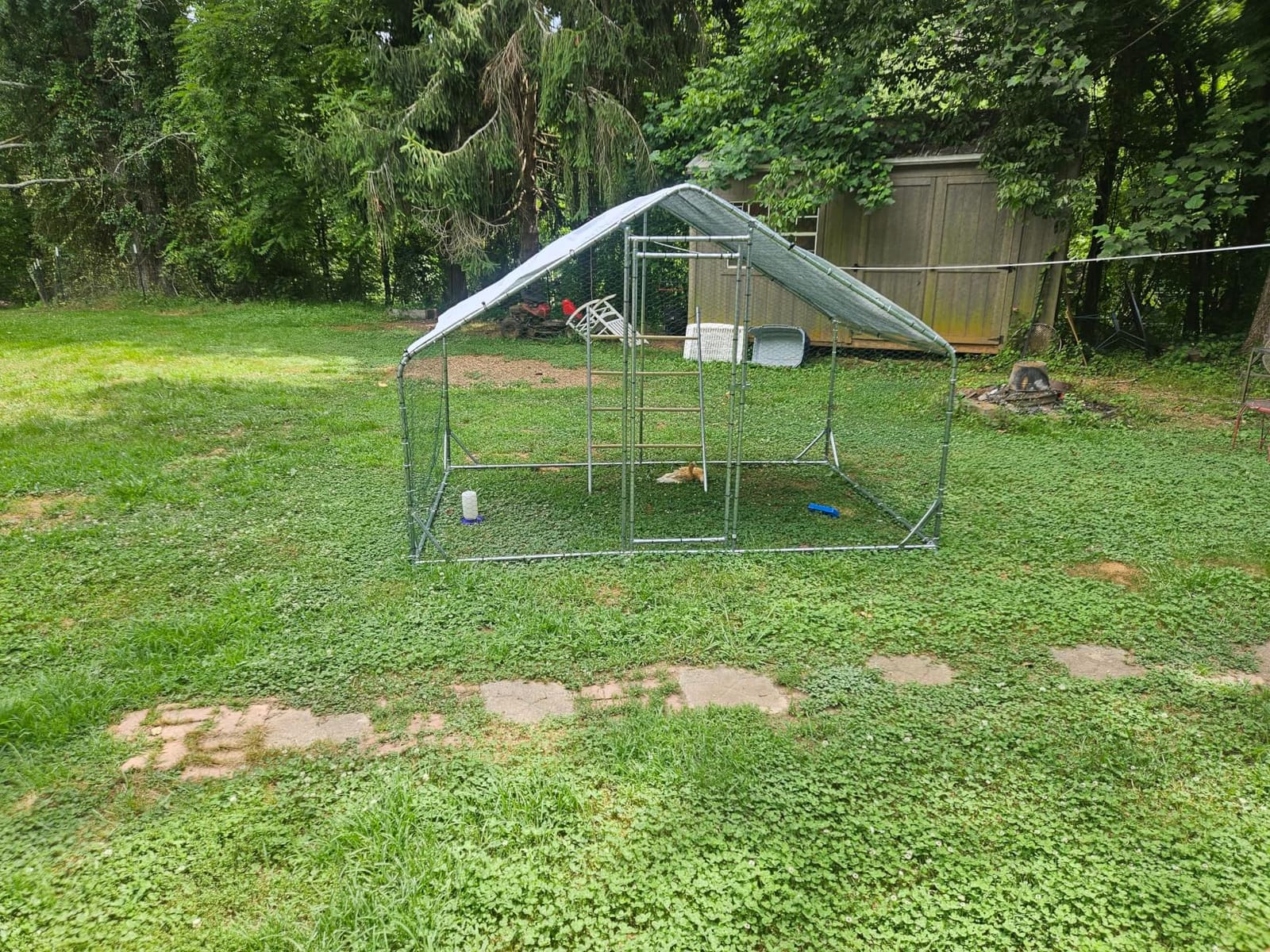
Why the roosting perch width matters in winter
Birds sleep with their feet tucked up into their breast feathers and their backs turned to the draft. If the roost is too narrow, their feet hang over the edge all night and lose heat to the air. Keepers on Backyard Chickens converge on the same advice, which is to use a two-by-four turned so the four-inch face is flat and horizontal.
What that looks like in practice is a roost the width of a standard board, mounted off the wall, with nothing above it that forces the birds to huddle in one line.
When this run is the wrong choice
It is the wrong choice as a winter home for the flock, because there is no enclosed nesting house, only a run with a cover. Owners themselves report pairing it with a separate weatherproof shelter in cold regions, and that is the correct use.
Expect roughly two hours of assembly even though the parts are labeled, and if you are in a storm-prone area you will be reattaching the cover more often than you would like.
8. NUGRIART Large Metal Poultry Run – Sturdy Small-Yard Run
- 1 inch galvanized steel is thicker than most competing coops
- Galvanizing resists rust for long-term outdoor use
- Spire roof makes snow and rain accumulation essentially impossible
- Lockable metal latch door
- Optimized connector parts reduce assembly time
- PE cover is a tarp rather than an insulated panel
- Run-style enclosure without an integrated weatherproof hen house
- Gloves are recommended during assembly due to sharp steel edges
At just under 10 feet by 6.5 feet, this is a compact run, which makes it the practical choice if you have a small yard and want the birds contained rather than ranging across your winter drive. The build quality is better than the footprint suggests.
Owners rate it 4.3 stars with a 67 percent five-star share, and the recurring praise lands on the thicker-than-average galvanized pipe and the spire roof, which drains rain, snow, and debris without building up. A spire roof is the cheapest snow protection available and most people overlook it.
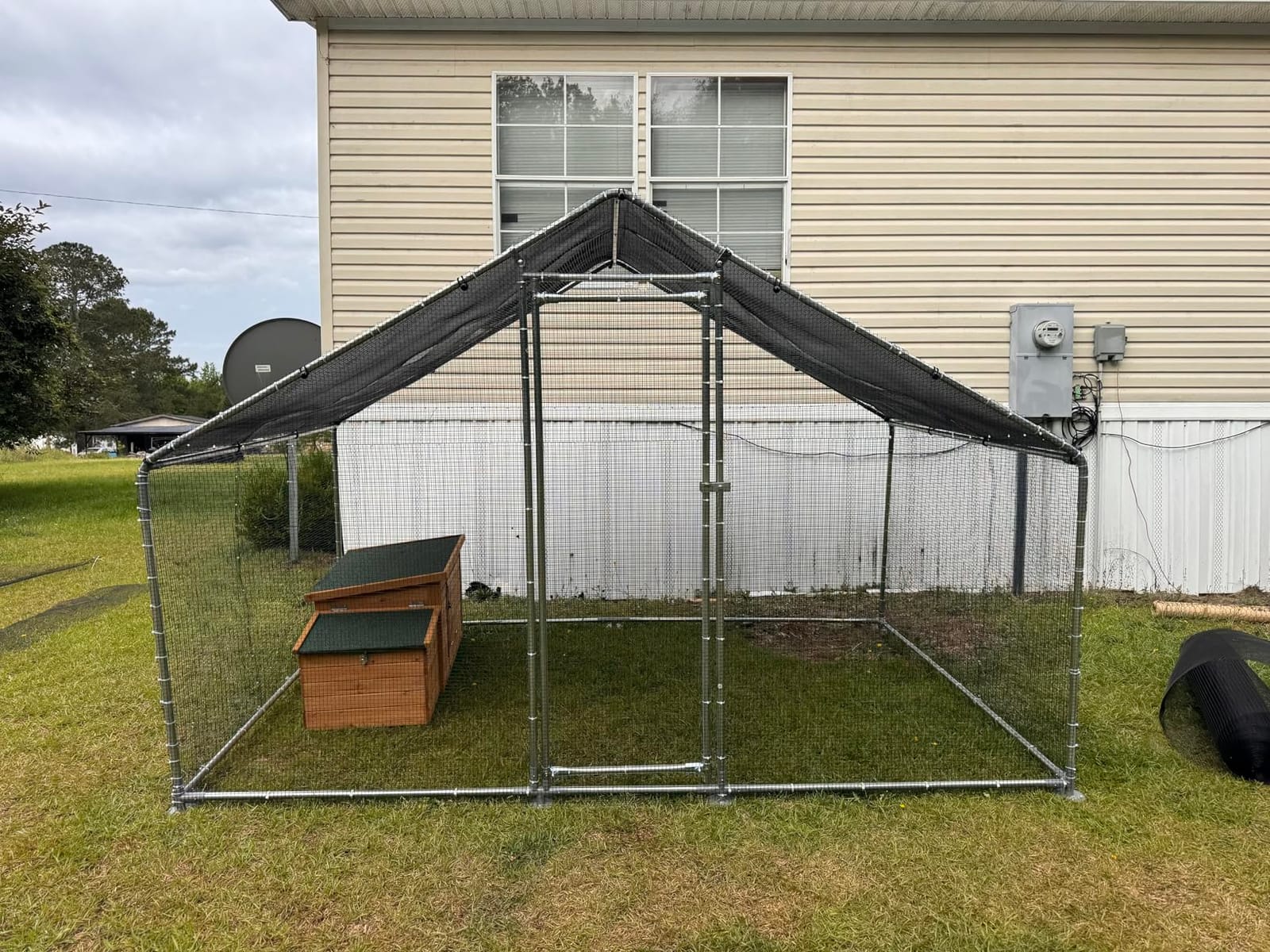
The PVC-coated hexagonal mesh has small gaps that deter smaller predators, and the special designed metal latch door prevents escapes when your flock is clustered near the entrance waiting to be let out at dawn.
Wear gloves for assembly. Several owners mention sharp steel edges, and that is a two-minute precaution against a cut that ruins your afternoon.
Why the spire roof is the spec to check
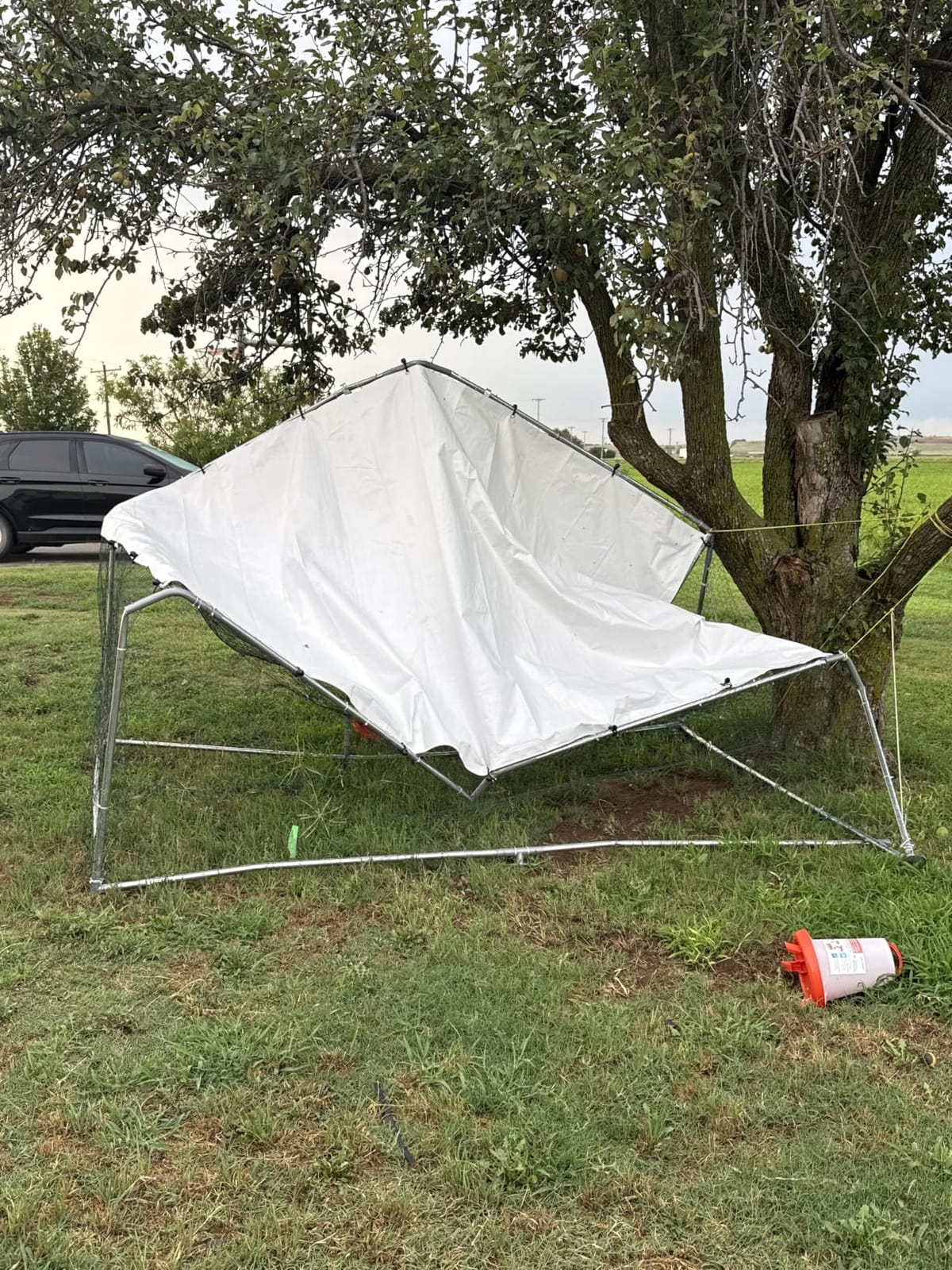
Snow does not crush a coop so much as it saturates it and then sits there as an extra load for weeks. A peaked or spire profile lets snow slide off, which means a smaller structural margin is needed and, more importantly, that you do not have to climb a ladder in a storm to clear a sagging flat panel.
Across this category, spire and peaked roofs appear on the products that owners report surviving northern winters without incident.
When this run is the wrong choice
It is the wrong choice for a large flock, since the footprint limits you to a handful of birds before crowding becomes a winter problem. Crowding in winter is when feather damage, aggression, and damp bedding all get worse at once.
It is also the wrong choice for anyone hoping the cover does any insulating. It is a PE tarp, and it sheds water and nothing else.
9. VEVOR Metal Walk-in Run – Budget Pick for Mixed Livestock
- #20 best sellers rank in poultry habitat supplies
- 1 inch galvanized steel pipe with precise welds
- Spire roof sheds snow and rain
- PE-coated tarp resists tearing and sun damage
- Four-sided ventilation
- Handles hens ducks geese rabbits and quails
- 4.0 star average with 11 percent one-star reviews
- Compact 6.56 ft cube limits capacity
- Manufacturer recommends adding a fence or stones around the base for wildlife
This is the entry point, and it does the job it is meant to do without pretending to do more. The 1 inch galvanized steel pipe with precise welding is the right material at this level, and the spire roof means it will not collect a snow load.
The rating here is 4.0 stars across 1,138 reviews, the lowest average on this list, and it carries the highest share of one-star feedback at 11 percent. Owners consistently praise the steel frame and the spire roof for bad-weather durability, and consistently complain about the compact footprint and the base needing reinforcement for raccoons.
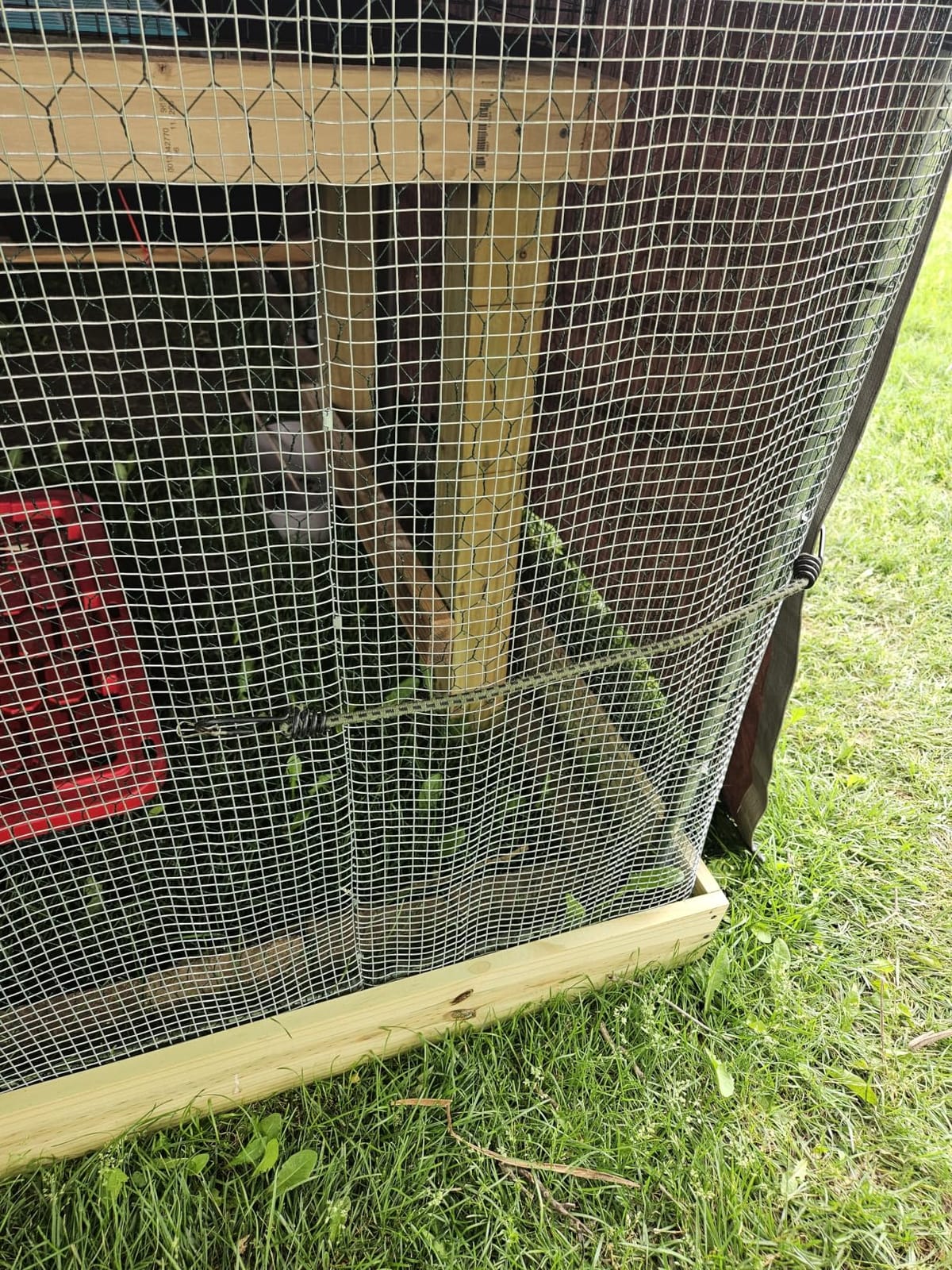
Four-sided ventilation is worth noting for a metal run in winter, since it means air moves through the structure in any wind rather than creating one stagnant pocket.
The versatility is real. Owners use it for ducks, geese, rabbits, and quails alongside chickens, which is why we are including a run in a cold-climate list at all.
Reinforce the base before the first snow
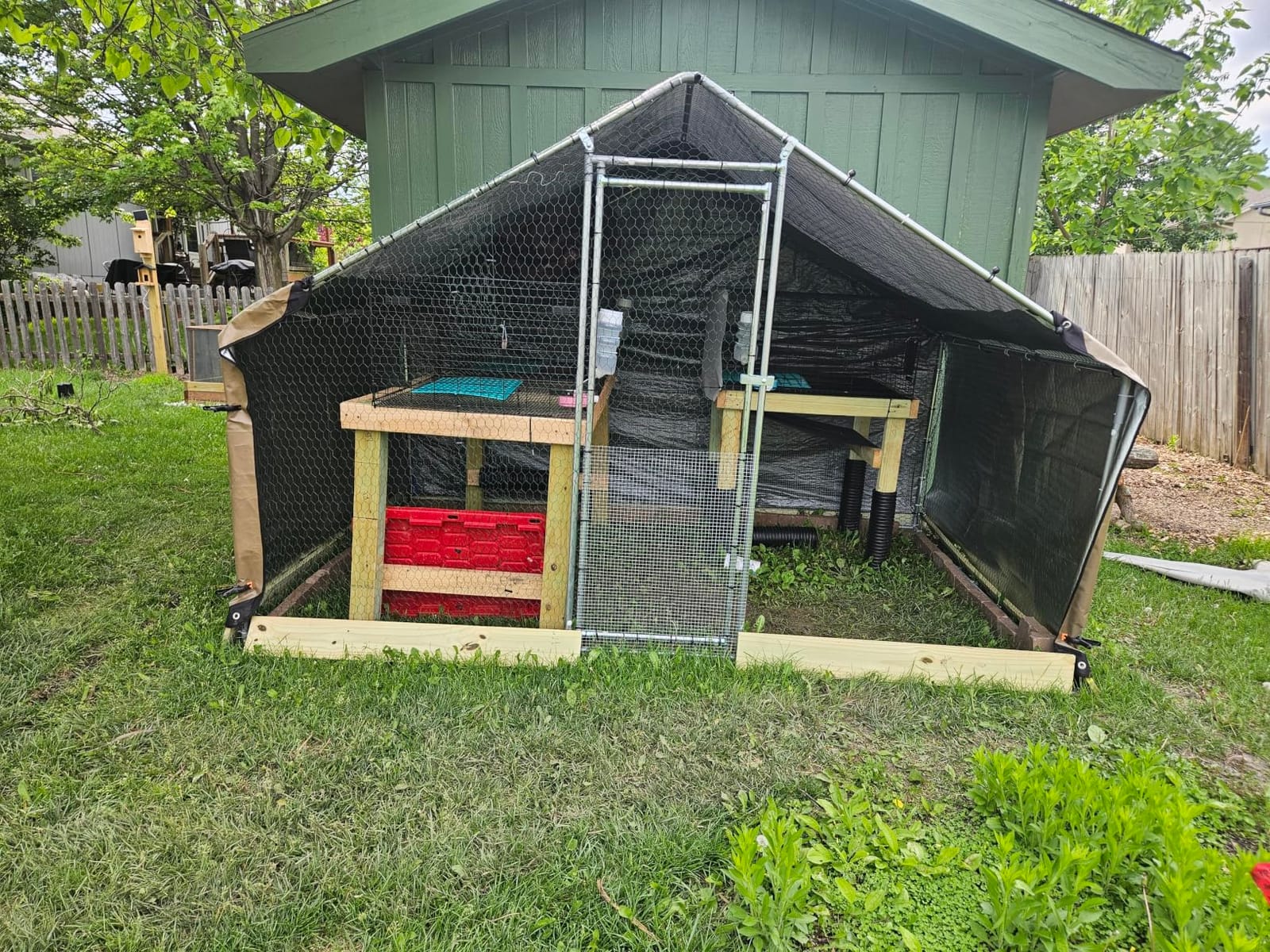
The manufacturer itself recommends adding a galvanized wire fence or stones around the base for wildlife protection. That recommendation is not optional in a cold climate, because frozen ground makes it harder to dig later and weasels find a frozen bottom edge much easier to work under.
Stakes, stones, and a hardware cloth apron cost far less than replacing a flock, and doing it in October is much more pleasant than doing it in January.
When this run is the wrong choice
It is the wrong choice for more than three or four birds, because the 6.56 foot cube does not give the four square feet of enclosed floor per hen that a winter flock needs to stay dry and stress-free.
It is the wrong choice for anyone in a heavy snow region who cannot get out to clear the cover, and it is the wrong choice as a sole winter shelter.
10. Aivituvin Wooden Coop with Wheels – Best for Repositioning
Aivituvin Chicken Coop Hen House, Large Outdoor Wooden Poultry Cage with Ramps, Run, Nesting Box, Removable Tray, Weather-Proof Chicken Cage (Grey, AIR31)
- Assembly reported at about 90 minutes with all hardware included
- Removable sliding tray and four access areas simplify cleaning
- Built-in wheels allow repositioning once assembled
- Overhead nesting box hatch with removable divider
- Sections can be joined end to end
- Several reviewers report thin wood and cheap hardware
- Real capacity closer to 2-3 hens than the listing suggests
- Rounded roosting bars tip easily and sit too close to the droppings shelf
- No solid floor so digging predators need hardware cloth added
- Wheels poorly positioned on uneven ground
Wheels are the reason this one is on a cold-climate list at all, and they are a smart feature. Moving a coop away from a wind-exposed corner or rotating it to catch south-facing winter sun is one of the cheapest passive heat gains available, and this is the only product here you can reposition without dismantling.
The asphalt roof panel is marketed as blocking heat absorption, which is a summer benefit. In winter the more relevant point is that sections can be placed end to end to make a longer run, so you can expand rather than replace.
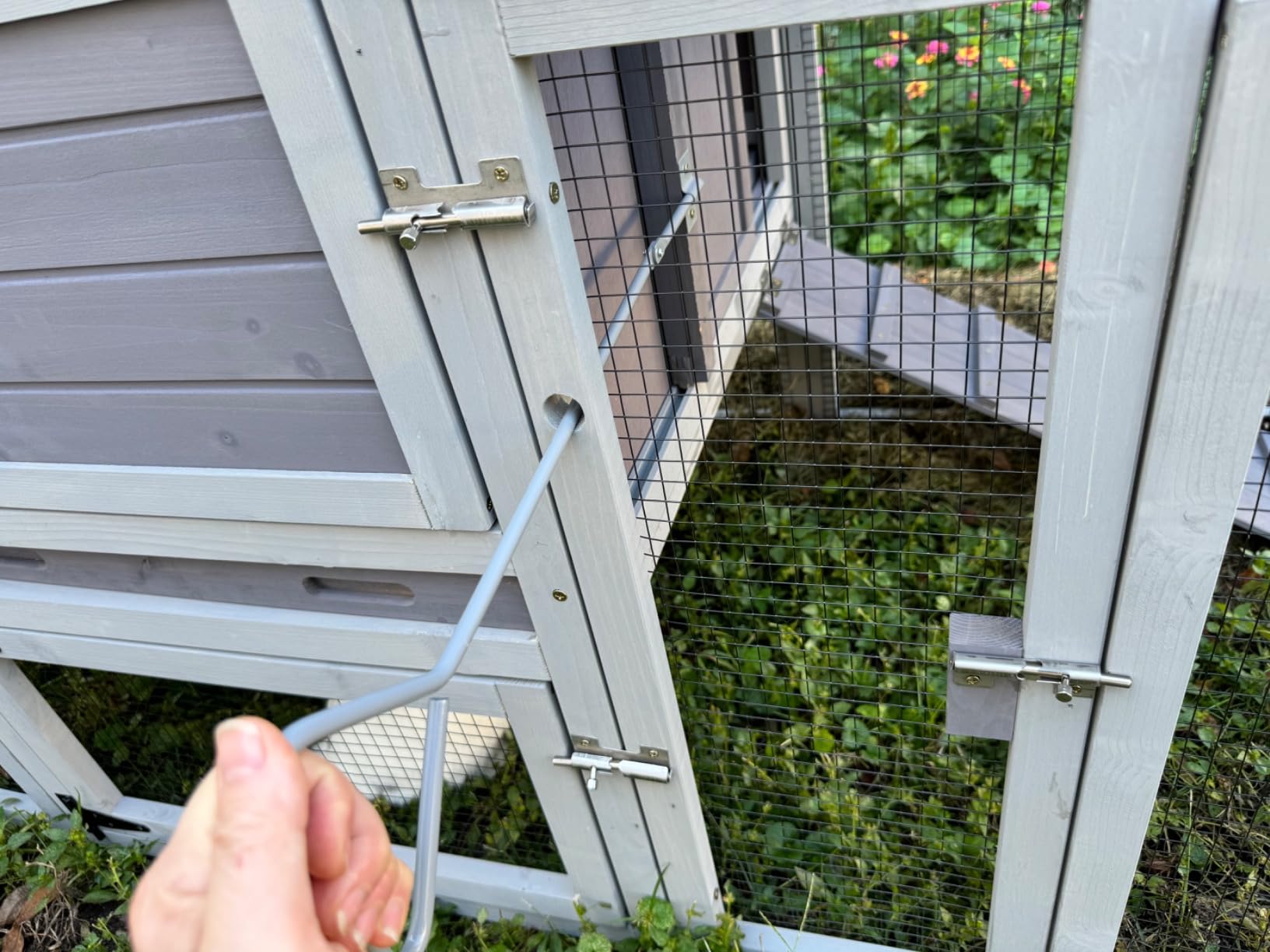
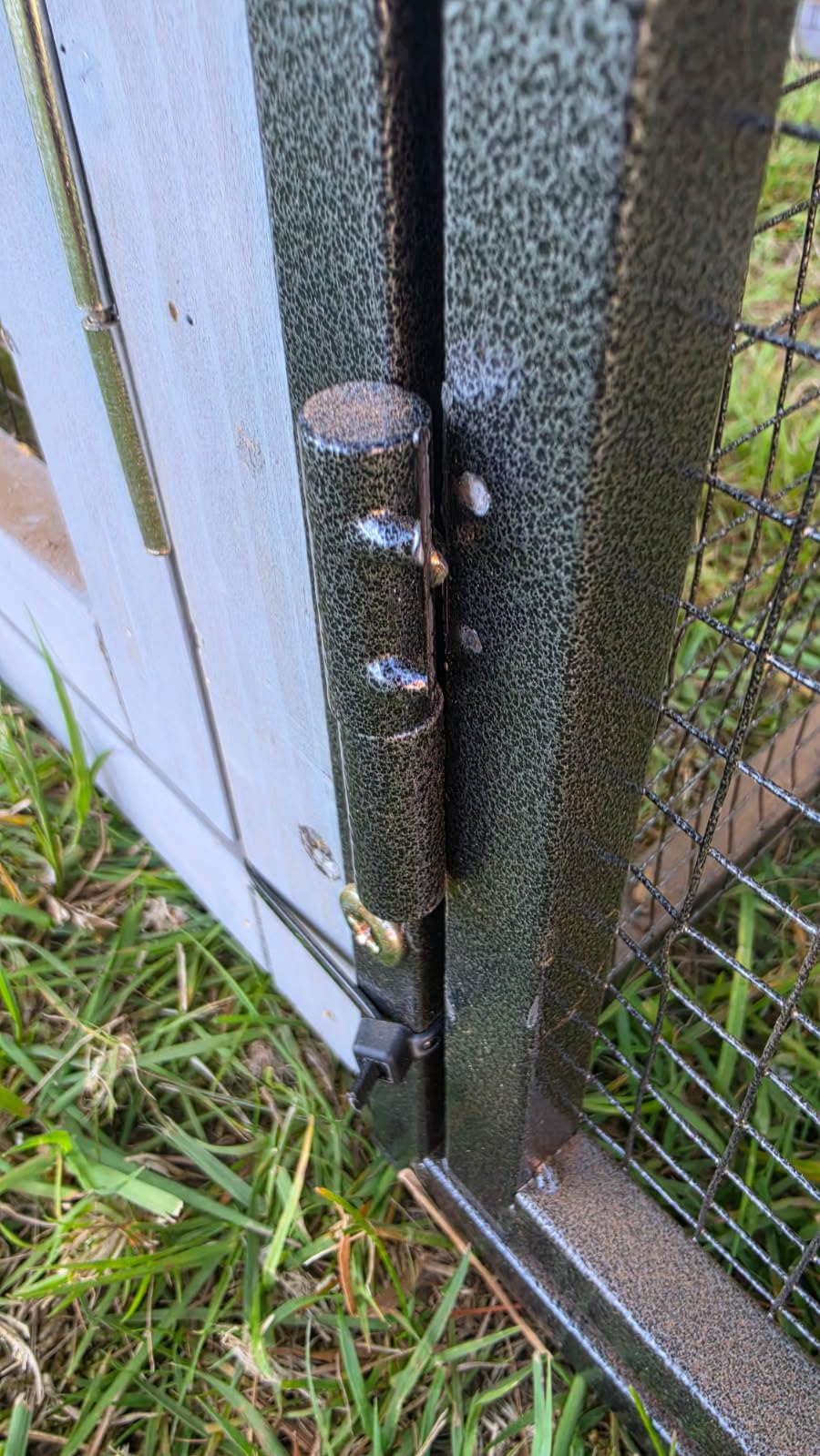
We want to be straight about the negatives because they are specific and they came up repeatedly across 470 reviews. Reviewers report thin wood and cheap hardware, one report describes ramp and nesting box hinges breaking apart within weeks, and boxes arriving cracked. Real capacity lands closer to two or three hens than the listing photos suggest.
The rounded roosting bars are the item that would stop us recommending it in a hard winter. They tip, and they sit close to the droppings shelf, so a bird settling down is sitting on a narrow round perch above damp litter.
Rotation is a real winter technique
In the northern hemisphere, a coop with its enclosed side facing south picks up passive solar gain on clear winter days, and the sheltered north side stays out of the prevailing wind. Being able to turn the coop twice a year, away from an exposed corner in November and toward the sun in January, is a genuine advantage that fixed coops do not offer.
The same wheels let you move the coop onto a drier patch after a thaw, which keeps the base out of standing meltwater and is the simplest rot prevention available.
When this coop is the wrong choice
It is the wrong choice in a region with hard freezes and predatory wildlife, because the rounded perches, the thin hardware, and the absent solid floor are all problems at exactly the same time. One owner did report that added hardware cloth and heavy-duty latches held off a raccoon, which tells you that is the minimum intervention required.
It is also the wrong choice for anyone expecting the advertised capacity to hold more than three hens.
How Cold Is Too Cold?
The honest answer is that there is no single temperature that kills chickens, and the number everybody quotes is wrong. Feathered birds in a dry, draft-free coop tolerate temperatures far below freezing, and well-insulated coops with deep litter routinely hold interior temperatures many degrees above outside on a still night. What kills is a combination, and it is almost always the same combination: damp feathers, a cold surface, and no way to dry off.
Frostbite shows up first on the comb and wattles, because they are thin, vascular, and exposed. It shows up second on feet and shanks, where prolonged contact with a cold wet floor causes lesions that lead to secondary infection. Once a bird cannot stand, it cannot reach food and water, and that is when the situation becomes an emergency.
This is why the moisture argument beats the temperature argument. A dry coop at minus 10 is survivable. A damp coop at plus 10 is not. Insulation that slows temperature swings helps, but sealing moisture in is actively dangerous, which is why experienced keepers on Backyard Chickens repeat that coops should not be sealed up and should have an opening such as their door and vents at the roof for a natural draft but not wide open.
Match the coop to your actual zone
Most northern keepers describe their winters in terms of USDA hardiness zones, so here is how we would match. Zone 3 through 4 covers the Canadian prairies, northern Minnesota, Wisconsin, Maine, and the high Rockies, and it means a real enclosed house with insulation you add yourself, wide flat roosts, and serious wind blocking. Zone 5, which includes much of the upper Midwest and New England, is comfortable for a good wooden coop with foam panels and 12 inches of litter.
Zone 6 to 7, including the Ohio Valley and much of the mid-Atlantic, is survivable in a well-ventilated wooden coop with no added heat. Below zone 3, the only honest recommendation is a purpose-built insulated structure, and most keepers in that band pair a coop with a heavily insulated run and deep litter rather than relying on the shell alone.
Cold-hardy breeds change the math
The breed matters as much as the building. Chantecler was bred specifically for cold climates, and keepers on Permies recommend it precisely for that reason, noting it was created for The Great White North and stays productive in freezing conditions. Plymouth Rock, Wyandotte, Australorp, Orpington, and Rhode Island Red all carry the dense feathering and small combs that reduce frostbite risk.
Large single combs are the vulnerability. If you keep a breed with a heavy comb in a cold region, watch the tips on the first genuinely hard night, and consider frostbite ointment on the comb before it is a problem.
How to Winterize an Existing Coop
Most people searching this are not shopping, they already own a summer coop and want to know what to add first. Forum threads on Backyard Chickens and Reddit are overwhelmingly answered with retrofit advice rather than a product recommendation, so here is the sequence we would follow, in order.
- Audit the vents first. Before adding anything, confirm your coop has openings high on the walls or in the gable that pull damp air out above roost level. A vent with a storm collar or a strip of clear plastic hinged above it is better than no vent at all.
- Add rigid foam panels to the interior walls. Cut to fit between studs and staple them in, leaving a small gap at the bottom for air. Interior foam does more than exterior foam because it keeps the warm, dry layer next to the birds. Reflectix with an air gap works too, and is what most forum retrofits use.
- Insulate the roof from underneath. The underside of the roof panel loses more heat than any wall. Foam board between the rafters is the single highest-value upgrade you can make.
- Install a draft stop at the pop door. A strip of heavy card, a clear plastic flap, or a small hinged door solves the one place a cold draft lands directly on sleeping birds.
- Build up litter to 12 to 18 inches. Deep litter with a carbon layer, such as pine shavings or coarse chopped bedding, insulates the floor and generates a modest amount of heat as it composts. Only add bedding to the sides, never dig the pile out mid-winter.
- Add a heated waterer before the first freeze. Not a heat lamp. Water is the daily emergency; frostbite is a slow risk.
- Set a light timer for 14 to 16 hours. A warm LED on a timer sustains egg production through the short days without adding meaningful heat.
If you only do three things, do three, five, and six. Draft stop, deep litter, and unfrozen water will carry a flock through nearly any winter that an insulated shell could.
What Can Kill Your Flock When a Heat Source Fails
Every cold-climate forum thread contains the same fear in different words, which is what happens when the thing keeping the birds alive stops working. We think the fear is the wrong framing. Heat is not what keeps a flock alive in winter, so there is very little to lose when it fails, provided you have not built a dependency on it.
The real failure modes are these. A power outage takes out a heated waterer, and your birds lose drinking water until it thaws or you break the ice by hand. A heat lamp on a timer or thermostat is a fire risk, and we have no hesitation in saying do not run one, because it is a documented cause of coop fires and because it teaches your flock to depend on warmth they will not get on a mild day. A sealed-up coop with no vent collects ammonia, which damages respiratory tissue within days regardless of temperature. A run used as a sleeping space in hard cold gets damp, and damp causes the frostbite that people misattribute to the cold.
One owner we read about uses insulated housing, hay bedding, and reptile heat lamps together and has lost no birds, and we would still steer a new keeper away from that setup, because it works until the first power cut, at which point the birds have lost the cold tolerance they built up.
Prepare instead. Keep a spare waterer you can fill by hand. Have a card draft stop ready to staple up. Keep bedding in the garage so you can add litter without digging in the dark. Leave the coop vented no matter what the thermometer says.
How to Choose a Coop for Your Winters
Start with the honest question of whether you need an enclosed sleeping house at all. Seven of the ten products here are open runs, which work well in summer and need foam panels, deep litter, and a wind block to function in January. If your winters are mild and dry, a run plus a small weatherproof box may be all you need.
Next, check roof profile before anything else. A spire, gable, or steep pitch sheds snow. A flat or low-pitch roof with a tarp collects snow and meltwater, and across these reviews it is the feature most correlated with owner complaints in winter. Every run on this list except the wooden coops uses a spire or peaked roof, and the ones owners report surviving ice storms all had one.
Then check the frame gauge. Budget runs cluster around 0.6mm galvanized pipe, which is why they bend. Anything at 0.8mm or above, and this list has several, is meaningfully stiffer and worth a longer look if your site is exposed.
Do the capacity math honestly. Four square feet of enclosed floor per hen is the working number, and manufacturers count the run toward the total, which is how a six-chicken coop turns out to sleep three. Our backyard coop guide goes deeper on this, but the short version is to count enclosed floor only and ignore the run in the count.
Look at the floor. A removable tray or a washable panel means the litter can be changed quickly, and quick changes are what keep bedding dry. A solid raised floor with a sealed perimeter is better than a bare floor over bare ground, where meltwater sits.
Finally, budget for the two add-ons nobody puts in the box. Hardware cloth for the run, in the correct gauge, plus a proper latch. And seasonal care, sealer for wood, a heavier cover for a run, and electricity for a heated waterer. Those running costs are small next to replacing a flock, and they are the difference between using these coops in February or watching them from the kitchen window.
One last thing, and it is not about coops. If you end up with more eggs than you can eat in a freezing month, our chicken enchilada casserole is the fastest way to use a dozen without thinking about it.
Frequently Asked Questions
How cold is too cold for a chicken coop?
There is no single lethal temperature, because cold air alone rarely kills a feathered bird. Frostbite comes from damp feathers against a cold wet surface, so a dry, draft-free coop can sit well below freezing safely while a damp coop at above freezing is dangerous. Watch combs, wattles, and feet first, and prioritize keeping bedding and air dry rather than chasing a thermometer.
Do chickens need a heated coop in winter?
Almost never. Chickens generate their own body heat and huddle effectively, and experienced keepers consistently advise against heat, because it makes birds less tolerant of cold and can create dangerous temperature swings. Provide wind protection, high ventilation above roost level, and 12 to 18 inches of deep litter instead. Skip heat lamps, which are a documented coop fire risk.
How do you keep chicken water from freezing?
A heated waterer base is the reliable answer, and you should have it running before the first freeze rather than during it. Practical backups include a rubber mat under the bowl, feeding earlier when water is still liquid, and having a second waterer ready so the flock is never without a drink during a power cut. Never leave a bird without water in a cold snap.
What is the warmest bedding for chickens in the winter?
Deep litter built to 12 to 18 inches over a carbon source such as pine shavings is the warmest and most insulating option, and it releases a small amount of heat as it composts. Straw works well and is inexpensive but breaks down faster. Add bedding at the sides during the winter and never dig the pile out mid-season, because the bottom is the warmest layer.
What kind of chicken coop is best for Canadian winters?
For zones 3 to 4 you want an enclosed wooden house rather than an open run, insulated inside with rigid foam panels, with a steep or peaked roof, wide flat roosting bars, a draft stop at the pop door, and deep litter. Pair any open run with a heavily foam-lined wall. Breed choice matters too, and Chantecler, Plymouth Rock, and Wyandotte all handle freezing conditions well.
Should I put a heat lamp in my chicken coop?
We would not, and the reasons are fire risk and lost cold tolerance rather than comfort. Heat lamps are a documented cause of coop fires, and birds raised on warmth become less able to cope with ordinary winter nights. If your coop is properly ventilated, draft-free at roost height, and deeply bedded, a heat lamp adds risk without adding safety.
How do you winterize a chicken coop?
Work in this order: confirm high vents above roost level, add rigid foam panels to the interior walls and the underside of the roof, install a draft stop at the pop door, build litter to 12 to 18 inches, fit a heated waterer before the first freeze, and set a warm LED on a timer for 14 to 16 hours a day. Add hardware cloth and a real latch at the same time.
Final Verdict
For a typical backyard flock of four to six hens in a zone 4 or 5 winter, the Petsfit Outdoor Coop with Run is our pick in 2026, because its enclosed house, corrugated PVC roof, sliding vent window, and washable floor address the cold-climate problem honestly rather than by adding a heater. Larger flocks should look at the Aivituvin Extra Large for its enclosed house and cleaning access, and anyone who needs room to move the birds should look at the Belinova for its hardware cloth and solar dusk light.
The larger lesson is the one keepers on Backyard Chickens and Permies keep repeating. Ventilate above the birds, block drafts at roost height, keep the litter deep and dry, and do not seal the coop or run a heat lamp. Pick the best chicken coops for cold climates on frame gauge, roof pitch, and floor design, then add the foam panels yourself.
We earn a commission from qualifying purchases at no additional cost to you. Use the buttons below to check the current listing for each coop.