
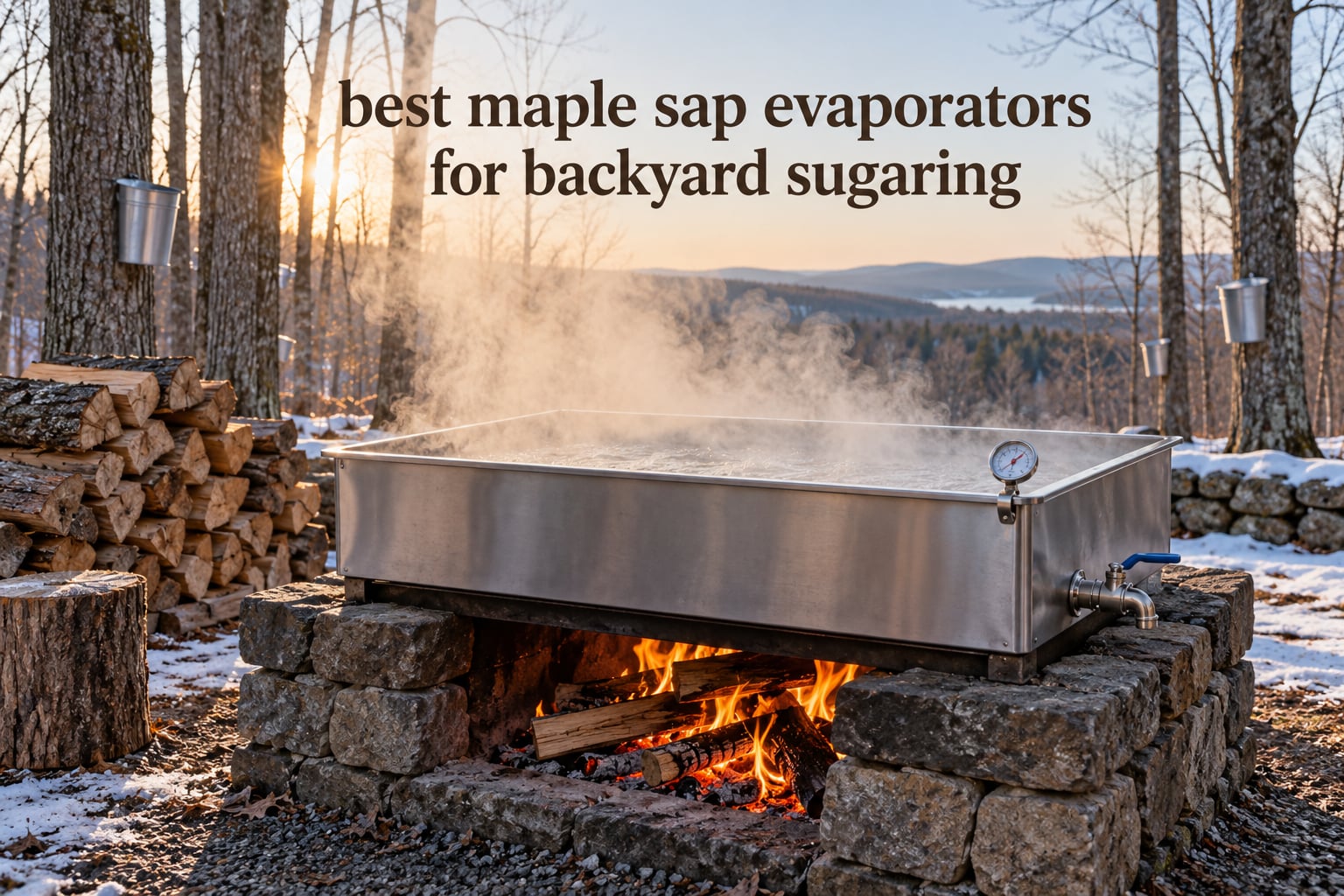
Maple sap is roughly 98 percent water, and no filter or press can change that. The only step that turns sap into maple syrup is evaporation, and the maple sap evaporator you use is the machine that drives the water off. Most backyard sugaring hobbyists tapping a handful of trees start with a turkey fryer pot and end up boiling every other day, which is the moment a purpose-built pan becomes worth it. After comparing the current crop of backyard sugaring evaporators, the VEVOR 35 gallon pan is the one we would put behind a small sugar shack.
Here is the short answer first. For most backyard sugaring setups, a flat 304 stainless pan of roughly 24 square feet of evaporating surface handles around 10 to 15 taps per season, and you should look for a welded draw-off valve and a working thermometer rather than a firebox. Sap finishes at 66 Brix and about 219 F, which is the 86 rule: roughly 86 gallons of 2 percent sap becomes a single gallon of finished syrup.
Every evaporator below is a pan, not a full wood-fired rig. That is deliberate. The specialist wood-fired and propane units sold by Bascom Maple, Bassett Maple Co, Vermont Evaporator and Smoky Lake start well above what a first-season backyard maker spends in a decade, and several are freighted items quoted separately. These pans bolt onto a cinder block frame, a burner ring or a fire pit, and they let you learn the boiling, the draw-off and the finishing before you commit to a firebox and a stack.
Our team read through the owner feedback on all eight of these pans closely, and the same three complaints came up over and over: valves that sit too high on the wall to drain the last of the syrup, thermometers mounted where you cannot read them at shallow sap depth, and thin metal that warps over a long burn. The picks below are ordered by how well they answer those complaints. If you have not tapped yet, start with our maple syrup tapping kit guide so you know how much sap you are actually dealing with.
Table of Contents
Top 3 Maple Sap Evaporator Picks for 2026

VEVOR 35 Gal 36×24 Pan
- 35 gallon capacity
- 36 x 24 x 9.3 inch
- TIG full-welded corners
- Two valves plus pre-heating tank
- Built-in thermometer
- 52.2 pound build

VBENLEM 48×24 Pan
- 47 gallon capacity
- 48 x 24 x 9.4 inch
- Divided pan with divider board
- TIG welded sealed edges
- 3/4 inch draw-off valve
- Included thermometer

Reallnaive 36×24 Filter Kit
- 22.5 gallon capacity
- 10 inch cone filter stand and filters
- Nylon mesh drawstring bag
- Dual-scale mechanical thermometer
- Sealed hemmed corners
Every Maple Syrup Evaporator in the Round-Up, Compared in 2026
All eight are 304 stainless flat pans, and the differences that actually matter boil down to footprint, wall height, valve placement and what comes in the box. Every one of them accepts wood, charcoal or propane heat, so the fuel decision comes later. Compare the panels below before you pick, then read the full review for the two or three that match your tap count.
| Product | Specifications | Action |
|---|---|---|
| VEVOR 35 Gal 36 x 24 x 9.3 Inch Pan |
|
Check Latest Price |
| VBENLEM 48 x 24 x 9.4 Inch Pan |
|
Check Latest Price |
| Reallnaive 36 x 24 x 6 Inch Filter Kit |
|
Check Latest Price |
 Marada 30 x 20 x 6 Inch Pan Marada 30 x 20 x 6 Inch Pan |
|
Check Latest Price |
 WantJoin 24 x 24 x 10 Inch Pan WantJoin 24 x 24 x 10 Inch Pan |
|
Check Latest Price |
 Festisoul 24 x 24 x 7 Inch Triple-Chamber Pan Festisoul 24 x 24 x 7 Inch Triple-Chamber Pan |
|
Check Latest Price |
 AYAWNGJ 24 x 24 x 9.5 Inch Pan AYAWNGJ 24 x 24 x 9.5 Inch Pan |
|
Check Latest Price |
 Okasiki 30 x 16 x 9.5 Inch Divided Pan Okasiki 30 x 16 x 9.5 Inch Divided Pan |
|
Check Latest Price |
1. VEVOR 35 Gal 36 x 24 x 9.3 Inch Maple Syrup Pan – Best Overall
- Two draw-off valves plus a pre-heating tank
- Best-selling presence in the category with 107 reviews
- TIG full-welding wraps all four corners
- Fuel-flexible over wood or propane
- Heaviest pan in the group at 52.2 pounds
- 19 inch package depth makes storage demanding
- One person cannot easily reposition it
This is the pan we would build a small backyard sugar shack around. It holds 35 gallons, which is close to a full weekend batch of sap from 10 to 15 taps, and the 36 by 24 inch footprint is the sweet spot between boiling quickly and staying manageable in a yard. Owners running it across a season broadly approve of the welded 304 build and rate the two-valve layout as the feature that makes large batches practical.
The pre-heating tank is the part people overlook. Raw 2 percent sap dumped straight into a hot pan scorches on the bottom before it has a chance to start boiling, and the pre-heat stage is what keeps a light amber grade instead of a dark one. Two adjustable draw-off valves also mean you can be filling one jug while the pan keeps reducing, instead of stopping the boil to tip a heavy pan of hot syrup into a funnel.
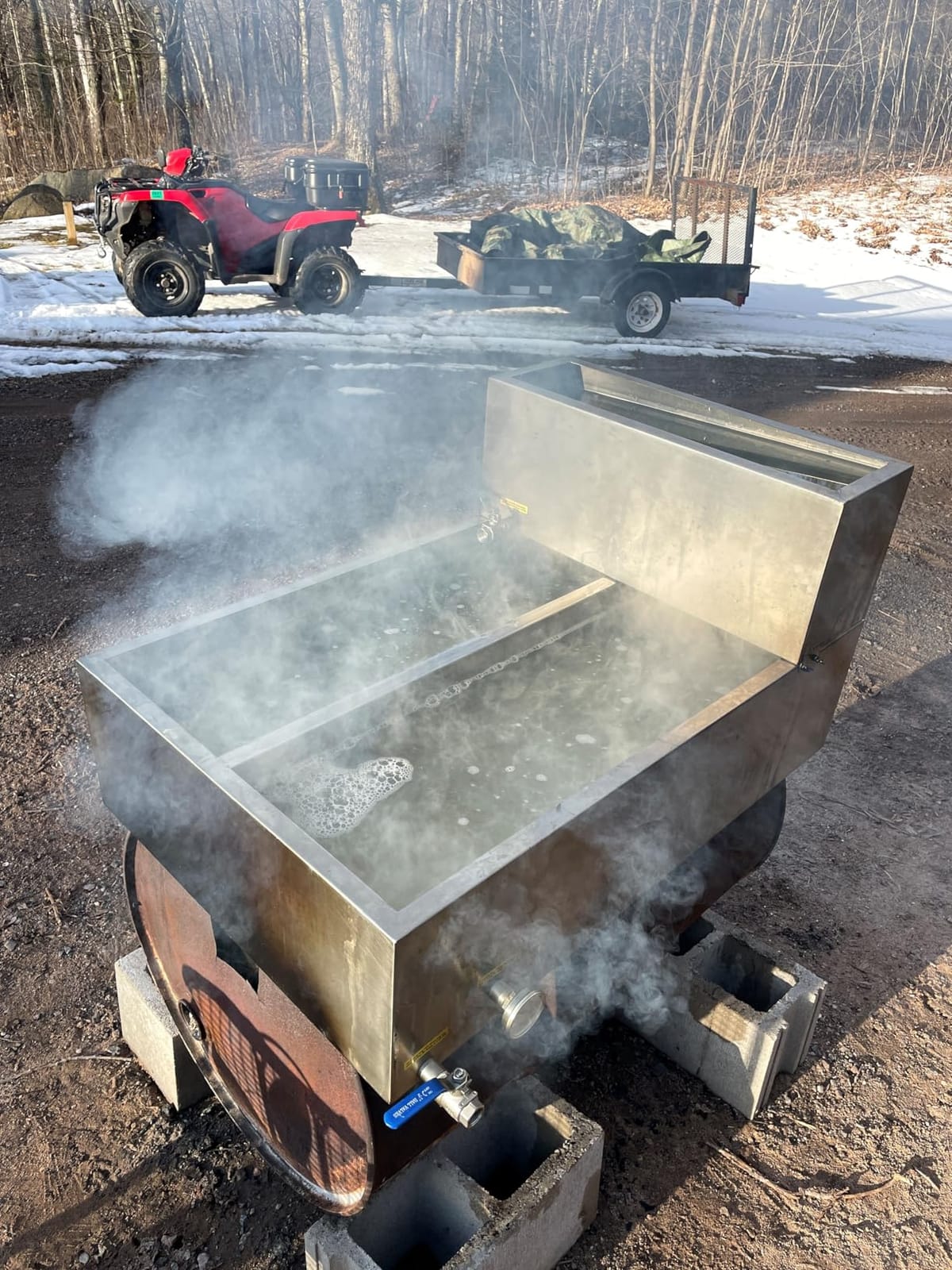
Welding is the quiet strength here. All four corners are fully wrapped rather than butted and spot-welded, which is exactly where cheap pans eventually spring a leak and ruin a season’s last batch. Combined with the 1.5mm thickened stainless, it is the most corrosion and scorch resistant build in this group.
The trade-off is weight. At 52.2 pounds this is the heaviest pan we tested, and lifting it onto or off a cinder block frame takes two people or a strong back. The tall package depth also means it eats vertical space in a shed, which matters if you are storing it between seasons in a packed building. Buy a folding stand rather than a permanent frame.
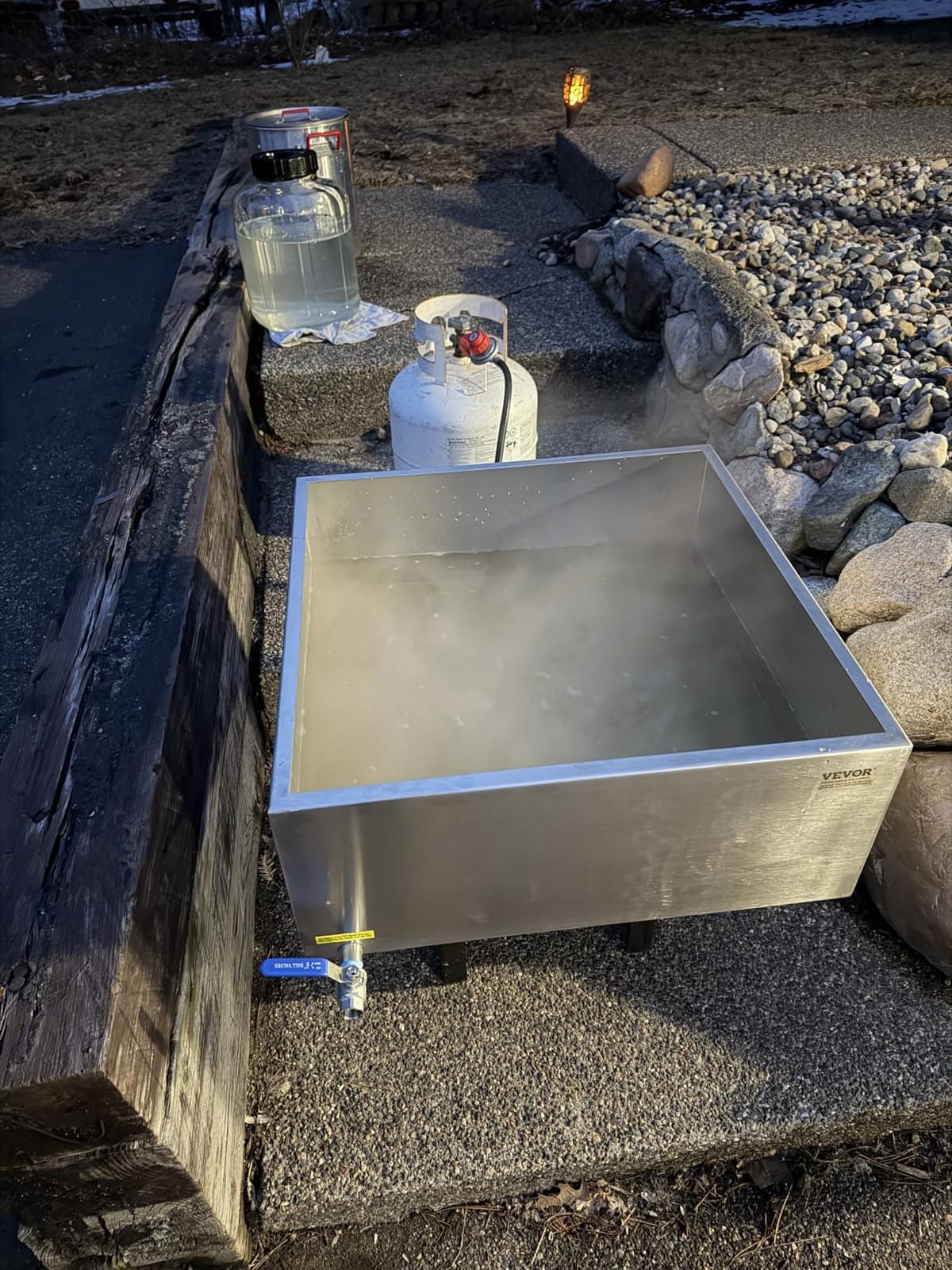
Who this pan suits
A backyard sugaring setup running 10 to 15 taps that wants to boil the whole weekend in one long session instead of every other evening. It also handles a modest honey crop if you want to run it in spring.
Anyone who cares about syrup grade will like the pre-heating tank and the thermometer that mounts where you can read it. Both valves are near the bottom of the wall, so you can actually empty the pan when you are done.
Who should skip it
Skip it if you are a renter with no shed, or if you intend to carry the pan to and from the fire by yourself. Forty pounds of moving hot stainless is how people drop a finished batch.
Skip it if you only have two or three taps. You would be boiling a quarter of the pan and burning fuel for nothing. A smaller footprint is the right answer at that scale, and the rest of this list has several.
2. VBENLEM 48 x 24 x 9.4 Inch Maple Syrup Pan – Best Value for Big Batches
- Deepest owner photo pool and review history in the category
- 47 gallon capacity suits serious batches
- Divider board stiffens the pan for long burns
- Metal thickness judged neither flimsy nor heavy
- Valves sit above the bottom so the pan must be tipped to drain
- Valves on opposite sides prevent a single-corner slope
- Thermometer mounts too high and reads Celsius only
- Some orders missing the warming tray with no seller response
This is the largest reviewed listing in the whole category, with 138 owner ratings and a deep pile of customer photos, and that alone makes it the most documented pan here. If you have ever wondered whether a big flat pan can hold its shape over a full weekend burn, this is where the answer is written down.
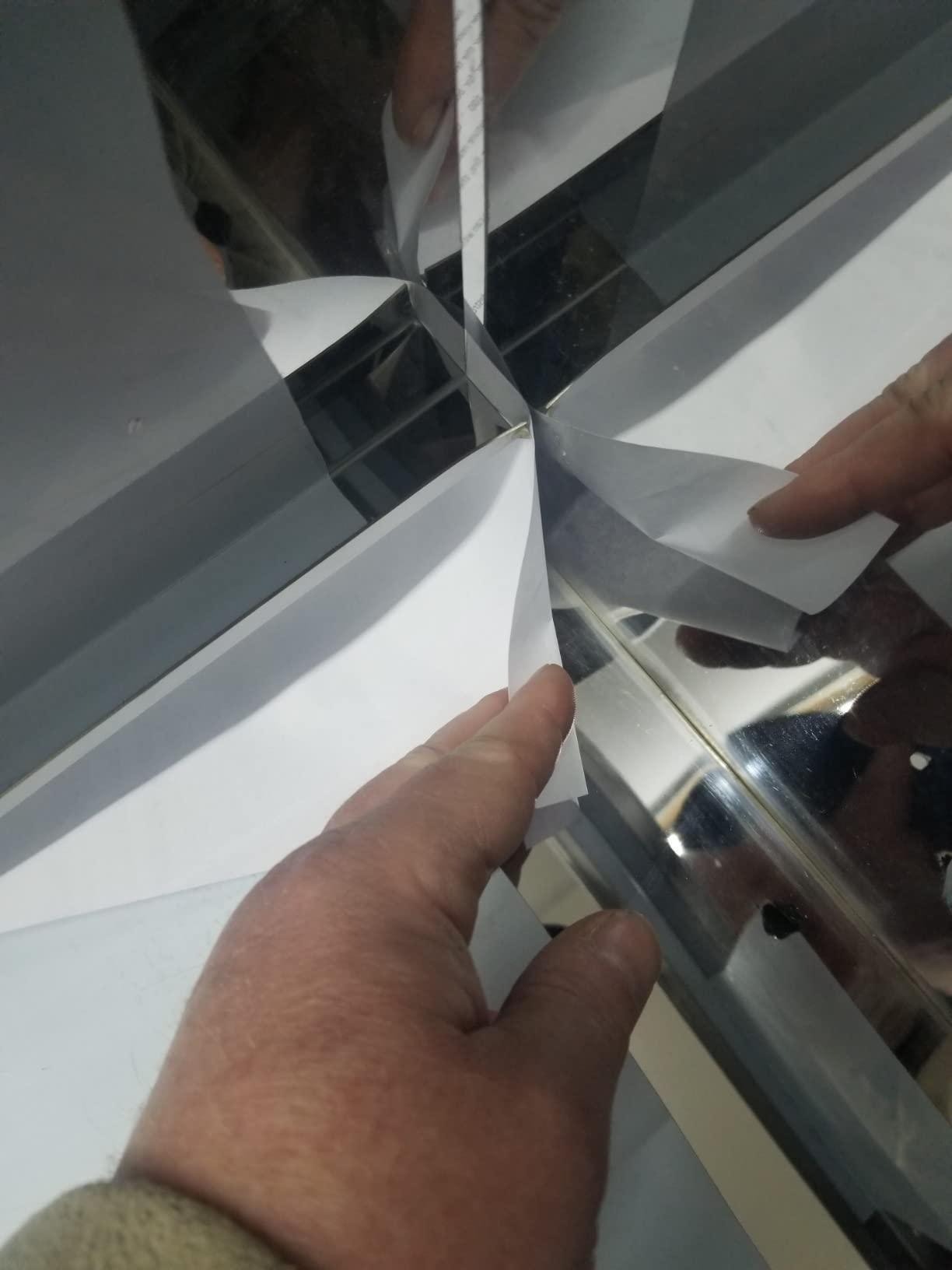
Mechanically it is a serious pan. A divider board runs through the middle to stiffen the floor, the seams are TIG welded, and all four top edges are sealed and hemmed. Metal thickness lands in the middle of what owners want: not flimsy, not a unit you cannot lift.
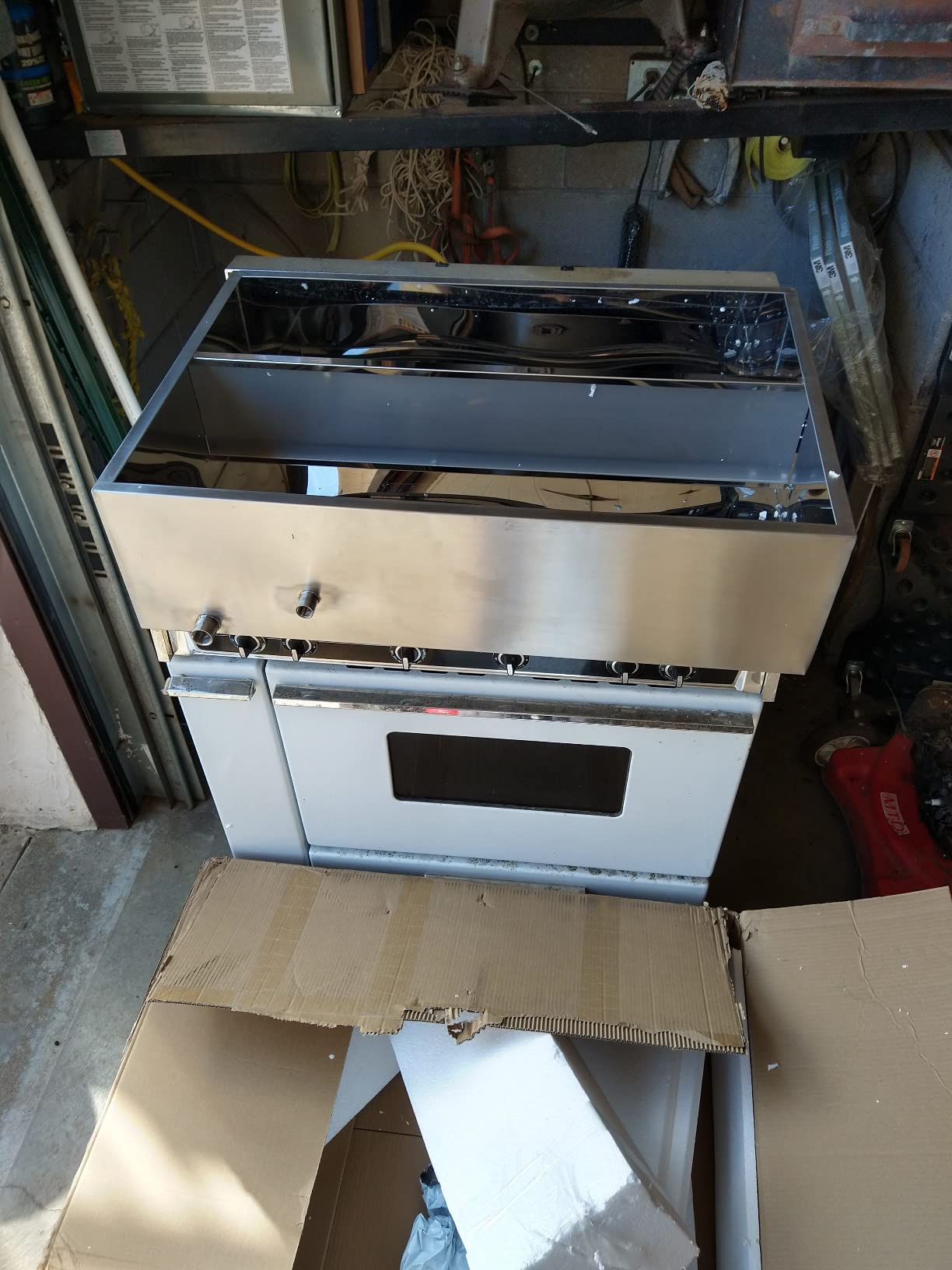
What holds it back is the drainage layout. The 3/4 inch valve is mounted partway up the wall rather than at the bottom, so the last gallon of finished syrup stays in the pan until you tip it. That is the single most repeated complaint from owners, and it is worse on a 48 inch pan than it would be on a small one.
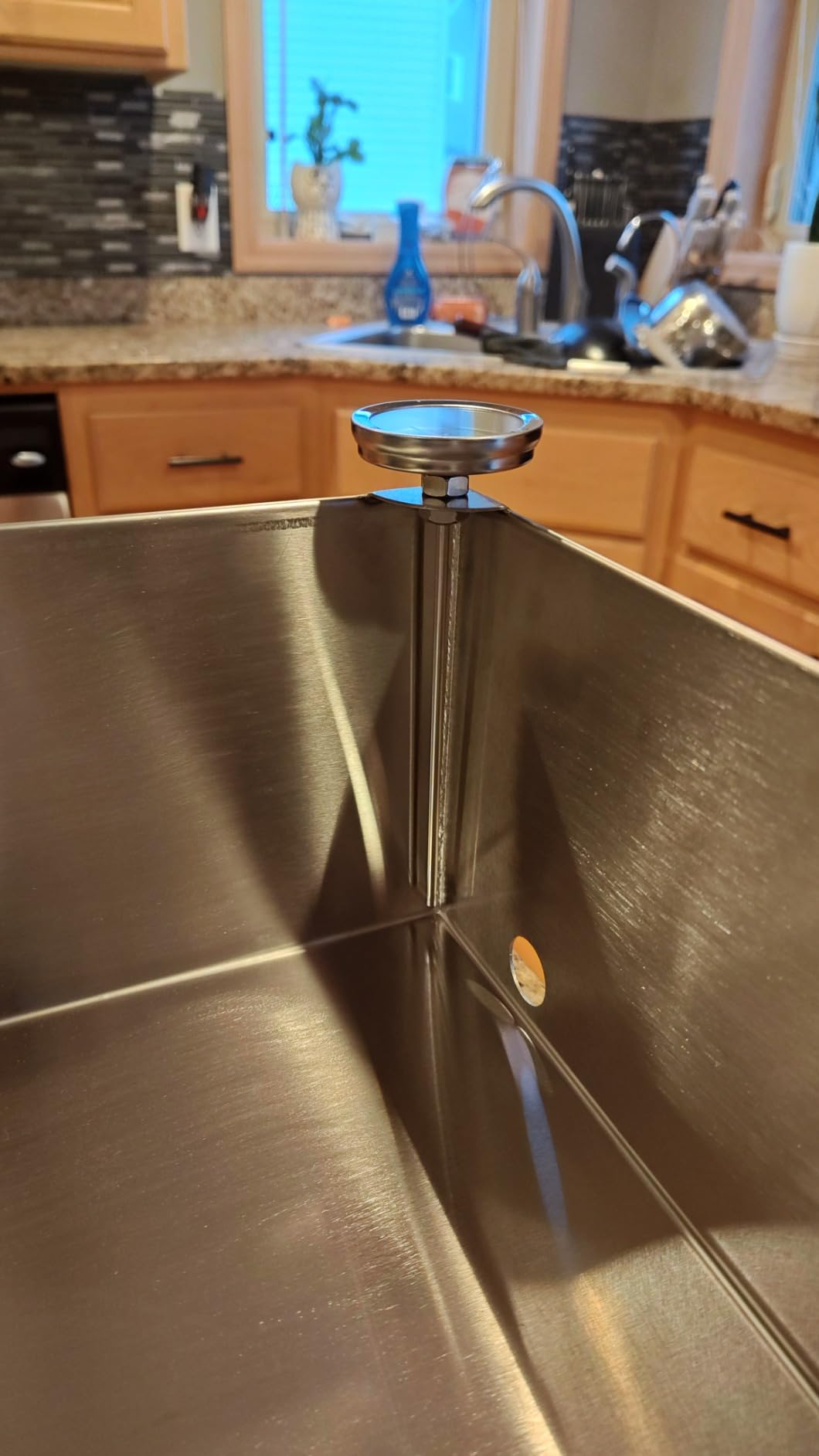
The second complaint is the thermometer. It mounts high on the side, so at shallow sap depth in the early boil you cannot read it, and it is Celsius only, which is a nuisance if you think in Fahrenheit. A cheap clip-on thermometer solves the reading problem but not the position.
Who this pan suits
Backyard sugaring hobbyists running 15 to 25 taps who want to boil big batches over two days and do not mind setting the pan on a slope or tipping it at the end. The divided format also suits people who like two separate finishing zones.
It is the best value in the group purely on evidence. More owner photos and more seasons of feedback than anything else here, which means fewer surprises in your second and third season.
Who should skip it
Skip it if lifting a pan of near-boiling syrup to get the last of it out bothers you. That is a burn risk, and no amount of scale makes it go away. A low-mounted valve is worth paying for.
Skip it if your frame or fire ring cannot take a 48 by 24 inch pan. It is a big footprint, and it needs a proper stand rather than a few cinder blocks arranged by guesswork.
3. Reallnaive 36 x 24 x 6 Inch Maple Syrup Pan with Cone Filter Kit
- Only pan here that includes a 10 inch cone filter stand and 10 filters
- Includes a nylon mesh drawstring bag for the big draw-off
- Dual-scale thermometer readable in Celsius or Fahrenheit
- Shallow depth gives better boil-down control
- Some one-star reviews report leaks and finish problems
- 6 inch depth limits batch volume per boil
- One in ten ratings sits at one star
Here is the thing that makes this one different. It comes with a foldable 10 inch cone filter stand, ten cone filters, a nylon mesh drawstring bag and a dual-scale thermometer, so you can hot-filter and finish syrup without a second shopping list. Nobody else in this roundup includes a filtering system.
The 36 by 24 inch footprint is the same as our top pick, but the 6 inch wall height is meaningfully shallower. For backyard sugaring that is not really a drawback. Shallow pans give you more control on the boil-down, scorch less at the edges, and are much easier to stir and to skim, which is what you want when you are chasing a light grade.
Across 26 ratings the feedback is mostly positive, with owners pointing at the bundled filtering kit and straightforward assembly. About one in ten ratings sits at a single star, and those reviews mention leaks and finish problems in individual pans, so inspect the seams the day it arrives.
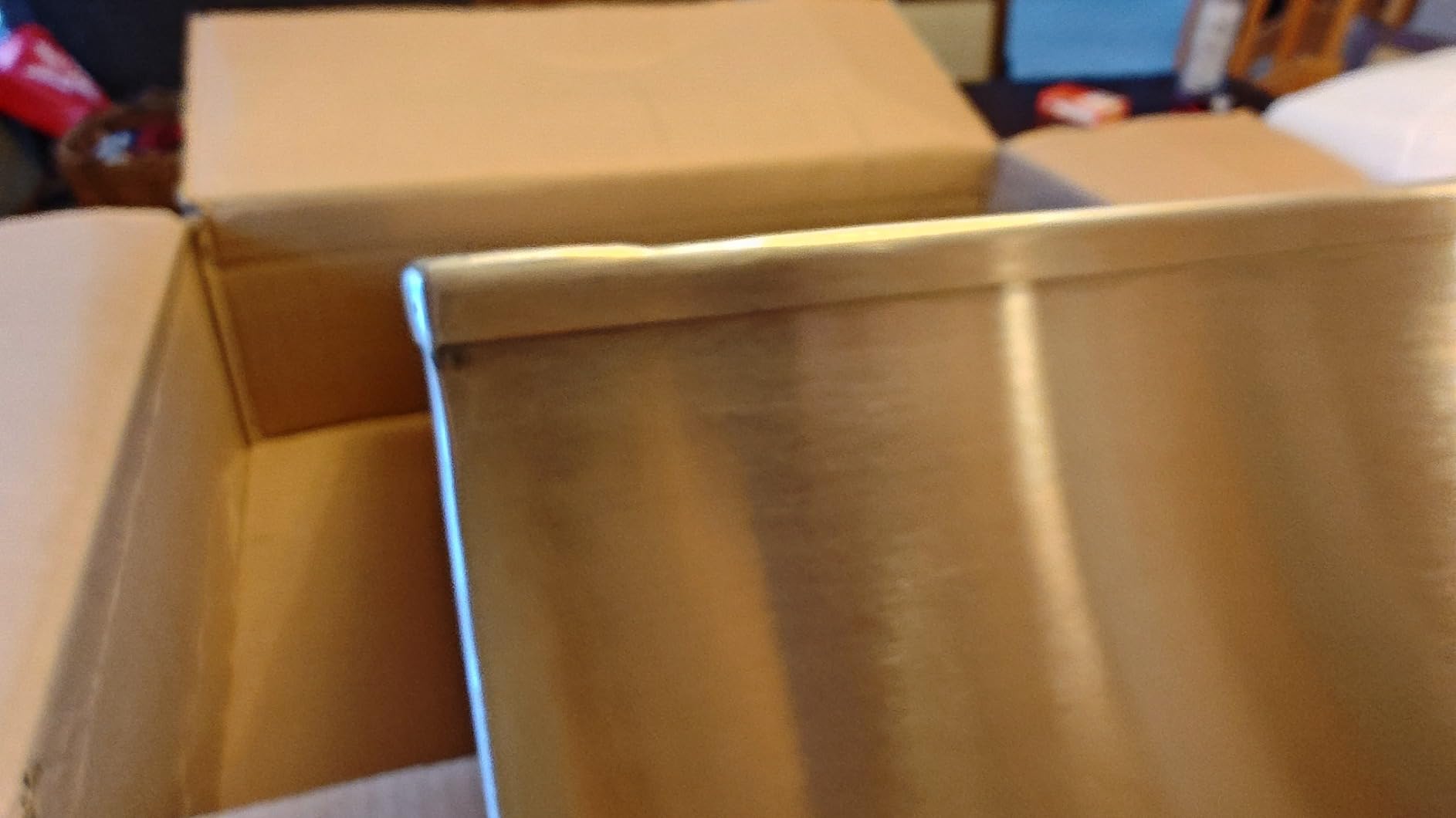
Corners are welded, sealed and hemmed, which is the detail we check first on any stainless pan. The included thermometer reads both Celsius and Fahrenheit, which sounds minor until you are at 219 F at two in the morning trying to hit 66 Brix.
Who this pan suits
First-season sugarmakers who want the whole workflow in one purchase. If the idea of hunting for a filter stand, cone filters and a mesh bag sounds like one more reason to never start, this removes that excuse.
It is also a good match for shallow batches from a handful of trees, where a 22.5 gallon charge is already most of a weekend of sap and finishing control matters more than raw volume.
Who should skip it
Skip it if you already have filtering gear. You are paying for accessories you will not use twice, and the shallow pan gives up batch volume compared with a 9.5 inch wall.
Skip it if the mixed one-star history makes you risk averse. Check the listing for recent reviews on leaks before committing, because a weeping pan ruins syrup.
4. Marada 30 x 20 x 6 Inch Maple Syrup Boiling Pan
Marada Maple Syrup Evaporator Pan with Dual Interface Steam Table Pan,304 Stainless Jam Food Chafing for Home, Outdoor, Cooking (30″L x 20″W x 6″H)
- Heavier and more rigid than buyers expect at this tier
- Seamless laser welds with no reported porosity
- Folded lip removes sharp edges from the rim
- Holds over 10 gallons without warping
- Valve and pipe plug can leak at the threads without PTFE tape
- Some reports of welds rusting after short use
- Thermometer not included
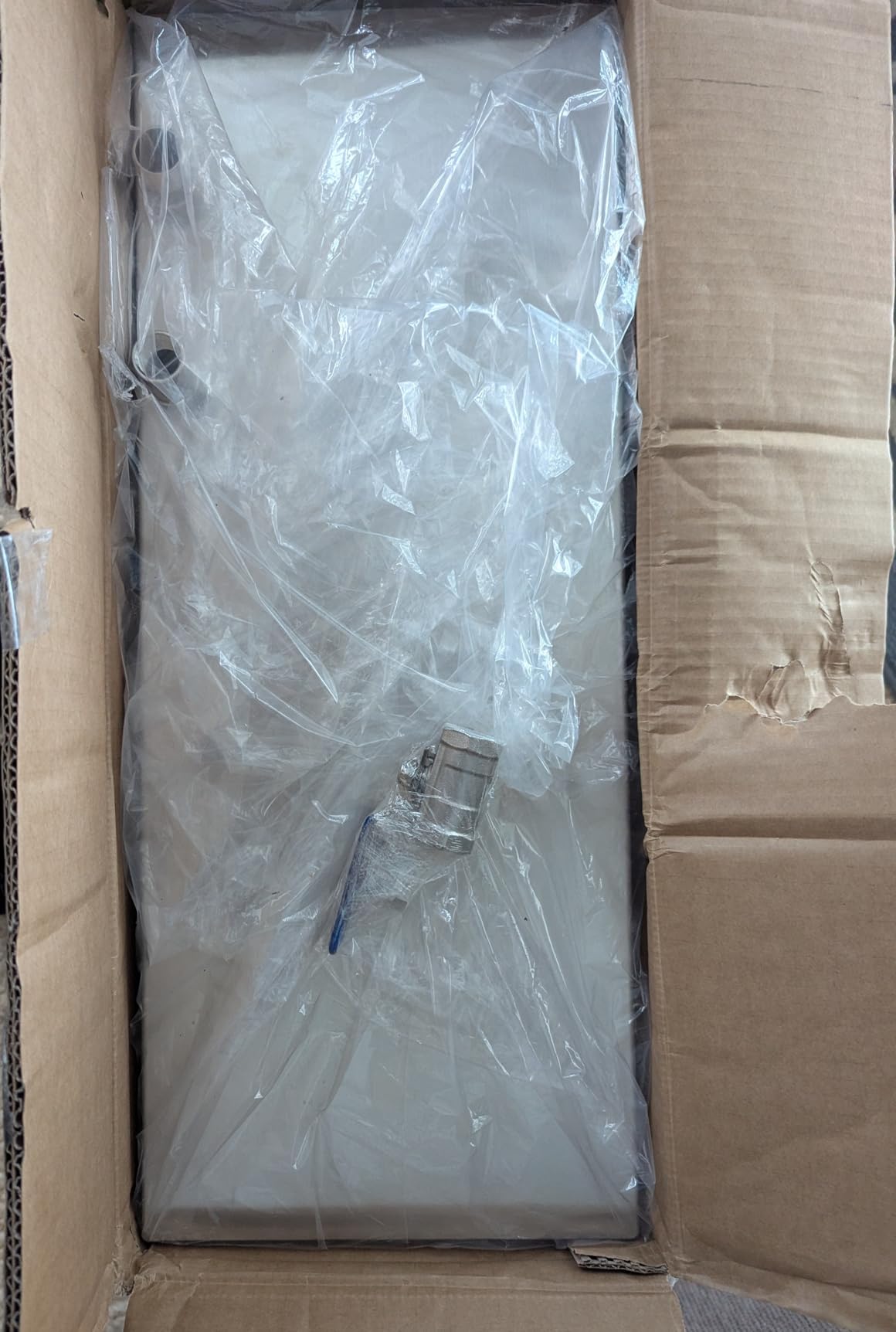
The 30 by 20 inch footprint is the one we would pick for a genuinely small setup. It still holds more than 10 gallons, which is a full weekend of sap from a handful of taps, and at 23 pounds it is light enough for one person to reposition.
Owners consistently single out how much more rigid this pan is than they expected. The steel is 1.5mm 304 stainless, seamless laser welded, with the ports welded on cleanly, and that is a combination you rarely get at the entry end of this category. Several owners report running multiple gallons of finished syrup through it without warping.
The folded edges on all four sides are a small thing that matters more than it sounds. An open cut rim on a hot pan is a cut waiting to happen, and folding the lip over removes the sharpest edge before you ever pick it up.
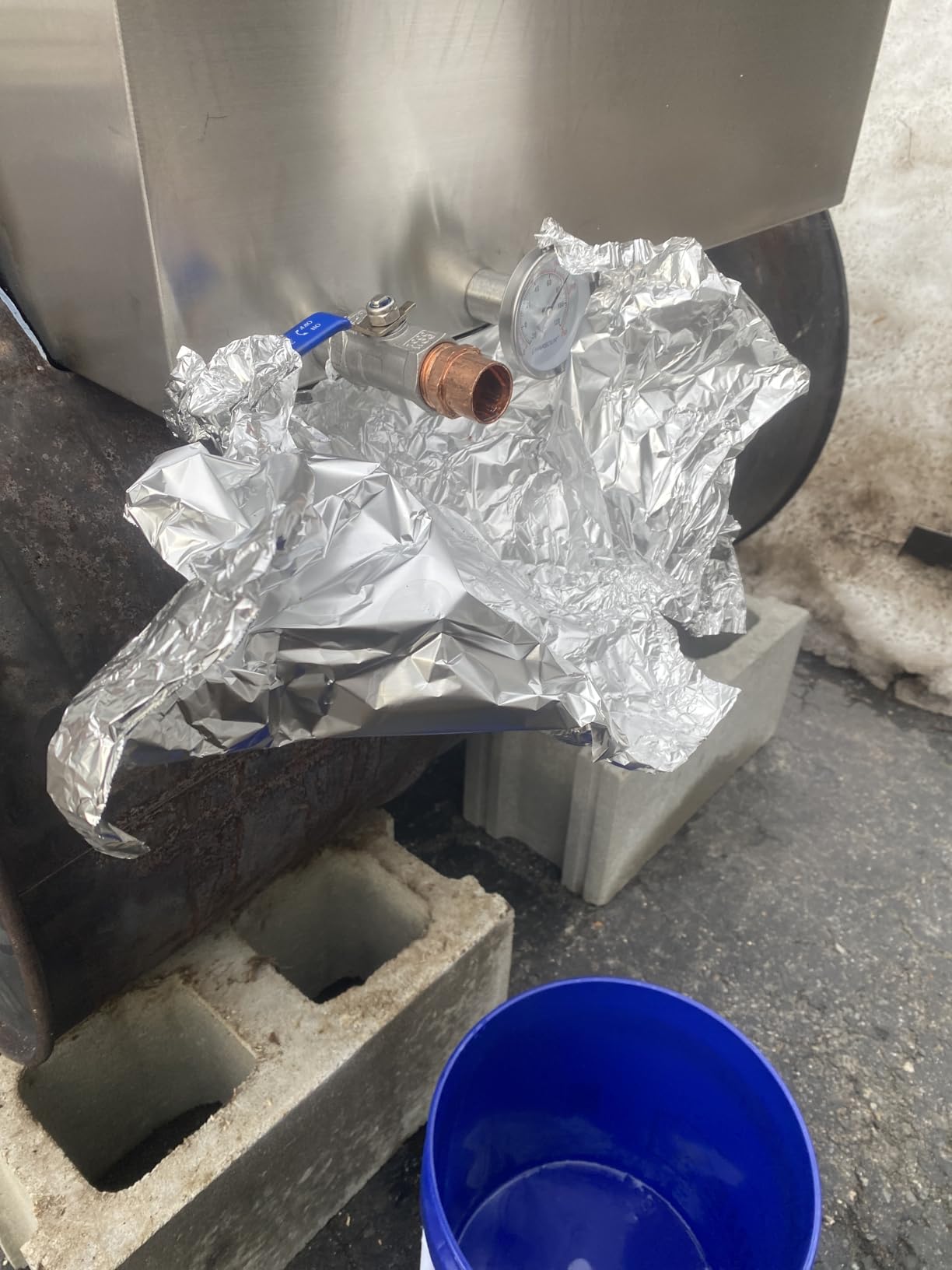
Two real weaknesses show up in reviews. The valve and pipe plug can weep at the threads unless you wrap them with PTFE tape, which is a two-minute fix, and a minority of owners report welds starting to rust after fairly short use. Neither is alarming if you rinse and dry the pan after every boil.
Who this pan suits
Anyone running a few taps who wants more than a turkey fryer pot without buying a 48 inch pan. The narrower 30 by 20 footprint also fits fire rings and burner grates that a 36 inch pan would overhang.
It doubles as a jam or chafing pan outside sugaring season, which quietly stretches the value if you only boil for a few weeks each spring.
Who should skip it
Skip it if you want to read temperature from the pan itself. No thermometer is included, so budget for a clip-on or a separate probe to hit 66 Brix reliably.
Skip it if you intend to leave sap sitting in it overnight. The 6 inch depth means a small charge that concentrates fast, and it will scorch if you walk away from it.
5. WantJoin 24 x 24 x 10 Inch Maple Syrup Evaporator Pan
- Every seam TIG welded with reinforced corners for leak resistance
- Most complete fitting bundle in the set with valve and tube
- 1.5mm steel conducts heat quickly
- Fuel-flexible over wood or propane
- Only 3 ratings
- so multi-season durability is unproven
- Square footprint is less efficient to store than a long pan
The 24 by 24 by 10 inch format is the shape most people picture when they think about a maple sap evaporator: square, deep and heavily ribbed. This one holds 24 gallons, and the vendor rates it at roughly 360 bottles of 50 ounce syrup from a full load.
What sets it apart in the fittings. The G 3/4 inch valve, an extension tube, an elbow pipe and a strip of PTFE tape all come in the box, so you are not hunting for a hose or a sealant the night before your first boil. The extension tube in particular solves the awkward job of filling containers while the pan is still reducing.
All three owners who have rated it gave five stars, and their feedback centres on the welded construction and the completeness of the kit. Three ratings is not evidence of multi-season durability, so treat this as a promising design rather than a proven one.
Who this pan suits
Sugarmakers who want a single deep pan that holds a real batch and does not need a second round of fittings. A tall wall on a square footprint also means less surface area lost to corners, which is where you lose the most time.
The multi-fuel compatibility makes it genuinely flexible. You can start it on charcoal early in the season and move to wood later as the firewood dries out.
Who should skip it
Skip it if you need documented long-term feedback. With three ratings, you are the test subject. Buy it if you are comfortable inspecting the welds on arrival.
Skip it if storage space is tight. A 24 inch square pan at 25 pounds stacks awkwardly compared with the long flat models that slide against a wall.
6. Festisoul 24 x 24 x 7 Inch Triple-Chamber Maple Syrup Pan
24×24 Inch Maple Syrup Evaporator Pan, Commercial Grade 304 Stainless Steel Sap Boiling Pan with Draw-Off Valve & NPT Ports, for Making Syrup, Jam, Large Batch Cooking
- Triple-chamber design supports staged evaporation and boil control
- Welded NPT ports and fold-over edges handle and clean easily
- Also works as a large-batch jam and sauce reduction pan
- Lightest stainless option in this roundup
- Shallow 7 inch depth holds less per batch than taller 24x24 pans
- Small review base of 4 ratings with a noticeable two-star share
- Finish quality seems inconsistent between pans
The triple-chamber layout is the distinguishing idea here. Instead of one open basin, the pan is divided into stages so sap can move from a hotter chamber to a gentler one, which gives you more control over the boil and lets you concentrate syrup without scorching the whole batch at once.
The build is standard and solid: 1.5mm 304 stainless, seamless laser welds, folded edges on all four sides, and one control valve fed by two 3/4 inch NPT threaded ports plus a dedicated thermometer port. At 19.84 pounds it is the lightest stainless pan in this roundup, which matters if one person is setting it up.
Owner feedback is genuinely split. A majority rate it five stars while a noticeable group rates it two stars, which points at uneven finish or leakage between pans. With only four ratings on record there is not much more to say, so treat it as a design worth considering rather than a proven performer.
Who this pan suits
People who like staged control, and anyone who also cooks. As a jam or sauce reduction pan the three chambers are genuinely useful, which extends the life of the purchase well past sugaring season.
It is a sensible pick if you already have a proper frame and fire ring and want a mid-size pan rather than a full-sized one.
Who should skip it
Skip it if a consistent seven-inch depth sounds slow to you. Compared with a 9.5 or 10 inch wall, this holds noticeably less sap per charge, so you will be refilling more often.
Skip it if finish consistency matters more to you than the staged design. The two-star share is large enough relative to the sample that you should budget for inspecting your pan.
7. AYAWNGJ 24 x 24 x 9.5 Inch Pan with Built-In Thermometer
Maple Syrup Evaporator Pan, 304 Stainless Steel Maple Syrup Boiling pan with one Valve and Thermometer, 23.8gal Capacity, 24″ x 24″x 9.5″
- 1.5mm base engineered to resist warping over long boils
- Integrated thermometer supports precise grade control
- Square footprint gives a high sap-to-steam ratio
- Brushed finish wipes clean easily
- Only a single rating
- so durability over seasons is unproven
- Single valve limits draw-off during continuous pouring
This pan pairs a 23.8 gallon capacity with a factory-installed thermometer, which is the feature most entry pans leave out. Hitting 66 Brix means watching temperature carefully at the end of the boil, and having the gauge already mounted means you are not balancing a probe on a rim at night.
The base is 1.5mm throughout, engineered to resist warping, and the square 24 by 24 footprint is described as optimising sap-to-steam ratio. That is not marketing fluff in a flat pan: more surface area per gallon of sap is precisely what speeds up evaporation.
The honest caveat is that this listing carries a single rating. There is no multi-season owner history here at all, so the five-star score tells you very little. What we can confirm is the specification and the feature set, which are sound for the money.
Who this pan suits
First-time sugarmakers who will absolutely need a thermometer and would otherwise be reading temperature by guesswork. It removes one more accessory from the list and one more thing to get wrong on the first boil.
Anyone running a mid-size batch from around 10 taps who wants a square pan that concentrates quickly and stores compactly.
Who should skip it
Skip it if you need proven long-term durability. One rating is not a track record, and stainless pans earn trust over seasons rather than weeks.
Skip it if you plan to draw off syrup continuously. A single valve means stopping the boil each time you want to fill containers.
8. Okasiki 30 x 16 x 9.5 Inch Divided Maple Syrup Pan
- Narrow 30 x 16 footprint fits tighter burners and fire rings
- Divided pan suits staged boiling and lowers scorching risk
- Valve and thermometer included as a set
- Smooth surface and simple structure are easy to clean
- Only one rating on record
- Longer shape leaves more cold pan wall for the same surface area
- No owner history to judge long boil durability
The narrow 16 inch width is the reason to look at this one. Most evaporators in this roundup are square or 24 inches wide, which means they overhang a standard burner ring or a small fire pit. A 30 by 16 pan sits on much narrower setups without a homemade grate.
It also uses a divided pan design with a divider board, which suits staged boiling and reduces the chance of scorching against the pan floor. Valve and thermometer come as a set, the steel is 1.5mm 304 stainless with a brushed finish, and it works over firewood, charcoal or propane.
The single rating on record tells us almost nothing about how it performs over a season. We are including it because the geometry solves a real problem, not because the review history vouches for it.
Who this pan suits
Anyone working with a small fire pit, a compact propane ring or a narrow cinder block frame where a wider pan simply will not sit square. The divided format also helps if you want one zone for reducing and another for holding finished syrup.
It is a good shape for a very small sugar shack where every foot of ground matters.
Who should skip it
Skip it if you have plenty of space and want maximum surface area per gallon. The same square footage spread over a longer shape means more pan wall touching the flame without liquid against it.
Skip it if you want a track record. There is one rating, and no owner has yet reported back after a full season of use.
How Many Taps Do You Have? Size the Pan Before You Buy
Rule of thumb for backyard sugaring: allow one square foot of evaporating surface for every 10 to 15 taps. A 24 by 24 pan is 4 square feet, so it sits at the small end of a 10 to 15 tap season. Double the surface and you can boil a full weekend in one session instead of every other evening, which is the whole reason people upgrade off a turkey fryer pot.
Use this ladder to pick a tier:
- 1 to 10 taps – about 4 square feet, so a 24 by 24 or 30 by 20 pan. The Okasiki and Marada fit here nicely, and you will still boil for two or three hours.
- 10 to 25 taps – 8 to 10 square feet, so two 24 by 24 pans or one 36 by 24 pan. This is the Reallnaive, VEVOR and WantJoin range.
- 25 to 50 taps – 15 to 25 square feet. You are at the point where one pan stops being enough and the specialist 2 by 3 hobby evaporator starts making more sense.
- 50 taps and up – you are moving into small commercial territory, with a real firebox, a stack and float boxes on the flues.
Keep sap cold between boils if you cannot finish a batch. Sap held at a low temperature in food-grade buckets will keep, and it lets you run one long Saturday and Sunday instead of a daily fire. If you are building any kind of shed or working area, size it before you buy equipment, and our backyard garden shed picks cover the storage side.
Flat Pan vs Raised Flue vs Drop Flue Pan
There are three main types of maple syrup evaporator, and the difference is how heat moves through the sap:
- Flat pan – a single level basin with no internal walls. Maximum surface area per gallon and the fastest boil, which is why every product in this roundup is a flat pan. The drawback is that the whole pan sits at one temperature, so syrup near the fire edge can scorch and you get less control over grade.
- Raised flue pan – a channel or wall rises through the middle of the pan, creating a gradient where hotter sap rises and pushes forward. It runs cooler and steadier than a flat pan and produces a more consistent grade, at the cost of some surface area and a lot more money.
- Drop flue pan – the flue sits lower, giving a gentler gradient and the least scorching risk. It is the slowest of the three and tends to cost the most, so it is usually a step up rather than a starting point.
Sugarmaking communities have debated flat against flued for years, and the recurring answer is that flued pans win on quality while flat pans win on speed and price. For a first backyard season, the speed and the low cost of a flat pan usually win.
Wood-Fired vs Propane vs Oil Evaporators
Wood is the traditional fuel and by far the most common in hobby setups. Scrap wood is essentially free, a stacked rack fits in a shed, and a tall stack moves the smoke away from the boiling area. The trade-off is smoke taint, which is a stack design problem rather than a fuel problem, and time spent feeding a fire.
Propane gives you instant heat, precise control and zero smoke, which matters if your sugar shack is close to a house or a neighbour’s property line. Two 65,000 BTU burner setups are the standard at the 25 to 50 tap level. The cost is a tank you have to keep filled and burners that are useless once the propane runs out.
Oil burners sit between the two. They are thermostatically steady and fire unattended without a log splitter, but they need a fuel line and more maintenance than either alternative. Every pan in this roundup is fuel-neutral, so this decision comes after you buy the pan.
Safety: Where to Boil Sap and How to Handle Wood Smoke
Never boil maple sap indoors. It is the single most repeated beginner mistake in every sugaring forum, and the reason is physical: gallons of water turn to steam, and that steam condenses on a cool ceiling. You end up with a sticky film on your walls, your ceiling and everything on them, plus a serious slip hazard on a wet floor.
Boil outside or in a purpose-built sugar shack with a roof vent. If you are using wood, an exhaust stack high enough to clear the pan is what separates a dark smoky room from a pleasant one, and stack height is also what keeps smoke taint out of the syrup. Check local rules before you burn in a residential area, and talk to your neighbours before your first boil weekend rather than after.
Draw-Off, Finishing and Hot-Filtering Your Syrup
Finished maple syrup hits 66 Brix at about 219 F, and that 86 to 1 ratio is where the 86 rule comes from. Watch temperature rather than time, because the last few Brix go faster than the first thirty.
Draw syrup from a valve near the bottom of the pan whenever the build allows it, and never tip a pan of boiling syrup to drain the last of it. A low-mounted valve and a filter bag or hotel pan under the draw-off make this a two-person-at-most job instead of a burn risk. Hot-filter while the syrup is still hot, then fill and seal while warm. No pan in this roundup includes filtering gear except the Reallnaive, so plan that purchase separately.
Once it is sealed and cooled, the syrup is worth turning into something else. Our maple dessert recipes for fall cover what to do with the first jar, and the maple brown butter glaze donuts are the project we hand out to anyone who taps too many trees one year.
Where to Buy Evaporators and the Freight Reality
The marketplace pans in this roundup suit anyone starting out. Once you are moving past 25 taps, the specialist suppliers become the better route, and the names to know are Bascom Maple, Bassett Maple Co, Vermont Evaporator Company, Smoky Lake Maple Products, Lapierre and Leader.
Here is the trap nobody warns you about. Most full-size hobby evaporators are freighted items with a delivery quote handled separately, and some suppliers add a fixed delivery fee while others quote per mile. On a large arch that can be a surprise line item worth as much as a season of fuel. Ask for the delivered total before you commit, and ask whether in-store pickup is possible at all.
Cleaning kit is worth budgeting too. Pan cleaner, a flue brush, a sight tube brush and gloves are cheap items that only appear in the spring, and a neglected scale layer quietly destroys heat transfer over a few seasons.
Frequently Asked Questions
What is the best evaporator for maple sap?
For most backyard sugaring setups, a flat 304 stainless steel pan is the best evaporator. Allow one square foot of evaporating surface per 10 to 15 taps, and choose welded seams, a draw-off valve near the pan floor and a working thermometer. Pan geometry matters less than square footage and clean drainage.
How many taps can a 2 by 3 evaporator handle?
A 2 by 3 foot hobby evaporator is usually rated for 15 to 50 taps depending on whether it uses flat pans or raised flue pans. Flat pan models sit at the higher tap end, while flued designs run slower and are rated lower. Past 50 taps you are into small commercial territory.
What are the three main types of maple syrup evaporators?
The three main types are flat pan, raised flue pan and drop flue pan. A flat pan has one open basin and boils the fastest. A raised flue pan adds a channel through the middle that creates a temperature gradient. A drop flue pan lowers that gradient for the gentlest, slowest boil.
How long does it take to evaporate maple sap?
It takes roughly 24 hours of boiling per gallon of finished syrup because about 86 gallons of 2 percent sap reduces to one gallon of finished syrup at 66 Brix. A pan sized to your tap count lets you finish a season in a weekend; an undersized pan forces you to boil every other day.
What is the 86 rule and what is the best brix for maple syrup?
The 86 rule is that about 86 gallons of maple sap at 2 percent sugar becomes one gallon of finished syrup. Finished maple syrup measures 66 Brix, which corresponds to about 219 F. Watch temperature rather than clock time, since the final Brix go faster than the first thirty.
Can you boil maple sap indoors?
No. Boiling maple sap indoors turns gallons of water into steam, which condenses on a cool ceiling and leaves a sticky film across your walls and floor. Boil outdoors or in a vented sugar shack, and use a tall stack if you burn wood.
The Verdict: Which Maple Sap Evaporator to Buy in 2026
For most backyard sugaring hobbyists, the VEVOR 35 gallon pan is the best maple syrup evaporator in 2026. Two draw-off valves, a pre-heating tank that protects syrup grade, and a TIG-welded 304 body across 107 owner ratings make it the most complete package we found, and the 52.2 pound weight is the one trade-off you should plan two people for.
Pick the VBENLEM 48 inch if you are boiling 15 to 25 taps and want the deepest owner history available, the Reallnaive if you have no filtering gear at all, and the Marada if you are working with only a handful of taps and want something one person can move. Whichever you choose, buy it before the season and size it to the tap count you actually have rather than the one you might tap next year.