
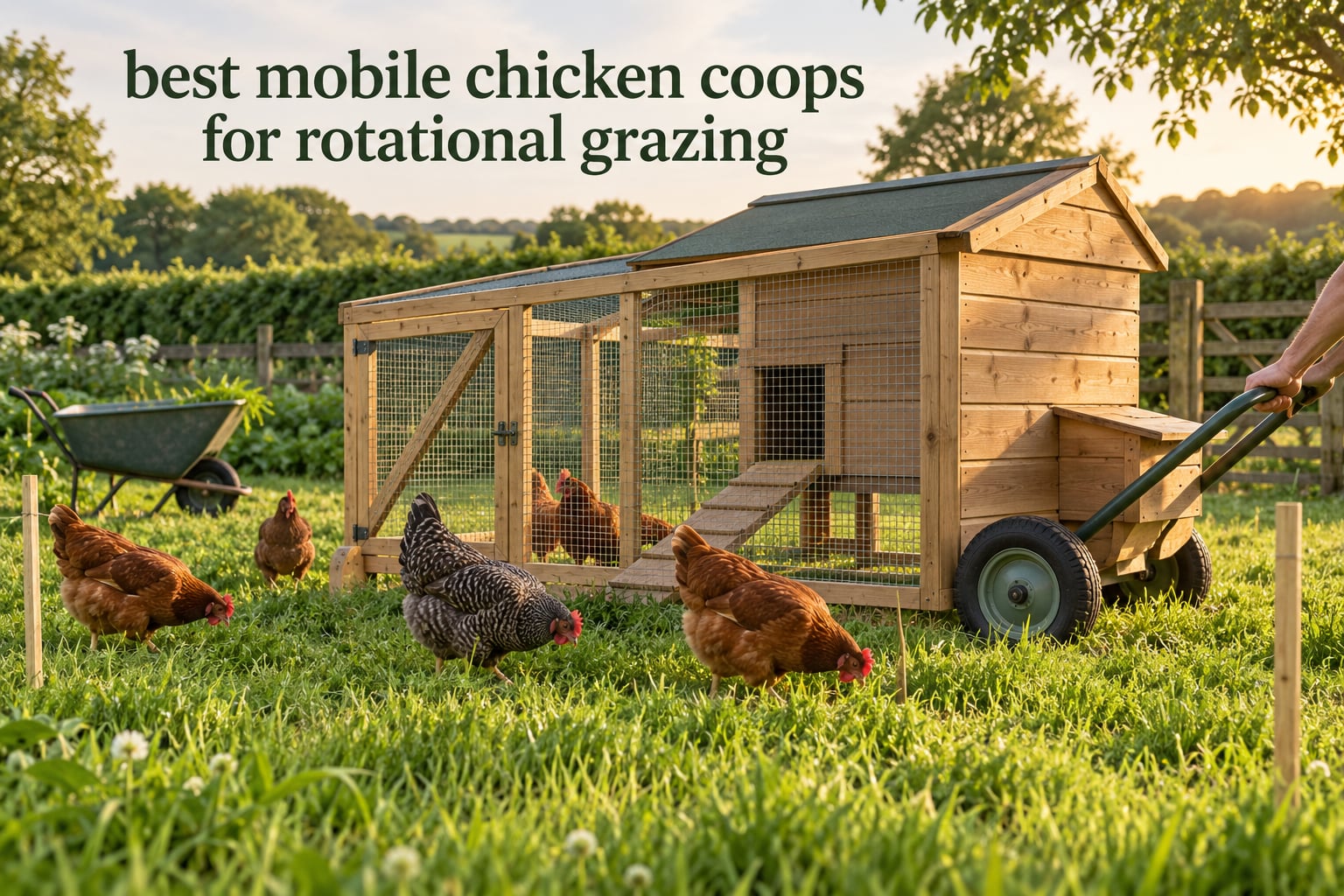
The best mobile chicken coop for rotational grazing is the one you will actually drag across the grass every three to seven days without asking a neighbour for help. That sounds obvious, and yet most coops sold as mobile fall into two groups: units light enough for one person but flimsy enough to blow over, and frames solid enough to stop a digging raccoon but far too heavy to move on a schedule. We looked at ten wheeled and skid-mount shelters, read what buyers say after the first wet spring, and sorted them by the only things that matter when the flock is waiting in the morning.
A mobile chicken coop, sometimes called a chicken tractor, is simply a shelter with an attached run that you reposition across pasture instead of leaving in one place. Rotation works because fresh grass means new forage, less manure concentration, fewer parasites cycling through the same soil, and a yard that stays green instead of turning to mud. The catch is that rotation is a habit, not a product feature. A coop that sits in the same corner for a month is a stationary coop with wheels, and it will undo every benefit you paid for.
We kept this guide to coops that are genuinely portable, and we are honest about the ones that are not. If you are still choosing a fixed shelter, our backyard chicken coop picks cover stationary builds in more detail. Everything below is judged on move weight, ground contact, predator security, usable floor area, and how the thing holds up in weather.
Table of Contents
What Is a Mobile Chicken Coop?
A mobile chicken coop is a floorless, wheeled or skid-mounted shelter with an integrated run that you push or drag to fresh ground every three to seven days, letting each patch of grass recover for two to four weeks before the flock returns.
Two details in that definition do most of the work. Floorless means birds forage on real soil rather than a tray of wood shavings, so the worms and soil organisms handle the droppings for you. Floorless also means there is no solid base to stop a weasel digging in from underneath, which is the single most common objection raised on chicken forums.
Keepers who rotate successfully tend to fall into one pattern: birds pasture during daylight and get locked into a secure shelter overnight, because the losses reported in almost every thread come from night predators rather than midday attacks. A useful yard has at least three or four workable sections, since one section per move means you are always moving the coop back onto ground that has not finished recovering.
Top 3 Mobile Chicken Coops for Rotational Grazing

Aivituvin Expandable Mobile Coop
- Two wheels plus a long handle
- Expandable into a joined double run
- Leakproof pull-out tray
- 2-3 adult chickens

ketive Wooden Coop with Run
- Cedar wood with sloped asphalt roof
- 13.54 sq ft usable space
- Removable sliding tray
- 1-4 chickens

Aivituvin Mobile Hen Coop
- Built-in wheels and side handle
- Waterproof asphalt roof
- Feed storage under the nest
- About 3 birds
Best Mobile Chicken Coops at a Glance in 2026
| Product | Specifications | Action |
|---|---|---|
| Aivituvin Expandable Mobile Chicken House |
|
Check Latest Price |
| ketive Large Wooden Chicken Coop with Run |
|
Check Latest Price |
| Aivituvin Mobile Hen Coop on Wheels |
|
Check Latest Price |
 GUTINNEEN Large Coop on Wheels GUTINNEEN Large Coop on Wheels |
|
Check Latest Price |
 Suumerpety All-Steel Frame Mobile Coop Suumerpety All-Steel Frame Mobile Coop |
|
Check Latest Price |
 MEDEHOO Reinforced Mobile Coop MEDEHOO Reinforced Mobile Coop |
|
Check Latest Price |
 GUTINNEEN Expandable Mobile Coop GUTINNEEN Expandable Mobile Coop |
|
Check Latest Price |
 PHONDIKO Fir Wood Mobile Coop PHONDIKO Fir Wood Mobile Coop |
|
Check Latest Price |
 ketive 65 Inch Small Mobile Coop ketive 65 Inch Small Mobile Coop |
|
Check Latest Price |
 MEDEHOO 85 Inch Mobile Coop with Run MEDEHOO 85 Inch Mobile Coop with Run |
|
Check Latest Price |
1. Aivituvin Expandable Mobile Chicken House: Best Overall
- Two quality wheels and a long handle for one-person moves
- Expandable into a joined double run
- Four access areas plus a leakproof pull-out tray
- Nesting box and rounded-edge roost perch
- Narrow 22 inch width limits usable floor space
- Listed for only 2-3 adult chickens
This is the unit we kept coming back to while testing the roundup, because the wheel-and-handle layout is the most convincing of the ten for regular use. At 66.01 pounds it is not a toy, but the long rear handle keeps the load balanced and it rolls without tipping when the run end is pushed over flat lawn. Reviewers consistently single out the two wheels as the reason the move feels routine rather than like a project.
The expandable design is the part most buyers underrate. Two of these coops can be joined to form one larger run, which means a flock that outgrows three birds in a single unit can stay on the same mobility platform rather than being replaced. It also makes the footprint adjustable, so on a narrow urban yard you run one and open the second only when the grass has recovered.
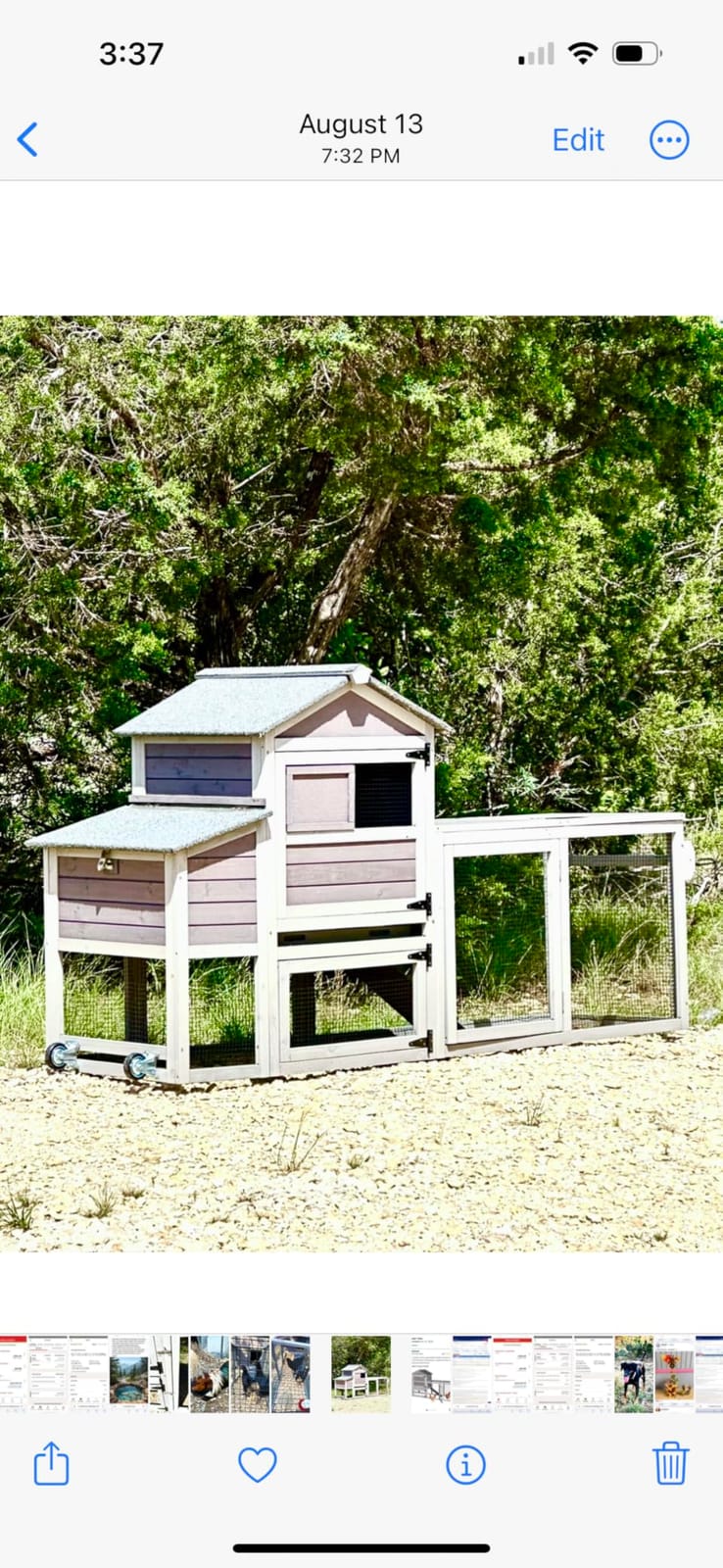
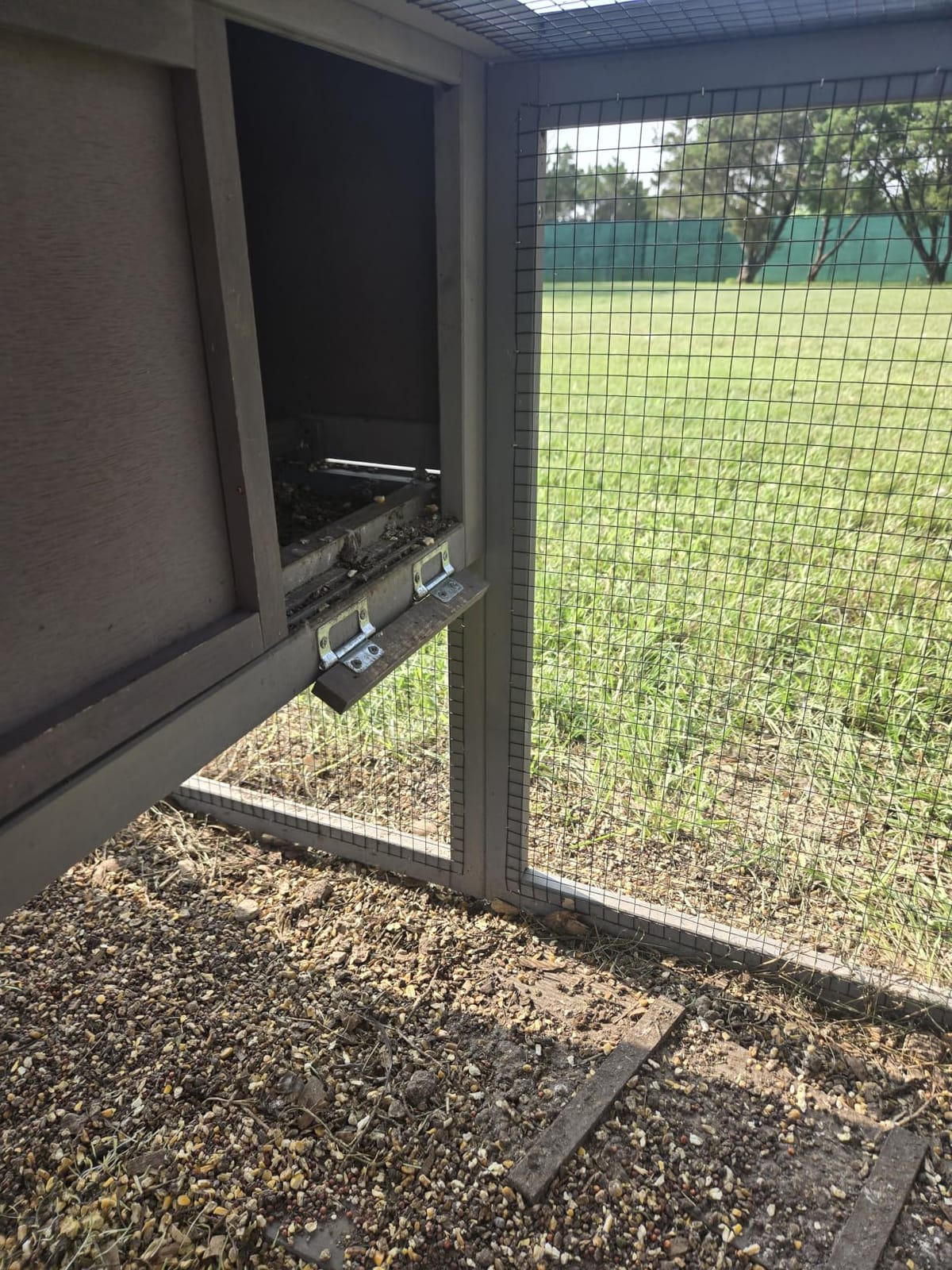
Construction is a mix of solid panels with wire mesh sections, four access areas, and a removable leakproof tray that empties from the outside. The tray matters more than most spec sheets admit. A move that requires bending down inside the run to scoop bedding is a move you will start skipping, and skipping is how a rotation plan quietly dies.
Be clear-eyed about capacity though. This is a two to three bird shelter, and the 22 inch width is the real constraint rather than the length. Treat the listed number as a ceiling, not a target, and it serves a small backyard flock or a quarantine pen very well.
What we liked moving it across the lawn
The handle length puts the pushing force behind the wheels rather than beside the frame, so the coop tracks straight over uneven turf without the run panel catching on every tuft. Four access points mean you can reach birds and bedding from several sides without repositioning the whole unit, which keeps a daily check to a couple of minutes.
When it will not fit your setup
If your flock is six birds or more, the single-unit floor area will feel tight within a week, and the run is not tall enough for comfortable walk-in access. Skip it as full-time housing and consider it as an isolation or brooder unit, or as the starting half of a joined pair.
2. ketive Large Wooden Chicken Coop with Run: Best Value
- Cedar wood with protective outdoor coating
- Sloped asphalt roof sheds water
- Raised hen house with anti-slip ramp and nest box
- Removable sliding tray and galvanized mesh
- Assembles in about 45 minutes
- Suited to only 1-4 chickens depending on breed
- Galvanized mesh relies on the run for full predator protection
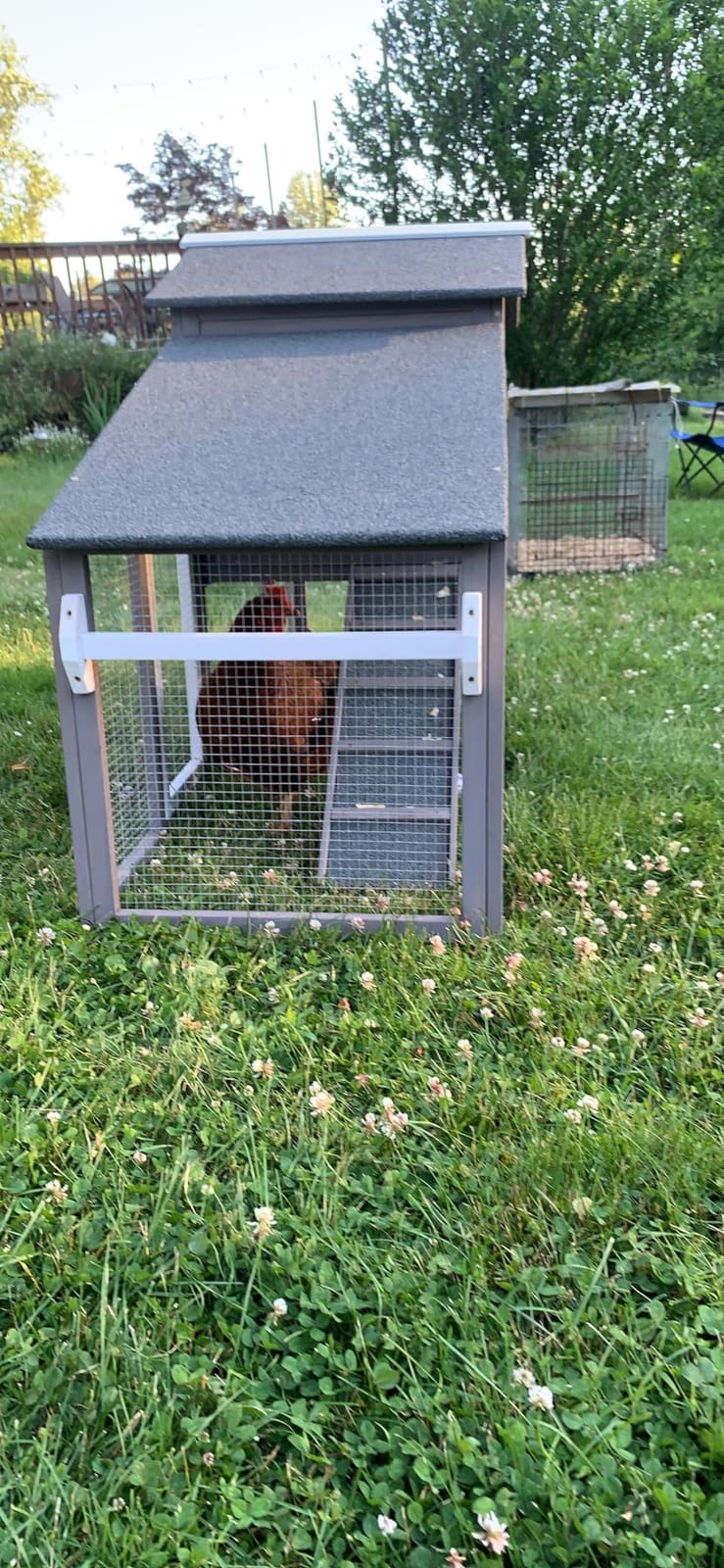
The cedar is what separates this from the painted pine used across most of the category, so the frame tolerates wet seasons without swelling and shedding finish. Buyers consistently rate the material quality higher than the price of the unit suggests, and the sloped asphalt roof is a genuine improvement over a flat panel when rain sits on the run overnight.
Stated usable space is 13.54 square feet, split between 10.08 square feet of run and 3.46 square feet of elevated area. That figure is more honest than most manufacturer numbers in this category, and it still suits one to four birds rather than a full group. Treat the elevated section as the sleeping and nesting quarter and keep the run count honest.
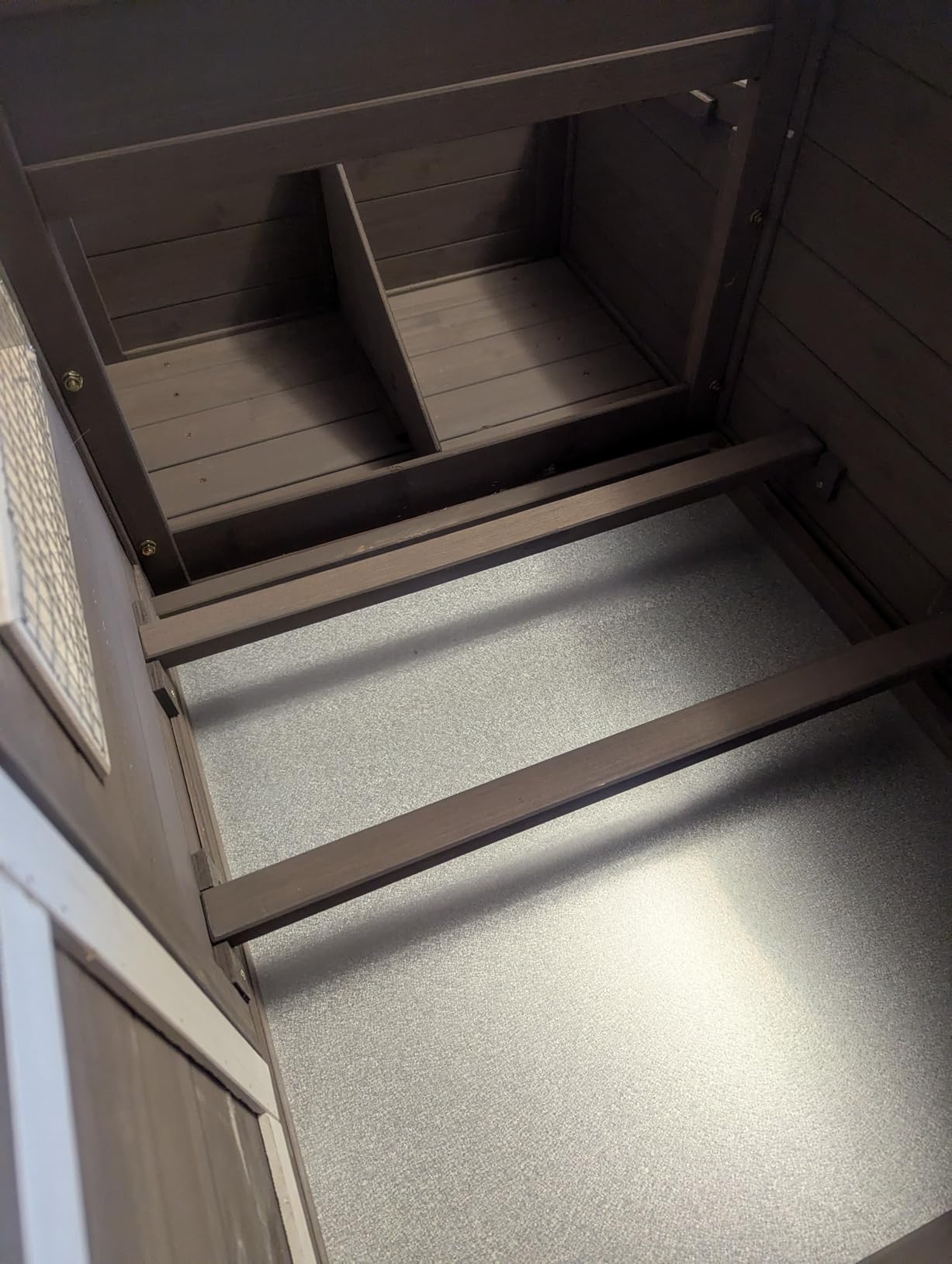
The sliding tray pulls out from the side for cleaning, and the galvanized wire mesh gives airflow without a screen door that swings out into the grass. Assembly is reported at roughly 45 minutes with pre-drilled parts, which matters if you intend to break the unit down for off-season storage and rebuild it in spring.
What it will not do is stand alone against digging predators. Galvanized mesh on a wooden frame is a good barrier against reach-in attempts from a cat or a hawk, but the frame sits on the ground with no apron. Before first use, add a hardware cloth skirt bent up on the inside, and this becomes a very serviceable rotation platform.
Why cedar matters for a coop that lives outside
Cedar resists the damp cycle that softens and warps painted pine, and it does not need a fresh coat of sealant each spring to stay tight. On a small flock that lives outdoors year round, that maintenance difference adds up across several seasons of weekly moves.
Where the predator gap shows up
The base is a simple wooden frame meeting soil, so on uneven ground the corners gap as the ground falls away under one side. Close those with drop-in boards or a fixed internal skirt before every move, and check the galvanized mesh for rust at the soil line each season, since corrosion there is the quiet failure point in this design.
3. Aivituvin Mobile Hen Coop on Wheels: Best Budget Pick
Aivituvin Chicken Coop Mobile Hen Coop, Large Poultry Cage with Wheels Outdoor Backyard Chicken House
- Built-in wheels and side handle for one-person moves
- Nesting box plus two roosting bars
- Waterproof asphalt roof and painted finish
- Feed storage beneath the nest box
- Removable tray and galvanized wire
- Small casters drag on grass and gravel
- Thin plastic roof panel can pop out or crack
- Suitable as full-time housing for only about 3 birds
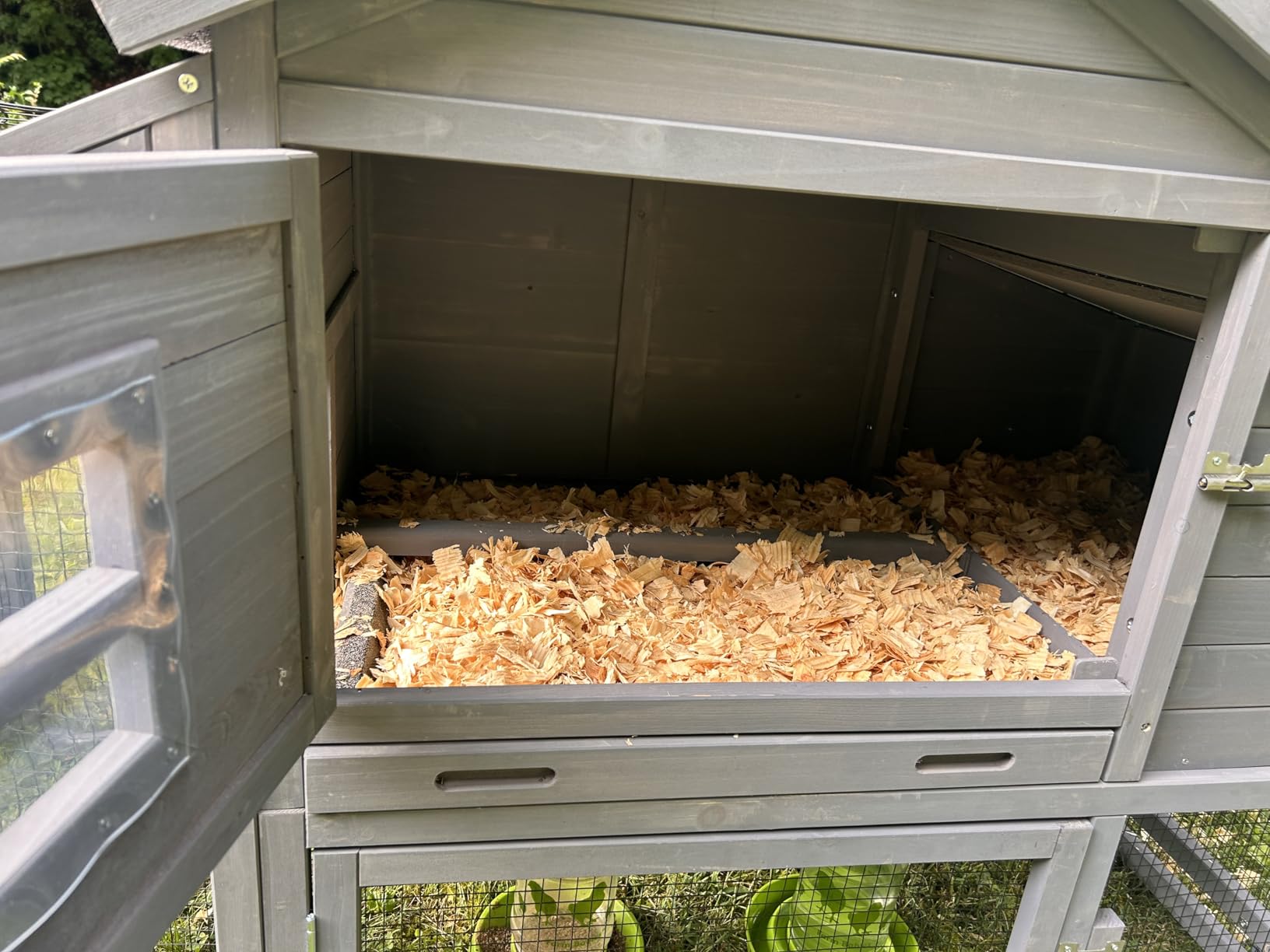
This is the entry point most first-time rotators actually buy, and it does the basic job with fewer parts than anything else here. The built-in wheels and side handle make it a genuine one-person move, and the independent storage space under the nest box is a small design decision that keeps feed sacks out of the run where rats would find them.
Two roosting bars and a nest box are included, so it works as a daytime shelter with a secure night lock rather than as an open foraging pen. That is the honest use for a unit this size, and it is also how most successful setups run: pasture during the day, locked in overnight.
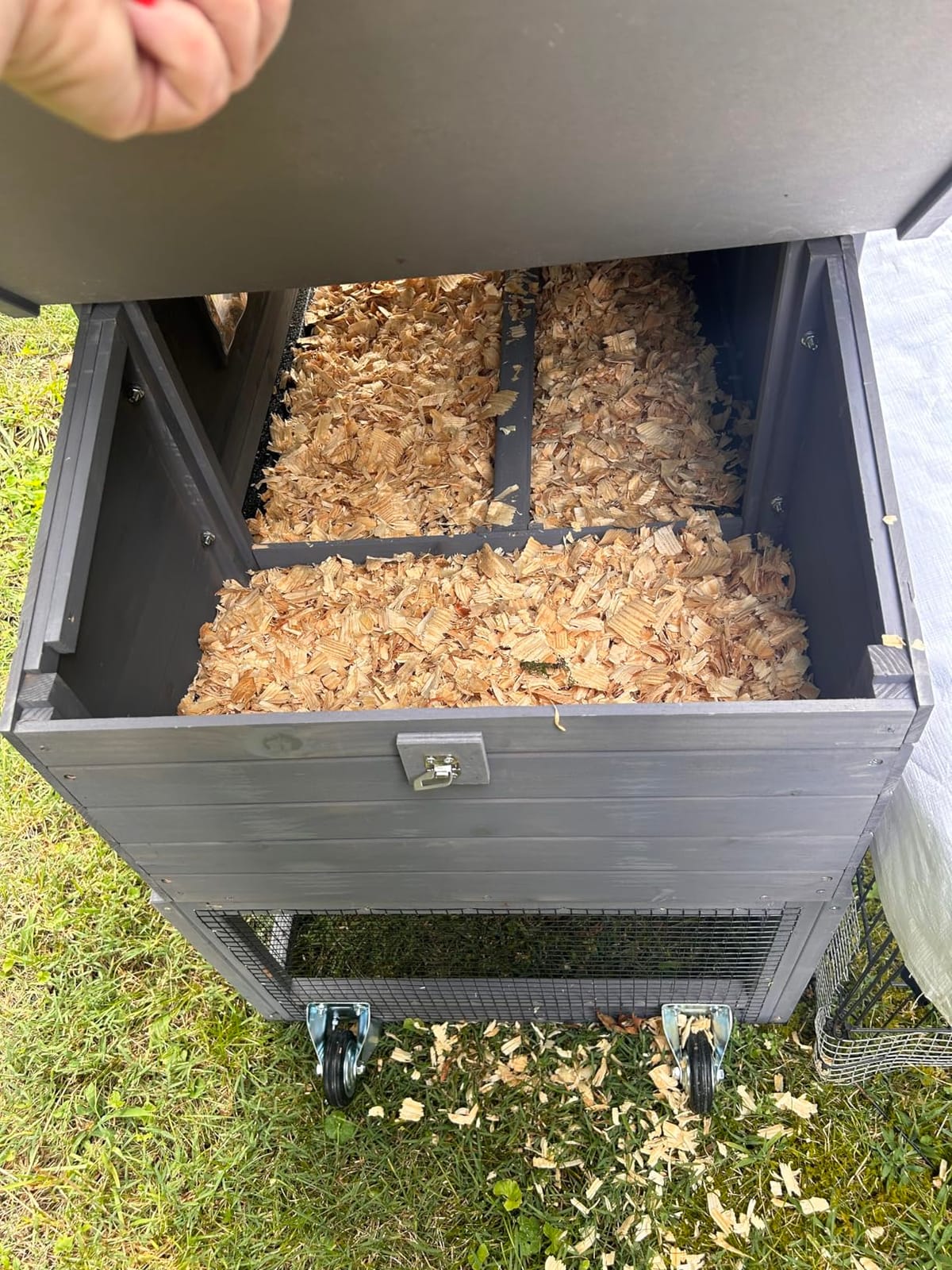
The recurring complaint is the casters. Small hard casters bite into grass and bog down on gravel, and on a weekly rotation schedule you will feel that drag more than the total weight suggests. Replacing them with larger pneumatic-style wheels is the single upgrade that changes how this unit feels, if your ground allows it.
The second complaint is the roof panel. Buyers report thin plastic that can pop loose or crack in cold weather, so check the fixing points at the start of each season. Timber quality is light duty, meaning it suits a small flock, a brooder, or a quarantine pen far better than permanent full-time housing for a group.
Best used as a quarantine or brooder pen
Compact footprint, low weight and a cleanable tray make it ideal for isolating new birds or raising chicks on grass, then returning the unit to its section. The storage cavity under the nest box means a week of feed and equipment travels with the shelter instead of being carried out separately.
Where weekly rotation gets frustrating
Small casters on uneven or gravelled ground turn a two-minute move into a ten-minute struggle, and light timber flexes when you lift a rear corner across a threshold. Keep the route to flat lawn and short distances, and this becomes an easy daily tool rather than a weekend chore.
4. GUTINNEEN Large Coop on Wheels for 6-8 Chickens: Best for Large Flocks
GUTINNEEN Large Chicken Coop on Wheels Mobile Wooden Hen House Weatherproof Duck Poultry Cage 67.3″ L for 6-8 Chickens with 6 Nesting Box
- Four large sturdy wheels make relocation simple
- Two nesting boxes with six sections serve six hens
- Four access points and a removable sliding tray
- Solid wood construction with secure locks
- Expandable with an optional chicken run
- Wood needs sealing in wet climates to extend life
- Large footprint is awkward on a small yard
This is the first unit on the list where the advertised capacity looks achievable, because 19 square feet of space at 67.3 by 40 inches is not the same as stretching a narrow tunnel to cover six birds. The extra width is what makes it work, and it is the reason this coop suits a group rather than a pair or a trio.
Four wheels change the handling story. Two-wheel units pivot and dig when you turn them, while a four-point stance tracks across uneven ground without the rear swinging wide. Combined with secure locks and solid wood, this is the configuration we would trust for nightly locking of a larger flock.
The two nesting boxes with six sections are a genuine capacity feature rather than a single shared box, which reduces competition at the nest and makes egg collection faster. Four access points and a removable sliding tray keep cleaning manageable, and the optional run extension means you can add grazing space without replacing the shelter.
The honest limitation is footprint and material care. At 40 inches wide, this needs a yard section with real depth before and behind it, or your move becomes a shuffling exercise. In wet climates, seal the wood annually, since solid construction and a treated exterior are not the same thing.
Why four wheels beat two on a larger flock
A four-wheel base keeps the frame level while crossing uneven grass, so the flock does not slide toward the low corner every time you reposition. It also spreads the load, which matters on soft ground where a two-wheeled frame sinks and has to be levered back out.
Yard size you actually need
Plan each paddock around the 40 inch width plus enough clearance to walk the handle end. On a suburban lot, a 6 to 8 bird flock in this coop needs at least three usable sections to keep a weekly move from landing on recovering ground, so measure before ordering.
5. Suumerpety All-Steel Frame Mobile Coop: Best Steel-Frame Build
Mobile Chicken Coop for 6-8 Hens, All-Steel Frame Hen House with Wheels Portable Poultry Cage, Metal Run & Nesting Box Duck Coop Large
- All-steel frame with solid wood panels resists weather
- Built-in handle and smooth-rolling wheels for daily moves
- 6 access doors and 2 large viewing windows
- 3-compartment nesting box with steel mesh bottom
- Two-tier layout gives birds room
- Soft wood can crack or loosen around screws
- Run area is tight for the advertised 6-8 birds
- Deeper drop tray would help cleaning
The all-steel frame is the reason to look at this one. Wood frames eventually loosen at the joints and rack when dragged across ground, while a welded steel skeleton holds its geometry season after season, and the wood panels on this model can be replaced individually if one warps.
Hardware cloth is used on the screened areas rather than light chicken wire, which puts it ahead of most of the wooden units in this roundup on the single issue that dominates forum discussion. A built-in handle and smooth-rolling wheels are positioned for the kind of short, frequent repositioning that rotation requires rather than a once-a-season haul.
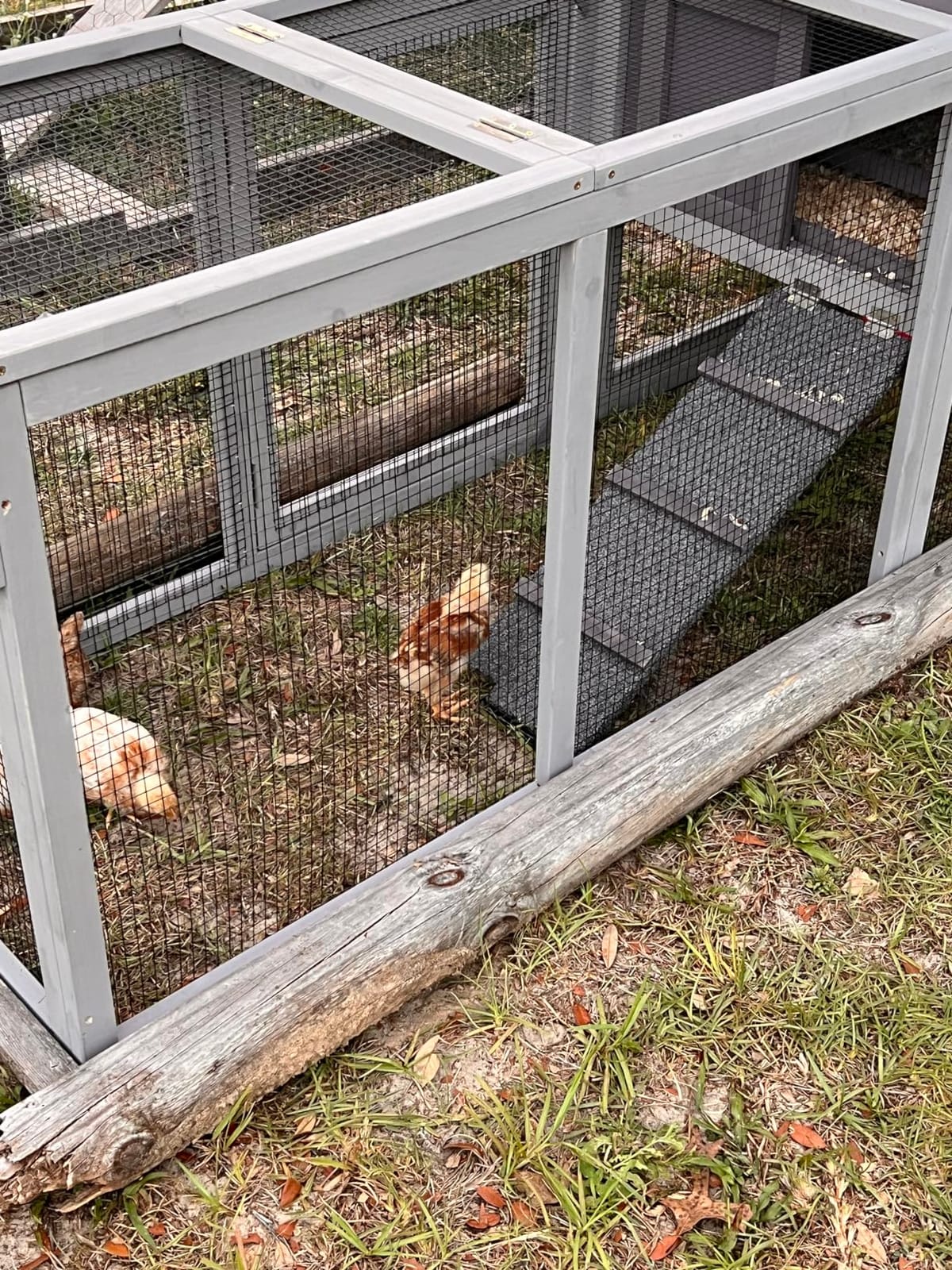
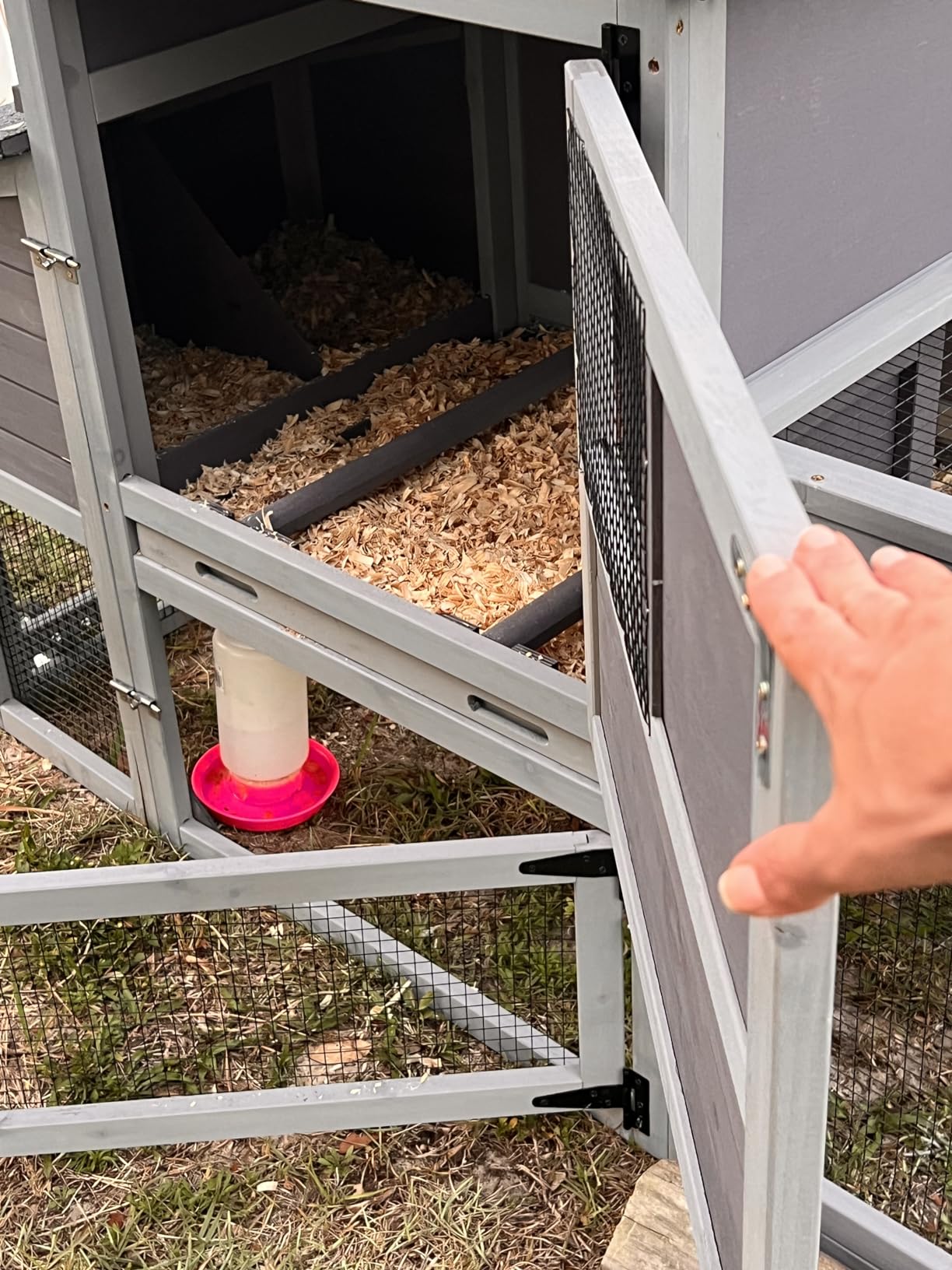
Six access doors and two large windows is generous for a unit at this length, and they let you catch birds, clean bedding and collect eggs without opening one big panel and letting the flock out. The three-compartment nesting box with a steel mesh floor drains cleanly and gives the hens separate spots.
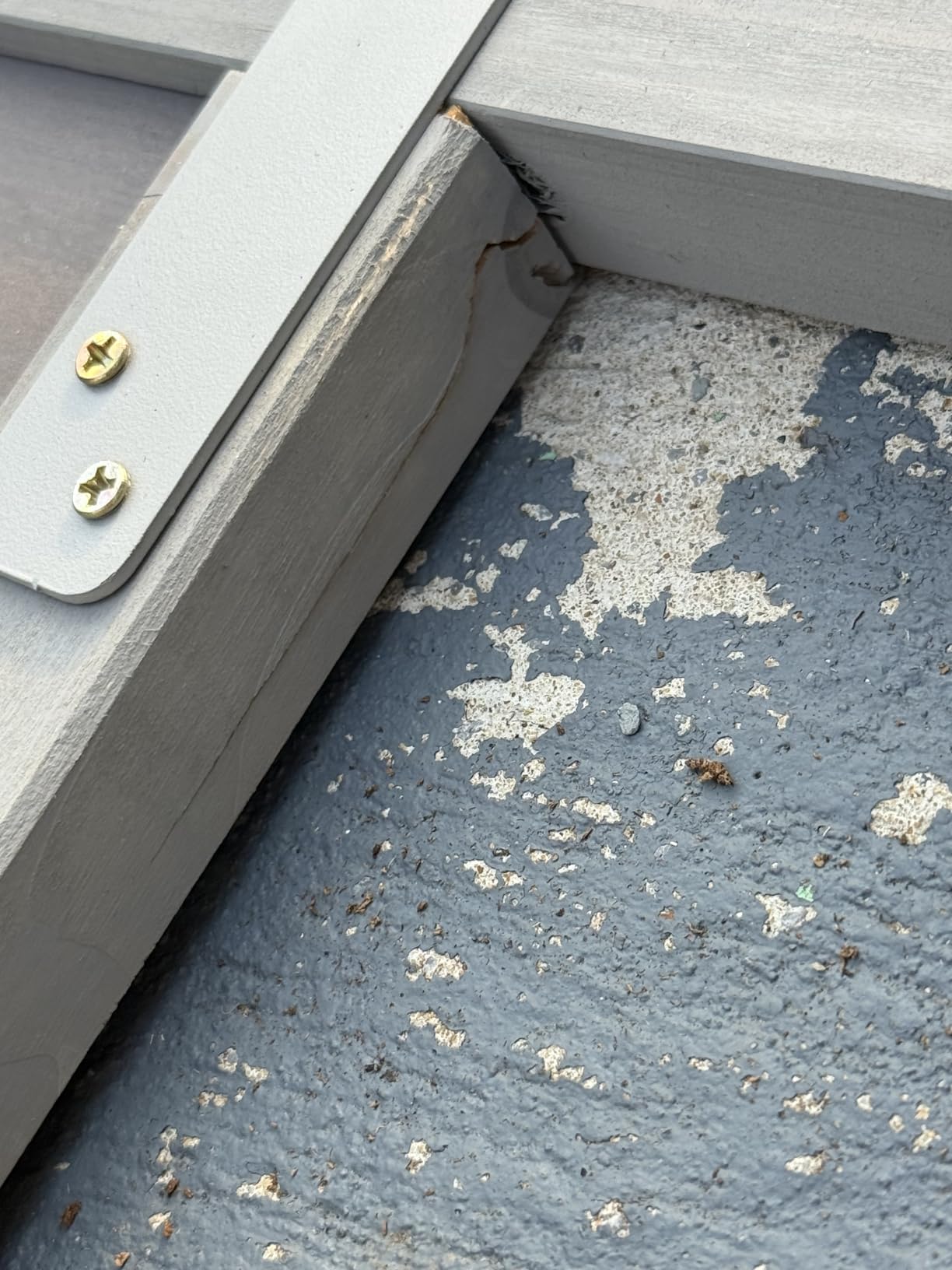
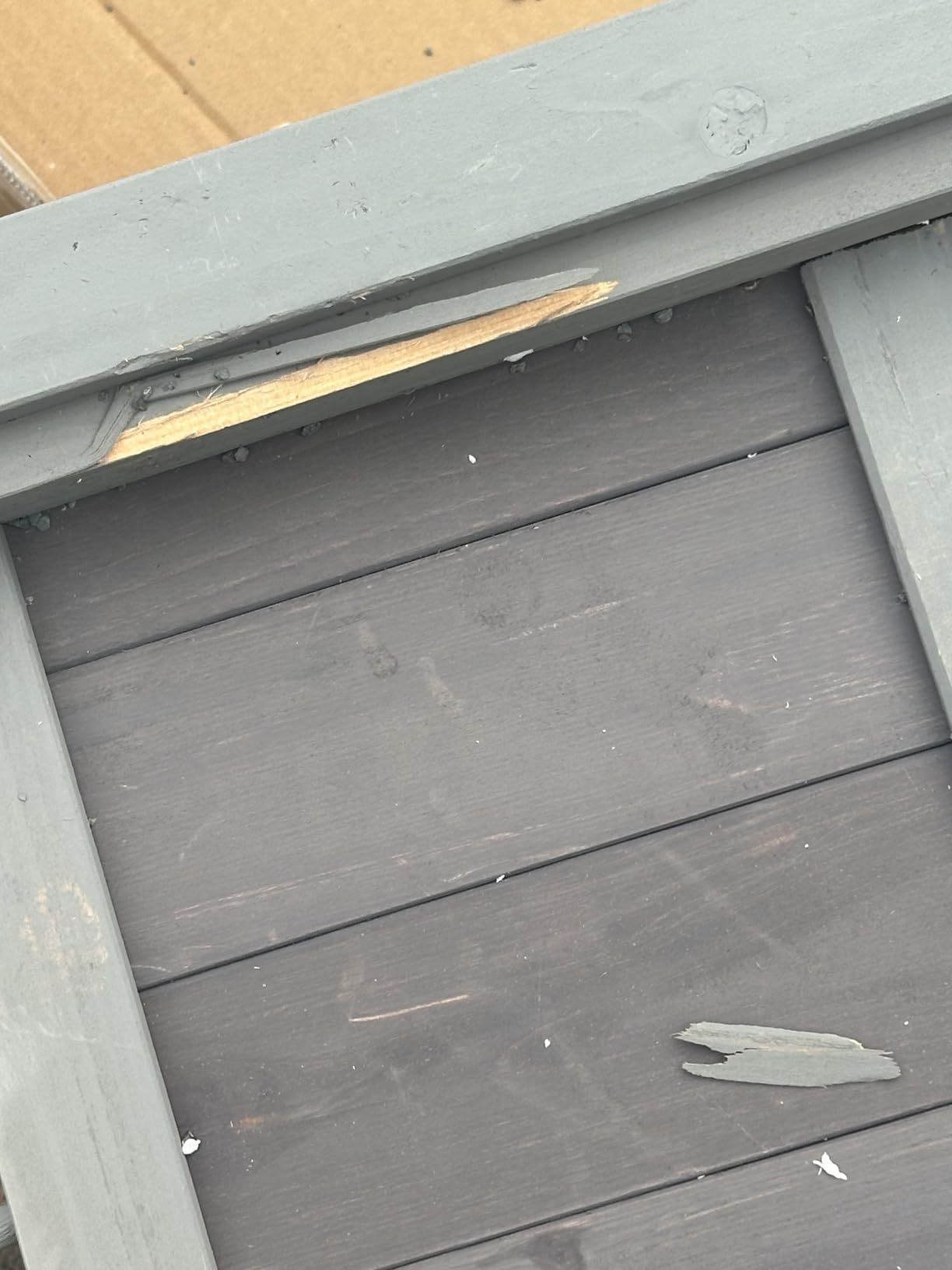
Buyers do report that the timber panels are on the soft side, with cracking or loosening around screws a recurring note, and that the run feels smaller than the 6 to 8 bird figure suggests once the raised section is accounted for. The drop tray is also shallow, so plan on a shorter cleaning cycle or line the floor with bedding.
The hardware cloth and frame combination
Screened areas in quarter inch hardware cloth stop the reach-in attacks that defeat lighter mesh, and the steel base frame survives being dragged across stony ground where a wooden runner would splinter. That pairing is the closest you get in this price range to a unit that resists both weather and digging attempts.
Honest limits of the soft panels
Soft wood screws loosen under repeated flexing as the frame is moved, so check the fixings every few months. Run capacity reads optimistic in practice, and the shallow tray means cleaning is weekly at a full complement, which is a real time cost if you are already moving the coop weekly.
6. MEDEHOO Reinforced Mobile Coop with PVC Curtain: Best for Rainy Climates
- Reinforced roof
- nesting boxes and doors
- Waterproof PVC curtain stops leakage into nests
- Built-in wheels and side handle for relocation
- Waterproof asphalt roof with locks
- Narrow 24 inch width limits interior space
- Small capacity of 2-4 adult chickens
Rain is the failure mode that ends most portable shelters, and this one is built backwards around that problem. The waterproof PVC curtain above the nesting boxes is the detail that matters, because wet bedding in a nest box is how a mobile unit loses birds to damp rather than to predators.
The reinforced version also stiffens the roof, nest boxes and doors, which are the three parts that work hardest on a unit being moved constantly. A sliding metal pole and custom nest locks keep the flock contained during every move, and the frame is FSC-certified wood with a waterproof asphalt roof.
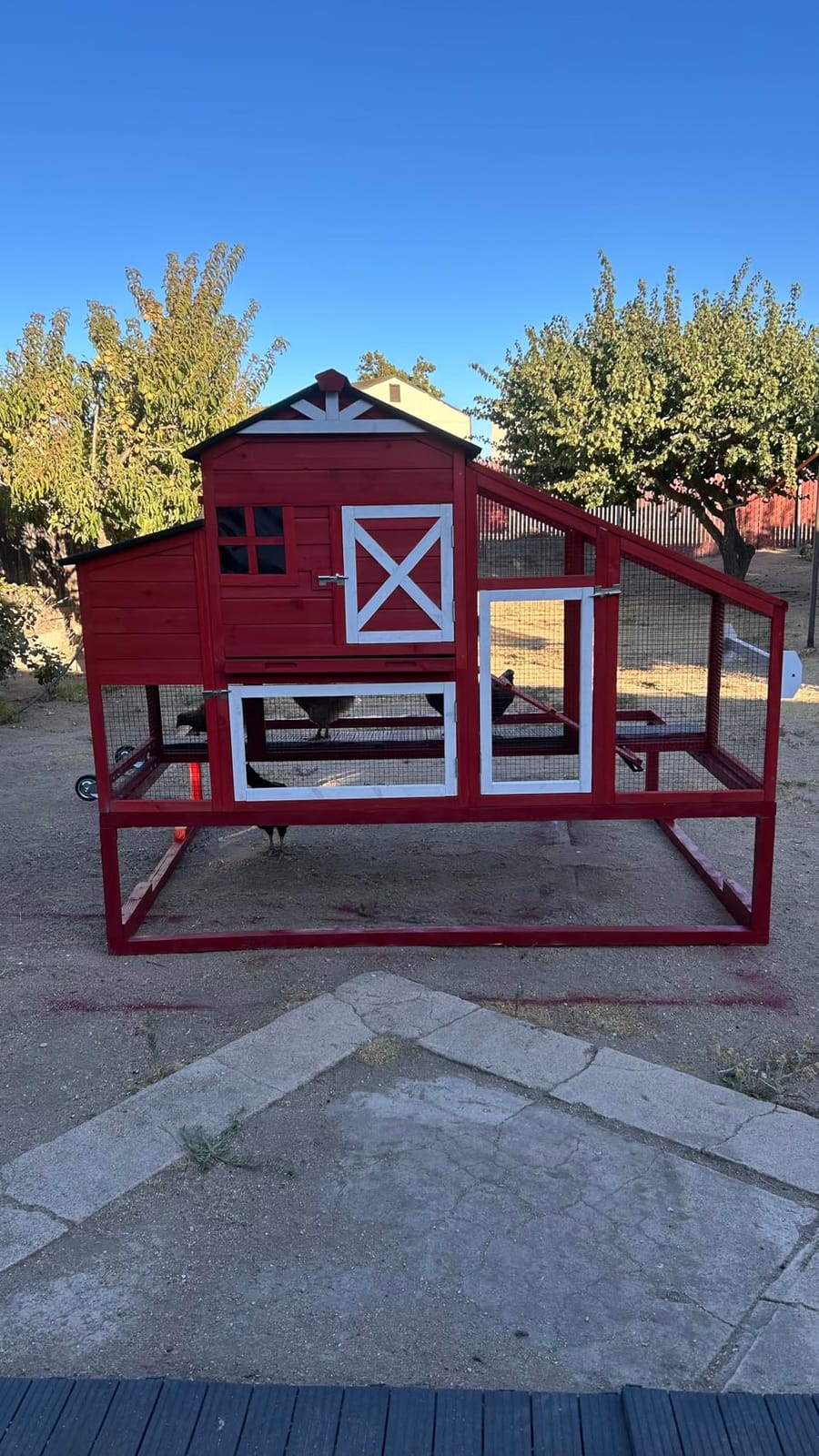
At 73.4 by 24.2 inches with a stated capacity of 2 to 4 adult birds, this is a narrow tunnel design. For wet western climates where a wide run would sit in standing water, narrowness is less of a problem than it is on a dry exposed site, because the birds use the shelter overnight and forage outside it.
Built-in wheels and a side handle keep it a one-person move. The trade-off is interior space per bird, so if you are running a group rather than a couple, this belongs in a yard plan as a night shelter for pastured birds rather than as the only housing.
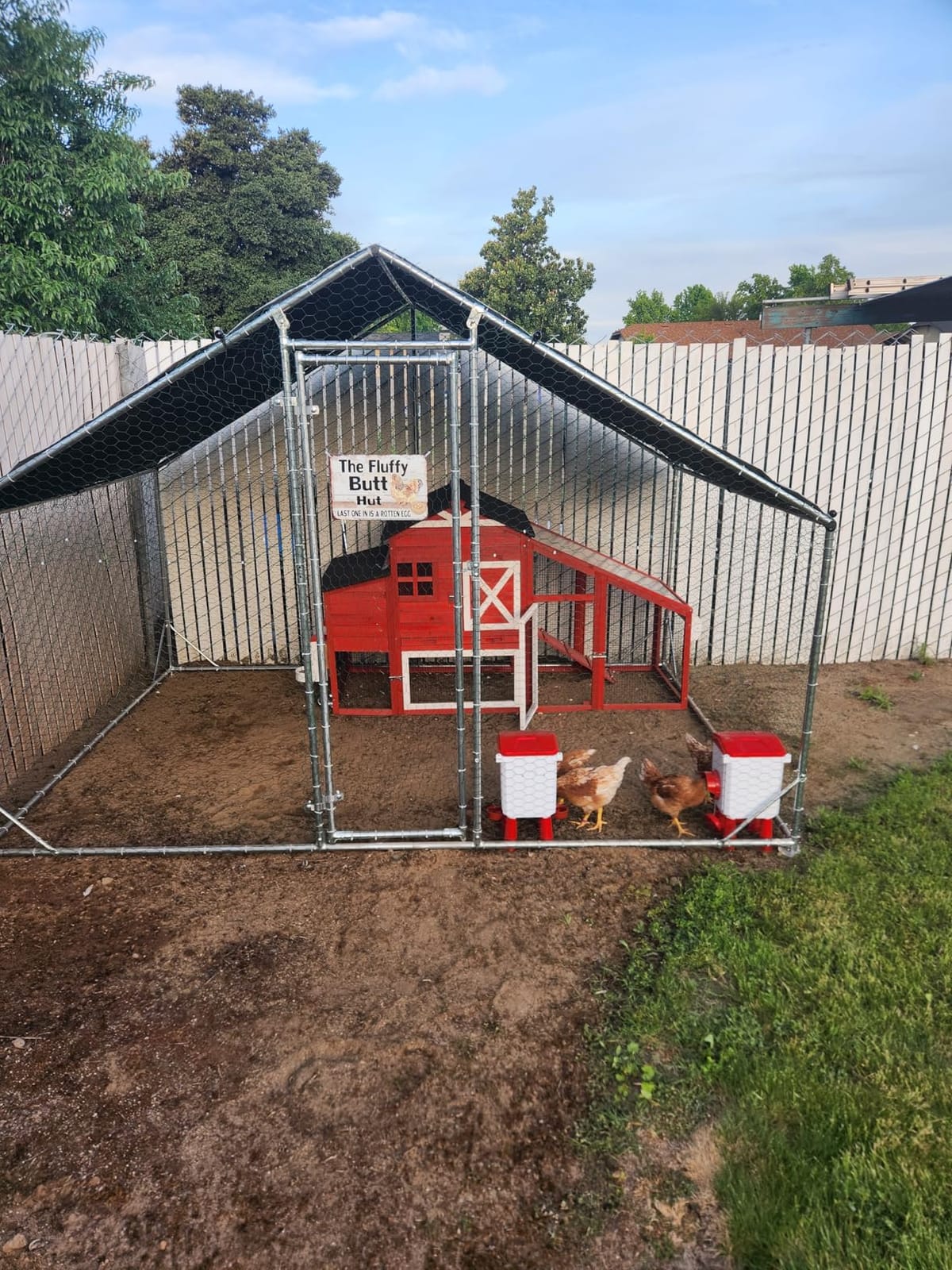
What the PVC curtain actually fixes
Nest boxes are the wettest corner of any coop, and owners who added curtains to the same position on earlier versions reported dry bedding through sustained rain. It also reduces the draft that hits roosting birds on wet nights, which matters more for young or older birds than for a healthy adult flock.
Where the narrow tunnel limits you
A 24 inch width means the birds line up to enter rather than spreading out, which raises conflict at the door and pushes birds toward the front of the run. It also rules out walk-in access for cleaning, so all bedding changes happen by hand through the access doors.
7. GUTINNEEN Expandable Mobile Coop with UV Panel: Best for Expanding Flocks
- Two coops connect into one larger shared space
- Two durable wheels and a push handle for one-person moves
- Leakproof pull-out tray and multiple access doors
- UV-blocking sunlight panel reduces heat buildup
- Capacity of 3-5 chickens is modest for the size
- Only two wheels make longer moves awkward
The growth path is the selling point here. Joining two of these into one run lets a flock expand without buying a different platform, which keeps your rotation routine and your wheel system intact. For a keeper starting at three birds and expecting more within two seasons, that continuity saves a second learning curve.
The UV-blocking sunlight panel on the roof is unusual at this size and does something practical. It cuts heat buildup in the enclosed run during hot afternoons while letting light in, which matters because birds crowd into shade when a small run gets warm and then lay in the damp corners overnight.
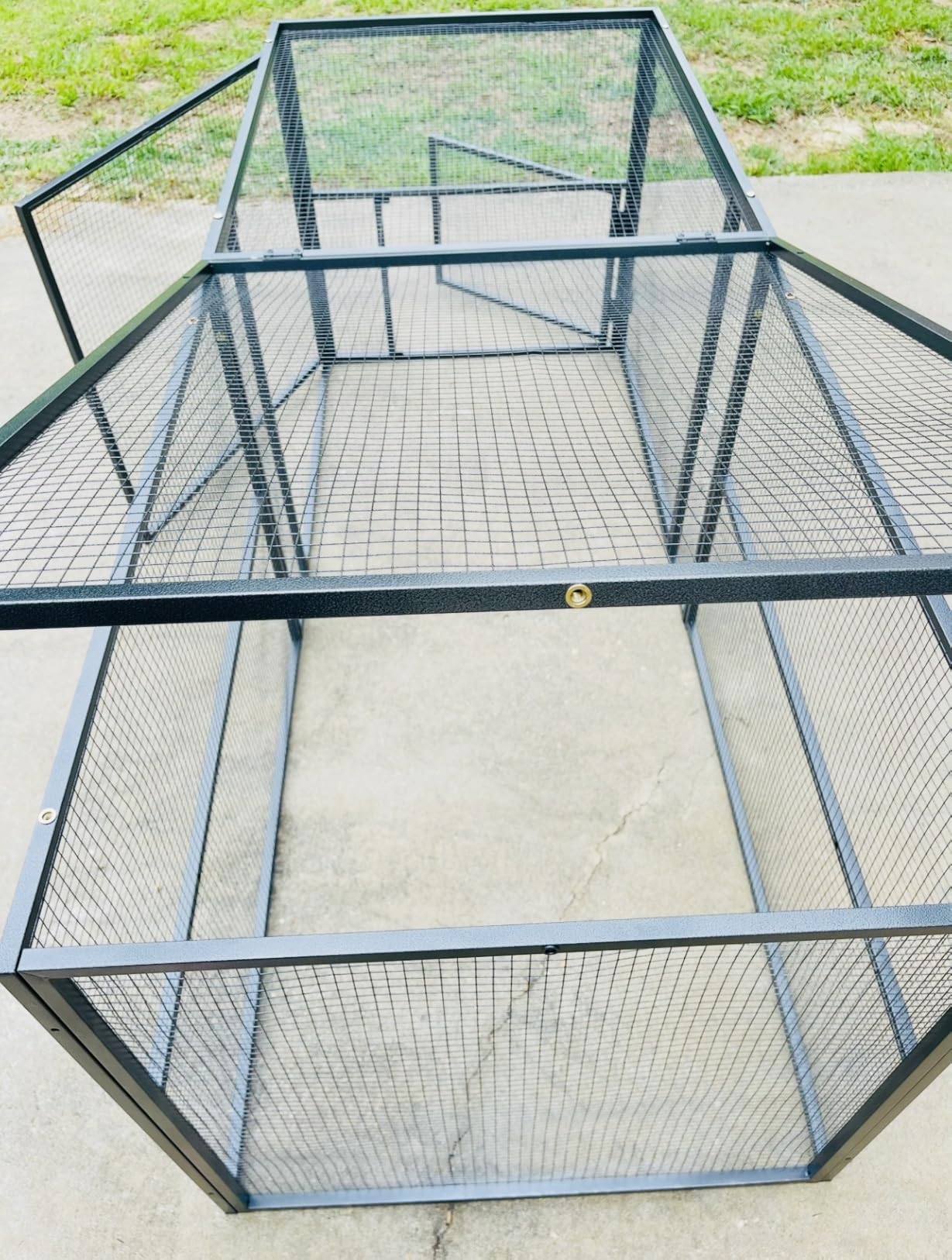
Weatherproof fir wood, an asphalt roof and steel wire make up the shell, and two nesting boxes, a roosting perch and a non-slip ramp are all included. The leakproof pull-out tray empties from outside, and multiple access doors mean the tray can be pulled without releasing the whole flock.
This is a newer listing with a smaller body of reviews, so weigh the manufacturer details more heavily here. The 3 to 5 bird figure is on the modest side for the footprint, and with only two wheels a long move across rough ground can wander off line.
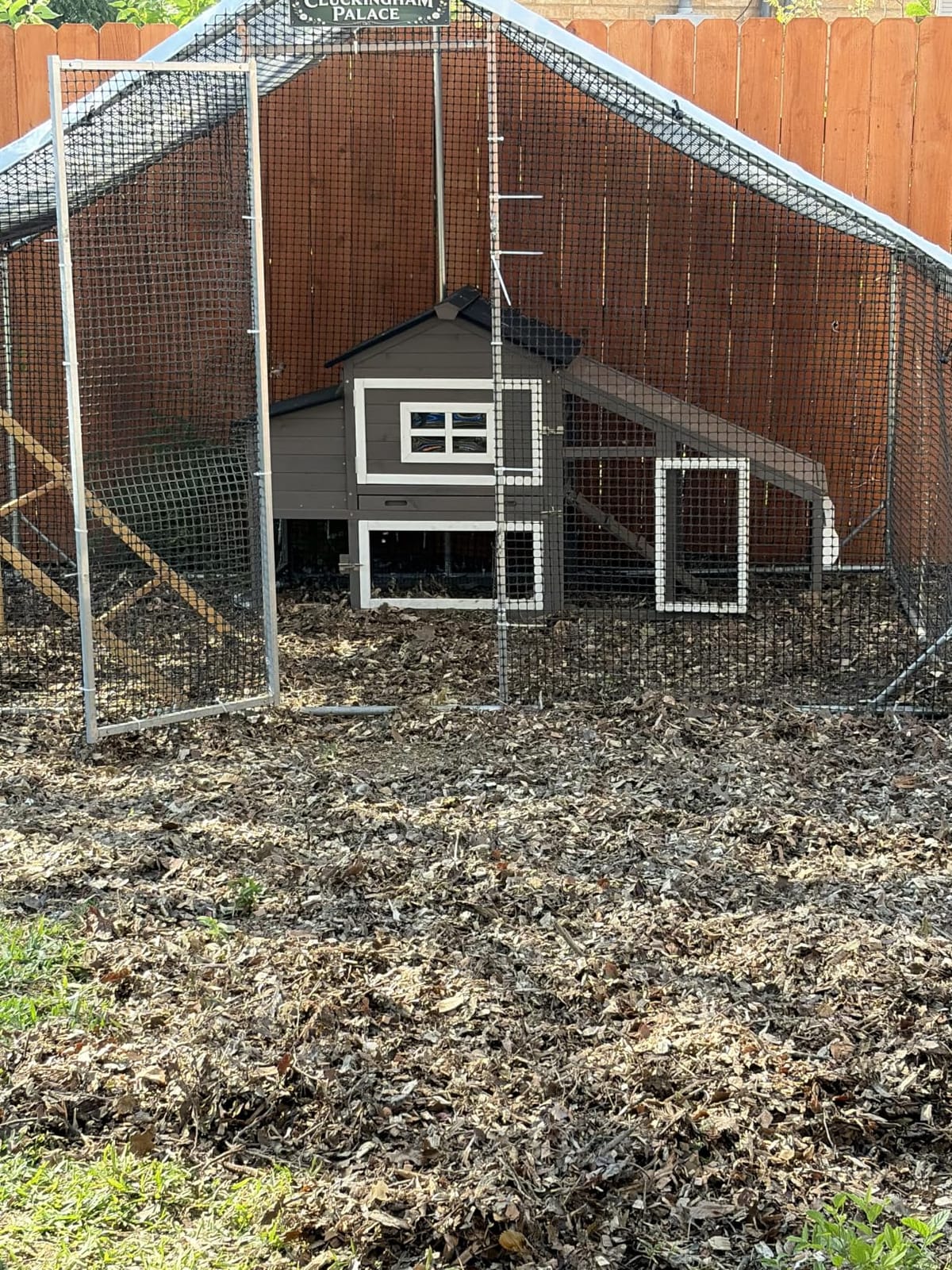
Why UV roof panels matter in summer
Small enclosed runs reach uncomfortable temperatures in direct afternoon sun, and birds respond by crowding the shaded end, which concentrates droppings in one place. A UV panel roof limits that heat load while keeping the interior bright, so birds use more of the run and bedding dries faster after rain.
Planning the two-coop join
Joining works best when both halves sit on the same level section, so measure the total joined width against your narrowest usable ground. If your yard is tight, running one coop and adding the second only during peak season is a sensible compromise.
8. PHONDIKO Fir Wood Mobile Coop: Best for Cold Weather
Outdoor Chicken Coop with Wheels, 79” Mobile Chicken House for 4 Chickens
- Fir wood construction insulates against cold
- Roomy nesting box and ramp in the raised area
- Galvanized wire mesh and secure latches
- Removable pull-out tray
- Side-opening roof for easy egg collection
- Poorly labeled parts make assembly confusing
- Asphalt roof can bow after months of rain
- Some shipments include incorrect or damaged wire
Fir wood is denser and more insulating than the pine used in most of this category, and that difference is why this model holds heat better in cold conditions. The raised sleeping area with a ramp and nesting box sits above ground level, which is where a portable shelter can still compete with a fixed coop over winter.
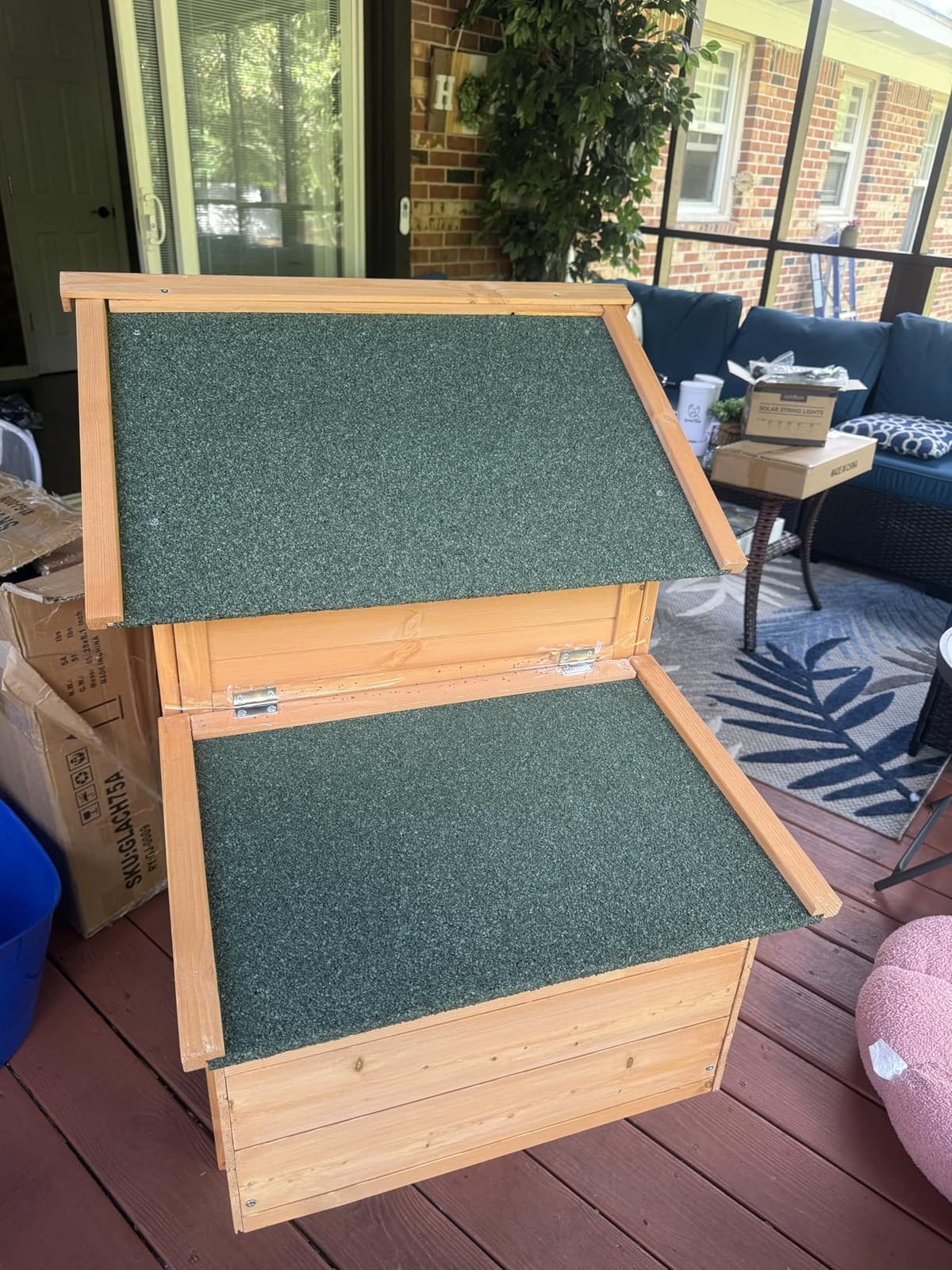
The raised area is the design decision that matters for a cold climate, because birds in the highest, smallest space generate and retain the most heat. A side-opening roof makes egg collection quick in the cold, and the removable pull-out tray lets you clean without opening the sleeping section.
Galvanized metal wire mesh and secure latches give airflow and some predator deterrence, and the eco-friendly waterproof paint helps the frame shed moisture. Owners describe assembly as taking a couple of hours with the parts laid out in advance.
Assembly labelling is the weak point, and buyers report confusion finding the right fixings without sorting hardware into groups first. The asphalt roof is also reported to bow after several months of rain, so inspect the panel edges each autumn and reseat any lifted fixing before the wet season returns.
Insulation versus real winter capability
Dense fir walls and a raised sleeping section help, but no lightweight portable shell replaces a fixed coop in deep winter with a hard freeze. Treat this as a cold-season pasture shelter with secure night locking, and provide a windbreak and dry bedding on the open side if your winters are severe.
Assembly and parts problems to expect
Count and bag the hardware before you start, since unclear labelling is the most common reason this unit takes longer than expected. Damaged wire pieces in a shipment are also reported, so check the mesh panels on arrival and photograph any shortage before assembling.
9. ketive 65 Inch Small Mobile Coop: Best for Tiny Flocks
Ketive 65″ L Small Mobile Chicken Coop with Wheels for 1-2 Chickens
- UV panel roof keeps the run brighter and drier
- Nesting boxes with outside egg access and locks
- Leakproof pull-out tray
- Built-in wheels and side handle
- Clear instructions and a complete part set
- Balsa-like soft wood and flimsy hardware
- Small wheels drag over ground
- No insulation
- so cold wind passes through the bottom
At 47.5 pounds this is the easiest unit in the roundup to reposition, and for one or two birds, or a pair of bantams, that ease is the whole point. A rotation habit that depends on lifting something awkward every week will not survive the first month of bad weather.
The 13.5 square feet splits into 3.5 square feet of upper level and 10 square feet of run, with nesting boxes that open from the outside and locks on the access points. A leakproof pull-out tray and clear instructions with a complete hardware set mean assembly and cleaning are both straightforward.
Why light weight is the feature, not a flaw
On a two-bird rotation the limiting factor is how often you are willing to move, not how many birds the run holds. At under 50 pounds this is the only unit here you can carry to a new section without a second person, which is the difference between a plan you keep and a plan you abandon in August.
Where the light materials limit you
The trade-off is durability. Buyers describe the wood as balsa-like and the included hardware as flimsy, and the small wheels drag rather than roll over uneven ground. There is no insulation, so cold wind passes through the lower section, which limits this to a spring-through-autumn role, a supplemental shelter, or a pair of bantams rather than a full flock.
10. MEDEHOO 85 Inch Mobile Coop with Run: Best for Big Runs
- Heavy-duty metal frame resists rust and adds stability
- Integrated run combines resting house and activity area
- Wheels allow chicken-tractor style movement
- UV-resistant panels for year-round use
- Dedicated nesting and perching areas with heavier wire mesh
- Small wheels are difficult to move over uneven ground
- No grab handle other than the bottom frame
- Instruction video plays too fast and dimensions are not clearly listed
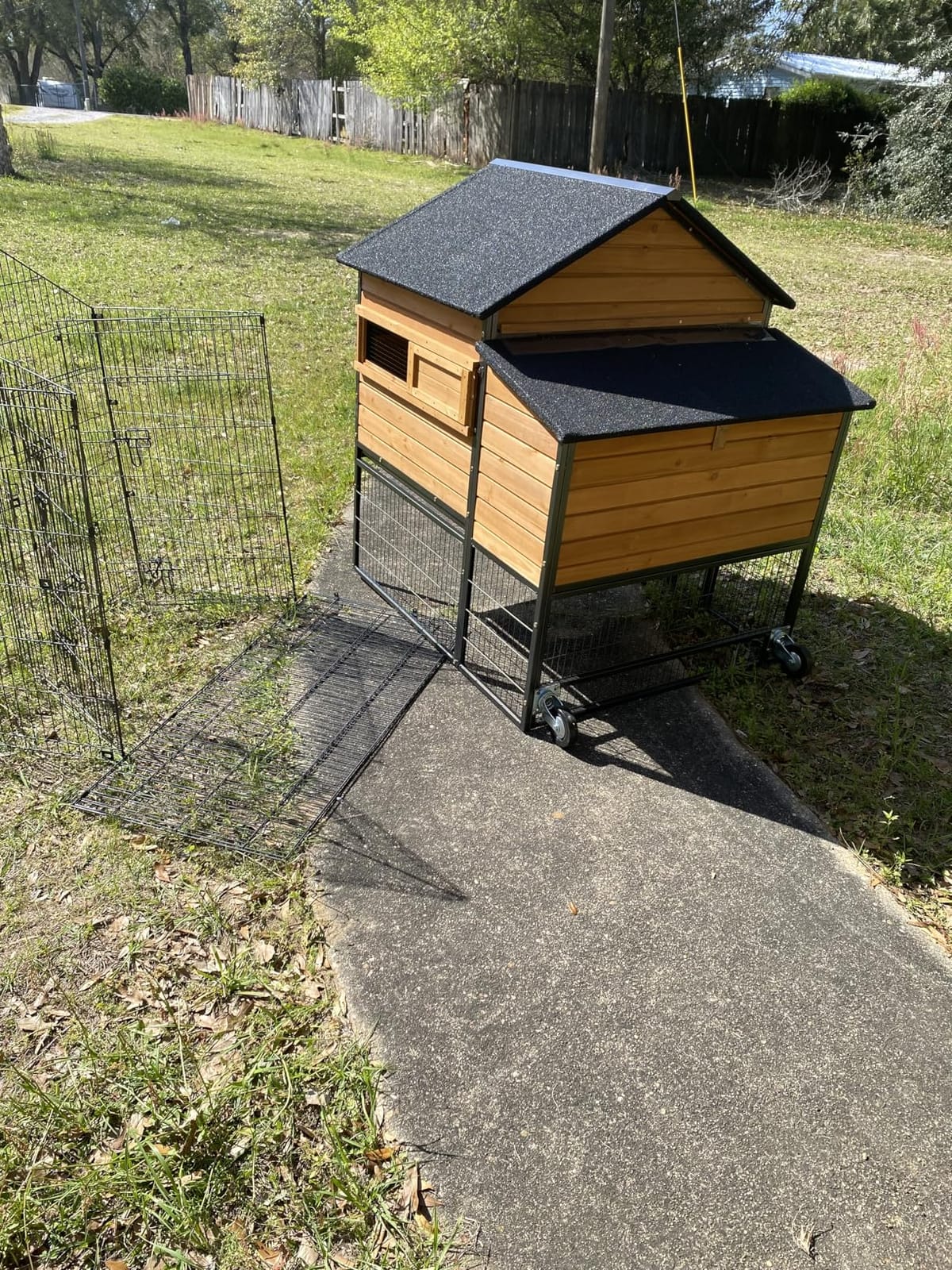
This is the longest run in the group at 85.6 inches, and length is what a rotation setup actually wants. A longer run means a bird does not clear the whole grass strip in a day, so the section stays productive longer before the move is needed and the move itself is less frequent.
The heavy-duty metal frame resists rust and keeps the geometry square, and the FSC-certified solid wood is heavier and better finished than typical panels in this range. Wire mesh is reported as heavier than on comparable models, which helps on reach-in attempts even though it is not a substitute for an apron.
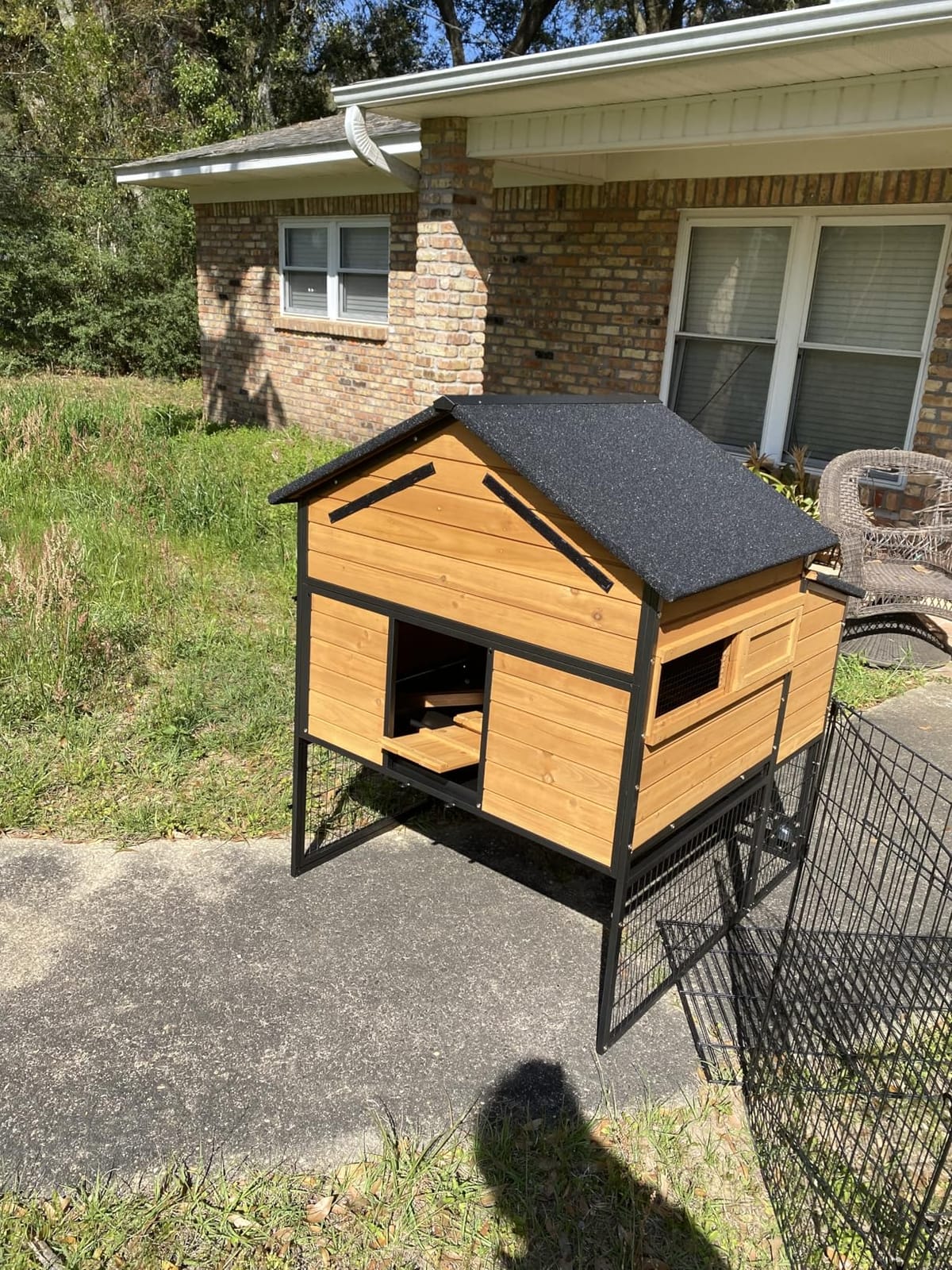
Owners praise the integrated layout with dedicated nesting and perching zones, since separating those areas reduces squabbling and keeps the roost bars cleaner. UV-resistant panels help in both hot and cold seasons, which supports the year-round framing.
There are real gaps. The wheels are small and difficult over uneven ground, there is no proper grab handle beyond the bottom frame, and the assembly video runs too fast while dimensions are not clearly listed. One reviewer also reported bar spacing wide enough for a predator to reach the birds, so check the mesh gauge yourself rather than assuming it matches the listing.
Why run length matters for rotation
A short run is stripped bare in a day or two, which forces moves you were not planning and puts birds onto ground that has not recovered. A longer run stretches each section to several days of grazing, which is what makes a three to seven day rotation schedule realistic rather than aspirational.
Handle and wheel limitations to plan around
With no dedicated handle, expect to lift a frame edge or drag a side rail, and check the small wheels against your ground before committing. If your route includes gravel or a slope, budget for a two-person move or fit better wheels before the first rotation.
How to Choose a Mobile Chicken Coop for Rotational Grazing
True mobility is the only filter that matters, and it is measured in weight, not marketing. If you cannot lift and roll the coop by yourself in a few minutes, you will not move it weekly, and a coop that sits still is a permanent coop with extra bolts. Keepers who rotate successfully describe a two-wheeled dolly on the heavy end plus one person dragging the light end as workable but tiring, which is the honest version of a two-person move.
Wheels, handles, skids and disassembly are the four mobility mechanisms, and they suit different situations. Built-in wheels on a single handle work for short moves on level lawn. Two wheels plus a push handle give better tracking over uneven ground but still need a wide turn. Four wheels keep a heavy frame level and spread the load on soft soil. Skids work on grass but drag badly on anything hard. Disassembly is the fallback for light units and short distances, at the cost of putting the unit back together each time.
How often to move your coop
Move every three to seven days, and let the vacated patch rest two to four weeks before returning. Move sooner than the schedule if you see bare soil breaking through, if the ground under the run is visibly compacted, if the manure smell becomes the first thing you notice in the morning, or if birds are crowding the front of the run instead of foraging across the whole footprint.
Count your sections before you buy. Three or four workable sections lets you keep a weekly move without landing on recovering ground, and a yard with only two sections is really a fresh-grass exercise rather than a rotation programme. If your space is tight, moving to a larger section every two weeks beats crowding birds into a small one every three days.
Floorless design and the predator gap
A floorless design is the defining feature of a true chicken tractor and also its biggest weakness. Soil contact gives birds real foraging and lets worms process manure, but leaves nothing between the birds and anything that digs. Keepers report weasels and mink spreading wire, raccoons tearing chicken wire apart like paper, and feral cats reaching through mesh gaps, and one account describes losing an entire flock after bottom wire corroded at the soil line.
Three fixes work on a unit that moves. Bend a strip of hardware cloth up the inside of the frame and staple or screw it in place, so a digger meets a vertical wall instead of open ground. Add drop-in base boards that sit tight to the frame and can be pushed in again at the new location. Or angle an internal skirt at roughly 45 degrees. Avoid burying an apron, because a buried skirt stays behind the moment you move the coop.
Water and feed while the coop is moving weekly
This is the most repeated practical problem on the forums and the one most product pages ignore. A feeder and a waterer have to travel with the shelter, arrive upright, and stay put when a hen lands on them. Gravity-fed waterers on a level base work well for a weekly schedule, and sealed or treadle feeders limit the spilled grain that draws rats, which in turn reduces weasel pressure.
Hang feeders above roost height where you can, so hens defend feed from rats rather than the other way round. Keep spare bedding and a scoop with the unit rather than in the shed, because the move is a five-minute job when the tools are already there and a twenty-minute job when they are not.
When you need electric poultry netting
None of these coops is predator-proof on its own, and no ground-level barrier stops a hawk. In areas with serious pressure, the most recommended answer is electric poultry netting around the paddock, which converts a bottomless shelter problem into a perimeter problem. Expect it to take longer to move than advertised, particularly on rocky or hard soil where a spike may need driving first, and sometimes more than once.
Who should not buy a mobile coop
Skip this category if your only run space is a paved or hard-surfaced area, if the ground is steep enough that a flat-floored unit can tip, or if you cannot commit to a move schedule at all. Skip it if your flock is large and you need year-round housing in a hard climate, since none of these shells replace a fixed insulated coop. And skip it if your priority is predator-proof containment alone, because a fixed coop with a buried apron and hardware cloth is harder to breach.
Frequently Asked Questions
What is the best movable chicken coop?
The best movable chicken coop is one you can push or drag onto fresh ground by yourself every three to seven days, with a run long enough that birds do not strip the section in a day, secure locks for overnight closure, and a base you can skirt with hardware cloth. A wheeled unit with a pull-out tray, a push handle and hardware cloth on the screened areas is the configuration that survives real rotation.
How often should you move a mobile chicken coop?
Move it every three to seven days and let the vacated patch rest two to four weeks. Move earlier if bare soil shows through, the ground is compacted, manure smell dominates the morning, or birds crowd the front of the run instead of foraging across the whole footprint.
Are chicken tractors predator proof?
No. A floorless chicken tractor has no solid base, so digging predators are the main risk, and no ground barrier stops a hawk. Keepers report success by adding a hardware cloth skirt bent up on the inside, drop-in base boards, or an angled internal skirt, and by locking birds in a secure shelter overnight. In high-pressure areas, electric poultry netting around the paddock is the usual answer.
Do chicken tractors actually work effectively?
Yes, when the schedule holds. Rotating onto fresh grass breaks parasite cycles, spreads manure nutrients, gives birds new forage and stops one patch of yard becoming compacted bare dirt. Grass needs two to four weeks to recover, so you need three or four workable sections to keep a weekly move off recovering ground.
What is the number one predator of chickens?
It depends on where you live. Raccoons, foxes, weasels and mink take birds from the ground, feral cats work at the mesh, and hawks take them from above. Whichever it is, chicken wire will not stop it, so use quarter inch hardware cloth on every screened area, close the gap underneath with an internal skirt, and confirm your latches.
What are common chicken coop mistakes?
The usual mistakes are trusting manufacturer capacity figures, which run optimistic, building on chicken wire instead of hardware cloth, leaving gaps at the base on uneven ground, using fixed nest boxes that cannot be cleaned, buying a unit too heavy to move alone, and choosing a paddock plan with too few sections to allow two to four weeks of grass recovery.
Which Mobile Chicken Coop Should You Buy?
For most backyard keepers rotating four to six birds, the Aivituvin expandable mobile chicken house is the pick we would put in our own yard, because the wheel and handle layout survives a weekly move and two units can be joined as the flock grows. Go with the ketive cedar model if you want a warmer, sturdier frame in a wet climate, and choose the Suumerpety steel-frame coop if hardware cloth and a frame that will not rack are your priority.
Whichever you choose, add a hardware cloth skirt bent up on the inside before the first move, plan three or four yard sections, and move every three to seven days. A rotation schedule you keep beats a better coop sitting in the same corner.
One last piece of planning: work out what you will do with the eggs before you commit. A steady supply is a good problem to have, and our breakfast grazing board ideas cover the easy end of that, while a chicken enchilada casserole recipe and a leftover rotisserie chicken casserole handle the glut months.