
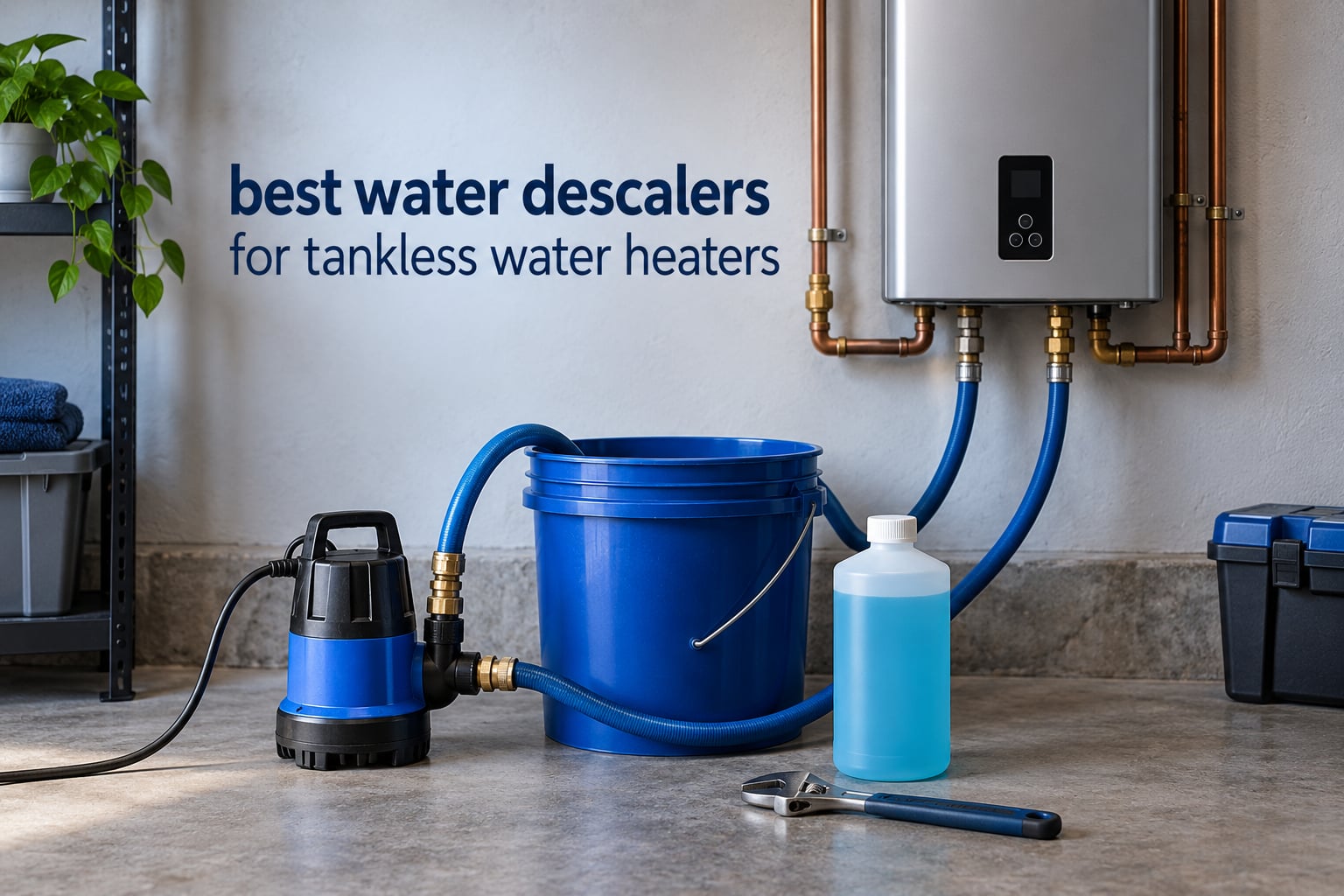
A tankless water heater has no anode rod and no sediment tank, which is exactly why scale quietly becomes a problem. Hard water deposits calcium and magnesium on the internal heat exchanger until the passages narrow, hot water flow drops, and the unit takes longer to recover temperature. If you are shopping for the best water descaler for tankless water heater ownership, the answer is a liquid or powder solution built for this job, not a salt-based appliance.
Scale damage is also a warranty question. Rinnai service documentation excludes heat-exchanger damage above 200 mg/L hardness, which is about 11.7 grains per gallon, while Navien states its warranty does not exclude failures caused by hard water. On any well system, or on municipal water above roughly 7 gpg, an annual flush is the cheapest protection you can buy. We compared ten tankless-flush products side by side, weighed the chemistry, and worked through the flush procedure so you know exactly what to buy and what to do with it.
If you are still choosing the appliance itself, start with our guides to the best tankless water heaters and the best tankless water heaters for well water, then come back here for maintenance.
Table of Contents
Top 3 Tankless Water Heater Descalers in 2026
J.C. Whitlam Flow-Aide System Descaler
- Acid liquid
- 32 fl oz
- NSF/ANSI 60 certified
- Biodegradable

QwikDescaler+ Concentrate
- 1:5 concentrate
- Color change indicator
- Metal protectant
- 3-4 flushes per gallon
All 10 Tankless Descalers at a Glance
| Product | Specifications | Action |
|---|---|---|
| J.C. Whitlam Flow-Aide |
|
Check Latest Price |
| QwikDescaler+ Concentrate |
|
Check Latest Price |
| Superior Pump 91660 Flush Kit |
|
Check Latest Price |
 Chromex Flush Kit Chromex Flush Kit |
|
Check Latest Price |
 Chromex NSF Descaling Solution Chromex NSF Descaling Solution |
|
Check Latest Price |
 RectorSeal Calci-Free RectorSeal Calci-Free |
|
Check Latest Price |
 Chromex Hardware-Only Kit Chromex Hardware-Only Kit |
|
Check Latest Price |
 Hercules Oatey Haymaker Kit Hercules Oatey Haymaker Kit |
|
Check Latest Price |
 Tankless Flushing Kit 3 Gal Tankless Flushing Kit 3 Gal |
|
Check Latest Price |
 Clearflow Solutions Descaler Clearflow Solutions Descaler |
|
Check Latest Price |
1. J.C. Whitlam Flow-Aide System Descaler – Best Overall Tankless Descaler
J.C. Whitlam FLOW32 Flow-Aide System Descaler ,32 ounces (1 quart) , White
- NSF/ANSI 60 certified for potable water systems
- Non-toxic and fully biodegradable
- Removes scale and lime and rust in one pass
- Clear no-vinegar lemon scent
- 32 oz is not a full-strength flush on its own
- You still need a pump and hoses
This is the descaler we keep coming back to for readers who just want one bottle that works. J.C. Whitlam’s Flow-Aide is an acid liquid rated to NSF/ANSI 60 for use as a cleaner inside potable water systems, which is the certification that matters when the solution is circulating through the same plumbing that feeds your drinking water.
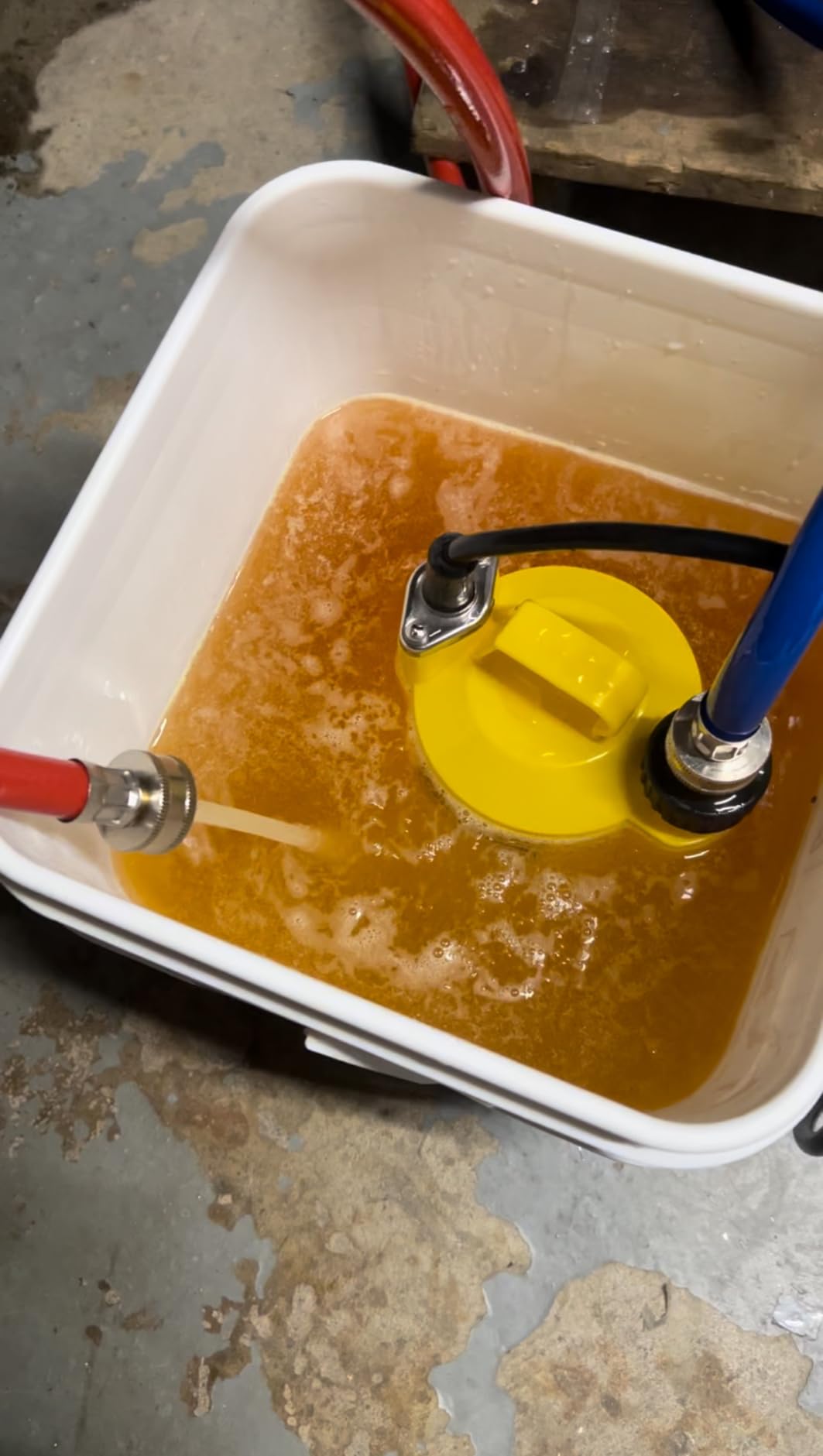
Reviewers describe a predictable result: the liquid runs clear, then turns amber and brown as it pulls scale off the exchanger, and finally runs clear again when the flush is finished. That color change is the single most useful diagnostic during the job, because it tells you the solution is still working rather than spent.
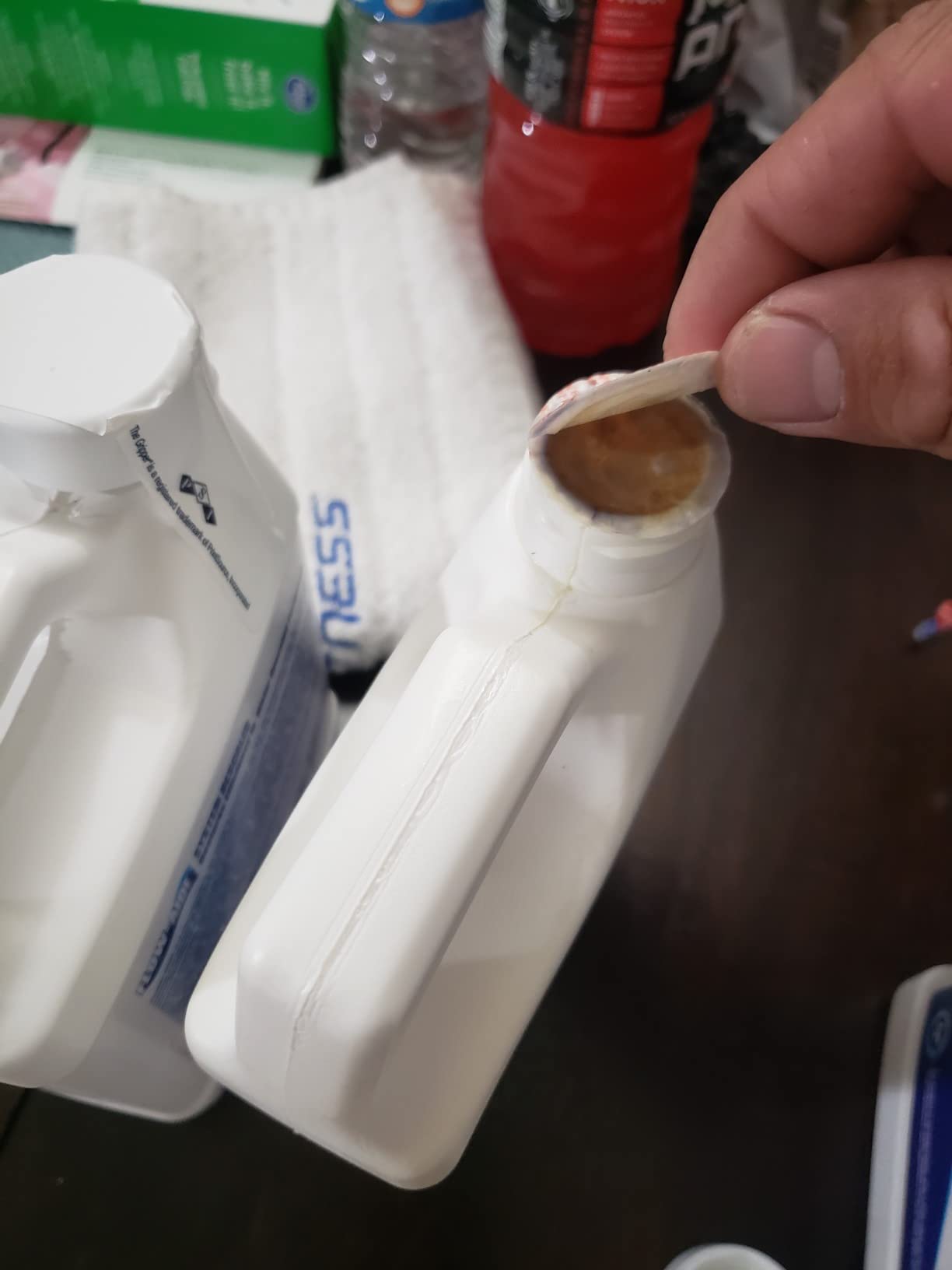
The honest limitation is quantity. A 32 fluid ounce bottle is not enough for a full-strength flush on its own, so the directions that read like a simple pour-in can mislead first-time users. You dilute it and circulate it, which is where the pump comes into the picture.
HeatingHelp veteran kcopp, discussing a Navien combi boiler on that forum, put it plainly after trying both options: vinegar versus Haymaker, and Haymaker won because citric acid eats through the calcium. That is the same chemistry argument buyers make about this quart in our testing.
What we like about the formula
Non-toxic, biodegradable, and zero VOC means you can run it in a closed utility area without ventilating for fumes the way you must with a harsher acid. The lemon scent leaves the house smelling clean rather than like a chemistry lab, which matters because you will be flushing a heater that usually sits near living space.
Where it falls short
It requires hardware. Solution alone does nothing to a scaled exchanger unless the fluid actually moves back and forth through it, so budget time for a pump, two hoses, and a bucket. If you would rather buy the hardware once and keep using your own concentrate, look at the hardware-only kit later in this list.
2. QwikDescaler+ Concentrate – Best Value Tankless Descaler
QwikDescaler+ Concentrated Tankless Water Heater Descaler Solution (1 Gal)
- One gallon jug covers roughly 3-4 flushes
- Color indicator turns yellow when solution is spent
- Foams where it meets calcium
- Includes a metal protectant
- Must be diluted at the right 1:5 ratio
- Over-diluting in a large pump bucket weakens it
If you are going to flush annually for a decade, the cost per flush matters more than the sticker. QwikDescaler+ is a concentrate mixed roughly 1:5 with water, so a single one gallon jug handles about three to four flushes depending on how generous your dilution is. Long-term owners on this listing report the same heater running after years of annual service.
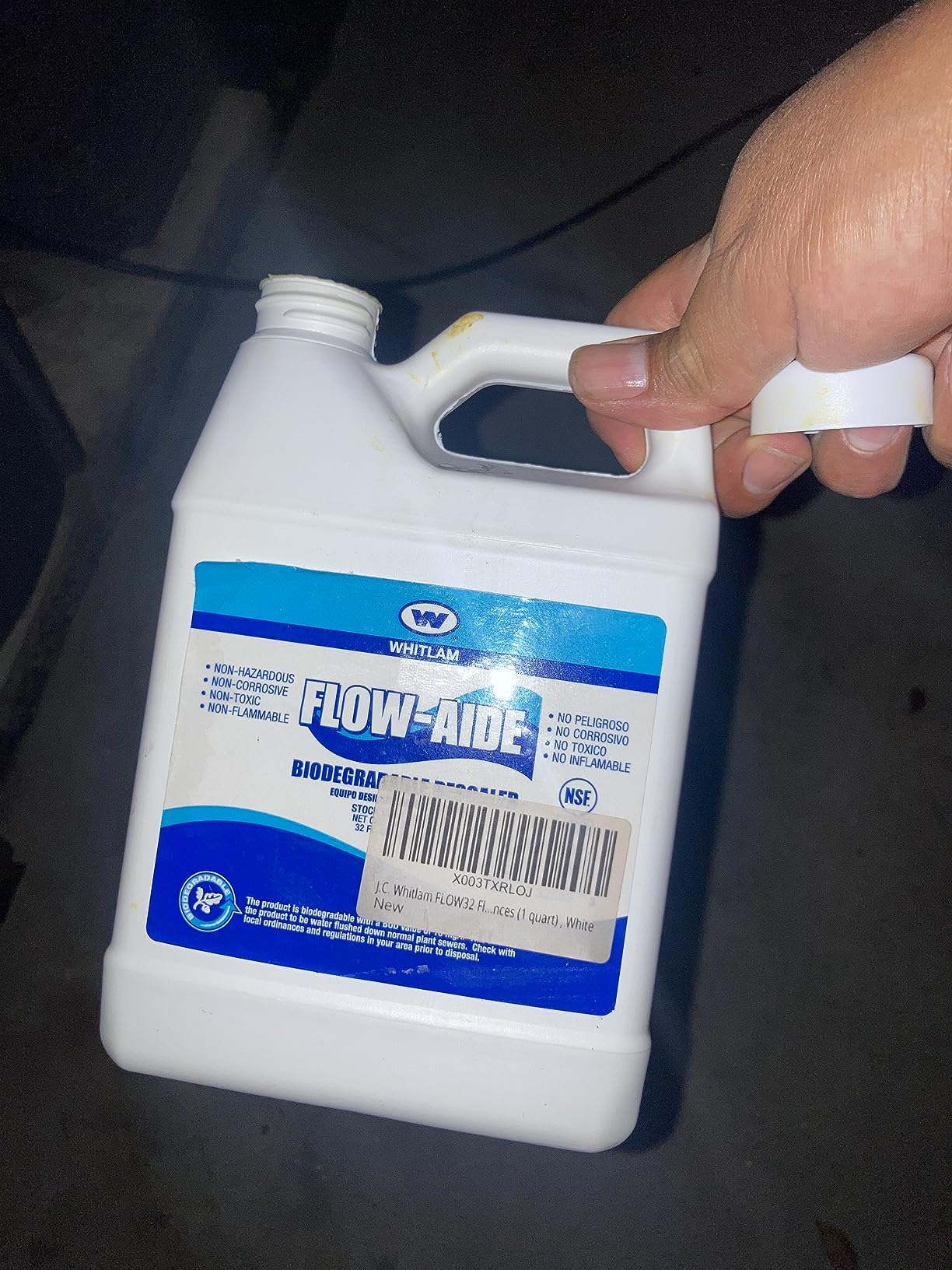
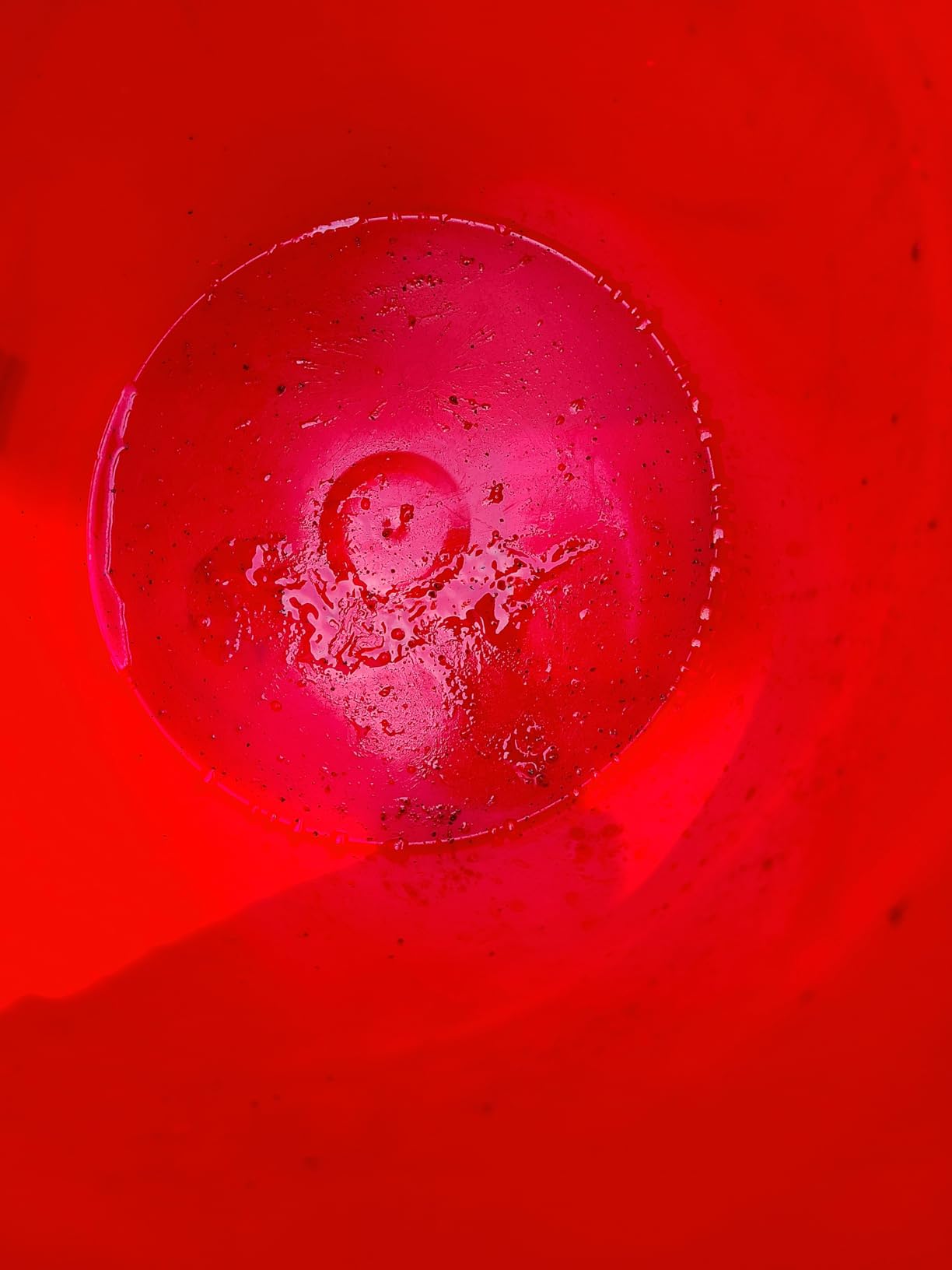
The color-change indicator is the feature we would keep even if it were the only differentiator. The solution starts red and turns yellow when it has been exhausted, which removes the guesswork of topping up mid-cycle in a dark garage or basement. It also foams visibly where it contacts calcium, so you can see active work happening inside the loop.
There is a metal protectant built into the formula that guards against tarnishing and corrosion during and after cleaning. On a heat exchanger made of copper or brass, that matters as much as the descaling itself, because you do not want to trade calcium deposits for copper pitting.
Our one complaint is dilution discipline. People filling a three gallon bucket tend to pour in far more water than the ratio calls for, and an under-strength solution takes longer to work and gives you a worse result. Mix it in a separate container first, then add it to the pump bucket.
Best for multi-year ownership
If your water is moderately hard and you are diligent about the annual interval, the per-flush economics here are the best in this roundup. Three to four flushes per gallon means one purchase covers most of a maintenance cycle, and the metal protectant reduces the risk of a slow decline between services.
Watch out for the ratio
Over-dilution is the only real failure mode. Follow the ratio, and if your pump bucket is larger than the directions assume, mix the concentrate in a smaller container before transferring. Owners also ask for clearer guidance on circulation time, which honestly varies by heater and by how heavy the scale is.
3. Superior Pump 91660 Descaler Pump Kit – Best Pump Kit
Superior Pump 91660 Tankless Water Heater Descaler Pump Kit with Non-toxic Descaler Solution, 3.5 Gallon, Deluxe
- Pump pail hoses and powder in one box
- Pump moves 1920 GPH up to 20 ft
- Stainless hoses sealed clean at both ends
- Powder is easier to store than liquid
- 3.5 gal pail may need refilling mid-flush
- Pump motor durability over many years is uncertain
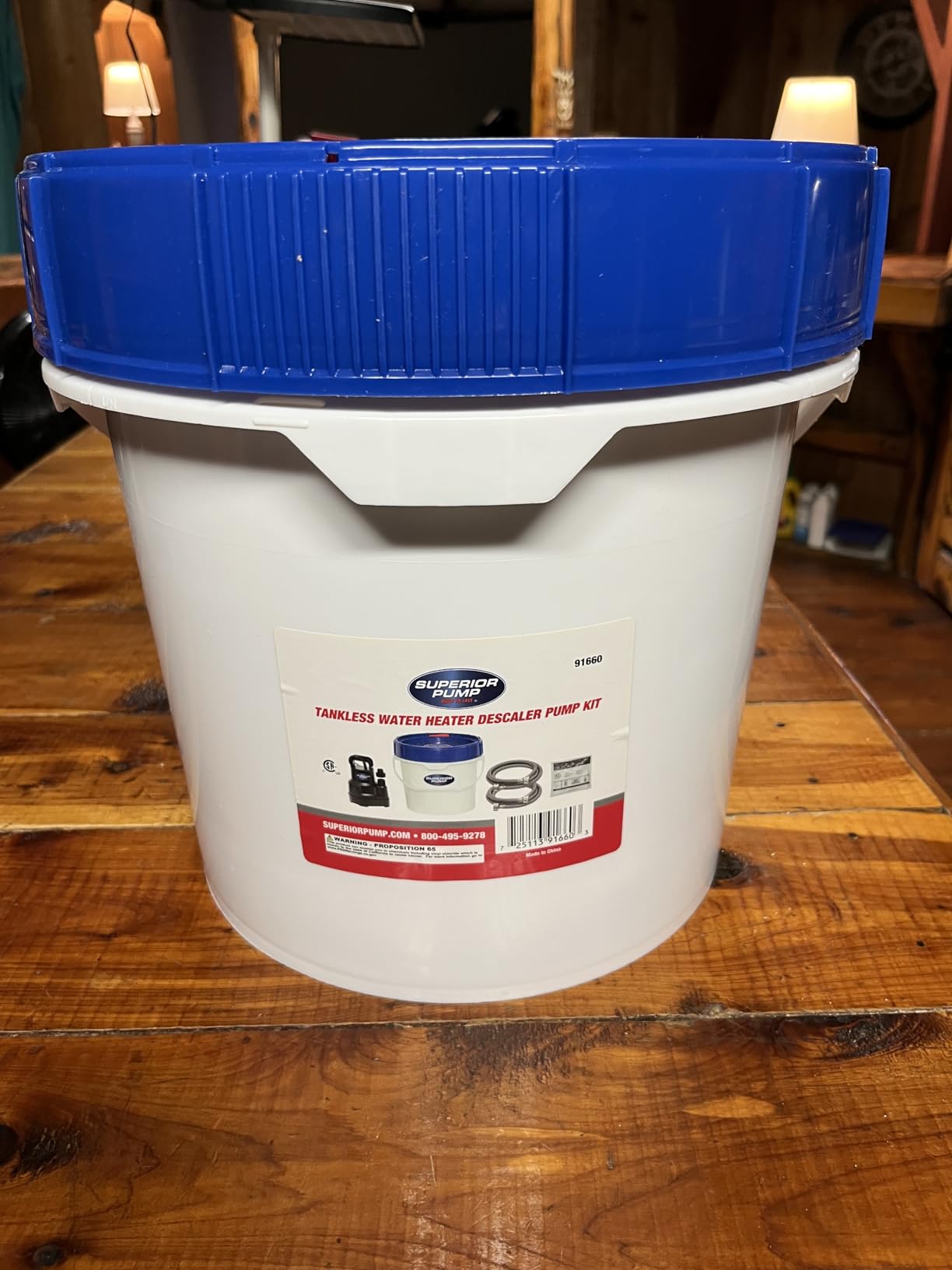
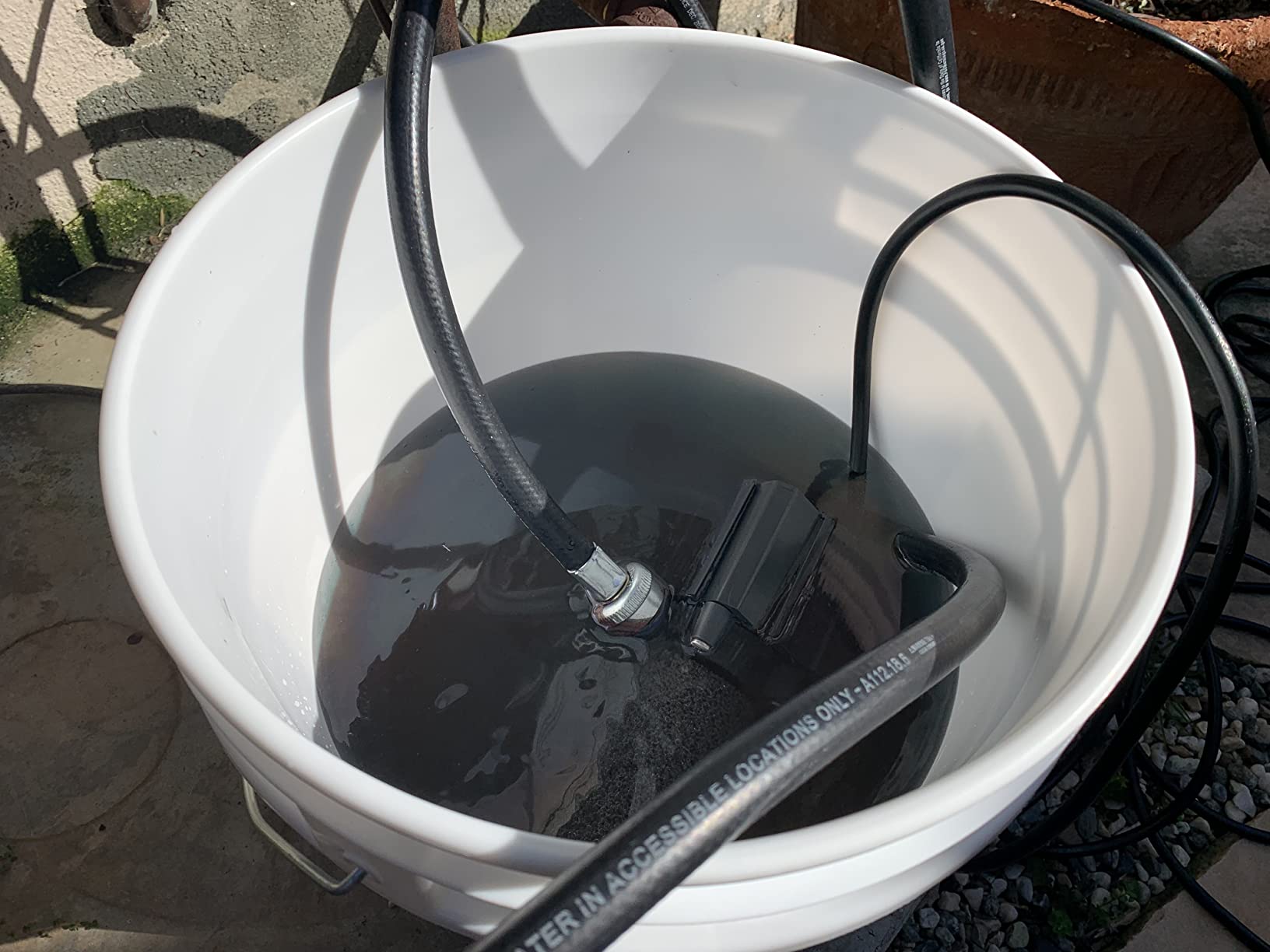
Most flush jobs fail because of hardware, not chemistry. Superior Pump’s 91660 solves that by putting a pump, a lidded three and a half gallon pail, two six foot stainless steel hoses, and seven ounces of non-toxic descaler powder in one box. Nothing to source separately, nothing to guess at.
The pump is a 1/6 HP thermoplastic utility pump rated to move up to 1920 gallons per hour and lift 20 feet vertically. That is far more than a tankless flush needs, and the surplus capacity is what gives you steady flow through the whole cycle rather than a pulse that stalls at the end.
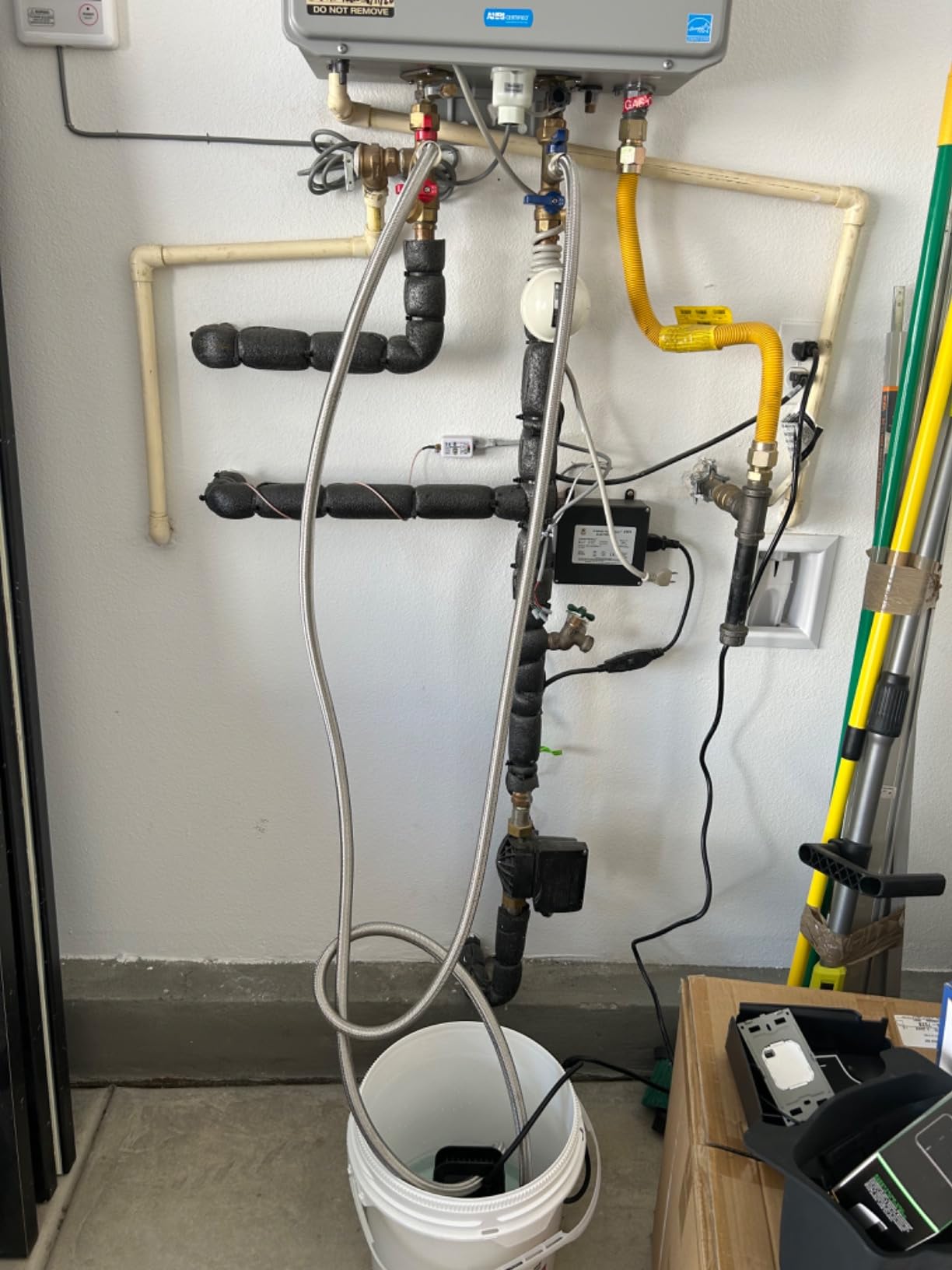
Reviewers single out the stainless steel hoses as the quality item. Leaks at the hose ends are what turn a clean job into a wet floor, and the reinforced thermoplastic impeller handles solids up to an eighth of an inch so a bit of loosened scale will not lock it up.
A minority of buyers raise a fair question about how many annual flushes the pump motor will survive, and a few note that the three and a half gallon pail means you may run two batches on a badly scaled heater. Both are manageable realities rather than defects.
Why this is the easiest first flush
If you have never flushed a tankless heater, the learning curve is almost entirely about setup: finding the isolation valves, connecting hoses without leaking, priming the pump, and remembering to flush the cold inlet line afterwards. This kit removes the sourcing step, which is where most first attempts go wrong.
Where the setup can trip you up
Owners of older heaters report that stuck isolation valves demand patience and the included instructions. The pump also must not be run dry, and it should be primed by tilting it before first use. Get those two habits right and the kit has a long useful life ahead of it.
4. Chromex Tankless Water Heater Flush Kit – Best for Multi-Brand Homes
Chromex Tankless Water Heater Flush Kit with NSF Certified Liquid Descaling Solution and 1/6HP Extra Strength Pump
- Bucket pump hoses grate and solution included
- Six foot hoses reach the isolation valves
- NSF/ANSI/CAN 60 certified citric solution
- Works with most major tankless brands
- Replacement pump and hose parts sold separately
Chromex’s six piece kit is the most complete package in the group, and it is the one we would recommend for a home with more than one tankless appliance or a brand we have not personally seen in the wild. It includes a five gallon bucket with lid, a 1/6 HP pump, two six foot PVC coated hoses, the descaling solution, and an elevated grate that keeps the pump off the bottom of the pail.
The listed compatibility list covers Rinnai, Bosch, Noritz, Rheem, Takagi, Navien, EcoSmart, Stiebel, Eccotemp, Atmor, TruTankless, and Marey Power among others, and the claim on the listing is that it cleans most heaters in 30 minutes or less. That brand breadth is the reason it earns this badge.
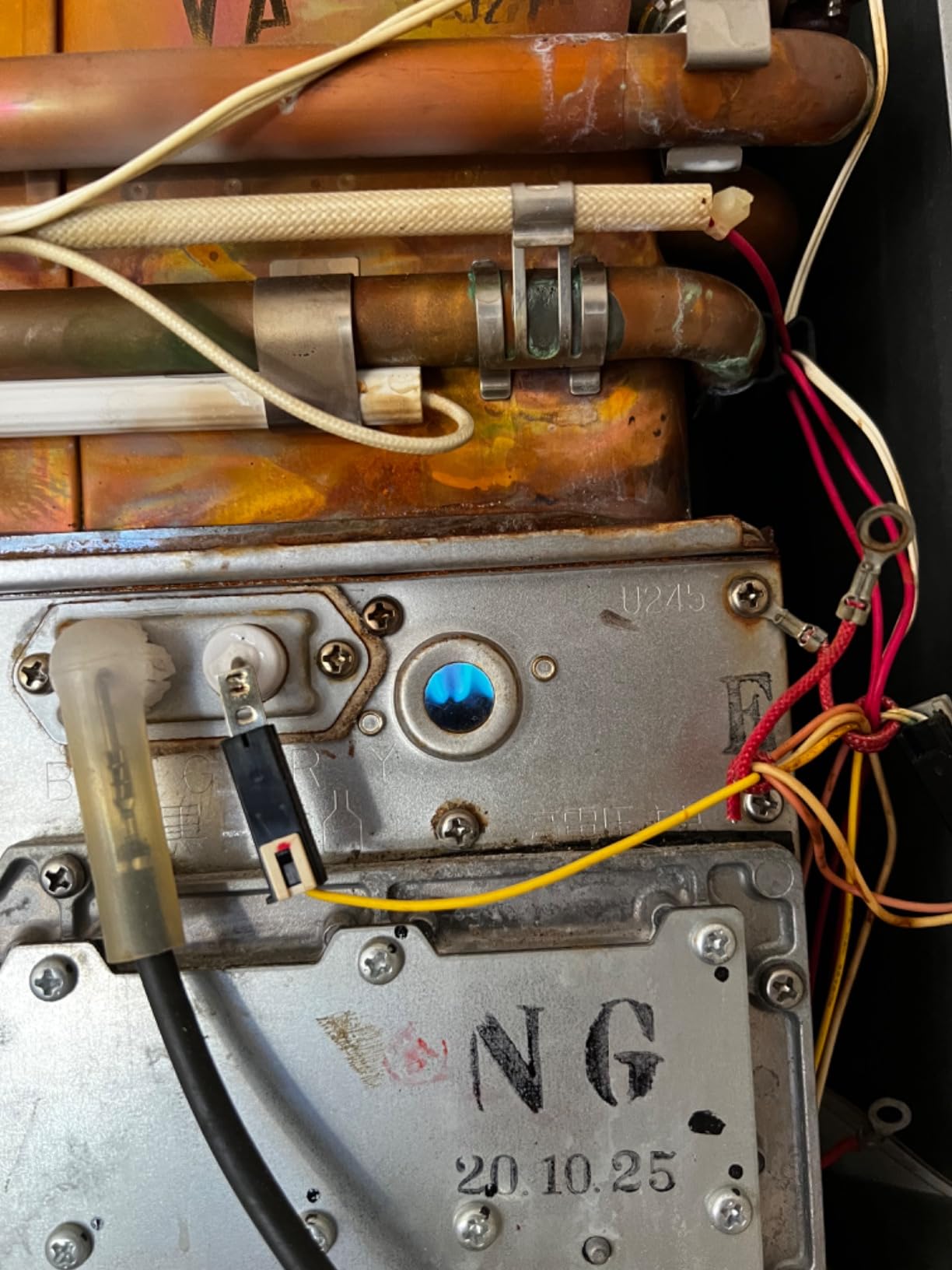
The solution is citric acid based, solvent free, and non-corrosive across metals, PVC, rubber, and ABS, with NSF/ANSI/CAN 60 certification for drinking water treatment chemicals. Owners pair the gentle chemistry with the reassuring knowledge that gaskets and seals will not be attacked while the scale comes off.
The one real drawback is that spare parts live on a separate listing. If a hose cracks or the pump fails two years from now, you are ordering a replacement pump or hose variant on its own rather than pulling a single kit.
When you own more than one tankless heater
The five gallon capacity and included grate make this the kit to buy if you are flushing two appliances in one weekend. The long hoses reach valves mounted in awkward places, and the elevated pump grate keeps the intake clear so flow does not drop off halfway through the cycle.
What to check before you start
Confirm your valve layout will accept standard hose ends, and read the info-graphic instructions that ship with the kit rather than improvising. The manufacturer recommends cleaning the heater’s inlet filter as part of the job, and reviewers repeatedly recommend doing that before and after flushing.
5. Chromex NSF Descaling Solution Quart – Best for NSF-Certified Liquid
Chromex NSF Certified Tankless Water Heater Descaling Solution | Highly Effective Descaler Restores Heating Efficiency, Quart, 32 fl oz (1)
- NSF certified for drinking water treatment use
- Biodegradable non-volatile non-corrosive liquid
- No vinegar smell after the flush
- Step-by-step instructions included
- Not for aluminum or magnesium surfaces
- Solution only
- hardware sold separately
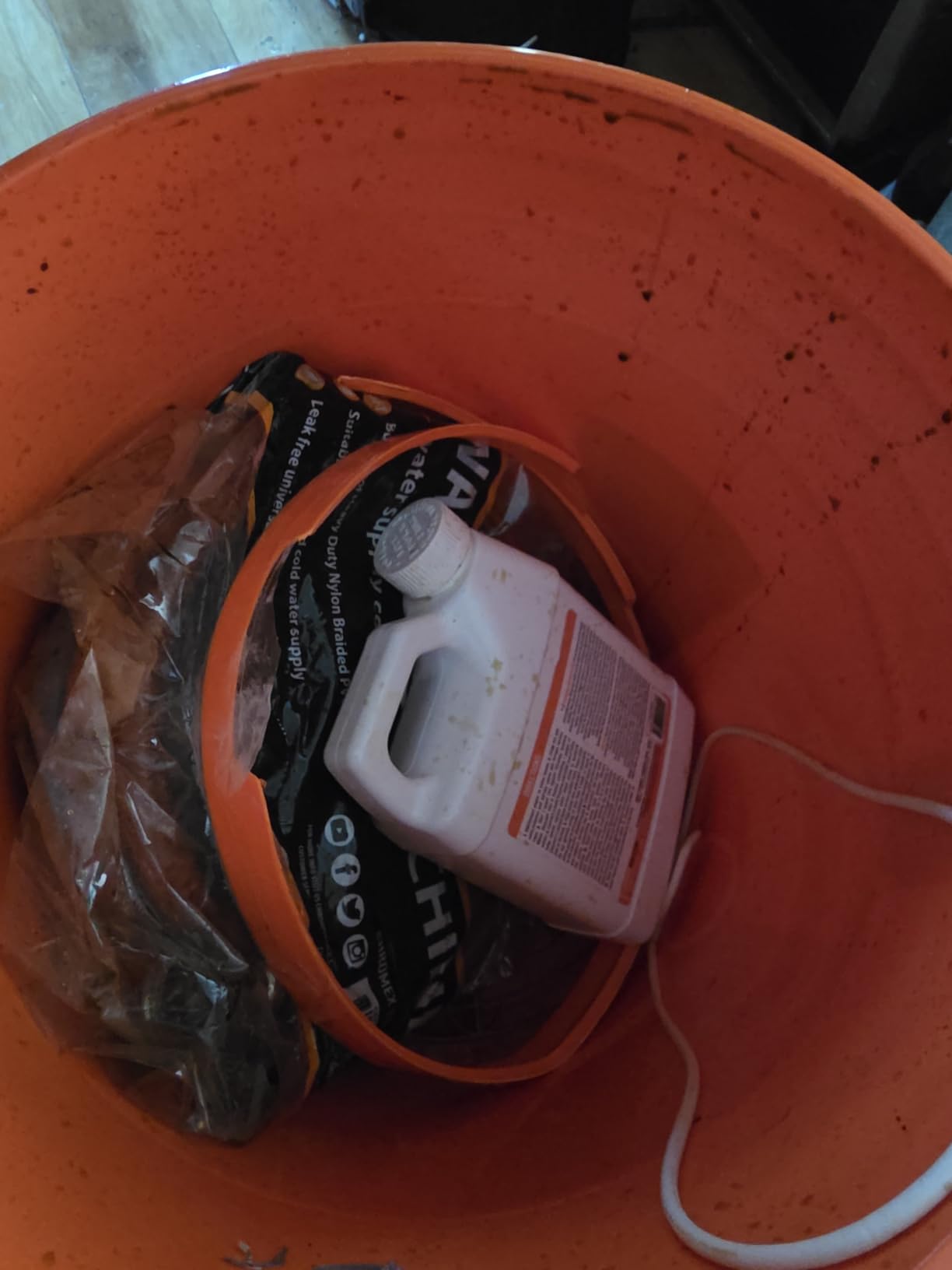
Solution buyers who already own a flush kit should look here. Chromex’s quart carries NSF/ANSI/CAN 60 certification as a drinking water treatment chemical, is a biodegradable non-volatile liquid, and is compatible with PVC, rubber, ABS, and metal plumbing surfaces with two stated exceptions: magnesium and aluminum.
Those two exceptions are worth pausing on. Some tankless heat exchangers use aluminum, so if you are unsure what yours is made of, check the service manual before you pour. The listing also offers larger sizes for homeowners running multiple annual treatments.
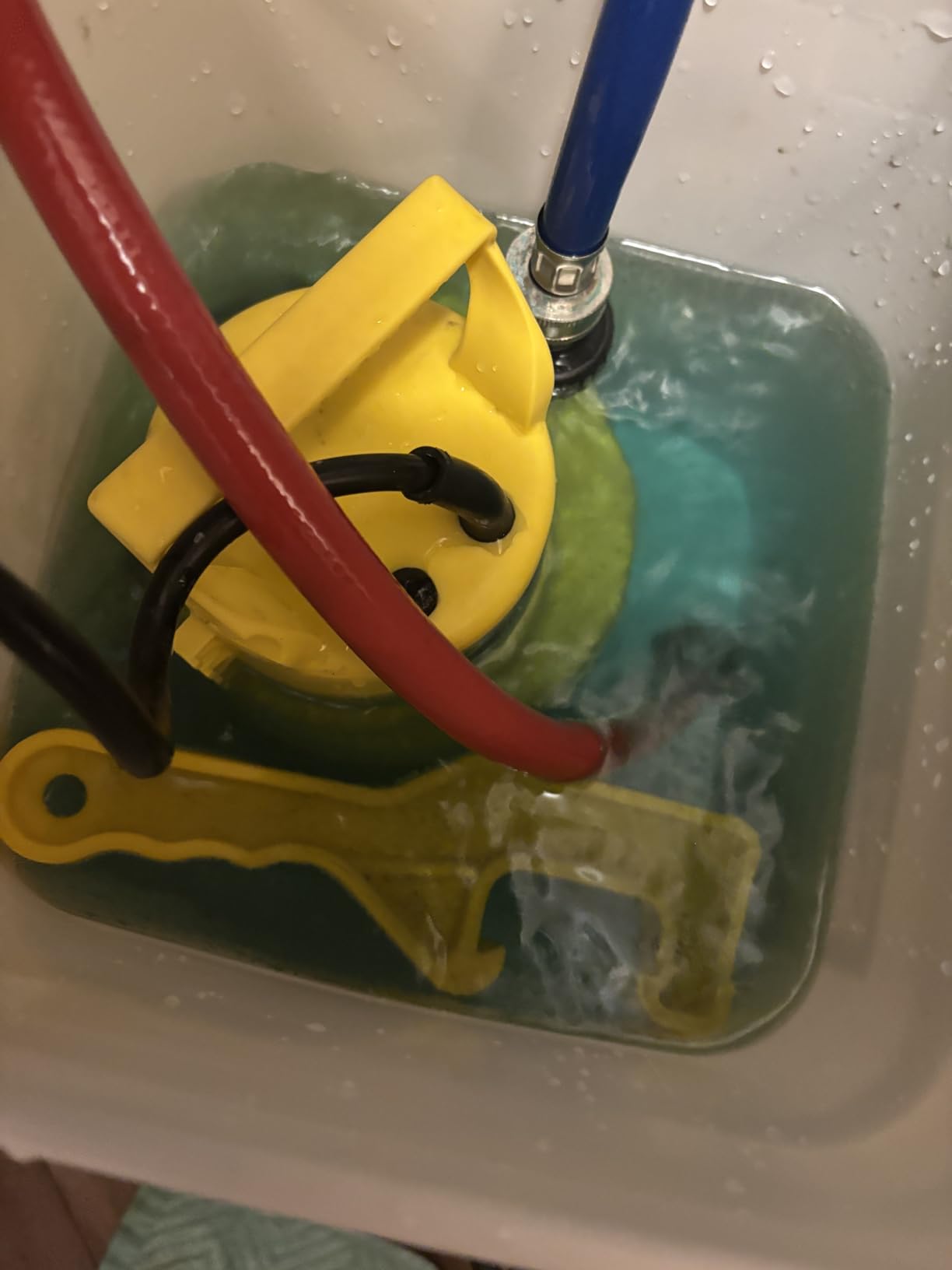
The consensus among buyers is that this clears scale more thoroughly and faster than vinegar, and that the absence of a vinegar smell after the flush is the deciding factor for anyone doing the work inside a finished basement or near a kitchen. Step-by-step instructions are included, which lowers the barrier for a first-timer.
Because it is solution only, you need a pump, hoses, and a bucket, or one of the kits in this roundup. Many owners buy the hardware once and return to this quart annually, which is the economical pattern if you commit to the schedule.
Why certification is worth checking
NSF/ANSI/CAN 60 is the standard that covers chemicals used in drinking water treatment, and having it means the formula was evaluated for use in potable water systems. For a household running a solution through the same lines that fill a drinking glass, that is a meaningful distinction from a generic limescale remover.
The aluminum question
Check your exchanger material first. This formula, and several similar certified liquids, exclude magnesium and aluminum surfaces. If your heater is copper or stainless, you are clear; if it is aluminum, use a citric product that is explicitly rated for aluminum exchangers instead.
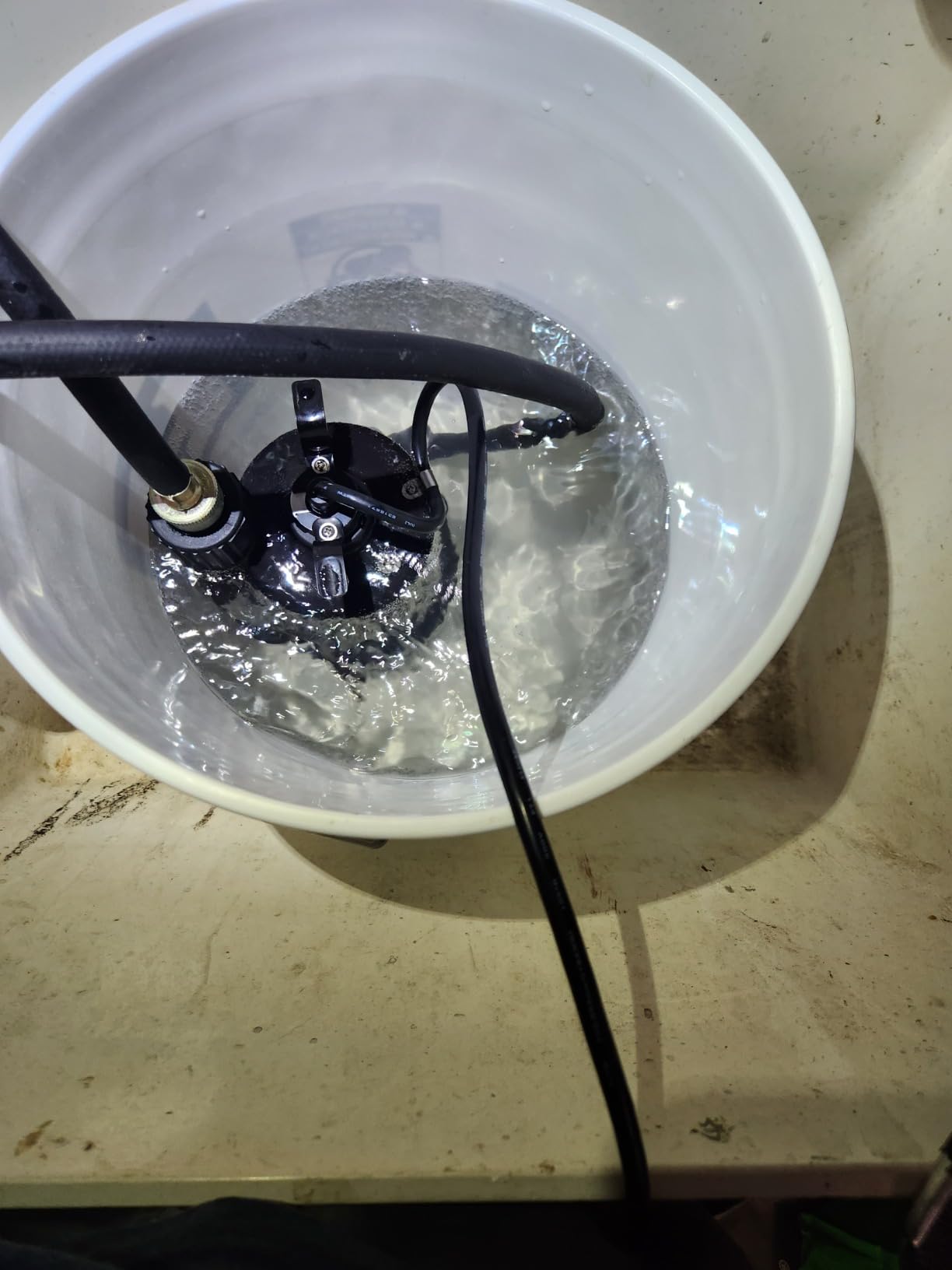
6. RectorSeal Calci-Free – Best for Heavy Scale
Rectorseal Calci-Free 68708 Tankless Water Heater Cleaner, Easy Application, Plumbing, 1.2 lb
- Restores flow and pressure in about 20 minutes
- Purpose-formulated for tankless heaters
- Powder pours straight into a pump bucket
- No strong odor after flushing
- Off-gasses a sharp vapor when poured into water
- Never mix or contact brass hose ends
- Never use a metal mixing container
When scale is the problem rather than routine maintenance, a faster and stronger chemistry earns its place. RectorSeal Calci-Free is a sulfamic-acid based powder formulated specifically for tankless water heaters, and it restores flow, pressure, and circulation in about 20 minutes, roughly half the circulation time a vinegar flush requires.
It comes in a no-splash crystal format rather than a liquid, and the powder dissolves quickly enough to pour straight into a pump bucket. Owners on very hard water report pulling out brown gritty scale that a vinegar flush could not shift.
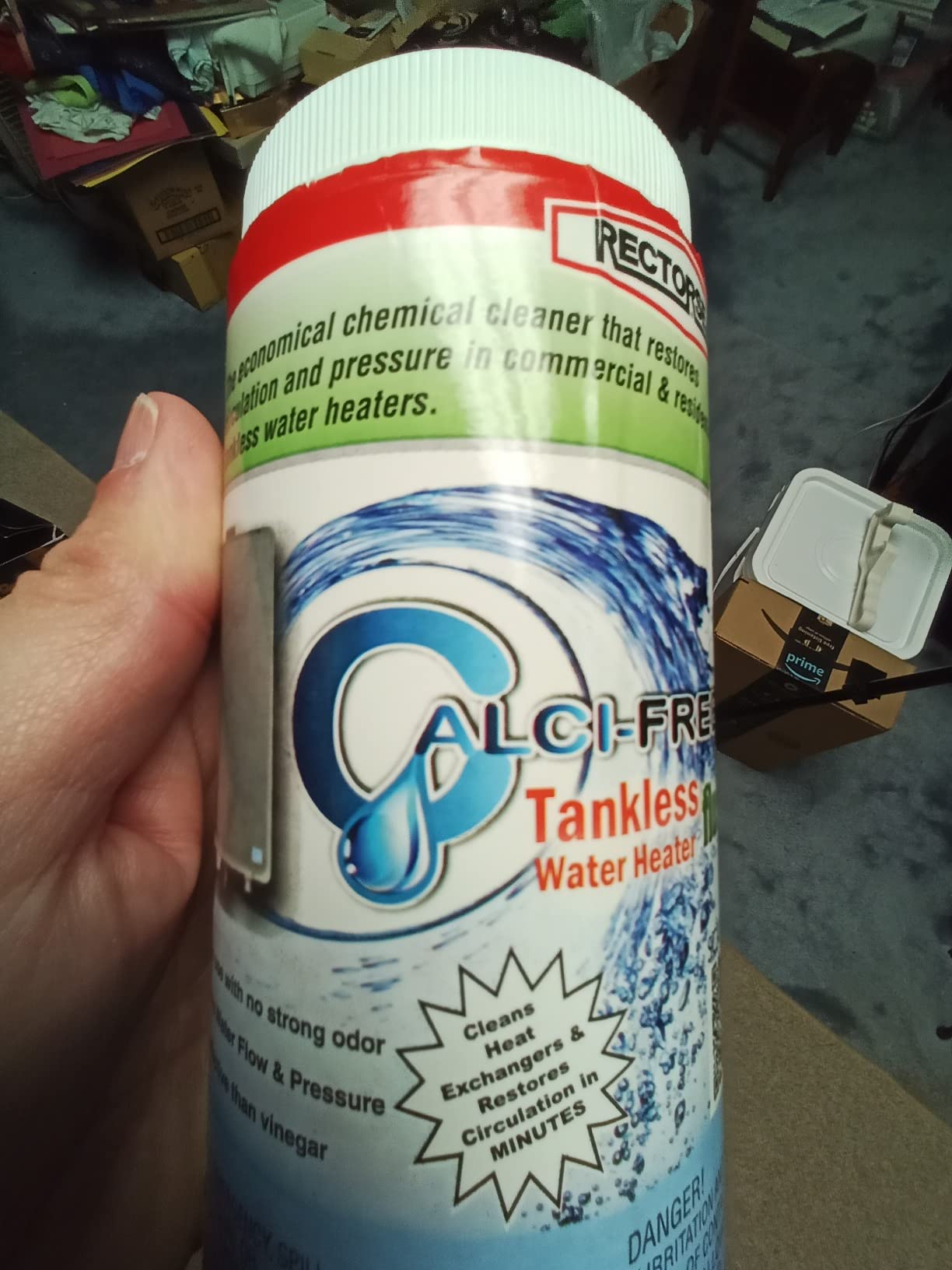
This one demands respect. Sulfamic acid is a genuinely strong acid, and the practical guidance in reviews is consistent: wear gloves, expect a sharp vapor when the crystals hit water, mix only in plastic or wood, and never let brass hose ends sit in the solution.
Waste solution from this product can damage stone and concrete, so plan disposal carefully and never pour it onto a driveway or a planted area. Anyone with small children or pets should keep the container sealed between uses.
When stronger chemistry is the right call
If you have never flushed the heater and the water is very hard, this is the product most likely to move the blockage in one session. It also suits the deep clean after a long gap between services, the situation forum users describe when they ask what to do after years of neglect.
What safety costs you
Fumes, gloves, plastic mixing vessels, and careful disposal are non-negotiable with this formula. If you are not willing to handle those steps, the citric liquids earlier in this list will do the same job more gently, just more slowly.
7. Chromex Hardware-Only Descaler Kit – Best for Bringing Your Own Solution
Chromex Tankless Heater Descaler Kit – Just Add Vinegar or Your Own Descaler
- Use any descaler you already prefer
- Hardware only
- no wasted bundled fluid
- Six foot steel hoses reach the valves
- Same broad brand compatibility
- No descaling solution included
- Heavier stainless hardware than some kits
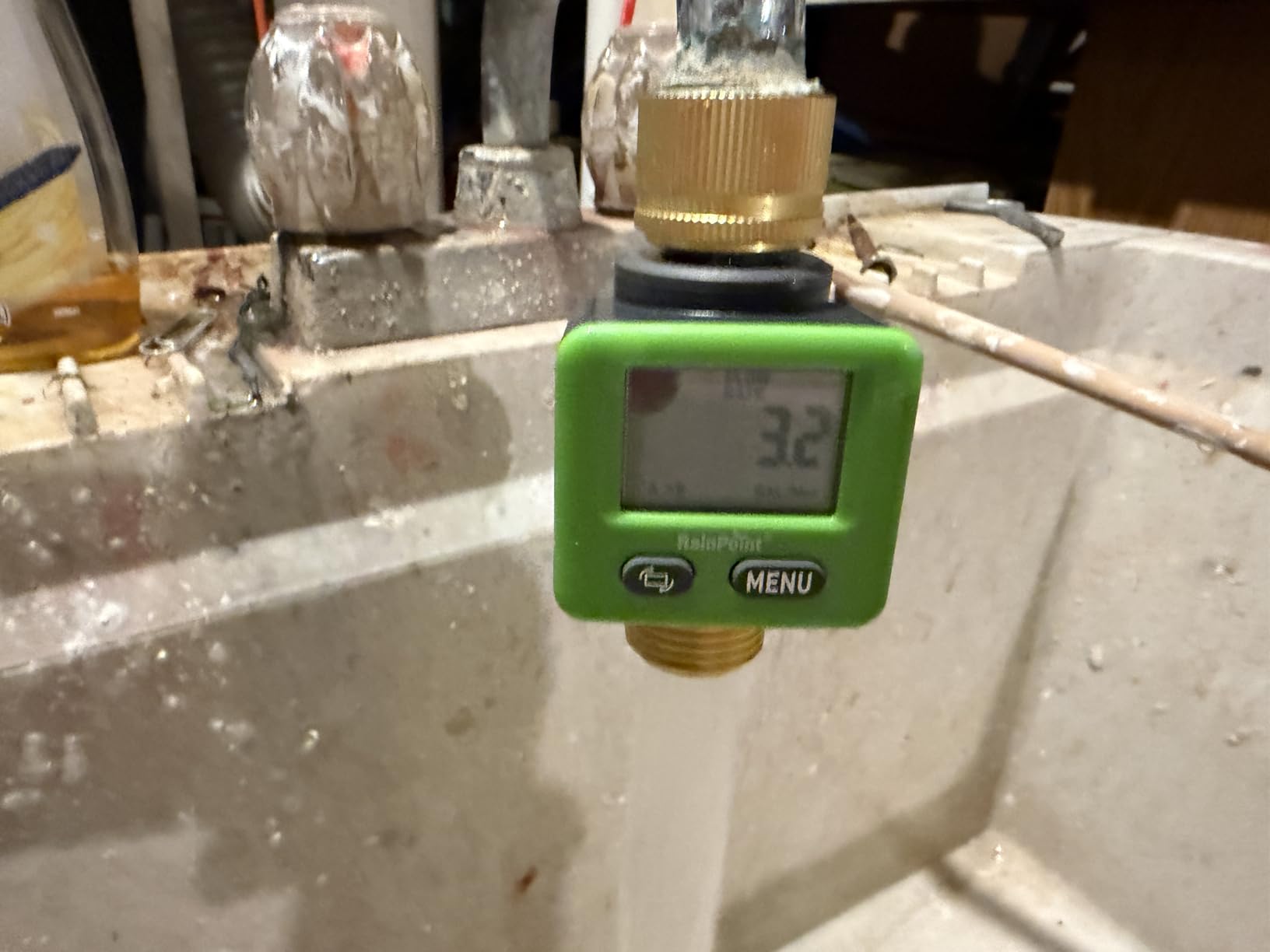
This kit is for readers who already know which chemistry they trust. Chromex’s hardware-only package contains a three and a half gallon bucket with lid, a 1/6 HP pump, and two steel hoses, and you add two to three gallons of vinegar or your own descaling solution.
The six foot steel hoses make reaching the isolation valves straightforward, and the stated compatibility list covers the same broad range of tankless brands as the full kit. Owners who already have a preferred liquid appreciate not paying for a bundled solution they will never open.
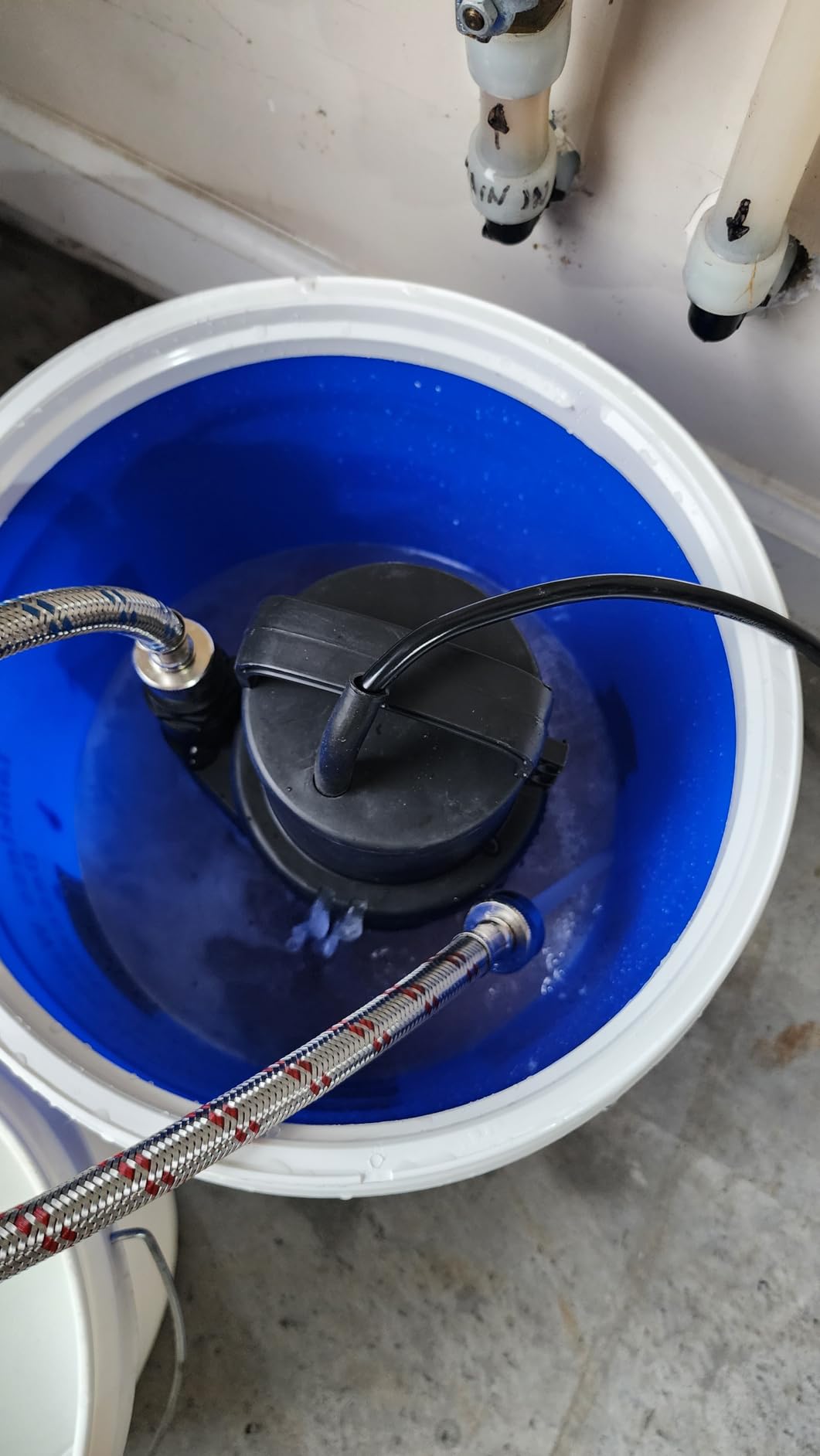
The pump here is larger and heavier than some competing kits, and the stainless components add weight to a package you will be carrying to the utility area each year. The listing carries a one year warranty with hassle-free returns, which is thinner coverage than you get on a dedicated pump.
Note also that five-star satisfaction on this listing trails the chemical-only products in the set, which is not surprising for a box of hardware. What you are buying is convenience of assembly, not a cleaning formula.
Best paired with a concentrate
Matched with the QwikDescaler+ concentrate or the Chromex NSF quart, this becomes an efficient long-term setup. Buy the hardware once, buy solution in bulk, and you have a service kit that covers the whole life of the heater.
When hardware-only is the wrong buy
If this is your first tankless flush and you have never handled descaler chemistry, buy a kit with the solution included. The value of hardware-only packaging depends entirely on you already knowing what to pour into the bucket.
8. Hercules Oatey Descaler Kit – Best for Aluminum Heat Exchangers
Hercules Oatey Water Heater Descaler Kit,5inLx5inWx6inH 35235-1 Each
- Citric acid formula rated for aluminum exchangers
- Complete kit including a full quart of solution
- 25 foot pump cord for flexible placement
- Unscented with no strong odor
- Most expensive single treatment in this roundup
- Thin written customer detail on the listing
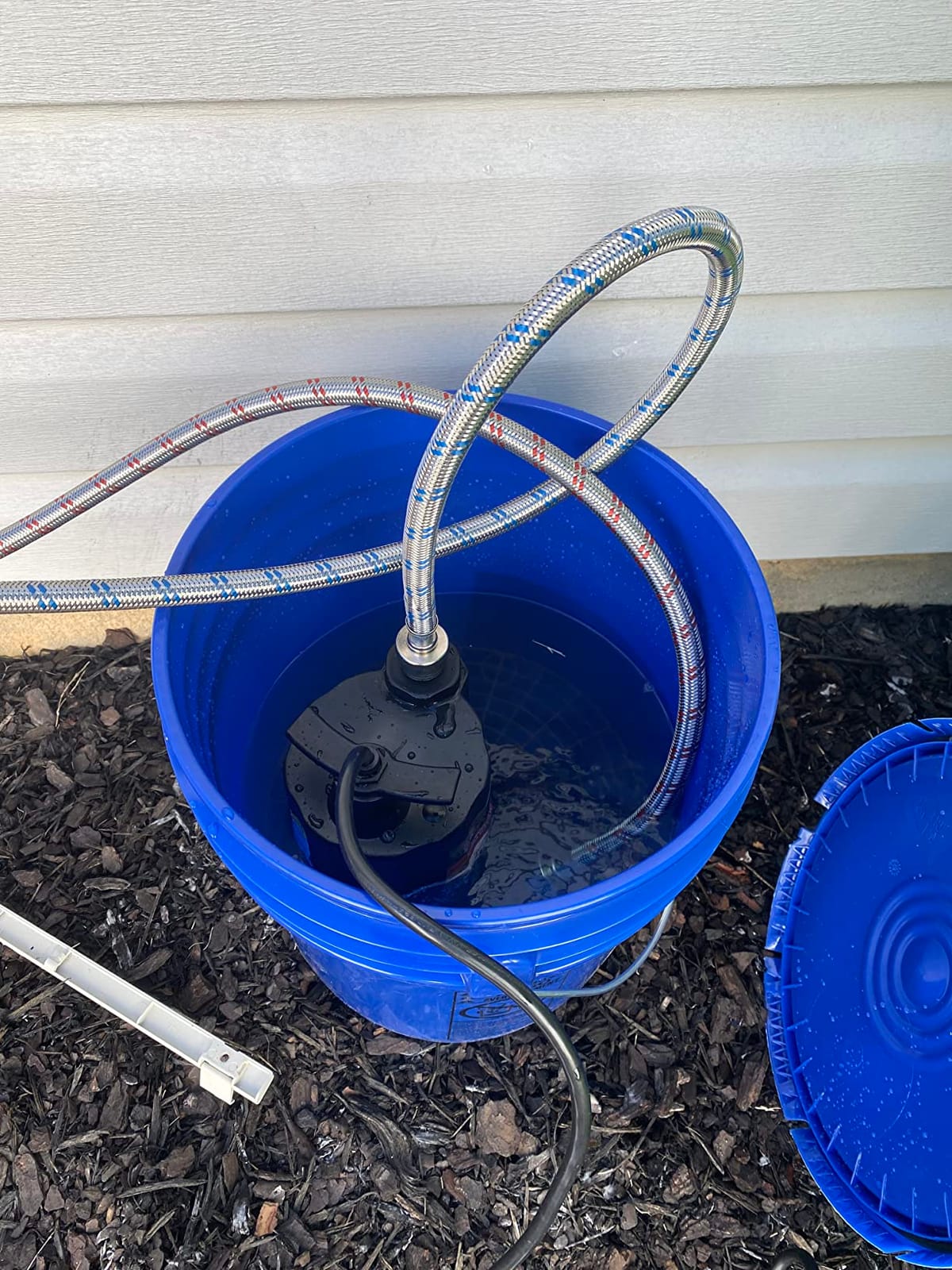
Most certified liquids exclude aluminum surfaces, which leaves owners of aluminum heat exchangers in an awkward spot. Hercules Oatey’s descaler kit, built around Haymaker citric acid gel, is explicitly suitable for aluminum exchangers as well as rubber and metal surfaces, and it removes carbonates, sulfates, phosphates, rust, and oxides.
The kit contains a three and a half gallon pail, a pump with a 25 foot cord, a quart of solution, and two five foot hoses. That long power cord is the practical detail buyers highlight, because it lets you place the pump on a dry floor, a shelf, or the top step instead of on the ground next to the bucket.
The formula is unscented with no strong chemical odor, which makes it a comfortable choice in a finished basement. As a gel it dissolves inorganic deposits that restrict flow, with the stated purpose of restoring heat transfer efficiency.
This is the most expensive single treatment in our set, and the listing carries noticeably thinner written customer detail than the higher volume products, with a lower Best Sellers Rank suggesting a smaller installed base. You pay for the completeness and the aluminum rating, not for volume discounts.
Why aluminum compatibility matters
An aluminum exchanger corrodes faster than copper when exposed to the wrong chemistry. If your service manual lists aluminum, a citric product explicitly rated for it removes an entire category of risk from your flush, which is worth more than the price difference to most owners.
Consider the alternatives first
If your exchanger is copper or stainless, you have more economical options in this roundup that do the same work. Confirm the material before paying the premium for the aluminum rating you may not need.
9. Tankless Flushing Kit with 1/6 HP Pump – Most Versatile
6699 Tankless Water Heater Flushing Kit, 1/6 HP Pump, 2 Hoses, 3 Gal Pail
- Moderate flow suits many tankless GPM limits
- Quiet pump packs down for storage
- Includes adapters and washers
- Standard fittings match isolation valves
- Pump must be primed or it can overheat
- Hand-tighten adapters only
- Small bucket needs refilling
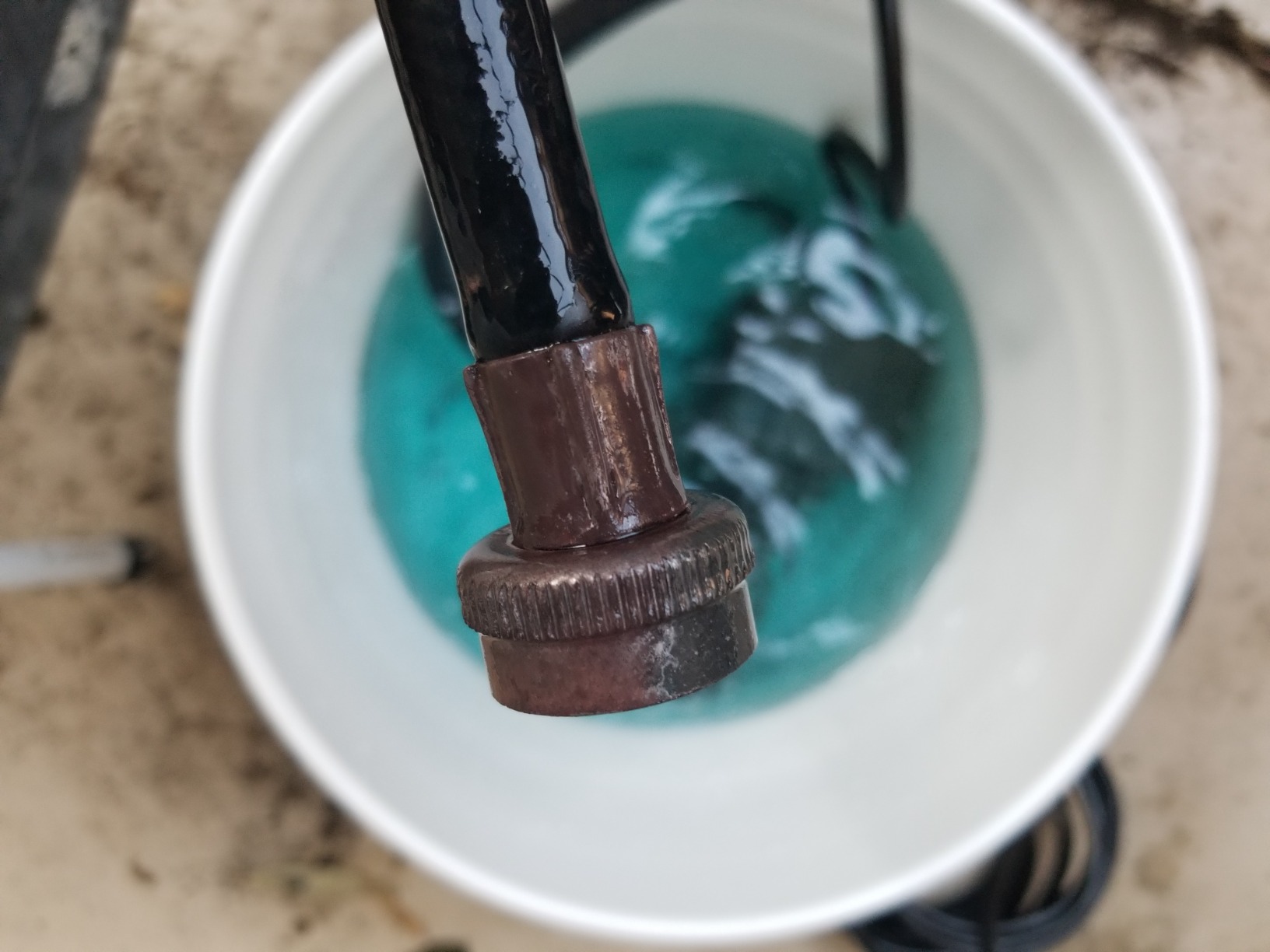
The budget entry is a 1/6 HP submersible sump pump paired with a three gallon bucket, two six foot half inch PVC hoses with washers, and adapters. Its modest 1100 GPH flow rate is genuinely useful here, because some tankless manufacturers want controlled flow through the exchanger rather than a firehose.
Owners using it as an alternative to a plumber service call find the flow well matched to tankless requirements. The pump runs quietly and packs into the bucket for compact storage between annual flushes.
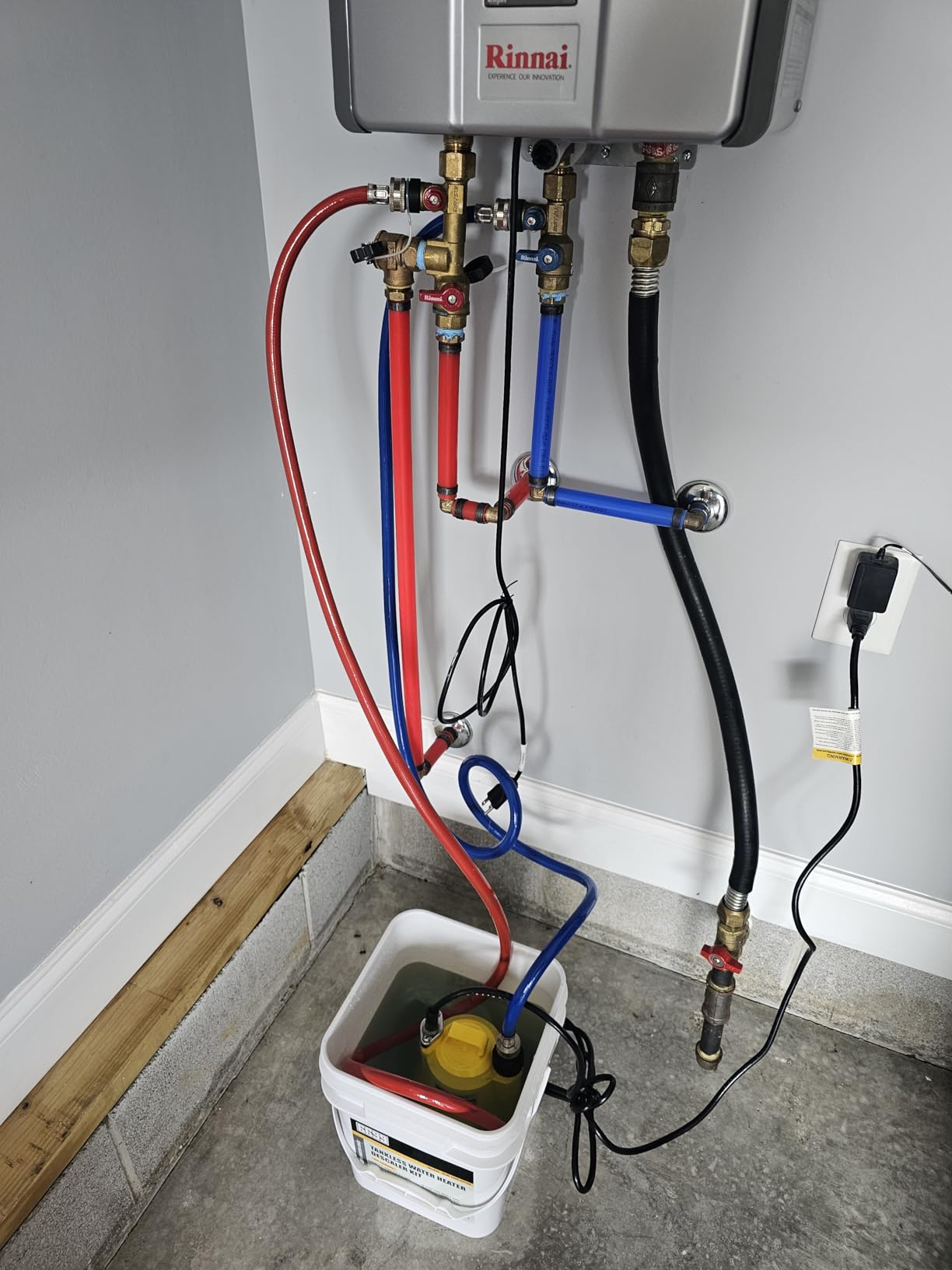
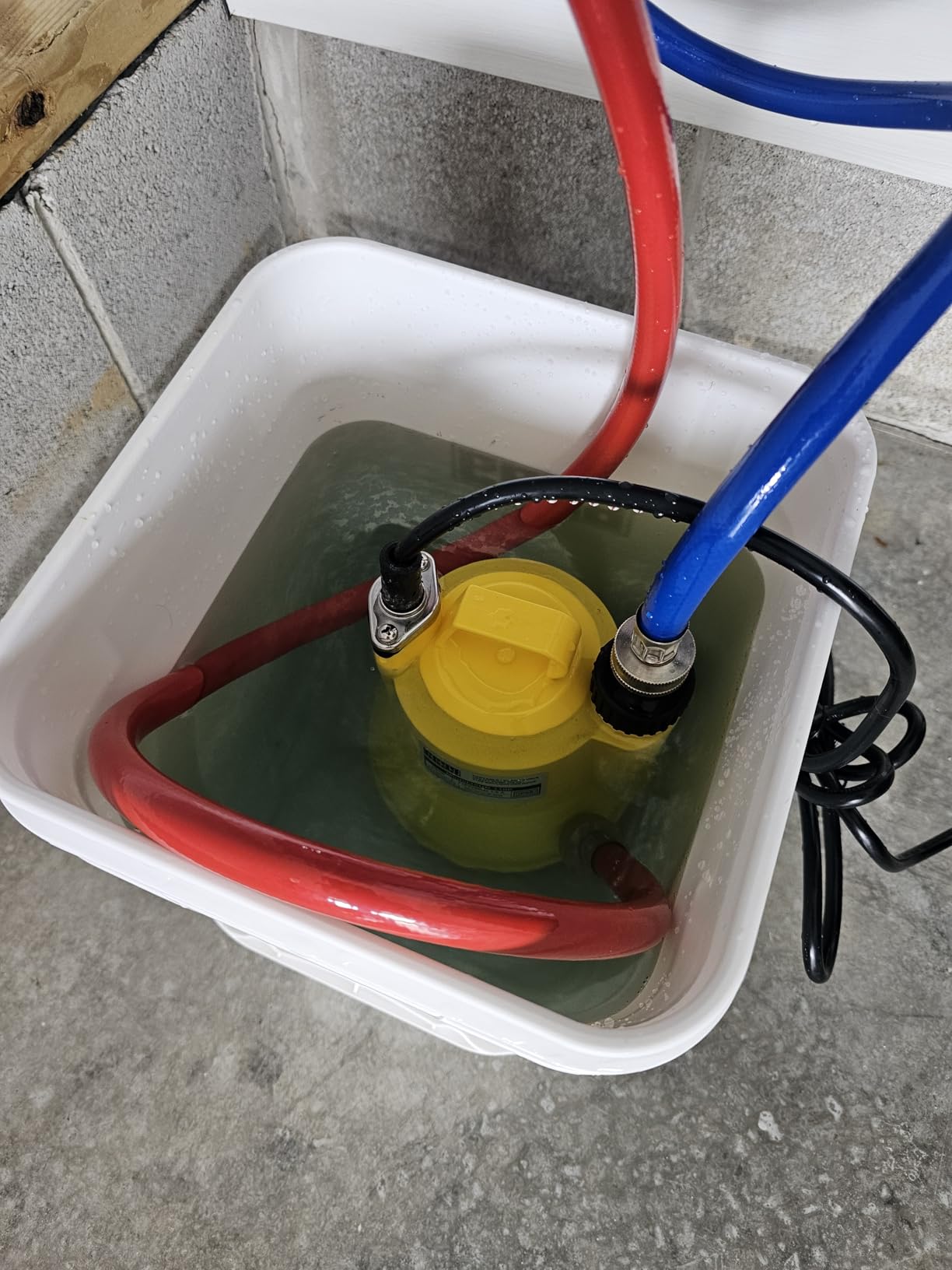
Operating notes matter more here than on a pricier kit. Prime the pump by tilting it before first use, never run it dry, and hand-tighten the adapters only, because overtightening can crack the black plastic fittings. Burned motor windings from repeated dry running are the failure reviewers warn about.
It carries a combined one year seller and manufacturer warranty, and at least one buyer reported a pump failing within a month of a single use. We would treat this as a short-cycle tool and keep a replacement plan in mind rather than a lifetime investment.
Good for owners on a tight budget
If the goal is to skip a plumber visit without spending much, this kit does the job with an appropriately gentle flow rate. The included adapters and washers remove the most common reason hoses fail to seal, which is a genuine saving in frustration.
Where the low cost shows
The three gallon bucket is small for a heavy flush, so plan on refilling mid-cycle. The one year warranty and the isolated pump failure report are the trade-offs you accept when you buy at this level, and the extra care around priming and dry running is non-negotiable.
10. Clearflow Solutions Tankless Descaler – Best for Very Hard Water
- Strong results reported on very hard water
- No overpowering vinegar smell
- Nontoxic biodegradable formula
- One owner measured about 4°F higher outlet temperature
- Label wording on treatment coverage is confusing
- Smallest review base of the products here
For households on genuinely hard water, this quart has produced the strongest reported results among the liquids we compared. Owners say it pulled out scale that matched the combined performance of other leading liquids, and one reported a measurable rise of about 4 degrees Fahrenheit in outlet temperature after a 45 minute descaling cycle on a boosted-flow setup.
The formula is a non-volatile biodegradable liquid compatible with PVC, rubber, ABS, and metal plumbing surfaces, with the same magnesium and aluminum exclusions as other certified liquids in this roundup. Step-by-step instructions are included, and the gallon size is described as covering four treatments.
What keeps this out of the top three is evidence volume. At 110 reviews it has the smallest customer base of anything on this list, which means less long-term data than the products above it. The label and listing also disagree about how many treatments a bottle covers, which is an easy source of frustration mid-job.
Strong performance on severe hardness
If your water sits well above seven grains per gallon, or you are on a well with hardness plus sediment, this is worth testing. The measured temperature recovery improvement reported by one owner is exactly the kind of result you should be chasing from a flush.
Buy with the labeling in mind
Read the bottle before you dilute anything, because the coverage claim differs between the label and the listing. And if you are new to flushing, weigh the thinner review base against the more established liquids before committing your only attempt this year to a product with less field history.
How to Descale a Tankless Water Heater Step by Step
This is the procedure that forum threads describe in fragments and no roundup lays out in order. Take it slowly, work on a day you can give it two hours, and keep the heater out of service while you work.
- Turn off power or gas to the heater.
- Close the cold inlet and hot outlet isolation valves.
- Clean the heater inlet screen filter.
- Connect hoses from bucket pump to those valves.
- Prime the pump and fill the bucket with solution.
- Run the pump for the stated contact time.
- Stop the pump and flush the cold inlet line.
- Open the valves and run hot water until clear.
Step five deserves the most care. Mix your solution at the manufacturer’s dilution ratio in a separate container before adding it to the pump bucket, because it is far easier to get right before the hoses are connected and the pump is primed.
Step seven is the step people skip. Disconnect the hose at the cold inlet and let household supply water run through the unit to purge the spent solution, otherwise you will be filling bathtubs with descaler for the next several hours.
On pump choice, avoid a low-flow recirculation pump. Watts has stated publicly that it does not recommend its one quarter gallon per minute pump for tankless water heaters because of that flow rate, and recirculation pumps in general do not deliver the volume a flush loop needs.
How to Choose a Tankless Descaler for Your Water
Three questions decide it: how hard is your water, what material is your heat exchanger, and do you own a pump already. Everything else is preference.
Citric acid versus sulfamic acid. Citric acid is the gentler option and the one we recommend by default. It is non-corrosive to PVC, copper, rubber, and in the Hercules kit’s case aluminum, and it needs roughly 20 to 30 minutes of circulation in good conditions. Sulfamic acid works faster, around 20 minutes even on heavy scale, but it off-gasses when it hits water and demands gloves, ventilation, and plastic mixing vessels. Reserve the stronger chemistry for a deep clean, not for routine annual maintenance.
Citric acid versus vinegar. Vinegar is roughly 5 percent acetic acid and is the weakest of the three. Forum consensus, including a PlumbingZone thread concluding that tankless-formulated solutions beat vinegar, is that vinegar needs about one and a half to two hours of circulation to achieve what a commercial product does in 20 minutes, and it leaves an odor behind. It remains a legitimate fallback when you want to avoid buying chemistry, and the Chromex hardware-only kit is explicitly designed to accept two to three gallons of it.
Solution versus softener versus conditioner. A descaling solution removes scale that is already present. A water softener removes hardness at the supply, and an electronic or salt-free conditioner prevents new scale from forming without removing existing deposits. Only the first of those three answers the question of a unit that is already scaled.
Know your hardness. Above roughly 7 grains per gallon, flush annually at minimum. Between 4 and 7 gpg, twice a year for heavy-use households. Below 4 gpg, an annual flush still makes sense because of the warranty angle, but you can be relaxed about the interval.
Check the exchanger material. Several certified liquids exclude aluminum and magnesium. If yours is aluminum, use a product explicitly rated for it, such as the Hercules Oatey kit. If you are unsure, find out before you pour anything.
When not to do this yourself. Low hot water flow that does not recover after a proper flush, a heat exchanger that is physically blocked, or repeated error codes that persist usually mean the exchanger is compromised rather than scaled. That is a plumber job, and no bottle of acid fixes a cracked or failed exchanger.
For context on the appliance side, our picks for electric tankless water heaters, gas tankless water heaters, and heat pump water heaters all benefit from the same annual flush discipline described here.
Frequently Asked Questions
Do I need a descaler with my tankless water heater?
Yes if your water is hard, which is most of the US supply. Scale narrows the heat exchanger passages, cutting flow and slowing temperature recovery. It also matters for warranty reasons: Rinnai documentation excludes heat-exchanger damage above 200 mg/L, about 11.7 gpg. If you are on a well or above 7 gpg, flush annually.
How do I descale a tankless hot water heater?
Isolate the heater at its cold inlet and hot outlet valves, connect a pump and hoses so fluid circulates back and forth through the unit instead of through the house, run it for the solution’s stated contact time of 20 to 30 minutes, then disconnect and flush the cold inlet line before restoring service and running hot water until it runs clear.
Can vinegar be used to descale a tankless water heater?
Yes, and it is a reasonable fallback. Vinegar is about 5 percent acetic acid, so it needs roughly one and a half to two hours of circulation to match what a commercial descaler does in 20 to 30 minutes, and it leaves an odor in the water. It is also the mildest option on rubber seals and gaskets.
Which is better for removing limescale, citric acid or vinegar?
Citric acid, clearly. It is a stronger acid than vinegar and dissolves carbonate scale far faster, needs no odor masking afterward, and is the active ingredient in every reputable tankless descaler in this roundup. Vinegar is weaker, slower, and leaves a smell. Citric acid is also non-corrosive to PVC, copper, rubber, and aluminum.
Do descalers for your water work?
Only if you mean descaling solution. Acid solutions remove scale that already exists. Electronic desalters and salt-free conditioners prevent new scale from forming but cannot remove deposits already stuck to an exchanger. A water softener reduces hardness at the supply. If your heater is already scaled, you need an acid solution, not a conditioning device.
Bottom Line: Our Top Tankless Descaler Picks
The J.C. Whitlam Flow-Aide is our pick for the best water descaler for tankless water heater owners who want one certified bottle that handles routine maintenance without fumes or odor. The QwikDescaler+ concentrate is the best value for anyone committing to years of annual flushes, and the Superior Pump 91660 kit is the best pump kit for a first-time job where hardware is the hard part.
Whichever route you take, the flush is the maintenance that protects your warranty, your flow rate, and your energy bill. Check your hardness number, confirm your exchanger material, and put the flush on next year’s calendar before the scalding hot water slows down. We update this guide for 2026 and add new models as they are tested.