
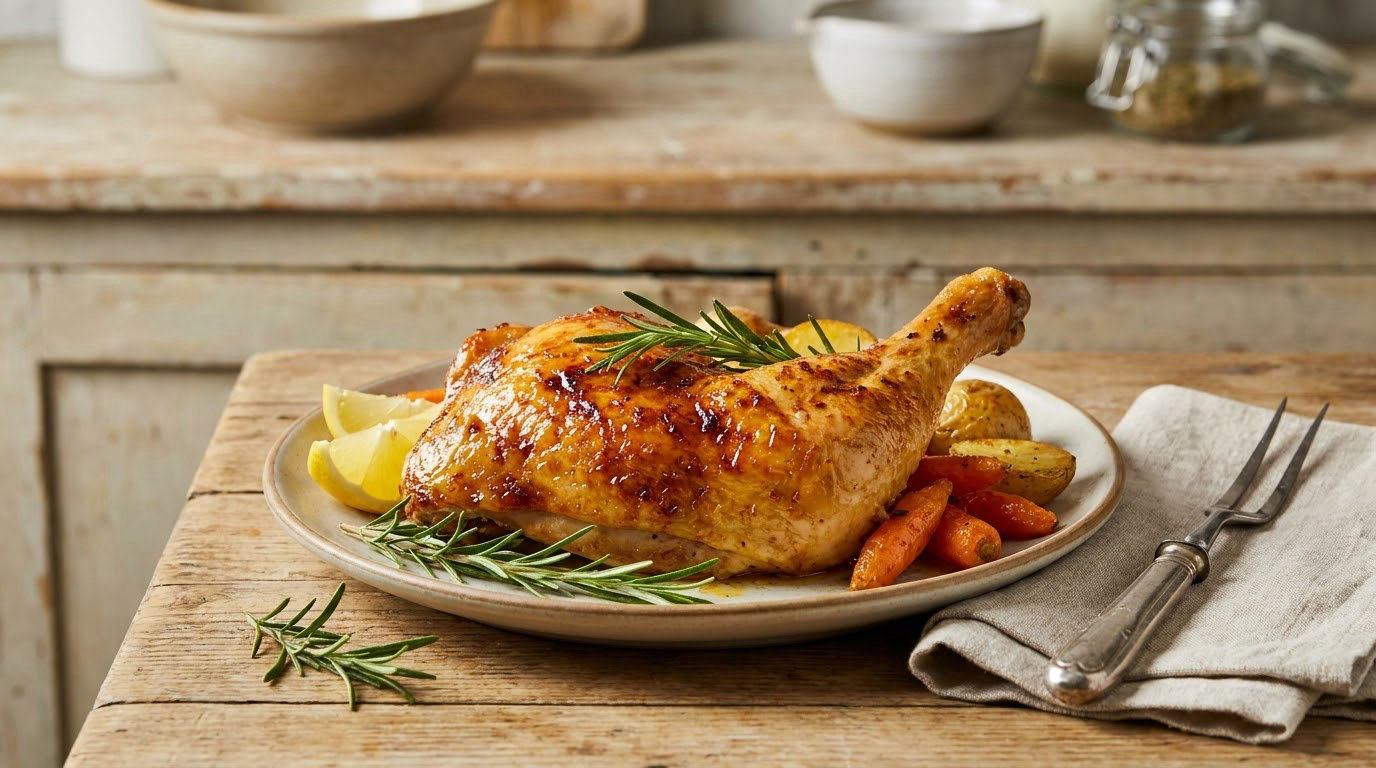
Yes, you can refreeze thawed chicken safely, but only when it was thawed the right way. According to the USDA, chicken thawed in the refrigerator at 40°F (4°C) or below can be refrozen without cooking first, though you may notice some loss of quality. The real risk is not the freezer itself. It is bacteria that grow while chicken sits in the “danger zone,” between 40°F and 140°F (4°C to 60°C), for more than two hours.
If you have ever pulled chicken from the freezer and then changed your dinner plans, this guide is for you. I’ll walk you through exactly when refreezing is safe, when it is not, and how to keep the texture and flavor as close to the original as possible. If you want a refresher on safe internal temperatures for cooked chicken, our guide to what temperature chicken is done at is a good companion read.
Table of Contents
Can You Refreeze Thawed Chicken?
You can safely refreeze chicken that was thawed in the refrigerator and never left the fridge for more than two hours total. The USDA is clear on this: if the chicken has stayed at or below 40°F (4°C) the entire time it was thawing, refreezing is safe, even if the texture and moisture suffer a little.
The reason this question trips people up is the wording on chicken packaging. Many packages say “do not refreeze,” which is a quality statement from the brand, not a safety ruling from the government. Brands want the first thaw to give you the best eating experience. The USDA’s food safety rules are more lenient because they focus on bacterial growth, not texture.
So the short answer is: yes, you can refreeze thawed chicken, but only if you thawed it in the fridge. Anything thawed on the counter, in hot water, or partially thawed at room temperature is a different story.
How Thawing Method Changes the Answer
How you thawed the chicken matters more than almost anything else. Here is a quick reference covering the four methods home cooks actually use.
| Thawing Method | Can You Refreeze Raw? | Why |
|---|---|---|
| Refrigerator (cold, under 40°F) | Yes | Chicken stayed at safe temperature the whole time |
| Cold water (changed every 30 min) | Only after cooking | Outer layers warmed into the danger zone |
| Microwave defrost | Only after cooking | Some parts cooked slightly; held at warm temps |
| Counter or hot water | No | Bacteria multiplied rapidly at room temperature |
Notice that the last two methods both result in “cook first, then refreeze.” That distinction is what keeps people safe. If your chicken spent any meaningful time above 40°F before going back into the freezer, you are essentially freezing bacteria in place, and they will still be there when you thaw it again later.
When It Is Safe to Refreeze Thawed Chicken
You are in the clear to refreeze thawed chicken in these specific situations:
- Thawed fully in the refrigerator at 40°F (4°C) or below, with no more than two hours total outside the fridge during transfer or prep.
- Raw chicken you thaw on purpose to refreeze in smaller portions, like splitting a big family pack into meal-sized bags.
- Cooked chicken that has cooled properly after thawing, then goes back into the freezer within the 3 to 4 day fridge window.
- Chicken thawed in cold water and then cooked to 165°F (74°C) internal temperature before being refrozen.
- Partially thawed chicken that still has ice crystals and has been in the fridge the whole time, with no soft or warm spots.
If any of these match your situation, go ahead and refreeze. If you are not sure which method you used or how long the chicken sat out, default to cooking it now and freezing the cooked result. You can use that cooked chicken in our easy crockpot pulled chicken sandwiches or a quick curry the same week.
When You Should NOT Refreeze Thawed Chicken
Skip the freezer and head straight to the oven (or the trash) in these cases:
- Counter-thawed chicken, especially anything that sat out for more than two hours, or one hour if your kitchen is above 90°F (32°C).
- Chicken thawed in hot or warm water, which pushes the surface into the danger zone almost immediately.
- Microwave-thawed chicken you did not cook right away, because parts of it started cooking and then cooled into a bacteria-friendly range.
- Chicken with a sour, sulfurous, or just-off smell, sticky or slimy texture, or any gray-green discoloration. Smell alone is not a perfect safety test, but it is a strong warning sign.
- Any poultry held above 40°F (4°C) for more than two hours total, even if it was “only for a few minutes” several times. The clock keeps running.
When in doubt, cook the chicken to 165°F (74°C) and then decide. Cooking kills the bacteria that grew during unsafe thawing, and you can safely freeze the cooked result. For breasts specifically, our guide to how long to bake frozen chicken breast walks through oven timing whether you start from frozen or fresh.
How to Refreeze Thawed Chicken the Right Way
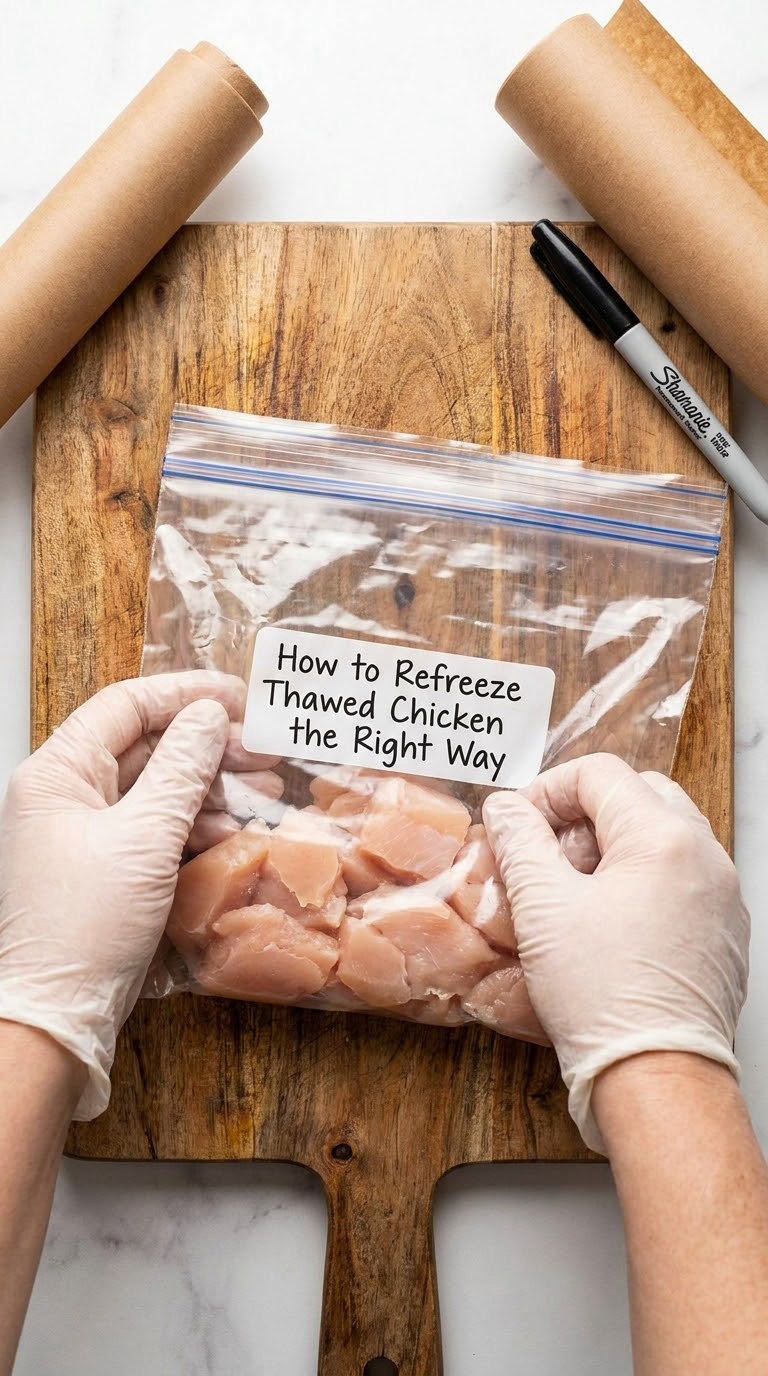
Follow these steps to get the best quality and the longest freezer life out of your refrozen chicken.
- Check the chicken first. Sniff it, look at the color, and feel the texture. If anything seems off, do not refreeze it raw. Cook it and freeze the cooked version instead.
- Pat the chicken dry with paper towels. Surface moisture turns into ice crystals, which means more freezer burn and a mushier texture after thawing.
- Portion it into usable sizes. One-pound or single-serving packs thaw faster and let you grab only what you need, so you avoid the whole thaw-and-refreeze cycle again.
- Wrap tightly. Press out as much air as you can. Use a vacuum sealer if you have one, or press freezer bags flat and squeeze the air out before sealing.
- Add a second layer of freezer paper or a second bag for longer storage. Double wrapping blocks air and slows freezer burn.
- Label every bag with the contents, the date, and the original thaw date if you remember it. Future-you will thank present-you in three months.
- Freeze at 0°F (-18°C) or below. A standalone freezer stays colder and more consistent than a fridge freezer compartment.
- Use within 2 to 3 months for the best texture. The chicken stays safe indefinitely at 0°F, but quality drops off after that.
Flat, labeled packs stack neatly and thaw quickly under cold running water or overnight in the fridge. The whole process takes about 10 minutes once you have done it a few times.
Refreezing Cooked vs. Raw Thawed Chicken
Cooked chicken actually refreezes a little better than raw chicken, mostly because the cooking process drives off some moisture and changes the proteins in a way that holds up better to a second freeze. Here is how they compare.
| Factor | Raw Refrozen | Cooked Then Refrozen |
|---|---|---|
| Texture after thawing | Soft, slightly mushy | Firmer, closer to fresh-cooked |
| Moisture loss | Higher | Lower (cooking locks in some structure) |
| Best freezer time | 2 to 3 months | 2 to 4 months |
| Best future uses | Soups, stews, braises, curries | Salads, sandwiches, casseroles, tacos |
| Easiest method | Bag and freeze | Poach, shred, cool, then freeze in portions |
Many home cooks like to poach a big batch of chicken on Sunday, shred it, and freeze it in 1-cup portions. That shredded chicken is perfect for weeknight tacos or a quick batch of our leftover rotisserie chicken casserole, and it skips the texture question entirely. If you want hands-off cooking for either raw or cooked chicken, our guide to baking chicken thighs at 375°F is a great place to start.
Food Safety Temperatures You Need to Know
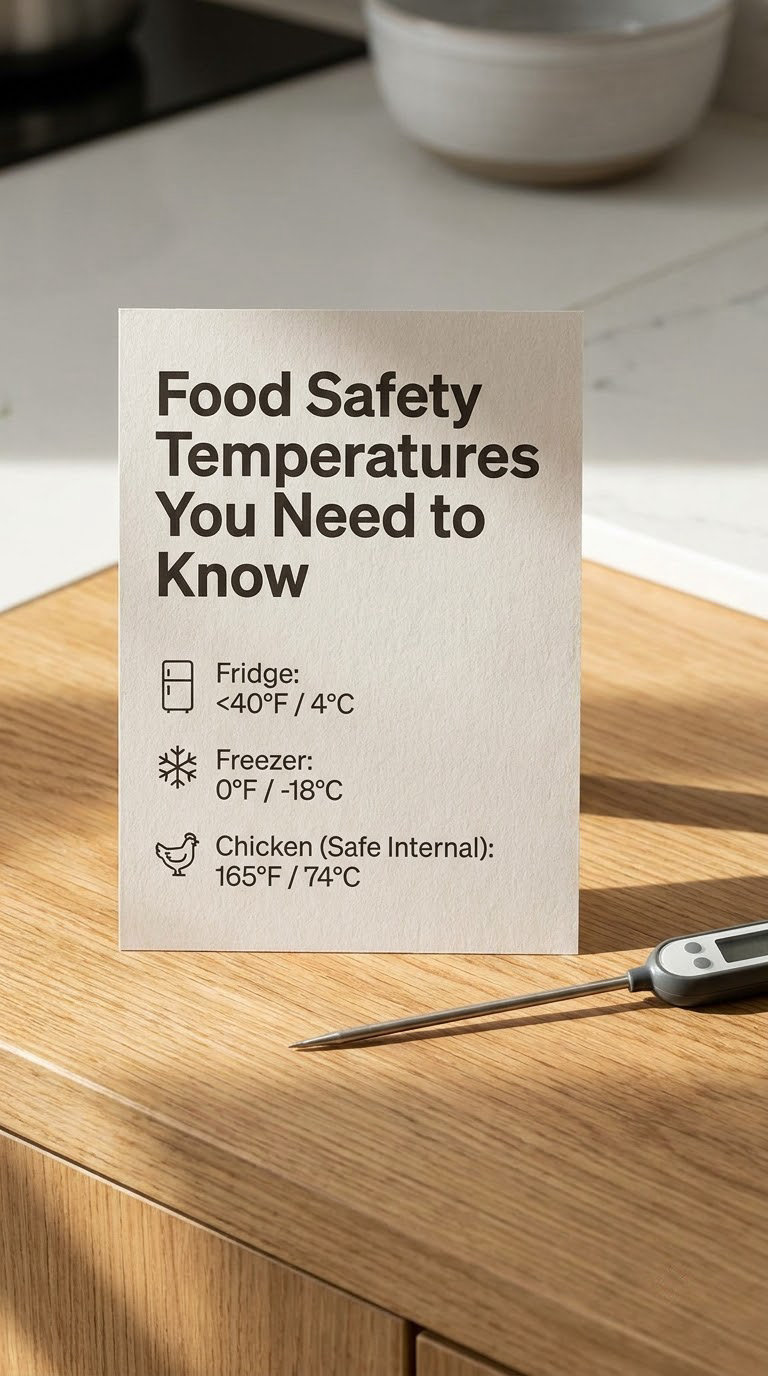
Temperatures are the backbone of safe refreezing. Memorize these four numbers and the rest of the rules fall into place.
| Where | Temperature | What It Means |
|---|---|---|
| Refrigerator | 40°F (4°C) or below | Safe holding zone for raw and cooked chicken |
| Freezer | 0°F (-18°C) or below | Pauses bacterial growth; keeps food safe long term |
| Danger zone | 40°F to 140°F (4°C to 60°C) | Bacteria multiply fast; minimize time here |
| Cooked chicken, internal | 165°F (74°C) | USDA safe minimum for poultry |
| Max time at room temp | 2 hours (1 hour above 90°F / 32°C) | After this, food is not safe to save |
These numbers come straight from the USDA Food Safety and Inspection Service, which is the federal authority on the topic. If a recipe or a friend tells you something different, these are the rules to follow.
Common Mistakes to Avoid
These are the slip-ups that trip home cooks up most often, and how to dodge each one.
- Tasting to check doneness. A bite of undercooked chicken can make you sick. Use an instant-read thermometer and pull the chicken at 165°F (74°C) instead.
- Trusting the smell test alone. Some dangerous bacteria do not change the smell. If chicken sat in the danger zone for too long, it can smell fine and still make you sick.
- Thawing on the counter because it is faster. It feels efficient, but it gives bacteria a head start. Plan ahead and thaw in the fridge, or use cold water if you are in a hurry.
- Reusing the original packaging as the freezer bag. Store packaging lets air in, which means faster freezer burn. Re-wrap in a proper freezer bag or freezer paper.
- Forgetting to label with the date. Six months from now, you will not remember when you froze it. A piece of tape and a marker takes five seconds.
- Refreezing the icy liquid that pools during thawing. That liquid is full of whatever bacteria was present. Pour it out, rinse the chicken briefly if you like, pat dry, then refreeze in fresh packaging.
Tips for Getting the Best Quality After Refreezing
Refrozen chicken is never quite as good as the first thaw, but a few small habits keep it close.
- Pat the chicken dry before refreezing to reduce ice crystals. Less surface water means less mushy texture later.
- Freeze in flat, single-layer portions so you can thaw exactly what you need without defrosting a whole big bag.
- Marinate before freezing for an extra layer of flavor and moisture. The marinade soaks in during thawing and helps with the texture hit.
- Cook from frozen when the recipe allows it. Soups, stews, braises, and our easy crockpot chicken curry all work beautifully with frozen chicken and save you the second thaw altogether.
- Sauce-heavy dishes hide texture changes. Save refrozen chicken for curries, chilis, soups, and casseroles where the sauce does the heavy lifting.
One more trick from my own kitchen: portion cooked, shredded chicken in 1-cup servings and freeze those flat in labeled bags. The small flat shape thaws in about 20 minutes in a bowl of cold water, and you can drop it straight into a wrap or a pan at the end of a long day.
Frequently Asked Questions
How many times can you refreeze thawed chicken?
There is no specific USDA limit, but quality drops with each freeze-thaw cycle. Once is fine if the chicken was thawed in the fridge. Twice is the practical limit for most home cooks before the texture becomes noticeably mushy. After that, cook the chicken first and freeze the cooked result.
Can you refreeze chicken that was thawed in the microwave?
Only after cooking it first. Microwave defrosting warms parts of the chicken into the danger zone, so refreezing it raw risks bacterial growth. Cook it to 165°F (74°C) internal temperature, then you can safely refreeze the cooked chicken within 3 to 4 days.
Does refreezing thawed chicken make it unsafe to eat?
Not on its own. Refreezing is unsafe only when the chicken spent too long in the danger zone (between 40°F and 140°F) before going back into the freezer. If the chicken stayed at or below 40°F the whole time it was thawed, refreezing is safe, though the texture and moisture will drop a little.
How can you tell if thawed chicken has gone bad?
Look for a sour or sulfurous smell, a sticky or slimy surface, gray or green discoloration, or any liquid that looks thicker than usual. A faint smell is not a reliable safety test on its own, but combined with texture or color changes it is a clear sign to toss the chicken.
Can you refreeze cooked chicken that was previously frozen?
Yes, and cooked chicken actually refreezes a little better than raw. Cool it quickly, portion it into airtight containers, and freeze within 3 to 4 days of cooking. For best quality, use it within 2 to 4 months and reheat to 165°F (74°C) before serving.
How long does refrozen chicken last in the freezer?
Refrozen chicken stays safe indefinitely at 0°F (-18°C) or below, but quality is best within 2 to 3 months. After that, expect more freezer burn, a softer texture, and a drop in flavor. Label every bag with the date so you can use the oldest packs first.
Bottom Line
Refreezing thawed chicken is safe whenever the chicken was thawed in the refrigerator at 40°F (4°C) or below and has not been at room temperature for more than two hours total. Anything thawed on the counter, in hot water, or in the microwave needs to be cooked first, then refrozen if you want to save it.
The fastest way to put this into practice tonight: portion your thawed chicken into meal-sized bags, press out the air, label with the date, and slide them into the coldest part of the freezer. Use within 2 to 3 months for the best texture, and save those packs for saucy, slow-cooked dishes where small texture changes are barely noticeable.