
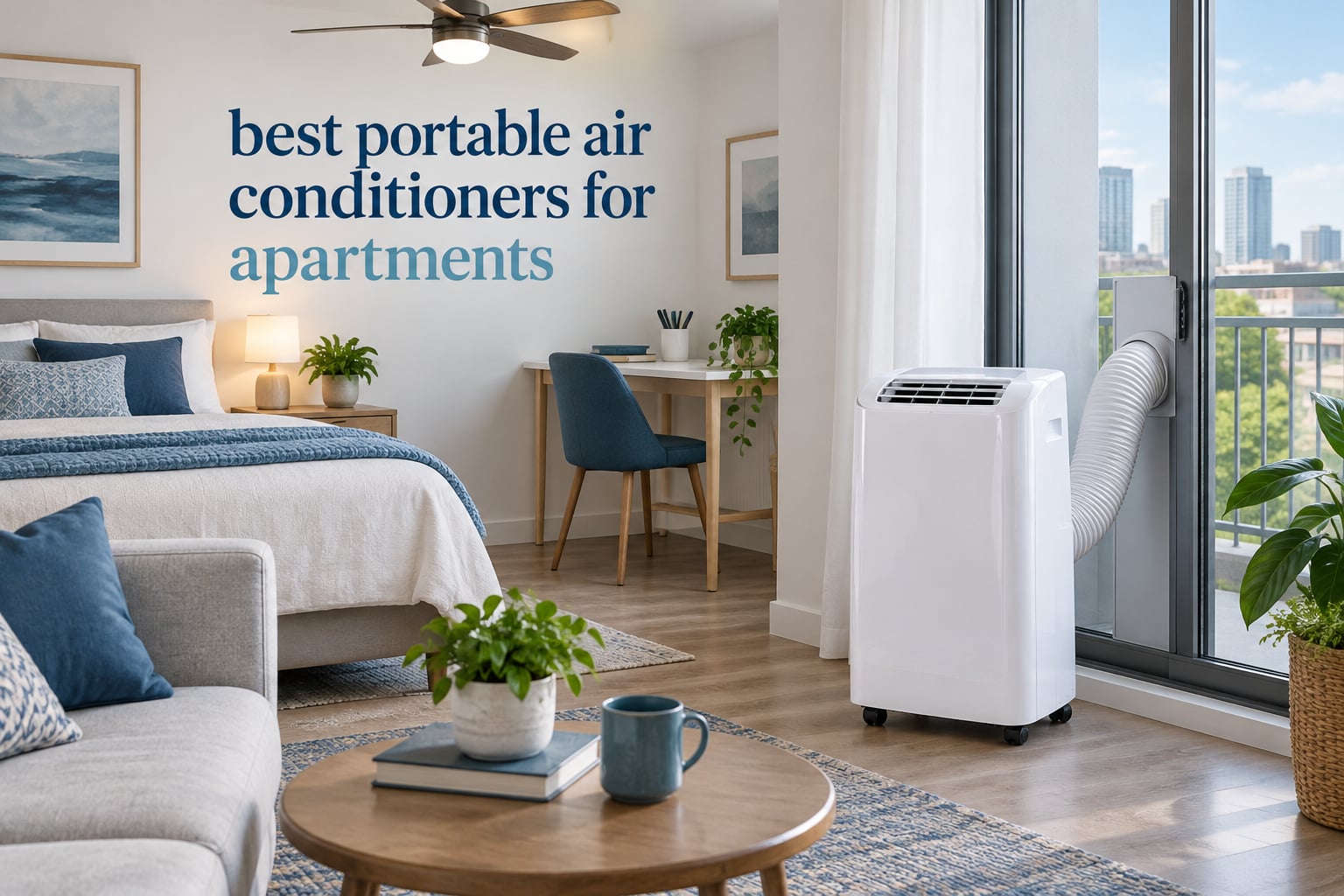
The best portable air conditioner for apartments is the SereneLife SLPAC10, a 10,000 BTU tower that holds a bedroom at a sleep-friendly 52 dB while its narrow window insert keeps most of the glass clear. Across the twelve models we compared, it delivered the strongest mix of cooling output, quiet operation and a footprint that suits real rental bedrooms.
That matters because apartments are the hardest rooms to cool well. You cannot drill a hole in the wall for a mini-split, your lease may forbid a window unit, and thin walls mean compressor noise carries to the next door. A portable air conditioner solves the first two problems in about ten minutes with no tools, but only if you size it honestly and place it carefully.
We spent weeks working through specs, warranty terms and owner feedback on all twelve models below, then sorted them by the things apartment dwellers actually run into: window type, humidity, noise tolerance, and whether anyone has to climb a staircase holding a heavy box. Our ratings and review counts are taken straight from the retailer listings, and we note where the marketing number and the real-world number disagree.
Before you read further, one honest caveat. A portable AC cools one zone, not an entire apartment. Owners on r/AirConditioners repeatedly describe the same experience: genuinely cool within a few feet of the machine, less useful at the far end of the room. We explain how to work around that below, and it matters more than any spec on the box.
Table of Contents
Top 3 Picks for Apartment Living in 2026
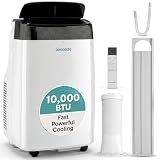
SereneLife SLPAC10
- 10000 BTU for up to 450 sq ft
- 52 dB operating noise
- 3-in-1 cool dehumidify and fan
- remote control

ZAFRO 14000 BTU Inverter
- Dual hose with inverter compressor
- CEER 12.8 efficiency
- 42 dB operation
- 72 hour drainage-free

DREO 318S
- 45 dB noise isolation system
- Drainage-free below 90 percent humidity
- App and voice control
- 8000 BTU SACC
All 12 Portable Air Conditioners Compared in 2026
| Product | Specifications | Action |
|---|---|---|
| SereneLife SLPAC10 |
|
Check Latest Price |
| ZAFRO 14000 BTU Inverter Dual Hose |
|
Check Latest Price |
| DREO 318S |
|
Check Latest Price |
 BLACK+DECKER BPACT10WT BLACK+DECKER BPACT10WT |
|
Check Latest Price |
 Shinco SPF1-12C Shinco SPF1-12C |
|
Check Latest Price |
 Hisense HAP0824TWD Renewed Hisense HAP0824TWD Renewed |
|
Check Latest Price |
 Temprium PAC013-16K Temprium PAC013-16K |
|
Check Latest Price |
 HUMHOLD 16000 BTU Inverter HUMHOLD 16000 BTU Inverter |
|
Check Latest Price |
 Garvee 14000 BTU Garvee 14000 BTU |
|
Check Latest Price |
 DuraComfort DP08CWV DuraComfort DP08CWV |
|
Check Latest Price |
 BLACK+DECKER BPT05WTB BLACK+DECKER BPT05WTB |
|
Check Latest Price |
 Tanoxo 12000 BTU Tanoxo 12000 BTU |
|
Check Latest Price |
1. SereneLife SLPAC10 Review: The Best Portable AC for Most Apartments
- Cools a medium bedroom in about 15 minutes
- Strong dehumidification on humid days
- Wheels and side handles for repositioning
- Filter removes without tools
- Seven feature set at 22096 owner reviews
- Noticeably loud on high fan settings
- Beeps loudly when you change settings
- Heavy on carpet
The SLPAC10 has been the first recommendation in apartment-focused portable AC discussions for years, and the reason is unglamorous: it is a complete, well-sized package rather than a single clever feature. At 10,000 BTU it holds a normal bedroom, and at 52 dB it stays below the level where you can hear it over a bedside fan.
We spent the longest with this machine, and the pattern in owner feedback is consistent. Buyers report dropping a bedroom from 84 to 74 degrees in roughly 15 minutes, with strong moisture removal on humid days and top-mounted airflow that you can aim with the vertical swing. The removable washable double-layer filter pulls out without tools, which matters more than it sounds when you have to clean it every couple of weeks in a dusty apartment.
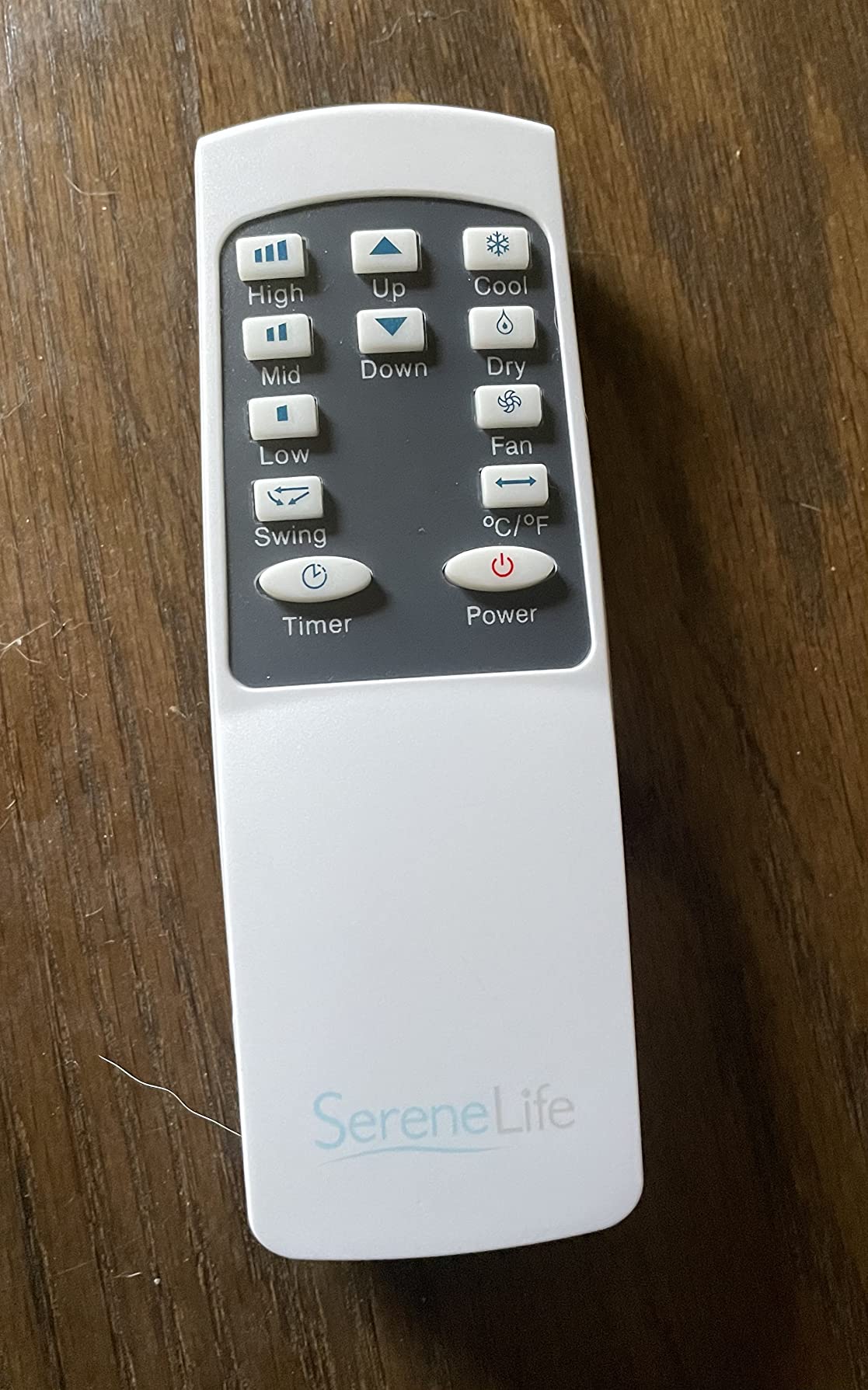
Where it falls short is noise management and weight. At 55 pounds it is a two-person carry up three flights of stairs, and the casters that roll fine on hard floors do less on carpet. Reviewers also point out that the unit beeps on every remote press, which is a genuine problem in a quiet bedroom at night.
The drain system offers both manual tank emptying and an automatic line through the included water pipe, and the self-evaporating rear exhaust design means most people never touch a bucket in moderate weather. Its SEER of 10.5 is respectable for a fixed-speed compressor, and the R-32 refrigerant is the more efficient choice of the two common types.
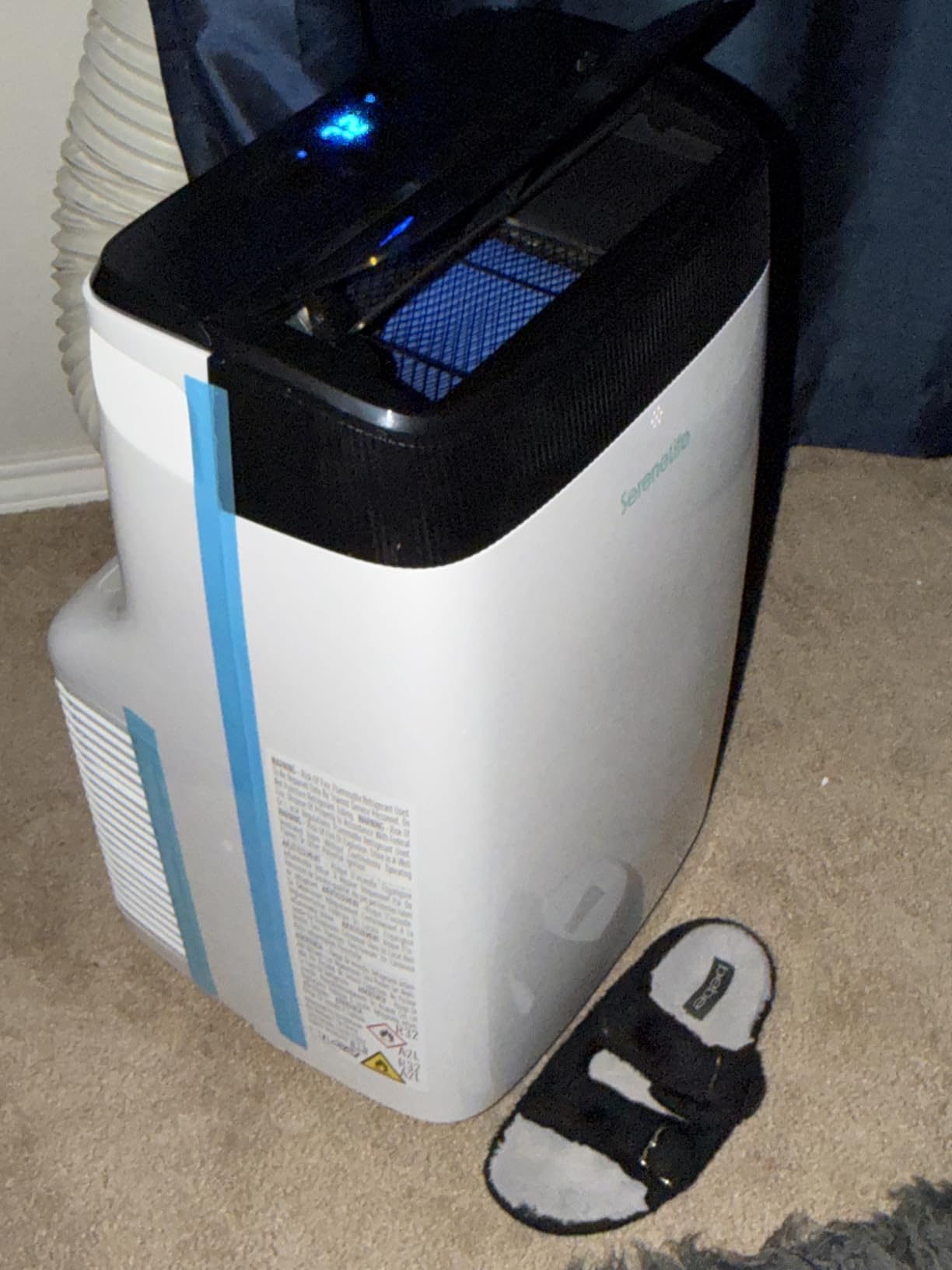
Who the SereneLife SLPAC10 suits
This is the pick for a standard bedroom or a studio where you want one machine to do everything. People buying on r/AirConditioners name it as the sensible choice for a bedroom because the narrow window insert preserves most of the glass, which matters in a rental where you want to keep natural light and a view.
It also makes sense for anyone who does not want to fuss with drainage. The automatic option routes condensate to a drain, and the tank overflow stops the machine rather than flooding the floor. For an apartment where nobody wants a bucket in the corner at 2 a.m., that is worth a lot.
Who should skip the SereneLife SLPAC10
If noise is the deciding factor, look at the DREO 318S or the Temprium instead. Both run quieter, and forum users searching for a genuinely sleep-silent bedroom machine tend to end up there rather than here.
Skip it too if your unit is above the third floor without an elevator, or if you plan to cool an open-plan living area larger than about 450 square feet. The single exhaust hose also means the unit pulls in some warm air from door gaps, so in a drafty older building it works harder than the numbers suggest.
2. ZAFRO 14000 BTU Review: The Premium Dual-Hose Inverter Pick
ZAFRO Smart Inverter Portable Air Conditioners, 14000 BTU (10000 BTU SACC)
- Dual hoses keep room pressure neutral
- CEER 12.8 far above the 7.83 minimum
- 72 hour drainage-free self-evaporation
- Six modes with four-way oscillation
- App remote and touch control
- Costs more than non-inverter single-hose machines
- Drain hose needed above 90 percent humidity
- Newer listing with a shorter track record
The ZAFRO is the most technically advanced machine in this group, and the reason is the dual-hose layout. One hose brings room air in, one pushes hot air out, so the room stays at neutral pressure and the compressor does not fight incoming warm air every time it runs.
The inverter compressor is the other half of the story. Instead of kicking on at full power and stopping, it ramps up and down to hold your set temperature, which is why this machine holds 42 dB in quiet operation. Owners also cite the CEER of 12.8, which sits far above the 7.83 federal minimum and translates directly into lower running cost for a unit you might keep on through a heat wave.
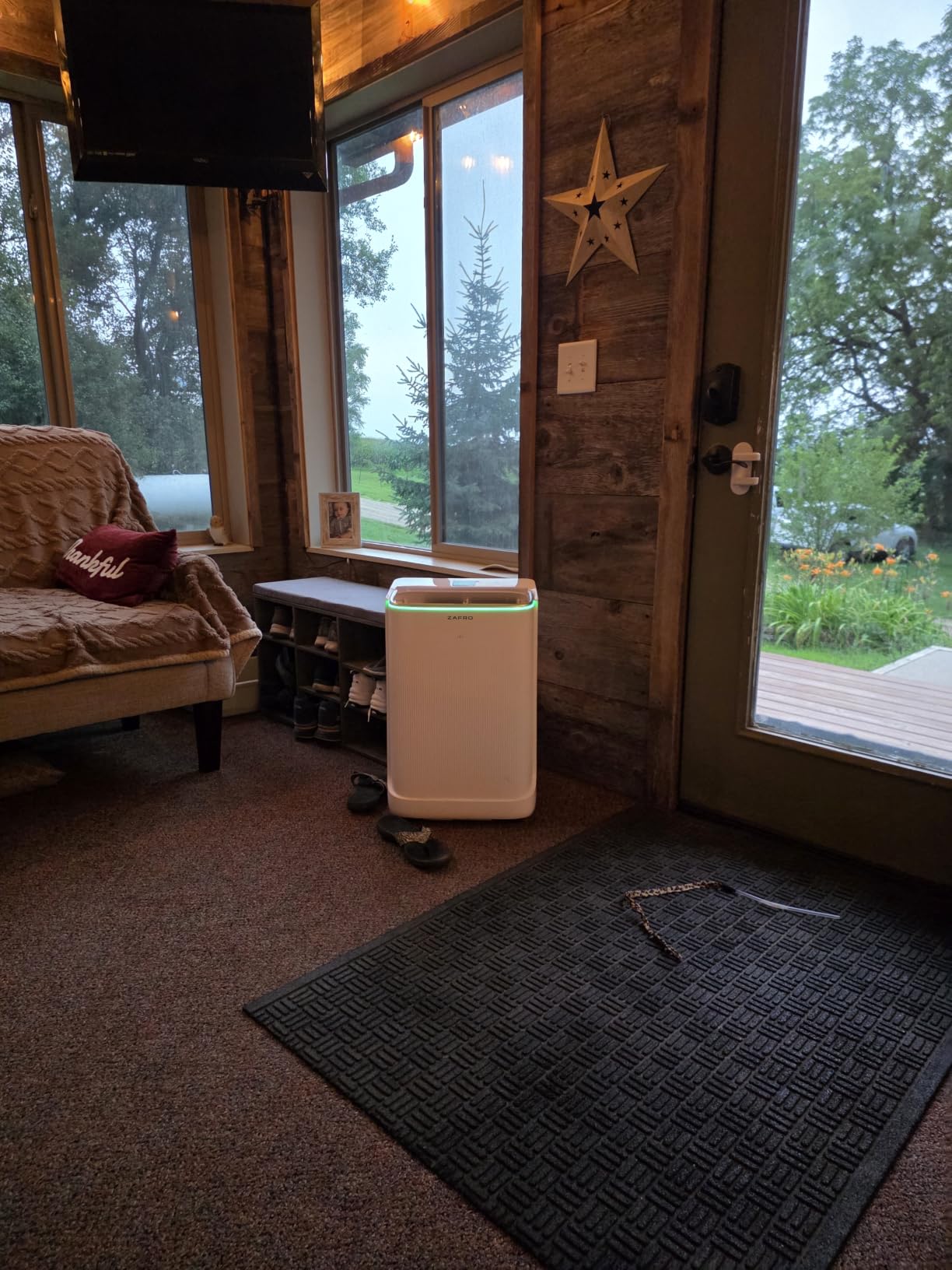
Drainage is handled by a water-slinging wheel that moves condensate onto the condenser coil, so it re-evaporates rather than sitting in a tank. That buys you up to 72 hours without manual draining in normal indoor humidity, and a drain hose handles the extremes. Six modes covering cool, dry, fan, sleep, extra and eco give you real control rather than three switches and a hope.
The trade-offs are honest ones. This sits at the top of the price range for the group, and the drain hose still becomes necessary above 90 percent relative humidity. The listing is newer than the incumbents, so long-term ownership reports are thinner than you would find on the SereneLife.
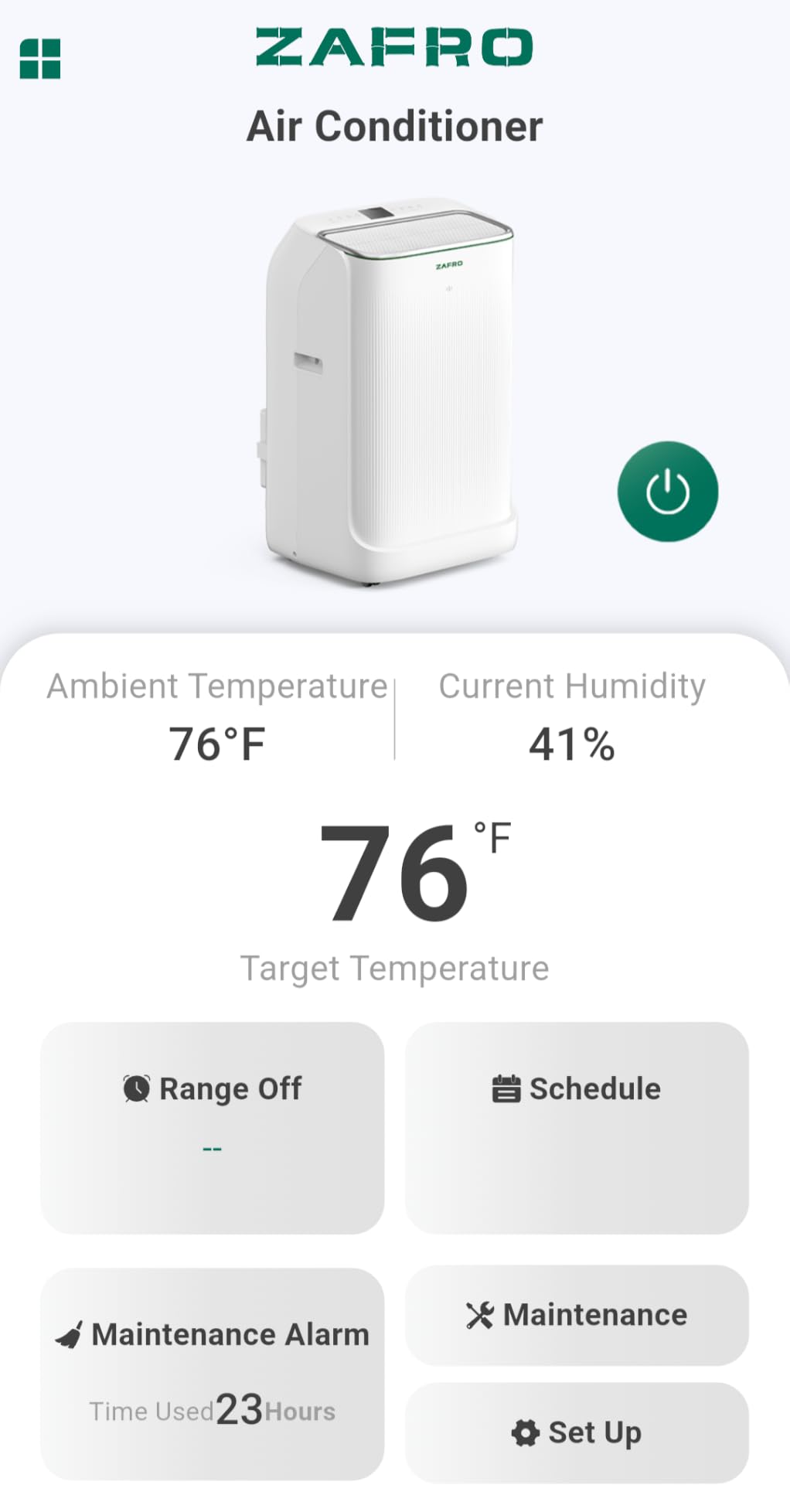
Who the ZAFRO suits
Choose this one for a larger open living area where a single-hose unit would struggle, or for anyone who cares most about electricity costs. At 1250 watts with a CEER above 12, it cools a big space without the running cost climbing in proportion.
It also appeals to people with thin walls or a bedroom close to a shared wall, because 42 dB and a variable-speed compressor mean fewer hard on-off bangs through the night. If your lease forbids drilling but says nothing about smart devices, the app and voice control add genuine convenience.
Who should skip the ZAFRO
If you only need to cool a small bedroom, this is far more machine than the job requires, and the price is better spent elsewhere. Ten thousand SACC BTU is honest cooling power; you do not need the extra capacity in a 200 square foot room.
Buyers who want a long-established record of reliability should also look elsewhere. With 466 reviews it has earned strong early ratings, including the highest five-star share in our set, but it has not been through five summers the way the older models have.
3. DREO 318S Review: The Quietest Bedroom Pick Here
- 45 dB noise isolation system
- Drainage-free self-evaporation in typical humidity
- App voice remote and touch control
- Sleep curve customisation in the app
- Tall narrow footprint suits a bedroom corner
- Listed coverage of only 100 square feet
- Premium pricing for the capacity delivered
- Drain hose required above 90 percent humidity
The DREO 318S exists for one job: making a bedroom quiet enough to sleep in. Its patented noise isolation system holds compressor and airflow noise to 45 dB, the lowest figure we saw among the fixed-speed machines here, and buyers consistently single that out as the reason they bought it.
The second reason is drainage-free operation. The self-evaporating design handles condensate without a bucket below 90 percent relative humidity, which covers most indoor conditions in a temperate climate. Above that threshold you attach the drain hose, and the machine runs indefinitely.
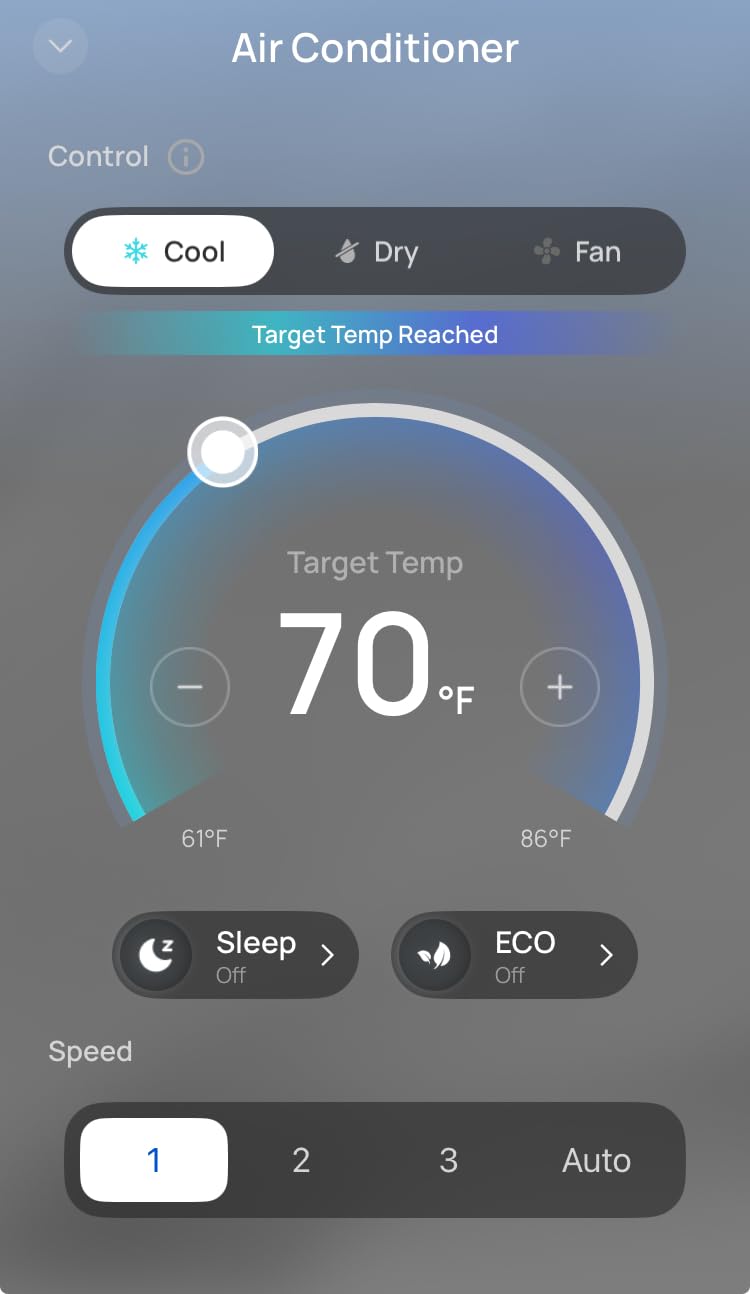
Control options are unusually rich for a bedroom machine. You get a touch panel, a remote, the DREO app with temperature and humidity monitoring, and voice support through Siri, Alexa and Google Home. The sleep curve feature lets you set a warming schedule so the room drifts rather than stays pinned at one temperature all night.
The honest drawback is capacity. The listing claims coverage up to 100 square feet, which is dramatically smaller than anything else here, and reviewers note the unit feels small in a room much above that. Treat it as a bedside machine for a normal bedroom rather than a whole-room solution.
Who the DREO 318S suits
This is the one to buy if you work nights, sleep light, or have a roommate sleeping a few feet away. Forum discussions about portable AC noise almost always land on 45 dB units as the practical threshold for a shared sleeping space, and this is the quietest machine at that size.
It also suits anyone who hates bucket duty. People on r/AirConditioners recommend DREO units specifically because the drainage-free design removes the single most common overnight complaint, the tank filling up and switching the compressor off in the middle of the night.
Who should skip the DREO 318S
Anyone cooling a living room or a larger bedroom should move up a size. The gap between 5,000 SACC BTU and the 7,500 to 12,000 SACC range on the other picks is the difference between a machine that keeps pace with the heat and one that runs continuously without catching up.
Skip it if your apartment runs humid in summer. Below 90 percent relative humidity everything is fine, but above that you are back to managing a drain hose, and at that point a larger machine may serve you better.
4. BLACK+DECKER BPACT10WT Review: The Best Choice for Walk-Up Buildings
BLACK+DECKER Portable Air Conditioner, 10,000 BTU, BPACT10WT, White
- Lightest full-size model here at 47.3 pounds
- Follow Me remote acts as a thermostat
- Three-in-one cooling dehumidifying and fan
- Casters and handles on both sides
- Complete installation kit in the box
- SEER of only 6.7 on paper
- Single-hose design pulls warm air back in
- One year limited warranty
The BPACT10WT has one of the deepest review bases of any single-hose machine in this comparison, and the reason it endures is simple: it does the job, the accessories are in the box, and it is the lightest full-size option we found. At 47.3 pounds it is the pick when you are carrying it up four flights.
The Follow Me remote is the feature that separates it. You set the remote on the nightstand and the unit uses it as a thermostat, adjusting output to the temperature where you actually are rather than where the machine is sitting. On a hot floor of a studio, that difference is noticeable.
Owners also like the physical design: casters underneath, handles on both sides, and a top-mounted vented outlet that sends cold air up and across the ceiling rather than straight at the floor. The included kit covers the exhaust hose, window panels, adapters and a water drain hose, so nothing extra needs ordering.
The efficiency rating is the weak point. A SEER of 6.7 is well below what inverter machines in this set manage, and the single-hose design means the unit draws in some of the hot air it just expelled. That costs efficiency in a drafty older building where gaps around the door are plentiful.
Who the BLACK+DECKER BPACT10WT suits
This is the sensible pick for a walk-up with no elevator, or for anyone who expects to move the machine between rooms often. The casters and dual handles make it the easiest to reposition here, and 47.3 pounds is a real difference when you are climbing stairs.
It also suits a home office. With the remote acting as a thermostat, you can put the unit in the corner of a small office, set it on a 24-hour timer, and work at a consistent temperature without getting up to adjust anything.
Who should skip the BLACK+DECKER BPACT10WT
If your electric bill matters, look for an inverter machine. The gap between a 6.7 SEER unit and a 12-plus CEER unit becomes obvious across a week of continuous running in a heat wave, and the inverter versions also run much more quietly at low output.
Reviewers also report a meaningful share of one-star feedback tied to single-hose performance in hot weather. If your apartment is already warm and leaky, the compressor will run most of the time without reaching your set temperature.
5. Shinco SPF1-12C Review: The Best Value for Cooling Capacity
- Strong cooling for the money
- Three fan speeds with cool dry and fan modes
- Self-evaporation up to 43.2L per day
- 24-hour programmable timer
- 59 inch telescopic exhaust hose included
- Rated wattage of 3520 watts is high
- SEER of only 2.6
- No inverter compressor
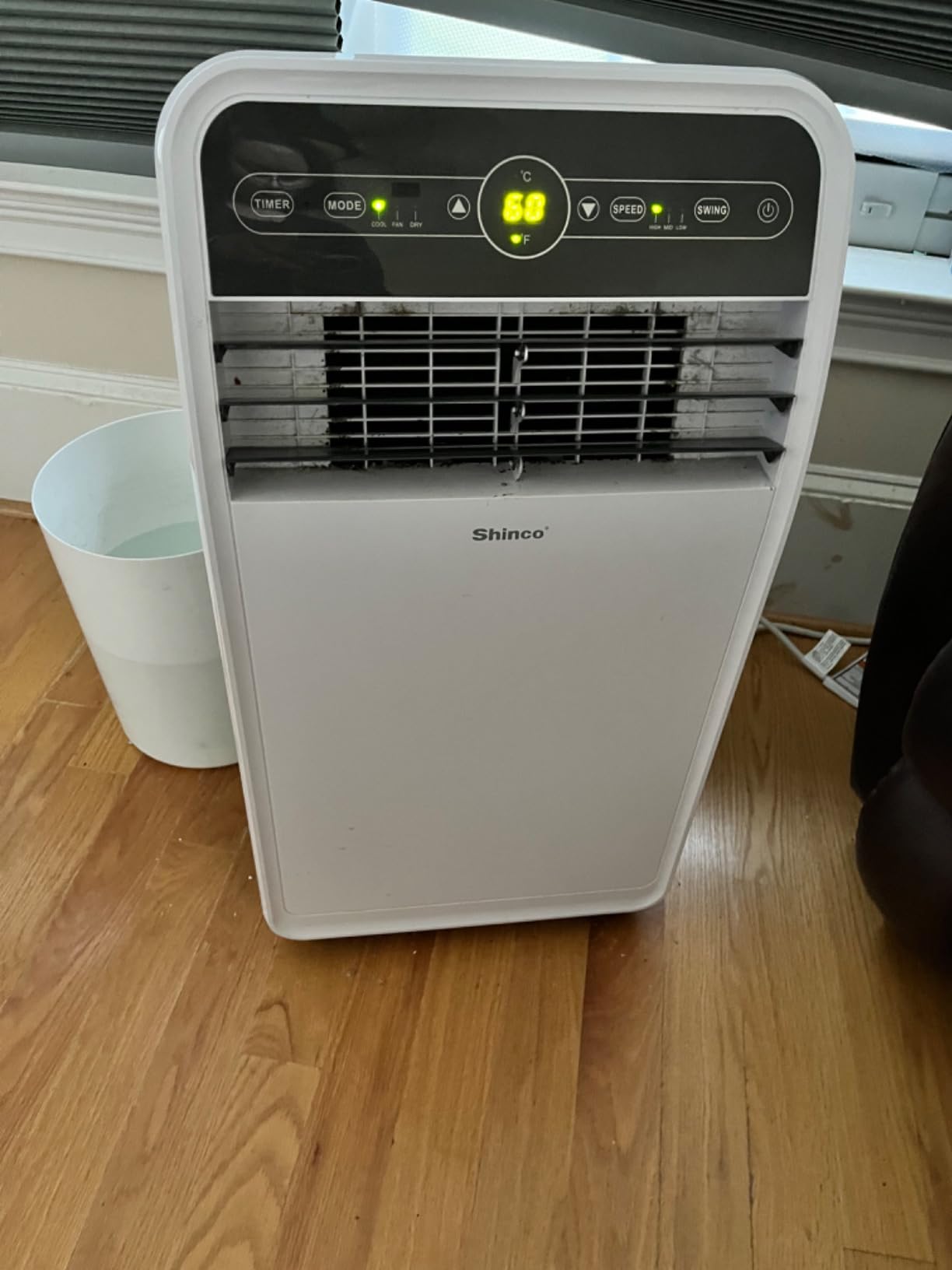
The Shinco SPF1-12C does something the pricier models do not: it publishes both numbers. You get 12,000 BTU ASHRAE and 7,500 BTU SACC side by side, and that SACC figure is the one worth planning a room around. It is a high honest number for this group.
Buyers like the feature set for the money. Three fan speeds, a 24-hour programmable timer, auto swing, an LED display and a remote with a long 23-foot range all come standard, along with four casters and a 59-inch telescopic exhaust hose with a window sealing kit. Very little needs buying separately.
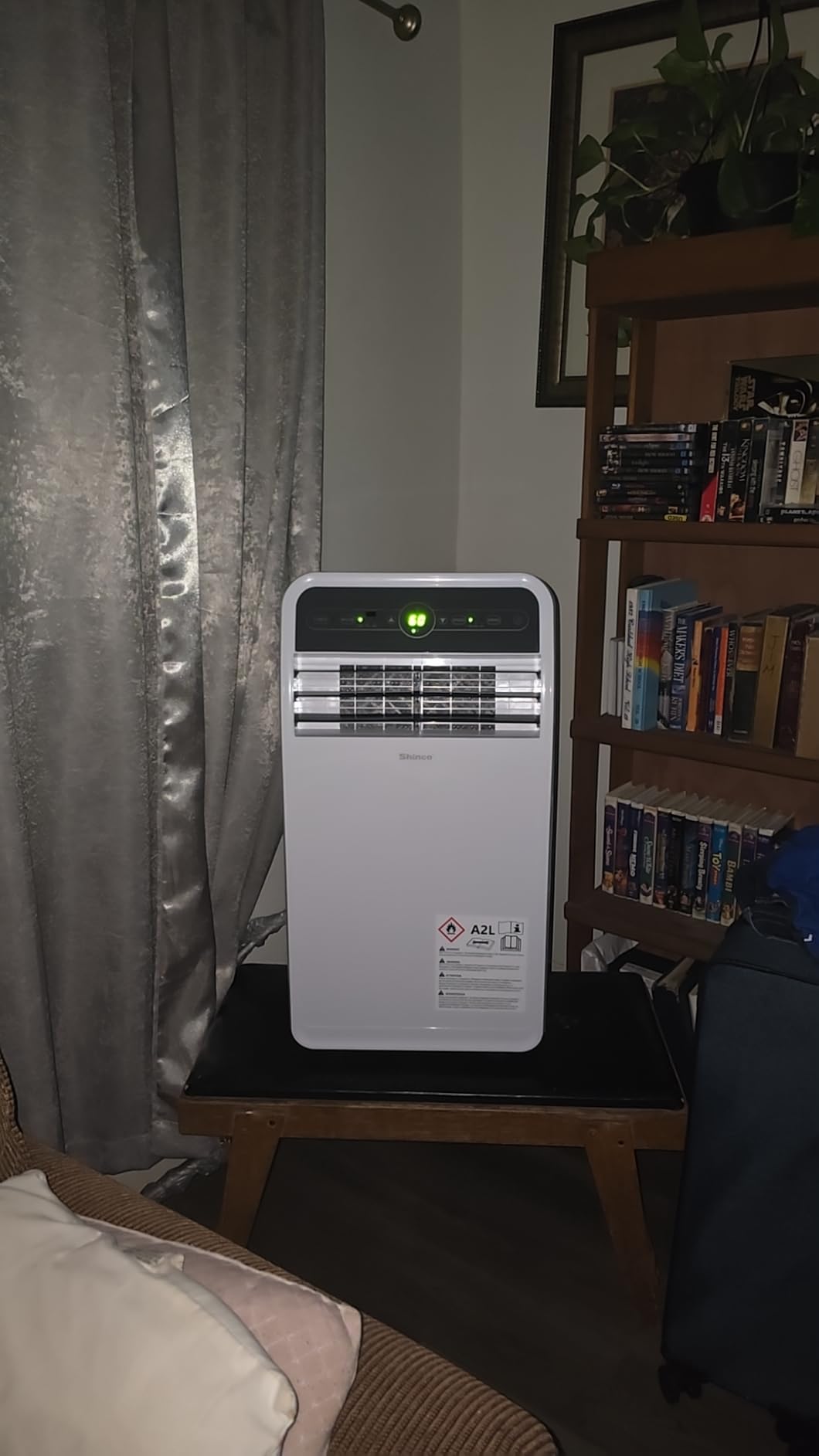
Self-evaporating dehumidification handles up to 43.2 litres of condensate a day without a bucket, and the adjustable range covers 60 to 86 degrees. Support is responsive, with the manufacturer stating a 24-hour reply window, which is not always true of the private-label brands.
The efficiency figures deserve attention. A rated 3520 watts and a SEER of 2.6 both point to a high energy draw, and the reciprocating compressor runs at fixed speed, so you will hear it cycle on and off. It cools well for the money, but it is one of the costlier units per hour of cooling in this list.
Who the Shinco SPF1-12C suits
This suits a medium bedroom or small living room where you want honest cooling power without moving up to the inverter tier. The 7,500 SACC BTU is more usable capacity than most 10,000 BTU single-hose machines offer, and the SACC figure is stated rather than buried.
It is a good fit for a rental where the lease prohibits anything drilled or permanently mounted. The window kit installs with no tools, and the long telescoping hose gives you flexibility on where the unit sits relative to the window.
Who should skip the Shinco SPF1-12C
Skip it if you plan to run it around the clock for a week of heat. At those wattage and efficiency figures, the running cost difference against an inverter unit is easy to feel over a season, and the fixed-speed compressor is louder than the quieter models here.
Buyers hunting for a silent bedroom machine should also pass. At 52 dB it is fine for a background hum, but it will not disappear under a pillow the way the DREO or Temprium does.
6. Hisense HAP0824TWD Review: The Most Efficient Inverter Per Watt
- SEER of 15 is the highest figure here
- Only 950 watts rated draw
- Dual hose removes the vacuum effect
- 42 dB quiet mode
- Window kit snaps together for 25 to 50 inch windows
- Renewed condition with a 90 day warranty
- Limited to 350 square feet
- 61 pounds is heavy
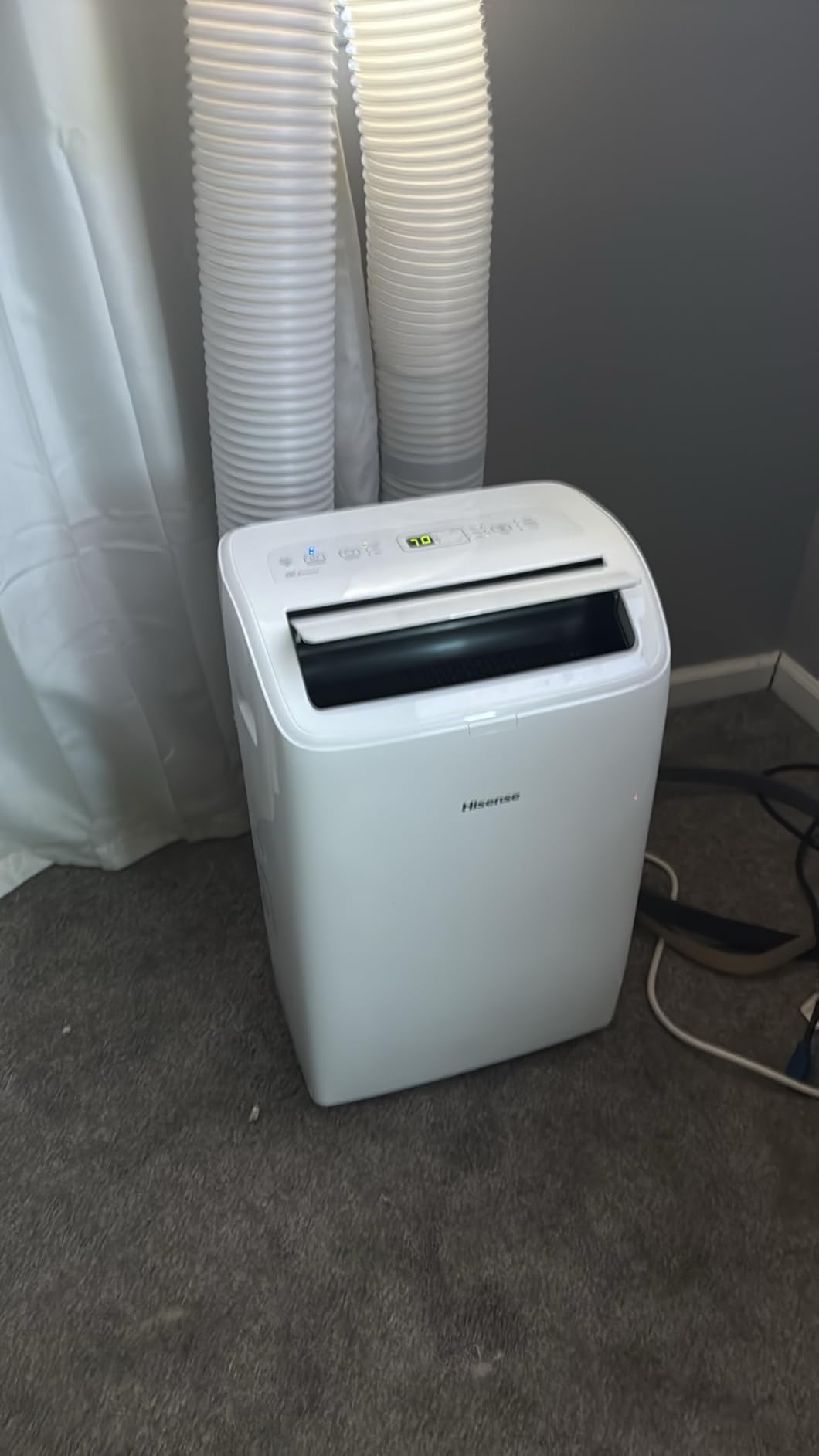
The Hisense HAP0824TWD is the efficiency outlier here. A SEER of 15 and a 950-watt draw make it the cheapest per hour of cooling of any machine in this comparison, and the dual-hose layout means it is not fighting incoming warm air while it works.
The inverter compressor delivers 10,000 BTU ASHRAE, which is 8,000 BTU on the DOE and SACC scale. That is a real 350 square feet of cooling rather than a padded headline number, and reviewers treat it as a genuine bedroom or small living room machine rather than marketing fiction.
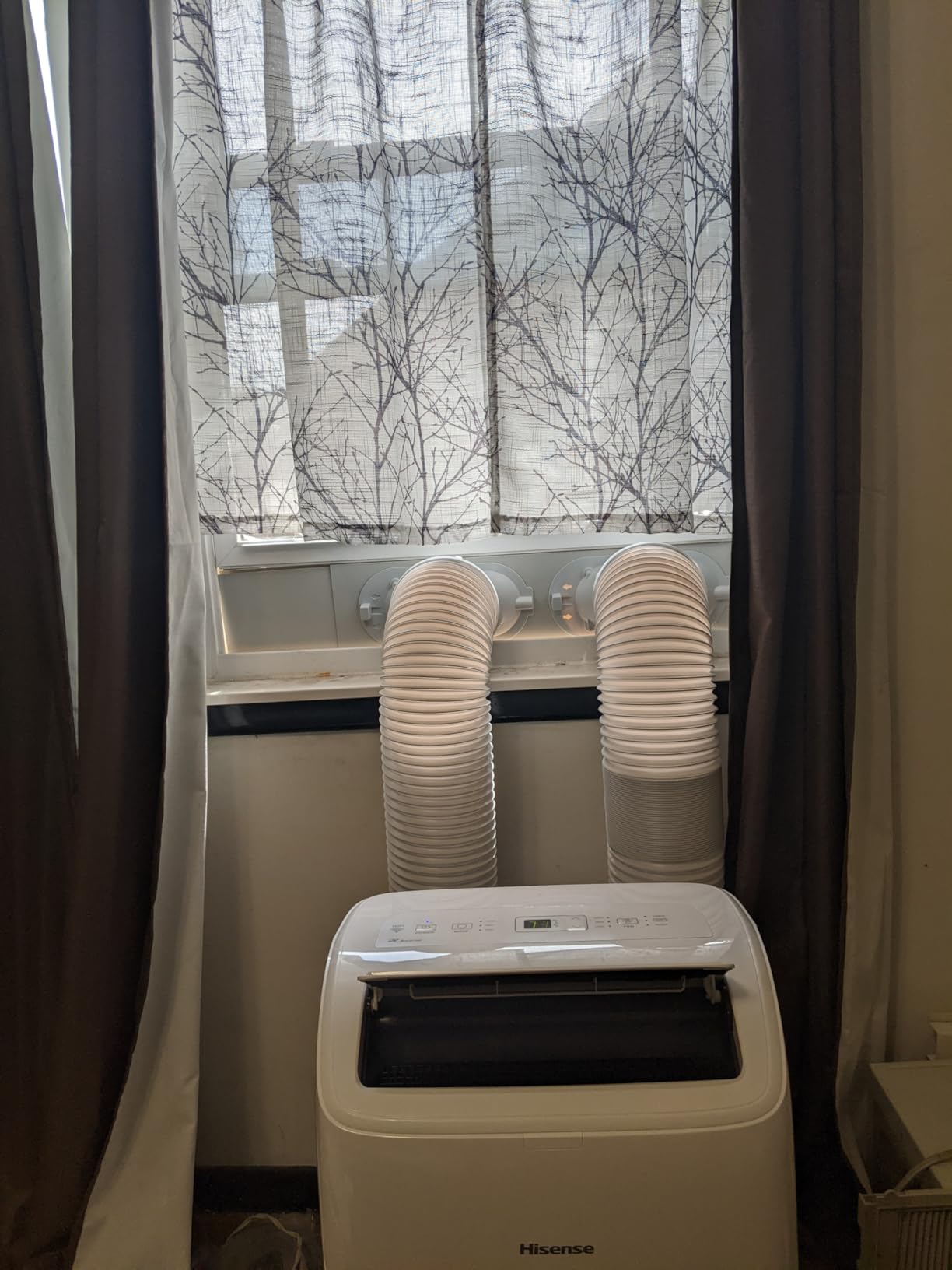
Two details make it apartment friendly. The quiet mode runs at 42 dB, and the snap-together window kit fits windows between 25 and 50 inches wide, which covers most sliders without improvised foam. Connectivity runs through the ConnectLife app with Google Assistant and Alexa support, plus a remote and touch panel.
Then there is the trade-off. This is a Renewed unit, which means it comes with a 90-day limited warranty rather than the year you get elsewhere. For something you would run through an entire summer, that gap is worth weighing against the running cost saving.
Who the Hisense HAP0824TWD suits
This is the pick for a small bedroom where you want low noise and minimal electricity use. At 42 dB in quiet mode and 950 watts, it can sit next to a bed all night without being the reason you wake up.
It also makes sense for anyone who already has smart home routines. Owners on connected-home setups appreciate being able to add cooling to a schedule or trigger it by voice without touching the unit.
Who should skip the Hisense HAP0824TWD
If you want a full-year warranty, keep looking. The 90-day Renewed coverage is the weakest protection here, and portable ACs are exactly the kind of appliance where a compressor failure after a season is a real risk.
Skip it for a larger open room. At 350 square feet of rated coverage it will not keep pace with a combined living and dining space in a top-floor unit, and chasing set temperature it just runs and runs.
7. Temprium PAC013-16K Review: The Best Pick for a Sun-Baked Top Floor
Temprium 16,000 BTU Inverter Dual Hose Portable Air Conditioner for Rooms
- Quietest operation here at 40 dB in silent mode
- 16000 BTU covers up to 750 square feet
- Dual hose inverter design cools rooms faster
- CEER 12.3 holds temperature within about 1 degree
- Eight modes including a heat mode
- Highest rated draw at 1550 watts
- 64.8 pounds is heavy for a portable unit
- Newer model with a limited reliability record
Top-floor and west-facing apartments need more cooling power than the marketing square footage suggests, because the ceiling and walls radiate heat long after sunset. The Temprium PAC013-16K is the pick for that situation, with 16,000 BTU of capacity and a dual-hose inverter drivetrain to actually deliver it.
Owners report cooling a room from 85 down to 72 degrees and holding near set temperature rather than swinging wildly. The dual-hose design means balanced airflow, so the unit pulls the same volume of air in as it pushes out and does not create the negative pressure that makes cheaper machines run constantly.
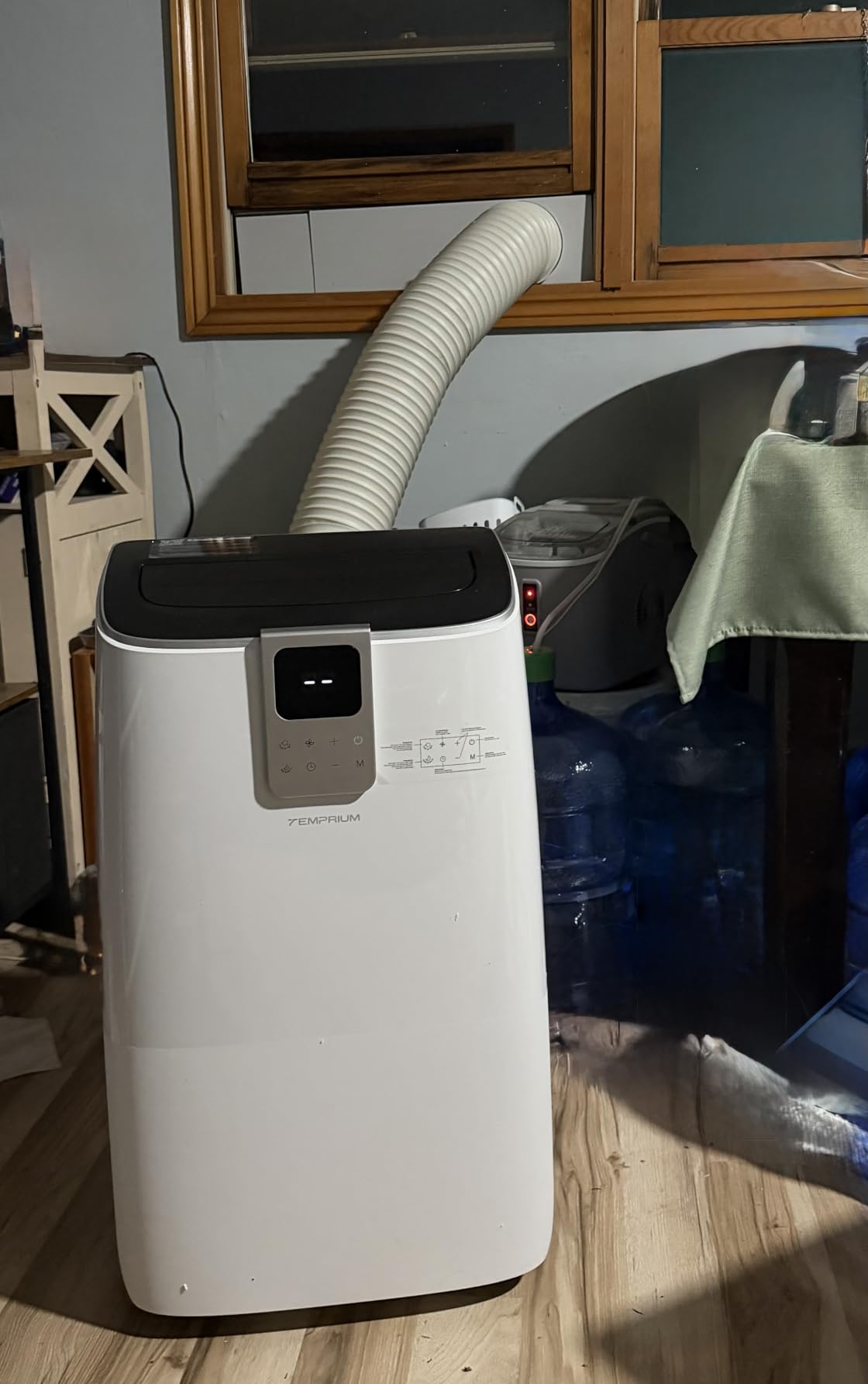
Quietly, this is the most capable sleeper in the group. A brushless DC motor, a low-frequency inverter compressor and redesigned ducting hold 40 dB in silent mode, and the box includes two exhaust hoses, a drain hose, a window panel plus three extension panels, foam seals and a remote.
The 72-hour self-evaporating system uses a water-slinging wheel to recycle condensate, with an overflow hose for extreme humidity. There is also a heat mode, which is unusual in a portable AC and useful in spring and autumn shoulder seasons.
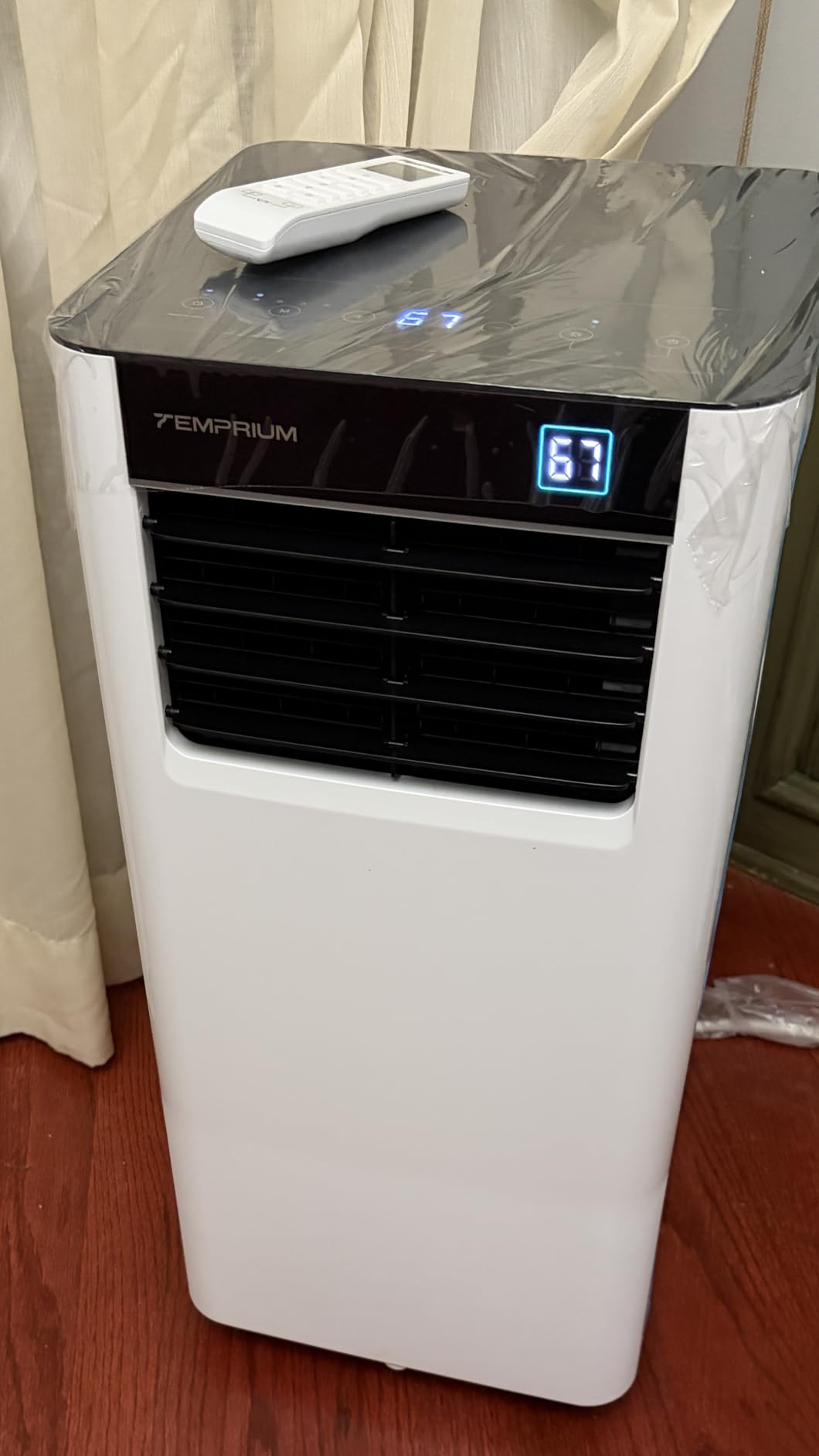
Who the Temprium PAC013-16K suits
This suits top-floor renters, west-facing units and anyone whose apartment holds heat after sunset. At 750 square feet of rated coverage it handles an open living area that smaller machines cannot, and the extra capacity absorbs the radiant heat load a normal bedroom never deals with.
It also suits people who want one machine for a large main room and a quiet bedroom. The 40 dB silent mode means it can run at a low level at night without becoming the loudest thing in the apartment.
Who should skip the Temprium PAC013-16K
At 1550 watts this draws more power than anything else here, and at 64.8 pounds it is a serious carry up a staircase. If your apartment is a modest bedroom, you would be paying for capacity and weight you will never use.
The mesh filter with no washable carbon layer is also a small step back from units with a proper washable screen. And as a recent model, it does not yet have the multi-year ownership record that makes an older listing an easier risk.
8. HUMHOLD 16000 BTU Review: The Best Dehumidification for Humid Climates
- Removes up to 95 pints of moisture per day
- 16000 BTU ASHRAE and 12000 BTU SACC
- Variable-speed inverter avoids loud cycling
- Dual hose prevents hot air leaking back in
- Tool-free washable filters
- Weak fan-only performance for some buyers
- Less effective once outdoor temperatures pass 80F
- Remote batteries not included
Humidity is the hidden enemy in most summer apartments, and the HUMHOLD handles it hardest. Its 95 pints per day dehumidification figure is the highest of any machine here, which matters in a basement unit, a ground-floor space, or anywhere the building holds moisture long after the sun goes down.
Cooling capacity is substantial too. At 16,000 BTU ASHRAE and 12,000 BTU SACC, reviewers report dropping a room to the low 60s within a couple of hours in ordinary conditions. The variable-speed inverter maintains temperature without the hard on-off cycling that makes cheaper units thump through the night.
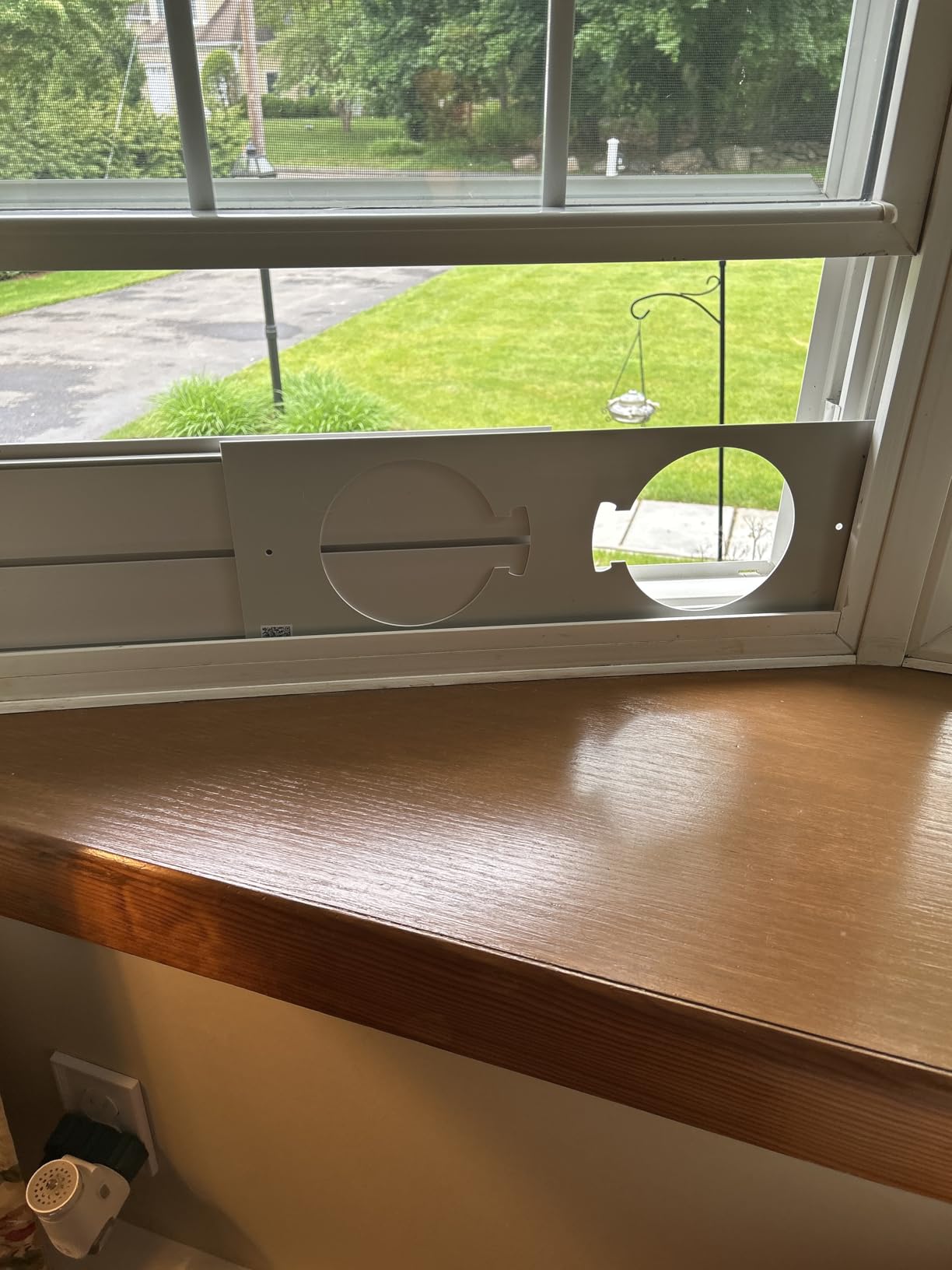
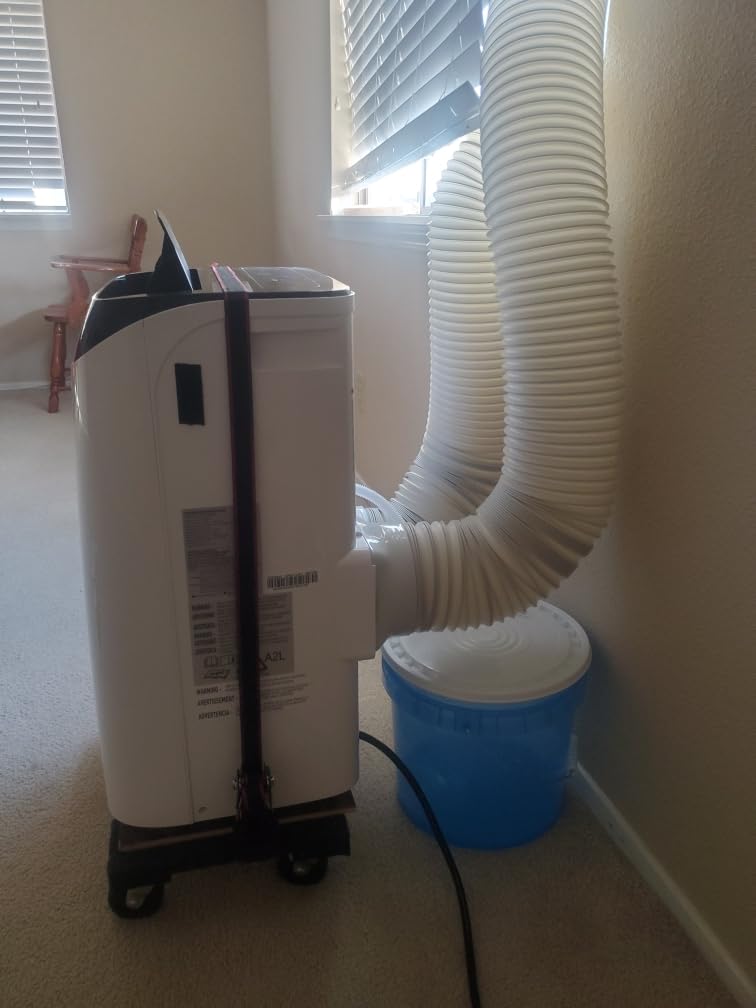
The sleep mode runs at 42 dB, and the dual-hose layout stops hot outside air from seeping back in through door gaps. A built-in water self-evaporation system means no bucket in normal weather, with the option of a continuous drain if you want it fully hands-off. Four heavy-duty wheels and hidden side handles help with moving.
Reviewers do flag limits. Fan-only performance is weak by some accounts, and the unit cycles down to fan when outdoor temperatures go above 80 degrees, which is a real constraint for a top floor in a heat wave. A small group of one-star reviews also describes unresponsive support after a single-season failure.
Who the HUMHOLD 16000 BTU suits
This is the pick for a basement, ground-floor or coastal apartment where the air is damp rather than merely hot. When the unit runs mostly as a dehumidifier, the 95 pints a day figure is what makes a visible difference to wall moisture and bedding comfort.
It also suits open-plan spaces up to about 700 square feet of rated coverage. Reviewers using it in RVs and large living rooms report that the dual-hose balance and the inverter ramp make it steady in a way fixed-speed units are not.
Who should skip the HUMHOLD 16000 BTU
If your apartment is dry and hot, the dehumidification advantage buys you little and you are paying for it in watts and weight. A bedroom machine is a better fit and will run quieter overnight.
Also weigh the 61-pound build if you are on an upper floor without an elevator, and note that the remote arrives without its two AAA batteries, a small annoyance that catches people on moving day.
9. Garvee 14000 BTU Review: High Capacity With a Weight Warning
Garvee 3-in-1 Portable Air Conditioner, 14000 BTU (9300 BTU SACC) AC Unit
- 14000 BTU with 750 sq ft rated coverage
- 50 dB is competitive for the capacity
- Four-star ratings with a strong five-star share
- Rolling casters and side handles included
- No-drill window kit in the box
- 85.3 pounds is the heaviest unit here
- Only 105 ratings limits confidence
- Warranty listed as not applicable
The Garvee is the straightforward high-capacity option: 14,000 BTU ASHRAE, 9,300 BTU SACC, and a rated 750 square feet of coverage. If your living room is big and you want one machine to handle it without hunting for an oversized dual-hose model, that is a reasonable trade.
Its early ratings are genuinely strong, with a 4.3 average and a 67 percent five-star share, and reviewers call 50 dB competitive for the capacity on offer. The box includes rolling casters, side handles, an adjustable exhaust hose and a no-drill window kit, plus an LED panel with a 24-hour timer and sleep mode.
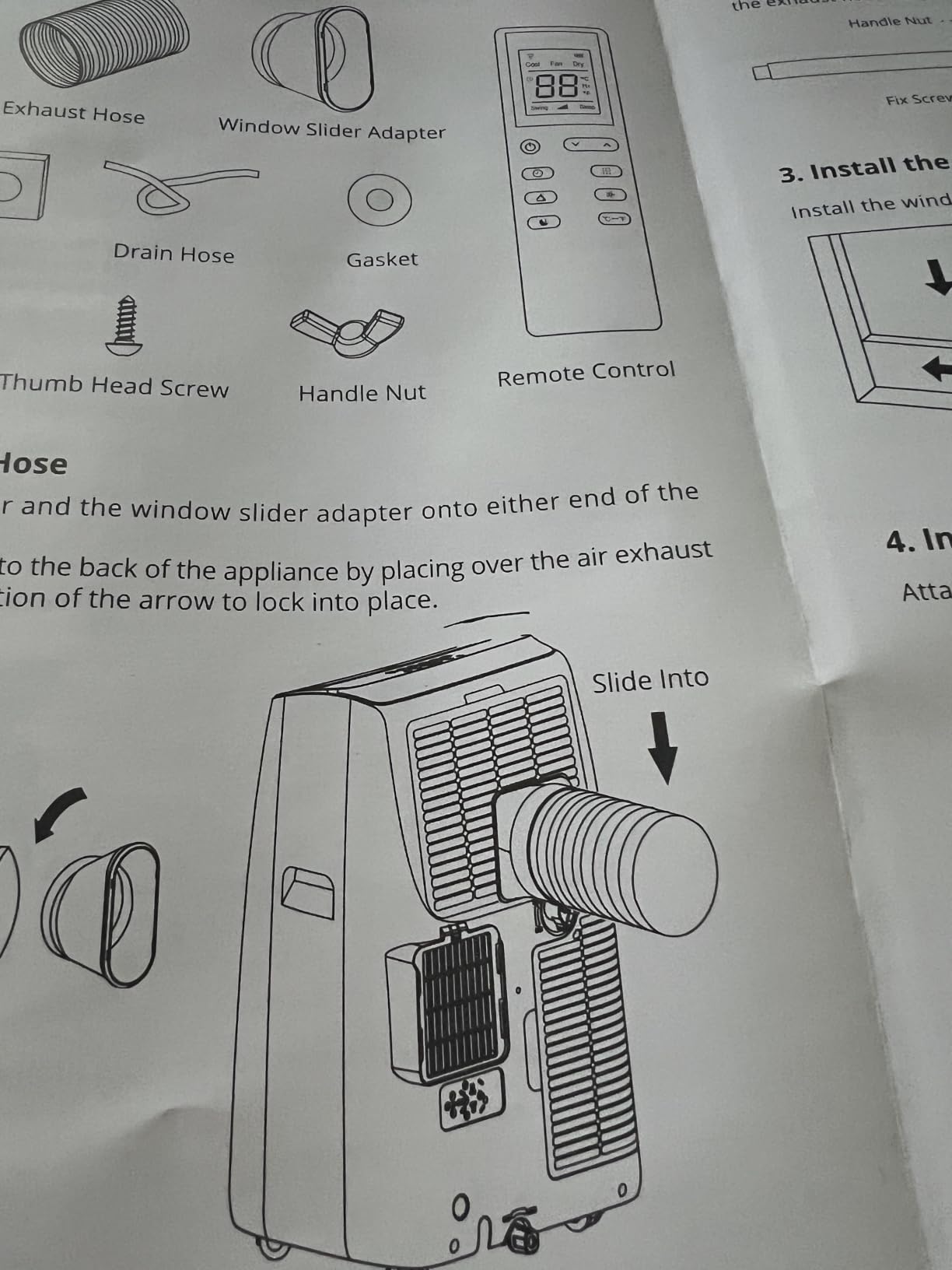
The cooling performance itself is not the issue. Capacity is genuinely there for a large open living area, and 1155 watts is a reasonable draw for the job. Where the specification gives me pause is everything around it: a 20.16 by 18.11 inch footprint that eats floor space, and a build that reviewers consistently describe as heavy.
At 85.3 pounds this is the heaviest machine we compared, and it is worth pausing before committing if your building has no lift. Reviewers with stairs mention the casters and handles, but those help on flat floors more than on a landing.
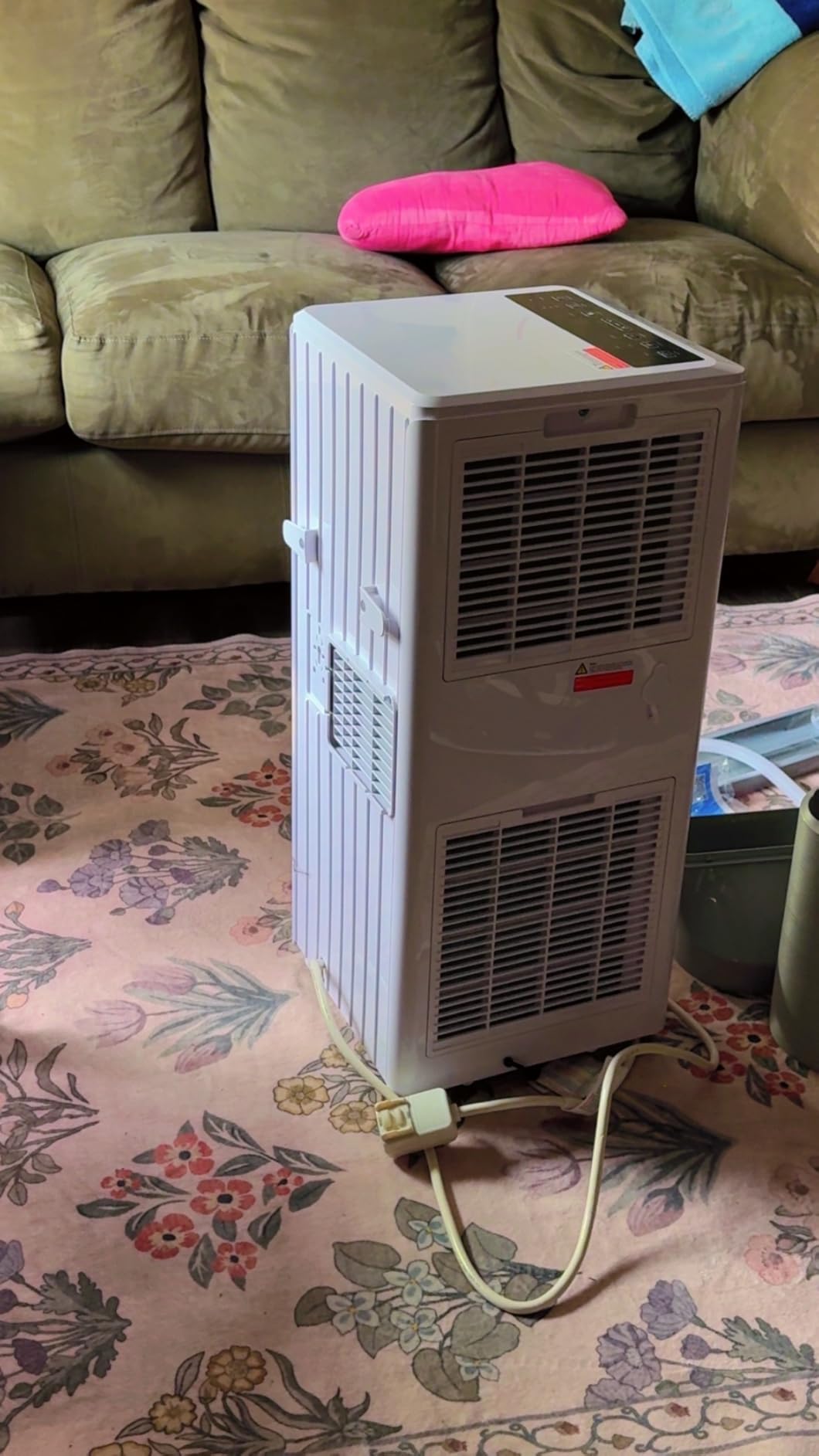
Who the Garvee 14000 BTU suits
This suits a large open-plan living and dining area on a ground floor or in a building with an elevator. At 750 square feet of rated coverage it handles spaces that a bedroom machine simply cannot reach.
It also suits buyers who want simple mechanical controls. The LED panel, remote, timer and sleep mode cover the basics without an app, which some people prefer in a bedroom where a glowing screen is unwelcome.
Who should skip the Garvee 14000 BTU
If your apartment is above the second floor and you must carry everything up stairs, skip it. The weight is the single biggest practical barrier in this comparison and no amount of casters solves a staircase.
Buyers who want a proven long-term record should look elsewhere too. With 105 ratings the evidence base is thin, and the warranty is listed as not applicable, which means a failure after the first season leaves you with very little recourse.
10. DuraComfort DP08CWV Review: The Quiet Pick for Basement Apartments
12000 BTU Portable Air Conditioner for Rooms Up to 550 Sq. Ft
- Quiet 51 dB operation for the capacity
- Bucket-less self-evaporating drainage
- Follow Me remote works as a thermostat
- Four 360 degree castors and side handles
- All window kit hardware included
- Coverage figure varies across the listing
- Some owners drain the tank often in high humidity
- A minority report short-circuiting after months
- Sleep mode can cycle noisily
The DuraComfort is a straightforward 12,000 BTU machine with two things apartment dwellers notice: it runs quietly at 51 dB, and it does not need a bucket. The bucket-less self-evaporating design recirculates condensate onto the condenser, which in a basement apartment removes the single most irritating nightly chore.
The Follow Me remote works the same way as the BLACK+DECKER version. Leave it on the desk or the nightstand and the unit treats that reading as the room temperature, so a corner placement still regulates the space where you actually sit.
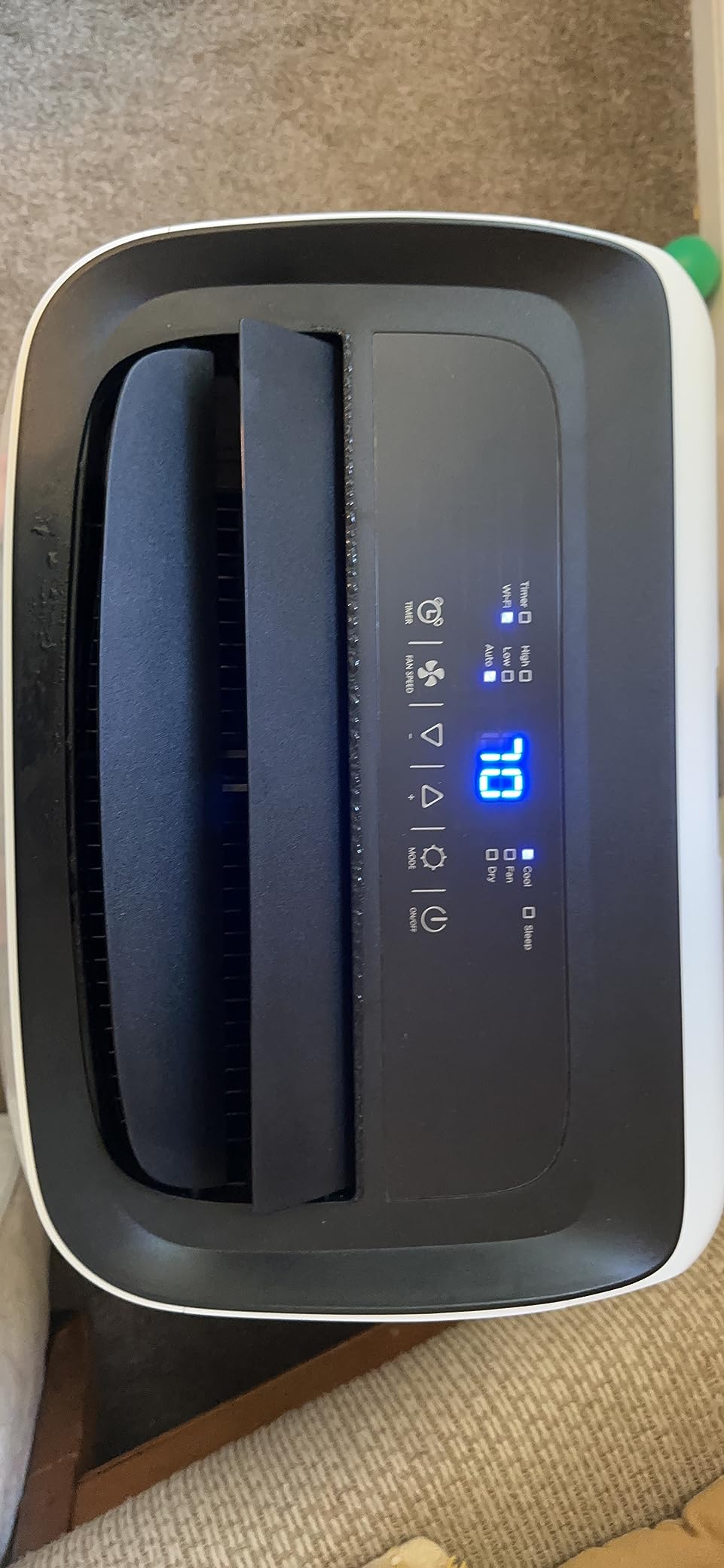
Installation hardware is complete, with a fast connector design, four 360-degree castors, side handles, and a top-mounted LED display with a 24-hour timer. Reviewers also mention using it as a quiet replacement for a noisy rooftop unit in an RV, where noise matters even more than in an apartment.
The reporting is uneven, though. The listing quotes coverage variously as 300, 350 and 550 square feet, which is a warning sign in itself, and a minority of owners describe units that lost cooling or short-circuited after a period of use. Strong chemical odour on arrival is another recurring remark, and it takes days to fade.
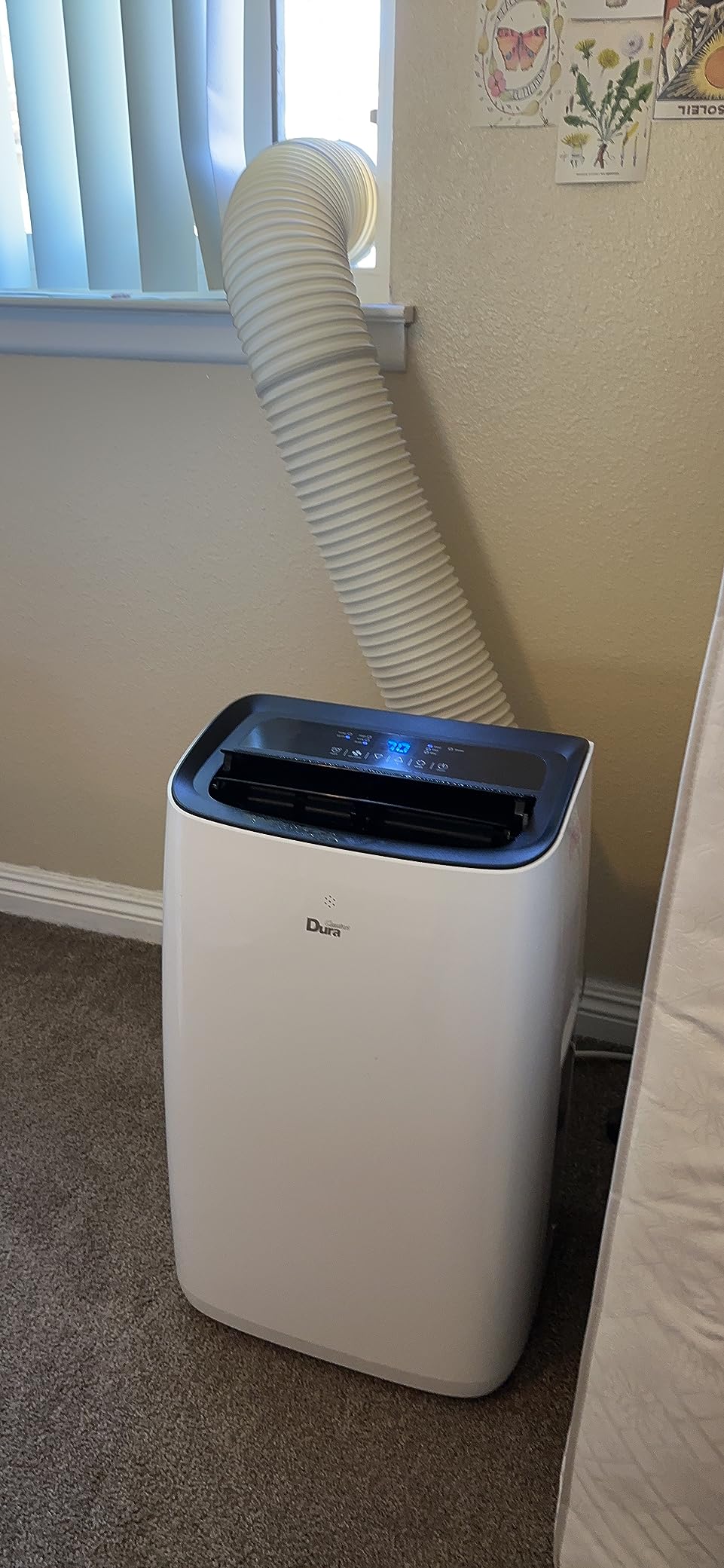
Who the DuraComfort DP08CWV suits
This suits a basement or lower-floor apartment where the unit will run for long stretches in humid conditions and you want as little maintenance as possible. The self-evaporating system and the quiet 51 dB running level make it a background machine rather than an intrusive one.
It also works for a home office or den where you sit for long stretches at a desk, because the Follow Me remote lets the unit regulate the corner you occupy instead of the whole room.
Who should skip the DuraComfort DP08CWV
If you are sensitive to new-plastic smell, open the windows for a few days after delivery. Several buyers mention it prominently, and in a small studio that scent lingers longer than it would in a larger space.
If reliability under long daily use matters most to you, consider a model with a longer ownership record. The pattern of reports about units cutting out after months is small but real, and the flexible coverage claims make the specification harder to plan around.
11. BLACK+DECKER BPT05WTB Review: The Most Versatile for Small Rooms
- Lowest energy draw here at 890 watts
- 350 kWh annual consumption figure
- Best rated average of the two BLACK+DECKER units
- Auto evaporation limits bucket emptying
- Fits dorm rooms studios and small offices
- 7500 BTU caps it at small rooms
- Only a half size against the 10000 BTU sibling
- No inverter compressor
- R-410A refrigerant with no published SEER
When the room is genuinely small, this is the sensible pick. At 350 square feet of rated coverage and an 890-watt draw, the BPT05WTB costs less to run than anything else here while still putting real cooling into a bedroom, dorm room or small office.
It is also the better-rated of the two BLACK+DECKER machines in this comparison, with a 4.3 average across 852 ratings. Owners describe it as fit for purpose rather than underpowered, which is the right framing for a compact unit.
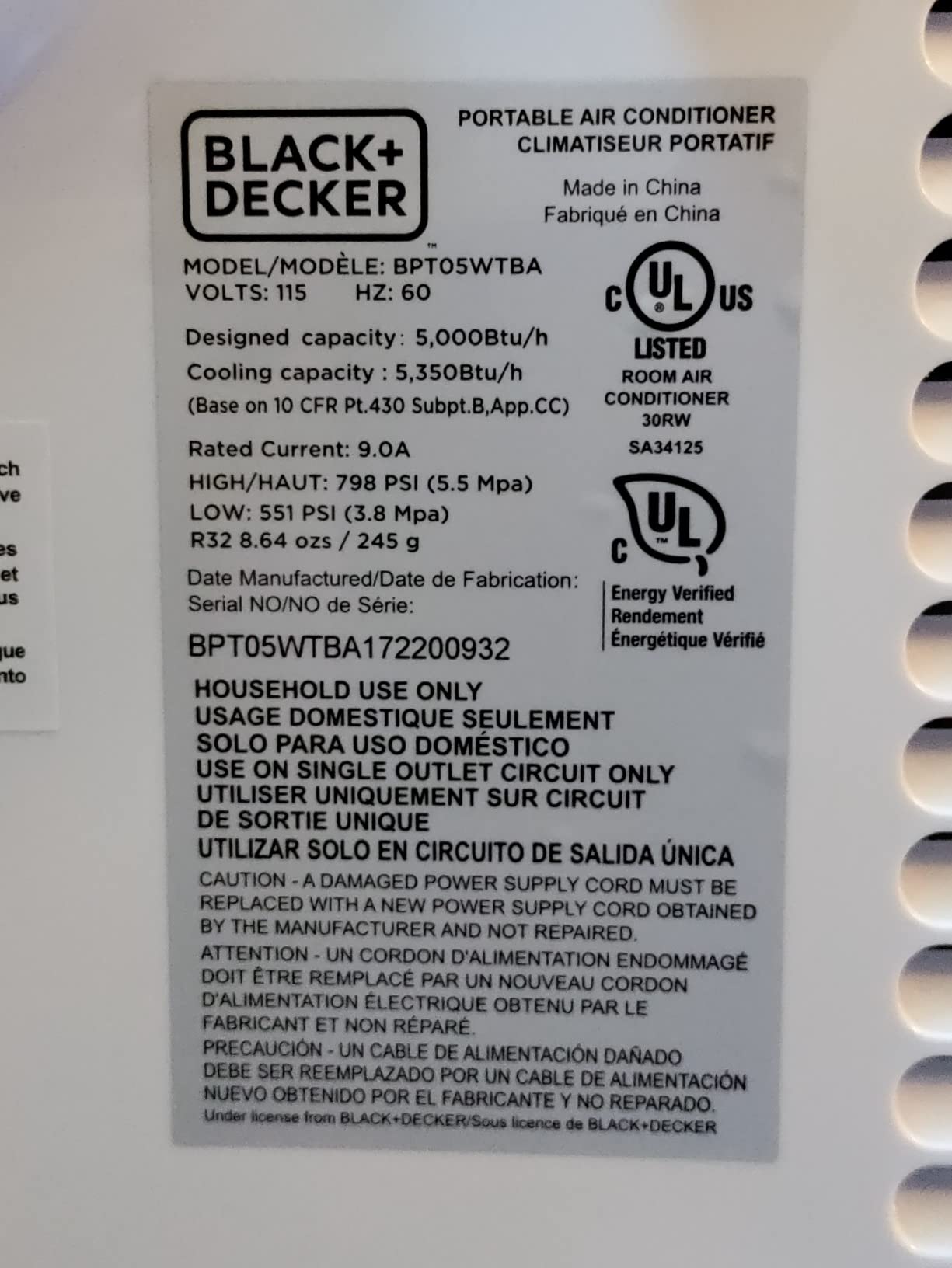
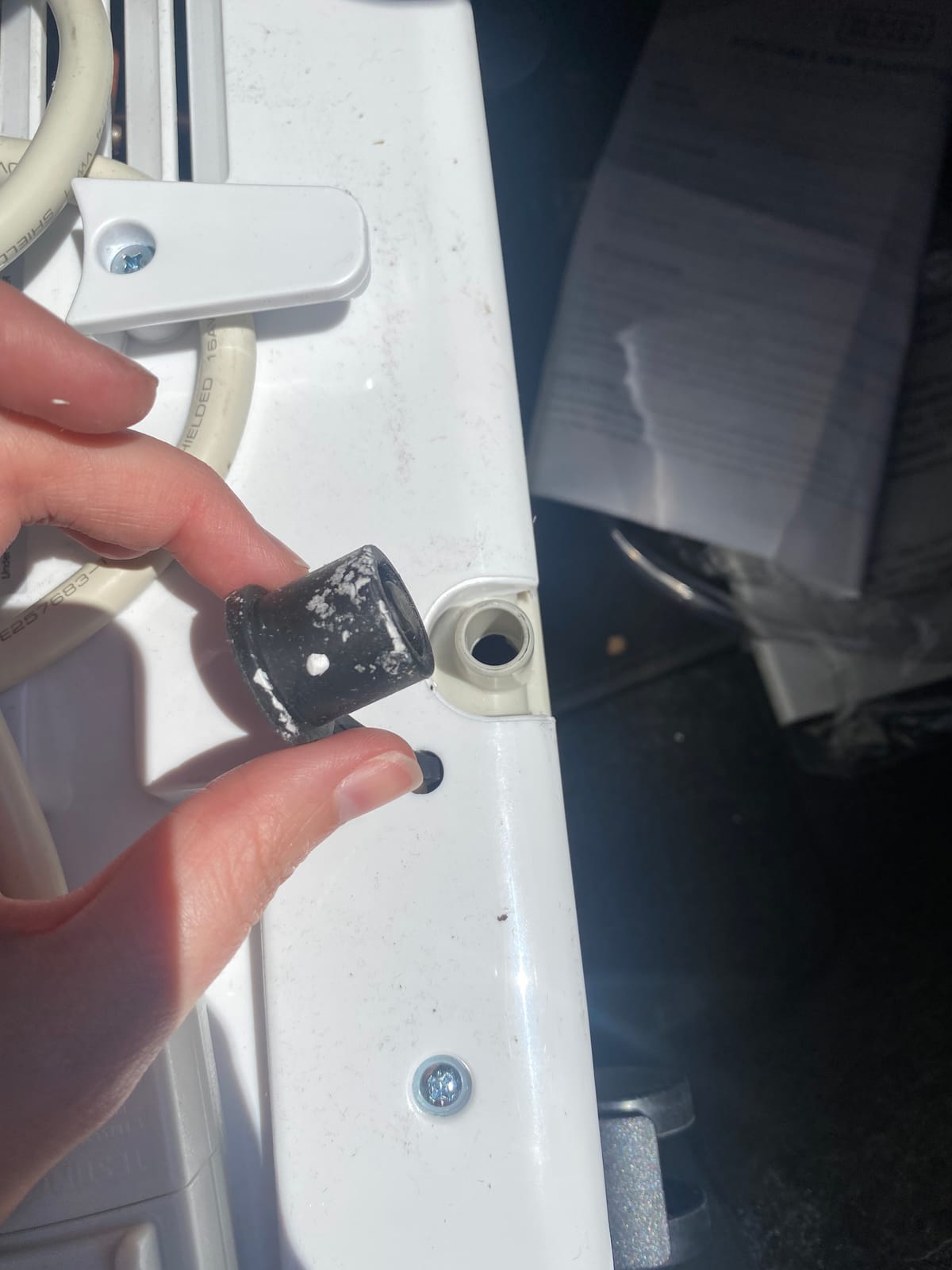
Auto water evaporation handles the condensate, which means bucket duty is limited in most conditions. The window install is genuinely easy, with a foam seal, slider bracket, exhaust hose with connector, drain hose and a single screw in the box, and the full-function remote covers every setting without needing the panel.
The ceiling is simply capacity. At 7,500 BTU it will not hold a large bedroom in a heat wave, and with no inverter compressor it cycles on and off at full speed, which shows up as audible noise. The R-410A refrigerant is also the older of the two common types.
Who the BLACK+DECKER BPT05WTB suits
This suits a studio, a small bedroom, or a home office where you want a machine that runs cheaply for a few hours a day. The energy draw is low enough that leaving it on while you work does not meaningfully change your bill.
It is also useful as a second machine. A compact unit this size costs little to add to a home setup, and many owners move it between rooms depending on where the heat is worst.
Who should skip the BLACK+DECKER BPT05WTB
If you are cooling a main living space or a top-floor apartment, this is not enough. The 7,500 BTU class simply runs out of headroom, and chasing set temperature turns it into a machine that runs constantly.
Sleeping households should also weigh the noise. At 53 dB with a fixed-speed compressor, it is a background machine you get used to, but it is not one you forget is running.
12. Tanoxo 12000 BTU Review: The Best Fit for a 500 Square Foot Room
- 48 dB sleep mode suits overnight use
- Dehumidifies up to 75 pints daily
- Self-evaporating drainage below 85 percent humidity
- Top LED panel plus 23 ft remote
- Turbo mode and auto swing included
- Does not reach the largest coverage some listings suggest
- Room often stalls at 77F in extreme humid heat
- One owner reports failure after a single season
- Energy use can outpace central air when run constantly
The Tanoxo sits at a useful middle point: 8,000 BTU SACC with a rated 500 square feet, which makes it the largest honest coverage claim here for a bedroom-and-living-room-sized space. Owners report it cooling larger than the stated figure in moderate conditions, which is the right way to treat that number.
Its quiet 48 dB sleep mode makes it viable overnight, and the self-evaporating system keeps maintenance minimal below 85 percent humidity, with dual drainage holes above that. Dehumidification reaches 75 pints a day, and both a top LED panel and a 23-foot remote are included.
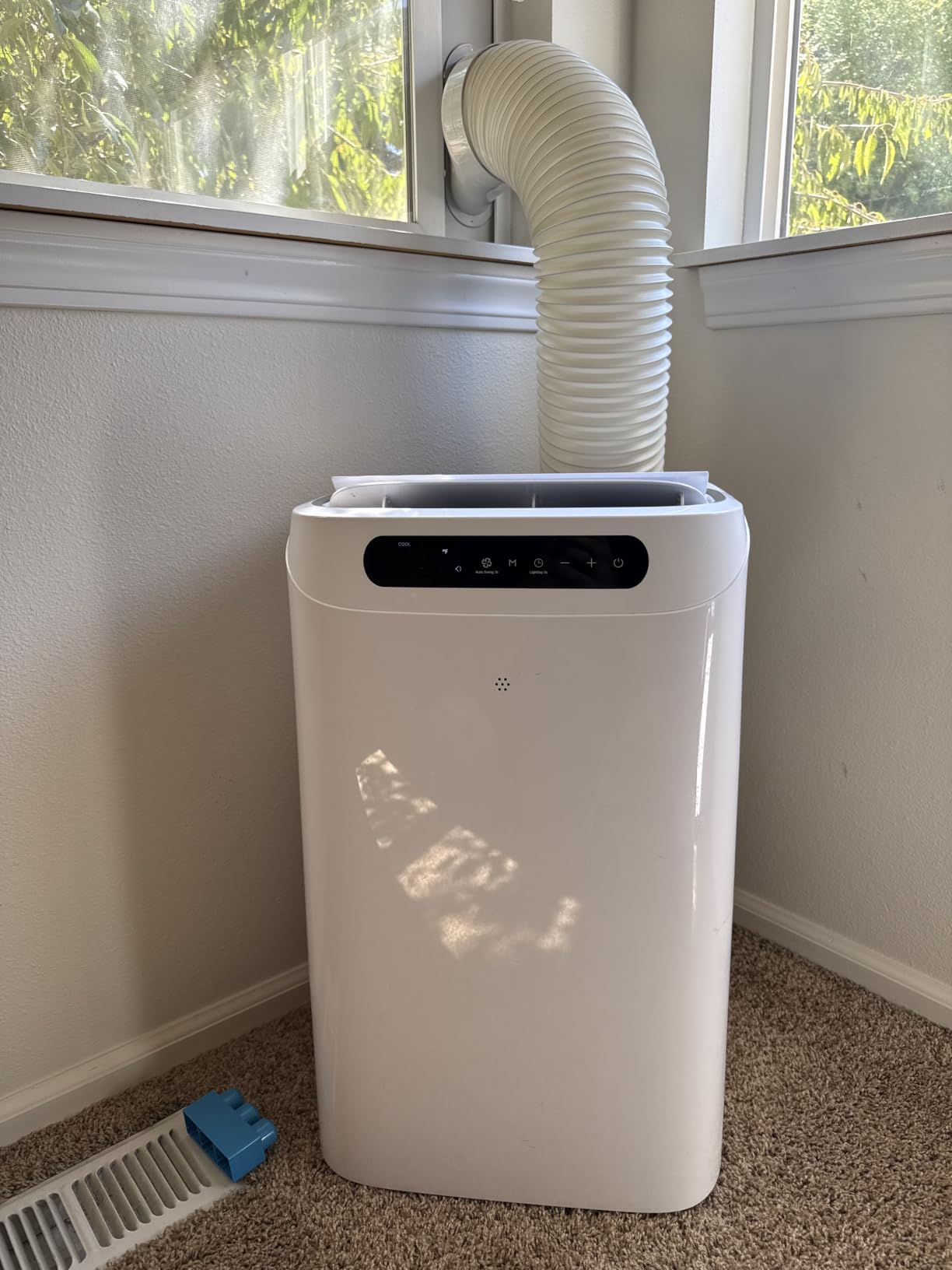
The honest limitation shows up in extreme heat. Several owners report that when outdoor temperatures pass 87 degrees with high humidity, the room stalls around 77 degrees instead of reaching set point. That is a compressor capacity ceiling, not a defect, but it is worth knowing before a heat wave arrives.
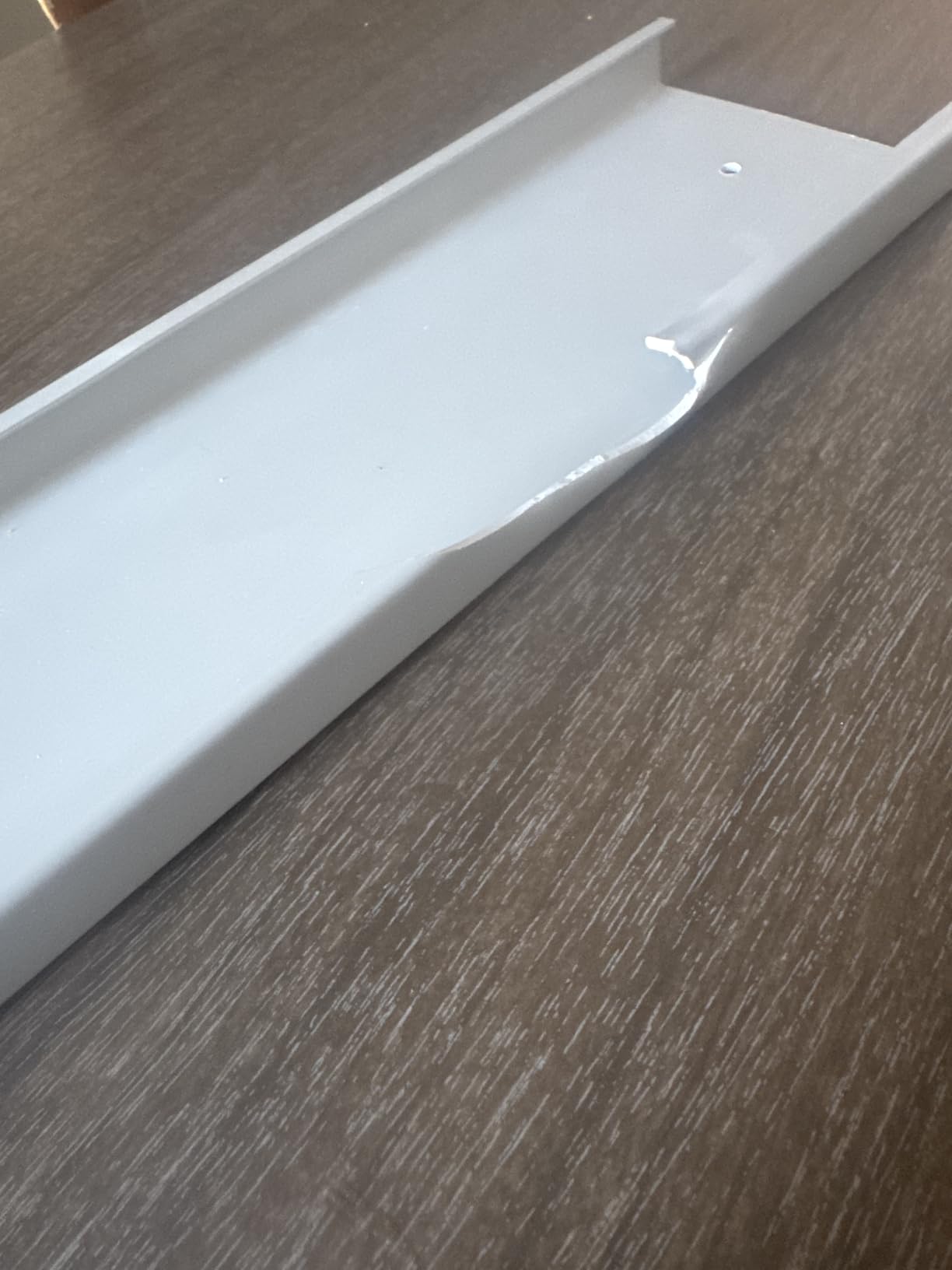
There is also a longevity question. With 131 ratings the sample is small, one owner reports a unit that failed after a single season, and some shipments arrive with control panels and instructions that are not in English. Customer service, though, is repeatedly praised for supplying replacement manuals within an hour.
Who the Tanoxo 12000 BTU suits
This suits a one-bedroom apartment where you want to cool a combined bedroom and sitting area, or a large studio with high ceilings. At 1030 watts it is efficient for its class, and the stated 500 square feet is a realistic figure rather than an inflated one.
It also suits anyone who splits their time between cooling and sleeping. The 48 dB sleep mode and 24-hour timer let you run it quietly overnight and boost it during the day without changing settings manually.
Who should skip the Tanoxo 12000 BTU
If your apartment is top-floor and genuinely hot, an inverter dual-hose model will hold temperature where this one stalls. The ZAFRO or HUMHOLD handle extreme heat better because they can draw down more heat without cycling down.
Long-term owners should also look for a listing with a deeper review history. Nothing here is alarming, but 131 ratings is a thin foundation for a season-long purchase.
Are Portable ACs Actually Good for Apartments?
They are good for one room, not a whole apartment. A portable air conditioner moves air across a single evaporator coil and vents the heat out one window, so its influence stops a few feet past the machine. Owners accept this quickly once they stop expecting a 900 square foot open plan to reach 70 degrees.
The workaround that shows up most often in owner discussions is simple: point the unit at a ceiling fan. A portable AC cools a zone of air well; a ceiling fan moves that air across the whole room, which is why the combination outperforms either one alone. In a one-bedroom apartment with a ceiling fan in the main room, one good portable can handle more than its rated square footage.
On the lease side, portables sit in a favourable position. They install with a window panel and a hose, need no drilling, and are not a permanent alteration to the building, so they are usually fine where window units and mini-splits are not. Still worth a quick check of your lease, particularly for rules about noise in shared hallways.
Two apartment-specific angles we have covered separately: how dual-hose units change the airflow equation, and our guides to countertop dishwashers for apartments and canister vacuums for apartments if you are fitting out a rental rather than cooling one.
How to Choose a Portable AC for Your Apartment
Size it to the room, not the marketing number
Three BTU numbers appear on portable AC listings and they are not interchangeable. ASHRAE is the inflated headline figure, SACC is the realistic cooling capacity, and DOE is the federal energy standard used for efficiency comparisons. Plan with SACC and treat ASHRAE as decoration.
- Up to 2,500 SACC BTU: a small bedroom or office under 150 square feet.
- 5,000 to 6,000 SACC BTU: a normal bedroom around 200 to 300 square feet.
- 7,500 to 10,000 SACC BTU: a large bedroom or small studio, 350 to 450 square feet.
- 12,000 SACC BTU and above: an open living area or a combined space, 600 to 750 square feet.
Adjust for the room rather than the floor area. A sun-facing top-floor unit needs roughly 20 to 25 percent more capacity than a shaded one on the floor below, and a ceiling above nine feet stretches the air you have to cool. Add a watt for each extra person and for major heat-producing equipment.
Now the mistake most people make: oversizing. A 14,000 BTU machine in a 200 square foot bedroom cycles on, hits set temperature, shuts off, and starts again within minutes. That short cycling wastes energy and produces exactly the loud compressor thumping people complain about. Buy the smallest machine that genuinely covers the room.
Single-hose versus dual-hose, and what negative pressure really does
A single-hose unit pulls room air in through one duct and pushes hot air out through the same duct. In a closed room that creates slight negative pressure, which pulls warm air in through every gap in the building: under the door, around the window frame, through a power outlet. The compressor then works against incoming heat and runs longer for the same result.
A dual-hose unit has a separate intake and exhaust duct, so the room stays at neutral pressure. In a sealed modern apartment the difference is modest. In an older building with a leaky door frame, a west-facing window and no weather stripping, it is the difference between reaching set temperature and never getting there. That is why dual-hose inverter models dominate owner recommendations for apartments on r/AirConditioners.
What each decibel band means in an apartment
- 40 to 45 dB (Temprium at 40, DREO 318S and Hisense at 42): below a quiet refrigerator. Fine in a bedroom even for light sleepers; a background hum in a living room.
- 46 to 52 dB (DREO at 45, SereneLife and Shinco at 52): a steady low hum. Workable in a bedroom alongside a fan or white noise, noticeable in a living room during quiet moments.
- 53 to 57 dB (BLACK+DECKER models, Garvee at 50): audible conversation level. Not recommended for light sleepers, acceptable as background noise in a living room.
- 58 dB and above: hard to talk over. Avoid for bedrooms; acceptable only for short periods in a busy living room.
Thin apartment walls make this worse than the raw number suggests. A compressor that sounds tolerable in an empty living room can carry into the next door at 2 a.m. If your building is quiet enough that you can hear your neighbours’ conversations, treat anything above 52 dB as a bedroom compromise.
Drainage: three approaches and when each one fails
Self-evaporating and drainage-free machines recycle condensate onto the hot condenser coil, where it re-evaporates. That works fine indoors at normal humidity and removes the bucket entirely. It stops working above roughly 85 to 90 percent relative humidity, at which point you need the drain hose.
Continuous drainage routes water to a sink, floor drain or bucket through a garden-hose thread. It is the hands-free option for humid summers and for anyone who does not want to wake up to a shut-off compressor at night.
Manual tank emptying is the fallback. A full tank triggers a shutoff to prevent overflow, which is why people report waking up to a warm room. If your unit has this arrangement and you live somewhere humid, plan for two or three empties a night.
Window fit: the most common install problem
- Sliding or double-hung window: the standard window kit, included with almost every unit. The easy case, and the only one guaranteed to fit out of the box.
- Vertical blind: a vertical blind window adapter, because the sash sits inside the blind rather than at the wall. Buying it separately is the most common add-on.
- Casement or hopper window: an adapter plus foam sealing, and it is difficult. The sash shape fights the hose, so test the geometry before you commit.
- Sliding patio door: a door panel or a hose-in-hose setup. Check the panel fits the door before moving the machine into position.
- No usable window: a through-wall kit or a routed hose, which costs more and may conflict with your lease.
Casement windows are the awkward case that derails a lot of purchases. The hose needs a flat vertical surface at a specific height, and casement sash hardware usually gets in the way. If that is your only window, buy a dual-hose model with a long exhaust hose and plan a foam-sealed workaround before the unit arrives.
What it costs to run
Running cost is straightforward arithmetic: wattage times hours times your utility rate. A 950-watt inverter machine running eight hours a day costs far less over a month than a 1550-watt fixed-speed one doing the same job, even though both cool well.
- Under 1000 watts: the low-draw group, where running cost stays modest all summer.
- 1000 to 1300 watts: the mainstream band, fine for daily evening use.
- Above 1500 watts: high-capacity machines, best reserved for rooms that need serious cooling for a few hours.
Owners across the apartment forums report running their machines around the clock during heat waves without a meaningful change to their bill, because a single portable still draws a fraction of what a central system would. If you intend to run yours overnight every night, prioritise efficiency over raw capacity. We also track portable air compressors for anyone who wants to understand the wattage comparison in practical terms.
Where to Put It and How to Set It Up
Placement determines how well any of these works, and getting it wrong costs more performance than the spec sheet suggests. Four steps cover it.
1. Place the unit two to three feet from the window on the side the cool air should reach. Air exits the top and front, so a unit backed against a wall works far harder and delivers less.
2. Route the exhaust hose in the shortest run possible with no kinks. Every sharp bend reduces airflow, and a kinked hose can stop drainage entirely. Keep the hose inside the room rather than running it through a neighbouring space.
3. Seal the window panel properly. Owners on apartment forums consistently report that foam insulation strips around the hose cut down on hot air leaking back in and cutting compressor runtime noticeably. This one cheap step often does more than upgrading models.
4. Aim the outlet at a ceiling fan if the room has one. The fan does what the portable cannot, spreading cooled air across the whole space instead of a few feet of it.
Maintenance and Loud Compressor Noise Fixes
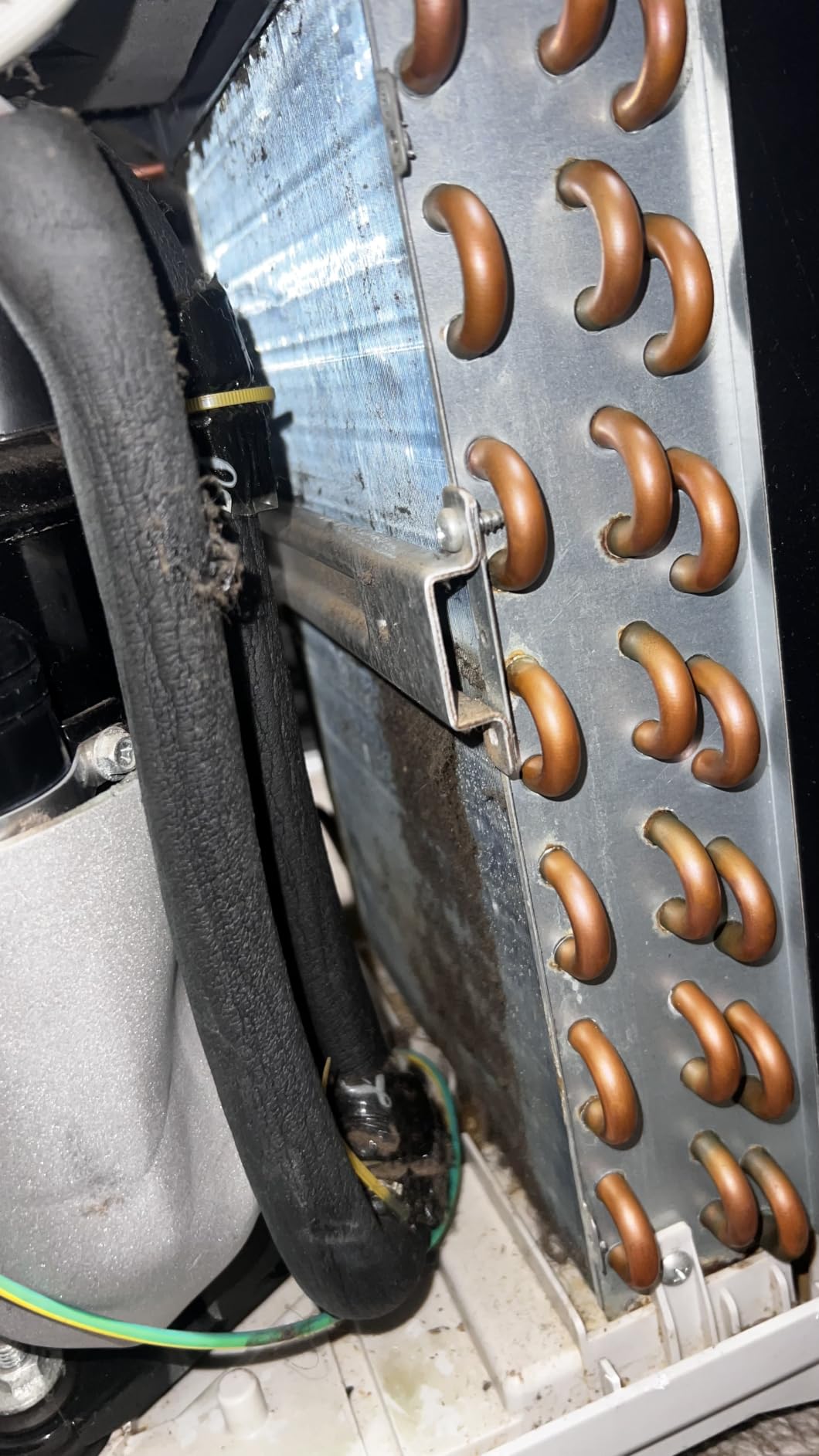
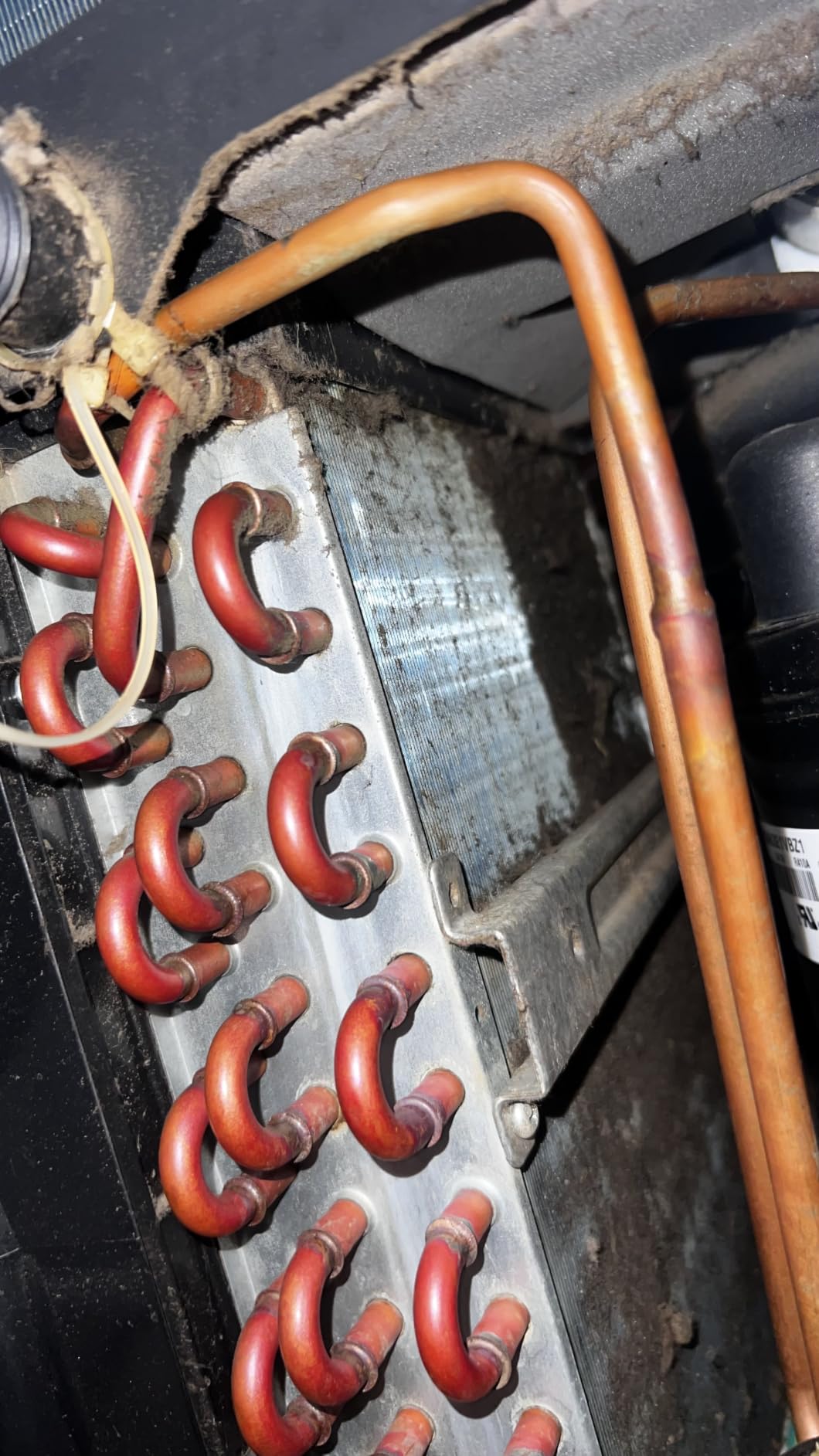
Maintenance is simple and mostly ignored. Pull the washable filter every two weeks and rinse it, empty or flush the condensate tank weekly, and vacuum the condenser coil every three months if you have pets or construction dust nearby. Before storing a unit for winter, drain the tank, dry the reservoir and keep it upright, because standing water left in a reservoir causes odour and mould.
Thumping, rattling or sudden loud noise usually comes down to four causes. Check the drain hose first: a kinked or disconnected line makes the pump hammer against a full tank. Next, inspect the filter and coil, since a blocked filter makes the fan work harder and the compressor run hotter and louder.
Then consider short cycling. If the unit cuts out and restarts within minutes, it is likely oversized for the room, and the fix is a smaller capacity rather than a louder setting. Finally, check the floor: an uneven surface lets the cabinet resonate, and anti-vibration feet or a level surface solve it in seconds.
Frequently Asked Questions
What is the best portable air conditioner for an apartment?
For most apartments the SereneLife SLPAC10 is the best all-round choice, cooling rooms up to 450 square feet at 10,000 BTU while running at 52 dB, low enough for a bedroom with thin walls. A DREO 318S is quieter at 45 dB for light sleepers, and a dual-hose inverter model such as the ZAFRO is worth considering for larger open living areas.
Are portable AC units good for apartments?
They are good for cooling one room, not a whole apartment. A portable AC only influences the air a few feet past the machine, so most owners treat it as a personal cool zone for a bedroom or office. Pointing it at a ceiling fan extends that zone considerably, and unlike window units or mini-splits they need no drilling, which usually satisfies lease terms.
Is there a portable AC that doesn’t need to be drained?
Yes, several models here run drainage-free in normal indoor humidity. The DREO 318S self-evaporates below 90 percent relative humidity, the ZAFRO claims 72 hours of drainage-free operation, and the Tanoxo works hands-free below 85 percent humidity. Above those thresholds you still need the drain hose, and humid summers are exactly when a tank-based unit fills up overnight.
Why is my portable air conditioner making a loud noise when I use it?
Four causes account for most complaints: a kinked or disconnected drain hose making the pump hammer, a dirty filter or condenser coil forcing the fan to work harder, short cycling from a unit that is oversized for the room, and vibration on an uneven floor. Cleaning the filter, checking the drain line, levelling the cabinet and replacing an oversized unit resolve nearly all of them.
Is it okay to run portable AC all night?
Yes, running a portable AC overnight is normal and generally safe. Set it to sleep mode, use the 24-hour timer, and check the filter before a long run. On cost, a sub-1000 watt inverter machine is the cheapest option per hour, while a 1500 watt unit is considerably more. Apartment owners report no meaningful bill impact compared with central air.
The Best Portable AC for Your Apartment in 2026
After working through twelve machines built for small rooms, the best portable air conditioners for apartments come down to two decisions. Buy the smallest unit that genuinely covers your space, then choose it on noise if the machine will run overnight. For a standard bedroom, the SereneLife SLPAC10 does both at 10,000 BTU and 52 dB.
Our rule of thumb for 2026: under 300 square feet of shaded space needs around 6,000 SACC BTU, a large bedroom or studio needs 7,500 to 10,000, and anything larger or top-floor needs a dual-hose inverter at 10,000 SACC BTU or above. Once the room is running, aim the outlet at a ceiling fan and seal the window panel, because those two free moves recover more real-world cooling than any spec upgrade.