
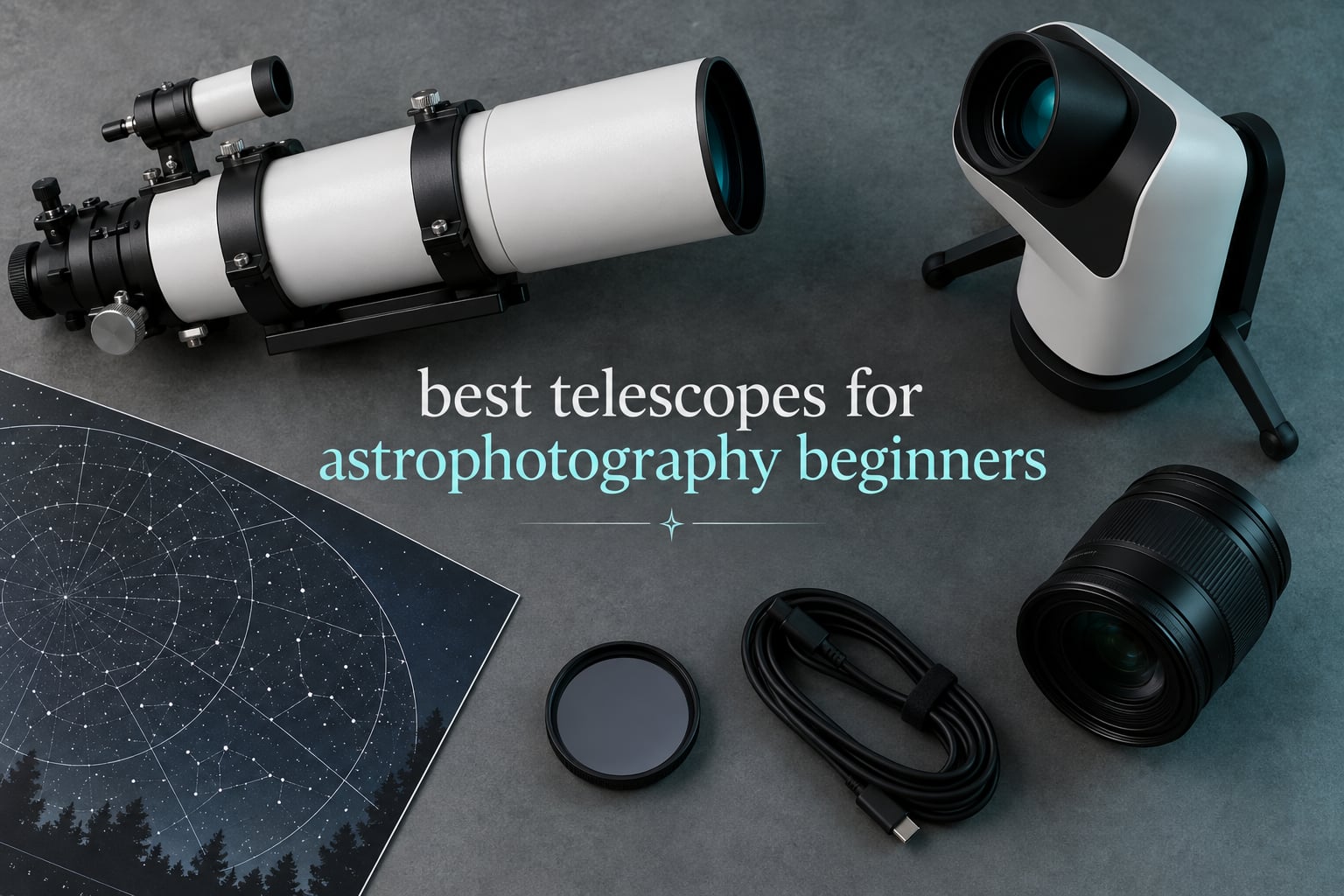
The best telescopes for astrophotography beginners are short-focal-length glass optics — roughly 250mm to 600mm of focal length — mounted on something that tracks the sky, and the truth is most telescopes sold as beginner astronomy kits cannot take a usable long exposure. If you want zero setup instead, a smart telescope like the ZWO Seestar S30 Pro or the DWARF 3 will stack a finished deep-sky image in minutes from a phone.
That gap between what a product listing says and what it can actually photograph is the reason this category confuses people. The top thread on r/telescopes asks for beginner astrophotography recommendations and opens with a complaint that most options have no reviews to check. It is a fair reaction: eight telescopes on the shopping page, all rated above four stars, all sold to people who have never tracked an object before.
So here is how we approached it. We grouped the eight picks by what they are actually built to do, checked the mount type against every spec sheet, and told you plainly where the tracking stops. Two principles decide most of this: prioritize the mount, because a mediocre telescope on a tracking head beats a beautiful tube on a photo tripod, and keep focal length short, because every extra 100mm magnifies your tracking error and your alignment mistakes.
Before you read further, three questions narrow the list fast. What is your real budget for the whole system, not just the tube? Do you want wide nebulae and galaxies, or the Moon and planets? And do you already own a camera with a lens you could put on a tracker this weekend? That last one matters more than most product pages admit — see our beginner buying guide approach for how we weigh complete-kit versus add-on purchases.
Table of Contents
Top 3 Picks for Beginner Astrophotography in 2026

The 8 Best Telescopes for Astrophotography Beginners in 2026
| Product | Specifications | Action |
|---|---|---|
| Celestron AstroMaster 130EQ |
|
Check Latest Price |
 SVBONY SV503 80mm ED SVBONY SV503 80mm ED |
|
Check Latest Price |
| ZWO Seestar S30 Pro |
|
Check Latest Price |
 DWARFLAB Dwarf 3 DWARFLAB Dwarf 3 |
|
Check Latest Price |
 Celestron StarSense DX 130AZ Celestron StarSense DX 130AZ |
|
Check Latest Price |
 Celestron StarSense LT 114AZ Celestron StarSense LT 114AZ |
|
Check Latest Price |
 Gskyer 130EQ Gskyer 130EQ |
|
Check Latest Price |
 MEEZAA 150EQ MEEZAA 150EQ |
|
Check Latest Price |
How We Chose These Eight Telescopes
We ranked on six things, in this order: what kind of mount comes with it, whether that mount can hold a target over a multi-minute exposure, focal length, what the tube costs you once you add the missing pieces, review volume, and manufacturer support. Mount first because it is the part that decides whether stars are points or dashes.
That order matters, because it is the opposite of how these products are marketed. Marketing leads with magnification numbers and aperture, neither of which tells you whether you will get a photograph. A 307x magnification claim on the Gskyer 130EQ sounds impressive next to the Seestar’s 160mm focal length, but only one of those two things points at a tracked object.
We also read the negative reviews, which is where the honest information lives. Three of these eight have a documented complaint pattern that changes who should buy them: two alt-azimuth scopes have no tracking motor at all, and one reflector has a disputed aperture claim. You will find all three explained in the sections below.
One thing we could not do is physically test eight telescopes side by side in one backyard. Instead we cross-checked manufacturer specifications against the patterns in owner reviews, and we treat any reviewer claim we could not verify against the spec sheet as a flag rather than a feature.
1. Celestron AstroMaster 130EQ: The Best Starting Point If You Will Upgrade the Mount
- 130mm aperture with aluminum and SiO2 coated mirrors
- German equatorial mount with dual slow-motion knobs
- Tool-free assembly in under an hour for most owners
- Bundles 10mm and 20mm eyepieces plus a StarPointer finder and TheSkyX
- Not astrophotography-ready out of the box
- Newtonian collimation required and needs a laser collimator
- Light-steel tripod needs several seconds to settle
The AstroMaster 130EQ has more owner reviews than anything else on this list by a wide margin, and the reason is that it is the telescope the industry actually recommends to beginners. Owners report crisp views of Jupiter, Saturn, the Moon and the Virgo galaxy cluster, and the build quality holds up for a decade of backyard use.
What makes it our top pick is not the optics, it is the German equatorial mount with slow-motion knobs on both axes. That is a real equatorial head, the same design principle used on far more expensive tracking mounts. Once polar aligned, it follows an object as the sky turns, which is the difference between watching and photographing.
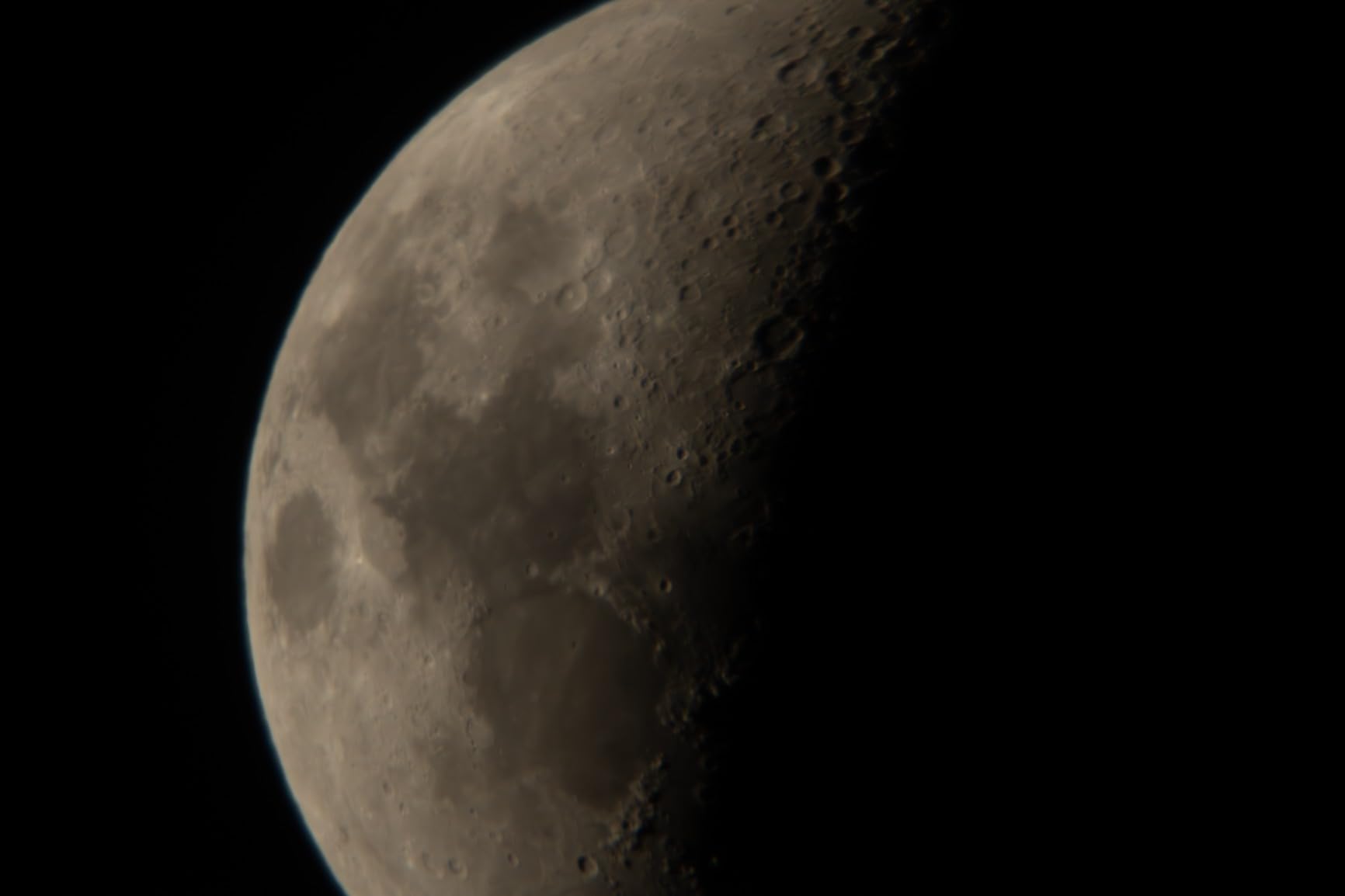
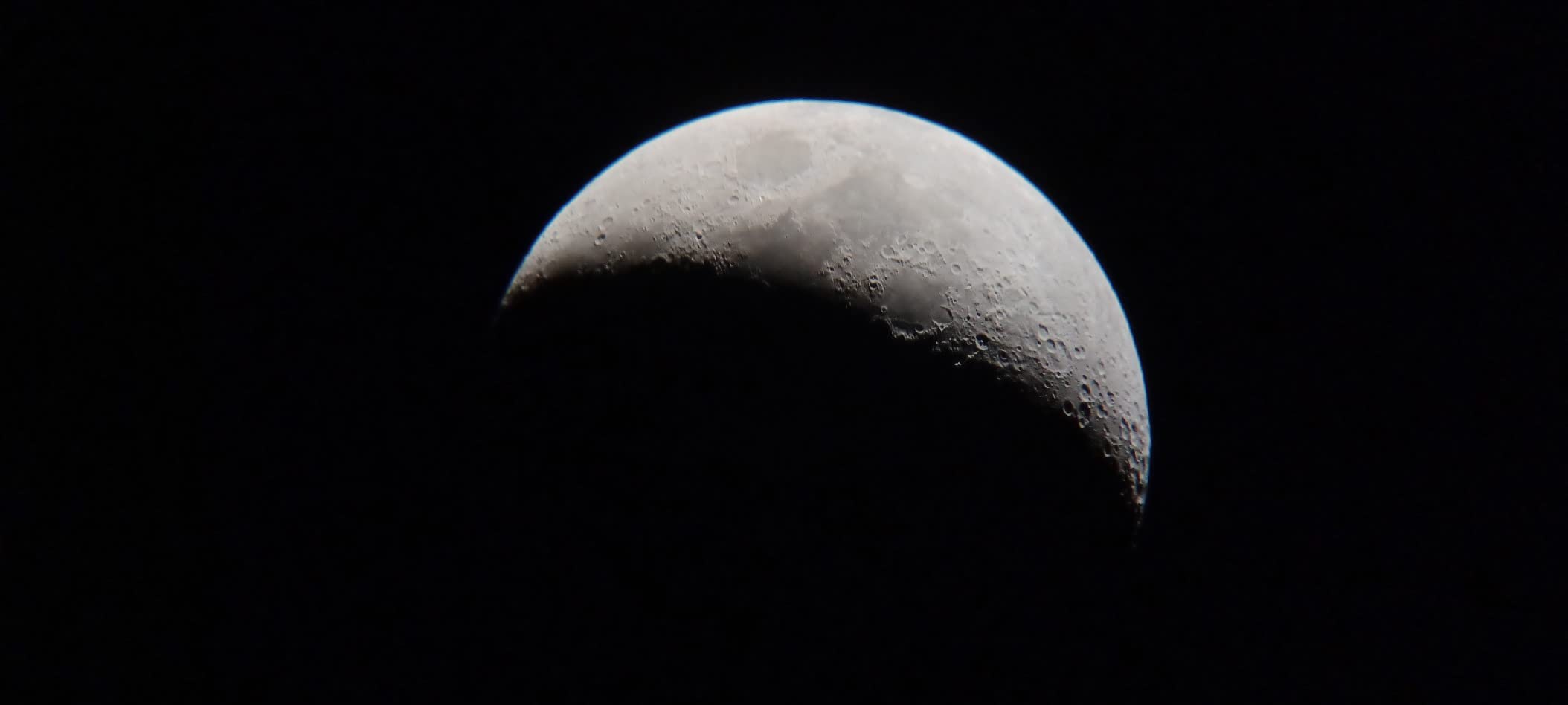
Here is the honest part. With no motor drive fitted, owners report sub-second exposures and star trails even after adding a basic right-ascension motor. That is fine for the Moon through a phone adapter and useless for the faint nebula you were hoping for.
The fix is the plan the reviews point to. Keep this tube, replace the tripod and equatorial head with a tracking mount later, and you keep a 130mm f/5 optical tube that will never be the limiting part of your setup. Collimation is the other recurring task, and it wants a laser collimator you will need to buy separately.
Who this telescope suits
Someone who wants to learn the sky first and photograph second, and who is patient enough to upgrade one component at a time. The included slow-motion controls let you follow Jupiter’s shadow crossing the disc without re-centering, and the two eyepieces plus erect-image corrector mean you can start tonight.
It also suits anyone who wants a grab-and-go visual scope for nights when clouds rule out imaging. At 17 lb it is heavy enough to be stable but light enough to move alone once the tripod is assembled.
Who should skip it
Skip it if your only goal is a stacked deep-sky image and you will not spend the second phase on a proper tracking head. In that case the SVBONY SV503 below was designed for exactly that job.
Also skip it if you are squeamish about maintenance. A Newtonian needs periodic collimation, and owners new to reflectors consistently describe that first collimation session as a genuine hurdle.
2. SVBONY SV503 80mm ED Refractor: The Only Pick Built Specifically for Astrophotography
SVBONY SV503 Upgraded ED Refractor Telescope, 80mm F7 with Field Flattener
- Highest-rated optical tube in this roundup at 4.6
- 0.8x field flattener gives flat stars edge-to-edge
- S-FPL51 ED glass with virtually no chromatic aberration
- 2 inch dual-speed focuser with 1:10 micro-adjustment
- Lifetime warranty on the optical tube
- Optical tube only
- no mount or camera included
- Narrow 1.9 degree field suits large targets only
- Manual focus means unattended imaging needs a focuser motor
Seven of the eight telescopes on this list are general-purpose instruments repackaged for a beginner market. The SV503 is the exception. It is an optical tube assembly, the part a photographer actually mounts to a tracking head, and the bundled SV193 0.8x flattener is the accessory most short refractors sell separately.
The glass is S-FPL51 extra-low dispersion in a fully multi-coated doublet, which in plain terms means stars stay tight and color fringing stays out of your gradient. At 560mm and f/7 the native framing suits large emission nebulae rather than wide Milky Way panoramas, and the reducer pulls that down for shorter exposures.
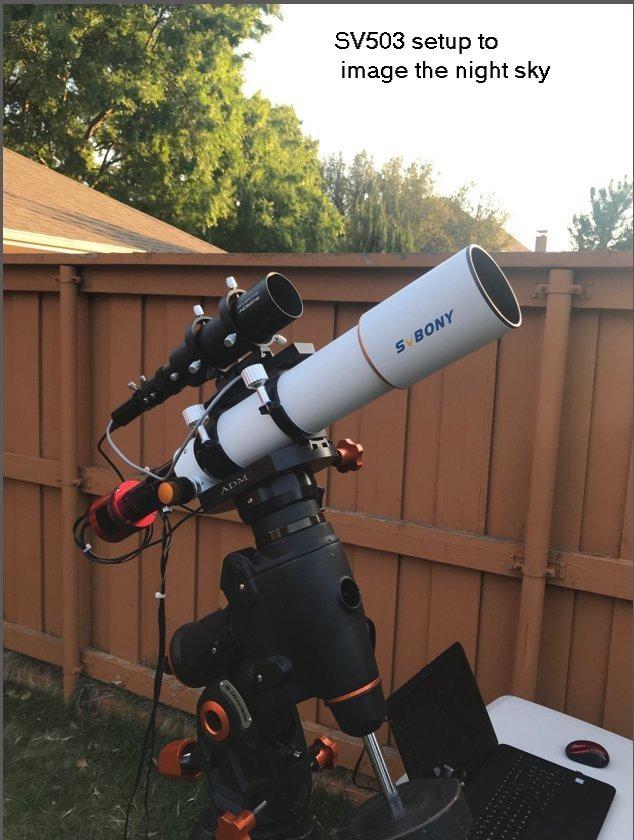
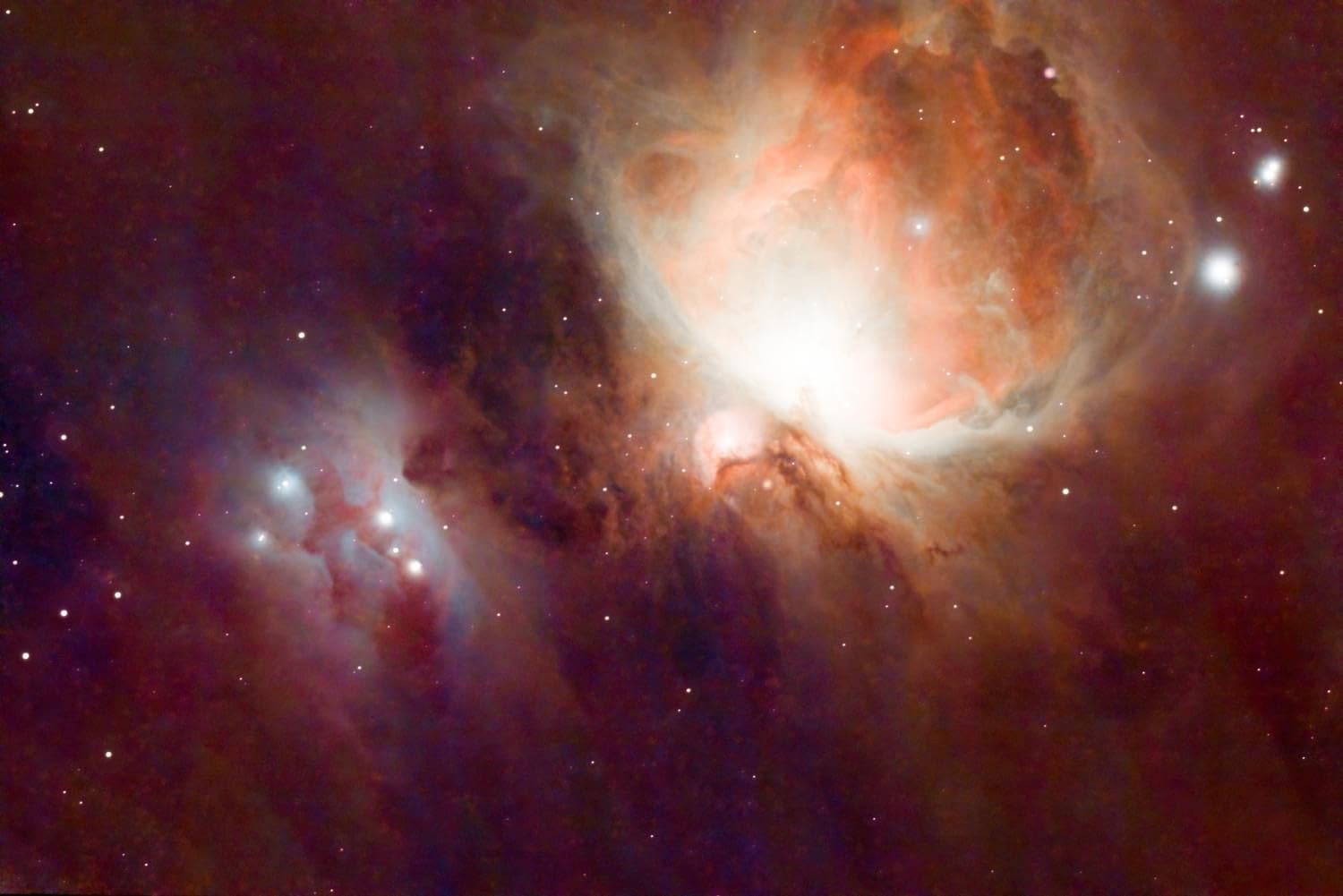
Owners who pair it with an equatorial or harmonic mount and a camera report the thing you actually care about: clean, flat, high-contrast frames with good star shapes across the whole frame. The 2 inch dual-speed focuser with 1:10 micro-adjustment is what makes that possible, because you can dial focus in fractions of a millimeter at 560mm.
At 2.5 kg the tube is light enough that even a modest mount tracks acceptably, which is the opposite of the 30 lb problem with the Gskyer. The 79% five-star share in reviews reflects that owners generally understood what they were buying.
Who this refractor suits
It suits a beginner who already knows they want deep-sky images and can budget for the rest of the system. Tube, tracking head, camera, spacing solution and dew control are five separate purchases, and only one of them is this box.
It also suits a photographer with an existing camera who wants flat-field astrograph optics at a price point that undercuts the branded Petzval alternatives. The lifetime warranty on the optical tube is unusually generous for this tier.
Who should skip it
Skip it if you want to look through it. There is no included eyepiece set and no finder, because this is an imaging component rather than a telescope in the visual sense.
Skip it if you plan to frame small galaxies or wide star fields. A 1.9 degree field is narrow, and stacking mosaics to cover more sky is a skill most beginners do not want to start with.
3. ZWO Seestar S30 Pro: The Best Telescope If You Will Never Polar Align
ZWO Seestar S30 Pro Smart Telescope, App-Controlled Astrophotography
- GoTo tracking and one-tap capture with no polar alignment
- Dual cameras give 4K deep-sky plus wide night-sky shots
- Built-in light-pollution filters for urban skies
- AI stacking reduces noise and separates sky from foreground
- Wide-field astrograph only
- not built for planetary imaging
- No eyepiece
- so there is no visual use
- Output depends on the companion app and cloud processing
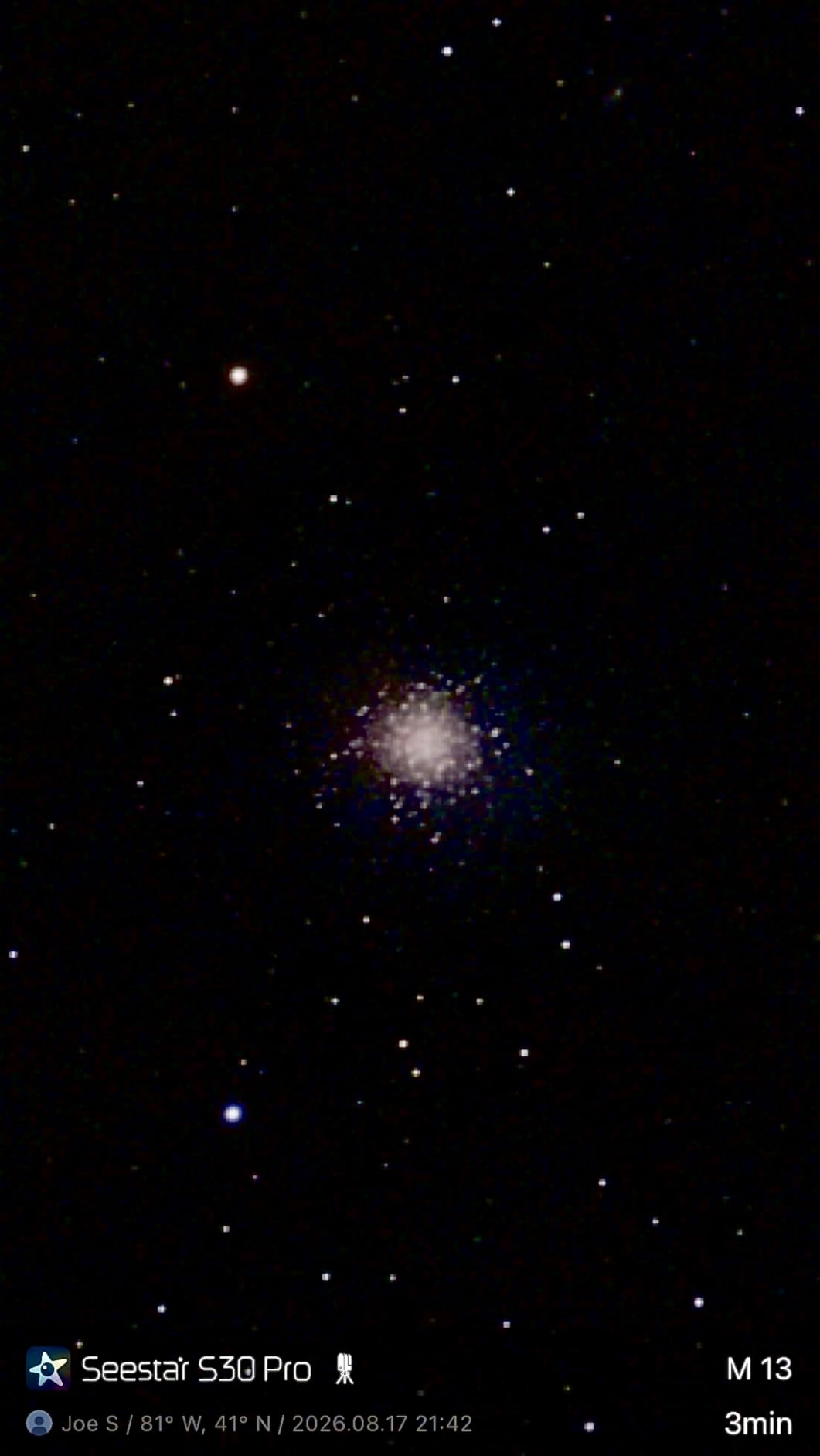
The Seestar S30 Pro is the answer for anyone who reads about equatorial polar alignment, decides it is not for them, and still wants an astrophotography photograph to exist at the end of the night. Power it on, connect the app, and it GoTo’s the target, tracks it and stacks the frames for you.
The dual-camera design is the smart part. One camera handles deep-sky and wide-field work while the second frames the ground and the Milky Way, and the app has one-tap modes for nebulae, galaxies, the Moon and star trails. Anti-dew protection and long-session support mean you can leave it running through the damp part of the night.
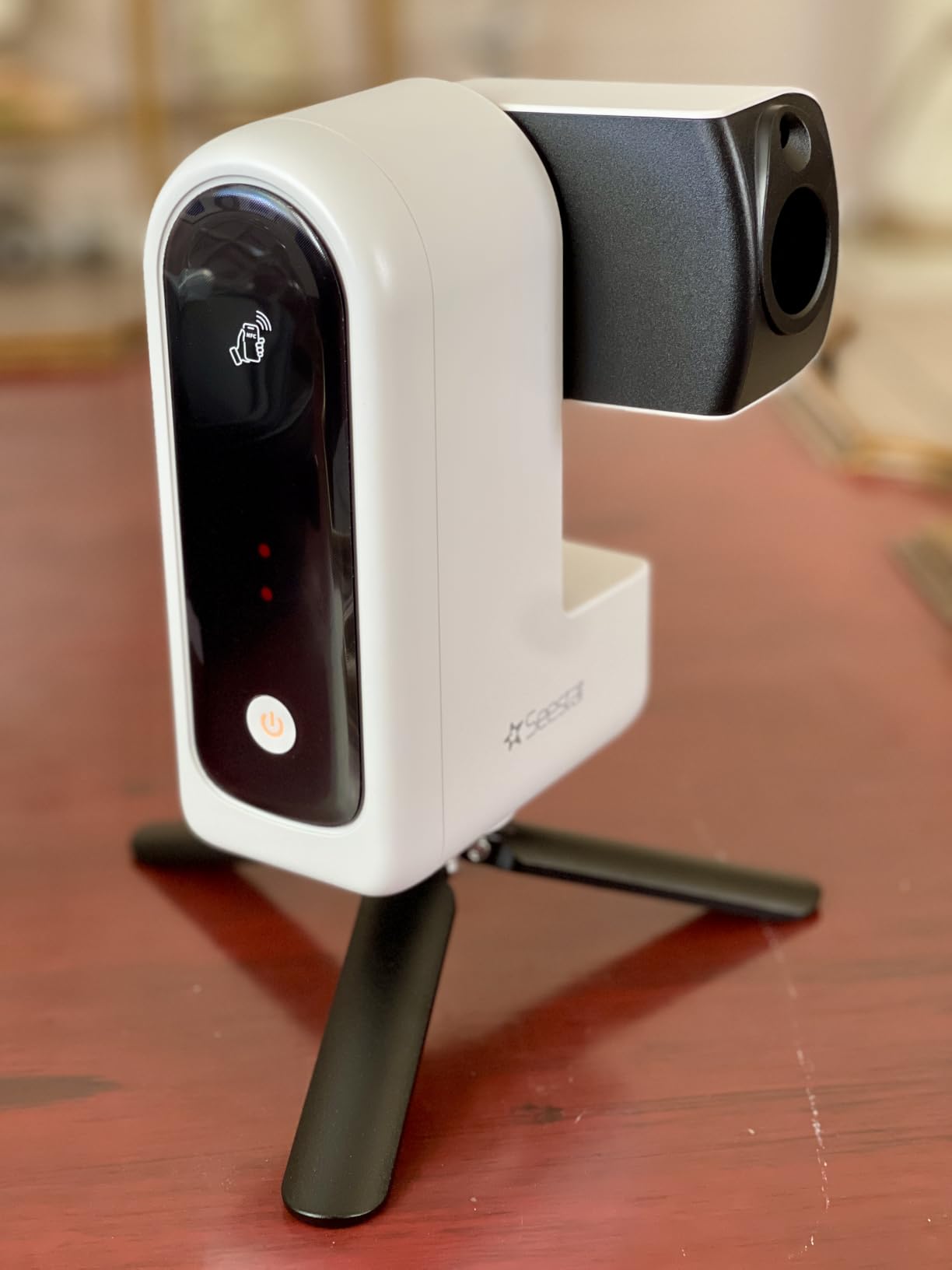
Owners consistently describe the experience as: power on, connect, get a stacked image in minutes, no laptop. At 3.6 lb with a compact body and tripod, it also travels, which makes a dark-sky weekend realistic for someone without a van.
The 76% five-star share in its reviews matches the best-rated items here. What those reviewers give up is control, and reviewers say so plainly: processing runs through the app rather than editable raw files, and the unit must stay stationary while imaging.
Who this smart telescope suits
It suits a beginner who wants the emotional payoff of a finished nebula image before deciding whether to learn the craft. It also suits anyone shooting from a bright suburban or city balcony, since the built-in light-pollution filtering is doing work that would otherwise mean buying filters.
Families sharing one device benefit too. The one-tap modes remove the aiming and stacking learning curve that makes people quit in month two.
Who should skip it
Skip it if you want to learn real astrophotography, which is the honest criticism raised about smart telescopes generally. There is no path from this device to your own camera, your own stacking or your own calibration frames.
Skip it if planets are your goal. Its 30mm objective at 160mm is a wide-field astrograph, and reviewers confirm planetary imaging is outside its design intent.
4. DWARFLAB Dwarf 3: The One That Fits in a Backpack
DWARFLAB Dwarf 3 Smart Telescope, App-Controlled Astrophotography Camera
- Weighs about 3 lb and fits a standard backpack
- Dual-lens design splits day and night imaging tasks
- 4K auto-tracking with automatic GoTo
- One-touch cloud processing needs no PC or desktop software
- Ten percent of reviews are one-star
- Wide-field astrograph with no planetary reach
- No eyepiece for visual observing
The DWARF 3 solves a problem the other smart scope here does not: weight. At about 3 lb it goes into a backpack, which is the difference between a telescope in a cupboard and one you actually take to a dark site on a weekend trip.
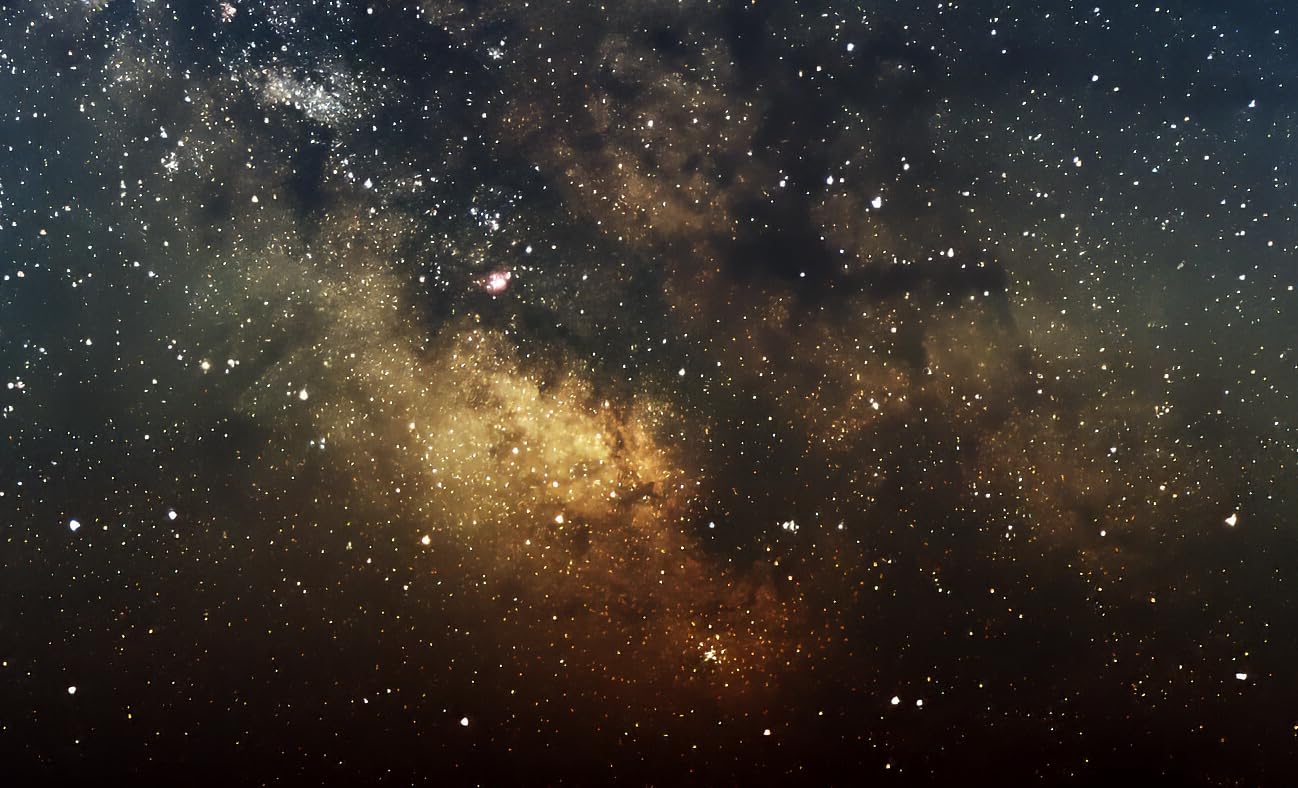
It uses a dual-lens arrangement, with a telephoto for deep-sky targets, wildlife and distant subjects, and a wide-angle for Milky Way and star trails. A commenter on r/telescopes describes the category candidly, saying a small smart telescope produces great results but boxes you out of upgrades and eyepieces. That trade applies here more than anywhere.
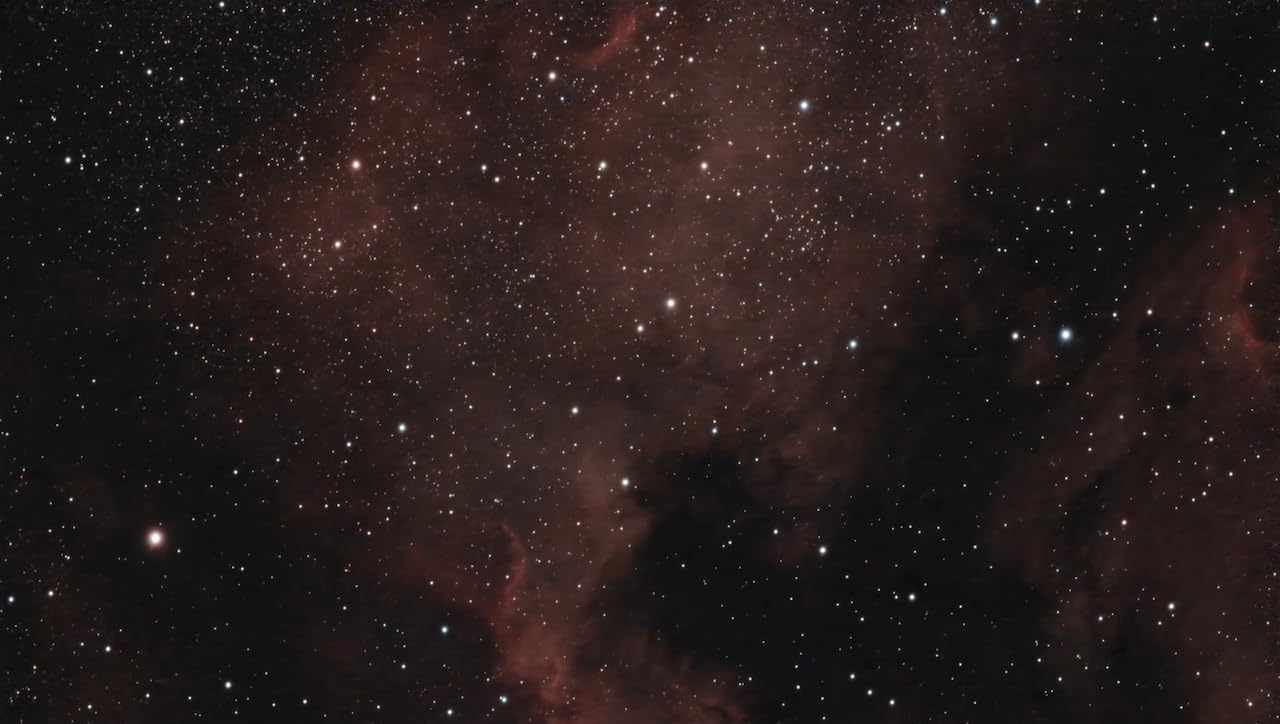
4K auto-tracking follows celestial and moving subjects automatically, and one-touch cloud processing produces finished images through the app with no desktop software. Alt-azimuth mount with equatorial mode support gives you a little more flexibility if you want to line it up properly.
Owners single out portability first and the day and night lens split second. The 10% one-star tail in reviews points at image quality limits at long focal length and at app and firmware reliability rather than at the optics.
Who this smart telescope suits
It suits a beginner who travels, camps or splits their year between a city apartment and a darker site. It is the most portable scope here.
It also suits someone who wants to photograph night-sky foregrounds alongside deep-sky, since the telephoto and wide-angle pairing handles both without changing hardware.
Who should skip it
Skip it if you want a single optical path you can master. Two lenses with different fields means two mental models, and one of them is a smartphone-style night mode rather than a telescope.
Skip it if you want raw files you control. Cloud-dependent processing means your finished image depends on an app and a server you do not operate.
5. Celestron StarSense Explorer DX 130AZ: The Best Scope for Looking, Not Shooting
Celestron StarSense Explorer DX 130AZ Smartphone Guided Newtonian Telescope
- 130mm aperture resolves Saturn rings and four Jovian moons from a backyard
- StarSense pointing accuracy rivals computerized GoTo without encoders
- Dual-axis slow-motion controls
- About 30 minutes to set up and arrives well collimated
- Altazimuth mount makes long-exposure imaging impractical
- Flimsy tripod with knobs that can snap
- Tube clearance limits maximum altitude to roughly 65-70 degrees
The DX 130AZ is the pick experienced observers most often single out as a first telescope, and the StarSense app is what earns that. Reviewers with decades and multiple instruments behind them describe it as a fantastic first purchase.
You dock the phone, the app identifies a handful of stars in the frame, and it tells you which direction to turn. Experienced observers report that its pointing accuracy rivals computerized GoTo mounts without encoders or a power supply, and it generates a list of tonight’s best targets for your location.
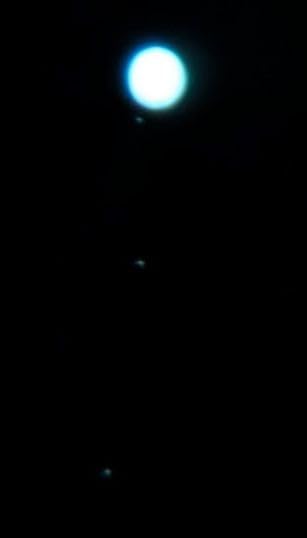
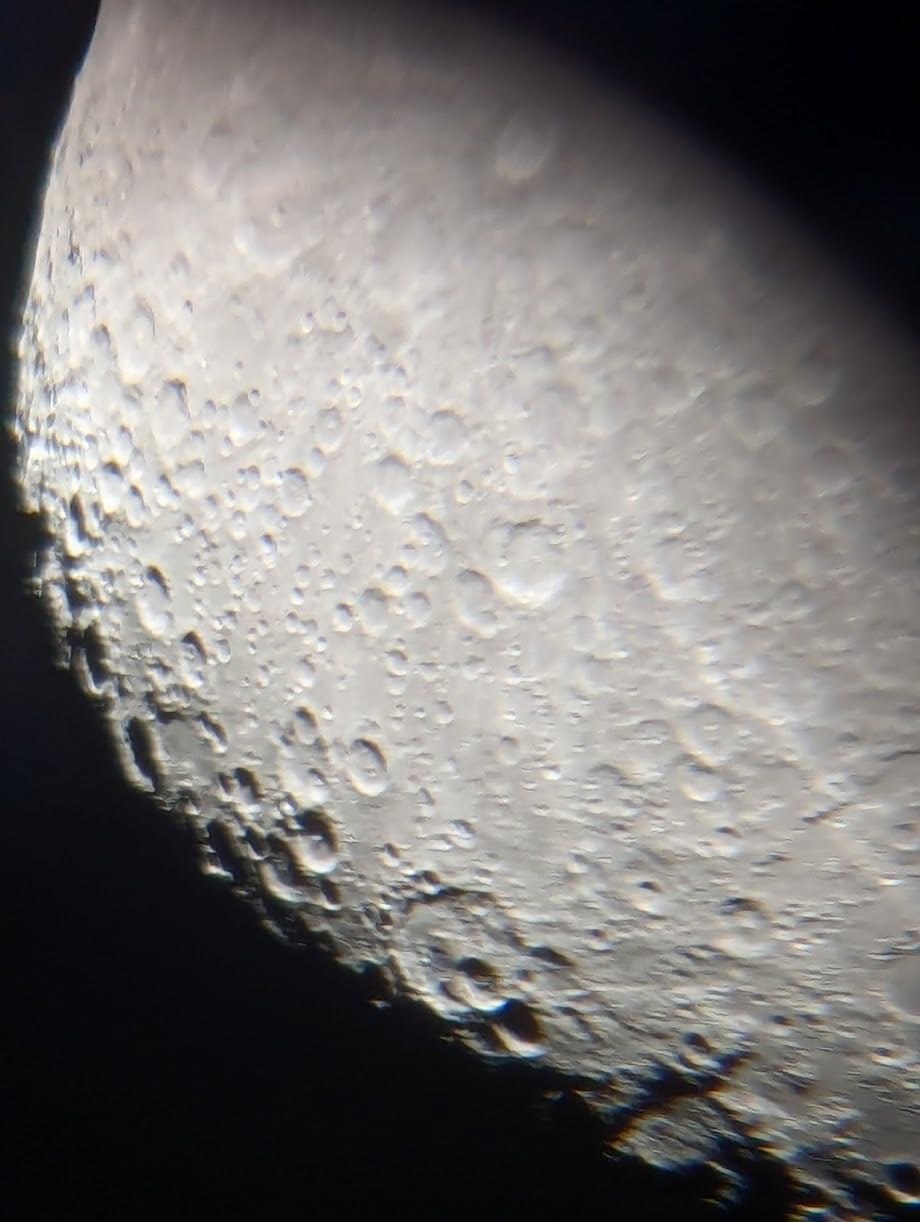
Optically you get a 130mm parabolic Newtonian at 650mm, rated to a 0.89 arcsecond Dawes limit, which is enough to split Saturn’s rings and resolve four moons of Jupiter from an urban backyard. The tube is the same optical tube used in the Celestron 130 SLT, and it arrives well collimated.
For imaging it is a dead end, and owners say so. With an altazimuth mount you must manually reposition both axes during an exposure, so even stacking several minutes of phone footage for a planetary shot is described as the practical limit.
Who this telescope suits
It suits a beginner whose first goal is the Moon, Saturn and Jupiter, and who wants a scope they can carry out alone. At 18 lb it stays workable for one person on a clear night.
It also suits a family buying one instrument for looking rather than photographing, since StarSense removes the aiming frustration that ends most casual observing sessions.
Who should skip it
Skip it for astrophotography. An altazimuth mount without a tracking motor cannot hold a target, and no software workaround changes the geometry.
Skip it if you are rough on equipment. Reviewers report leg-tightening knobs that can snap, shaking from a passing car, and a plastic phone-mount neck that flexes in light wind.
6. Celestron StarSense Explorer LT 114AZ: The Grab-and-Go Visual Scope
Celestron StarSense Explorer LT 114AZ Newtonian Smartphone Guided Telescope
- StarSense app removes the difficulty of finding targets
- App generates tonight's best targets for your time and location
- 10.4 lb makes genuine grab-and-go observing possible
- Includes 25mm and 10mm eyepieces plus a 2x Barlow
- Altazimuth mount cannot track long exposures
- Single-axis altitude slow-motion with no fine declination control
- Manual focus with no motorized tracking
If the DX 130 is the better telescope, the LT 114 is the one you will actually carry. At 10.4 lb it is roughly half the weight, and for a beginner moving a tube around a dark driveway in the dark, that difference decides whether you observe at all.
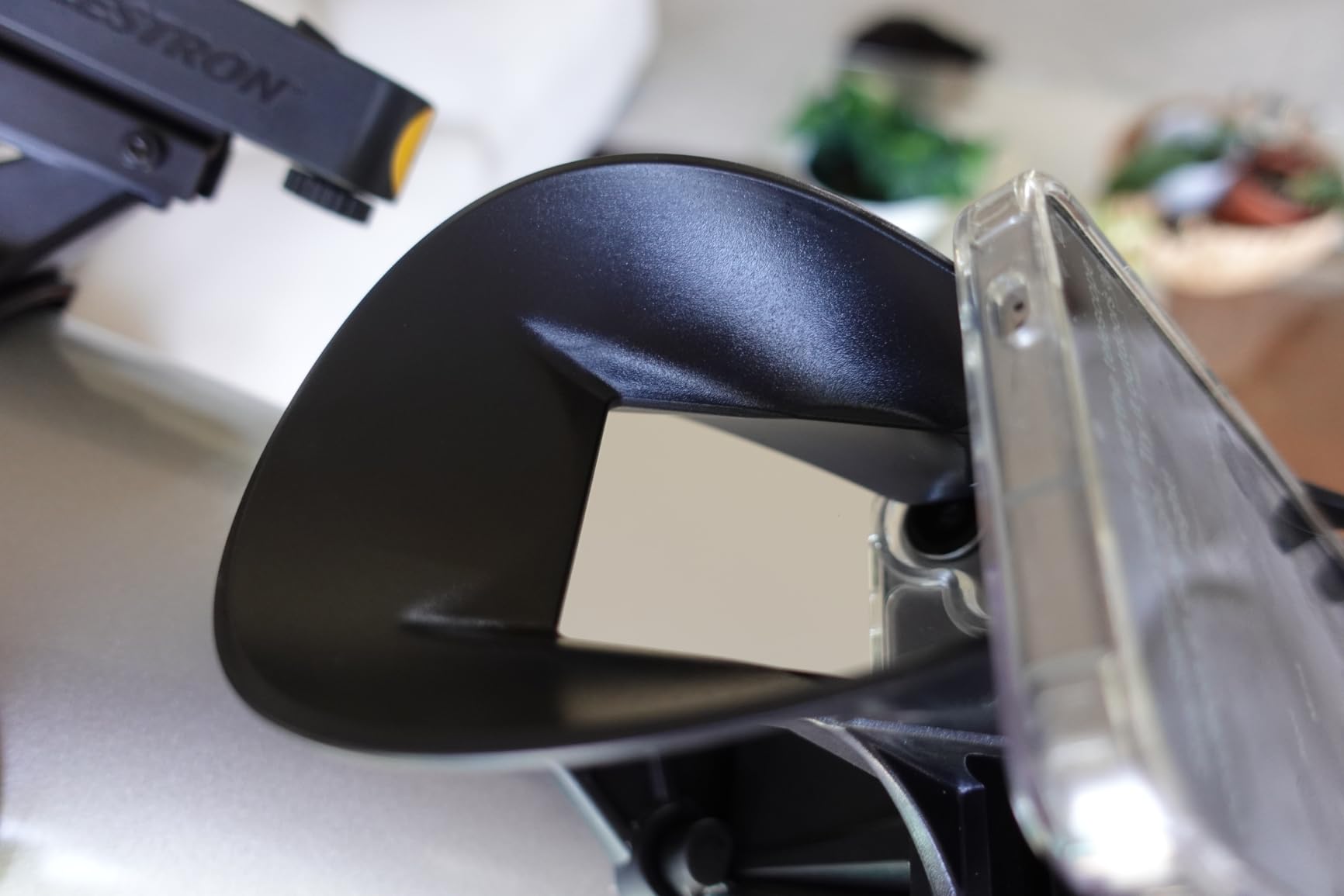
The StarSense app is the same technology and the same experience: dock the phone, follow the arrows, bullseye turns green. Buyers credit the curated list of tonight’s best targets, which is genuinely useful in city skies where the brightest things are the only visible things.
Optically it is a 114mm Newtonian at 1000mm, which is a much longer focal length than the 650mm scopes here. That is good for the Moon and Saturn’s rings, and worse for wide deep-sky framing, where a longer tube makes finding and fitting a target harder.
The altitude slow-motion rod makes manual following easy enough for a beginner, so you can keep Jupiter in frame without fighting the mount. There is no declination fine control, so long drifts still need two adjustments.
Who this telescope suits
It suits a beginner with limited storage, limited strength, or a habit of giving up on gear that is awkward to move. Reviewers mention strong views of Jupiter, Saturn, the Moon and the Orion Nebula from light-polluted yards.
It suits anyone who wants to try a telescope cheaply before deciding on a bigger purchase, since the whole point is whether you enjoy looking through one.
Who should skip it
Skip it if you want to photograph anything beyond a phone snapshot. Manual focus with no motorized tracking means every exposure is a compromise.
Skip it if you will outgrow it quickly. At 1000mm with a 114mm aperture it is a planetary and lunar instrument, and deep-sky framing at that length is a fight.
7. Gskyer 130EQ: Genuine Equatorial Mount at a Reflector Price
- Real German equatorial mount where most rivals ship an altaz mount
- 130mm multi-coated optics with fast f/5 ratio
- Three eyepieces plus a 3x Barlow included
- Compact 24 inch tube with toothless focusing base
- No motorized tracking drive
- so the equatorial advantage is manual only
- 30.1 lb makes it one of the bulkiest 130mm scopes
- Listed field of view and exit pupil figures are not credible
The Gskyer 130EQ solves a specific problem: at this price most rivals hand you a flimsy alt-az mount, and this one has a genuine German equatorial head. Owners rate it highly for exactly that reason, calling it a real equatorial mount at a price where competitors do not offer one.
Astrophotographically it is still a manual system. There is no motor drive, so the equatorial advantage arrives through slow-motion knobs only, which is exactly the same limitation as the Celestron AstroMaster 130EQ at number one. Polar alignment still matters if you want to follow anything.
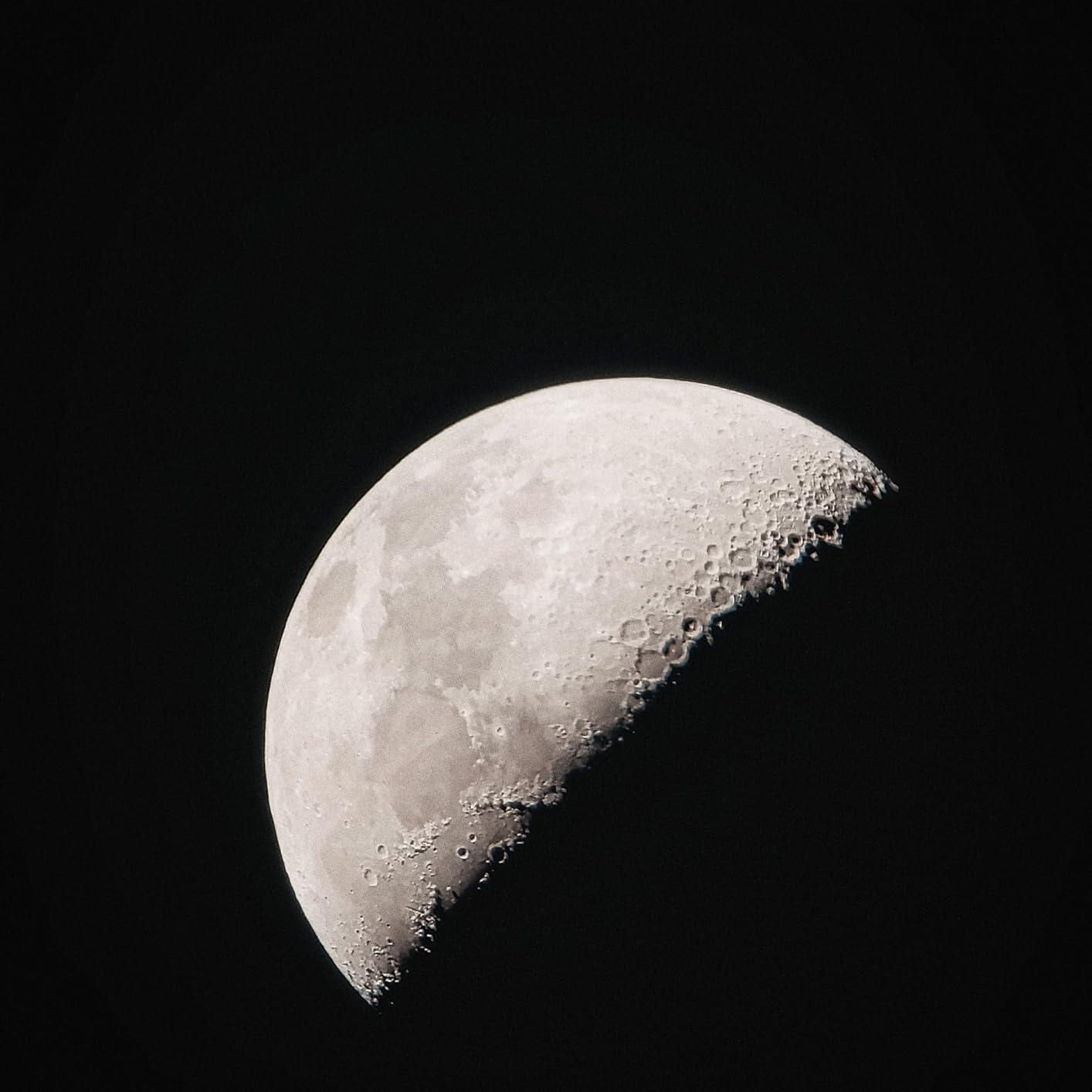
The optics are 130mm with high-transmission multi-coatings at 650mm and f/5, and reviewers report bright, sharp views across lunar, planetary and deep-sky targets. Three eyepieces and a 3x Barlow is a fuller bundle than most competitors in the tier, and the Bluetooth wireless remote lets you trigger phone photos without touching the scope.
Two things make this a harder recommendation than its 4.4 rating suggests. It weighs 30.1 lb, making it one of the bulkiest 130mm scopes on the market, and the listed field of view and exit pupil numbers are not credible for this optical design. Check the numbers against the aperture and focal length yourself.
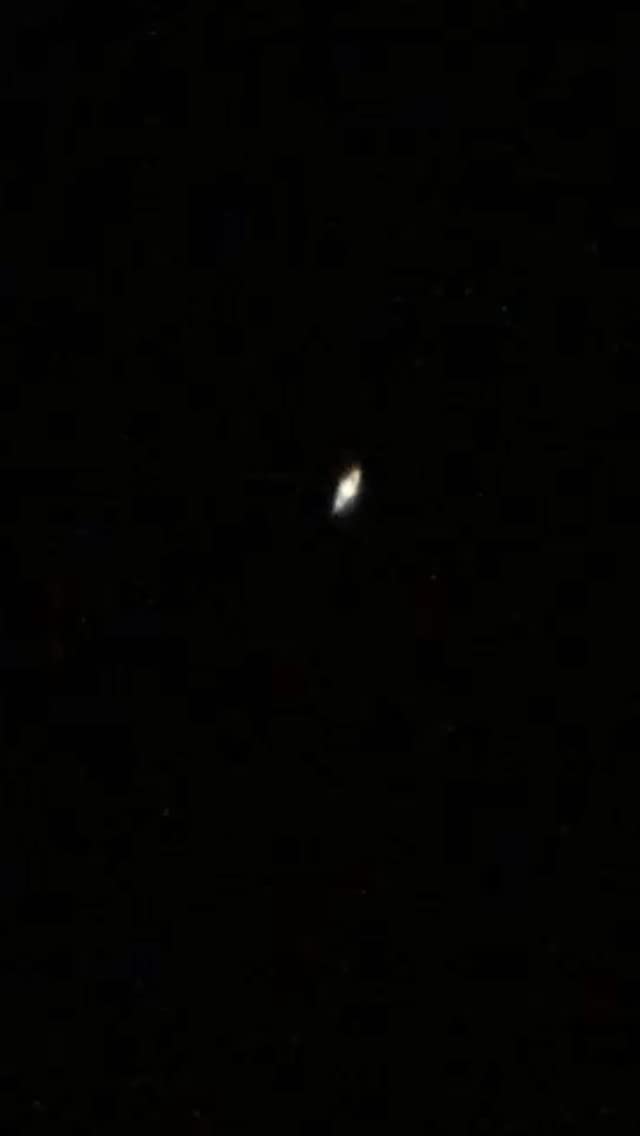
Who this telescope suits
It suits a beginner who specifically wants to learn polar alignment and manual tracking rather than avoid both. The toothless focusing base and compact 24 inch tube make it easy to handle for its size.
It also suits a buyer who plans to add a motor drive or replace the mount later, since the optical tube is standard gear and the equatorial head is a reasonable base.
Who should skip it
Skip it if you plan to move it between locations often. At 30.1 lb it is a two-person job for most people, and forum threads on weight almost always end up discussing heavy mounts and tripods.
Skip it if you expect a one-year warranty to carry much weight, since that is the shortest coverage in this category.
8. MEEZAA 150EQ: The Biggest Accessory Bundle, With One Asterisk
- Largest advertised aperture in this roundup at 150mm on an equatorial mount
- Complete bundle with 25mm and 10mm eyepieces plus 2x Barlow
- Arrives pre-assembled with no collimation needed
- Stainless steel tripod with a heavy gimbal that holds the view steady
- Verified buyers report the primary is 130mm not the advertised 150mm
- All-plastic focuser is a weak point when adding a camera
- Heavy enough to need two people to move it
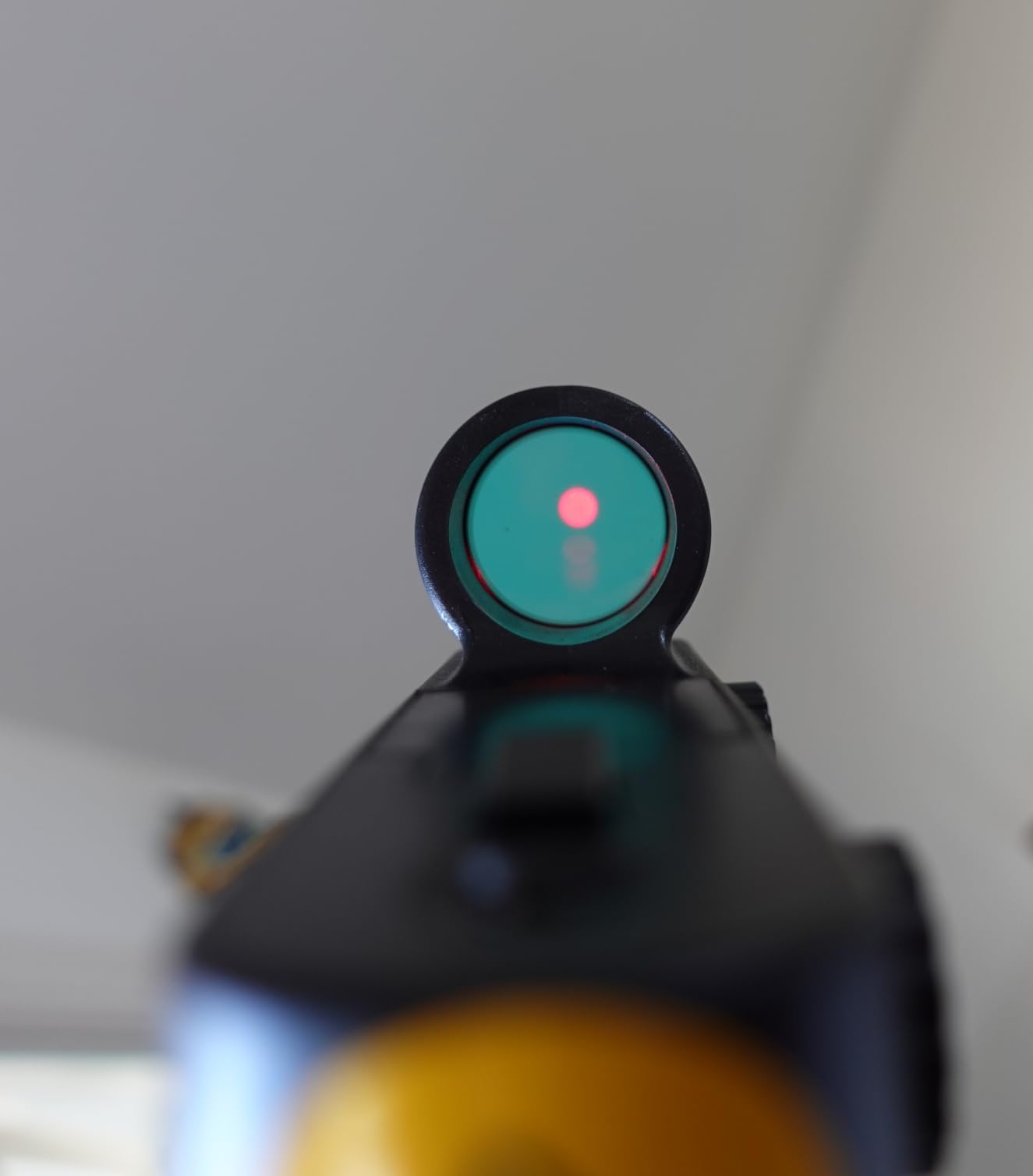
Nothing else in this roundup arrives with this much in the box. You get a large-aperture Newtonian on a German equatorial mount, 25mm and 10mm eyepieces, a 2x Barlow, a red-dot finder, a moon filter, a phone adapter, an accessory tray and a large carry bag.
Repeat themes in owner reviews are a smooth, heavy gimbal, clear instructions and mirrors that arrive pre-aligned so no collimation is needed. Magnification runs from 26x to 130x across the supplied eyepieces and Barlow, which covers the Moon and planets.
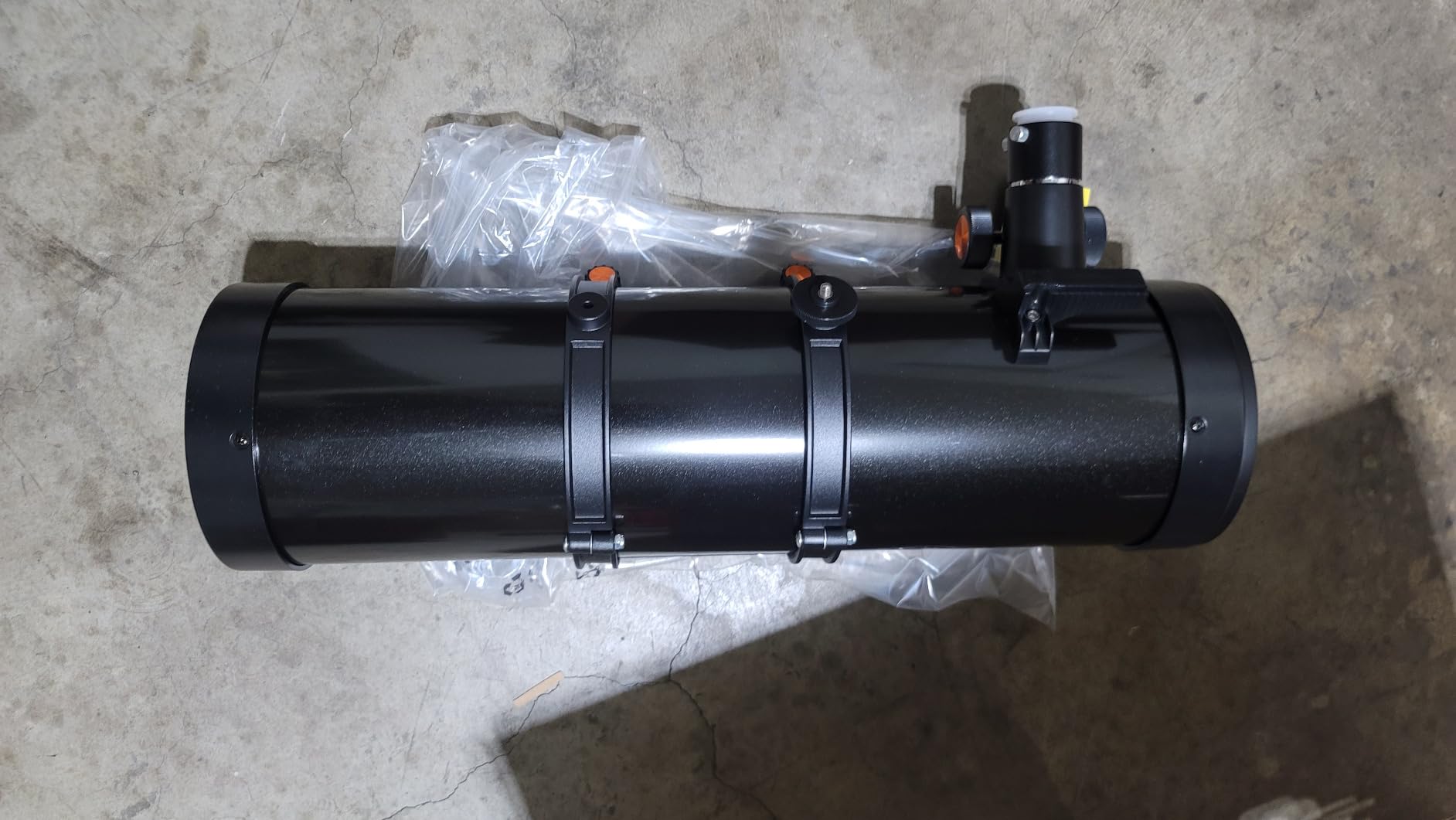
The asterisk is the aperture. Multiple verified buyers report measuring the primary at 130mm rather than the advertised 150mm, which undercuts the main selling point of the package. That does not make it bad, but you should buy it for the bundle and the mount, not for the headline number.
For astrophotography the all-plastic focuser is the weak link, and several owners who tried adding a camera regretted that choice. The phone adapter is also awkward to align precisely with the eyepiece, so lunar phone shots take practice.
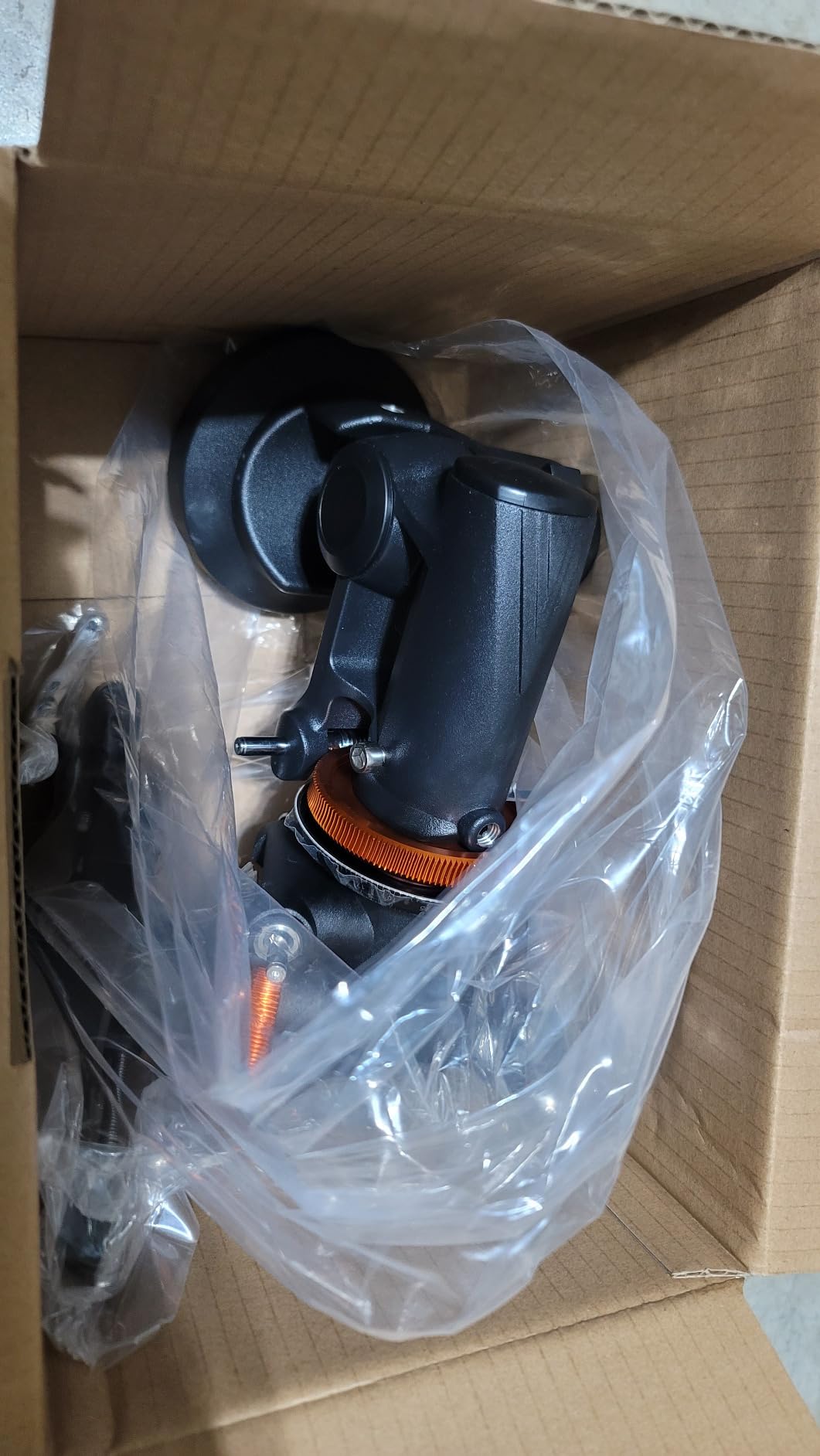
Who this telescope suits
It suits a beginner who wants a complete observing package without a second shopping trip, especially someone drawn to the Moon with a phone camera. The moon filter is the detail most buyers did not know they needed.
It also suits anyone who values a carry bag, since carrying a 650mm reflector plus mount in a car without one is a genuine nuisance.
Who should skip it
Skip it if aperture is what you are paying for, given the measured discrepancy in reviews. Ask for the measured figure in writing before deciding.
Skip it if you plan to attach your own camera and expect a stable focuser to hold it. The plastic focuser is the part that will disappoint first.
Smart Telescope vs. Traditional Telescope: Which Should You Buy?
Start with the question no product page asks: do you want to learn astrophotography, or do you want astrophotography photographs? The smart telescope gives you the second one this weekend. The traditional tube gives you the first one in about two years.
A smart telescope such as the Seestar S30 Pro or the DWARF 3 handles GoTo, tracking, stacking and processing for you. Setup takes minutes and there is nothing to calibrate, so the gap between unpacking and a finished image is about as small as it gets.
The trade is that the learning curve is inside the device. You cannot change the sensor, cannot take raw frames, cannot switch cameras and cannot use an external guide scope. Forum consensus on r/telescopes is blunt about this, describing smart telescopes as producing great results but boxing you out of upgrades and eyepieces.
A traditional setup inverts that. You buy an optical tube, a tracking mount and a camera, and every one of those stays with you. The SVBONY SV503 at number two is the clearest example, an astrograph built for the job with a flattener included.
The learning curve is steeper but it is transferable knowledge. Polar alignment, guiding, calibration frames and stacking all apply to every telescope you will ever own, which is the argument the smart scope simply cannot make.
My advice is to buy the smart scope if your motivation is the photographs, and the traditional rig if your motivation is the craft. Buying a cheap alt-azimuth reflector in between gives you the worst of both, which is why most of the eight picks on this list carry an imaging warning.
Buying Guide: Focal Length, Aperture and the Mount That Matters Most
Focal length is the number that decides what you can photograph. It is the distance the light travels inside the tube, and it sets how much sky fits in one frame. Under 500mm covers wide nebulae and Milky Way fields, 500mm to 800mm sits in the sweet spot for large clusters and bright galaxies, and 1000mm plus narrows you toward the Moon and planets.
Focal ratio is focal length divided by aperture, written as f/5 or f/7. Lower is faster, which means shorter exposures and less tracking error. For beginners, f/4 to f/6 is the comfortable range, and anything much slower demands near-perfect polar alignment and guiding.
Aperture is the front lens or mirror diameter, and it governs light gathering. The misleading detail is that in astrophotography aperture mostly matters through focal ratio, not through brightness, because a tracking mount already solves the light problem that aperture solves for the eye.
Payload capacity is the mount specification that beginners misread most. It is the total weight of everything above the mount, and the working rule is to stay between 50 and 70 percent of that number. Exceed it and stars stretch into trails at the frame edges no matter how good the tracking motor is.
A field flattener corrects curvature in the focal plane that a simple lens leaves behind, and a focal reducer widens the field and shortens exposures. Modern Petzval-style astrographs build one into the optical design, which is exactly why the SV503’s bundled 0.8x reducer matters.
Dew control is unglamorous and not optional. A refractor sitting outside on a clear night will fog, and a cheap dew heater band costs far less than a weekend of ruined frames. Plan for it from the first evening.
For photographers starting out, the deciding number is how many minutes of tracking you can get before stars start to stretch. Everything else is a preference, so pick the fastest focal length your budget allows and add optical weight later.
Refractors need no collimation and produce sharp stars, which is why imaging-focused beginners choose them. Reflectors gather more light per dollar and need periodic collimation. Catadioptrics like Schmidt-Cassegrains are compact and excellent on planets but sit at long focal lengths that punish beginners with field rotation, which is why none made this list.
Five Mistakes Every Beginner Astrophotographer Makes
First mistake: buying by magnification. A 300x number on a box tells you nothing about whether the mount holds a target. Focal length, focal ratio and mount type tell you everything.
Second mistake: overloading the mount. The 50 to 70 percent payload rule is not conservative advice, it is the difference between round stars and egg-shaped ones at the corners of your frame.
Third mistake: using the bundled photo tripod. Every alt-azimuth scope on this list is sold with one, and none can track. A wobbly tripod is the single most common reason first attempts come out trailed, and reviewers describe both the Celestron tripods and the plastic phone-mount necks as the weakest links in their packages.
Fourth mistake: skipping dew control. Refractor lenses fog between midnight and dawn far more often than beginners expect, and the fix is a cheap heater band rather than better optics.
Fifth mistake: starting with a long focal length. Anything past 1000mm turns a small tracking error into visible field rotation and forces you to learn derotation before you have learned polar alignment. Short first, long later.
There is a sixth worth naming, because forum advice repeats it constantly. If you already own a DSLR or mirrorless camera, you can put it on a tracking head with an existing lens and start photographing the Milky Way tonight. Several experienced users on r/telescopes make exactly that recommendation for beginners, and they are right.
Backyard Reality Check: Light Pollution and Dark Sky Sites
Most beginners shoot from home, and most homes are under significant light pollution. That does not make astrophotography impossible, but it changes which targets are realistic and which filters earn their place.
Bright nebulae like the Orion Nebula, the Rosette and the Pleiades still work under suburban skies because their surface brightness is high. Faint galaxies and dim nebulae do not, and a light-pollution filter or a trip to a dark site is what moves them from invisible to photographable.
Planetary and lunar imaging is the most forgiving hobby for a bright backyard, because the Moon is bright, and Moon and Saturn shots need seconds rather than minutes of exposure. That is the practical argument for the two StarSense scopes on this list even though neither has a tracking motor.
Check your sky before you blame your gear. If you cannot see the Milky Way from your driveway, no telescope will fix that session, and forum advice repeats this point often enough to be worth taking seriously.
Our general approach to gear, whether it is a kitchen appliance or a telescope, is the same one in our beginner kit roundups: measure the job first, then the spec sheet. Nothing changes because the category is astronomy.
Frequently Asked Questions
Which telescope is best for astrophotography?
For most beginners, a short-focal-length refractor around 250mm to 600mm at f/4 to f/6, mounted on a motorized tracking equatorial head, is the best astrophotography telescope. The SVBONY SV503 80mm ED is the closest match on this list, with a bundled 0.8x flattener. If you want the photograph without the setup, a smart telescope such as the ZWO Seestar S30 Pro stacks images automatically.
What is the best astronomical telescope for a beginner?
The best astronomical telescope for a beginner is an all-in-one package that removes aiming frustration, and the Celestron StarSense Explorer DX 130AZ leads that group. Its smartphone app recognizes the sky and points you at tonight’s best targets, and a 130mm aperture resolves Saturn rings and Jupiter’s moons from a backyard. Expect to upgrade the mount before photographing deep sky.
What type of telescope is best for beginner astrophotography?
A small refractor is the best type of telescope for beginner astrophotography, because it needs no collimation and keeps stars sharp across the frame. Aim for 250mm to 500mm of focal length at f/4 to f/6. Longer focal lengths magnify tracking errors, and fast reflectors demand periodic collimation that most beginners did not sign up for.
What size telescope is needed to see Saturn’s rings?
Roughly 70mm of aperture is the practical floor for resolving Saturn’s rings, and 90mm and above gives a comfortable, steady view. In this roundup the 114mm Celestron StarSense LT and the 130mm scopes all clear it easily. For photographing them, a longer focal length helps, but mounting and polar alignment matter more than aperture once tracking is available.
What type of telescope is best for looking at stars?
A refractor is the best all-round type of telescope for looking at stars because it gives sharp, high-contrast views with no maintenance, though a large-aperture reflector shows more faint detail. The one exception is faint deep-sky objects under city skies, where gathering light matters more than optical cleanliness. Both Celestron StarSense models are strong first choices for purely visual use.
Should I buy a telescope or just use my camera lens for astrophotography?
Start with your existing camera and lens on a tracking head if you already own a DSLR or mirrorless body, because Milky Way panoramas and tracked wide-field shots need nothing else. Move up to a telescope when you want framed nebulae and galaxies with more detail than a camera lens can fill. Experienced users on r/telescopes recommend exactly this path to people starting out.
Do I need a motorized mount for astrophotography?
Yes. Because the Earth rotates, stars drift across a fixed tripod within seconds, so long exposures without tracking produce trails instead of detail. An altazimuth mount with only slow-motion knobs cannot compensate during an exposure, which is why every scope in this roundup with an altazimuth mount is limited to phone snapshots. Budget for a tracking head as part of the system cost.
Conclusion: Which Beginner Astrophotography Telescope Should You Buy?
If you want the shortest path to a finished deep-sky photograph, buy the ZWO Seestar S30 Pro. If you want to learn the craft properly and can add a mount, start with the Celestron AstroMaster 130EQ and upgrade the head. If you want optics designed for imaging from day one, the SVBONY SV503 is the only pick here built for the job.
Five of these eight are visual telescopes with manual mounts, and we have said so rather than pretending otherwise. Check sample images from a named user before buying anything in this category, and use the mount-first rule every time. Our other beginner roundups, including the best centrifugal juicer picks for beginners, follow the same earn-your-money-first approach.