
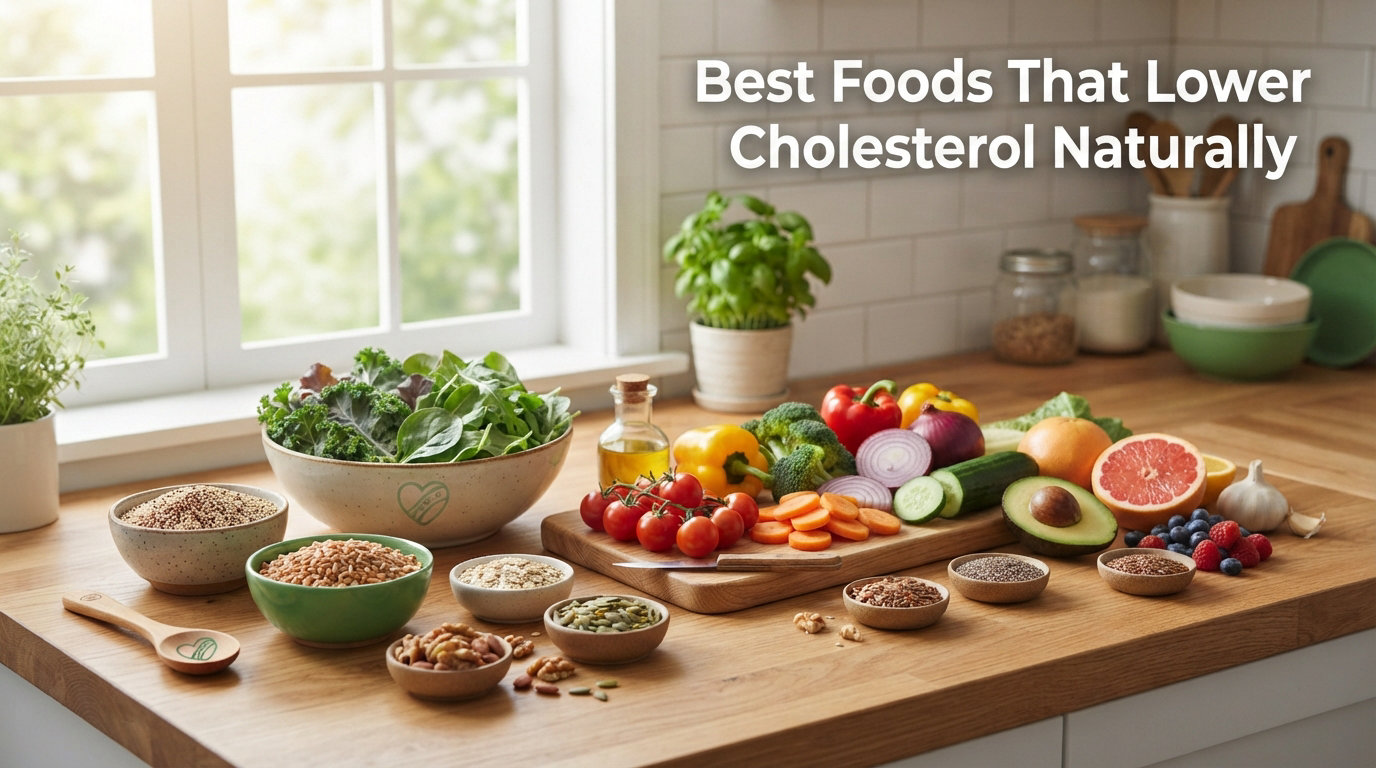
If your recent bloodwork came back with higher-than-ideal cholesterol numbers, you are not alone. Nearly 94 million American adults have total cholesterol levels above 200 mg/dL, putting them at increased risk for heart disease and stroke. The good news is that what you eat can have a dramatic impact on your cholesterol levels, often reducing LDL (bad cholesterol) by 10-15% or more within just a few months.
Our team spent months researching the latest nutrition science and compiling real-world success stories from people who have successfully lowered their cholesterol through diet changes alone. We have identified 15 foods that lower cholesterol naturally, backed by clinical research and proven to work. Whether you are trying to avoid medication or complement your current treatment, this guide will give you practical, actionable steps to improve your heart health starting today.
You will also discover which foods to avoid, how quickly you can expect to see results, and simple meal ideas that combine multiple cholesterol-lowering ingredients. Many of these foods overlap with our recommendations for diabetic-friendly foods that also support heart health, making them ideal if you are managing multiple health goals.
Table of Contents
Understanding Cholesterol: The Basics You Need to Know
What Is Cholesterol and Why Does It Matter?
Cholesterol is a waxy substance that your liver produces naturally. Your body needs it to build healthy cells, produce hormones, and make vitamin D. However, problems arise when you have too much cholesterol circulating in your bloodstream, particularly the low-density lipoprotein (LDL) type.
Excess LDL cholesterol can deposit on the walls of your blood vessels, forming plaque that narrows arteries and restricts blood flow. This condition, called atherosclerosis, significantly increases your risk of heart attack, stroke, and peripheral artery disease.
LDL vs HDL: Know the Difference
Not all cholesterol is bad. High-density lipoprotein (HDL) actually helps protect your heart by carrying excess cholesterol back to your liver, where it is processed and eliminated from your body. Think of HDL as the cleanup crew for your arteries.
LDL, often called bad cholesterol, does the opposite. It transports cholesterol particles throughout your body, and when levels are too high, it deposits excess cholesterol on artery walls. Ideally, you want higher HDL levels (above 60 mg/dL is considered protective) and lower LDL levels (below 100 mg/dL for most adults, though below 70 mg/dL is recommended for those at high risk).
How Diet Affects Your Cholesterol Numbers
Your diet influences cholesterol through several mechanisms. Soluble fiber binds to cholesterol in your digestive system and helps eliminate it before it can be absorbed into your bloodstream. Unsaturated fats, particularly monounsaturated and polyunsaturated varieties, improve your LDL-to-HDL ratio. Plant sterols and stanols block cholesterol absorption in your intestines.
The foods we will discuss below work through one or more of these pathways. By incorporating them regularly into your meals, you can create a powerful, natural defense against high cholesterol.
15 Best Foods That Lower Cholesterol Naturally
These 15 foods have been selected based on clinical evidence showing their effectiveness at lowering LDL cholesterol. Each one offers unique benefits, and the best approach is to incorporate several of them into your daily routine.
1. Oatmeal and Oat Bran
Oatmeal tops nearly every list of cholesterol-lowering foods, and for good reason. It contains beta-glucan, a type of soluble fiber that forms a gel-like substance in your digestive tract. This gel binds to cholesterol-rich bile acids and carries them out of your body, forcing your liver to pull more cholesterol from your bloodstream to make new bile acids.
Studies show that consuming just 1.5 cups of cooked oatmeal daily can reduce LDL cholesterol by 5-10% over several weeks. Oat bran is even more concentrated in beta-glucan, with about 50% more fiber per serving than regular rolled oats.
Practical tip: Start your day with oatmeal topped with berries and ground flaxseed for a triple cholesterol-lowering breakfast. Steel-cut oats have a lower glycemic index than instant varieties, making them a better choice for sustained energy.
2. Almonds and Other Nuts
A daily handful of almonds can lower LDL cholesterol by about 5-7% while maintaining or even improving HDL levels. Almonds are rich in monounsaturated fats, plant protein, fiber, and plant sterols, all of which contribute to their heart-protective effects.
Walnuts deserve special mention because they are particularly high in omega-3 fatty acids and have been shown to improve the elasticity of blood vessels. Pistachios have demonstrated impressive results in studies, with some showing LDL reductions of up to 9% with daily consumption.
Practical tip: Aim for about 1.5 ounces (a small handful) of unsalted nuts daily. Raw or dry-roasted varieties are preferable to those cooked in oil or covered in sugar, salt, or chocolate.
3. Fatty Fish (Salmon, Mackerel, Sardines)
Fatty fish are among the best sources of omega-3 fatty acids, specifically EPA and DHA, which reduce triglycerides and help prevent the formation of dangerous blood clots. While omega-3s do not dramatically lower LDL on their own, they reduce overall cardiovascular risk and can slightly increase beneficial HDL cholesterol.
Salmon, mackerel, herring, lake trout, sardines, and albacore tuna are your best choices. The American Heart Association recommends eating at least two 3.5-ounce servings of fatty fish per week for optimal heart health.
Practical tip: Grilled or baked fish is preferable to fried. If you are concerned about mercury, smaller fish like sardines and herring typically have lower levels than larger predatory fish like swordfish and king mackerel.
4. Avocados
Avocados are nutritional powerhouses when it comes to heart health. They are rich in monounsaturated fats, specifically oleic acid, which helps lower LDL while raising HDL. They also contain beta-sitosterol, a plant sterol that blocks cholesterol absorption in the intestines.
One study found that overweight adults who ate one avocado daily as part of a moderate-fat diet had significantly lower LDL cholesterol than those following a similar diet without avocados. The participants saw reductions in small, dense LDL particles, which are particularly harmful to arterial health.
Practical tip: Use mashed avocado as a spread instead of butter or mayonnaise on sandwiches. Add slices to salads, blend into smoothies for creaminess, or enjoy half an avocado with a squeeze of lemon and a pinch of salt.
5. Olive Oil
Extra virgin olive oil deserves its reputation as a heart-healthy staple. It is packed with monounsaturated fats and polyphenols, plant compounds with powerful antioxidant and anti-inflammatory properties. Regular consumption has been linked to lower rates of heart disease across multiple large population studies.
The polyphenols in olive oil help protect LDL cholesterol from oxidation, which is when it becomes truly dangerous to your arteries. Oxidized LDL is more likely to contribute to plaque formation than non-oxidized LDL.
Practical tip: Choose extra virgin olive oil for the highest polyphenol content. Use it for salad dressings, drizzling over cooked vegetables, or low-to-medium heat cooking. A daily intake of 2-3 tablespoons is associated with heart benefits.
6. Beans and Legumes
Beans, lentils, chickpeas, and other legumes are exceptional sources of soluble fiber, providing about 1-4 grams per half-cup serving. They are also high in plant protein, making them excellent meat substitutes that naturally reduce your saturated fat intake.
Research published in the Canadian Medical Association Journal found that eating just one serving of legumes daily can reduce LDL cholesterol by about 5%. The benefits are even greater when legumes replace red meat in your diet, creating a double benefit from reduced saturated fat and increased fiber.
Practical tip: Canned beans are convenient but rinse them to reduce sodium. Add black beans to tacos, chickpeas to salads, or lentils to soups and stews. Hummus makes a great cholesterol-friendly snack when paired with raw vegetables.
7. Apples
An apple a day might actually help keep high cholesterol away. Apples contain pectin, a type of soluble fiber that binds to cholesterol in your digestive tract and prevents its absorption. They are also rich in polyphenols, which have antioxidant effects and may help prevent LDL oxidation.
Studies specifically looking at apple consumption have shown modest but meaningful reductions in LDL cholesterol. One study found that eating two apples daily for eight weeks lowered LDL by about 4%.
Practical tip: Eat the whole apple including the skin, as many beneficial compounds are concentrated there. For maximum cholesterol-lowering benefit, enjoy your apple with a small handful of almonds for a balanced snack.
8. Berries (Blueberries, Raspberries, Strawberries)
Berries are bursting with anthocyanins, the pigments that give them their deep colors and provide powerful antioxidant and anti-inflammatory benefits. These compounds help reduce blood pressure and may prevent LDL oxidation.
Raspberries deserve special attention because they are exceptionally high in fiber, providing 8 grams per cup. Blueberries have been extensively studied for their cardiovascular benefits, with research showing they can improve arterial function and reduce blood pressure.
Practical tip: Frozen berries are just as nutritious as fresh and often more affordable. Add them to oatmeal, yogurt, or smoothies. A daily cup of mixed berries provides significant antioxidant protection.
9. Barley and Other Whole Grains
Barley contains the same cholesterol-lowering beta-glucan fiber found in oats, making it an excellent alternative or addition to your whole grain rotation. Just one cup of cooked barley provides about 6 grams of fiber, most of it soluble.
Other whole grains like quinoa, brown rice, and whole wheat also contribute to heart health through their fiber content and nutrient density. Replacing refined grains with whole grains has been consistently associated with better cholesterol profiles.
Practical tip: Use barley in soups and stews instead of rice or pasta. Its chewy texture holds up well in broth-based dishes. Pearl barley cooks faster than hulled barley but has slightly less fiber.
10. Soy Foods (Tofu, Edamame, Soy Milk)
Soy foods contain isoflavones, plant compounds that may help lower cholesterol through several mechanisms. The FDA has approved a health claim stating that consuming 25 grams of soy protein daily, as part of a diet low in saturated fat and cholesterol, may reduce the risk of heart disease.
While the cholesterol-lowering effects of soy are more modest than once believed, they are still meaningful. Expect about a 3-4% reduction in LDL when consuming the recommended amount of soy protein regularly.
Practical tip: Edamame makes a perfect snack or appetizer. Tofu absorbs the flavors of whatever you cook it with, making it versatile for stir-fries, scrambles, and smoothies. Choose unsweetened soy milk to avoid added sugars.
11. Green and Black Tea
Both green and black tea contain catechins and other polyphenols that benefit cardiovascular health. These compounds have antioxidant properties and may help block cholesterol absorption in the intestines.
Green tea has been more extensively studied for cholesterol effects, with some research showing LDL reductions of 2-5% with regular consumption. Black tea also demonstrates benefits, and some studies suggest it may be particularly effective at improving blood vessel function.
Practical tip: Aim for 2-3 cups of tea daily. Avoid adding milk to green tea, as proteins in milk may bind to the beneficial catechins and reduce absorption. If you need sweetness, try a small amount of honey or enjoy it plain.
12. Dark Leafy Greens
Spinach, kale, collard greens, and other dark leafy vegetables contain lutein and other carotenoids that have been linked to lower rates of heart disease. These compounds may help bind to bile acids in the digestive tract, similar to how soluble fiber works, and carry them out of the body.
Dark greens are also incredibly nutrient-dense, providing vitamins, minerals, and fiber with very few calories. They support overall cardiovascular health through multiple pathways beyond cholesterol management.
Practical tip: Add a handful of spinach to smoothies, you will barely taste it. Saute kale with garlic and olive oil for a simple side dish. Massaging raw kale with olive oil softens it for salads.
13. Garlic
Garlic has been used medicinally for thousands of years, and modern research supports its cardiovascular benefits. The active compound allicin may help lower cholesterol modestly while also reducing blood pressure and preventing blood clot formation.
Studies suggest that garlic can reduce total cholesterol by about 10-15 mg/dL in people with elevated levels. While the effect is modest compared to medication, garlic offers additional cardiovascular benefits and adds wonderful flavor to healthy foods.
Practical tip: Let chopped or crushed garlic sit for 10 minutes before cooking to allow the allicin to fully develop. Add garlic to nearly any savory dish. Raw garlic has the highest allicin content, though cooked still provides benefits.
14. Dark Chocolate (70%+ Cocoa)
Good news for chocolate lovers: dark chocolate containing at least 70% cocoa can be part of a heart-healthy diet. Cocoa flavanols have been shown to lower LDL cholesterol, improve blood vessel function, and reduce blood pressure.
The key is choosing high-cocoa content chocolate and consuming it in moderation. Milk chocolate and white chocolate do not provide the same benefits due to lower cocoa content and higher sugar levels.
Practical tip: Limit yourself to one small square (about 1 ounce) of dark chocolate daily. Enjoy it slowly, letting it melt in your mouth. Pair it with nuts or berries for an extra heart-healthy treat.
15. Flaxseeds and Chia Seeds
These tiny seeds pack a powerful nutritional punch. They are rich in lignans, omega-3 fatty acids, and both soluble and insoluble fiber. Ground flaxseed has been shown to reduce LDL cholesterol by 10-15% in some studies.
Chia seeds are similarly impressive, with 10 grams of fiber per 2-tablespoon serving, including a significant amount of soluble fiber. They also expand in liquid, helping you feel full and satisfied.
Practical tip: Always consume ground flaxseed rather than whole, as your body cannot break down the tough outer shell. Add ground flax or chia to oatmeal, smoothies, yogurt, or baked goods. Store ground flaxseed in the refrigerator to prevent rancidity.
Foods to Avoid When Lowering Cholesterol
Adding cholesterol-lowering foods to your diet is important, but reducing foods that raise cholesterol is equally critical. Here is what to limit or eliminate for the best results.
Trans Fats: The Worst Offender
Trans fats are the most harmful type of fat for your cholesterol profile. They simultaneously raise LDL and lower HDL, creating a double negative effect. The FDA has banned artificial trans fats, but small amounts may still appear in some processed foods labeled as having zero trans fat but containing partially hydrogenated oils.
Read ingredient lists carefully and avoid anything containing partially hydrogenated oils. Naturally occurring trans fats in small amounts of dairy and meat are less harmful than artificial versions but should still be consumed in moderation.
Limit Saturated Fats
Saturated fats raise LDL cholesterol by reducing the number of LDL receptors in your liver, meaning cholesterol stays in circulation longer. The American Heart Association recommends limiting saturated fat to less than 7% of your daily calories.
Main sources to watch include fatty red meat, processed meats like bacon and sausage, full-fat dairy products, butter, and tropical oils like coconut and palm oil. While coconut oil has become popular, it is actually 92% saturated fat and raises cholesterol more than other plant-based oils.
Refined Carbohydrates and Added Sugars
White bread, pastries, sugary drinks, and other refined carbohydrates can raise triglycerides and lower HDL cholesterol. High sugar intake also contributes to weight gain, which negatively impacts cholesterol levels.
Replace refined grains with whole grains and minimize added sugars. Even natural sweeteners like honey and maple syrup should be used sparingly, as your body processes them similarly to table sugar.
What About Eggs?
Eggs contain dietary cholesterol, but their impact on blood cholesterol is less dramatic than once believed. For most people, eating eggs in moderation does not significantly raise LDL levels. However, if you already have high cholesterol or diabetes, limiting egg yolks may be prudent.
Current dietary guidelines no longer include a specific cholesterol limit, but they do recommend eating as little dietary cholesterol as possible. If you love eggs, consider using more egg whites and fewer yolks, or limit yourself to 3-4 whole eggs per week.
How to Incorporate These Foods Into Your Daily Routine
Knowing which foods lower cholesterol is helpful, but putting that knowledge into practice is what creates real change. Here are practical strategies for making these foods a regular part of your life.
The Best Breakfast for Lowering Cholesterol
Breakfast sets the tone for your entire day, and it is the perfect opportunity to pack in multiple cholesterol-lowering foods. Oatmeal is the clear winner here, providing that powerful beta-glucan fiber to start your day.
Build a cholesterol-lowering breakfast bowl with steel-cut oats topped with berries, ground flaxseed, and a few chopped walnuts. Add a splash of unsweetened soy milk for extra protein. This combination delivers soluble fiber, omega-3s, antioxidants, and plant sterols all in one meal.
For more inspiration, check out our collection of heart-healthy breakfast recipes that are perfect for starting your day right.
Smart Swaps for Every Meal
Small substitutions add up to big improvements over time. Replace butter with olive oil or avocado spread. Swap ground beef for beans in tacos and chili. Choose fatty fish like salmon instead of steak twice a week. Use nuts instead of croutons on salads for crunch.
When baking, substitute ground flaxseed mixed with water for eggs in many recipes, or use unsweetened applesauce to replace some of the fat. These swaps often improve the nutritional profile while maintaining great taste.
Building a Cholesterol-Friendly Plate
Use the plate method for simple meal planning. Fill half your plate with non-starchy vegetables, one-quarter with whole grains or starchy vegetables, and one-quarter with lean protein. Top vegetables with olive oil and vinegar, add a small handful of nuts to salads, and finish meals with a piece of fruit.
This approach naturally increases your fiber intake, reduces saturated fat, and ensures you are getting a variety of the nutrients that support heart health.
Pantry Staples Shopping List
Keep these cholesterol-lowering staples on hand: steel-cut oats, barley or quinoa, canned beans (rinsed), mixed raw nuts, extra virgin olive oil, ground flaxseed, chia seeds, fatty fish (frozen is fine), leafy greens, apples, and berries. With these basics, you can quickly assemble heart-healthy meals any day of the week.
How Quickly Can You Lower Cholesterol Naturally?
One of the most common questions we hear is how long it takes to see results from dietary changes. The honest answer is that it varies from person to person, but most people see measurable improvements within 4 to 12 weeks.
Clinical studies typically measure cholesterol changes after 6 to 8 weeks of dietary intervention. A realistic expectation is a 5-15% reduction in LDL cholesterol through diet alone, with some dedicated individuals achieving 20-30% reductions when combining multiple strategies.
We have heard from readers who have achieved remarkable results. One reader reduced her LDL from 164 to 81 in just three months by eliminating saturated fat, dramatically increasing soluble fiber, and walking daily. Another lowered his LDL by 150 points in the same timeframe by cutting out processed foods and focusing on whole, plant-based options.
Remember that genetics play a role in cholesterol levels. For some people, diet alone may not be enough to reach target levels, and medication may be necessary. Always work with your healthcare provider to monitor your progress and adjust your approach as needed.
What foods bring cholesterol down quickly?
Oatmeal and oat bran work fastest due to their high beta-glucan soluble fiber content, which can begin binding cholesterol within days. Fatty fish rich in omega-3s, nuts, and beans also provide relatively quick benefits. However, meaningful cholesterol reduction typically takes 4-12 weeks of consistent dietary changes. For fastest results, combine multiple cholesterol-lowering foods daily while eliminating trans fats and reducing saturated fat intake.
What is the #1 natural to bring down cholesterol?
Oatmeal is widely considered the #1 food for lowering cholesterol naturally due to its exceptional beta-glucan content. Studies consistently show that eating 1.5 cups of cooked oatmeal daily can reduce LDL cholesterol by 5-10%. The soluble fiber in oats binds to cholesterol in your digestive tract and prevents its absorption. For maximum benefit, choose steel-cut or rolled oats rather than instant varieties with added sugars.
Is 2 eggs a day too much cholesterol?
For most healthy people, eating 2 eggs daily is unlikely to significantly raise blood cholesterol levels. While eggs contain dietary cholesterol (about 186 mg per yolk), saturated and trans fats have a much greater impact on blood cholesterol than dietary cholesterol. However, if you have diabetes, existing heart disease, or already high cholesterol, limiting egg yolks to 3-4 per week may be prudent. Egg whites contain no cholesterol and can be eaten freely.
What is the best breakfast for cholesterol?
The best breakfast for lowering cholesterol is oatmeal topped with berries, ground flaxseed, and chopped walnuts. This combination delivers beta-glucan fiber from oats, pectin from berries, lignans from flax, and healthy fats from walnuts. Other excellent options include whole grain toast with avocado, a tofu scramble with vegetables, or unsweetened soy yogurt with berries and chia seeds. Avoid breakfast meats, butter, and pastries which raise LDL cholesterol.
How can I lower my cholesterol in 30 days?
To lower cholesterol in 30 days, eliminate all trans fats and reduce saturated fat to under 7% of calories. Eat oatmeal daily, include beans or legumes once daily, consume 1.5 ounces of nuts daily, and add fatty fish twice weekly. Include at least 5 servings of fruits and vegetables daily, focusing on apples, berries, and leafy greens. Exercise for 30 minutes most days. While 30 days may show modest improvements, 60-90 days of these changes typically produces more significant results.
Do I need to cut out all fat to lower cholesterol?
No, you do not need to cut out all fat. In fact, certain fats are essential for heart health. Focus on replacing saturated and trans fats with unsaturated fats from olive oil, avocados, nuts, and fatty fish. These healthy fats can actually improve your cholesterol profile by lowering LDL and raising HDL. The key is fat quality, not elimination. Avoid the false choice between high-fat and low-fat diets, instead emphasizing the right types of fat.
Conclusion
Lowering your cholesterol naturally is not about deprivation or extreme diets. It is about making smart, sustainable choices that prioritize foods that lower cholesterol naturally while minimizing those that harm your heart. The 15 foods we have covered give you plenty of delicious options to work with.
Remember that consistency matters more than perfection. You do not need to eat perfectly every single day, but the more often you choose oatmeal over pastries, nuts over chips, and fish over fatty red meat, the better your cholesterol numbers will become. Most people see meaningful improvements within 3 months of making these changes.
Always work with your healthcare provider to monitor your cholesterol levels, especially if you have a family history of heart disease or other risk factors. Diet is powerful medicine, but it works best as part of a comprehensive approach that may include medication when necessary. Here is to your heart health in 2026 and beyond.
Medical Disclaimer: This article is for informational purposes only and does not constitute medical advice. Always consult with a qualified healthcare provider before making significant changes to your diet, especially if you have existing health conditions or are taking medications. Cholesterol management should be supervised by a medical professional.