
Dual-band narrowband filters like the Optolong L-Enhance and the SVBONY SV220 lead for emission nebulae, broadband options like the SVBONY CLS work best for general targets, and didymium glass such as the Hoya Starscape handles Milky Way work on a camera lens.
That is the short version of the best light pollution filters for astrophotography in 2026. The truth is messier, because a filter that makes the Veil Nebula shootable from a Bortle 8 balcony will render M31 as a grey smudge if you point it at the Andromeda Galaxy.
So before we get to the picks, here is how we picked, and what you need to know about the trade every one of these filters makes.
Table of Contents
Choosing the Right Filter Type
- Dual-band narrowband passes only two windows, hydrogen-alpha at 656.3nm and oxygen-III at 500.7nm. This is the choice for emission nebulae from bright skies. Our picks: the SVBONY SV220 7nm and the Optolong L-Enhance.
- Broadband CLS and UHC pass most of the visible spectrum while notching known sodium and mercury lines. Use these if you shoot a mix of nebulae, clusters and galaxies. Our picks: the SVBONY CLS and the Celestron UHC/LPR.
- Didymium natural night glass cuts the yellow-orange band of street lighting and nothing else. This is the choice for Milky Way, aurora and night cityscape work on a normal camera lens. Our picks: the Hoya Starscape, the Urth Neutral Night and the K&F CONCEPT Clear.
That three-bullet structure mirrors how most people actually shop for this: pick the category that matches your target, then pick a size that fits your optical train.
Top 3 Picks for Best Light Pollution Filters in 2026

Hoya Starscape 67mm Didymium
- Didymium glass cuts sodium and mercury lines
- 97%+ transmission
- Slim ring stacks without vignetting

SVBONY SV220 7nm Dual-Band 2 inch
- 7nm Ha 656.3nm and OIII 500.7nm pass
- Over 94% transmission
- Built for one-shot color CMOS

SVBONY CLS 1.25 inch Broadband
- 90% transmission at Ha OIII SII lines
- Blocks 0.1% of sodium and mercury
- Works on unmodified DSLRs
Quick Overview: All 12 Filters Side by Side
| Product | Specifications | Action |
|---|---|---|
| Hoya Starscape 67mm Didymium Light Pollution Filter |
|
Check Latest Price |
| SVBONY SV220 7nm Dual-Band Nebula Filter 2 inch |
|
Check Latest Price |
| SVBONY CLS 1.25 inch Broadband Filter |
|
Check Latest Price |
 NEEWER 1.25 inch Eyepiece Filter Set 10 Pack NEEWER 1.25 inch Eyepiece Filter Set 10 Pack |
|
Check Latest Price |
 Optolong 2 inch L-Enhance Dual Narrowband Optolong 2 inch L-Enhance Dual Narrowband |
|
Check Latest Price |
 Optolong 2 inch L-Pro Light Pollution Filter Optolong 2 inch L-Pro Light Pollution Filter |
|
Check Latest Price |
 K&F CONCEPT 67mm Clear Natural Night Filter K&F CONCEPT 67mm Clear Natural Night Filter |
|
Check Latest Price |
 SVBONY 1.25 inch UHC Telescope Filter SVBONY 1.25 inch UHC Telescope Filter |
|
Check Latest Price |
 Astromania 1.25 inch UHC Nebula Filter Astromania 1.25 inch UHC Nebula Filter |
|
Check Latest Price |
 Astromania 2 inch O-III Narrowband Filter Astromania 2 inch O-III Narrowband Filter |
|
Check Latest Price |
 Celestron 1.25 inch UHC/LPR Filter Celestron 1.25 inch UHC/LPR Filter |
|
Check Latest Price |
 Urth 77mm Neutral Night Lens Filter Plus Urth 77mm Neutral Night Lens Filter Plus |
|
Check Latest Price |
Do Light Pollution Filters Still Work in the LED Era?
Yes, and the reason is worth understanding before you spend anything. The objection comes straight from the top result on the topic: a thread on r/AskAstrophotography opened with the widely repeated line that filters are not worth it anymore because places are switching to LED streetlights.
That objection is half right, and the half that is wrong is the expensive half. Old street lighting was sodium vapour and mercury vapour, which emit at a handful of narrow, well-known lines. A filter could notch those specific lines out and leave everything else alone. That is why the first generation of CLS and UHC filters worked so well against an older suburb.
Modern LED streetlighting is broader, bluer and harder to isolate. A broadband filter designed around sodium lines genuinely does less against it than it did ten years ago. Reviewers of the Celestron UHC/LPR make exactly this point, saying it performs better against sodium vapour lamps than against blue-white LED lighting.
Here is where the objection breaks down: it applies to broadband and didymium glass, not to narrowband. The Optolong L-Enhance and the SVBONY SV220 do not care what your streetlights are made of. They pass two 7nm windows centred on hydrogen-alpha and oxygen-III and reject nearly everything else, so LED output in the blue-green continuum falls outside the band entirely.
That is the whole reason narrowband has taken over the conversation. A dual-band filter is not trying to be clever about identifying pollution. It just refuses to transmit anything that is not a nebula.
How Light Pollution Filters Actually Work
The framing that finally made this click for me came from a Cloudy Nights forum post: so-called light pollution filters do not magically know what light pollution is and remove it. They whack out chunks of the spectrum, hoping what they whack is mostly light pollution and what they pass is mostly signal.
That is exactly right, and it explains both the wins and the disappointments. The same chunk of spectrum removed from the glow is also removed from your target if your target happens to live there.
Emission nebulae are the friendly case. Their light concentrates in three narrow lines: hydrogen-alpha at 656.28nm, oxygen-III at 500.7nm and sulphur-II near 672nm. A dual-band filter keeps two of those and throws the rest of the visible spectrum away, so the background drops dramatically while the nebula stays bright.
Galaxies, reflection nebulae and star clusters are the hostile case. They emit across a broad continuous spectrum, so a narrowband filter removes most of their light and leaves very little. A broadband filter is the correct tool there, because it passes a wide slice and only suppresses the known pollutant lines.
Bandpass width, quoted as FWHM in nanometres, is the other axis. The SVBONY SV220 is a 7nm dual-band; its 3nm sibling isolates the same lines more tightly and rejects more, at the cost of signal and a real shift toward very fast optical ratios. Narrower is not automatically better. Under a very bright sky the extra rejection wins; under a moderately dark sky the 7nm version usually produces a cleaner, faster image.
And every filter has a signal cost. Reviewers of the Optolong L-Enhance report needing roughly twice the sub-exposure length behind it. That is the price of admission, not a defect.
The 12 Best Light Pollution Filters for Astrophotography
1. Hoya Starscape 67mm Didymium Filter for Astrophotography
- Cuts yellow-orange sodium and mercury wavelengths
- 97%+ transmission keeps stars bright
- Lifts red emission nebulae like M42 and the Horsehead
- Ultra-slim ring stacks and does not vignette
- Not a narrowband filter so gradients still need correction
- Can throw rainbow arcs around bright stars on fast telephoto lenses
This is the filter I recommend first to anyone shooting with an unmodified camera and a normal lens, and it earned the top spot here on the strength of the highest rating in the group with a review count that reflects real field use.
Didymium glass works on a simple principle: sodium and mercury vapour lighting put out a disproportionate amount of yellow-orange light, and that band sits where many streetlights peak. Cut it and the warm cast goes away.
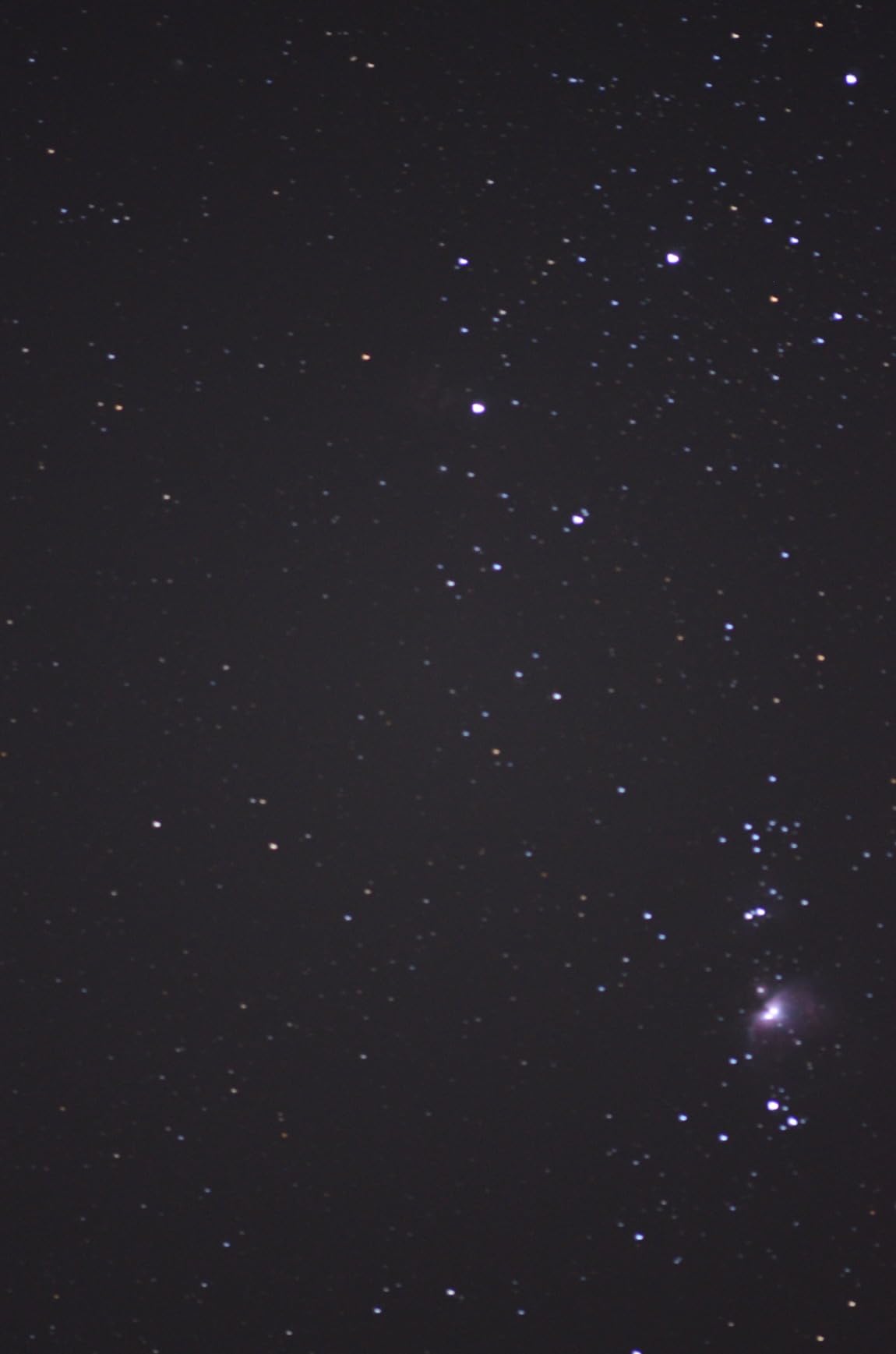
The thing that surprised me was how much it helped emission nebulae specifically. Reviewers consistently mention a lift in faint red nebulosity on unmodded bodies, which makes sense, since hydrogen-alpha sits right at the red end that this glass preserves.
It is also the filter that asks least of your setup. No filter wheel, no back focus worries, no doubling of exposure length. It threads onto a 67mm lens and you shoot the same way you always did.
Who it suits
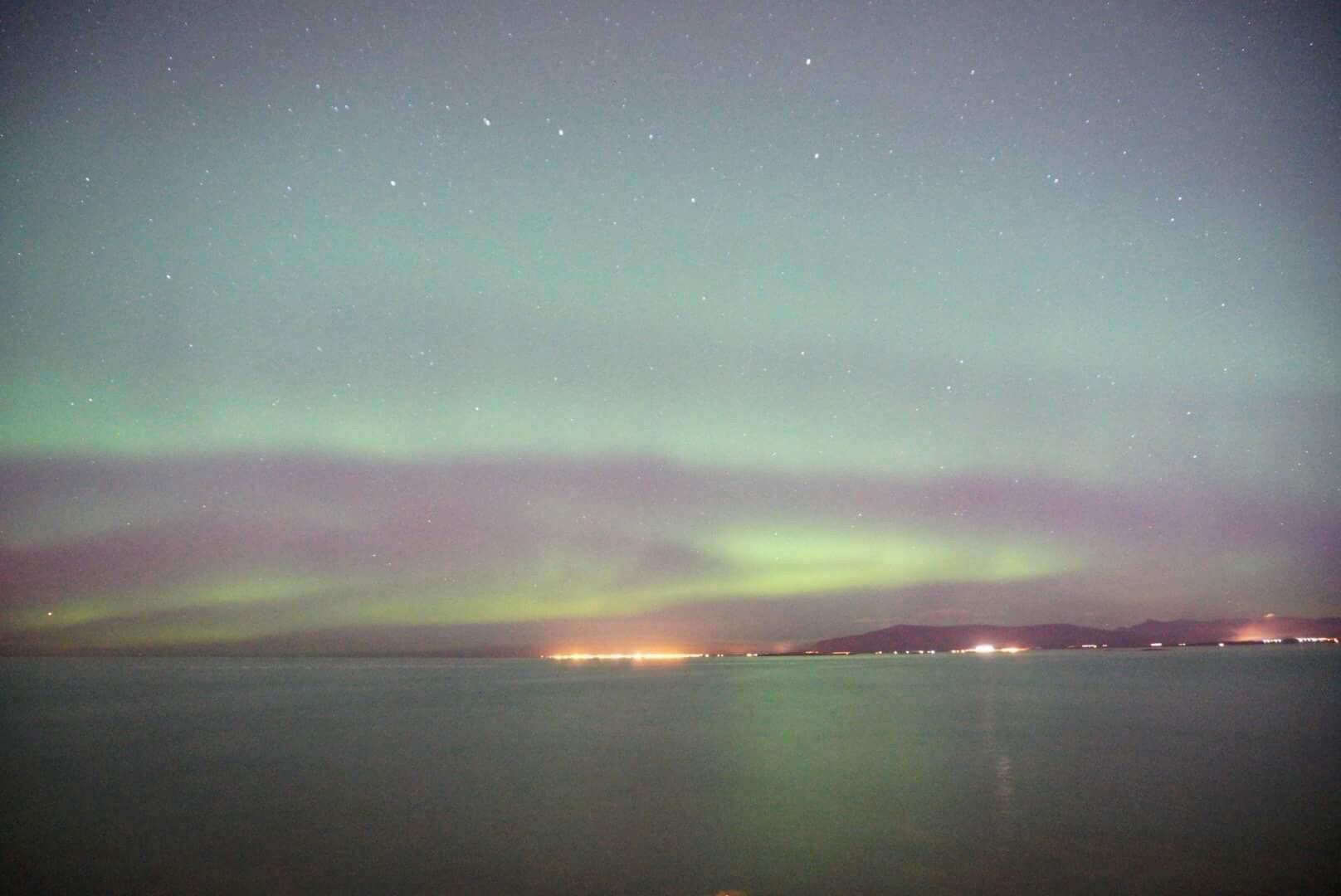
If you are photographing the Milky Way, an aurora, or a night cityscape with a fast wide lens on a DSLR or mirrorless body, this is close to a no-brainer. Owners report it cutting editing time because the raw file comes out closer to colour-true.
It is also a sensible first filter for anyone who shoots red-dominant targets and does not want to change how they work.
Who should skip it
If your problem is a Bortle 8 or 9 sky and your target is an emission nebula, a dual-band narrowband filter will beat this decisively. The didymium glass removes a band; the narrowband filter removes almost everything.
Also check your lens before you order. This is a 67mm thread, and 55, 58, 72, 77 and 82mm versions exist but a step ring costs you corner sharpness.
2. SVBONY SV220 7nm Dual-Band Nebula Filter, 2 Inch
SVBONY SV220 Telescope Filter, 2″ 7nm Dual-Band Nebula Filter for Deep Sky
- Over 94% transmission across both emission lines
- Makes narrowband imaging possible on one-shot color CMOS
- M48x0.75 thread fits standard 2 inch adapters
- Spectrum diagram included in the box
- Cannot be used with telescopes faster than f/4
- Not for visual observing or solar imaging
- Longer exposures needed than a broadband filter
This is the filter that answers the question most people arrive at with. Can you do narrowband-quality astrophotography without a monochrome camera, a filter wheel and an hours-long integration? For emission nebulae, yes.
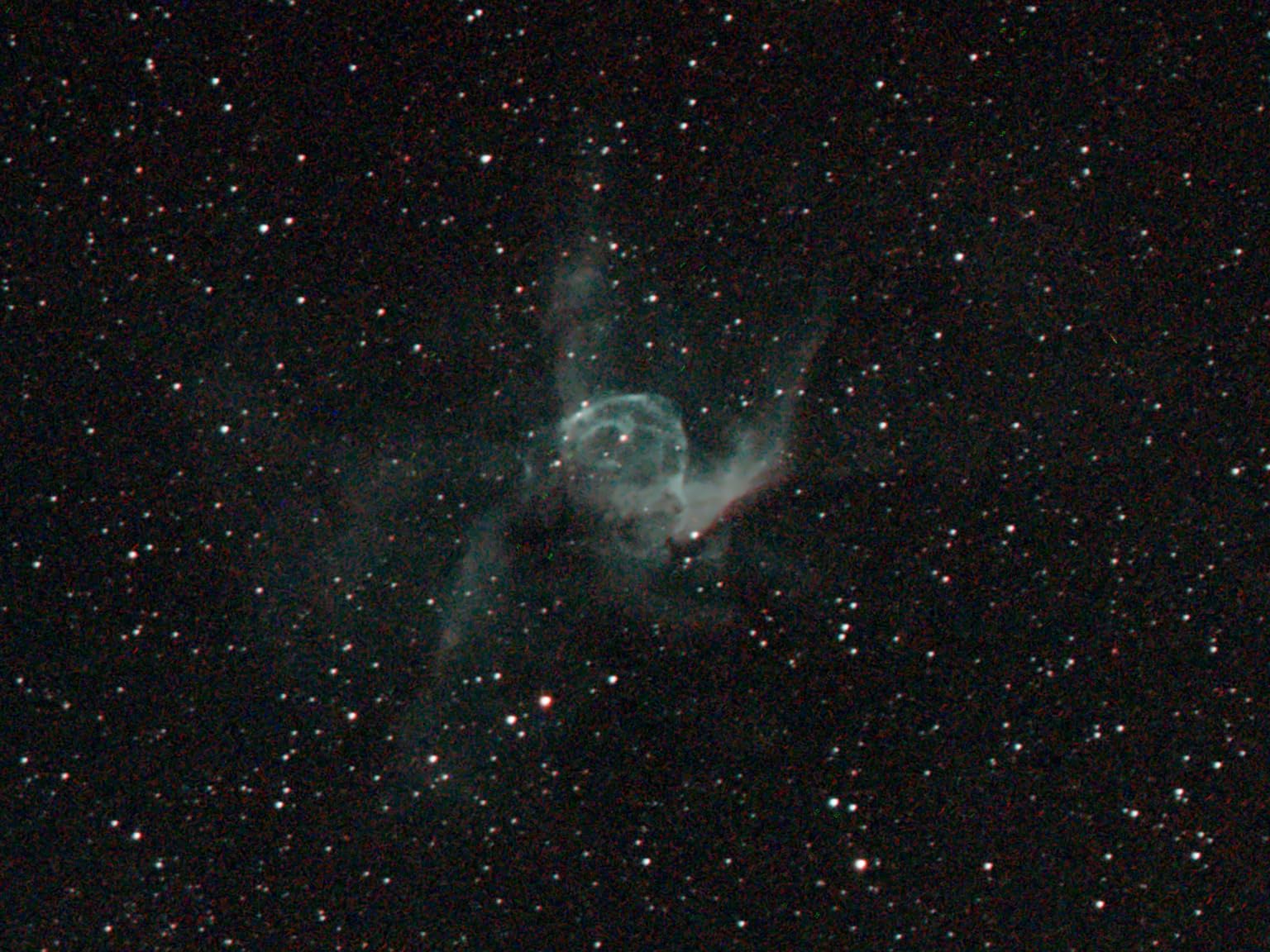
The mechanics are straightforward. Two 7nm windows, one at hydrogen-alpha 656.3nm and one at oxygen-III 500.7nm, with over 94% transmission and strong out-of-band rejection between them. Everything else, including almost all skyglow, does not get through.
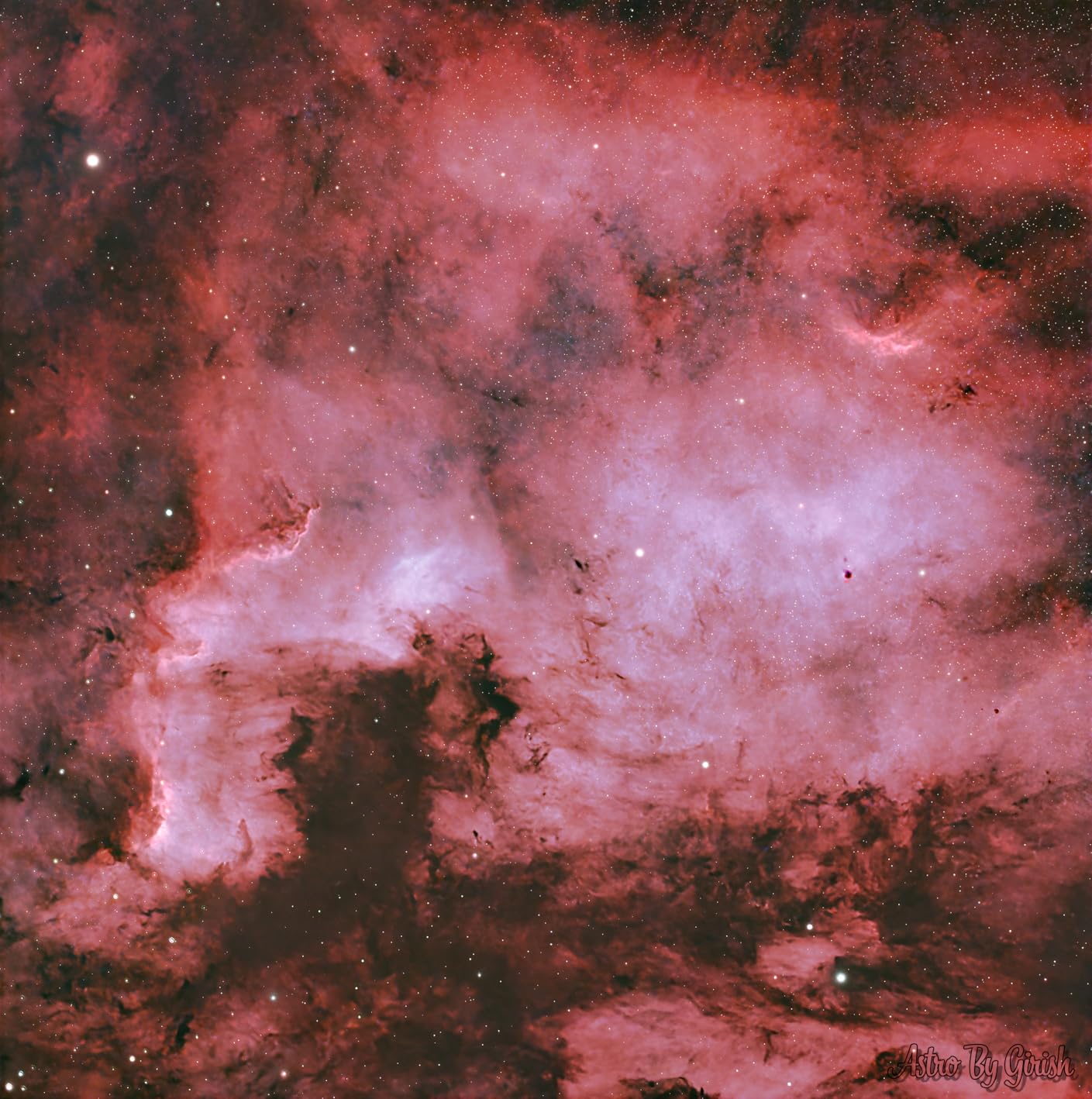
Owners imaging with one-shot color CMOS report clean, high-contrast frames that hold up even under a full moon, which is the strongest practical endorsement this category gets. A 3nm version exists too, for people who want maximum rejection and have the focal ratio to support it.
Build quality is unremarkable in the best way: anodized aluminum, waterproof optical glass, 30g, standard M48x0.75 thread that drops straight into a 2 inch camera adapter or filter wheel.
Check your focal ratio first
This is the single most common regret buyers report. The filter is specified for optical systems no faster than f/4. A fast astrograph will throw the off-band light back at you and you will see it as background haze.
There is also an explicit exclusion for smart telescopes, so if that is your rig, look elsewhere.
Who it suits
Anyone shooting emission nebulae from a suburban or city sky on a one-shot color camera. The colors you get back need less work than a broadband frame and the background is already dark.
It also pairs well with a mono rig, where it serves as a single wide dual-narrowband option when you do not want to run a full three-filter SHO sequence.
3. NEEWER 1.25 Inch Eyepiece Filter Set, 10 Piece
- Covers UHC starglow lunar and planetary work in one purchase
- Variable polarisers stack into a variable ND2-2000
- Threaded aluminium casings with clean glass
- Case keeps filters protected and identified
- The UHC member is weaker than a dedicated UHC filter
- Polarising element arrives as two screw-together pieces
- Set skews toward lunar and planetary rather than deep-sky imaging
Nobody buys a ten-pack for astrophotography, and I am not going to pretend otherwise. What they buy it for is visual observing across every target type from one case that fits in an eyepiece pouch.
Inside you get five planetary colour filters, a starglow filter that blocks 589nm, a 13% transmission lunar filter, a variable polarising pair and one UHC filter. The polarisers are the part reviewers single out repeatedly.
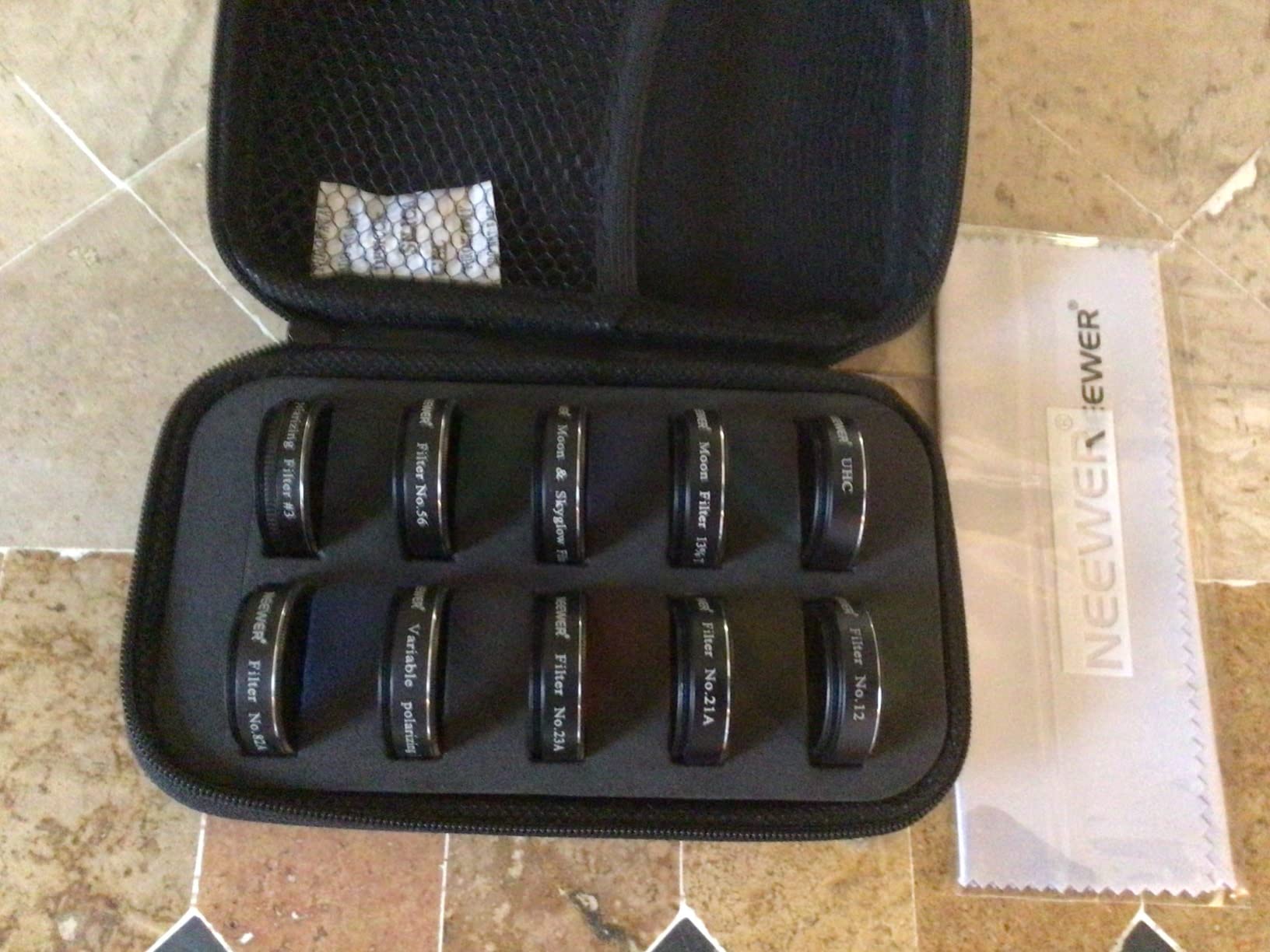
That is a lot of capability for one purchase, and the build quality, threading and glass draw consistent praise as better than the price suggests. The zipline case is a genuinely useful touch rather than a gimmick.
The one filter here that matters for our topic is the UHC. In heavy light pollution it improves contrast only modestly, and reviewers note that filters of any kind work best above roughly 4 inches of aperture.
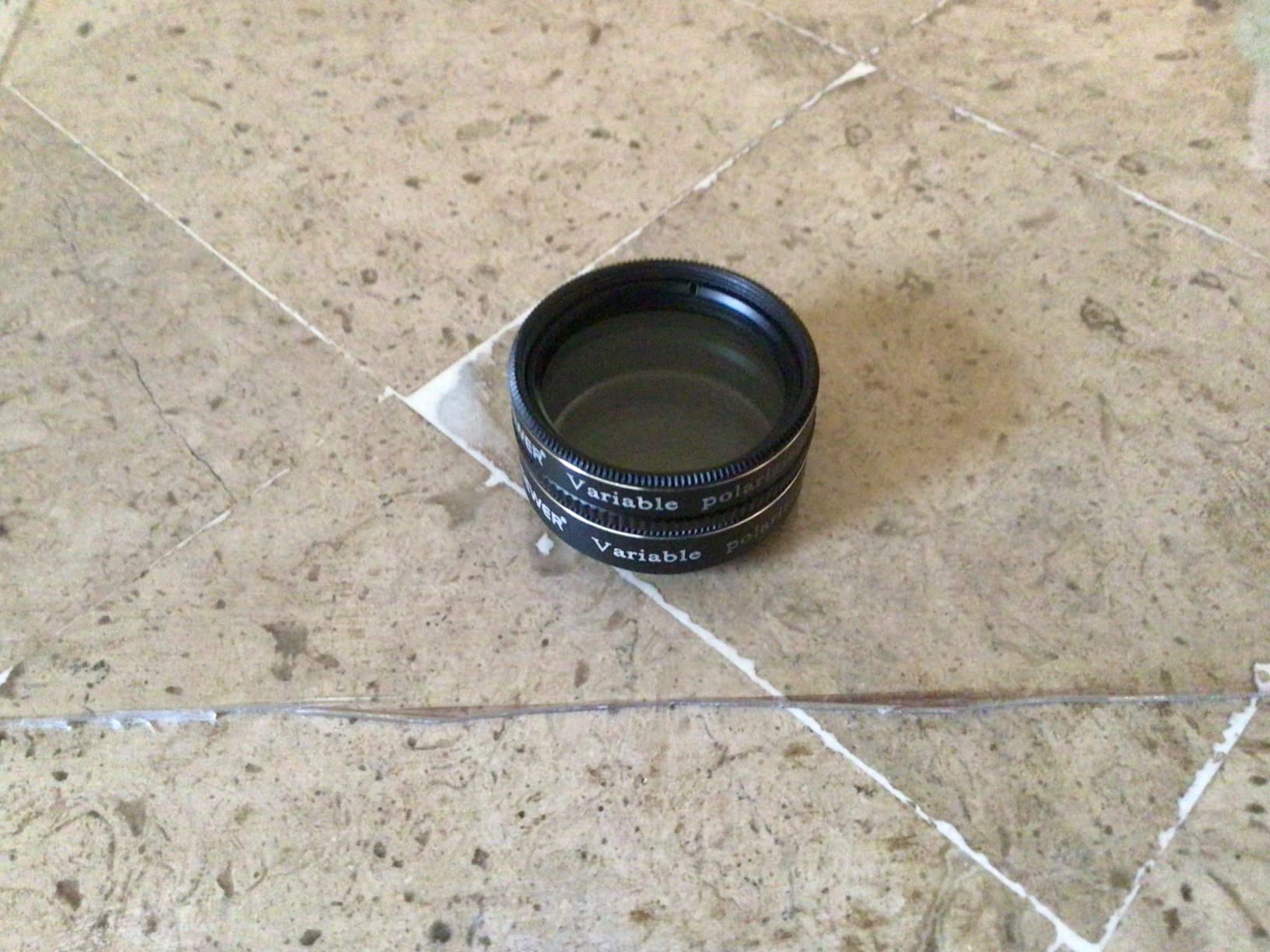
What it is genuinely good at
If you observe rather than shoot, this is the pick. Doubling the polarisers gets you from 40% transmission down to 1%, which covers lunar and planetary work, and the five colour filters handle Jupiter and Mars detail.
It is also a good gift-level purchase for someone starting out who has not yet decided which way their interest leans.
Where it falls short
As a light pollution purchase it is compromised by design. The UHC in this kit is weaker than a dedicated one, and the set is weighted toward lunar and planetary use rather than deep-sky work.
If your goal is imaging, buy one filter deliberately instead of ten at random. Our advice on building a compact kit is similar to how we think about choosing ring light stands: match the tool to the job, not to the size of the box.
4. Optolong L-Enhance 2 Inch Dual Narrowband Filter
Optolong 2″ L-Enhance Dual Narrowband Light Pollution Filter (H-Alpha and H-Beta/O-III)
- Images faint emission nebulae from Bortle 5-9 skies
- Lets unmodded DSLRs use longer exposures without gradients
- Bandpass wide enough for an f/2 astrograph
- Still passes enough light for Bahtinov focusing
- Blocks a lot of light so sub-exposure length roughly doubles
- Not suited to imaging galaxies
- Plastic enclosure rather than machined aluminium
The L-Enhance is the one people argue about most, and the argument is almost always about how much light it blocks. Astrographers working from heavily light-polluted backyards call it a lifesaver for unmodded cameras, because it lets you push longer exposures without building a gradient across the frame.
Unlike the tighter 7nm designs, this one passes hydrogen-alpha plus H-beta and O-III with a bandpass broad enough to survive fast optics. Several reviewers note it compares favourably to the L-Pro and to narrower dual-band filters specifically because of that width.
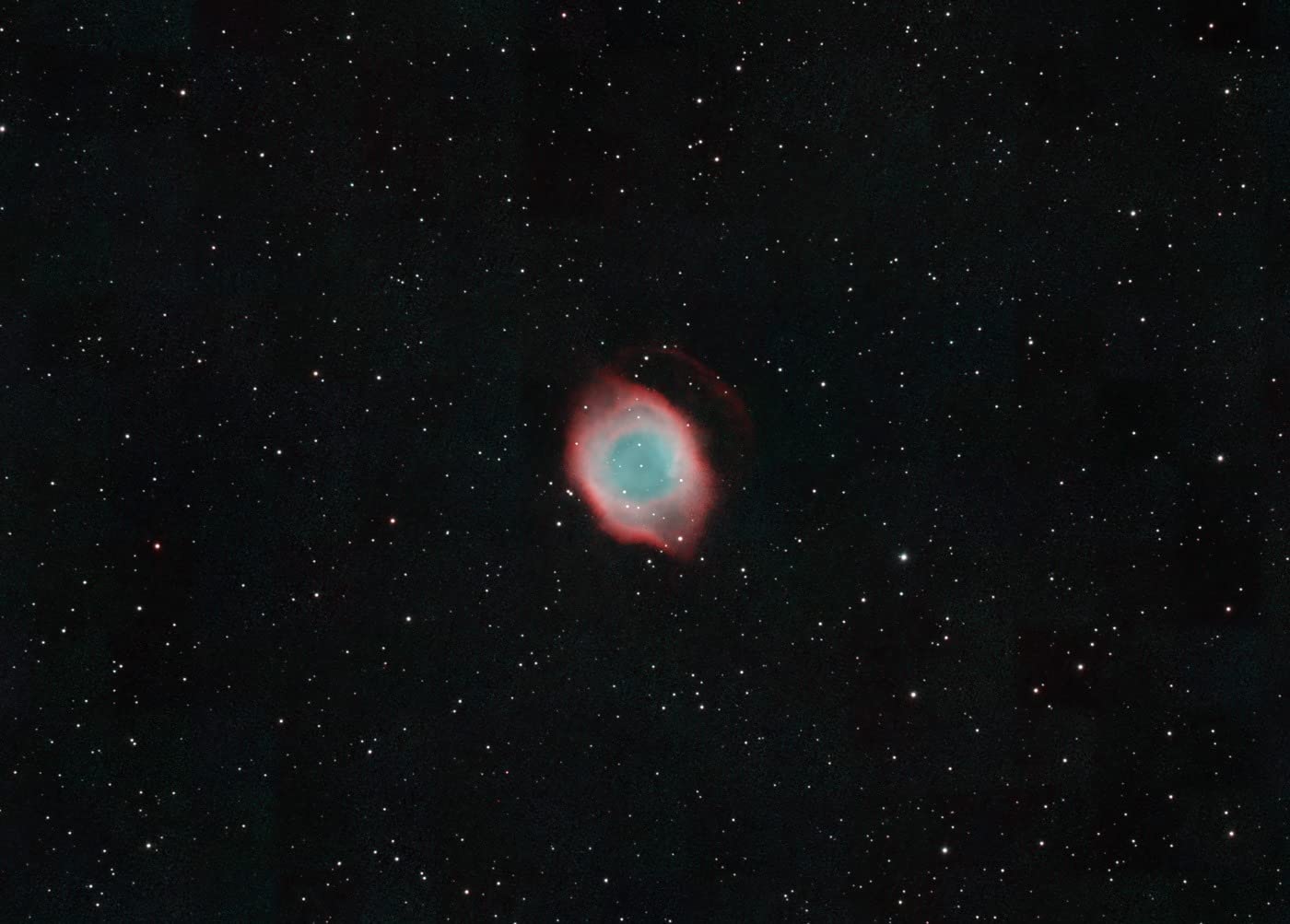
The one genuinely useful aside came from a review of achromatic telescopes: it reduces blue star halos, which those refractors produce badly. If that is your optical train, this has a second job.
The cost is integration time. Sub-exposures need to be roughly double what they were unfiltered, and that is a real budget consideration for anyone with limited clear-sky hours.
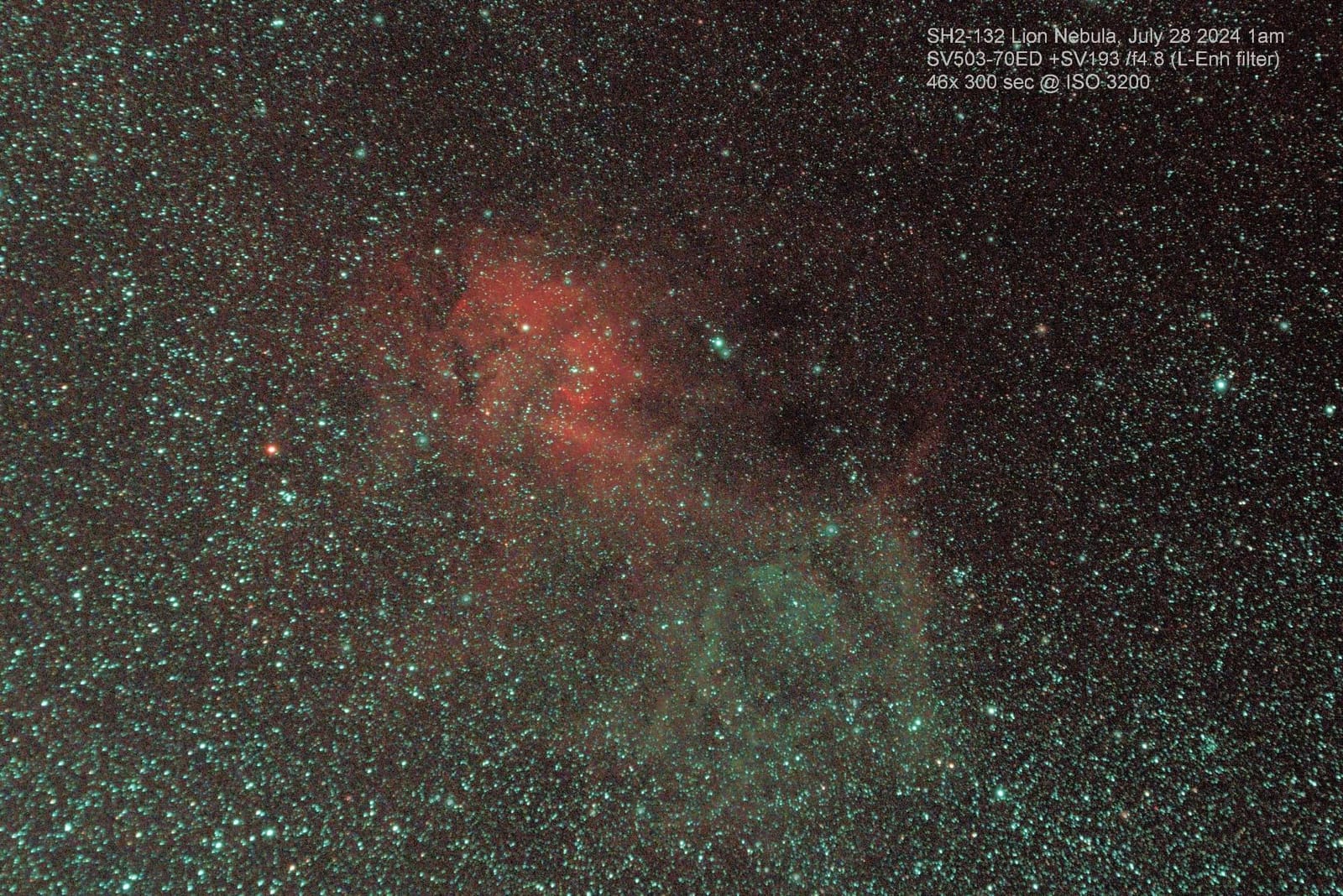
Who it suits
Unmodded DSLR and one-shot color users on Bortle 5 to 9 skies who want nebulae to be the answer rather than the exception. The broad bandpass also means it is one of the few narrowband options that focuses easily with a Bahtinov mask.
It is also the pick if you run a fast astrograph and want a filter that will not choke on it.
Who should skip it
Anyone whose list leans toward galaxies, and anyone counting clear nights rather than photons. If your sky is only moderately bright, a broadband option will give you more usable signal per hour.
The plastic enclosure is worth noting if you are used to machined aluminium cells, though it does not appear to hurt optical performance.
5. Optolong L-Pro 2 Inch Light Pollution Filter
- Precise roll-off at pollutant emission lines preserves nebula signal
- Broader passband images a wider range of targets
- Focuses more easily than dual-band alternatives
- Machined cell with black anodized finish kills reflections
- Still passes more skyglow than a dual narrowband filter
- 2 inch thread limits it to larger imaging trains
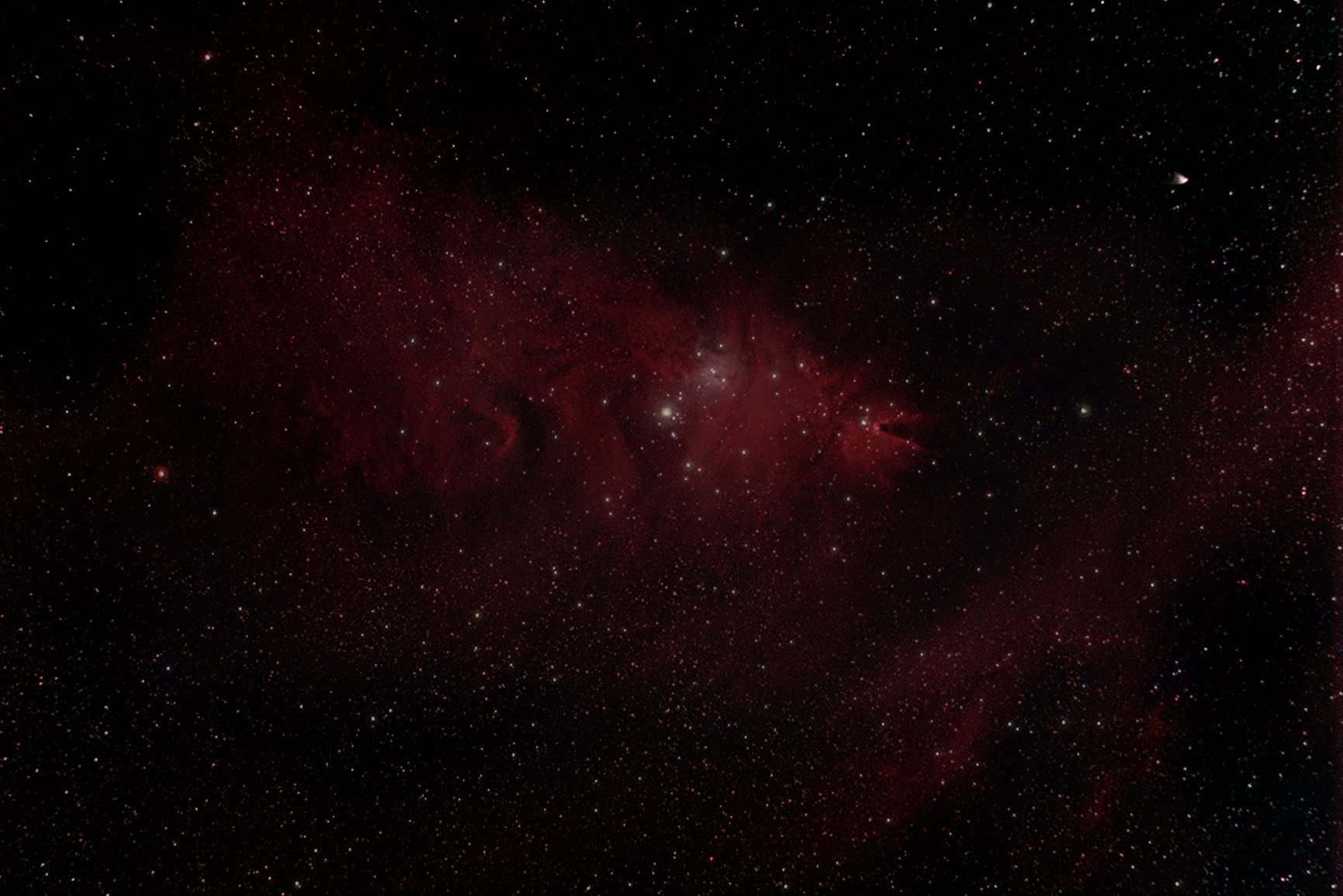
The L-Pro sits in the middle of the range on purpose. Where a dual-band filter commits to two windows, this one passes a broad multi-band spectrum and simply turns off the known pollutant lines with a sharp roll-off.
Owners imaging emission nebulae from suburban skies report the wider passband makes focusing and framing noticeably easier than narrower alternatives while still holding contrast well. That ease of use is the reason it keeps showing up as a recommendation.
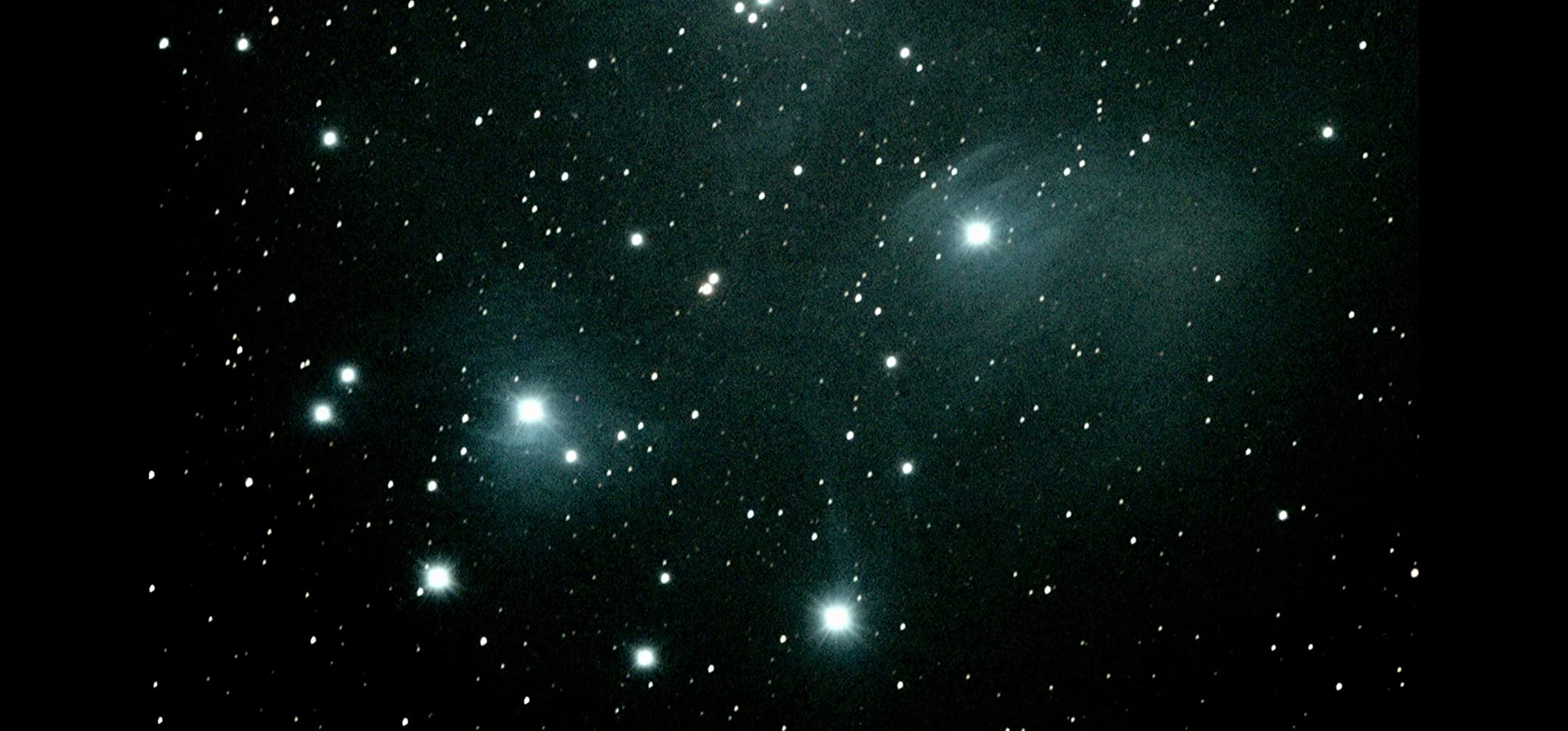
Build quality is a genuine differentiator at this level. The CNC machined aerospace grade aluminium cell with a black anodized finish extinguishes internal reflections, which is exactly where cheaper cells leak skyglow back into the frame.
The multi-layer anti-reflection coating also minimises flare on bright stars, something that shows up in every long exposure from a bright site.
Who it suits
Anyone whose targets are mixed. If you shoot some emission nebulae, some clusters and occasionally a galaxy, this does all three without the target-specific frustration of a narrowband filter.
It is also a good first serious astro filter for someone with a 2 inch refractor who wants a step up without committing to a mono rig.
Where it stops short
Under a genuinely bright sky you will lose contrast to a dual-band filter, and no amount of stacking fully recovers that difference. It is a suburban and mid-sky tool rather than a city tool.
Note the 2 inch M48 thread. It will not fit a 1.25 inch train without an adapter.
6. K&F CONCEPT 67mm Clear Natural Night Filter
K&F CONCEPT 67mm Clear Natural Night Filter Pollution Reduction
- Ultra-slim frame avoids vignetting on wide and telephoto lenses
- 28 multi-layer coatings on both sides
- Waterproof oil-resistant and scratch-resistant coatings
- Highest review count in this group
- Clear glass mainly reduces skyglow rather than boosting nebula contrast
- Needs the exact thread size to match your lens
This is the highest-volume filter in the group, with review counts well ahead of anything else we looked at, and the reason is that it is a general-purpose night filter rather than a specialist one.
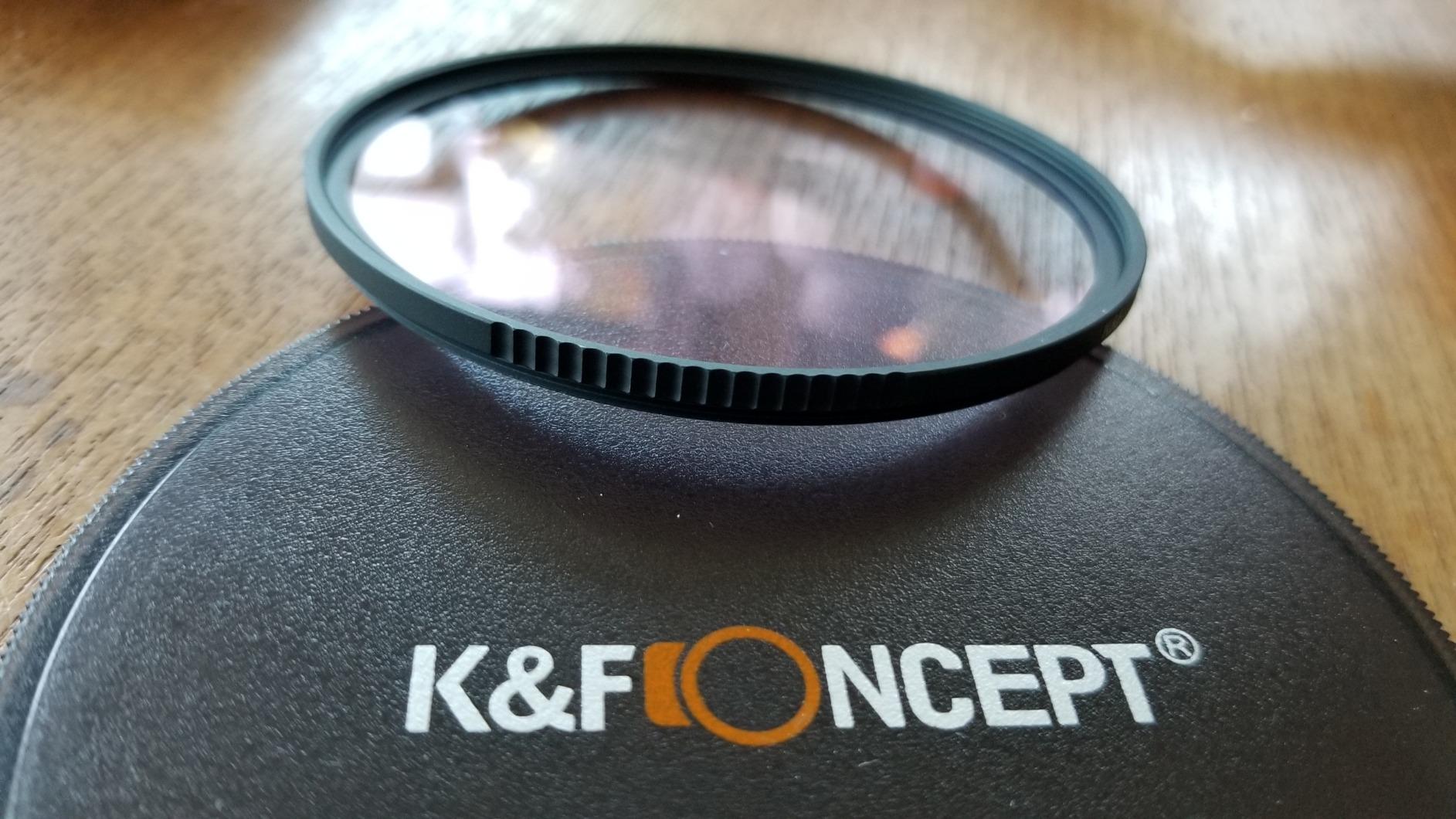
Unlike the amber didymium glass, this is clear glass with 28 multi-layer nano coatings. It will not impart a strong colour cast, which owners consistently praise for accurate colour reproduction, and it does not obviously read as a filter in the raw file.
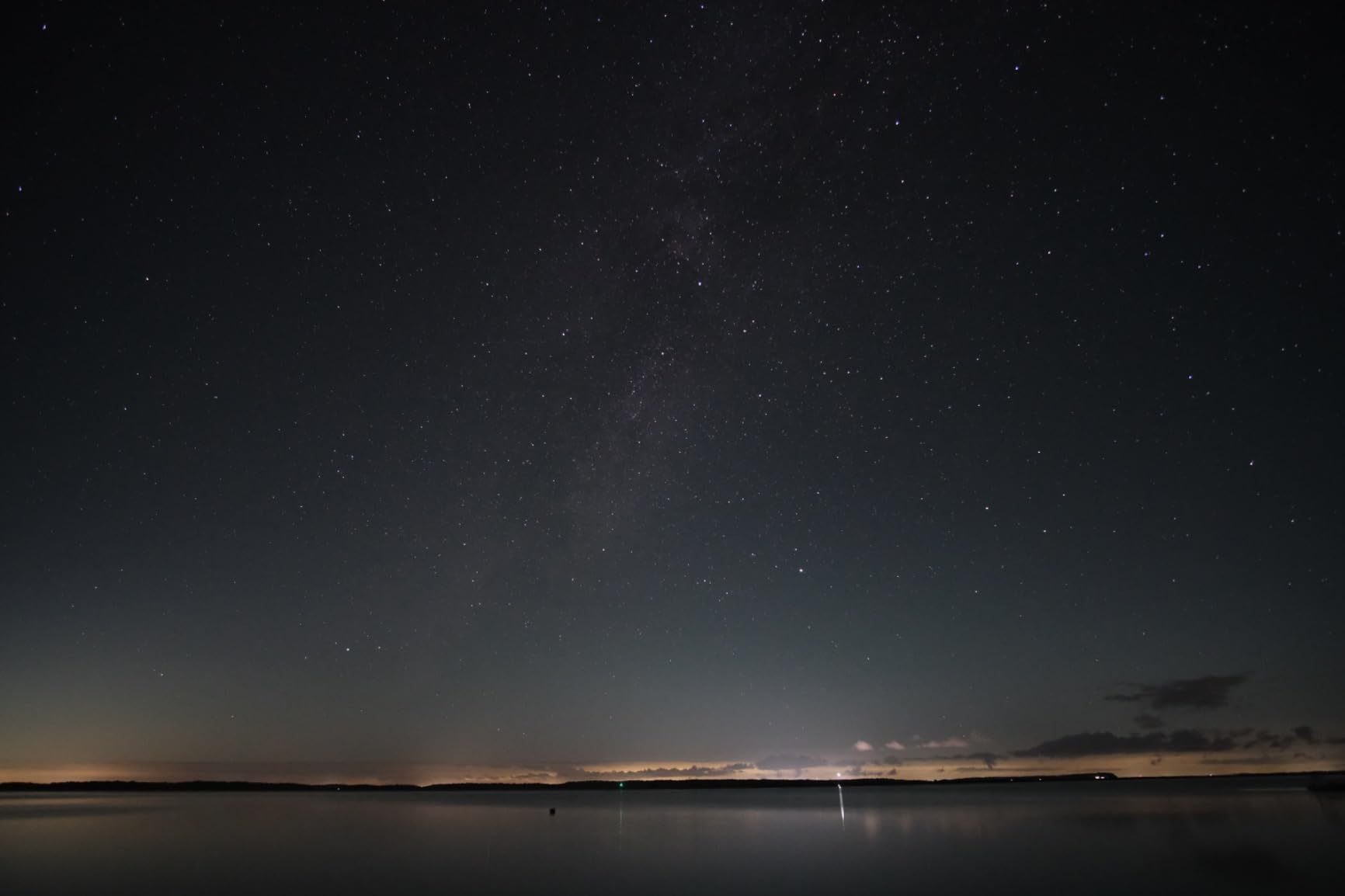
The 0.15 inch ultra-slim frame is the detail that matters most in practice. Thin rings do not darken corners on wide lenses, and that problem is the main reason people reject lens filters entirely.
Sizes run from 49mm to 82mm, so it is likely you will find your thread, and the coatings are described as waterproof, oil-resistant and scratch-resistant.
Who it suits
Photographers who want cleaner night frames without a colour shift. If you are stacking it or already run a graduated neutral density, the no-cast glass plays nicely alongside.
It is also the safest recommendation here for someone who has never used a filter and is nervous about committing to strong coloured glass.
What it will not do
Be honest about the expectation. This reduces skyglow; it does not deliver the contrast jump of a narrowband filter on emission nebulae. It is a subtle, pleasant improvement rather than a transformation.
Get the thread size right before ordering, because unlike an astro filter there is no universal standard here.
7. SVBONY 1.25 Inch UHC Telescope Filter
SVBONY Telescope Filter, 1.25″ UHC Filter Improve Contrast for Telescope
- Selectively cuts artificial light wavelengths
- Noticeable contrast gain under Bortle 5 to 8 skies
- Does not cut IR response so guide scopes hold guide stars
- Optical glass in a sturdy aluminum case
- Visual improvement is subtle at small apertures
- Broadband 50nm passband is less selective than narrowband
- No matching O-III companion in the range
The UHC is the classic eyepiece filter, and this is the version we would put in an eyepiece case. Owners in Bortle 5 to 8 skies report faint nebulae becoming visible where none were before.
It works by selectively reducing transmission of the wavelengths artificial light produces, which darkens the sky background and improves the contrast of emission nebulae without touching the transmission of the nebula itself very much.
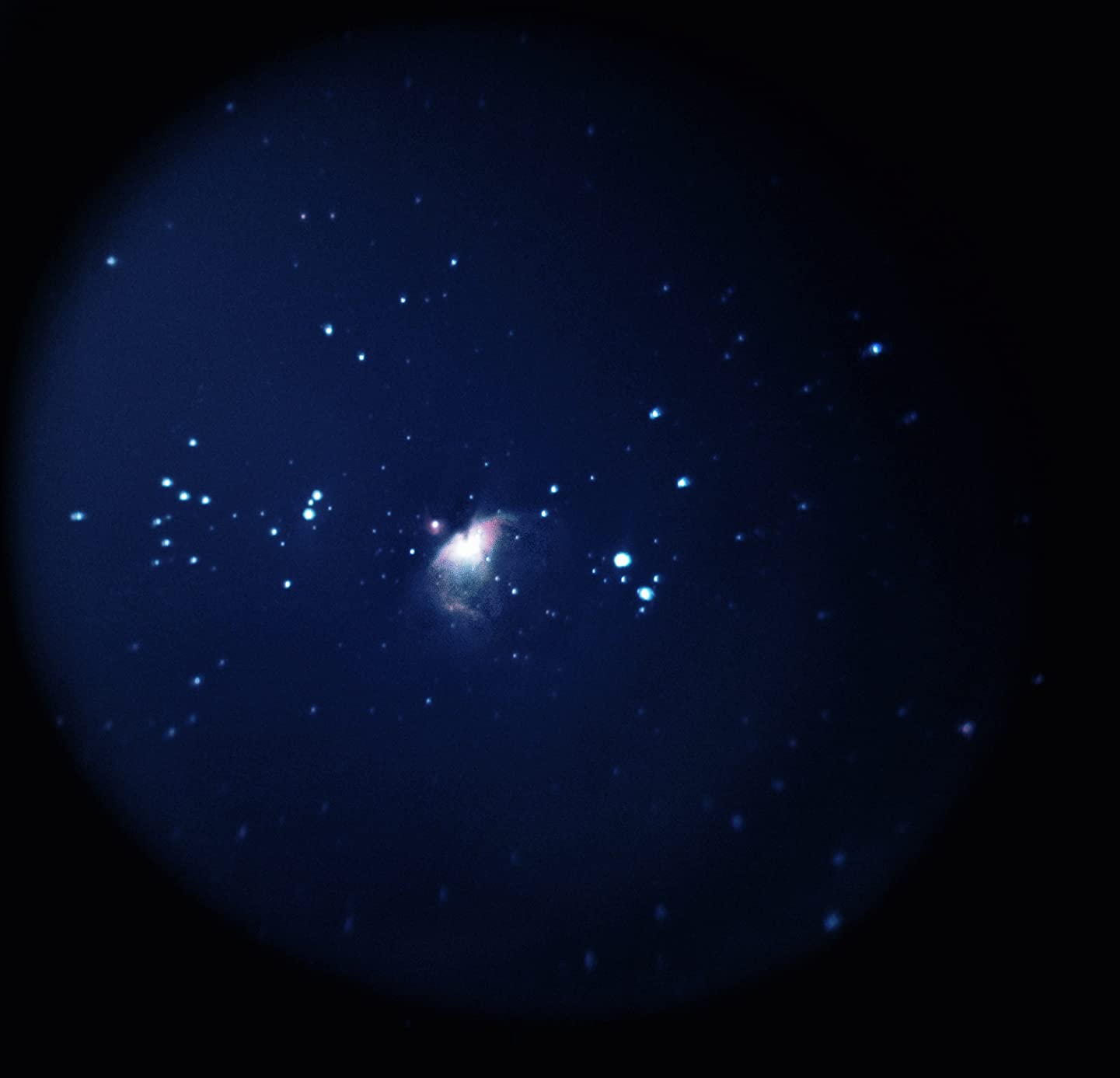
The infrared detail is worth knowing. Because it does not cut IR response, guide scopes tend to hold their guide star through thin cloud, which matters if you are also using it in an imaging train.
A 2 inch version exists for larger instruments, and the optical glass lens sits in a solid aluminum frame with a standard 1.25 inch thread at 40g.
Who it suits
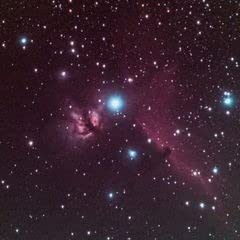
Visual observers on moderate apertures who want more contrast on Orion, the Lagoon or the Swan without changing eyepieces. It is the least demanding filter in this roundup to use correctly.
It is also a reasonable budget choice for imaging through a small refractor with a 1.25 inch camera.
Honest limitations
The passband is roughly 50nm wide, which makes it far less selective than a narrowband design. Expect a modest improvement rather than a dramatic one, and expect less of an improvement at small apertures.
Some users wish a matching O-III filter existed in the same line for pairing on planetary nebulae.
8. Astromania 1.25 Inch UHC Nebula Filter
Astromania Telescope Filter 1.25 Inch UHC Filter Improve Contrast Nebula
- Makes faint emission nebulae visible from city skies
- Anti-reflection coated glass in an aluminum frame
- Standard thread works with refractors reflectors and catadioptrics
- Also useful at dark sites for contrast
- Contrast gains are modest at smaller apertures
- 1.25 inch format suits visual use or very compact imaging trains
This is the entry point we would point a beginner at, alongside the SVBONY UHC. Reviewers confirm that targets like Orion, the Lagoon and the Swan become noticeably more visible from light-polluted locations, with good value noted against premium equivalents.
The optical glass carries anti-reflection coatings in an aluminum frame, and the standard 1.25 inch thread means it drops into refractors, reflectors and catadioptrics without adapters.
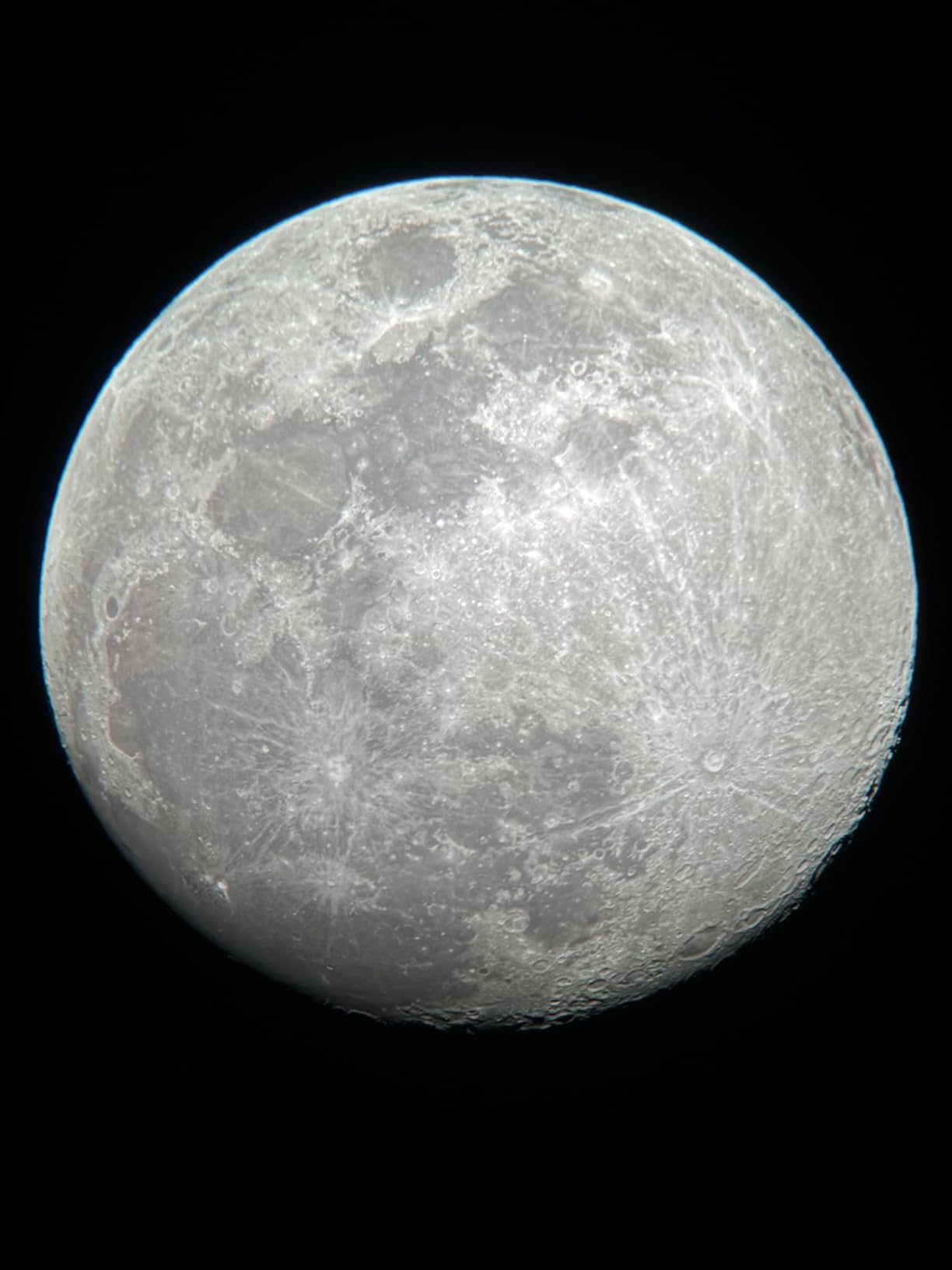
It is also described as useful at dark sites, which sounds counterintuitive but is accurate for visual work: even under a good sky, raising contrast against a slightly brighter-than-ideal background helps faint targets show up.
Ratings cluster slightly below the CLS and dual-narrowband options here, and that tracks the experience accurately. Consistent, modest, useful gains.
Good first filter reasons
At 8.53g it is light enough to carry in an eyepiece pouch, the thread is universal, and the price is low enough that a mistake does not hurt. A 2 inch version is available if you outgrow it.
If you are unsure whether filters interest you at all, this is the least risky way to find out.
When to upgrade instead
If your sky is genuinely bright, a broadband UHC will underperform. The improvement is real but bounded, and you will hit that ceiling quickly.
Also consider that the 1.25 inch format suits visual use or a very compact imaging train. It is not a filter wheel solution.
9. Astromania 2 Inch O-III Narrowband Filter
Astromania O-III Filter 2 Inch Telescope Filter Narrowband Nebula Filters
- Passes doubly ionized oxygen lines at about 95% transmission
- Dramatic improvement on the Veil
- M57 and the Dumbbell
- Each unit individually inspected and inscribed with its measured transmission
- Good value against premium O-III equivalents
- Not effective on hydrogen-dominant targets like M42 or the Horsehead
- Does not attenuate infrared so mono imagers need a separate IR-cut
- Cuts up to a stop of light and renders one-shot color frames green
This is the most specialised filter in the roundup and the most satisfying one to use, because there are only a handful of targets where it is the right answer and on those it is unarguably the right answer.
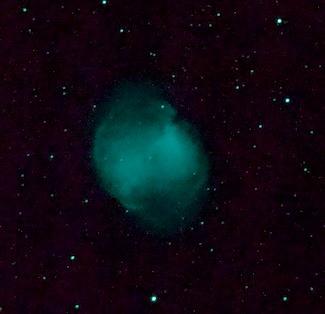
It passes the doubly ionized oxygen lines at 496 to 501nm with about 95% transmission and blocks virtually everything else. Observers report finding the Veil Nebula in seconds from dark skies and describe dramatic improvements over both UHC and unfiltered views on oxygen-rich targets.
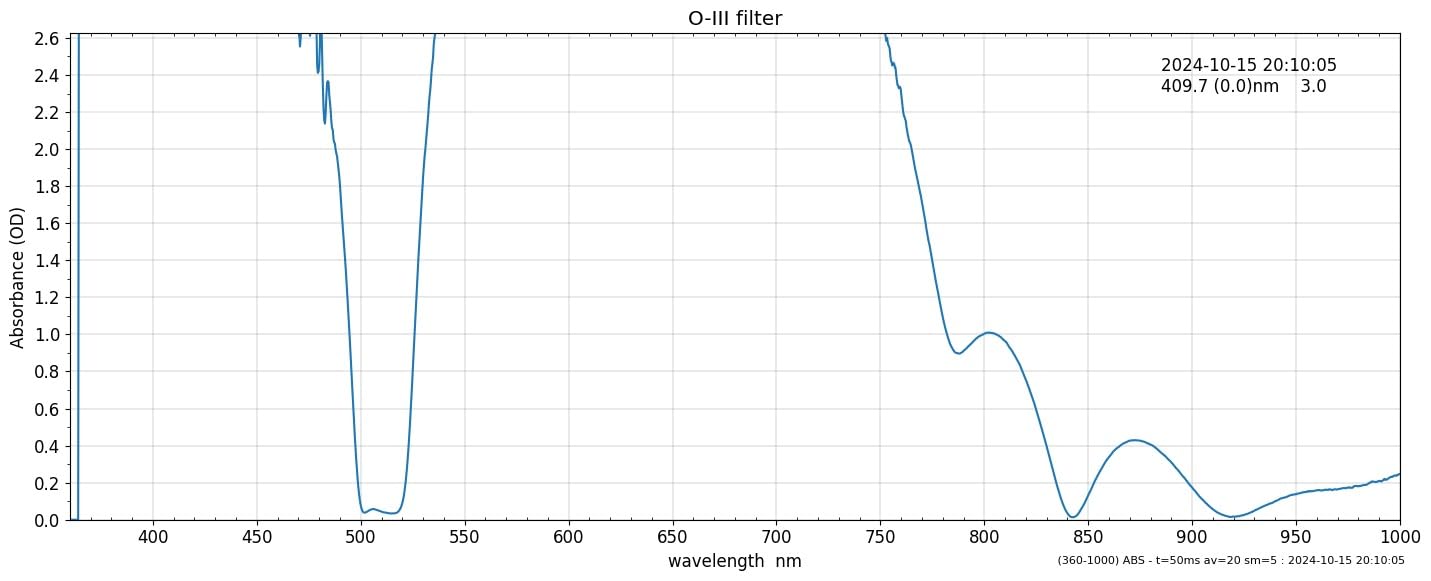
The build detail we like is that each filter is individually inspected and inscribed with its measured transmission percentage, which is a small thing that tells you the manufacturer is actually measuring the output.
Anti-reflection coatings prevent glaring and ghosting, and the dichroic interference glass is available in both 2 inch and 1.25 inch threads.
What it is for
Planetary nebulae and supernova remnants dominated by oxygen: the Veil, M57, the Dumbbell and the Blue Horsehead. On these, the improvement over a UHC is not subtle.
For mono imagers it also works as a targeted filter alongside hydrogen-alpha and sulphur-II in a filter wheel.
Read the exclusions carefully
It is ineffective on hydrogen-dominant targets such as M42 or the Horsehead, so it cannot be your only filter. On one-shot color it renders frames strongly green and costs up to a full stop of light, roughly doubling exposure time.
It also does not attenuate infrared, so mono users need a separate IR-cut filter. And it can throw noticeable star halos on some imaging setups.
10. Celestron 1.25 Inch UHC/LPR Light Pollution Filter
Celestron UHC/LPR Light Pollution Reduction Filter for Telescopes – 1.25″
- Roughly 30% more contrast on emission and planetary nebulae including M42 and M27
- Well-machined aluminum cell with good quality glass
- More all-round than an O-III filter
- Backed by a two year limited warranty
- Reflective cell produces internal glare needing a shielded eyepiece
- Dims some stars and reduces the star count
- Modest difference in small-aperture scopes
- Works better against sodium vapour than LED lighting
This is a long-running Celestron favourite, and the reason is not cutting-edge optics. It is that it is a dependable filter with a warranty behind it, sold in the formats people actually need.
Observers confirm a clear, repeatable contrast gain on nebulae from city and suburban skies, around 30% on emission and planetary targets, with the explicit caveat that it will not remove light pollution outright.
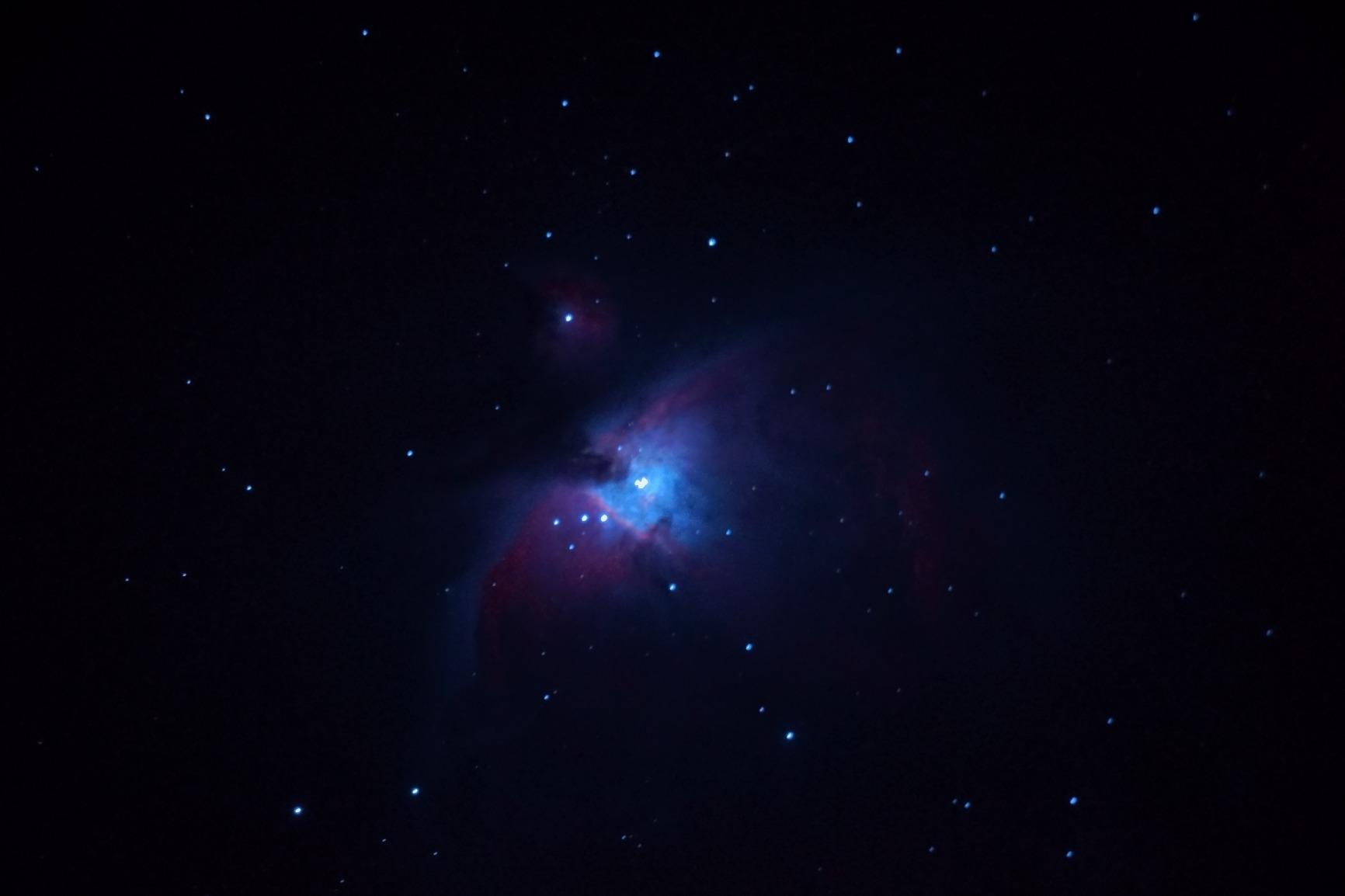
The machined aluminum cell feels solid and holds good quality glass. It is more all-round than an O-III filter, working on both emission and planetary targets, and it ships alongside a 2 inch version and O-III narrowband versions in the same range.
Two year limited warranty from an established optics brand is a genuine advantage over no-name options at a similar cost.
Where it earns its place
For visual observers on a mid-size aperture, it does one job well without asking you to learn bandpass theory. Drop it in, darken the sky, move on.
It is also a sensible companion to a mono rig doing visual between imaging sessions, at 1.25 inch and a light 0.03kg.
The known problems
The highly reflective cell produces internal glare in bright urban conditions, which means the eyepiece needs to be fully shielded or you will lose the gain you came for. It also dims some stars, reducing the star count compared with an unfiltered view.
Users with small-aperture scopes report only a modest difference, and against modern blue-white LED lighting the improvement is smaller than the quoted contrast figure suggests.
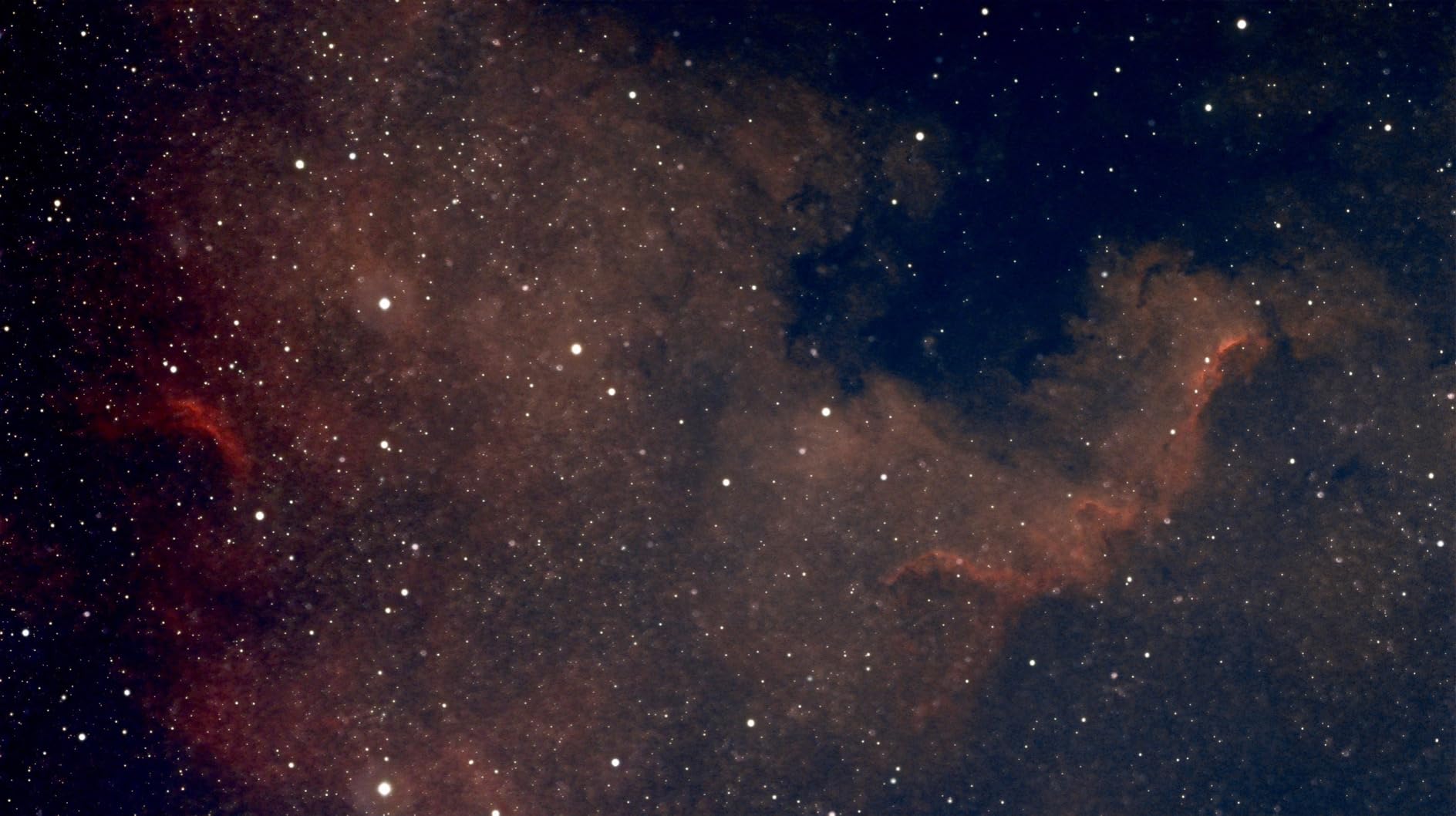
11. SVBONY CLS 1.25 Inch Broadband Filter
- Transmits about 90% of the main nebula emission lines
- Blocks roughly 0.1% of off-band sodium and mercury lines
- Ion-assisted deposition keeps centre wavelength stable with temperature
- Sits in front of a sensor via a 1.25 inch adapter
- Improvement is meaningful but not transformative
- Visual results less impressive than imaging results
- Does not help much against modern LED street lighting
The CLS is the filter most often described as the sensible middle ground, and this one is specified with unusual precision for the money. Owners in very poor suburban skies report a visible increase in Orion contrast and detail.
The specification that matters is the pair of transmission figures. About 90% passes at the Ha, OIII, SII and H-beta emission lines, while roughly 0.1% passes at the Na 589nm and Hg 435 and 578nm off-band lines that create urban skyglow.
That ratio is the whole design brief in two numbers, and it is why the filter can be used on an unmodified DSLR or colour CCD camera rather than only in a mono train.
The ion-assisted deposition coating holds the central wavelength stable as temperature changes, which is worth caring about on a long winter imaging run when the scope has been outside for hours.
When it is the right buy
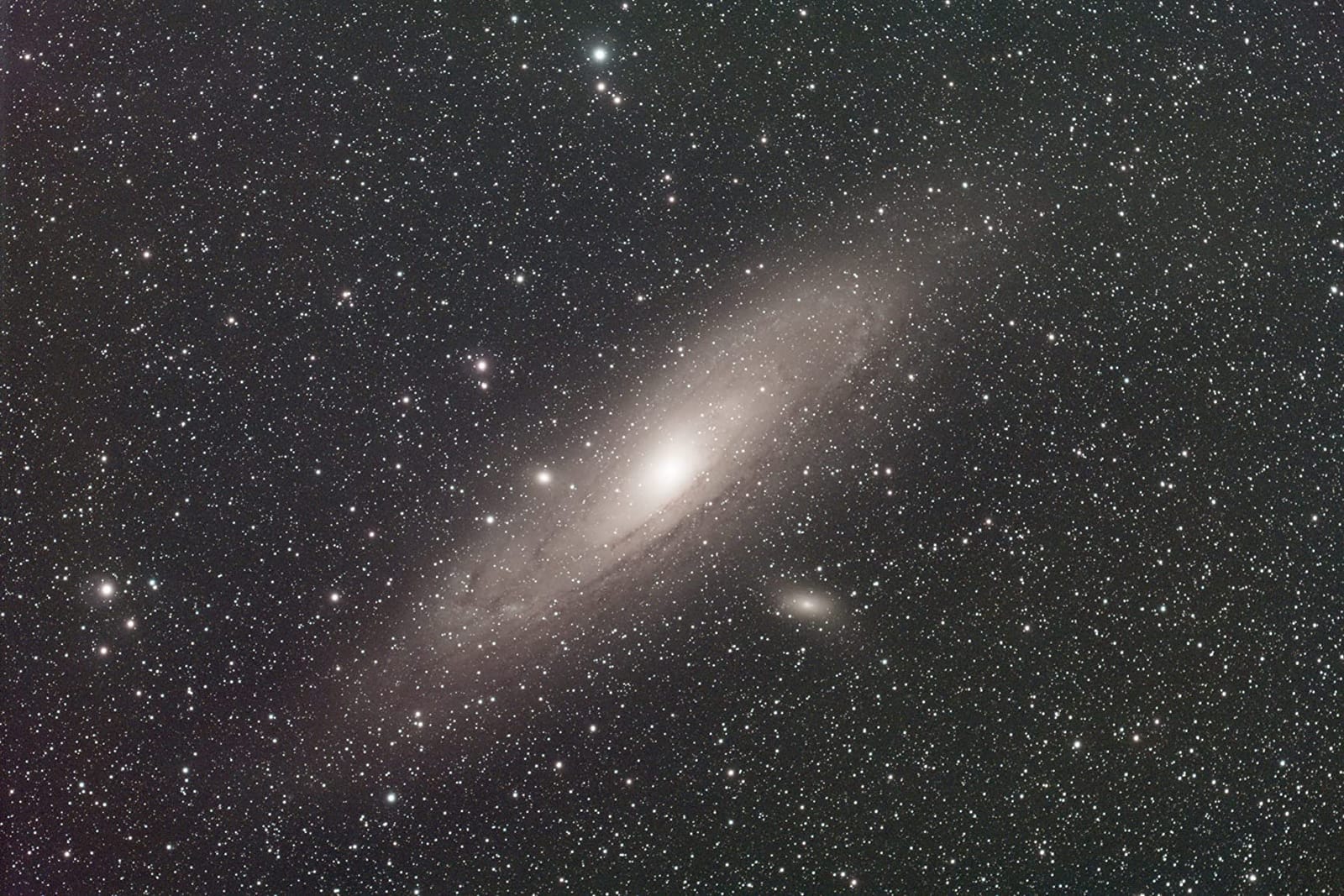
It suits mixed targets and mixed cameras. If you shoot galaxies sometimes and nebulae other times, this improves both without the target-specific compromise a narrowband filter forces.
The 1.25 inch format is also the more accessible one, since it fits a simple adapter in front of a camera rather than demanding a filter wheel.
Manage your expectations
Some reviewers arrived expecting a bigger jump and found the gain modest, particularly for visual work. That is a reasonable expectation to reset before buying.
And against modern LED street lighting the honest verdict is that it does not help much. It is a sodium-and-mercury-era design that still performs usefully on nebulae.
12. Urth 77mm Neutral Night Lens Filter Plus
- Cuts the warm glow of light pollution for better night detail
- Neodymium glass with 20-layer CoraNano coating
- Ultra-slim rim eliminates vignetting
- Truer colours and easier white balance cut post-production work
- Must be matched to the exact lens thread size
- 77mm is a large diameter that can vignette on some wide lenses
- One unit arrived with machining particles on the glass
Night and astro photographers confirm the Plus+ removes the yellow streetlight cast and makes skies render more cleanly, with several reporting they bought additional sizes to match a second body. That repeat-purchase rate is the strongest signal a product in this roundup can produce.
It is neodymium glass rather than classic didymium, which is why it delivers what owners describe as truer colours and easier white balance instead of the amber cast some didymium filters impose.
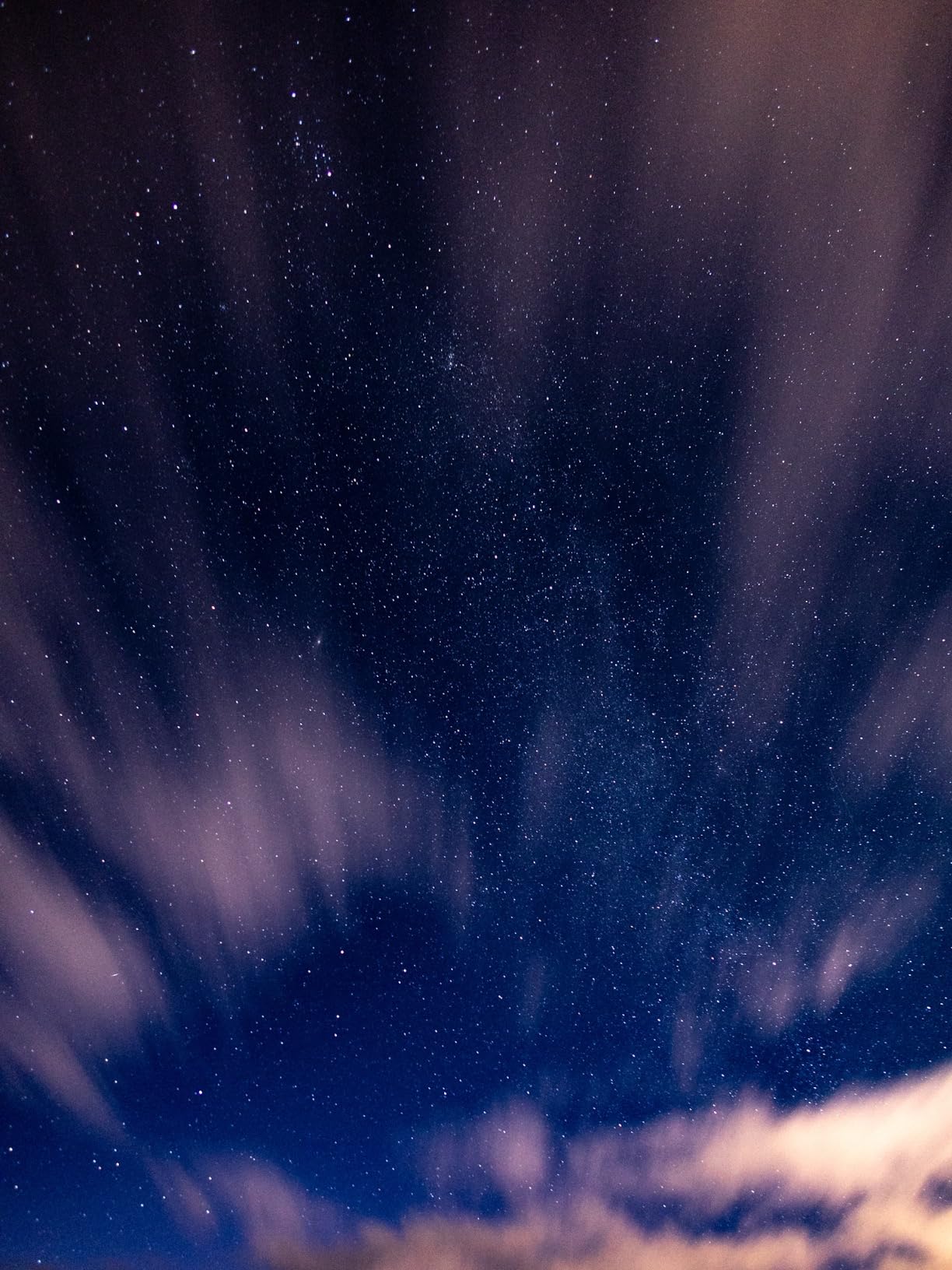
The 20-layer CoraNano coating gives low reflectivity and good durability, and the ultra-slim rim is designed specifically to eliminate vignetting. Build quality is praised, including comparisons favourably against Hoya and Marumi at lower cost.
There is also a sustainability angle worth noting, since each filter sold comes with a tree planted, and reviewers consistently mention the packaging quality.

Good reasons to buy
If your problem is a warm cast rather than a genuinely bright sky, neodymium glass is the right chemistry. It reduces editing time because the raw file starts closer to neutral.
It also works as a night photography filter for cityscape work, which is outside our astrophotography focus but where the same physics applies.
What to watch out for
Size is the real constraint. You need the exact thread diameter, and 77mm is large, which means it can vignette on shorter wide lenses despite the slim rim.
There was one report of a unit arriving with machining particles on the glass and shedding foam insert, so inspect it on arrival. The magnalium body is backed for life, which softens that particular risk.
How to Choose a Light Pollution Filter
Start with your sky, not with the filter. Everything else follows from how bright your backyard is and what you are trying to photograph.
Match the category to your Bortle class
Under a Bortle 1 to 4 sky, most people photographing broadband targets need no filter at all. Adding one just removes signal for no gain, and that is the honest answer to the frequent question of whether filters help under dark skies.
At Bortle 5 to 6, a broadband or tri-band category filter is the right call. The SVBONY CLS, the Optolong L-Pro and the Optolong L-Enhance all sit here, and they will improve emission nebula contrast without extending your integration dramatically.
At Bortle 7 to 9, you want dual-band narrowband. The SVBONY SV220 and the Optolong L-Enhance are built for exactly this, and a mono rig running separate hydrogen-alpha, OIII and SII filters goes further still.
Decide OSC or mono first
This single choice determines more than any other. A one-shot color camera has red, green and blue pixels sharing one sensor, so a dual-band filter that only passes Ha and OIII produces a distinctive red and teal palette from a single sensor.
A mono camera with a filter wheel lets you shoot each line separately and combine them into a natural-colour SHO image. That is the highest-quality route, but it costs hardware, time and a much larger learning curve.
Get the format right before you buy
Camera lens filters use thread diameters: 49, 52, 55, 58, 62, 67, 72, 77 and 82mm are the common ones. The Hoya Starscape, K&F CONCEPT Clear and Urth Neutral Night are all in this category.
Astronomy filters use inch threads instead. A 1.25 inch filter is 31.75mm and fits eyepieces and small imaging trains through a simple adapter. A 2 inch filter uses an M48x0.75 thread and is what filter wheels and serious imaging trains expect.
Clip-in filters for Canon EOS-R, Nikon Z and Sony Alpha bodies sit in front of the sensor inside the camera, which is convenient but narrows your choice considerably. Back focus also matters: a filter wheel on a fast refractor can push the correct spacing and leave you unable to achieve focus with a common adapter.
Check four specs before checkout
Look for a published transmission curve rather than a marketing claim. Bandpass width tells you the selectivity trade. Coating quality determines flare and ghosting. Frame thickness determines vignetting on fast wide lenses.
We use the same checklist logic when comparing shower head filters: check the spec sheet against your actual constraint, not against a generic recommendation.
When a Filter Is the Wrong Answer
Some of the most useful advice on this topic comes from the forums rather than the manufacturers, and it is worth repeating because it saves real money.
A long-running StargazersLounge thread puts it plainly: the best light pollution filter is to put your scope in the car and drive away from the light to a dark site when that is possible. A photographer who used an LP filter once and never touched it again made the same call, recommending spending the money on a drive to darker skies instead.
That advice holds when your targets are broadband. For emission nebulae from a bright site, a narrowband filter genuinely does things travel cannot, because it separates the signal spectrally rather than just reducing it.
For everything else, three alternatives do real work. Shoot raw and correct white balance in post, pushing colour temperature until the frame stops reading brown or red, roughly 2900K in the city against 4600K or higher under dark skies. Stack more subs, since longer total integration recovers signal-to-noise no filter can match. And frame your shots around dark or gradient regions of sky when your composition allows it.
The same filtering logic shows up well outside astronomy. Our picks for water filters for a bathroom sink and for hard water shower filters come down to the identical question: match the filter to the contaminant, then check the thread size before you order.
Filters are a tool for a specific problem. They are not a substitute for a dark site, and the strongest signal in the research we did was that people who buy the wrong category regret it.
Frequently Asked Questions
What is the best light pollution filter for astrophotography?
The best light pollution filter depends on your target. For emission nebulae from a bright sky, a dual-band narrowband filter such as the SVBONY SV220 7nm or the Optolong L-Enhance gives the biggest contrast gain. For mixed targets and broadband objects, the Optolong L-Pro or SVBONY CLS is the better fit. For Milky Way work on a camera lens, didymium glass such as the Hoya Starscape is the practical choice.
Do light pollution filters still work with LED streetlights?
They work, but not equally across categories. Broadband CLS and UHC filters lose effectiveness against modern blue-white LED lighting because it emits broadly instead of at a few narrow lines. Dual-band narrowband filters are unaffected by that change, since they pass only hydrogen-alpha at 656.3nm and oxygen-III at 500.7nm and reject everything else regardless of the light source.
What size light pollution filter do I need?
It depends on your optical train rather than your camera. Camera lenses take thread sizes such as 49mm, 52mm, 55mm, 58mm, 62mm, 67mm, 72mm, 77mm and 82mm. Eyepieces and small imaging trains take 1.25 inch filters, which are 31.75mm threads. Filter wheels and most refractor imaging trains take 2 inch filters with an M48x0.75 thread.
Is a UHC filter good for galaxies?
Not really. A UHC filter is designed to suppress artificial wavelengths while passing nebula emission lines, and galaxies emit across a broad continuous spectrum. You will lose much of the galaxy signal along with the skyglow. For galaxies, star clusters and reflection nebulae, a broadband filter or no filter at all gives a better result.
Are light pollution filters worth it?
They are worth it when your target is an emission nebula and your sky is bright, because narrowband filters deliver a contrast gain that stacking and processing cannot reproduce. They are not worth it under a dark sky or for broadband targets, where the same filter just removes signal you wanted. Check your Bortle class and target type before buying.
Conclusion
If you shoot with a normal lens and want cleaner night frames, start with the Hoya Starscape. It earned our top spot in the best light pollution filters for astrophotography roundup because it asks the least of your setup and the reviews back it up.
If you shoot emission nebulae from a bright backyard with a one-shot color camera, the SVBONY SV220 is the value pick and the Optolong L-Enhance is the premium one. If you observe rather than shoot, the SVBONY or Astromania UHC will do the job for a modest outlay.
Check your thread size first, and check your focal ratio if you are buying narrowband. Those two details eliminate most disappointing purchases in this category.