
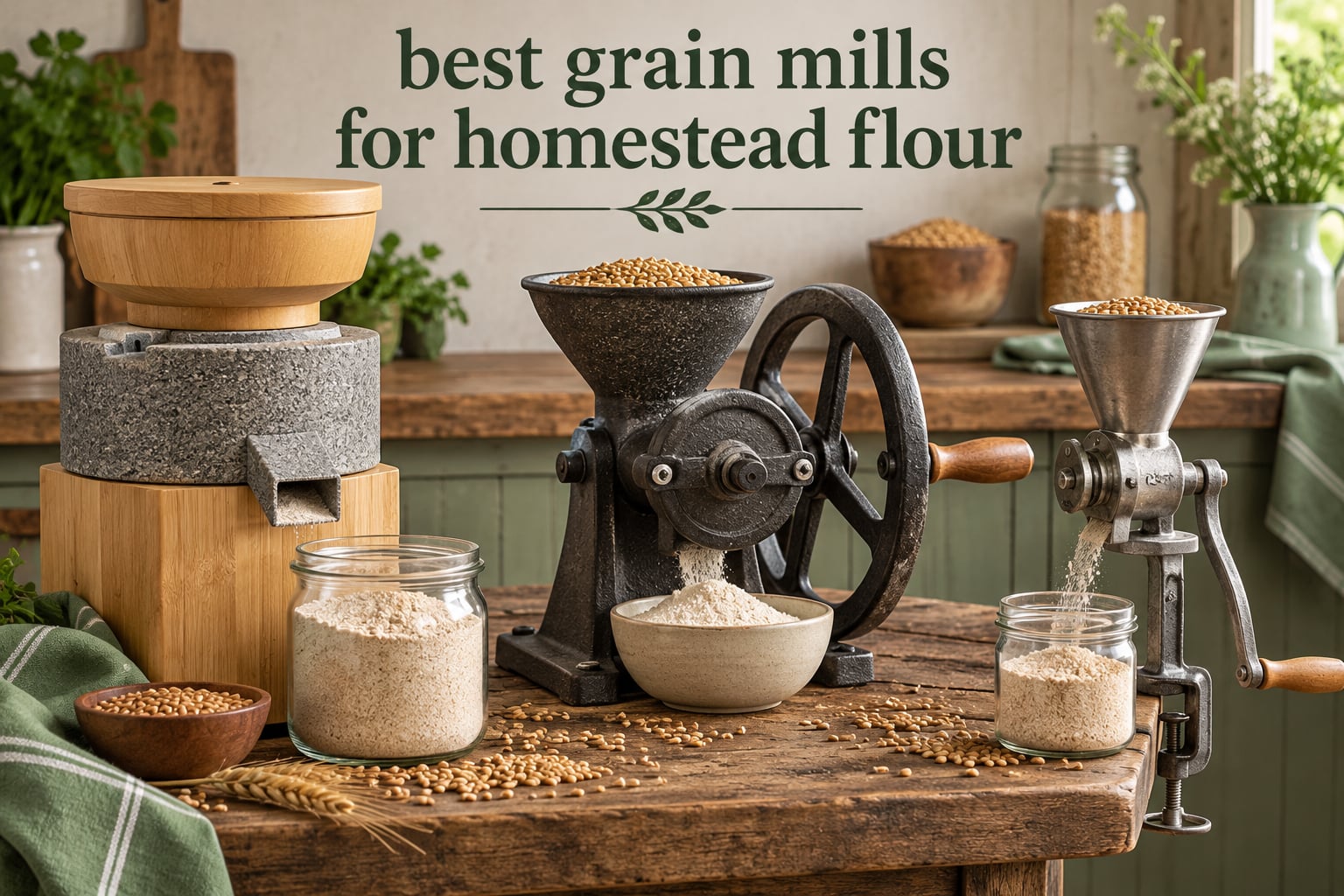
There is a moment every homesteader hits when the flour bag runs out and the realization lands that every loaf depends on a supply chain you do not control. A home grain mill fixes that. It turns a sack of wheat berries into fresh-milled flour in the time it takes the kettle to boil, and it does it with the bran, germ and enzymes still in the grain.
I spent the last several months working through every mill that fits a home kitchen, from compact hand-crank cast iron models to a 1000-watt electric unit that fills a flour pan in under ten minutes. This is the roundup of the best grain mills for homestead flour, nine models in all, judged on what actually matters: how fine the flour comes out, how much noise it makes at six in the morning, how many wheat berries it can chew through before lunch, and whether the parts come apart for cleaning.
What follows is not a spec-sheet parade. Every mill here is one you can buy, mount on a counter or clamp to a table, and feed with grain you grew or bought by the sack. We look at flour texture first, then the honest drawbacks, then whether the mill earns its counter space. If you want the electric side of the conversation in isolation, we also have a full rundown of the best electric grain mills for whole grain baking.
Table of Contents
Top 3 Grain Mill Picks for 2026


WonderMill Junior Deluxe
- Stone and steel burr sets
- 1.25 cups per minute
- Double clamp mount
All Nine Grain Mills Compared in 2026
Every mill in this roundup, side by side. The Key Features column tells you what each one actually does, so you can cross off the ones that never fit your grain list before you start reading.
| Product | Specifications | Action |
|---|---|---|
| NutriMill Harvest Electric Stone Grain Mill |
|
Check Latest Price |
 Kitchen Crop Deluxe Grain Mill Kitchen Crop Deluxe Grain Mill |
|
Check Latest Price |
| WonderMill Junior Deluxe |
|
Check Latest Price |
 Victoria Manual Cast Iron 2400g Mill Victoria Manual Cast Iron 2400g Mill |
|
Check Latest Price |
 Corona Manual Cast Iron Grain Mill Corona Manual Cast Iron Grain Mill |
|
Check Latest Price |
 Estrella Manual Cast Iron Grain Mill Estrella Manual Cast Iron Grain Mill |
|
Check Latest Price |
 The Kitchen Mill Electric Grain Mill The Kitchen Mill Electric Grain Mill |
|
Check Latest Price |
 Moongiantgo Corn Grinder Mill Moongiantgo Corn Grinder Mill |
|
Check Latest Price |
 Country Living Hand Grain Mill Country Living Hand Grain Mill |
|
Check Latest Price |
How We Evaluated These Nine Mills
Here is the honest version of our method. Every mill in this roundup has a published specification sheet from the manufacturer, and every one of them carries hundreds or thousands of owner reviews with enough detail to judge real-world behavior. We read those in full rather than relying on the star average, because a 4.3 from someone who expected bread flour and got cornmeal tells you far more than the number alone.
Four things decided our orderings. First, flour texture at a normal bread setting, judged on whether owners report sifting or baking with it directly. Second, throughput, because a homesteader processing fifty pounds of berries needs a different machine than someone making two loaves a week. Third, the cleaning burden, since a mill with fifteen loose parts ends up in a cupboard. Fourth, noise, measured in how people describe living with it rather than a decibel figure.
We also read what owners say after a year or more, because grain mills fail slowly. Motors that weaken, burrs that dull, clamps that loosen. Long-term ownership reports carried more weight than first impressions. Where we quote an owner or a forum, we say so; everywhere else the claim comes from the review data attached to that specific mill.
One thing we will not do is tell you fresh flour is a health upgrade. Whether milling at home is nutritionally better than store-bought whole wheat is a genuine question that honest people disagree on. What is not disputed is the flavor, the texture, the shelf life of the grain sitting in your bucket, and the control you have over what goes in the dough.
1. NutriMill Harvest Electric Stone Grain Mill for the Best All-Round Electric Milling
- 450 watt motor with thermal auto-shutoff
- Corundum stones with a texture control knob
- Produces fine sift-free flour for bread baking
- Quiet for an electric mill
- 990 owner reviews to learn from
- Heaviest unit here at 18.7 pounds
- Plastic chamber can craze with heavy use
- Deep cleaning the milling chamber is awkward
The NutriMill Harvest is the mill I recommend when someone asks me for one answer. It has a 450-watt heavy-duty motor with auto-shutoff thermal protection, and it runs on near-diamond-hard Corundum Grainmaster milling stones rather than steel flails. That combination is what separates it from the cheap impact mills: stones shear the grain instead of shattering it, so you get a consistent particle size and full bran and germ in the bowl.
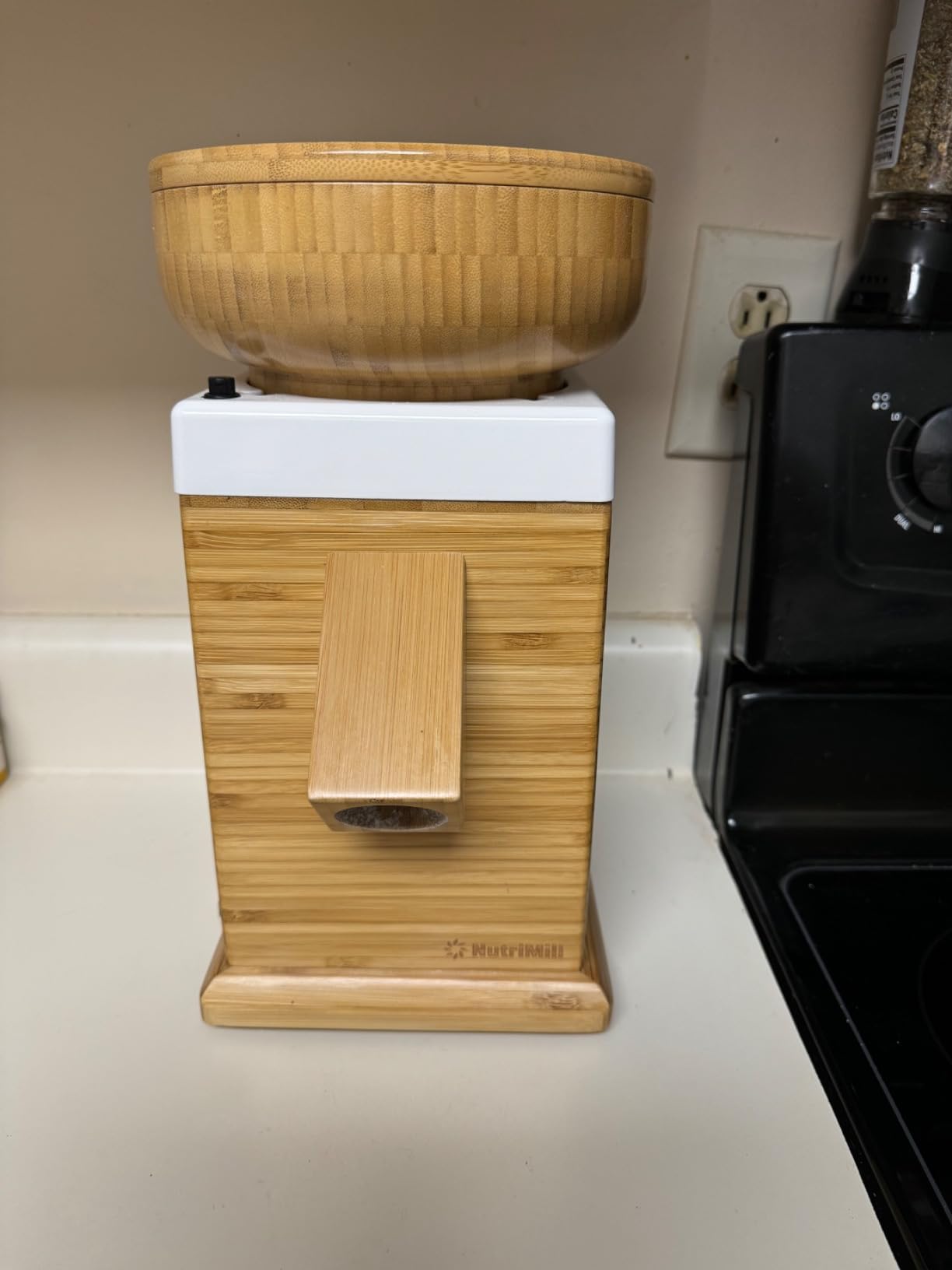
Owners are consistent about the output. Roughly 85 percent of its reviews are five star and another 7 percent are four, with the flour coming out fine enough to bake without sifting at most settings. The patented texture control knob lets you dial coarseness in small steps rather than guessing, which matters if you want oat groats from the same mill that makes pastry flour.
The 450-watt motor is a heavy-duty unit with auto-shutoff thermal protection, and the CSA listing plus US assembly are both real, not marketing filler. Owners describe it as quiet relative to other electric mills, which is exactly the quality you want when grinding at six in the morning before the household wakes up.

The drawbacks are honest ones. At 18.7 pounds this is the heaviest mill in the roundup, so it is not something you lift under the cabinet, it is a permanent counter fixture. A minority of reviewers find the milling chamber hard to reach for a deep clean, and some note the plastic grinding chamber can craze after years of heavy use. None of that changes the recommendation, but you should plan where it lives before it arrives.
When the NutriMill Harvest Earns Its Counter Space
This is the mill for a household that bakes several loaves a week and wants one dial instead of a troubleshooting routine. If your grain list is mostly wheat, rye, spelt and hard heritage varieties, the stone burrs handle them without drama. Owners running 90 percent whole wheat loaves report no sifting and no re-mill, which is the outcome you are paying for.
Its 450 watts also mean it is not the right tool for processing fifty pounds of dent corn for poultry in one afternoon. For flour, though, the motor has plenty of headroom, and the thermal protection means a long milling session will not trip a breaker.
Where the NutriMill Harvest Falls Short
Buy it for flour, not for oily seeds. Stone burrs and sunflower or flax seeds are a clog waiting to happen, and the manual does not encourage it. The bigger limitation is physical: eighteen and a half pounds of counter space you can never reclaim, in a kitchen that already has a stand mixer and a toaster oven on the counter.
If you only bake one or two loaves a week and rent your kitchen surfaces, a hand mill in a drawer serves you better for a fraction of the commitment.
2. Kitchen Crop Deluxe Grain Mill for a Compact Hand Mill
Kitchen Crop Grain Mill Wheat Flour Grinder, Stainless Steel Metal Burrs (Deluxe Grain Mill)
- Stores in a drawer at 3.3 pounds
- Coarseness dial from cracked grain to bread flour
- Table clamp keeps it steady
- 5-year manufacturer warranty
- 1022 owner reviews
- Stainless burrs top out short of true flour texture
- Dry non-oily grains only so no seeds or nuts
- Manual speed limits batch size
The Kitchen Crop Deluxe is the answer to a question nobody asks out loud: what if the mill lived in a drawer? At 3.3 pounds and eleven by three by sixteen inches, this stainless steel mill disappears into cabinetry when the flour run is done. It clamps to the counter with a mounting bracket and grinds on nothing but your arm.
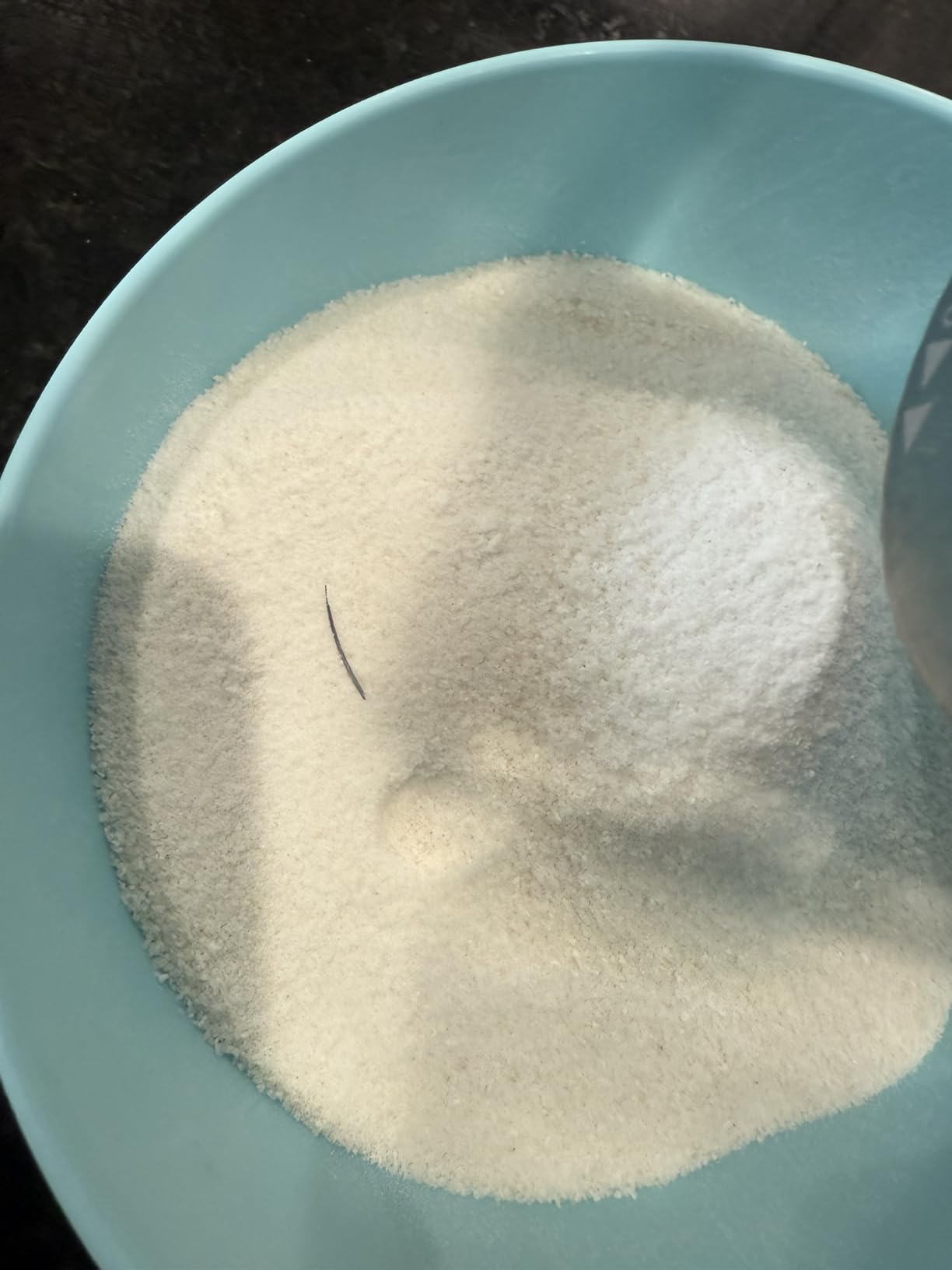
Reviewers use it for cracking wheat berries, oats and rice, and the flavor in the resulting flour comes up constantly in positive reviews. Seventy-four percent of its reviews are five star and 15 percent are four, and the clamp and ease of cleaning are the two things owners praise most often. For a manual mill at this size, the build quality is genuinely better than the price suggests.
The coarseness adjustment dial spans the range from coarse cracked grain down toward fine bread-quality flour, and it is adjusted by a dedicated knob rather than by guesswork under tension. That matters on a hand mill, where you are already working harder than you would with a switch.
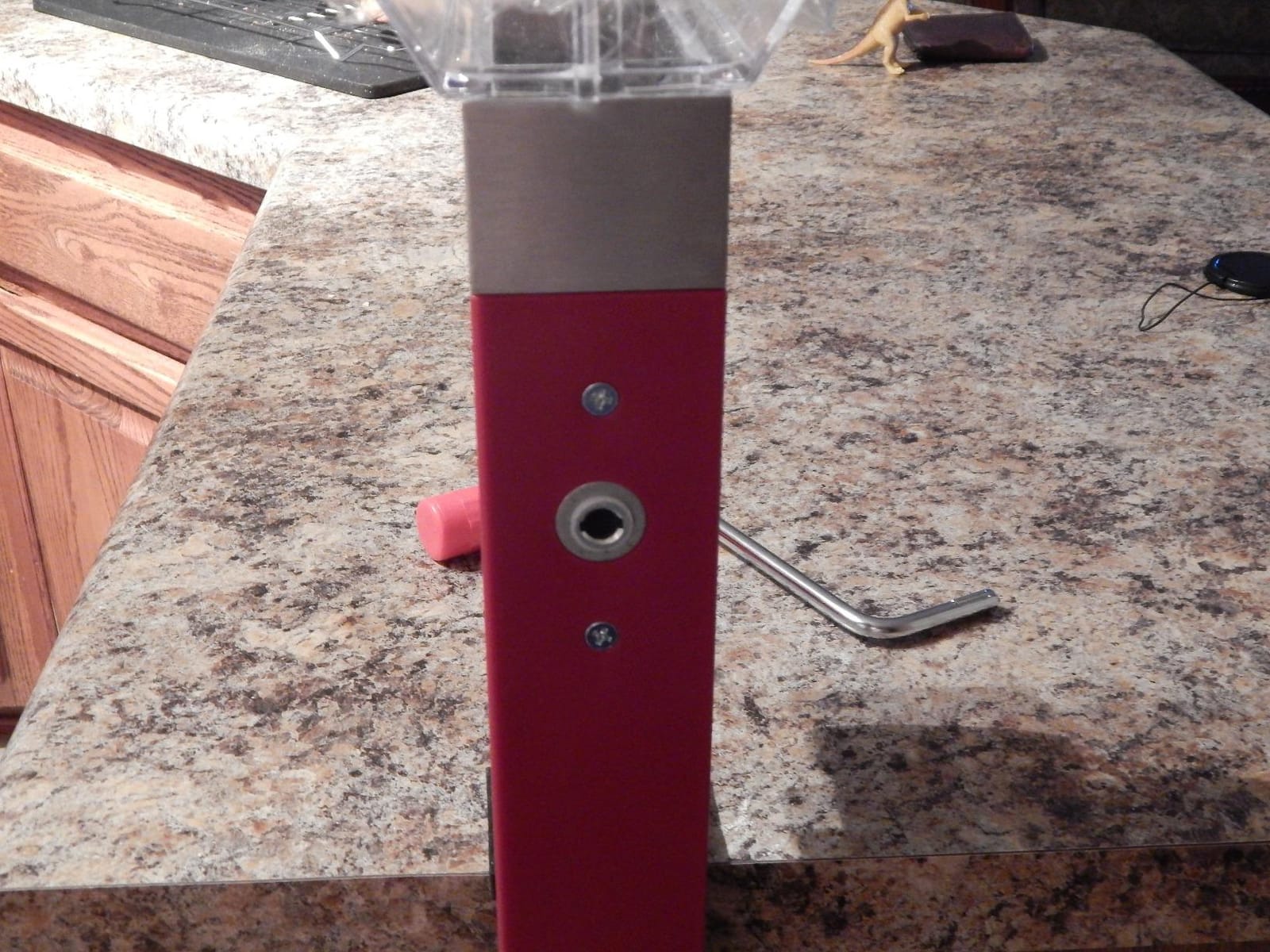
Here is the catch, and it is a real one. The stainless steel burr set caps the fineness below what a stone or ceramic burr will reach, so for a dense sourdough loaf you may still want to sift or re-mill. And the design is explicitly for dry non-oily grains, which rules out sunflower, flax and nuts entirely. Want nut butter? Different mill.
Best for a Small Kitchen or a Rental
If counter space is the constraint that decides your purchase, this wins outright. Nothing else in the roundup stores away this cleanly. A homesteader who mills a few cups of flour for pancakes, crackers or a weekly loaf can do it standing at the counter, clamp the mill, mill, and put the whole thing away in ninety seconds.
The 5-year manufacturer warranty is also longer than most manual mills at this weight class offer, which tells you something about the burrs and the housing.
Where It Falls Short for Heavy Use
Twenty pounds of wheat is a two-arm job on this mill, and the stainless burrs will not give you the fine, sift-free flour that a serious bread loaf wants. It is also slow enough that owners with real grain volumes usually end up buying an electric unit later anyway.
Buy it as a starter mill or a backup, not as the primary mill for a household that bakes daily. For that role, look at our 12 best hand grain mills for fresh flour for heavier hand-crank options.
3. WonderMill Junior Deluxe for Flour, Nuts and Oily Seeds
- Handles nuts
- seeds
- spices and oily foods no other mill here does
- 1.25 cups of flour per minute
- Stone burrs for dry grain plus steel burrs for oily foods
- Double clamp table mount needs no drilling
- Masa and nut butter auger included
- 14 pounds is heavy for hand cranking
- Must stay clamped in place
- Slow once you are milling a real sack of grain
The WonderMill Junior Deluxe is the most versatile hand mill in this roundup, and the only one that handles the oily foods the others refuse. It includes a stone burr set for dry grains and a stainless steel burr set for high-moisture items, plus an auger attachment for masa and nut butter. Nothing else here turns sunflower seed butter in the same session it makes bread flour.
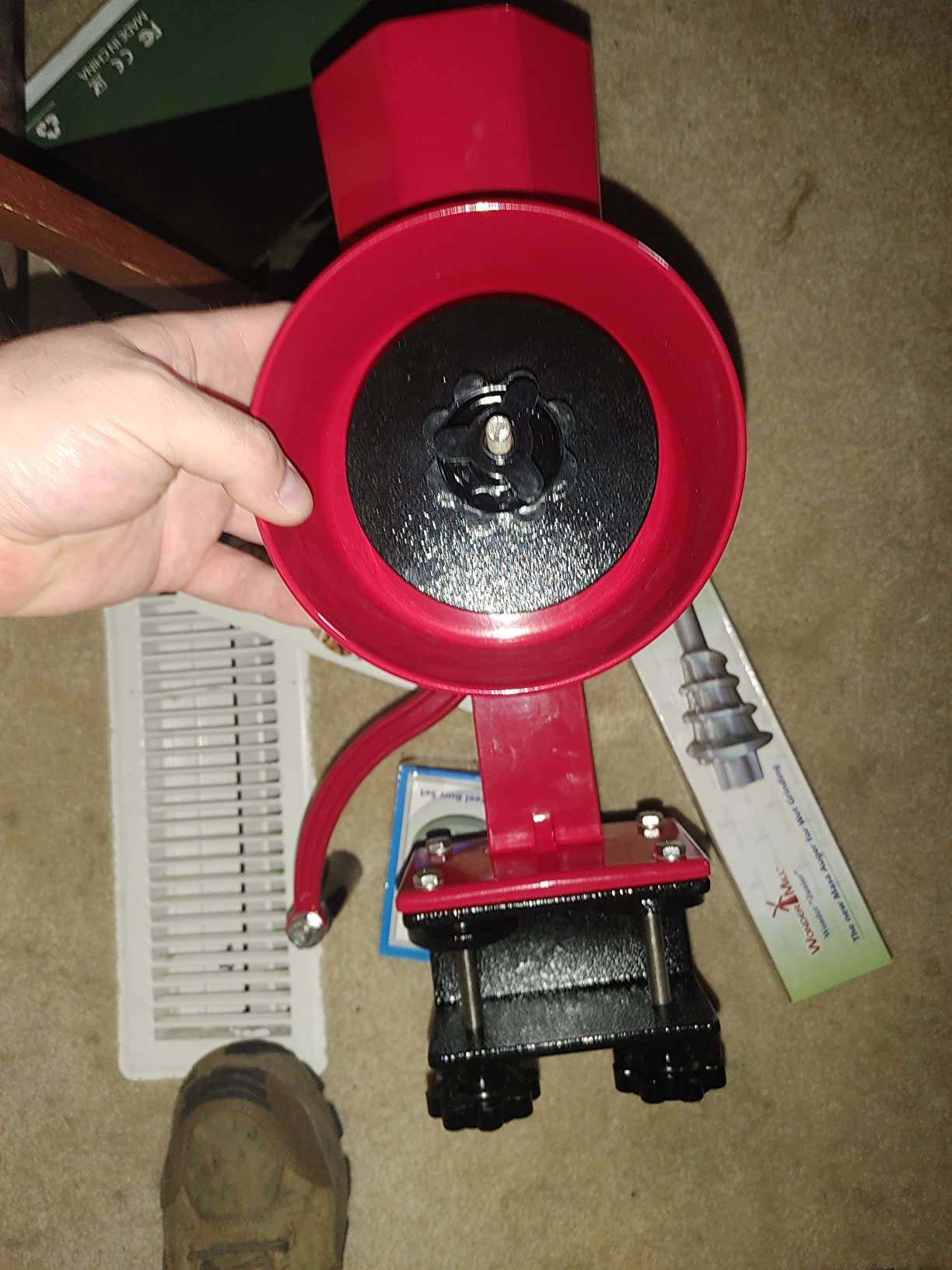
It also mills fast for a crank unit, at 1.25 cups of flour per minute according to the manufacturer, and it is the only hand mill in this group that publishes a flour-per-minute figure. Owners mention the flavor of the flour and the build quality constantly, and 77 percent of its reviews are five star with only 4 percent at one star, one of the healthiest distributions in the group.
The unibody aircraft aluminum body with an epoxy coating is the kind of construction that survives a decade in a barn, and the locking adjustment knob holds a setting consistently between sessions so you are not re-dialing every time. The double clamp table mount grips without any drilling, which matters if your mill lives in a workshop rather than a kitchen.
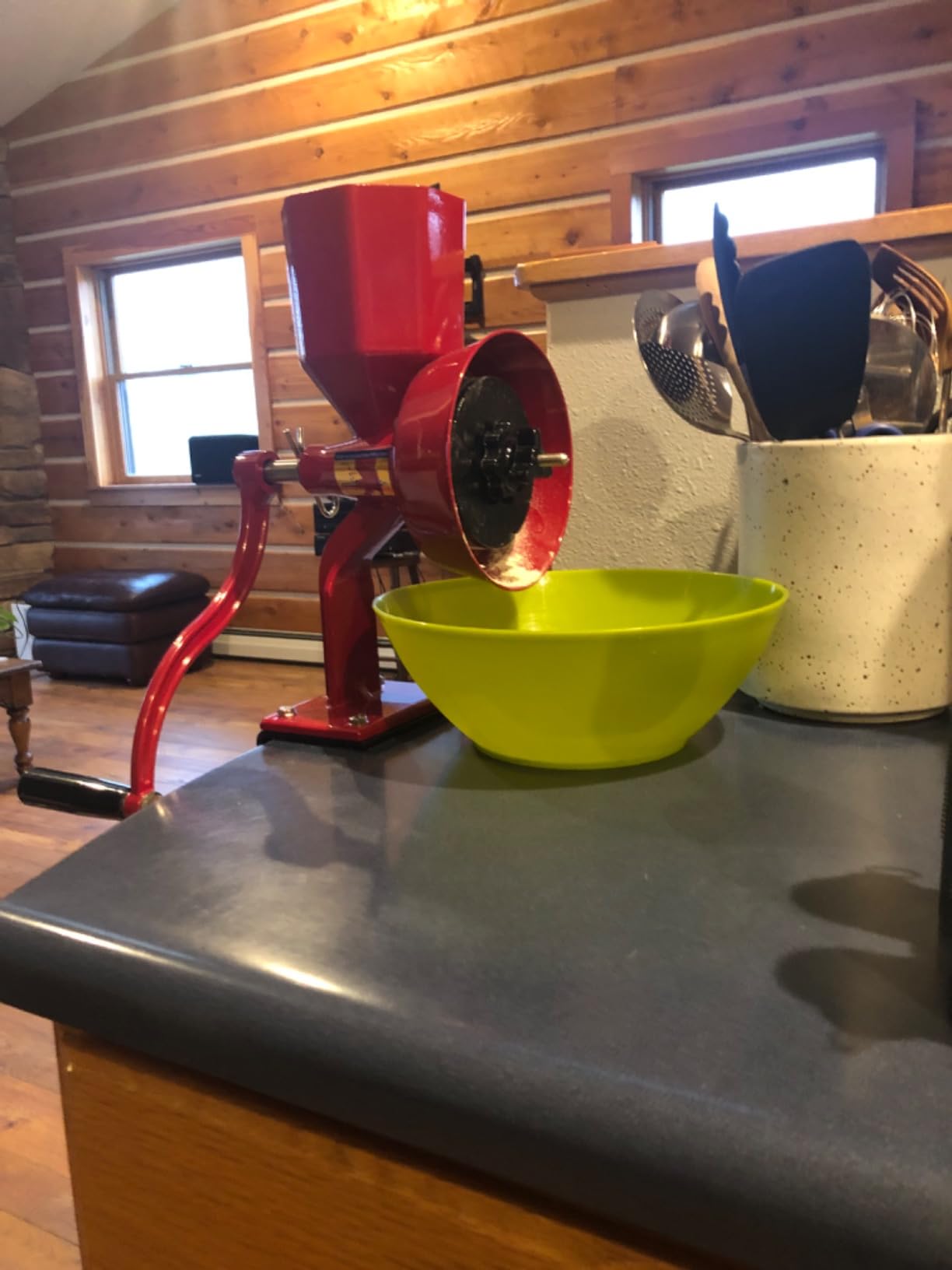
The honest drawback is arm fatigue. Fourteen pounds of aluminum is a lot of inertia to keep moving, and the most common caution in reviews is about larger batches, plus the fact that it must stay bolted to a sturdy table while you work. Owners who move real grain volumes eventually reach for an electric unit anyway.
Best for One Mill That Does Everything
If you make bread, tortillas and nut butter, this removes the need for three tools. Switching between the stone and steel burr sets takes a minute, and the masa auger covers the nixtamal work that a lot of cast iron mills only half-do. For a kitchen with no room for two appliances, that consolidation is worth more than raw flour speed.
It is also the mill I would put in a home without a reliable power supply, since the only thing it needs is a table to bolt to. More on that below.
Where the WonderMill Falls Short
It will not out-finish a stone burr at the flour end, and it will not out-run a 450 or 1000 watt motor. Fifty pounds of berries is a multi-hour, multi-session job with sore forearms. If your grain volume is measured in sacks rather than cups, look at an electric mill instead.
The second limitation is mounting. Double clamp works beautifully on a proper work table and poorly on a thin café table with a finished edge.
4. Victoria Manual Cast Iron 2400g Mill for Cornmeal and Cracked Grain
Victoria Manual Cast Iron Grain Mill 2400g with High Hopper
- More than 4500 ratings to learn from
- Double tin-plated cast iron body
- Clamps to tables from half an inch to 2 inches
- Only 4.4 pounds so it moves easily
- Works for corn
- barley
- brewing grain and spices
- Never reaches a superfine flour texture
- Coarse output often needs two passes
- 90-day limited warranty is the shortest here
The Victoria 2400g is the mill with the longest memory in this category. It has been made in Colombia since 1939, it sits at number three in Grain Mills on Amazon’s best sellers list, and it carries more than 4,500 ratings, which makes it the best-documented option here by a wide margin.
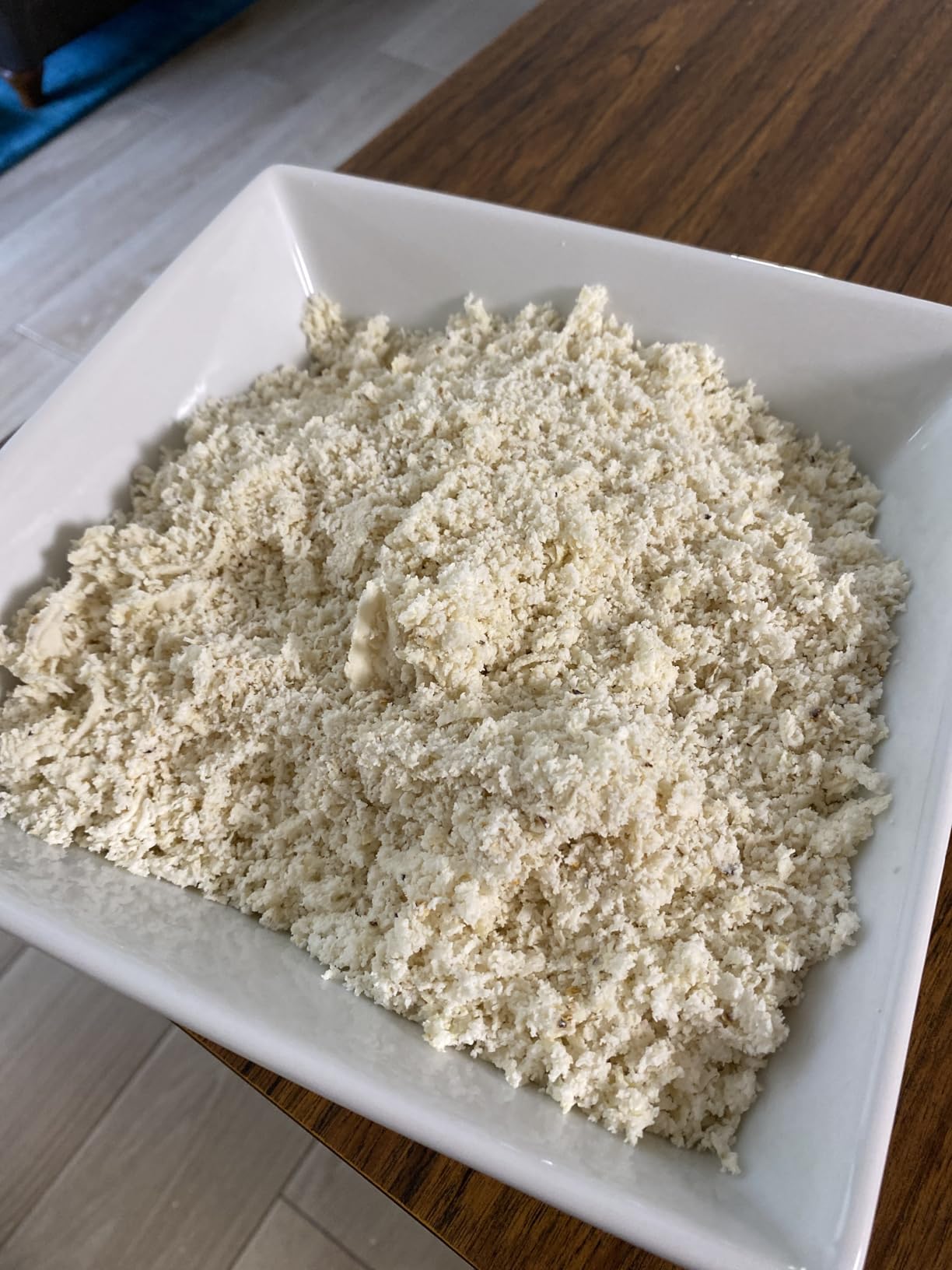
What it does brilliantly is corn and cracked grain. Reviewers describe using it for cornmeal, cracked wheat for cereal, brewing grain and spices far more often than for bread flour, and the adjustable screw lets you walk the grind from coarse to fine across that range. The high hopper means fewer refills than most hand mills its size, and the double tin plating over cast iron resists the rust that kills cheaper mills.
The clamp is unusually accommodating, fitting table tops from half an inch to two inches thick. At 4.4 pounds it is the easiest hand mill here to move between the kitchen and the workshop, and a non-slip rubber pad is included to protect your mounting surface.

Be clear about what it will not do. Even at maximum tightness the output stays a blend of fine and coarse particles, so whole wheat comes out as a coarse meal rather than flour. If you plan to bake with it, plan on two passes and on accepting some sifting. A handful of reviewers also mention tiny metal flakes in the first grinds before the plates wear in, which is normal break-in for this design.
Best for Corn, Feed and Brewing Grain
This is the mill for the half of a homestead that is not bread. Cracked corn for chickens, cracked grain for a brewing setup, peppercorns and spices for the kitchen. Owners use it for all of those and report it still working after years, which is a reasonable expectation for a cast iron mechanism with no motor to fail.
It is also the simplest long-term commitment in the roundup, since there is no electronics and the warranty, while only 90 days, is backed by hardware that has been manufactured since before most of us were born.
Where the Victoria Falls Short
Fine flour is simply outside its design envelope. If your goal is a dense whole wheat sourdough loaf with no sifting, this is the wrong tool and no amount of adjusting will fix it. Owners who wanted bread flour are the source of most of the critical reviews.
The 90-day limited warranty is also the shortest in this group, so treat it as a durable tool rather than a protected appliance. If you also grind peppercorns and other spices, our wooden pepper mill roundup covers the same burr mechanics in more depth.
5. Corona Manual Cast Iron Mill With the Biggest Hopper
Corona Manual Grain Mill, Molino para Moler Maiz, Cast Iron Grinder
- 1.9-quart hopper handles larger hand-milling batches
- Heavy 9.4-pound body that resists walking while cranking
- Works for corn
- rice
- soybeans
- chickpeas and wheat berries
- Rubber pad included to protect the mount
- Adjustable from coarse cracked grain to a finer meal
- Never reaches true flour consistency
- Clamp will not fit edges thicker than about 1.5 inches
- Cleaning means partly dismantling the unit
The Corona is the volume play among cast iron hand mills. Its 1.9-quart high hopper is the largest capacity listed in this roundup, so you fill it once and grind through a serious batch before refilling. For someone cracking corn or running a whole grain into meal rather than flour, that capacity is the reason to choose it.

It is handcrafted in Colombia from solid cast iron with food-safe tin plating, and the included kit is complete: body, hopper, plates, clamp, handle, mounting hardware and a stabilizing rubber pad. Seventy-one percent of its reviews are five star, and owners describe it as heavy, solid and simple to assemble, which is about as good a descriptor set as a manual mill gets.
Several owners push it well past its intended purpose, using it for cracked corn for poultry, fish pellets and general feed mixing. It handles corn, rice, soybeans, chickpeas and wheat berries, and the grind adjustment walks from coarse cracked grain to a meal fine enough for tortillas and arepas. More than four in five of its reviews sit at four stars or better.
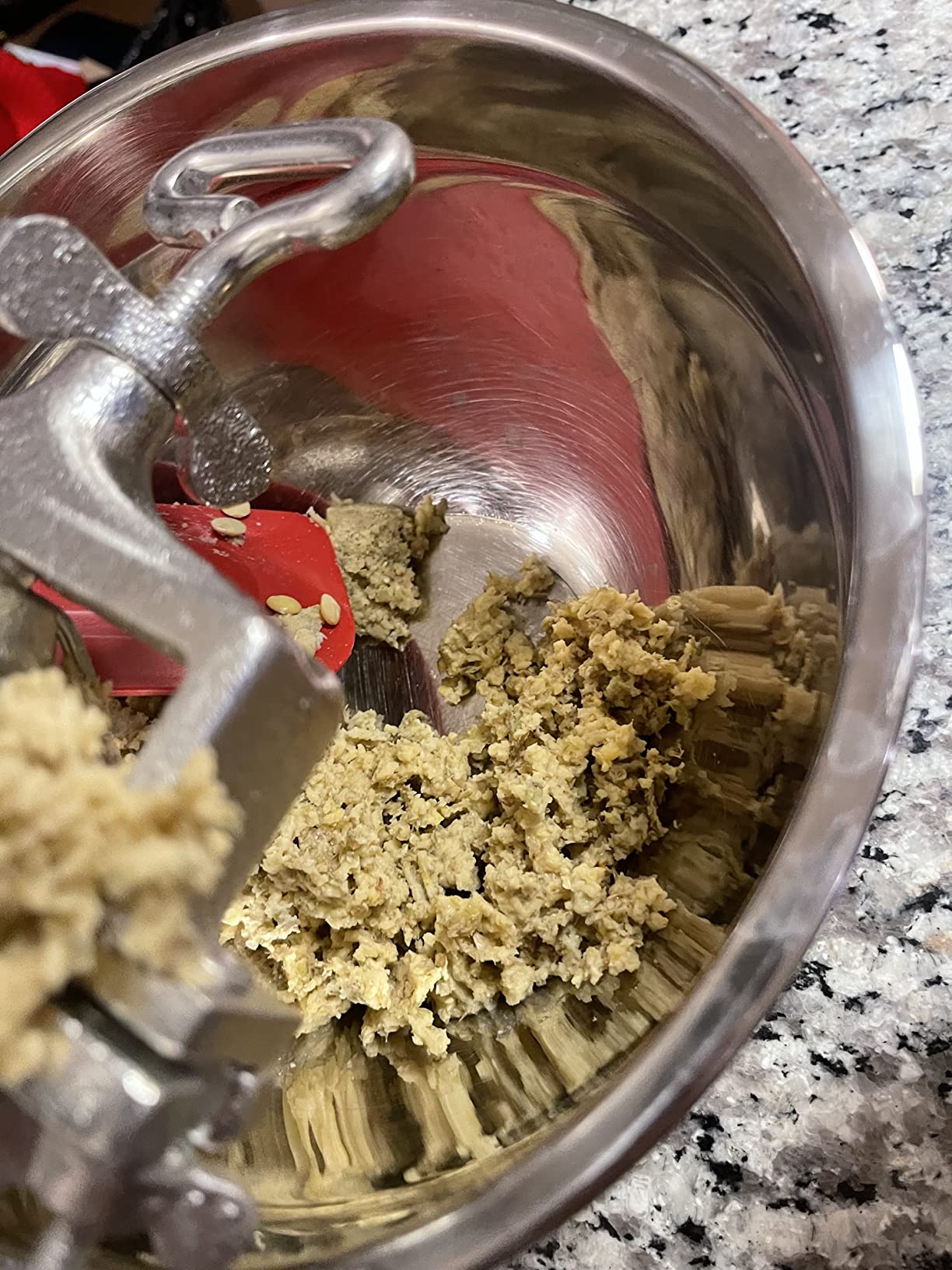
The limits are the same ones every cast iron hand mill shares, and Corona is candid about the first. Even at its tightest setting the output is a blend of fine and coarse particles, so it will not make bread flour. The clamp also fits countertops up to about 1.45 inches, and cleaning requires partly dismantling the body to reach residue, which is the recurring maintenance complaint.
Best for Batch-Sized Hand Milling
Pick the Corona when the bottleneck is refilling, not grinding. A big hopper means you fill it with shelled corn, cracked wheat or feed grain once, and the grind setting handles the rest. Owners doing weekly meal and cornmeal runs like it for exactly this reason.
At 9.4 pounds it is heavy in the good way. It does not creep across the counter when you lean into the crank, which is the failure mode of lighter hand mills.
Where the Corona Falls Short
Fine flour is out of reach, and the dismantling required for cleaning makes it a poor fit for daily bread baking where you would flush it every few days. If your counter edge is thick, double-check the clamp range before you buy.
The three-star reviews cluster around dust and cleaning more than durability, which tells you the mechanism is fine and the ergonomics are not.
6. Estrella Manual Cast Iron Mill for Masa and Nixtamal
Estrella Manual Grain Mill, Molino para Moler Maiz, Cast Iron Grinder
- Best rating among the cast iron hand mills at 4.4 stars
- Built specifically for corn
- nixtamal
- masa and chickpeas
- Removable parts make cleaning and storage easier
- Enameled finish resists rust and looks durable
- Works on a table
- counter or a 2x8
- Grinding faces are not parallel which limits fineness
- Smooth enamel lets it slide even when clamped
- No dust cover so flour escapes the hopper
The Estrella is the one on this list designed as a Mexican molino for maiz rather than adapted to the task. It handles corn, nixtamal, chickpeas, wheat, rice, coffee beans and spices, and it includes removable parts so it can come apart for cleaning and put away when the masa-making is done. That is a real advantage over the heavier fixed-body mills.
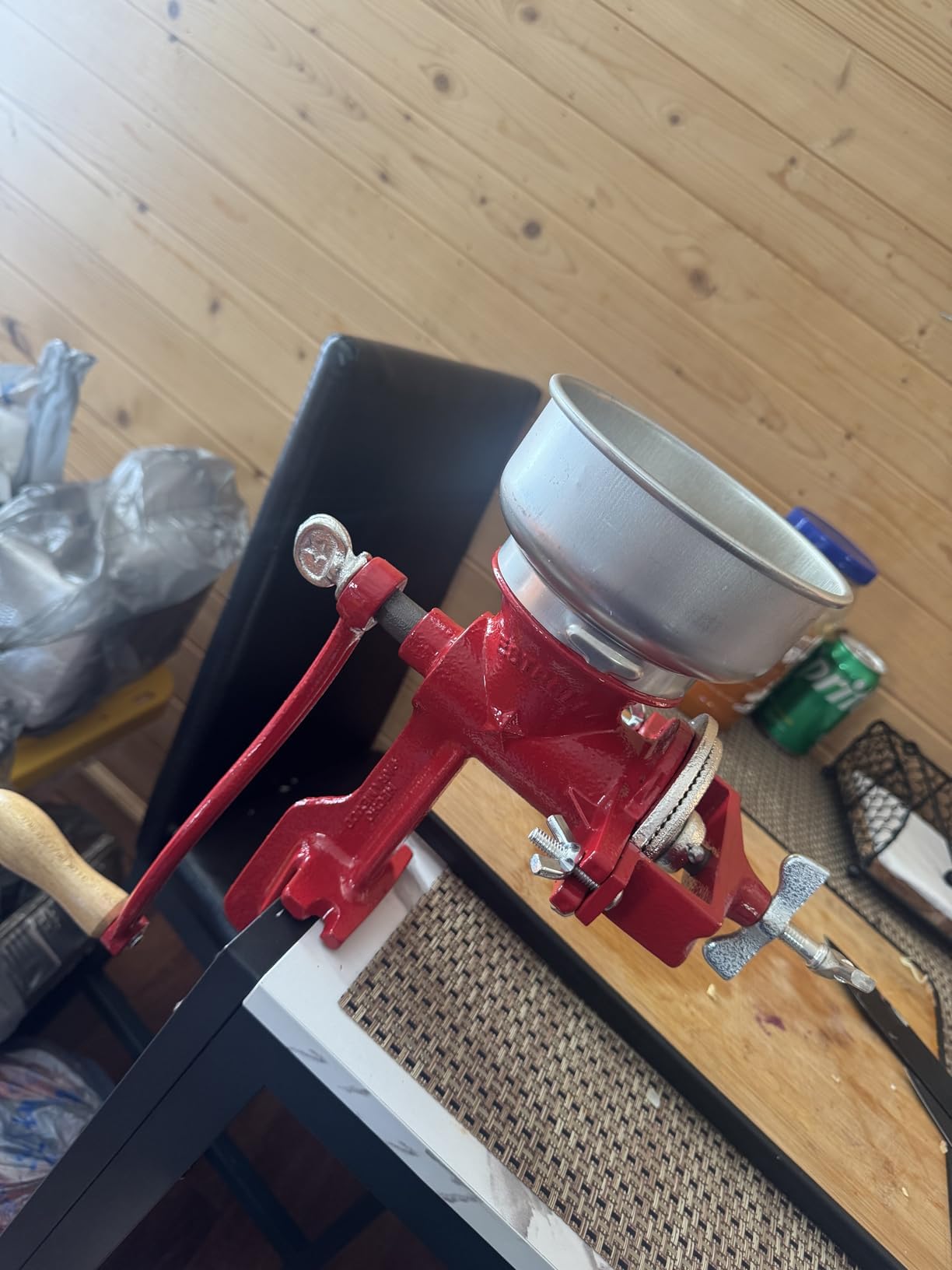
At 4.4 stars it holds the best rating among the cast iron hand mills in this roundup, with 74 percent of its reviews at five stars. Owners consistently praise the Colombian manufacture, the enameled finish and the fact that the plates line up well for their intended work. It is also the mill people reach for when they need masa for tortillas, tamales and arepas rather than bread flour.
The clamp is flexible. Owners mount it to a proper table, a counter or a length of 2×8 lumber, and a large pad underneath the table adds stability. A few people even use it for non-food material such as pottery clay, which tells you how solid the mechanism feels.
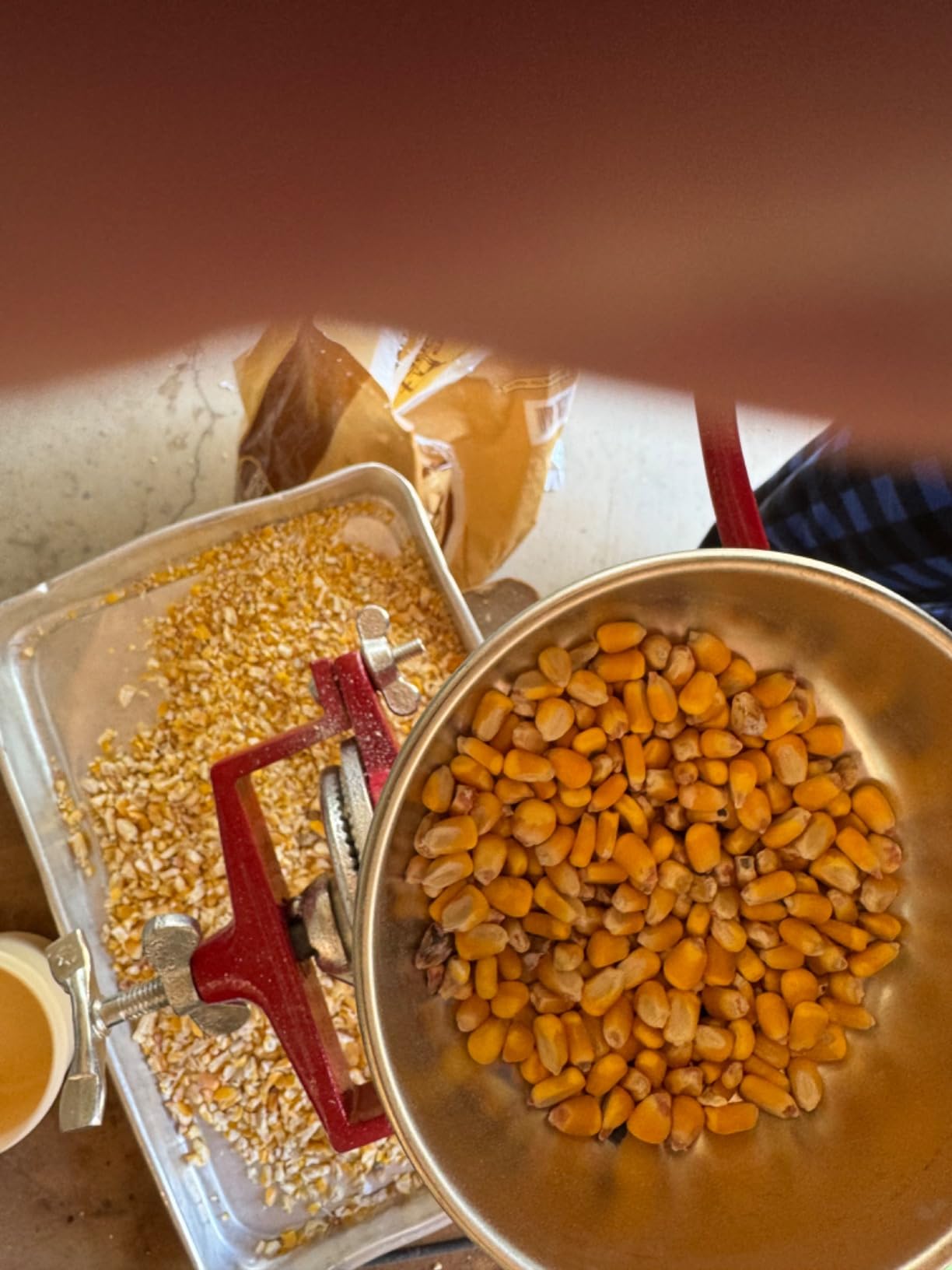
Three things limit it. The two grinding faces are not perfectly parallel, which is why it cannot reach a fine flour grind no matter how the screw is set. The smooth enamel finish lets the body slide on a flat table even when clamped tight, which is the most common negative across reviews. And there is no dust cover, so flour dust escapes the hopper during a grind.
Best for Corn, Nixtamal and Chickpea Flour
This is the mill for Mexican cooking and for anyone milling legumes. Chickpeas come out of it well, which matters a great deal if you are avoiding gluten and want a fresh bean flour rather than a bagged one. The removable-part design also means it stores out of the way between projects, which matters in a small kitchen.
Compare it against the Corona if volume matters, and against the WonderMill Junior if you also want nut butter. The Estrella wins on corn-specific work and on rating.
Where the Estrella Falls Short
The parallel-plate issue is structural and cannot be adjusted out, so bread flour is not happening. The clamp behavior on a flat finished table is the other recurring complaint, and owners who clamped it to an unfinished surface had fewer problems.
The hopper is also only about five inches across, so batch size is limited compared with the larger hand mills.
7. The Kitchen Mill for the Fastest Electric Milling
Kitchen Mill – Electric Grain Mill – High Speed Wheat, Corn, Grain Grinder, Flour Mill – Assembled in the USA – Stainless Steel Milling Chamber
- Produces up to 24 cups of flour in under 10 minutes
- Stainless micronic chamber resists gumming and glazing
- Light at 7.6 pounds with a clear pan to watch output
- Makes fine gluten-free flours from rice
- quinoa and soy
- 8-year warranty on motor and plastics with lifetime on the mechanism
- Very loud direct-drive motor
- Fragile side latches on the collector bin
- Infeed port clogs with softer grains such as oats
The Kitchen Mill is the throughput champion. Its 1000-watt direct-drive motor turns out up to 24 cups of whole grain flour in under ten minutes, which is the fastest output of any mill here and roughly double what a fast hand crank delivers in a minute. If you process grain in quantity, no other unit on this list finishes a batch faster.
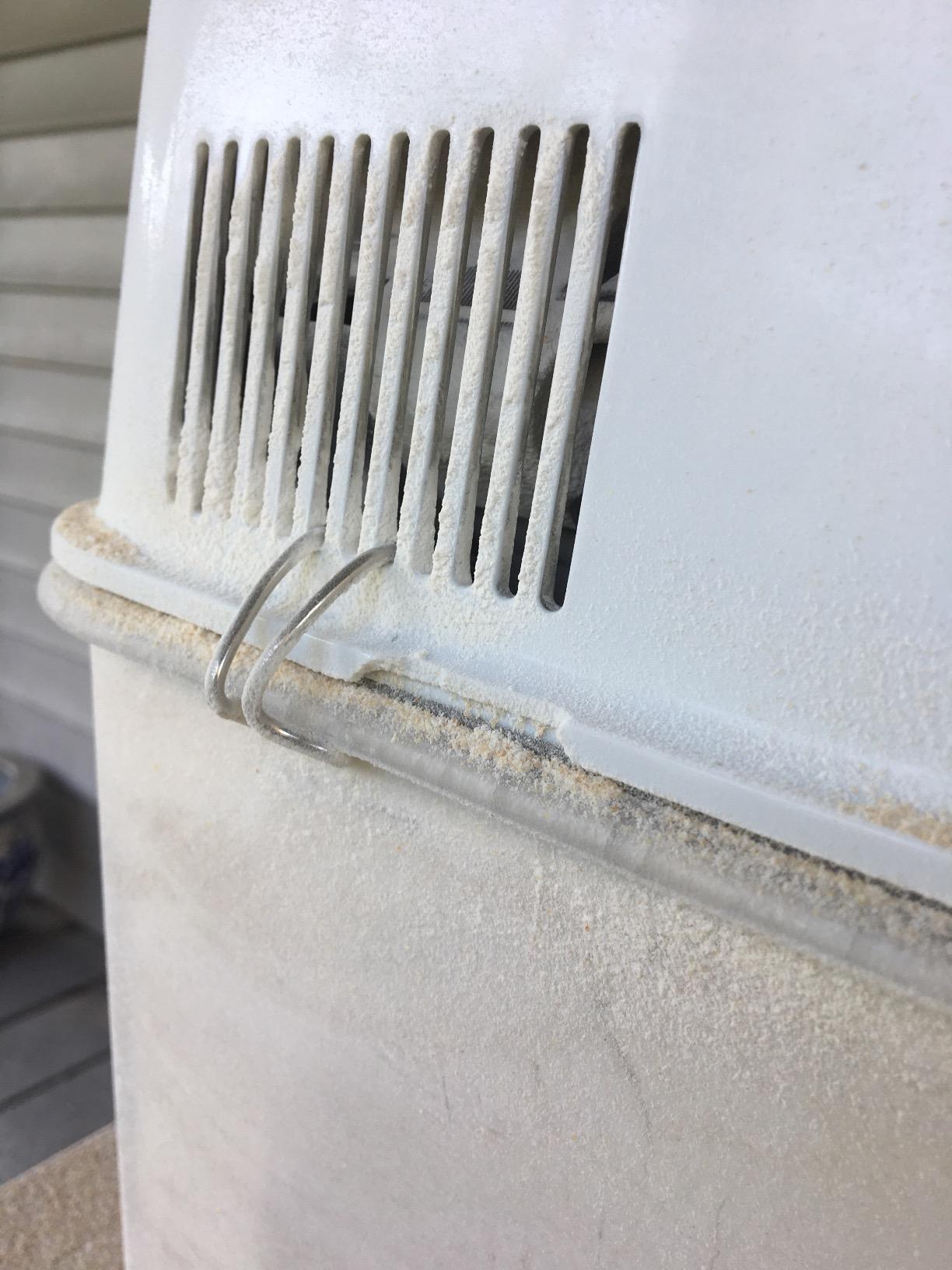
The design choice that matters most is the stainless steel micronic chamber, which resists gumming and glazing the way plastic chambers do. Long-term owners report years of reliable service and fine, sift-free flour, and the clear mill pan lets you watch output accumulate instead of guessing. It is also light at 7.6 pounds, so it moves easily between the counter and a shelf when you need the space back.
Its stated purpose is alternative and gluten-free flours made from rice, quinoa and soy, and it is genuinely good at them. The warranty is the longest in this roundup, at eight years on the plastics and motor with a lifetime warranty on the grinding mechanism.

Now the hard part. The direct-drive motor is very loud, loud enough that plenty of reviewers wear hearing protection, and at 4.1 stars this has the widest spread of ratings here with 10 percent at one star. The most common complaints are the fragile side latches that hold the collector bin, grain sticking in the infeed port, and softer grains such as oats clogging that port. Several reviewers describe going through multiple returns over those design flaws.
Best for Volume and Gluten-Free Flours
Choose this mill when the batch is the point. A hundred pounds of corn for masa, a run of brown rice flour, a week of chickpea flour for a gluten-free household, or any situation where an afternoon of milling needs to become an hour. The chamber handles legumes and beans without the clogging that stops stone burrs.
It also weighs less than the NutriMill Harvest and stores more compactly, at ten by eight and a half by seven and three-quarter inches.
Where the Kitchen Mill Falls Short
Noise, without question. This is not a six-in-the-morning appliance if anyone else is sleeping. The collector latches are a known weak point, and oats specifically cause trouble in the infeed, which is a strange gap for a mill marketed on whole grains.
Fineness control also lacks the granularity a stone burr gives you. You get fine flour, not calibrated coarse or cake texture.
8. Moongiantgo Corn Grinder Mill for Budget Feed and Brewing Grain
- Handles corn
- barley
- rice
- chili
- soybeans
- chickpeas
- wheat berries and dried beans
- Large hopper relative to its light body
- Plastic grinding plate cover contains splashing particles
- 1-year warranty with free parts replacement
- Good for poultry feed and brewing grain
- Will not grind wheat into total flour
- Must never be rinsed in water or it rusts
- Several passes often needed for a coarse grind
The Moongiantgo is the budget entry point, and it is honest about what it is: a cast iron coarse grinder for animal feed, brewing grain and cracked cereal rather than a flour mill. Owners use it to crush corn for poultry, ducks and pigeons, and they like the large hopper relative to how little it weighs, which makes it easy to move out to the coop when the season demands.
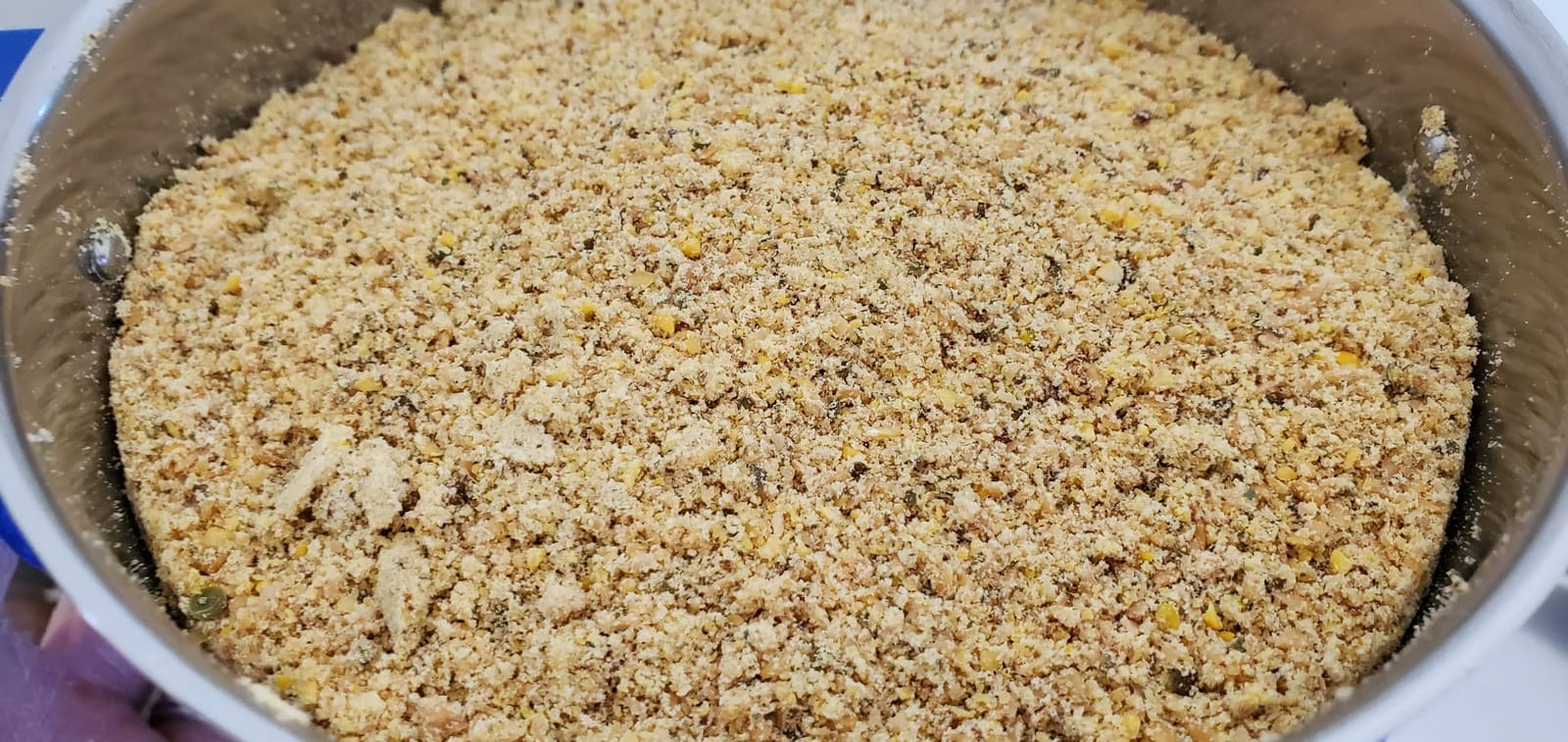
The build is simple and solid: cast iron with an electroplated tin surface, a coarseness adjustment on the plate screw, a table clamp that handles surfaces up to 40 millimeters thick, and an included plastic grinding plate cover that genuinely helps stop particles from splashing across your counter. The 1-year warranty includes free parts replacement, which is unusual at this tier.
It handles a wide grain list, including corn, barley, rice, chili, soybeans, chickpeas, wheat berries and dried beans. Fifty-eight percent of its reviews are five star and 18 percent are four, so the satisfaction level is decent for what it is designed to do.
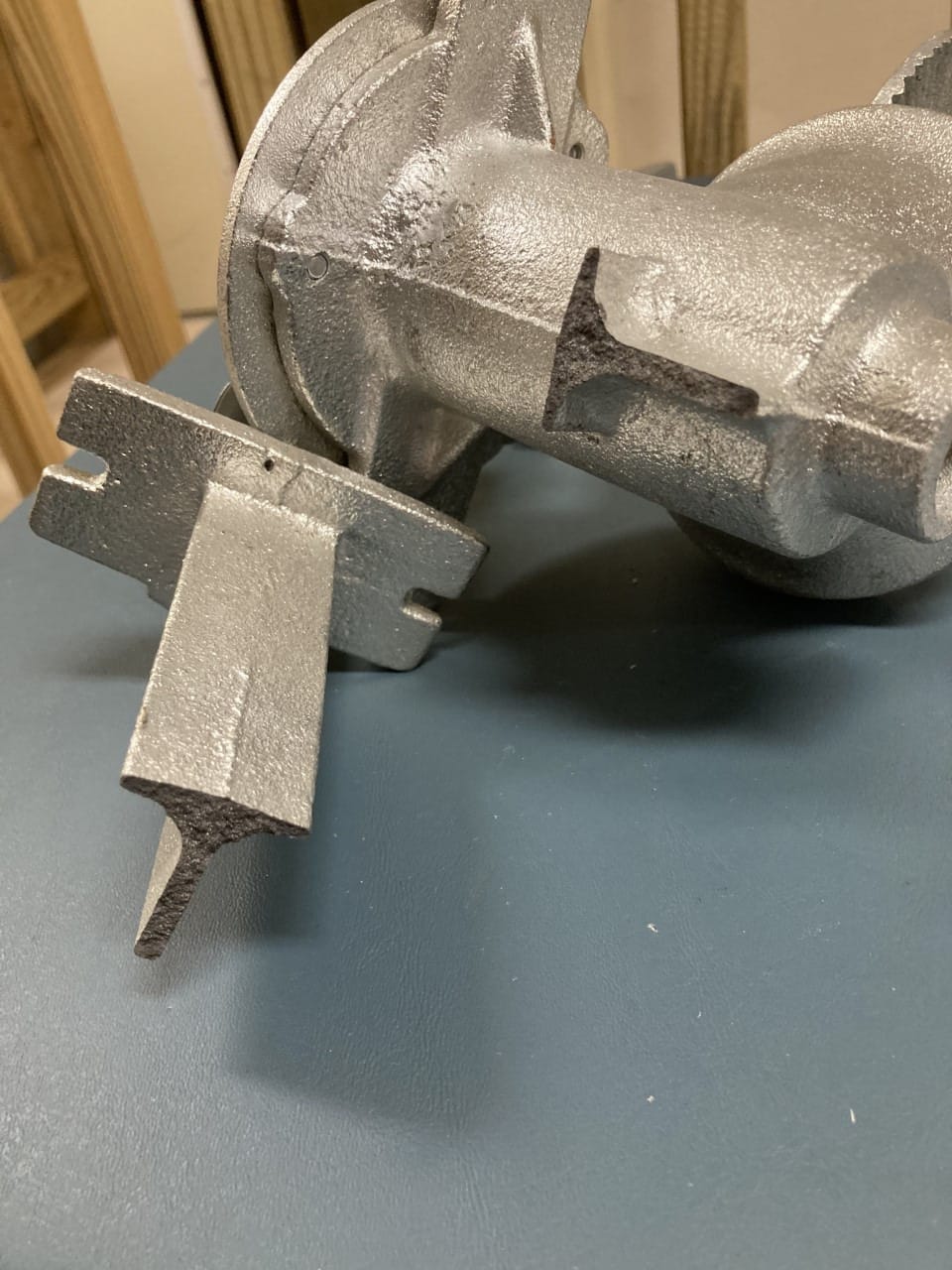
Three warnings, all repeated in the reviews. It will not grind wheat into total flour, only a coarse meal, so it cannot be the source of your bread. It must never be rinsed in water, because cast iron rusts and the rust ruins the grain; wipe it and oil it instead. And several buyers report rough or out-of-square cast surfaces on arrival, along with metal and paint shavings in the first grind that you should run off before using the output.
Best for Feed Grain on a Budget
If your primary need is cracked corn for a flock, or grain for a brewing setup, this does the job at the lowest outlay in the roundup. It is light enough to carry out to the barn, big enough to do a real batch, and modest enough that you can keep it as a dedicated feed mill and never worry about cross-contaminating your flour.
It also serves as a sensible second tool, since keeping a separate coarse grinder means your fine flour mill never sees oily or hard feed material.
Where the Moongiantgo Falls Short
Fine flour, completely. Anyone expecting bread from this mill is disappointed, and that is the source of most critical reviews. Multiple passes for a coarse grind also mean it is slower per pound than its light weight suggests.
The water rule is not negotiable. One rinse and you are buying a new mill, which is why the cast iron models outlast plastic-bodied budgets by so much.
9. Country Living Hand Grain Mill for a Lifetime Warranty
- Lifetime warranty
- the strongest coverage in this roundup
- Adjusts from cracked grain all the way to cake flour
- 83 percent of reviews are five star
- Solid cast aircraft aluminum made entirely in the USA
- Heaviest hand mill here at 16 pounds
- Smallest review base of the group at 163 ratings
- Needs a solid table and a steady clamp
The Country Living Hand Grain Mill is the outlier in this roundup: a hand mill that makes genuinely fine, sift-free flour. Owners describe the milled flour as very fine, cite the smooth cranking, and treat it as an heirloom purchase, which is a reasonable read of a machine backed by a lifetime warranty. Its 83 percent five-star share is the most favorable rating distribution among these nine.
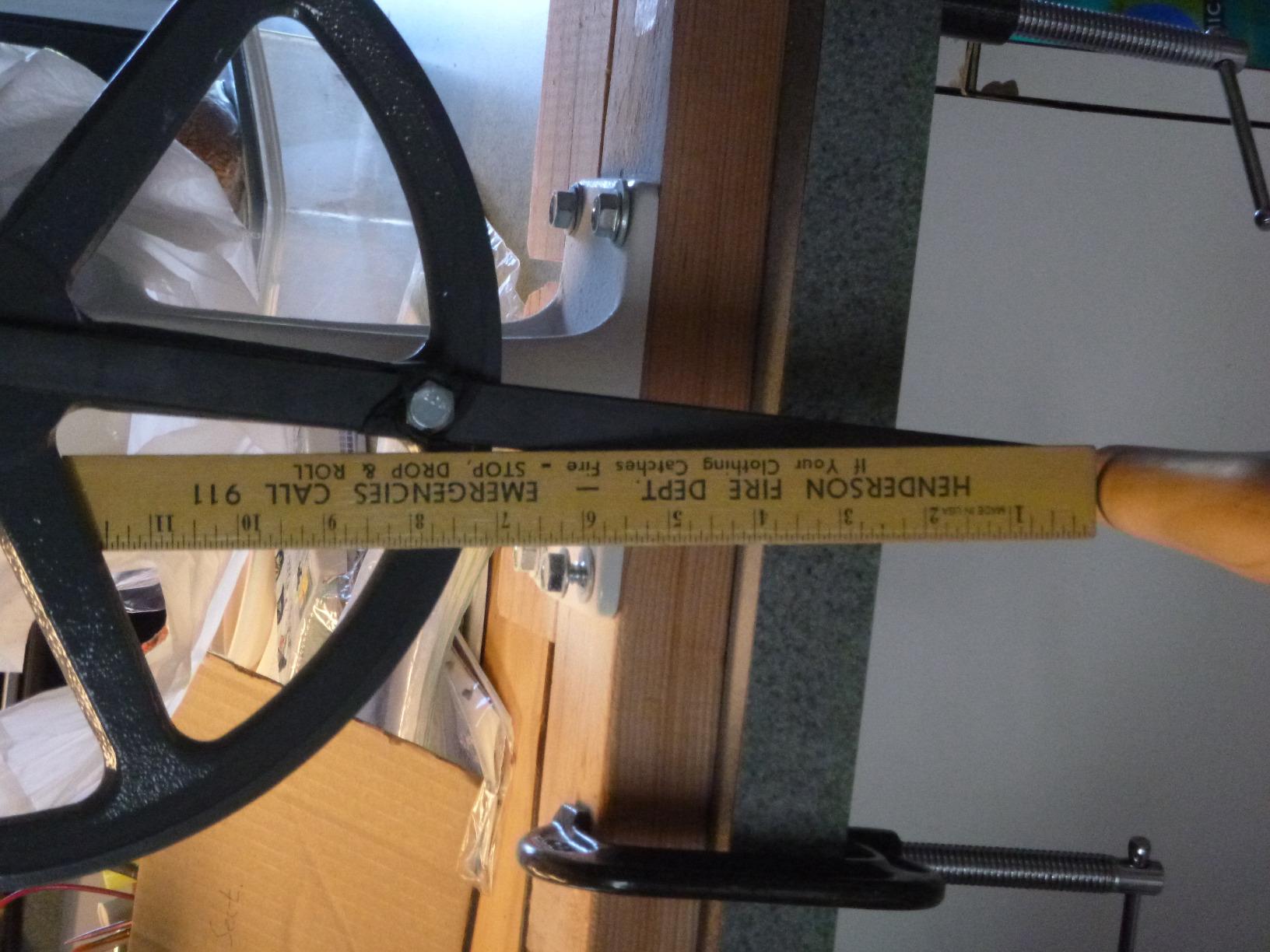
Three details explain the feel. Double sealed industrial-grade ball bearings keep the crank smooth over years rather than months. The body is solid cast aircraft aluminum with a food-grade powder coating, made entirely in the USA, so there is nothing to rust or craze. And the adjustment walks from cracked grain through to cake flour, which is the widest documented range of any hand mill here.
At two pounds of capacity it is sized for a household rather than a bakery, which is exactly right. You are not processing sacks; you are milling what this week’s bread requires, with a tool you expect to keep.
It is also the priciest option in the roundup by a wide margin, and at 16 pounds it is the heaviest hand mill here, so it needs a solid table and a clamp that will not slip. With 163 ratings it has the smallest review base of the nine, which means fewer long-term data points than the cheaper cast iron mills. You are paying for the warranty and the machining, not for volume of evidence.
Best for Fine Flour Without Electricity
This is the mill for someone who wants bread-quality flour, does not want to lose the bran and germ to sifting, and has no intention of running an appliance during power interruptions. Off-grid or outage-prone households get a full week of bread without a generator.
It is also the most sensible hand mill to hand down or resell, because the lifetime warranty travels with it and the construction has no failure points that age badly.
Where the Country Living Falls Short
Volume and cost. Sixteen pounds of aluminum cranked by hand is a serious workout, and you will repeat it for every batch. Compared with what the cast iron mills here cost, you are paying several times more for a lighter batch size.
Sixteen pounds on a table that is not sturdy is the wrong pairing. Make sure the clamp has something solid to bite into.
How to Choose a Grain Mill for Your Homestead
Start with the grain list, not the motor. Write down everything you actually intend to mill this year: wheat for bread, rye for German-style sourdough, spelt, einkorn, kamut, oats, dent corn, brown rice, popcorn, chickpeas for gluten-free flour, sorghum, millet, quinoa, coffee beans and spices. The mill that handles wheat beautifully and clogs on corn is a worse purchase for a homestead than one that handles everything adequately.
Next, decide the mechanism. Stone and burr mills crush grain between two rotating surfaces, usually corundum ceramic or hardened steel, and they let you set fineness precisely. Impact mills shatter grain with high-speed steel flails, milling fast and in bulk but with far less control over particle size. Between the two, stone burrs give better flour and impact mechanisms give you speed.
Third, be honest about volume. A household baking one or two loaves a week is well served by a hand mill in a drawer, and a household processing fifty pounds of berries at a time is not. The mills here span everything from a three-pound drawer unit to a sixteen-pound bench mount and a 1000-watt countertop machine, and they are not substitutes.
Fourth, count the parts. Every removable piece is something you wash, dry thoroughly, and reassemble. A mill that never fully comes apart gets a clean and keeps working; a mill with a chamber you cannot reach into slowly develops a stale, musty smell that taints every batch afterward.
Fifth, listen to the noise. Electric impact mills run loud enough to wake a household. Stone burr mills are quieter and more even. Hand mills are silent but slow. If you plan to mill at dawn, the quiet options cost you nothing extra to live with.
Sixth, think about power. If you lose electricity regularly or run off-grid, a hand mill is not a nostalgia purchase, it is infrastructure. The WonderMill Junior Deluxe and the Country Living both cover flour, and the cast iron mills cover corn and feed indefinitely. Just remember that baking still needs an oven, so pair your off-grid flour with an off-grid cooking method.
Do not skip the blender question. A high-powered blender will pulverize small batches of grain, and people who bake twice a month are often better served by the blender they already own. Mills make sense when the volume justifies the counter space. Our note on how electric mills handle alternative grains covers that comparison in more detail.
Finally, respect the grain dust. Fine flour dust is combustible and it hangs in the air longer than you expect. Mill in a ventilated space, avoid creating dust clouds, never put a vacuum directly on the mill outlet, and store flour airtight and cool. Those four habits matter more than any feature on the spec sheet.
What Each Mill Can Actually Grind
Hard bread wheat and rye are the easy case. Every mill here handles both, though the fine texture varies enormously. Only the NutriMill Harvest and the Country Living are widely reported by owners as producing sift-free bread flour from whole wheat at home, with the Kitchen Mill close behind on speed. The Kitchen Crop and WonderMill Junior sit between fine and medium, and the cast iron mills stop well short of flour. Heavier heritage grains such as spelt, einkorn and kamut belong to the stone-burr electric mills.
Oats and softer grains are where differences appear. Oats work in the hand mills and in the stone burrs, but the Kitchen Mill’s infeed port clogs on them often enough that owners treat it as a known limitation. Rye is heavier and slightly oily at the germ, and it flows through stone burrs and impact mills well while hand mills need steady pressure.
Corn, sorghum and popcorn require real power or real patience. Corn and beans need the high-throughput electric mill or a heavy hand crank; the WonderMill Junior’s masa auger and the Estrella’s corn focus both exist for this reason. Chickpeas, soybeans and other legumes will gum up stone burrs and are handled properly by the Kitchen Mill’s stainless chamber.
Oily items are the dividing line between mills. Sunflower, flax, pumpkin seed and cocoa belong exclusively to the WonderMill Junior Deluxe with its dedicated stainless burr set for them. Nut butter is the same story. Every other mill here, including the Kitchen Crop by design, is a dry-grain tool only.
Finally, remember that milling is not a broom. Run a small handful of rice through after a rich or oily grain to clear residue, and brush the chamber out with a dry pastry brush rather than washing parts that were never meant to get wet.
How Much Flour Does 50 Pounds of Wheat Berries Make?
About 40 pounds of flour. Wheat berries are roughly 13 percent moisture, and milling removes the hull and a small amount of bran, so a fifty pound sack of cleaned wheat berries yields roughly 40 pounds of usable whole wheat flour plus a couple of pounds of bran and germ you can keep for oatmeal or feed. This is the single most common question we get and the one most often left unanswered.
That number shapes your containers. Forty pounds of flour is about 320 cups, and a typical two-gallon glass jar holds eight cups, so plan on five or six jars, or one large commercial food-grade bucket with a gasket lid. Air-tight storage is not optional. Fresh whole grain flour oxidizes quickly in open air, which is why a bag of freshly milled flour and a bag of flour ground last spring behave nothing alike in the same dough.
For freezer storage, portion it into meals. Scoop four cups per bag, seal, label with the milling date and freeze. Frozen flour also takes about twenty minutes to thaw a single bag on the counter, far less painful than defrosting one enormous block.
If you measure recipes by weight rather than volume, our ounces in a cup of flour guide will save you the guesswork, since fresh flour packs differently from sifted store-bought flour.
Frequently Asked Questions
What is the best grain mill for grinding flour at home?
For most home bakers the NutriMill Harvest is the best all-round choice, because its 450-watt motor and corundum stone burrs produce fine, sift-free flour across wheat, rye, spelt and heritage grains with a texture control knob for adjustment. Choose a hand mill instead if counter space is tight or you bake only once or twice a week, and choose a high-power impact mill if you process fifty pounds of berries or large quantities of corn and legumes.
Which home grain mill produces the finest flour?
Among hand mills, owners of the Country Living Hand Grain Mill most often describe its output as fine and sift-free, adjustable from cracked grain through to cake flour on double sealed ball bearings. Among electric mills, the NutriMill Harvest produces fine bread flour with real texture control while milling far faster than any hand mill, and the 1000-watt Kitchen Mill turns out the most flour in the shortest time but offers no calibrated coarse setting. Cast iron hand mills like the Victoria and Corona never reach flour consistency.
Is it cheaper to mill your own flour at home?
It usually is, and the savings grow with volume. Store-bought whole wheat flour costs several times what bulk wheat berries do per pound, and a fifty pound sack of berries yields roughly forty pounds of flour. The mill itself is a one-time cost, so a household baking two loaves a week will pay it back slowly, while one milling regularly for bread and feed recovers the cost within the first year of use.
How much flour will 50 lbs of wheat berries make?
Roughly 40 pounds of flour. Wheat berries carry about 13 percent moisture, and milling removes the hull plus a little bran, so fifty pounds of cleaned berries gives about 40 pounds of usable whole wheat flour and a couple of pounds of bran and germ. That equals around 320 cups, which means five or six two-gallon jars or a single large bucket with an airtight gasket lid.
Is it worth it to buy a grain mill?
It is worth it if you bake regularly, buy grain in bulk, or want control over flour for gluten-free cooking. It is not worth a dedicated mill if you bake a few times a month, because a high-powered blender will handle small batches and the mill becomes counter space you cannot reclaim. Homesteaders who also grind corn or livestock feed recover the cost fastest.
Which Grain Mill Should You Buy?
If you want one answer for the best grain mills for homestead flour, take the NutriMill Harvest. No other electric unit in this roundup pairs a 450-watt motor with self-sharpening corundum stones, adjustable fineness and 990 owner reviews describing flour fine enough to bake without sifting.
Buy the WonderMill Junior Deluxe if you want nuts, seeds and nut butter from the same tool, or the Country Living Hand Grain Mill if you want fine flour with no power at all. Buy a Victoria, Corona or Estrella for corn, nixtamal, masa and feed, and buy the Kitchen Mill when your problem is volume rather than texture. Whatever you choose, mill small batches first, keep the flour airtight, and freeze what you will not use within a month.