
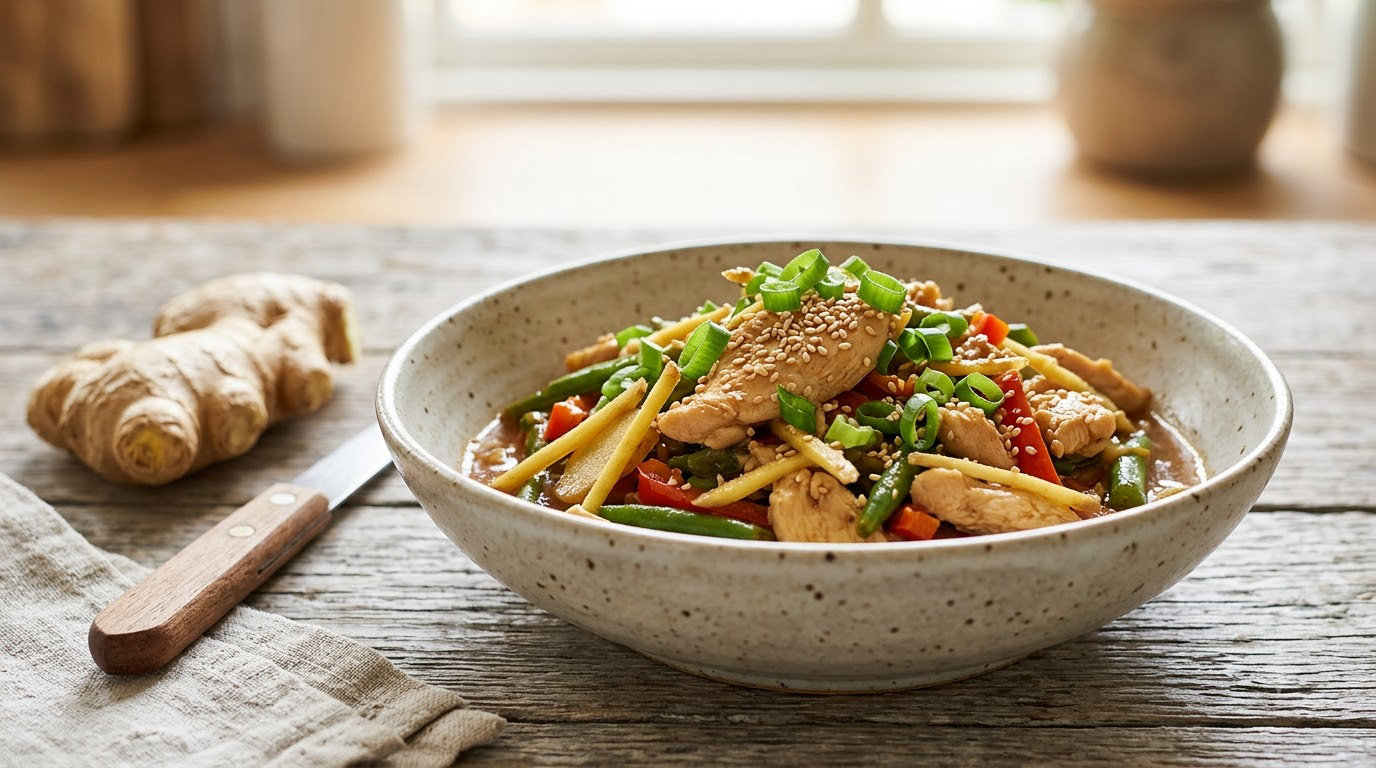
Fresh ginger lasts longest when you freeze it, and a whole unpeeled root stored that way stays usable for about six months. In the refrigerator an unpeeled root holds for two to three weeks, while peeled or cut ginger is good for three to four days. The peel is the whole game, because it holds moisture in and air out.
That is the short version of how to store fresh ginger so it lasts. The longer version depends on how much ginger you buy, what shape you need it in, and how long before you plan to cook with it. A single small root and a two-pound haul from an Asian market need completely different plans.
Table of Contents
How to Store Fresh Ginger So It Lasts: Quick Guide
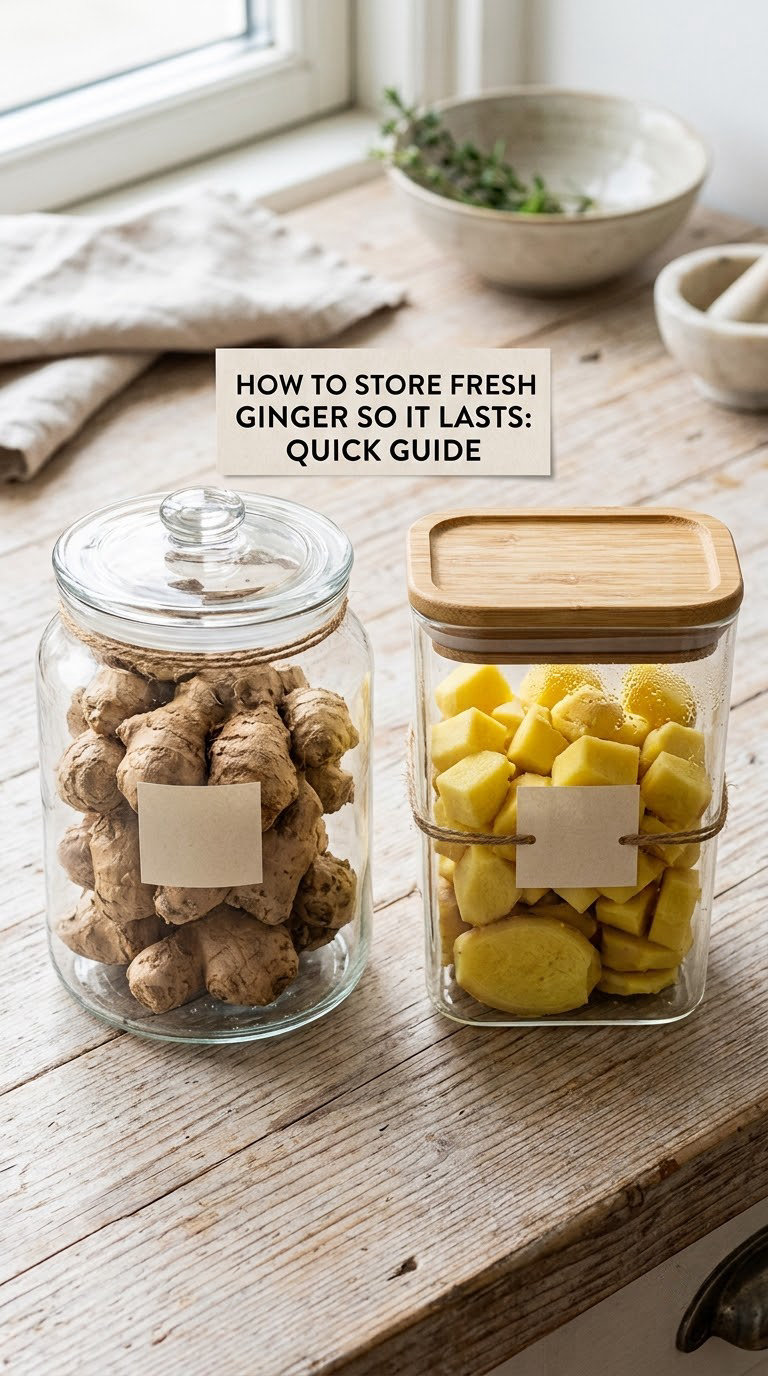
Pick your method by prep state and time horizon. Whole unpeeled ginger goes in the refrigerator for a few weeks or the freezer for months; anything you have already peeled, sliced or grated belongs in the fridge for days or the freezer in portions.
| Method | Preparation | How long it lasts | Best for |
|---|---|---|---|
| Freezer, whole root | Unwashed and unpeeled in an airtight zip-top bag | About 6 months at peak quality, safe well beyond that | Bulk hauls and a long-term supply |
| Freezer, sliced or grated | Spread flat in a freezer bag, or frozen in an ice cube tray with water or oil | 3 to 6 months | Stir-fries, curries, sauces, tea |
| Refrigerator, whole unpeeled | Sealed bag or jar with a paper towel inside, in the crisper | 2 to 3 weeks | The default for a small weekly root |
| Refrigerator, peeled or cut | Airtight container, minimal air | 3 to 4 days | Pre-peeled ginger you will use this week |
| Counter | Whole and unpeeled in a paper bag or open bowl, somewhere cool and dark | 1 to 2 weeks | Small amounts used quickly |
| Submerged in liquid | Peeled pieces under sherry, vodka, white wine, rice vinegar or sugar syrup, refrigerated | 3 to 12 months | Steady use, one piece at a time |
| Vacuum sealed | Peeled, cut to recipe size, sealed in a vacuum bag | 6 to 12 months | Big hauls, pre-portioned pieces |
| Dry sand or soil | Whole and unpeeled, buried in dry sand in a cool dark jar | 1 to 3 months | No fridge, no freezer |
Two things in that table matter more than the rest. First, wash nothing until you are about to use it. Second, a cut piece and a whole root are stored in different worlds, and treating them the same is the most common reason ginger goes bad on schedule.
How to Store Unpeeled Fresh Ginger in the Fridge
A whole unpeeled root in the refrigerator crisper is the easiest method that still works well. Set it up once and forget about it for a couple of weeks.
- Choose the firmest root you can find. Skin should be taut and papery, with no soft spots, dark patches or white fuzz.
- Do not wash it. Ginger carries a lot of its own surface moisture, and rinsing locks that in against the skin where it encourages mold.
- Brush off loose soil with a dry brush if you want to, then leave the root on a paper towel for an hour so the surface is completely dry.
- Slide a clean paper towel into a zip-top bag or a lidded glass jar, then nestle the ginger inside. The towel catches condensation so the skin stays dry.
- Seal it, push out the extra air from a bag, and put it in the crisper drawer rather than the door. The door is the warmest spot in the fridge and the temperature swings with every trip.
Expect about two to three weeks in that setup, and use it sooner if you are cutting into it regularly. Every cut exposes more flesh to the air, and a part-peeled root loses moisture faster than a whole one.
Waxed or young tender ginger behaves differently. It has thinner skin and higher water content, so it usually keeps closer to one to two weeks even under the best conditions.
How to Store Peeled or Cut Ginger
Once the skin is off, ginger has no barrier left, and the clock drops to three or four days. There is no packaging that buys you a month.
- Wrap the peeled or cut ginger tightly in cling film and press out the air, or seal it in a small airtight container.
- Refrigerate immediately and keep it in the coldest part of the fridge, not the door shelf.
- Label it with the date, and use it within three to four days. If the pieces look dull and dry when you unwrap them, use them today.
A slightly sticky or damp piece is a signal to toss it. Peeled ginger that has been sitting exposed also picks up neighbouring smells easily, which is another good reason to seal it properly rather than leaving it on a chopping board.
Asian markets often sell pre-cut ginger in sealed tubs. Keep those tubs sealed, refrigerate them, and treat the date on the lid as the real use-by date rather than any storage plan of your own.
How to Store Fresh Ginger So It Lasts in the Freezer
Freezing is the answer for anything longer than three weeks, and it is the single most-repeated tip on cooking forums. One poster on the Discuss Cooking thread put a whole hand in a zip-top bag and grated from it as needed.
- Choose firm, unpeeled roots and skip any piece with soft spots or mold.
- Scrub the surface dry but do not peel. Skin that has been frozen comes off easily afterwards, and it protects the flesh in the meantime.
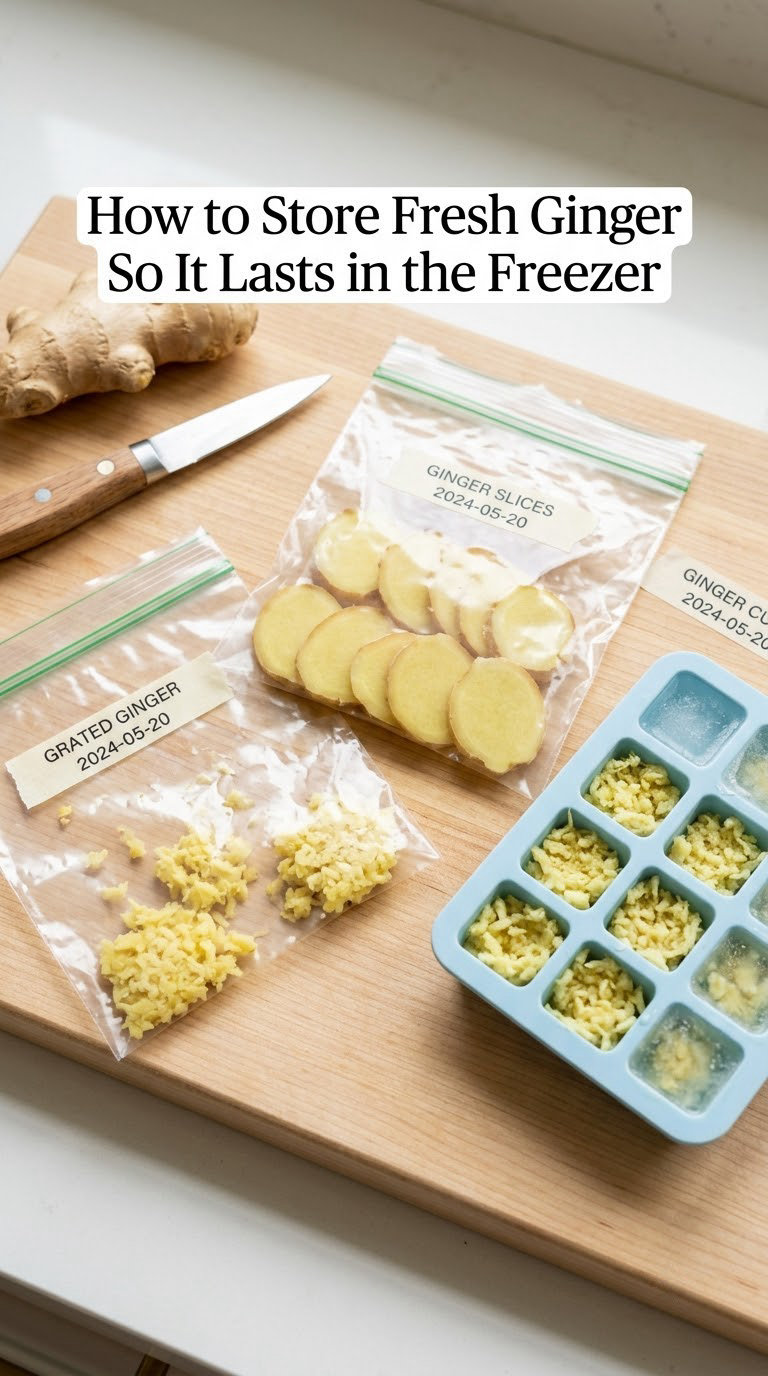
- Decide your portion size before you freeze. Whole roots for baking and stir-fries, coin-thick slices for curries, coarse grate for sauces and tea.
- Lay slices or grated ginger flat on a lined tray, freeze it solid, then move it into a bag. Freezing it flat stops it clumping into one unusable brick.
- Squeeze the air out of the bag, seal it flat, and write the date on it with a marker. Ginger buried at the back of a freezer disappears fast.
- For grated ginger and paste, spoon a small measure of water or olive oil into each ice cube tray well and freeze solid. Pop a cube into a stir-fry or soup without measuring anything.
You rarely need to thaw ginger at all. A frozen piece grates straight down a microplane, and frozen slices go into a hot pan or a simmering pot with a minute of extra time. For a stir-fry, drop the pieces in with the oil and let them hit the hot pan still frozen.
When you do want the whole root back, move it to the fridge overnight and let it thaw there. Counter thawing turns the surface wet and soft, and you end up with a soggy shell around firm flesh.
Choosing the Best Storage Method for Your Ginger
Start with two questions: how long will this sit unused, and what shape do I need it in when I cook?
If it will be used inside two weeks, the fridge is plenty and you keep the best texture. Beyond that, freezing wins outright, because it halts the spoilage organisms completely rather than slowing them.
Choose by prep state once you have decided. Whole roots in the fridge, sliced and grated in the freezer. A one-pound bag of grated ginger sitting in the fridge will not be there when you need it in March.
Should you peel ginger before storing it?
Leave the peel on for freezing, and peel only if you are submerging ginger in liquid. Freezing does not soften the skin enough to be annoying later, and the skin keeps the flesh from drying out. The peel argument runs the other way for preserving, because a dry piece peels much more easily than a wet one, and people on cooking forums peel right before the pieces go under sherry or vinegar.
Peeling for the fridge is a bad trade. The instant you expose the flesh you lose the moisture barrier, and your three weeks turns into three or four days.
What are the best containers to store ginger?
- Airtight zip-top freezer bags for whole roots. Flexible enough to fit an awkward hand of ginger, and cheap enough to throw away when the ginger is gone.
- Glass jars with tight lids for the fridge and for liquid-preserved ginger. Glass does not hold on to ginger smell the way plastic can after months of contact.
- A paper towel inside the fridge bag to catch condensation. This one small habit is what separates a firm three-week root from a wrinkly one.
- Silicone food bags for a few days of fridge storage when you want to see what is inside.
- Airtight containers for cut pieces, pressed down so almost no air sits on top.
- Ice cube trays for grated ginger and paste, with a splash of water or oil per cube.
How to Tell If Fresh Ginger Has Gone Bad
Mold, slime and a strange smell all mean the ginger is finished. Wrinkles do not.
- Fuzzy growth in white, green or black, anywhere on the surface or in a cut.
- Slimy or wet patches where the flesh was previously firm.
- A fermented, sour or boozy smell that is not coming from the liquid you preserved it in.
- Extensive dryness with a hollow, papery interior, or a root that snaps rather than bends.
- Dark sunken spots that spread when you press them.
Wrinkled skin on its own is dehydration, not spoilage. If the inside is firm, the smell is clean, and there is no fuzz, grate or peel it and use it as normal, particularly in soups, curries and marinades where the softer texture does not show.
Sprouted ginger is safe too. The shoots pull moisture from the root, so trim the sprout, expect a drier and more fibrous centre, and use it up sooner.
A shriveled root that has gone hard and woody is usually revived with 20 minutes in cold water, or used straight in a long simmer where it will soften anyway.
Common Ginger Storage Mistakes
- Washing before storing. The fix: rinse only at the moment of use. Dry the surface fully if the root was muddy, and let it air-dry for an hour.
- Leaving peeled ginger exposed to air. The fix: seal it the same day, or move it into the freezer in portions while it is still fresh.
- Wrapping fridge ginger too tightly in cling film. Film traps the moisture you were trying to escape and speeds mold. The fix: a breathable bag or a jar with a paper towel.
- Freezing a big root in a container it does not fit in. The crushes the ginger into a shape you cannot grate. The fix: split it, and lay pieces flat so they freeze separately.
- Refreezing ginger that was thawed. Each cycle costs texture and pushes the moisture out. The fix: freeze once, in the portions you will actually cook.
- Forgetting to label the bag. Frozen packages in a busy freezer are archaeological finds. The fix: marker on the bag with the date, and older bags to the front.
- Storing cut ginger at room temperature for a day or two. The fix: fridge for up to four days, freezer for anything longer.
On the Discuss Cooking thread, the advice that keeps coming back is practical rather than precious: zip-top bag, whole hand, grate as you go. A few posters preserve ginger in sherry, white wine or rice vinegar instead, which works for months, though the liquid does carry its own flavour into whatever you cook next.
Surplus does not have to go to waste. Candied ginger, a ginger syrup in the fridge, or ginger blended with a little olive oil and frozen in a cube tray all turn an overbuy into weeks of usable ingredient. A handful of grated ginger folded into a batch of [fresh tomato salsa](https://thesweetandsimplekitchen.com/easy-salsa-recipes-with-fresh-tomatoes/) is a good reason to buy the big hand in the first place.
Frequently Asked Questions
Should fresh ginger be washed before storing it?
No. Washing locks surface moisture against the skin, which is exactly what encourages mold. Brush off loose soil with a dry brush, and if the root was muddy let it air-dry for an hour before wrapping. Wash only at the moment you use it, then pat the piece dry before grating or slicing.
Can I store fresh ginger without peeling it?
That is the better option in almost every case. The skin slows moisture loss, keeps the flesh from browning, and protects the root from the bacteria that cause mold. Leave it unpeeled for the fridge and the freezer. Peel only right before you submerge pieces in sherry, vinegar or syrup, because a dry piece peels far more easily.
How long does peeled ginger stay fresh in the refrigerator?
Plan on three to four days. Once the skin is off, the exposed flesh loses moisture and picks up mold quickly, and no container extends that window much. If you know you will not cook with it in that time, seal it and freeze it in recipe-sized portions rather than leaving it in the fridge hoping.
Should I refrigerate fresh ginger in a sealed plastic bag?
A bag is fine, but skip the tight plastic wrap. Slide a paper towel inside to catch condensation, push the air out, seal it, and keep it in the crisper drawer instead of the door. If the root is waxed or very tender and juicy, leave the bag slightly loose or use a jar so air can still circulate.
How long can fresh ginger stay in the freezer?
About six months at peak quality, and it stays safe well past that. Freeze whole unpeeled roots in airtight bags for the longest life, or lay sliced and grated ginger flat so it does not freeze into one block. Grated ginger in an ice cube tray with water or oil keeps three to six months and drops straight into soups and stir-fries.
How do I thaw frozen ginger without it becoming soggy?
Move it to the fridge overnight and let it thaw there. Thawing on the counter makes the surface wet and soft while the centre stays frozen. Most of the time you do not need to thaw at all: grate a frozen root on a microplane, or drop frozen slices into a hot pan or simmering pot.
Conclusion
The default that works for almost everyone is simple: keep a whole unpeeled root unwashed and sealed in the crisper for two to three weeks, use peeled or cut ginger within three or four days, and freeze anything beyond that in portions you can reach without thawing. That is how to store fresh ginger so it lasts, and it means the two-pound hand from the market still tastes like ginger in March.
If you like ginger in drinks, grating a frozen root straight into a morning [smoothie](https://thesweetandsimplekitchen.com/15-easy-smoothie-recipes-for-breakfast/) takes seconds, and it works just as well in a [carrot ribbon salad](https://thesweetandsimplekitchen.com/easy-carrot-ribbon-salad-recipe/) dressing.