
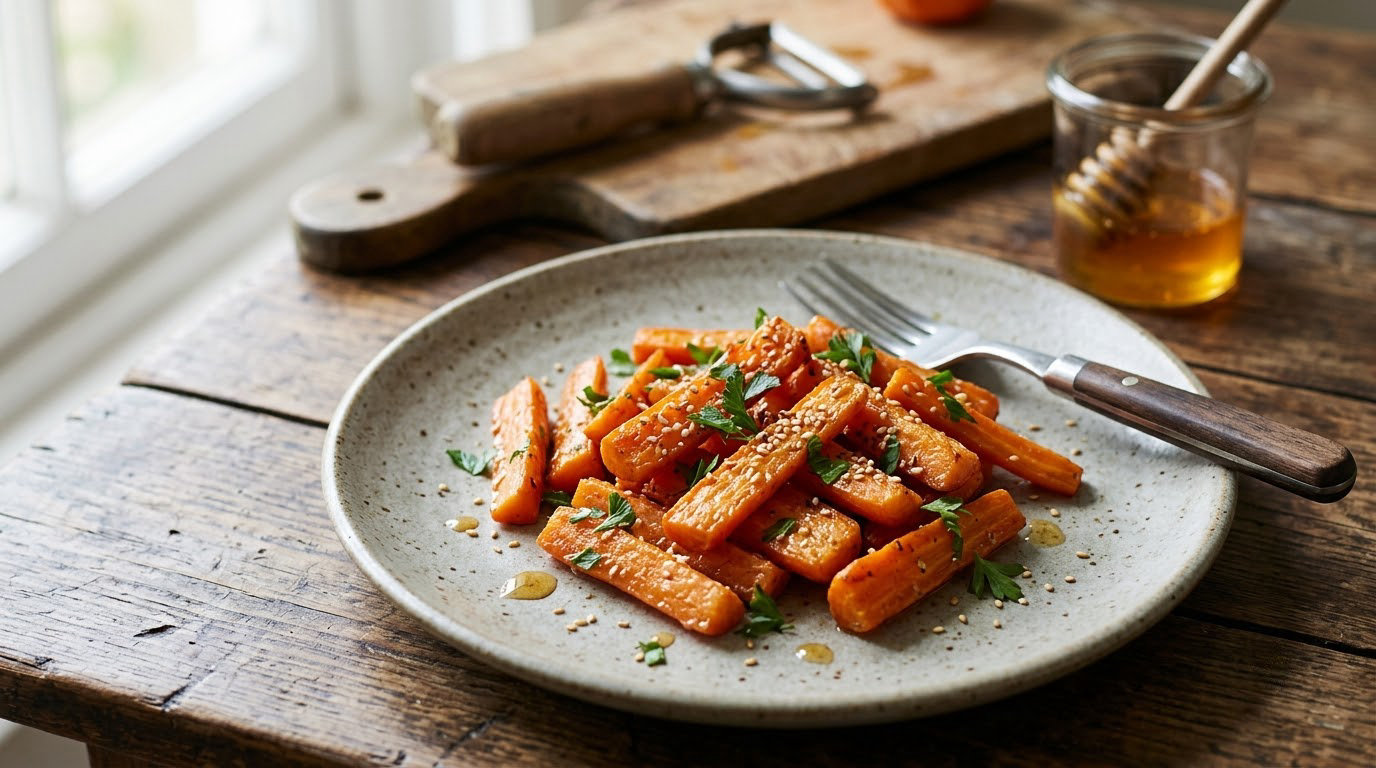
If you want to know how to freeze carrots for later, the short answer is: blanch them. Wash and cut the carrots, boil them briefly, cool them fast in ice water, dry them well, and pack them airtight in labeled bags. Properly blanched carrots keep their color and crunch for 8 to 12 months.
Skip the blanching and you can still freeze them, but plan to use them within about two months and expect a softer texture once thawed. That is fine for soup and stew, less fine for anything you want to roast.
I keep a bag of coins in the freezer at all times now. Dinner goes from no-plan to soup in about the time it takes the stock to heat up, and I have stopped buying carrots I do not need. Here is how each method actually performs.
Table of Contents
How to Freeze Carrots for Later: Quick Guide
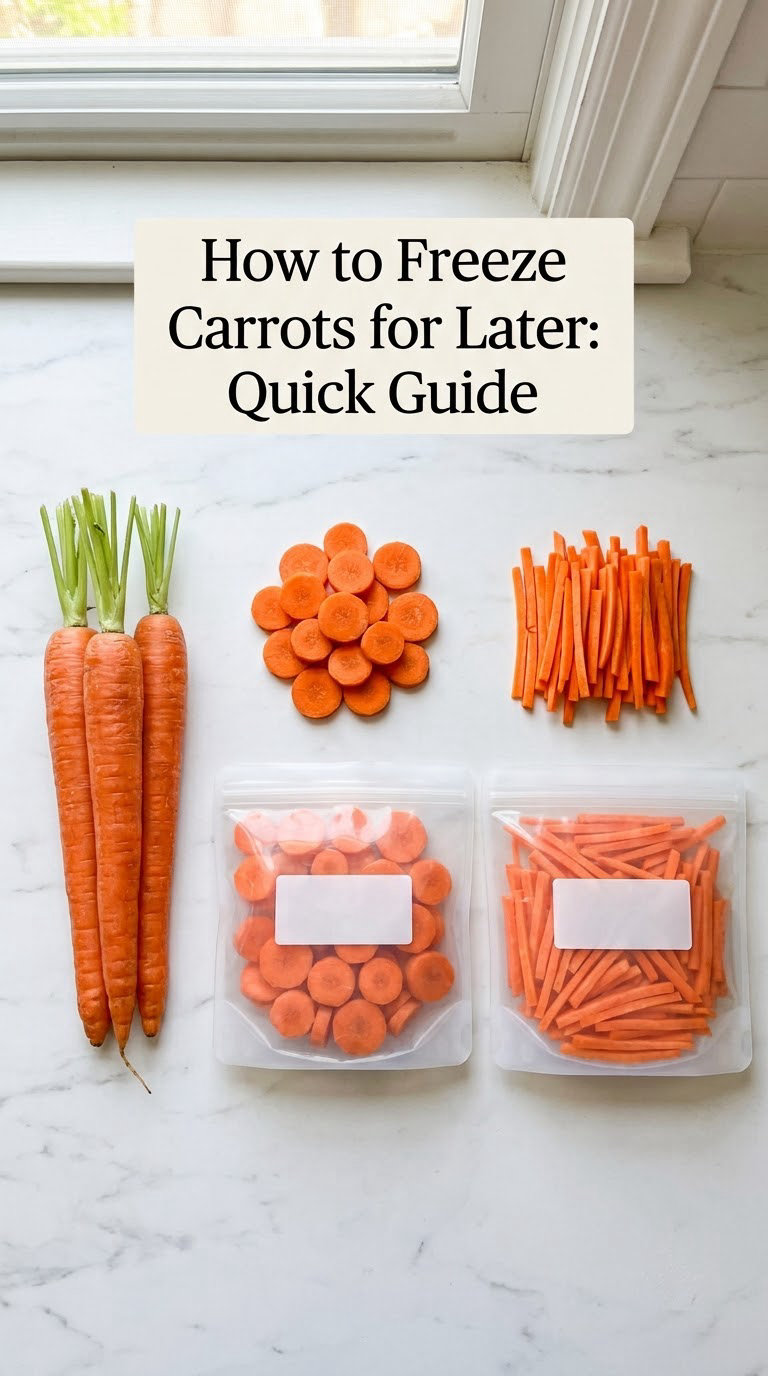
Three methods cover almost everything: blanched raw, unblanched raw, and already-cooked. Pick by how you plan to eat them.
| Method | Preparation | Time to freeze | Texture after thawing | Keeps in freezer | Best for |
|---|---|---|---|---|---|
| Blanched | Boil 2-5 min, ice bath, dry | 1-2 hours flash freeze, then bag | Firm, close to fresh | 8-12 months | Soups, roasting, stir-fries, side dishes |
| Raw, unblanched | Wash, cut, bag straight away | Straight to the freezer | Soft and slightly watery | About 2 months for good quality | Smoothies, soups, stews, baking |
| Cooked | Steam, boil, roast, or sauté first | Cool, then bag or box | Softest of the three | 2-3 months | Meal-ready portions for reheating |
How to Freeze Carrots for Later Using the Blanching Method
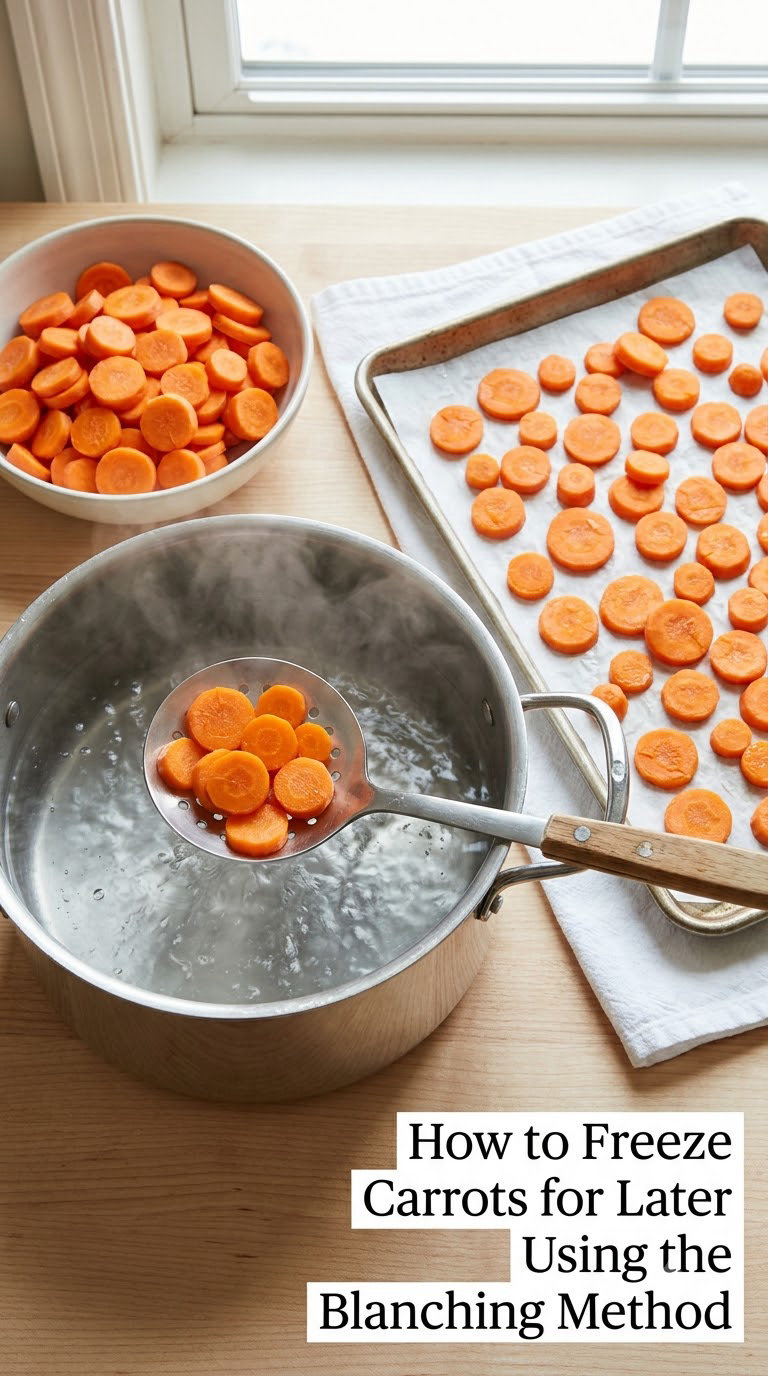
Blanching is a short boil followed by an ice bath, and it is the step that makes frozen carrots taste like carrots months later. Heat stops the enzymes that keep chewing through color and cell walls during storage, which is why blanched carrots hold their orange instead of fading to tan.
The timing depends entirely on how big the pieces are. Thinner cuts cook in less time, and a whole baby carrot needs longer than a quarter-inch coin.
| Cut | Blanching time | Note |
|---|---|---|
| Julienned or shredded | 1.5-2 minutes | Goes in quickly; watch it |
| Sliced coins or diced | 2-3 minutes | The everyday cut |
| Large chunks or sticks | 3-5 minutes | Same pot, longer soak |
| Whole small or baby carrots | 5 minutes | No cutting needed first |
- Wash and cut. Scrub the carrots under cold running water and trim the tops. Peel if they are thick-skinned or going into a dish where you want smooth texture. Cut into coins, sticks, dice, or julienne.
- Bring a pot of water to a rolling boil. Use enough water to submerge the carrots, and salt it lightly.
- Blanch by cut size. Add the carrots and boil uncovered. Cook 2 minutes for coins and dice, 3 to 5 minutes for chunks, 5 minutes for whole baby carrots. Stir once so nothing sticks.
- Stop cooking in ice water. Have a bowl of ice water waiting before you start. Lift the carrots out with a slotted spoon and drop them straight in. Let them sit 3 to 5 minutes until cool to the touch.
- Dry thoroughly. Spread on a towel or a baking sheet and pat dry. Moisture left on the surface turns into ice crystals and makes carrots clump.
- Flash freeze, then bag. Spread the carrots in a single layer on a parchment-lined baking sheet and freeze for 1 to 2 hours until solid. Tip them into labeled freezer bags, squeeze out the air, seal, and write the date with a permanent marker.
Skipping the flash freeze is fine. You just end up with one solid block instead of loose pieces, and you will be knocking a bag against the counter with a wooden spoon to break chunks off.
How to Freeze Raw Carrots Without Blanching
Freezing carrots raw works, and it is the right call when you are filling bags for soup night or blending them into smoothies. Wash them, cut them, and put them in bags. That is genuinely all.
The trade is texture and time. Cell walls are already damaged the moment you cut them, and freezing does not repair that, so thawed raw carrots are noticeably softer and a little watery compared to blanched ones. Plan to eat them within about two months for the best quality, even though they stay safe far longer at 0°F.
Leave a couple of inches of headspace in each bag, press the air out gently, and seal. Sizing portions now saves a frozen brick later, which is the complaint I hear most from gardeners with a big September harvest.
One trick I like for loose small pieces: spread the raw carrots on a baking sheet, freeze for an hour until they firm up, then bag them. It costs you a pan and an hour, and you get carrots that pour out instead of one lump.
How to Freeze Grated Carrots for Baking
Grated carrot is a special case because bakers measure it in cups. Two methods give you cup-sized portions.
Pack the grated carrot tightly into the cups of a muffin tin, then freeze solid. Pop each frozen puck out with a knife and transfer it to a labeled bag. One puck is roughly a quarter cup, close enough for most quick breads and muffins.
The other method needs no equipment. Lay the grated carrot in a freezer bag, press it flat into a thin layer, and score it into squares with a knife before it freezes. Once solid, the squares break apart cleanly. If you bake often, our guide to freezing bananas for banana bread covers the same freeze-by-portion approach for another ingredient that browns.
For grated carrots, blanching is optional because the carrot goes through the oven heat later anyway. Skip it for baking, use it for the table.
How to Freeze Cooked or Steamed Carrots
Leftover roasted carrots or a whole tray of steamed ones can be frozen instead of eaten cold three days in a row. Spread them on a sheet pan and chill them fast so they do not sit warm in the middle of a pile.
Once cool, blot off any surface moisture. Oil or sauce is fine and actually helps, since fat keeps the carrots from drying out, but keep added liquid minimal or the portions turn watery on reheating.
Freeze flat on a tray first, then bag or box once solid. Freeze cooked carrots in meal-ready portions rather than one big container, so reheating the oven does not mean defrosting half a dinner. Expect a soft texture, and use them within 2 to 3 months.
If the rest of your freezer is getting crowded, the same one-portion-one-drawer logic is why cooked rice needs the same careful cooling before freezing.
How Long Can Frozen Carrots Last?
Blanched carrots hold their best quality for 8 to 12 months in a freezer at 0°F. Raw unblanched carrots are worth eating within about 2 months, and cooked carrots within 2 to 3 months, even though all three stay safe indefinitely at that temperature as long as they stay frozen solid.
Quality and safety are two different things here. Frost-free freezers never actually hit 0°F, and a door that opens all day shifts the temperature around, which is why I date every bag and pull the oldest forward first.
| Type | Best quality | Realistic use-by | Stays safe |
|---|---|---|---|
| Blanched raw | 8-12 months | About 12 months | Indefinitely while frozen solid |
| Raw unblanched | About 2 months | 4-6 months, softer throughout | Indefinitely while frozen solid |
| Cooked or steamed | 2-3 months | About 4 months | Indefinitely while frozen solid |
Carrots do not go off in a freezer the way they do in a crisper. There is no mold, no smell, no slime. You are looking at texture and flavor loss, and the date tells you when that started.
Thawing and Using Frozen Carrots
Most of the time you should not thaw them at all. Frozen carrots go straight from the freezer into a pot of soup, a hot pan, or a roasting tray. They thaw in the cooking liquid in about the same amount of time it takes the dish to heat through, and you skip a step.
When you do want them thawed first, pick the method by what you are making. In the refrigerator overnight, for anything served cold or used in a salad. In cold water for about 30 minutes, when you need them loose within the hour. On the counter only if you are cooking them straight after, because they get soft and leaky fast.
What thawed carrots are good for: soup, stew, curry, and stock where soft is what you want. Sheet-pan roasting, where a little caramelization covers any loss of snap. Quick breads, muffins, and carrot cake from the grated portions.
What they are not good for: raw crudites, or anything you want to serve with crunch and call it a salad. If you need that, use a fresh carrot.
Refreezing thawed carrots is safe as long as they were thawed in the refrigerator, not on a warm counter. Text quality takes another hit, so I freeze in the portion sizes I will cook.
Common Mistakes When Freezing Carrots
Freezing wet carrots. Water on the surface becomes ice crystals and turns carrots leathery. Dry them on a towel after the ice bath, and do not skip the draining step.
Filling bags completely. Carrots and air expand as they freeze, and a sealed overstuffed bag splits. Leave an inch or two of headspace.
Skipping the label. Six unlabeled bags in February is a puzzle nobody enjoys. Write the cut, the date, and the blanching time on every one.
Adding water to the bag. Some people freeze carrots submerged so they do not dry out. It works, but you are now freezing ice and have to drain it anyway, and the texture is no better than blanching properly.
Forgetting the ice bath. Carrots that cool on the counter instead of in ice water keep cooking and go soft before they ever reach the freezer.
Thawing and refreezing repeatedly. Every cycle costs texture. If you suspect you will use only part of a bag, portion it before it goes in, the way we portion in our mashed potato freezing guide.
Frequently Asked Questions
Do carrots need to be blanched before freezing?
No, but blanched carrots last far longer and keep their texture. Blanching stops the enzymes that break down color and cell walls during freezing, which is why properly blanched carrots stay orange and firm for 8 to 12 months. Raw carrots can be frozen without it and are fine for soups, stews, smoothies, and baking, but they are softer and best eaten within about two months.
Can I freeze whole carrots without blanching them?
You can, and many gardeners do. Wash them, leave them whole or cut into large chunks, and bag them raw. Whole carrots take 5 minutes to blanch if you decide to do it later, so freezing them raw keeps the option open. They will be noticeably softer after thawing, so save them for cooked dishes rather than anything served raw.
How long do frozen carrots last in the freezer?
Blanched carrots keep their best quality for 8 to 12 months at 0F. Raw unblanched carrots are worth eating within about two months, and cooked carrots within two to three months. All of them stay safe indefinitely as long as they remain frozen solid, since freezing halts spoilage entirely.
Why are my frozen carrots soft after thawing?
Ice crystals damage plant cell walls, and water turns to ice and back during storage. That damage is what makes thawed carrots feel soft and watery. You cannot reverse it after freezing, but you can limit it. Blanching, cooling in ice water, drying thoroughly, and sealing out air all reduce the ice that forms in the first place.
Should I freeze carrots with water or oil?
Neither, for plain storage. Freezing carrots submerged in water means freezing ice, and you drain it off later with no texture gain. Oil helps only when you are freezing already-cooked carrots, where a thin coating reduces drying during reheating. For raw storage, a small amount of headspace in the bag works better than either.
Can I use frozen carrots in soup?
Yes, and frozen carrots are arguably better in soup than fresh ones. Drop them into the pot without thawing and let them cook in the broth. Sliced coins need about 10 minutes in a simmering pot, larger chunks closer to 20. Add them early so they soften fully, and season at the end to keep the broth clear.
Conclusion
Blanch the carrots for anything you want to eat as a vegetable, and keep 8 to 12 months of crunch in your freezer. Skip the blanching when the carrots are headed for soup, stew, smoothies, or baking, and eat them within a couple of months.
Whichever route you take, knowing how to freeze carrots for later means you buy or grow what you need without worrying about it going soft in the crisper. Two minutes of blanching buys you a whole winter of dinners.